Senna petersiana (Bolle) Lock: A Review of Its Ethnomedicinal Uses, Phytochemistry, Pharmacological Activities, and Toxicological Profile

Abstract
1. Introduction
2. Methodology
3. Ethnomedicinal Uses
3.1. The Use of the Whole Plant
3.2. Ethnobotanical Uses of S. petersiana Roots
3.3. The Different Ethnobotanical Uses of S. petersiana Leaves
3.4. Recorded Uses of S. petersiana Seeds
3.5. Stem and Bark

| Plant Part Used | Preparation | Ethnobotanical Use | References |
|---|---|---|---|
| Leaves | Decoction; infusion | Malaria, typhoid fever, constipation, intestinal, worn infestation, cough, colds, helminths, syphilis, ethnoveterinary, stomach-ache and intestinal worms | [10,19,21,30] |
| Roots | Powdered infusion; decoction; burnt to charcoal | Coughs, stomach-aches, constipation, sexually transmitted diseases, malaria, snake bites, intestinal worms and bilharzia (schistosomiasis), ethnoveterinary, fevers, skin infections | [19,20,28,29,30] |
| Seeds | Powder brewed in water | Venereal diseases, infertility, constipation, gonorrhea impotence, gonorrhea, HIV, and opportunistic infections | [42,43,44] |
| Pods/Fruits | Eaten raw or cooked | Food-gruel | [10] |
| bark | No specific records | No specific records | No specific records |
| Whole plant | Decoction or cold maceration | Convulsions, bone pain, arthritis, diabetes, cholera, fever | [21,22] |
4. Phytochemical Composition and Quantification of S. petersiana
4.1. Phytoconstituent Screening
4.2. Identified Compounds of S. petersiana
| Plant Part | Phytochemical Class | Phytochemicals Reported | References |
|---|---|---|---|
| Leaves | Amino acids | Hercynine; L-Lysine citrate | [51] |
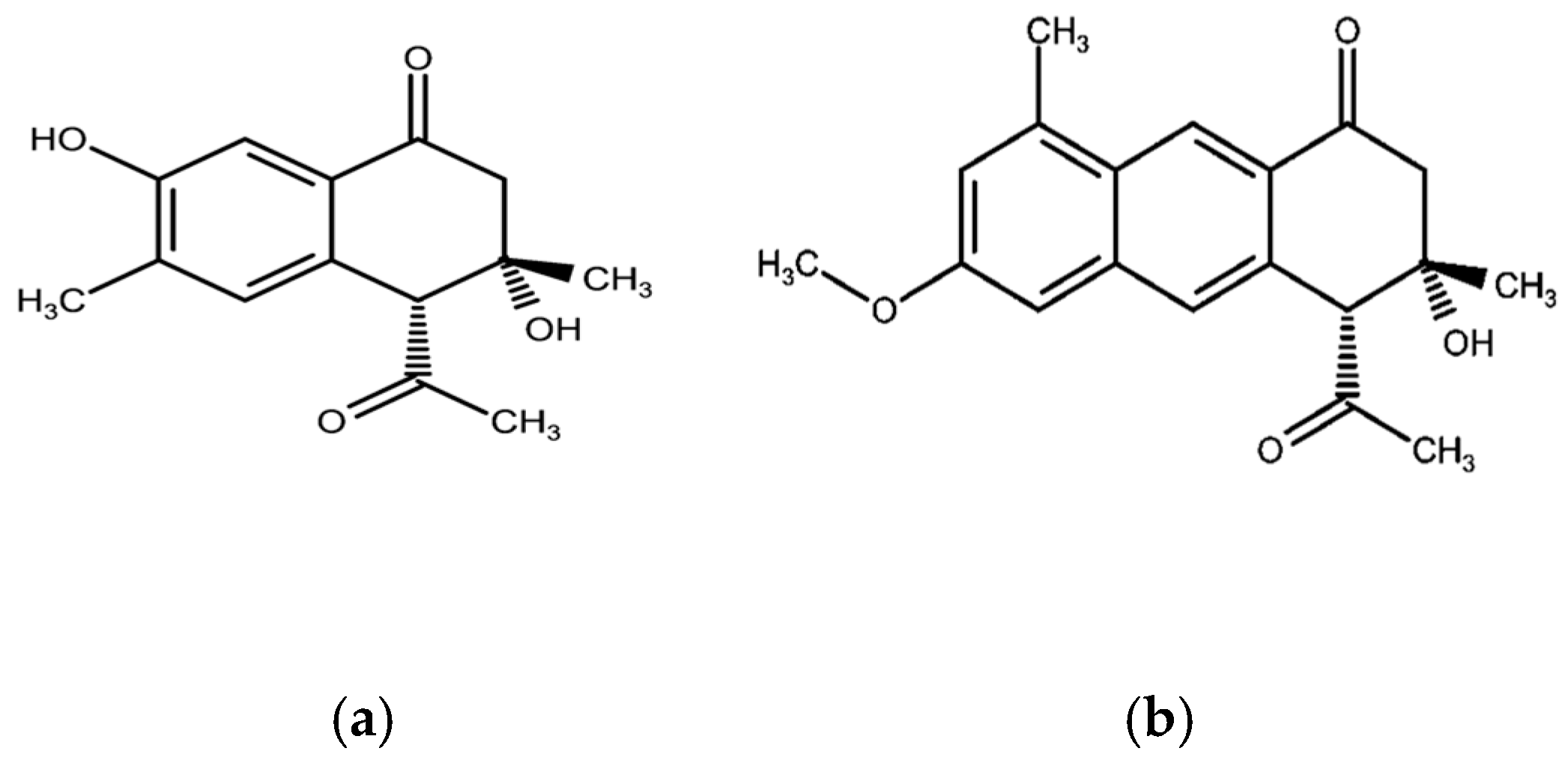
| Anthracenone | 4-Acetyl-3,4-dihydro-3,8-dimethyl-3-hydroxy-6-methoxyanthracen-1(2H)-one | [10] | |
| Anthocyanidins | Columnidin; 3,3′,4′,5,5′,7-hexahydroxyflavylium | [41] | |
| Alkaloids | 1,3,6,8-Tetratert-butyl-9H-carbazole; 3-Ethyl-4-methyl-1H-pyrrole-2,5-dione; 6-Methylpyridazin-3(2H)-one; 2,3-Bis(1-methylallyl) pyrrolidine; 2,6-Dihydroxybenzaldehyde semicarbazone; veratramine; Cassine; Solasodine glucoside; Solasodine, acetate; | [8,9,11] | |
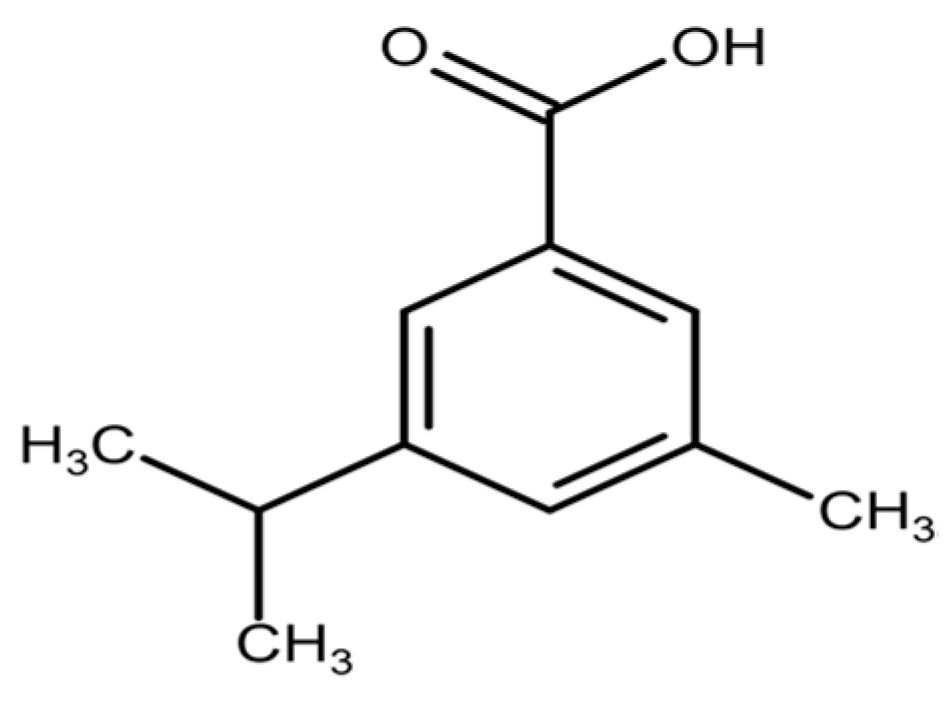
| Benzoic acid | 5-Methyl-3-(propan-2′-on-1′-yl) benzoic acid; 5-(Methoxymethyl)-3-(propan-2′-ol-1′-yl) benzoic acid | [62] | |
| Carbohydrates | Methyl α-D-mannopyranoside; Beta-D-ribofuranoside, methyl; 2-Methyl-D-glucose | [9] | |
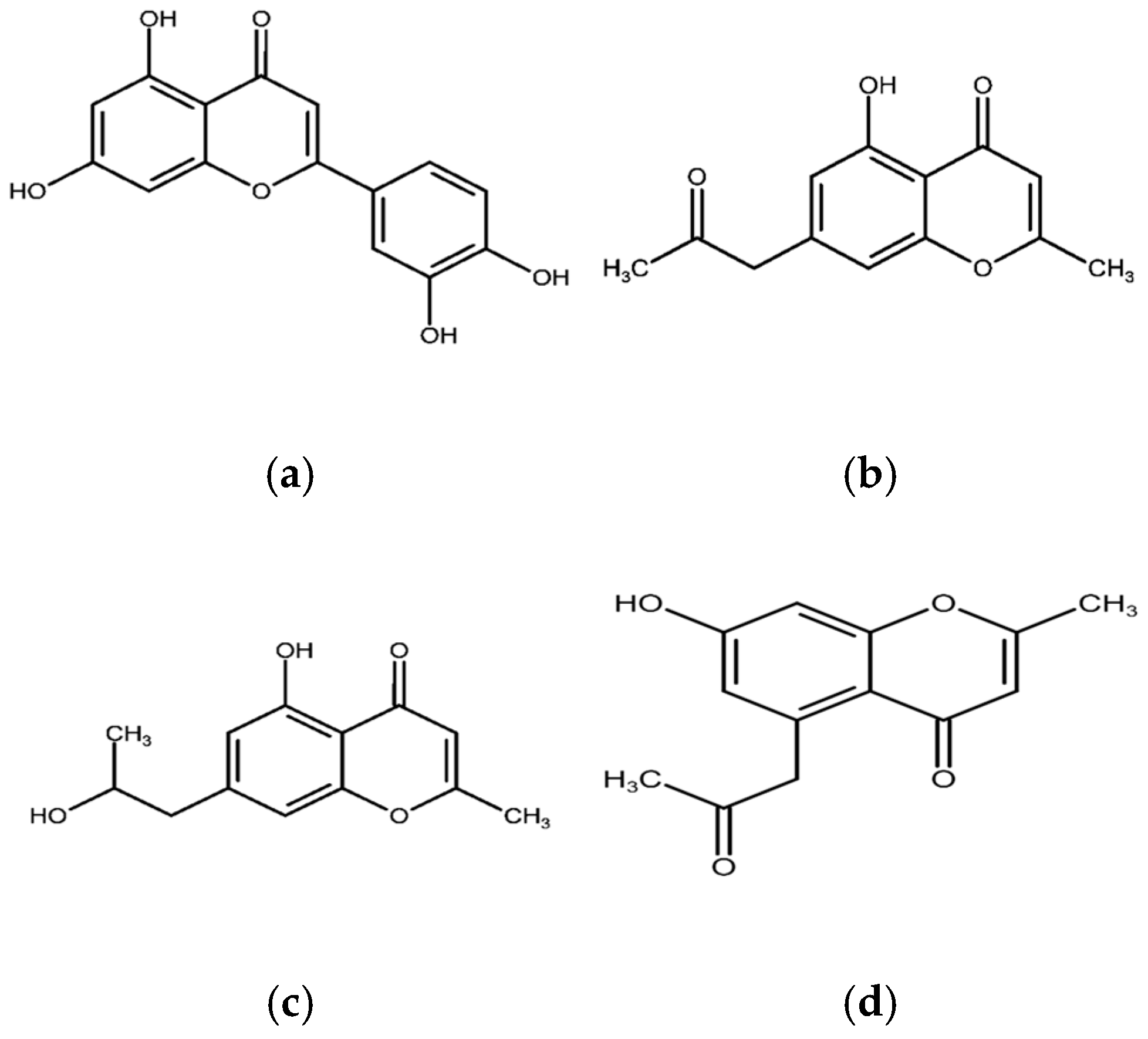
| Chromones | 7-Acetonyl-5-hydroxy-2-methylchromone; 7-(Propan-2′-ol-1′-yl)-5-hydroxy-2-methylchromone; 5-Acetonyl-7-hydroxy-2-hydroxymethylenchromone; 5-Acetonyl-7-hydroxy-2-methylchromone; 4a,7,7,10a-Tetramethyldodecahydrobenzo[f]chromen-3-ol | [10,11,28,62] | |
| Dihydroanthracenone | 4α-Acetyl-3,7-dihydroxy-3,6-dimethyldihydronaphthal-enone | [28] | |
| Fatty acids | Methyl palmitate; Pentadecanoic acid, Hexanoic acid; Octadecanoic acid; glyceryl-1-hexacosanoate, gamma-linolenate; Glyceryl-1-tetracosanoate; | [9,28,51,62] | |
| Fatty alcohols | n-Nonadecanol-1; 1-Heptacosanol; 3,7,11,15-Tetramethyl-2-hexadecen-1-ol | [9,11] | |
| Flavonoids | Quercetin; rhamnetin-3-neohesperidoside; chrysophanol; physcion; | [9,11,51] | |
| Sugars and Sugar Derivatives | 2,4:3,5-Dimethylene-L-iditol—Polyol (sugar alcohol); 2-Acetamido-2,3-dideoxy-D-glucose; Beta-D-ribofuranoside, methyl; 2-Methyl-D-glucose | [11] | |
| Phenolics | Dihydrostilbestrol; p-Vinylguaiacol; Phenol,2,4-bis(1,1-dimethylethyl); | [9,11] | |
| Terpenoids/Sterols | Phytol; Phytol acetate; Phytol, acetate; β-sitosterol; β-elemene; α-humulene; β-caryophyllene; α-copaene; Pytol; Squalene; trans-Geranylgeraniol; α-Tocopherol; Sitosterol-3-O-β-D-glucoside, Stigmasterol-3-O-β-D-glucoside | [9,11,28,50] | |
| Terpenes | Dihydroactinidiolide | [9] | |
| bark | Flavonoids | Cassiaflavan dimers and trimers (proanthocyanidins) | [29] |
4.3. Isolated Compounds


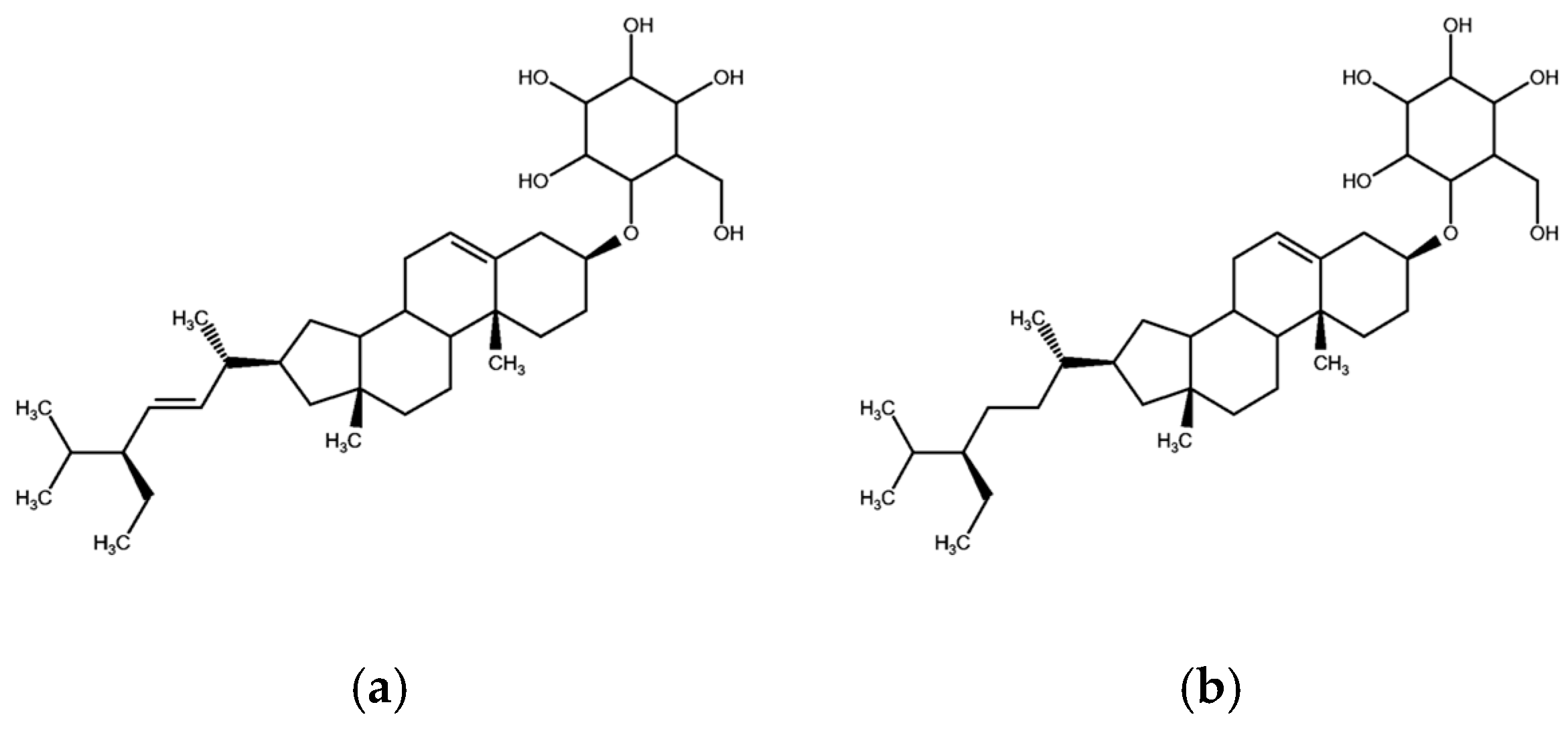
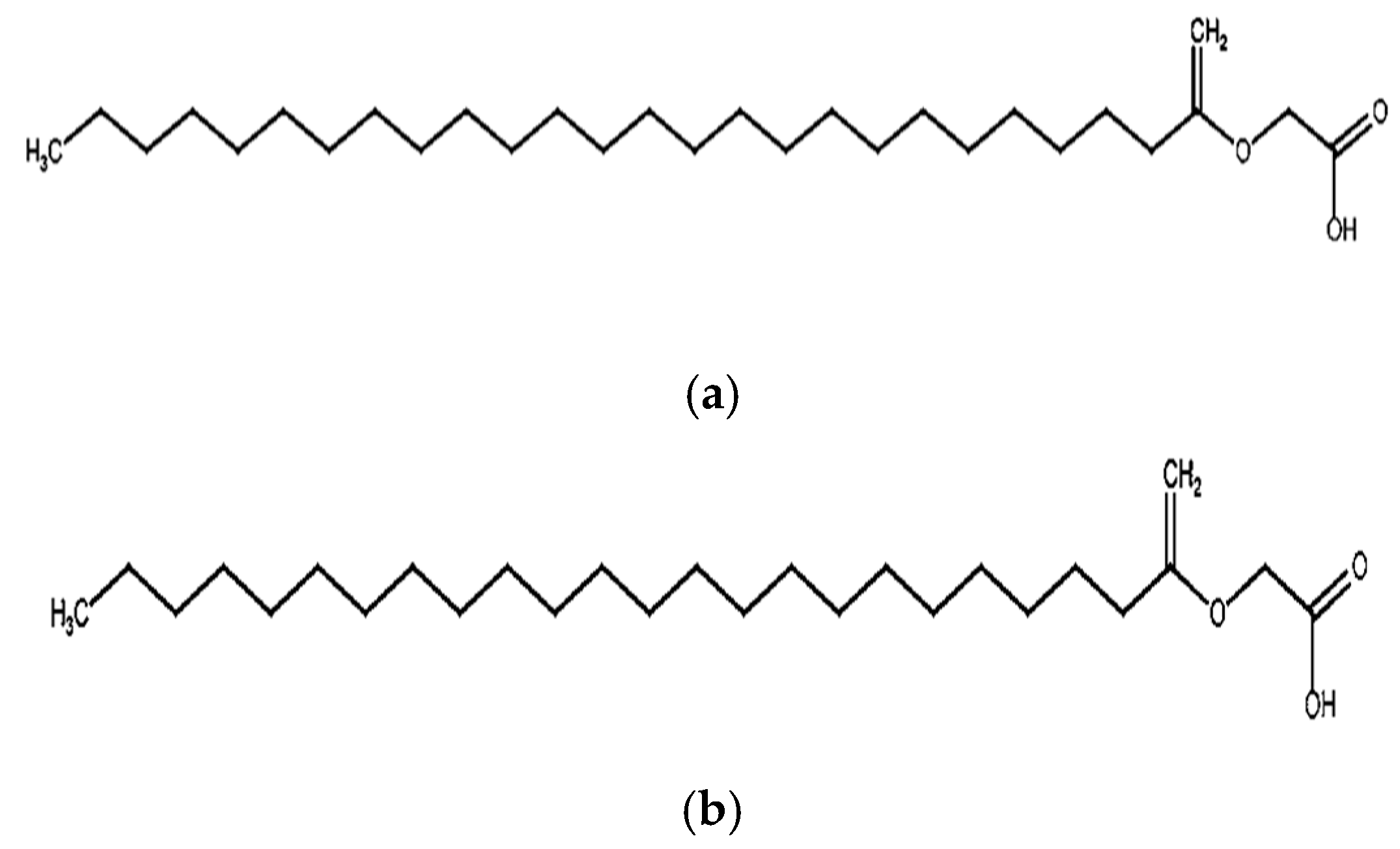

5. Biological Activities of S. petersiana
5.1. Antibacterial Activity
5.2. Anti-Virulence Activities
5.3. Antioxidant Activity
5.4. Anti-Inflammatory Activity
5.5. Antiviral and Anthelmintic Activity
5.6. Anti-Tumour Activity
5.7. Toxicological Profile
| Activity | Plant Part and Extract | Test Organisms/Models | Assay Type/Method | Results | References |
|---|---|---|---|---|---|
| Antibacterial | Seeds (ethanol extract) | Bacillus cereus, B. pumilus, B. subtilis, S. aureus | Agar diffusion, microbroth dilution, TLC bioautography | MIC-20 mg/mL; TLC showed 1 inhibition band against S. aureus | [79,84,85] |
| Leaves and stems (acetone and methanol extracts) | S. aureus, E. coli, E. faecalis, P. aeruginosa, K. pneumoniae | Microbroth dilution | MIC/MBC range: 0.08–0.63 mg/mL | [51,52] | |
| Leaves, ethanol extract | S. aureus, E. coli | Microbroth dilution | MIC < 1 mg/mL | [53] | |
| Leaves (hexane, DCM, acetone, etc.) | Mycobacterium smegmatis and M. tuberculosis | Microbroth dilution | No activity against M. tuberculosis; moderate activity against M. smegmatis (0.63–2.5 mg/mL); noteworthy DCM active against M. aurum A+ (0.04 mg/mL) | [51,85] | |
| Leaves (DCM: methanol extract) | Salmonella typhi, S. paratyphi A and B | Agar diffusion, Microbroth dilution | DCM:methanol: inhibition zones 14–18 mm; MIC 1.5 mg/mL; MBC 12 mg/mL | [10,50] | |
| Leaves, stigmasterol-3-O-β-D-glucoside | Various bacteria | Agar diffusion, Microbroth dilution | Inhibition zones 15–21 mm; MIC 22.5 μg/mL; MBC 90 μg/mL-better than crude extract | [10] | |
| Anti-virulence | Crude extracts | P. aeruginosa, K. pneumoniae, E. coli, S. aureus, E. faecalis | Biofilm inhibition (crystal violet staining), anti-swarming motility assay | <50% inhibition of biofilm adherence; increased biofilm in Gram-positives; <50% inhibition of motility at sub-MIC | [52] |
| Antioxidant | Leaves, aqueous extract | DPPH, FRAP assays | EC50 values | DPPH EC50: 271.77 µg/mL; FRAP EC50: 178.23 µg/mL | [51] |
| Stem, acetone and methanol extracts | DPPH, FRAP assays | EC50 values | DPPH EC50: 17.73 and 18.09 µg/mL; FRAP EC50: 14.57 µg/mL (better than ascorbic acid at 48.42 µg/mL) | [52] | |
| DCM extract | Hydroxyl radical scavenging | IC50 values | IC50: 44.70 µg/mL (similar to gallic acid 44.90 µg/mL); DPPH IC50: 51.60 µg/mL, weaker than ascorbic acid | [9] | |
| Isolated compounds | DPPH assay | SC50 values | Only stigmastosterol-3-O-β-D-glucoside is active (SC50 = 36 μM), comparable to ascorbic acid | [28] | |
| Anti-inflammatory | Leaves aqueous and methanol extracts | Heat-induced protein denaturation; COX inhibition | BSA, egg albumin denaturation; COX 1 and 2 assay | >60% inhibition of egg albumin denaturation; COX 1 inhibition 99.3 ± 1.2% | [51,54] |
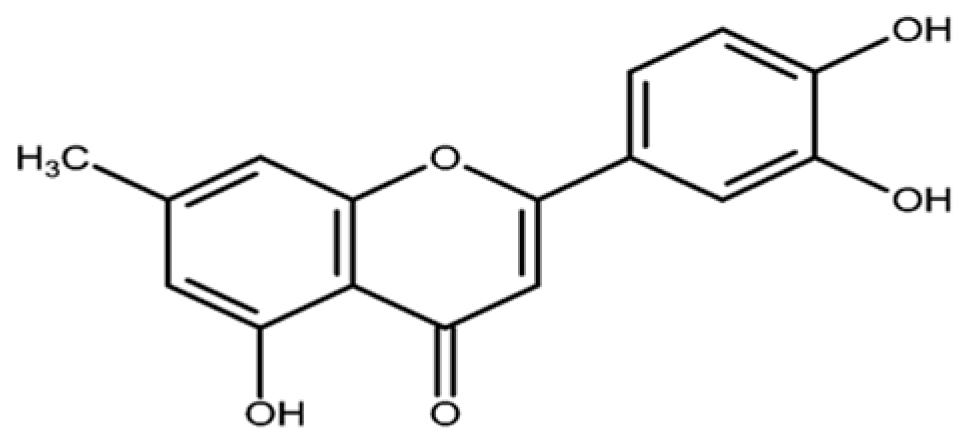
| Antiviral | Seeds, ethanol extract; luteolin isolated | Viral cytopathic effect assay | CPE reduction assay | Luteolin reduced viral CPE by 50% at ≤250 µg/mL; crude extract 65% reduction at 125 µg/mL; effects possibly due to cytotoxicity | [79] |
| Anthelmintic | petroleum ether, dichloromethane, ethanol, and water extracts | Caenorhabditis elegans | in vitro colourimetric assay | The ethanol extract showed the most potent effect, with an MLC of 0.52 mg/mL, while the petroleum ether and dichloromethane extracts showed moderate activity at 1.04 mg/mL. The water extract was much weaker, with an MLC of 8.33 mg/mL. | [54] |
| Anti-tumour | Leaves, alkaloid-rich chloroform and ethyl acetate extracts | MCF-7 breast cancer cells | MTT assay; photodynamic therapy | Ethyl acetate extract viability 43.9%; chloroform 66.3%; enhanced reduction with light exposure (~60% viability reduction) | [8] |
| Crude extracts (chloroform, DCM) | MDA-MB-231 triple-negative breast cancer cells | Viability assay | >50% viability inhibition at 62.5 µg/mL; DCM IC50 = 1.53 ± 0.46 µg/mL (better than cisplatin 2.02 µg/mL) | [86] | |
| Isolated compounds (4 types) | HepG2, MCF-7, 1301 leukemia cells | Cytotoxicity assays | Compound 4 most potent, IC50 82.7 µM (solid tumour); MCF-7 IC50s 68.1–143.7 µM; minimal effect on leukemia cells | [28] | |
| Toxicological Profile | Various extracts | Vero cells, THP-1 macrophages, and the brine shrimp lethality assay | Cytotoxicity assays | VK cells ID50 24 µg/mL; luteolin safe up to 250 µg/mL; THP-1 viability unaffected at 100 µg/mL; Vero cells variable toxicity; brine shrimp LC50 174.3 µg/mL | [51,52,84,86] |
6. Conclusions
7. Recommendation
Author Contributions
Funding
Data Availability Statement
Acknowledgments
Conflicts of Interest
References
- Eruaga, M.A.; Itua, E.O.; Bature, J.T. Exploring herbal medicine regulation in Nigeria: Balancing traditional practices with modern standards. GSC Adv. Res. Rev. 2024, 18, 83–90. [Google Scholar] [CrossRef]
- Fayiah, M.; Fayiah, M.S.; Saccoh, S.; Kallon, M.K. Value of herbal medicine to sustainable development. In Herbal Medicine Phytochemistry: Applications and Trends; Springer: Cham, Switzerland, 2023; pp. 1429–1456. [Google Scholar] [CrossRef]
- Ogbuagu, O.O.; Mbata, A.O.; Balogun, O.D.; Oladapo, O.; Ojo, O.O.; Muonde, M. Novel phytochemicals in traditional medicine: Isolation and pharmacological profiling of bioactive compounds. Int. J. Med. All Body Health Res. 2022, 3, 63–71. [Google Scholar] [CrossRef]
- Izah, S.C.; Joshua, M.T.; Torru, K.E.; Ngun, C.T.; Ogwu, M.C.; Hait, M. Antimicrobial resistance and the role of herbal medicine: Challenges, opportunities, and future prospects. In Herbal Medicine Phytochemistry: Applications and Trends; Springer: Cham, Switzerland, 2024; pp. 1–26. [Google Scholar] [CrossRef]
- Butnariu, M.; Kumar, M.; Calina, D.; Cho, W.C. A review of recent studies on the antioxidant and anti-infectious properties of Senna plants. Oxidative Med. Cell. Longev. 2022, 2022, 6025900. [Google Scholar] [CrossRef]
- Osunga, S.; Amuka, O.; Machocho, A.K.; Getabu, A. Ethnobotany of some members of the genus Cassia (Senna). Int. J. Novel Res. Life Sci. 2023, 10, 1–14. [Google Scholar] [CrossRef]
- Oladeji, O.S.; Adelowo, F.E.; Oluyori, A.P. The genus Senna (Fabaceae): A review on its traditional uses, botany, phytochemistry, pharmacology and toxicology. S. Afr. J. Bot. 2021, 138, 1–32. [Google Scholar] [CrossRef]
- Olofinsan, K.; George, B. Senna petersiana (Bolle) leaf alkaloid-rich extracts exert cytotoxic and photodynamic activities in MCF-7 breast cancer cells. S. Afr. J. Bot. 2025, 180, 315–324. [Google Scholar] [CrossRef]
- Olofinsan, K.A.; Erukainure, O.L.; Msomi, N.Z.; Islam, M.S. Senna petersiana inhibits key digestive enzymes and modulates dysfunctional enzyme activities in oxidative pancreatic injury. Asian Pac. J. Trop. Biomed. 2022, 12, 300–311. [Google Scholar] [CrossRef]
- Gatsing, D.; Djemgou, P.C.; Garba, I.H.; Aliyu, R.; Tchuendem, M.H.; Tane, P.; Ngadjui, B.T.; Seguin, E.; Adoga, G.I. Dihydronaphtalenone and chromone from Cassia petersiana Bolle and the antisalmonellal activity of its crude extract. Res. J. Phytochem. 2007, 1, 40–45. [Google Scholar] [CrossRef][Green Version]
- Olofinsan, K.A.; Salau, V.F.; Erukainure, O.L.; Islam, M.S. Senna petersiana (Bolle) leaf extract modulates glycemic homeostasis and improves dysregulated enzyme activities in fructose-fed streptozotocin-induced diabetic rats. J. Ethnopharmacol. 2023, 303, 115998. [Google Scholar] [CrossRef]
- Raimondo, D.; van Staden, L.; Foden, W.; Victor, J.; Helme, N.; Turner, R.; Kamundi, D.; Manyama, P. Red List of South African Plants 2009; South African National Biodiversity Institute: Pretoria, South Africa, 2009; pp. ix–668. [Google Scholar]
- Nde, A.L.; Chukwuma, C.I.; Erukainure, O.L.; Chukwuma, M.S.; Matsabisa, M.G. Ethnobotanical, phytochemical, toxicology and anti-diabetic potential of Senna occidentalis (L.) Link: A review. J. Ethnopharmacol. 2022, 283, 114663. [Google Scholar] [CrossRef]
- Bhakshu, L.M.; Raju, R.V. Phytochemical and pharmacological appraisal of Cassia angustifolia Vahl. (Syn.: Senna alexandrina Mill.). In Phytochemical Composition and Pharmacy of Medicinal Plants; CRC Press: Boca Raton, FL, USA, 2023; Volume 2, p. 35. [Google Scholar]
- Kar, S.; Das, D.; Das, A.; Datta, B.K. Ethnomedicinal uses of some legumes in Tripura, India. Pleione 2019, 13, 258–268. [Google Scholar] [CrossRef]
- Rani, J. Ethanobotanical survey and traditional uses of medicinal plants in Jind district of Haryana, India. Plant Arch. 2019, 19, 1241–1247. [Google Scholar]
- Yaseen, G.; Ahmad, M.; Shinwari, S.; Potter, D.; Zafar, M.; Zhang, G.; Shinwari, Z.K.; Sultana, S. Medicinal plant diversity used for livelihood of public health in deserts and arid regions of Sindh-Pakistan. Pak. J. Bot. 2019, 51, 657–679. [Google Scholar] [CrossRef]
- Sutjaritjai, N.; Wangpakapattanawong, P.; Balslev, H.; Inta, A. Traditional uses of Leguminosae among the Karen in Thailand. Plants 2019, 8, 600. [Google Scholar] [CrossRef] [PubMed]
- Van Wyk, B.V.; Oudtshoorn, B.V.; Gericke, N. Medicinal Plants of South Africa; Briza Publications: Pretoria, South Africa, 1997; p. 304. [Google Scholar]
- Maroyi, A. Medicinal uses of the Fabaceae family in Zimbabwe: A review. Plants 2023, 12, 1255. [Google Scholar] [CrossRef] [PubMed]
- Mudau, T.E.; Olowoyo, J.O.; Amoo, S.O. Ethnobotanical assessment of medicinal plants used traditionally for treating diabetes in Vhembe District, Limpopo Province, South Africa. S. Afr. J. Bot. 2022, 146, 304–324. [Google Scholar] [CrossRef]
- Manuel, L.; Bechel, A.; Noormahomed, E.V.; Hlashwayo, D.F.; do Céu Madureira, M. Ethnobotanical study of plants used by the traditional healers to treat malaria in Mogovolas District, northern Mozambique. Heliyon 2020, 6, e05746. [Google Scholar] [CrossRef]
- Malongane, F.; McGaw, L.J.; Mudau, F.N. The synergistic potential of various teas, herbs and therapeutic drugs in health improvement: A review. J. Sci. Food Agric. 2017, 97, 4679–4689. [Google Scholar] [CrossRef]
- Kayina, A.; Reddy, B.G.S.N. Effect of organic manures, biofertilizers and inorganic fertilizers on growth and yield of Senna (Cassia angustifolia Vahl.). Life Sci. Leafl. 2012, 28, 35–40. [Google Scholar]
- Ju, M.S.; Kim, H.G.; Choi, J.G.; Ryu, J.H.; Hur, J.; Kim, Y.J.; Oh, M.S. Cassiae semen, a seed of Cassia obtusifolia, has neuroprotective effects in Parkinson’s disease models. Food Chem. Toxicol. 2010, 48, 2037–2044. [Google Scholar] [CrossRef]
- Jung, H.A.; Ali, M.Y.; Jung, H.J.; Jeong, H.O.; Chung, H.Y.; Choi, J.S. Inhibitory activities of major anthraquinones and other constituents from Cassia obtusifolia against β-secretase and cholinesterases. J. Ethnopharmacol. 2016, 191, 152–160. [Google Scholar] [CrossRef]
- Tanimu, H.; Wudil, A.M. Effect of oral administration of aqueous leaves extract of Cassia occidentalis on liver and kidney functions in rats. Bayero J. Pure Appl. Sci. 2012, 5, 31–33. [Google Scholar] [CrossRef]
- Djemgou, P.C.; Gatsing, D.; Tchuendem, M.; Ngadjui, B.T.; Tane, P.; Ahmed, A.A.; Gamal-Eldeen, A.M.; Adoga, G.I.; Hirata, T.; Mabry, T.J. Antitumor and immunostimulatory activity of two chromones and other constituents from Cassia petersiana. Nat. Prod. Commun. 2006, 1, 1934578X0600101109. [Google Scholar] [CrossRef]
- Coetzee, J.; Mciteka, L.; Malan, E.; Ferreira, D. Structure and synthesis of the first procassinidin dimers based on epicatechin, and gallo- and epigallo-catechin. Phytochemistry 2000, 53, 795–804. [Google Scholar] [CrossRef]
- Selogatwe, K.M.; Asong, J.A.; Struwig, M.; Ndou, R.V.; Aremu, A.O. A review of ethnoveterinary knowledge, biological activities and secondary metabolites of medicinal woody plants used for managing animal health in South Africa. Vet. Sci. 2021, 8, 228. [Google Scholar] [CrossRef]
- Cunha, L.F.; Costa, C.M.; Barroso, P.R.; Kato, K.C.; Oliveira, F.D.; Mendonça Filho, C.V.; Grael, C.F.F.; Gregório, L.E.; Campos, F.F.; Oliveira, P.M.D.; et al. Phytochemical screening and biological assays of ethanolic leaf extract of Senna rugosa. Rodriguésia 2020, 71, e00912019. [Google Scholar] [CrossRef]
- Malmir, M.; Ferreira, E.; Serrano, R.; Gomes, E.T.; Canica, M.; Silva, O. In vitro anti-Neisseria gonorrhoeae activity of Senna podocarpa root extracts. Ind. Crops Prod. 2015, 76, 467–471. [Google Scholar] [CrossRef]
- Nambirajan, G.; Karunanidhi, K.; Ganesan, A.; Rajendran, R.; Kandasamy, R.; Elangovan, A.; Thilagar, S. Evaluation of antidiabetic activity of bud and flower of Avaram Senna (Cassia auriculata L.) in high-fat diet and streptozotocin-induced diabetic rats. Biomed. Pharmacother. 2018, 108, 1495–1506. [Google Scholar] [CrossRef] [PubMed]
- Campos, J.F.; de Castro, D.T.H.; Damião, M.J.; Vieira Torquato, H.F.; Paredes-Gamero, E.J.; Carollo, C.A.; Estevinho, L.M.; de Picoli Souza, K.; Santos, E.L.D. The chemical profile of Senna velutina leaves and their antioxidant and cytotoxic effects. Oxidative Med. Cell. Longev. 2016, 2016, 8405957. [Google Scholar] [CrossRef] [PubMed]
- Amri, E.; Kisangau, D.P. Ethnomedicinal study of plants used in villages around Kimboza Forest Reserve in Morogoro, Tanzania. J. Ethnobiol. Ethnomed. 2012, 8, 1. [Google Scholar] [CrossRef] [PubMed]
- Viegas, C.; Pivatto, M.; Rezende, A.D.; Hamerski, L.; Silva, D.H.S.; Bolzani, V.D.S. (-)-7-hydroxycassine: A new 2,6-dialkylpiperidin-3-ol alkaloid and other constituents isolated from flowers and fruits of Senna spectabilis (Fabaceae). J. Braz. Chem. Soc. 2013, 24, 230–235. [Google Scholar] [CrossRef][Green Version]
- Viegas, C.; Bolzani, V.d.S.; Furlan, M.; Barreiro, E.J.; Young, M.C.M.; Tomazela, D.; Eberlin, M.N. Further bioactive piperidine alkaloids from the flowers and green fruits of Cassia spectabilis. J. Nat. Prod. 2004, 67, 908–910. [Google Scholar] [CrossRef]
- Singh, S.; Singh, S.K.; Yadav, A. A review on Cassia species: Pharmacological, traditional and medicinal aspects in various countries. Am. J. Phytomed. Clin. Ther. 2013, 1, 291–312. [Google Scholar]
- Abbas, S.R.; Rani, G. Medicinal significance of Alexandrian Senna. J. Nat. Sci. 2020, 8, 24–29. [Google Scholar]
- Jones, L.; Bartholomew, B.; Latif, Z.; Sarker, S.D.; Nash, R.J. Constituents of Cassia laevigata. Fitoterapia 2000, 71, 580–583. [Google Scholar] [CrossRef]
- Randriamiharisoa, M.N.; Kuhlman, A.R.; Jeannoda, V.; Rabarison, H.; Rakotoarivelo, N.; Randrianarivony, T.; Raktoarivony, F.; Randrianasolo, A.; Bussmann, R.W. Medicinal plants sold in the markets of Antananarivo, Madagascar. J. Ethnobiol. Ethnomed. 2015, 11, 60. [Google Scholar] [CrossRef]
- Tshikalange, T.E. The Traditional Use of Medicinal Plants to Treat Sexually Transmitted Diseases; University of Pretoria: Pretoria, South Africa, 2002. [Google Scholar]
- Masevhe, N.A.; McGaw, L.J.; Eloff, J.N. The traditional use of plants to manage candidiasis and related infections in Venda, South Africa. J. Ethnopharmacol. 2015, 168, 364–372. [Google Scholar] [CrossRef] [PubMed]
- Mongalo, N.I.; Raletsena, M.V. Fabaceae: South African medicinal plant species used in the treatment and management of sexually transmitted and related opportunistic infections associated with HIV-AIDS. Data 2023, 8, 160. [Google Scholar] [CrossRef]
- Pawar, H.A.; Lalitha, K.G. Isolation, purification and characterization of galactomannans as an excipient from Senna tora seeds. Int. J. Biol. Macromol. 2014, 65, 167–175. [Google Scholar] [CrossRef]
- Franz, G. The Senna drug and its chemistry. Pharmacology 2008, 47, 2–6. [Google Scholar] [CrossRef]
- Pal, S.; Kumar, P.; Ramakrishna, E.; Kumar, S.; Porwal, K.; Kumar, B.; Arya, K.R.; Maurya, R.; Chattopadhyay, N. Extract and fraction of Cassia occidentalis L. (a synonym of Senna occidentalis) have osteogenic effect and prevent glucocorticoid-induced osteopenia. J. Ethnopharmacol. 2019, 235, 8–18. [Google Scholar] [CrossRef]
- Rosado-Vallado, M.; Brito-Loeza, W.; Mena-Rejon, G.J.; Quintero-Marmol, E.; Flores-Guido, J.S. Antimicrobial activity of Fabaceae species used in Yucatan traditional medicine. Fitoterapia 2000, 71, 570–573. [Google Scholar] [CrossRef]
- Nadembega, P.; Boussim, J.I.; Nikiema, J.B.; Poli, F.; Antognoni, F. Medicinal plants in Baskoure, Kourittenga Province, Burkina Faso: An ethnobotanical study. J. Ethnopharmacol. 2011, 133, 378–395. [Google Scholar] [CrossRef] [PubMed]
- Gatsing, D.; Adoga, G.I. Antisalmonellal activity and phytochemical screening of the various parts of Cassia petersiana Bolle (Caesalpiniaceae). Res. J. Microbiol. 2007, 2, 876–880. [Google Scholar] [CrossRef][Green Version]
- Matotoka, M.M.; Mashabela, G.T.; Masoko, P. Phytochemical content, antibacterial activity, and antioxidant, anti-inflammatory, and cytotoxic effects of traditional medicinal plants against respiratory tract bacterial pathogens. Evid.-Based Complement. Altern. Med. 2023, 2023, 1243438. [Google Scholar] [CrossRef] [PubMed]
- Mnisi, T.J.; Matotoka, M.M.; Masoko, P. Antioxidant, antibacterial, and anti-biofilm activities of selected indigenous plant species against nosocomial bacterial pathogens. Lett. Appl. Microbiol. 2024, 77, ovae080. [Google Scholar] [CrossRef]
- Laher, F.; Aremu, A.O.; Van Staden, J.; Finnie, J.F. Evaluating the effect of storage on the biological activity and chemical composition of three South African medicinal plants. S. Afr. J. Bot. 2013, 88, 414–418. [Google Scholar] [CrossRef]
- Aremu, A.O.; Ndhlala, A.R.; Fawole, O.A.; Light, M.E.; Finnie, J.F.; Van Staden, J. In vitro pharmacological evaluation and phenolic content of ten South African medicinal plants used as anthelmintics. S. Afr. J. Bot. 2010, 76, 558–566. [Google Scholar] [CrossRef]
- Gololo, S.S.; Mapfumari, N.S.; Mogale, M.A. Comparative quantitative phytochemical analysis of the leaves of Senna italica collected from different areas in Limpopo Province, South Africa. Int. J. Pharm. Pharm. Sci. 2018, 10, 67–71. [Google Scholar] [CrossRef]
- Rechia, C.G.V.; Sierakowski, M.R.; Ganter, J.L.M.; Reicher, F. Polysaccharides from the seeds of Senna multijuga. Int. J. Biol. Macromol. 1995, 17, 409–412. [Google Scholar] [CrossRef]
- Djemgou, P.C.; Gatsing, D.; Kenmogne, M.; Ngamga, D.; Aliyu, R.; Adebayo, A.H.; Tane, P.; Ngadjui, B.T.; Seguin, E.; Adoga, G.I. An antisalmonellal agent and a new dihydroanthracenone from Cassia petersiana. Res. J. Med. Plant 2007, 1, 65–71. [Google Scholar] [CrossRef][Green Version]
- Ahmed, S.; Shohael, A.M. In silico studies of four anthraquinones of Senna alata L. as potential antifungal compounds. Pharmacologyonline 2019, 2, 259–268. [Google Scholar]
- Abegaz, B.M.; Bezabeh, M.; Alemayehu, G.; Duddeck, H. Anthraquinones from Senna multiglandulosa. Phytochemistry 1994, 35, 465–468. [Google Scholar] [CrossRef]
- Pivatto, M.; Baccini, L.R.; Sharma, A.; Nakabashi, M.; Danuello, A.; Viegas Júnior, C.; Garcia, C.R.; Bolzani, V.S. Antimalarial activity of piperidine alkaloids from Senna spectabilis and semisynthetic derivatives. J. Braz. Chem. Soc. 2014, 25, 1900–1906. [Google Scholar] [CrossRef]
- Sansores-Peraza, P.; Rosado-Vallado, M.; Brito-Loeza, W.; Mena-Rejon, G.J.; Quijano, L. Cassine, an antimicrobial alkaloid from Senna racemosa. Fitoterapia 2000, 71, 690–692. [Google Scholar] [CrossRef]
- Gamal-Eldeen, A.M.; Djemgou, P.C.; Tchuendem, M.; Ngadjui, B.T.; Tane, P.; Toshifumi, H. Anticancer and immunostimulatory activity of chromones and other constituents from Cassia petersiana. Z. Naturforsch. C 2007, 62, 331–338. [Google Scholar] [CrossRef]
- Maia, I.R.d.O.; Trevisan, M.T.S.; Silva, M.G.d.V.; Breuer, A.; Owen, R.W. Characterization and quantitation of polyphenolic compounds in Senna gardneri and S. georgica from the northeast of Brazil. Nat. Prod. Com. 2018, 13, 1511–1514. [Google Scholar] [CrossRef]
- Rao, K.V.; Damu, A.G.; Jayaprakasam, B.; Gunasekar, D. Flavonol glycosides from Cassia hirsuta. J. Nat. Prod. 1999, 62, 305–306. [Google Scholar] [CrossRef]
- Wang, C.Y.; Chen, Y.W.; Hou, C.Y. Antioxidant and antibacterial activity of seven predominant terpenoids. Int. J. Food Prop. 2019, 22, 230–238. [Google Scholar] [CrossRef]
- Essien, E.E.; Walker, T.M.; Ogunwande, I.A.; Bansal, A.; Setzer, W.N.; Ekundayo, O. Volatile constituents, antimicrobial and cytotoxicity potentials of three Senna species from Nigeria. J. Essent. Oil Bear. Plants 2011, 14, 722–730. [Google Scholar] [CrossRef]
- Silva, J.G.; Silva, A.A.; Coutinho, I.D.; Pessoa, C.O.; Cavalheiro, A.J.; Silva, M.G. Chemical profile and cytotoxic activity of leaf extracts from Senna spp. from northeast Brazil. J. Braz. Chem. Soc. 2016, 27, 1872–1880. [Google Scholar] [CrossRef]
- Gololo, S.S.; Mapfumari, N.S.; Sethoga, L.S.; Olivier, M.T.; Shai, L.J.; Mogale, M.A. Identification of phytochemical constituents within the n-hexane leaf extract of Senna italica (Mill) using gas chromatography–mass spectrometry (GC–MS) analysis. J. Pharm. Sci. Res. 2016, 8, 1141. [Google Scholar]
- Zhang, X.; Yang, M.; Song, F.; Zhang, H.; Feng, F. Antimicrobial activity of selected fatty acids and their derivatives. J. Zhejiang Univ.-Agric. Life Sci. 2013, 39, 155–160. [Google Scholar]
- Chukwujekwu, J.C.; Coombes, P.H.; Mulholland, D.A.; Van Staden, J. Emodin, an antibacterial anthraquinone from the roots of Cassia occidentalis. S. Afr. J. Bot. 2006, 72, 295–297. [Google Scholar] [CrossRef]
- Vijayalakshmi, S.; Ranjitha, J.; Devi Rajeswari, V.; Bhagiyalakshmi, M. Pharmacological profile of Cassia occidentalis L.—A review. Int. J. Pharm. Pharm. Sci. 2013, 5, 29–33. [Google Scholar]
- Khan, M.E.; Odokpe, A.U.; Tor-Anyiin, T.A. Isolation and characterization of stigmasterol and β-sitosterol from Cassia sieberiana (Fabaceae) leaf extract. J. Chem. Soc. Niger. 2020, 45, 135–142. [Google Scholar]
- Gebrehiwot, H.; Ensermu, U.; Dekebo, A.; Endale, M.; Hunsen, M. Exploring the medicinal potential of Senna siamea roots: An integrated study of antibacterial and antioxidant activities, phytochemical analysis, ADMET profiling, and molecular docking insights. Appl. Biol. Chem. 2024, 67, 48. [Google Scholar] [CrossRef]
- Morgan, L.V.; Petry, F.; Scatolin, M.; de Oliveira, P.V.; Alves, B.O.; Zilli, G.A.L.; Volfe, C.R.B.; Oltramari, A.R.; de Oliveira, D.; Scapinello, J.; et al. Investigation of the anti-inflammatory effects of stigmasterol in mice: Insight into its mechanism of action. Behav. Pharmacol. 2021, 32, 640–651. [Google Scholar] [CrossRef]
- Loizou, S.; Lekakis, I.; Chrousos, G.P.; Moutsatsou, P. β-Sitosterol exhibits anti-inflammatory activity in human aortic endothelial cells. Mol. Nutr. Food Res. 2010, 54, 551–558. [Google Scholar] [CrossRef]
- Schlievert, P.M.; Kilgore, S.H.; Seo, K.S.; Leung, D.Y. Glycerol monolaurate contributes to the antimicrobial and anti-inflammatory activity of human milk. Sci. Rep. 2019, 9, 14550. [Google Scholar] [CrossRef] [PubMed]
- Li, X.; Yi, Y.; Wu, J.; Yang, Q.; Tan, B.; Chi, S. Effects of plant-derived glycerol monolaurate (GML) additive on the antioxidant capacity, anti-inflammatory ability, muscle nutritional value, and intestinal flora of hybrid grouper (Epinephelus fuscoguttatus♀ × Epinephelus lanceolatus♂). Metabolites 2022, 12, 1089. [Google Scholar] [CrossRef]
- Tshikalange, T.E.; Meyer, J.J.M.; Hussein, A.A. Antimicrobial activity, toxicity and the isolation of a bioactive compound from plants used to treat sexually transmitted diseases. J. Ethnopharmacol. 2005, 96, 515–519. [Google Scholar] [CrossRef] [PubMed]
- Ode, O.J.; Asuzu, I.U. Luteolin isolate from the methanol extract identified as the single-carbon compound responsible for broad antiulcer activities of Cassia singueana leaves. IOSR J. Pharm. 2014, 4, 17–23. [Google Scholar]
- Ingkaninan, K.; Ijzerman, A.P.; Verpoorte, R. Luteolin, a compound with adenosine A1 receptor-binding activity, and chromone and dihydronaphthalenone constituents from Senna siamea. J. Nat. Prod. 2000, 63, 315–317. [Google Scholar] [CrossRef]
- Wahab, A.; Begum, S.; Ayub, A.; Mahmood, I.; Mahmood, T.; Ahmad, A.; Fayyaz, N. Luteolin and kaempferol from Cassia alata: Antimicrobial and antioxidant activity of its methanolic extracts. FUUAST J. Biol. 2014, 4, 1–5. [Google Scholar]
- Jambwa, P.; Makhubu, F.N.; Matope, G.; Fouche, G.; McGaw, L.J. Bioassay-guided fractionation of Senna singueana and its potential for development of poultry phytogenic feed additives. Front. Vet. Sci. 2022, 8, 800272. [Google Scholar] [CrossRef] [PubMed]
- Miller, W.R.; Arias, C.A. ESKAPE pathogens: Antimicrobial resistance, epidemiology, clinical impact and therapeutics. Nat. Rev. Microbiol. 2024, 22, 598–616. [Google Scholar] [CrossRef] [PubMed]
- Li, A.P.; He, Y.H.; Zhang, S.Y.; Shi, Y.P. Antibacterial activity and action mechanism of flavonoids against phytopathogenic bacteria. Pestic. Biochem. Physiol. 2022, 188, 105221. [Google Scholar] [CrossRef] [PubMed]
- Tagousop, C.N.; Tamokou, J.D.D.; Ekom, S.E.; Ngnokam, D.; Voutquenne-Nazabadioko, L. Antimicrobial activities of flavonoid glycosides from Graptophyllum grandulosum and their mechanism of antibacterial action. BMC Complement. Altern. Med. 2018, 18, 252. [Google Scholar] [CrossRef]
- Nyambo, K.; Adu-Amankwaah, F.; Tapfuma, K.I.; Baatjies, L.; Julius, L.; Smith, L.; Ngxande, M.; Govender, K.; Mabasa, L.; Traore, A.; et al. In-silico and in-vitro assessments of some Fabaceae, Rhamnaceae, Apocynaceae, and Anacardiaceae species against Mycobacterium tuberculosis H37Rv and triple-negative breast cancer cells. BMC Complement. Med. Ther. 2023, 23, 219. [Google Scholar] [CrossRef]
- Ogunjobi, A.A.; Abiala, M.A. Antimicrobial activity of Senna alata and Phyllanthus amarus. Glob. J. Pharmacol. 2013, 7, 198–202. [Google Scholar] [CrossRef]
- Doughari, J.H.; Okafor, N.B. Antibacterial activity of Senna siamea leaf extracts on Salmonella typhi. Afr. J. Microbiol. Res. 2008, 2, 42–46. [Google Scholar]
- Caicedo, J.C.; Villamizar, S.; Ferro, J.A. Quorum sensing, its role in virulence and symptomatology in bacterial citrus canker. In Citrus Pathology; IntechOpen: London, UK, 2017. [Google Scholar] [CrossRef]
- Uruén, C.; Chopo-Escuin, G.; Tommassen, J.; Mainar-Jaime, R.C.; Arenas, J. Biofilms as promoters of bacterial antibiotic resistance and tolerance. Antibiotics 2020, 10, 3. [Google Scholar] [CrossRef]
- Rasko, D.A.; Sperandio, V. Anti-virulence strategies to combat bacteria-mediated disease. Nat. Rev. Drug Discov. 2010, 9, 117–128. [Google Scholar] [CrossRef] [PubMed]
- Gonçalves, A.S.; Leitão, M.M.; Simões, M.; Borges, A. The action of phytochemicals in biofilm control. Nat. Prod. Rep. 2023, 40, 595–627. [Google Scholar] [CrossRef]
- Usman, N.A.; Adeshina, G.O.; Tytler, B.A.; Abdulrahim, U. The susceptibility of Escherichia coli biofilms to various extracts of Senna siamea plant. Int. J. Innov. Res. Sci. Eng. Technol. 2019, 6, 464–466. [Google Scholar]
- Ganesan, A.; Rengarajan, J. Green synthesis of chitosan nanoparticles using Cassia fistula leaf extract: Evaluation of antimicrobial, antioxidant, antibiofilm, and cytotoxic activities. 3 Biotech 2024, 14, 223. [Google Scholar] [CrossRef]
- Kalia, M.; Singh, D.; Sharma, D.; Narvi, S.S.; Agarwal, V. Senna alexandriana Mill as a potential inhibitor for quorum sensing-controlled virulence factors and biofilm formation in Pseudomonas aeruginosa PAO1. Pharmacogn. Mag. 2020, 16, 802. [Google Scholar] [CrossRef]
- Jomova, K.; Raptova, R.; Alomar, S.Y.; Alwasel, S.H.; Nepovimova, E.; Kuca, K.; Valko, M. Reactive oxygen species, toxicity, oxidative stress, and antioxidants: Chronic diseases and aging. Arch. Toxicol. 2023, 97, 2499–2574. [Google Scholar] [CrossRef]
- Akbari, B.; Baghaei-Yazdi, N.; Bahmaie, M.; Mahdavi Abhari, F. The role of plant-derived natural antioxidants in reduction of oxidative stress. BioFactors 2022, 48, 611–633. [Google Scholar] [CrossRef] [PubMed]
- Hilmi, Y.; Abushama, M.F.; Abdalgadir, H.; Khalid, A.; Khalid, H. A study of antioxidant activity, enzymatic inhibition and in vitro toxicity of selected traditional Sudanese plants with anti-diabetic potential. BMC Complement. Altern. Med. 2014, 14, 149. [Google Scholar] [CrossRef] [PubMed]
- Akarsh, S.; Nandish, G.; Dhanya Kumari, Y.; Lavanya, D.; Thippeswamy, B. Phytochemical screening, antimicrobial and radical scavenging activity of Senna siamea (Lam.). Int. J. Adv. Res. Biol. Sci. 2025, 12, 1–15. [Google Scholar] [CrossRef]
- Pamulaparthi, A.; Prathap, V.R.; Banala, M.; Nanna, R.S. Total phenolic, flavonoid contents and antioxidant assays in leaf extracts of Senna alata (L.) Roxb. J. Pharm. Sci. Res. 2016, 8, 981–985. [Google Scholar]
- Silva, G.A.; Monteiro, J.A.; Ferreira, E.B.; Fernandes, M.I.B.; Pessoa, C.; Sampaio, C.G.; Silva, M.G.V. Total phenolic content, antioxidant and anticancer activities of four species of Senna Mill. from northeast Brazil. Int. J. Pharm. Pharm. Sci. 2014, 6, 199–202. [Google Scholar]
- Silvestrini, B.; Silvestrini, M. Medical implications of the relationships among protein denaturation, necrosis and inflammation: An intriguing story. In Tendons—Trauma, Inflammation, Degeneration, and Treatment; IntechOpen: London, UK, 2022. [Google Scholar] [CrossRef]
- Gonfa, Y.H.; Tessema, F.B.; Bachheti, A.; Rai, N.; Tadesse, M.G.; Singab, A.N.; Chaubey, K.K.; Bachheti, R.K. Anti-inflammatory activity of phytochemicals from medicinal plants and their nanoparticles: A review. Curr. Res. Biotechnol. 2023, 6, 100152. [Google Scholar] [CrossRef]
- Peiris, D.S.H.S.; Fernando, D.T.K.; Senadeera, S.P.N.N.; Ranaweera, C.B. Assessment of in vitro anti-inflammatory activity: A comprehensive review of methods, advantages, and limitations. Asian J. Res. Biochem. 2025, 15, 37–52. [Google Scholar] [CrossRef]
- Dehelean, C.A.; Marcovici, I.; Soica, C.; Mioc, M.; Coricovac, D.; Iurciuc, S.; Cretu, O.M.; Pinzaru, I. Plant-derived anticancer compounds as new perspectives in drug discovery and alternative therapy. Molecules 2021, 26, 1109. [Google Scholar] [CrossRef]
- Prakash, O.M.; Kumar, A.; Kumar, P. Anticancer potential of plants and natural products. Am. J. Pharmacol. Sci. 2013, 1, 104–115. [Google Scholar] [CrossRef]
- Cragg, G.M.; Grothaus, P.G.; Newman, D.J. Impact of natural products on developing new anticancer agents. Chem. Rev. 2009, 109, 3012–3043. [Google Scholar] [CrossRef]
- Monteiro, J.A.; Ferreira Júnior, J.M.; Oliveira, I.R.; Batista, F.L.A.; Pinto, C.C.C.; Silva, A.A.S.; Morais, S.M.; Silva, M.G.V. Bioactivity and toxicity of Senna cana and Senna pendula extracts. Biochem. Res. Int. 2018, 2018, 8074306. [Google Scholar] [CrossRef]
- do Nascimento, M.N.G.; Martins, M.M.; Cunha, L.C.S.; de Souza Santos, P.; Goulart, L.R.; de Souza Silva, T.; Martins, C.H.G.; de Morais, S.A.L.; Pivatto, M. Antimicrobial and cytotoxic activities of Senna and Cassia species (Fabaceae) extracts. Ind. Crops Prod. 2020, 148, 112081. [Google Scholar] [CrossRef]
- Towanou, R.; Konmy, B.; Yovo, M.; Dansou, C.C.; Dougnon, V.; Loko, F.S.; Akpovi, C.D.; Baba-Moussa, L. Phytochemical screening, antioxidant activity, and acute toxicity evaluation of Senna italica extract used in traditional medicine. J. Toxicol. 2023, 2023, 6405415. [Google Scholar] [CrossRef]
Disclaimer/Publisher’s Note: The statements, opinions and data contained in all publications are solely those of the individual author(s) and contributor(s) and not of MDPI and/or the editor(s). MDPI and/or the editor(s) disclaim responsibility for any injury to people or property resulting from any ideas, methods, instructions or products referred to in the content. |
© 2025 by the authors. Licensee MDPI, Basel, Switzerland. This article is an open access article distributed under the terms and conditions of the Creative Commons Attribution (CC BY) license (https://creativecommons.org/licenses/by/4.0/).
Share and Cite
Mnisi, T.J.; Matotoka, M.M.; Masoko, P. Senna petersiana (Bolle) Lock: A Review of Its Ethnomedicinal Uses, Phytochemistry, Pharmacological Activities, and Toxicological Profile. Plants 2025, 14, 3800. https://doi.org/10.3390/plants14243800
Mnisi TJ, Matotoka MM, Masoko P. Senna petersiana (Bolle) Lock: A Review of Its Ethnomedicinal Uses, Phytochemistry, Pharmacological Activities, and Toxicological Profile. Plants. 2025; 14(24):3800. https://doi.org/10.3390/plants14243800
Chicago/Turabian StyleMnisi, Talita Jessica, Mashilo Mash Matotoka, and Peter Masoko. 2025. "Senna petersiana (Bolle) Lock: A Review of Its Ethnomedicinal Uses, Phytochemistry, Pharmacological Activities, and Toxicological Profile" Plants 14, no. 24: 3800. https://doi.org/10.3390/plants14243800
APA StyleMnisi, T. J., Matotoka, M. M., & Masoko, P. (2025). Senna petersiana (Bolle) Lock: A Review of Its Ethnomedicinal Uses, Phytochemistry, Pharmacological Activities, and Toxicological Profile. Plants, 14(24), 3800. https://doi.org/10.3390/plants14243800