Article

Growth and Physiological Traits of Blueberry Seedlings in Response to Different Nitrogen Forms

1
Jiangsu Key Laboratory for Conservation and Utilization of Plant Resources, Institute of Botany, Jiangsu Province and Chinese Academy of Sciences (Nanjing Botanical Garden Mem. Sun Yat-Sen), Nanjing 210014, China
2
State Key Laboratory of Tree Genetics and Breeding, Co-Innovation Center for Sustainable Forestry in Southern China, College of Forestry and Grassland, Nanjing Forestry University, Nanjing 210037, China
*
Authors to whom correspondence should be addressed.
Plants 2025, 14(10), 1444; https://doi.org/10.3390/plants14101444

Submission received: 20 February 2025 / Revised: 7 May 2025 / Accepted: 8 May 2025 / Published: 12 May 2025

Abstract

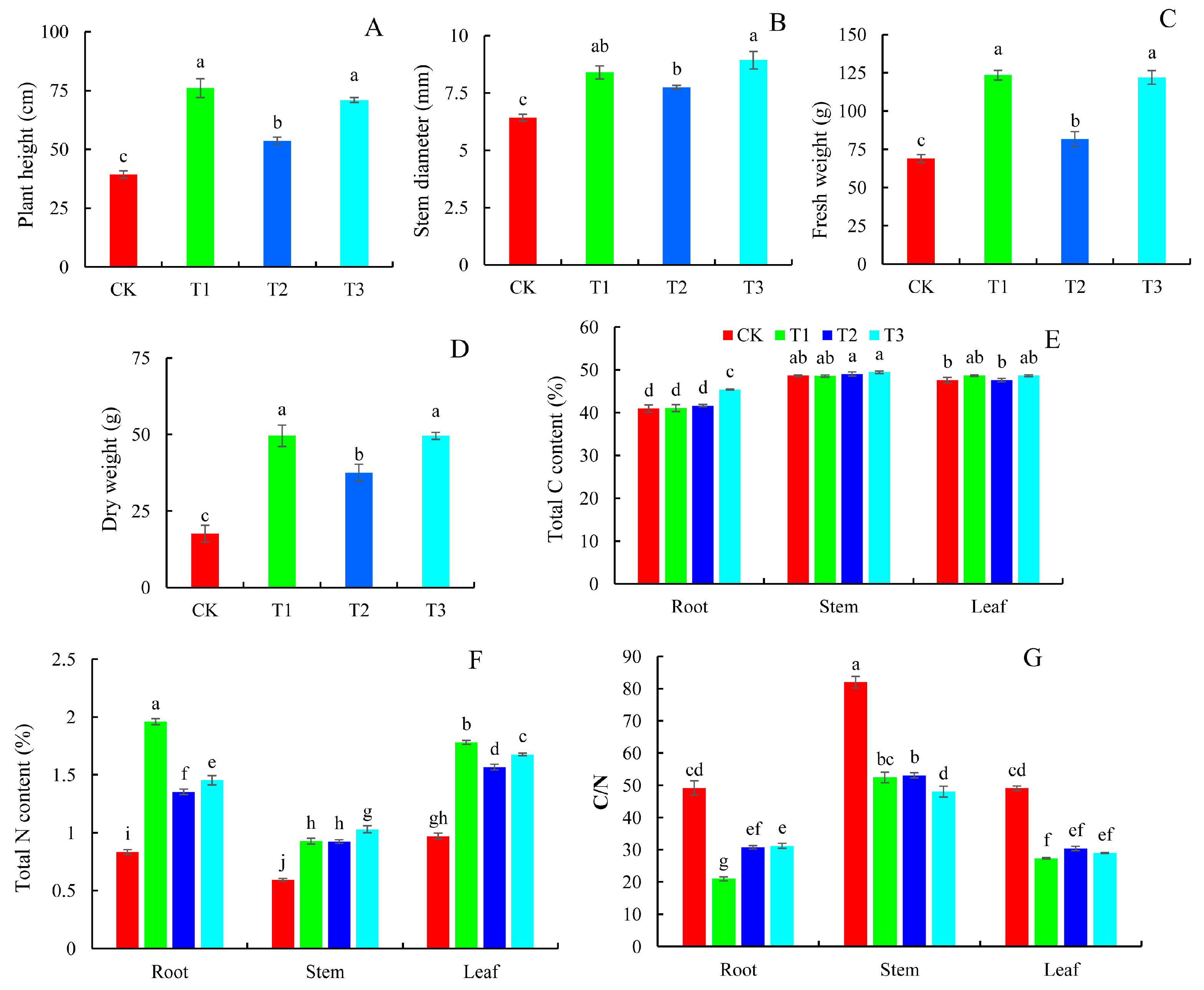
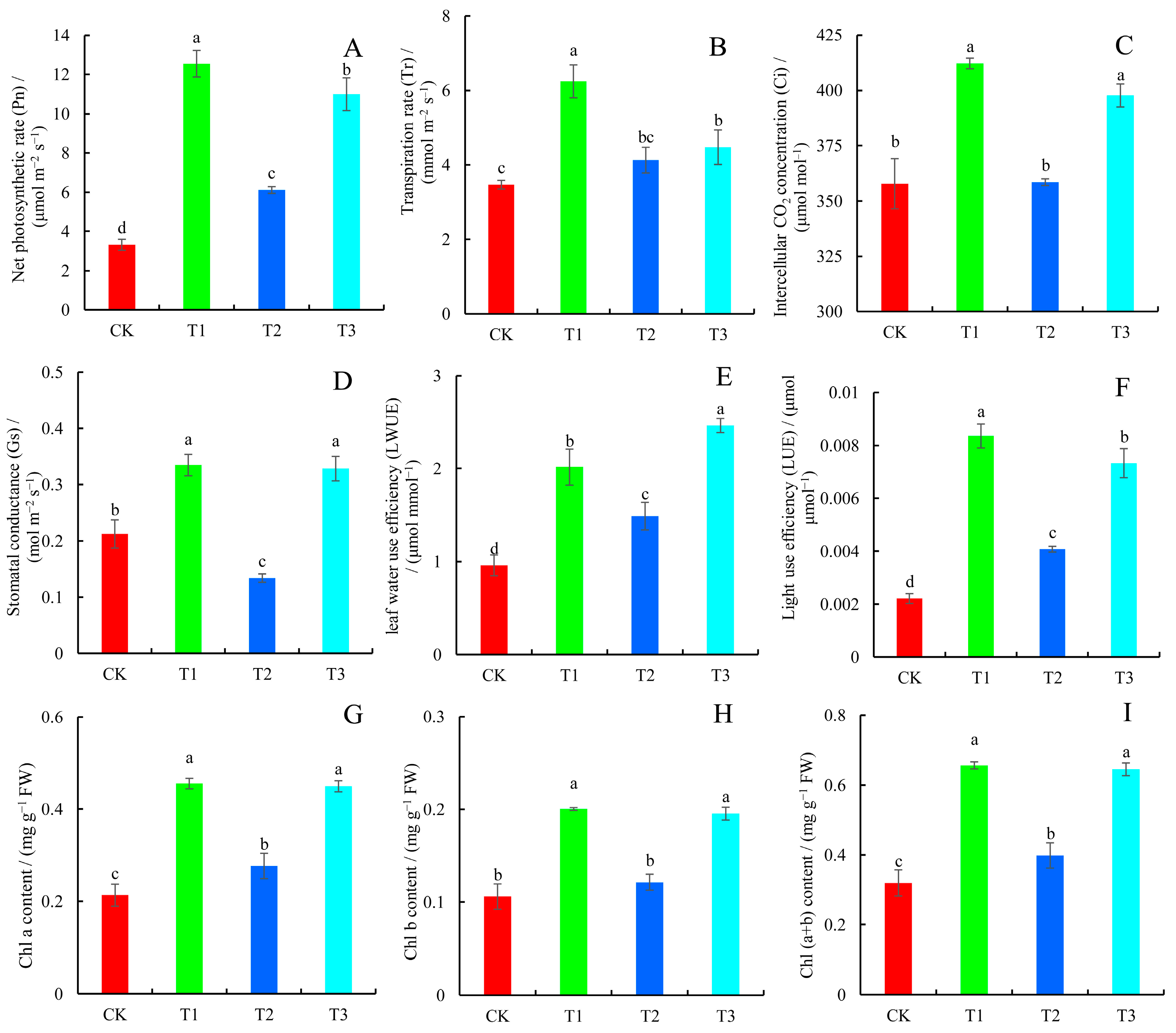
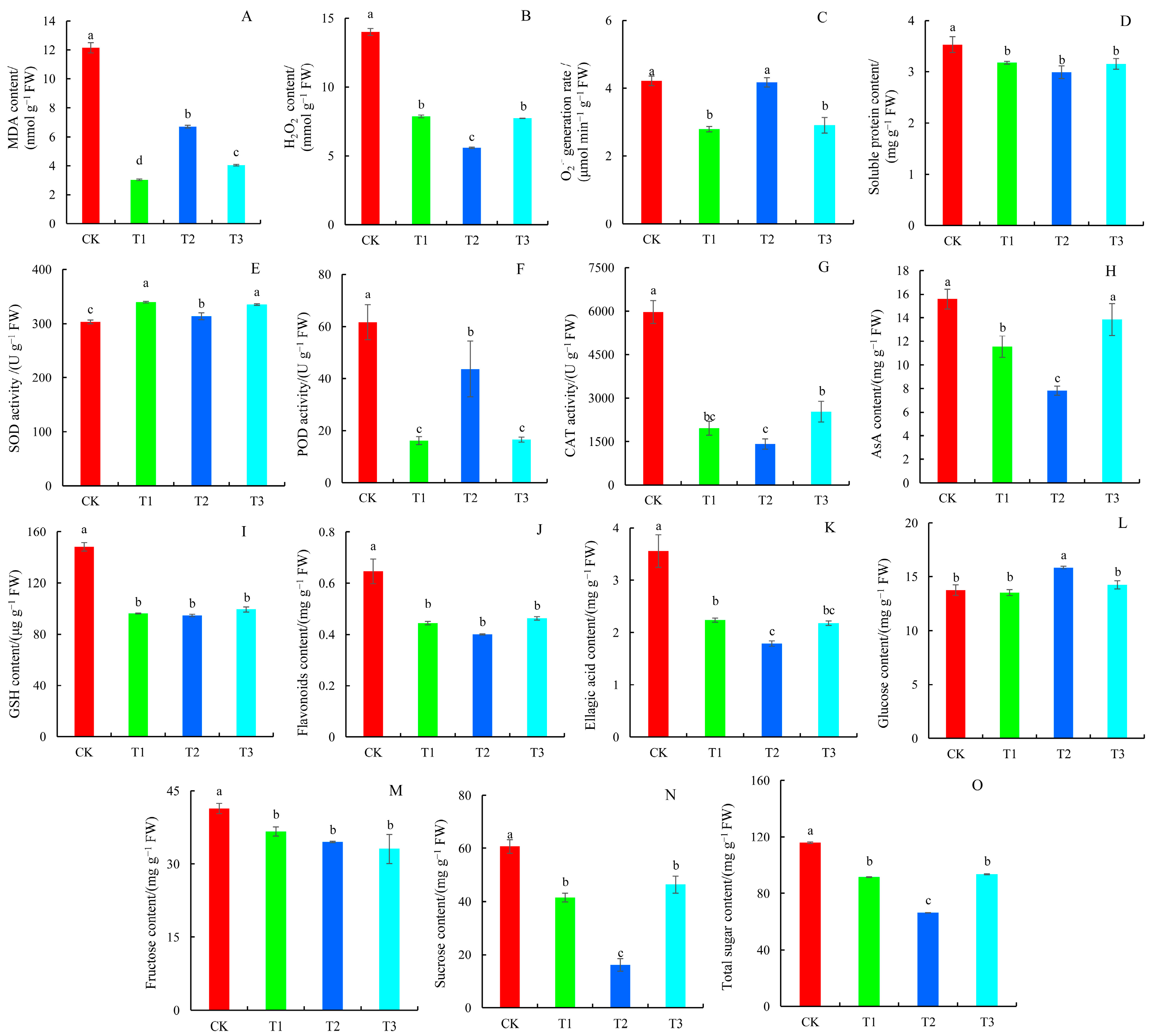
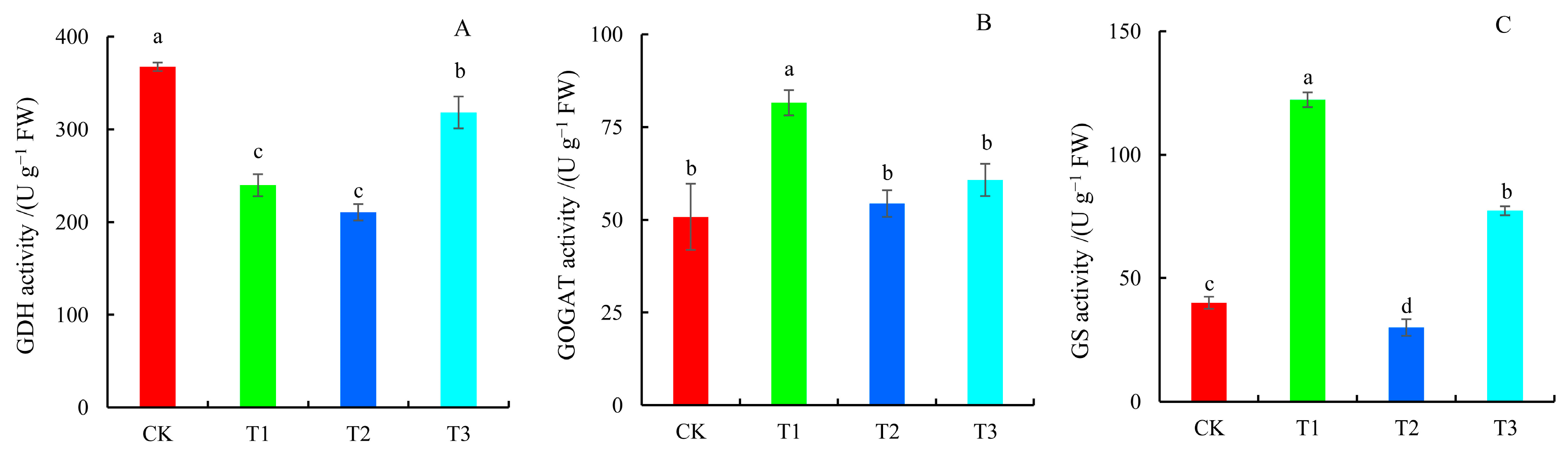
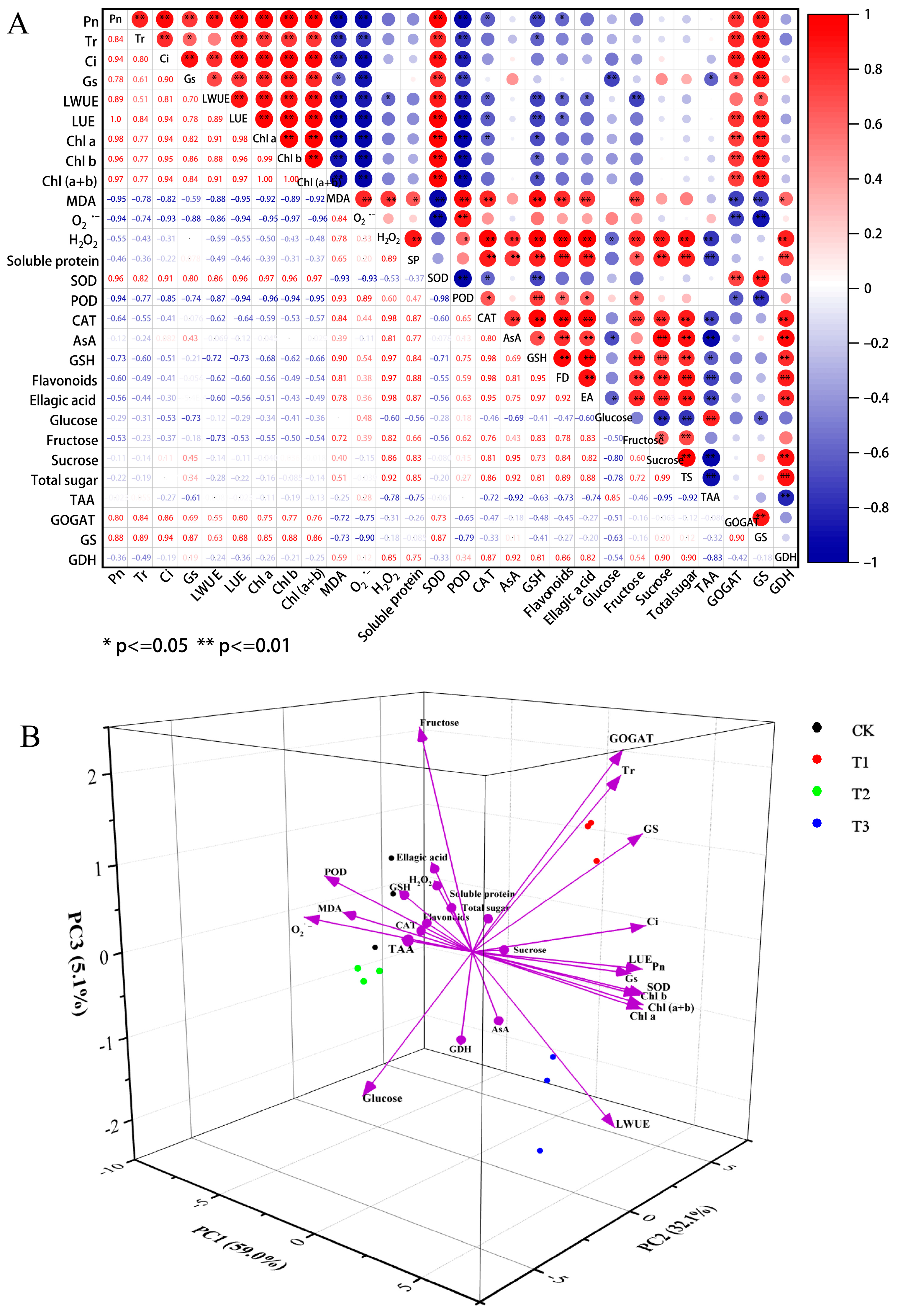
This study aimed to better understand the impacts of various nitrogen (N) forms on blueberry growth and development, as well as to increase blueberry (Vaccinium spp.) N utilization efficiency. We selected the blueberry cultivar ‘Anna’ as the experimental material, and four N treatments were applied throughout the key vegetative growth stage: N deficiency (CK), ammonium-N (T1), nitrate-N (T2), and amide-N (T3). The growth parameters, physiology indexes, and ultrastructure changes in blueberry seedlings were explored. At the same time, the Pearson correlation model was used to analyze the correlation among each physiology index. The results showed that blueberry plants grew better under T1 and T3 treatments, with increased biomass, N content, chlorophyll content, and photosynthetic efficiency. Under T1 treatment, the leaves had lower O2˙− generation rate and MDA concentration, but higher superoxide dismutase (SOD), glutamate synthetase (GOGAT), and glutamine synthetase (GS) activity. Compared to T1 treatment, T2 treatment dramatically enhanced peroxidase (POD) activity, glucose content, and free amino acid content, particularly Arg content. Furthermore, N deficit treatment inhibited plant growth while increasing free radicals, POD, catalase (CAT), and glutamate dehydrogenase (GDH) activities, as well as the content of antioxidant compounds. Correlation and principal component analysis showed that photosynthetic properties, chlorophyll content, antioxidant system, amino acid levels, and N metabolizing enzyme activity were significantly affected by different N forms. This study can serve as a scientific foundation for optimal N regulation and management in blueberries.
Keywords: blueberry; ammonium nitrogen; nitrate nitrogen; amide nitrogen; amino acids; physiological indexes blueberry; ammonium nitrogen; nitrate nitrogen; amide nitrogen; amino acids; physiological indexes