Article

Energy-Efficient Path Planning for AMR Using Modified A* Algorithm with Machine Learning Integration


by
Mishell Cadena-Yanez
1,*,
Danel Rico-Melgosa
2,
Ekaitz Zulueta
2,
Angela Bernardini
1 and
Jorge Rodriguez-Guerra
3
1
Navarra Artificial Intelligence Research Center—NAIR Center, C. del Sadar, s/n, 31006 Pamplona, Spain
2
System Engineering and Automation Control Department, Faculty of Engineering of Vitoria-Gasteiz, University of the Basque Country (UPV/EHU), 01006 Vitoria-Gasteiz, Spain
3
Research & Development Department, Aldakin, Nave 1G, 31800 Alsasua, Spain
*
Author to whom correspondence should be addressed.
Robotics 2026, 15(3), 62; https://doi.org/10.3390/robotics15030062
Submission received: 21 January 2026 / Revised: 13 March 2026 / Accepted: 16 March 2026 / Published: 18 March 2026
(This article belongs to the Section Sensors and Control in Robotics)

Abstract

Energy consumption optimisation has emerged as a critical need in Autonomous Mobile Robots (AMRs). Conventional A* implementations typically minimise path distance, neglecting energy-relevant factors such as directional changes and trajectory smoothness that significantly impact battery life and operational costs. This work proposes two energy-aware A* variants trained on empirical data from the KUKA KMP 1500 platform, where energy consumption is measured as battery SoC depletion: A*-RF, which integrates a Random Forest (RF) model directly into the cost function, and A*-MOD, which approximates the energy model through RF feature importance weights, achieving linear computational complexity O(nf). The RF model predicted energy consumption with an RMSE below 1.5% relative error, identifying travel distance and rotation angle as the dominant energy factors. Experimental validation across 42 path planning scenarios on a real industrial factory floor demonstrates that A*-MOD reduces energy consumption by up to 58.91% and improves operational autonomy by 2.21 times, with statistically significant improvements (p < 0.01) across all evaluated metrics.

1. Introduction

The development of autonomous robotic systems has experienced exponential growth in recent years, driven by significant advances in artificial intelligence, high-precision sensors, and adaptive navigation systems [1]. This technological evolution has been transformative in warehouse logistics and industrial automation, where the deployment of Autonomous Mobile Robots (AMRs) has emerged as a key enabler of operational efficiency and economic competitiveness [2]. The global warehouse automation market is projected to reach $52.53 billion by 2029 [3], reflecting the sector’s recognition that automated material handling systems can reduce operational costs by 20-30% while simultaneously improving throughput and accuracy [4,5,6]. Material transport and handling tasks account for approximately 30–40% of total operational time in warehouse activities [7,8,9], making robotic navigation efficiency a determining factor not only for economic viability but also for environmental sustainability. In this context, energy-efficient path planning directly impacts battery life, reduces charging cycle frequency, lowers operational costs, and contributes significantly to reducing the carbon footprint of industrial operations [10,11]. As companies face increasing pressure to meet sustainability targets, optimizing energy consumption in autonomous systems has shifted from being a purely technical consideration to becoming a strategic imperative [12].
Achieving energy-efficient navigation depends on the path planning algorithms that govern how robots move through their environment. Traditional algorithms such as A* [13], Dijkstra [14], and Probabilistic Roadmap (PRM) [15] are planning frameworks capable of optimizing various cost criteria. However, when configured to minimize geometric distance, critical energy-related factors such as directional changes, trajectory smoothness, and vehicle dynamic characteristics are not accounted for, producing routes with shorter distance but that are not energetically optimal [16]. Minimizing distance does not necessarily equate to minimizing energy expenditure: a shorter route with frequent sharp turns may consume more energy than a slightly longer but smoother trajectory. This is demonstrated in [6], where a moderate increase in path length relative to the distance-optimal solution yields an energy cost reduction of nearly 26.9% in simulation and 21.09% in real scenarios for autonomous ground vehicles with Ackermann steering.
To address this limitation, several studies have extended classical planning frameworks by incorporating turn-related parameters into their cost functions, under the premise that the number and magnitude of directional changes are determining factors of energy consumption alongside traveled distance. Lu et al. [17] propose the IA*-CBS algorithm, which introduces an explicit direction-changing penalty into the A* evaluation function: each node expansion incurs an additional cost when the heading direction differs from that of the previous step. Xiang et al. [18] reformulate the A* evaluation function to eliminate redundant nodes and minimize cumulative turning angle, reporting reductions in total turning angle of up to 75% and a simultaneous decrease in path length of approximately 5% relative to conventional A* in grid-based environments. These geometric improvements are presented as indirect indicators of reduced mechanical effort. Similarly, Baras and Dasygenis [19] address multi-UGV coverage path planning by combining area segmentation with spanning-tree-based turn minimization and a terrain-aware cost function, treating reduced directional changes as an indirect indicator of improved energy efficiency across heterogeneous terrain and Zhou et al. [20] generate smoother trajectories through the SSA-A* algorithm, adjusting the weighting coefficients of the heuristic function and reducing the number of sharp directional changes as a proxy for mechanical energy savings. All of these approaches treat trajectory geometry (turn count, cumulative angle, or path smoothness) as a substitute for energy cost, which constitutes a useful but incomplete approximation of the actual electrical energy drawn from the battery during operation.
Other approaches opt for models based on the physics of motion to estimate energy consumption more rigorously. Cooper-Baldock et al. [21] define the motion cost of an autonomous underwater vehicle (AUV) from the hydrodynamic drag force required to overcome fluid resistance, calculating energy expenditure as the product of said drag force and the distance traveled between consecutive nodes. Mageshkumar et al. [22] develop a more comprehensive model for warehouse mobile robots that captures the joint contribution of motion kinematics, payload, and traction system characteristics, deriving model parameters through regression from measurements of current consumed by the motors at different speeds and load conditions.
A higher level of fidelity is offered by models that estimate consumption directly from electrical quantities measurable at the battery. Na et al. [23] construct a multi-objective cost function for quadrotor path planning in mountainous terrain that explicitly incorporates energy consumption, calculated as the sum of the output power of the four motors as a function of the equivalent voltage, current, and armature internal resistance of each. This function is optimized through a PSO algorithm enhanced with reinforcement learning (DDPG), achieving a 9.2% improvement in the combined energy and distance objective function relative to classical PSO in complex terrain, although the work does not independently decompose the reduction attributable exclusively to the energy component. Similarly, Zhang et al. [6] construct an energy cost model for Ackermann-steered vehicles integrating battery voltage, PWM duty cycles of the traction and steering motors, and their electromotive constants and Lai et al. [24] propose a multi-factor energy consumption model for pure electric commercial vehicles that jointly integrates slope gradients, variable load capacity, motor efficiency, and braking energy recovery, constructing an energy topology map over the road network and optimizing it through an enhanced ant colony algorithm (E-IACO), achieving reductions of up to 10.57% in energy consumption relative to A* across three-dimensional industrial park scenarios.
Other approaches treat energy as an operational constraint rather than an explicit optimization objective. Zhang et al. [25] replace the distance cost with the time required to complete the route, arguing that this implicitly integrates the vehicle’s dynamic constraints and is more computationally tractable for AUVs with strict curvature constraints. Their proposal (AplusPF) reduces planning time relative to traditional A* in multi-obstacle environments, although energy is not directly evaluated as a result metric. Feng and Liu [26] incorporate UAV consumption as an autonomy constraint within an air–ground logistics model, where adverse weather conditions alter consumption profiles and force task reassignment to the ground vehicle when the projected expenditure exceeds available battery capacity. Their framework reduces total logistics cost by 21.3% and delivery time variance by 18.7% relative to a ground-vehicle-only solution, although these improvements reflect operational efficiency of the joint system rather than a direct reduction in energy consumption.
Collectively, these works demonstrate that energy modeling in path planning can be approached from different levels of abstraction: from geometric approximations based on turns and trajectory smoothness, to physical models derived from directly measurable electrical quantities. However, most of these models are calibrated under fixed operating conditions or controlled environments, which compromises their ability to reflect the real variability of consumption when payload, speed, or environmental conditions change during continuous operation [27]. This limitation motivates the development of consumption models based on empirical data collected directly on the real platform under variable operating conditions, and their integration into the planner’s cost function.
Learning-based path planners have emerged as a computationally attractive alternative to classical methods, offering inference times several orders of magnitude lower than A*, making them natural candidates for applications with real-time reactivity requirements [21,28]. However, this computational advantage comes at a cost in energy optimality: Cooper-Baldock et al. [21] report that routes generated by neural networks exhibit energy expenditure between 4.51 and 19.79% higher than the corresponding A* solutions, evidencing that learning-based approximations do not by themselves guarantee the energy precision required by platforms with tight battery budgets. This tension between computational speed and energy optimality highlights the need for approaches that integrate empirical consumption models directly into the planner’s cost function, preserving the optimality guarantees of A* without incurring the computational cost of neural networks.
The main aim is to develop and evaluate a predictive energy consumption model based on Random Forest for the KUKA KMP 1500 platform, analyzing the influence of kinematic parameters and payload, and integrate this model into the cost function of algorithm A* to improve energy efficiency in industrial environments.
  • RQ1: To what extent can a RF model trained with empirical data from the KUKA KMP 1500 platform accurately predict energy consumption for different kinematic parameters (translation and rotation)?
  • RQ2: What impact do kinematic parameters (linear and angular) and payload have on the energy consumption of the KUKA KMP 1500 robot, and what are the most relevant variables in a Random Forest-based predictive model?
  • RQ3: To what extent does the direct integration of an ML model into the A* cost function (A*-RF, A*-MOD) improve energy efficiency compared to traditional A* in real industrial environments, and what is the associated computational cost of each approach?

2. Traditional A* Path Planning

The A* algorithm [13] is a well established informed search method used to find optimal paths from a start node ( S ) to a goal node ( G ) within a known map( M ). It operates by maintaining two fundamental data structures: the Open List ( O ), which contains discovered but not yet evaluated nodes, and the Closed List ( C ) which stores nodes that have already been evaluated. The algorithm evaluates the cost of transitions to neighboring nodes through a cost function composed of two components.
f ( n ) = g ( n ) + h ( n )
where:
  • g ( n ) is the actual accumulated cost from the start node to the current node n;
  • h ( n ) is a heuristic estimate of the minimum cost from n to the goal G .
In traditional implementation, the heuristic function h ( n ) is typically based on the Euclidean distance. The effectiveness of A* heavily depends on the design of this heuristic: an admissible heuristic, which never overestimates the true cost, guarantees finding the optimal solution, while a consistent heuristic improves computational efficiency by avoiding unnecessary node re-evaluations [25].
Beyond geometric considerations, enhancements to the cost function have been explored to address application-specific needs. These include minimizing turns, reducing direction changes, and improving trajectory smoothness, all of which are closely related to energy efficiency, a central focus of this work. Although safety and energy represent distinct optimization objectives, both are essential in industrial environments. This flexibility in cost function design makes A* a versatile tool for multi-objective path planning. In the context of AMR operating in constrained industrial spaces, reducing energy consumption is one of the most pressing requirements. The standard A* algorithm, as used in this work, is formally presented in Algorithm 1.
Algorithm 1: Main procedure of the A* algorithm
Robotics 15 00062 i001

3. Methodology

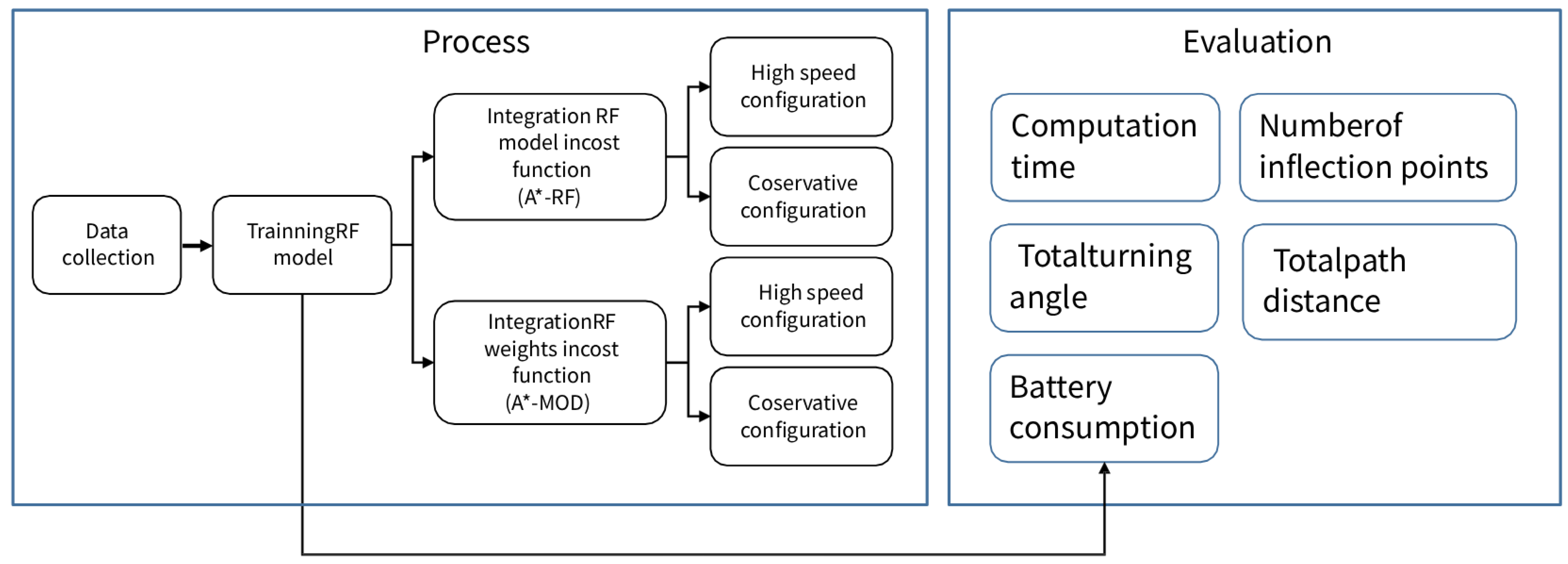
Figure 1 shows a summary of the methodology.
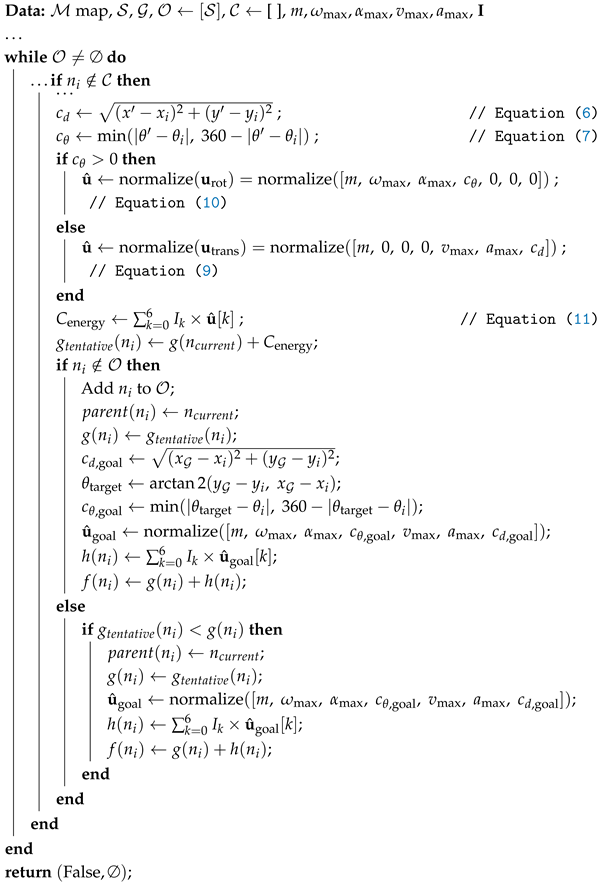
The energy consumption was characterized by experimental measurements on the KUKA KMP 1500 mobile platform. Throughout this work, energy consumption is quantified as the percentage of battery State of Charge (SoC) depleted during each trial, which serves as a proxy for energy consumption and enables direct comparison with related work. Pure translational and rotational maneuvers were performed across a range of configurations of kinematic parameters. For each configuration, trials were repeated until a cumulative 1% battery depletion was observed. All trials were conducted with the battery between 80% and 20% SoC, where discharge behavior is most stable. Following Rico-Melgosa et al. [29], per-trial consumption is expressed as the reciprocal of the number of repetitions required to reach that threshold, a normalized, hardware-independent metric that reflects the combined effect of electrical power draw and the mechanical work imposed by payload, kinematics, and floor-surface interaction. The collected data was then trained in a random forest (RF) to capture the nonlinear relationships between kinematic parameters and battery energy consumption, predicting the number of motion cycles N c required to reduce the battery SoC by 1%. This model was subsequently integrated into the A* cost function through two distinct approaches: in A*-RF, the RF model directly serves as the cost function for evaluating state transitions, while in A*-MOD, the feature importance weights derived from the RF model are used to define a computationally efficient weighted cost function that adjusts the relative importance of kinematic parameters. Both variants were evaluated under two operational configurations, a conservative profile and a high-speed configuration.
To evaluate the path planning algorithms, the simulation environment was constructed from a real industrial factory floor plan. A preprocessing pipeline was applied to the floor-plan image to define obstacle regions: the image was first binarized, and a convex hull algorithm was applied to encapsulate irregular obstacle shapes within polygonal boundaries. A morphological expansion operation then imposed a minimum safety clearance around all static obstacles, thereby defining the robot’s free workspace. The original layout, measuring 31 m × 33 m, was proportionally scaled to 51 m × 55 m to align with evaluation environments commonly used in the literature [18,30]. The resulting environment includes seven waypoints at P1 = (49, 22), P2 = (10, 14), P3 = (12, 39), P4 = (32, 30), P5 = (35, 50), P6 = (0, 30), and P7 = (51, 50), representing typical material handling zones in automated industrial workflows, as shown in Figure 2.
Five datasets were generated across the three algorithms (A*, A*-RF, A*-MOD) with an 8 neighborhood scheme and the two operational configurations, each consisting of 42 samples representing different combinations of origin–destination pairs and orientation constraints. Performance was evaluated on five metrics: computation time, path smoothness measured by the number of inflection points, total turning angle, total path distance, and energy consumption by the RF model. All algorithms were implemented in Python 3.9 using NetworkX (v3.2.1) [31] and were executed on a NVIDIA RTX 6000 Ada Generation GPU. Statistically significant differences between the traditional A* and the proposed variants were assessed using the paired sign test and Wilcoxon test, selected given the non-normal distributions of the performance metrics.

4. Graph Construction

Based on this processed representation, a grid-based discretization of the workspace was generated with resolution ( Δ x , Δ y ) in m, where Δ x and Δ y denote the cell width and height respectively. This discretization maps the continuous workspace into a finite set of grid cells, each indexed by coordinates ( i , j ) Z 2 , corresponding to physical positions ( x , y ) = ( i · Δ x , j · Δ y ) .
Unlike previous approaches [17,25], where orientation is implicitly derived from sequential positions, this work explicitly models orientation as an independent state variable. This enables direct incorporation of angular changes into the planning process. The implemented method generates a directed graph G = ( V , E ) where each vertex represents a discrete robot configuration in the three-dimensional state space ( i , j , θ ) .
The vertex set V comprises all valid combinations of grid positions ( i , j ) within the free space and discretized orientations from the set Θ = { 0 ° , 360 ° n , 2 · 360 ° n , , ( n 1 ) · 360 ° n } , where n defines the angular resolution. This defines the robot’s configuration space as a discrete subset of Z 2 × Θ , constrained by environmental obstacles and safety margins. Formally:
C free = { ( i , j , θ ) : ( i , j ) Free grid θ Θ }
where Free grid denotes the set of navigable grid cells. This motion model yields 8 × n potential successor configurations per node. With the configuration space formally defined, the next step is to characterize the energy cost associated with each transition between configurations, which requires a model of the robot’s energy consumption as a function of its kinematic parameters.

5. Energy Consumption Model

The RF model takes the following kinematic parameters as input features:
  • Robot extra load (kg): [0–250];
  • Maximum linear velocity v max (m/s): [0.3–1.2];
  • Maximum linear acceleration a max (m/s2): [0.2–0.6];
  • Travel distance d (m): [0.5–20];
  • Maximum angular velocity ω max (rad/s): [0.1–0.3];
  • Maximum angular acceleration α max (rad/s2): [0.1–0.3];
  • Rotation angle c θ (°): [45–180].
All kinematic parameters were sampled below the platform’s operational limits to ensure safe trials while achieving sufficient coverage of each variable’s effect on energy consumption. Linear velocity was tested at four evenly spaced values (0.3, 0.6, 0.9, 1.2) m/s, up to 80% of the rated maximum of 1.5 m/s. Linear acceleration, angular velocity, and angular acceleration were each sampled at three levels following the same criterion. Travel distance was varied across six values (0.5, 1, 2, 5, 10, 20) m using progressive doubling to capture nonlinear distance-energy relationships over a wide range. Rotation angle was limited to 45°, 90°, and 180°, as larger angles are executed by rotating in the opposite direction.
The model constructs an ensemble of decision trees, each trained on bootstrap samples of the dataset. Predictions are aggregated across all trees, which reduces variance and provides robust energy consumption estimates across the operational parameter space.
Let D = { ( ϕ s , r s ) } s = 1 S represent the training dataset, where ϕ s R n f is the n f -dimensional feature vector of the s-th observation representing the operational parameters, and r s R is the target variable (the number of energy consumption cycles). The RF model F ( ϕ ) is defined as an ensemble of B decision trees:
F ( ϕ ) = 1 B b = 1 B T b ( ϕ )
where T b ( ϕ ) is the b-th regression tree trained on a bootstrap sample D b of the dataset, and the final prediction is obtained by averaging the outputs of all trees.
Each decision tree T b in the ensemble is constructed using recursive binary partitioning. At each internal node p, the optimal split is determined by [32]:
( p * , t * ) = arg min p ,   t ϕ s R L ( p , t ) ( r s r ^ L ) 2 + ϕ s R R ( p , t ) ( r s r ^ R ) 2
where R L ( p , t ) and R R ( p , t ) denote the left and right child nodes resulting from splitting feature p at threshold t, and r ^ L and r ^ R are the mean values of the target variable in the left and right child nodes, respectively.
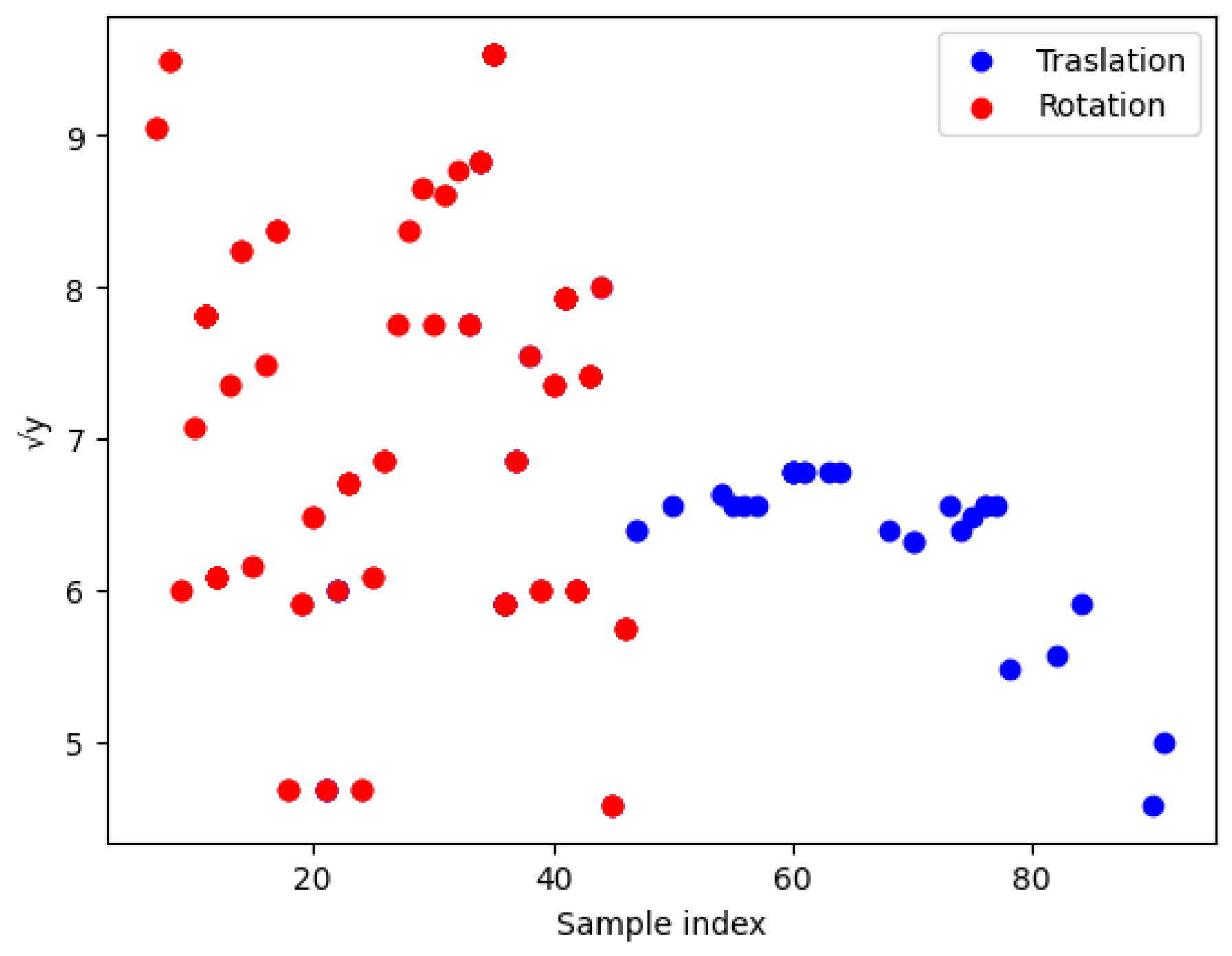
To address heteroscedasticity and improve model performance, a square root transformation was applied to the target variable r s r s . All input variables were normalized to ensure numerical stability and the payload mass was encoded as a categorical variable with two discrete levels: 0 kg and 250 kg. Figure 3 presents the distribution of the transformed target values across 198 observations, including both, pure rotational and pure translational movements. The initial measurements correspond to rotational maneuvers, which are associated with a higher number of cycles compared to translational motions. This indicates that rotational movements result in greater energy consumption, as captured by the model.
The RF model was trained using 100 estimators and a maximum of two features per node. Model performance was evaluated using 5-fold stratified cross-validation based on the categorical payload mass variable, to ensure balanced representation across folds. The primary evaluation metric was the mean squared error (MSE) of the square root-transformed target variable. The best cross-validation MSE obtained was 0.0633, while the training and test MSE values were 0.0026 and 0.0077, respectively. These results indicate strong generalization capability and suggest that the model effectively captures the nonlinear relationships between motion parameters and energy consumption, with minimal signs of overfitting.
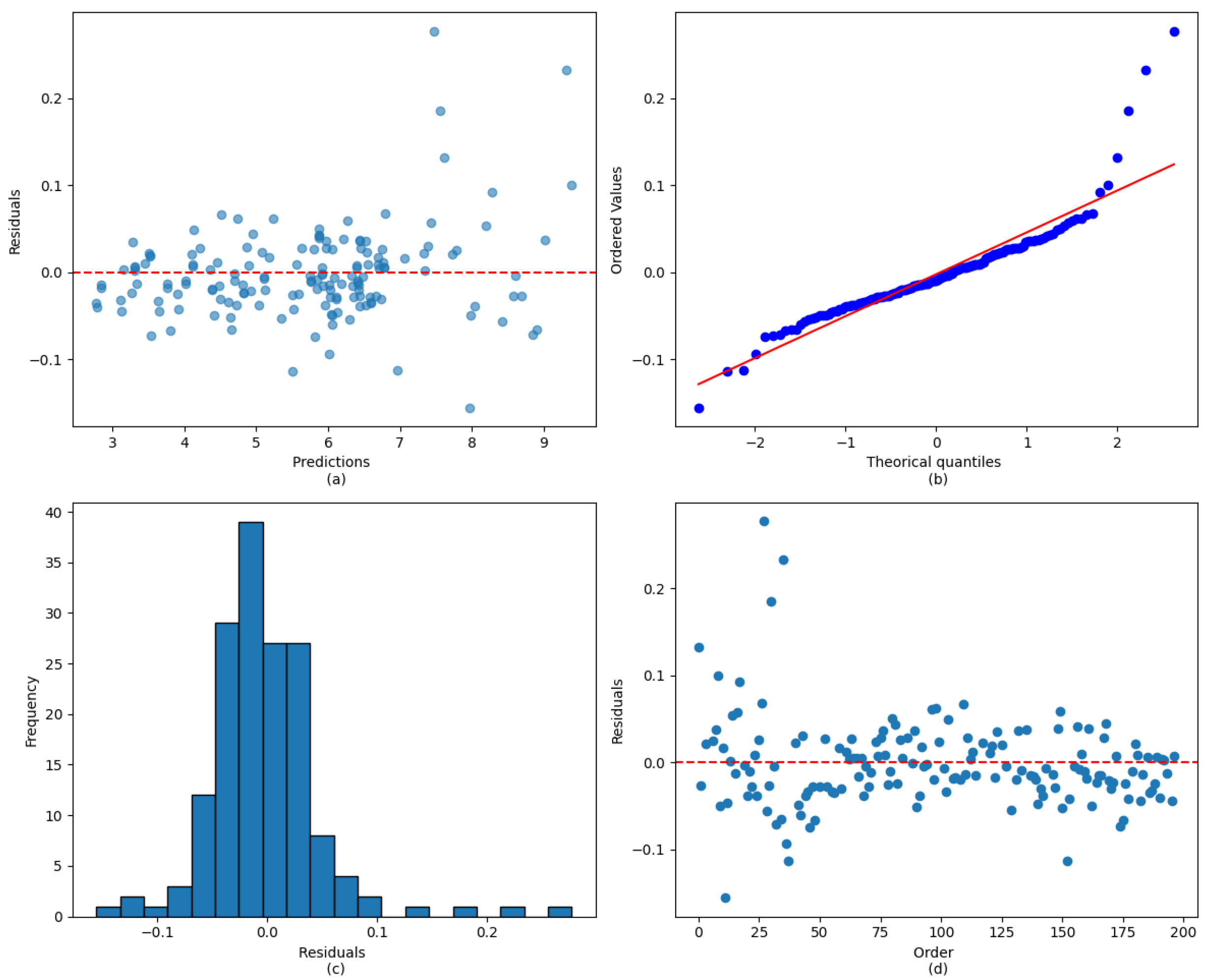
In addition, the RF model demonstrated predictive performance achieving a root mean squared error (RMSE) of 1.28 cycles within an operational range of 5 to 90 cycles. This corresponds to a relative error of less than 1.5%, indicating high accuracy across diverse motion profiles. Diagnostic analysis on the transformed scale, as shown in Figure 4, further confirmed that residuals were well distributed and conformed to the assumptions of homoscedasticity and normality, supporting the appropriateness of the square root transformation for mitigating heteroscedasticity in the target variable.
A normalized energy consumption index C, expressed as the inverse of the number of discharge cycles ( N c ) per 1% SoC depletion.The total energy consumption function is then defined as the sum of both components:
C total = C trans + C rot = 1 N c , trans + 1 N c , rot
The temporal complexity of the RF algorithm [33] can be expressed as Θ ( B K S ˜ log 2 S ˜ ) , where B represents the number of trees, S is the total number of training samples, K denotes the number of variables randomly selected at each node, and S ˜ = 0.632   S accounts for the fact that bootstrap sampling includes, on average, 63.2% of unique samples. The prediction complexity of the RF model is given by Θ ( B log S ) . This energy model was then integrated into the A* planning framework within both proposed approaches.

5.1. Method 1: Direct Energy Model Integration (A*-RF)

In this approach, the total energy consumption model is directly employed as the cost function within the A* algorithm. For pure translational motion, the Euclidean distance c d is computed as:
c d = ( x x ) 2 + ( y y ) 2
Similarly, for pure rotational motion, the angular displacement c θ is calculated as:
c θ = min | θ θ | ,   360 ° | θ θ |
These parameters are arranged into a feature vector u , consistent with the input structure expected by the trained model:
u = [ m ,   ω max ,   α max ,   c θ ,   v max ,   a max ,   c d ]
For translational movements, the rotational parameters (features 2–4) are set to zero, while for rotational movements, the translational parameters (features 5–7) are zeroed:
u trans = [ m ,   0 ,   0 ,   0 ,   v max ,   a max ,   c d ]
u rot = [ m ,   ω max ,   α max ,   c θ ,   0 ,   0 ,   0 ]
In the case of Equation (10), although the mass moment of inertia ( I z ) would be the physically rigorous parameter for rotational motion, payload mass m is used here as a sufficient proxy, since the robot’s fixed geometry renders I z a deterministic function of m under the experimental conditions of this study.
This selective input ensures that irrelevant kinematic parameters, such as travel distance during pure rotation, do not introduce noise into the model’s predictions. The heuristic is constructed using the minimum possible kinematic inputs: the straight-line distance c d , goal and the minimum rotation angle c θ , goal toward the goal, computed over the obstacle-free direct path. Since any feasible path within C free must incur at least these geometric displacements, this construction structurally tends to underestimate the true remaining cost. However, as the RF model is a statistical approximator with a reported RMSE of 1.28 cycles, strict admissibility cannot be formally guaranteed. Consequently, the proposed algorithm do not carry the theoretical optimality guarantee of classical A*. The modified Step 2 of the A* algorithm is detailed in Algorithm 2.
Algorithm 2: Main procedure of the A*-RF
Robotics 15 00062 i002

5.2. Method 2: A* Weighting Factors (A*-MOD)

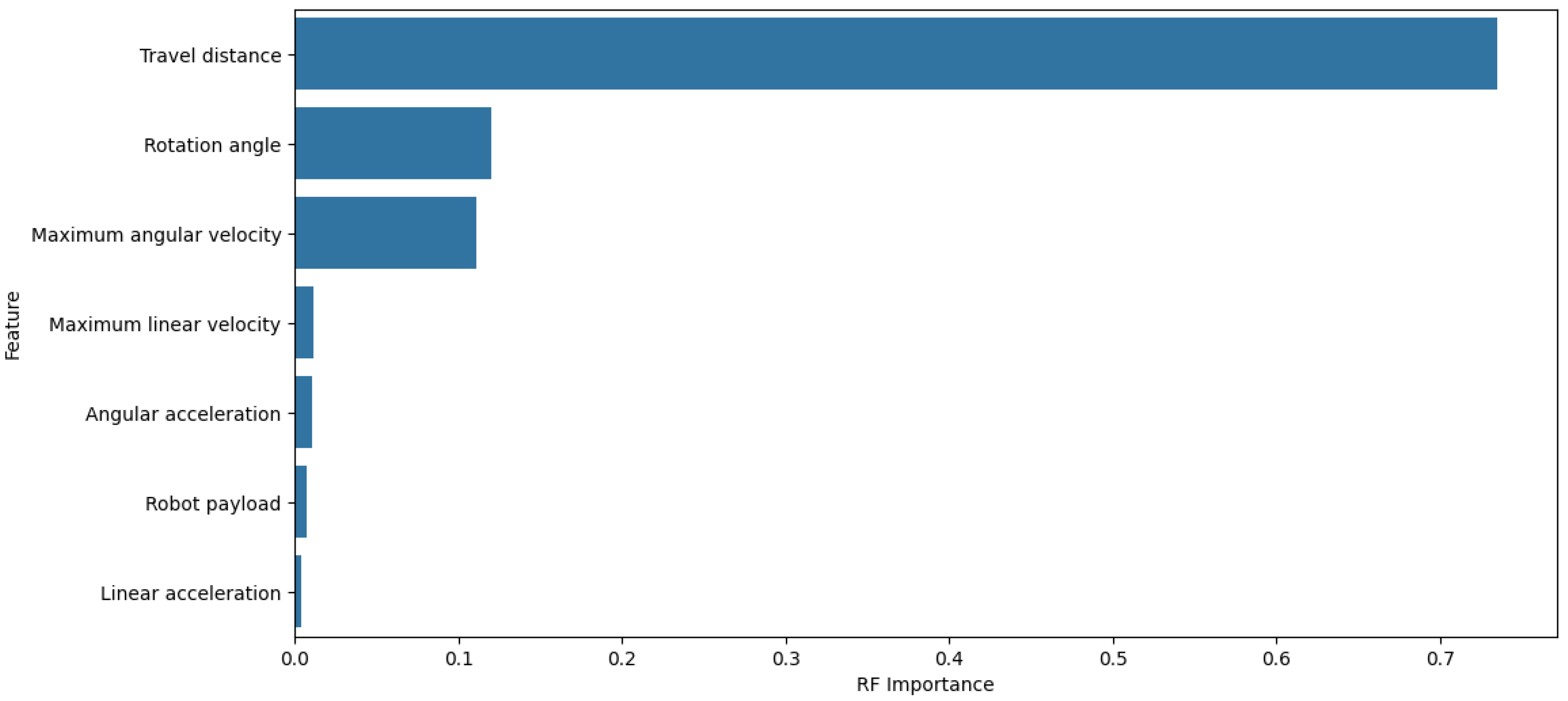
In this enhanced approach, the A* cost function is modified to incorporate all seven features identified as relevant by the energy consumption model. Each variable contributes to the cost according to its corresponding importance weight, as determined by the RF model. The feature importance values used in this formulation are presented in Figure 5. These importance variables are consistent with findings reported in previous studies [29].
To ensure consistent weighting across variables with different units and scales, all features are normalized to the [ 0 , 1 ] range using the maximum values observed in the training dataset, yielding the normalized vectors u ^ trans and u ^ rot from Equations (9) and (10), respectively. The algorithm selects between them based on the motion type: for rotational motions ( c θ > 0 ), u ^ rot is used; for translational motions ( c θ = 0 ), u ^ trans is used.

Weighted Cost Function

The energy cost is computed as a weighted linear combination of the normalized feature vector u ^ :
C energy = k = 0 6 I k × u ^ [ k ]
where I k represents the importance weight of the k-th feature of u ^ , as obtained from the RF feature importance analysis. This formulation serves as an efficient approximation of the full energy model, reducing the computational complexity from Θ ( B log S ) , associated with ensemble tree evaluation, to a linear complexity O ( n f ) , where n f = 7 is the number of features, enabling faster processing compared to A*-RF.
Since both the cost function and the heuristic apply the same linear combination k = 0 6 I k × u ^ [ k ] , admissibility reduces to showing that the heuristic inputs never exceed the true remaining costs. The heuristic uses c d , goal —the straight-line Euclidean distance to the goal—and c θ , goal —the minimum rotation angle toward the goal—both computed over the obstacle-free direct path. Since C free excludes all non-navigable cells, any feasible path must incur at least these displacements, guaranteeing h ( n i ) C remaining * ( n i ) for all nodes. Therefore, A*-MOD preserves formal admissibility. The modified Step 2 of the A* algorithm is detailed in Algorithm 3.
Algorithm 3: Main procedure of the A*-MOD
Robotics 15 00062 i003

6. Results and Analysis

Two motion profiles were implemented: a conservative profile with reduced velocities and accelerations to minimize mechanical stress and ensure safer operation, and a speed-optimized profile for faster task execution. The operational parameters are detailed in Table 1.

6.1. Distance Segmentation

Since certain path segments may exceed the operational range established during model training (maximum distance of 20 m), the total path must be divided into smaller subsegments prior to energy evaluation. The total energy consumption for a given distance c d is computed as in Equation (12):
C total , trans = c d / 20   C pred ( 20 ) + C pred ( c d   mod   20 )
In this formulation, c d / 20 denotes the number of complete 20 m segments, C pred ( 20 ) is the predicted energy consumption index for a full segment, and ( c d   mod   20 ) represents the residual distance after complete segments.

6.2. Angular Segmentation

Similarly, when the cumulative turning angle exceeds the operational range of 180°, the total rotation is segmented into smaller angular portions to ensure compatibility with the trained energy model. The total energy consumption index for rotational motion is computed as in Equation (13):
C total , rot = θ total / 180 °   C pred ( 180 ° ) + C pred ( θ total   mod   180 ° )
Here, θ total / 180 ° represents the number of complete 180° segments, C pred ( 180 ° ) is the predicted energy consumption index for each full segment, and θ total   mod   180 ° denotes the residual angular displacement.

6.3. Algorithm Performance Comparison

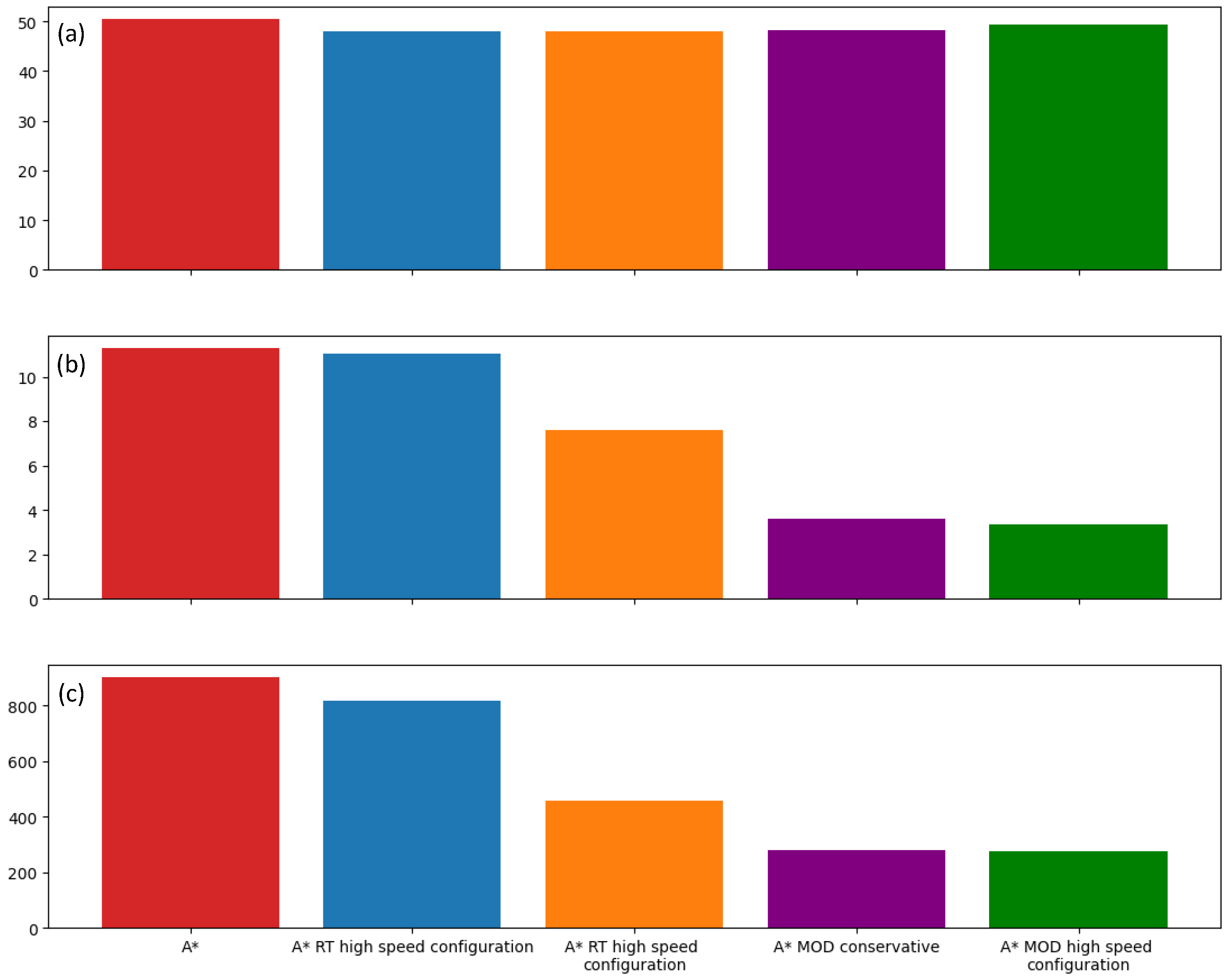
Figure 6 presents a comparative analysis of three algorithms evaluated in terms of total path distance, number of inflection points, and total turning angle. The traditional A* algorithm demonstrates a consistent tendency to produce trajectories with higher inflection point densities and greater cumulative turning angles compared to the energy-optimized variants. This pattern stems from its greedy best-first search strategy and the lack of angular penalization in its standard cost function Equation (1).

6.3.1. Computational Efficiency Analysis

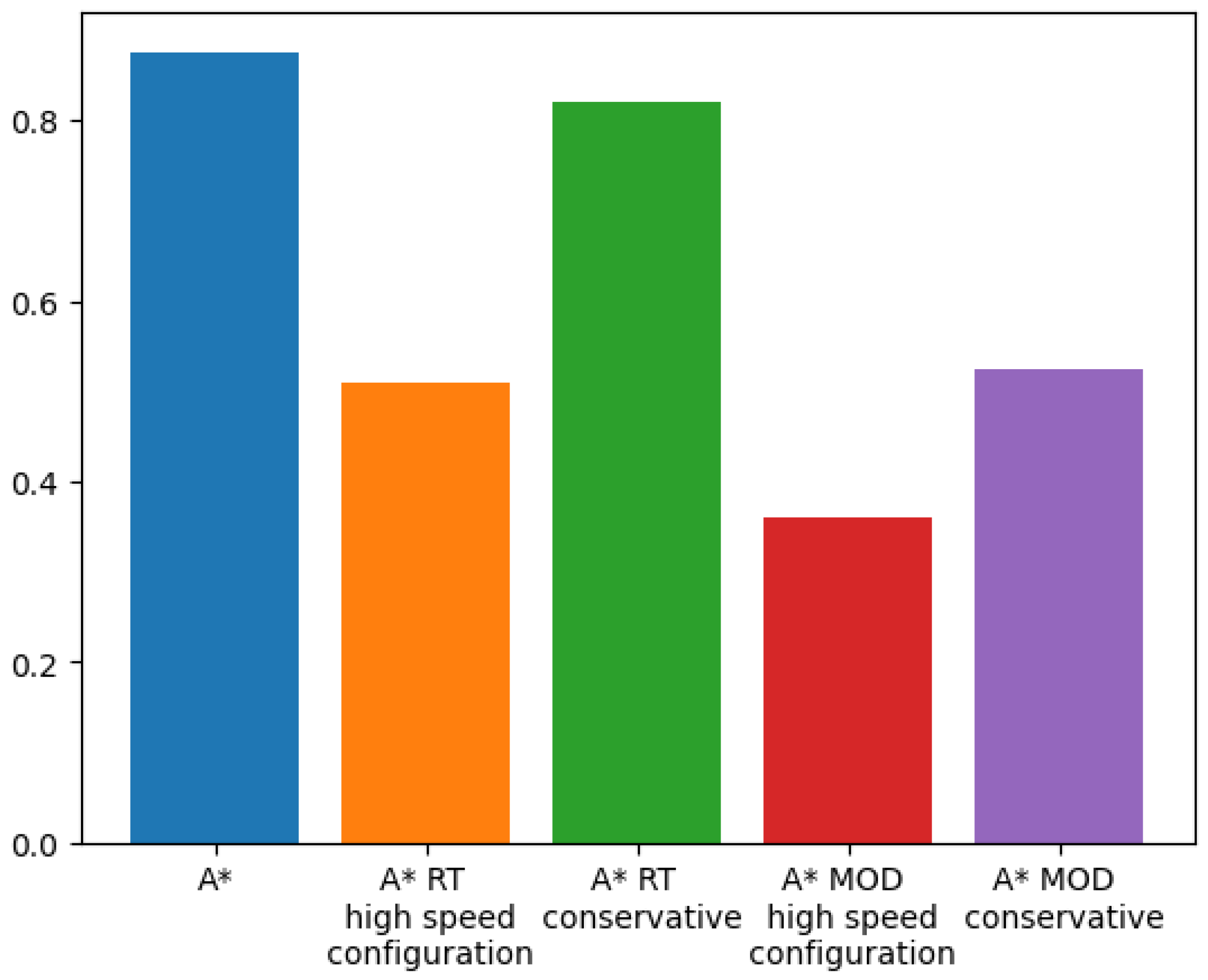
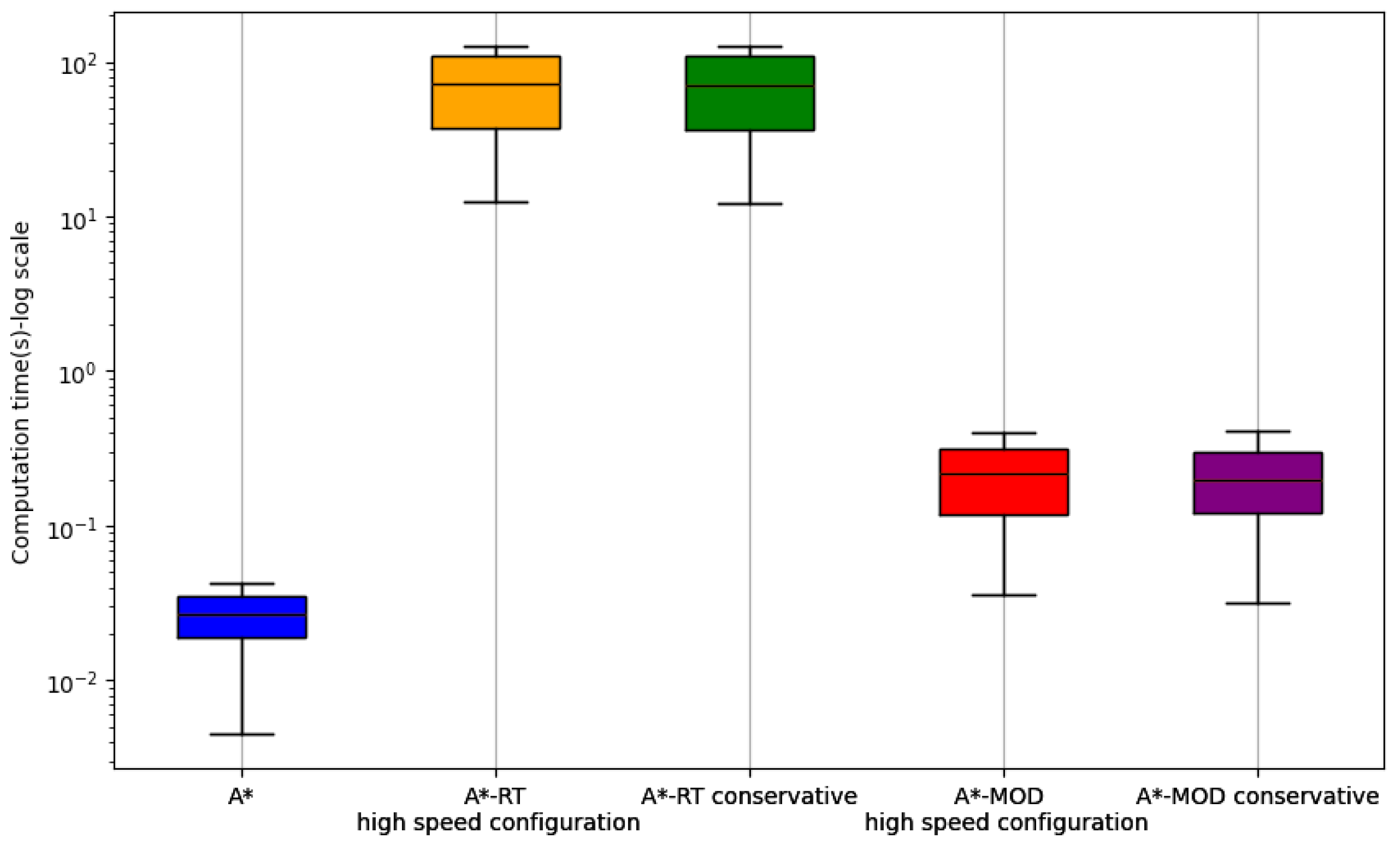
Figure 7 shows the computational time differences between traditional A*, A*-RF with high-speed configuration and conservative paths, and A*-MOD with high-speed configuration and conservative paths. The traditional A* algorithm achieves a maximum computation time of 0.031 s, corresponding to its fundamental O ( b d ) complexity, where b is the average number of successor nodes from any given state and d is the search depth. In A*-RF and A*-MOD, speed routes require more computation time than conservative routes. The computational overhead in A*-RF stems from evaluating a RF model with 100 decision trees at each node expansion. For A*-RF, the difference between conservative and speed paths is statistically significant ( p < 0.01 , Cohen’s d = 0.96 ) with an 11.67% increase in computation time. In contrast, A*-MOD shows a smaller difference of 2.53% that remains significant ( p > 0.01 , Cohen’s d = 0.19 ).
The A*-RF high-speed configuration and conservative variants demonstrate higher computation times than traditional A* and A*-MOD due to their algorithmic complexity. A*-RF corresponds to the complexity of A* multiplied by the prediction complexity of the RF model, Θ ( B log S ) . Each prediction requires evaluating B = 100 decision trees, resulting in computation times approximately 229 times higher than A*. In the case of A*-MOD, computational efficiency is achieved through its linear approximation approach, utilizing a weighted cost function with O ( n f ) complexity, where n f = 7 is the number of features.
Statistical analysis reveals that energy-aware high-velocity algorithms ( v max > 0.6 m/s) with elevated acceleration parameters ( α max > 0.3 rad/s2) generate smoother trajectories with reduced angular deviations and fewer directional transitions. Regarding total path length, both A*-MOD and A*-RF outperform the traditional A* in most scenarios. The A*-MOD conservative variant achieves a 4.41% reduction in path length, while A*-RF under the same conditions yields a 4.79% improvement. In the high-speed configuration, A*-RF continues to show strong performance with a 4.84% reduction. In contrast, A*-MOD in the high-speed configuration achieves only a 2.07% improvement, which is not statistically significant ( p > 0.01 ). This optimization occurs through the weighted cost function (Equation (11)), where angular velocity and acceleration components are assigned higher importance weights I k .
However, in the case of A*-MOD under high-speed parameters, an inverse correlation with path optimality is observed: higher-speed configurations produce trajectories with increased total distance, suggesting a trade-off between angular efficiency and geometric optimality. Moreover, A*-MOD demonstrates superior performance in both the number of inflection points and total turning angle metrics. These improvements may be attributed to the RF energy model’s tendency to underestimate outputs for rotational movements, as previously shown in Figure 4, resulting in A*-RF generating paths with more turns.

6.3.2. Energy Consumption Analysis

Figure 8 shows the estimated energy consumption (%) of the mobile platform, as predicted by the RF energy model. The results clearly indicate that the lowest energy consumption is achieved with speed paths. This behavior can be explained by the methodology used to estimate energy based on cycle count N c . Notably, the A*-MOD algorithm shows the most energy-efficient performance in both conservative and high-speed operational configurations. The observed reduction in total battery usage can be attributed to a decrease in the number of inflection points and improved path length optimization. Statistically, the reduction in energy consumption is significant ( p < 0.01 , Cohen’s d = 0.58 ), indicating the effectiveness and practical relevance of the proposed modifications.
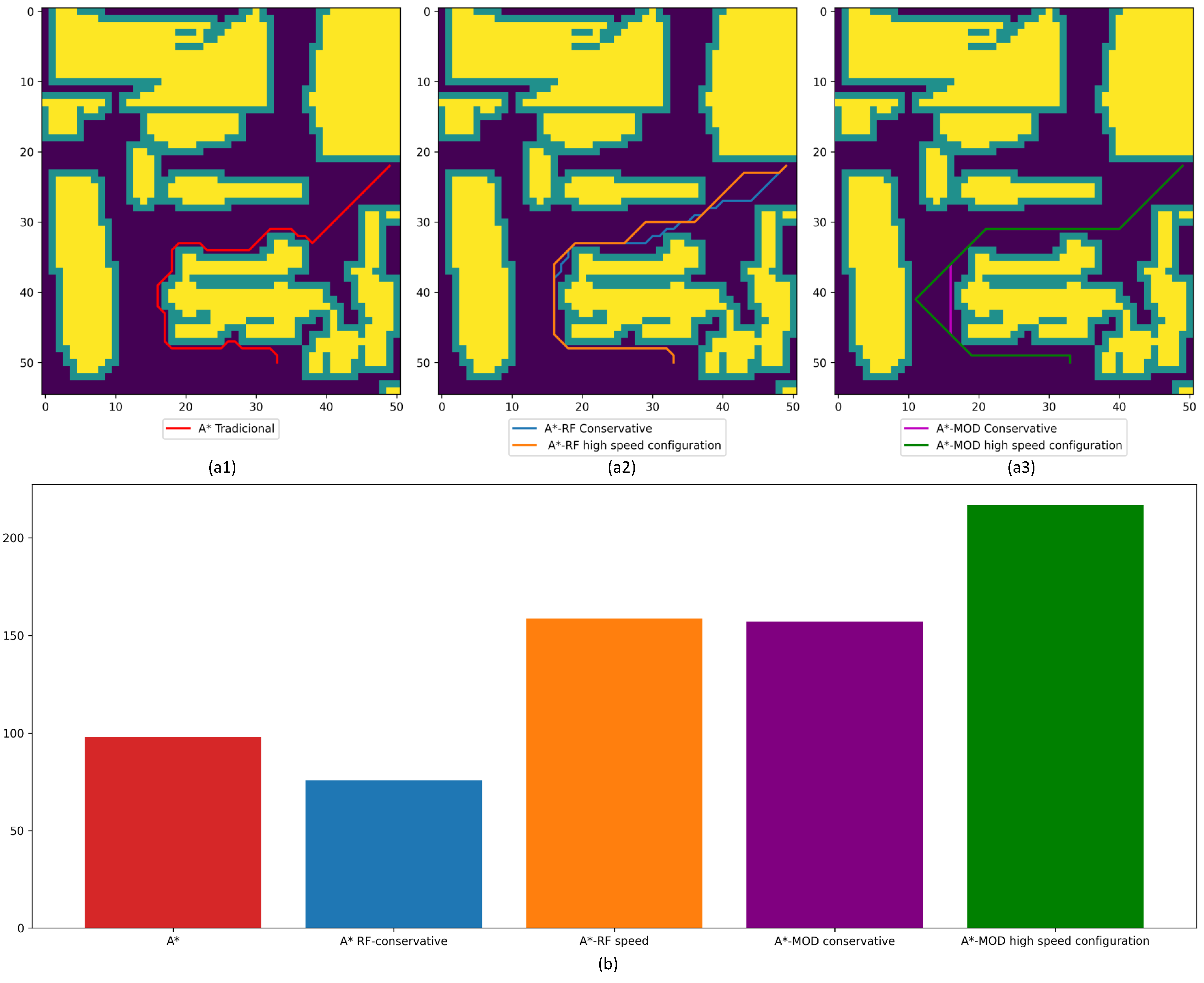
The results demonstrate that although conservative paths are typically associated with reduced energy usage due to slower and smoother navigation, the A*-MOD algorithm consistently achieves the lowest energy consumption across both conservative and high-speed configurations when properly optimized. Significant reductions in energy usage are due to the minimization of inflection points, reduced turning angles, and overall path length optimization. Quantitatively, energy consumption using A*-MOD decreased by 40.05% compared to traditional A* in the conservative configuration ( p < 0.01 , Cohen’s d = 1.66 ) and by 58.91% in the speed configuration ( p < 0.01 , Cohen’s d = 2.00 ). These results indicate not only statistical significance, but also strong practical relevance. Figure 9 shows the practical implications of algorithmic improvements through a specific test case involving navigation from point P1 to P5. The comparative analysis provides key insights into the energy-efficiency trade-offs associated with different path planning strategies. The conservative configuration, particularly in the A*-RF conservative variant, exhibits a tendency to generate trajectories with numerous small directional changes. Each of these turns requires the robot to slow down, change direction, and accelerate again. Rotational movements typically consume more power than straight-line motion, and multiple small turns compound the overall energy expenditure, resulting in fewer operational cycles N c before battery depletion, despite appearing cautious. In contrast, the A*-MOD speed variant exhibits superior energy performance by strategically favouring smoother trajectories, even at the cost of slightly increased path length. The algorithm recognizes that making one additional turn to reduce overall energy consumption is preferable to multiple small adjustments, even if the total distance increases marginally (Figure 9(a3)).
The improved efficiency of the A*-MOD speed variant allows the robot to complete 217 consecutive cycles on the P1–P5 route before requiring battery recharging (Figure 9b). This represents a remarkable increase in operational autonomy compared to the traditional A* algorithm, which supports only 98 cycles under the same conditions. This performance gain is achieved by intelligently balancing path directness with the minimization of rotational actions, demonstrating that energy-aware path planning can significantly extend mission duration and battery life without compromising navigation safety or feasibility.

6.4. Statistical Analysis of Results

The results shown in Table 2 consistently yielded p < 0.01, indicating that the improvements achieved by the A*-MOD algorithm are statistically significant across all key metrics when compared to the traditional A* approach. In contrast, the A*-RF conservative algorithm did not show significant differences when compared to standard A*, indicating that its improvements are limited under conservative motion parameters. Additionally, there is not significative difference between A*-MOD and A*-RF in terms of total distance traveled.

7. Discussion

The results demonstrate that the RF model trained on empirical data from the KUKA KMP 1500 platform is capable of predicting energy consumption associated with pure rotational and pure translational kinematic motion profiles. The model achieved an RMSE of 1.28 cycles within an operational range of 5 to 90 cycles, corresponding to a relative error below 1.5%. Unlike approaches based on analytical models (such as those employed by Zhang et al. [25] or Mageshkumar et al. [22]), which express energy consumption as a function of physically interpretable parameters the RF model does not provide a transparent parametric representation of the robot’s dynamic behaviour. Analytical models offer advantages in terms of generality: their parameters can be transferred or adapted to new platforms, and they allow reasoned extrapolation beyond the observed operational range without the need for additional data collection. However, their accuracy depends on how precisely phenomena such as variable friction, motor dynamics, or propulsion system nonlinearities are characterised, which in practice are difficult to model completely. The RF model, by contrast, captures these relationships implicitly from empirical data, achieving higher accuracy within the trained range, but at the cost of reduced generality and interpretability limited to the relative feature importances I k , which are statistical rather than physical in nature. Compared to prior approaches based on neural network models for energy prediction in industrial mobile robots, the RF model offers additional advantages in terms of interpretability. Rico-Melgosa et al. [29] reported similar predictive accuracy using cross-validated neural networks for industrial mobile robots. By contrast, the approach adopted by Mageshkumar et al. [22] models energy consumption per subsystem through regression, which requires direct instrumentation of each individual component. It should be noted that model accuracy is conditioned by the parameter ranges observed during experimental data collection: distances up to c d 20 m and rotation angles up to c θ 180 ° . Segments exceeding these ranges must be decomposed into subsegments prior to energy evaluation, as described in the distance and angular segmentation procedure in Section 6. This limitation could introduce cumulative estimation errors, as the segmentation assumes that energy consumption scales linearly across subsegments, which may not accurately reflect the robot’s actual behaviour during continuous motions of greater length or angular displacement. The RF feature importance analysis (Figure 5) reveals that travel distance is the most influential factor in energy consumption. It is followed by rotation angle (importance = 0.12 ) and maximum angular velocity ω max (importance = 0.11 ), reflecting that rotational movements represent a significant source of energy expenditure despite involving no net displacement. This finding has a direct implication for energy-efficient trajectory design: minimising directional changes can substantially reduce energy consumption, even if this entails a slight increase in total travel distance, consistent with findings reported in related work [25]. Figure 9(a3) illustrates this empirically, showing that rotational movements are associated with a higher number of battery discharge cycles than equivalent translational movements, indicating that the angular component of motion can be energetically more costly per unit of displacement. The remaining kinematic parameters presents individual importances below 0.05, suggesting that their marginal contribution to energy consumption is limited within the explored operational range. However, their interaction with the primary kinematic parameters may be relevant in high-speed configurations: trajectories generated with v max > 0.6 m/s and α max > 0.3 rad/s2 produce smoother angular profiles with fewer directional transitions, indirectly reducing energy consumption. The results presented in Figure 8 and Table 2 demonstrate that both A*-RF and A*-MOD outperform traditional A* in terms of estimated energy efficiency. The A*-MOD algorithm emerges as the most efficient variant, achieving energy consumption reductions of 40.05% in the conservative configuration ( p < 0.01 , Cohen’s d = 1.66 ) and 58.91% in the high-speed configuration ( p < 0.01 , Cohen’s d = 2.00 ), relative to the classical A* baseline. The energy efficiency gains of A*-MOD can be attributed to its ability to generate trajectories with fewer inflection points and reduced cumulative turning angles. Each directional change requires the robot to decelerate, reorient, and accelerate. By penalising these transitions through a linearly-weighted cost function based on RF feature importances (Equation (11)), A*-MOD produces smoother paths even when they entail a marginal increase in total distance, as illustrated in Figure 8, where the high-speed A*-MOD variant enables the robot to complete 217 consecutive cycles on the P1-P5 route before requiring recharging.
A*-RF also improves energy efficiency relative to traditional A*, although its performance in reducing inflection points is lower than that of A*-MOD. This is attributed to the RF model’s tendency to underestimate energy consumption during rotational manoeuvres, yielding paths with more turns than those produced by A*-MOD. Furthermore, the prediction error introduced by the RF model in A*-RF may compromise heuristic admissibility [13], restricting its applicability to specific use cases. This limitation is inherent to the statistical behaviour of the RF regressor in regions of the parameter space with sparse training data, and could be mitigated through denser data collection in high-rotation ranges or through post-hoc model calibration techniques. Regarding prior work, Zhang et al. [25] reported energy reductions of approximately 26–28% by incorporating energy-aware motion primitives into an A*-based planner for autonomous ground vehicles. The reductions exceeding 40% achieved in the present study suggest that directly integrating an empirically calibrated machine learning model into the planner’s cost function can outperform approaches based on analytical physical models, particularly on platforms where the actual energy behaviour exhibits nonlinearities that are difficult to capture through simplified dynamic equations. Similarly, Cooper-Baldock et al. [21] demonstrated that incorporating neural network approximations into the A* heuristic reduces navigation cost in underwater vehicles; the present work extends this principle to the domain of industrial logistics with omnidirectional mobile robots. Nevertheless, the reported improvements are based on RF model estimates rather than direct hardware measurements, and experimental validation of actual on-platform energy consumption remains a pending line of work to confirm the magnitude of the reported gains. The computational time analysis (Figure 7) reveals that traditional A* reaches a maximum computation time of 0.031 s, consistent with its O ( b d ) complexity. A*-RF introduces a significant overhead: evaluating an ensemble of 100 decision trees at each node expansion, with complexity Θ ( B log S ) , results in computation times approximately 229 times higher than traditional A*. This difference is statistically significant ( p < 0.01 ) and poses a relevant challenge for environments with strict real-time constraints. In contrast, A*-MOD drastically reduces this overhead by replacing the RF model evaluation with a linearly-weighted combination of feature importances, achieving O ( n f ) complexity with n f = 7 . This simplification brings computation times to levels comparable with traditional A* while preserving most of the energy efficiency gains. It is important to note that all experiments were executed on an NVIDIA RTX 6000 Ada Generation GPU, providing a high-performance reference context. Deployment on typical embedded hardware used in industrial mobile robots could significantly increase A*-RF computation times, further reinforcing the relevance of A*-MOD as a computationally viable solution for real-world platform deployment.

7.1. Limitations

The energy consumption model trained on the KUKA KMP 1500 mobile platform demonstrates strong predictive performance within its operational range. However, several factors limit its generalisation and applicability to broader contexts. The proposed energy model was trained exclusively on pure translational and pure rotational motion primitives, and does not account for curvilinear motion profiles combining simultaneous linear and angular velocities. While the path planning framework decomposes motion into sequential primitives consistently with the model’s training conditions, real low-level controllers may generate smooth curvilinear trajectories whose energy cost cannot be directly estimated by the current model, representing a direction for future experimental characterisation.
Direct application of the RF model to platforms with different mechanical configurations or distinct control strategies would require model retraining or adaptation. As discussed, unlike analytical models whose physically interpretable parameters can be transferred across platforms, the RF model is inherently tied to the empirical data of a specific platform, limiting its out-of-the-box portability. Furthermore, the segmentation approach for handling c d > 20 m and c θ > 180 introduces approximation errors that may accumulate in large-scale environments, since it assumes linear scalability of energy consumption across subsegments. The model does not account for external environmental factors such as floor surface irregularities, slopes, or variable friction conditions, which can significantly alter the resistance to motion and therefore the actual energy consumption. These elements can substantially influence battery usage in real-world deployments and merit inclusion in future modelling efforts. The validation was conducted on a single moderate-scale industrial environment (51 m × 55 m) under static conditions, without dynamic obstacles such as moving machinery, human workers, or temporary obstructions. The generalisation of the results to larger facilities, multi-floor layouts, or outdoor areas would require hierarchical planning strategies. Future work should also explore dynamic replanning that retains energy optimisation under changing conditions. The energy efficiency improvements reported throughout this study are based on estimates from the trained RF model rather than direct hardware power measurements. While the consistency of model application across all evaluated algorithms ensures a fair comparative framework, experimental validation of actual on-platform energy consumption in real operating conditions remains a critical pending step to confirm the absolute magnitude of the reported gains. Regarding the heuristic design, the admissibility of the A*-RF heuristic cannot be formally guaranteed [13] due to the prediction error of the RF model, particularly in regions of C free with sparse training data or high variability in the rotational components of ϕ s . Incorporating uncertainty estimates from the RF model into the planning process could enhance robustness in these regions and provide more reliable optimality guaranties. The energy consumption metric, based on 1% SoC depletion cycles N c , offers a practical experimental measurement but may not capture complex discharge behavior, battery aging effects, or thermal influences present in real-world battery systems. A more detailed electrochemical battery model could increase the accuracy and robustness of the estimation process. Finally, although energy efficiency is the main focus, industrial applications often require the simultaneous optimization of multiple objectives, such as completion time, safety margins, and equipment wear. Multi-objective formulations incorporating the feature importance weights I k and cost vectors u trans , u rot could provide more comprehensive solutions for complex industrial scenarios.

7.2. Recommended Future Work

To further enhance the applicability and robustness of the proposed energy-aware path planning framework, several directions for future research are identified. First, implementing online learning capabilities to continuously refine the RF model based on real-time operational data could improve model accuracy over time, accounting for factors such as equipment ageing or environmental changes. For deployment in large-scale environments, a hierarchical planning approach combining global path planning with local energy optimisation could enable scalable, efficient operation in more complex environments. From a methodological perspective, the integration of ML-based energy models into classical path planning algorithms highlights the potential of hybrid approaches, where data-driven insights enhance traditional algorithmic methods. This paradigm could inspire similar improvements in other areas of robotics and autonomous systems. The work also contributes to the broader goal of sustainable automation by providing concrete methods to reduce energy consumption in robotic systems. As autonomous systems continue to proliferate in industrial environments, such efficiency improvements become increasingly important for environmental impact mitigation. Lastly, the validation of the approach in a real industrial factory floor, rather than purely simulated or laboratory conditions, strengthens the credibility of the results and provides confidence for industrial adoption. The availability of the approach as two variants (A*-RF for accuracy, A*-MOD for efficiency) provides practitioners with flexibility to tailor deployments according to specific computational resources and operational objectives, increasing the potential for adoption in diverse industrial contexts.

Author Contributions

Conceptualization, E.Z.; Methodology, M.C.-Y., E.Z. and A.B.; Software, M.C.-Y. and D.R.-M.; Validation, M.C.-Y.; Formal analysis, M.C.-Y.; Investigation, M.C.-Y., D.R.-M., E.Z. and A.B.; Resources, D.R.-M. and A.B.; Data curation, M.C.-Y.; Writing—original draft, M.C.-Y.; Writing—review and editing, M.C.-Y., E.Z. and A.B.; Visualization, A.B.; Supervision, A.B.; Project administration, A.B. and J.R.-G.; Funding acquisition, E.Z., A.B. and J.R.-G. All authors have read and agreed to the published version of the manuscript.

Funding

The project ‘Artificial intelligence techniques for reducing energy consumption in mobile robotics—BIDEONENA’ has been funded by the Interregional Innovation Projects Program 2023 of the Euroregion New Aquitaine–Euskadi–Navarra. The authors appreciate the partial support from the Government of the Basque Country through research grant No. ELKARTEK KK-2025/00012.

Data Availability Statement

Data is contained within the article.

Conflicts of Interest

Author Jorge Rodriguez is employed by the company Aldakin S.L. (Spain). The remaining authors declare that the research was conducted in the absence of any commercial or financial relationships that could be construed as a potential conflict of interest.

Abbreviations

The following abbreviations are used in this manuscript:
A*A-star algorithm (route planning algorithm)
A*-RFA-star RF (A* variant with direct Random Forest model integration)
A*-MODA-star Modified (A* variant with modified cost function)
AIArtificial Intelligence
MLMachine Learning
RFRandom Forest
RRTRapidly-Exploring Random Tree
RRT*Rapidly Exploring Random Trees Optimal
PRMProbabilistic Roadmap
SSASalp Swarm Algorithm
PSOParticle Swarm Optimization
MSEMean Squared Error
RMSERoot Mean Square Error
CVCross-Validation

References

  1. Fragapane, G.; de Koster, R.; Sgarbossa, F.; Strandhagen, J.O. Planning and control of autonomous mobile robots for intralogistics: Literature review and research agenda. Eur. J. Oper. Res. 2021, 294, 405–426. [Google Scholar] [CrossRef]
  2. Azadeh, K.; De Koster, R.; Roy, D. Robotized and Automated Warehouse Systems: Review and Recent Developments. Transp. Sci. 2019, 53, 917–945. [Google Scholar] [CrossRef]
  3. MarketsandMarkets. Automated Material Handling Equipment Market—Global Forecast to 2029; Technical Report; MarketsandMarkets Research Private Ltd.: Maharashtra, India, 2024. [Google Scholar]
  4. Wurman, P.R.; D’Andrea, R.; Mountz, M. Coordinating Hundreds of Cooperative, Autonomous Vehicles in Warehouses. AI Mag. 2008, 29, 9–19. [Google Scholar] [CrossRef]
  5. Boysen, N.; de Koster, R.; Weidinger, F. Warehousing in the e-commerce era: A survey. Eur. J. Oper. Res. 2019, 277, 396–411. [Google Scholar] [CrossRef]
  6. Zhang, H.; Zhang, Y.; Liu, C.; Zhang, Z. Energy efficient path planning for autonomous ground vehicles with ackermann steering. Robot. Auton. Syst. 2023, 162, 104366. [Google Scholar] [CrossRef]
  7. Tompkins, J.A.; White, J.; Bozer, Y.; Tanchoco, J. Facilities Planning-John A.-Yavuz A. Bozer-J. M. A. Tanchoco-Wiley (20-1 | PDF | Supply Chain | Occupational Safety And Health, 4th ed.; John Wiley & Sons, Inc.: Hoboken, NJ, USA, 2010. [Google Scholar]
  8. Bassan, Y.; Roll, Y.; Rosenblatt, M.J. Internal Layout Design of a Warehouse. AIIE Trans. 1980, 12, 317–322. [Google Scholar] [CrossRef]
  9. Cai, J.; Li, X.; Liang, Y.; Ouyang, S.; Cai, J.; Li, X.; Liang, Y.; Ouyang, S. Collaborative Optimization of Storage Location Assignment and Path Planning in Robotic Mobile Fulfillment Systems. Sustainability 2021, 13, 5644. [Google Scholar] [CrossRef]
  10. Wu, M.; Yeong, C.F.; Su, E.L.M.; Holderbaum, W.; Yang, C. A review on energy efficiency in autonomous mobile robots. Robot. Intell. Autom. 2023, 43, 648–668. [Google Scholar] [CrossRef]
  11. Popescu, C.A.; Olteanu, S.C.; Ifrim, A.M.; Petcu, C.; Silvestru, C.I.; Ilie, D.M.; Popescu, C.A.; Olteanu, S.C.; Ifrim, A.M.; Petcu, C.; et al. The Influence of Energy Consumption and the Environmental Impact of Electronic Components on the Structures of Mobile Robots Used in Logistics. Sustainability 2024, 16, 8396. [Google Scholar] [CrossRef]
  12. European Commission. The European Green Deal; COM(2019) 640 final; European Commission: Brussel, Belgium, 2019.
  13. Hart, P.E.; Nilsson, N.J.; Raphael, B. A Formal Basis for the Heuristic Determination of Minimum Cost Paths. IEEE Trans. Syst. Sci. Cybern. 1968, 4, 100–107. [Google Scholar] [CrossRef]
  14. Dijkstra, E.W. A note on two problems in connexion with graphs. Numer. Math. 1959, 1, 269–271. [Google Scholar] [CrossRef]
  15. Kavraki, L.E.; Svestka, P.; Latombe, J.C.; Overmars, M.H. Probabilistic roadmaps for path planning in high-dimensional configuration spaces. IEEE Trans. Robot. Autom. 1996, 12, 566–580. [Google Scholar] [CrossRef]
  16. Wang, X.; Zhang, H.; Liu, S.; Wang, J.; Wang, Y.; Shangguan, D. Path planning of scenic spots based on improved A* algorithm. Sci. Rep. 2022, 12, 1320. [Google Scholar] [CrossRef]
  17. Lu, J.; Jin, Q.; Yuan, J.; Ma, J.; Qi, J.; Shao, Y. Path Planning Methods for Four-Way Shuttles in Dynamic Environments Based on A* and CBS Algorithms. Mathematics 2025, 13, 1588. [Google Scholar] [CrossRef]
  18. Xiang, D.; Lin, H.; Ouyang, J.; Huang, D. Combined improved A* and greedy algorithm for path planning of multi-objective mobile robot. Sci. Rep. 2022, 12, 13273. [Google Scholar] [CrossRef]
  19. Baras, N.; Dasygenis, M. UGV Coverage Path Planning: An Energy-Efficient Approach through Turn Reduction. Electronics 2023, 12, 2959. [Google Scholar] [CrossRef]
  20. Zhou, H.; Shang, T.; Wang, Y.; Zuo, L. Salp Swarm Algorithm Optimized A* Algorithm and Improved B-Spline Interpolation in Path Planning. Appl. Sci. 2025, 15, 5583. [Google Scholar] [CrossRef]
  21. Cooper-Baldock, Z.; Turnock, S.R.; Sammut, K. Wake-informed 3D path planning for Autonomous Underwater Vehicles using A* and neural network approximations. Ocean. Eng. 2025, 332, 121353. [Google Scholar] [CrossRef]
  22. Mageshkumar, V.; Baxi, A.; Natarajan, V.; Murthy, G.S. Adaptive Energy Optimization for Edge-Enabled Autonomous Mobile Robots. In Proceedings of the 2024 16th International Conference on COMmunication Systems & NETworkS (COMSNETS), Bengaluru, India, 3–7 January 2024; IEEE: New York, NY, USA, 2024; pp. 117–122. [Google Scholar] [CrossRef]
  23. Na, Y.; Li, Y.; Chen, D.; Yao, Y.; Li, T.; Liu, H.; Wang, K. Optimal Energy Consumption Path Planning for Unmanned Aerial Vehicles Based on Improved Particle Swarm Optimization. Sustainability 2023, 15, 12101. [Google Scholar] [CrossRef]
  24. Lai, K.; Sun, D.; Xu, B.; Li, F.; Liu, Y.; Liao, G.; Jian, J. Energy-Model-Based Global Path Planning for Pure Electric Commercial Vehicles Toward 3D Environments. Machines 2025, 13, 1151. [Google Scholar] [CrossRef]
  25. Zhang, W.; Wang, N.; Wu, W. A hybrid path planning algorithm considering AUV dynamic constraints based on improved A* algorithm and APF algorithm. Ocean. Eng. 2023, 285, 115333. [Google Scholar] [CrossRef]
  26. Feng, D.; Liu, J. A Novel Genetic Algorithm for Constrained Multimodal Multi-Objective Optimization Problems. Mathematics 2025, 13, 1851. [Google Scholar] [CrossRef]
  27. Davoodi, M.; Panahi, F.; Mohades, A.; Hashemi, S.N. Clear and smooth path planning. Appl. Soft Comput. 2015, 32, 568–579. [Google Scholar] [CrossRef]
  28. Al-Kamil, S.J.; Szabolcsi, R. Enhancing Mobile Robot Navigation: Optimization of Trajectories through Machine Learning Techniques for Improved Path Planning Efficiency. Mathematics 2024, 12, 1787. [Google Scholar] [CrossRef]
  29. Rico-Melgosa, D.; Zulueta, E.; Rodriguez-Guerra, J.; Inziarte-Hidalgo, I.; Aramendia, I.; Rico-Melgosa, D.; Zulueta, E.; Rodriguez-Guerra, J.; Inziarte-Hidalgo, I.; Aramendia, I. Cross-Validated Neural Network Optimization for Explainable Energy Prediction in Industrial Mobile Robots. Appl. Sci. 2025, 15, 12644. [Google Scholar] [CrossRef]
  30. Masehian, E.; Sedighizadeh, D. A multi-objective PSO-based algorithm for robot path planning. In Proceedings of the 2010 IEEE International Conference on Industrial Technology, Via del Mar, Chile, 14–17 March 2010; IEEE: New York, NY, USA, 2010; pp. 465–470. [Google Scholar] [CrossRef]
  31. Hagberg, A.A.; Schult, D.A.; Swart, P.J. Exploring Network Structure, Dynamics, and Function using NetworkX. In Proceedings of the 7th Python in Science Conference; Varoquaux, G., Vaught, T., Millman, J., Eds.; Los Alamos National Laboratory (LANL): Pasadena, CA USA, 2008; pp. 11–15. [Google Scholar]
  32. Tibshirani, R.; Jerome, F.; Hastie, T. The Elements of Statistical Learning Data Mining, Inference, and Prediction, 2nd ed.; Springer: Berlin/Heidelberg, Germany, 2009. [Google Scholar]
  33. Louppe, G. Understanding Random Forests: From Theory to Practice. arXiv 2014, arXiv:1407.7502. [Google Scholar] [CrossRef]
Figure 1. Summary methodology. Arrows indicate the sequential workflow from data collection through model training to path planning configurations. The energy cost model feeds into the battery consumption evaluation metric.
Robotics 15 00062 g001
Figure 2. Industrial factory floor layout used for path planning evaluation. Yellow and green regions are obstacles; dark corridors are navigable free space. Red markers P1–P7 indicate the designated waypoints.
Robotics 15 00062 g002
Figure 3. Distribution of the square root-transformed target variable ( N c ) across 198 training samples, where N c represents the number of motion cycles required to produce a 1% battery discharge. The transformation reveals distinct energy consumption patterns between rotational movements (red markers, samples 1–99) and translational movements (blue markers, samples 100–198).
Robotics 15 00062 g003
Figure 4. RF energy model diagnostic plots: (a) residuals vs. predictions showing model accuracy with homoscedastic distribution around zero; (b) Q-Q plot of residuals showing that prediction errors follow an approximately normal distribution along theoretical quantiles; (c) histogram of residuals confirming a symmetric and well-centered error distribution across the prediction range; (d) residuals vs. observation indicating temporal independence and absence of systematic prediction bias.
Robotics 15 00062 g004
Figure 5. Feature importance ranking for energy consumption prediction using the RF model. Travel distance emerges as the most influential factor (importance = 0.735), followed by rotation angle (0.12) and maximum angular velocity ω max (0.11). The remaining operational parameters, including maximum linear velocity v max , linear acceleration a max , payload mass and angular acceleration α max , each contribute less than 0.05 to the overall predictive performance of the KUKA KMP 1500 energy model.
Robotics 15 00062 g005
Figure 6. Comparison of path quality metrics across traditional A*, A*-RF (conservative and High-speed configuration), and A*-MOD (conservative and High-speed configuration) algorithms, highlighting trade-offs in trajectory characteristics: (a) total path distance, (b) number of inflection points, and (c) cumulative turning angles.
Robotics 15 00062 g006
Figure 7. Comparative analysis of computational time for the traditional A* algorithm as a baseline, A*-RF variants using high-speed configuration and conservative operational parameters, and A*-MOD variants under the same parameter settings. Battery consumption predictions are obtained using the RF energy model.
Robotics 15 00062 g007
Figure 8. Comparison of average energy consumption percentages predicted by the RF energy model across 42 navigation paths for each algorithm.
Robotics 15 00062 g008
Figure 9. (a) Visualization of planned trajectories from point P1 to P5 for each algorithmic variant: (a1) traditional A* (red), (a2) A*-RF conservative (orange), A*-RF speed (blue), (a3) A*-MOD conservative (purple), and A*-MOD speed (green), overlaid on the factory floor layout with obstacle and restricted area configurations; (b) Operational autonomy comparison based on the number of consecutive cycles N c completed before battery depletion. The A*-MOD high-speed configuration variant achieves 217 cycles, significantly outperforming traditional A* with 98 cycles, representing a 2.21 times improvement in energy efficiency and mission endurance.
Robotics 15 00062 g009
Table 1. Operational parameter configurations used for evaluation.
ParameterConservative PathHigh-Speed Configuration
Robot payload m (kg)250250
Maximum angular velocity ω max (rad/s)0.10.3
Maximum angular acceleration α max (rad/s2)0.10.3
Maximum linear velocity v max (m/s)0.31.2
Maximum linear acceleration a max (m/s2)0.20.6
Table 2. p-values in comparison between traditional and modified A* algorithms for path quality metrics: computation time (s), total distance (m), inflection points, turning angle (°), and energy consumption (%).
ComparisonPath ParameterPaired Sign TestWilcoxon
A * A * - RF   high - speed   configuration Computation time 4.547 × 10 13 5.415 × 10 16
Total distance lengthp < 0.001 3.564 × 10 7
Number of inflection points 4.628 × 10 7 1.579 × 10 5
Total turning angle 1.30 × 10 7 4.133 × 10 6
energy consumptionp < 0.001 2.8 × 10 13
A * A * - RF   conservative Computation time 4.547 × 10 13 4.547 × 10 13
Total distance lengthp < 0.001 3.545 × 10 7
Number of inflection points0.7250.63
Total turning angle1.00.96
energy consumption 0.940 × 10 3 0.039
A * A * - MOD   high - speed   configuration Computation time 4.547 × 10 13 4.547 × 10 13
Total distance length0.0100.016
Number of inflection pointsp < 0.001 1.605 × 10 8
Total turning anglep < 0.001 2.389 × 10 8
energy consumptionp < 0.001 4.547 × 10 13
A * A * - MOD   conservative Computation time 4.547 × 10 13 4.547 × 10 13
Total distance length 4.433 × 10 7 7.085 × 10 7
Number of inflection pointsp < 0.001 1.605 × 10 8
Total turning anglep < 0.001 1.625 × 10 8
energy consumptionp < 0.001 4.547 × 10 13
A * - RF   high - speed   configuration A * - MOD   high - speed   configuration Computation timep < 0.001 1.119 × 10 15
Total distance length0.070.12
Number of inflection points 9.094 × 10 13 2.818 × 10 8
Total turning angle 9.094 × 10 13 2.705 × 10 13
energy consumptionp < 0.001 4.547 × 10 13
A * - RF   conservative A * - MOD   conservative Computation timep < 0.001 4.547 × 10 13
Total distance length0.0700.360
Number of inflection points 9.094 × 10 13 2.818 × 10 8
Total turning angle 9.094 × 10 13 2.705 × 10 8
energy consumptionp < 0.001 4.547 × 10 13
Disclaimer/Publisher’s Note: The statements, opinions and data contained in all publications are solely those of the individual author(s) and contributor(s) and not of MDPI and/or the editor(s). MDPI and/or the editor(s) disclaim responsibility for any injury to people or property resulting from any ideas, methods, instructions or products referred to in the content.