Next Article in Journal
Proteomic Response of Pseudomonas putida KT2440 to Dual Carbon-Phosphorus Limitation during mcl-PHAs Synthesis
Next Article in Special Issue
TIPE2 Induced the Proliferation, Survival, and Migration of Lung Cancer Cells Through Modulation of Akt/mTOR/NF-κB Signaling Cascade
Previous Article in Journal
Generation of a Mouse Model Lacking the Non-Homologous End-Joining Factor Mri/Cyren
Previous Article in Special Issue
Lanatoside C Induces G2/M Cell Cycle Arrest and Suppresses Cancer Cell Growth by Attenuating MAPK, Wnt, JAK-STAT, and PI3K/AKT/mTOR Signaling Pathways
 
 
Correction published on 29 August 2024, see Biomolecules 2024, 14(9), 1085.
Article

Lichen Secondary Metabolite Physciosporin Decreases the Stemness Potential of Colorectal Cancer Cells


1
College of Pharmacy, Sunchon National University, 255 Jungang-ro, Sunchon, Jeonnam 57922, Republic of Korea
2
Korean Lichen Research Institute, Sunchon National University, 255 Jungang-ro, Sunchon, Jeonnam 57922, Republic of Korea
3
Department of Pharmacology, Chonnam National University Medical School, 160 Baekseo-ro, Dong-gu, Gwangju 61469, Republic of Korea
4
Faculty of Natural Science and Technology, Tay Nguyen University, Buon Ma Thout 630000, Vietnam
5
Institute of Biological Sciences, Universidad de Talca, Talca 747-721, Chile
*
Author to whom correspondence should be addressed.
These authors contributed equally to this work.
Biomolecules 2019, 9(12), 797; https://doi.org/10.3390/biom9120797
Submission received: 27 October 2019 / Revised: 24 November 2019 / Accepted: 27 November 2019 / Published: 28 November 2019 / Corrected: 29 August 2024
(This article belongs to the Special Issue Antitumor Agents from Natural Sources)

Abstract

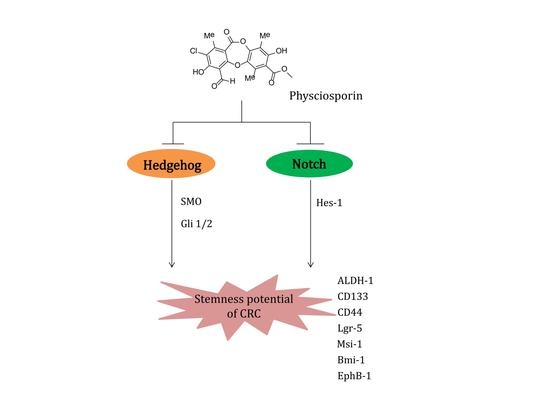
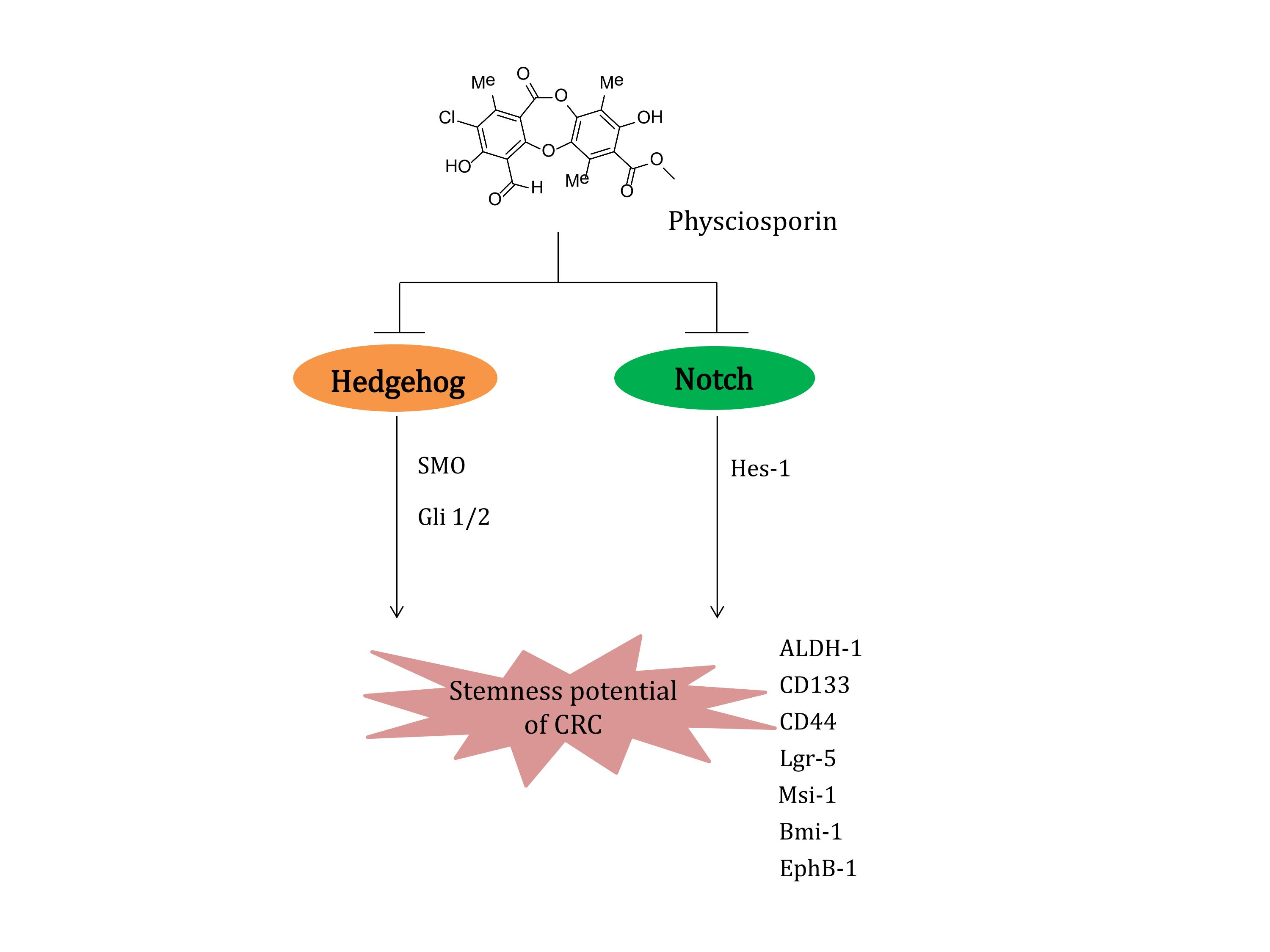
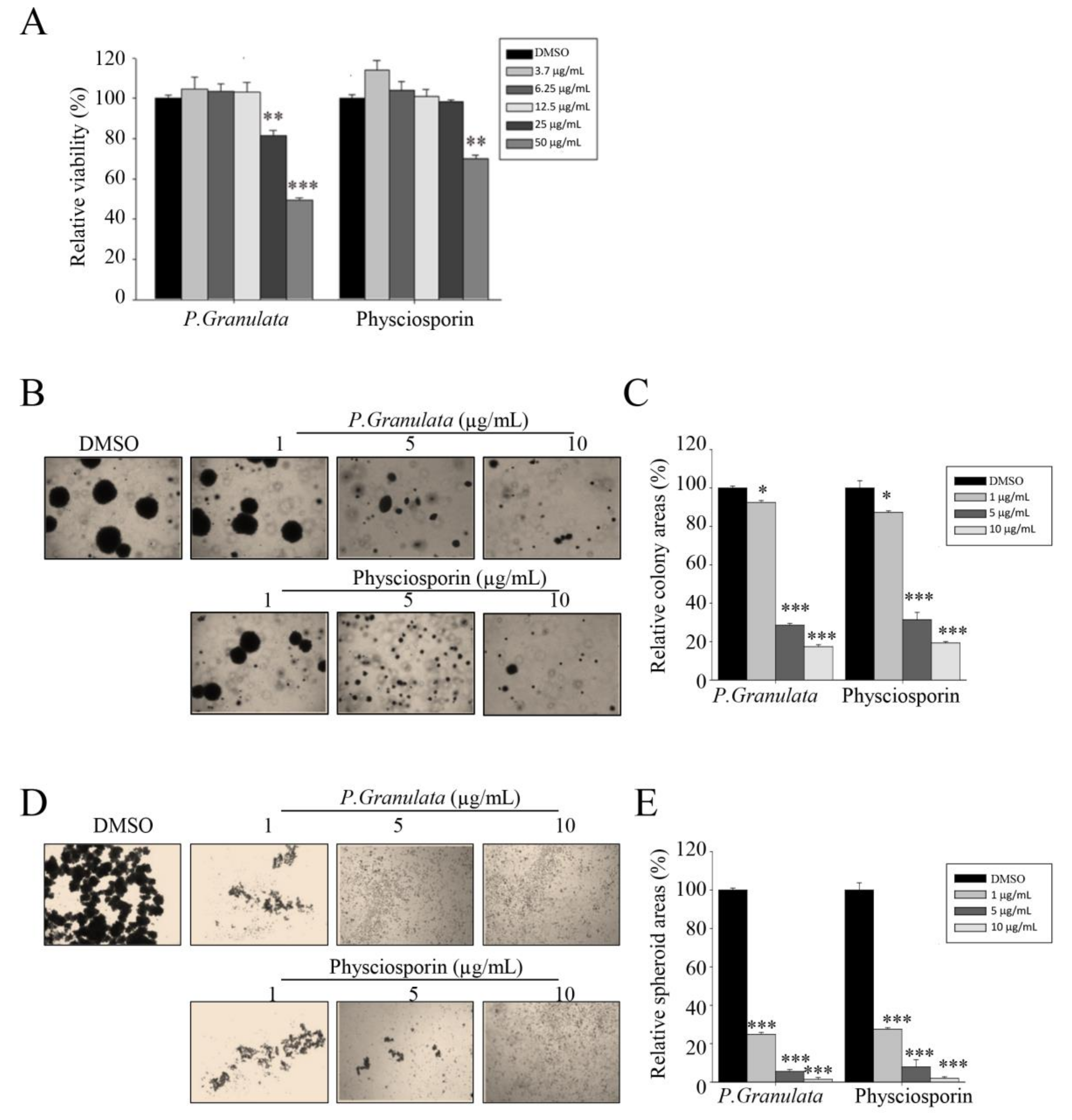
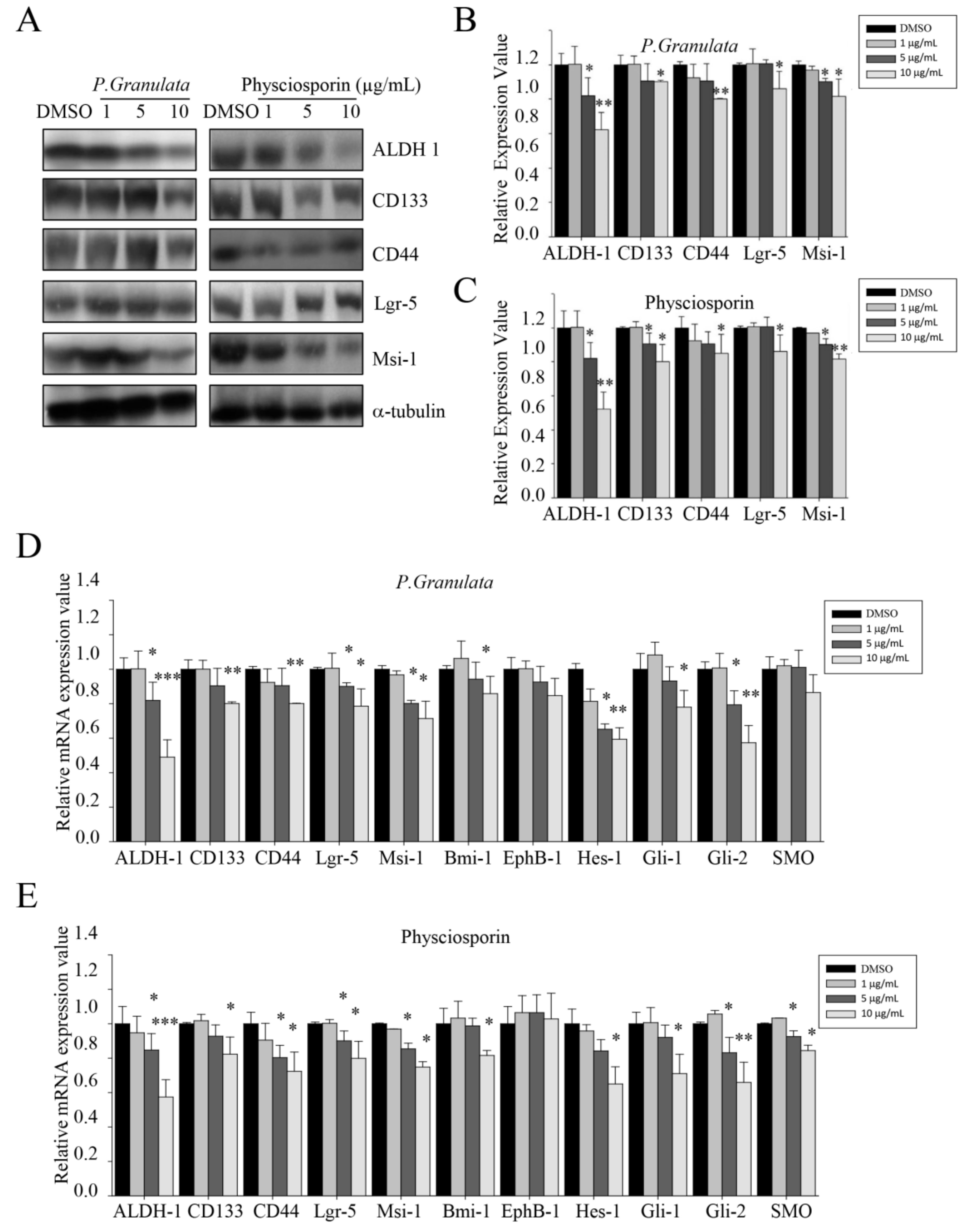
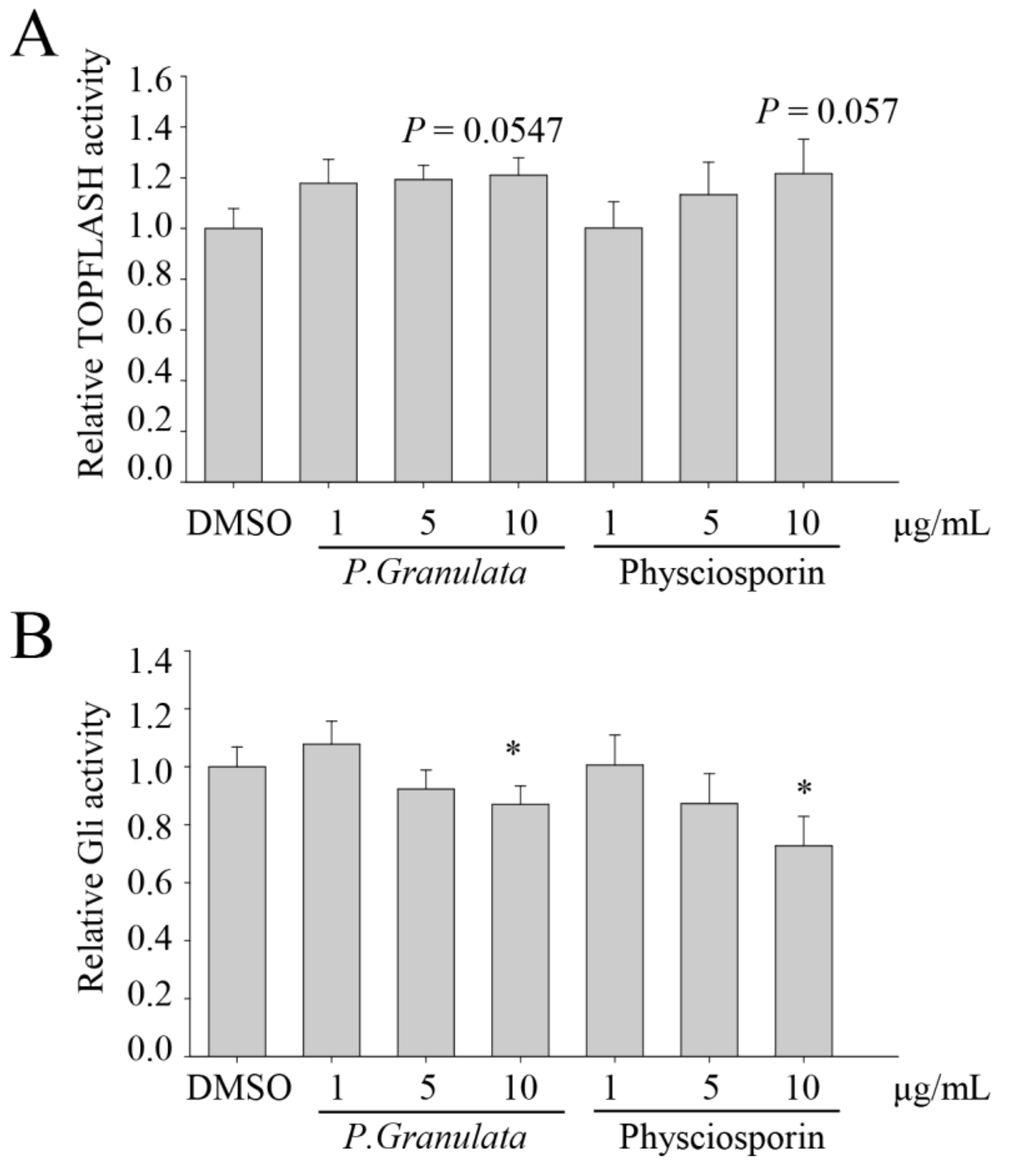
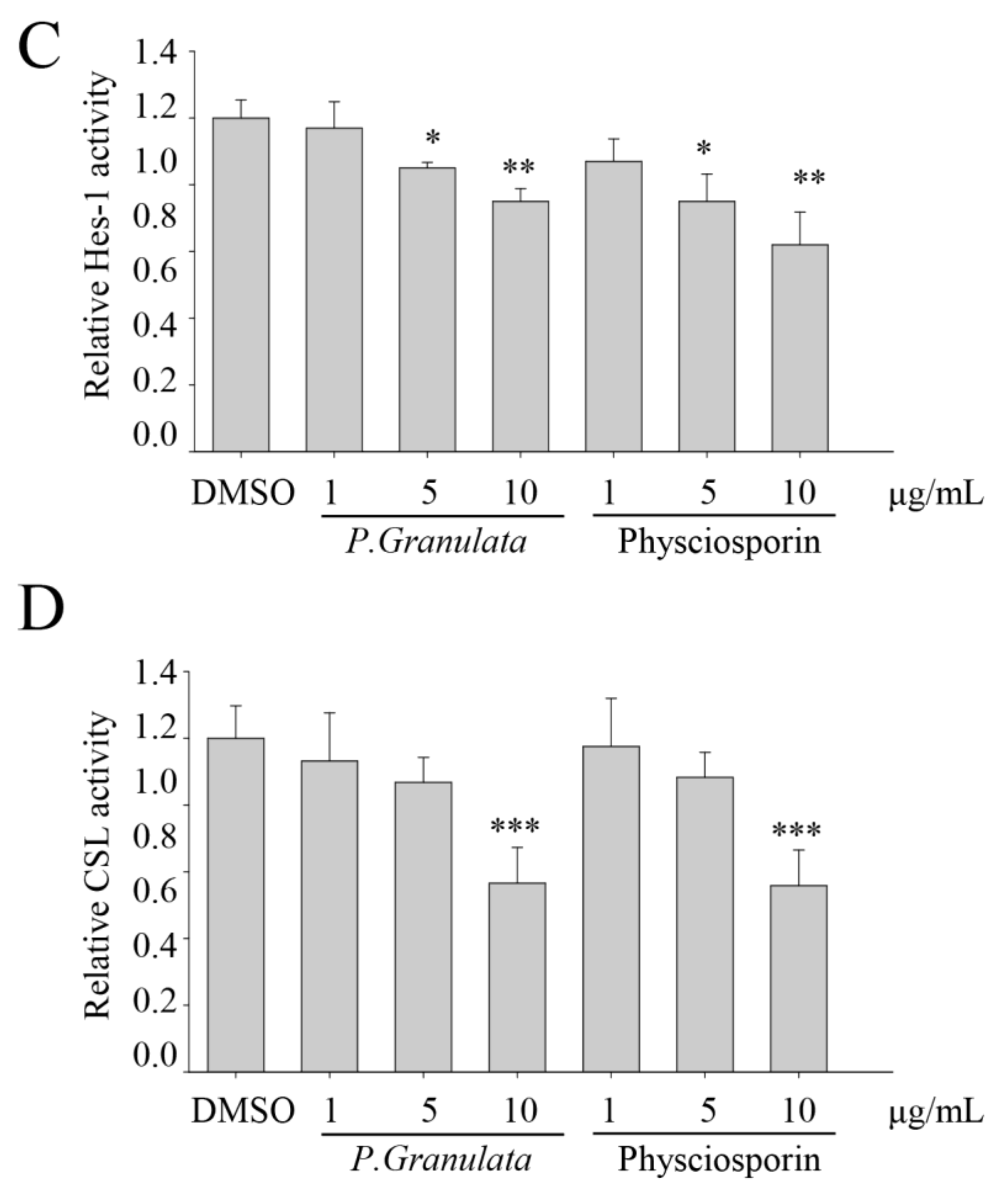
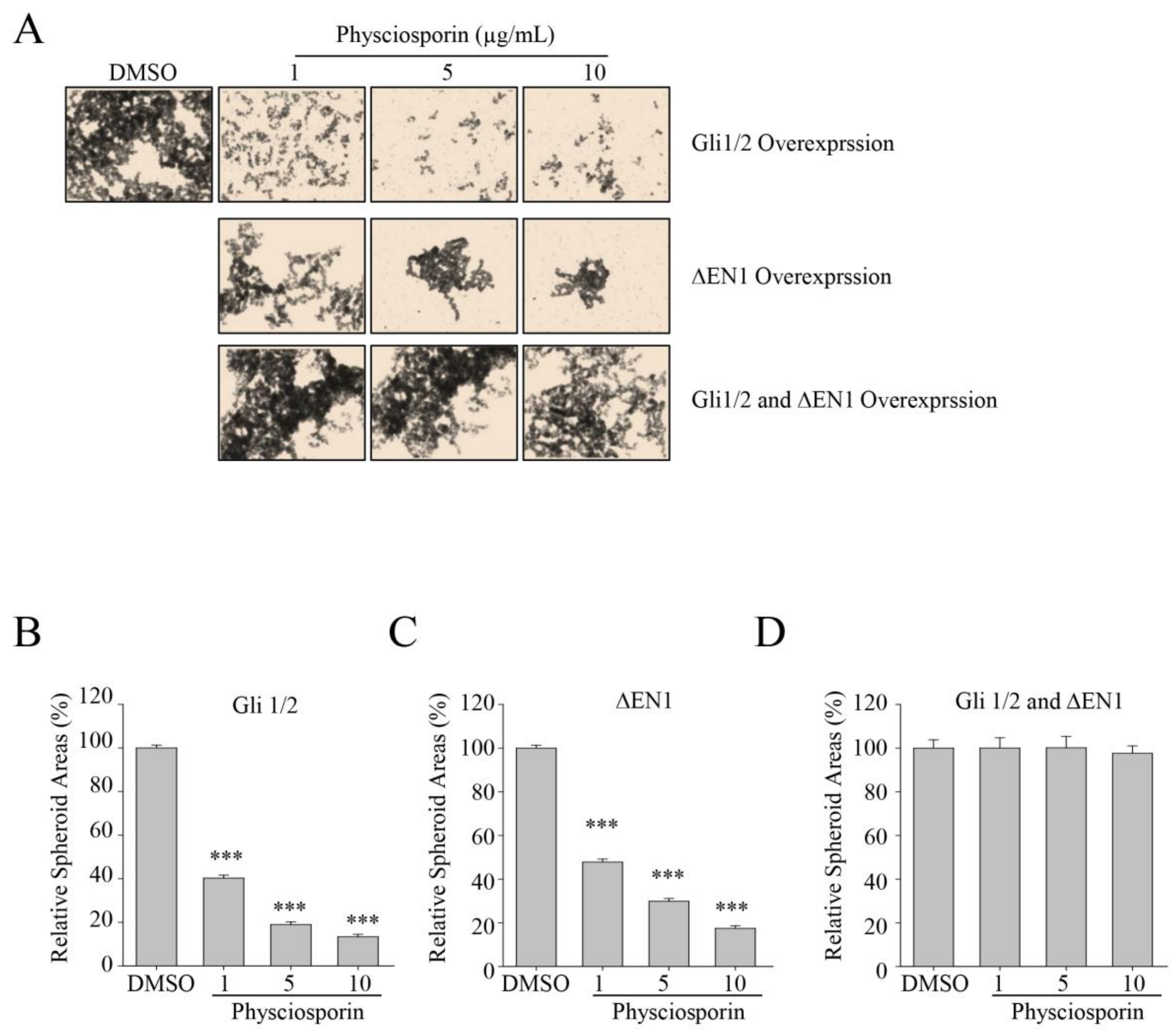
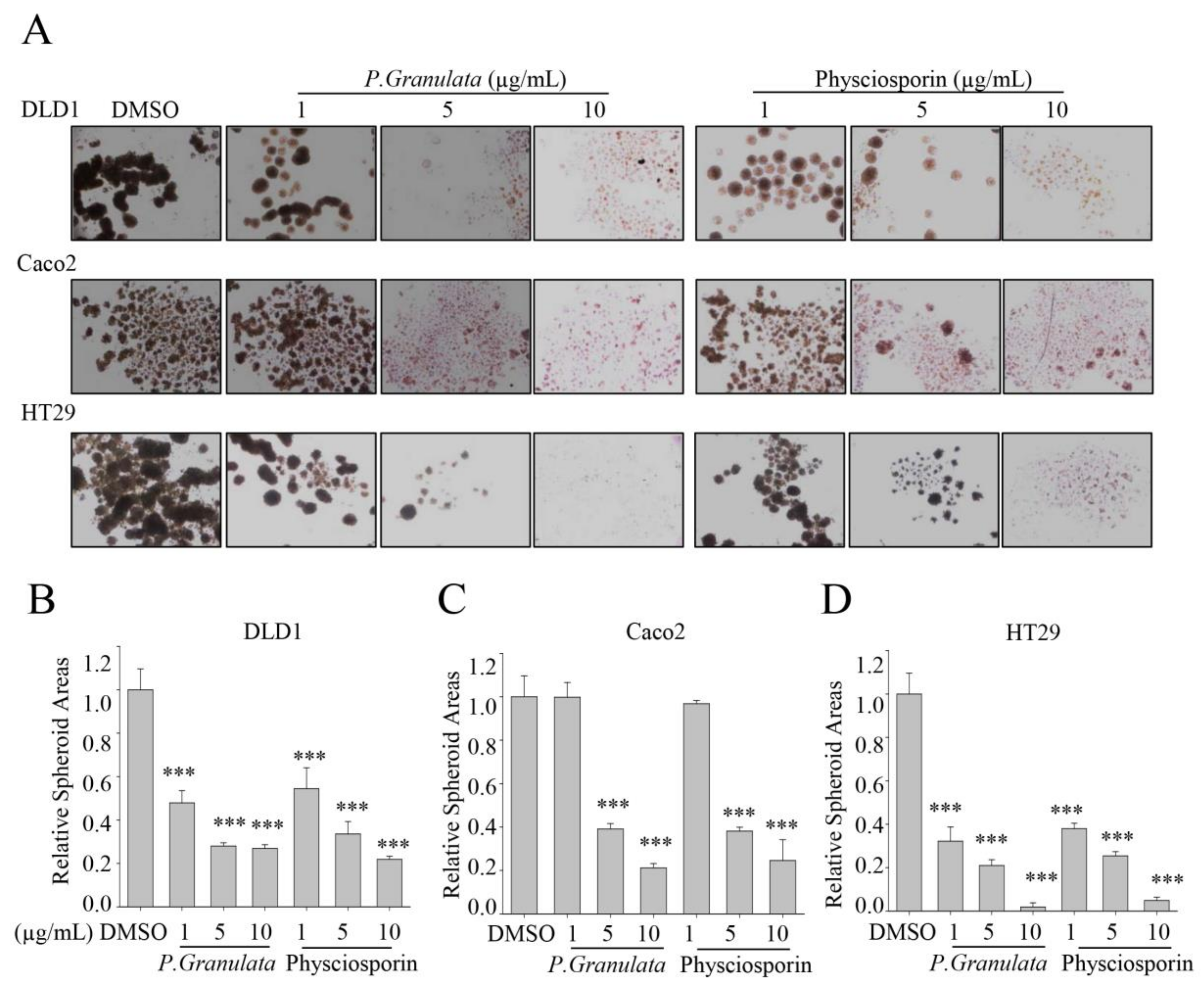
Secondary metabolites of lichens are promising bioresources for candidate anti-cancer drugs. Accordingly, several approaches have been proposed for screening these molecules for novel anti-cancer lead compounds. In this study, we found that a non-toxic concentration of physciosporin, a compound isolated from Pseudocyphellaria granulata, significantly decreased colony formation on soft agar and spheroid formation by CSC221 cancer stem-like cells. Physciosporin also decreased spheroid formation in other colorectal cancer cell lines, including DLD1, Caco2, and HT29. Aldehyde dehydrogenase-1 (ALDH1), the most important cancer stem marker, was sharply downregulated at both the protein and mRNA level following treatment with physciosporin. Physciosporin also decreased the transcriptional activity of the glioma-associated oncogene homolog zinc finger protein (Gli), as well as the Hes1 and CSL promoters, in reporter assays. Moreover, the drug significantly suppressed spheroid formation in CSC221 cells overexpressing Gli1/2 or ΔEN1 (an S2-cleaved but membrane-tethered form of human Notch1) but did not suppress spheroid formation in cells overexpressing both Gli1/2 and ∆EN1, suggesting that physciosporin suppresses colon cancer cell stemness through the Sonic hedgehog and Notch signaling pathways. Together, these results demonstrate for the first time that physciosporin is a potent inhibitor of colorectal cancer cell stemness.
Keywords: lichen; Pseudocyphellaria granulate; secondary metabolites; physciosporin; cancer stemness inhibition; colorectal cancer cells lichen; Pseudocyphellaria granulate; secondary metabolites; physciosporin; cancer stemness inhibition; colorectal cancer cells
Graphical Abstract