Article

Arabidopsis Transcription Factor MYB102 Increases Plant Susceptibility to Aphids by Substantial Activation of Ethylene Biosynthesis


1
College of Resource and Environment, Anhui Science and Technology University, Bengbu 233100, China
2
School of Medicine, Zhejiang University, Hangzhou 310058, China
*
Author to whom correspondence should be addressed.
These authors contributed equally to this work.
Biomolecules 2018, 8(2), 39; https://doi.org/10.3390/biom8020039
Submission received: 22 April 2018 / Revised: 4 June 2018 / Accepted: 5 June 2018 / Published: 7 June 2018

Abstract

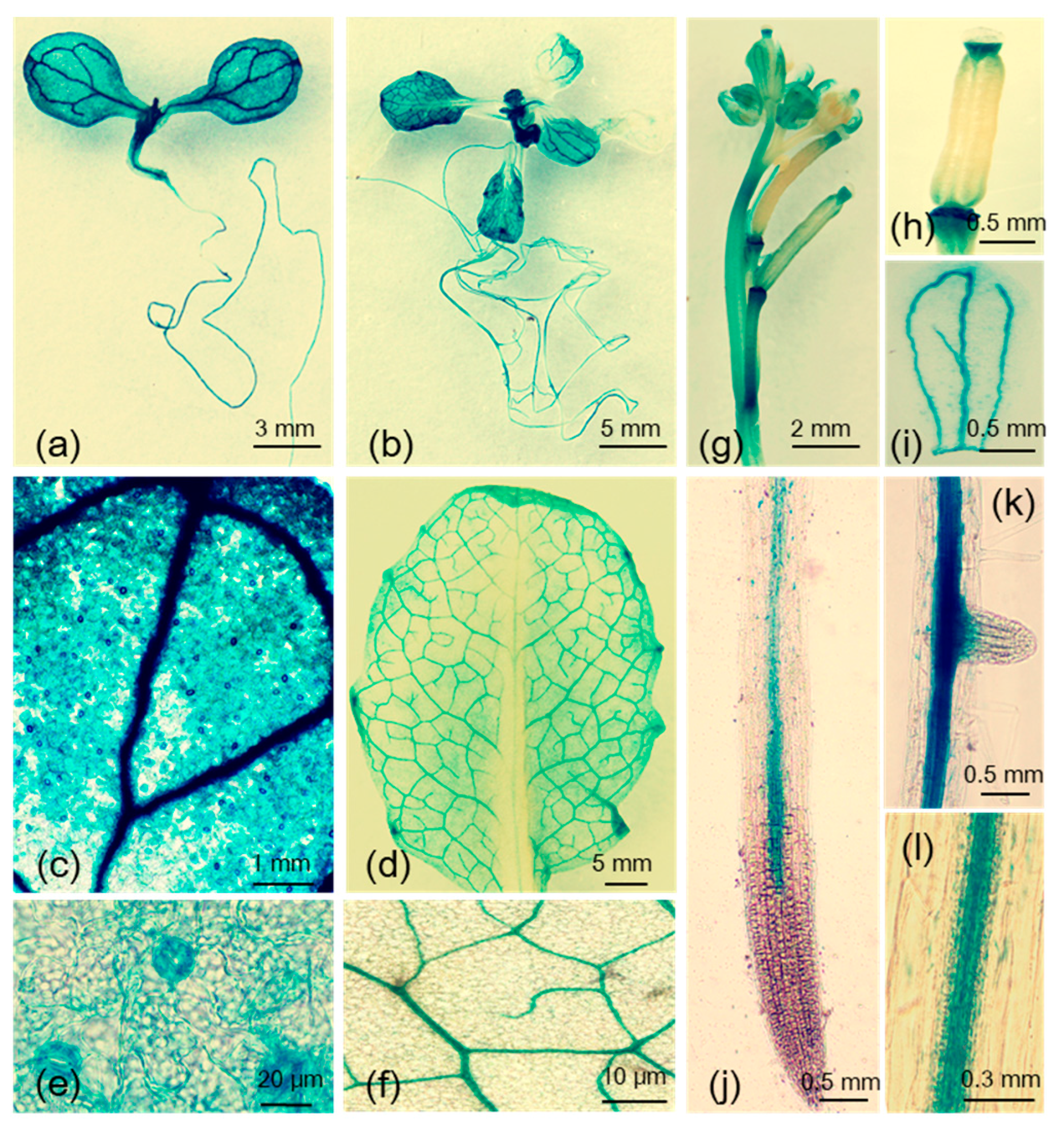
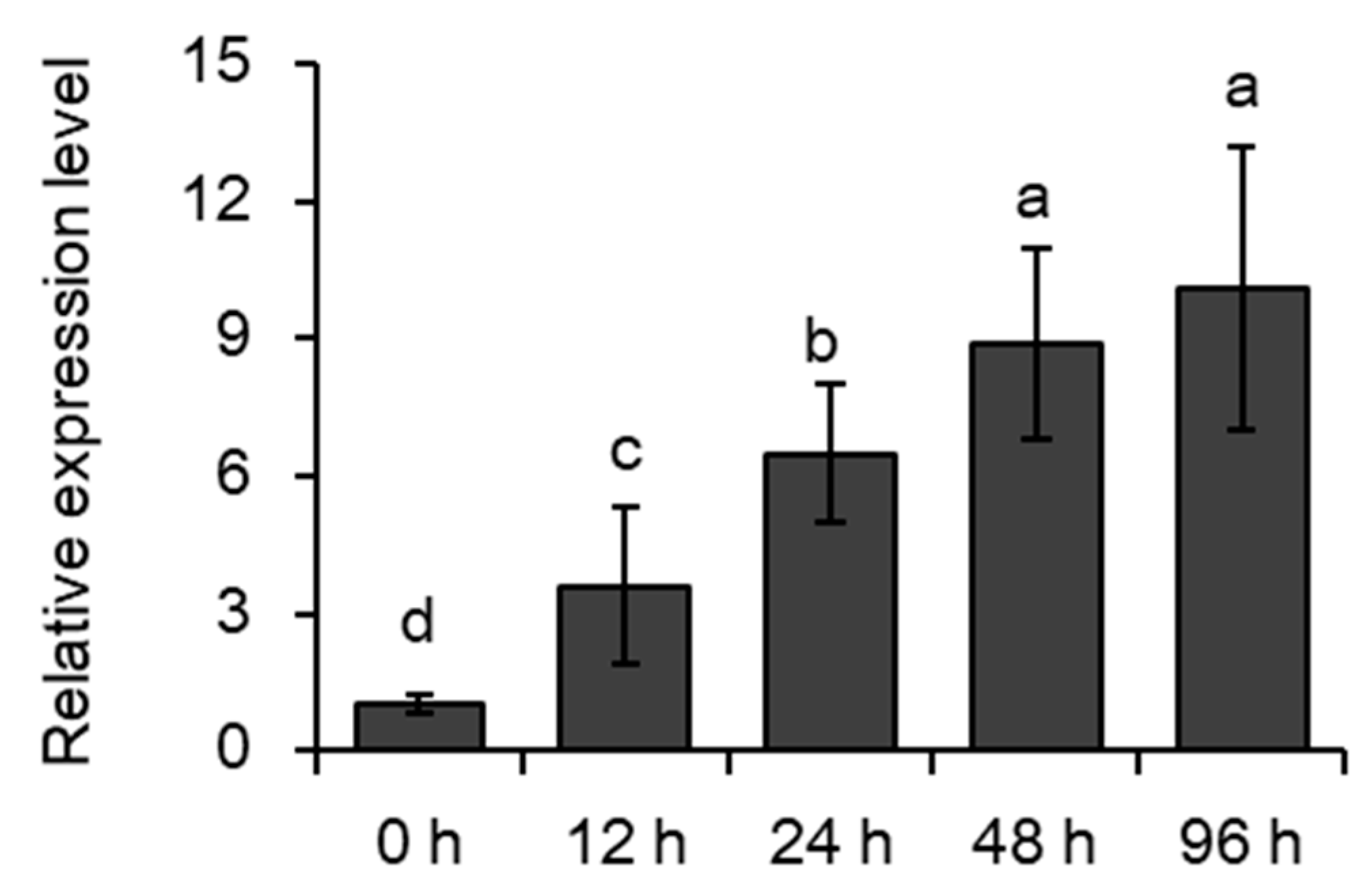
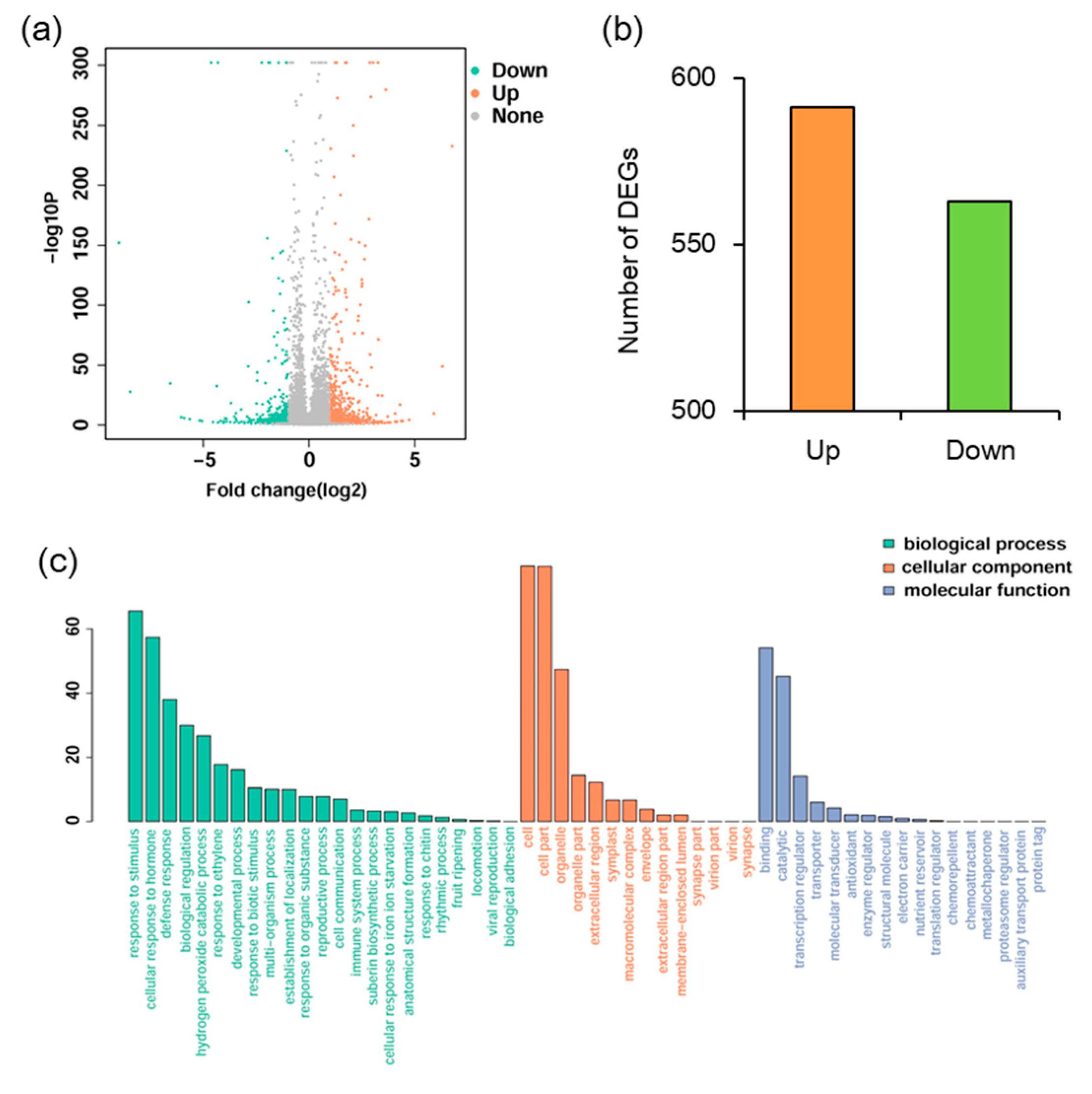
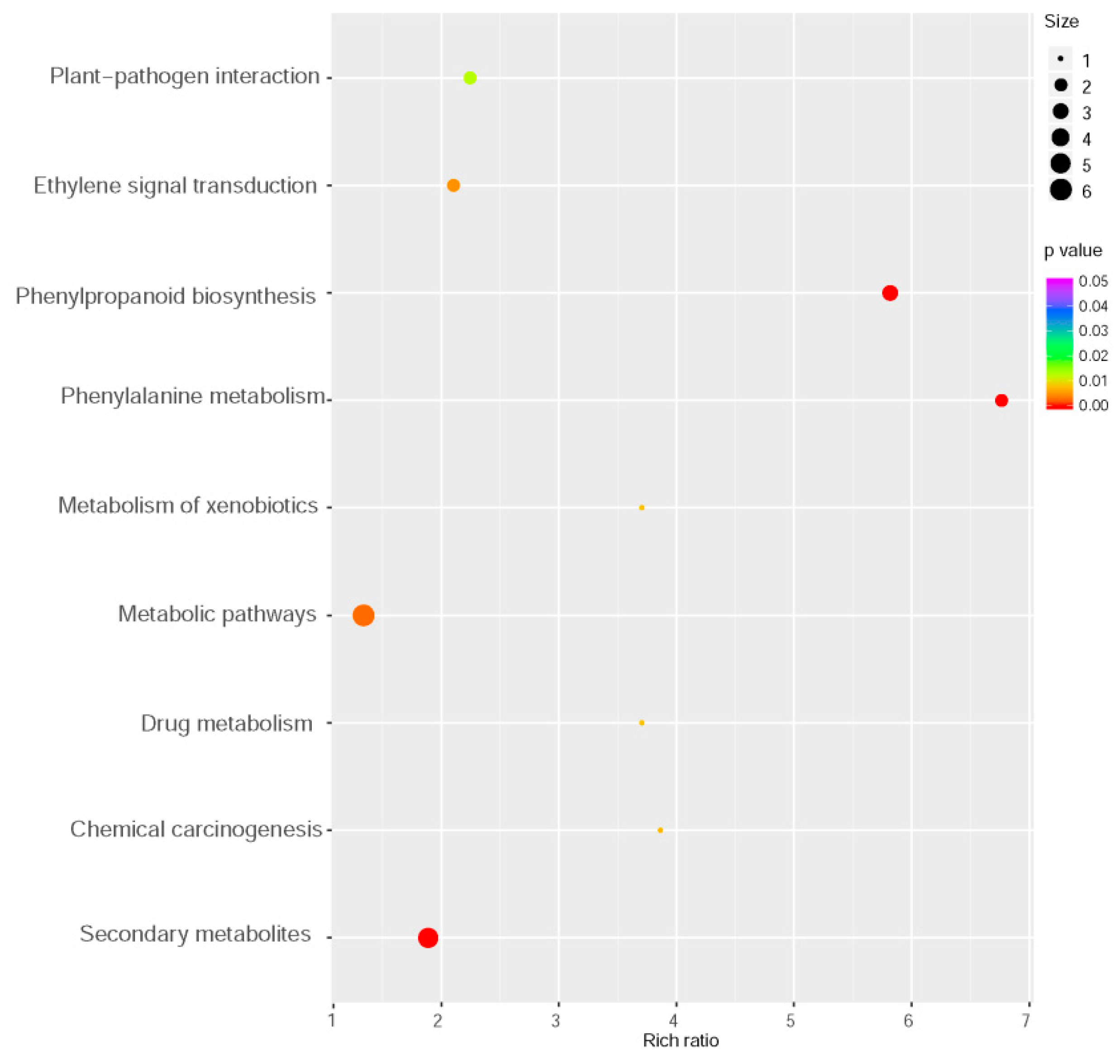
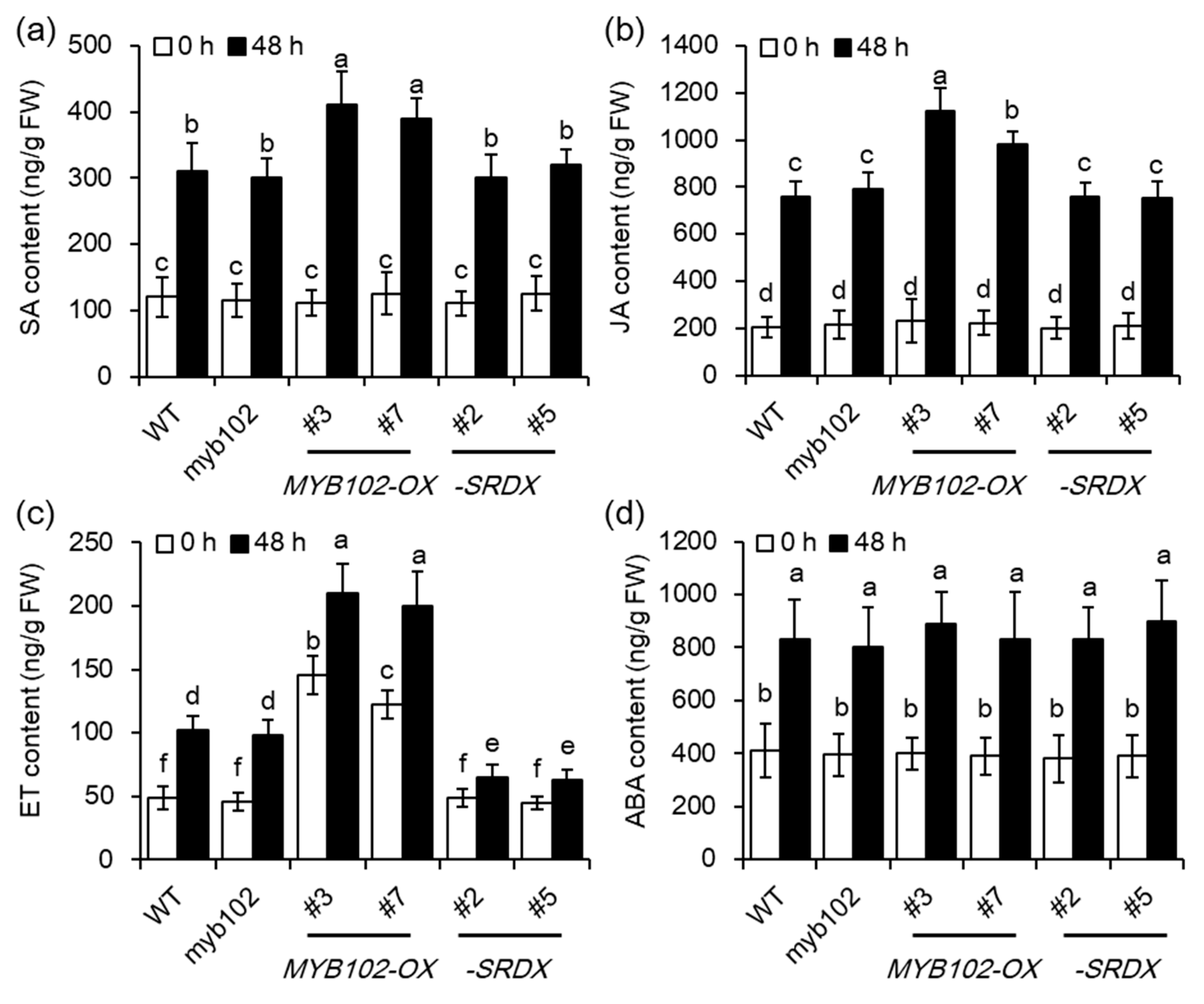
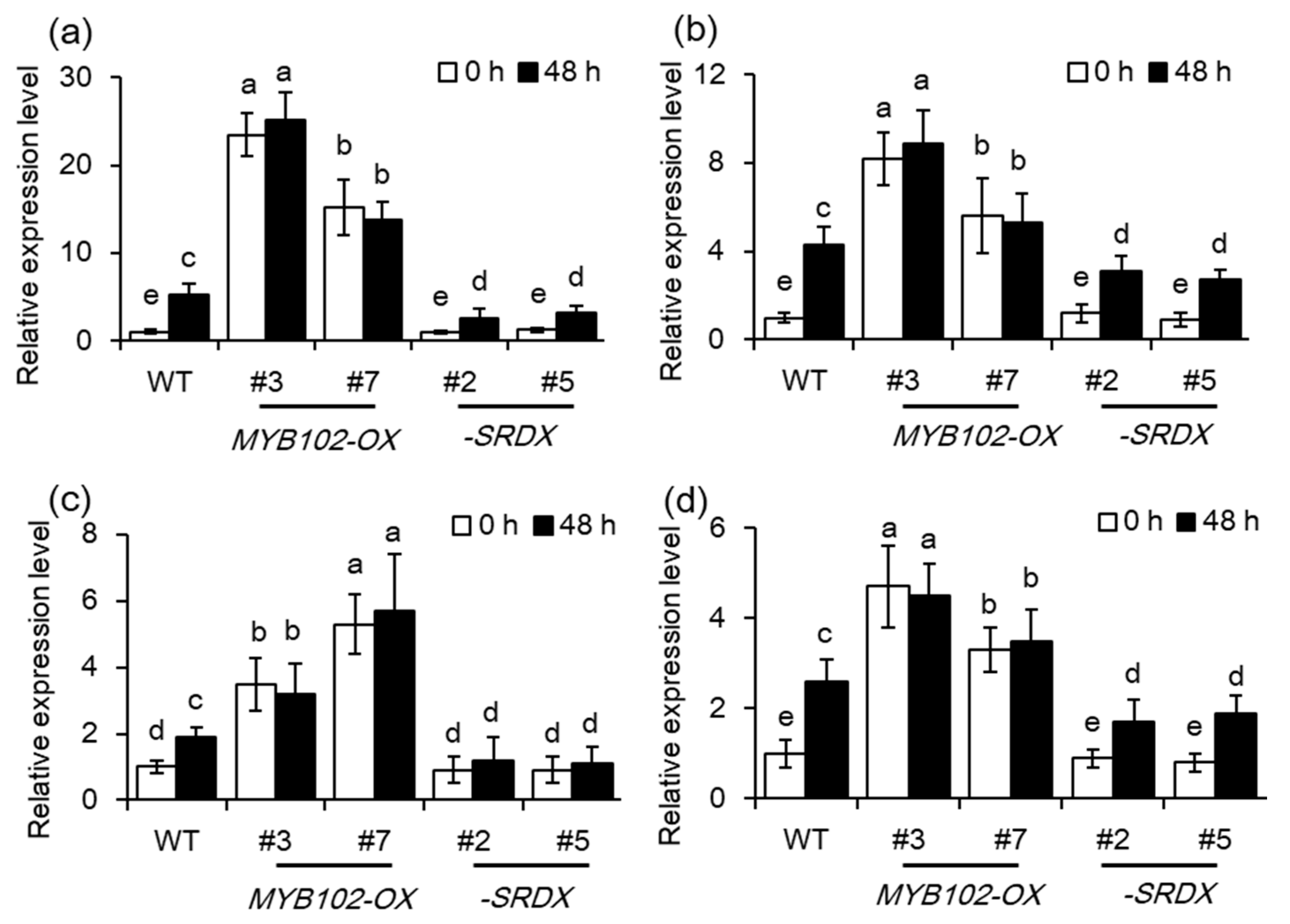
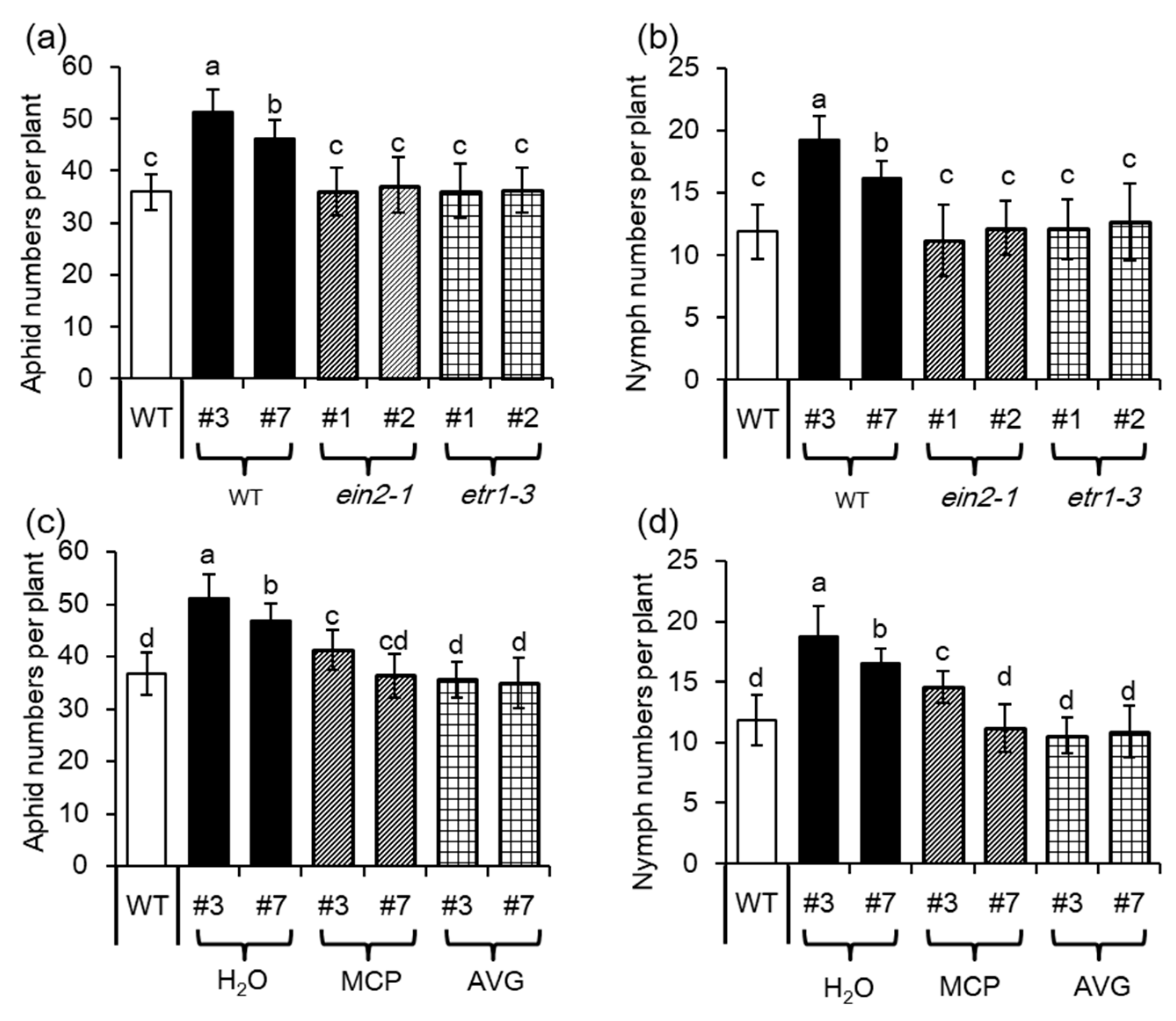
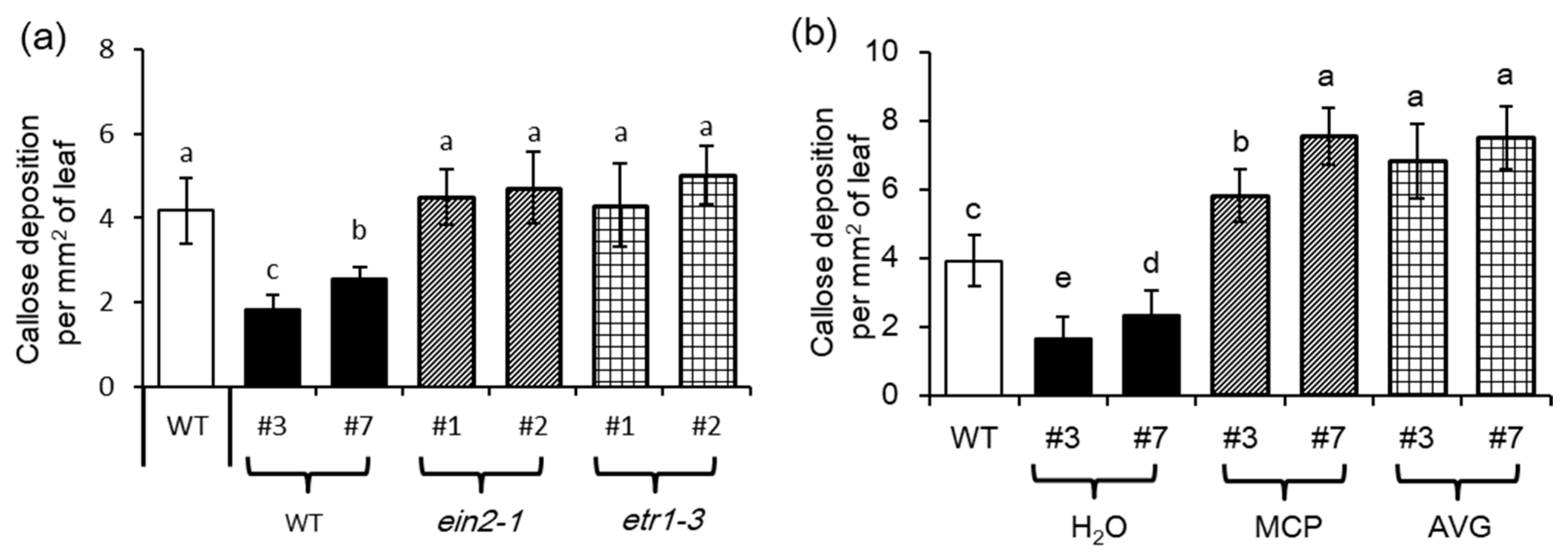
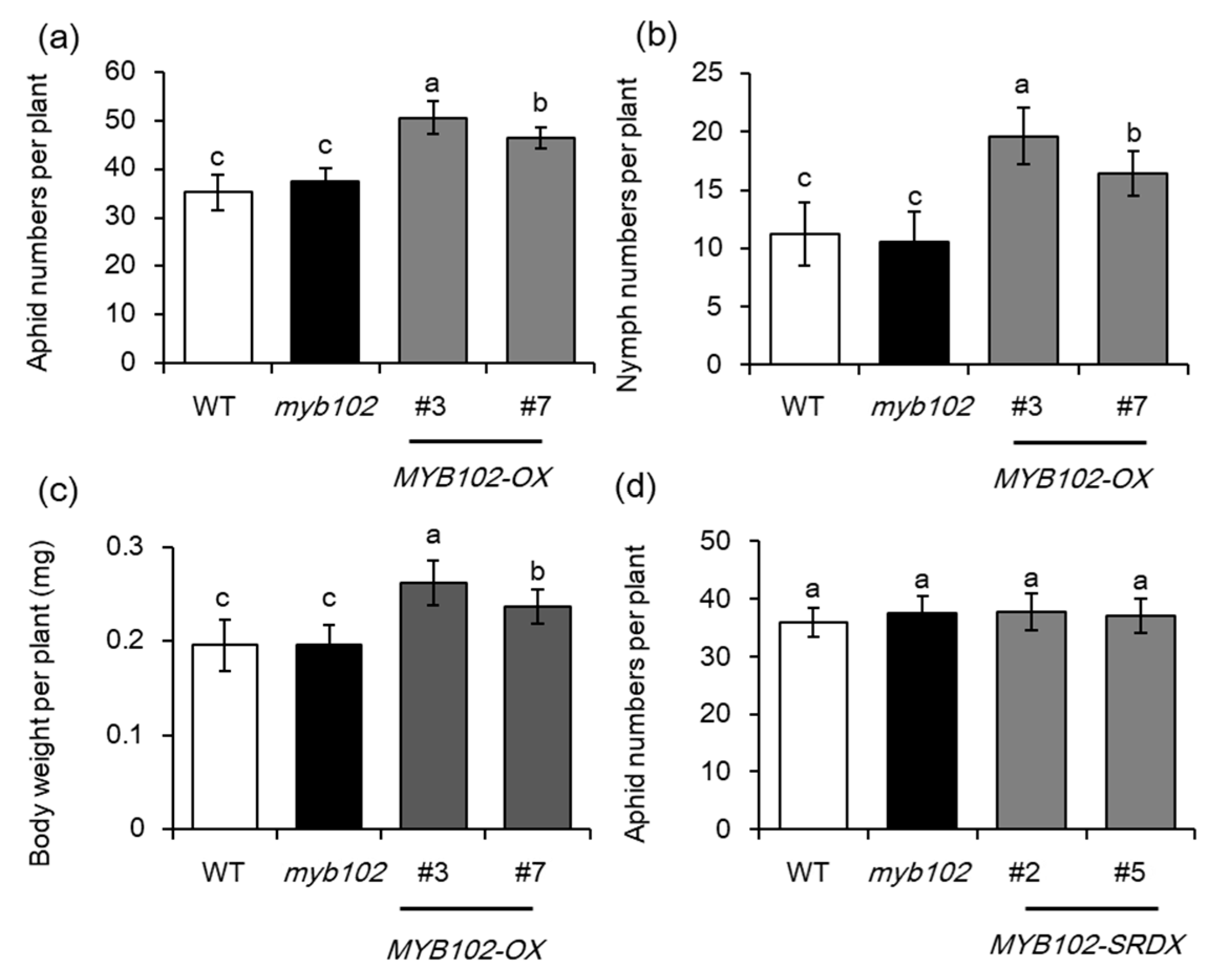
Induction of ethylene biosynthesis by aphids increases the susceptibility of several plant species to aphids. Recent studies have indicated that some MYB transcription factors regulate the phloem-based defense against aphid infestation by modulating ethylene (ET) signaling. Arabidopsis MYB102 has previously been shown to be induced by wound signaling and regulate defense response against chewing insects. However, it remains unclear whether Arabidopsis MYB102 takes part in the defense response of plants to aphids. Here, we investigated the function of MYB102 in the response of Arabidopsis to aphid infestation. Arabidopsis MYB102 was primarily expressed in vascular tissues, and its transcription was remarkably induced by green peach aphids (GPA; Myzus persicae). The results of RNA-Sequencing revealed that overexpression of MYB102 in Arabidopsis promoted ET biosynthesis by upregulation of some 1-aminocyclopropane-1-carboxylate synthase (ACS) genes, which are rate-limiting enzymes of the ET-synthetic pathway. Enhanced ET levels led to reduced Arabidopsis resistance to GPA. Furthermore, dominant suppression of MYB102 inhibited aphid-induced increase of ET levels in Arabidopsis. In agreement with a negative regulatory role for ET in aphid defense responses, the MYB102-overexpressing lines were more susceptible to GPA than wild-type (WT) plants. Overexpression of MYB102 in Arabidopsis obviously repressed aphid-induced callose deposition. Conversely, overexpression of MYB102 failed to increase aphid susceptibility in both the ET-insensitive mutants and plants treated with inhibitors of ET signaling pathways, demonstrating that the ET was critical for promoting aphid performance conferred by overexpression of MYB102. Collectively, our findings indicate that the Arabidopsis MYB102 increases host susceptibility to GPA through the ET-dependent signaling pathways.
Keywords: ethylene; Myzus persicae; aphid susceptibility; 1-aminocyclopropane-1-carboxylate synthase; host resistance ethylene; Myzus persicae; aphid susceptibility; 1-aminocyclopropane-1-carboxylate synthase; host resistance