Article

Targeting the hsa-miR-155-5p–BACH1–MMP-9 Signaling Hub in Lung Cancer: A Novel Anticancer Mechanism of Thymoquinone

by
Yusuf Saleem Khan
1,*,
Aisha Farhana
2,*,
Alfatih Mohamed Ahmed Alnajib
3,
Azharuddin Sajid Syed Khaja
4,
Hatim Adam Nagi
5,
Tarig Ginawi
6,
Abuzar Abdulwahab Osman
7,
Ayman Ali Mohammed Alameen
2,
Emad Manni
2 and
Zafar Rasheed
8
1
Department of Anatomy, College of Medicine, University of Ha’il, Ha’il 55476, Saudi Arabia
2
Department of Clinical Laboratory Sciences, College of Applied Medical Sciences, Jouf University, Sakaka 72388, Saudi Arabia
3
Department of Surgery, College of Medicine, University of Ha’il, Ha’il 55476, Saudi Arabia
4
Department of Pathology, College of Medicine, University of Ha’il, Ha’il 55476, Saudi Arabia
5
Department of Family and Community Medicine, College of Medicine, University of Ha’il, Ha’il 55476, Saudi Arabia
6
Department of Biochemistry, College of Medicine, University of Ha’il, Ha’il 55476, Saudi Arabia
7
Department of Pharmacology, College of Medicine, University of Ha’il, Ha’il 55476, Saudi Arabia
8
LTT-LabTech Training Centre, 28 Russell St, South Brisbane, QLD 4101, Australia
*
Authors to whom correspondence should be addressed.
Biomolecules 2026, 16(7), 955; https://doi.org/10.3390/biom16070955
Submission received: 12 May 2026 / Revised: 18 June 2026 / Accepted: 24 June 2026 / Published: 27 June 2026
(This article belongs to the Special Issue Signal Transduction and Pathway Regulation in Cancer)

Abstract

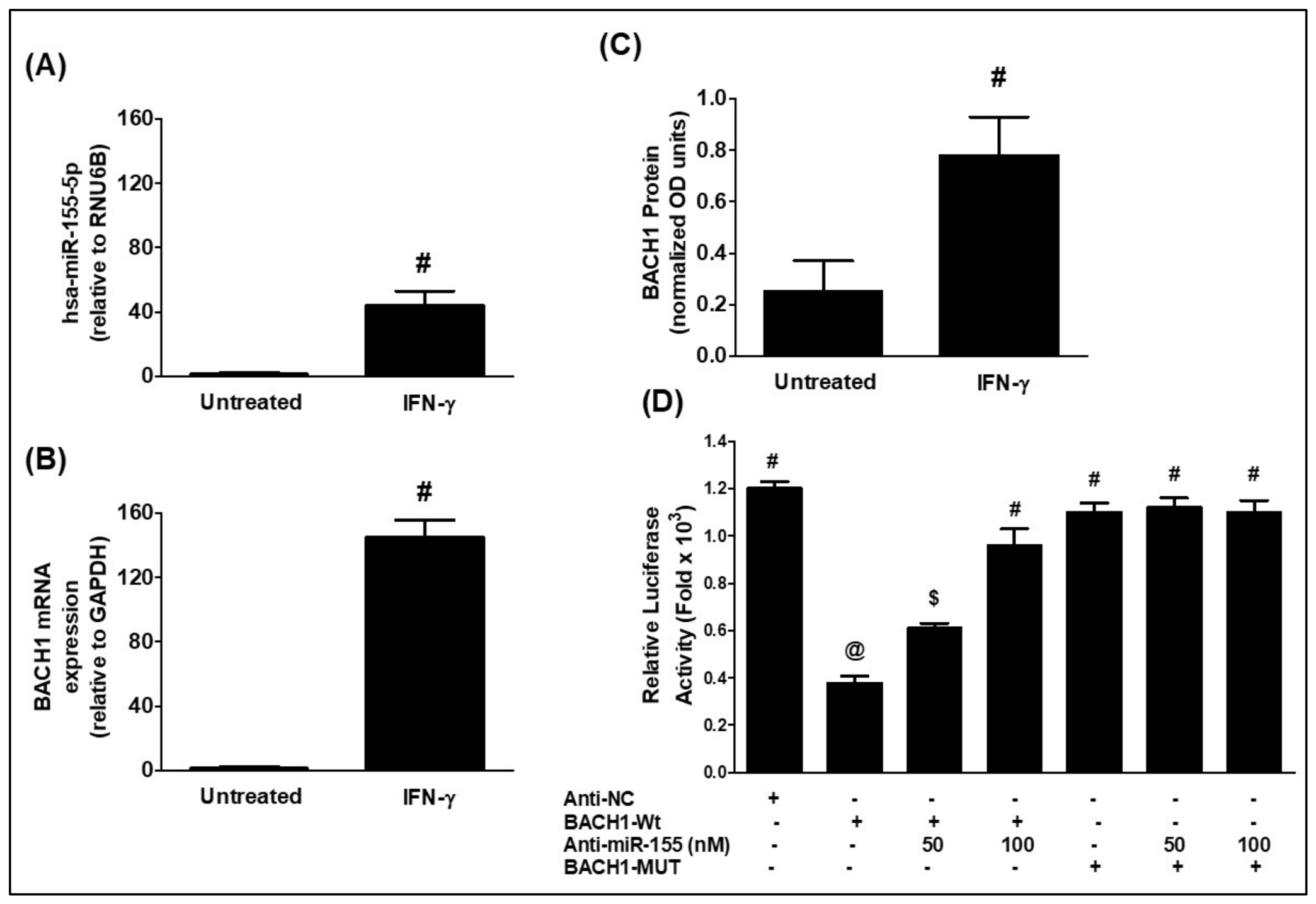
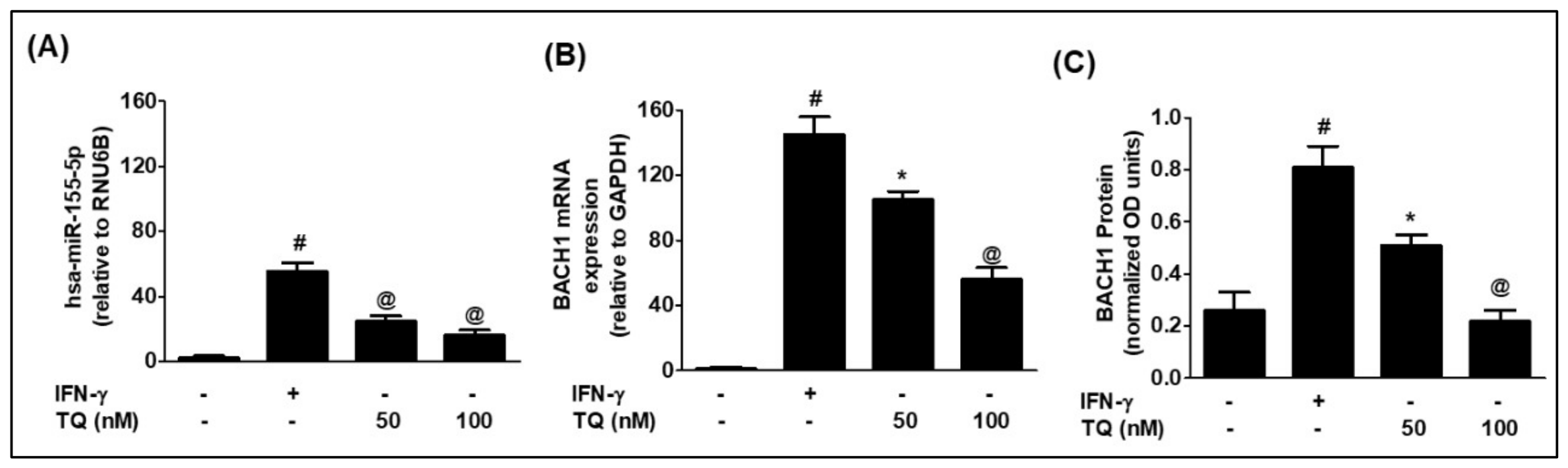
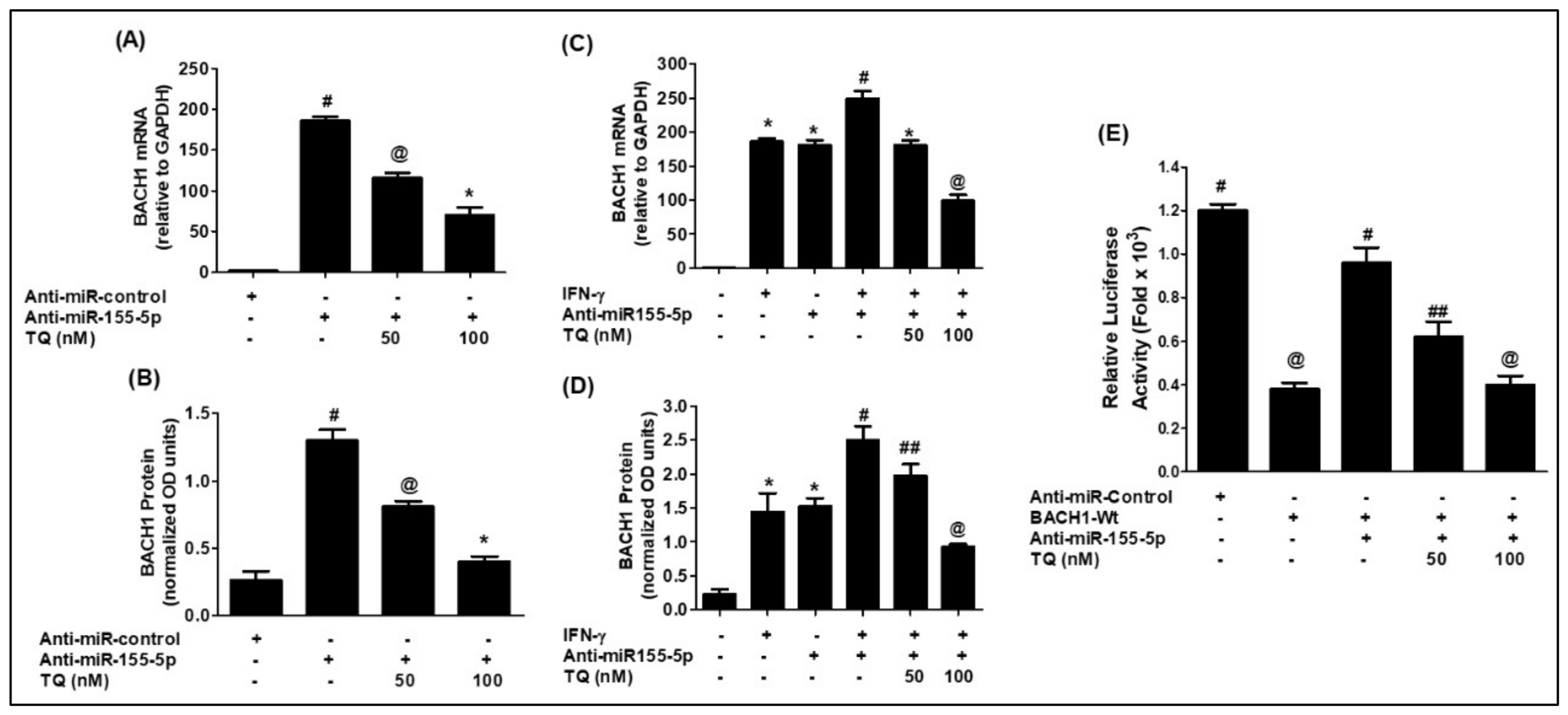
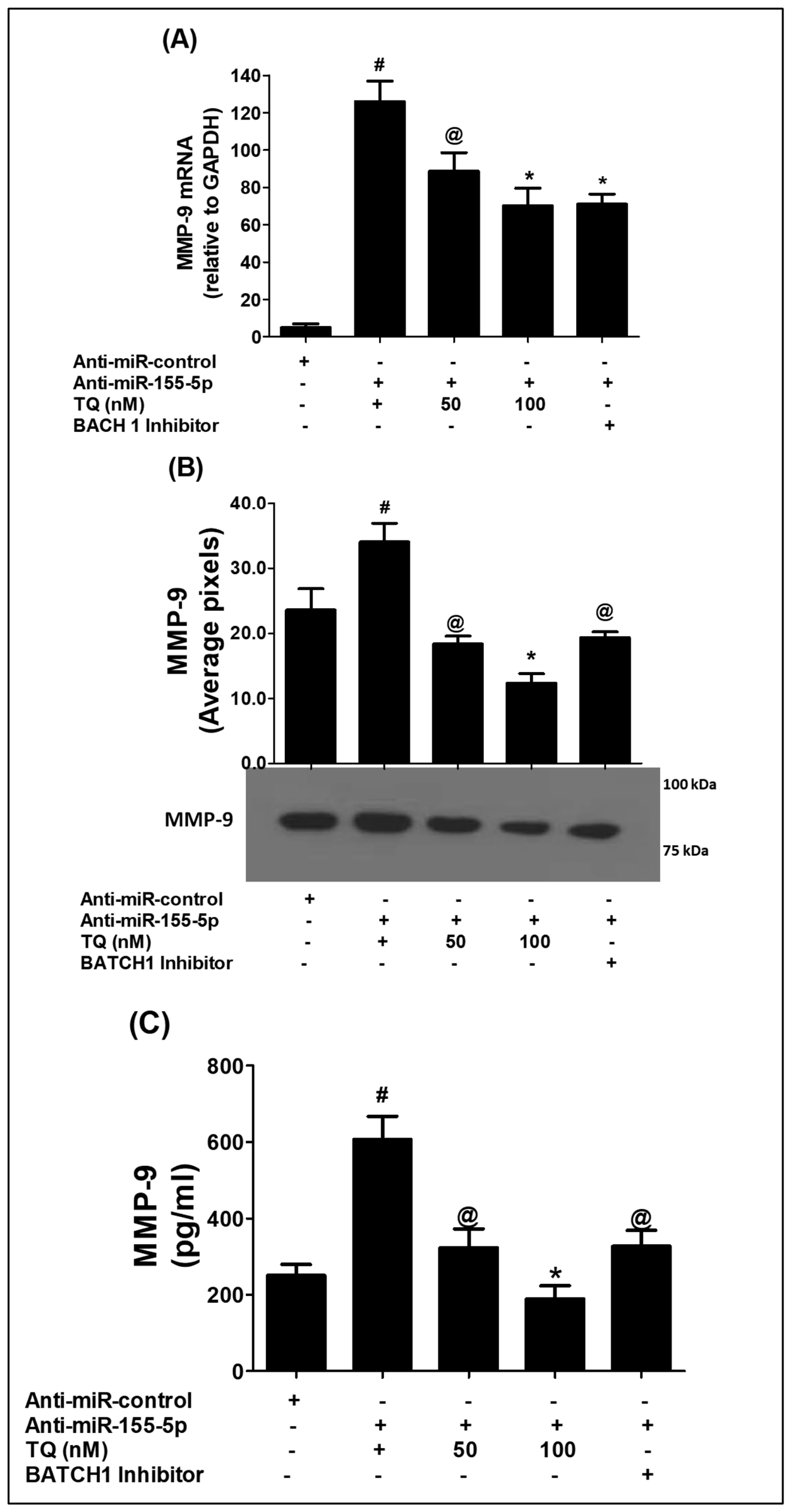
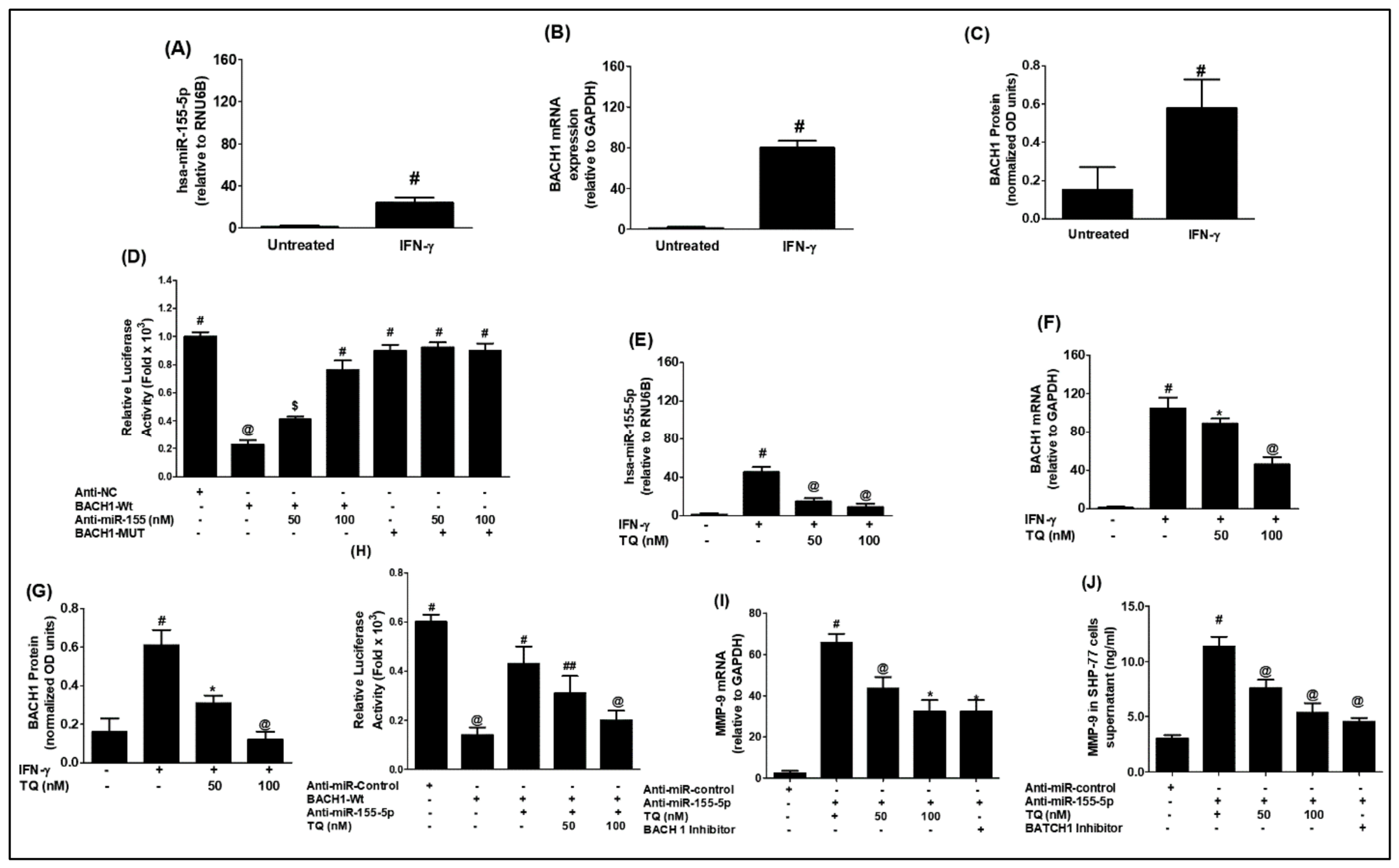
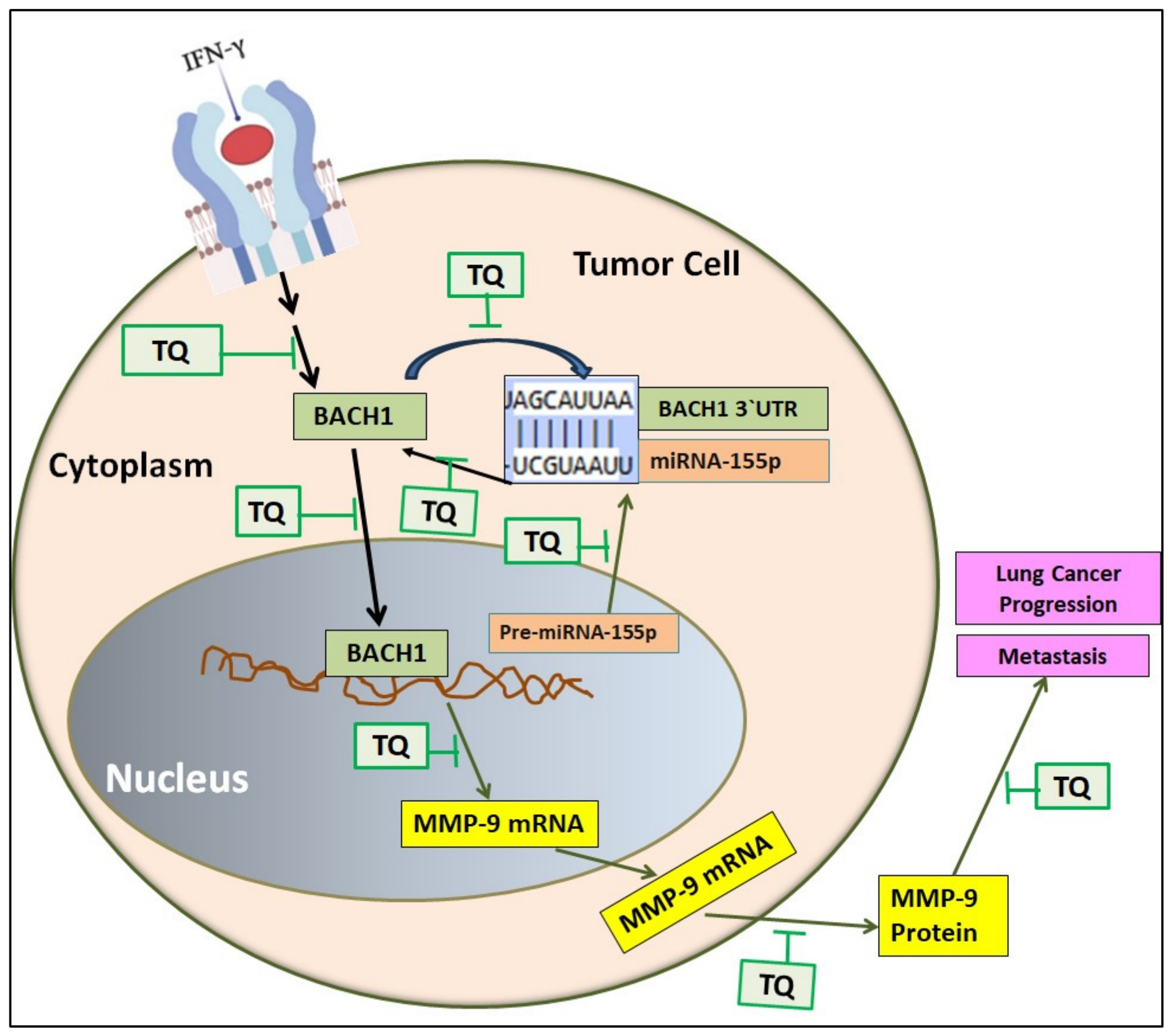
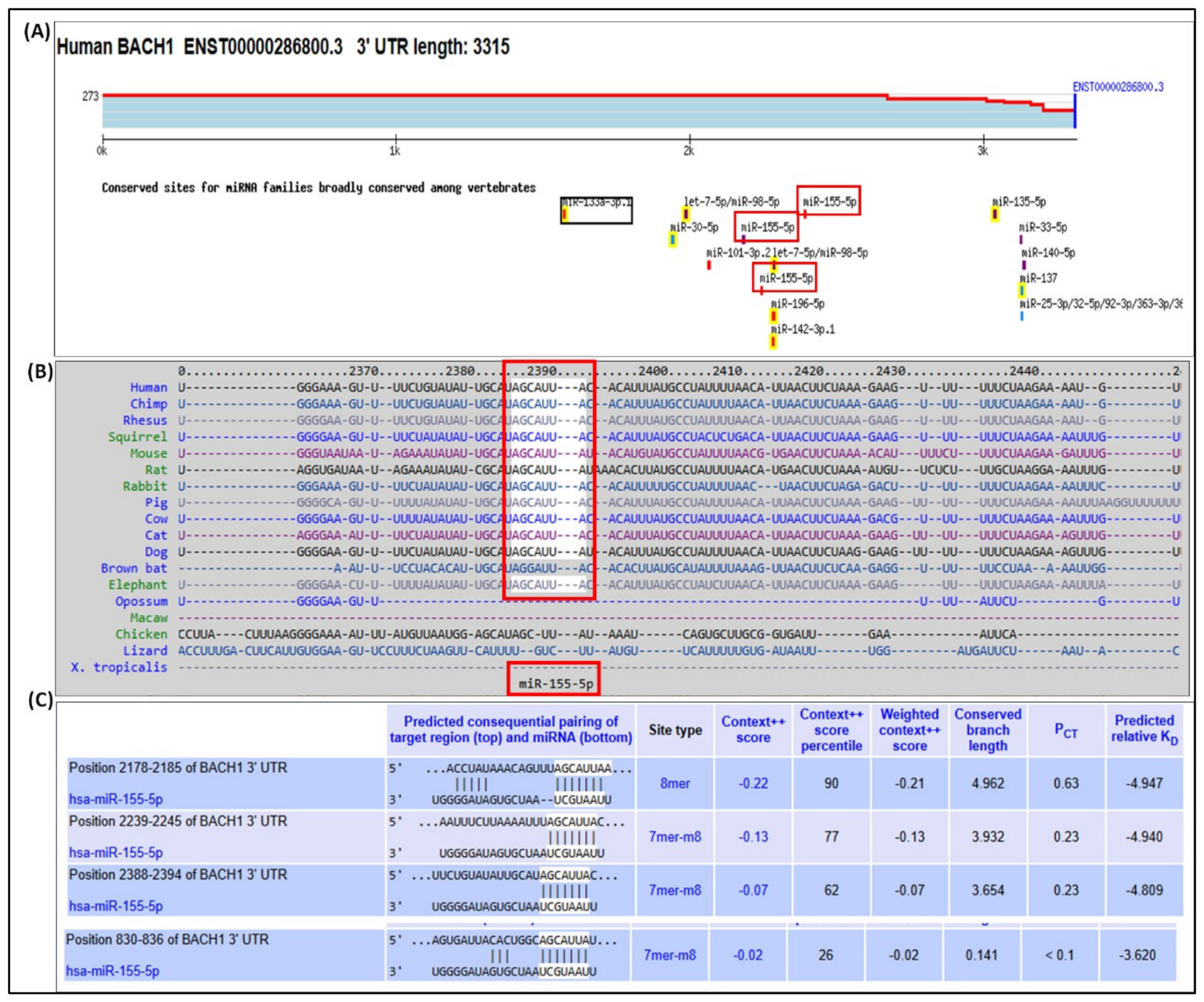
Objective: Lung cancer (LC) remains a leading cause of cancer mortality worldwide. Thymoquinone (TQ), a bioactive compound derived from Nigella sativa, possesses anti-inflammatory and antioxidant properties, but its precise mechanisms concerning miRNA regulation in LC are poorly defined. This study investigates the anti-cancer potential of TQ through modulation of microRNA signaling in LC. Methods: We employed an integrated approach combining bioinformatic predictions with rigorous experimental validation in A549 lung adenocarcinoma cells and SHP-77 human small-cell lung carcinoma (SCLC) cells. Bioinformatic analyses predicted miRNA targets, and experimental techniques included dual-luciferase reporter assays, miRNA inhibition, TaqMan RT-qPCR, cell-based ELISA, and Western blotting to dissect the molecular pathway. Results: We identified the transcription factor BACH1 as a direct and novel target of hsa-miR-155-5p. TQ potently suppressed interferon-γ-induced expression of both hsa-miR-155-5p and its target, BACH1. This TQ-mediated suppression led to subsequent downregulation of the key metastasis-promoter Matrix Metalloproteinase-9 (MMP-9). Genetic inhibition of miR-155-5p or direct BACH1 inhibition phenocopied the effects of TQ, confirming the functional significance of this axis. Thus, we define a novel oncogenic signaling cascade—the hsa-miR-155-5p/BACH1/MMP-9 axis that is effectively disrupted by TQ. Conclusions: This represents the first evidence that TQ exerts its anti-cancer effects in LC through the modulation of the critical signaling cascade (hsa-miR-155-5p → BACH1 → MMP-9). Our findings establish TQ as a multi-targeted agent capable of simultaneously inhibiting miRNA-mediated oncogenic signaling and protein-level effectors. The dual therapeutic action of TQ represents a novel therapeutic strategy and underscores its potential for synergistic combination therapies.
Keywords: lung neoplasm; microRNA-155; thymoquinone; BACH1; MMP-9; neoplasm metastasis; inflammation mediators; natural compounds in cancer therapy lung neoplasm; microRNA-155; thymoquinone; BACH1; MMP-9; neoplasm metastasis; inflammation mediators; natural compounds in cancer therapy