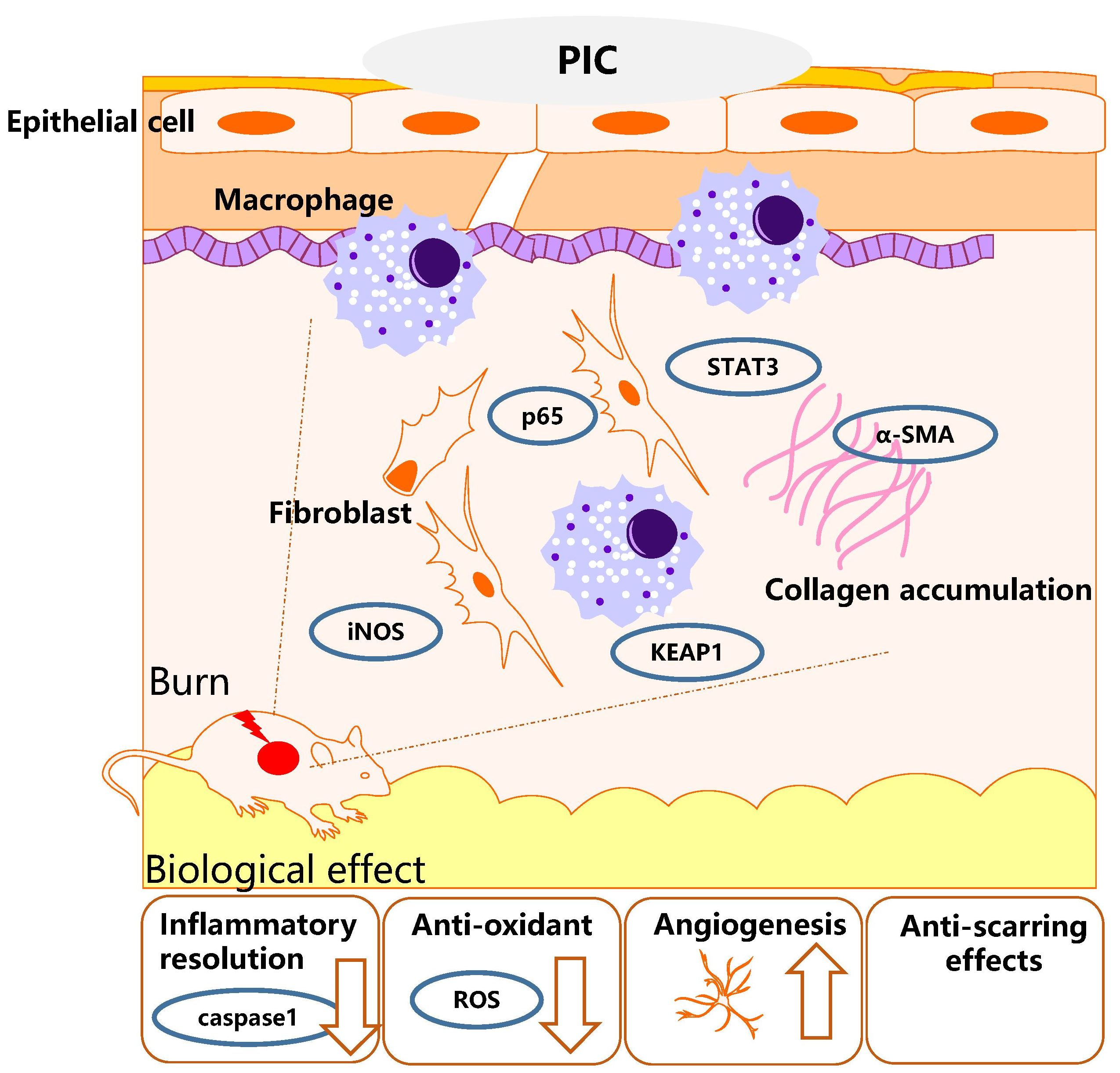
Piceatannol Promotes Burn Wound Healing by Coordinately Modulating Inflammation–Oxidative Stress Crosstalk, Angiogenesis, and Fibrotic Remodeling


Abstract
1. Introduction
2. Materials and Methods
2.1. Chemicals and Reagents
2.2. Preparation of Topical Burn Ointment
2.3. Animals
2.4. Histological Staining and EdU-Based Proliferation Analysis
2.5. Transcriptomic Analysis
2.6. Cell Culture
2.7. Cell Viability Assay
2.8. Scratch Wound Healing Assay
2.9. Tube Formation Assay
2.10. Intracellular ROS Assay
2.11. Western Blotting
2.12. Statistical Analysis
3. Results
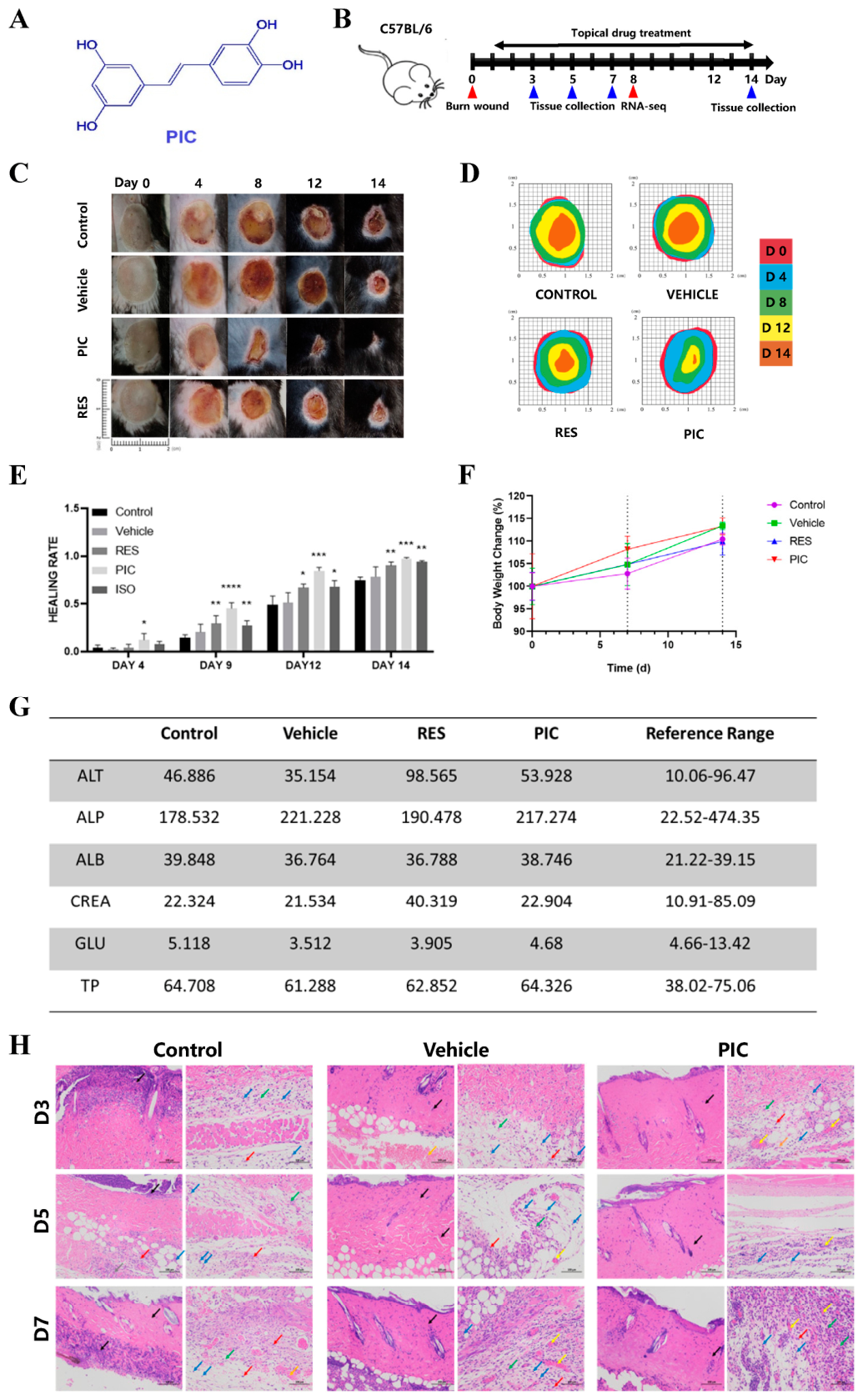
3.1. PIC Accelerates Burn Wound Healing
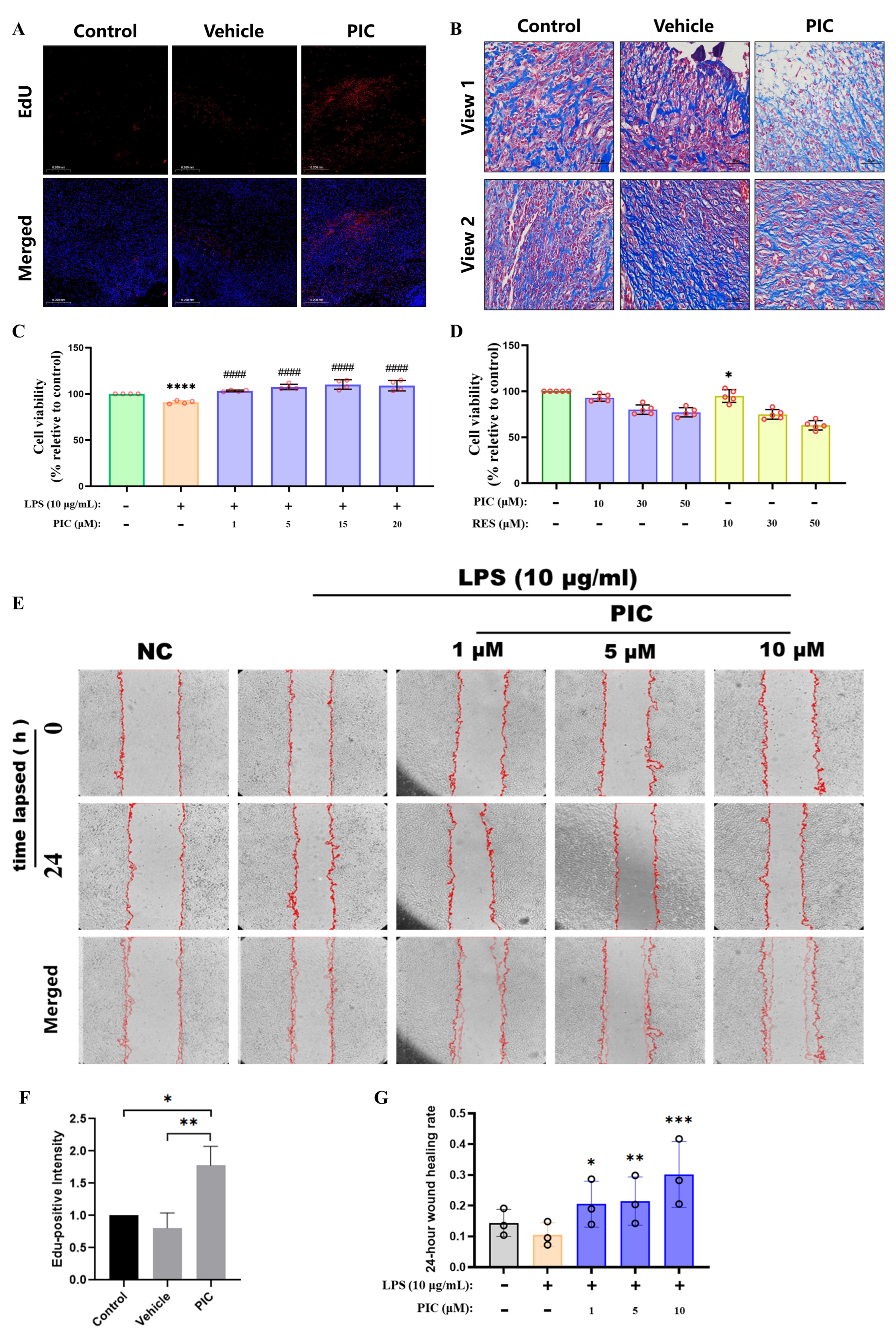
3.2. PIC Enhances Wound Cell Proliferation and ECM Remodeling
3.3. PIC Preserves HaCaT Cell Viability and Promotes Migration Under Inflammatory Conditions
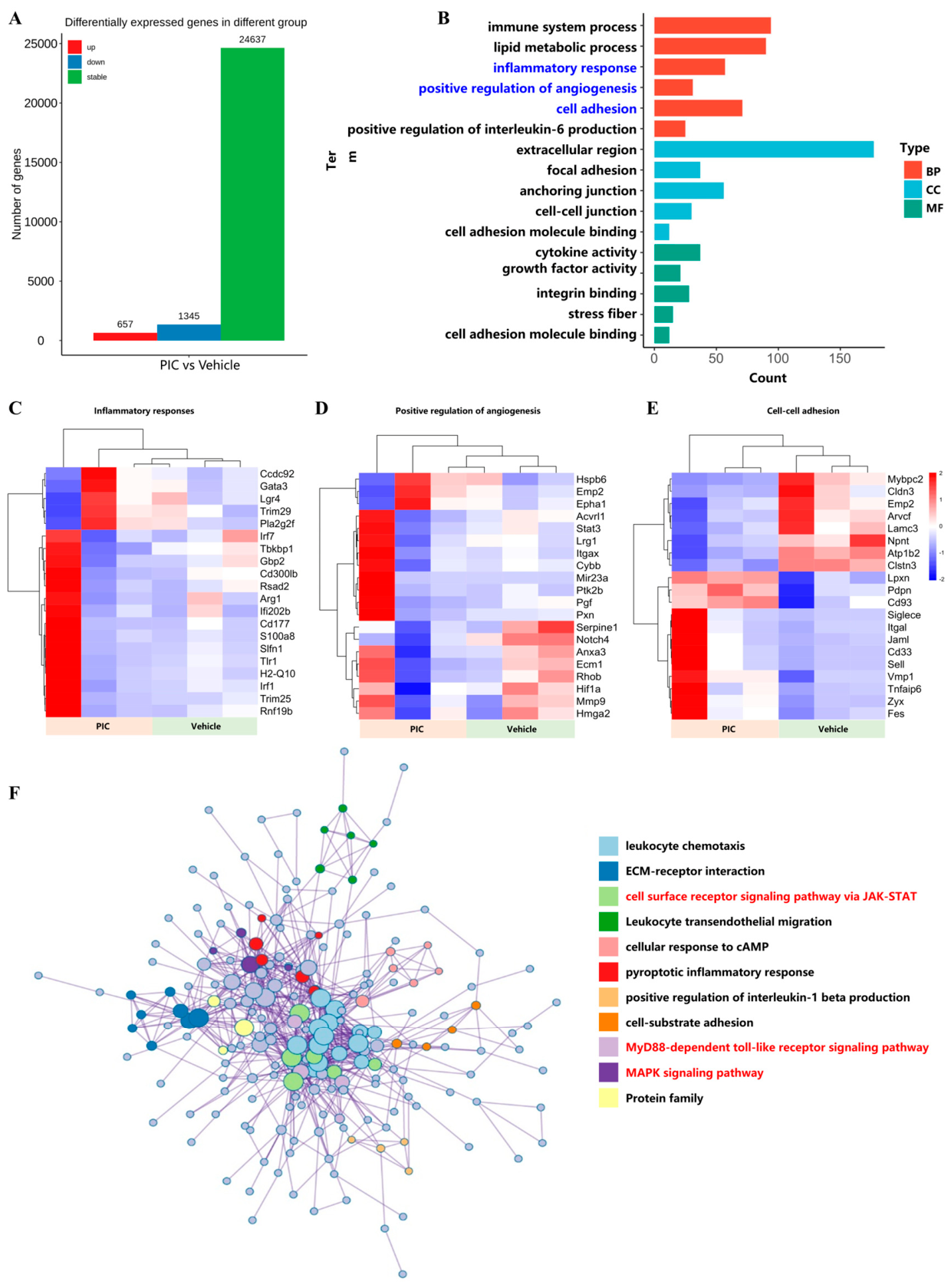
3.4. Transcriptomic Analysis Reveals the Molecular Basis by Which PIC Promotes Burn Wound Healing
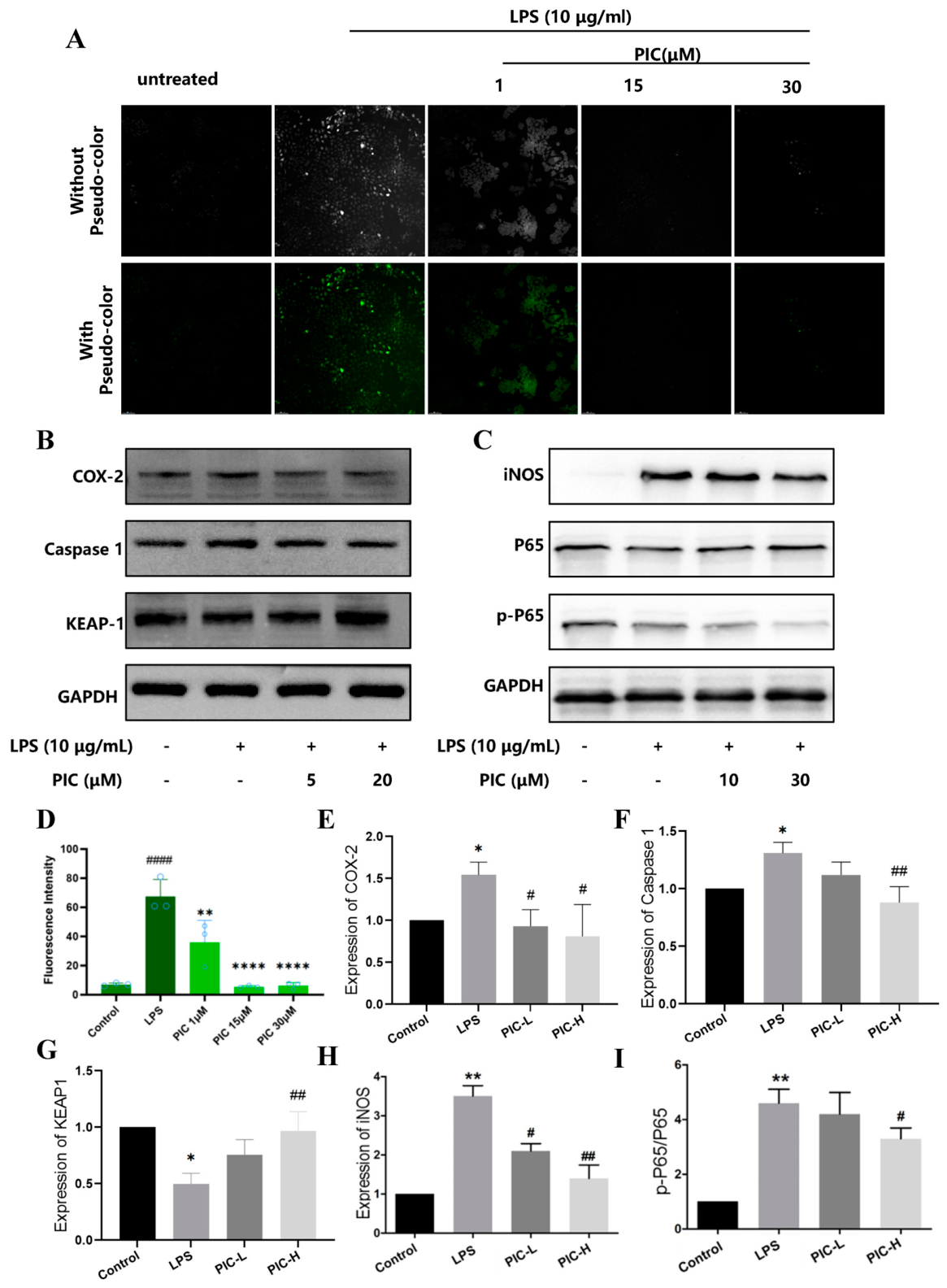
3.5. PIC Suppresses ROS-Associated Inflammatory Responses
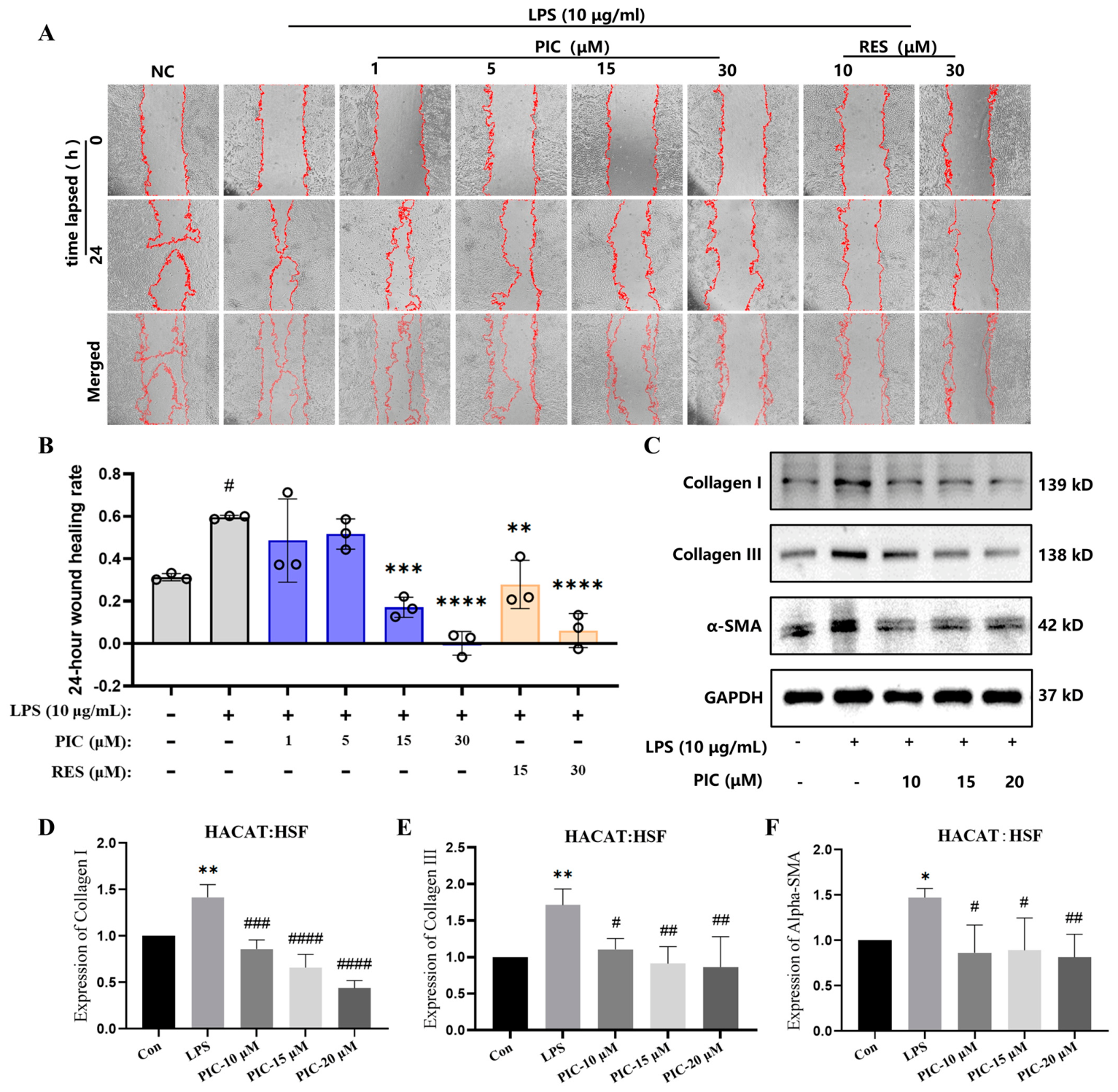
3.6. PIC Suppresses Scar-Related Responses During Burn Wound Healing
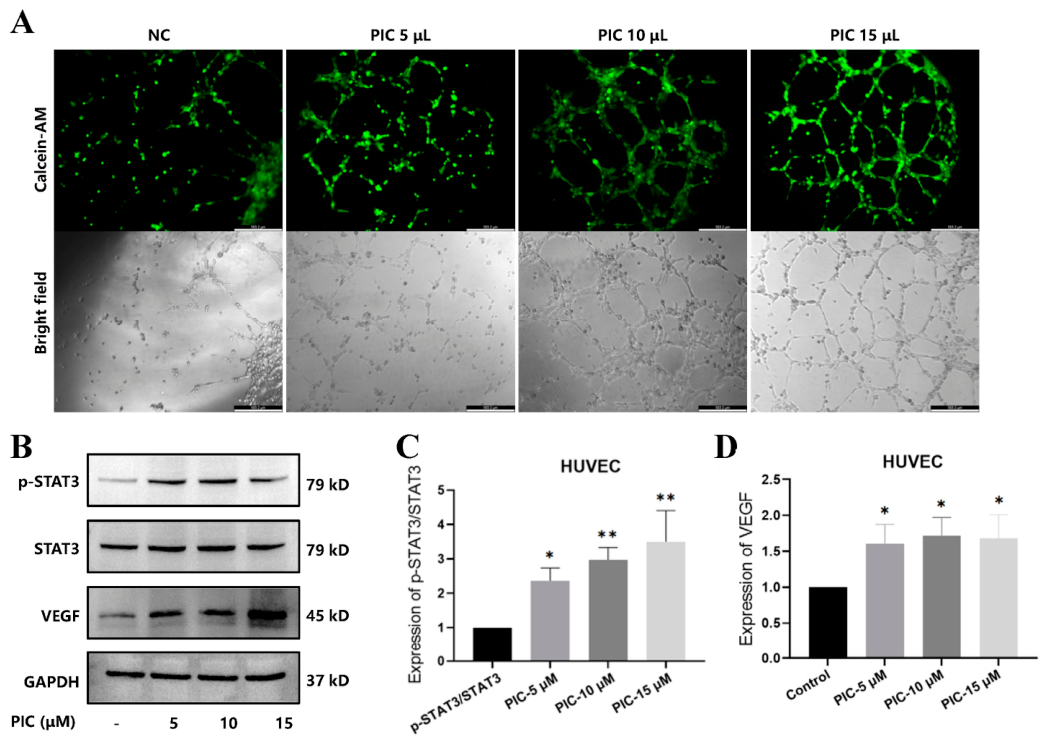
3.7. PIC Enhances Angiogenesis Through Activation of the STAT3–VEGF Axis
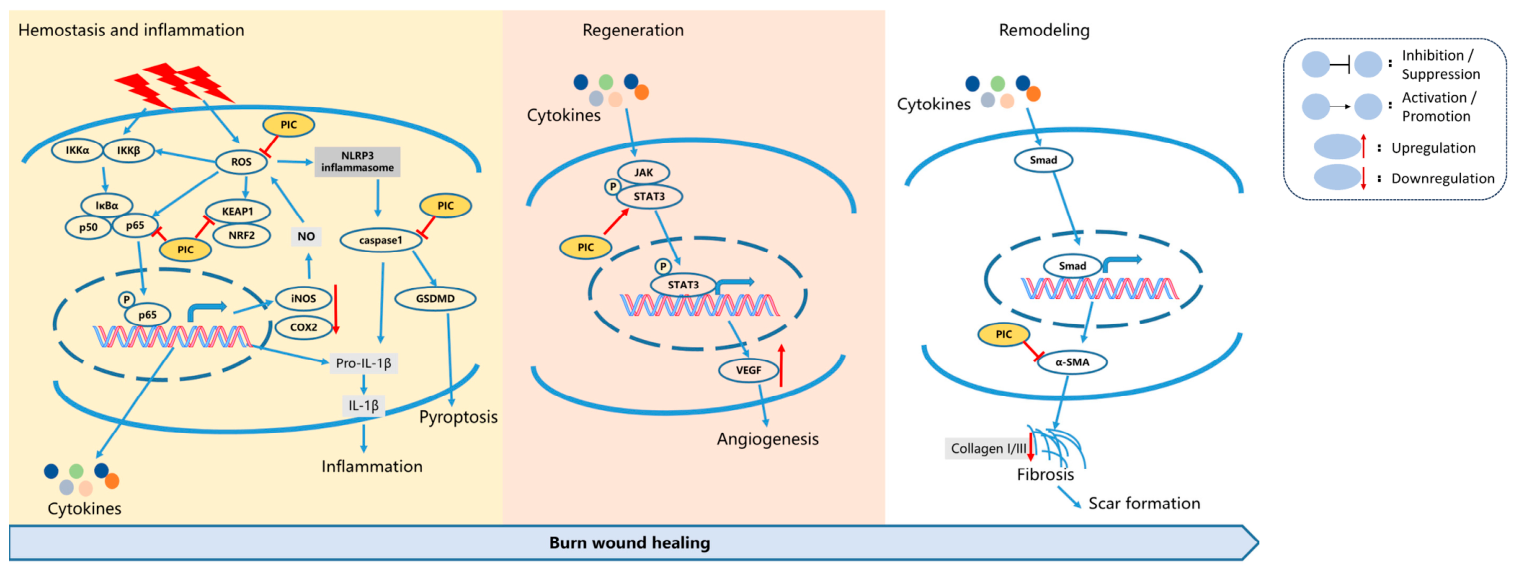
4. Discussion
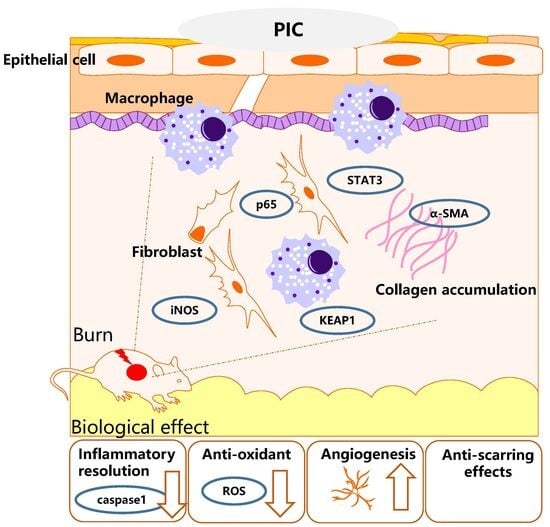
5. Conclusions
6. Patents
Supplementary Materials
Author Contributions
Funding
Institutional Review Board Statement
Data Availability Statement
Acknowledgments
Conflicts of Interest
Abbreviations
| CCK-8 | cell counting kit-8 |
| DEGs | differentially expressed genes |
| ECM | extracellular matrix |
| EdU | 5-ethynyl-2′-deoxyuridine |
| GO | Gene Ontology |
| H&E | hematoxylin and eosin |
| HS | hypertrophic scar |
| HSF | human skin fibroblast |
| HUVEC | human umbilical vein endothelial cell |
| KEAP1 | Kelch-like ECH-associated protein 1 |
| KEGG | Kyoto Encyclopedia of Genes and Genomes |
| LPS | lipopolysaccharide |
| NF-κB | nuclear factor kappa B |
| PIC | piceatannol |
| RES | resveratrol |
| ROS | reactive oxygen species |
| STAT3 | signal transducer and activator of transcription 3 |
| VEGF | vascular endothelial growth factor |
References
- Greenhalgh, D.G. Management of Burns. N. Engl. J. Med. 2019, 380, 2349–2359. [Google Scholar] [CrossRef] [PubMed]
- Jeschke, M.G.; van Baar, M.E.; Choudhry, M.A.; Chung, K.K.; Gibran, N.S.; Logsetty, S. Burn injury. Nat. Rev. Dis. Primers 2020, 6, 11. [Google Scholar] [CrossRef] [PubMed]
- Hunt, M.; Torres, M.; Bachar-Wikstrom, E.; Wikstrom, J.D. Cellular and molecular roles of reactive oxygen species in wound healing. Commun. Biol. 2024, 7, 1534. [Google Scholar] [CrossRef] [PubMed]
- Mittal, M.; Siddiqui, M.R.; Tran, K.; Reddy, S.P.; Malik, A.B. Reactive oxygen species in inflammation and tissue injury. Antioxid. Redox Signal. 2014, 20, 1126–1167. [Google Scholar] [CrossRef] [PubMed]
- Wynn, T.A.; Ramalingam, T.R. Mechanisms of fibrosis: Therapeutic translation for fibrotic disease. Nat. Med. 2012, 18, 1028–1040. [Google Scholar] [CrossRef] [PubMed]
- Carmeliet, P.; Jain, R.K. Principles and mechanisms of vessel normalization for cancer and other angiogenic diseases. Nat. Rev. Drug Discov. 2011, 10, 417–427. [Google Scholar] [CrossRef] [PubMed]
- Yu, H.; Pardoll, D.; Jove, R. STATs in cancer inflammation and immunity: A leading role for STAT3. Nat. Rev. Cancer 2009, 9, 798–809. [Google Scholar] [CrossRef] [PubMed]
- Artem Ataide, J.; Caramori Cefali, L.; Machado Croisfelt, F.; Arruda Martins Shimojo, A.; Oliveira-Nascimento, L.; Gava Mazzola, P. Natural actives for wound healing: A review. Phytother. Res. 2018, 32, 1664–1674. [Google Scholar] [CrossRef] [PubMed]
- Nascimento Junior, J.A.C.; Oliveira, A.M.S.; Porras, K.D.L.; Menezes, P.D.P.; Araujo, A.A.S.; Nunes, P.S.; Aragon, D.M.; Serafini, M.R. Exploring trends in natural product-based treatments to skin burn: A comprehensive review. Phytomedicine 2025, 139, 156481. [Google Scholar] [CrossRef] [PubMed]
- Durazzo, A.; Lucarini, M.; Souto, E.B.; Cicala, C.; Caiazzo, E.; Izzo, A.A.; Novellino, E.; Santini, A. Polyphenols: A concise overview on the chemistry, occurrence, and human health. Phytother. Res. 2019, 33, 2221–2243. [Google Scholar] [CrossRef] [PubMed]
- Bi, M.; Qin, Y.; Wang, L.; Zhang, J. The protective role of resveratrol in diabetic wound healing. Phytother. Res. 2023, 37, 5193–5204. [Google Scholar] [CrossRef] [PubMed]
- Socala, K.; Zmudzka, E.; Lustyk, K.; Zagaja, M.; Brighenti, V.; Costa, A.M.; Andres-Mach, M.; Pytka, K.; Martinelli, I.; Mandrioli, J.; et al. Therapeutic potential of stilbenes in neuropsychiatric and neurological disorders: A comprehensive review of preclinical and clinical evidence. Phytother. Res. 2024, 38, 1400–1461. [Google Scholar] [CrossRef] [PubMed]
- Dai, Y.; Lim, J.X.; Yeo, S.C.M.; Xiang, X.; Tan, K.S.; Fu, J.H.; Huang, L.; Lin, H.S. Biotransformation of Piceatannol, a Dietary Resveratrol Derivative: Promises to Human Health. Mol. Nutr. Food Res. 2020, 64, e1900905. [Google Scholar] [CrossRef]
- Choo, Q.Y.; Yeo, S.C.M.; Ho, P.C.; Tanaka, Y.; Lin, H.S. Pterostilbene surpassed resveratrol for anti-inflammatory application: Potency consideration and pharmacokinetics perspective. J. Funct. Food. 2014, 11, 352–362. [Google Scholar] [CrossRef]
- Kitada, M.; Ogura, Y.; Maruki-Uchida, H.; Sai, M.; Suzuki, T.; Kanasaki, K.; Hara, Y.; Seto, H.; Kuroshima, Y.; Monno, I.; et al. The Effect of Piceatannol from Passion Fruit (Passiflora edulis) Seeds on Metabolic Health in Humans. Nutrients 2017, 9, 1142. [Google Scholar] [CrossRef] [PubMed]
- Maruki-Uchida, H.; Morita, M.; Yonei, Y.; Sai, M. Effect of Passion Fruit Seed Extract Rich in Piceatannol on the Skin of Women: A Randomized, Placebo-Controlled, Double-Blind Trial. J. Nutr. Sci. Vitaminol. 2018, 64, 75–80. [Google Scholar] [CrossRef] [PubMed]
- Kilkenny, C.; Browne, W.J.; Cuthill, I.C.; Emerson, M.; Altman, D.G. Improving bioscience research reporting: The ARRIVE guidelines for reporting animal research. PLoS Biol. 2010, 8, e1000412. [Google Scholar] [CrossRef] [PubMed]
- Ibrahim, M.M.; Bond, J.; Bergeron, A.; Miller, K.J.; Ehanire, T.; Quiles, C.; Lorden, E.R.; Medina, M.A.; Fisher, M.; Klitzman, B.; et al. A novel immune competent murine hypertrophic scar contracture model: A tool to elucidate disease mechanism and develop new therapies. Wound Repair Regen. 2014, 22, 755–764. [Google Scholar] [CrossRef] [PubMed]
- Hew, J.J.; Parungao, R.J.; Shi, H.; Tsai, K.H.; Kim, S.; Ma, D.; Malcolm, J.; Li, Z.; Maitz, P.K.; Wang, Y. Mouse models in burns research: Characterisation of the hypermetabolic response to burn injury. Burns 2020, 46, 663–674. [Google Scholar] [CrossRef] [PubMed]
- Grada, A.; Otero-Vinas, M.; Prieto-Castrillo, F.; Obagi, Z.; Falanga, V. Research Techniques Made Simple: Analysis of Collective Cell Migration Using the Wound Healing Assay. J. Investig. Dermatol. 2017, 137, e11–e16. [Google Scholar] [CrossRef] [PubMed]
- Liang, C.C.; Park, A.Y.; Guan, J.L. In vitro scratch assay: A convenient and inexpensive method for analysis of cell migration in vitro. Nat. Protoc. 2007, 2, 329–333. [Google Scholar] [CrossRef] [PubMed]
- Kelley, M.; Fierstein, S.; Purkey, L.; DeCicco-Skinner, K. Endothelial Cell Tube Formation Assay: An In Vitro Model for Angiogenesis. Methods Mol. Biol. 2022, 2475, 187–196. [Google Scholar] [CrossRef] [PubMed]
- Lai, T.N.H.; Herent, M.-F.; Quetin-Leclercq, J.; Nguyen, T.B.T.; Rogez, H.; Larondelle, Y.; André, C.M. Piceatannol, a potent bioactive stilbene, as major phenolic component in Rhodomyrtus tomentosa. Food Chem. 2013, 138, 1421–1430. [Google Scholar] [CrossRef] [PubMed]
- Towbin, H.; Staehelin, T.; Gordon, J. Electrophoretic transfer of proteins from polyacrylamide gels to nitrocellulose sheets: Procedure and some applications. Proc. Natl. Acad. Sci. USA 1979, 76, 4350–4354. [Google Scholar] [CrossRef] [PubMed]
- Dennis-Sykes, C.A.; Miller, W.J.; McAleer, W.J. A quantitative Western Blot method for protein measurement. J. Biol. Stand. 1985, 13, 309–314. [Google Scholar] [CrossRef] [PubMed]
- Taylor, S.C.; Posch, A. The design of a quantitative western blot experiment. BioMed Res. Int. 2014, 2014, 361590. [Google Scholar] [CrossRef] [PubMed]
- Gandhi, H.; Mahant, S.; Sharma, A.K.; Kumar, D.; Dua, K.; Chellappan, D.K.; Singh, S.K.; Gupta, G.; Aljabali, A.A.A.; Tambuwala, M.M.; et al. Exploring the therapeutic potential of naturally occurring piceatannol in non-communicable diseases. Biofactors 2024, 50, 232–249. [Google Scholar] [CrossRef] [PubMed]
- He, F.P.; Li, M.F.; Zhao, H.; Zhao, H.; Meng, X.; Zhang, Y.Y.; Tang, Y.; Huang, H.W.; Li, J.; Xie, H.F.; et al. Pd Icosahedral Nanoparticles Promote Skin Wound Healing by Enhancing SP1-HBEGF Axis-Mediated Keratinocytes Proliferation. Int. J. Nanomed. 2025, 20, 3067–3081. [Google Scholar] [CrossRef]
- Hara, M.; Kobayakawa, K.; Ohkawa, Y.; Kumamaru, H.; Yokota, K.; Saito, T.; Kijima, K.; Yoshizaki, S.; Harimaya, K.; Nakashima, Y.; et al. Interaction of reactive astrocytes with type I collagen induces astrocytic scar formation through the integrin-N-cadherin pathway after spinal cord injury. Nat. Med. 2017, 23, 818–828. [Google Scholar] [CrossRef] [PubMed]
- Holt, J.R.; Zeng, W.Z.; Evans, E.L.; Woo, S.H.; Ma, S.; Abuwarda, H.; Loud, M.; Patapoutian, A.; Pathak, M.M. Spatiotemporal dynamics of PIEZO1 localization controls keratinocyte migration during wound healing (vol 10, e65415, 2021). Elife 2022, 11, e79034. [Google Scholar] [CrossRef] [PubMed]
- Peña, O.A.; Martin, P. Cellular and molecular mechanisms of skin wound healing. Nat. Rev. Mol. Cell Biol. 2024, 25, 599–616. [Google Scholar] [CrossRef] [PubMed]
- Liu, Z.; Bian, X.W.; Luo, L.H.; Björklund, A.K.; Li, L.; Zhang, L.T.; Chen, Y.J.; Guo, L.; Gao, J.; Cao, C.Y.; et al. Spatiotemporal single-cell roadmap of human skin wound healing. Cell Stem Cell 2025, 32, 479–498. [Google Scholar] [CrossRef] [PubMed]
- Talbott, H.E.; Mascharak, S.; Griffin, M.; Wan, D.C.; Longaker, M.T. Wound healing, fibroblast heterogeneity, and fibrosis. Cell Stem Cell 2022, 29, 1161–1180. [Google Scholar] [CrossRef] [PubMed]
- Landén, N.X.; Li, D.Q.; Ståhle, M. Transition from inflammation to proliferation: A critical step during wound healing. Cell Mol. Life Sci. 2016, 73, 3861–3885. [Google Scholar] [CrossRef] [PubMed]
- Sorg, H.; Sorg, C.G.G. Skin wound healing: Of players, patterns and processes. Eur. Surg. Res. 2023, 64, 141–157. [Google Scholar] [CrossRef] [PubMed]
- Armengol, S.; Arretxe, E.; Rodríguez, L.; Ochoa, B.; Chico, Y.; Martínez, M.J. NF-κB, Sp1 and NF-Y as transcriptional regulators of human SND1 gene. Biochimie 2013, 95, 735–742. [Google Scholar] [CrossRef] [PubMed]
- Yang, C.; Chen, Y.; Huang, H.; Fan, S.; Yang, C.; Wang, L.; Li, W.; Niu, W.; Liao, J. ROS-Eliminating Carboxymethyl Chitosan Hydrogel to Enhance Burn Wound-Healing Efficacy. Front. Pharmacol. 2021, 12, 679580. [Google Scholar] [CrossRef] [PubMed]
- Zhao, M.J.; Kang, M.M.; Wang, J.R.; Yang, R.H.; Zhong, X.P.; Xie, Q.H.; Zhou, S.T.; Zhang, Z.J.; Zheng, J.D.; Zhang, Y.X.; et al. Stem Cell-Derived Nanovesicles Embedded in Dual-Layered Hydrogel for Programmed ROS Regulation and Comprehensive Tissue Regeneration in Burn Wound Healing. Adv. Mater. 2024, 36, 2401369. [Google Scholar] [CrossRef]
- Hua, K.F.; Chou, J.C.; Ka, S.M.; Tasi, Y.L.; Chen, A.; Wu, S.H.; Chiu, H.W.; Wong, W.T.; Wang, Y.F.; Tsai, C.L.; et al. Cyclooxygenase-2 Regulates NLRP3 Inflammasome-Derived IL-1β Production. J. Cell Physiol. 2015, 230, 863–874. [Google Scholar] [CrossRef] [PubMed]
- Zeng, R.; Shen, L.; Ye, T.; Xu, W.; Huang, K.; Qiu, F.; Liu, C.; Hu, X. Levistilide A attenuates carbon tetrachloride (CCl(4))-induced liver fibrosis by inhibiting the NF-kappaB/iNOS/NO signalling pathway in M1 macrophages. J. Ethnopharmacol. 2025, 351, 120074. [Google Scholar] [CrossRef] [PubMed]
- Bharadia, S.K.; Burnett, L.; Gabriel, V. Hypertrophic Scar. Phys. Med. Rehabil. Clin. N. Am. 2023, 34, 783–798. [Google Scholar] [CrossRef] [PubMed]
- Gao, Y.; Liu, Y.D.; Zheng, D.N.; Ho, C.K.; Wen, D.S.; Sun, J.M.; Huang, L.; Liu, Y.X.; Li, Q.F.; Zhang, Y.F. HDAC5-mediated Smad7 silencing through MEF2A is critical for fibroblast activation and hypertrophic scar formation. Int. J. Biol. Sci. 2022, 18, 5724–5739. [Google Scholar] [CrossRef] [PubMed]
- Wang, Z.C.; Zhao, W.Y.; Cao, Y.; Liu, Y.Q.; Sun, Q.; Shi, P.; Cai, J.Q.; Shen, X.Z.; Tan, W.Q. The Roles of Inflammation in Keloid and Hypertrophic Scars. Front. Immunol. 2020, 11, 603187. [Google Scholar] [CrossRef] [PubMed]
- Venugopal, H.; Hanna, A.; Humeres, C.; Frangogiannis, N.G. Properties and Functions of Fibroblasts and Myofibroblasts in Myocardial Infarction. Cells 2022, 11, 1386. [Google Scholar] [CrossRef] [PubMed]
- Li, J.; Zhang, Y.P.; Kirsner, R.S. Angiogenesis in wound repair: Angiogenic growth factors and the extracellular matrix. Microsc. Res. Tech. 2003, 60, 107–114. [Google Scholar] [CrossRef] [PubMed]
- Mantsounga, C.S.; Lee, C.; Neverson, J.; Sharma, S.; Healy, A.; Berus, J.M.; Parry, C.; Ceneri, N.M.; López-Giráldez, F.; Chun, H.J.; et al. Macrophage IL-1β promotes arteriogenesis by autocrine STAT3-and NF-κB-mediated transcription of pro-angiogenic VEGF-A. Cell Rep. 2022, 38, 110309. [Google Scholar] [CrossRef] [PubMed]
- Jia, Y.; Shao, J.H.; Zhang, K.W.; Zou, M.L.; Teng, Y.Y.; Tian, F.; Chen, M.N.; Chen, W.W.; Yuan, Z.D.; Wu, J.J.; et al. Emerging Effects of Resveratrol on Wound Healing: A Comprehensive Review. Molecules 2022, 27, 6736. [Google Scholar] [CrossRef] [PubMed]
- Hecker, A.; Schellnegger, M.; Hofmann, E.; Luze, H.; Nischwitz, S.P.; Kamolz, L.P.; Kotzbeck, P. The impact of resveratrol on skin wound healing, scarring, and aging. Int. Wound J. 2022, 19, 9–28. [Google Scholar] [CrossRef] [PubMed]
- Barchitta, M.; Maugeri, A.; Favara, G.; Magnano San Lio, R.; Evola, G.; Agodi, A.; Basile, G. Nutrition and Wound Healing: An Overview Focusing on the Beneficial Effects of Curcumin. Int. J. Mol. Sci. 2019, 20, 1119. [Google Scholar] [CrossRef] [PubMed]
- Kumari, A.; Raina, N.; Wahi, A.; Goh, K.W.; Sharma, P.; Nagpal, R.; Jain, A.; Ming, L.C.; Gupta, M. Wound-Healing Effects of Curcumin and Its Nanoformulations: A Comprehensive Review. Pharmaceutics 2022, 14, 2288. [Google Scholar] [CrossRef] [PubMed]
- Chen, L.; Yin, X.; Tang, A.; Yang, Y. Global landscape and translational trajectories of flavonoid-based wound-healing research. Drug Discov. Today 2025, 30, 104461. [Google Scholar] [CrossRef] [PubMed]
- Ashfaq, M.; Ali, S.; Summer, M. Quercetin-polysaccharides based hydrogels: A review of applications, molecular associations, chemical and biological modifications, toxicological implications and future perspectives. Int. J. Biol. Macromol. 2025, 318, 144845. [Google Scholar] [CrossRef] [PubMed]
- Xu, F.W.; Lv, Y.L.; Zhong, Y.F.; Xue, Y.N.; Wang, Y.; Zhang, L.Y.; Hu, X.; Tan, W.Q. Beneficial Effects of Green Tea EGCG on Skin Wound Healing: A Comprehensive Review. Molecules 2021, 26, 6123. [Google Scholar] [CrossRef] [PubMed]
- Wei, F.; Xie, F.; Chen, B.; Guo, C.; Ge, M. Engineered catechol-based composite materials for diabetic wound healing. Mater. Today Bio 2026, 37, 102894. [Google Scholar] [CrossRef] [PubMed]




Disclaimer/Publisher’s Note: The statements, opinions and data contained in all publications are solely those of the individual author(s) and contributor(s) and not of MDPI and/or the editor(s). MDPI and/or the editor(s) disclaim responsibility for any injury to people or property resulting from any ideas, methods, instructions or products referred to in the content. |
© 2026 by the authors. Licensee MDPI, Basel, Switzerland. This article is an open access article distributed under the terms and conditions of the Creative Commons Attribution (CC BY) license.
Share and Cite
Wang, J.; Liao, B.; Ma, Y.; Yang, Y.; Cao, Y.; Huang, X.; Wen, T.; Lin, H.-S. Piceatannol Promotes Burn Wound Healing by Coordinately Modulating Inflammation–Oxidative Stress Crosstalk, Angiogenesis, and Fibrotic Remodeling. Biomolecules 2026, 16, 926. https://doi.org/10.3390/biom16070926
Wang J, Liao B, Ma Y, Yang Y, Cao Y, Huang X, Wen T, Lin H-S. Piceatannol Promotes Burn Wound Healing by Coordinately Modulating Inflammation–Oxidative Stress Crosstalk, Angiogenesis, and Fibrotic Remodeling. Biomolecules. 2026; 16(7):926. https://doi.org/10.3390/biom16070926
Chicago/Turabian StyleWang, Jingbo, Boyu Liao, Yijing Ma, Yihan Yang, Yiyang Cao, Xin Huang, Tianxin Wen, and Hai-Shu Lin. 2026. "Piceatannol Promotes Burn Wound Healing by Coordinately Modulating Inflammation–Oxidative Stress Crosstalk, Angiogenesis, and Fibrotic Remodeling" Biomolecules 16, no. 7: 926. https://doi.org/10.3390/biom16070926
APA StyleWang, J., Liao, B., Ma, Y., Yang, Y., Cao, Y., Huang, X., Wen, T., & Lin, H.-S. (2026). Piceatannol Promotes Burn Wound Healing by Coordinately Modulating Inflammation–Oxidative Stress Crosstalk, Angiogenesis, and Fibrotic Remodeling. Biomolecules, 16(7), 926. https://doi.org/10.3390/biom16070926