Article

Lack of Mitochondrial DNA Provides Metabolic Advantage in Yeast Osmoadaptation

by
Maria Antonietta Di Noia
,
Ohiemi Benjamin Ocheja
,
Pasquale Scarcia
,
Isabella Pisano
,
Eugenia Messina
,
Gennaro Agrimi
,
Luigi Palmieri
and
Nicoletta Guaragnella
*
Department of Biosciences, Biotechnologies and Environment, University of Bari “Aldo Moro”, 70125 Bari, Italy
*
Author to whom correspondence should be addressed.
Biomolecules 2024, 14(6), 704; https://doi.org/10.3390/biom14060704
Submission received: 19 April 2024 / Revised: 21 May 2024 / Accepted: 10 June 2024 / Published: 14 June 2024

Abstract

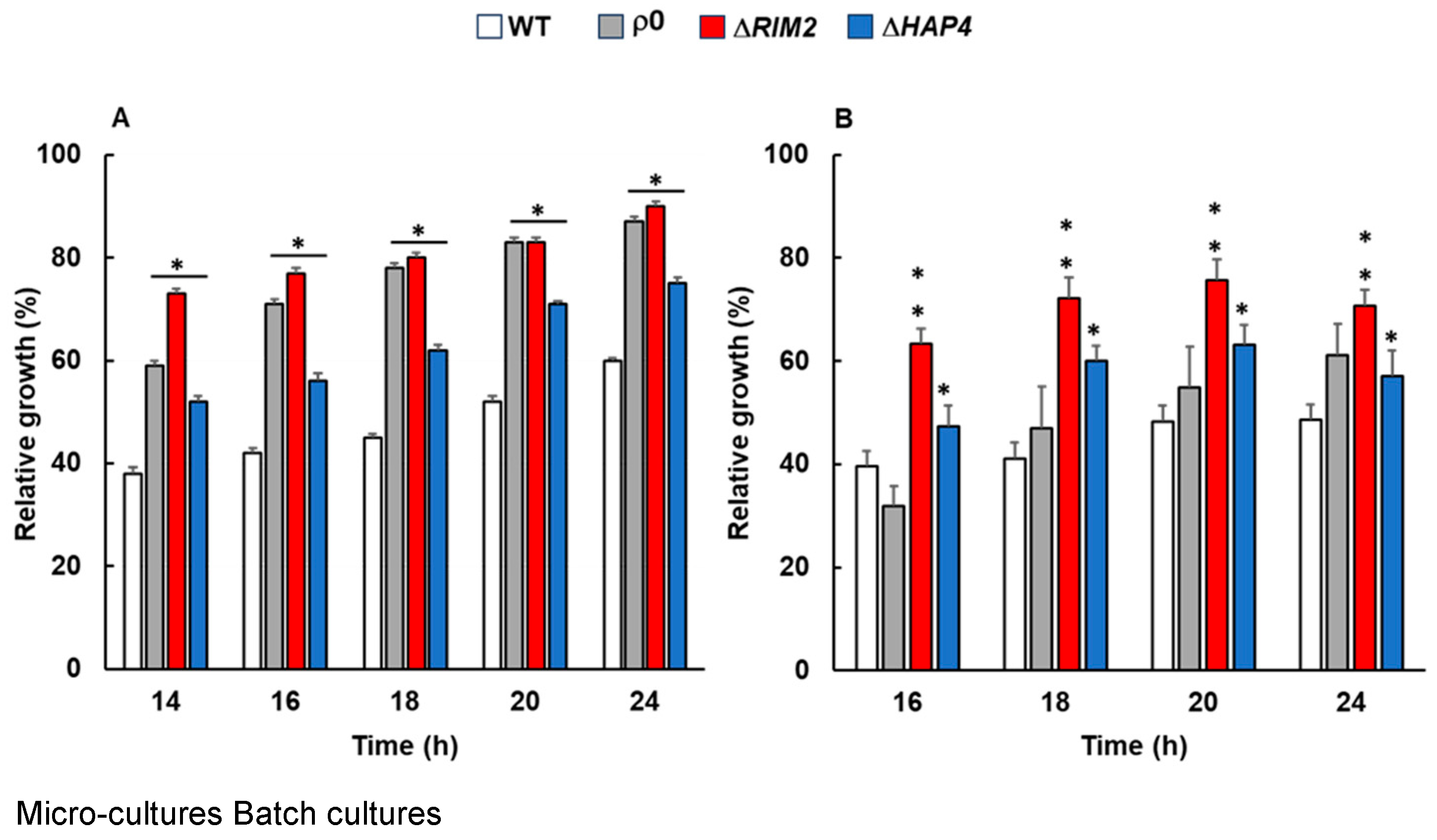
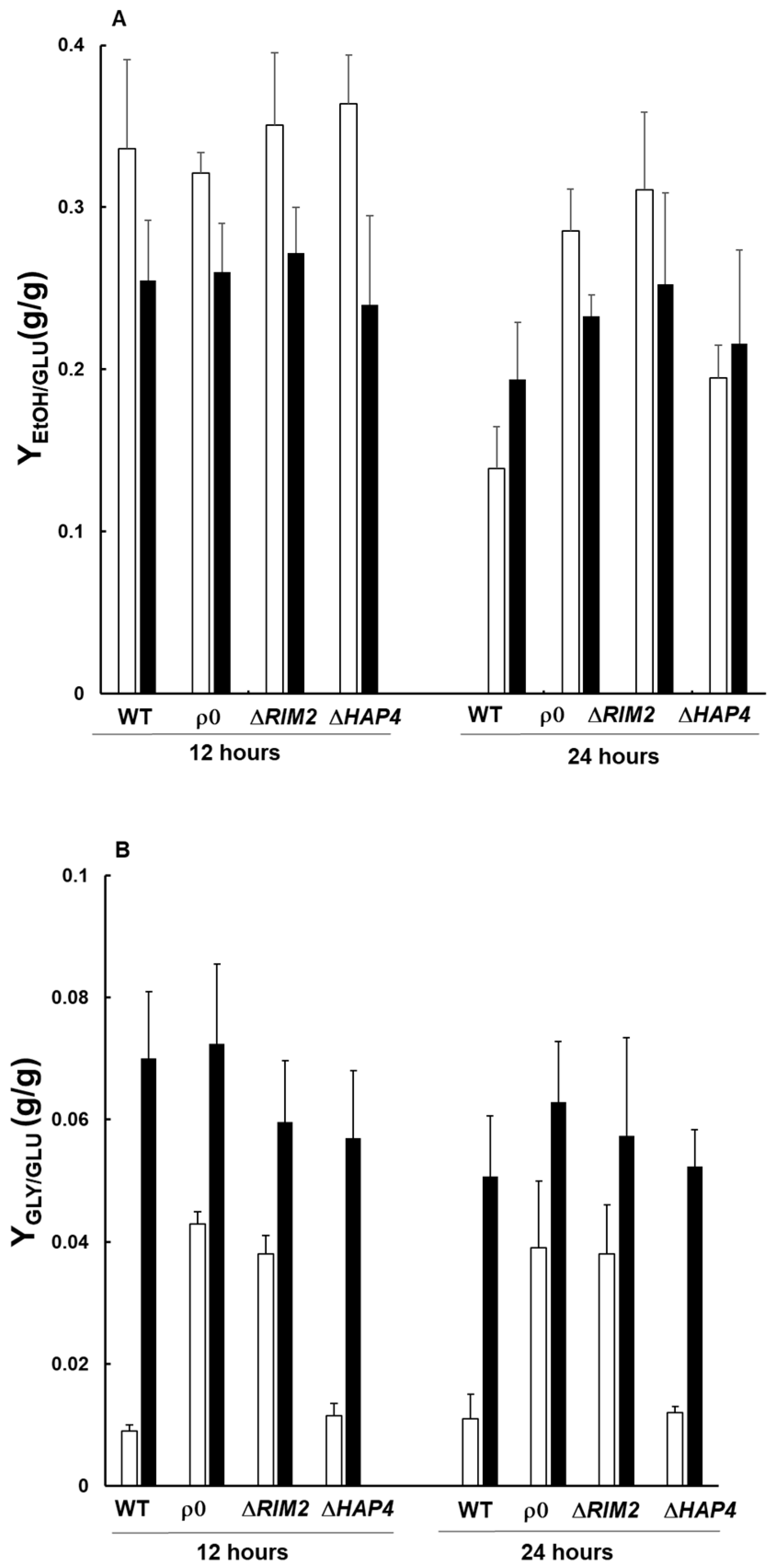
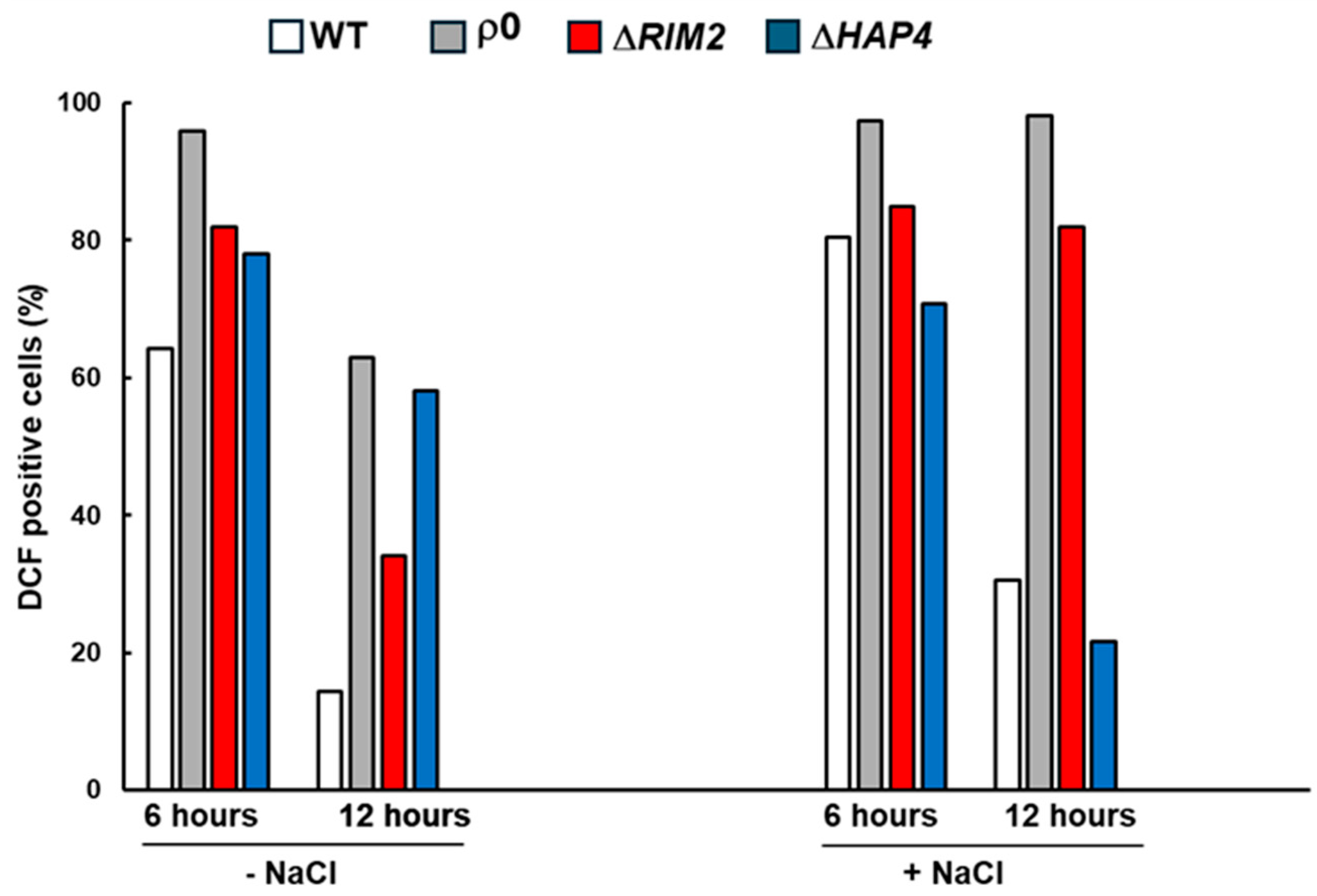
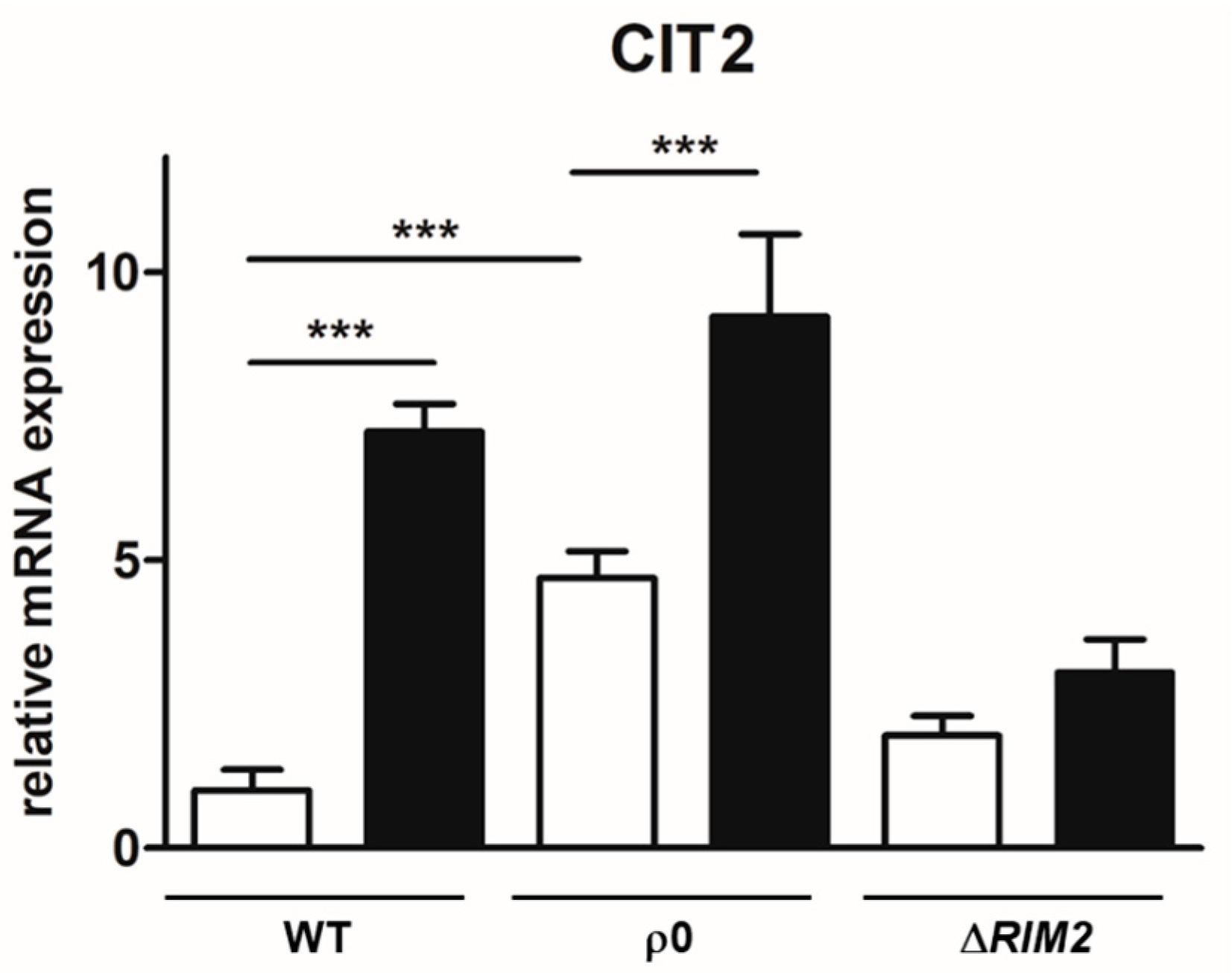
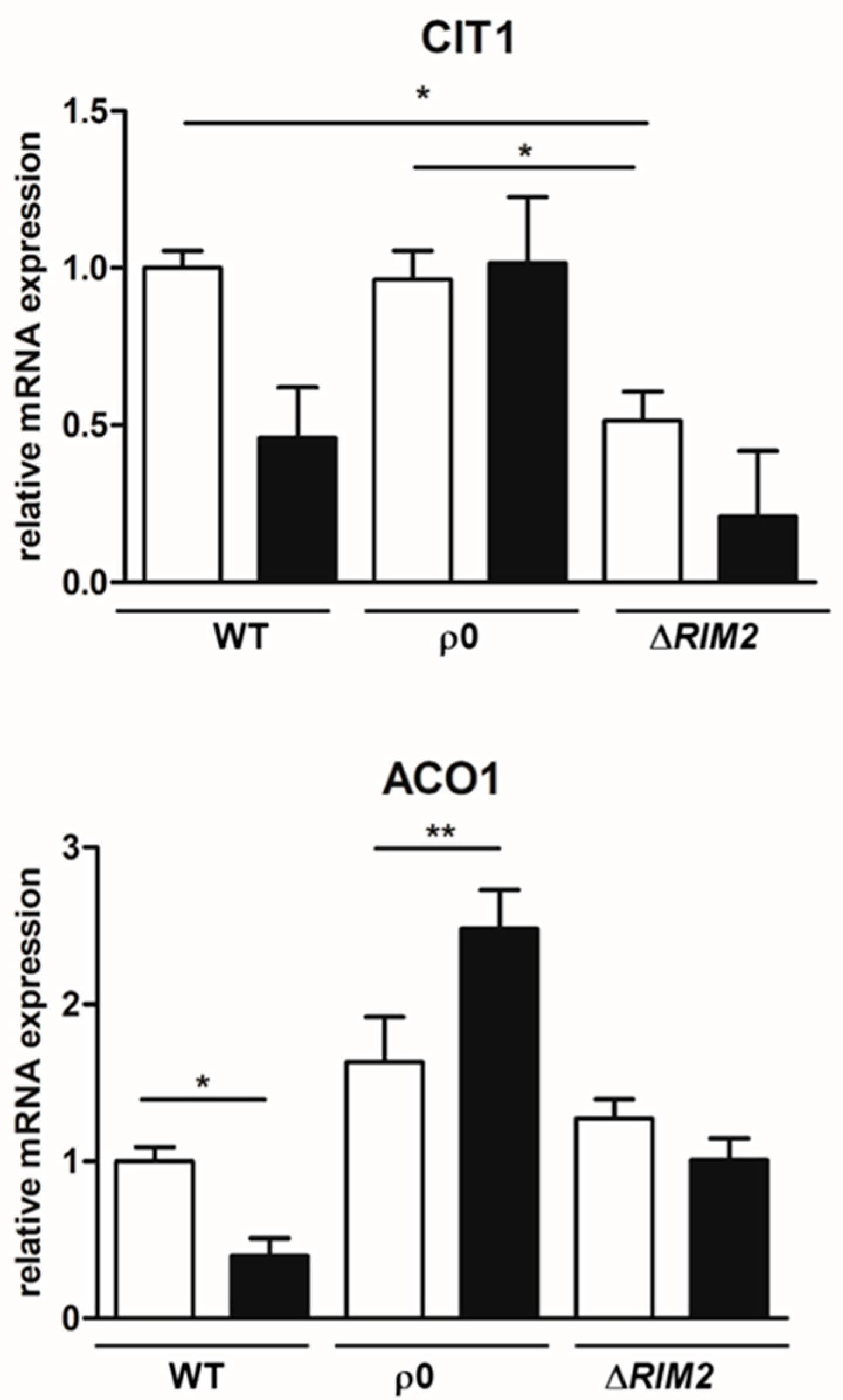
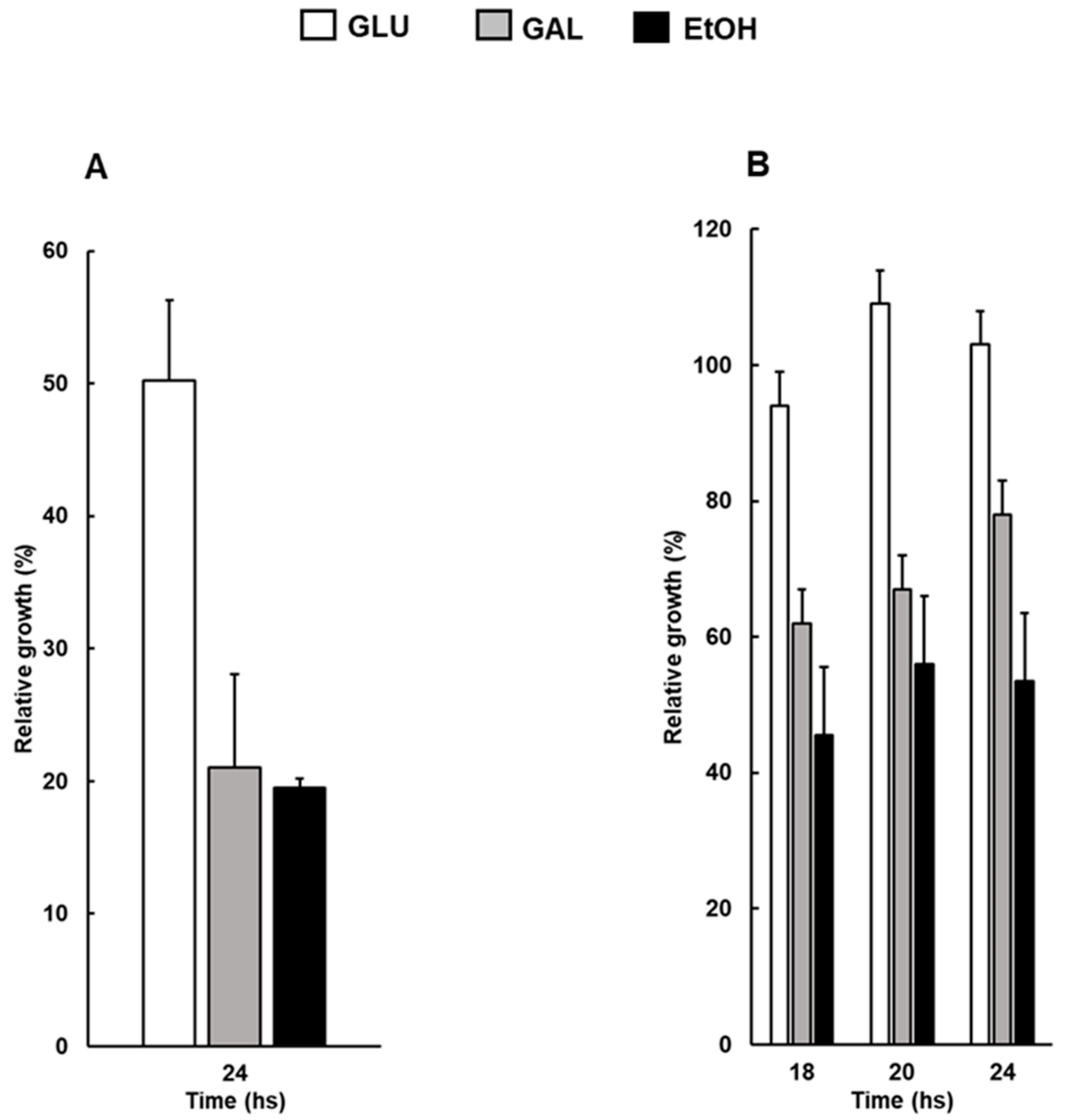
Alterations in mitochondrial function have been linked to a variety of cellular and organismal stress responses including apoptosis, aging, neurodegeneration and tumorigenesis. However, adaptation to mitochondrial dysfunction can occur through the activation of survival pathways, whose mechanisms are still poorly understood. The yeast Saccharomyces cerevisiae is an invaluable model organism for studying how mitochondrial dysfunction can affect stress response and adaptation processes. In this study, we analyzed and compared in the absence and in the presence of osmostress wild-type cells with two models of cells lacking mitochondrial DNA: ethidium bromide-treated cells (ρ0) and cells lacking the mitochondrial pyrimidine nucleotide transporter RIM2RIM2). Our results revealed that the lack of mitochondrial DNA provides an advantage in the kinetics of stress response. Additionally, wild-type cells exhibited higher osmosensitivity in the presence of respiratory metabolism. Mitochondrial mutants showed increased glycerol levels, required in the short-term response of yeast osmoadaptation, and prolonged oxidative stress. The involvement of the mitochondrial retrograde signaling in osmoadaptation has been previously demonstrated. The expression of CIT2, encoding the peroxisomal isoform of citrate synthase and whose up-regulation is prototypical of RTG pathway activation, appeared to be increased in the mutants. Interestingly, selected TCA cycle genes, CIT1 and ACO1, whose expression depends on RTG signaling upon stress, showed a different regulation in ρ0 and ΔRIM2 cells. These data suggest that osmoadaptation can occur through different mechanisms in the presence of mitochondrial defects and will allow us to gain insight into the relationships among metabolism, mitochondria-mediated stress response, and cell adaptation.
Keywords: mitochondrial DNA; yeast; stress response; osmoadaptation; metabolism; retrograde signaling; ROS mitochondrial DNA; yeast; stress response; osmoadaptation; metabolism; retrograde signaling; ROS