Article

Local Control Model of a Human Ventricular Myocyte: An Exploration of Frequency-Dependent Changes and Calcium Sparks


by
Jerome Anthony E. Alvarez
1,
M. Saleet Jafri
1,2,* and
Aman Ullah
1,*
1
School of Systems Biology, George Mason University, Fairfax, VA 22030, USA
2
Center for Biomedical Engineering and Technology, University of Maryland School of Medicine, Baltimore, MD 20201, USA
*
Authors to whom correspondence should be addressed.
Biomolecules 2023, 13(8), 1259; https://doi.org/10.3390/biom13081259
Submission received: 3 July 2023 / Revised: 7 August 2023 / Accepted: 15 August 2023 / Published: 17 August 2023
(This article belongs to the Special Issue Computational Insights into Calcium Signaling)

Abstract

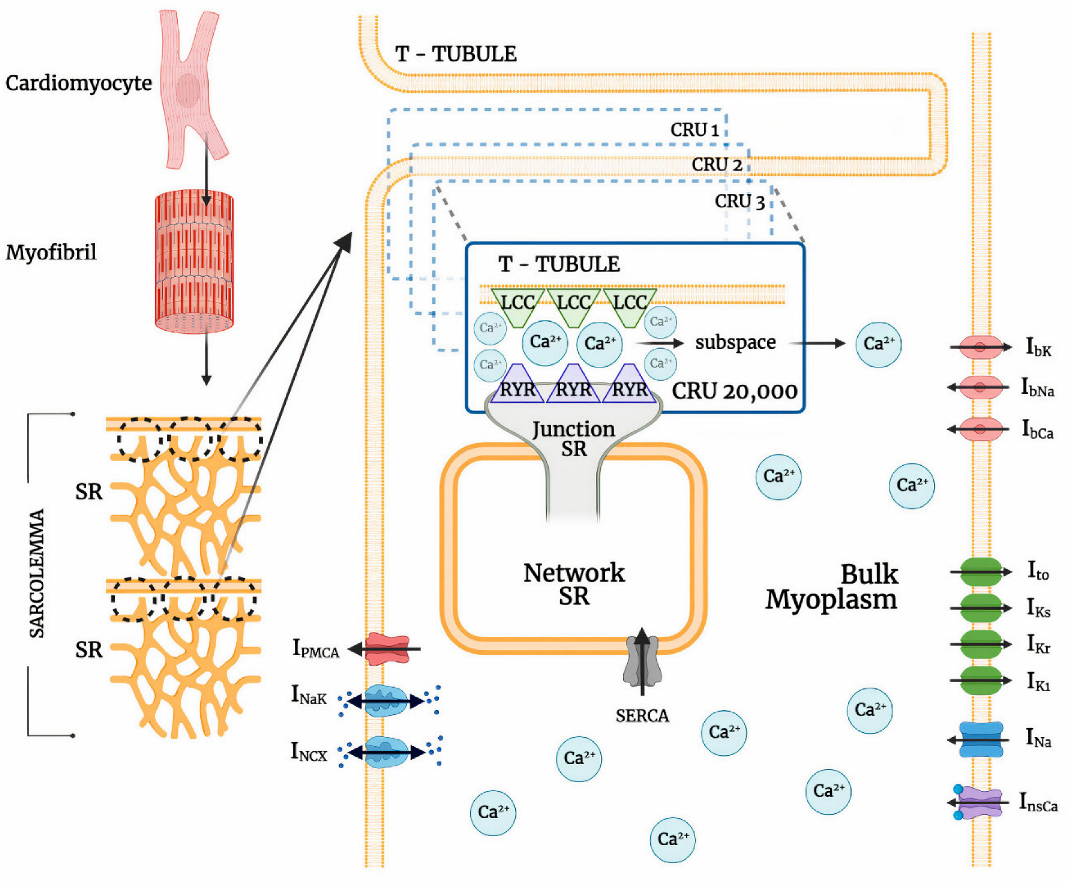
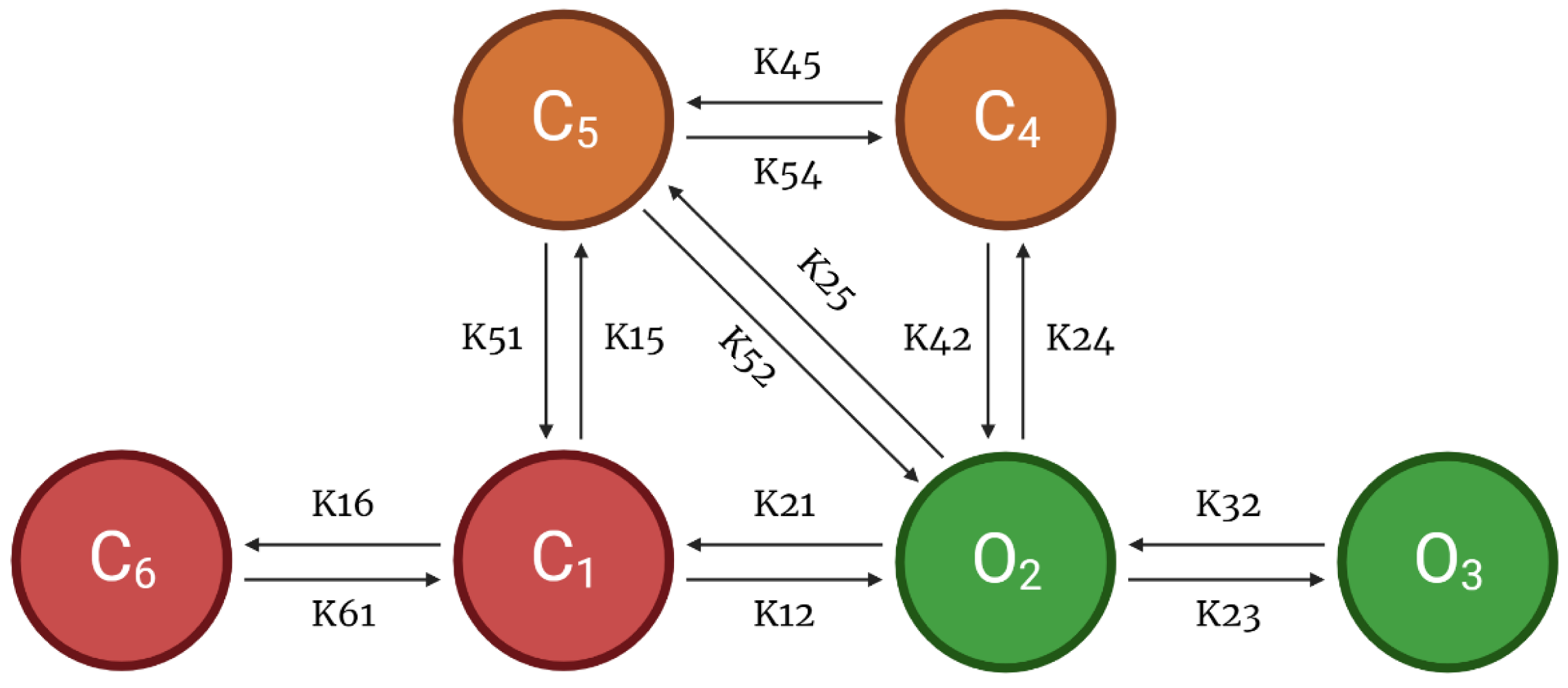
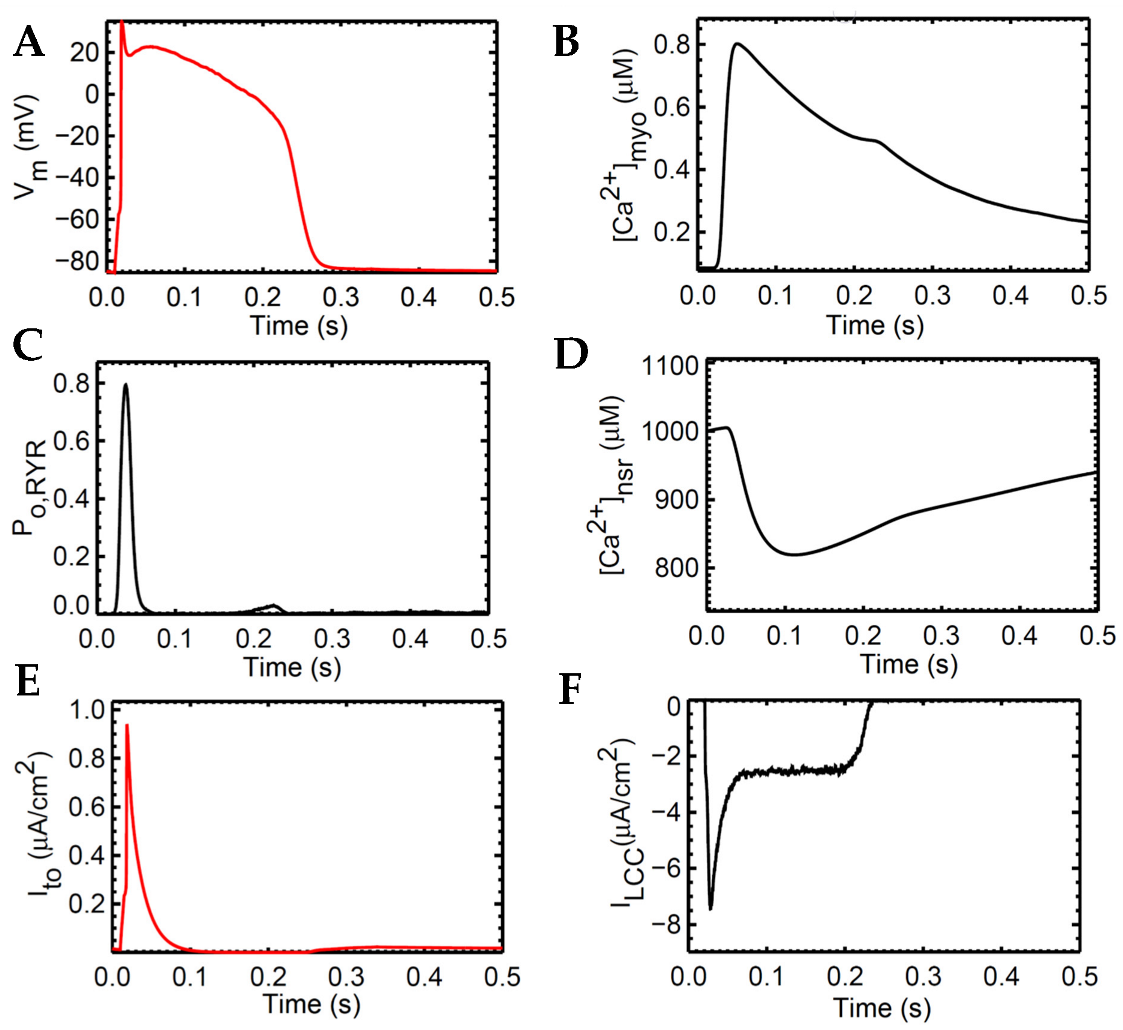
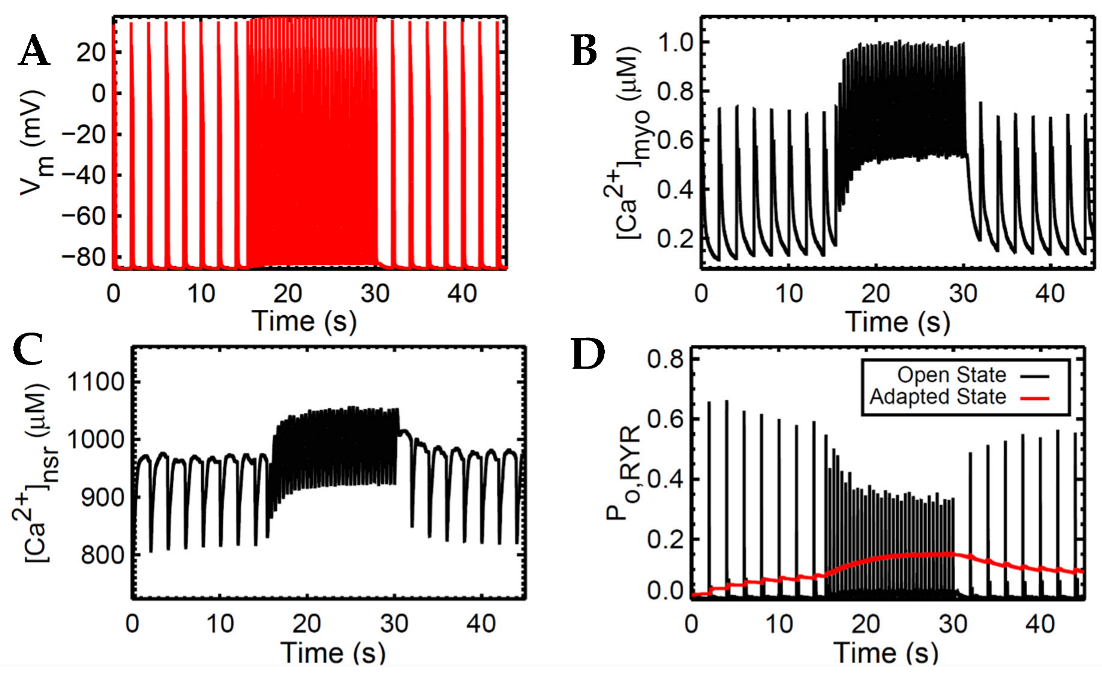
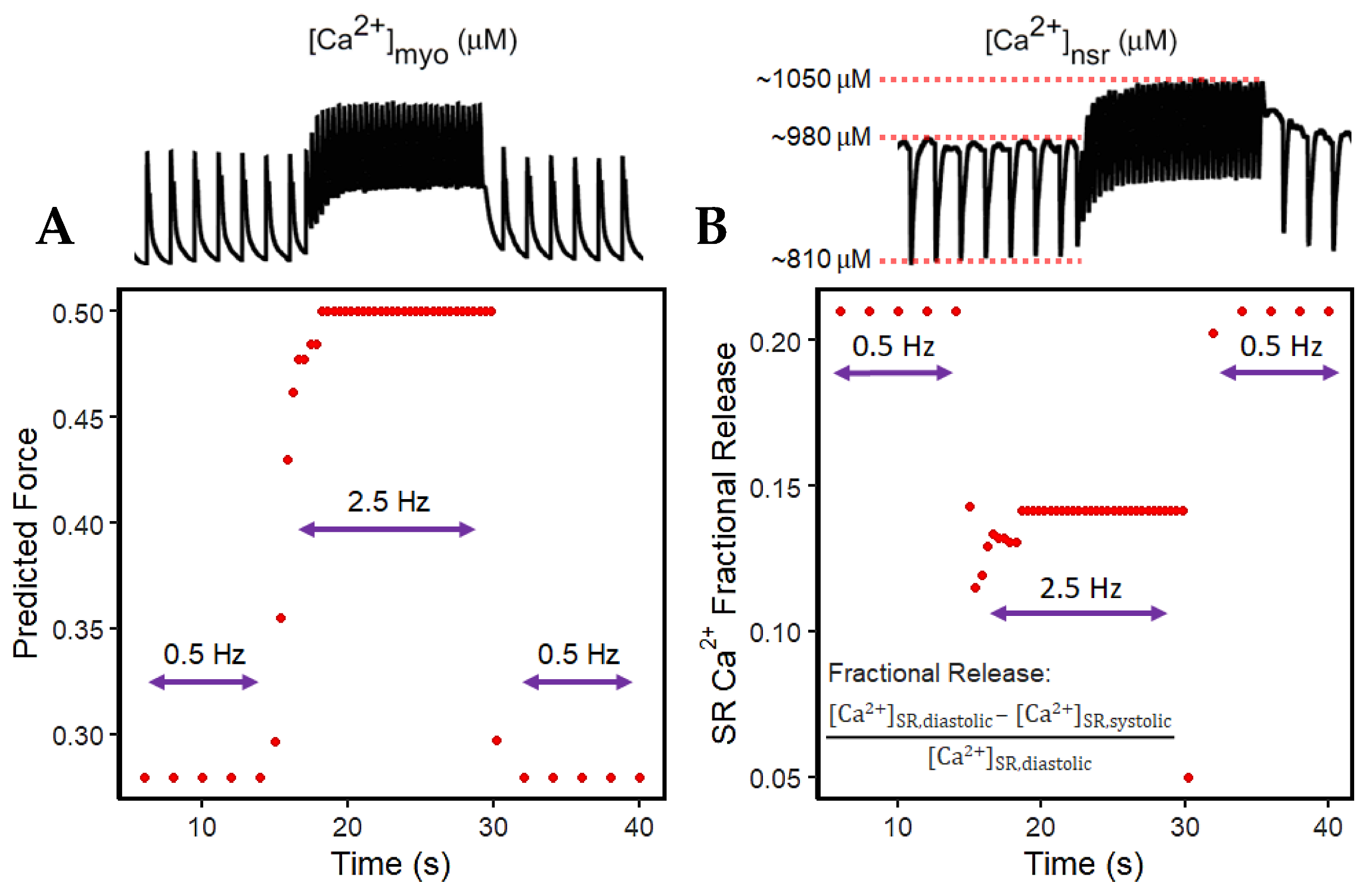
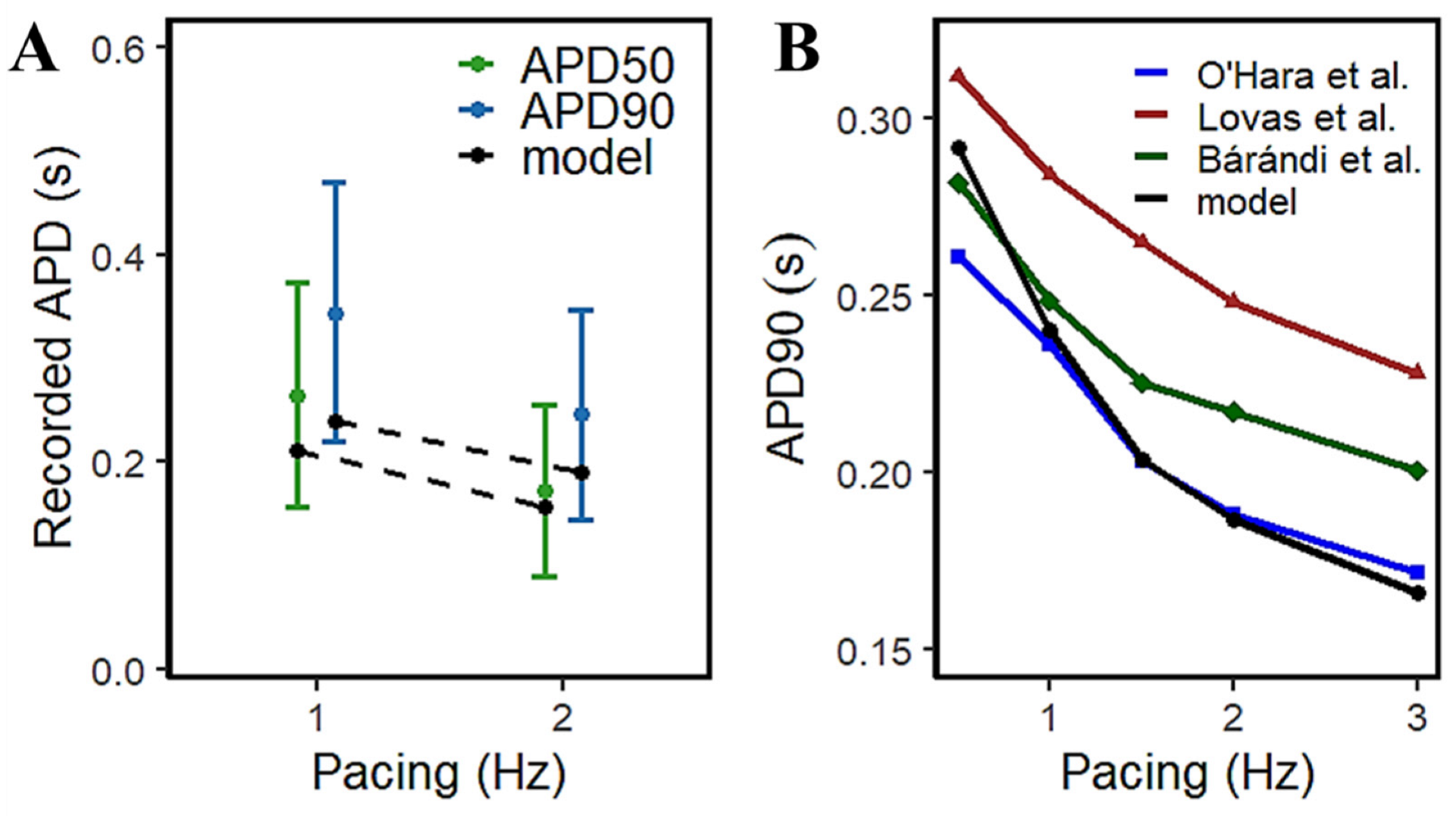
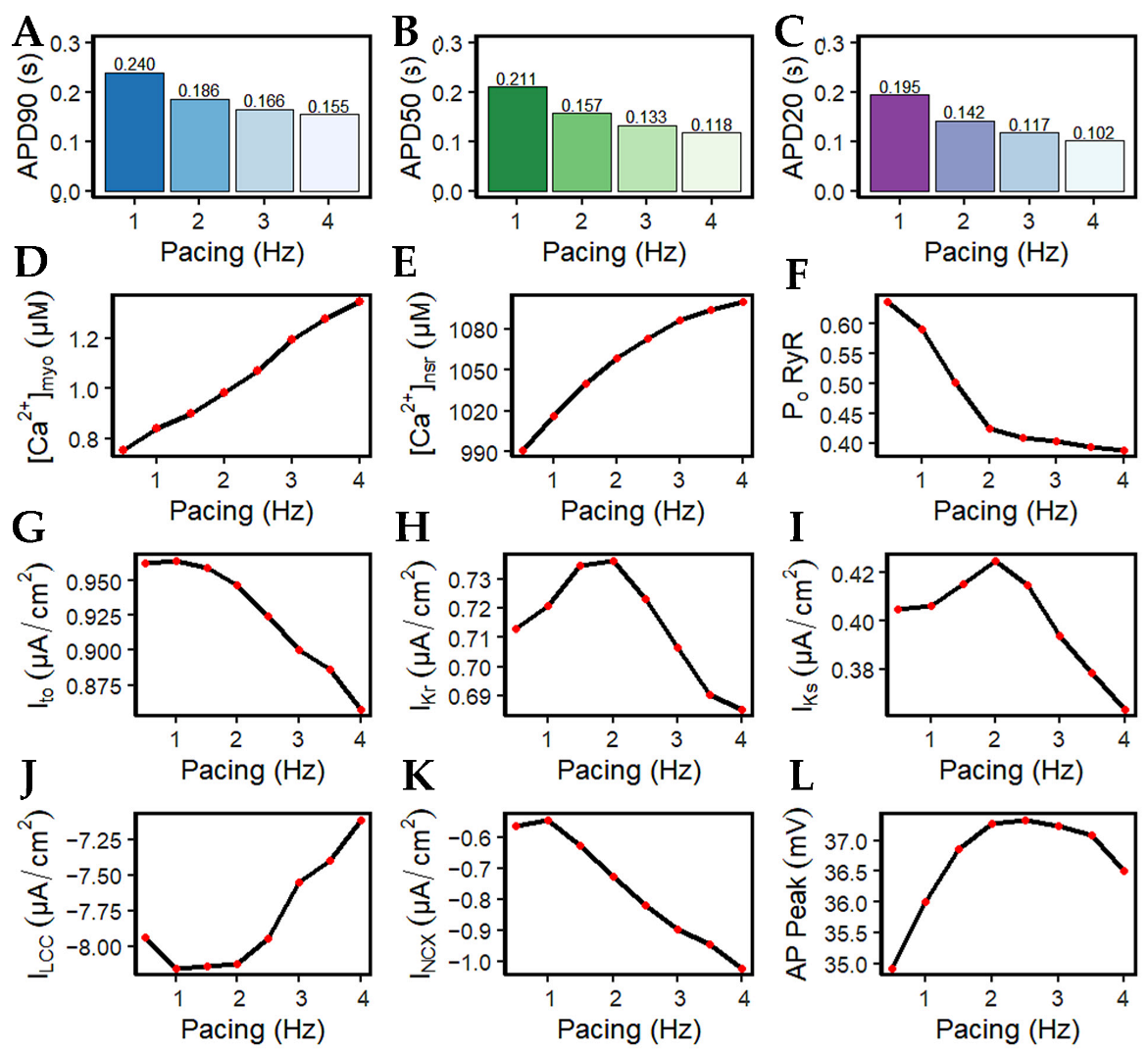
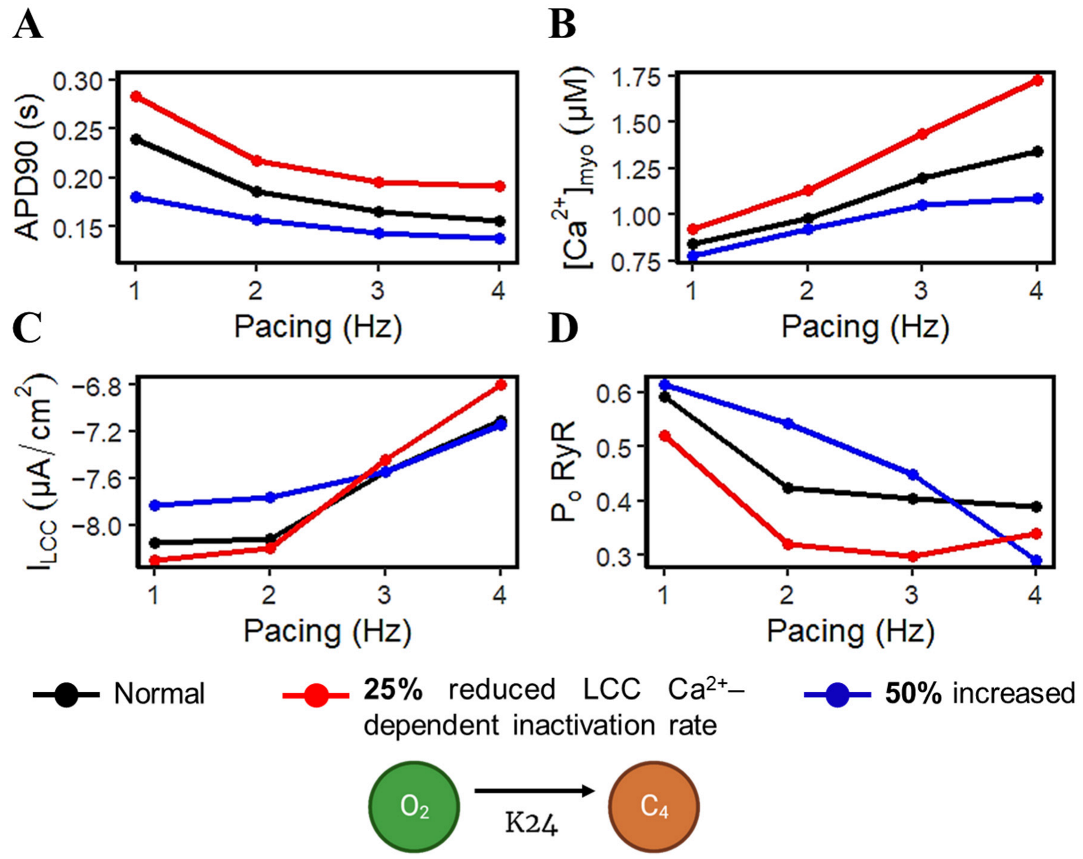
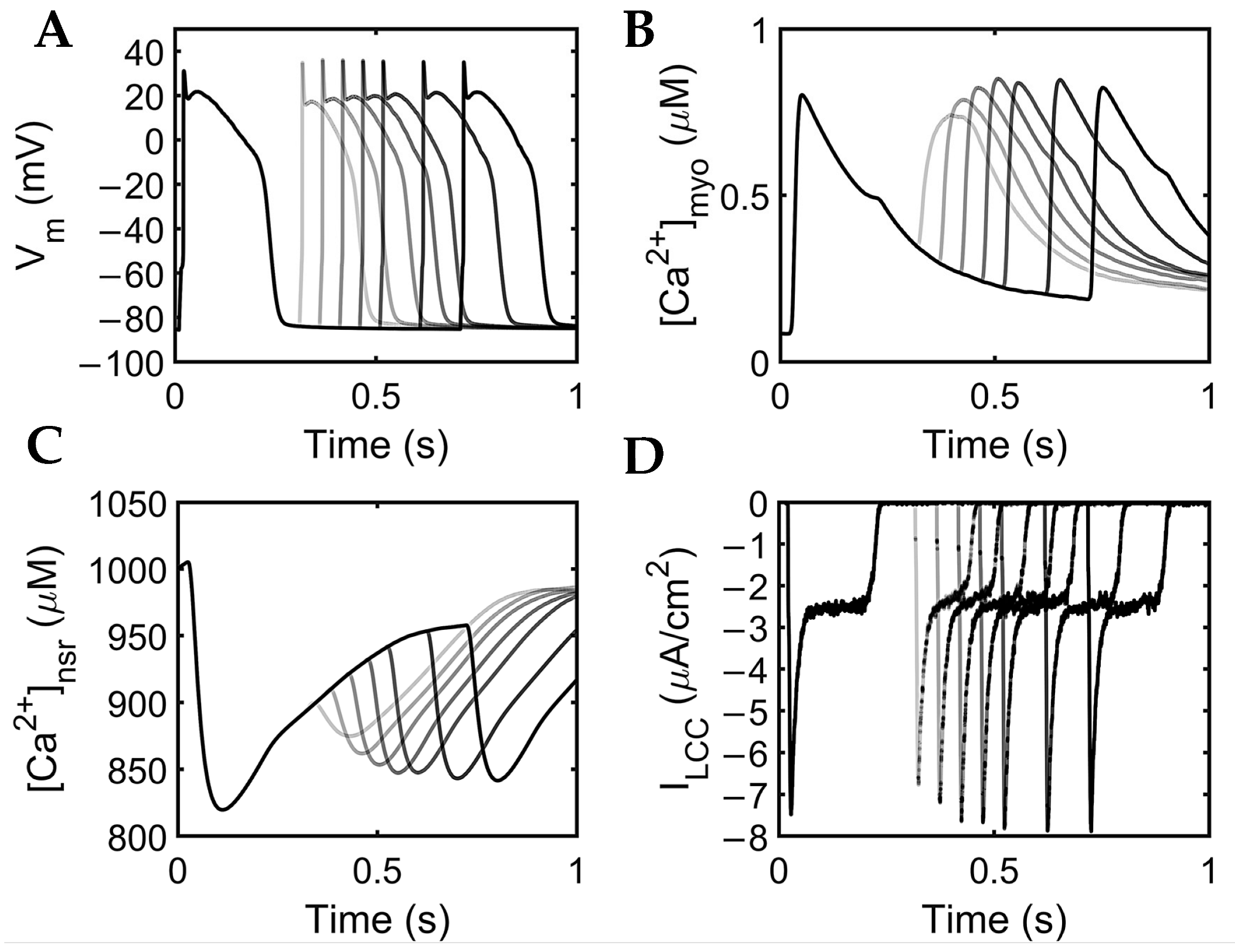
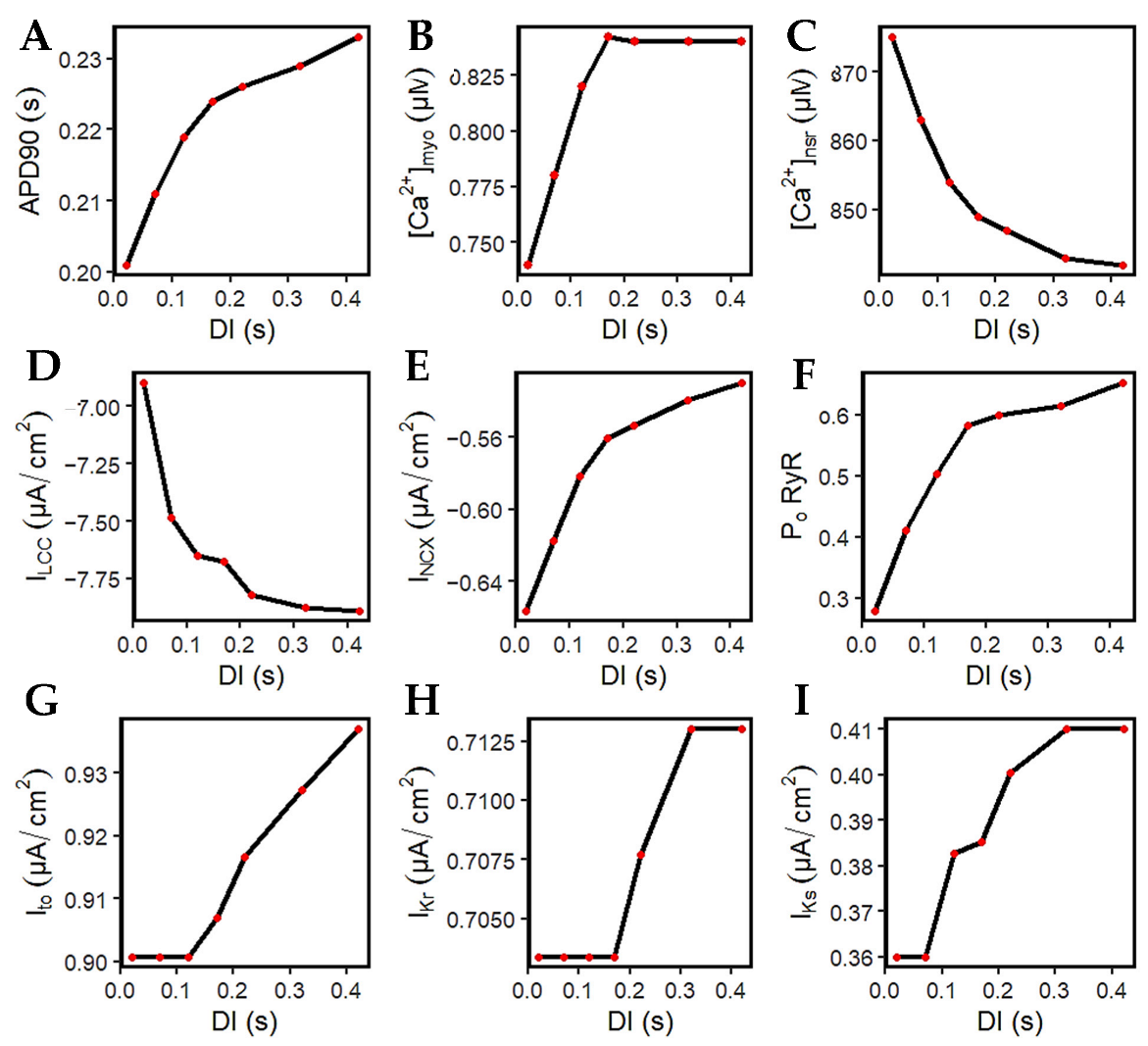
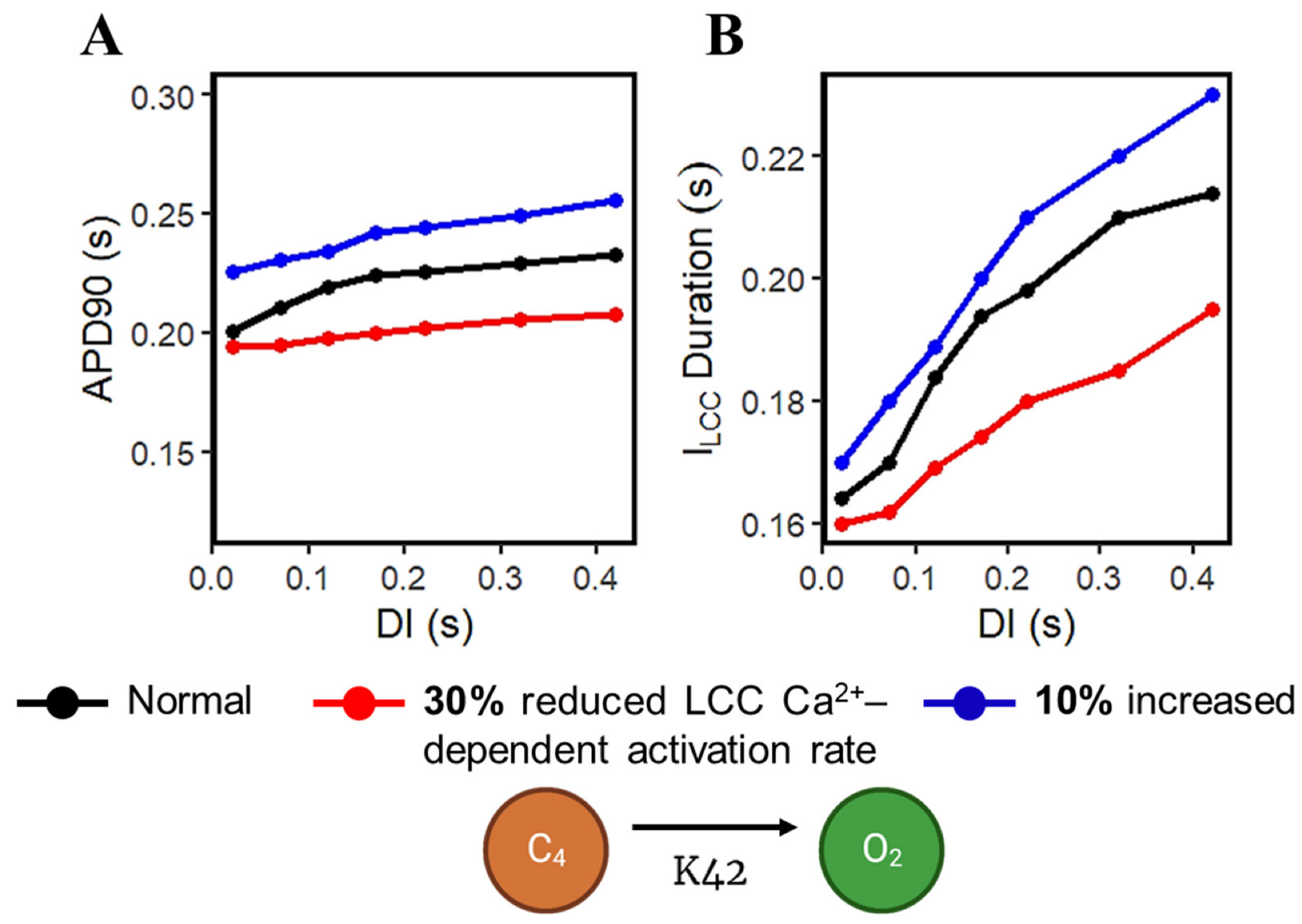
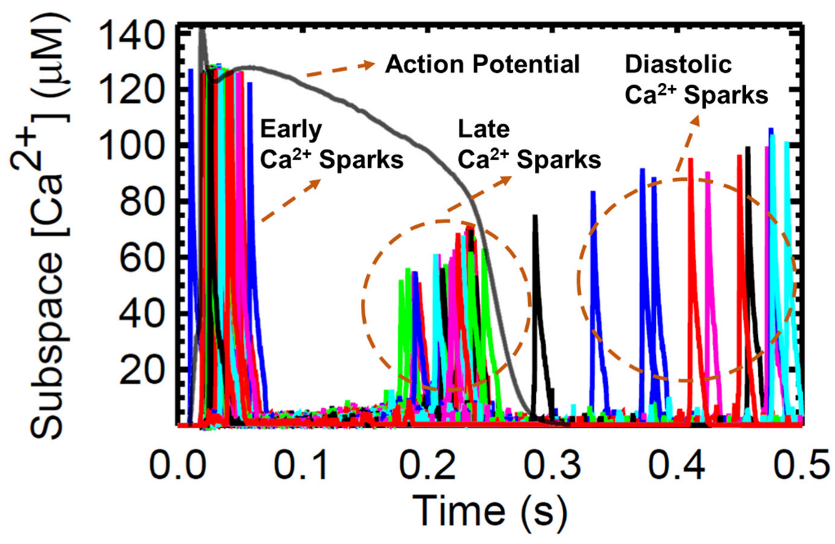
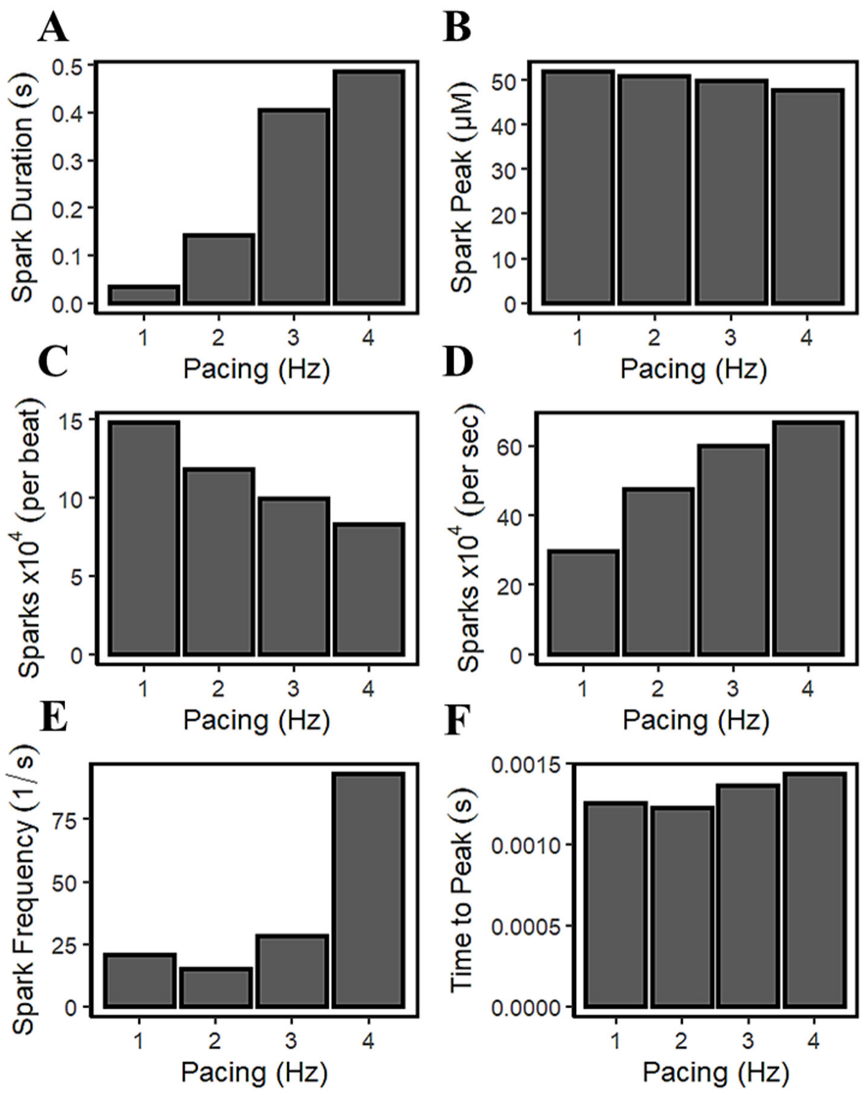
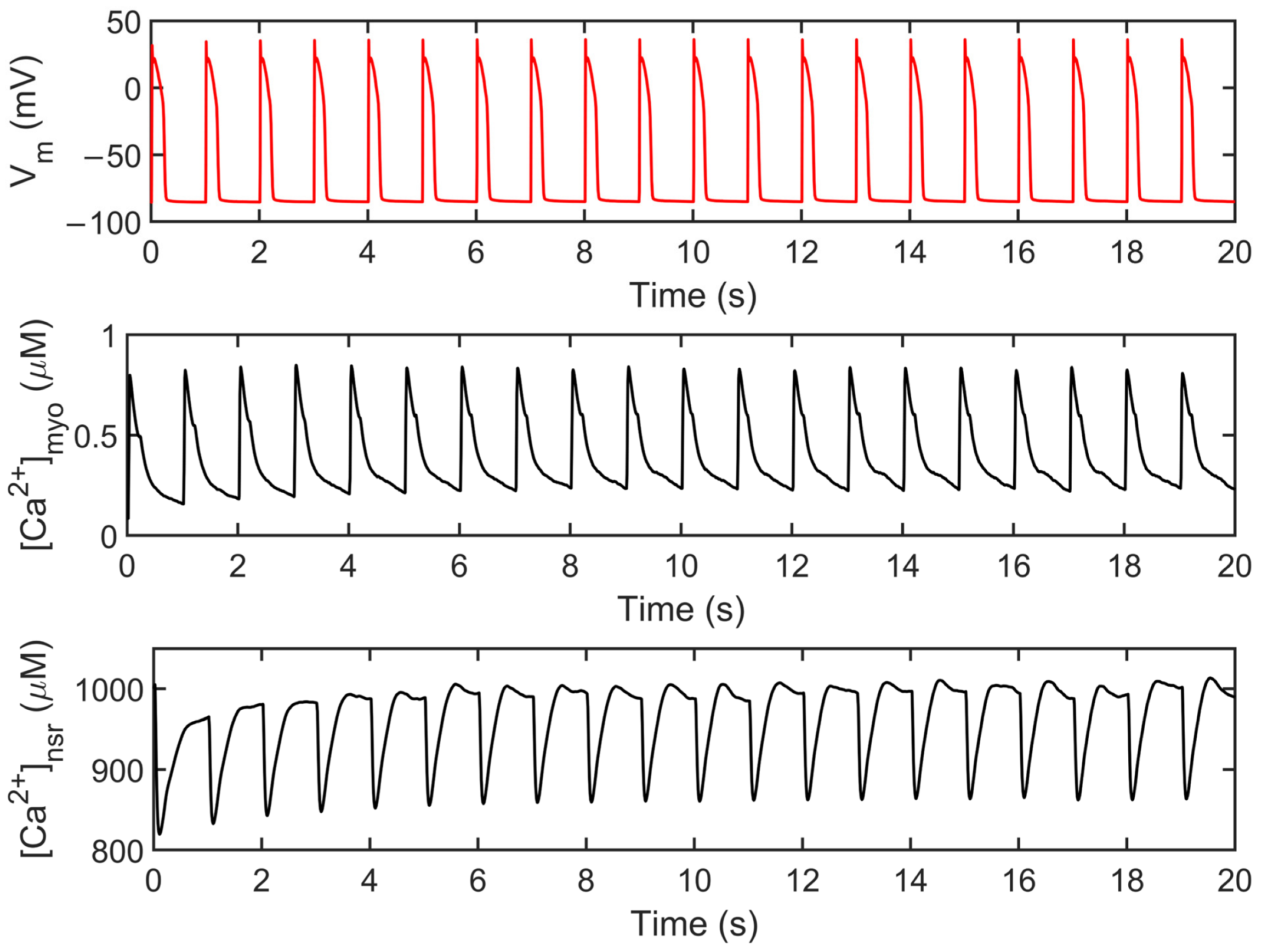
Calcium (Ca2+) sparks are the elementary events of excitation–contraction coupling, yet they are not explicitly represented in human ventricular myocyte models. A stochastic ventricular cardiomyocyte human model that adapts to intracellular Ca2+ ([Ca2+]i) dynamics, spark regulation, and frequency-dependent changes in the form of locally controlled Ca2+ release was developed. The 20,000 CRUs in this model are composed of 9 individual LCCs and 49 RyRs that function as couplons. The simulated action potential duration at 1 Hz steady-state pacing is ~0.280 s similar to human ventricular cell recordings. Rate-dependence experiments reveal that APD shortening mechanisms are largely contributed by the L-type calcium channel inactivation, RyR open fraction, and [Ca2+]myo concentrations. The dynamic slow-rapid-slow pacing protocol shows that RyR open probability during high pacing frequency (2.5 Hz) switches to an adapted “nonconducting” form of Ca2+-dependent transition state. The predicted force was also observed to be increased in high pacing, but the SR Ca2+ fractional release was lower due to the smaller difference between diastolic and systolic [Ca2+]SR. Restitution analysis through the S1S2 protocol and increased LCC Ca2+-dependent activation rate show that the duration of LCC opening helps modulate its effects on the APD restitution at different diastolic intervals. Ultimately, a longer duration of calcium sparks was observed in relation to the SR Ca2+ loading at high pacing rates. Overall, this study demonstrates the spontaneous Ca2+ release events and ion channel responses throughout various stimuli.
Keywords: calcium; calcium sparks; ventricular myocyte; cardiac cell; ionic currents; RyR; LCC; Ca2+; computational modeling; heart; excitation contraction coupling calcium; calcium sparks; ventricular myocyte; cardiac cell; ionic currents; RyR; LCC; Ca2+; computational modeling; heart; excitation contraction coupling