Article

Exploring the Distinct Distribution of Archaeal Communities in Sites Contaminated with Explosives
by
Yash Pal
,
Shanmugam Mayilraj
*,† and
Srinivasan Krishnamurthi
*
Microbial Type Culture Collection & Gene Bank (MTCC), CSIR-Institute of Microbial Technology, Sec-39A, Chandigarh 160036, India
*
Authors to whom correspondence should be addressed.
Present Address: Bentoli AgriNutrition India Pvt Ltd., 3F2, Third Floor, Front Block, Metro Tower, Building No. 115, Poonamallee, High Road, Chennai 600084, India.
Biomolecules 2022, 12(4), 489; https://doi.org/10.3390/biom12040489
Submission received: 4 October 2021 / Revised: 24 December 2021 / Accepted: 30 December 2021 / Published: 23 March 2022
(This article belongs to the Collection Archaea: Diversity, Metabolism and Molecular Biology)

Abstract

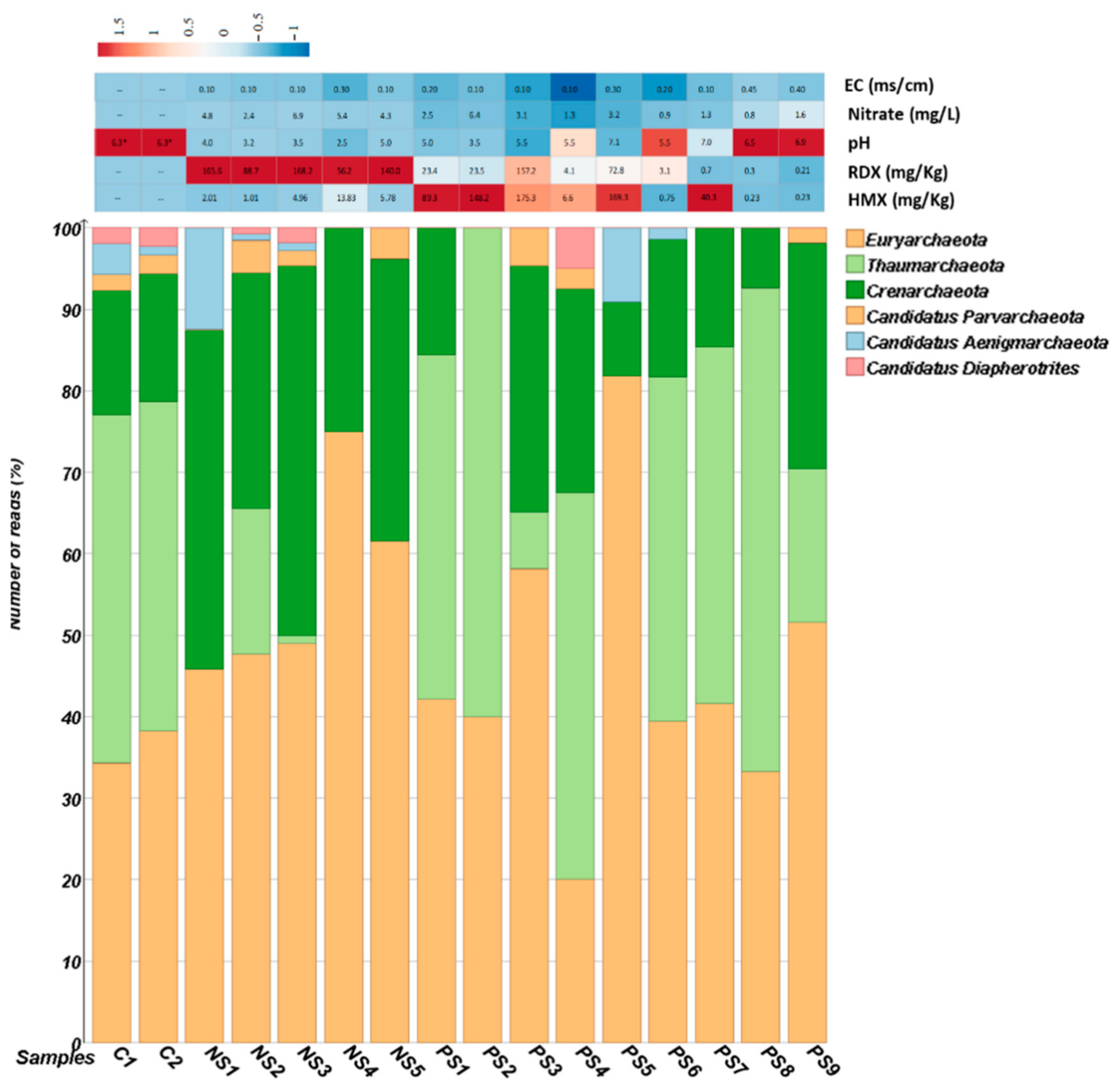
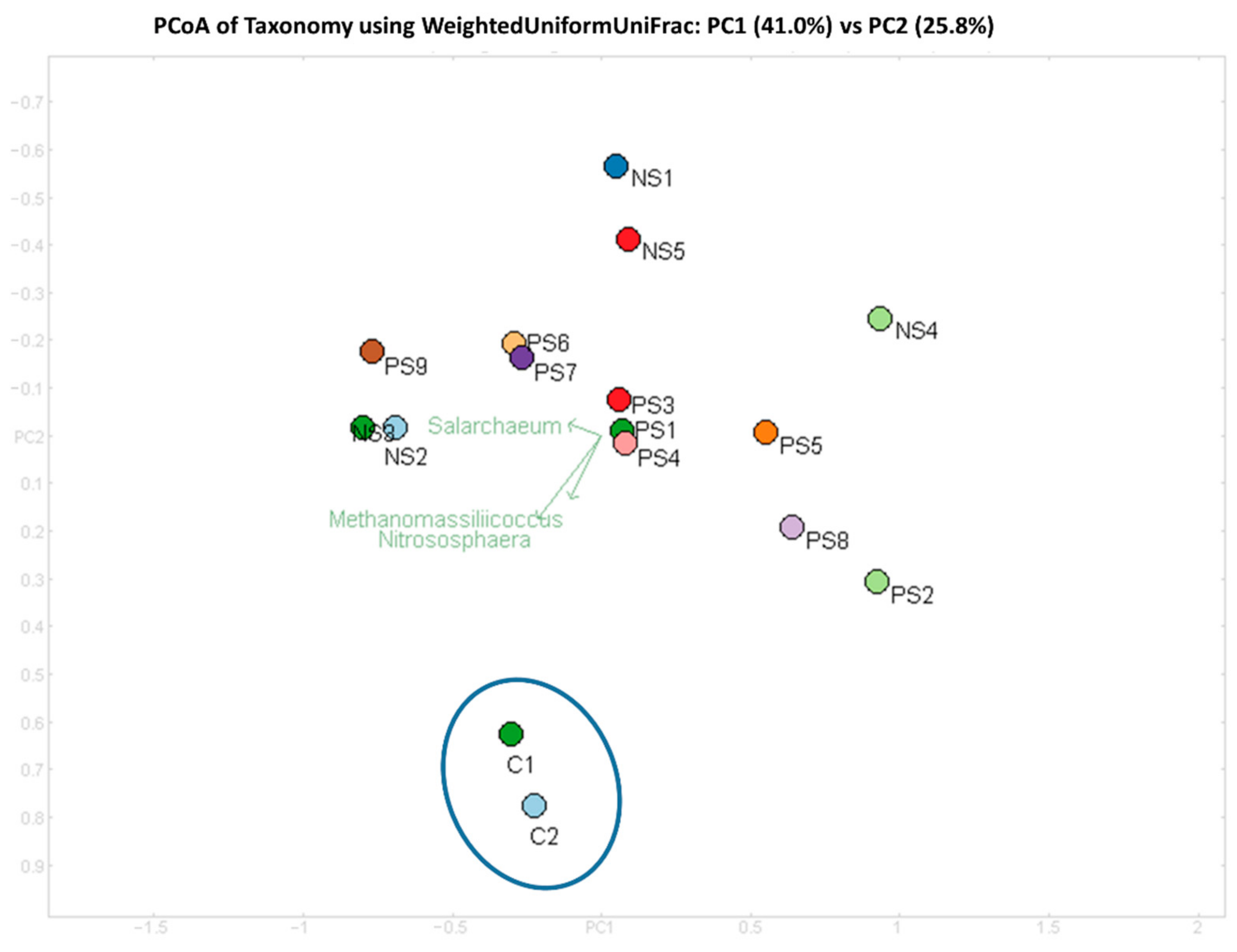
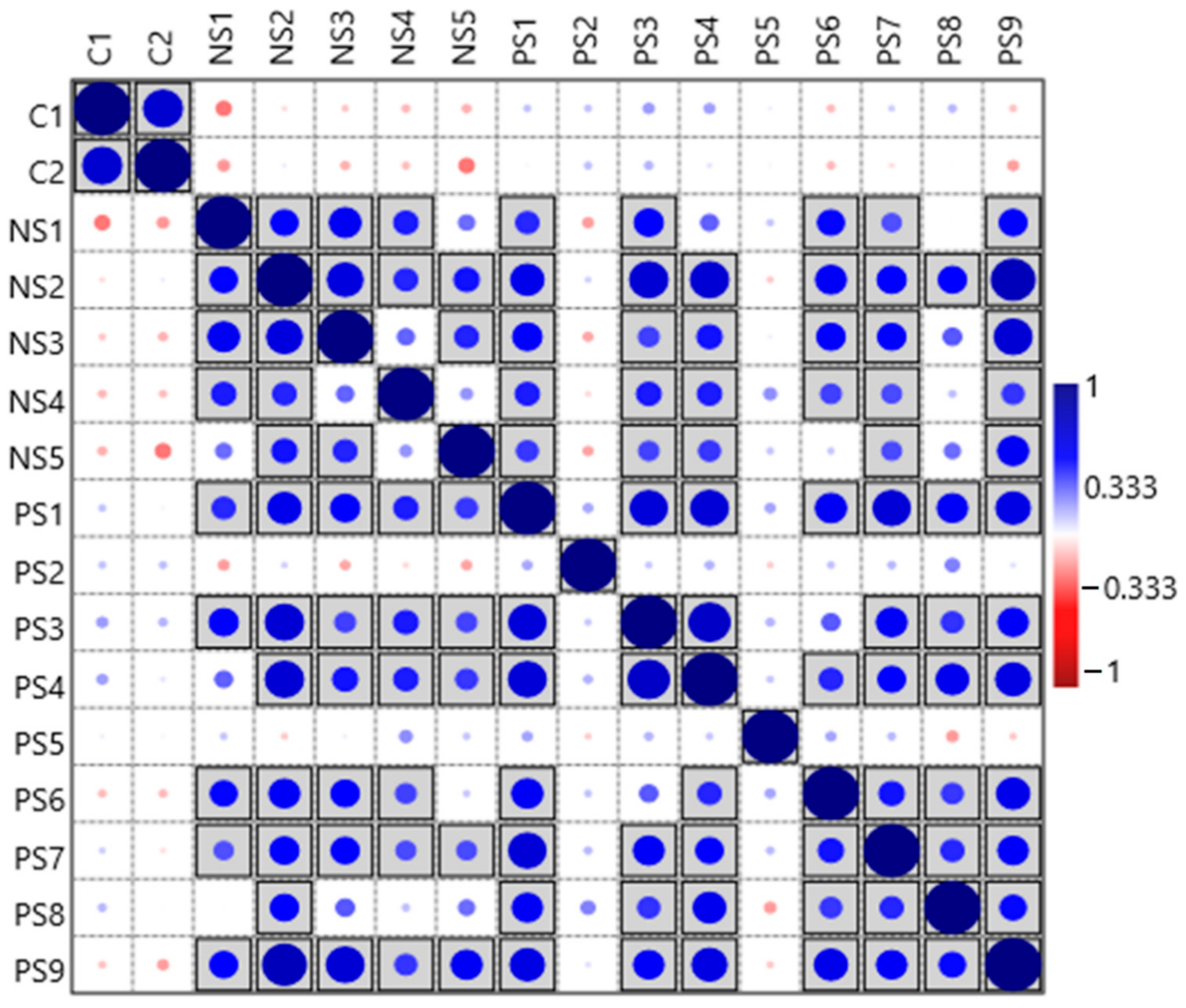
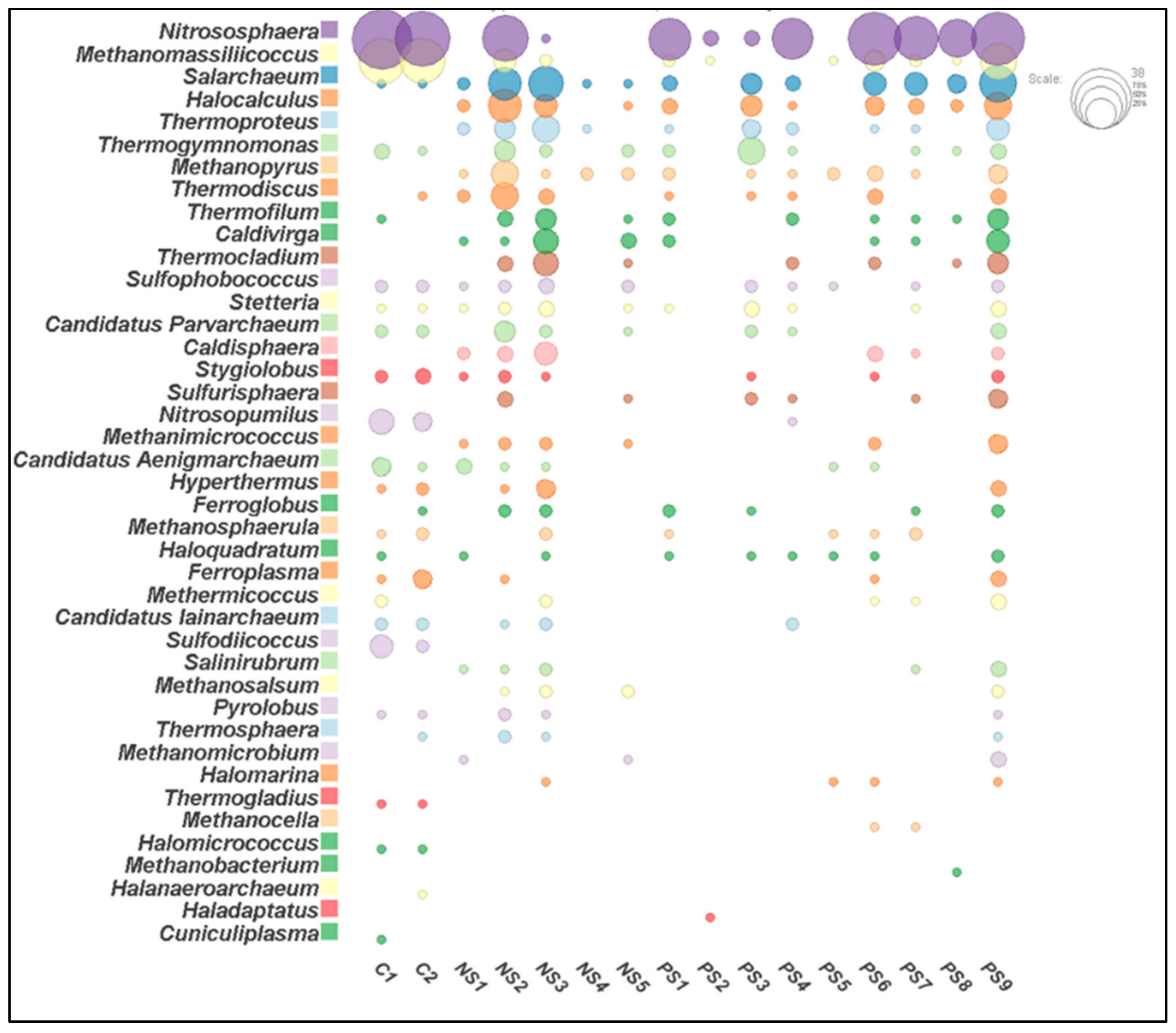
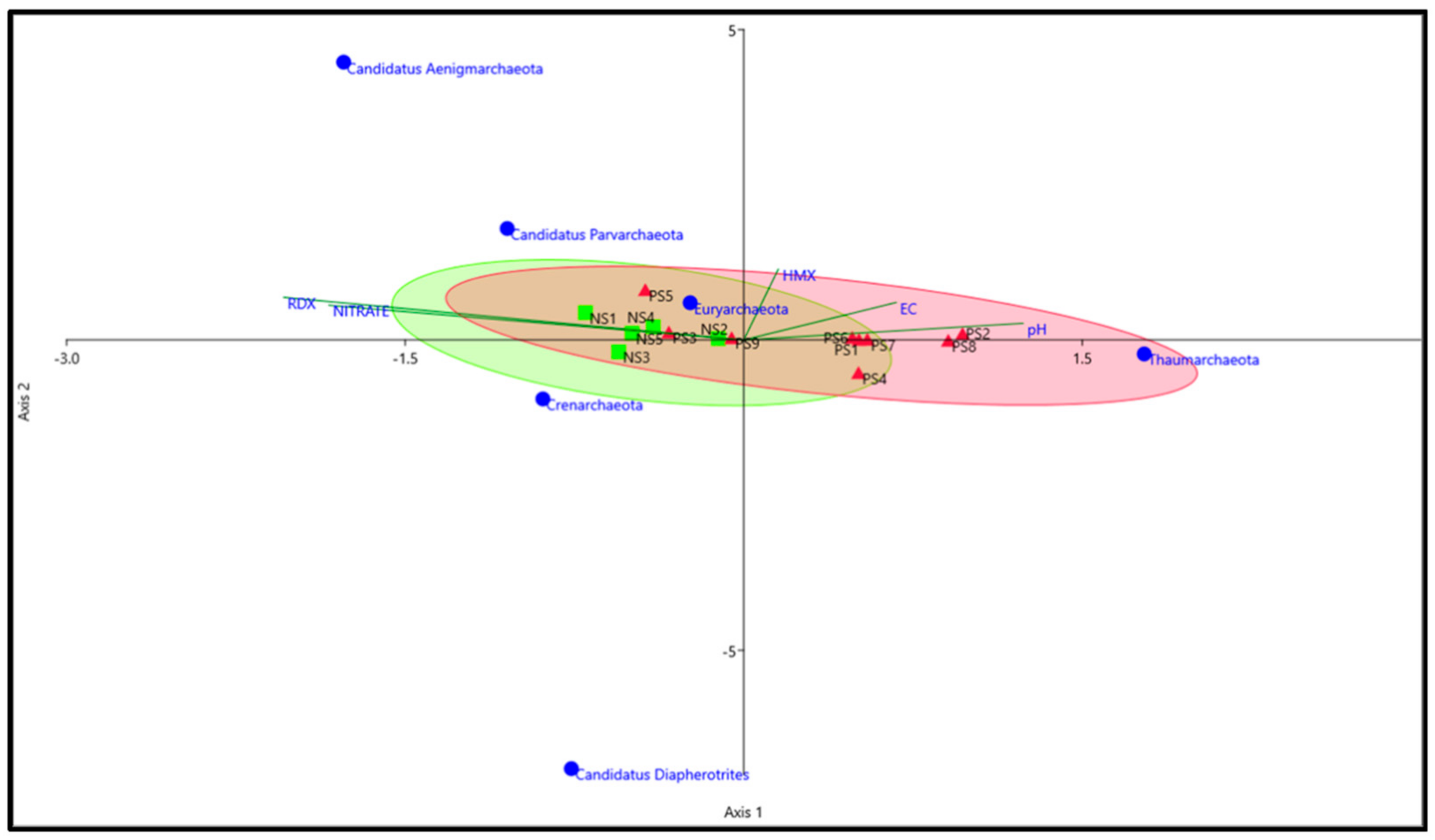
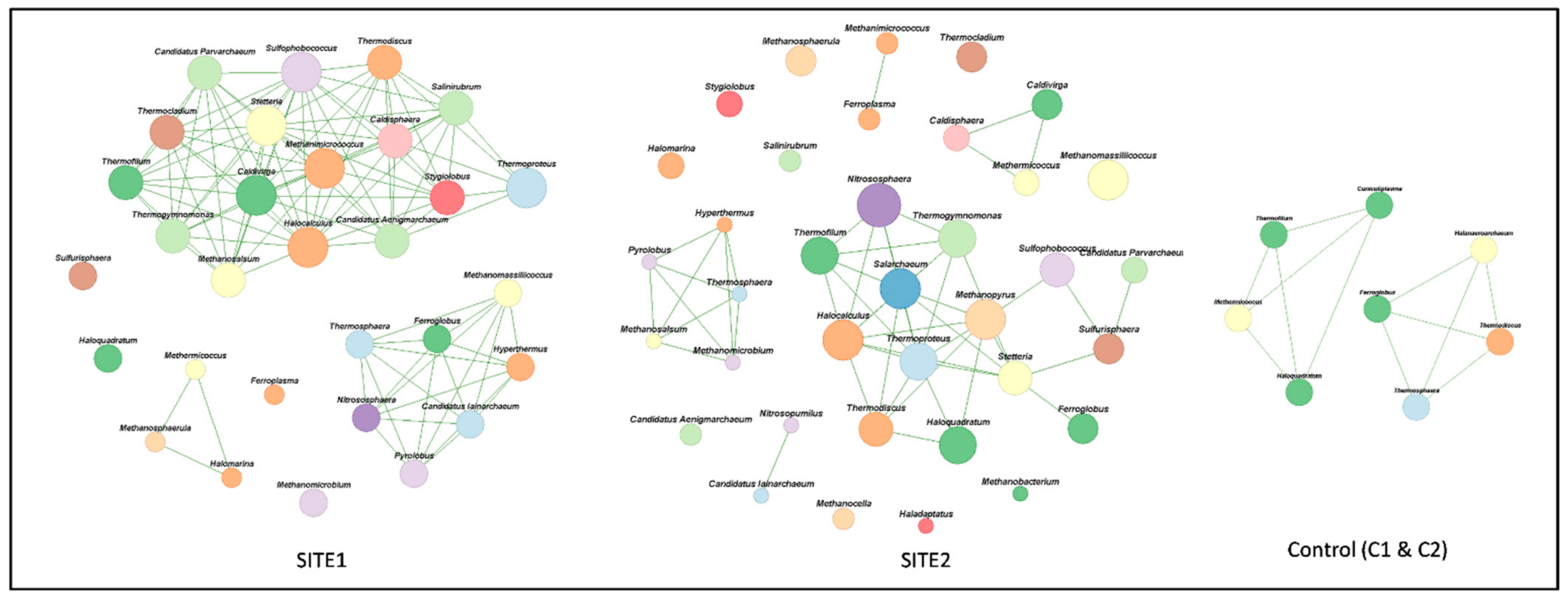
Most of the research on bioremediation and estimation of microbial diversity in waste contaminated sites is focused on the domain Bacteria, whereas details on the relevance of Archaea are still lacking. The present study examined the archaeal diversity and predicted metabolic pathways in two discrete sites (SITE1 and SITE2) contaminated with explosives (RDX and HMX) by amplicon-targeted sequencing of 16S rRNA genes. In total, 14 soil samples were processed, and 35,758 OTUs were observed, among which 981 OTUs were classified as Archaea, representing ~2.7% of the total microbial diversity in our samples. The majority of OTUs belonged to phyla Euryarchaeota (~49%), Crenarchaeota (~24%), and Thaumarchaeota (~23%), while the remaining (~4%) OTUs were affiliated to Candidatus Parvarchaeota, Candidatus Aenigmarchaeota, and Candidatus Diapherotrites. The comparative studies between explosives contaminated and agricultural soil samples (with no history of explosives contamination) displayed significant differences between the compositions of the archaeal communities. Further, the metabolic pathways pertaining to xenobiotic degradation were presumably more abundant in the contaminated sites. Our data provide a first comprehensive report of archaeal communities in explosives contaminated sites and their putative degradation role in such ecosystems which have been as yet unexplored.
Keywords: amplicon sequencing; Archaea; MEGAN; RDX (1,3,5-Trinitro-1,3,5-triazine); HMX (1,3, 5,7-Tetranitro-1,3,5,7-tetrazocane) amplicon sequencing; Archaea; MEGAN; RDX (1,3,5-Trinitro-1,3,5-triazine); HMX (1,3, 5,7-Tetranitro-1,3,5,7-tetrazocane)