Article

Relationship Between Recurrent Magnetic Flux Rope and Moving Magnetic Features

1
State Key Laboratory of Solar Activity and Space Weather, National Astronomical Observatories, Chinese Academy of Sciences, Chaoyang District, Beijing 100012, China
2
School of Science, Shijiazhuang University, Shijiazhuang 050035, China
3
School of Astronomy and Space Science, University of Chinese Academy of Sciences, Beijing 100049, China
*
Author to whom correspondence should be addressed.
Universe 2025, 11(7), 222; https://doi.org/10.3390/universe11070222

Submission received: 12 April 2025 / Revised: 30 May 2025 / Accepted: 3 June 2025 / Published: 3 July 2025

Abstract

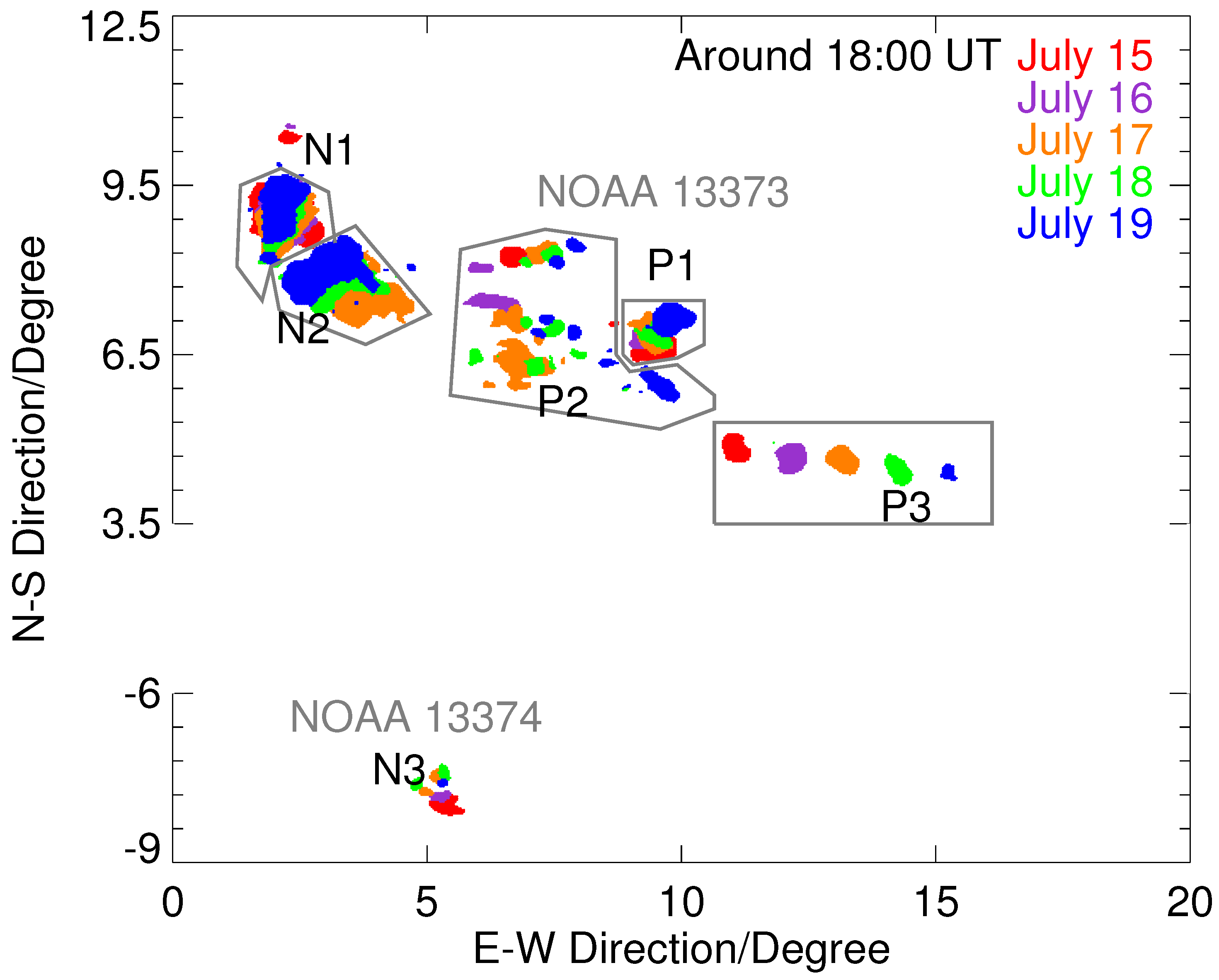
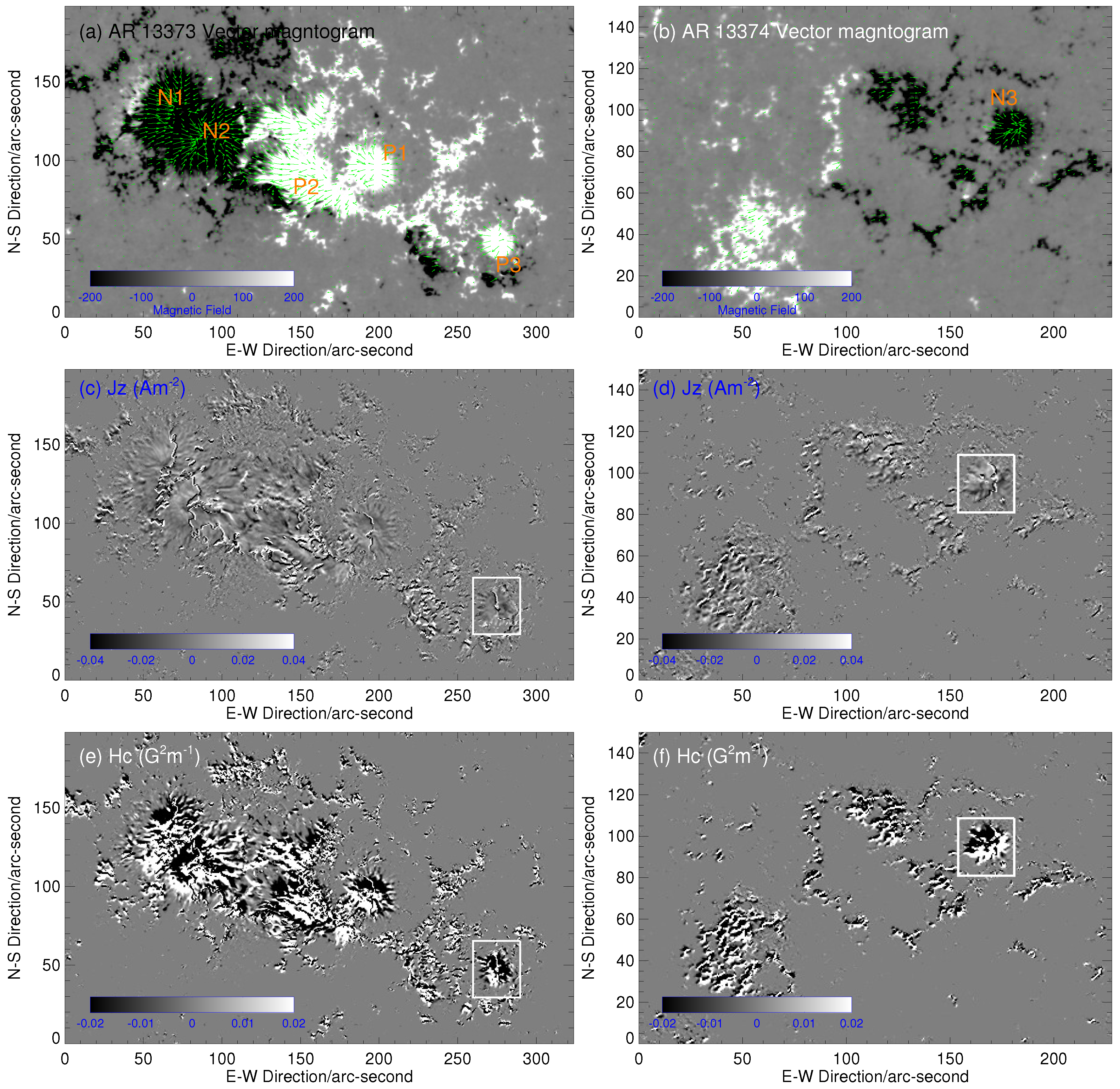
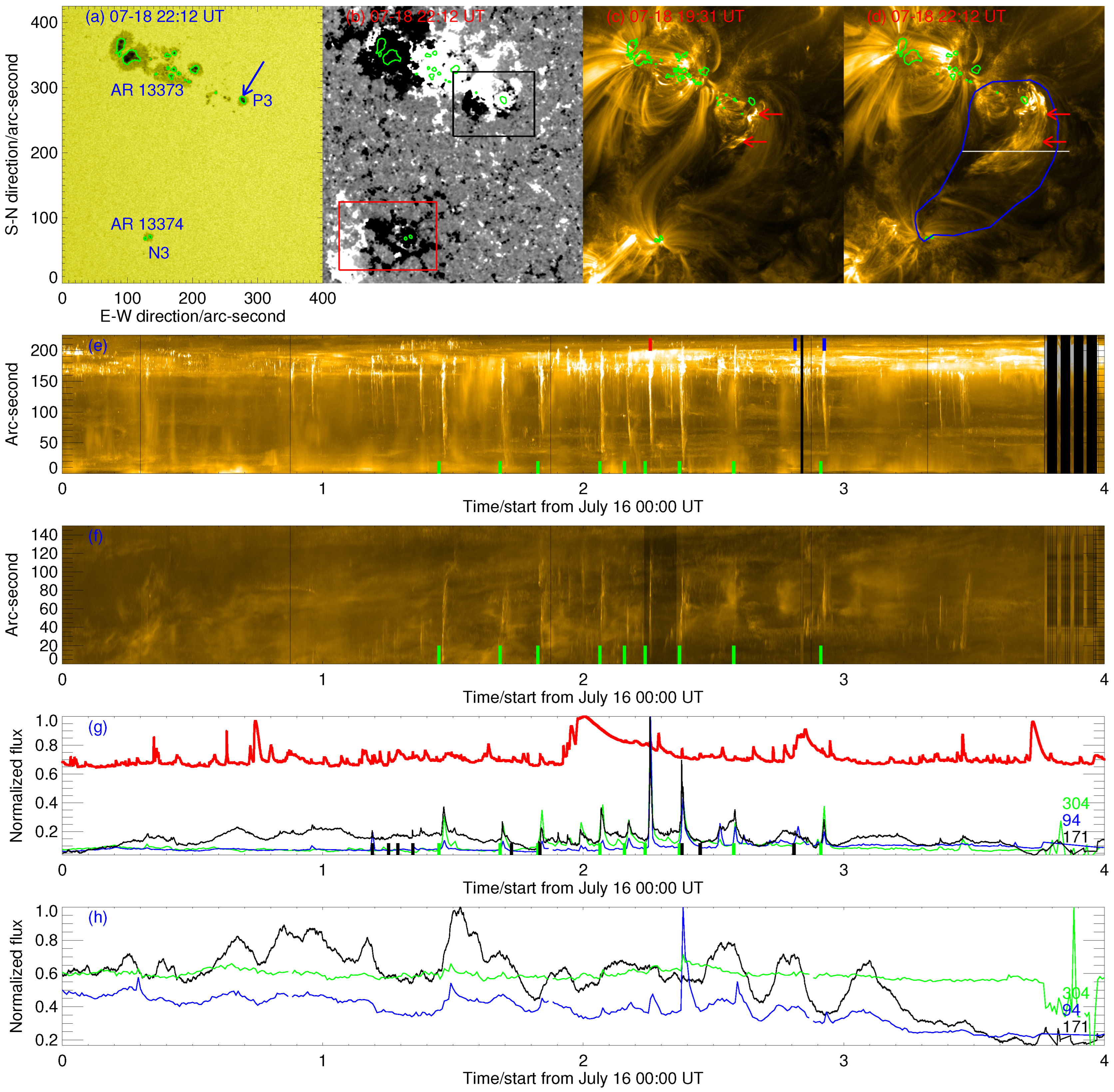
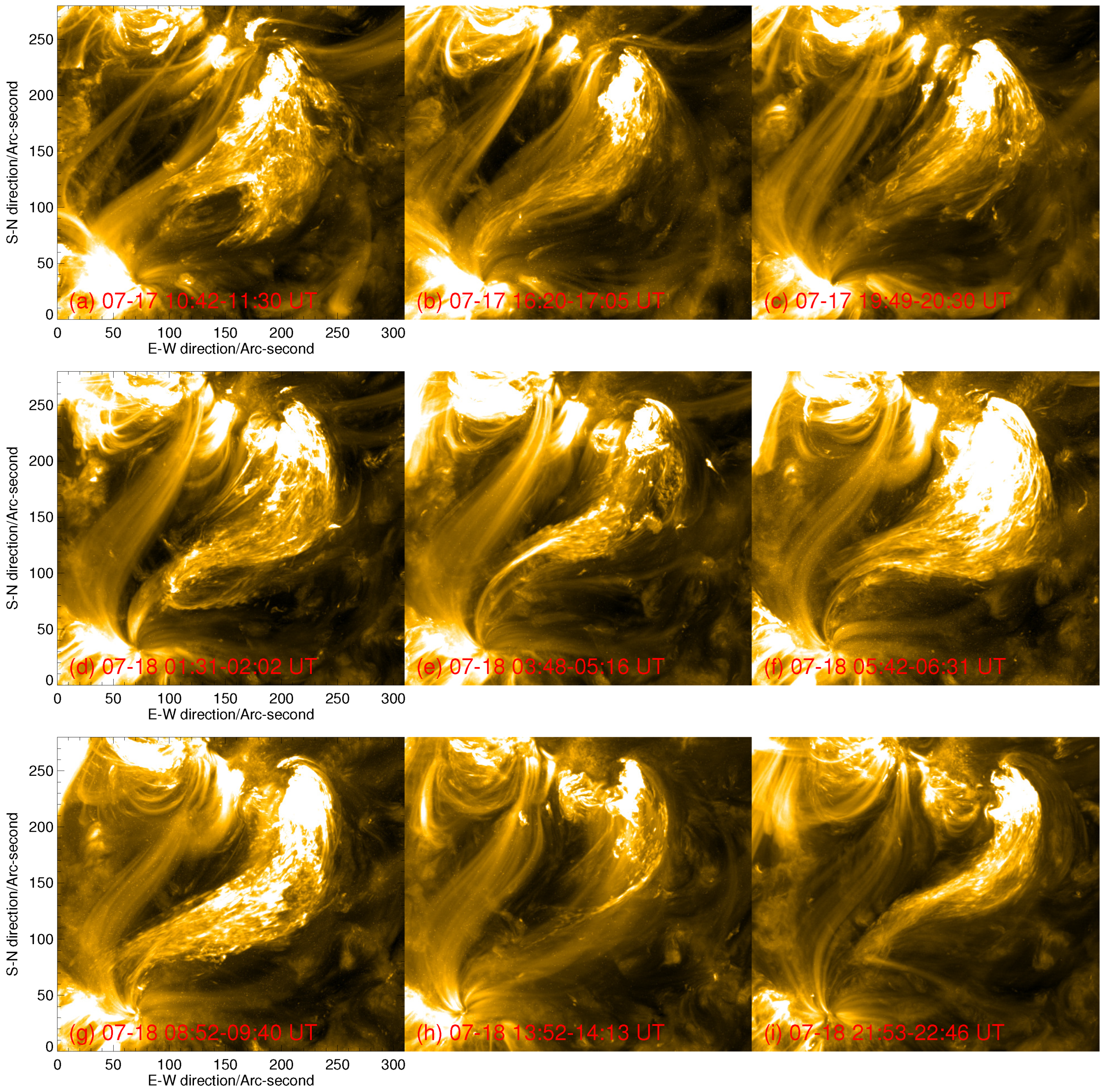
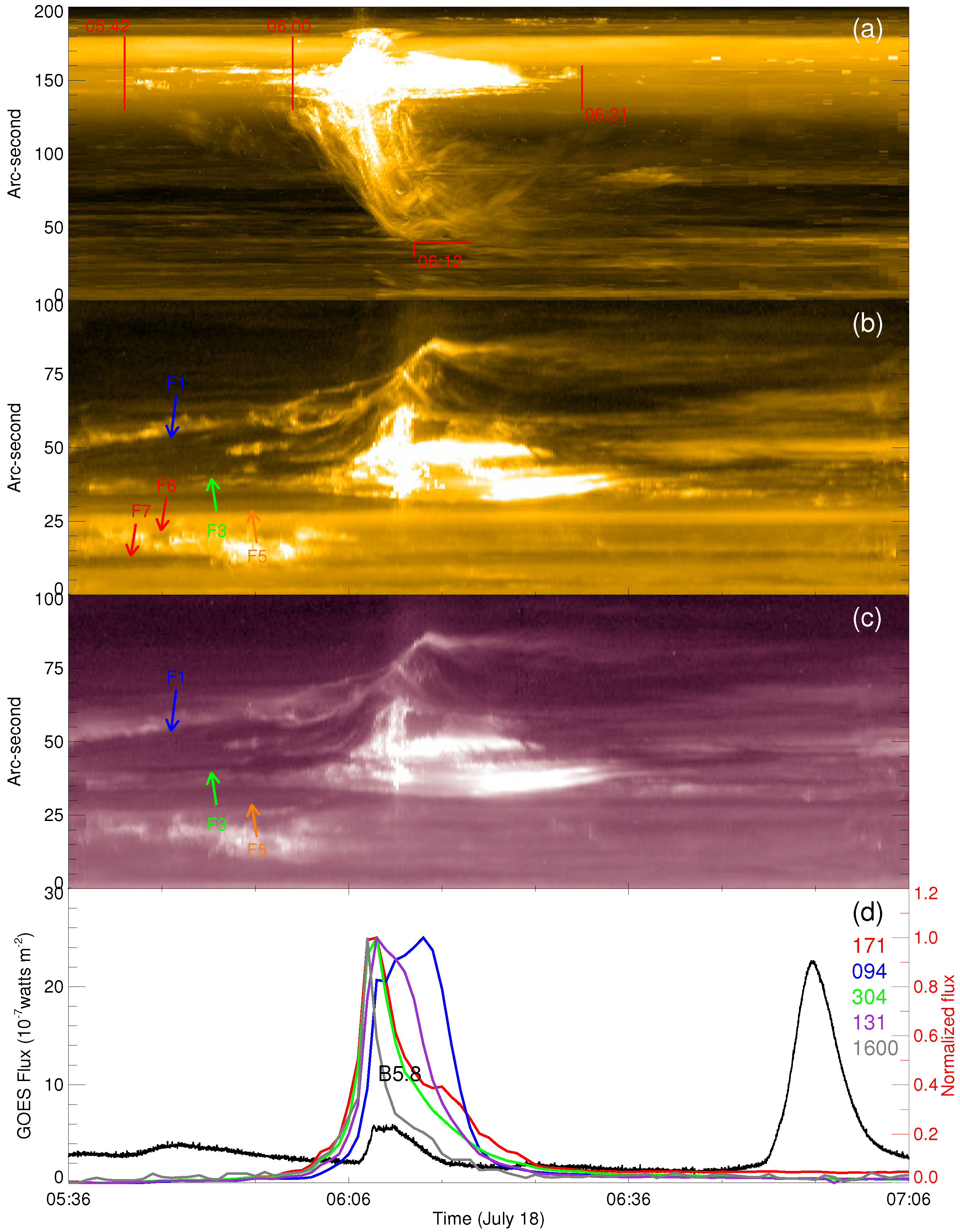
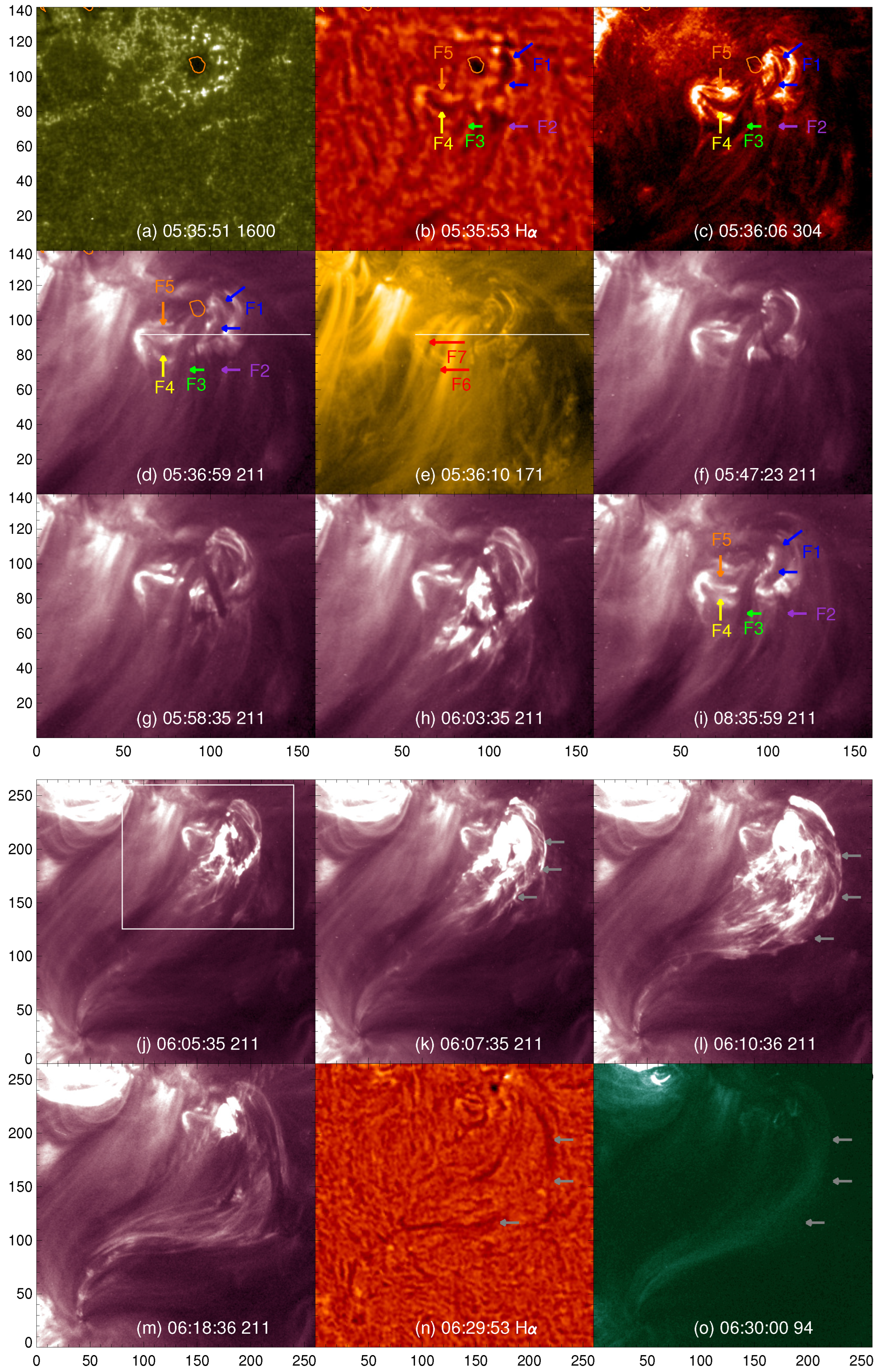
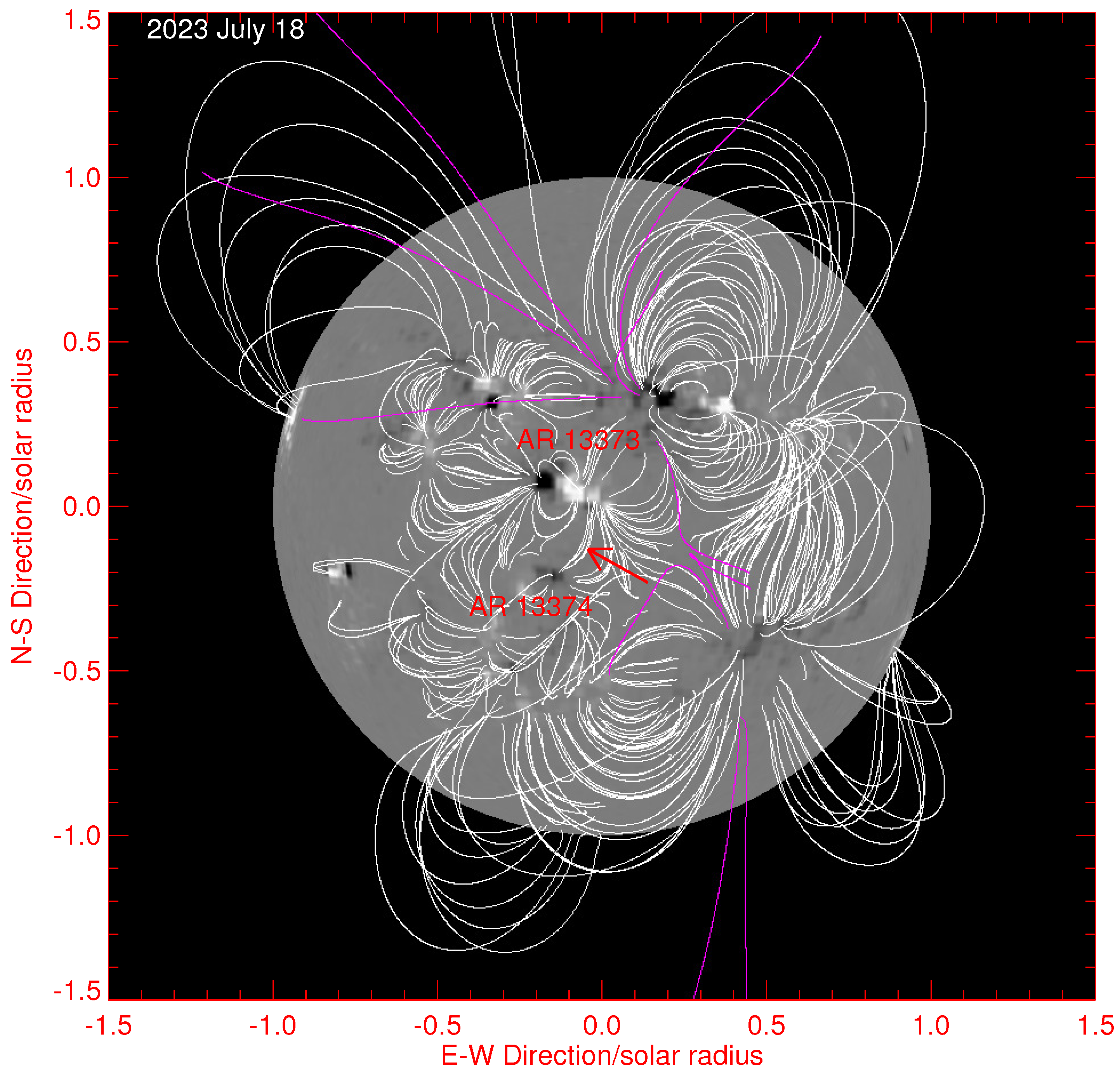
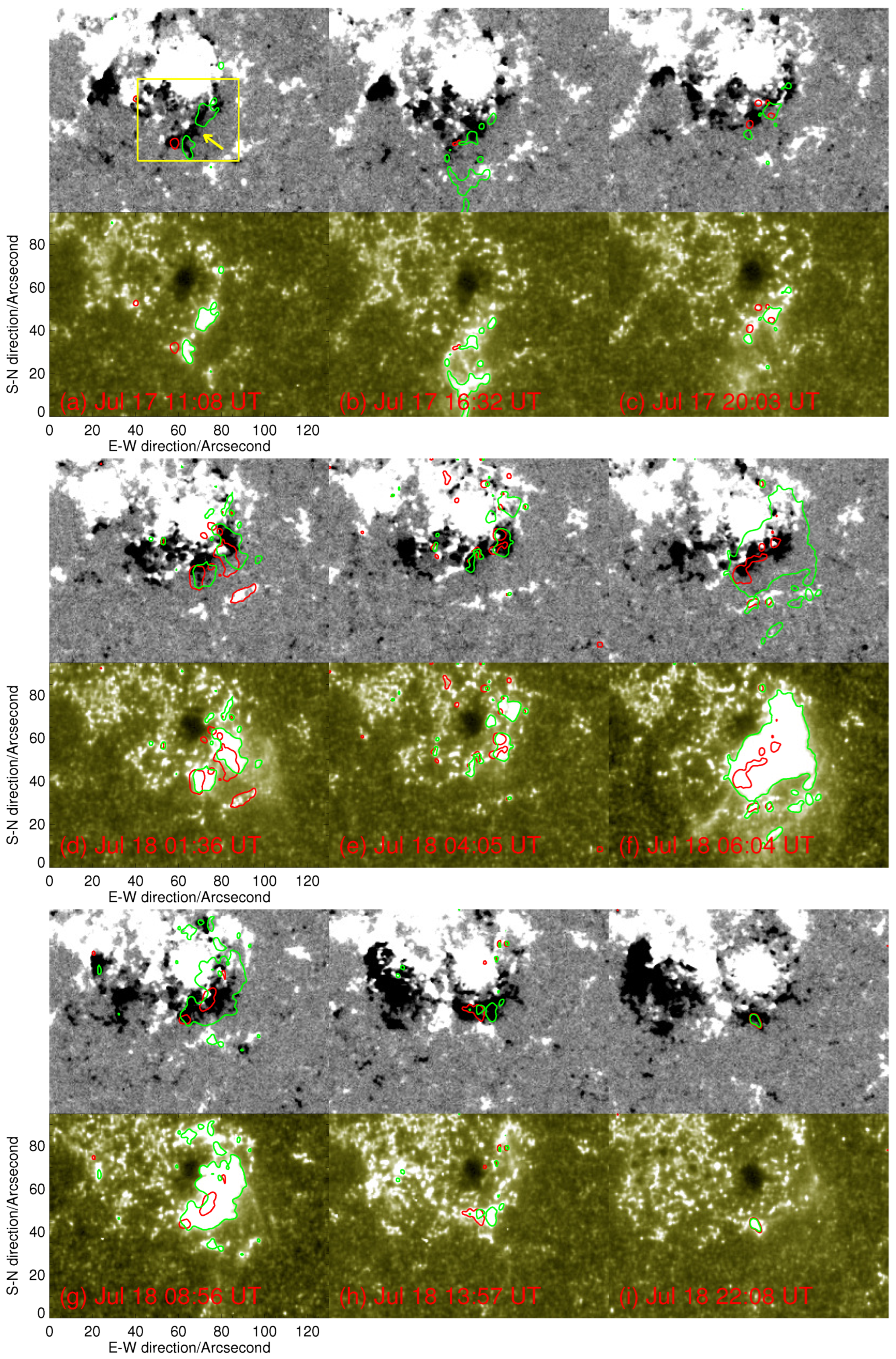
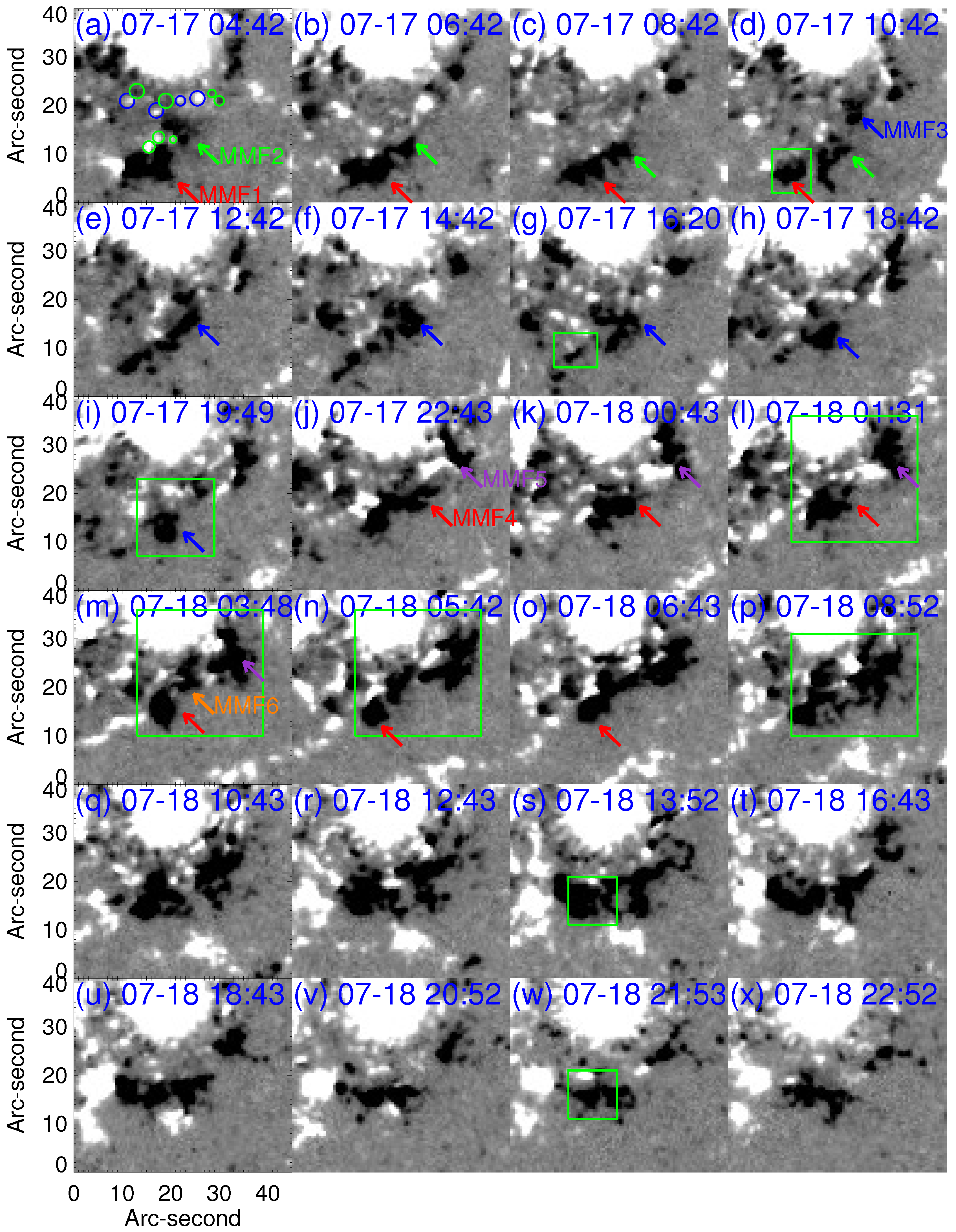
Large-scale magnetic flux ropes (MFRs) usually become visible during an eruption and are the core structures of coronal mass ejections, but the nature of MFRs is still a mystery. Here, we identify a large transequatorial MFR that spans across NOAA 13373 (in the Northern Hemisphere) and NOAA 13374 (in the Southern Hemisphere). Here, NOAA 13373 is a growing, newly emerging active region with a leading sunspot moving rapidly to the southwest, and it is surrounded by a highly dynamic moving magnetic feature (MMF), while NOAA 13374 is a decaying active region with a tiny leading negative sunspot and a large fading area. Recurrent reconnection, which occurs under the MFRs around the leading sunspot of NOAA 13373, results in local energy release, appearing as local EUV brightening, and it is related to the appearance of a transequatorial MFR. The appearance of this MFR involves several stages: EUV brightening, the slow rising and expansion of the MFR and its hosted filament, and, eventually, fading and shrinking. These observations demonstrate that a large-scale MFR can exist for a long-term period and that MMFs play a key role in building up free energy and triggering small-scale reconnections in the lower atmosphere. The energy released by these reconnection events is insufficient for triggering the eruption of an MFR but results in local disturbances.
Keywords: magnetic flux rope; moving magnetic feature; magnetic fields; reconnection magnetic flux rope; moving magnetic feature; magnetic fields; reconnection