Review

Hot Stars, Young Stellar Populations and Dust with Swift/UVOT

by
Michael H. Siegel
1,* and
Caryl Gronwall
1,2
1
Department of Astronomy and Astrophysics, The Pennsylvania State University, University Park, PA 16802, USA
2
Institute for Gravitation and the Cosmos, The Pennsylvania State University, University Park, PA 16802, USA
*
Author to whom correspondence should be addressed.
Universe 2024, 10(8), 330; https://doi.org/10.3390/universe10080330

Submission received: 3 June 2024 / Revised: 25 July 2024 / Accepted: 29 July 2024 / Published: 16 August 2024

Abstract

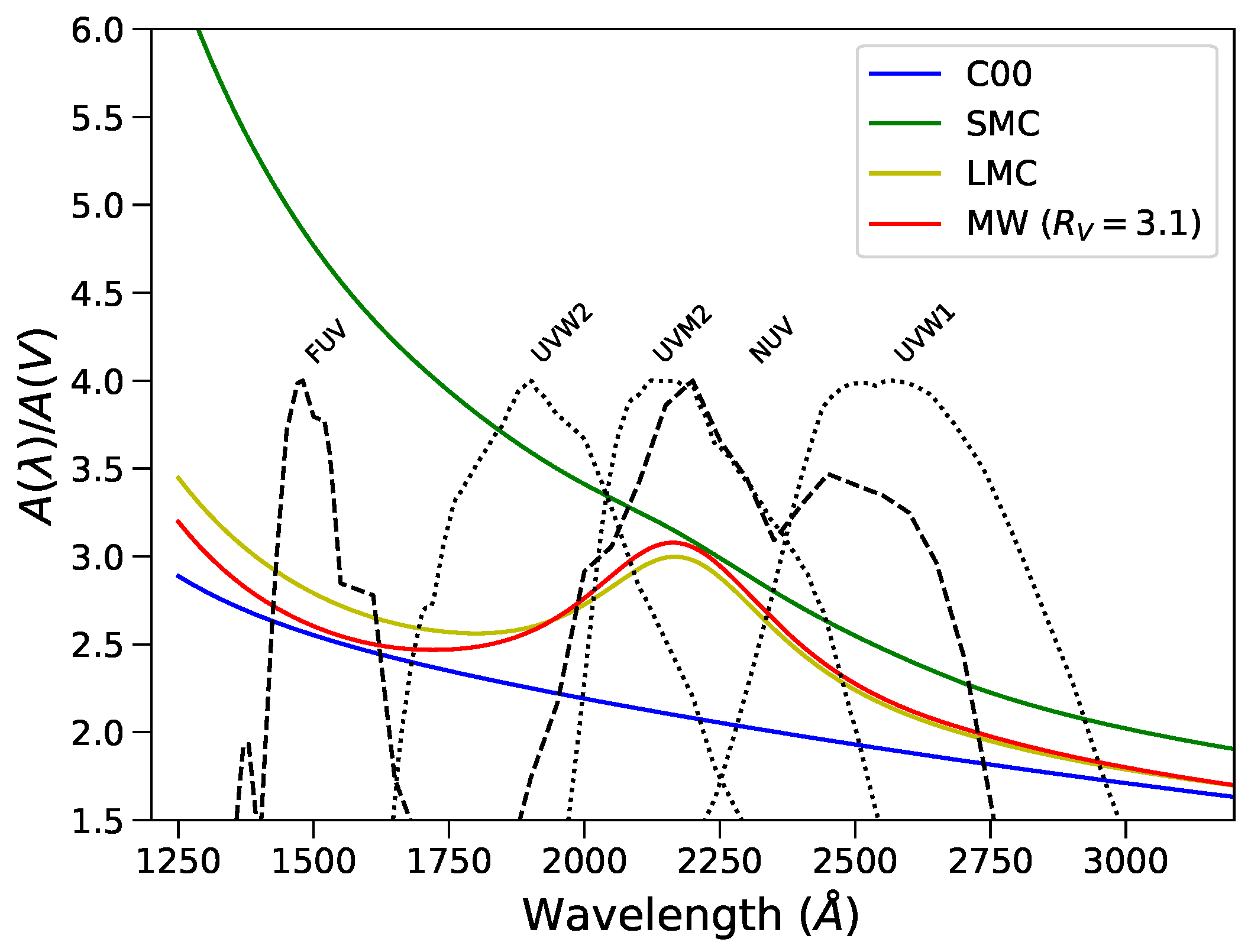
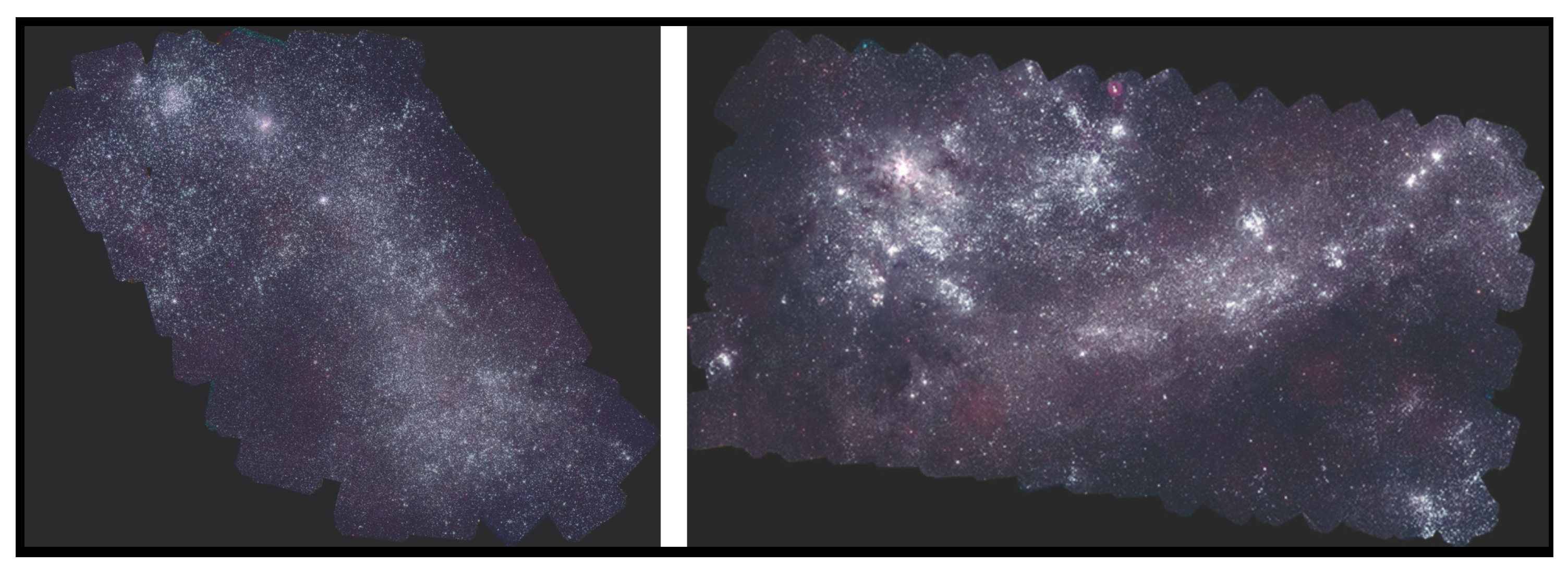
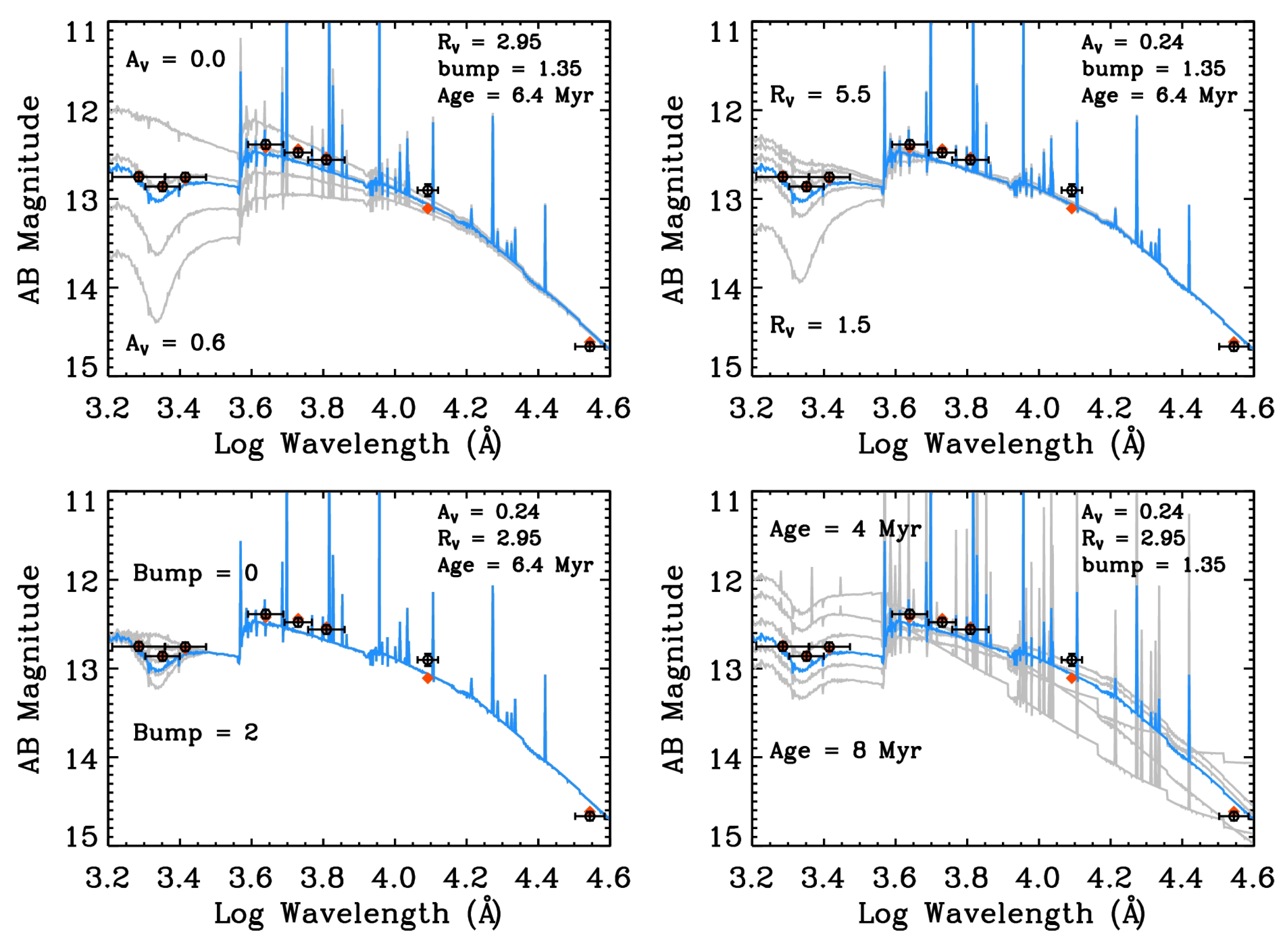
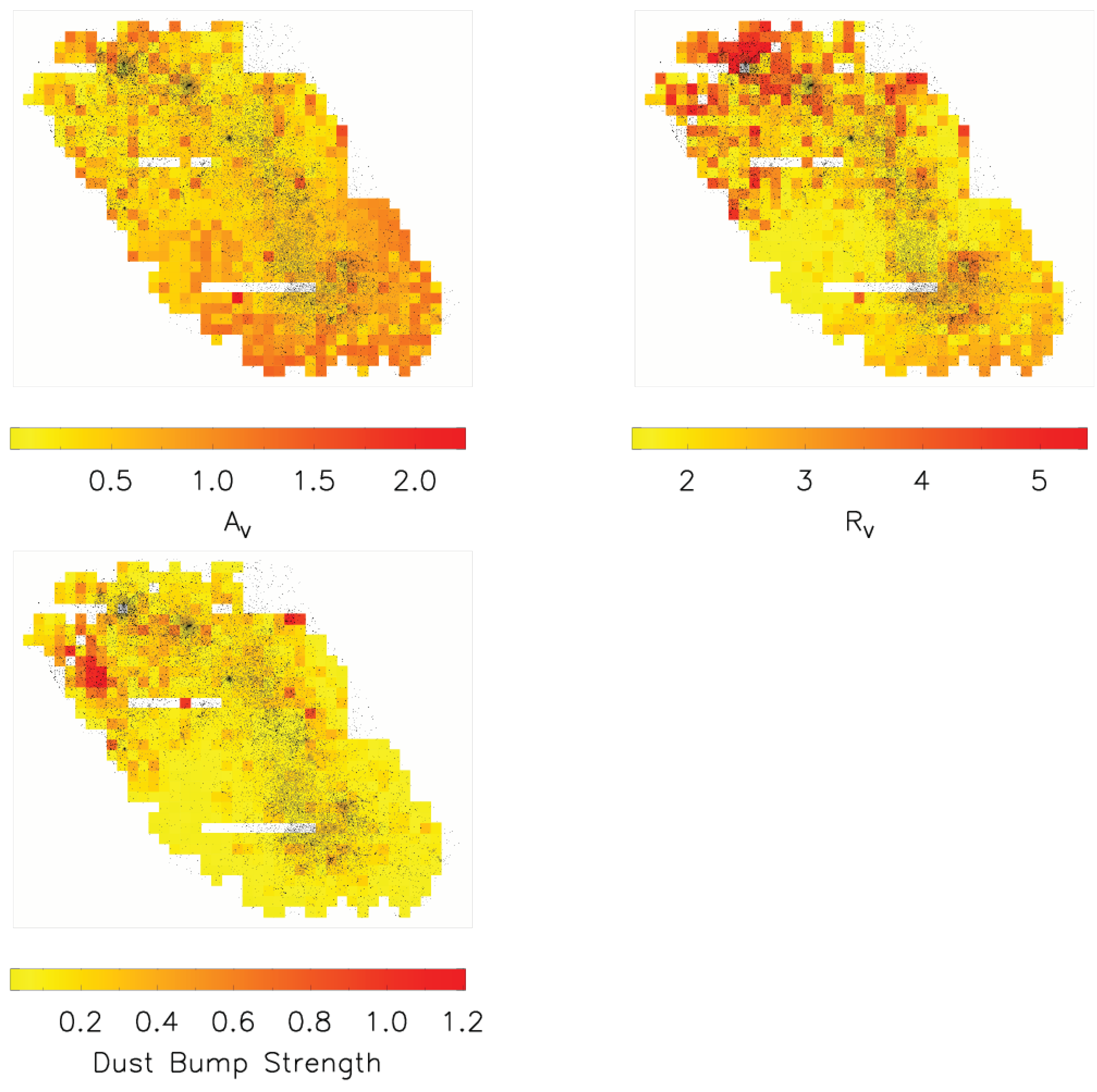
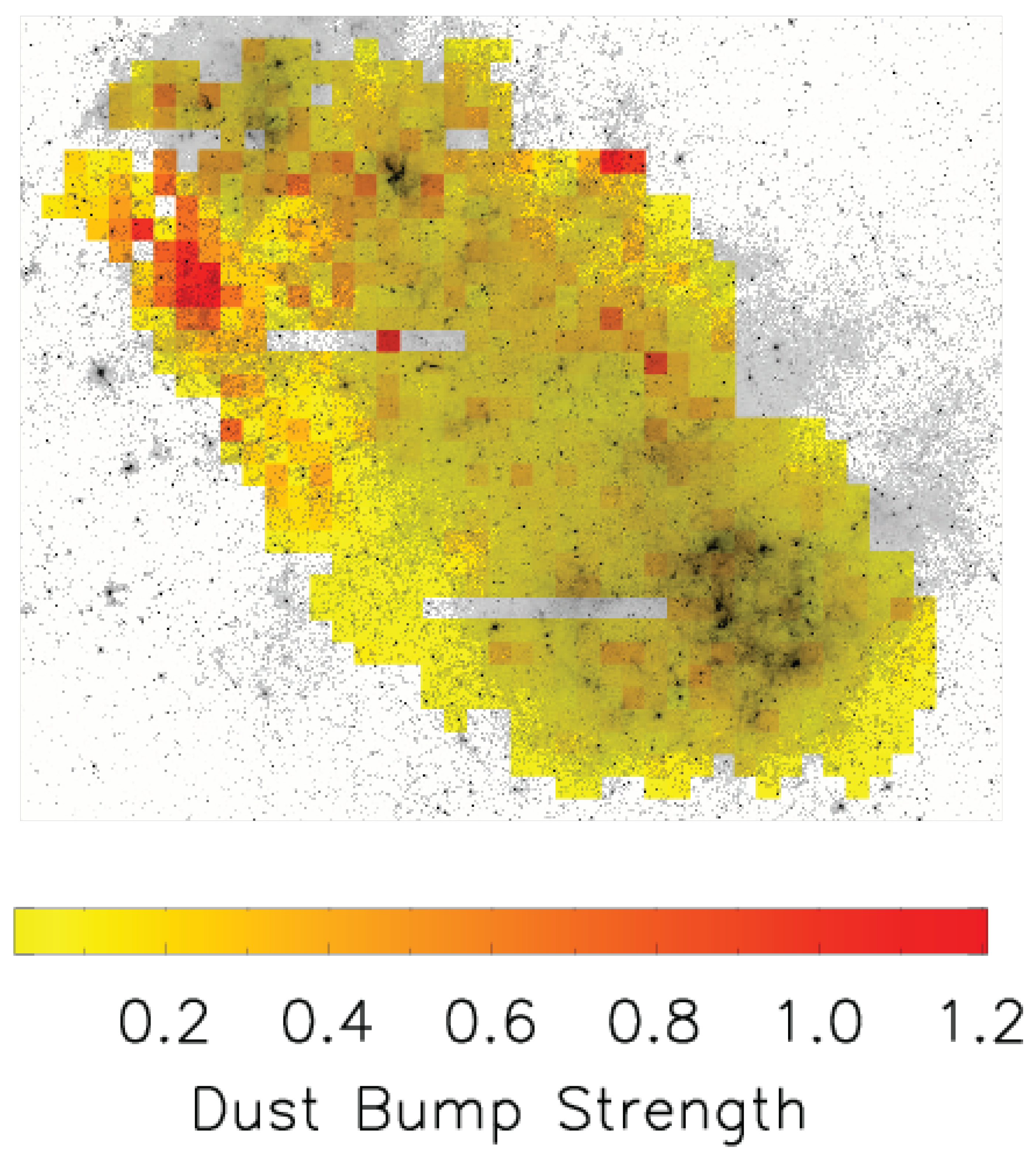
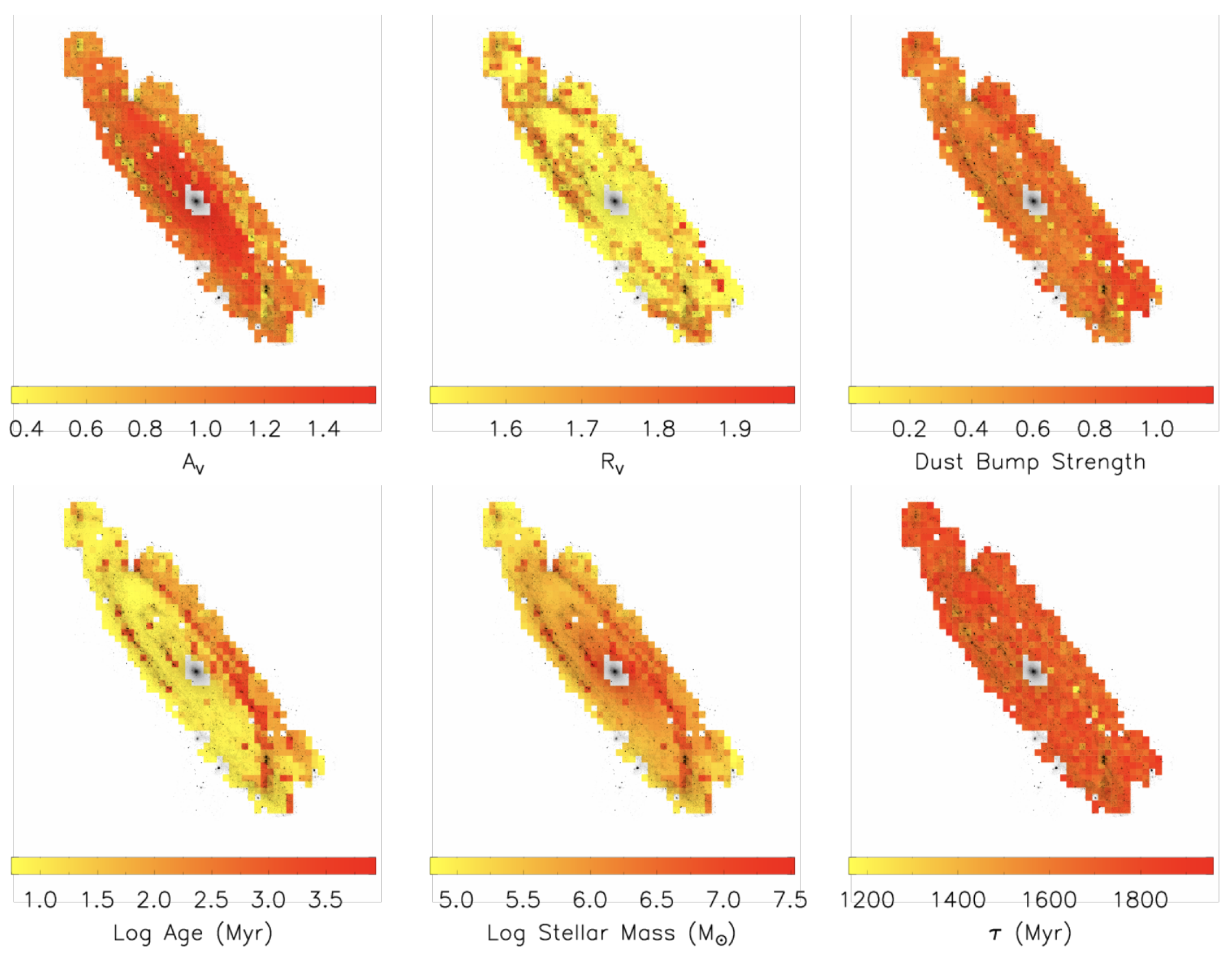
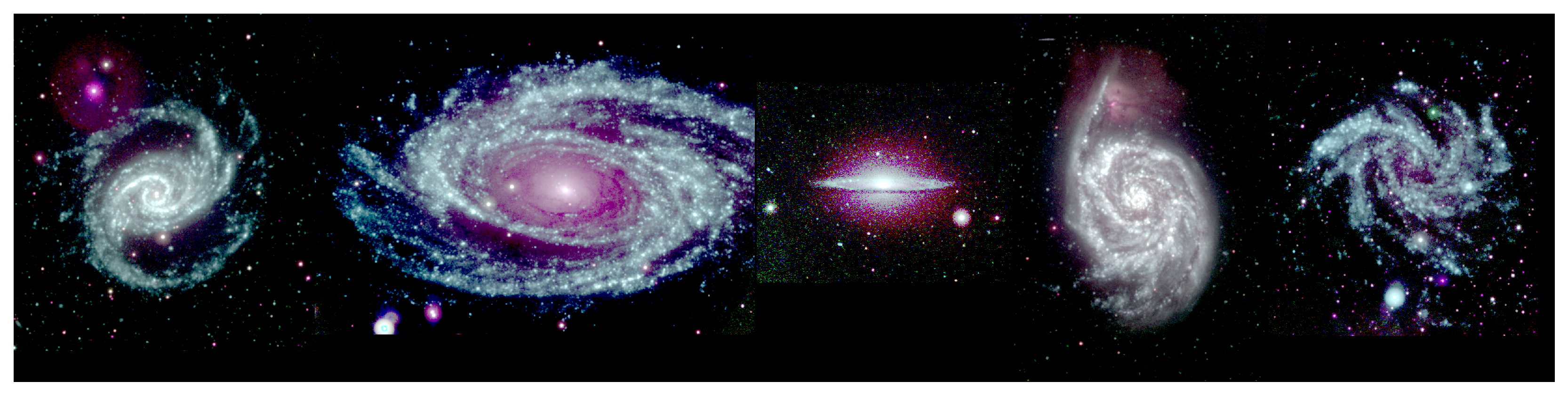
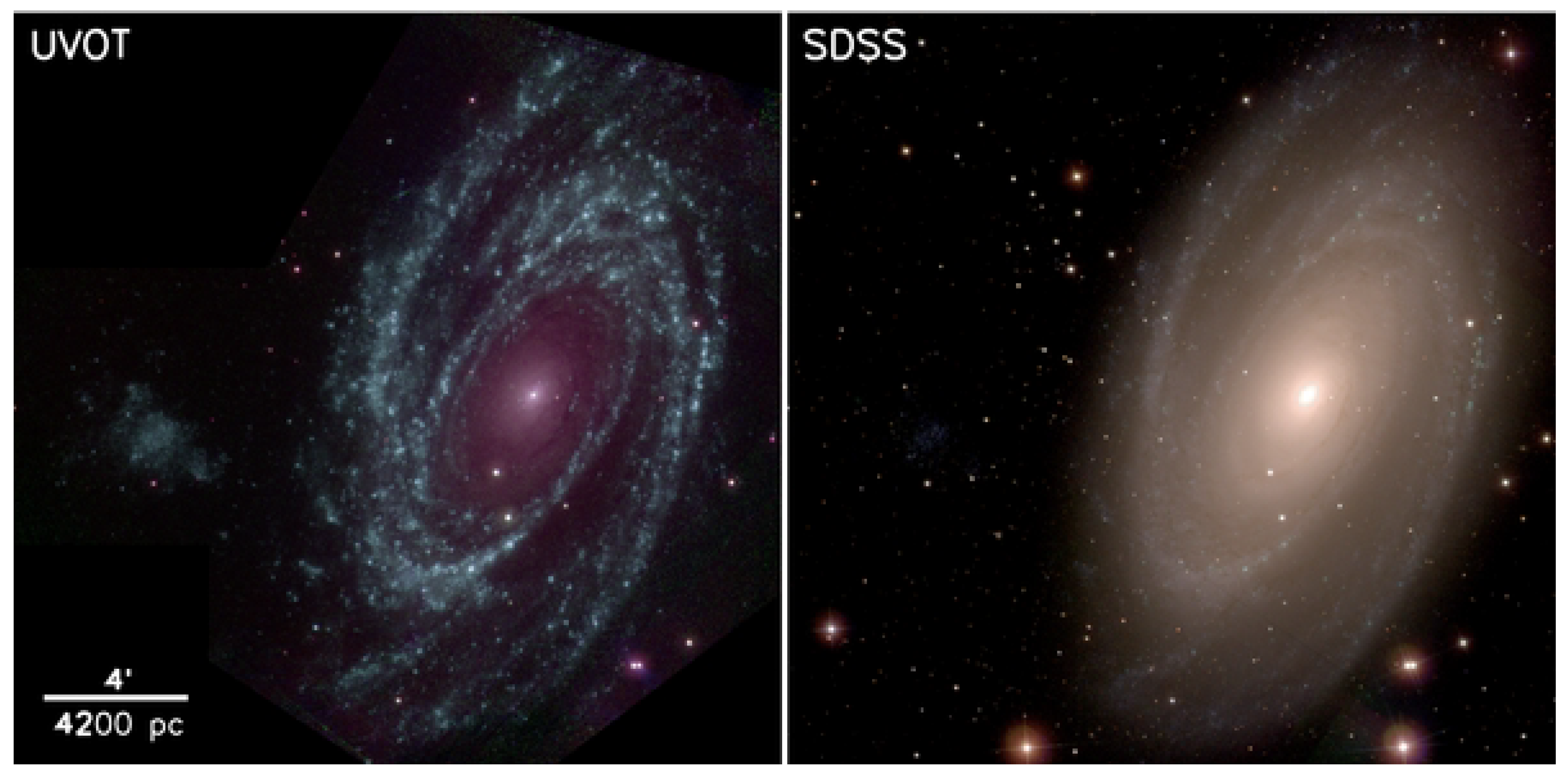
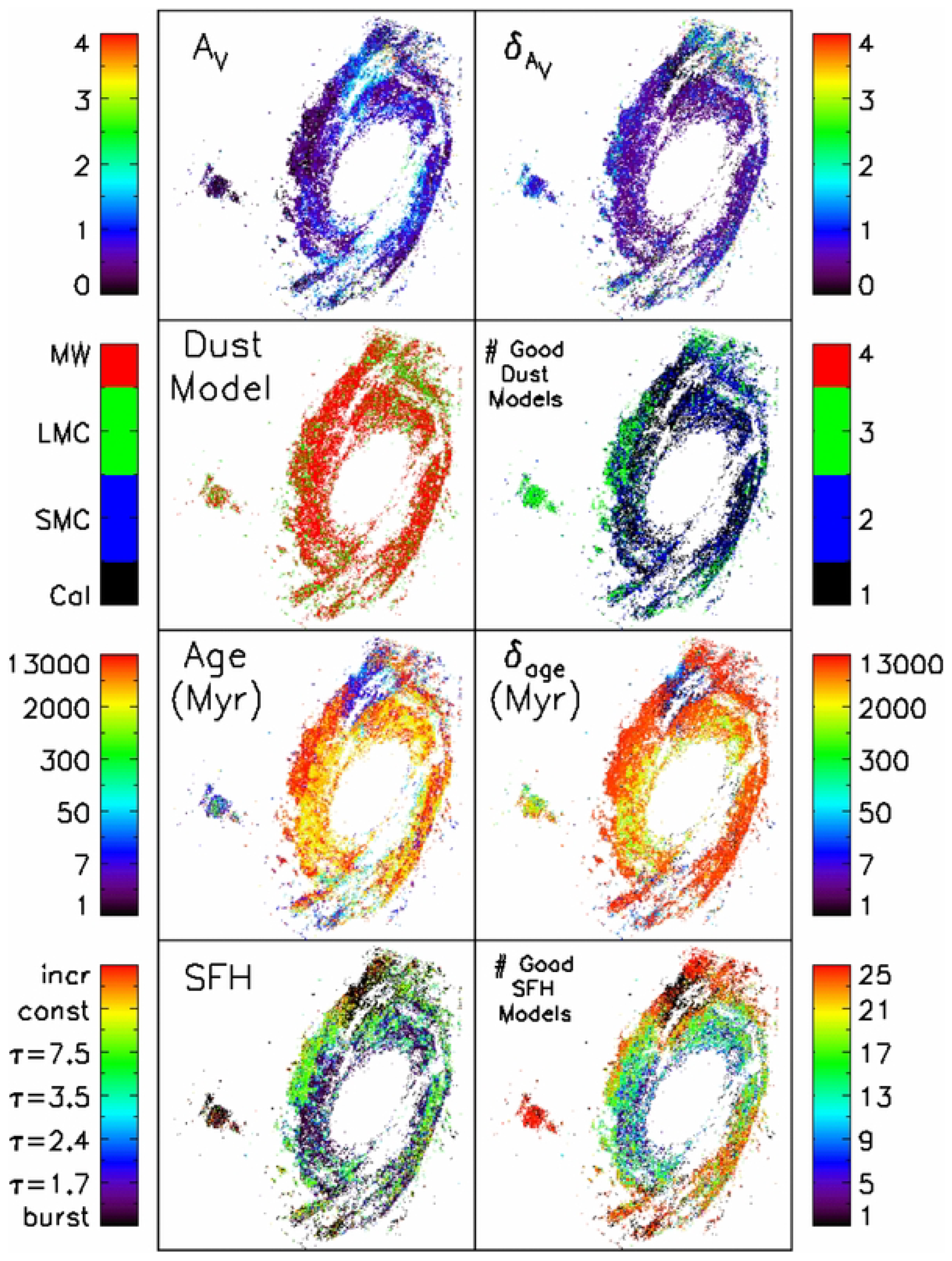
In this review, we highlight the contributions made by the Swift/UVOT instrument to the understanding of the ultraviolet (UV) attenuation and extinction properties of interstellar dust and provide insight into hot stars and young stellar populations. The study of these two fields is interconnected: UV-bright objects can only be understood if the effects of foreground dust are accounted for, but foreground dust can only be accounted for by studying the properties of UV-bright objects. Decades worth of work have established that the effects of dust on background starlight vary in the ultraviolet, with proposed extinction laws having a wide variety of slopes and a strong “bump” spectroscopic feature at 2175 Å. We show that UVOT is uniquely suited to probe variations in the UV extinction law, specifically because of the uvm2 filter that is centered on the bump and the telescope’s ability to resolve nearby stellar populations. When used in combination with optical and infrared imaging, UVOT can provide strong constraints on variations in the extinction law, both from galaxy to galaxy and within individual galaxies, as well as the properties of young stellar populations. Surveys of UVOT have included the Milky Way, the galaxies of the Local Group, the Local Volume Legacy Survey (LVLS) and two deep fields. All of these are being utilized to provide the most detailed information yet about the UV dust attenuation law and the connection of its variation to underlying physical processes as well as the UV properties of hot stars and young stellar populations.
Keywords: stars; galaxies; Local Group; ultraviolet astronomy stars; galaxies; Local Group; ultraviolet astronomy