
Article

Metformin Decreases 2-HG Production through the MYC-PHGDH Pathway in Suppressing Breast Cancer Cell Proliferation

1
Natural Product Research Institute, College of Pharmacy, Seoul National University, 1 Gwanak-ro, Gwanak-gu, Seoul 08826, Korea
2
Department of Surgery, College of Medicine, Inha University, Inhang-Ro 27, Chung-gu, Incheon 22332, Korea
3
Department of Biological Sciences, College of Science, Sookmyung Women’s University, 100, Cheongpa-ro 47-gil, Yongsan-gu, Seoul 140-742, Korea
4
Department of Biological and Environmental Sciences, University of Helsinki, 00160 Helsinki, Finland
*
Authors to whom correspondence should be addressed.
Metabolites 2021, 11(8), 480; https://doi.org/10.3390/metabo11080480

Submission received: 17 June 2021 / Revised: 20 July 2021 / Accepted: 23 July 2021 / Published: 26 July 2021
(This article belongs to the Special Issue Metabolism and Diseases)

Abstract

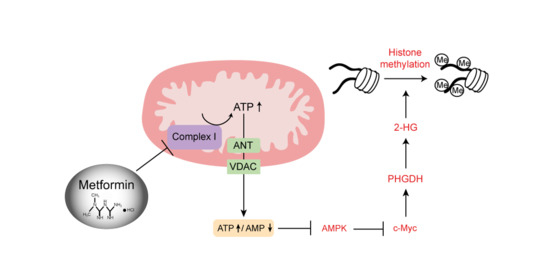
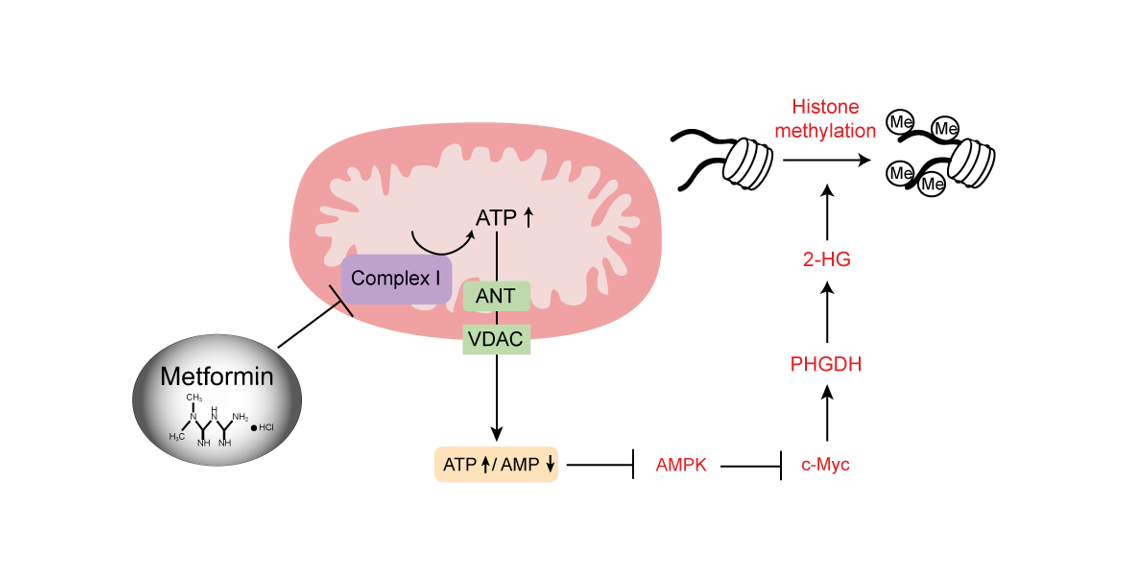
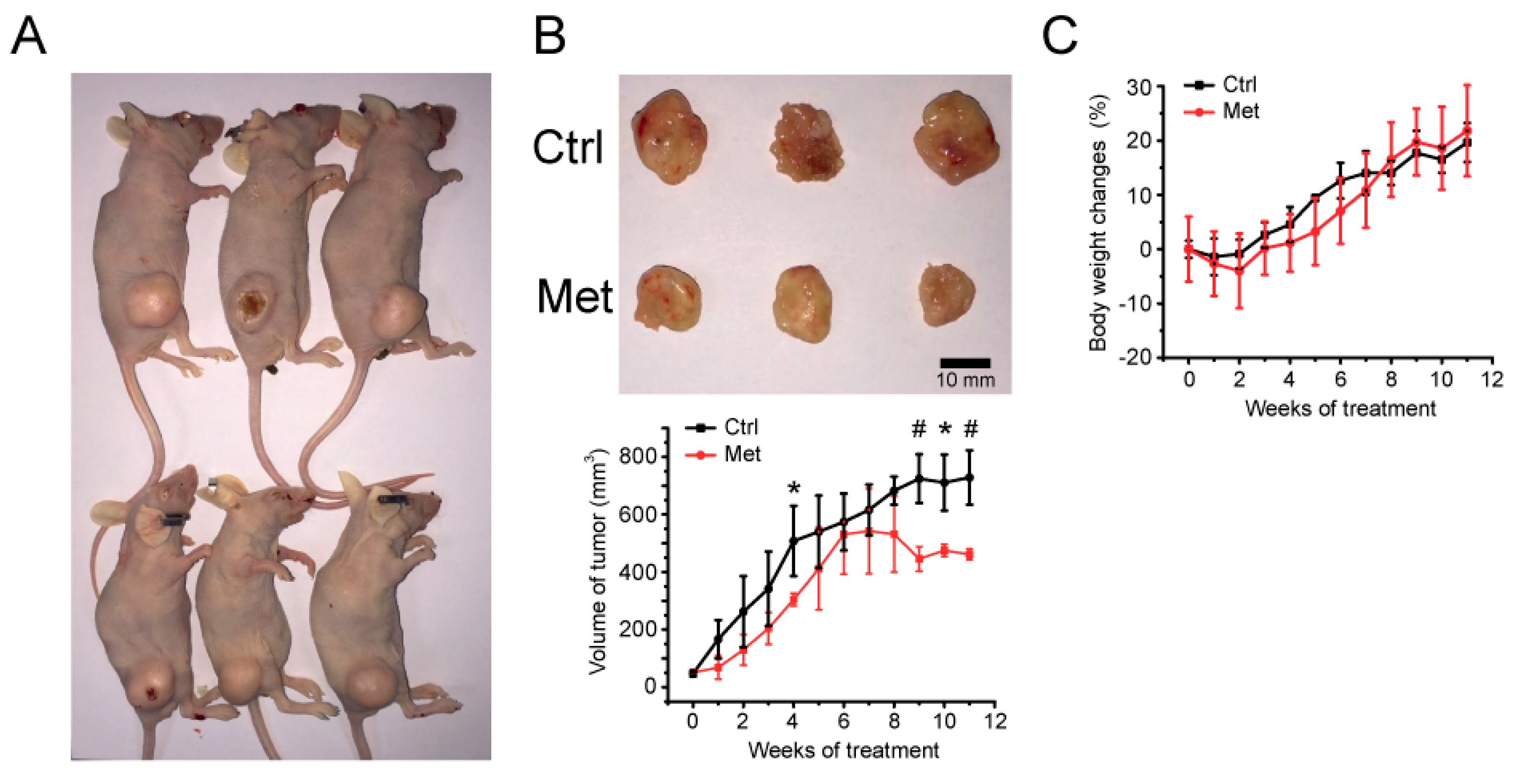
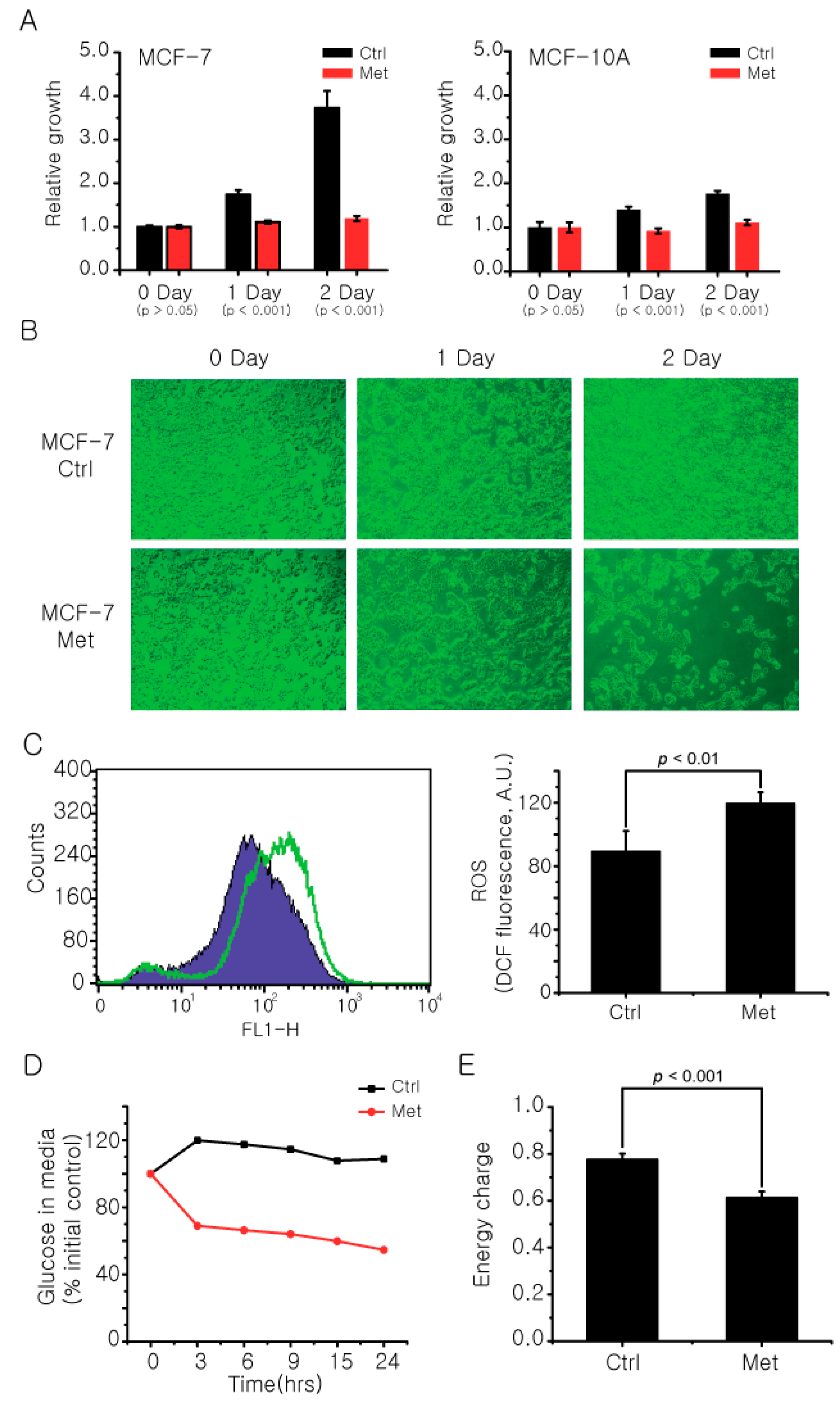
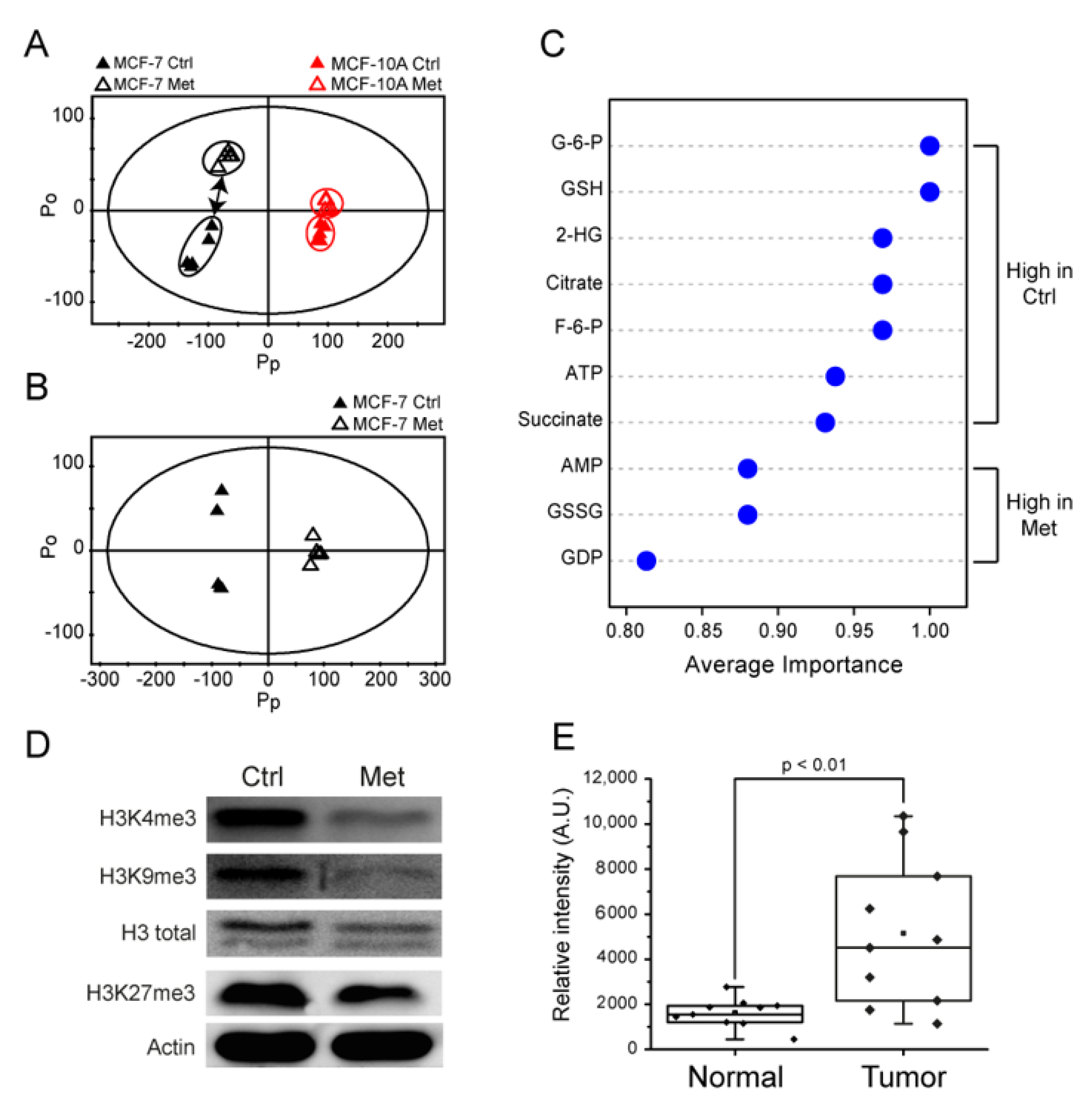
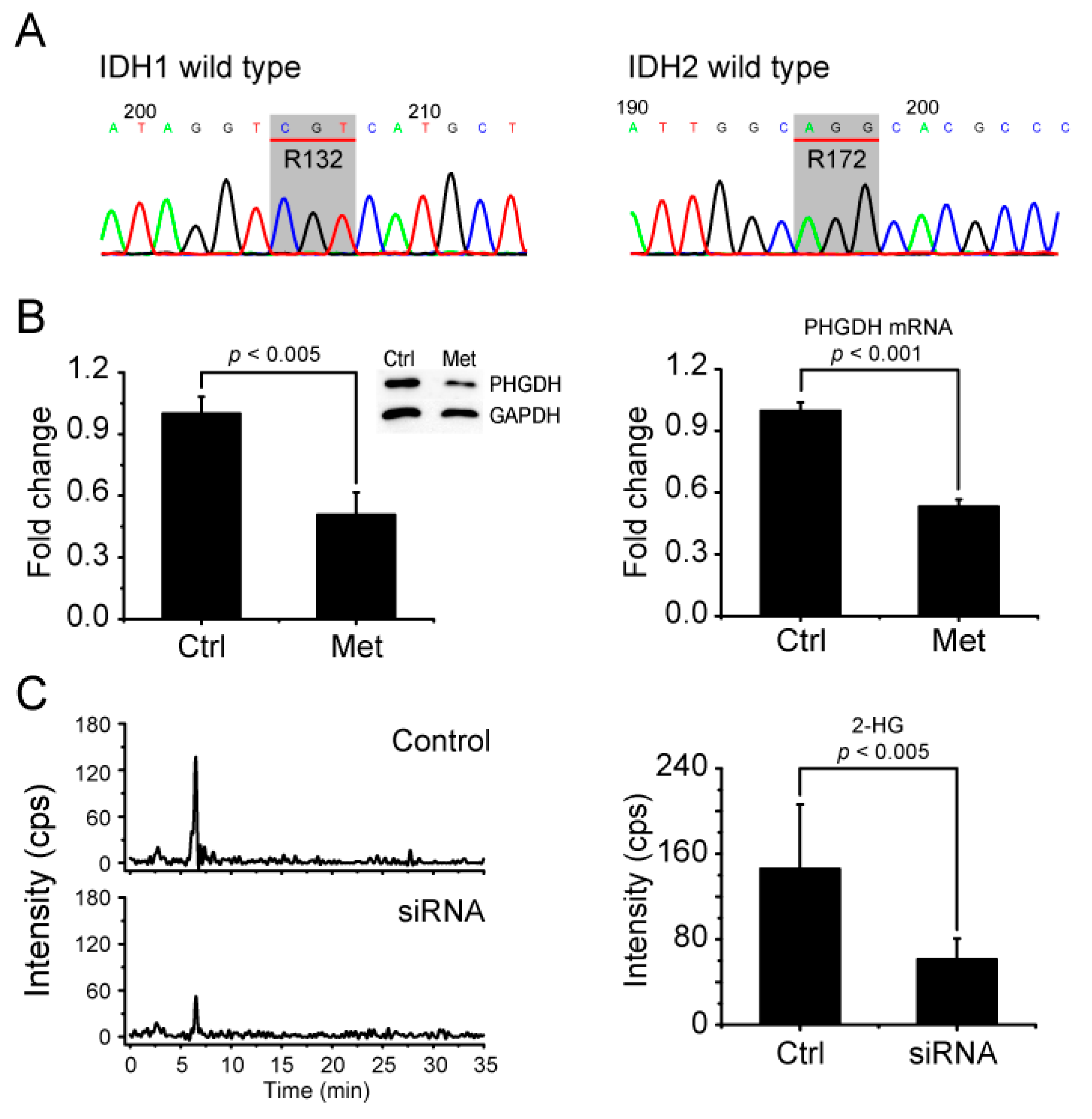
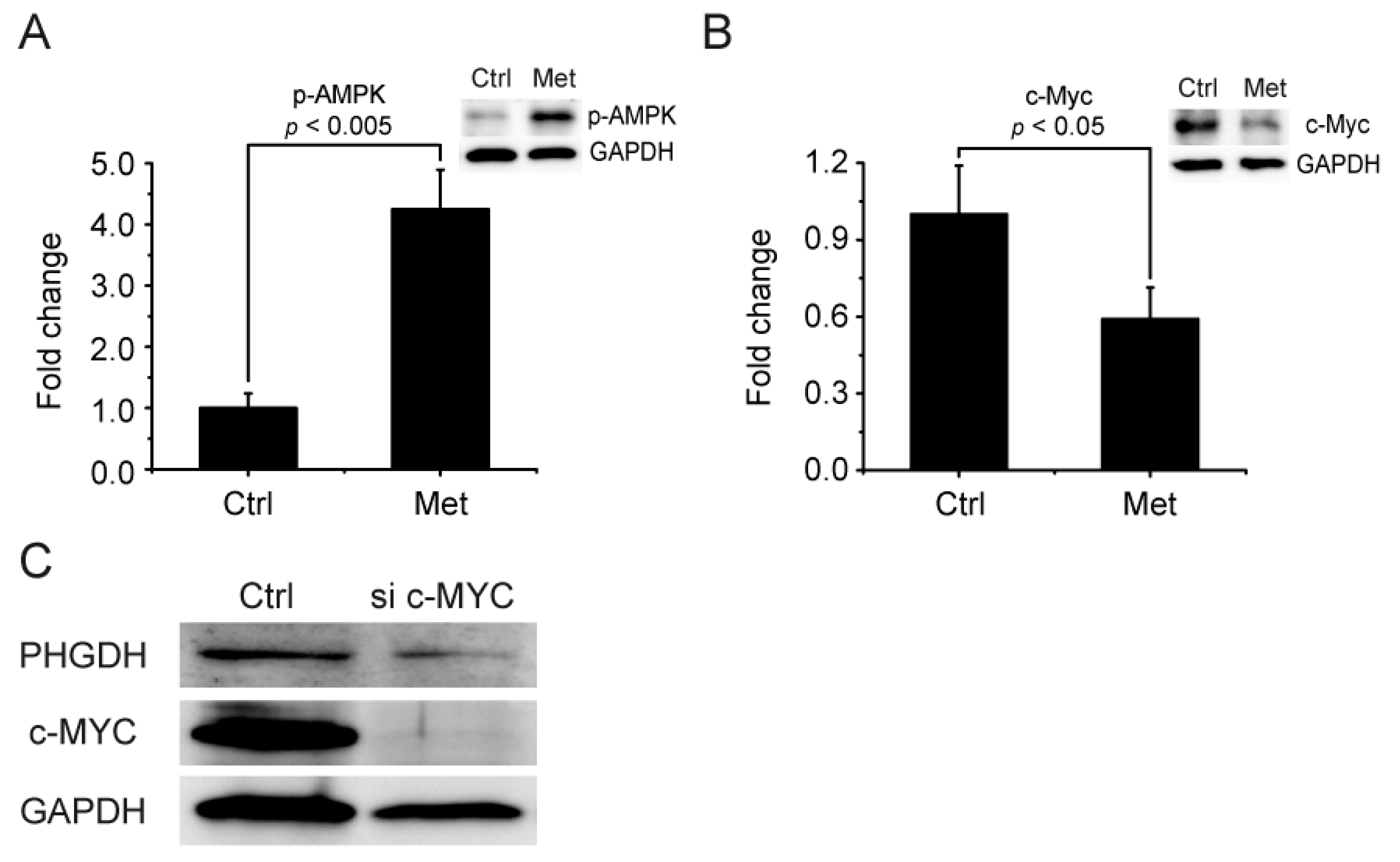
The biguanide drug metformin has been widely used for the treatment of type 2 diabetes, and there is evidence supporting the anticancer effect of metformin despite some controversy. Here, we report the growth inhibitory activity of metformin in the breast cancer (MCF-7) cells, both in vitro and in vivo, and the associated metabolic changes. In particular, a decrease in a well-known oncometabolite 2-hydroxyglutarate (2-HG) was discovered by a metabolomics approach. The decrease in 2-HG by metformin was accompanied by the reduction in histone methylation, consistent with the known tumorigenic mechanism of 2-HG. The relevance of 2-HG inhibition in breast cancer was also supported by a higher level of 2-HG in human breast cancer tissues. Genetic knockdown of PHGDH identified the PHGDH pathway as the producer of 2-HG in the MCF-7 cells that do not carry isocitrate dehydrogenase 1 and 2 (IDH1/IDH2) mutations, the conventional producer of 2-HG. We also showed that metformin’s inhibitory effect on the PHGDH-2HG axis may occur through the regulation of the AMPK-MYC pathway. Overall, our results provide an explanation for the coherent pathway from complex I inhibition to epigenetic changes for metformin’s anticancer effect.
Keywords: metformin; metabolomics; 2-HG; PHGDH; anticancer effect metformin; metabolomics; 2-HG; PHGDH; anticancer effect
Graphical Abstract