
Article

Goldfish Response to Chronic Hypoxia: Mitochondrial Respiration, Fuel Preference and Energy Metabolism

1
Biology Department, University of Ottawa, Ottawa, ON K1N 6N5, Canada
2
Univ Lyon, Université Claude Bernard Lyon1, CNRS, ENTPE, UMR 5023, LEHNA, F 69622 Villeurbanne, France
3
Faculty of Medicine, University of Ottawa Brain and Mind Research Institute, University of Ottawa, Ottawa, ON K1H 8M5, Canada
*
Author to whom correspondence should be addressed.
Metabolites 2021, 11(3), 187; https://doi.org/10.3390/metabo11030187

Submission received: 15 February 2021 / Revised: 10 March 2021 / Accepted: 17 March 2021 / Published: 22 March 2021
(This article belongs to the Special Issue Ectotherms Metabolism: Plasticity and Adaptation)

Abstract

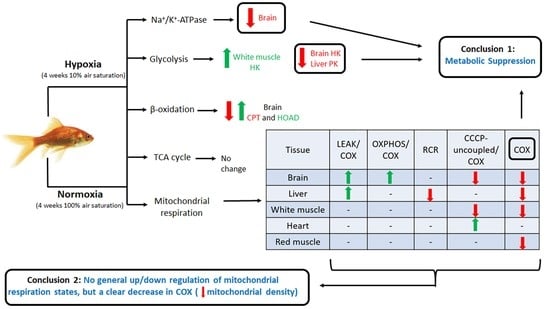
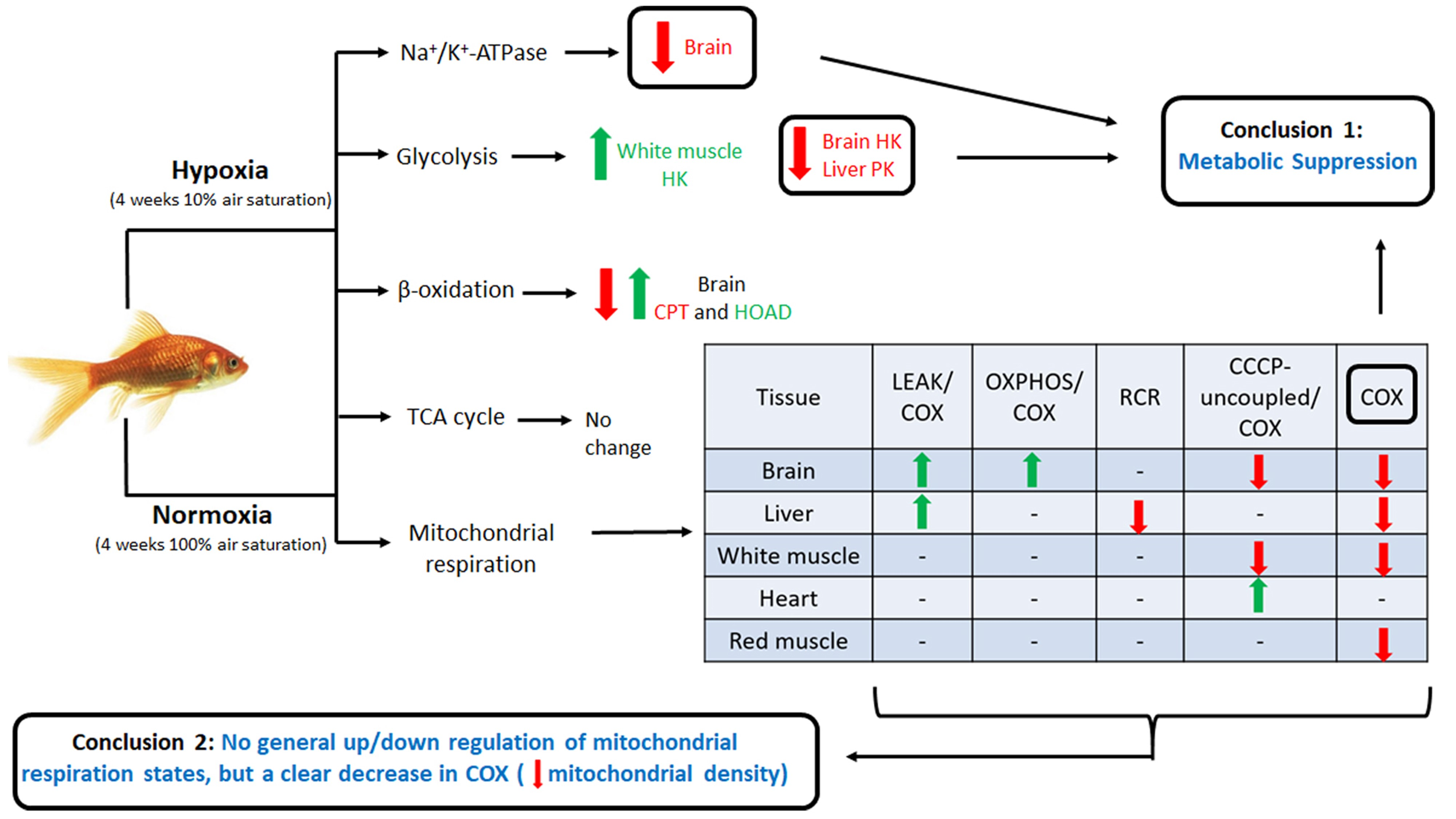
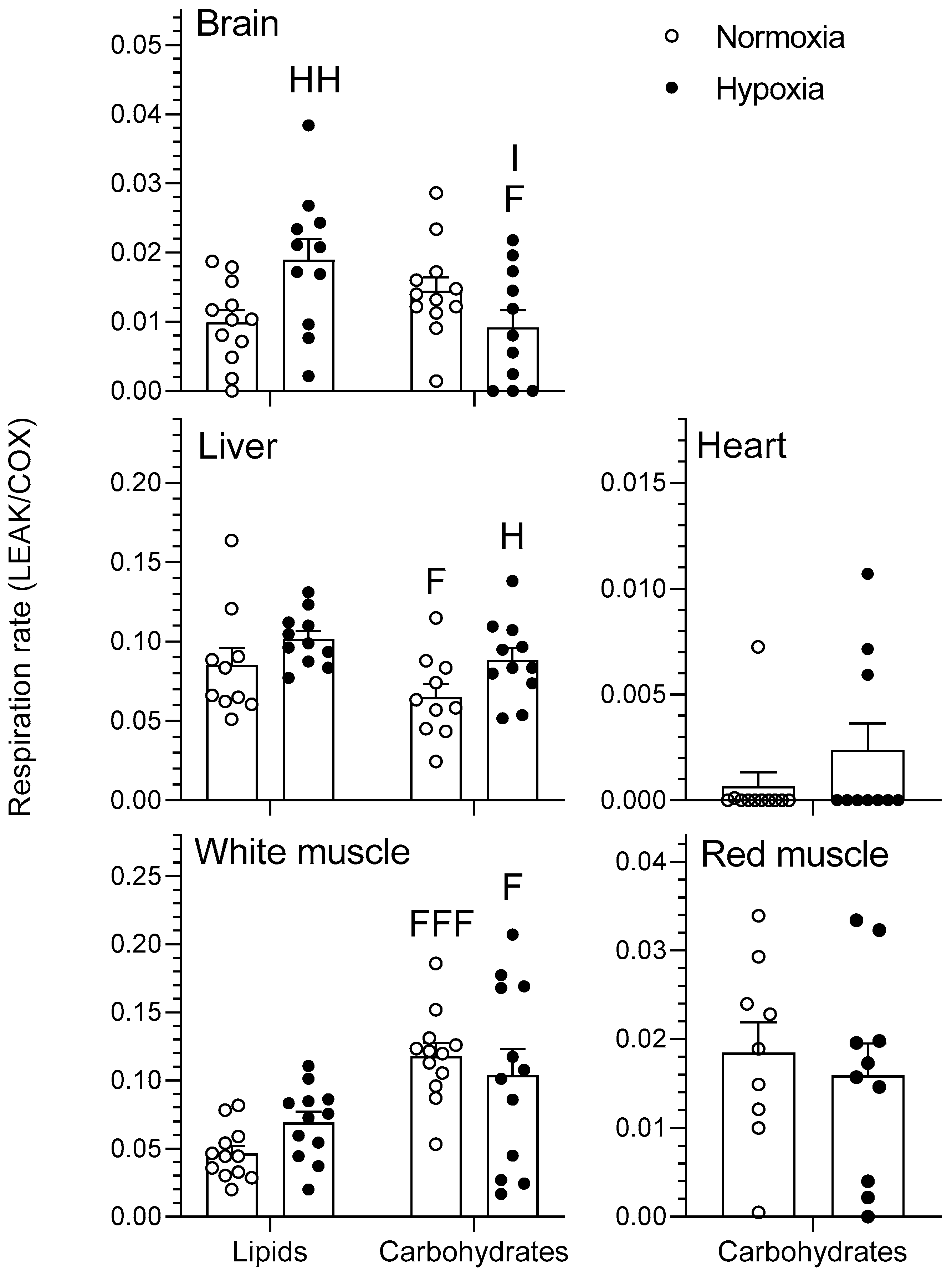
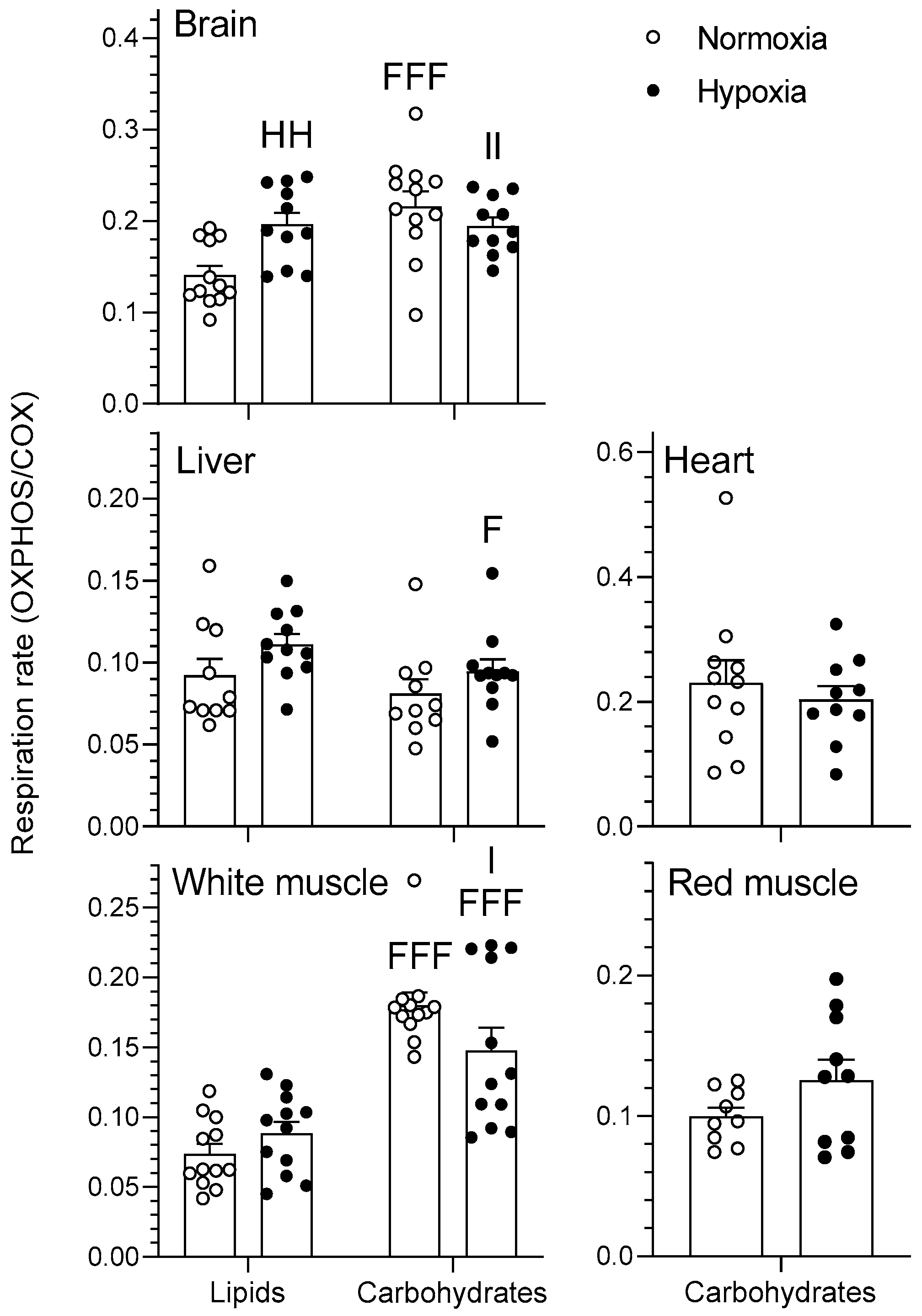
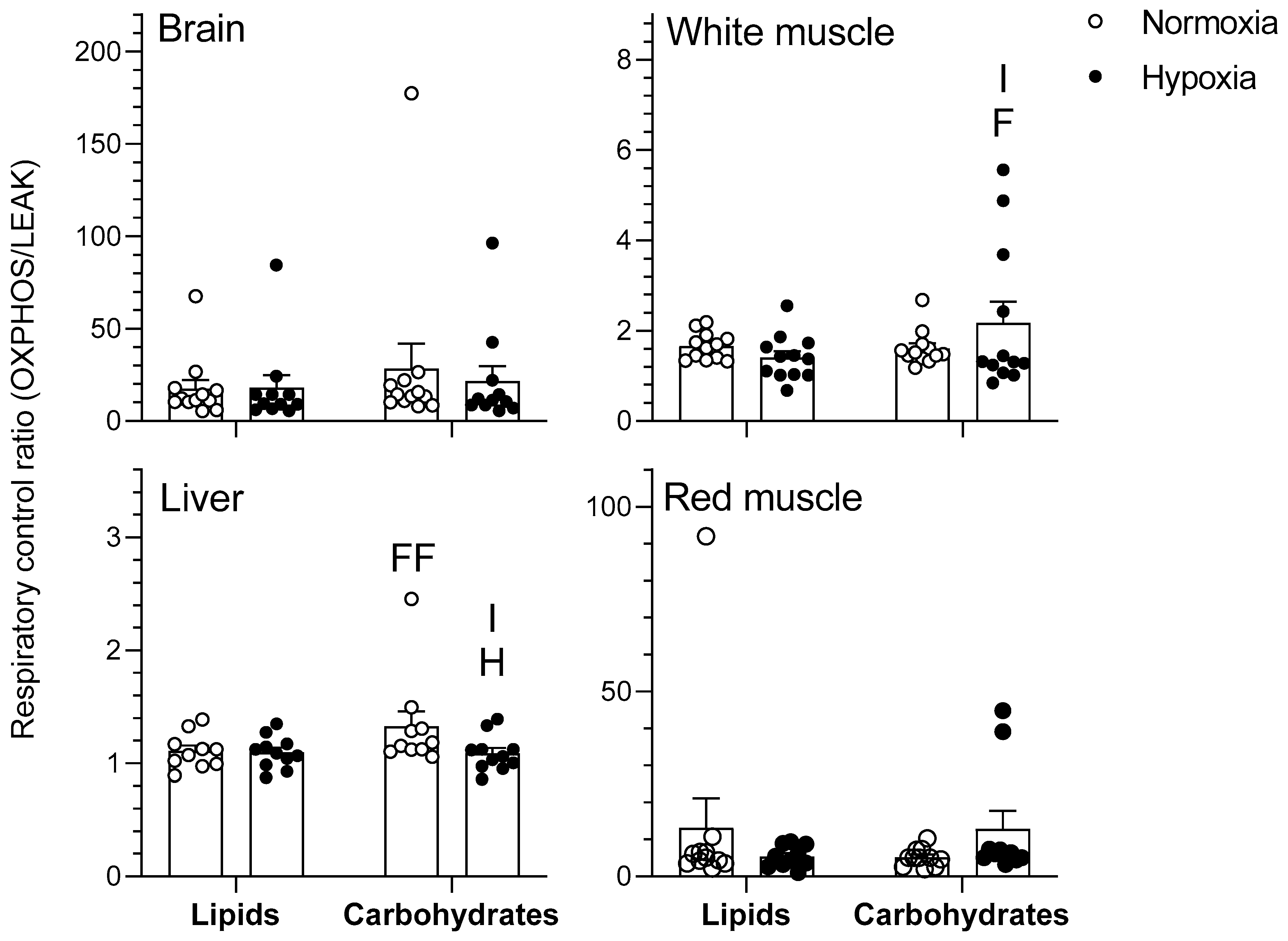
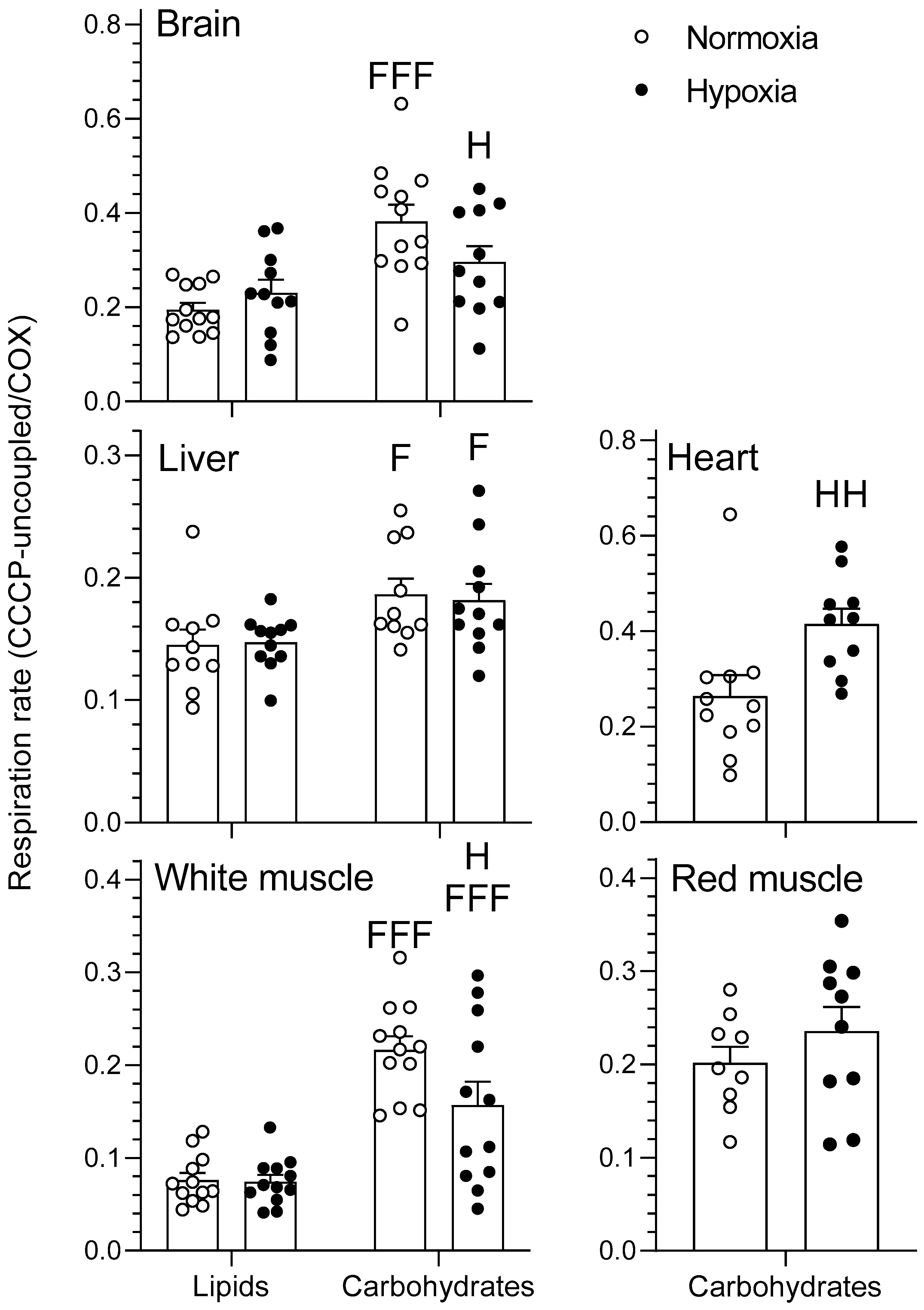
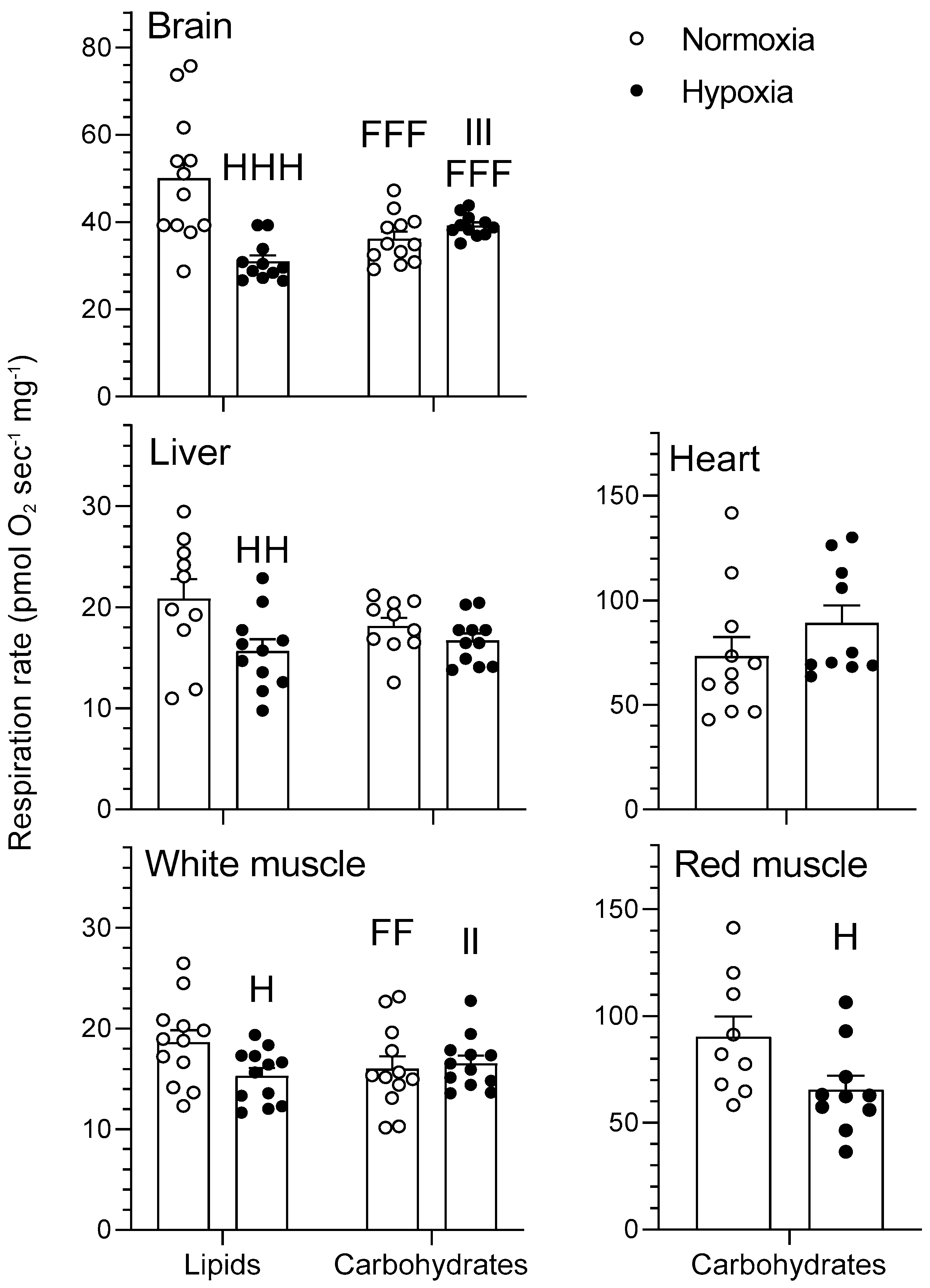
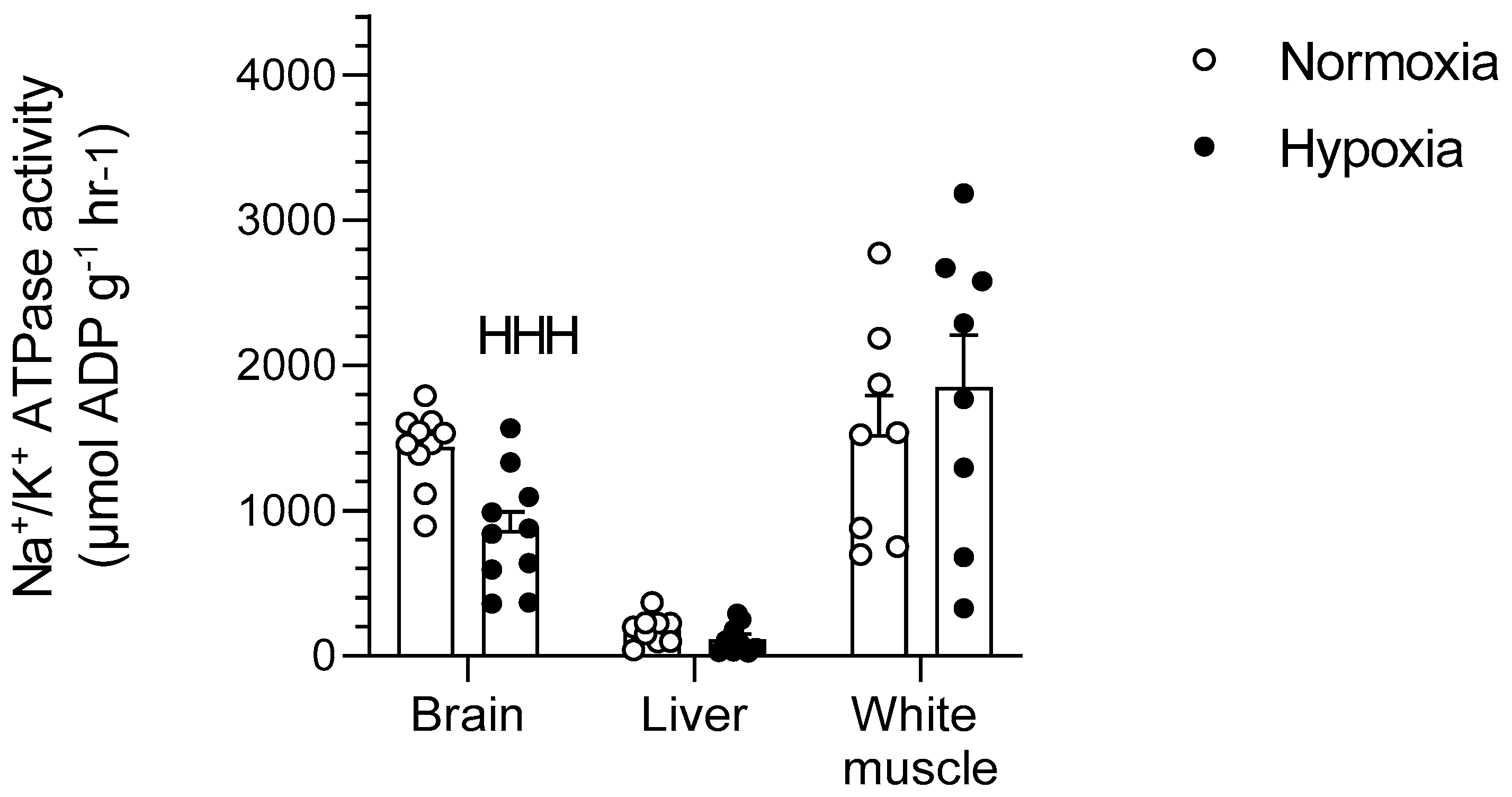
Hypometabolism is a hallmark strategy of hypoxia tolerance. To identify potential mechanisms of metabolic suppression, we have used the goldfish to quantify the effects of chronically low oxygen (4 weeks; 10% air saturation) on mitochondrial respiration capacity and fuel preference. The responses of key enzymes from glycolysis, β-oxidation and the tricarboxylic acid (TCA) cycle, and Na+/K+-ATPase were also monitored in various tissues of this champion of hypoxia tolerance. Results show that mitochondrial respiration of individual tissues depends on oxygen availability as well as metabolic fuel oxidized. All the respiration parameters measured in this study (LEAK, OXPHOS, Respiratory Control Ratio, CCCP-uncoupled, and COX) are affected by hypoxia, at least for one of the metabolic fuels. However, no common pattern of changes in respiration states is observed across tissues, except for the general downregulation of COX that may help metabolic suppression. Hypoxia causes the brain to switch from carbohydrates to lipids, with no clear fuel preference in other tissues. It also downregulates brain Na+/K+-ATPase (40%) and causes widespread tissue-specific effects on glycolysis and beta-oxidation. This study shows that hypoxia-acclimated goldfish mainly promote metabolic suppression by adjusting the glycolytic supply of pyruvate, reducing brain Na+/K+-ATPase, and downregulating COX, most likely decreasing mitochondrial density.
Keywords: hypoxia tolerance; metabolic suppression; mitochondria; Na+/K+-ATPase; glycolysis; beta-oxidation; citrate synthase hypoxia tolerance; metabolic suppression; mitochondria; Na+/K+-ATPase; glycolysis; beta-oxidation; citrate synthase
Graphical Abstract