Article

An Efficient Hybrid Fuzzy-Clustering Driven 3D-Modeling of Magnetic Resonance Imagery for Enhanced Brain Tumor Diagnosis

by
Suresh Kanniappan
1,
Duraimurugan Samiayya
1,
Durai Raj Vincent P M
2,
Kathiravan Srinivasan
2,
Dushantha Nalin K. Jayakody
3,4,*,
Daniel Gutiérrez Reina
5 and
Atsushi Inoue
6
1
Department of Information Technology, St. Joseph’s College of Engineering, Chennai, Tamil Nadu 600119, India
2
School of Information Technology and Engineering, Vellore Institute of Technology (VIT), Vellore, Tamil Nadu 632014, India
3
School of Computer Science and Robotics, National Research Tomsk Polytechnic University, 634050 Tomsk, Russia
4
Centre for Telecommunication Research, Faculty of Engineering, Sri Lanka Technological Campus, Padukka 10500, Sri Lanka
5
Department of Electronic Engineering, University of Seville, 41092 Sevilla, Spain
6
Information Systems and Business Analytics Department, Eastern Washington University, Spokane, WA 99202, USA
*
Author to whom correspondence should be addressed.
Electronics 2020, 9(3), 475; https://doi.org/10.3390/electronics9030475

Submission received: 4 January 2020 / Revised: 4 February 2020 / Accepted: 5 February 2020 / Published: 12 March 2020
(This article belongs to the Special Issue Biomedical Image Processing and Classification)

Abstract

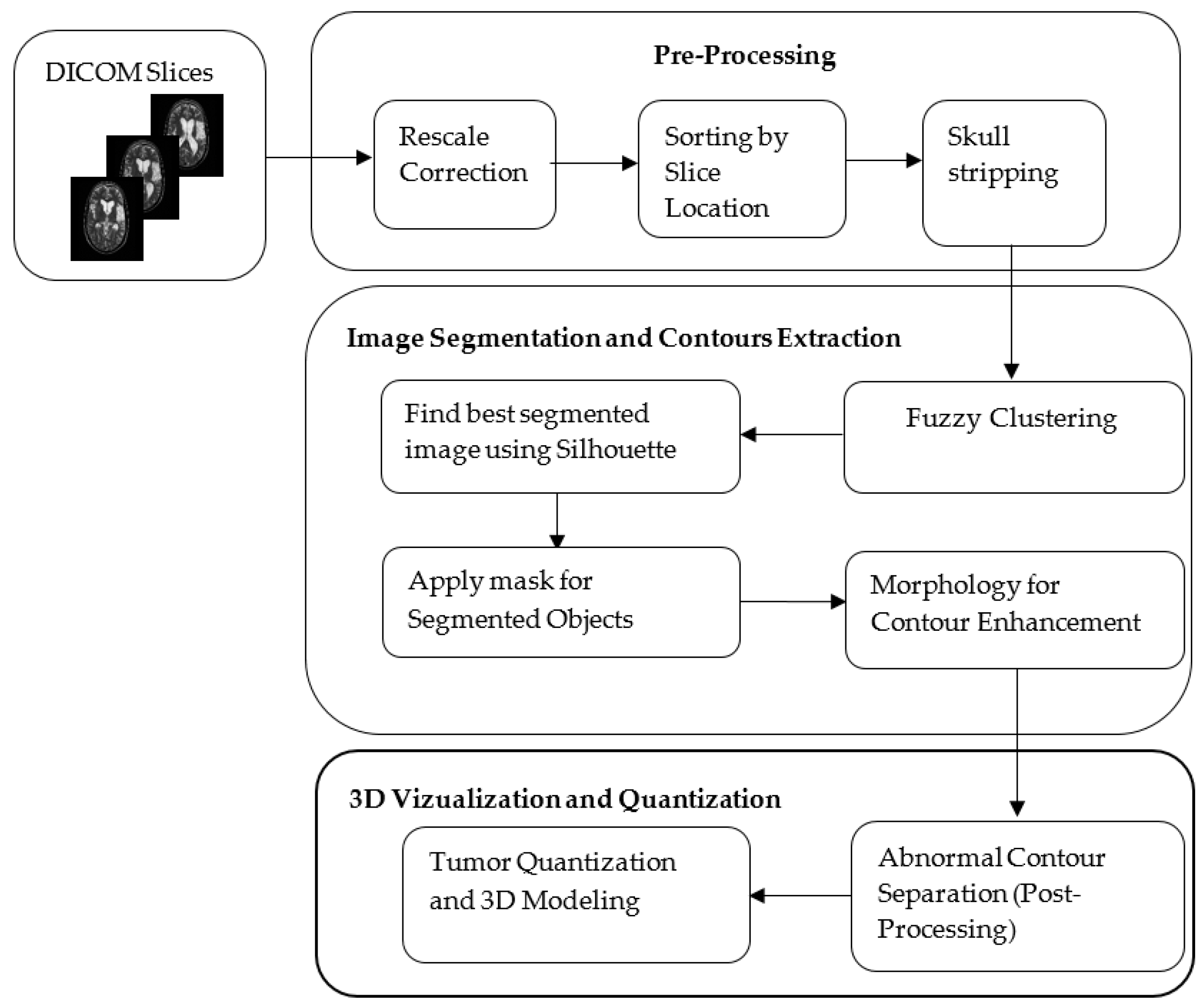
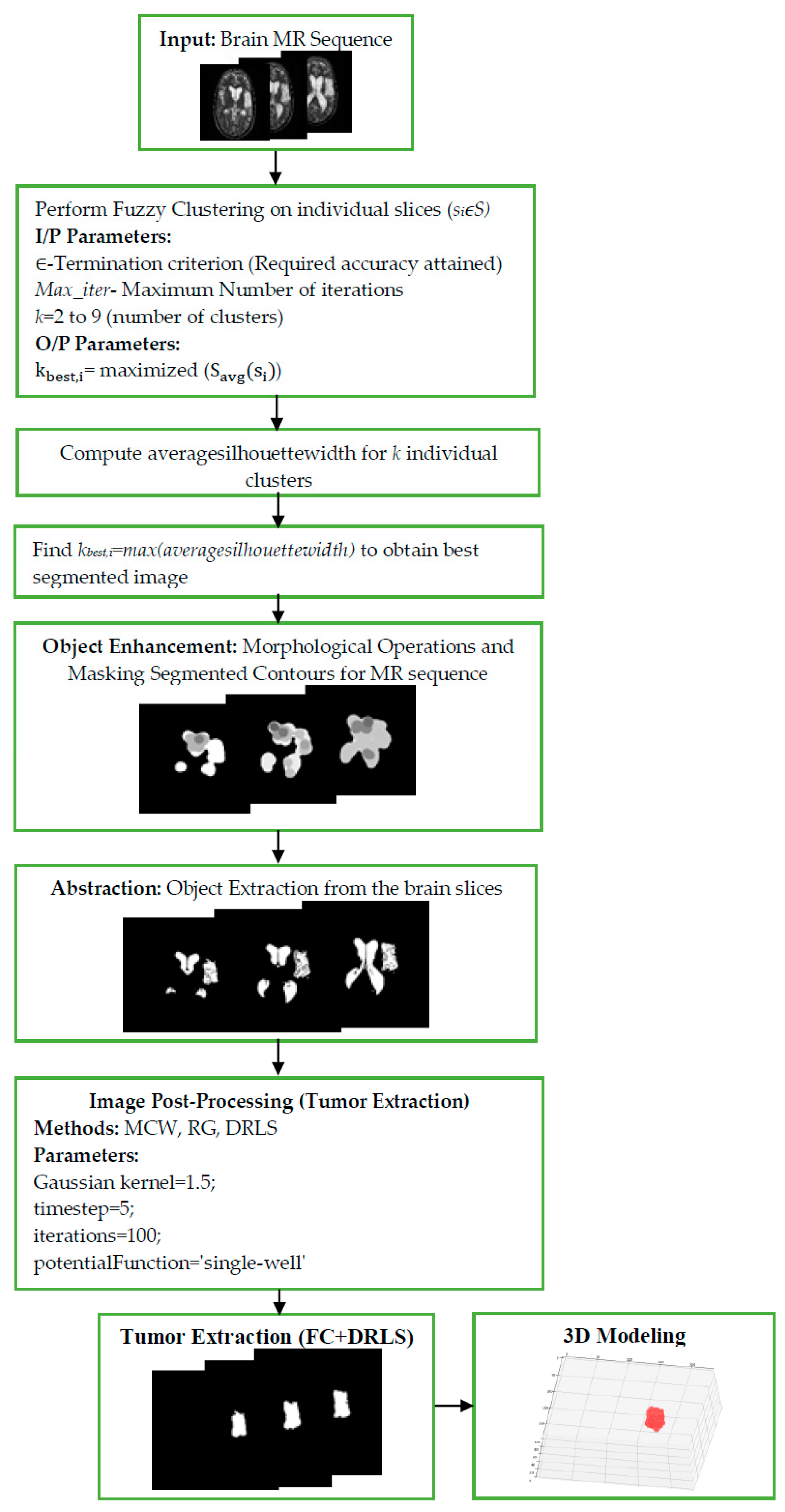
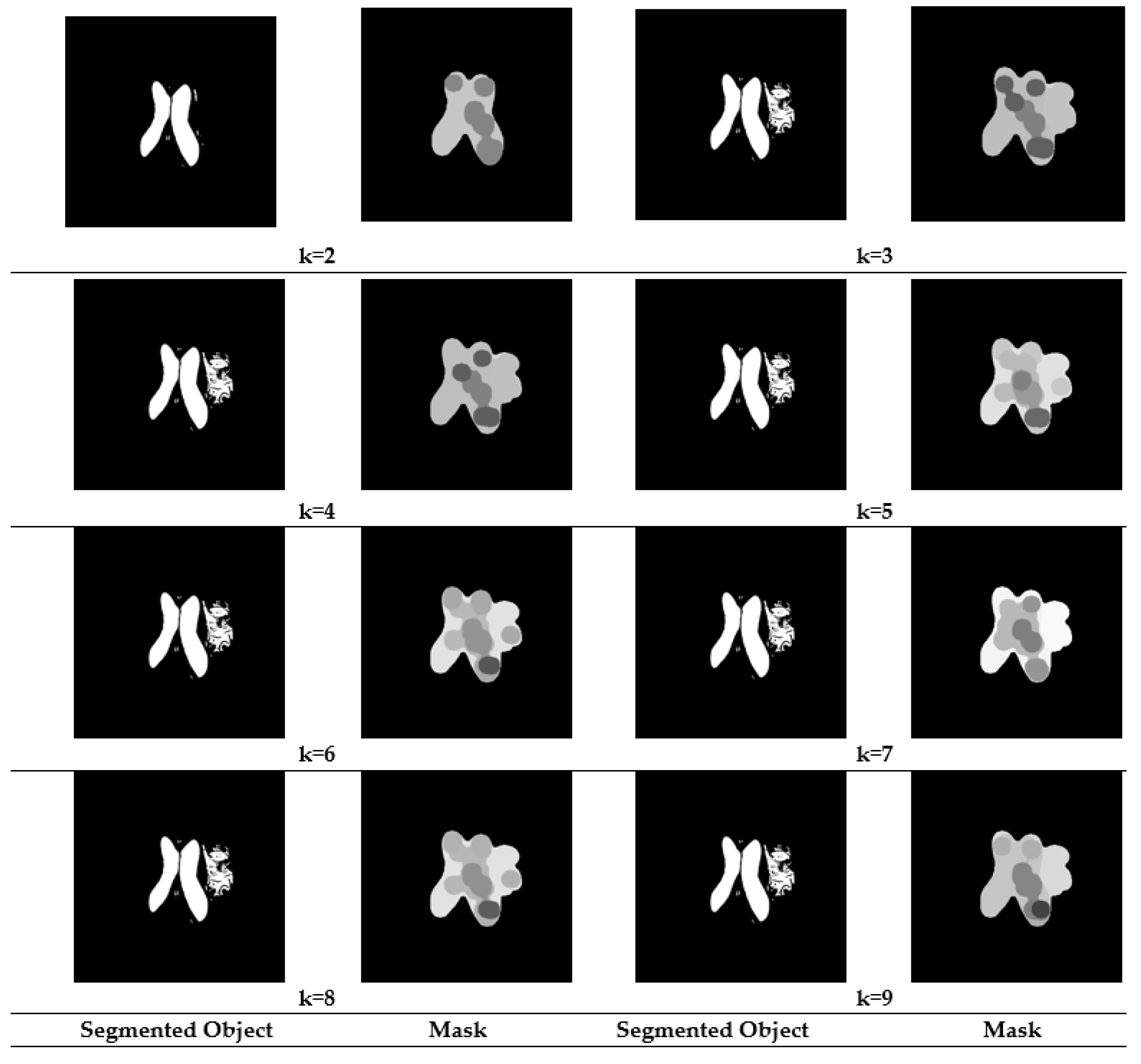
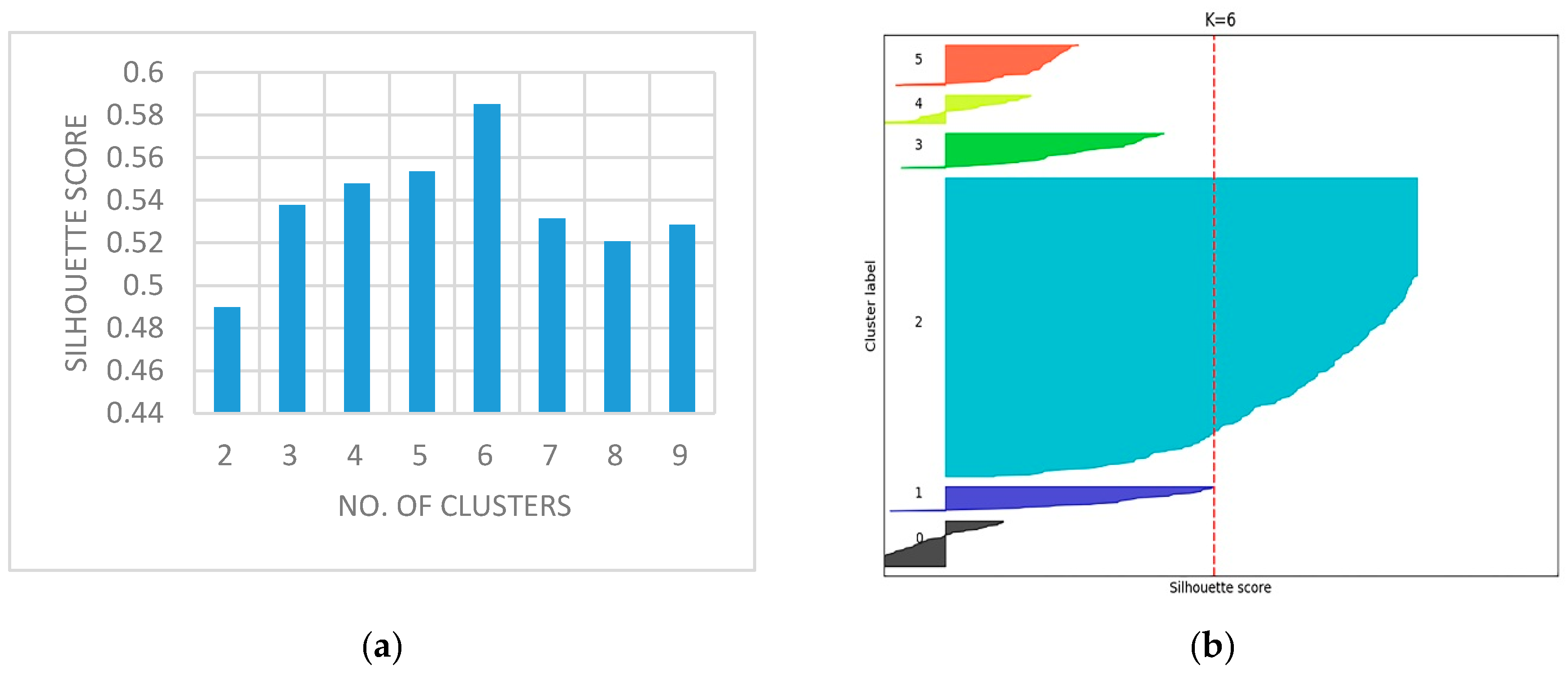
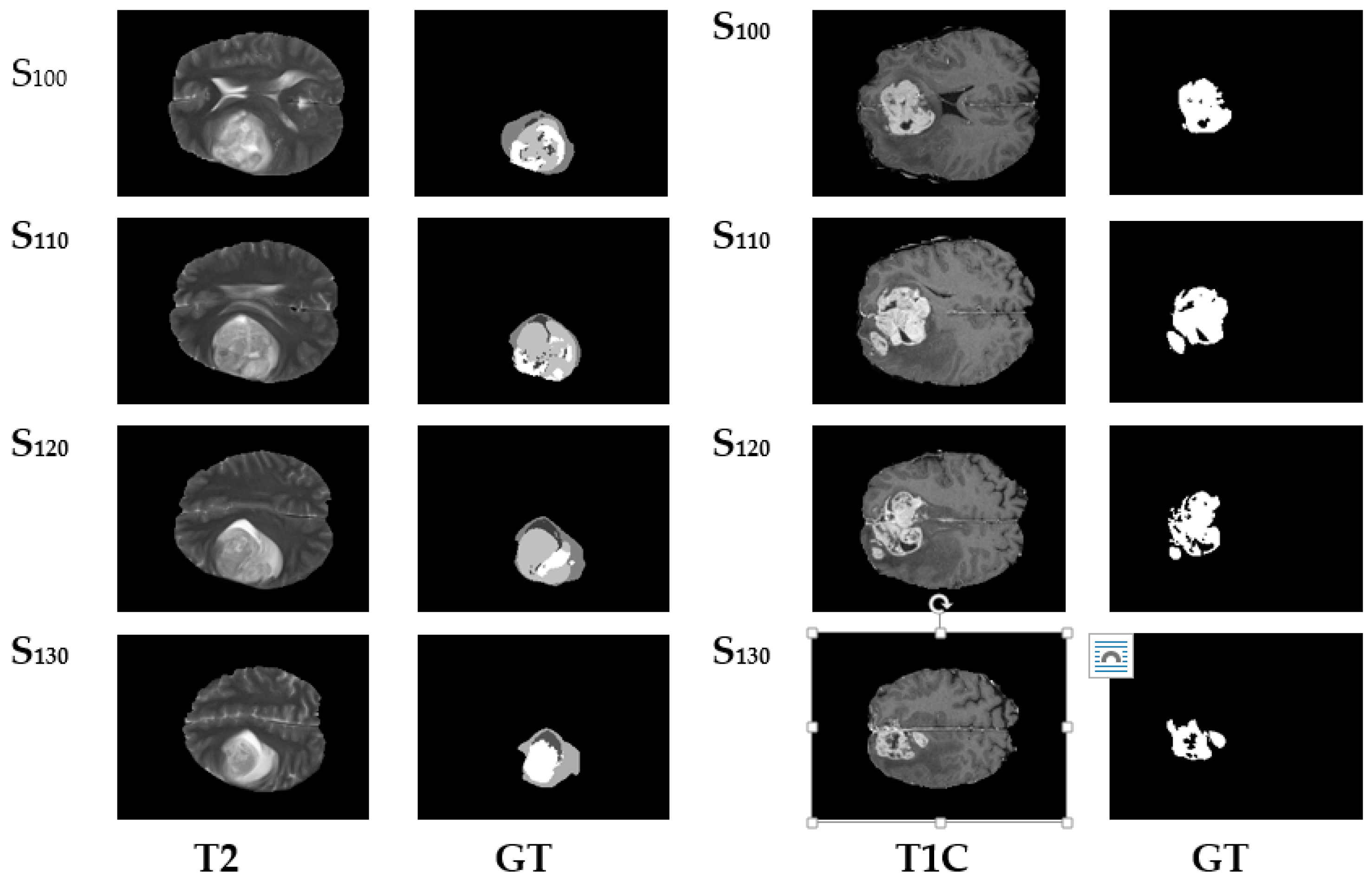
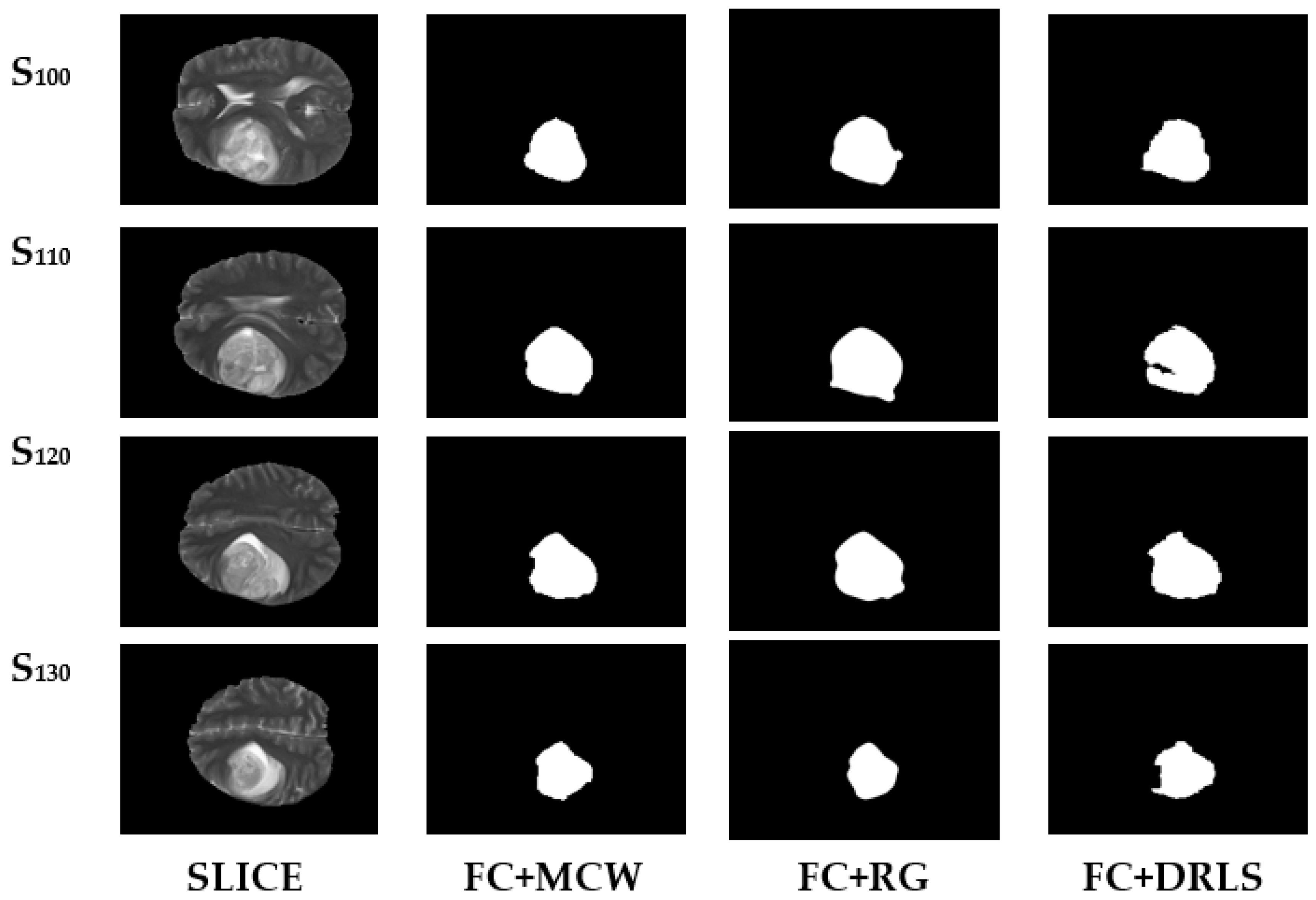
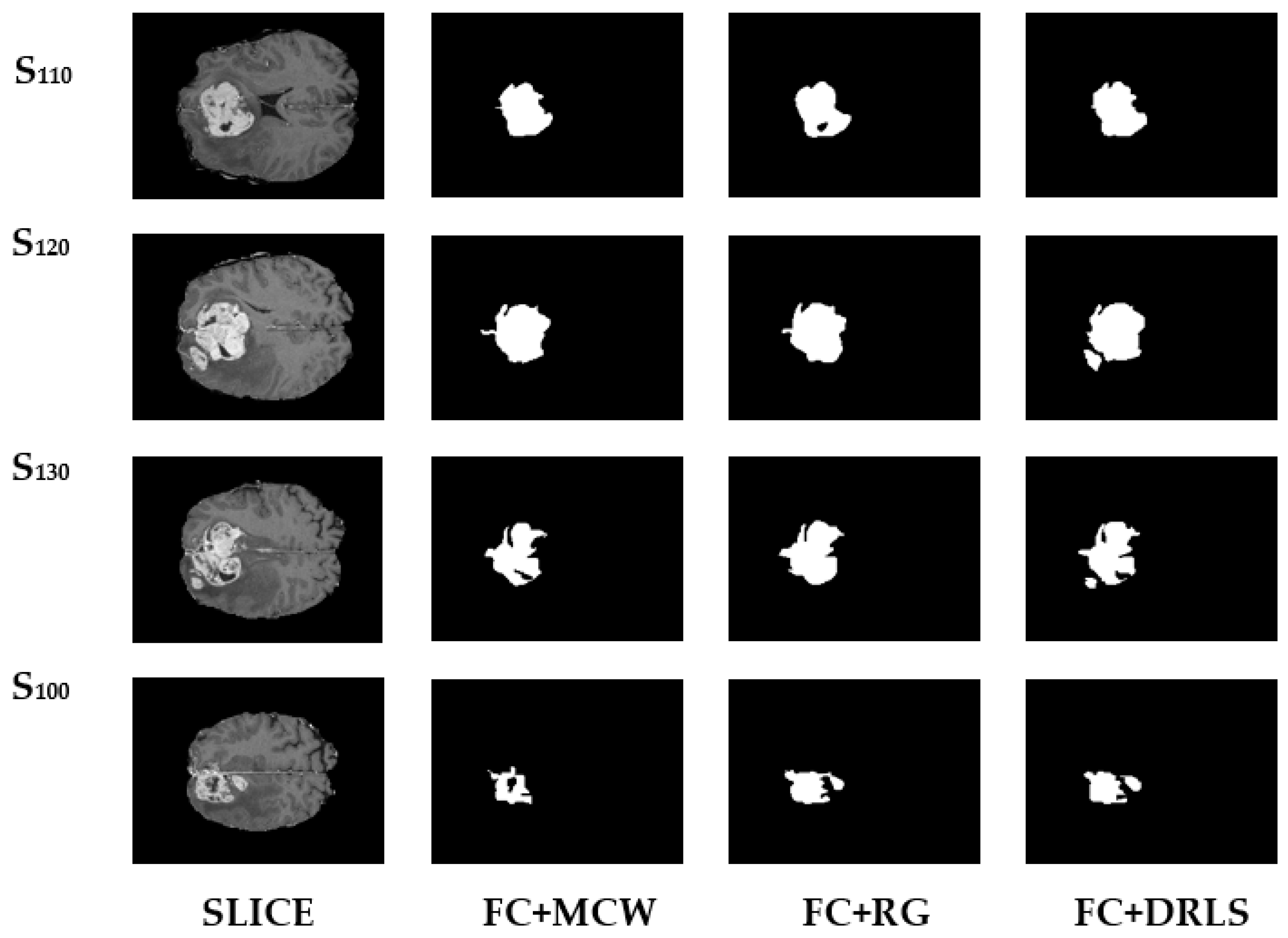
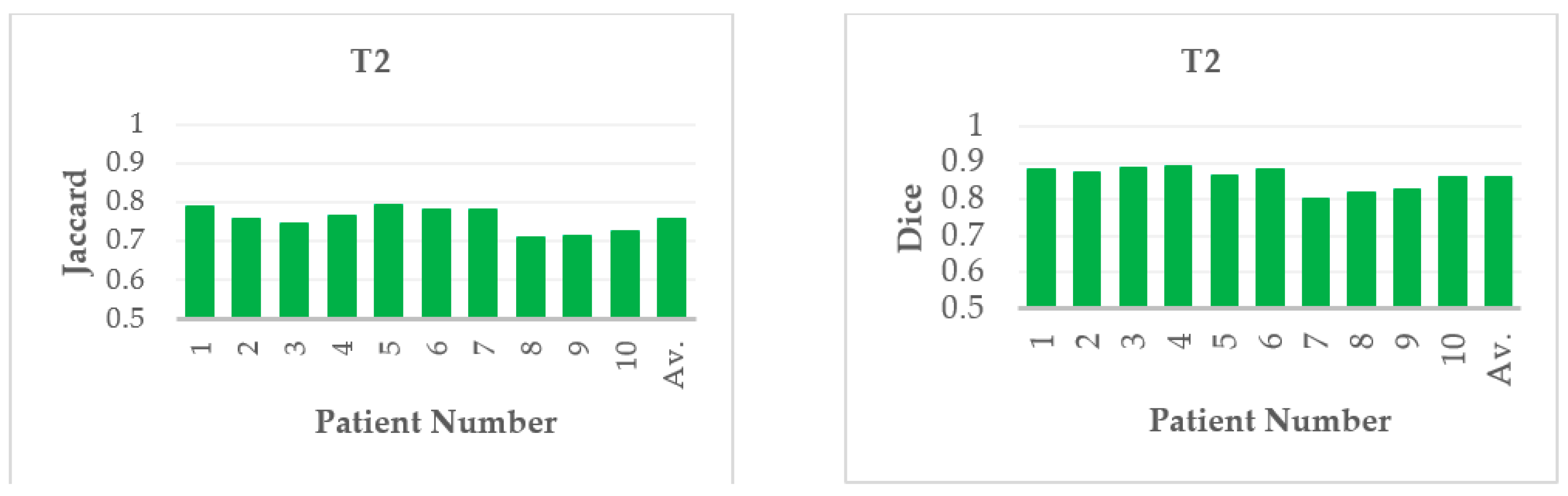
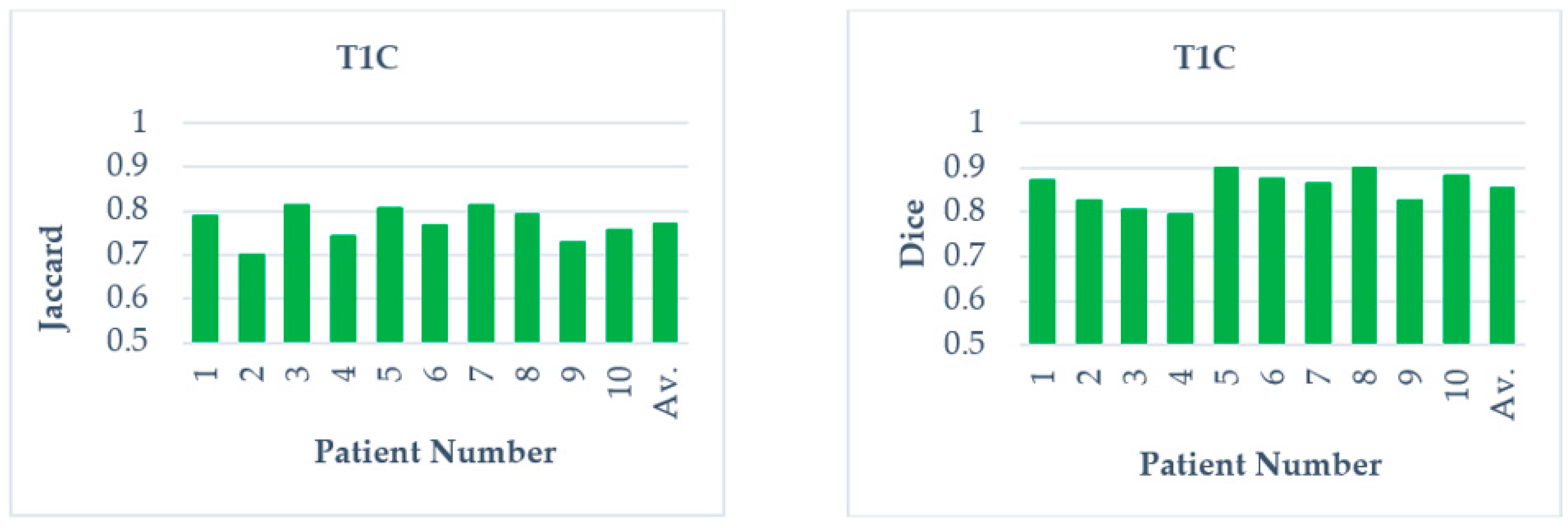
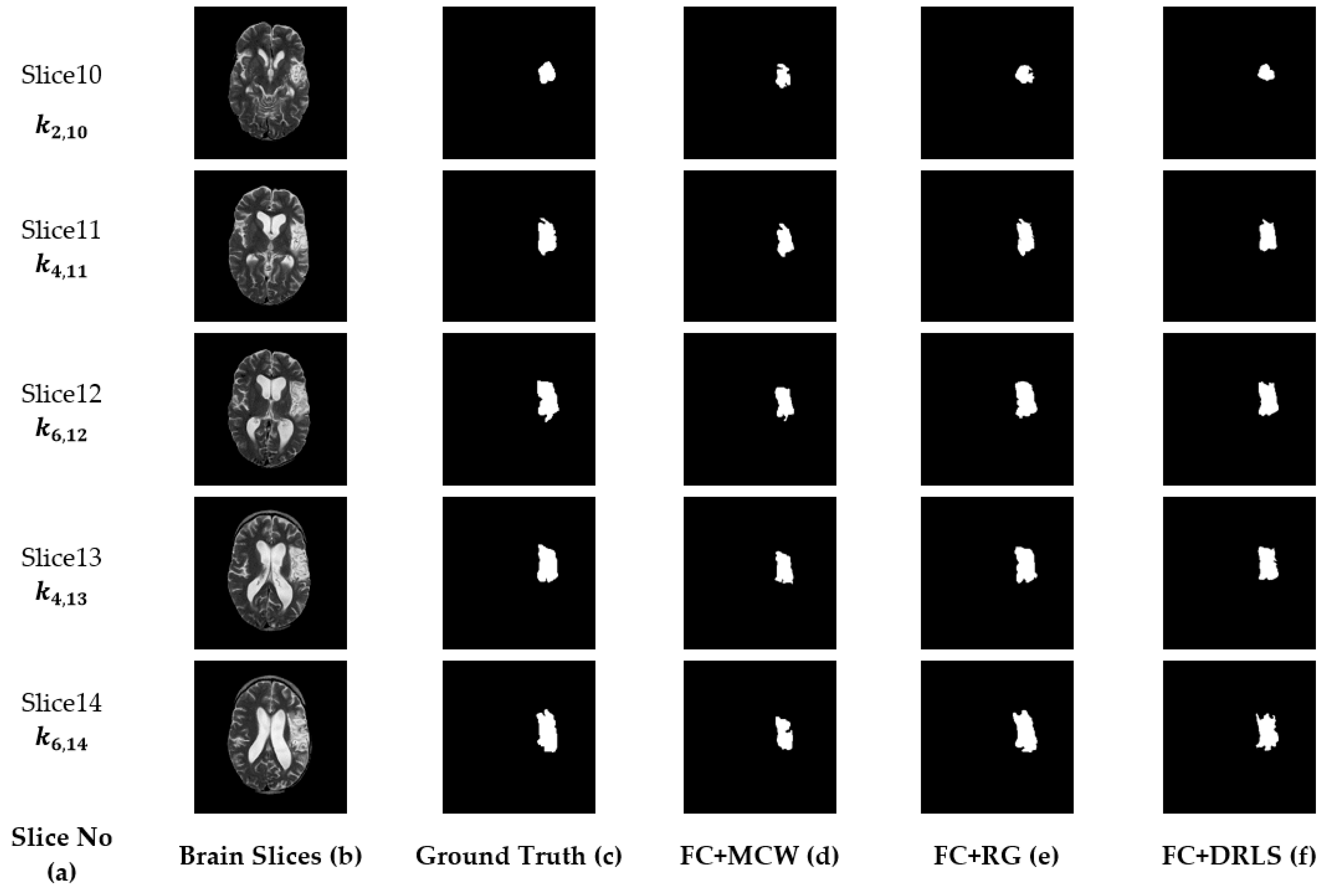
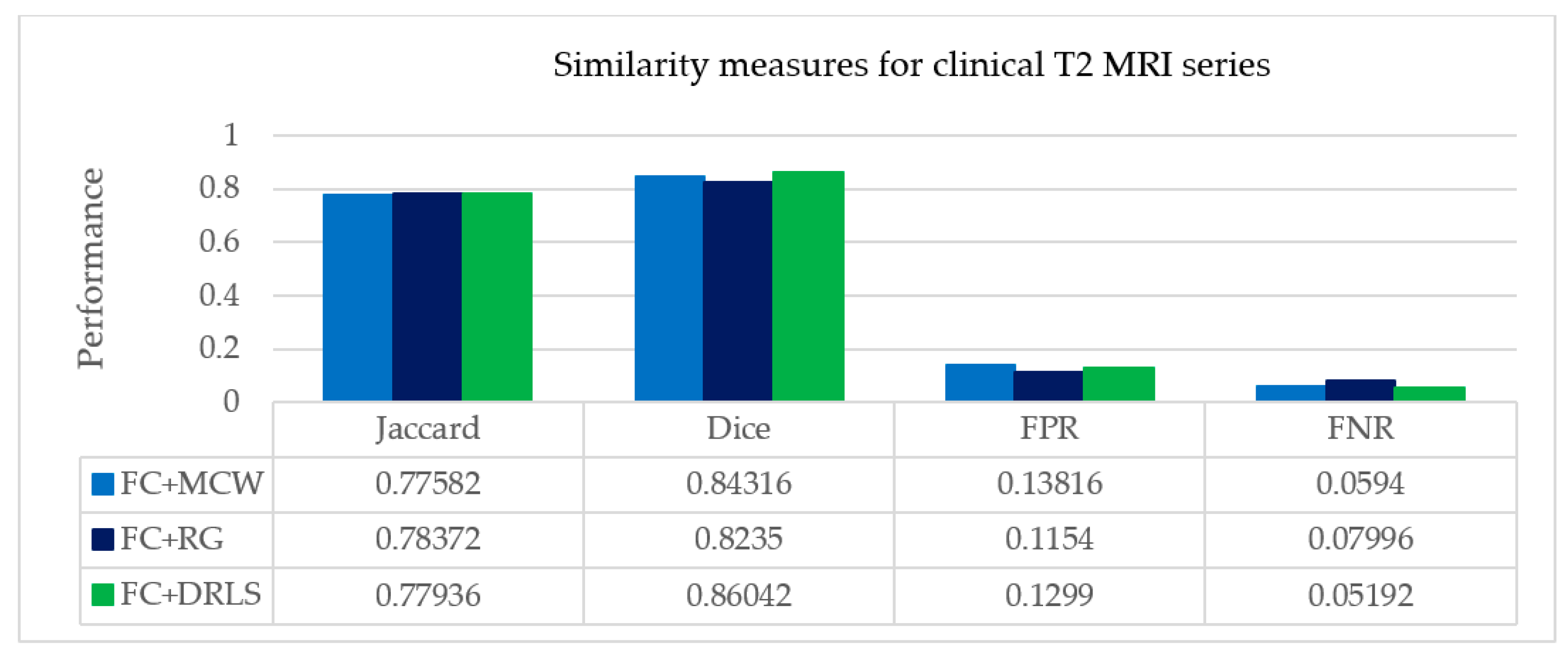
Brain tumor detection and its analysis are essential in medical diagnosis. The proposed work focuses on segmenting abnormality of axial brain MR DICOM slices, as this format holds the advantage of conserving extensive metadata. The axial slices presume the left and right part of the brain is symmetric by a Line of Symmetry (LOS). A semi-automated system is designed to mine normal and abnormal structures from each brain MR slice in a DICOM study. In this work, Fuzzy clustering (FC) is applied to the DICOM slices to extract various clusters for different k. Then, the best-segmented image that has high inter-class rigidity is obtained using the silhouette fitness function. The clustered boundaries of the tissue classes further enhanced by morphological operations. The FC technique is hybridized with the standard image post-processing techniques such as marker controlled watershed segmentation (MCW), region growing (RG), and distance regularized level sets (DRLS). This procedure is implemented on renowned BRATS challenge dataset of different modalities and a clinical dataset containing axial T2 weighted MR images of a patient. The sequential analysis of the slices is performed using the metadata information present in the DICOM header. The validation of the segmentation procedures against the ground truth images authorizes that the segmented objects of DRLS through FC enhanced brain images attain maximum scores of Jaccard and Dice similarity coefficients. The average Jaccard and dice scores for segmenting tumor part for ten patient studies of the BRATS dataset are 0.79 and 0.88, also for the clinical study 0.78 and 0.86, respectively. Finally, 3D visualization and tumor volume estimation are done using accessible DICOM information.
Keywords: MR brain segmentation; fuzzy clustering; object extraction; silhouette analysis; DICOM processing; 3D modeling MR brain segmentation; fuzzy clustering; object extraction; silhouette analysis; DICOM processing; 3D modeling