Article

Dual-Active Bridge Series Resonant Electric Vehicle Charger: A Self-Tuning Method

by
Alireza Namadmalan
1,
Kumars Rouzbehi
2,*,
Juan Manuel Escaño
2 and
Carlos Bordons
2
1
Department of Electrical and Computer Engineering, Jundi-Shapur University of Technology, 84154 Dezful, Iran
2
Departamento de Ingeniería de Sistemas y Automática, Universidad de Sevilla, 41092 Sevilla, Spain
*
Author to whom correspondence should be addressed.
Electronics 2020, 9(2), 253; https://doi.org/10.3390/electronics9020253

Submission received: 25 November 2019 / Revised: 18 January 2020 / Accepted: 27 January 2020 / Published: 3 February 2020
(This article belongs to the Section Power Electronics)

Abstract

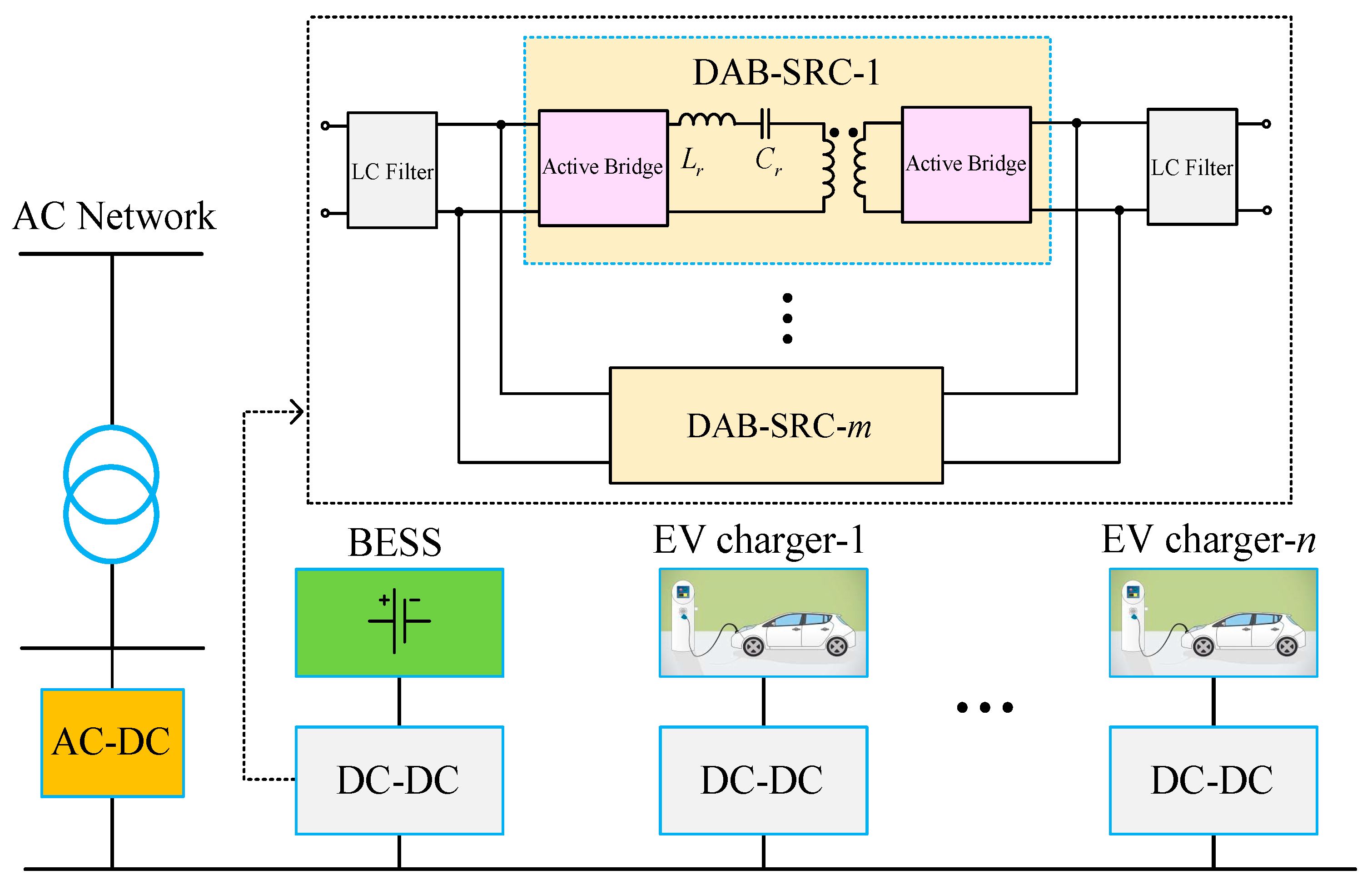
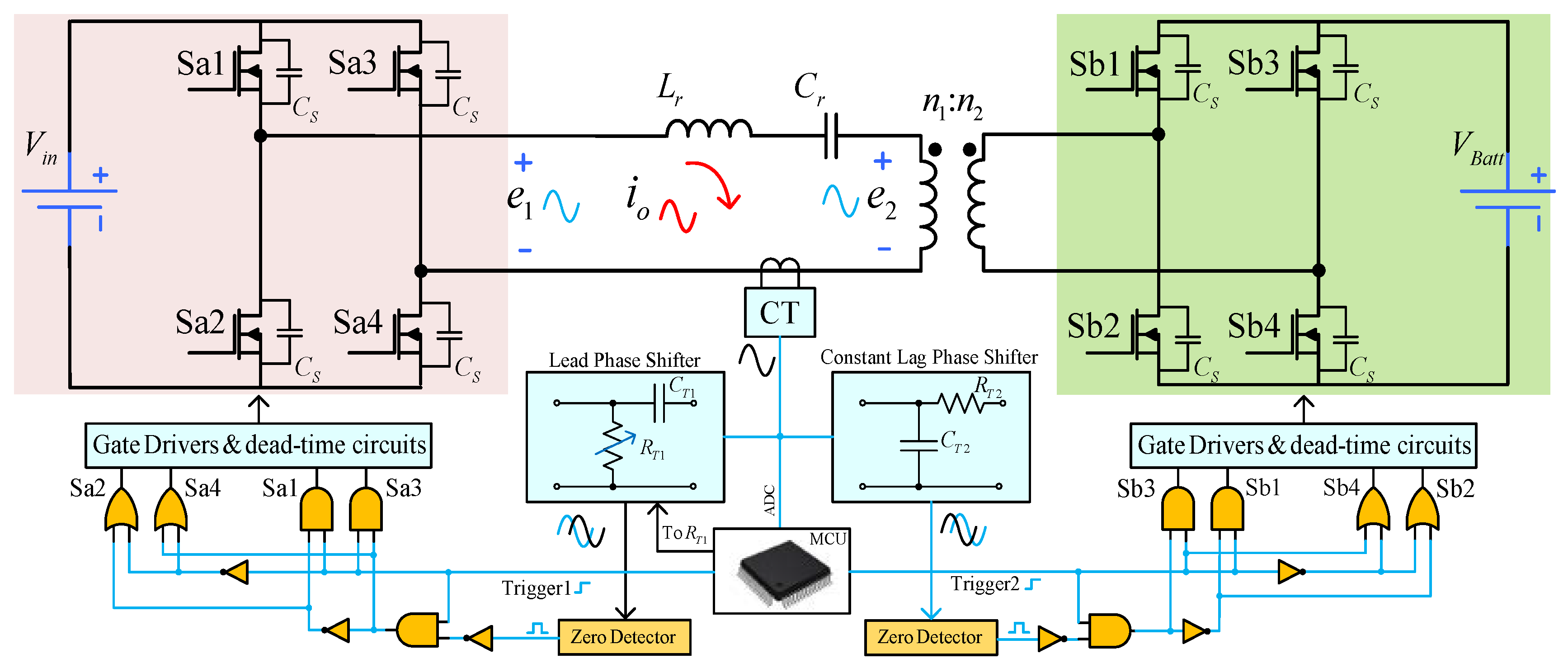
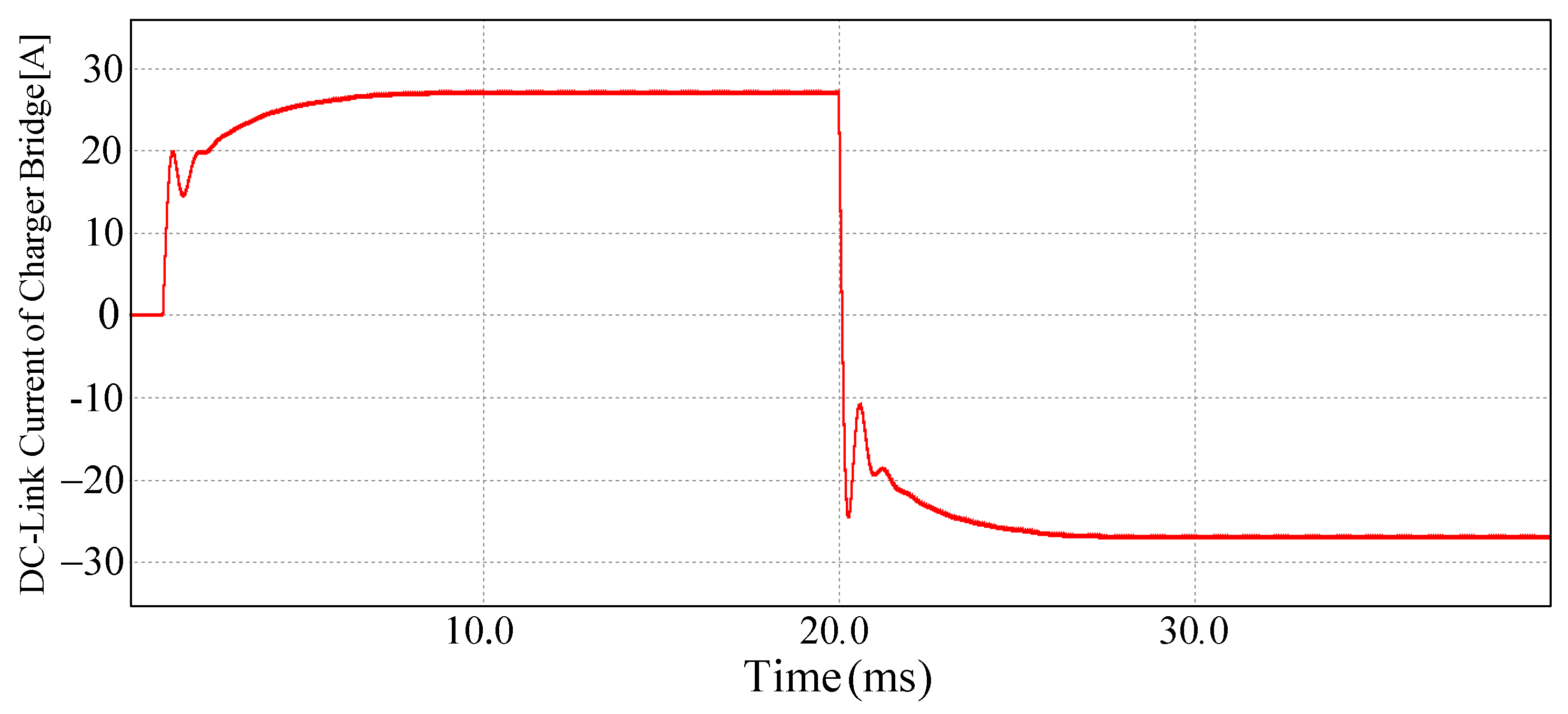
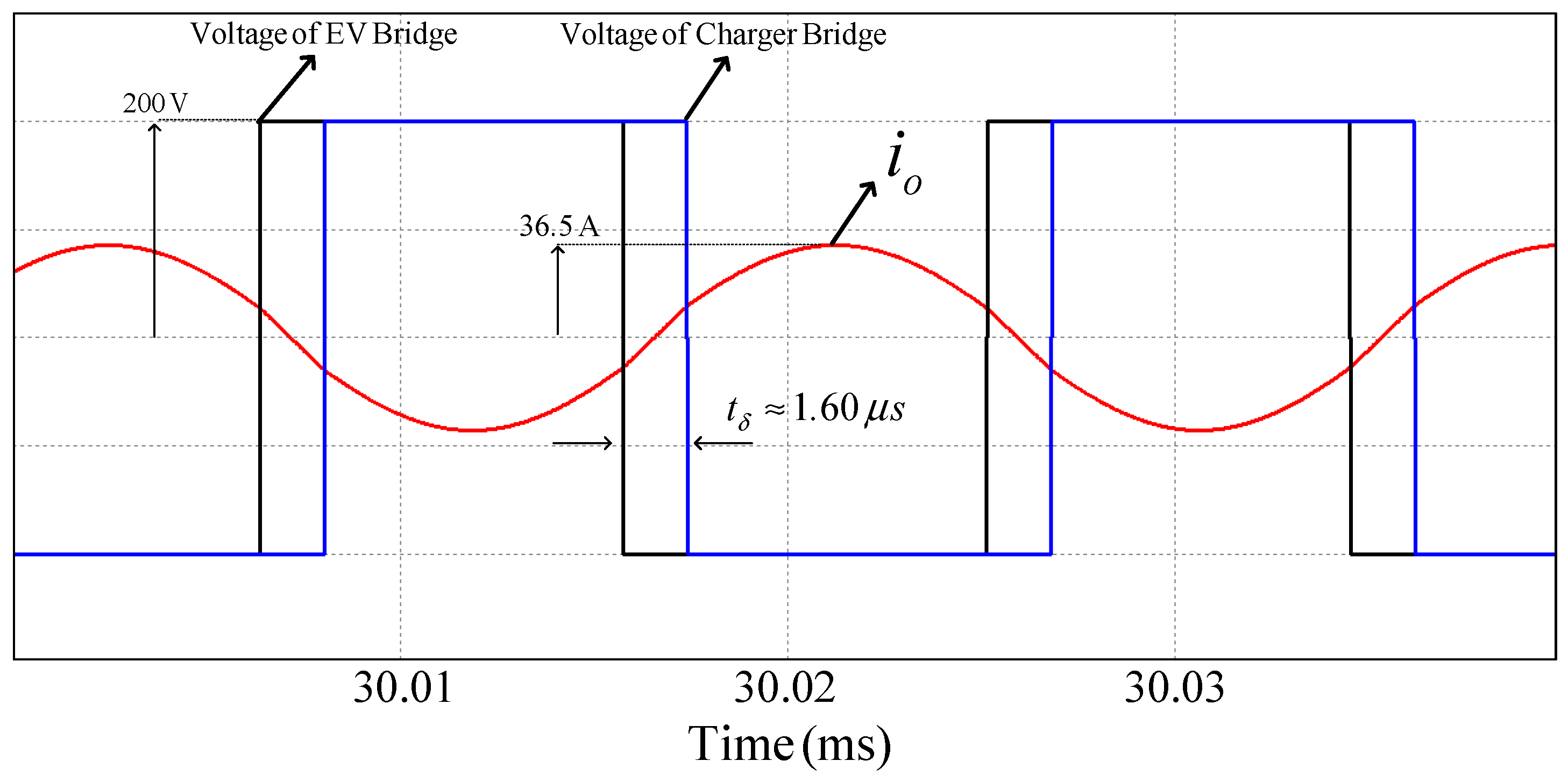
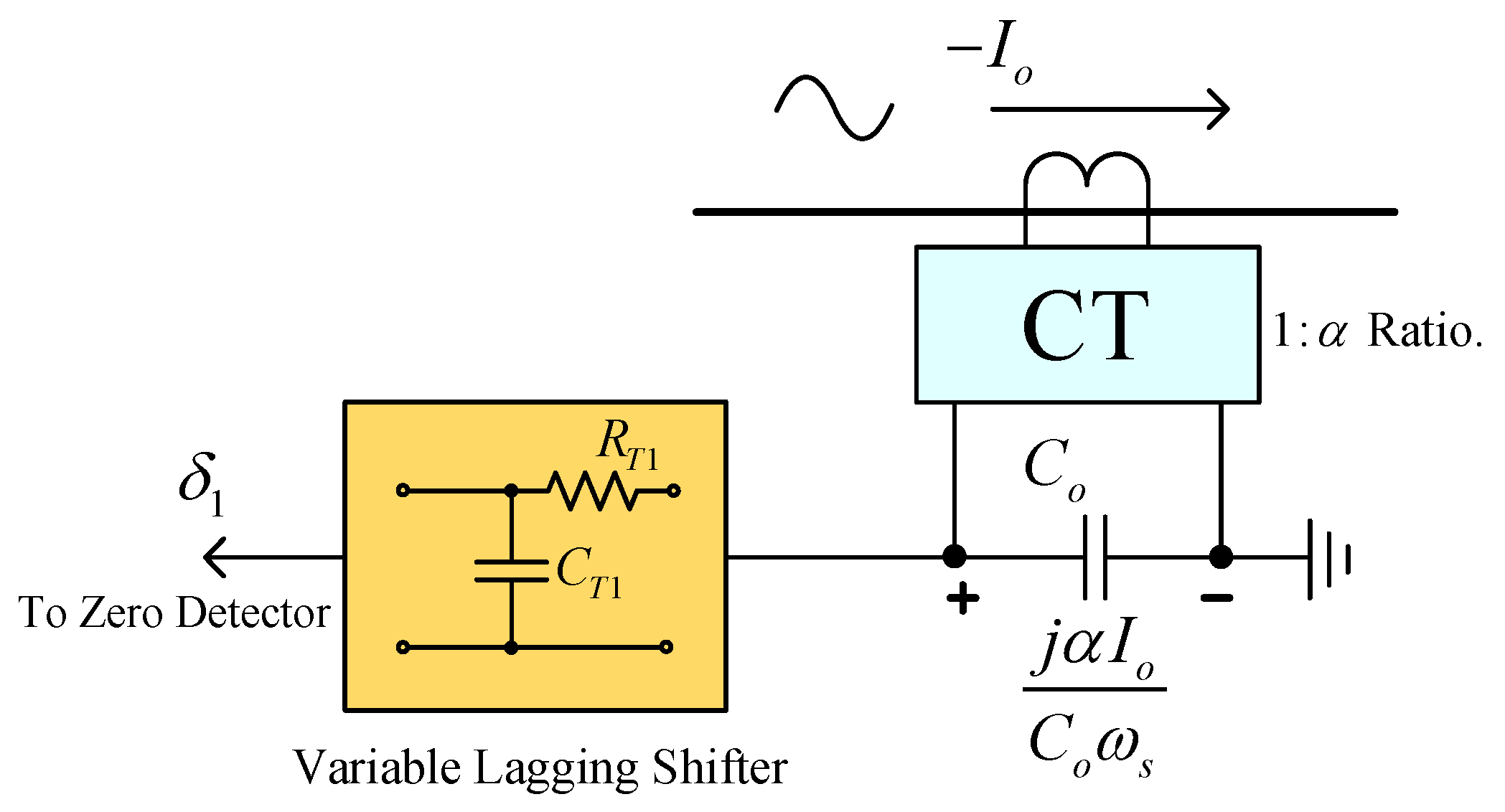
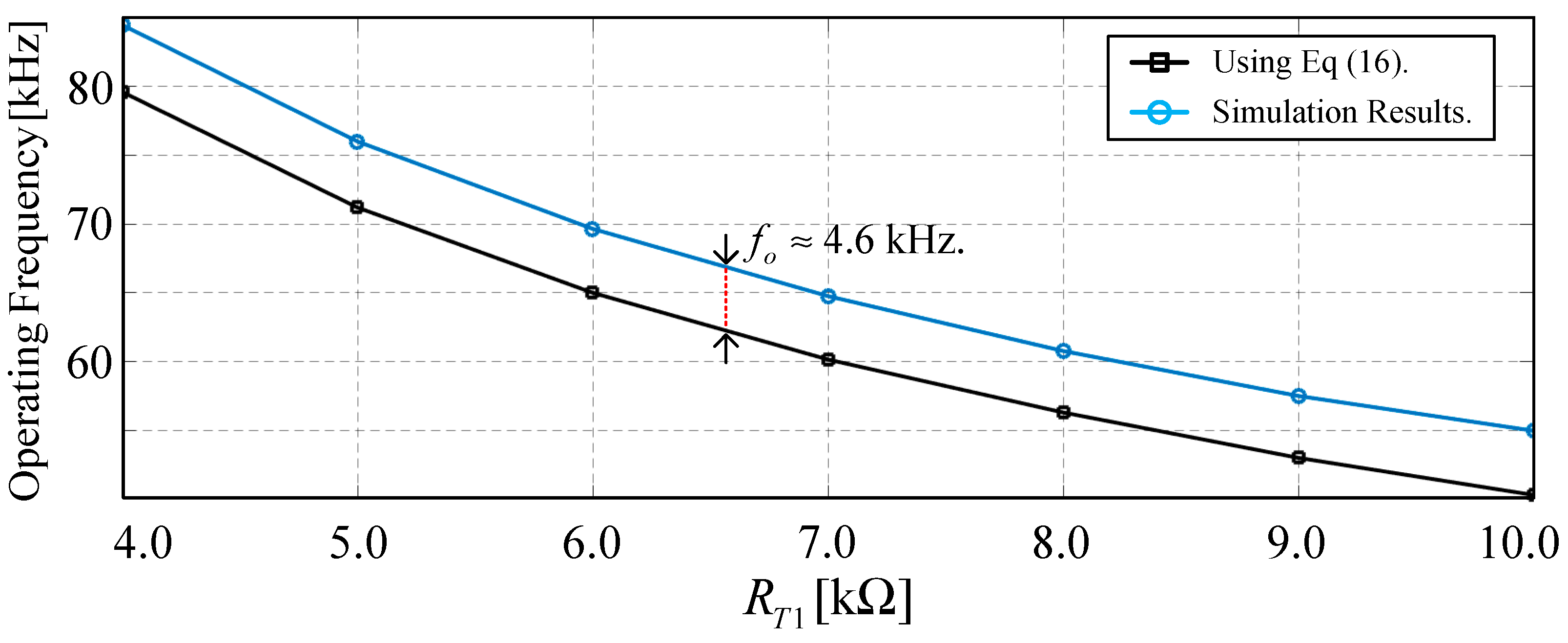
This paper presents a new self-tuning loop for a bidirectional dual-active bridge (DAB) series resonant converter (SRC). For different loading conditions, the two active bridges can be controlled with a minimum time displacement between them to assure zero voltage switching (ZVS) and minimum circulation current conditions. The tuning loop can instantly reverse the power direction with a fast dynamics. Moreover, the tuning loop is not sensitive to series resonant tank tolerances and deviations, which makes it a robust solution for power tuning of the SRCs. For simplicity, the power is controlled based on the power-frequency control method with a fixed time displacement between the active bridges. The main design criteria of the bidirectional SRC are the time displacement, operating frequency bandwidth, and the minimum and maximum power, which are simply derived and formulated based on the self-tuning loop’s parameters. Based on the parameters of the tuning loop, a simplified power equation and power control method is proposed for DAB-SRCs. The proposed control method is simulated in static and dynamic conditions for different loadings. The analysis and simulation results show the effectiveness of the new tuning method.
Keywords: battery charger; dual active bridge; zero voltage switching; self-oscillating methods battery charger; dual active bridge; zero voltage switching; self-oscillating methods