Article

Improving the Characteristics of Multi-Level LUT-Based Mealy FSMs


by
Alexander Barkalov
1,2,
Larysa Titarenko
1,3,
Kazimierz Krzywicki
4,* and
Svetlana Saburova
3
1
Institute of Metrology, Electronics and Computer Science, University of Zielona Góra, ul. Licealna 9, 65-417 Zielona Góra, Poland
2
Department of Mathematics and Information Technology, Vasyl’ Stus Donetsk National University, 21, 600-richya str., 21021 Vinnytsia, Ukraine
3
Department of Infocommunication Engineering, Faculty of Infocommunications, Kharkiv National University of Radio Electronics, Nauky Avenue 14, 61166 Kharkiv, Ukraine
4
Department of Technology, The Jacob of Paradies University, ul. Teatralna 25, 66-400 Gorzów Wielkopolski, Poland
*
Author to whom correspondence should be addressed.
Electronics 2020, 9(11), 1859; https://doi.org/10.3390/electronics9111859

Submission received: 9 September 2020 / Revised: 14 October 2020 / Accepted: 2 November 2020 / Published: 5 November 2020
(This article belongs to the Section Circuit and Signal Processing)

Abstract

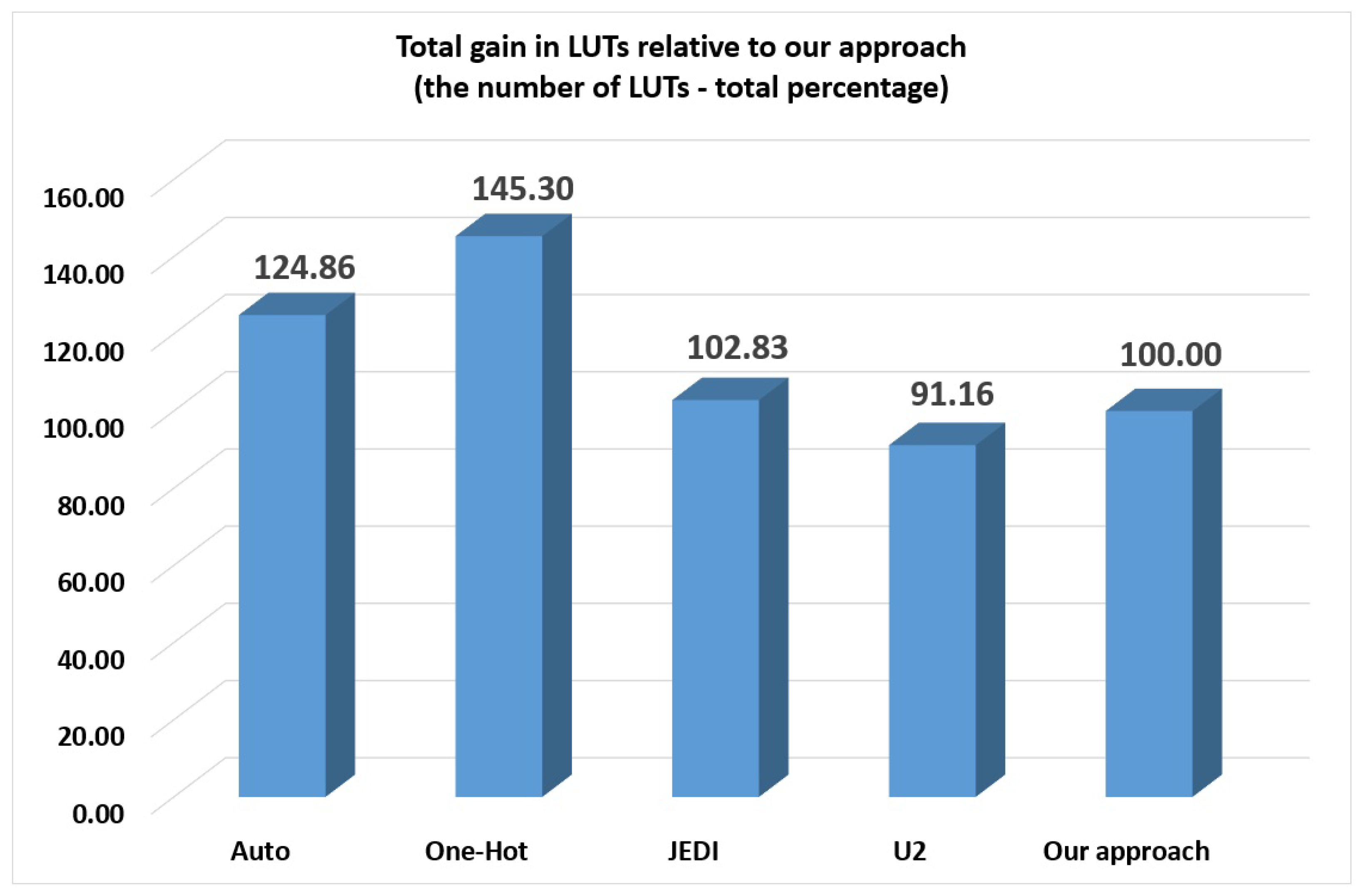
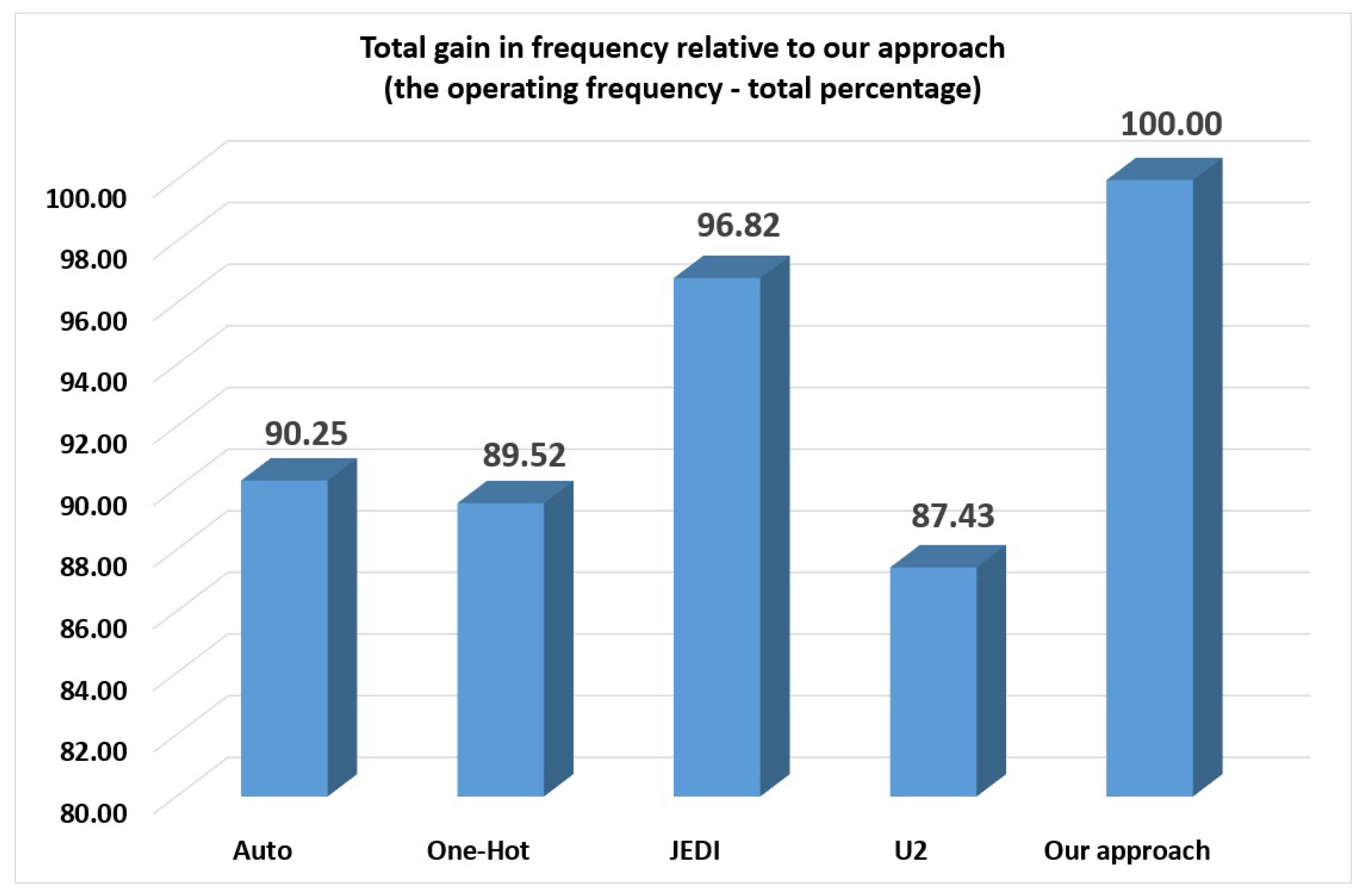
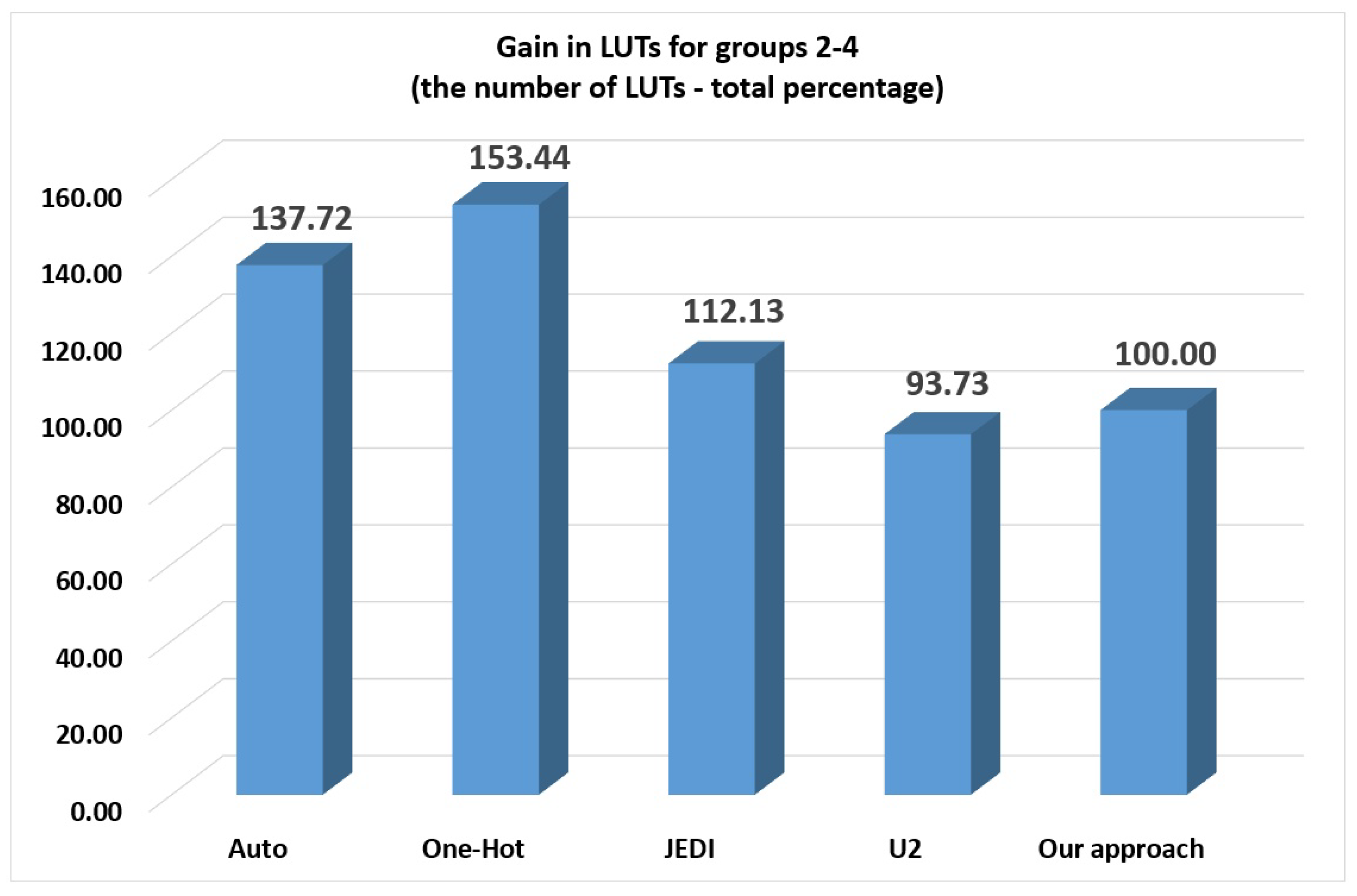
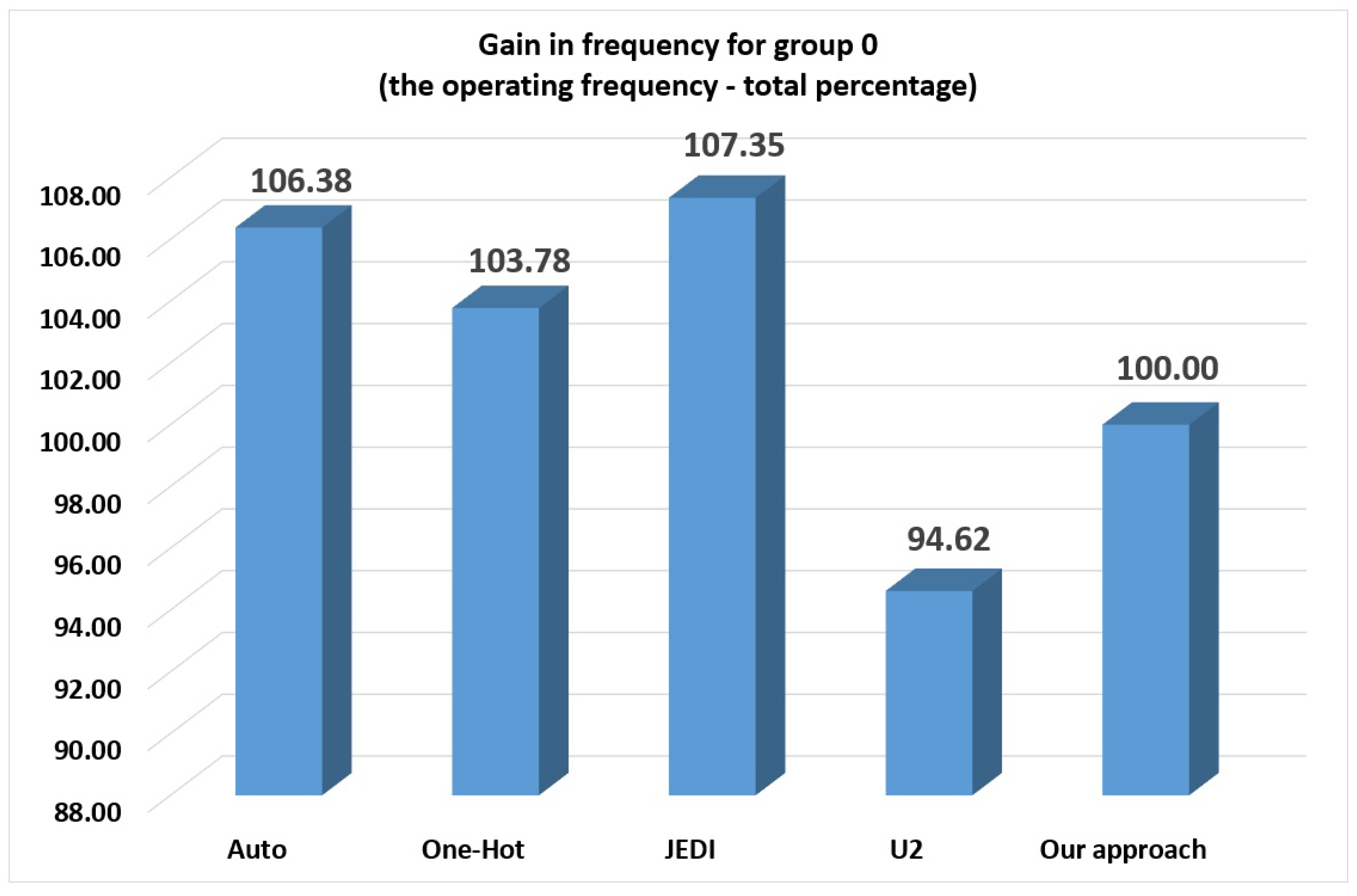
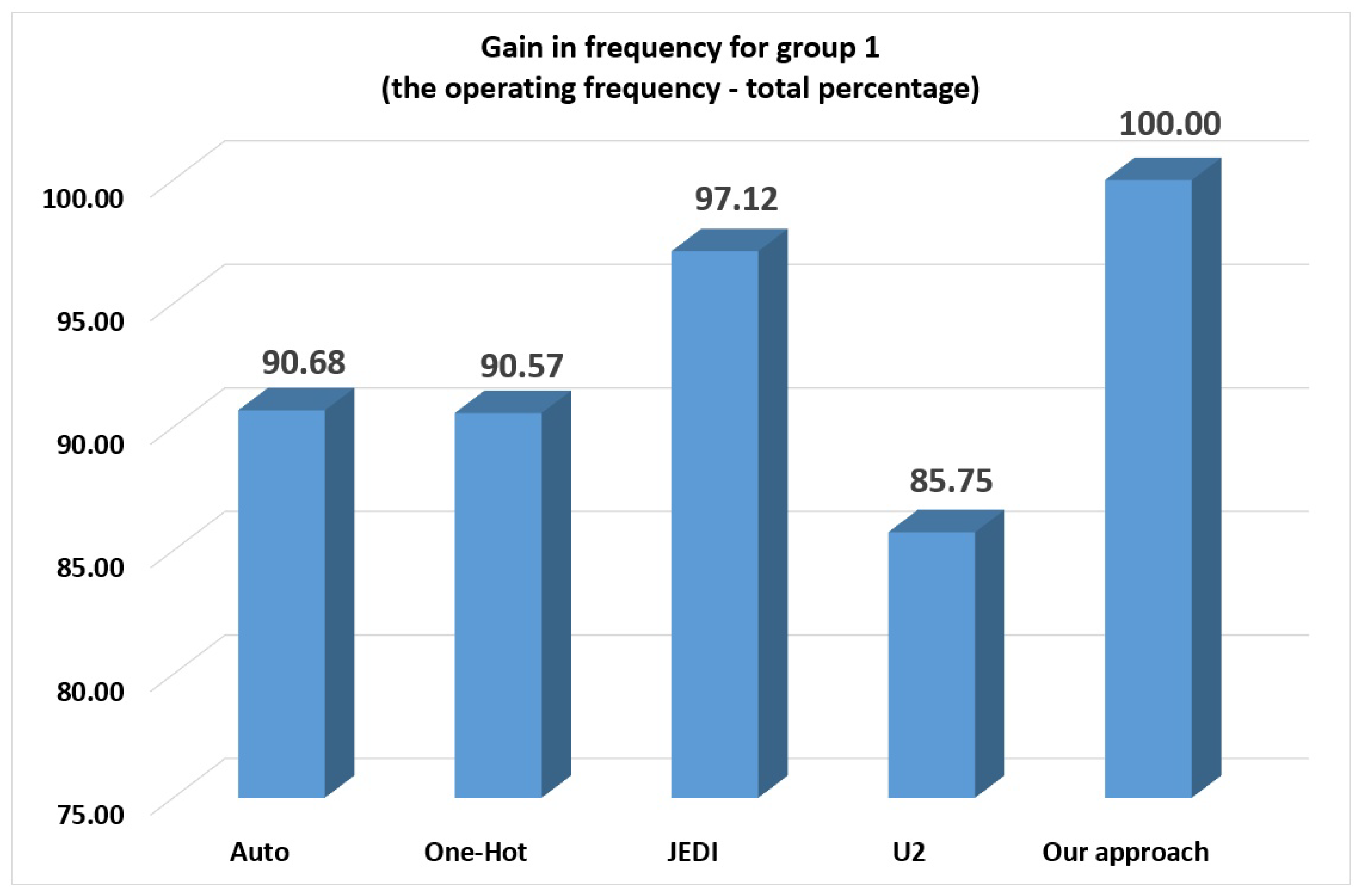
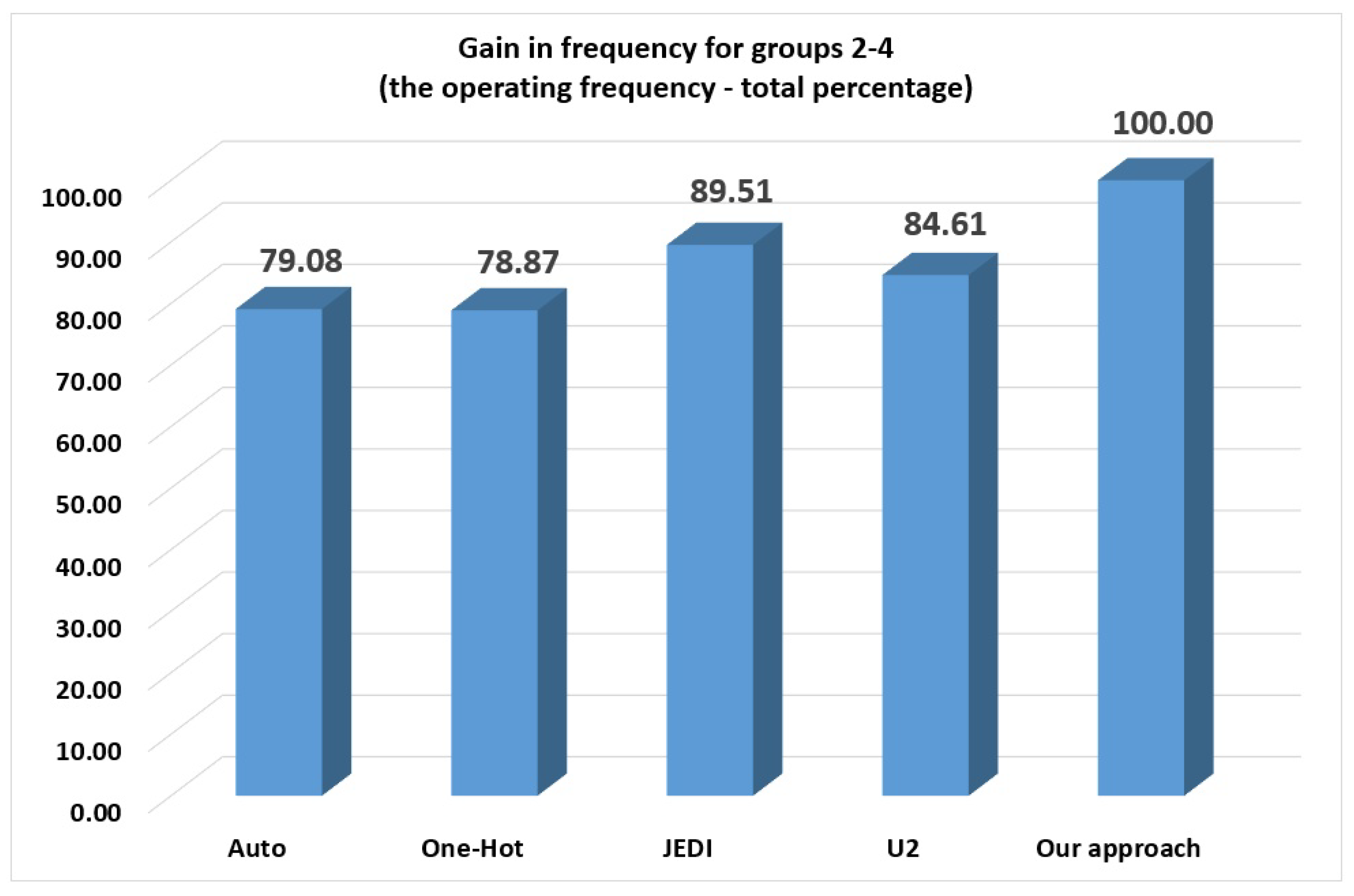
Contemporary digital systems include many varying sequential blocks. In the article, we discuss a case when Mealy finite state machines (FSMs) describe the behavior of sequential blocks. In many cases, the performance is the most important characteristic of an FSM circuit. In the article, we propose a method which allows increasing the operating frequency of multi-level look-up table (LUT)-based Mealy FSMs. The main idea of the proposed approach is to use together two methods of structural decomposition. They are: (1) the known method of transformation of codes of collections of outputs into FSM state codes and (2) a new method of extension of state codes. The proposed approach allows producing FPGA-based FSMs having three levels of logic combined through the system of regular interconnections. Each function for every level of logic was implemented using a single LUT. An example of the synthesis of Mealy FSM with the proposed architecture is shown. The effectiveness of the proposed method was confirmed by the results of experimental studies based on standard benchmark FSMs. The research results show that FSM circuits based on the proposed approach have a higher operating frequency than can be obtained using other investigated methods. The maximum operating frequency is improved by an average of 3.18 to 12.57 percent. These improvements are accompanied by a small growth of LUT count.
Keywords: Mealy FSM; structural decomposition; LUT; FPGA; extension of state codes; collections of outputs Mealy FSM; structural decomposition; LUT; FPGA; extension of state codes; collections of outputs