1. Introduction
With the rapid advancement of electric vehicles, renewable energy storage systems, and related applications, lithium-ion batteries have become one of the dominant energy storage technologies because of their high energy density and long cycle life [
1]. To satisfy practical requirements for voltage and capacity, numerous individual cells are typically connected in series to form battery packs. However, due to manufacturing tolerances, heterogeneous operating conditions, and varying aging rates, intrinsic disparities in voltage, capacity, and internal resistance inevitably arise among cells within a pack [
2]. Such inconsistencies significantly reduce the available capacity of the battery pack, accelerate performance degradation, and may even induce overcharge or over-discharge conditions, thereby compromising overall system safety and reliability [
3]. As a critical function of the battery management system (BMS), balancing technology plays a decisive role in maintaining pack safety, extending service life, and improving energy utilization efficiency. Consequently, effective balancing strategies have become a fundamental prerequisite for the large-scale commercialization of electric vehicle energy storage systems [
4].
Among active balancing techniques, LC resonant equalization circuits have attracted considerable attention due to their soft-switching capability, low switching losses, and relatively simple structure [
5]. Nevertheless, conventional LC resonant topologies still exhibit several inherent limitations in practical applications.
First, the balancing speed strongly depends on the voltage difference between cells. When the voltage deviation is small, the equalization current decreases substantially, resulting in prolonged balancing time and reduced efficiency under dynamic operating conditions, such as those encountered in electric vehicle applications [
6]. Second, when extended to multi-cell series battery systems, the circuit complexity increases significantly, giving rise to challenges including magnetic coupling interference, parameter mismatch, and implementation difficulty. These factors constrain the scalability of conventional LC resonant structures in high-capacity battery packs [
7]. Third, the absence of precise current regulation mechanisms may lead to over-equalization, aggravating cell stress and accelerating inconsistency propagation within the pack [
8]. Collectively, these limitations restrict the engineering feasibility and practical deployment of traditional LC resonant balancing circuits, thereby necessitating structural innovation and advanced control strategy optimization.
In recent years, substantial efforts have been devoted to improving battery equalization performance. Ghaeminezhad et al. provided a comprehensive review of active battery pack equalization topologies, systematically clarifying their technical characteristics and application boundaries. Their analysis indicates that resonant equalization circuits offer notable efficiency advantages; however, limitations in balancing speed and scalability remain unresolved [
9]. Shang et al. optimized a star-connected switched-capacitor equalizer to enhance voltage balancing efficiency in series-connected battery packs, yet the intrinsic dependence of balancing current on small voltage differentials was not fundamentally mitigated [
10]. Wang et al. proposed a multi-mode balancing topology that improves structural flexibility for series battery systems; nevertheless, parameter matching and scalability challenges persist during topology expansion [
11]. Izadi et al. further reviewed voltage equalization circuits for batteries and supercapacitors, highlighting common constraints in resonant-type equalizers, including limited scalability and insufficient control precision [
12]. In terms of control strategies, Xiang et al. introduced a lightweight explicit model predictive control method based on artificial neural networks, providing valuable insights into high-precision current regulation for equalization circuits [
13]. Moreover, Zhang et al. proposed a refined calculation approach for electric motor winding losses in electric vehicles, offering methodological references for loss optimization in balancing circuit design [
14]. Although these studies have advanced topology development and control algorithm design, existing approaches have not simultaneously addressed the three fundamental challenges associated with conventional LC resonant balancing circuits: constrained balancing speed under small voltage deviations, limited scalability for multi-cell configurations, and susceptibility to over-equalization.
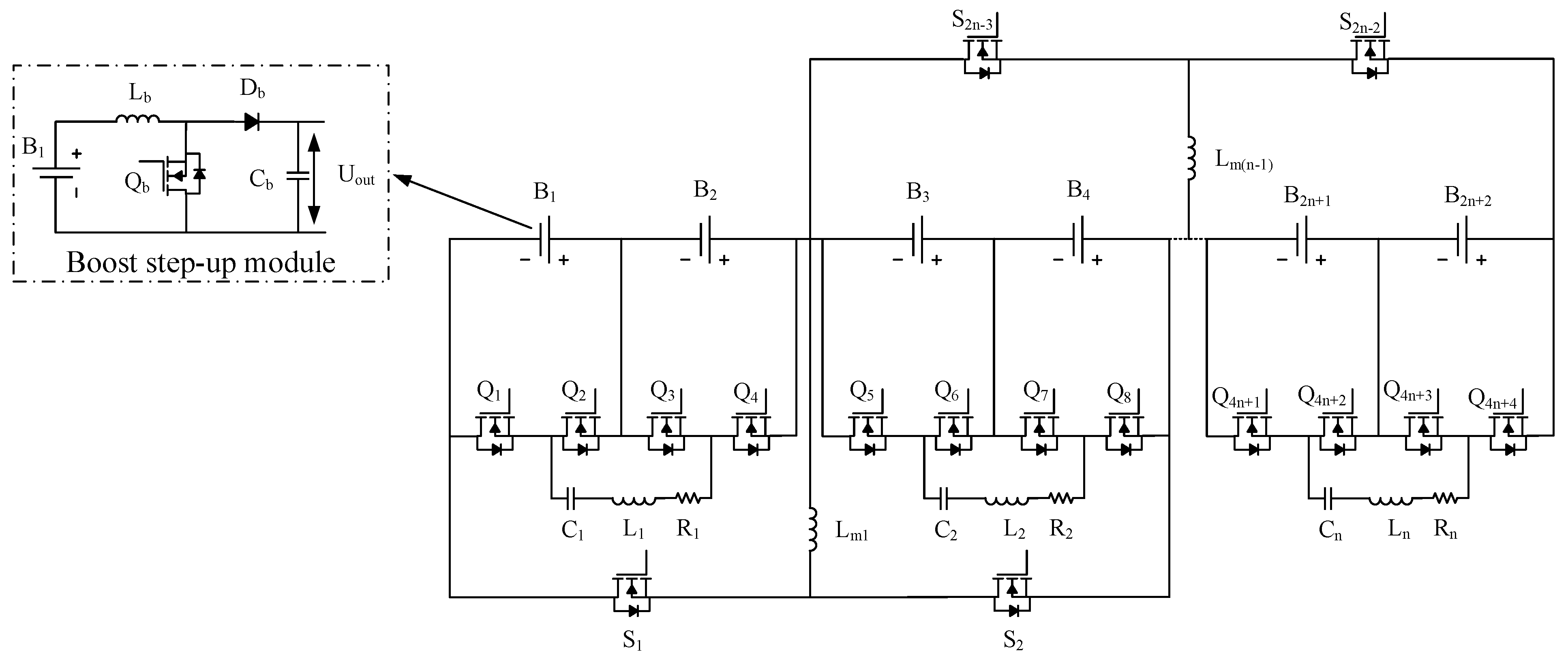
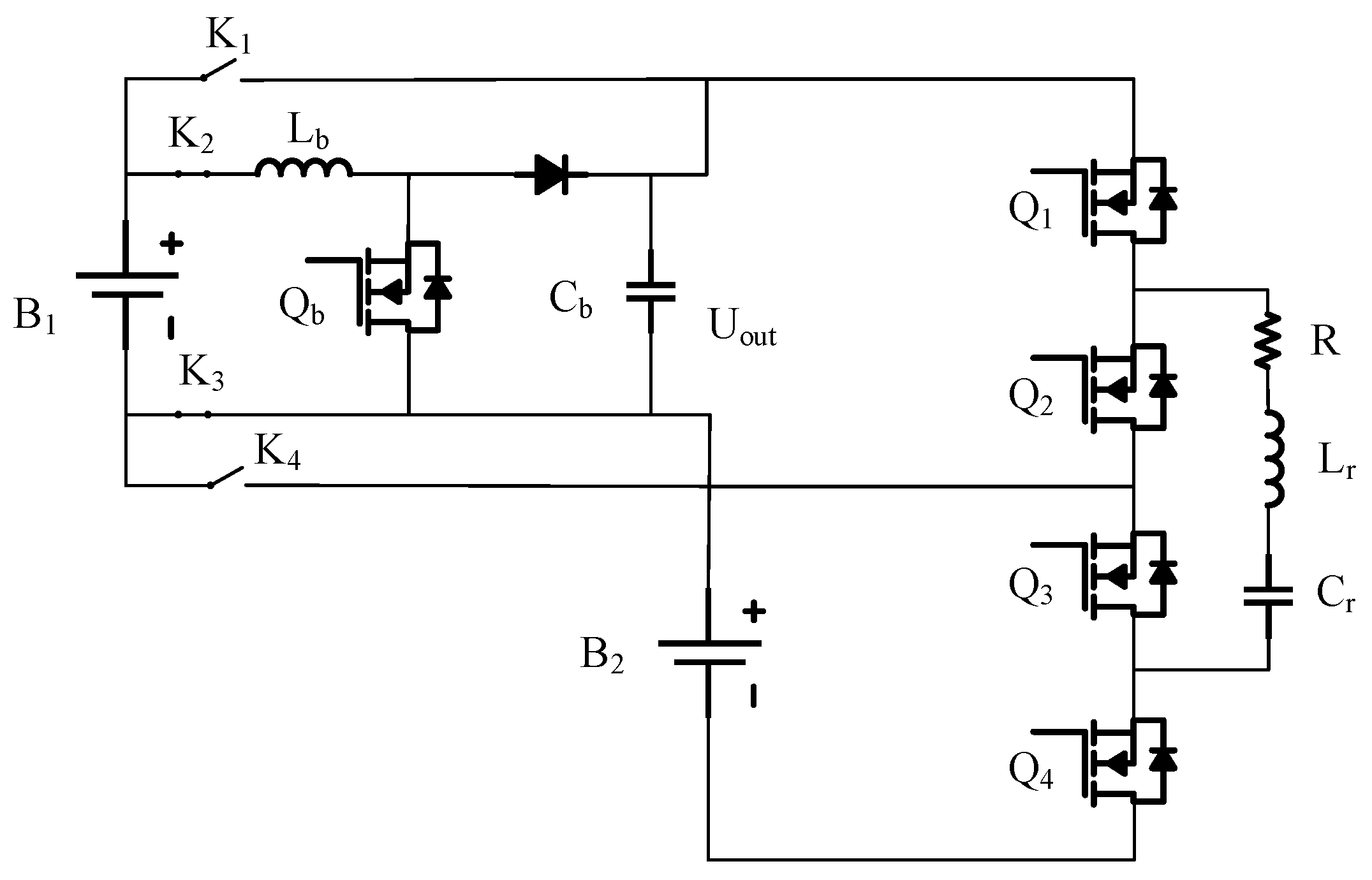
To overcome these limitations, a dual-layer LC resonant equalization topology integrated with an SOC-based dual closed-loop current control strategy is proposed in this paper. At the intra-group level, a Boost-assisted LC resonant structure is introduced to increase the effective voltage difference between adjacent cells, thereby improving the equalization current under small voltage deviations and accelerating the balancing process. At the inter-group level, a switched-inductor circuit is employed to simplify topology extension in multi-cell series battery packs and improve scalability. In addition, SOC is adopted as the equalization variable to reduce the risk of false balancing, and a dual closed-loop current regulation framework is designed for both intra-group and inter-group balancing. In this framework, the outer loop generates the reference equalization current according to the SOC difference, while the inner loop regulates the actual equalization current through PI control. A MATLAB/Simulink model was established using MATLAB R2023b to verify the proposed method under idle, charging, and discharging conditions. The results show that the proposed topology significantly improves balancing speed and maintains stable equalization performance under different operating conditions. Therefore, the proposed method provides a scalable and control-enhanced solution for overcoming the low speed, poor scalability, and weak regulation capability of conventional LC resonant equalization circuits.
3. Research on Equilibrium Strategies and Development of Equilibrium Simulation Systems
3.1. Equalization Variable
Currently, the primary variables for battery balancing include voltage, State of Charge (SOC), and capacity. Each variable exhibits distinct characteristics and applicability in practical scenarios. Capacity balancing relies on the battery’s actual capacity, but its effectiveness is constrained by the accuracy of SOC and State of Health (SOH) estimation. Due to the complexity of the estimation process and interference from multiple factors, capacity balancing offers limited feasibility and precision, resulting in its infrequent adoption. Voltage balancing is widely used due to its ease of measurement. However, lithium-ion batteries exhibit a “voltage plateau” between 20% and 80% SOC. Minor voltage differences may correspond to significant SOC deviations, potentially leading to “false balancing.” Furthermore, measured voltages typically represent terminal voltages. The lag in internal reaction rates prevents the terminal voltage from accurately reflecting the true open-circuit voltage, exacerbating measurement errors. SOC balancing accounts for both intrinsic battery characteristics and external conditions. It provides a deeper characterization of internal consistency issues within the battery pack, effectively avoiding false balancing phenomena. This approach improves overall consistency, extends service life, and enhances system reliability. Therefore, selecting SOC as the balancing variable is more reasonable.
3.2. Equalization Control Strategy
The proposed equalization control strategy consists of three parts: SOC acquisition, equalization decision, and equalization current regulation. In this study, SOC is treated as an available control variable so that the analysis can focus on the topology and current regulation mechanism of the proposed equalizer. This assumption is adopted for simulation-based mechanism verification, while the influence of SOC estimation error in practical battery management systems is discussed as a limitation of the present work. An equalization threshold of 0.02 is introduced according to the SOC distribution of the battery pack and the pairwise SOC differences within and between groups. This threshold represents a compromise between control sensitivity and switching stability: it is sufficiently small to detect meaningful imbalance in time, while also avoiding unnecessary equalization actions caused by very small SOC fluctuations. On this basis, dual closed-loop regulation of the equalization current is implemented for both intra-group and inter-group balancing. The outer loop determines the reference equalization current according to the SOC deviation, whereas the inner loop regulates the actual equalization current to track the reference value. Through this cascaded structure, the balancing process can be accelerated when the inconsistency is large and can be moderated when the cells approach equilibrium, thereby improving both balancing speed and operational safety.
3.2.1. Overall Equalization Flowchart
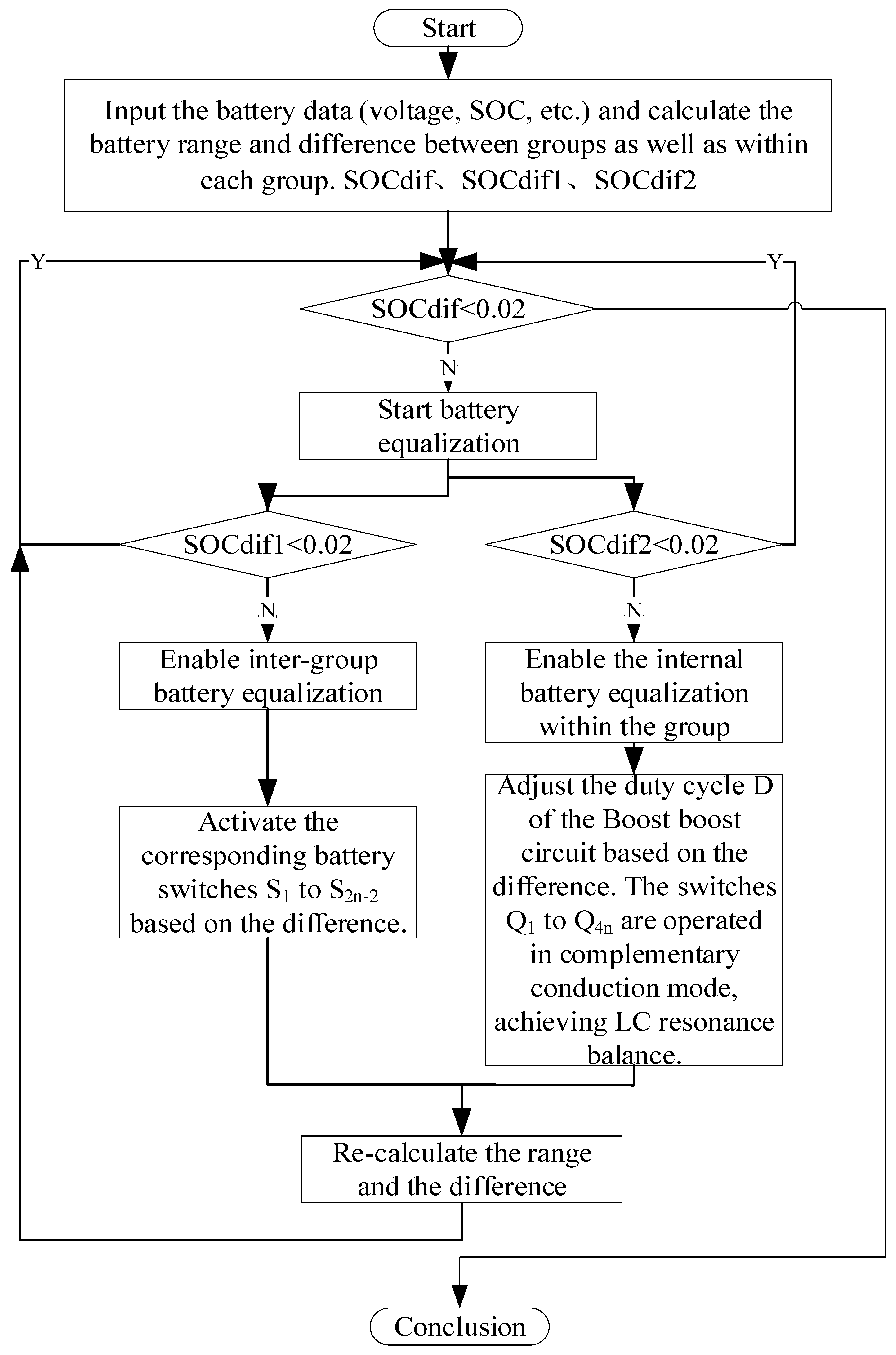
As shown in
Figure 14, the equalization process of the dual-layer LC resonant balancing circuit starts with the acquisition of battery voltages and SOC values. The overall SOC range of the battery pack, the SOC differences between adjacent battery groups, and the SOC differences between cells within each group are then calculated. Based on these quantities, the controller determines whether inter-group or intra-group equalization should be activated. For inter-group balancing, the average SOC difference between adjacent battery groups is evaluated, and equalization is enabled only when the corresponding difference exceeds the preset threshold of 0.02. For intra-group balancing, the duty cycle of the Boost converter is adjusted according to the SOC deviation. When the SOC difference is large, the controller increases the duty cycle to enhance the equalization current and shorten the balancing time. When the SOC difference becomes small, the duty cycle is reduced to suppress excessive current, thereby mitigating thermal stress and lowering the risk of over-equalization.
3.2.2. Intra-Group Boost–LC Resonant Equalization Current Control
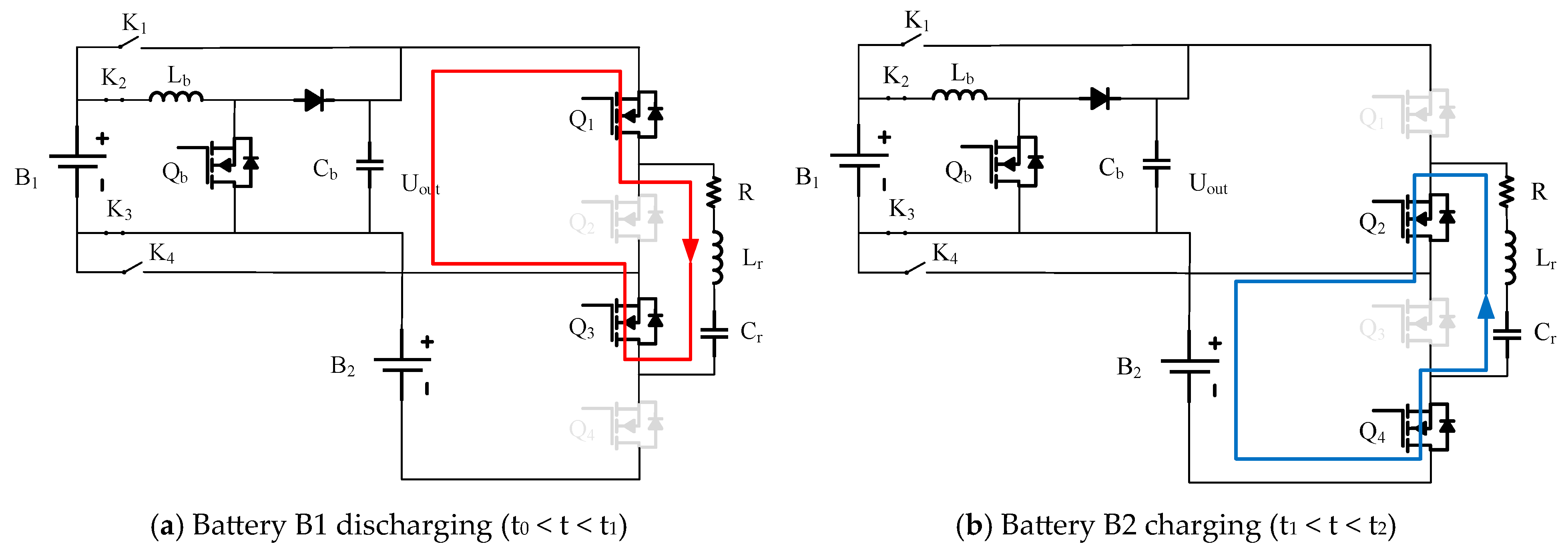
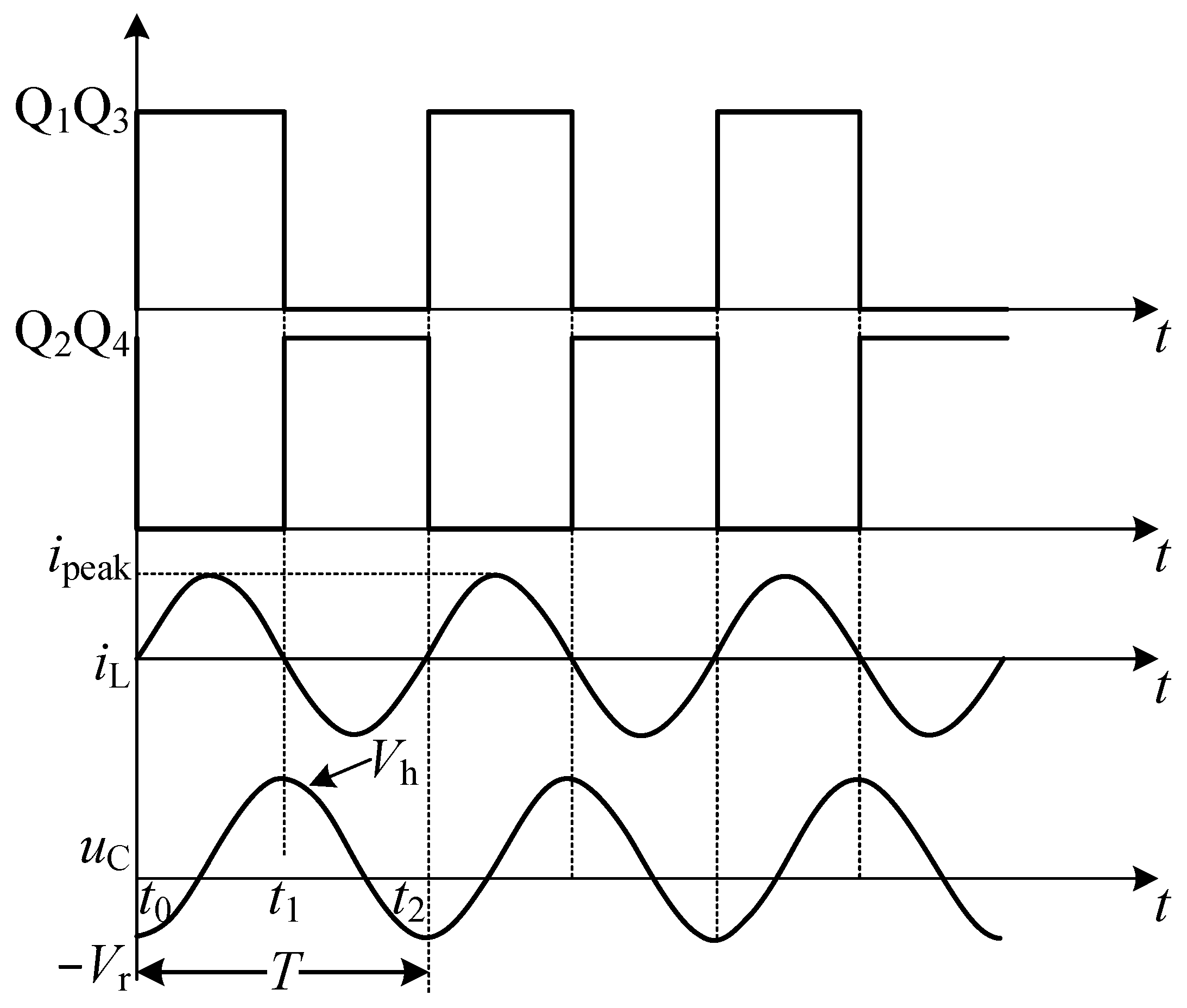
As described in
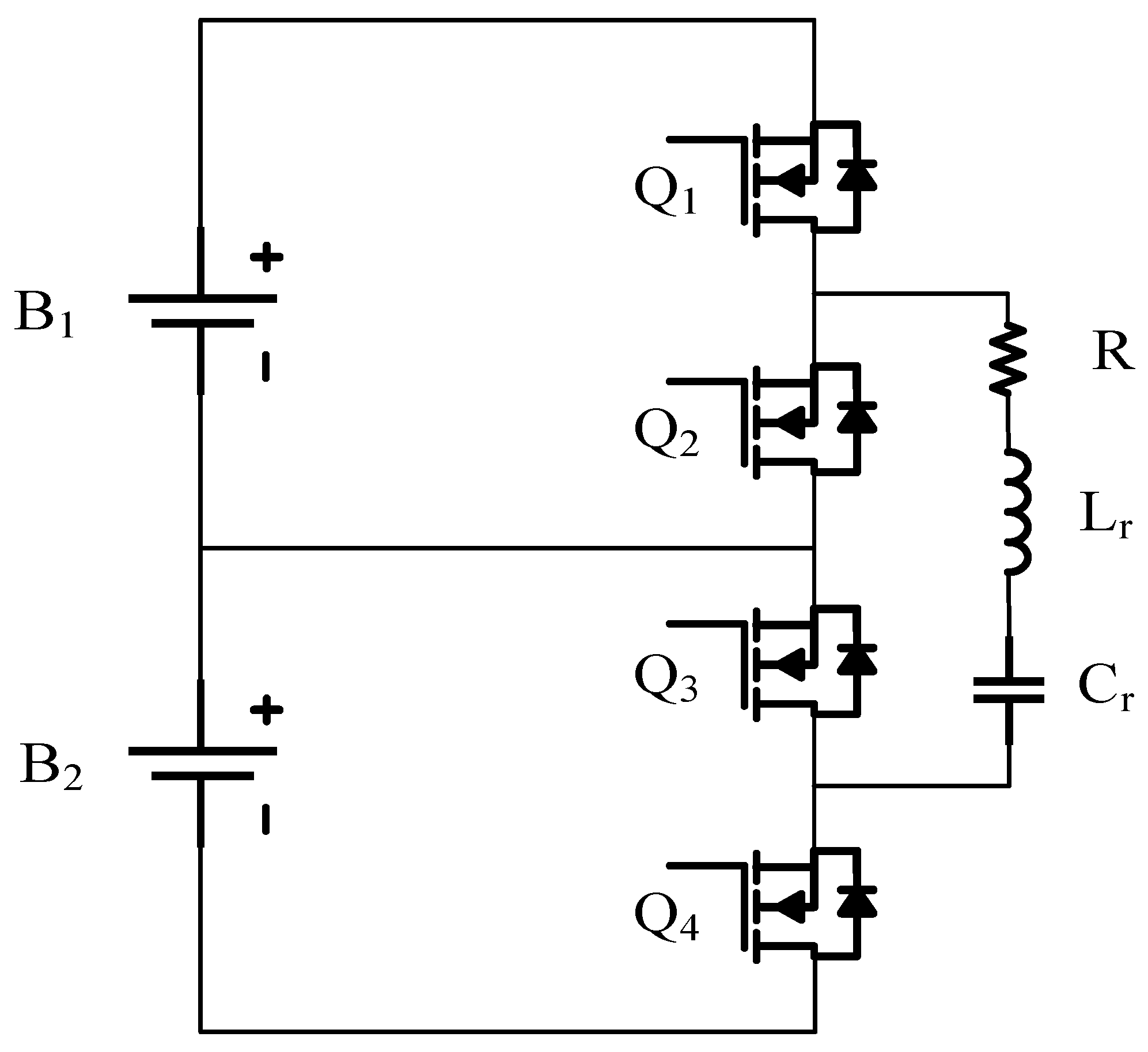
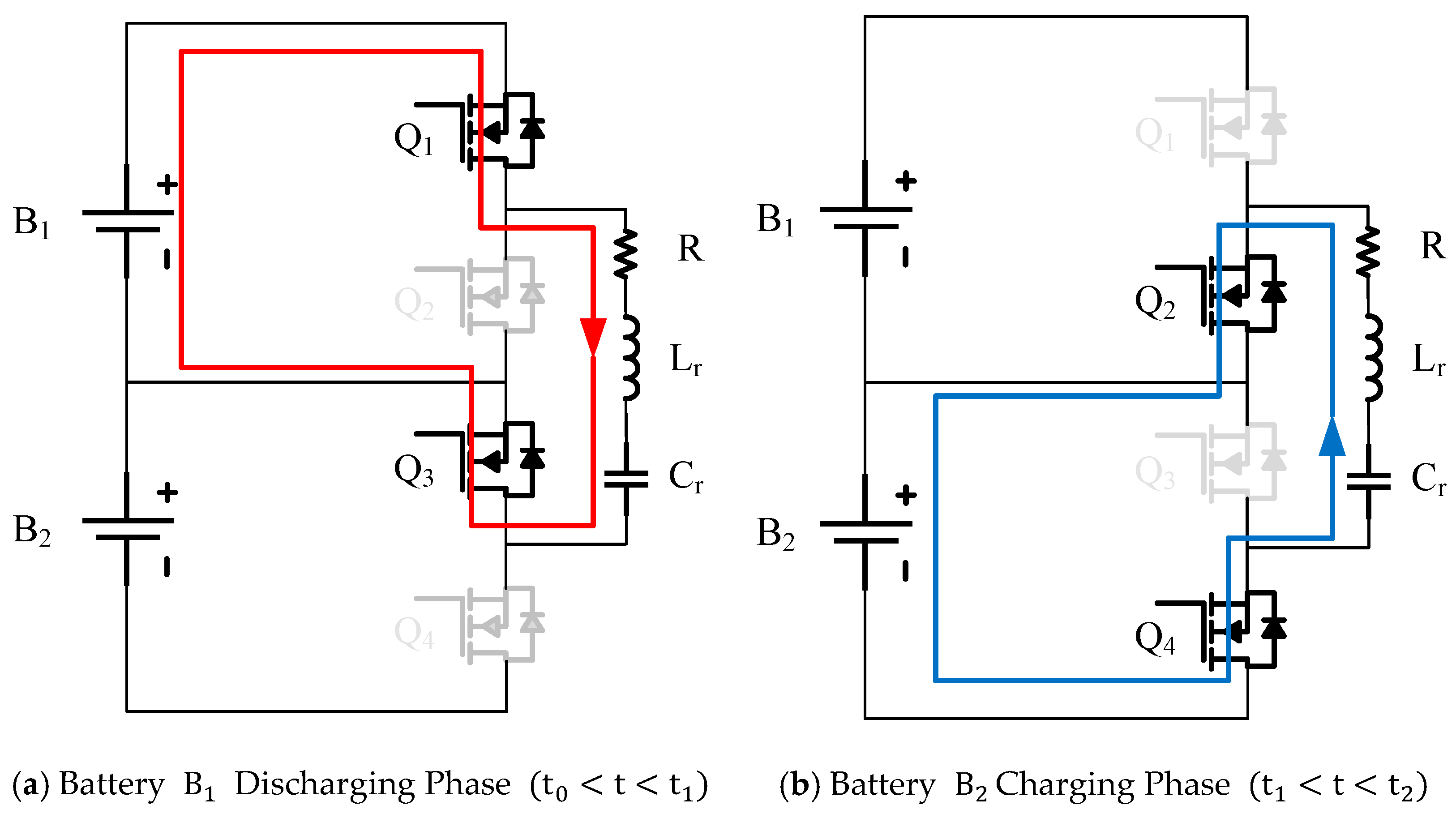
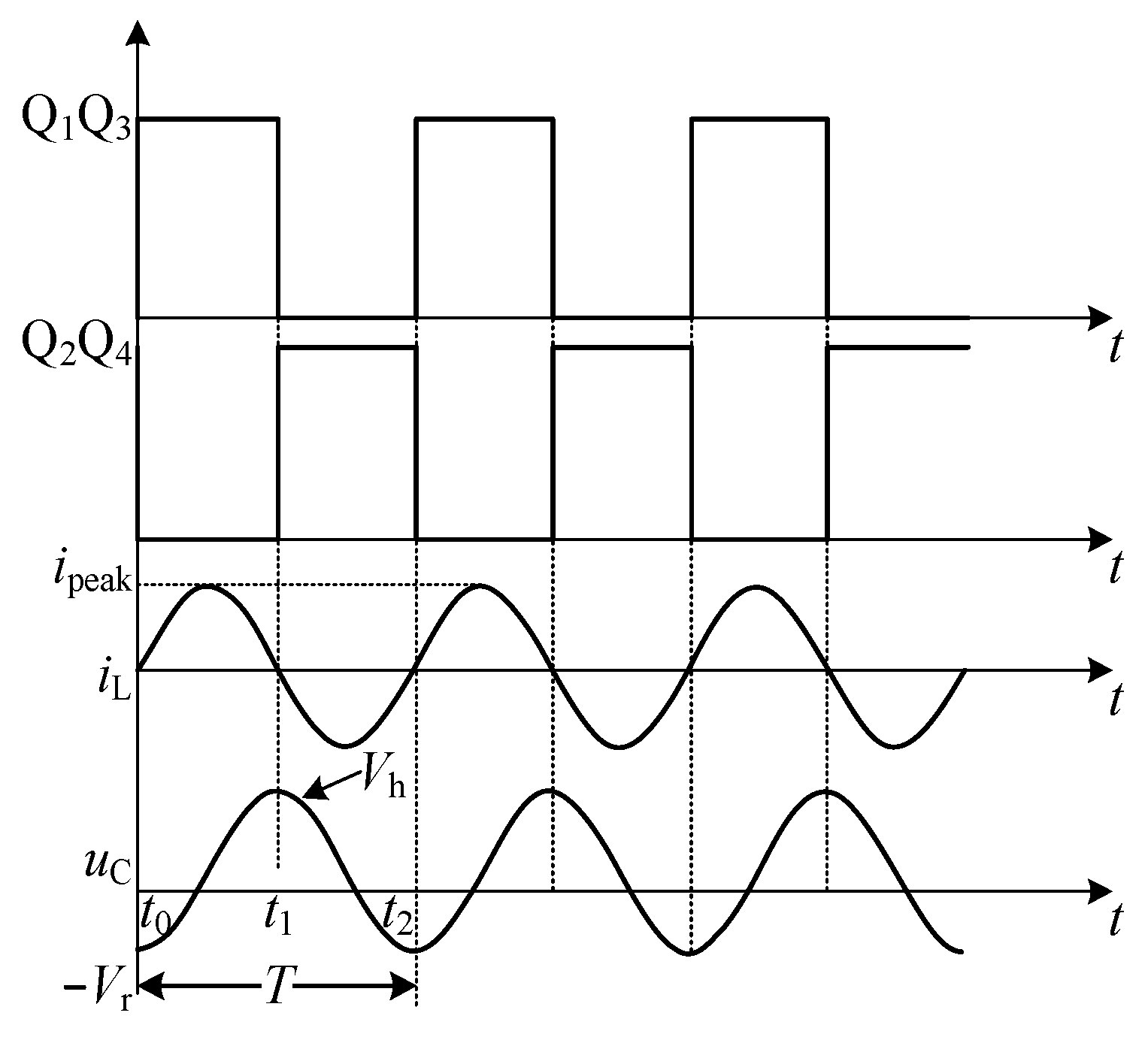
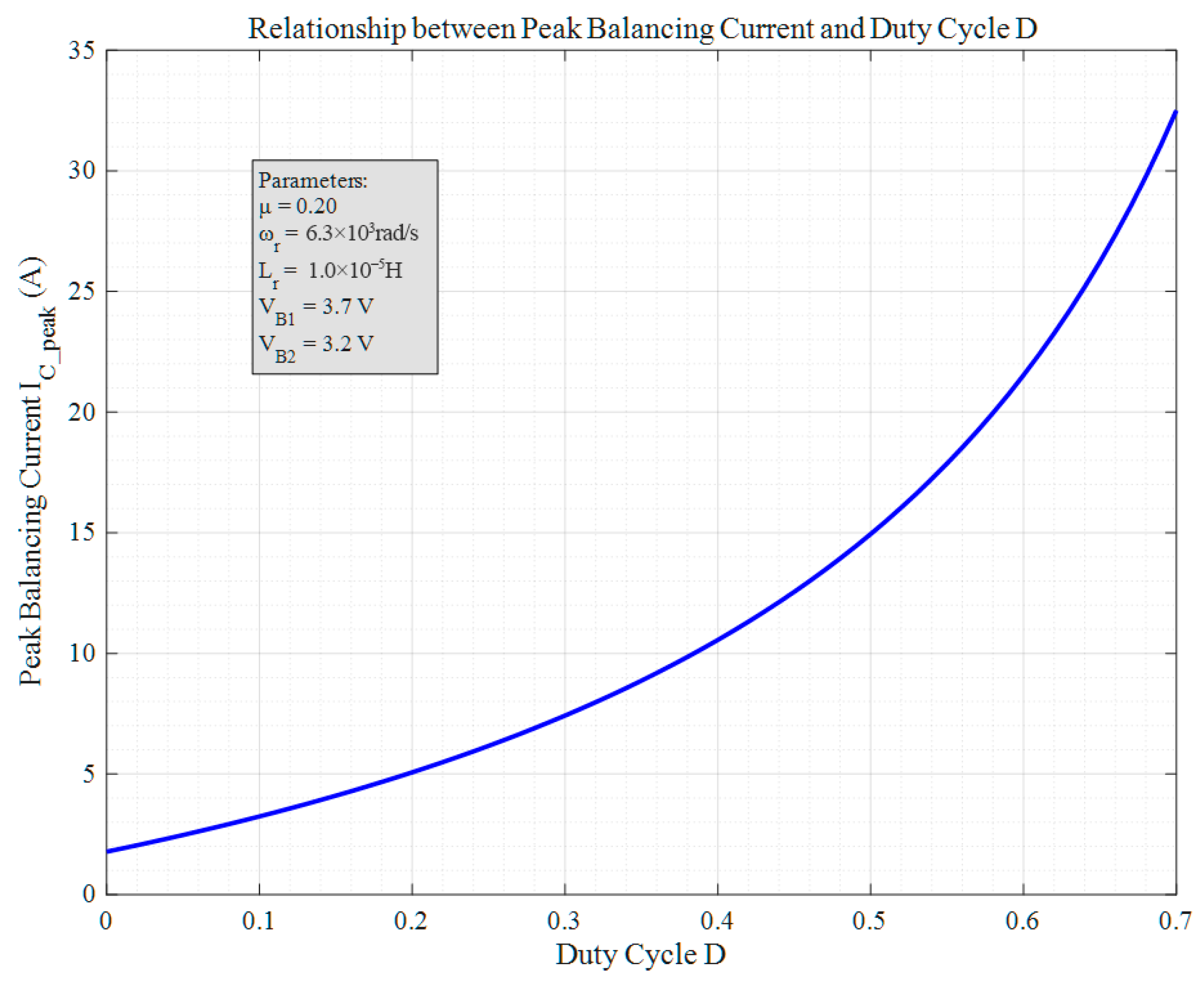
Section 2.2.2, the switching pattern of the LC resonant circuit in the intra-group Boost–LC equalization scheme is fixed: Q1, Q3, as well as Q2, Q4, operate in complementary conduction with a duty cycle of 0.5, and the switching frequency is set equal to the resonant frequency fr. Therefore, the primary control objective focuses on the Boost step-up circuit. By exploiting the relationship between the duty cycle and the peak capacitor current, a dual closed-loop SOC-based equalization current control strategy is designed. The outer loop is the SOC loop, in which the input is the SOC difference between battery B1 and battery B2, and the output is the reference value of the equalization current. The inner loop is the current loop, where the input is the deviation between the reference equalization current and the measured RMS value of the capacitor current, and the output is the duty cycle of the Boost converter. Through dual proportional–integral (PI) controllers, the equalization current—and thus the balancing speed of the battery pack—can be rapidly and accurately regulated. This control strategy effectively enhances operational safety during the equalization process and prevents the issue of excessively slow or even negligible current attenuation caused by the voltage boosting effect of the Boost–LC resonant circuit, thereby avoiding the persistence of equalization current after over-equalization has occurred.
The parameters of the PI controllers in this study are determined based on a combination of analytical insight and simulation-based tuning. Specifically, the inner current loop is designed to achieve a fast dynamic response with sufficient damping, while ensuring stability of the LC resonant system. The outer SOC loop is tuned to operate at a slower time scale to avoid interaction with the inner loop and to ensure smooth convergence of the equalization process.
In practice, the PI parameters are adjusted iteratively in MATLAB/Simulink to achieve a compromise between response speed, overshoot, and system stability under different operating conditions. This approach is widely adopted in power electronics applications where the system exhibits nonlinear and time-varying characteristics.
From a control perspective, the inner current loop behaves similarly to a type-1 system due to the integral action of the PI controller, while the outer SOC loop provides additional integral regulation to eliminate steady-state SOC error. However, due to the nonlinear characteristics of the Boost–LC system, the controller parameters are primarily tuned based on dynamic performance requirements rather than strict analytical design.
The detailed block diagram of the SOC-based dual closed-loop equalization current control for the Boost–LC resonant balancing circuit is shown in
Figure 15.
As shown in
Figure 15, the SOC-based dual closed-loop control block diagram for the Boost–LC resonant balancing circuit is presented. By utilizing the SOC difference and the current error as control inputs, the equalization current is precisely regulated, enabling adaptive equalization of the Boost–LC resonant circuit. This strategy enhances balancing speed while further improving the operational safety of the Boost–LC resonant equalization system.
3.2.3. Inter-Group Switched-Inductor Equalization Current Control
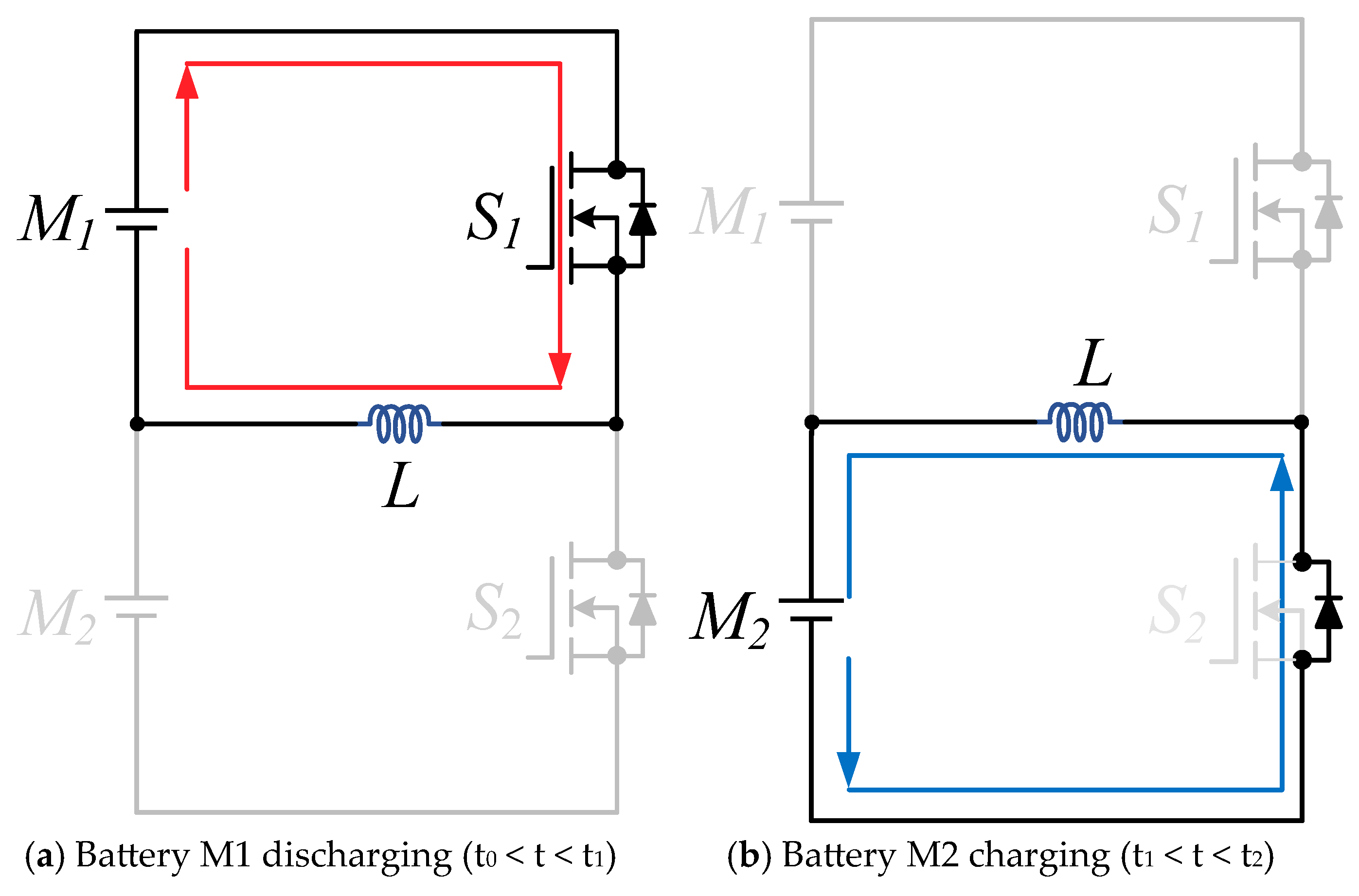
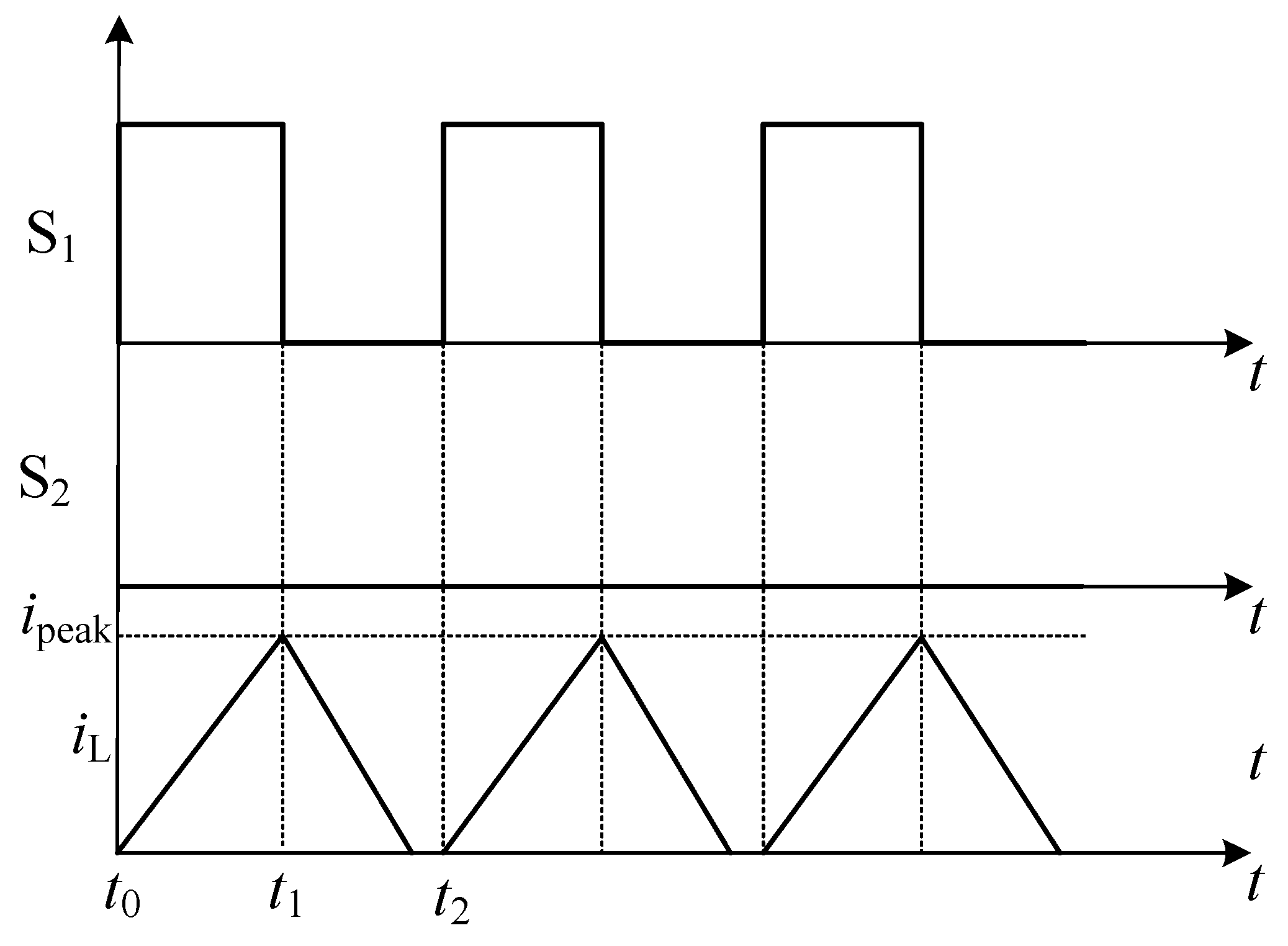
The control of the inter-group switched-inductor balancing circuit is relatively simpler than that of the Boost–LC resonant balancing circuit. This is primarily because the relationship between the duty cycle and the equalization current is straightforward. When the duty cycle, voltage, and switching period are fixed, the equalization current in discontinuous conduction mode (DCM) exhibits an approximately linear relationship with the duty cycle. Therefore, the SOC-based dual closed-loop current control strategy developed for the Boost–LC resonant circuit can also be applied to the switched-inductor balancing circuit, although the corresponding PI parameters require further tuning.
The block diagram of the SOC-based dual closed-loop equalization current control for the switched-inductor balancing circuit is shown in
Figure 16.
As shown in
Figure 16, the SOC-based dual closed-loop equalization current control for the switched-inductor balancing circuit differs from that of the Boost–LC resonant balancing circuit primarily in the control object. By appropriately adjusting the PI parameters, the SOC-based dual closed-loop equalization current control can be implemented for both inter-group and intra-group balancing.
5. Conclusions
The present study addresses the limitations of traditional LC resonant battery equalization circuits, namely, slow balancing speed constrained by individual cell voltage differences, poor scalability for multi-cell systems, and susceptibility to over-equalization. A dual-layer LC resonant balancing circuit combined with an SOC-based dual closed-loop control strategy is proposed. Within each battery group, a Boost–LC resonant architecture actively increases the effective voltage differential while maintaining the soft-switching, low-loss characteristics. Between groups, a switched-inductor structure is introduced to enable flexible expansion for large-capacity battery packs. SOC is selected as the equalization variable, and a coordinated dual closed-loop control strategy is designed, with the SOC difference forming the outer loop and the current deviation forming the inner loop. Dual PI controllers adaptively regulate the equalization current, effectively mitigating false equalization and over-equalization.
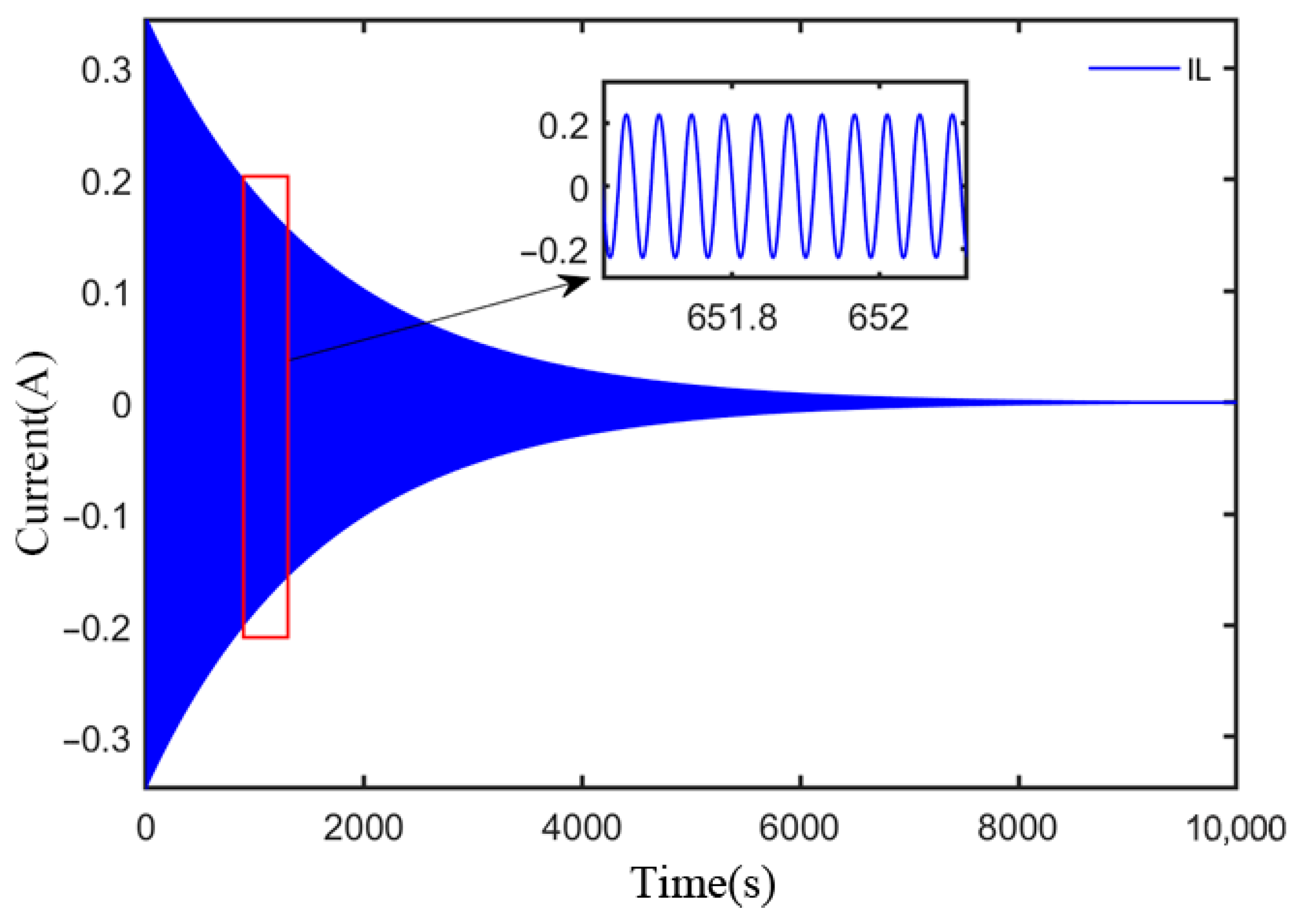
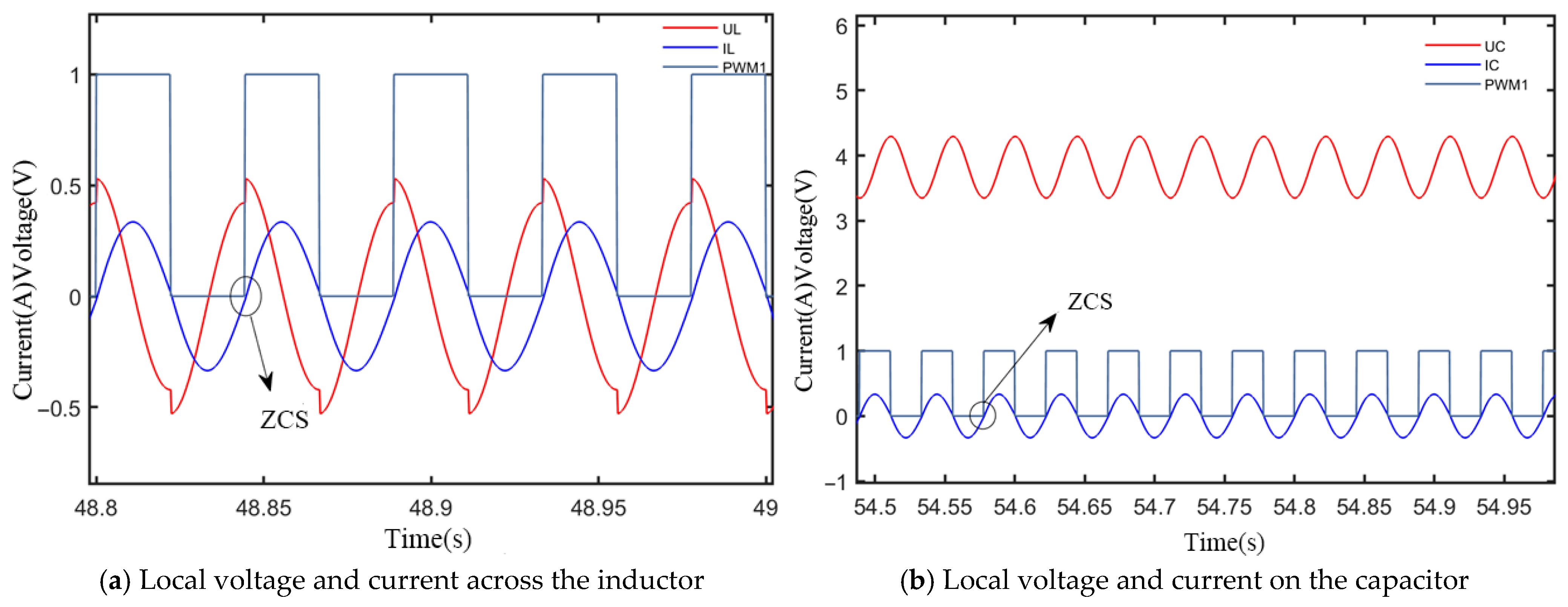
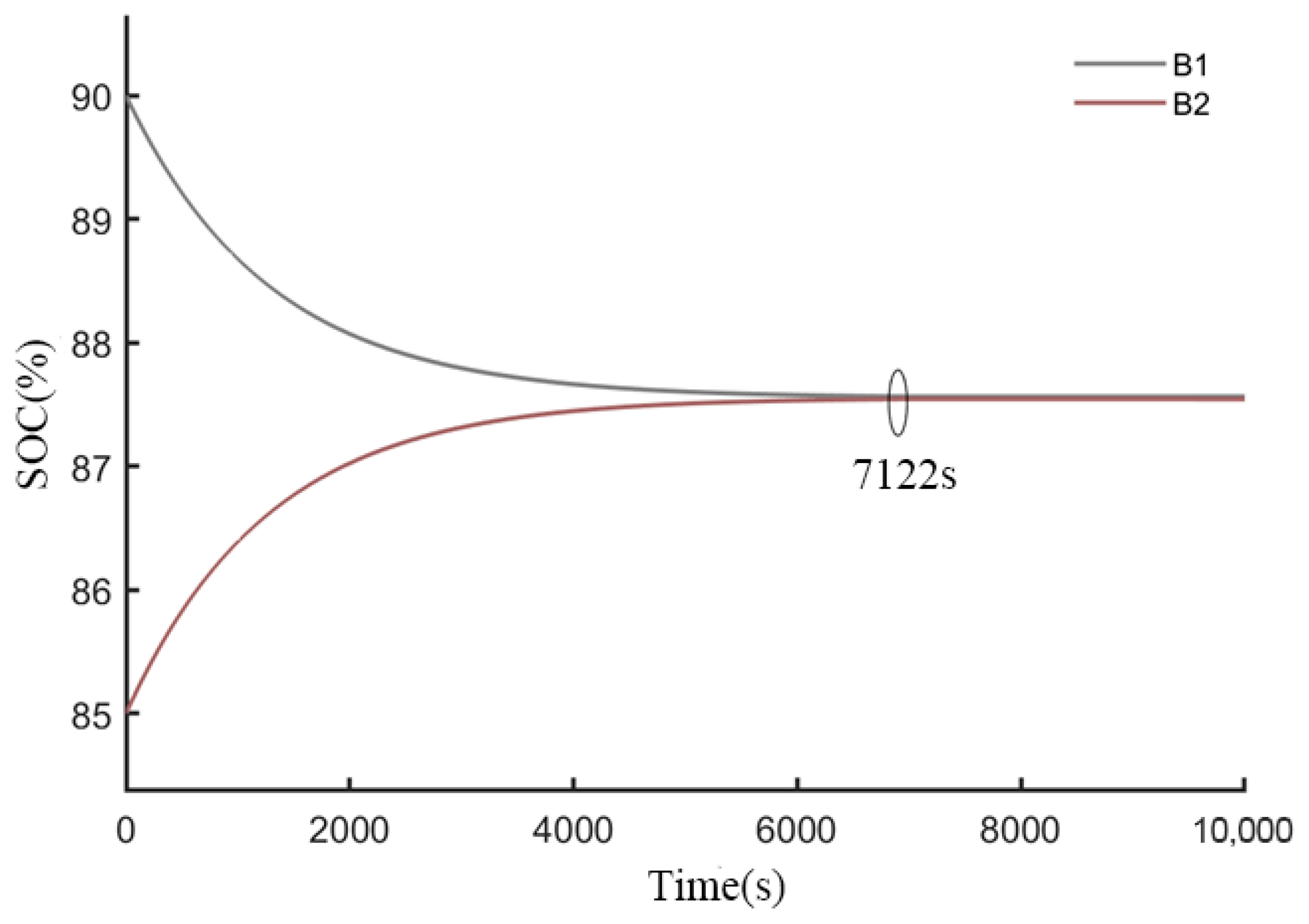
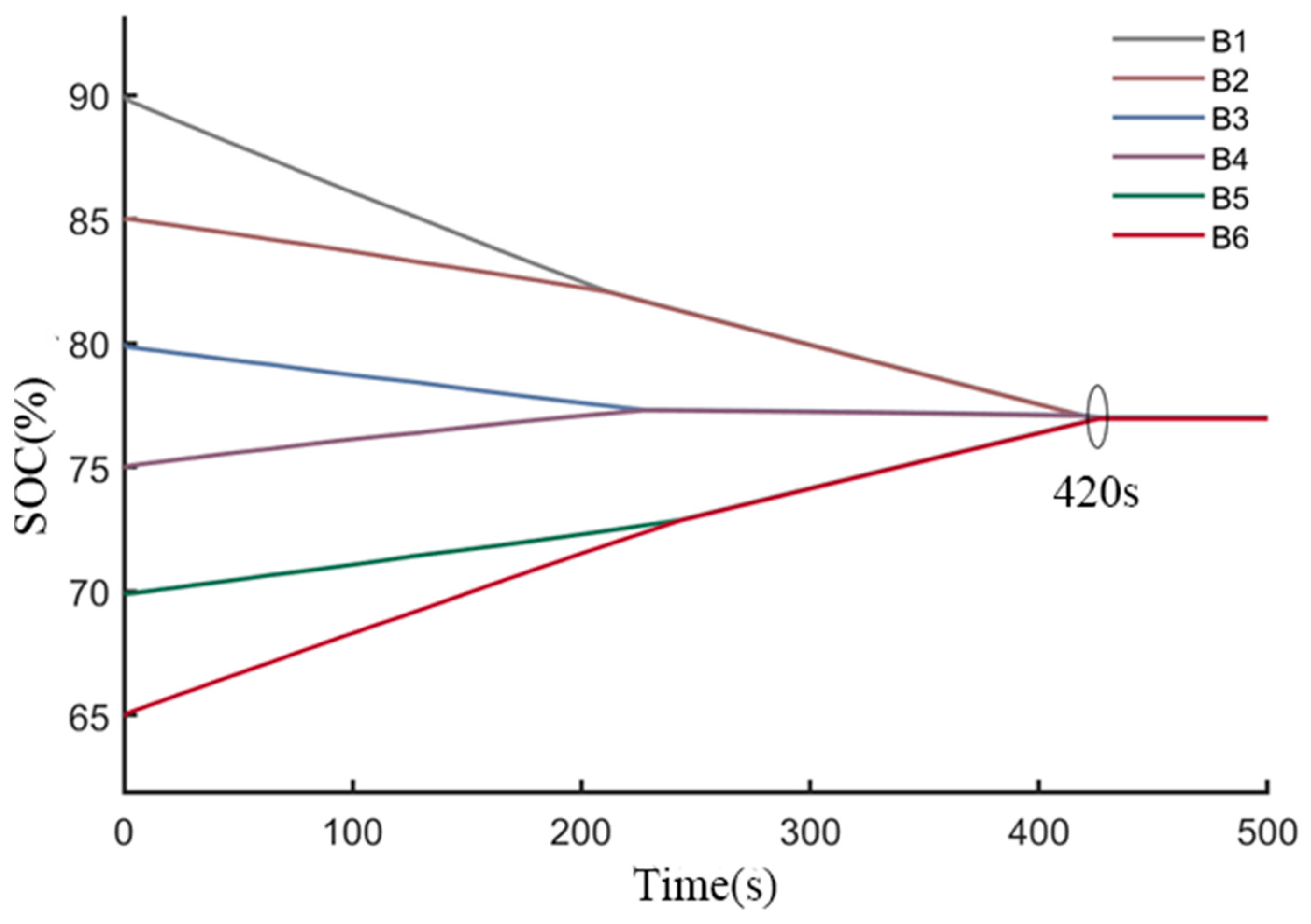
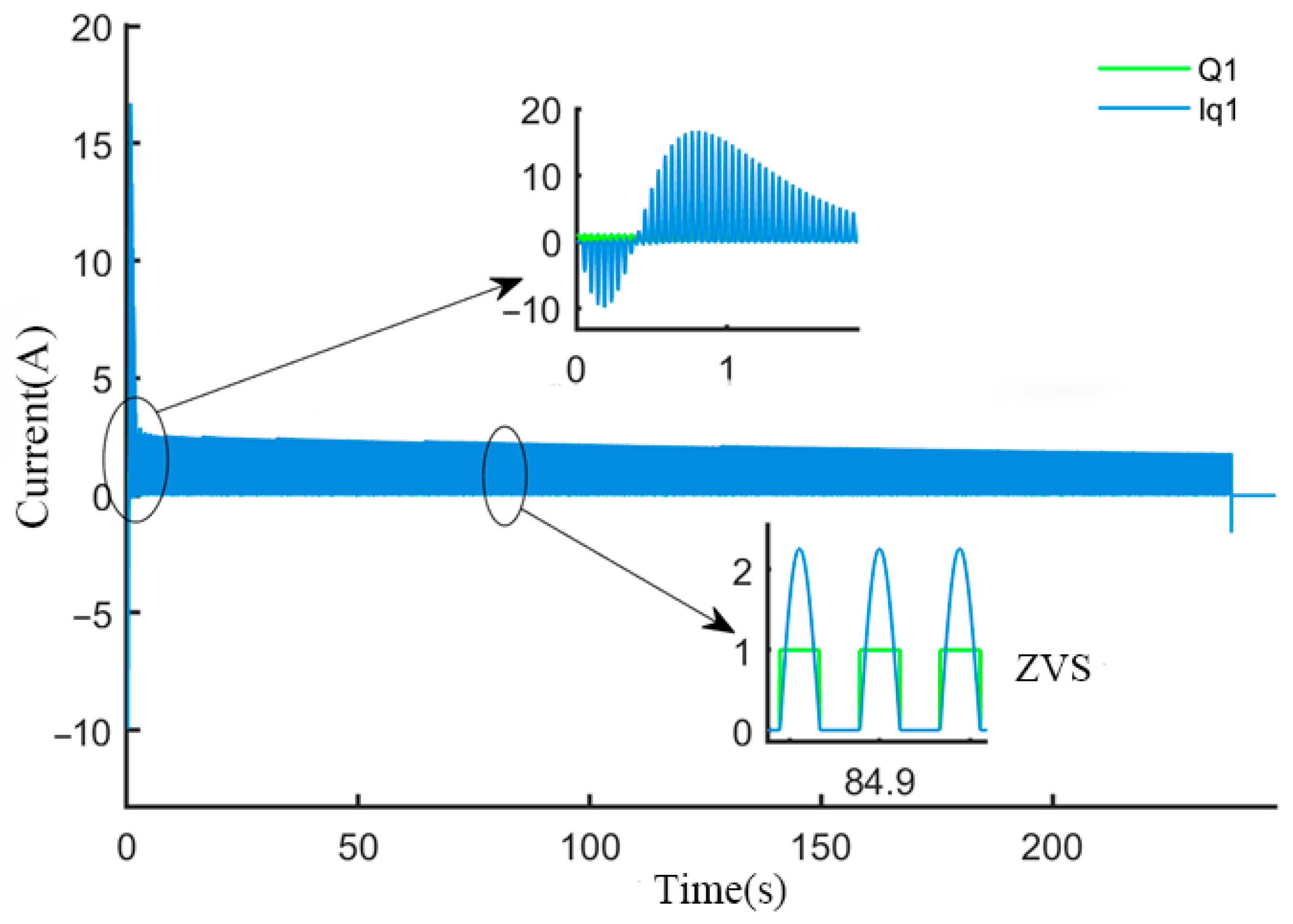
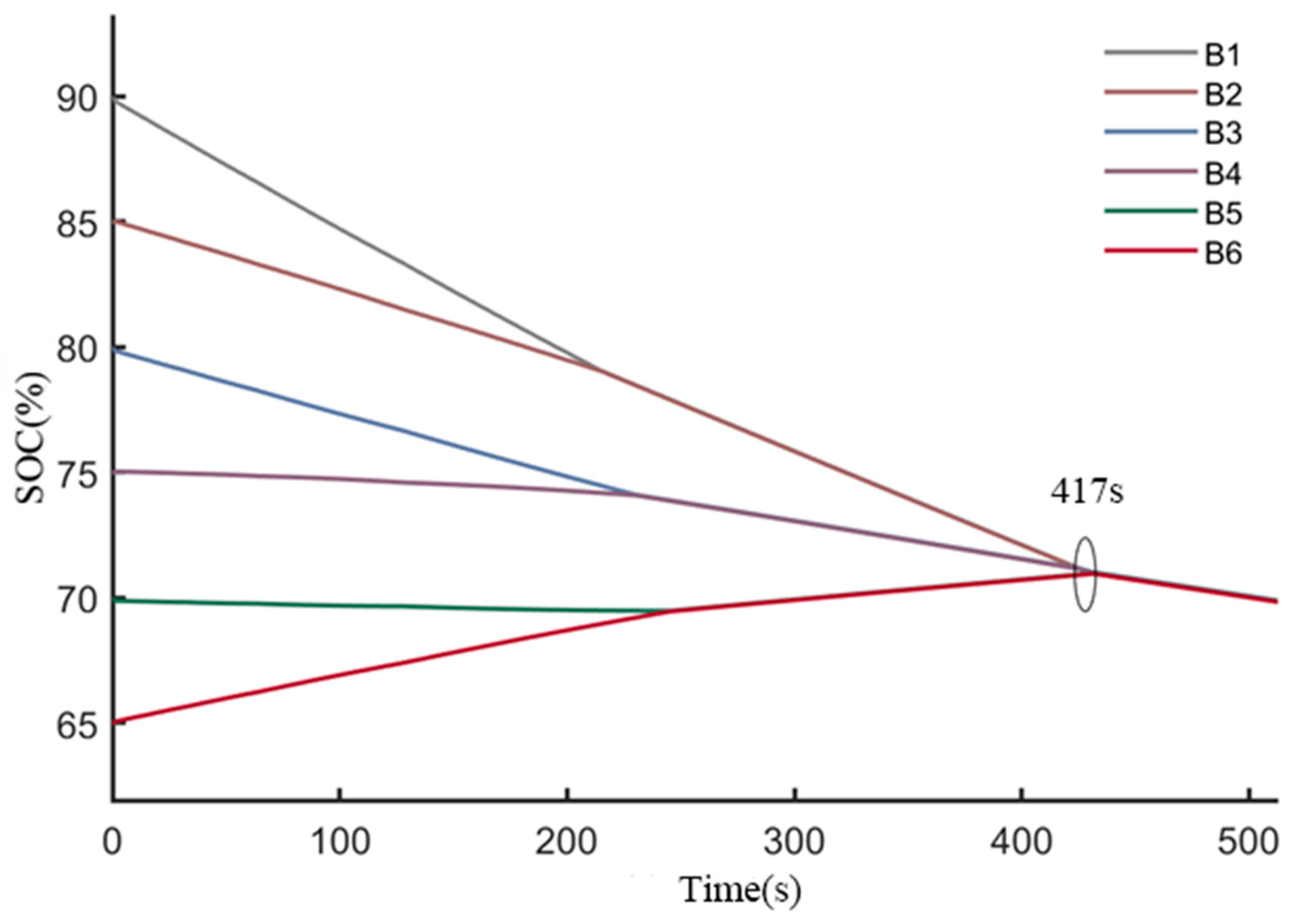
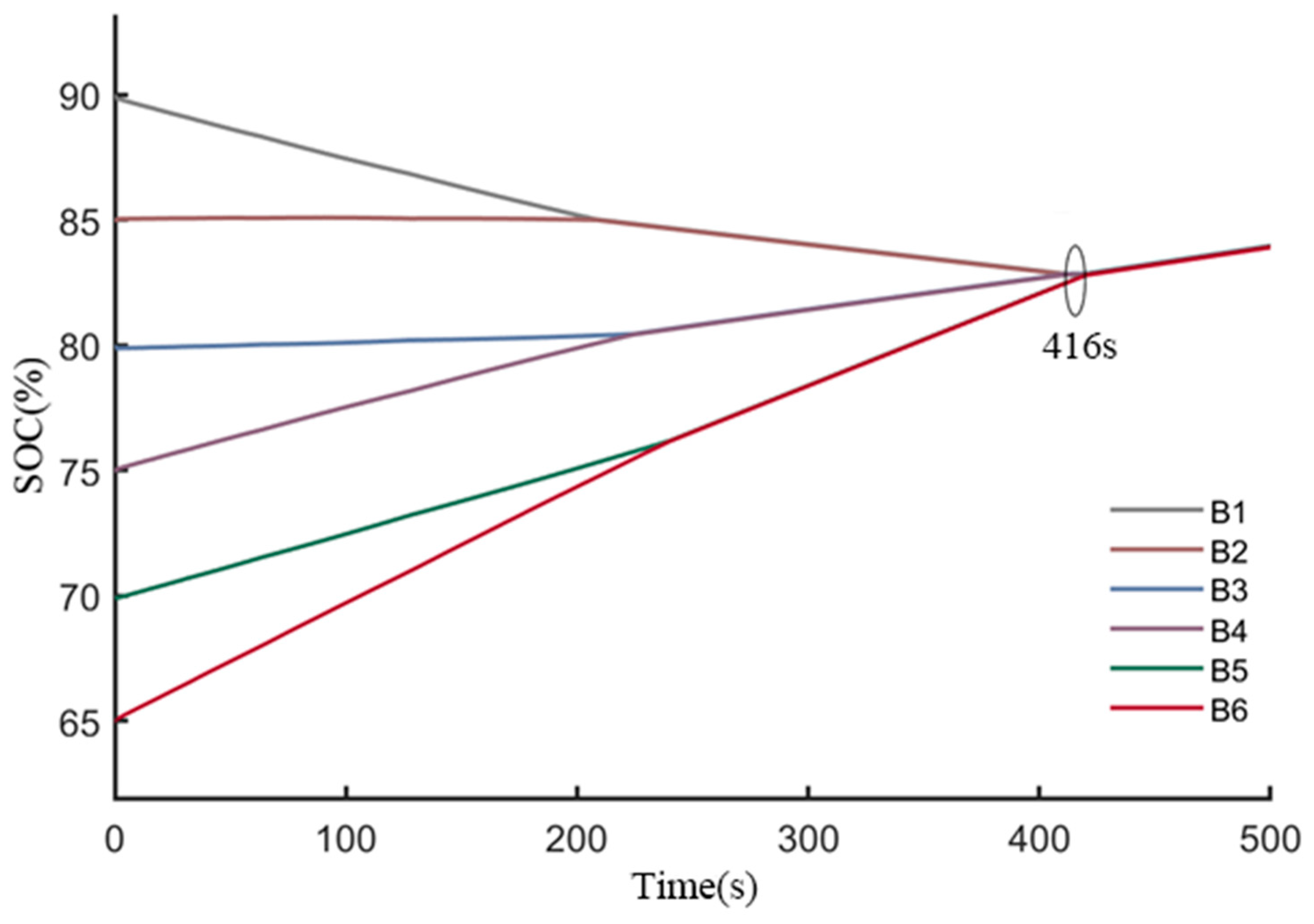
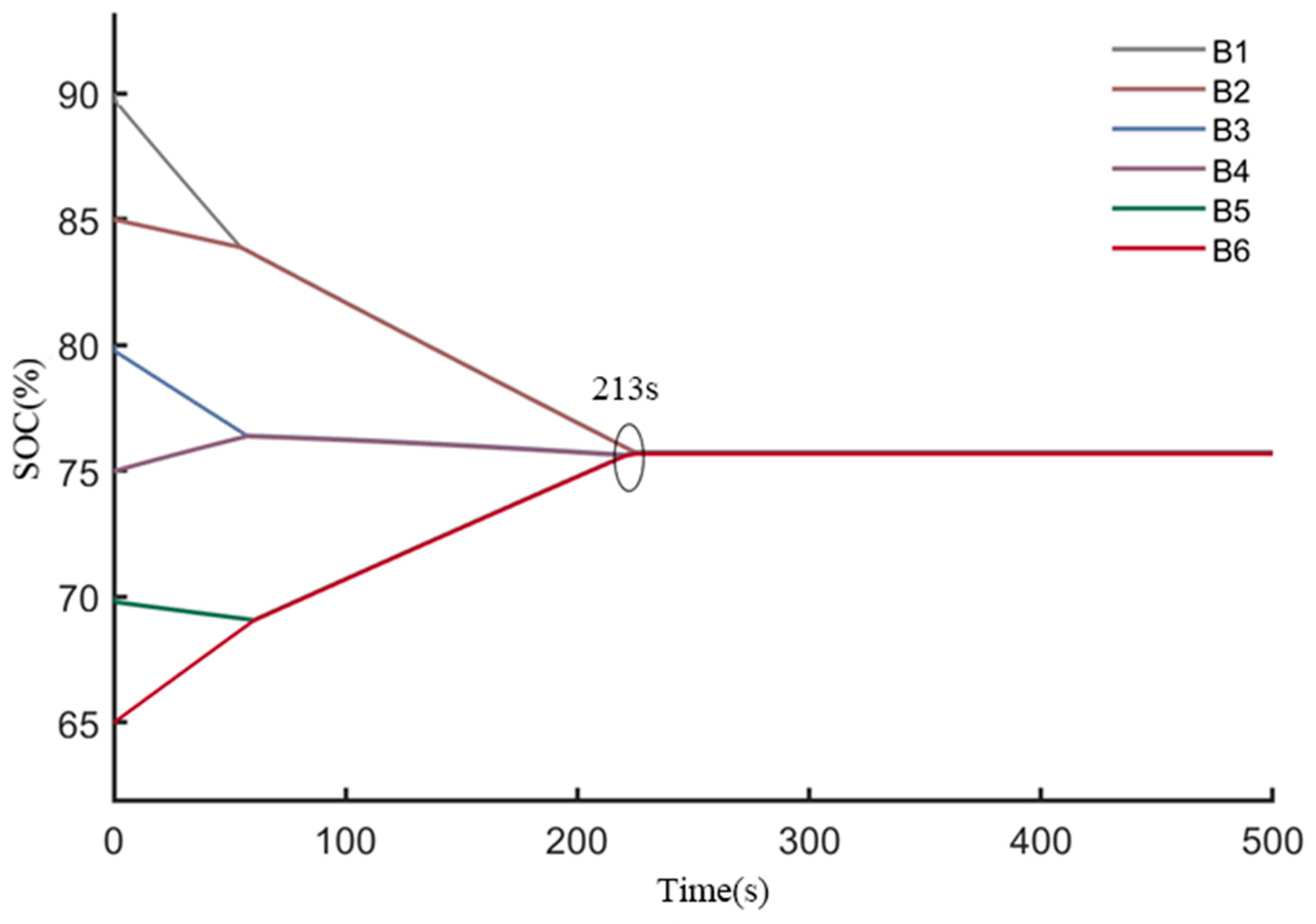
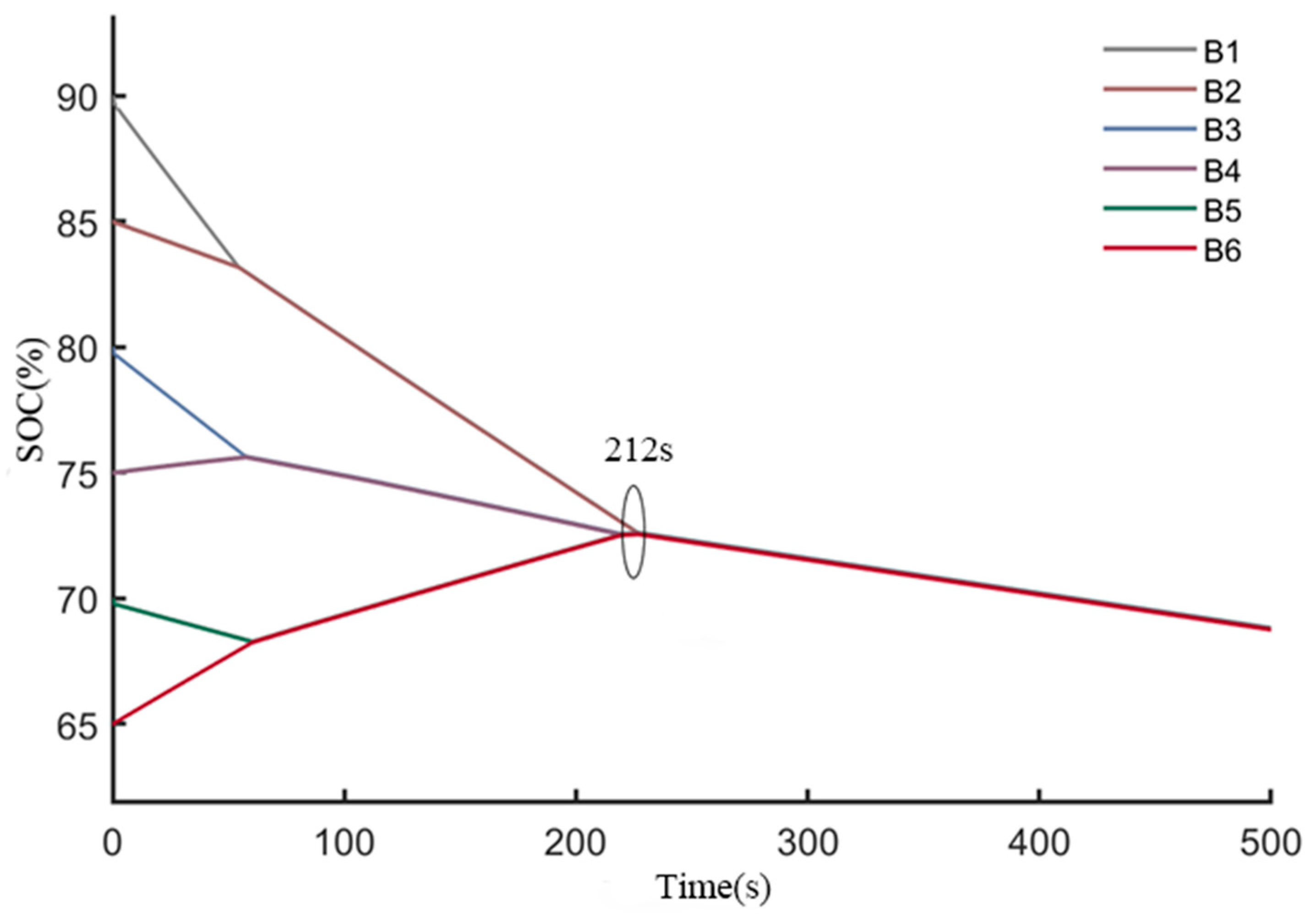
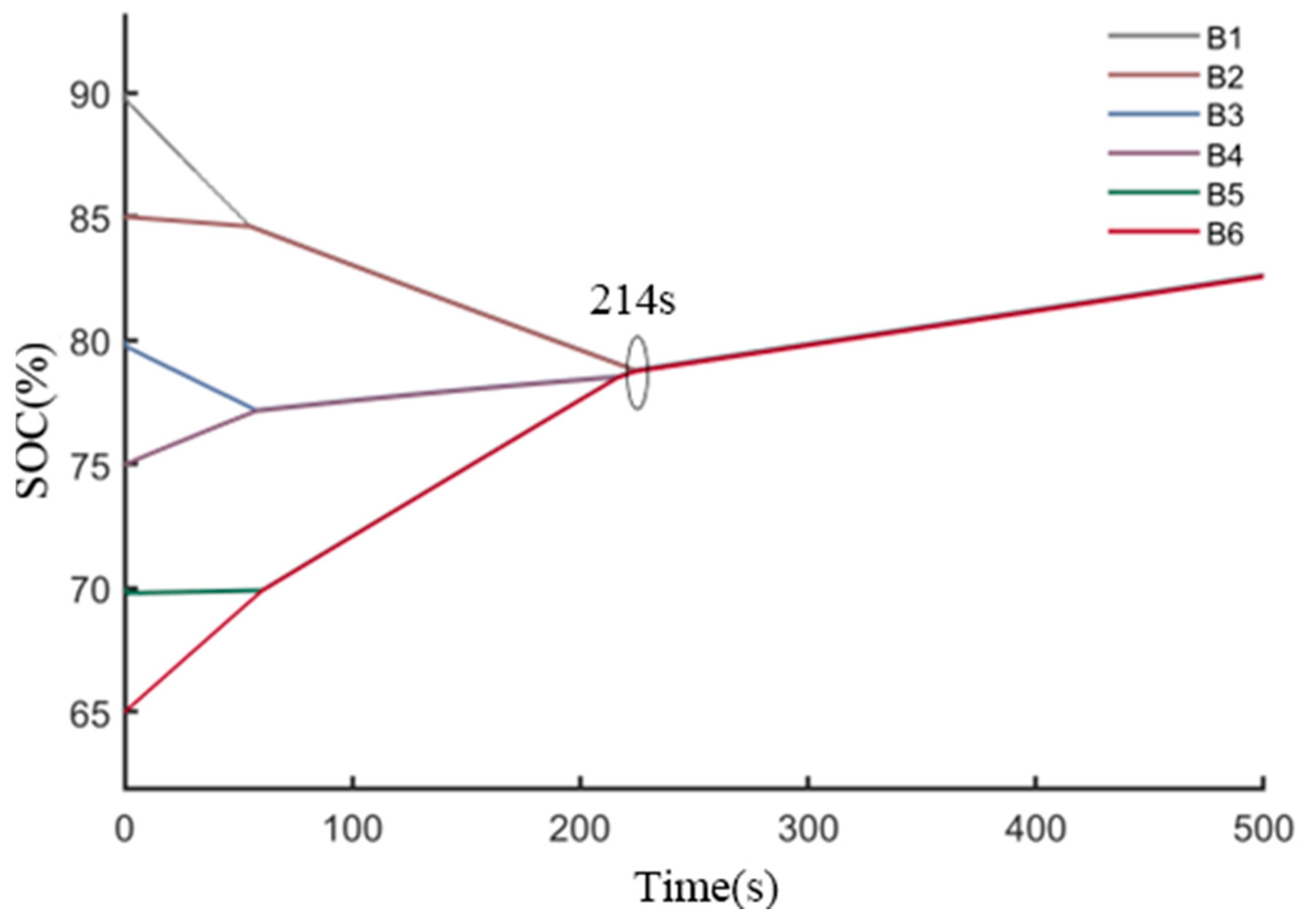
A MATLAB/Simulink model is established to validate the proposed approach under idle, 1 A charging, and 1 A discharging conditions. Simulation results demonstrate that the proposed topology reduces the equalization time from 7000 s in conventional circuits to 420 s under fixed duty cycle control. The dual closed-loop control further increases the average equalization speed by 49%, compressing the total equalization time to approximately 210 s. Moreover, the relative error of equalization time across the three operating conditions is below 1%, indicating excellent adaptability and stability. The approach also preserves zero-current switching (ZCS) characteristics, achieving high efficiency and low losses.
This study successfully enhances the speed, scalability, and control precision of LC resonant balancing circuits simultaneously. Further improvements remain possible, such as optimizing the Boost converter parameters to mitigate initial current spikes and reverse currents, developing a dual-variable equalization scheme incorporating SOH, and constructing a hardware platform for experimental validation. Overall, the proposed approach effectively addresses the core limitations of traditional LC resonant equalization circuits, significantly improves battery pack balancing performance, and offers strong engineering value for applications in electric vehicles, renewable energy storage, and other fields, providing theoretical and technical support for the advancement of battery management system equalization technology.