1. Introduction
With the rapid development of the low-altitude economy, small multi-rotor UAVs are profoundly transforming both industrial processes and daily life. Thanks to their wide field of view, compact size, and high maneuverability, they are widely employed in both military and civilian domains [
1,
2]. In the military context, amid persistently tense international relations, UAVs have demonstrated irreplaceable strategic value in critical combat operations in modern warfare [
3]. In civilian applications, they are primarily used for geographic surveying, traffic monitoring, disaster relief, and agricultural operations [
3,
4,
5,
6]. Rapid advances in UAV technology have brought significant benefits. Alternatively, unauthorized “black flights” and unsafe operations pose serious threats to public safety and national security. These risks mainly arise from incomplete regulatory frameworks and the widespread use of unregistered UAVs [
7,
8,
9,
10]. Malicious activities include privacy violations, smuggling contraband, and attacks on critical infrastructure such as airports and nuclear power plants. As UAV use expands and small UAVs increasingly enter controlled airspace, effective countermeasures are urgently required. Detection is the foundation of such control measures. Due to UAVs’ small size and high-speed agility, modern anti-UAV systems primarily rely on a combination of sensors [
11,
12,
13]. UAV detection mainly employs four approaches: radar, audio, visual, and radio-frequency (RF) [
14]. Nevertheless, practical applications reveal limitations: radar is expensive and cannot operate effectively around obstacles, audio detection has a limited range, and visual detection is highly sensitive to lighting conditions. In contrast, RF-based detection technology effectively overcomes these constraints, offering superior environmental adaptability and detection stability.
In recent years, researchers worldwide have proposed many UAV identification methods. These methods fall into two main categories: traditional techniques and AI-based approaches. For example, Nie et al. [
15] extracted the axial integral bispectrum (AIB), square integral bispectrum (SIB), and fractal dimension (FD) from UAV time-domain signals as RF fingerprints. They then applied principal component analysis (PCA) and domain component analysis for dimensionality reduction, followed by machine learning algorithms for classification. Nguyen et al. [
16] classified UAVs using time-domain features such as packet count, average packet size, and average inter-arrival time. However, this method requires substantial prior information, limiting its practicality in real-world scenarios. C. Xu et al. [
17] transformed single-transient control and video signals using the short-time Fourier transform (STFT) to obtain their time–frequency–energy distribution characteristics. PCA was used for dimensionality reduction. The resulting RF signal features were then used to train support vector machine (SVM) and k-nearest neighbor (KNN) classifiers to detect and count intruding UAVs. Nevertheless, due to the inherent limitations of STFT, the resulting images often fail to capture detailed RF signal information, leading to suboptimal recognition performance. REN J et al. [
18] achieved a 100% background positive detection rate using fast frequency estimation combined with time-domain correlation analysis. However, their maximum individual recognition rate of only 68.62% remains insufficient for practical applications. In summary, although these studies demonstrate the feasibility of UAV recognition using traditional algorithms, such methods generally fall short of meeting the requirements for high-precision recognition.
Meanwhile, as deep learning (DL) theory has advanced, many researchers have developed efficient DL architectures for UAV radio-frequency (RF) detection. For example, T. Huynh-The et al. [
19] introduced an RF-based detection system using the high-performance convolutional neural network RF-UAVNet to detect and classify UAV models, achieving a detection accuracy of 99.85% and a classification accuracy of 98.53%. Medaiyese et al. [
20] applied the wavelet scattering transform to convert UAV flight control signals into scatter plots, which were then input into a convolutional neural network (CNN) for training. Kumbasar et al. [
21] transformed one-dimensional RF signals into two-dimensional representations—spectrograms, persistence spectrograms, and percentile spectrograms—and utilized their HMFFNet model for UAV classification. Since UAV RF signals are typically non-stationary, many studies employ time–frequency analysis algorithms to extract spectral features for identification. Basak S et al. [
22] proposed a novel UAV detection and model classification framework based on the YOLO algorithm. Delleji [
23] improved the baseline YOLOv8 model to develop RF-YOLO. By converting UAV signals into time–frequency plots, RF-YOLO achieved a mean average precision (mAP) of 0.9213, a precision of 0.9800, and a recall of 0.9750. The model was also evaluated using a time–frequency map dataset generated from customized UAV remote controller RF signals under various signal-to-noise ratios (SNRs). The latest RT-DETR (Real-Time Detection Transformer) models, based on the Transformer architecture [
24,
25], have optimized both speed and accuracy for real-time tasks. Nonetheless, their overall performance has not yet surpassed that of some improved YOLO models.
Overall, researchers worldwide have achieved high UAV detection and model recognition performance using general object detection methods, and many studies further optimize these approaches. However, existing UAV detection and classification methods are primarily limited to single-aircraft or heterogeneous multi-aircraft scenarios. They struggle to achieve high-precision identification of individual UAVs in scenarios involving multiple flights of the same model. For applications such as border patrol, traffic control, and major sporting events, authorized and unauthorized UAV signals may coexist, while existing full-band suppression methods indiscriminately disrupt all communications. Therefore, developing efficient feature extraction and classification techniques capable of distinguishing different individuals of the same UAV model is critical.
Based on the above analysis, existing methods show two main limitations in identifying individual UAVs of the same model. In complex electromagnetic environments, traditional approaches struggle to separate target signals and rely heavily on handcrafted features. In contrast, YOLO-based visual methods use low-resolution spatiotemporal maps, which limits their ability to capture discriminative steady-state and transient features. In addition, the deep network downsampling process can obscure fine-grained signal details under high-level semantic representations. To address these issues, this study improves both signal representation and network architecture. High-resolution preprocessing is used to enhance signal purity and feature separability. A lightweight and task-specific network is then designed to achieve robust individual recognition while suppressing interference. By combining signal processing with deep learning, the proposed approach improves discrimination in distinguishing different individuals of the same UAV model.
The main innovations and contributions of this paper are summarized as follows:
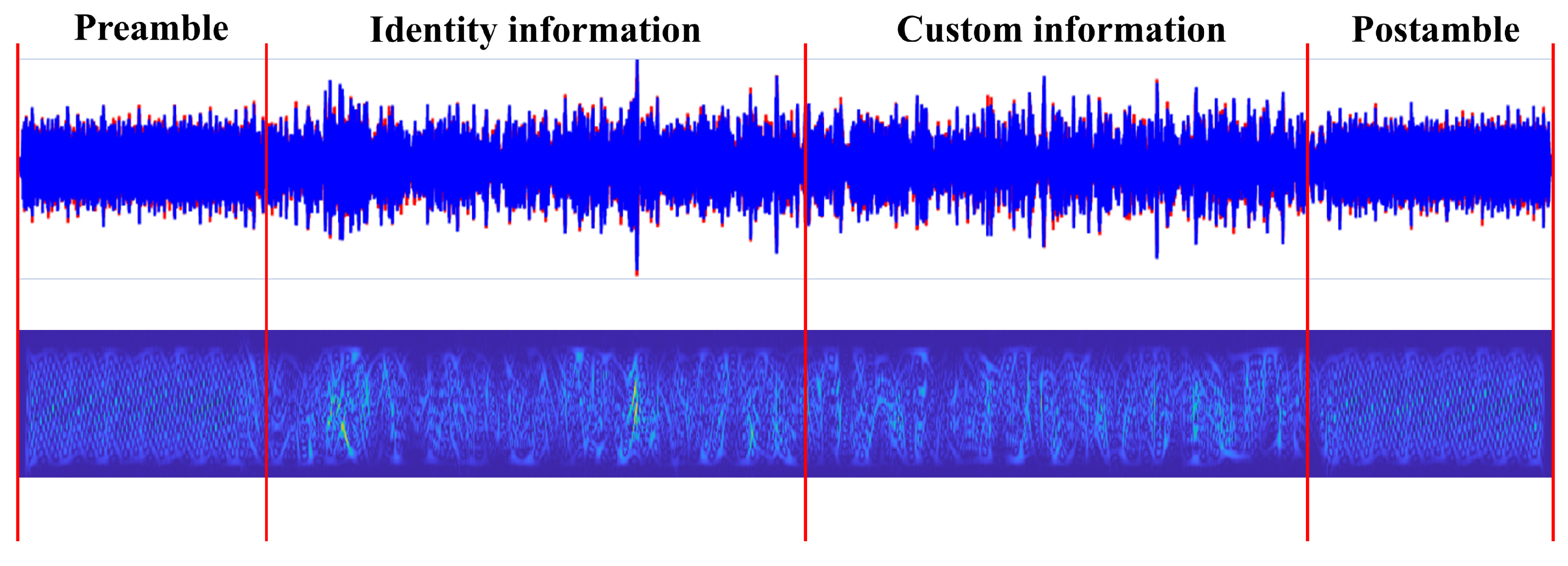
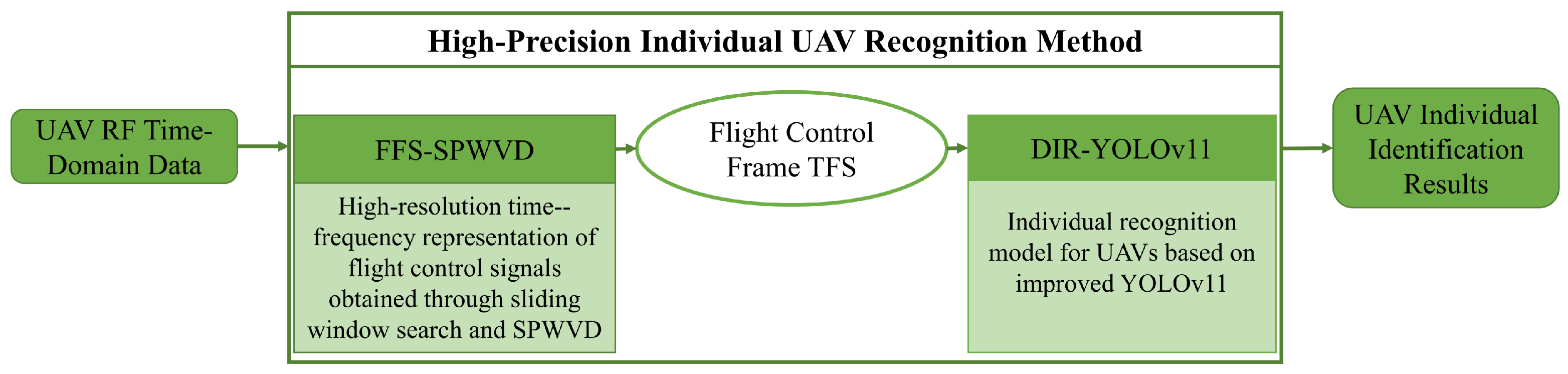
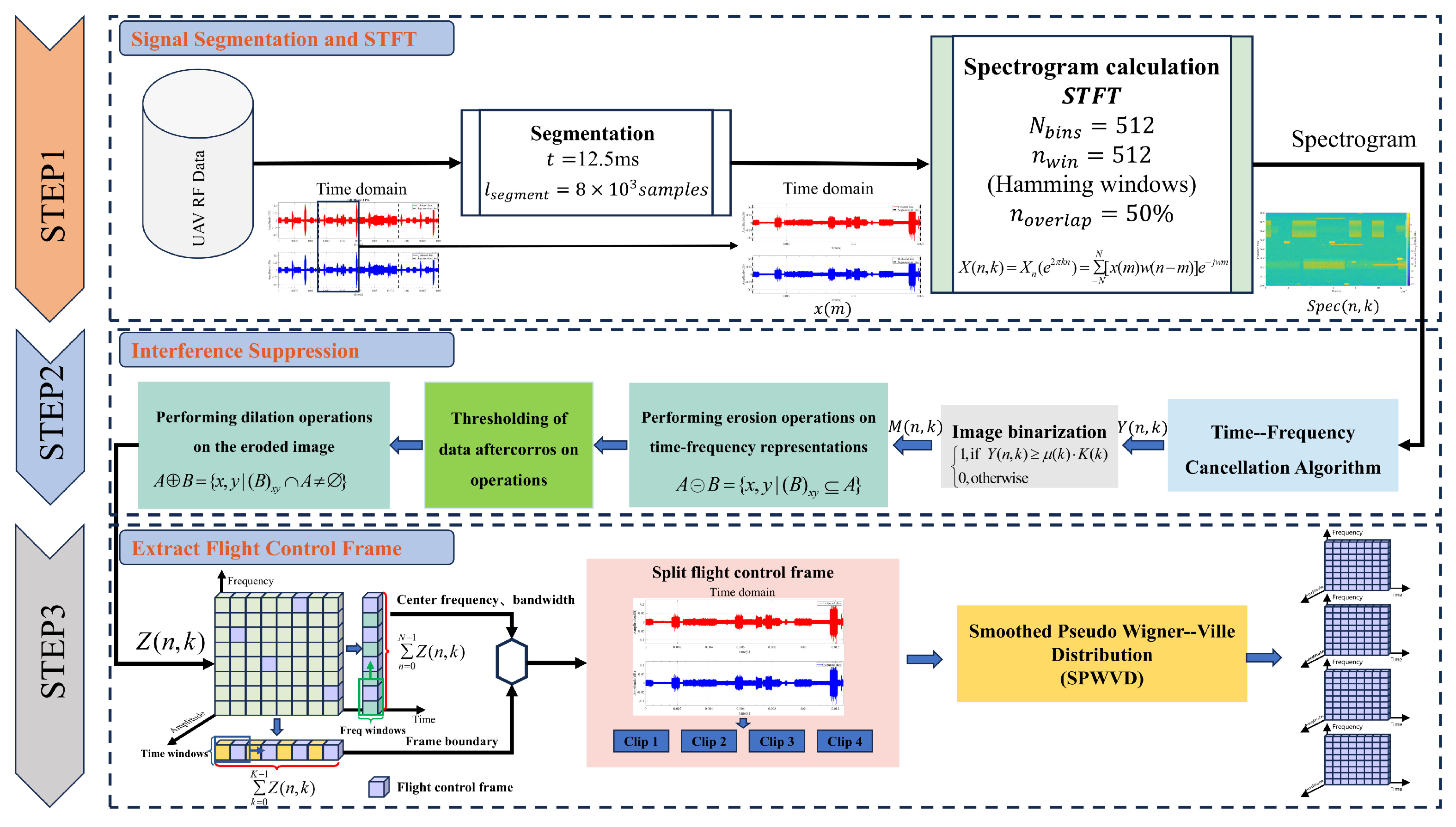
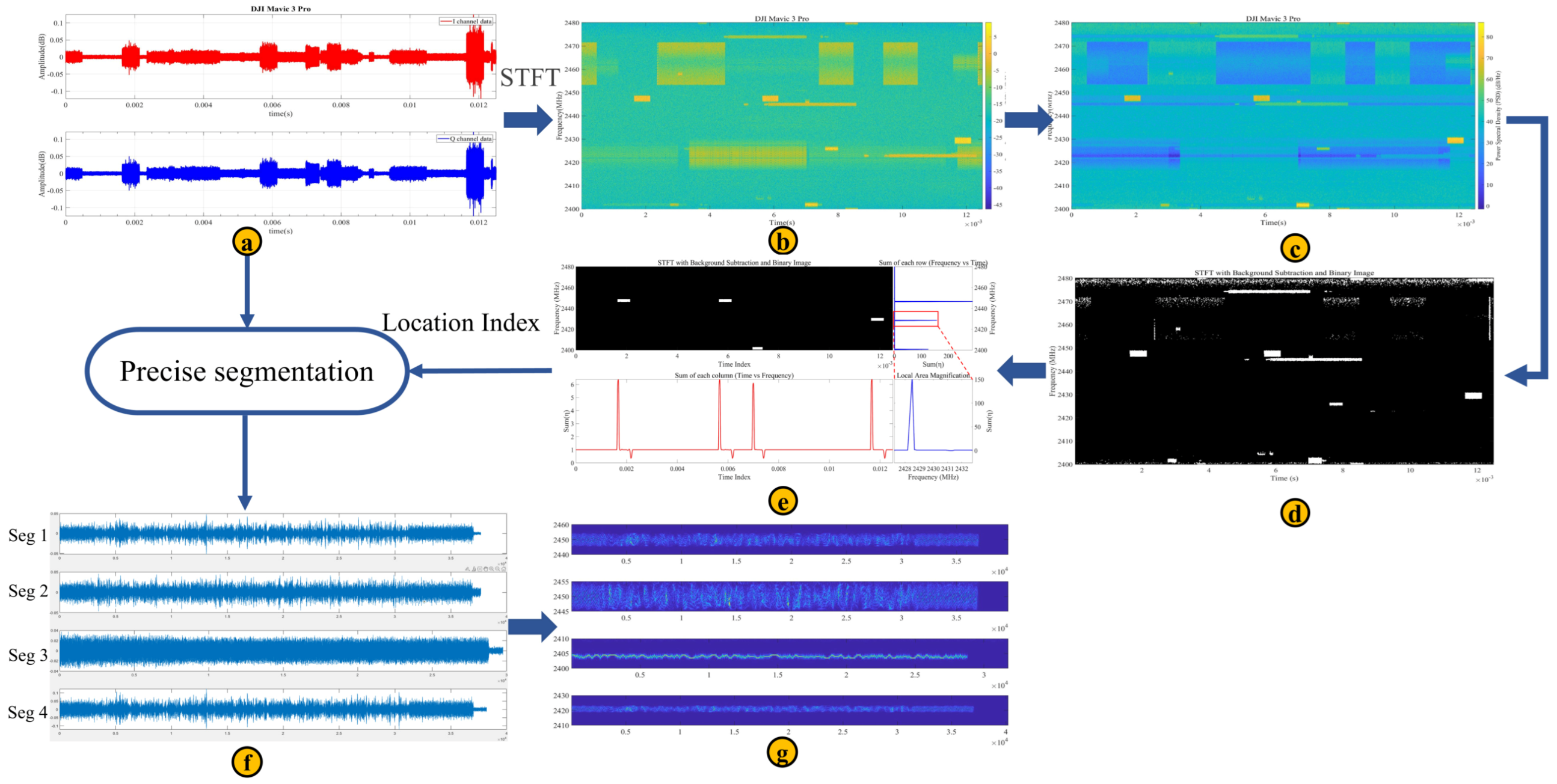
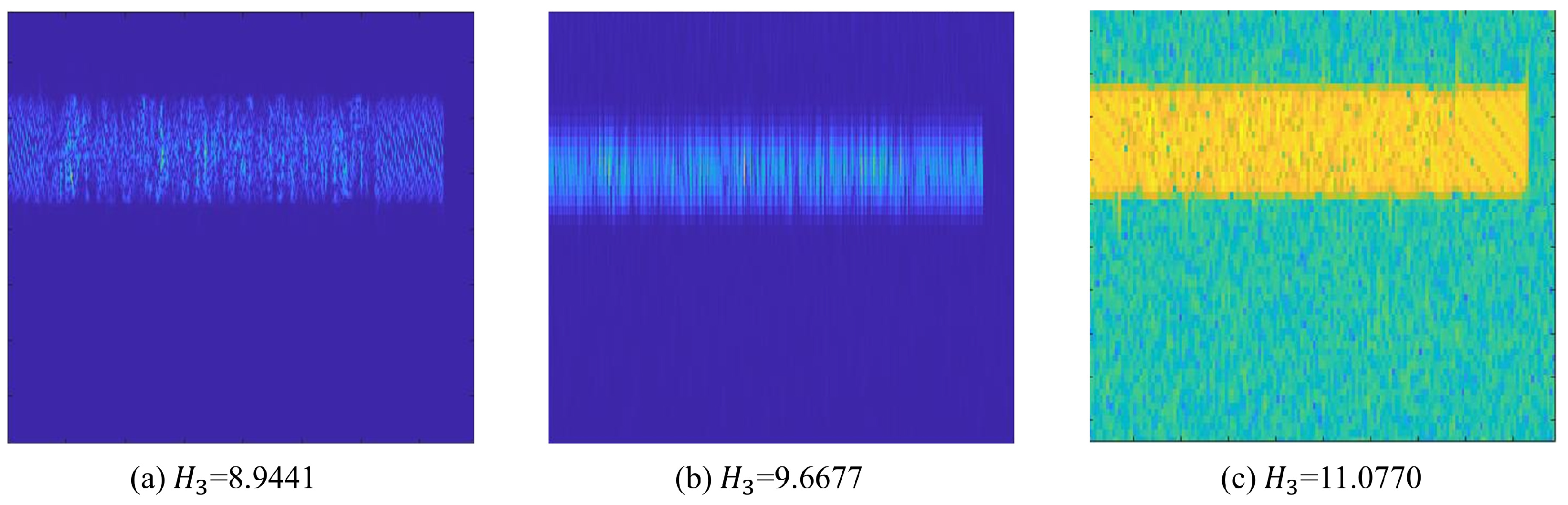
High-Efficiency Preprocessing Method: We propose a frame-by-frame search–based smoothing pseudo-Wigner–Ville distribution (FFS-SPWVD) preprocessing method [
26]. This approach enables the independent extraction of flight control data frames while preserving high time–frequency resolution, thereby significantly enhancing the representation of signal features in time–frequency maps.
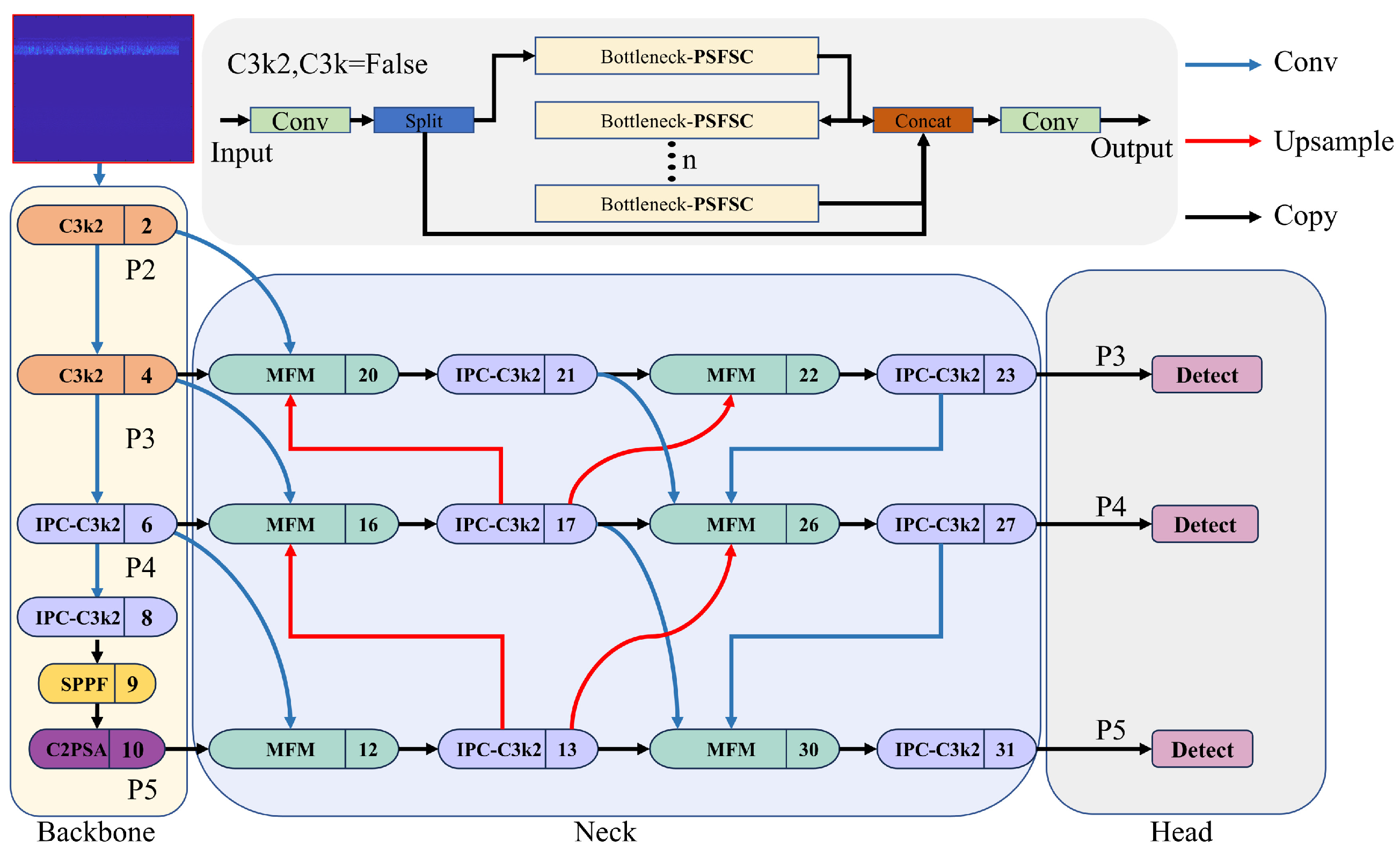
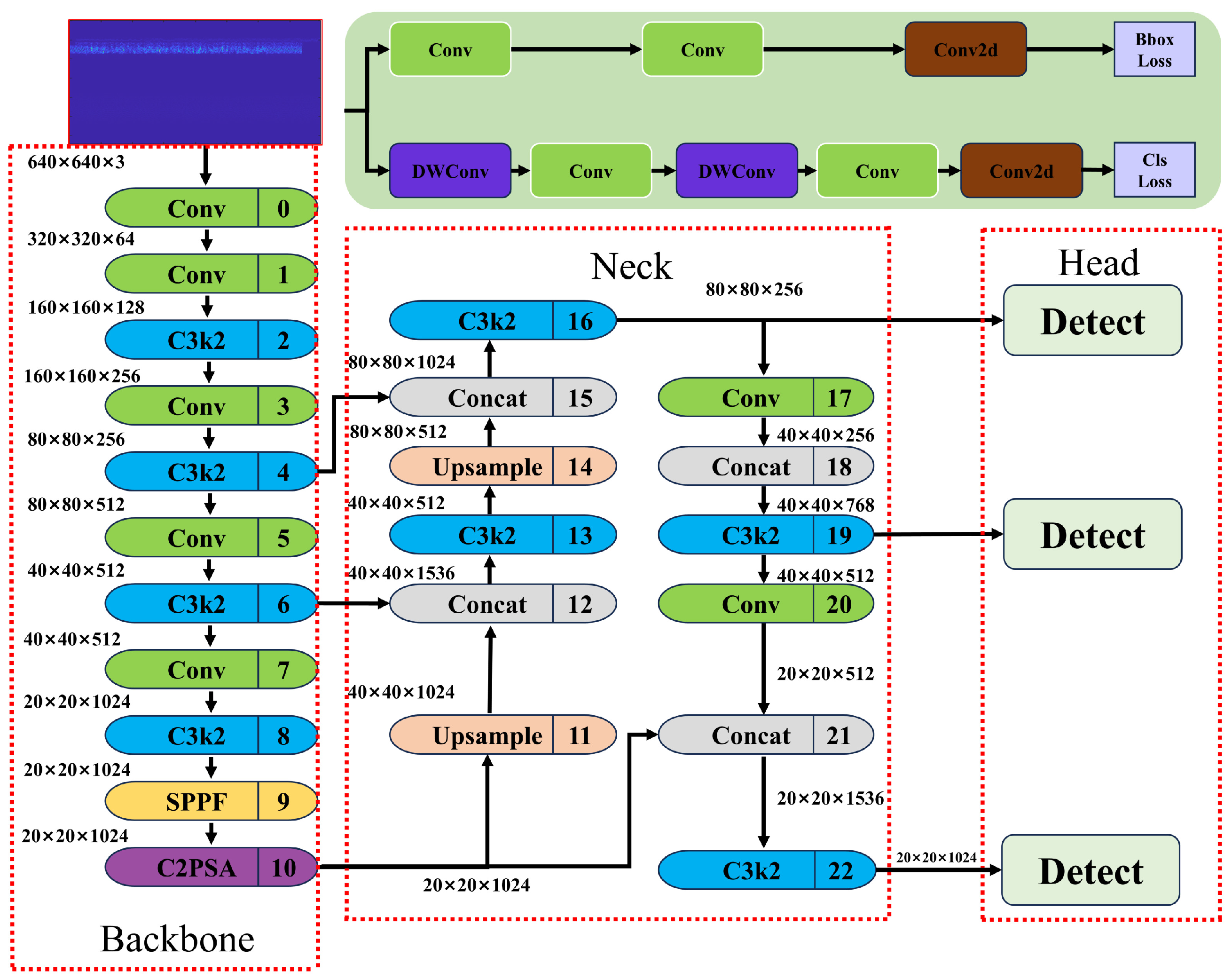
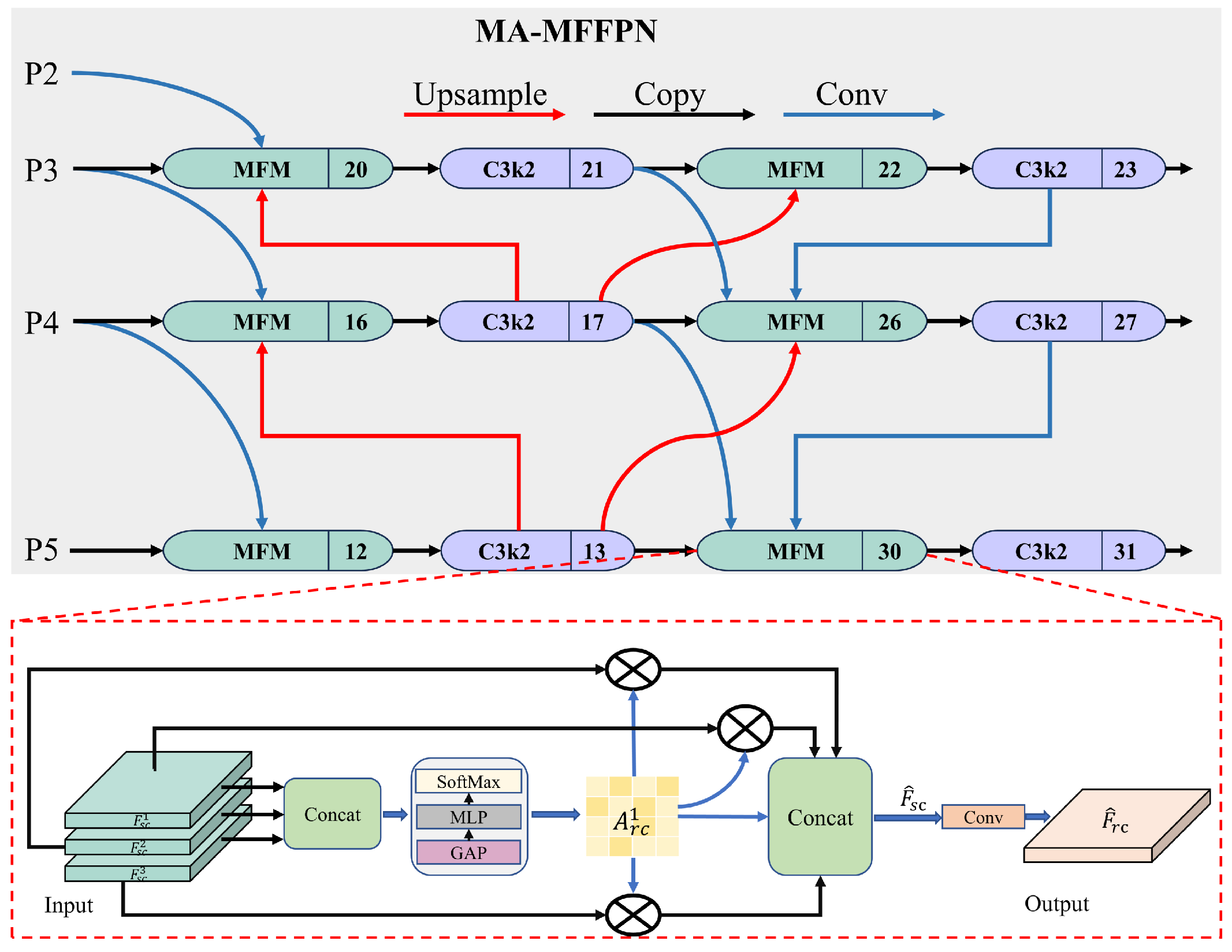
High-Precision Feature Fusion Network: A Multi-Branch Auxiliary Multi-Scale Fusion Feature Pyramid Network (MA-MFFPN) is designed to replace the original YOLOv11 neck network. This architecture preserves shallow-layer features as auxiliary information within the deep network, thereby enhancing multi-scale feature fusion and improving recognition accuracy.
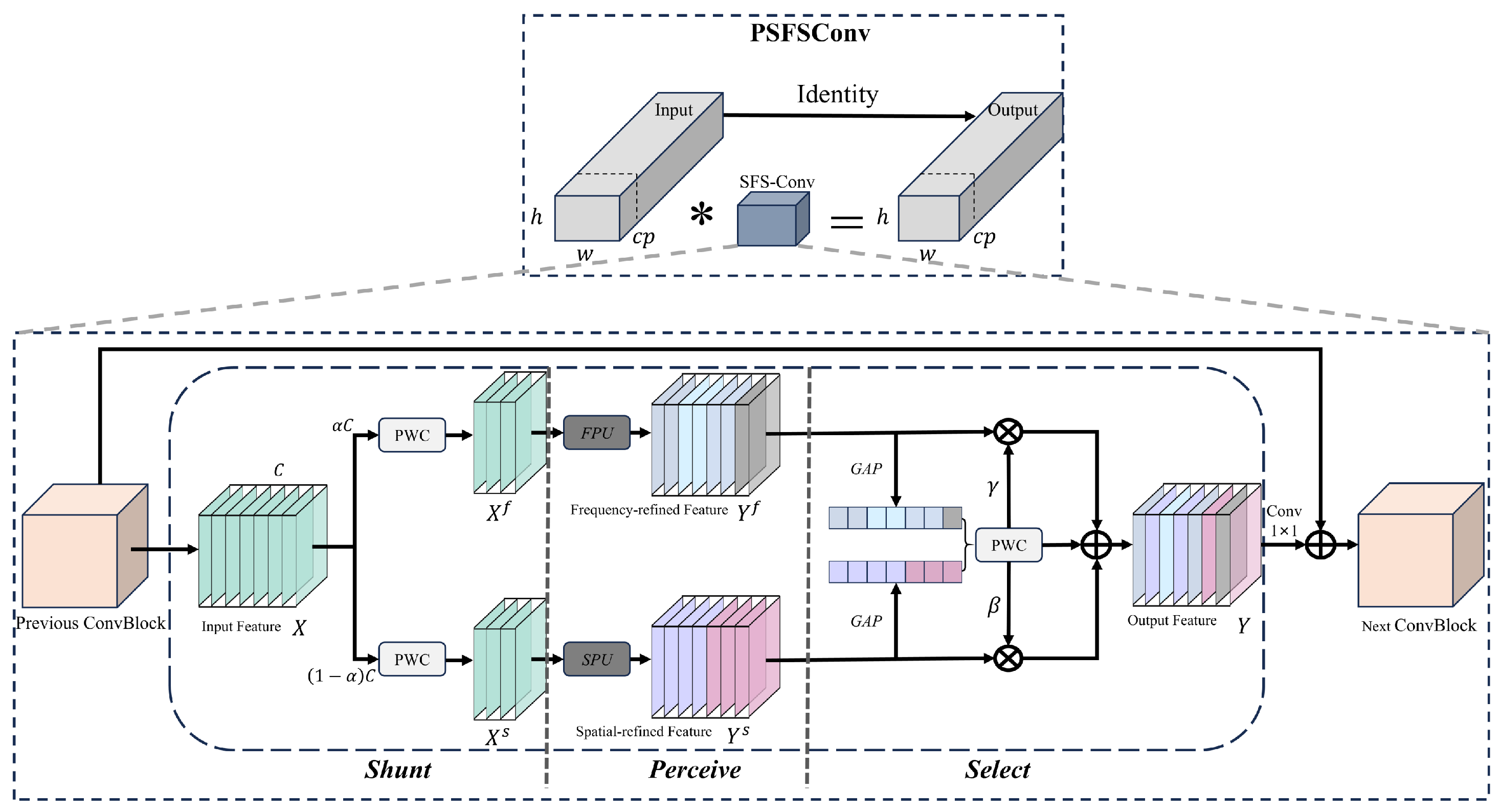
Lightweight Convolution Module: To reduce the computational cost introduced by the modified neck structure, several C3k2 modules in YOLOv11 are replaced with IPC-C3k2 modules. These modules use Partial Space–Frequency Selective Convolution (PSFSConv) to limit computation while improving key feature extraction and reducing local information loss.
4. Discussion
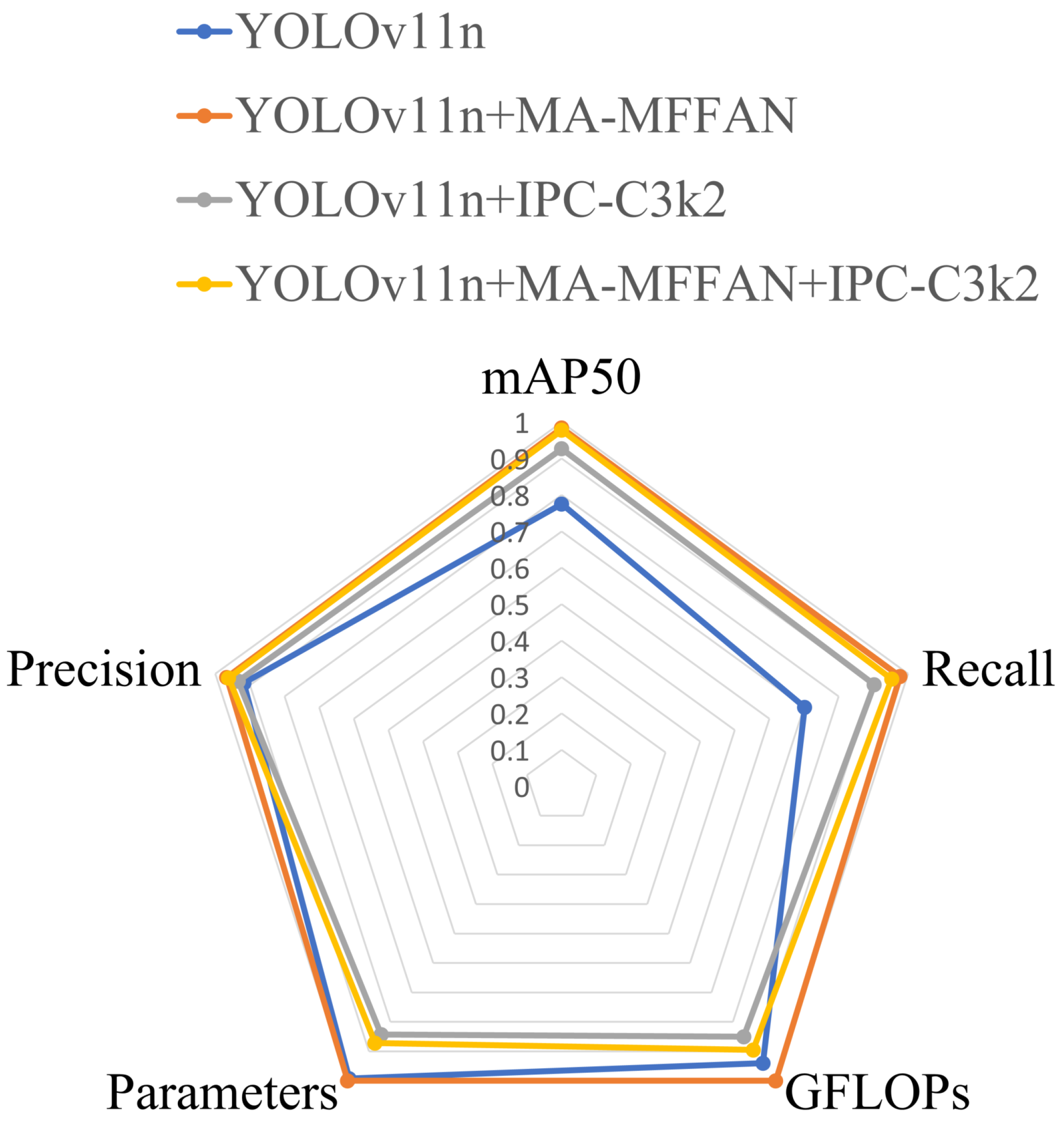
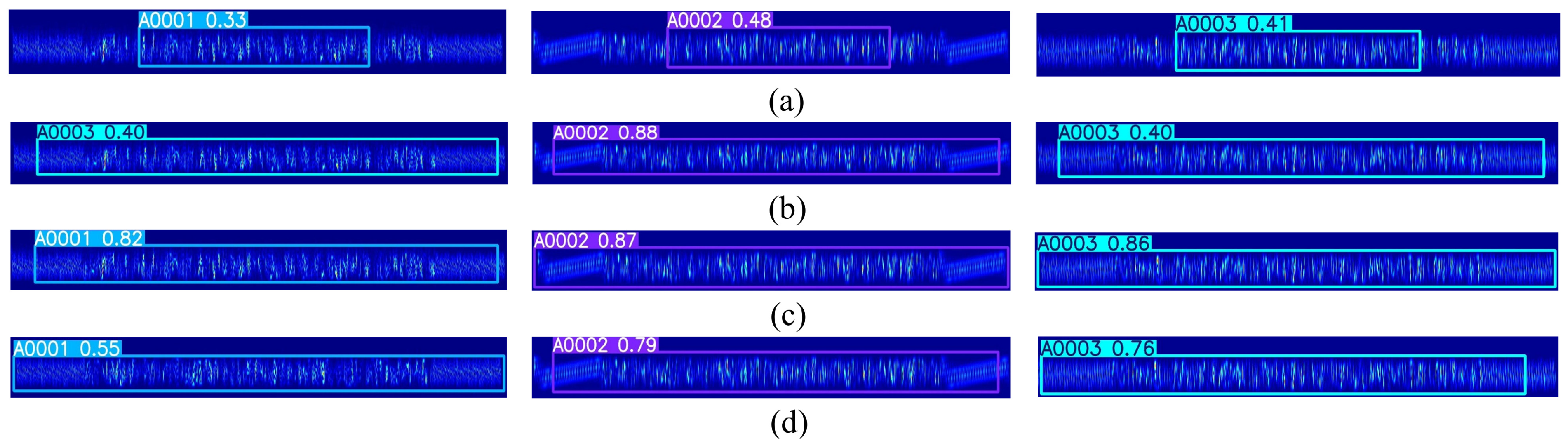
This study proposes a lightweight recognition method for individual UAV identification. By integrating traditional signal preprocessing techniques with a lightweight model suitable for practical deployment, the approach demonstrates excellent performance in recognition tasks. Experimental results show that, compared to the baseline YOLOv11n model, the improved DIR-YOLOv11 achieves significant gains on our self-built dataset: mean average precision at 50% (mAP50) increases by 21.27%, classification accuracy improves by 4.41%, model parameters are reduced by 12.1%, and computational cost (GFLOPs) decreases by 4.7%. Compared with other advanced algorithms, DIR-YOLOv11 also demonstrates superior overall performance. The core design principle of this study is to use high-resolution time–frequency representations to preserve detailed physical-layer information in RF signals. At the same time, multi-scale fingerprint features are dynamically fused using a data-driven weighting mechanism. By combining the interpretability of signal processing with the adaptability of deep learning, this approach creates a direct link between physical signal characterization and feature learning. As a result, subtle and time-varying discriminative features can be captured more effectively. The key idea—high-fidelity physical representation combined with adaptive feature weighting—is broadly applicable to recognition and diagnostic tasks that rely on weak or time-varying physical characteristics. Typical examples include wireless device authentication, communication emitter fingerprinting, and mechanical vibration fault diagnosis, where stable identifiers must be extracted from non-stationary data. The proposed methodology is suitable for various real-world surveillance scenarios. For example, in airport airspace management, it can distinguish authorized UAVs from suspicious aircraft. During large-scale events, it enables rapid identification and counting of on-site UAVs. In border patrol and traffic monitoring, it assists in detecting low-altitude UAV activity.
In practical deployment, the system should choose between offline and online processing modes based on the application scenario. For real-time monitoring tasks, millisecond-level inference latency requires edge devices with high computational and energy efficiency. Therefore, software-defined radio (SDR) is typically used for signal acquisition, and lightweight models are deployed at the edge to balance recognition accuracy and computational cost. In environments with limited communication or strong interference, offline processing can be used as a complementary approach. In addition, the integration of SDR and edge computing modules must be carefully optimized to ensure efficient data flow from signal sampling and preprocessing to inference, thereby preventing data throughput from becoming a bottleneck in real-time system performance.
Despite its advantages, the proposed method still has several limitations in practical applications. First, under low signal-to-noise ratio conditions, similar aircraft models may exhibit highly similar flight control signal textures, which can cause recognition confusion and reduce robustness in complex electromagnetic environments. Second, the current coarse-grained frame segmentation strategy, which uses fixed time durations, cannot always preserve the structural integrity of signal frames. When the SNR fluctuates or the signal is non-stationary, extraction errors may occur, leading to missed detections. In addition, the algorithm depends on prior knowledge of complete signal structures and detailed time–frequency analysis. As a result, it is sensitive to frame synchronization and time–frequency resolution during preprocessing. This sensitivity may limit scalability and real-time performance in continuous monitoring and large-scale parallel UAV identification. Finally, the method follows a closed-set assumption, which makes it difficult to recognize UAV signals that are not included in the database. Therefore, the proposed high-precision individual UAV recognition method is currently applicable only to scenarios with sufficient annotated data. Under stable electromagnetic conditions and typical flight states, such as hovering or normal cruising, the proposed method shows strong generalization performance. Nevertheless, identification accuracy may decrease significantly if the target UAV operates in a heavily jammed environment or if its communication protocol is substantially modified.
Future research will focus on several key directions. First, we will study feature enhancement and adaptive signal frame extraction methods under low signal-to-noise ratio conditions to improve robustness in complex electromagnetic environments. Second, we will explore lightweight parallel processing architectures to enhance system scalability for large-scale, real-time monitoring. Third, we will address the limitations of closed-set recognition by introducing open-set recognition strategies to improve the detection and classification of unknown UAV types. Fourth, to overcome the limited number of individual samples in current datasets, we plan to build larger and more comprehensive datasets. We will also study recognition methods for small-sample scenarios and cross-dataset generalization. Fifth, in response to increasingly complex UAV operating environments, we will investigate joint recognition and authorization methods under adversarial or strong interference conditions to support practical security applications.
5. Conclusions
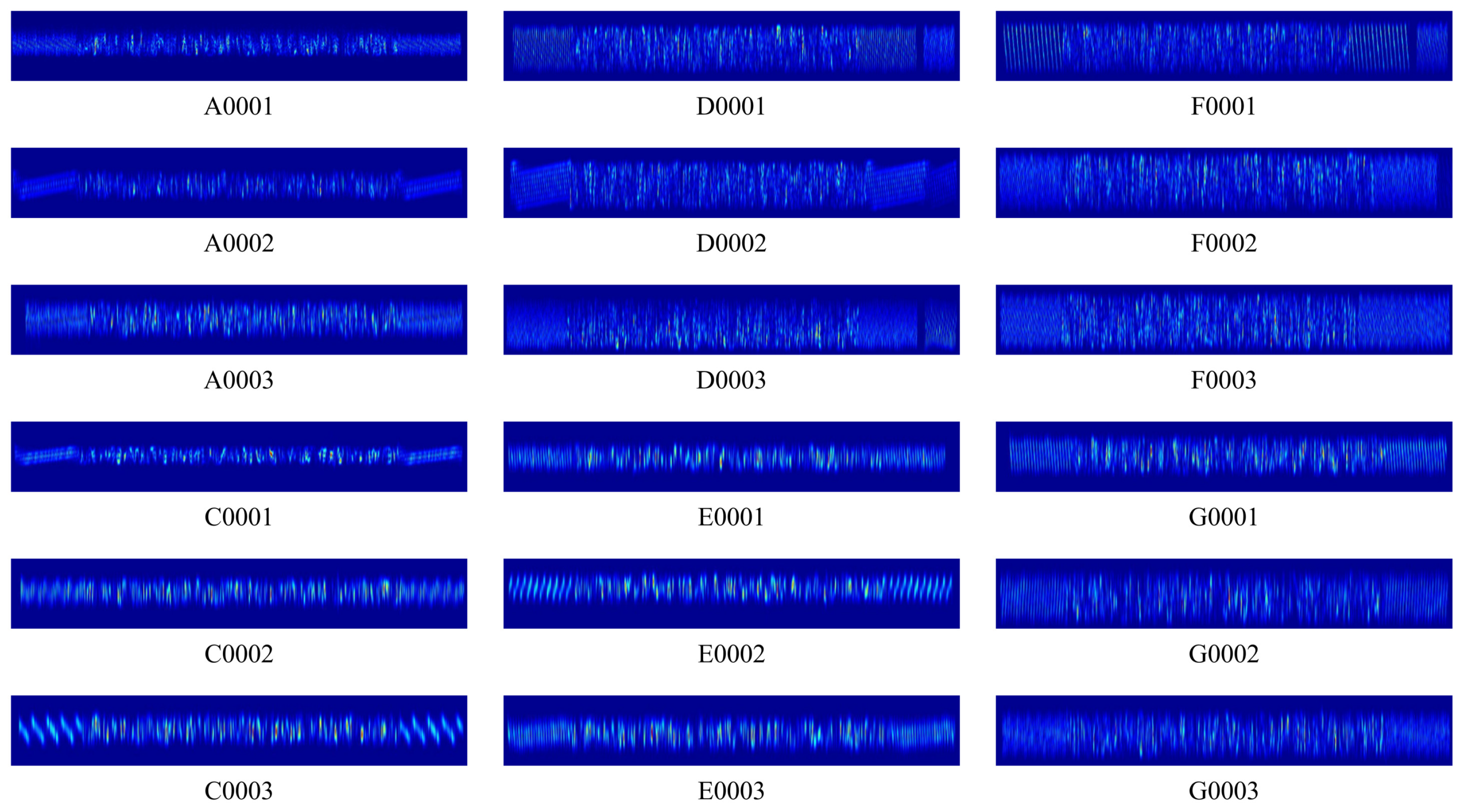
Individual identification based on UAV radio-frequency (RF) signals faces challenges such as co-channel interference, large data volumes, and limited accuracy of classical algorithms. To address these issues, this paper proposes a systematic solution. First, a frame-based smoothing pseudo-Wigner–Ville distribution (FFS-SPWVD) method is employed to generate high-resolution time–frequency maps of UAV flight control signals, and an individual UAV identification image dataset is constructed using the DroneRFb-DIR dataset. Second, an MA-MFFAN module is designed to fuse multi-scale features, mitigating information loss caused by downsampling. Finally, the PSFSC module is introduced to focus on target regions while reducing computational complexity, forming the final model, DIR-YOLOv11. Experimental results show that the proposed method can independently extract flight control signal frames while preserving high-resolution time–frequency characteristics. In individual recognition tasks, it achieves an accuracy of 0.9617, an mAP50 of 0.9782, and a recall of 0.9529. These results indicate that the model precisely captures key signal features and maintains a low misrecognition rate, even in complex signal environments. Overall analysis shows that the proposed method outperforms other advanced algorithms by achieving a better balance between recognition accuracy and resource consumption.