Article

A VMD–Bayesian-Optimized XGBoost–BiLSTM Hybrid Model for Short-Term Load Forecasting

1
Key Laboratory of Cyber-Physical Power System of Yunnan Colleges and Universities, the School of Electrical and Information Technology, Yunnan Minzu University, Kunming 650504, China
2
Yunnan Key Laboratory of Unmanned Autonomous Systems, Kunming 650504, China
*
Author to whom correspondence should be addressed.
Electronics 2026, 15(12), 2507; https://doi.org/10.3390/electronics15122507

Submission received: 14 May 2026 / Revised: 1 June 2026 / Accepted: 5 June 2026 / Published: 7 June 2026
(This article belongs to the Section Power Electronics)

Abstract

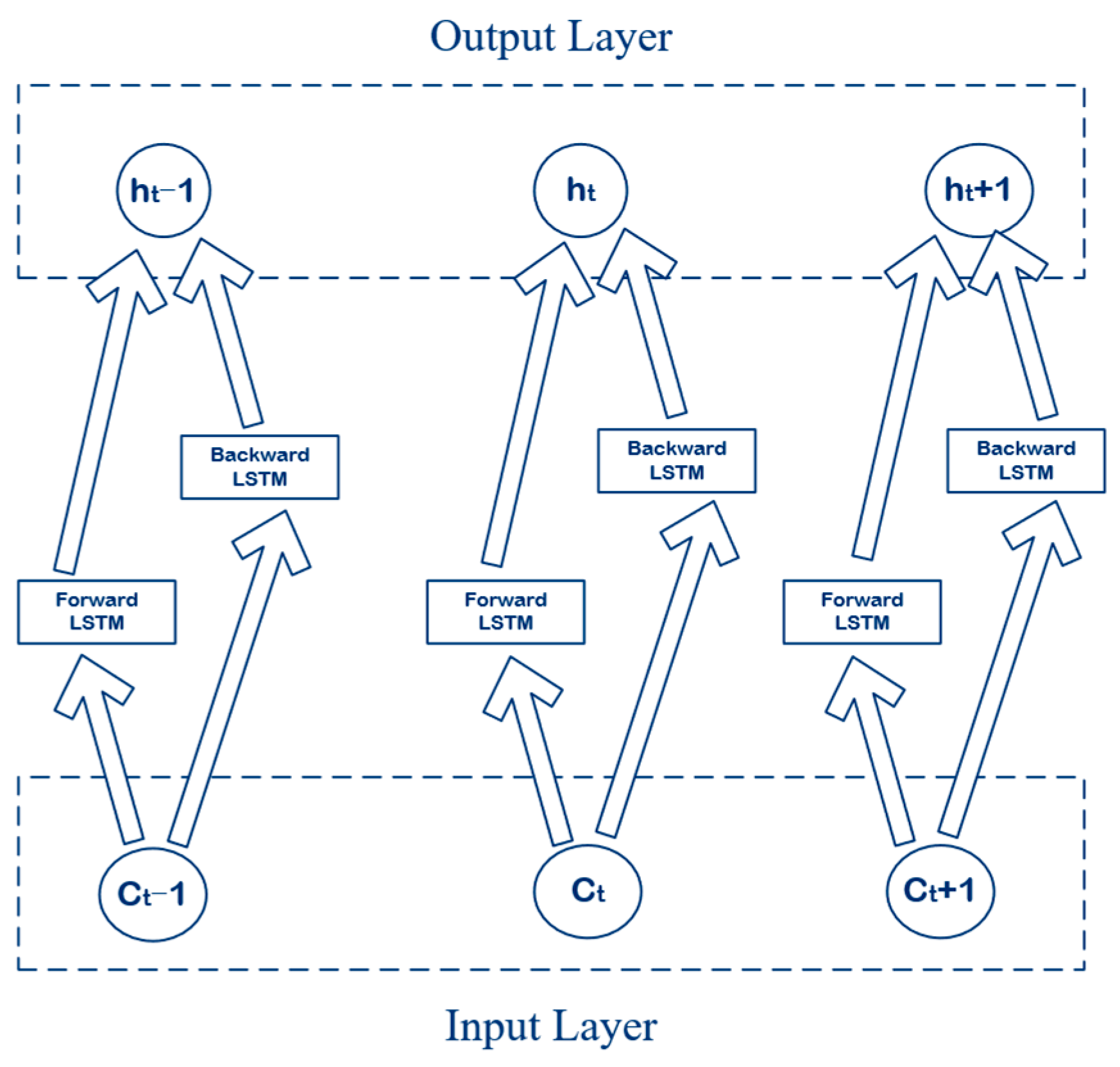
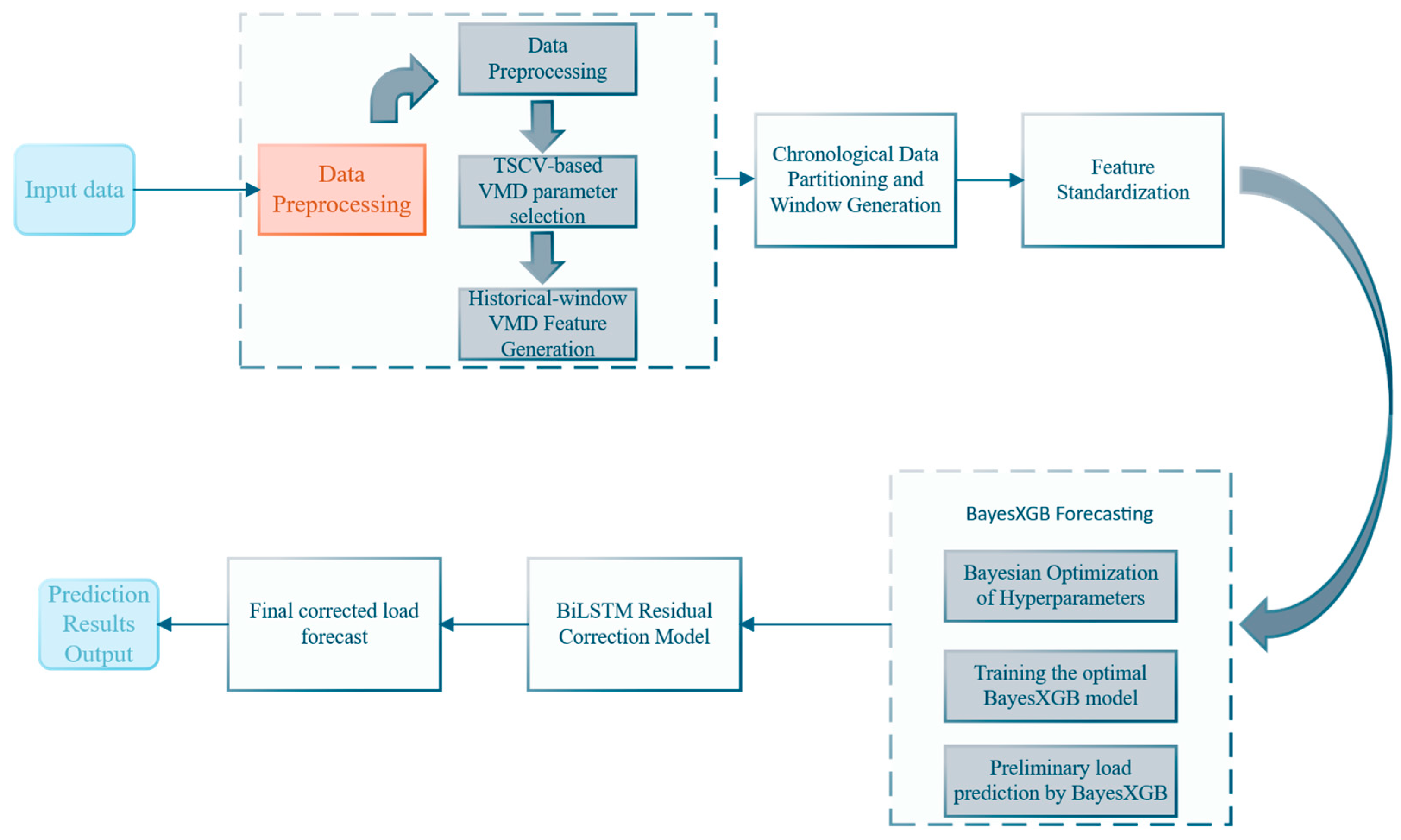
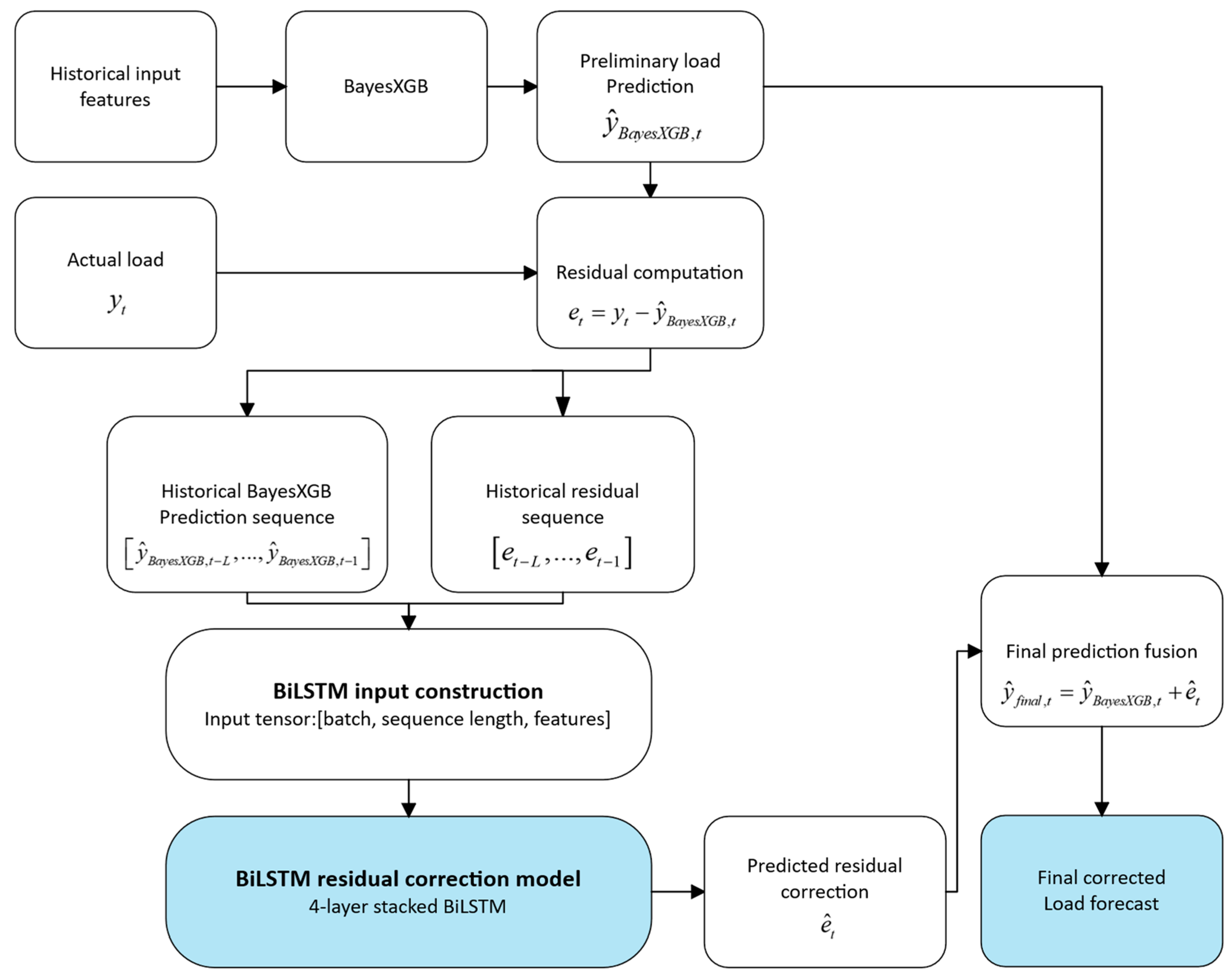
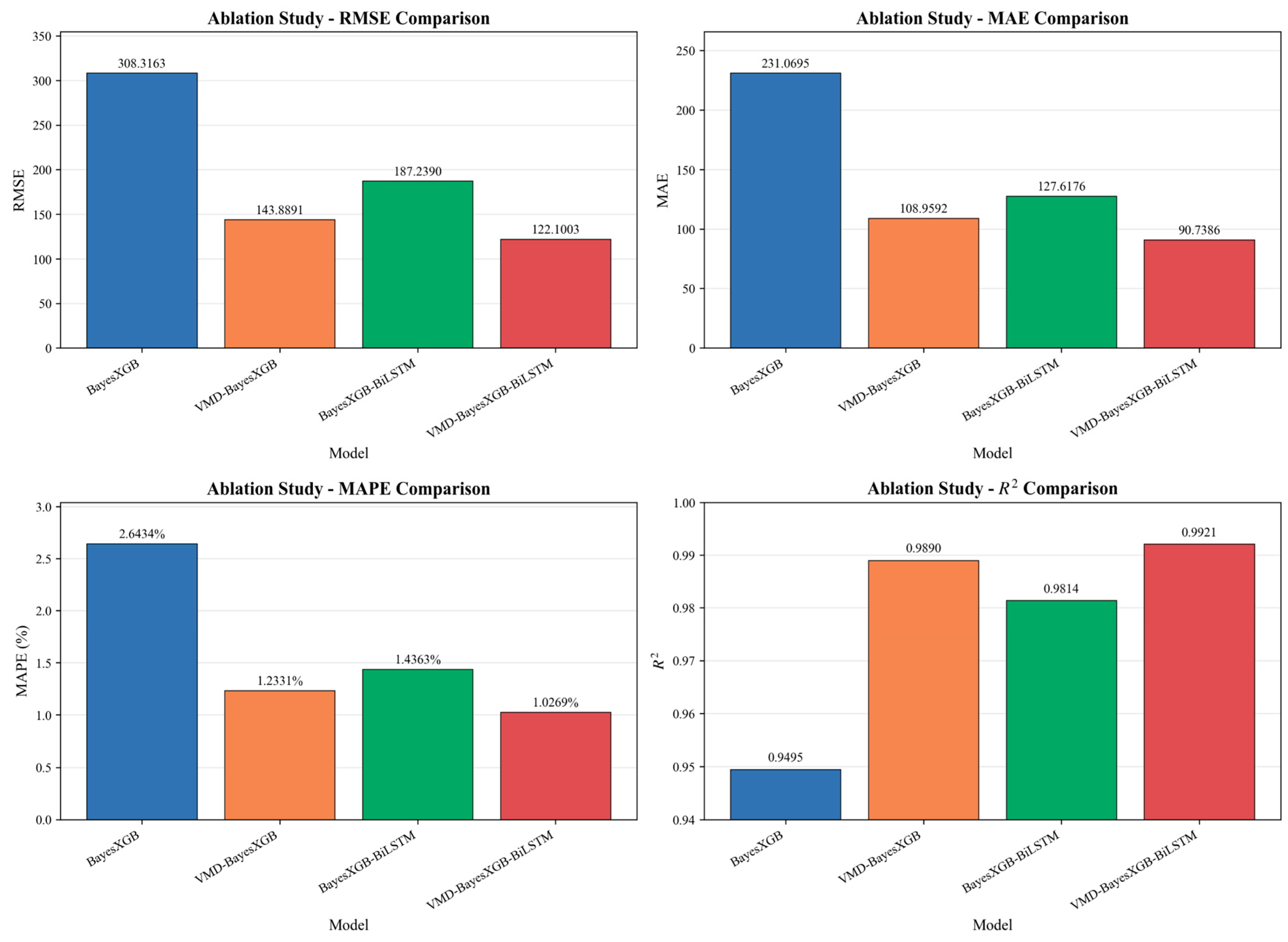
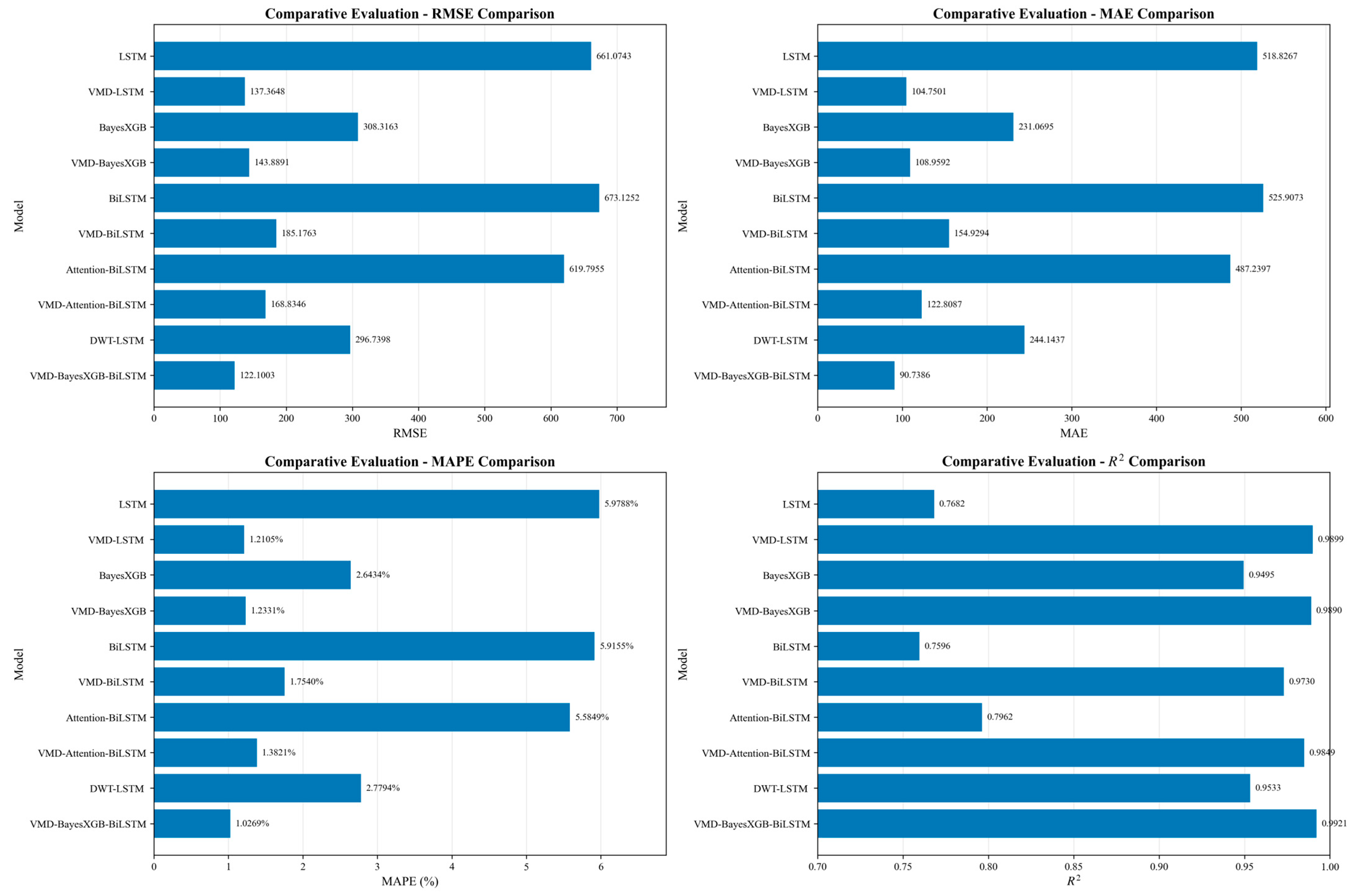
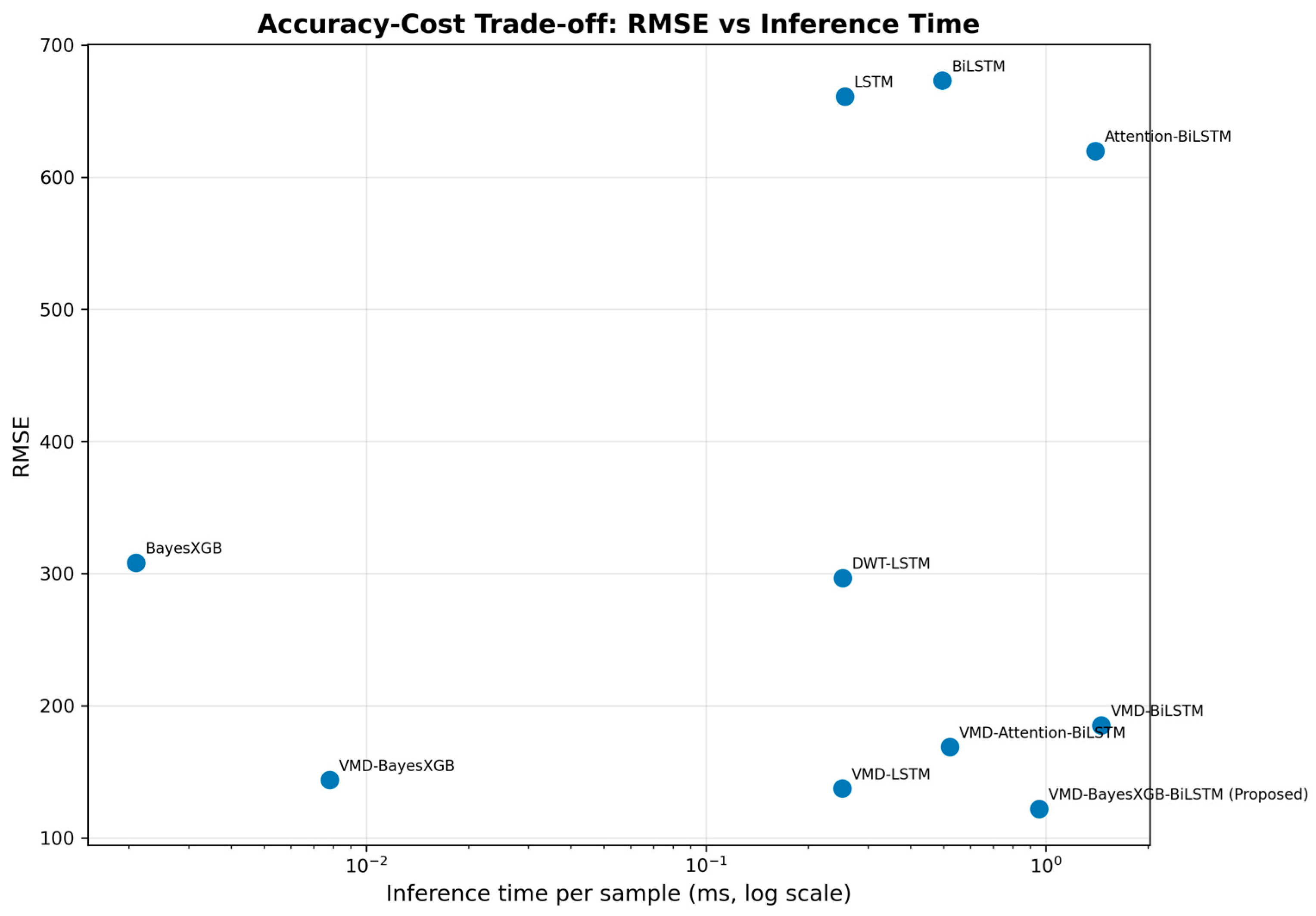
Accurate short-term load forecasting is essential for reliable power system operation under increasingly nonlinear, volatile, and multi-scale load patterns. This study proposes a VMD–BayesXGB–BiLSTM hybrid forecasting framework that integrates time-series-cross-validation-based variational mode decomposition (VMD), Bayesian-optimized XGBoost (BayesXGB), and BiLSTM residual correction. First, abnormal values in the raw load and explanatory variables are detected using the 3σ criterion and corrected by cubic spline interpolation. Then, VMD parameters are selected only within the training sequence, and leakage-free VMD features are generated from historical input windows, avoiding the use of future information. BayesXGB is employed as the primary forecasting model to capture nonlinear relationships between historical load, VMD-derived multi-scale features, and external variables. Finally, a stacked BiLSTM module learns temporal patterns from historical BayesXGB predictions and residuals, and the predicted residual correction is added to the preliminary forecast. Experiments on an Australian electricity load dataset show that the proposed model achieves an RMSE of 122.1003, an MAE of 90.7386, a MAPE of 1.0269%, and an R2 of 0.9921, outperforming all compared baseline models while maintaining sub-millisecond inference per sample.
Keywords: Bayesian optimization; BiLSTM; short-term load forecasting; variational mode decomposition; XGBoost Bayesian optimization; BiLSTM; short-term load forecasting; variational mode decomposition; XGBoost