


Abstract
The contemporary Digital Twinning Paradigm (DTP) emerges from the synergy of conceptual development and experiences gained through the digital transformation of real-world Cyber–Physical and Sociotechnical Systems. Balancing current practices and future trends of Digital Twinning concepts and technologies, framed by maturity and futureness evaluation and assessment, is an invariant. The intended mission of this research article is to perform the following: first, to establish and collect an open pool of digital twinning future trends and second, to specify the foundations for the development of a Digital Twinning Future Trends Evaluation Digital Twins-based framework. The proposed in-depth explainable (unleashed) systematic literature review methodology aided in fulfilling the first part of a mission, while the second one emerged from the transposition of characteristics of complementary maturity evaluation frameworks’ characteristics and digital twins referent architectures. The key research hypothesis is that the formation of a future trends persistence database precedes the backward-tracking analysis, enabling the isolation of the persistence rationale. These rationalities then drive the DTP model refinements to foster further prediction accuracy. The research outcomes suggest that, in general, a more rigorous justification of research suitability is necessary and highlight certain obstacles affecting the representativeness of review-based publishing. Through the continuous improvement of the future trends data layer, coupled with a comprehensive repertoire of cross-related research publications, the proposed framework enables the assessment of future trends in the DTP or other paradigms through the proposed Digital Twins Reference Architecture.
1. Introduction
The Digital Twinning Paradigm (DTP) timeline spans over more than twenty years, encompassing inherent scientific and industrial frameworks with a variable reporting density and an ever-growing set of announced future trends. It directly correlates with Digital Transformation (DTR) pressures imposed on organizational systems throughout the entire life cycle, emerging from the synergy of Industry 3.0, 4.0, 5.0, 6.0, and 7.0, and beyond drivers [1,2,3], as well as a growing scope and complexity of real-world systems’ structure and behavior affected by engineering or reengineering activities.
The relation between future trends and maturity level in a particular domain represents a research challenge due to the fact that future trends are key drivers affecting the dimensionality of related maturity models [4,5,6,7]. Maturity evaluation and assessment paradigm (MEAP) has a much longer timeline spanning from early human history to the proximal eternity in a constant search for the universal framework with an inclusive metric system and the inherent systematic procedures enabling the effective and efficient management of complex systems with either tangible or intangible nature [8]. A MEAP largely overcomes the simple scoring mechanisms to assess the current compliance level of the assessed system, concept, or phenomenon. It assumes the existence of an underlying Maturity Model (MM) that specifies the evolutionary process, associated practices, and the all-inclusive upgrade scale.
To gain the relevant context for the futureness evaluation and assessment methodology, it is necessary to critically analyze the state-of-the-art of general and Digital Twins-related maturity evaluation and assessment domains.
The determination and time-stamping of a Maturity Level (ML) within the specified MM represents a universal approach to assessing an arbitrary entity or a concept by the contemporary maturity stage mark-up attachment. Consequently, individual maturity models represent prescribed metric systems that address the related Readiness Level (RL) and the associated Risk Categorization (RC), determining the structural and behavioral compliance of the assessed entity or concept with the mutually accepted scales [9,10,11]. Besides aiding in the correct identification of the current maturity level, each maturity model proposes a comprehensive roadmap guiding the upgrading path leading from the current to the targeted, usually higher, maturity level [10,11].
A traditional MM follows a layered architecture with inclusive completeness, meaning that each higher level demands the persistent satisfaction of all the lower-level embedded features. The generic inclusiveness assumes that a failure to satisfy any lower-level features at the higher maturity level automatically downgrades the current level to the lowest level with the complete set of satisfied ones [12,13].
In [14], after the comprehensive critical analysis of the assessment methods existing in the selected set of popular maturity models, from developers and users perspectives, the authors propose a five-step continuous maturity assessment method (CMAM) as a promising approach based on Design Science Research (DSR) methodology and inaugurate continuity as the main characteristic of a sustainable maturity assessment methodology.
The contemporary sociotechnical systems paradigm emphasizes the importance of balancing human-centric and organization-centric approaches when engineering or reengineering complex real-world organizational systems [15]. Within a human-centric approach (human in the loop), the Systems Thinking Maturity Models (STMMs), addressing the generic origins of human-related scientific and technical reasoning foundations, including knowledge, skills, behaviors, values, and practices, affect the cognition processes in two distinct ways: understanding how they currently operate and directing them throughout the transformations leading to upgrading the operations’ effectiveness [16].
To specify the foundations of the futureness assessment framework, our research efforts focus on an open dimensionality approach, adopting TOGAF’s four architectural dimensions as the basic cluster defining a coarse-grained boundary of the digital twinning future trends dimensionality [17]. The recursive compositeness of individual dimensions follows our claims, elaborated in [18], that the sustainable maturity assessment framework must adhere to the hyper-framework architecting principles, with the embedded configurability supporting the creation of different paradigms, like contemporary hotspot digital twinning, as coherent collections of individual dimension constituents (concepts, principles, or technologies).
On the other hand, according to [19,20,21,22,23], the disruptive digital twinning technologies exhibit a high potential for breaking the inherent rigidity of the traditional maturity upgrading process specified within the contemporary EAFs. If armed with a minimal configuration that, on a current maturity level, may trigger transitional shortcuts in the multipath upgrading space, the overall mature model-based gradual transformation principle becomes questionable.
1.1. Research’s Intended Mission
The intended mission of this research article is to evaluate the digital twinning concepts when applied to the Digital Twinning Paradigm (DTP), identify the particular DTP trends constantly attributed as future over the relevant historical forward chaining timeline, and relate them to the derived features of the proposed Futureness Assessment Model (FAM).
We claim that the persistence analysis of digital twinning future trends represents a challenging hotspot for backward-tracking analysis and isolating the rationalities for the persistence. Through recursive forward chaining and backward tracking, these persistence rationalities then drive the FAM and DTP model refinements and consequently improve the accuracy of further predictions.
1.2. Research Hypotheses
The intrinsic aim of research is to find something new or different about the research subject, while the research justification represents a research-embedded rationale [24]. Consequently, we assert that any scientifically and rationally researched claim must satisfy the research justifiability hypothesis before initiating any further activities. In this research context, we formulate it as an RH0 (“null”) hypothesis, as follows:
- RH0—The digital twinning futureness evaluation represents a novel and challenging approach to assessing digital twinning concepts, methods, techniques, and technologies. It demands an in-depth, explainable (unleashed), clustering-based review methodology that is both transparent and self-explanatory and freed from all hidden AI-supported influences encapsulated by the used search engines or frameworks.
Provided the RH0 holds, the following two research hypotheses emerge:
- RH1—The persistence level of digital twinning future trends, expressed on the futureness scale, represents a suitable metrics system and enables recursive forward-chaining and backward-tracking analysis, leading to the continuous evaluation of the persistence reasons and raising the quality of the futureness prediction;
- RH2—Based on the in-depth (unleashed) literature review process (RH0) and the futureness evaluation metrics (RH1), it is possible to derive a Digital Twins Reference model supporting the continuous evaluation of digital twinning future trends.
1.3. Research Article’s Organization
With this in mind, the rest of the article is composed of five additional sections. Section 2, Materials and Methods, elaborates on the research methodology and the foundations of the stated hypotheses and related research questions. Section 3, Results, describes research activities, the main findings emerging from the conducted in-depth (unleashed) literature review, and the systematization leading to the Digital Twins Reference Model supporting the continuous futureness evaluation of digital twinning concepts, methods, methodologies, and technologies. Section 4, Discussion, summarizes key findings and contributions, cross-relates the analyzed references, justifies the appropriateness of the proposed futureness assessment models, and discusses the generic and specific limitations of the proposed solution. Section 5, Conclusions, contains the concluding remarks and possible future research directions.
2. Materials and Methods
The key role of the Materials and Methods section is to clarify the scientific and engineering context and provide a comprehensive analysis of the related work. The foundations of this research directly arise from the intended application of the digital twinning paradigm when solving the future trends evaluation problem. According to the specified research hypotheses, to validate RH0, it is necessary to rely on a systematic literature review methodology. Additionally, to validate RH1, the methodological duality of foundations and maturity evaluation and assessment is essential. On the other hand, to validate RH2, the elaboration of the methodology aspects of the Digital Twins reference architecture is a must. Consequently, the Materials and Methods section contains the following subsections:
- Methodology aspects of a systematic literature review common for RH0 and RH1 (Section 2.1);
- Methodology aspects of futureness evaluation principles, specific to RH1 (Section 2.2), and
- Methodology aspects of Digital Twinning Future Trends Evaluation Digital Twins, specific to RH2 (Section 2.3).
2.1. Methodology Aspects of Proposed Systematic Literature Review, Common for RH0 and RH1
To justify research hypotheses RH0, we have analyzed the key systematic literature review methodologies used when preparing review-type publications. The most frequently used systematic review methodologies are as follows: the PRISMA methodology [25,26,27], Proknow-C (Knowledge Development Process-Constructivist) [28], and the InOrdinatio articles ranking method based on determining articles’ scientific relevancy through combining citation number, publication year, and the Journal’s Impact Factor [28].
Although the overall nature of this research literature review methodology has much in common with the PRISMA methodology, the intended clustering-based approach does not adhere to PRISMA’s classification-oriented reviewing principles [25,28]. With PRISMA, it is mandatory to predefine all search and filtering roles and, following the prescribed methodology, obtain the representative dataset, which, according to the search implementation mechanisms embedded in the used search engine, best aligns with the nested searching and filtering clauses. Consequently, this approach may be literally explained as “you get what you see or anticipate”.
On the other hand, the clustering approach assumes significantly lower anticipation rigor and is naturally contextual, meaning it is necessary to first recognize the promising search context and harvest what you find there (“you see what you get”). The Initial Dataset formation is similar to the first level of PRISMA’s search and needs to produce as broad a dataset as possible to allow context determination. One of the main problems of specifying the candidate harvesting context is the lack of precisely defined future trends specification sections in the scientific and engineering publications.
Through the estimated growth of artificial intelligence and natural language processing mechanisms incorporation, the current balance of organic and AI-driven traffic, resulting from global network searching, gradually changes [29,30,31]. In [32], the customer-centered search (improving search results relevancy through machine learning and AI-based instead of keyword-based), personalization (AI-based building of personal search profiles), recommendations vs. relevance (shift from questioning to more direct answering), social content for business (the social media rankings incorporation), and leveling-up search (multimedia searching options) have been recognized as the top five trends in search technology.
Based on the elaborated principles, the proposed in-depth and explainable (unleashed) systematic literature review methodology (IdE_SLRM) is composed of five breakable stages, represented as UML2 Activity Diagram partitions (Figure 1). In each stage, the appropriate data objects are created or used. An individual data object encapsulates related data and metadata and exhibits structural duality through dynamic (data structure) and persistent (data organization) specializations.
Figure 1.
In-depth explainable (unleashed) systematic literature review methodology (IdE_SRM) activity diagram.
The activity flow starts with the recursive formulation of the initial search clause used for the first-level filtering supported by the selected search engine (in this research context, Google Scholar) and results in the Initial Dataset. The Initial Dataset is further recursively sub-filtered to obtain the Final Dataset that satisfies the restrictions imposed by an open collection of additive filters. The final version of the additive filters collection is preserved in the search-related metadata.
The last two stages support clustering, explaining, and visualization, and create Cluster_Object and Analytic_Object, respectively. The undertaken review ends in the Main_Stage (Figure 1), either through canceling, a temporary break, or a success. The successful end result assumes updating all persistent objects and stamping the search with the appropriate metadata.
Individual activity partitions are composed of related standardized Call Behavioral Actions (CBAs) and dedicated data objects. Each CBA supports two control and two object ports (Control_In, Control_Out, Object_In, and Object_Out) and supports the creation and dissemination of control and data objects, if appropriate.
The IdE_SLRM activity diagram represents one of the key inputs in justifying the RH0, RH1, and RH2 hypotheses.
2.2. Methodology Aspects of Futureness Evaluation Principles, Specific to RH1
According to the Introduction, the maturity assessment domain exhibits an inherent duality during the cross-comparison of assessing an object’s or phenomenon’s maturity level and the futureness level of related future trends.
When determining a maturity level over the chronology maturation time scale, the common sense rationality assumes the proportional time dependency of the maturity growth functions (Figure 2). With traditional maturity level assessment methodologies [33,34,35,36], if the assessed object or phenomenon follows the prescribed guidelines, the contemporary maturity level growth function is, at least, monotonically non-decreasing.
Figure 2.
Traditional forms of maturity level growth functions. The estimated maturity scale is divided into six zones (0–1, 1–2, 2–3, 3–4, 4–5, and 5–6) for presentation purposes only. A (0–1) zone may be interpreted as beyond maturation assessment, while the other five zones assume the equivalent maturation level assessment processes.
In a hypothetical situation, an assessed object or phenomenon reaches the maximal maturity level almost instantly and retains it forever (Figure 2—Hypothetical). Unfortunately, according to the postulates of traditional physics, this demands an unlimited energy source in an extremely short time. Well-balanced maturity assessment frameworks cluster over the expectation that a maturity level growth function is nonlinear and asymptotically approaches the absolute maturity level (Figure 2—Expected).
Unfortunately, in real-world situations, due to stochastic events causing more or less controllable turbulence, oscillations of the assessed maturity level (Figure 2—Real) values around a polynomial trend distribution function (Figure 2—Poly(Real)) are more realistic.
On the other hand, when assessing future trends related to an object or phenomenon, the situation radically changes, given that all variables in natural or social sciences follow a normal or near-normal probability distribution, with the mathematical foundations represented in Figure 3a and distribution-related features in Figure 3b.
Figure 3.
The futureness methodology foundations: (a) The mathematical formulation of the normal probability density function, adopted from [37]; (b) futureness distribution function. The dashed vertical arrow designates the mean value; zone 1—designates one standard deviation symmetric distance from a mean value (usually 64% (−34% and +34%)); zone 2—designates two standard deviation symmetric distance from a mean value (usually 95% (−47.5% and +47.5%)); zone 3—designates three standard deviation symmetric distance from a mean value (usually 99.7% (−49.85% and +49.85%)) [37].
Consequently, we claim that the futureness growth function of the assessed object or phenomenon, if obtained through systematic review clustering mechanisms, follows a near-normal probability distribution (Figure 3b), with three areas representing the 1, 2, and 3 standard deviation distances symmetric to the distribution’s mean value.
The decreasing zone located right of the mean value of the time-related futureness growth function (Figure 3b) suggests that if applied activities lead to the materialization of future trends, they will be achieved and transformed into routine sooner or later.
To guarantee long-term sustainability, the estimated form of a related futureness growth function must reflect the continuous improvements emerging from machine learning algorithms applied to the analytical and aggregated results obtained through data and knowledge mining of the staged database content.
While determining the rationalities affecting key research motivations, in the Introduction, we have analyzed and cross-related the foundational characteristics of the contemporary approaches to the maturity evaluation and assessment methodology and clarified, without explicit elaboration on the key features of related frameworks emerging from the critical analysis of selected references [9,10,11,12,13,14,15,16,17,18,19,20,21,22,23], the first of the previously specified problem domains. When transformed into the futureness evaluation domain, the key maturity framework determinants slightly change.
The key determinants of a futureness framework (FF) depend on the general futureness assessment methods, the specific nature of the assessed object or phenomenon, and the evaluation and assessment goals. According to the model-driven systems engineering methodology, these determinants participate in a general futureness model (FM).
Following these determinants, we conclude that the key components of an arbitrary FM are as follows:
- Futureness Context Base (FCB—representing an open set of assessed real-world systems);
- Futureness Domains Base (FDB—representing an open set of assessed concepts or entities being either physically tangible, intangible, or virtual) with composite process areas and key process indicators;
- Futureness Assessment Scale (FAS—representing the FF’s value domain, with numerical or fuzzy scaling);
- Futureness Stages (FS—specified milestones fragmenting the FAS);
- Futureness Assessment Logic (FAL—the futureness assessment principles and active services enabling grouping and processing of similar or related FFs);
- Futureness Presentation Logic (FPL—representing the open set of presentation mechanisms used to communicate the futureness assessment results effectively).
Automatic verification and validation of the futureness model dimensions orthogonality is a key research direction towards the specification and development of the futureness evaluation framework [38].
These key components frame the static and dynamic aspects of the estimated futureness evaluation framework (RH2).
2.3. Methodology Aspects of Digital Twinning Future Trends Evaluation Digital Twins, Specific to RH2
Research hypothesis RH2 announces the specification and modeling of the initial framework’s prototype, emerging from the contemporary Digital Twins (DT) architectural and behavioral models. Among the whole spectrum of methodology influencers, the emerging concept of DT Reference Architecture appears as a paradigm. The term “paradigm” first appears in the distinguishable work of American philosopher Thomas Kuhn, generally acknowledged as the originator of a sociology of science, as an “intellectual framework which makes research possible” [39]. Although the paradigm has been used in multiple scientific and technical contexts for a relatively long period and is often classified as a buzzword [40], the originally formulated meaning justifies its association with digital twinning as a composite concept [41,42]. To facilitate further development of digital twins in a paradigm context, the authors in [43] propose building blocks for a related holistic philosophical framework founded on 21 principles.
According to [44,45], referent architecture represents a template or a standardized reusable blueprint, generally heuristically derived from a collection of concrete solutions through an abstracting cognitive process. It embeds the mature practices, standards, and guidelines, enabling fast prototyping of an addressed object or phenomenon.
The simple architecting principles introduced by [46], the development of standardized models of a Digital Twin [47,48], and a general approach to model-driven engineering for Digital Twins [49] indicate the fundamental directions, methods, and obstacles related to building Digital Twin models. The use of predefined templates represents a challenging approach [50,51], raising the question of building the modeling foundations of an embedded Digital Twin. The most serious impact on specifying our lightweight Digital Twin reference model comes from the Digital Twinning Consortium terminology glossary [52], representing a valuable reference point for comprehending Digital Twinning fundamentals in a broader sense through logical decoupling of a Digital Twin System from the traditional concept of Digital Twins incorporating the real-world physical system’s foundations.
Based on the previously discussed methodology, we claim that the foundations of this research approach are reusable in subsequent research endeavors compliant with the formulated research motivations and formulated hypothesis RH2, provided RH0 and RH1 hold. On the other hand, the elaborated methodology approach directly specifies the overall structure of Section 3.
3. Results
The Results section strictly follows the verification and validation activities of stated hypotheses through the proposed IdE_SLRM (in-depth and explainable systematic literature review methodology), aligned with the activity diagram presented in Figure 1. The intended research hypothesis validation activities additionally serve as two real-world case studies. The first one, RH0 hypotheses validation, dominantly uses IdE_SLRM on aggregated metadata obtained by the first-level search. The second one, RH1 hypotheses validation through harvesting digital twinning future trends, relies on full-text in-depth expert analysis. The obtained results and experience have a crucial impact on the proposed reference architecture.
Consequently, the Results section elaborates on the following:
- Validation of research hypotheses RH0 (Section 3.1);
- Validation of RH1 foundations’ representativeness (Section 3.2);
- Clustering, explanation, and Visualization of digital twinning future trends (Section 3.3);
- Specification of Digital Twins Reference Architecture supporting Digital Twinning futureness evaluation (Section 3.4).
3.1. Validation of Research Hypothesis RH0
To justify the appropriateness of this research, we searched the Google Scholar online database with the following two initial filter objects:
- First, with as rigorous as possible matching criteria specified as follows: Filter_Object—“The Comparative analysis of digital twinning future trends” and the identical phrase = TRUE and appearing in an arbitrary place in the publication = TRUE, and published from 2000 to 2025.
The search returned an empty result set, indicating that the matching criteria were apparently too restrictive.
- Second, with the same phrase as above, but without exact matching restrictions, a search returned 1117 publications.
Although the dataset cardinality implied that the matching criteria were too relaxed, we accepted it as a suitable trigger for the next phase of IdE_SLRM. As a consequence, Google Scholar’s exporting service enabled the creation of a Microsoft Excel file with one tab containing the related metadata.
The Additive Filtering stage was two-phased. In the intermediate phase, we first examined titles, keywords, and available Google Scholar summaries to exclude obviously unrelated publications, publications with fewer than four citations, and those addressing domain-specific aspects of digital twinning, which allowed us to focus only on general and methodology-related content. The intermediate phase resulted in a dramatic, more than five-fold, reduction to 206 well-aligned relevant publications.
In the final reduction phase, we focused on free and directly downloadable publications, resulting in an additional reduction in the intermediate dataset by nearly 25%, to a manageable 150 qualified publications clustered in the Final_Dataset.
In the clustering stage, the Final_Dataset targeted publication year and type. The obtained clusters, represented as additional tabs of a Microsoft Excel document, formed a foundation for the Explaining and Visualization stage. The clustering process produced the following four publication clusters: review only, future trends only, review with future trends, and others. To further restrict the semantically irrelevant cluster (Others), an additional full-text expert analysis of almost 53% of publications was necessary, indicating that the clustering around future trends is a challenging endeavor.
Figure 4 and Figure 5 illustrate the visualization and the explanatory (related figure captions) potentials of the obtained clusters.
Figure 4.
The annual distribution of articles according to the inherent time frames. Represents articles’ distribution over the 2016 to 2025 time frame, resulting from the elimination of the assumed statistical artifacts (one article from 2010, one article from 2015).
Figure 5.
Final Dataset Categorization: (a) cumulative publication categorization and (b) analytical annual distribution. According to the Publication Categorization of the Final Dataset (a); 52.67% of member publications (others) do not explicitly specify future trends in the publication’s metadata (title; keywords; findings; or AI-generated summaries); 14.67% are review only; with insignificant elaboration on digital twinning future trends; and 13.33% are future only, with less significant elaboration on digital twinning future trends determination sources. Finally, 19.33% exhibits a balanced approach between digital twinning, future trends origins, and future trends elaboration. (b) systematizes the annual distribution of publication categories over the 2016–2025 time frame.
Concerning the obtained result set metadata analysis and the final full-text analysis, we have concluded that the reduced dataset is relevant to conclude that no publications are adhering to the intended article’s mission declared in the Introduction.
Consequently, it implies that RH0 holds and that the applied in-depth explainable (unleashed) systematic literature review methodology is suitable for clustering analysis.
For the eventual independent analysis and previous claim justification, please refer to the Supplementary Resources (Microsoft Excel file named 00_03_Introduction_Systematic_Review_Data.xlsx).
3.2. Validation of the RH1 Foundation’s Representativeness
In this research context, the justified dataset, through subsequent systematic relevance ranking and in-depth (unleashed) full-text expert analysis of the qualified articles, aided in isolating, clustering, and time-stamping the extracted context, adhering to the first-level search clause.
The second case study begins by reusing the Initial_Dataset from the first case study (Section 3.1). Further on, in the initial step of the Additive_Filtering stage, the selection of all publications that mention Digital Twinning and Future Trends in an arbitrary context is favored. At the same time, the additive filtering process is parallelized through the collaboration of filtering and clustering activities of involved experts by reasoning in independent threads.
Within a single traversal, every visited publication is in parallel clustered to Article or Paper and examined for unrestricted downloading (either direct or multilevel indirect). During the traversal, due to an unclassified type, 13 publications are eliminated. According to the publication’s metadata, 491 publications were not freely downloadable in any way. The former filtering methodology relied on the Google Scholar labeling mechanism and resulted in a dataset visualized and explained in Figure 6.
Figure 6.
Annual distributions with final filtering. A quick analysis of the reduced dataset shows that two articles, distributed over the interval from 2010 to 2015, and one article signified as a 2026 publication year, may be discarded as statistically irrelevant, resulting in the final publications dataset, with a time frame from 2016 to 2025, a total of 617 publications, 549 articles, and 68 conference papers.
We believe that the ratio of 89 (88.97%) to 11 (11.03%) in favor of journal articles in the final result set is rational and relevant concerning this verification aspect.
The intermediate clustering step focuses on determining the distribution of journal articles over publishers and conference papers over either conference proceedings publishers or the conference organizer, as appropriate. At the same time, the additional clustering over the associated fields/domains, extracted from publication-related metadata, resulted in 24 fields/domains, publication year, and individual journal distribution. The obtained clusters enabled additional visualization and related explanations, aiding the final representativeness validation. Figure 7, Figure 8 and Figure 9 highlight the selected subset of clustered information.
Figure 7.
Publication’s distribution over publishers. (a) Conference papers,68 distributions over publishers or organizers. Legend: P1, American Society of Mechanical Engineers (1); P2,Cambridge University Press (3); P3, EDP Sciences (3); P4,Elsevier (3); P5, IAARC Publications (1); P6, IEEE (30); P7, IOP Publishing (2); P8, SPIE (1); P9, Springer (8); P10, Stanford University (1); P11, unspecified (15). The fairly significant percentage of unspecified publisher/organizers (22.06%) additionally justifies the fundamental importance of the conference papers’ metadata completeness. (b) Journal article’s distribution over publishers. To lower the visual density of this distribution chart, we have decided to group 36 publishers, each with fewer than five articles (a total of 47), into a single group. Nevertheless, we believe that a publisher’s distribution of journal articles is sufficiently representative. Although lower compared to the conference papers, the percentage of unspecified publishers (10.02%) additionally highlights the importance of the article’s metadata completeness.
Figure 8.
Articles distribution: (a) Final set’s articles distribution over scientific journals. To lower the visual density of this distribution chart, we have decided to group 268 journals, each with less than five articles (total of 343), into a single group, which is the largest one, but indicating that a fairly large scope of affected journals (93,93%) covers 62.48% of articles, while 37.52% is published in 6.07% related journals. Nevertheless, we believe that a journal’s distribution of the selected articles is sufficiently representative and fairly well correlates with the addressed journal’s rankings. (b) Cluster (field/domain) distribution of the selected dataset. Legend: T1(15), Agriculture; T2(14), Artificial Intelligence; T3(5), Biosciences; T4(7), Business and Management; T5(5), Computing; T6(16), Communications and Networking; T7(44), Construction Engineering; T8(5), Education; T9(58), Energy; T10(9), General Engineering; T11(9), Environment; T12(6), Geosciences and Mining; T13(6), Heritage; T14(96), Industry; T15(6), Internet of Things; T16(53), Medicine and Healthcare; T17(13), Modeling and Simulations; T18(8), Robotics; T19(3), Safety; T20(41), Smart Cities; T21(11), Social Sciences; T22(20), Supply Chains; T23(71), DT Technologies; T24(33), Transportation.
Figure 9.
Annual distribution (2016 to 2025) of publications over clusters (T01 to T24). Legend: T1(15), Agriculture; T2(14), Artificial Intelligence; T3(5), Biosciences; T4(7), Business and Management; T5(5), Computing; T6(16), Communications and Networking; T7(44), Construction Engineering; T8(5), Education; T9(58), Energy; T10(9), General Engineering; T11(9), Environment; T12(6), Geosciences and Mining; T13(6), Heritage; T14(96), Industry; T15(6), Internet of Things; T16(53), Medicine and Healthcare; T17(13), Modeling and Simulations; T18(8), Robotics; T19(3), Safety; T20(41), Smart Cities; T21(11), Social Sciences; T22(20), Supply Chains; T23(71), DT Technologies; T24(33), Transportation.
Figure 7 illustrates the distribution of articles and papers over clustered publishers or organizers.
Figure 8 illustrates the distribution of articles over clustered individual journals and related fields/domains.
Figure 9 illustrates the annual distribution of publications (both articles and papers) over related fields/domains.
Due to the result set building period (September 2025), the number of member publications reflects the appropriate timescale. It shows that the statistically relevant time frame is from 2020 to 2025, while the most significant groups are T06, T07, T09, T14, T16, T20, T20, T23, and T24.
A minimal number of articles (3) is clustered in a safety group (T19), while the maximal number of articles (96) appears in the industry group (T14). With the industry group, one of the main challenges in the clustering process was trustworthy separation of general and domain-specific contexts. On the other hand, although cybersecurity and safe operations are research hotspots, due to the detailed analysis, some articles are classified in the digital twinning technologies cluster (T23) as a more appropriate one.
We believe that the previous elaboration on the result set building process and cross-correlation analysis justifies the final result set, with 617 publications (68 conference papers and 549 journal articles), as representative for further mining and credible isolation of digital twinning future trends, as a first step in validating RH1.
3.3. Clustering, Explanation, and Visualization of Digital Twinning Future Trends
Concerning our primary goal to cluster digital twinning future trends with respect to the timescale starting from the first appearance of individual trends and the fact that the statistical artifacts may carry a large quantity of information, we have decided to perform detailed expert analysis of the entire referent dataset with integrated conference papers and journal articles.
A clustering process used for determining digital twinning future trends has been in demand due to full-text expert analysis of a relatively large number of publications (617) with the unique goal of extracting digital twinning future trends, clustering them accordingly, and determining related appearance frequencies. Additionally, it raised the essential challenge related to the downloading process and the selection of the appropriate data organization, supporting persistence issues.
During the downloading activities, due to security risk issues related to secondary download sources (4), operational unavailability (14), publishing language issues (5), and duplication (1), not distinguishable within the related metadata, we have excluded an additional 24 publications and restricted the referent dataset to a final 593 candidates. After the operational reduction, the analysis time frame changed to 2017–2025 because, from 2011 to 2017, publications almost exclusively elaborated on the Digital Twins concepts.
In this research context, all full-text PDF files are hosted by a dedicated file system repository, composed of annually named folders and with an indicated number of publications (Figure 10). Each file name is associated with a file name addendum PUB<nnn>, where <nnn> represents the ordinal number of a downloaded publication.
Figure 10.
File system repository of full-text downloaded publications (593). Left: file system-related organization through folders and subfolders; middle: the example of individual publications and applied signatures of the selected subfolder; right: a full-text view of the selected publication.
Additionally, during the downloading process, the additional challenge was how to balance effective processing and avoid being blocked by “machine-mining” suspicious categorization when accessing Google Scholar or dedicated interest groups’ network services.
In the initial clustering stage, following the first analysis step, all publications are full-text analyzed and consequently clustered in the following four major groups: reviews with explicit future trends elaboration (RewF); reviews without explicit future trends elaboration (RewNoF); research publications with explicit future trends specification (ResF); and research publications without explicit future trends specification (ResNoF) (Table 1 and Figure 11).
Table 1.
Annual distribution of four major publication groups, with the number of publications and the related percentage.
Figure 11.
Annual distribution of four major publication groups according to Table 1.
Column total (Table 1) represents the total number of analyzed publications in the corresponding publishing year. In 2025, 40 (41.24%) review and 57 (58.76%) research publications have been analyzed (total of 97), 24 reviews (24.74%) has been included in the future trends frequency determination while 16 (16.49%) have not, 44 research articles (77.19%) have been included in the future trends frequency determination while 13 (22.81%) have not. Obviously, in 2025, 68 out of 97 publications had an impact on the frequency determination, making a respectable 70.10%.
The significant lack of reviews published from 2017 to 2020 is rational due to the initial digital twinning concepts’ maturity and the lack of a critical mass of related publications for credible reviewing.
According to the obtained results, from 2021 to 2025, the percentage of review publications generally increases (2021: 18.18%, 2022: 35.79%, 2023: 37.40%, 2024: 40.85%, and 2025: 41.24%) following the digital twinning publishing trends.
We claim that this is also rational and explainable by the overall publishing characteristics of the hotspots in the scientific and engineering domains.
We believe that the indicated trend will continue in the future and will impact the futureness evaluation according to the discussed near-normal distribution (Section 2.1).
In the intermediate clustering stage, following a fast clustering, 177 future trends have been isolated. In the second step, following a semantic similarity detection process, the initial set is reduced by 46.90%, resulting in a final set of future trends with 94 cardinality (Table A1, Appendix A).
Table A1 (Appendix A) contains complete analytical data obtained through clustering analysis of Digital Twinning Future Trends. Category ID corresponds to Table A1, while Trend ID is the absolute number of specified future trends. A Digital Twinning Future Trend Description Column and Trend Frequency results from an expert-based naming and summarizing performed through the semantic similarity reduction step. The rest of the columns result from the futureness impact calculation formulas: Category Pondered Impact according to the Formula (1), Category Relative Impact according to the Formula (2), and the Absolute Impact according to the Formula (3).
In the third step, a group categorization, individual future trends are systematized into 16 categories (Table 2), with the relative category’s pondered impact calculated according to Formula (1).
Table 2.
Digital Twinning future trends, main categories, indicators, and relative futureness impact.
In Figure 12, the distribution of relative futureness impacts over identified categories, defined in Table 2, is presented.
Figure 12.
Publications distribution and future trends categorization: (a) future trends categorization with the number of individual future trends according to Table A1; (b) digital twinning future trends categories pondered impacts distribution. Maximal relative impact (34.08511) is associated with Category6 (Digital Twinning Technology), followed by Category10 (Paradigmatic Concepts) (33.191490), and Category7 (Domain Specific Digital Twins) (23.489360). Minimal relative impact (0.319149) is associated with Category 16 (Software Technology), followed by Category8 (Education) (0.638298), and Category 2 (Business and Economy) (0.702128).
Consequently, it appears that the hypothesis RH1 holds too. When joined with the entire research methodology (Section 2), the validation process of the RH0 (Section 3.1) and RH1 (Section 3.2 and Section 3.3) hypotheses directly builds the foundations of the Digital Twinning Future Trends Evaluation Framework described below.
To support an independent systematic review, in the Supplementary Resources (Microsoft Excel file named 00_04_Results_Clustering_Analysis_Foundation.xlsx), we have included discussed result sets, joined with the author’s assessment process illustration, represented in individual tabs.
3.4. Digital Twinning Futureness Evaluation Framework’s Reference Architecture
Following the research context and motivations elaborated on in the Introduction and framed by three specified hypotheses, directly influenced the elaboration of a challenging approach to the trustworthiness of the contemporary socio-technical context, determining the challenges that research and scientific publishing activities face. The attempt to highlight the digital twinning future trends that drive maturity evaluation dimensions naturally led to the specification of yet another Digital Twins Reference Architecture (Ya_DTRA). With the existing inflation of Digital Twins Reference Architectures, unleashed through Section 3.1, Section 3.2 and Section 3.3, introducing a bit of novelty initially appears to be a critical mission endeavor.
With this in mind, it is justifiable that the entire methodology elaboration and the operational verification of the proposed review methodology, through RH0 and RH1 validation, merely represent a well-founded prologue for this section.
Concerning the contemporary digital twins concept relating the real-world (Physical Twin) with its digital counterpart (Digital Twin) over an integrated data and communication infrastructure, one of the key questions is how to define a physical twin in this research context.
According to the stated hypotheses, in the context of this research article, a physical twin represents an intangible, multilayered, distributed cyberspace library. Due to the complexity reduction principles, as stated in [53], it excludes details concerning the underlying information and communication infrastructure.
Following the distinguishable principles presented in [50] and the most elaborated approach to Digital Twins architecting similar to one presented in [54], and research findings elaborated on in our previous publications [38,55] we have adopted a slightly simpler Digital Twin System internal architecture composed of four Digital Twin architectural building blocks: Separation (encapsulating Physical Twin characteristics and fostering the interoperability), Data (encapsulating the internal repository foundations), Structural and Behavioral Foundations (templates, meta-models, algorithms, and knowledge base supporting dynamic configuring of a Digital Twin System structure and behavior), and Service (internal and external DT services hiding the complexity of other building blocks).
The proposed Digital Twins Reference Architecture Model (Figure 13) follows the Enterprise Architecture Infrastructure Diagram modeling formalisms.
Figure 13.
Digital Twins Reference architecture model, enterprise architecture infrastructure diagram (Sybase PowerDesigner V.16.1).
In this research context PhysicalTwin (Figure 14a) is recognized as an opened collection of research publications residing in different scientific repositories (Elsevier Scopus—scientific abstracts and citations database, Clarivate Web of Science—payed access platform, ThomsonReutersar—world largest news information-based tools, archivX—the largest pre-prints repository, Care—the Open University COnnecting REpositories, DODAJ—Directory of Open Access Journals, Zenodo—general purpose open access repository hosting dominantly research datasets and publications), belonging to the Universities and research institutions publications repositories, libraries, scientific journals repositories, scientific networks (Research Gate and Accademia, etc.), and the challenging repositories build in the context of social networks and blogs. The Information Harvesting Layer, Data Layer, Digital Twin Foundation Layer, and related services form a Digital Twin System [52].
Figure 14.
Detailed framework architectural regions: (a) physical layer; (b) harvesting layer.
The Information Harvesting Layer (Figure 14b) moderates direct access to the Physical Twin (PhysicalTwinHandler Services) and indirect access over SearchEngineMediator wrapping and NetworkInterface to the open set of search engines (Google Scholar, Semantic Scholar, OpenAIRE, BASE, and EBSCOhost).
Digital Twin system architecture model (Figure 15) encapsulates the following: Data Layer, Service Layer, and Digital Twin Foundation Layer.
Figure 15.
Digital Twin system.
Data Layer encapsulates four DT-related multi-model repositories as follows: RawDatabase (storing the extracted article candidates), IntegratedStagedDatabase (storing post-processed, classified, and indexed articles), ClusterDatabase (storing search-related clusters formed through the Clustering stage of the proposed in-depth and explainable systematic literature review methodology), and AnalyticsDatabase (storing cluster-related explanations and visualization objects). The architectural flexibility of the Data Layer stems from the separation of raw and staged databases, as well as the data-driven behavior of Digital Twin services.
The Digital Twin Foundation Layer integrates Repository Metamodels, Algorithms Library, Models Library, and a Knowledge Base and supports an open set of Digital Twin Services, ClusteringServices, and AnalyticServices accessible over an expandable set of specific User Access Point interface implementations.
The open nature of Digital Twinning Services enables the gradual integration of contemporary, promising, and advanced methodologies. Among others, they include scenario planning, Delphi studies, participatory foresight, and particularly fast-growing AI-driven predictive analytics, as appropriate. The lack of elaboration on these sophisticated methods, techniques, and methodologies is due to the proposed in-depth and explainable (unleashed) systematic literature review methodology’s initial characteristics. The necessary support for these extensions is one of the fundamental future directions. It is compliant with the more holistic and forward-looking evaluation needed to mitigate the rapidly evolving Digital Twin ecosystem.
Similarly, the Digital Twin Foundation Layer represents a focal area for model-based and metadata-based static structure adaptability. However, knowledge-driven and a strategy pattern alignment support the behavioral adaptability of individual Digital Twin configurations and search-related metadata instances.
To mitigate the inherent complexity and improve consistency and accessibility, the multi-model database, with an open set of mechanisms supporting structured, semi-structured, and unstructured data, aligns well with the characteristics of Digital Twin’s Data Layer and Digital Twin’s Foundation Layer individual repositories, according to the selected set of configuration instances dynamically built from the repository.
The reusability potential of the specified DT referent model is directly proportional to the isolation level of domain-dependent and domain-independent aspects of Digital Twin architecture layers. In the proposed reference architecture model, the information harvesting layer bridges domain-dependent and domain-independent activities.
4. Discussion
Contemporary scientific research and publishing are motivated by two key goals: a proper evaluation of research’s mainstream novelty, leading to the rational framing of research efforts, and the embedding of comprehensive, related work positioning within the overall research community. With the proliferation of information and communication technologies and globally adopted scientific maturity evaluation and assessment principles, mechanisms, and frameworks, the overall number of scientific publications has exploded, directly questioning the effectiveness of critical thinking mental models.
On the other hand, individual scientific dignity and ethical aspects in research and publishing endeavors are under persistent pressure from the ongoing AI-based automation through software platforms and methodologies that use statistical and quantitative techniques to analyze academic literature, assess research performance, and identify trends. Some of them have evolved into standalone commercial operational frameworks, often integrated with the popular scientific databases [56].
However, within this research endeavor, several valuable approaches emerge that, we believe, represent key research contributions.
First, due to the in-depth explainable (unleashed) systematic literature review methodology (IdE_SLRM), this research highlights the importance of an explicit evaluation of the foundational dataset’s relevance with respect to the intended research goals. We believe that this approach is of significant importance not only for digital twinning but equally for other research communities. Practicing this will help researchers to avoid repeating endeavors with questionable positive impacts, particularly through systematic and bibliographic reviews.
Second, during the IdE_SLRW process, illustrated through two case studies primarily conducted to validate the stated hypotheses RH0 and partly RH1, the importance of trustworthy publication metadata is emphasized without uncritical reliance on AI-based publication analysis tools. We believe that favoring outside-the-box critical thinking, although tedious and time-consuming, is, at the same time, beneficial and healing. Additionally, this process has isolated certain obstacles, among which the most important are as follows:
- Quality of the publication-related metadata;
- contemporary search engines’ access policy that prevents the near-automated access to publication-related metadata.
Together, they raised the consciousness level concerning the quality of the systematic and bibliography-based review articles’ foundations. However, our analysis shows that one of the most promising features of full-text processing is the use of more sophisticated Explainable Artificial Intelligence (XAI) mechanisms than is the case [57].
Third, the highlighting of the intriguing duality between the maturity and futureness of arbitrary concepts or phenomena. The appropriate argumentation, as elaborated on in the Introduction and Materials and Methods sections and applied through hypothesis validation in the Results section, is another valuable result emerging from this research endeavor. Focusing on the futureness evaluation, it is possible to cross-relate the futureness and maturity aspects of the evaluated concept or phenomenon, representing hot spots in related research domains, for example, Digital Twinning and artificial intelligence.
Fourth, a multiphase systematic review (IdE_SLRM) documented with supplementary resources encourages other researchers to apply their expertise to the same dataset, supporting further research activities related not only to the authors of this research article but also to any interested stakeholders.
Fifth, the entire research content focuses on building the Digital Twinning Futureness Evaluation Framework. The proposed Digital Twins Reference Architecture Model (Section 3.4), although conceptually not novel, exhibits novelty in the addressed domain and inherits the knowledge extracted from the validation case studies. The proposed framework suggests knowledge harvesting not only from the pool of peer-reviewed publications but also from alternative sources, with preservation and reuse through Digital Twins. Orchestrating them through an interoperable platform, as suggested in the proposed framework’s Information Harvesting Layer (Section 3.4, Figure 13), would be at least beneficial for the overall research community. The evident growth of systematic bibliometric reviews, after the addressed concept or phenomenon has reached a stable maturity level, is rationally expected but intriguing when related to the availability of the enhanced versions of supportive software platforms.
Additionally, during the systematic review of selected research articles, three additional article groups were isolated, briefly summarized, and presented in Table 3. We believe that they constitute a valuable sample highlighting the overall context of this research article.
Table 3.
Notations on the special groups of analyzed publications.
Consequently, we believe that Section 2 and Section 3 have justified the validity of the stated research hypotheses and have positively answered all the formulated research questions, thereby approving the research efforts.
Research Limitations
Although challenging, this research has common limitations inherent to all systematic reviews.
First, the stratum selection. We have harvested publications from a single available database accessed by Google Scholar, assuming that with a representative dataset and an assumed near-natural distribution of future trends, it is more likely that with larger datasets, the overall tendency would not change significantly to jeopardize the obtained results. However, it would be beneficial to expand and diversify publication sources and step beyond the traditional systematic review context to datasets containing not only peer-reviewed publications but also the holistic cyberspace. Nevertheless, the proposed Digital Twinning Futureness Evaluation Framework proposes such a holistic approach.
Second, despite the expertise level, the expert-based analysis suffers from the potential scientific and engineering autism emerging from the individual experience and knowledge profiles. Hypothetically, to overcome such an obstacle, it would be beneficial to rely on the three-cycled Modified Delphi method with a large enough expert pool, with intermediate plenary refinements, followed by final statistical decision-making. If one ignores the likelihood of organizing a large group of domain experts, the time needed to process our reduced dataset of 593 publications in the same manner will probably be a mission impossible. On the other hand, the involvement of the large language models, natural language processing, and machine learning mechanisms would speed up the process, assuming the existence of reliable and trustworthy AI mechanisms with a large enough training pool, which, to our knowledge, is not currently available. Nevertheless, the proposed Digital Twinning Futureness Evaluation Framework may serve as a promising initial step towards a fully operational, cloud-based, service-oriented, Digital Twins-based framework.
To encourage other interested researchers from the digital twinning community to undertake similar endeavors, we have attached a complete working set used during the systematic review phases as Supplementary Resources associated with this research article.
5. Conclusions
We believe that the results obtained from the validation process of research hypothesis RH0 justify the additional time needed to initiate and conduct emerging research activities. Consequently, they have determined the overall structure and content of this research article.
Additionally, digital twinning future trends analysis motivations, research activities, systematic review conduction, the multiphase expert analysis, methodology principles and introduced methods, research findings and presentation mechanisms, joined by the discussion section, and highlighted research limitations assure us that the obtained results and the overall Futureness Evaluation Framework may be a challenging place to start further research activities and specify the future research directions for the authors team, but presumably equally well for the broader research community.
The obstacles in determining textual context, with a higher potential to unleash digital twinning future trends, additionally justify clustering instead of a classification approach (Section 2.2).
Consequently, our goal was not to derive yet another polished ontology, suitable for future classification-based reviews, but to harvest the contemporary formulations of digital twinning future trends and keep them as they are. That is why the content of Table A1 (Appendix A) deliberately represents an unpolished cluster obtained by the proposed systematic review methodology (IdE_SLRM).
The article’s Supplementary Resources Section (ClusterExplanationAndVisualization.docx, located in the article’s supplementary resources) illustrates a part of the explanation and visualization (Figures S1–S4), potential derived from Table S1.
Future research directions are multifold and are not limited by the following:
- Continuous improvement of the proposed IdE_SLRM;
- Continuous improvement of this research foundation, clusters, explanations, and visualization to form a representative enough test suite for the proposed Digital Twins Reference Architecture Model refinements. Possible directions are as follows:
- ○
- Further enrichment of the referent dataset, based on the same review methodology;
- ○
- Further enhancements of clustering and classifying mechanisms and more sophisticated semantic analysis to gain better fidelity while deriving individual future trends and more coherent categories;
- Launch a set of systematic review initiatives directed to evaluate the futureness and maturity of non-digital twinning originated trends related to concepts, paradigms, and technologies, and cross-correlate them with the results obtained in this research article. Apparently, a variety of combinations exists. We believe that an interesting one would be to, at first, use three non-digital twinning-originated trends with the highest individual trend frequency (Table 2, Column 4) as follows:
- ○
- Information and data fusion, data cleaning, data integration, data fusion, two-way mirrors between physical and virtual data, and time-sensitive data (103);
- ○
- Artificial intelligence (perceive (data collection and storage), understanding (machine learning, deep learning, knowledge representation), and decide (reinforcement learning, operational research)) (91);
- ○
- Multidimensional modeling, model integration, and model verification in virtual space and modeling platforms (88).
- Specify and develop the operational Digital Twins, based on the proposed reference architecture model;
- Generalize the proposed reference architecture model to support an arbitrary concept, technology, or paradigm as a futureness evaluation domain;
- Extend it by the maturity evaluation mechanisms and upgrade to the futureness and maturity evaluation framework.
Supplementary Materials
The following supporting information can be downloaded at: https://www.mdpi.com/article/10.3390/electronics15010090/s1 (00_03_Introduction_Systematic_Review_Data.xlsx, 00_04_Results_Clustering_Analysis_Foundation.xlsx; ClusterExplanationAndVisualization.docx: Table S1, Figure S1, Figure S2, Figure S3, Figure S4).
Author Contributions
Conceptualization, A.P. and B.P.; Methodology, A.P. and B.P.; Validation, A.P. and B.P.; Formal analysis, A.P. and B.P.; Investigation, A.P. and B.P.; Resources, A.P. and B.P.; Writing—original draft, A.P. and B.P.; Writing—review & editing, A.P. and B.P.; Visualization, A.P. and B.P.; Supervision, A.P. All authors have read and agreed to the published version of the manuscript.
Funding
This research received no external funding.
Data Availability Statement
The data used to support the findings of this study are included in the article.
Conflicts of Interest
The authors declare no conflicts of interest.
Appendix A. The Categorization of Clustered Digital Twinning Future Trends
Table A1.
Digital Twinning future trends were obtained through a clustering process over the reference dataset.
References
- Wang, X.X.; Yang, J.; Wang, Y.T.; Miao, Q.H.; Wang, F.-Y.; Zhao, A.J.; Deng, J.-L.; Li, L.X.; Na, X.X.; Vlacic, L. Steps toward Industry 5.0: Building “6S” parallel industries with cyber-physical-social intelligence. IEEE/CAA J. Autom. Sin. 2023, 10, 1692–1703. [Google Scholar] [CrossRef] [Scilit]
- Duggal, A.S.; Malik, P.K.; Gehlot, A.; Singh, R.; Gaba, G.S.; Masud, M.; Al-Amri, J.F. A sequential roadmap to industry 6.0: Exploring future manufacturing trends. IET Community 2022, 16, 521–531. [Google Scholar] [CrossRef] [Scilit]
- Tavakkoli-Moghaddam, R.; Nozari, H.; Bakhshi-Movahed, A.; Bakhshi-Movahed, A. A Conceptual Framework for the Smart Factory 6.0. In Advanced Businesses in Industry 6.0; Oskounejad, M., Nozari, H., Eds.; IGI Global: Palmdale, PA, USA, 2024; pp. 1–14. [Google Scholar] [CrossRef] [Scilit]
- Ferraro, S.; Leoni, L.; Cantini, A.; De Carlo, F. Trends and Recommendations for Enhancing Maturity Models in Supply Chain Management and Logistics. Appl. Sci. 2023, 13, 9724. [Google Scholar] [CrossRef] [Scilit]
- Brezavšček, A.; Baggia, A. Recent Trends in Information and Cyber Security Maturity Assessment: A Systematic Literature Review. Systems 2025, 13, 52. [Google Scholar] [CrossRef] [Scilit]
- Cauthen, K.; Rai, P.; Hale, N.; Freeman, L.; Ray, J. Detecting technological maturity from bibliometric patterns. Expert Syst. Appl. 2022, 201, 117177. [Google Scholar] [CrossRef] [Scilit]
- Wahdaniyah, N.; Nurmandi, A.; Younus, M. A Meta-Analysis of the Relationship Between Digital Maturity and Digital Transformation. Society 2025, 13, 628–644. [Google Scholar] [CrossRef] [Scilit]
- Mariam, T. The Logic of Measurement: A Defense of Foundationalist Empiricism. Episteme 2024, 21, 1347–1372. [Google Scholar] [CrossRef] [Scilit]
- Rodríguez López, N.; Alvarez Cabal, J.V.; Cuiñas, M.C.; Ortega Fernndez, F. Applicability of Technology Maturity Level Evaluation Methodologies within Small- and Medium-Sized Organizations: Prospects and Proposals. Systems 2023, 11, 387. [Google Scholar] [CrossRef] [Scilit]
- Noh, H.; Mortara, L.; Lee, S. Development of a maturity model for technology intelligence. Technol. Forecast. Soc. Change 2023, 192, 122525. [Google Scholar] [CrossRef] [Scilit]
- Jäkel, J.-I.; Fischerkeller, F.; Oberhoff, T.; Klemt-Albert, K. Development of a Maturity Model for the Digital transformation of companies in the context of Construction Industry 4.0. J. Inf. Technol. Constr. 2024, 29, 778–809. [Google Scholar] [CrossRef] [Scilit]
- CMMI Institute. CMMI Levels of Capability and Performance. Available online: https://cmmiinstitute.com/learning/appraisals/levels (accessed on 22 July 2025).
- Lange, F.; Kunz, I. Evolution of secure development lifecycles and maturity models in the context of hosted solutions. J. Softw. Evol. Process 2024, 36, e2711. [Google Scholar] [CrossRef] [Scilit]
- Stoiber, C.; Stöter, M.; Englbrecht, L.; Schönig, S.; Häckel, B. Keeping Your Maturity Assessment Alive. Bus. Inf. Syst. Eng. 2023, 65, 703–721. [Google Scholar] [CrossRef] [Scilit]
- Perisic, A.; Perisic, I.; Lazic, M.; Perisic, B. Metamodeling Approach to Sociotechnical Systems’ External Context Digital Twins Building: A Higher Education Case Study. Appl. Sci. 2025, 15, 8708. [Google Scholar] [CrossRef] [Scilit]
- Buckle, P. Maturity Models for Systems Thinking. Systems 2018, 6, 23. [Google Scholar] [CrossRef] [Scilit]
- OMG Group. The TOGAF Standard, 10th Edition. Available online: https://publications.opengroup.org/downloadable/download/link/id/MC40OTI1NDIwMCAxNzU4MTkwMTU0MzMyNjczNTM0MDc1OTcxNzMx/ (accessed on 18 September 2025).
- Perisic, A.; Perisic, B. Towards a Digital Transformation Hyper-Framework: The Essential Design Principles and Components of the Initial Prototype. Appl. Sci. 2025, 15, 611. [Google Scholar] [CrossRef] [Scilit]
- Liu, Y.; Peng, Y.; Wang, B.; Yao, S.; Liu, Z. Review on Cyber-physical Systems. IEEE/CAA J. Autom. Sin. 2017, 4, 27–40. [Google Scholar] [CrossRef] [Scilit]
- Xue, X.; Yu, X.; Zhou, D.; Wang, X.; Bi, C.; Wang, S.; Wang, F.-Y. Computational experiments for complex social systems: Integrated design of experiment system. IEEE/CAA J. Autom. Sin. 2024, 11, 1175–1189. [Google Scholar] [CrossRef] [Scilit]
- Sobb, T.; Turnbull, B.; Moustafa, N. A Holistic Review of Cyber–Physical–Social Systems: New Directions and Opportunities. Sensors 2023, 23, 7391. [Google Scholar] [CrossRef] [Scilit]
- Pasandideh, S.; Pereira, P.; Gomes, L. Cyber-Physical-Social Systems: Taxonomy, Challenges, and Opportunities. IEEE Access 2022, 10, 42404–42419. [Google Scholar] [CrossRef] [Scilit]
- Savić, G.; Segedinac, M.; Konjović, Z.; Vidaković, M.; Dutina, R. Towards a Domain-Neutral Platform for Sustainable Digital Twin Development. Sustainability 2023, 15, 13612. [Google Scholar] [CrossRef] [Scilit]
- UPSTATE Library. Advanced Research: What Is the Justification of Research? Available online: https://uscupstate.libguides.com/c.php?g=1172600&p=10524114 (accessed on 4 December 2025).
- Page, M.J.; Moher, D.; Bossuyt, P.M.; Boutron, I.; Hoffmann, T.C.; Mulrow, C.D.; Shamseer, L.; Tetzlaff, J.M.; Akl, E.A.; Brennan, S.E. PRISMA2020 explanation and elaboration: Updated guidance and examples for reporting systematic reviews. BMJ 2021, 372, n160. [Google Scholar] [CrossRef]
- Manrique-Escobar, C.A.; Pappalardo, C.M.; Guida, D. On the Analytical and Computational Methodologies for Modeling Two-wheeled Vehicles within the Multibody Dynamics Framework: A Systematic Literature Review. J. Appl. Comput. Mech. 2022, 8, 153–181. [Google Scholar] [CrossRef] [Scilit]
- Veroniki, A.A.; Hutton, B.; Stevens, A.; McKenzie, J.E.; Page, M.J.; Moher, D.; McGowan, J.; Straus, S.E.; Li, T.; Munn, Z.; et al. Update to the PRISMA guidelines for network meta-analyses and scoping reviews and development of guidelines for rapid reviews: A scoping review protocol. JBI Evid. Synth. 2025, 23, 517–526. [Google Scholar] [CrossRef] [Scilit]
- Gomes de Carvalho, G.D.; Sokulski, C.C.; Vieira da Silva, W.; de Carvalho, H.G.; de Moura, R.V.; de Francisco, A.C.; da Veiga, C.P. Bibliometrics and systematic reviews: A comparison between the Proknow-C and the Methodi Ordinatio. J. Informetr. 2020, 14, 101043. [Google Scholar] [CrossRef] [Scilit]
- SE Ranking. Available online: https://seranking.com/blog/top-search-engines/ (accessed on 24 September 2025).
- Search Engine Land. 5 GEO Trends Shaping the Future of Search. Available online: https://www.google.com/url?sa=t&source=web&rct=j&opi=89978449&url=https://searchengineland.com/geo-trends-search-future-448573&ved=2ahUKEwjY6-X2h_GPAxXEg_0HHeonDrcQFnoECB8QAQ&usg=AOvVaw2I9Sj6W_oPlLdIsROZ_pzU (accessed on 24 September 2025).
- RESEARCH FDI. AI-& SEO: How Artificial Intelligence Is Already Shaping the Future of Search Engine Optimization. Available online: https://researchfdi.com/future-of-seo-ai/ (accessed on 24 September 2025).
- OMNISEARCH. The Future of Search Algorithms—Exploring the Latest Trends in Search Technology. Available online: https://omnisearch.ai/blog/the-future-of-search-algorithms-exploring-the-latest-trends-in-search-technology (accessed on 24 September 2025).
- Seremak, P.; Tąkiel, M.; Kacymirow, M. Themis—Organizational Maturity Assessment Methodology. 2025. Available online: https://doi.org/10.2139/ssrn.5119245 (accessed on 10 September 2025).
- Krulčić, E.; Doboviček, S.; Pavletić, D.; Čabrijan, I. A Dynamic Assessment of Digital Maturity in Industrial SMEs: An Adaptive AHP-Based Digital Maturity Model (DMM) with Customizable Weighting and Multidimensional Classification (DAMA-AHP). Technologies 2025, 13, 282. [Google Scholar] [CrossRef] [Scilit]
- Haryanti, T.; Rakhmawati, N.A.; Subriadi, A.P. Assessing the Digital Transformation Landscapes of Organization: The Digital Transformation Self-Assessment Maturity Model (DX-SAMM). Procedia Comput. Sci. 2024, 234, 1561–1569. [Google Scholar] [CrossRef] [Scilit]
- Omol, E.J.; Mburu, L.W.; Abuonji, P.A. Digital Maturity Assessment Model (DMAM): Assimilation of Design Science Research (DSR) and Capability Maturity Model Integration (CMMI). Digit. Transform. Soc. 2025, 4, 128–152. [Google Scholar] [CrossRef] [Scilit]
- Scribbr. Available online: https://www.scribbr.com/statistics/normal-distribution/ (accessed on 4 October 2025).
- Perisic, A.; Perisic, B. Digital Twins Verification and Validation Approach through the Quintuple Helix Conceptual Framework. Electronics 2024, 13, 3303. [Google Scholar] [CrossRef] [Scilit]
- Orman, T.F. Paradigm as a central concept in Thomas Kuhn’s thought. Int. J. Humanit. Soc. Sci. 2016, 6, 47–52. [Google Scholar]
- Madsen, D.Ø.; Slåtten, K.; Berg, T. From Industry 4.0 to Industry 6.0: Tracing the Evolution of Industrial Paradigms Through the Lens of Management Fashion Theory. Systems 2025, 13, 387. [Google Scholar] [CrossRef] [Scilit]
- Vieira, J.; Poças Martins, J.; De Almeida, N.M.; Patrício, H.; Morgado, J. Reshaping the Digital Twin Construct with Levels of Digital Twinning (LoDT). Appl. Syst. Innov. 2023, 6, 114. [Google Scholar] [CrossRef] [Scilit]
- Van Bossuyt, D.L.; Allaire, D.; Bickford, J.F.; Bozada, T.A.; Chen, W.; Cutitta, R.P.; Cuzner, R.; Fletcher, K.; Giachetti, R.; Hale, B.; et al. The Future of Digital Twin Research and Development. ASME J. Comput. Inf. Sci. Eng. 2025, 25, 080801. [Google Scholar] [CrossRef] [Scilit]
- Wagg, D.J.; Burr, C.; Shepherd, J.; Xuereb Conti, Z.; Enzer, M.; Niederer, S. The philosophical foundations of digital twinning. Data-Centric Eng. 2025, 6, e12. [Google Scholar] [CrossRef] [Scilit]
- CAPSTERA. Reference Architecture. Available online: https://www.capstera.com/glossary/reference-architecture/ (accessed on 9 October 2025).
- CIO-Wiki. Reference Architecture. Available online: https://www.google.com/url?sa=t&source=web&rct=j&opi=89978449&url=https://cio-wiki.org/wiki/Reference_Architecture&ved=2ahUKEwj8-5nS2JSQAxXd9AIHHQVmMjo4FBAWegQIKRAB&usg=AOvVaw30pnDgc0m-reiL2R38EhAq (accessed on 9 October 2025).
- Okana. Available online: https://www.okana.global/insights/coding-reality-decoding-digital-twin-architecture/ (accessed on 23 September 2025).
- Duan, H.; Tian, F. The development of standardized models of digital twin. IFAC-Pap 2020, 53, 726–731. [Google Scholar] [CrossRef] [Scilit]
- Digital Twin Consortium. Available online: https://www.digitaltwinconsortium.org/2023/11/understanding-dtcs-digital-twin-platform-stack-architectural-framework/ (accessed on 21 September 2025).
- Schlenger, J.; Pluta, K.; Mathew, A.; Yeung, T.; Sacks, R.; Borrmann, A. Reference architecture and ontology framework for digital twin construction. Autom. Constr. 2025, 174, 106111. [Google Scholar] [CrossRef] [Scilit]
- Wieme, J.; Baert, M.; Hoebeke, J. Architectural Design for Digital Twin Networks. Network 2025, 5, 24. [Google Scholar] [CrossRef] [Scilit]
- Gil, S.; Kamburjan, E.; Talasila, P.; Larsen, P.G. An architecture for coupled digital twins with semantic lifting. Softw. Syst. Model 2025, 24, 1379–1404. [Google Scholar] [CrossRef] [Scilit]
- Digital Twin Consortium. The DTC Glossary. Available online: https://www.digitaltwinconsortium.org/glossary/glossary/ (accessed on 25 September 2025).
- Perišić, A.; Perišić, B. The Foundation for Open Component Analysis: A System of Systems Hyper Framework Model. In Advances in Principal Component Analysis; IntechOpen: London, UK, 2022. [Google Scholar]
- Zheng, Y.; Yang, S.; Cheng, H. An application framework of digital twin and its case study. J. Ambient Intell. Humaniz. Comput. 2019, 10, 1141–1153. [Google Scholar] [CrossRef] [Scilit]
- Perišić, A.; Perišić, I.; Perišić, B. Simulation-Based Engineering of Heterogeneous Collaborative Systems—A Novel Conceptual Framework. Sustainability 2023, 15, 8804. [Google Scholar] [CrossRef] [Scilit]
- University of Illinois Chicago. Bibliometric Analysis and Visualization. Available online: https://researchguides.uic.edu/c.php?g=1233392&p=9025976#s-lg-box-28604676 (accessed on 7 November 2025).
- Ali, S.; Abuhmed, T.; El-Sappagh, S.; Muhammad, K.; Alonso-Moral, J.M.; Confalonieri, R.; Guidotti, R.; Del Ser, J.; Díaz-Rodríguez, N.; Herrera, F. Explainable Artificial Intelligence (XAI): What we know and what is left to attain Trustworthy Artificial Intelligence. Inf. Fusion 2023, 99, 101805. [Google Scholar] [CrossRef] [Scilit]
- Sheuly, S.S.; Ahmed, M.U.; Begum, S. Machine-Learning-Based Digital Twin in Manufacturing: A Bibliometric Analysis and Evolutionary Overview. Appl. Sci. 2022, 12, 6512. [Google Scholar] [CrossRef] [Scilit]
- Li, X.; Shen, Y.; Cheng, H.; Yuan, F.; Huang, L. Identifying the Development Trends and Technological Competition Situations for Digital Twin: A Bibliometric Overview and Patent Landscape Analysis. IEEE Trans. Eng. Manag. 2024, 71, 1998–2021. [Google Scholar] [CrossRef] [Scilit]
- Zeb, S.; Mahmood, A.; Hassan, S.A.; Piran, J.; Gidlund, M.; Guizani, M. Industrial digital twins at the nexus of NextG wireless networks and computational intelligence: A survey. J. Netw. Comput. Appl. 2022, 200, 103309. [Google Scholar] [CrossRef] [Scilit]
- Kumar, S.; Bongale, A.; Patil, S.; Bongale, A.M.; Kamat, P.; Kotecha, K. Demystifying Artificial Intelligence based Digital Twins in Manufacturing—A Bibliometric Analysis of Trends and Techniques. Libr. Philos. Pract. 2020, 2020, 4541. [Google Scholar]
- Onaji, I.; Tiwari, D.; Soulatiantork, P.; Song, B.; Tiwari, A. Digital twin in manufacturing: Conceptual framework and case studies. Int. J. Comput. Integr. Manuf. 2022, 35, 831–858. [Google Scholar] [CrossRef] [Scilit]
- Agnusdei, G.P.; Elia, V.; Gnoni, M.G. Is Digital Twin Technology Supporting Safety Management? A Bibliometric and Systematic Review. Appl. Sci. 2021, 11, 2767. [Google Scholar] [CrossRef] [Scilit]
- Kukushkin, K.; Ryabov, Y.; Borovkov, A. Digital Twins: A Systematic Literature Review Based on Data Analysis and Topic Modeling. Data 2022, 7, 173. [Google Scholar] [CrossRef] [Scilit]
- Ramasubramanian, A.K.; Mathew, R.; Kelly, M.; Hargaden, V.; Papakostas, N. Digital Twin for Human–Robot Collaboration in Manufacturing: Review and Outlook. Appl. Sci. 2022, 12, 4811. [Google Scholar] [CrossRef] [Scilit]
- Raes, L.; Michiels, P.; Adolphi, T.; Tampere, C.; Dalianis, A.; McAleer, S.; Kogut, P. DUET: A Framework for Building Interoperable and Trusted Digital Twins of Smart Cities. IEEE Internet Comput. 2022, 26, 43–50. [Google Scholar] [CrossRef] [Scilit]
- Negri, E.; Pandhare, V.; Cattaneo, L.; Singh, J.; Macchi, M.; Lee, J. Field-synchronized Digital Twin framework for production scheduling with uncertainty. J. Intell. Manuf. 2021, 32, 1207–1228. [Google Scholar] [CrossRef] [Scilit]
- Zhang, G.; MacCarthy, B.L.; Ivanov, D. The cloud, platforms, and digital twins—Enablers of the digital supply chain. In The Digital Supply Chain; MacCarthy, B.L., Ivanov, D., Eds.; Elsevier: Amsterdam, The Netherlands, 2022; pp. 77–91. [Google Scholar] [CrossRef] [Scilit]
- El Bazi, N.; Mabrouki, M.; Laayati, O.; Ouhabi, N.; El Hadraoui, H.; Hammouch, F.-E.; Chebak, A. Generic Multi-Layered Digital-Twin-Framework-Enabled Asset Lifecycle Management for the Sustainable Mining Industry. Sustainability 2023, 15, 3470. [Google Scholar] [CrossRef] [Scilit]
- Dominguez-Caballero, J.; Ayvar-Soberanis, S.; Curtis, D. Intelligent real-time tool life prediction for a digital twin framework. J. Intell. Manuf. 2025, 36, 1–21. [Google Scholar] [CrossRef] [Scilit]
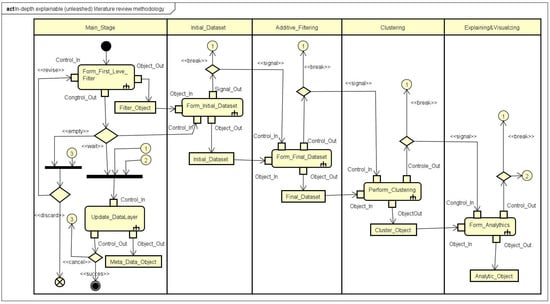
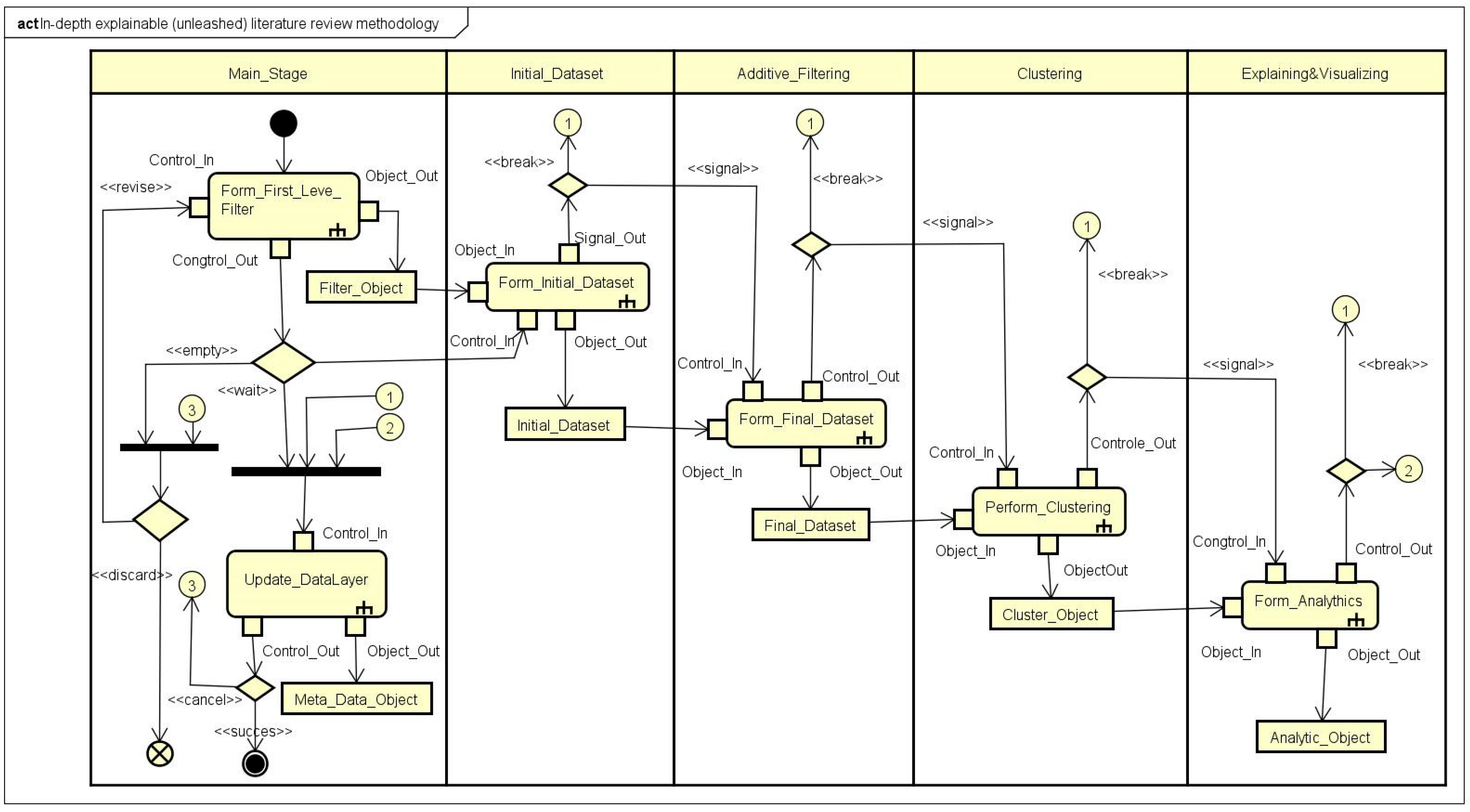
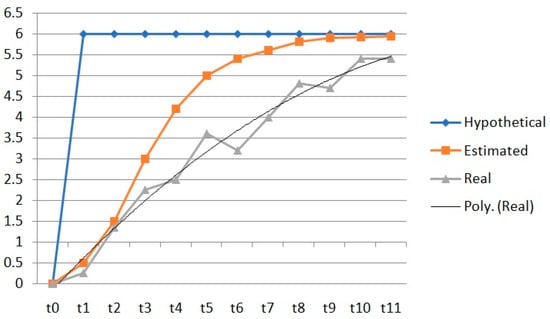
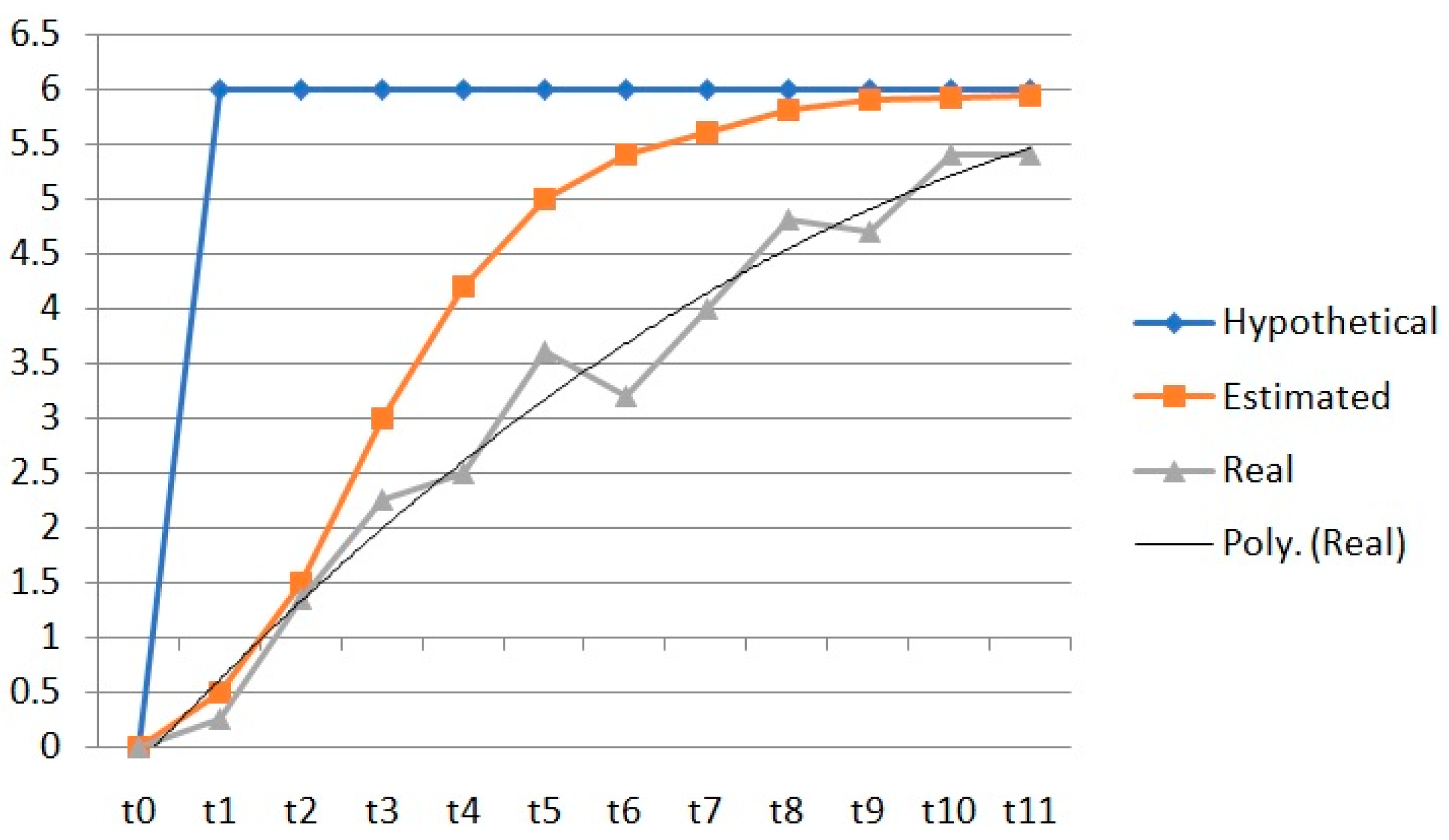
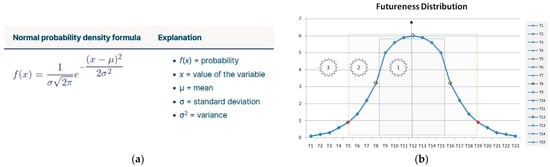
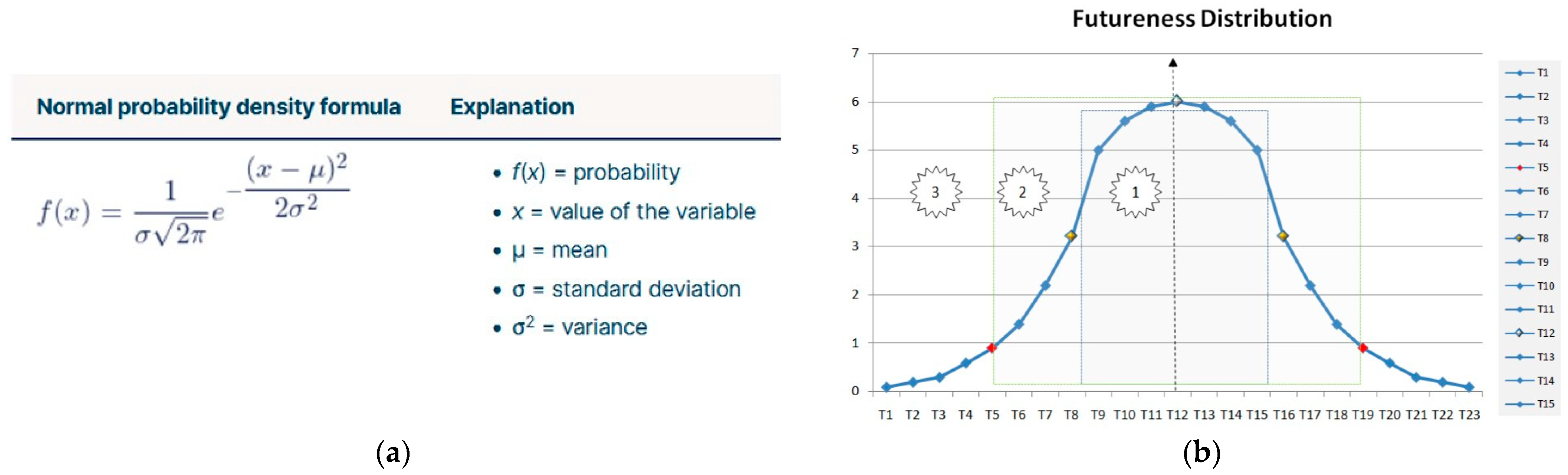
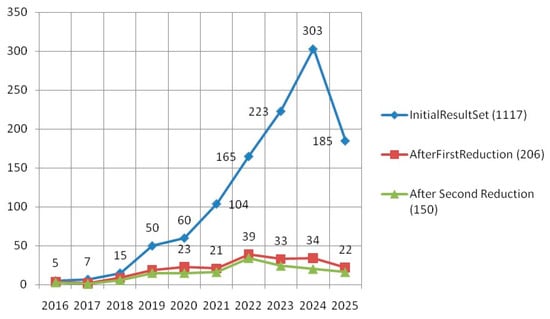
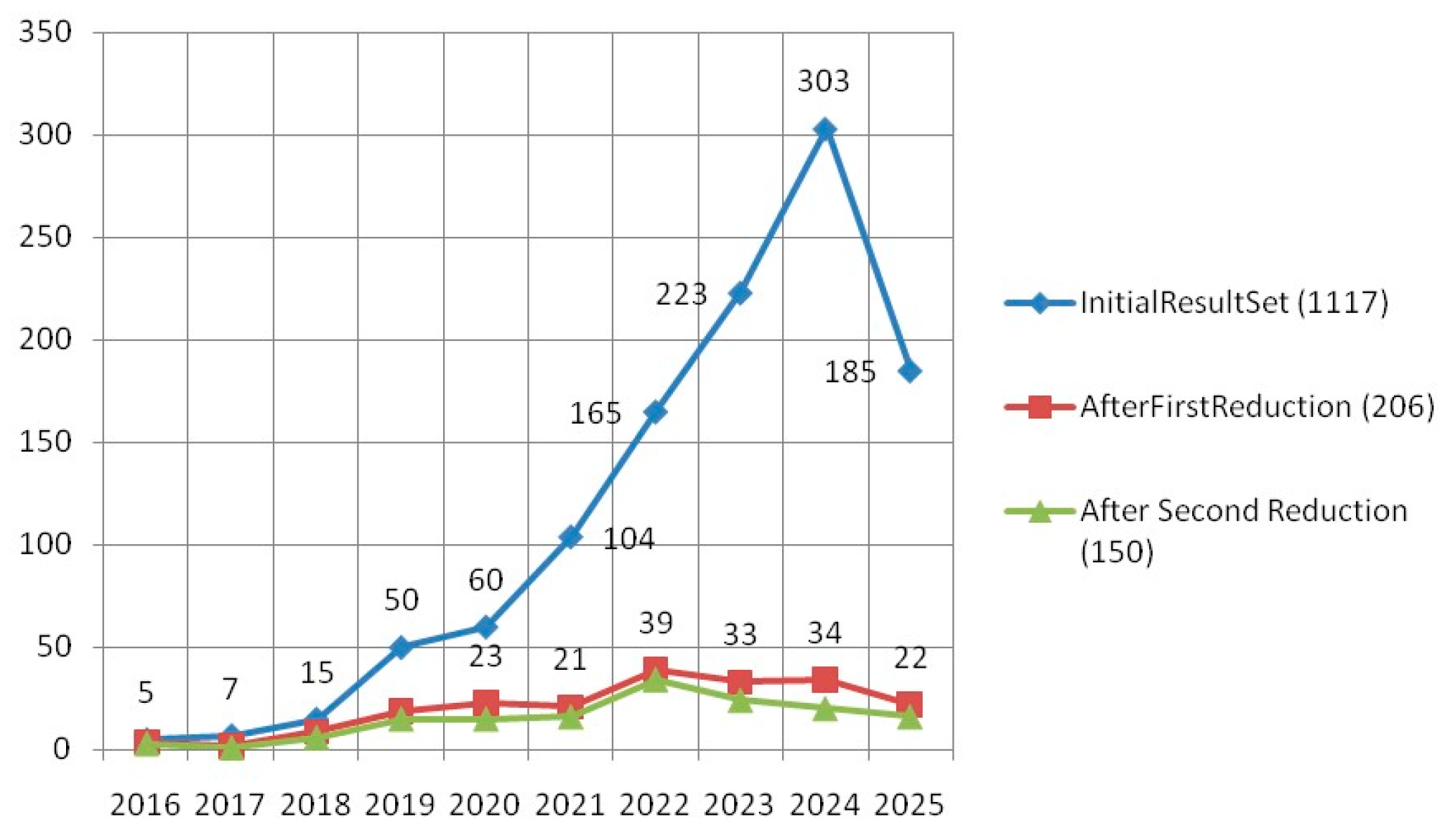
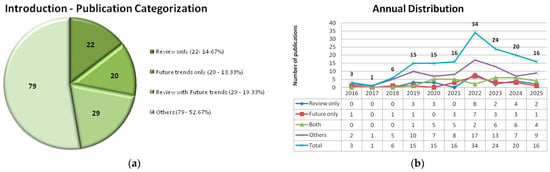
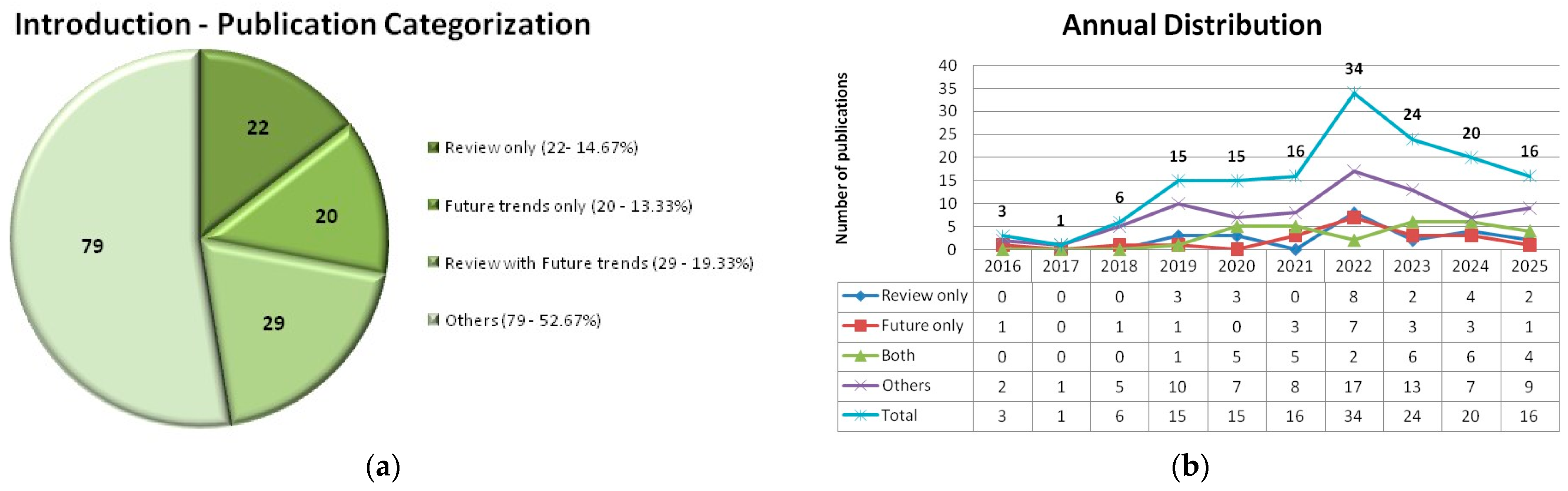
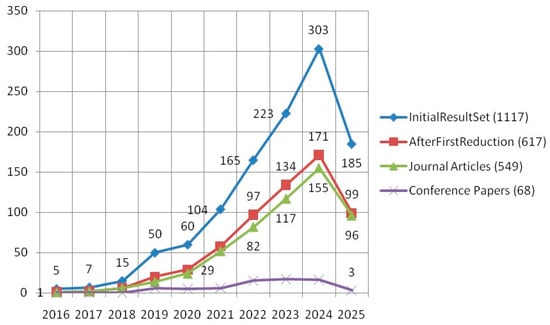
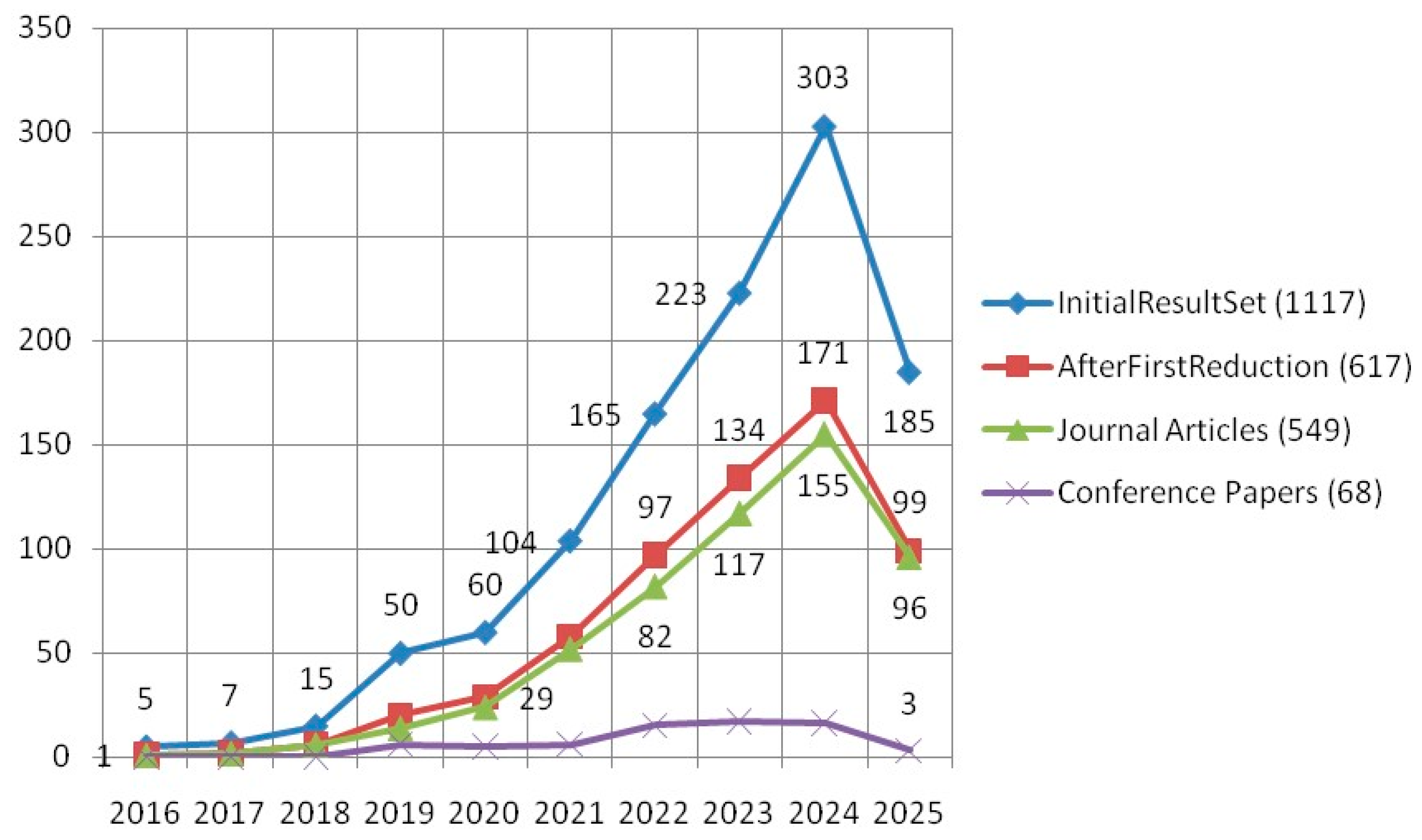
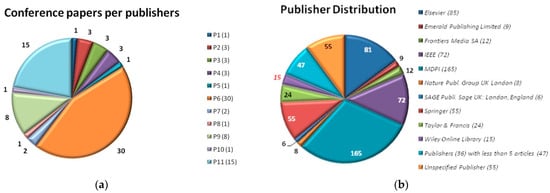
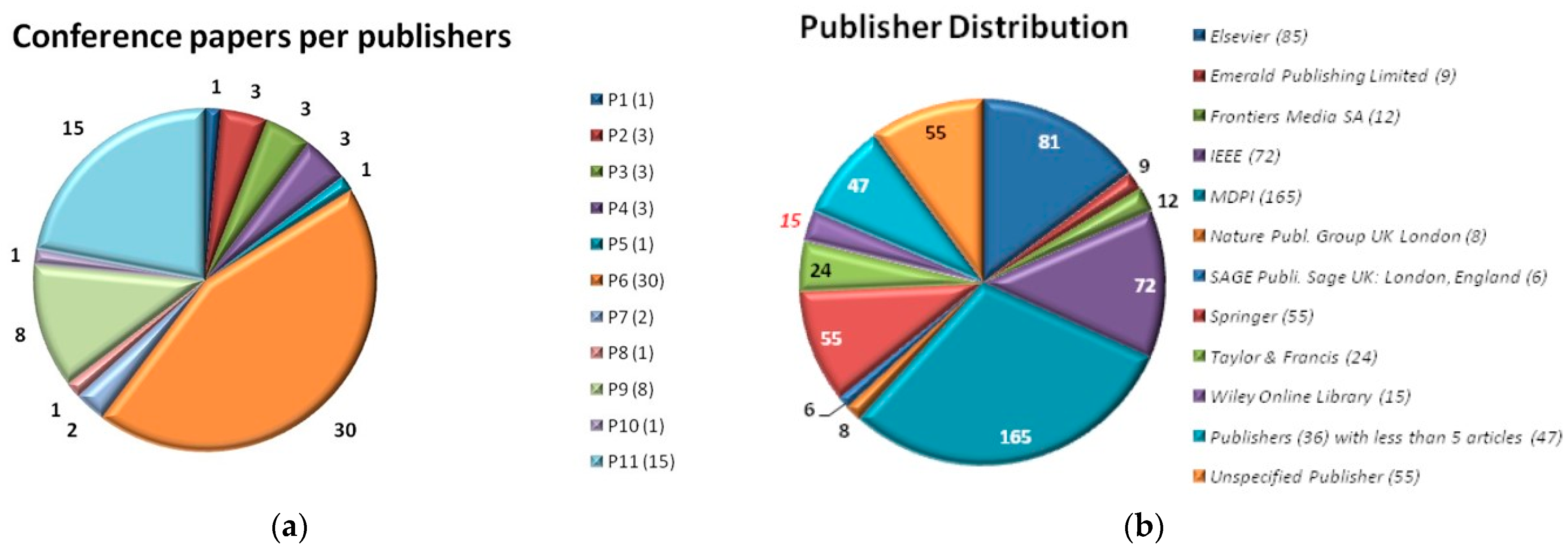
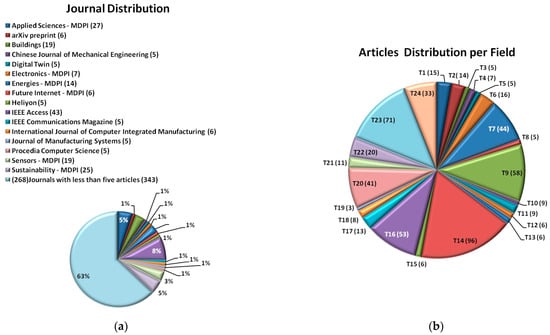
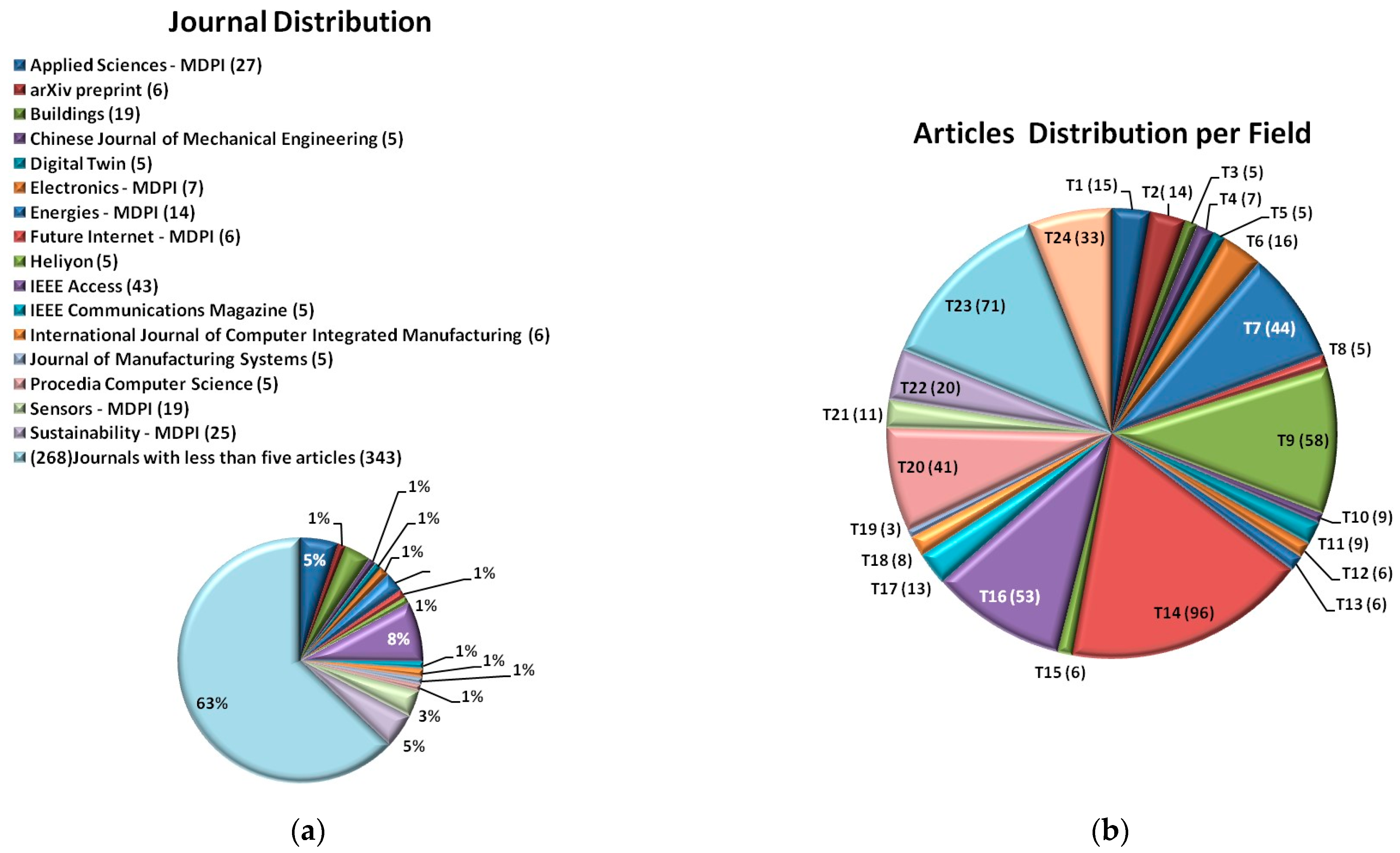
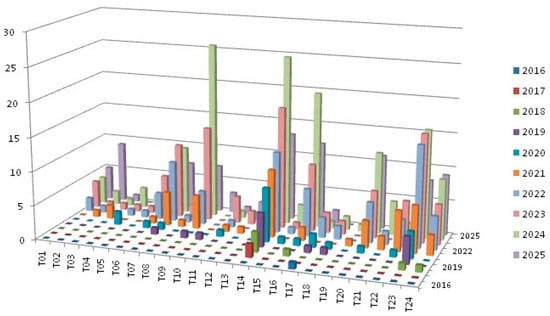
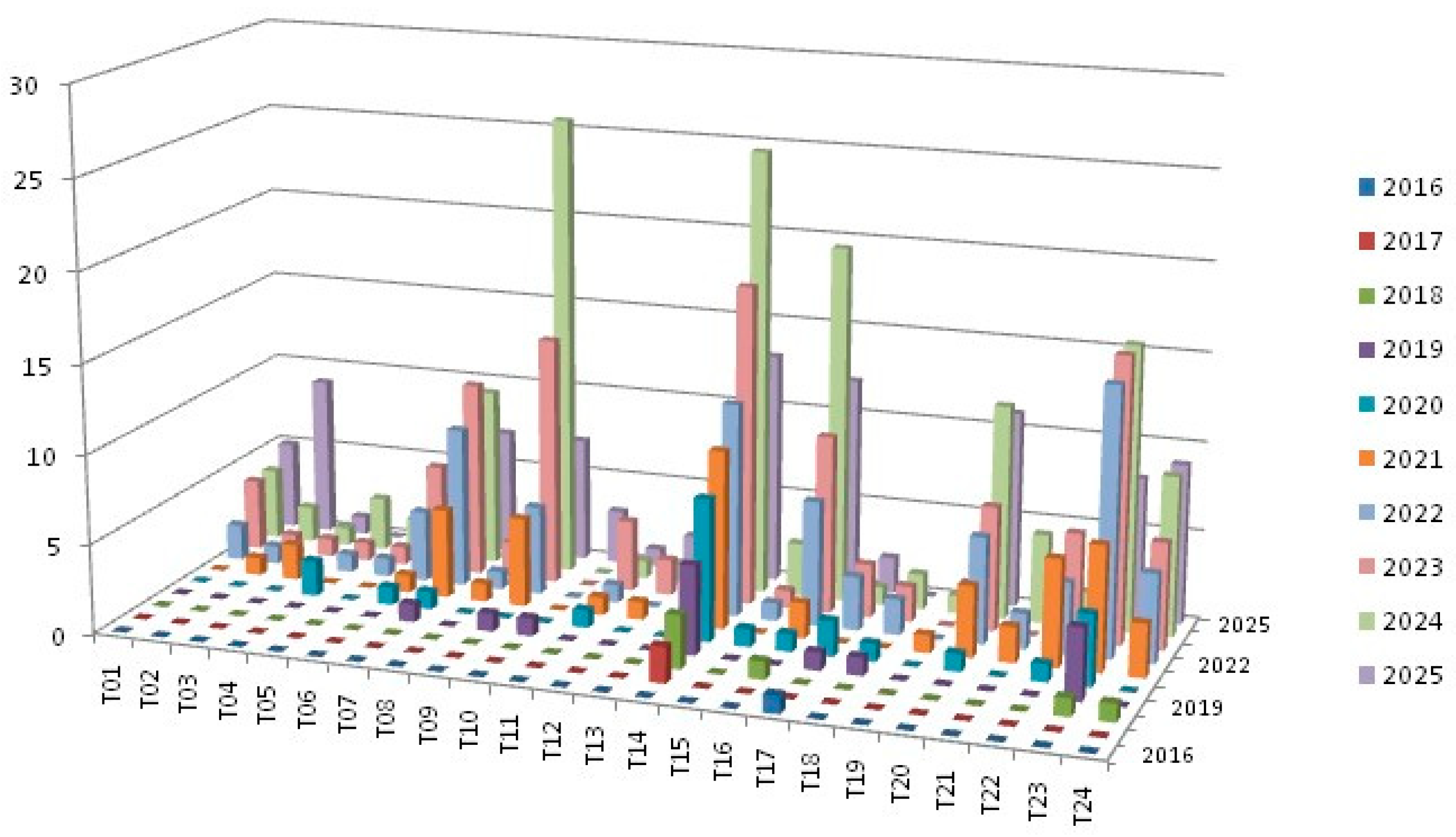
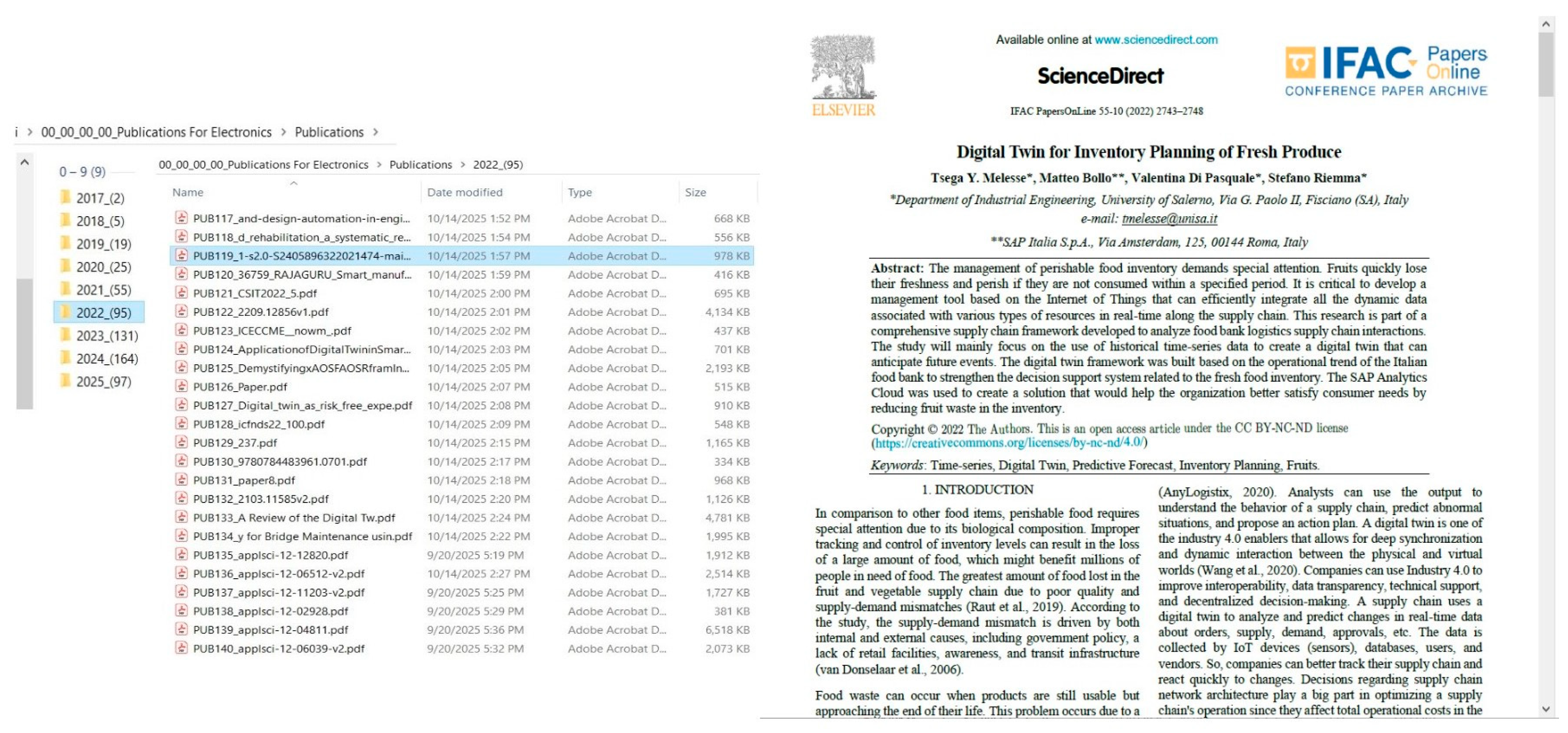
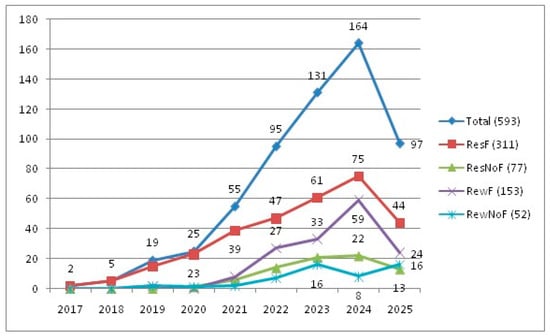
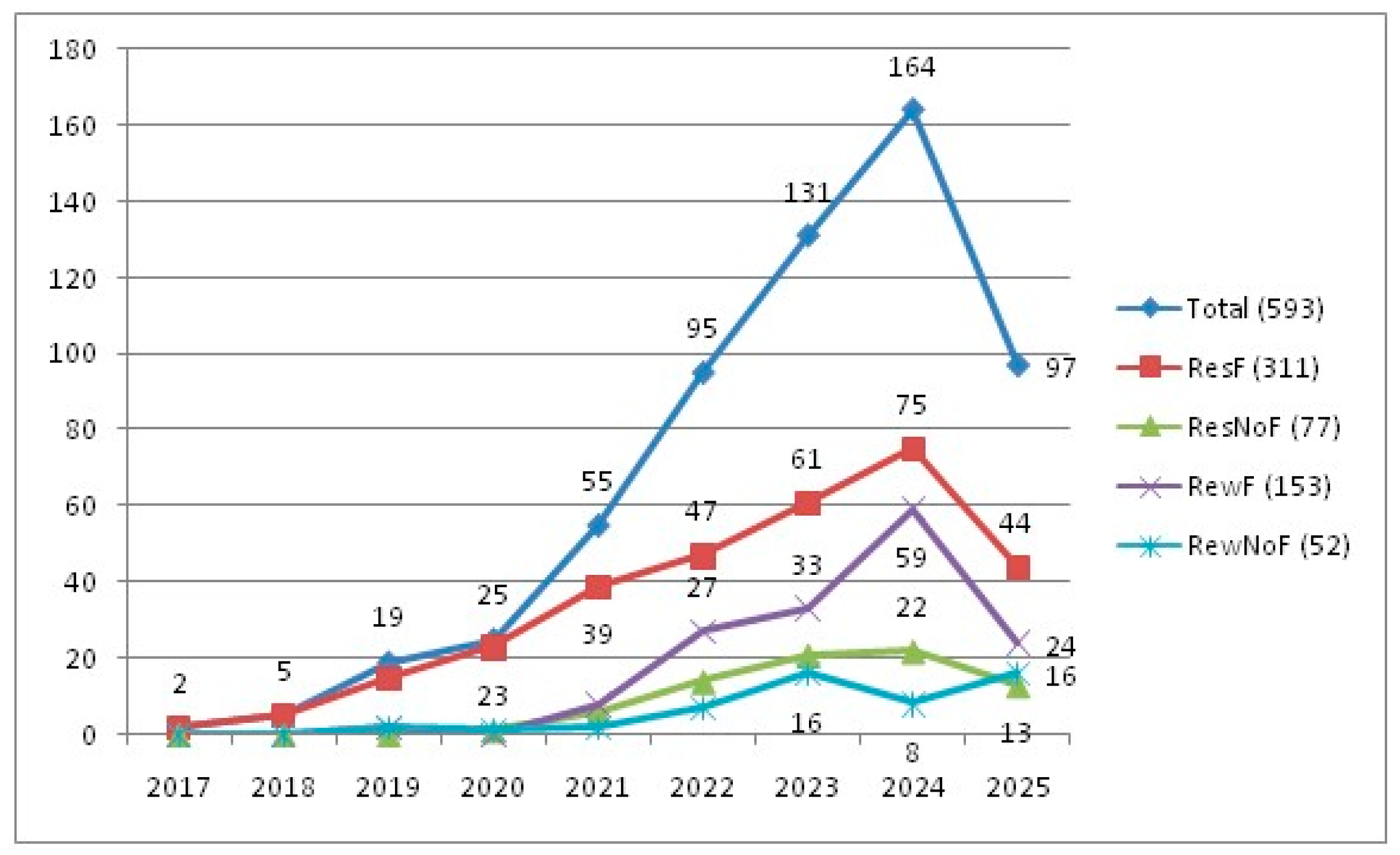
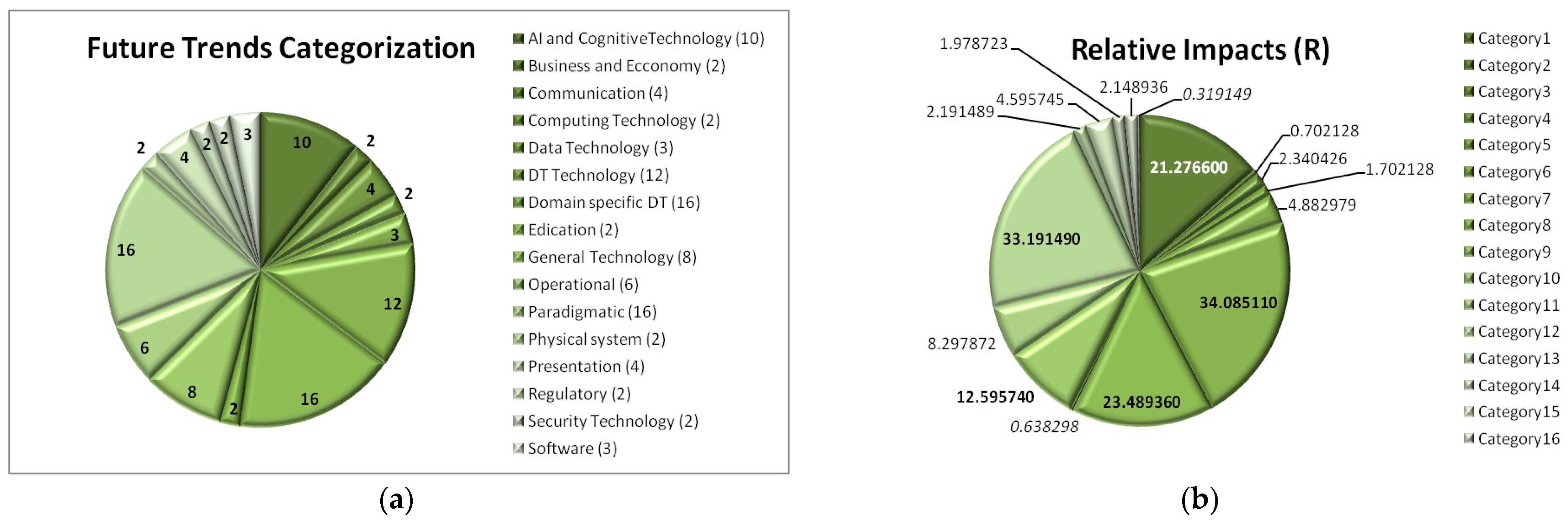
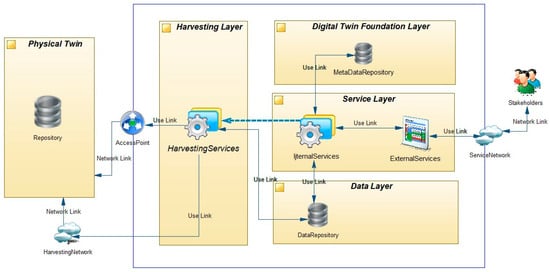
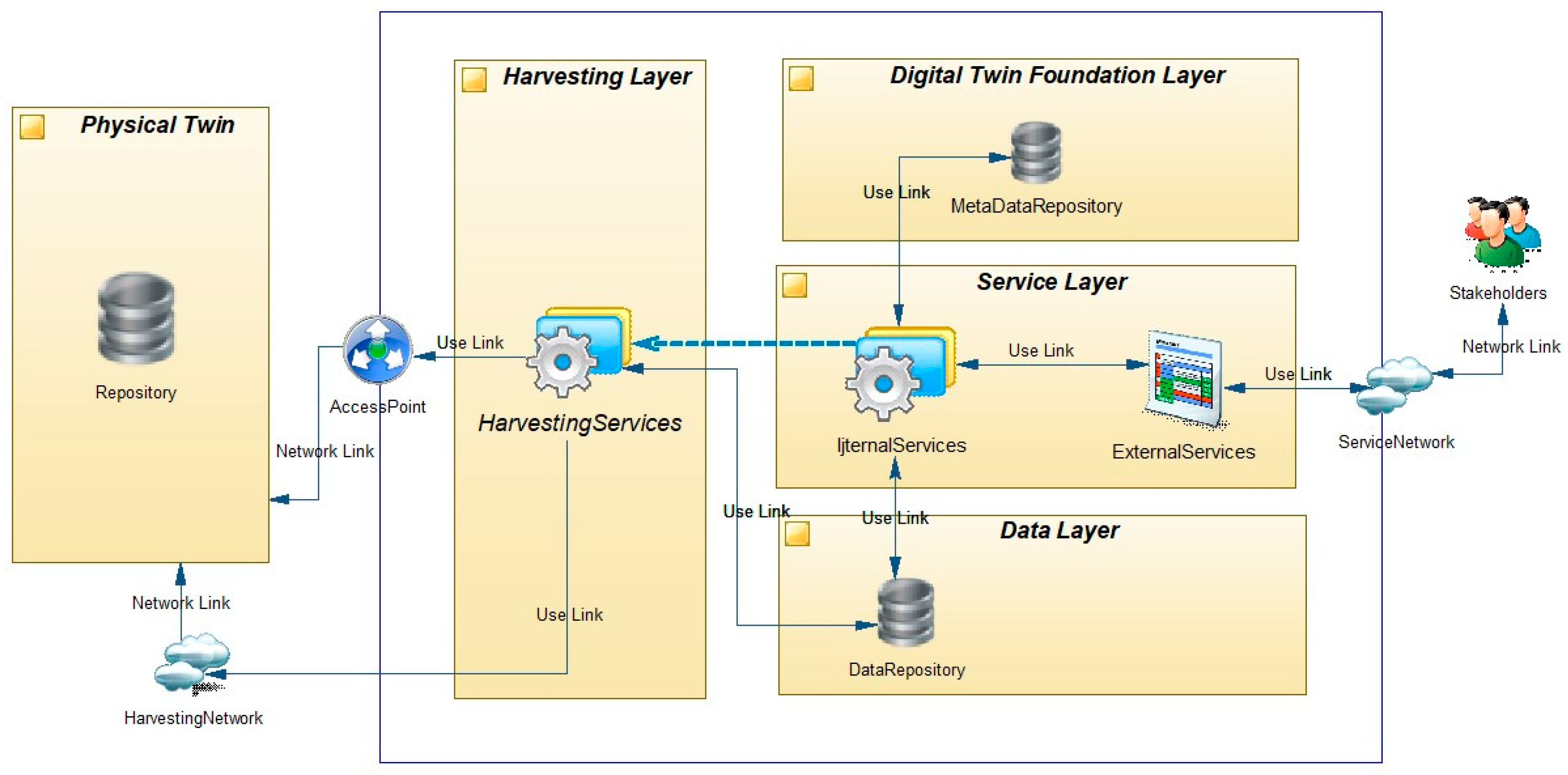
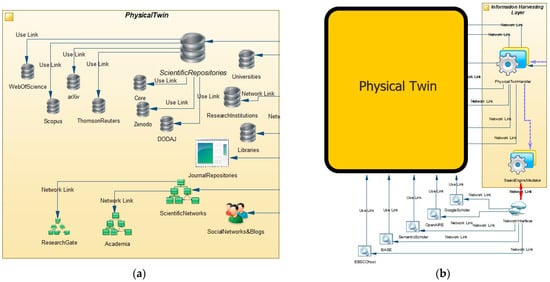
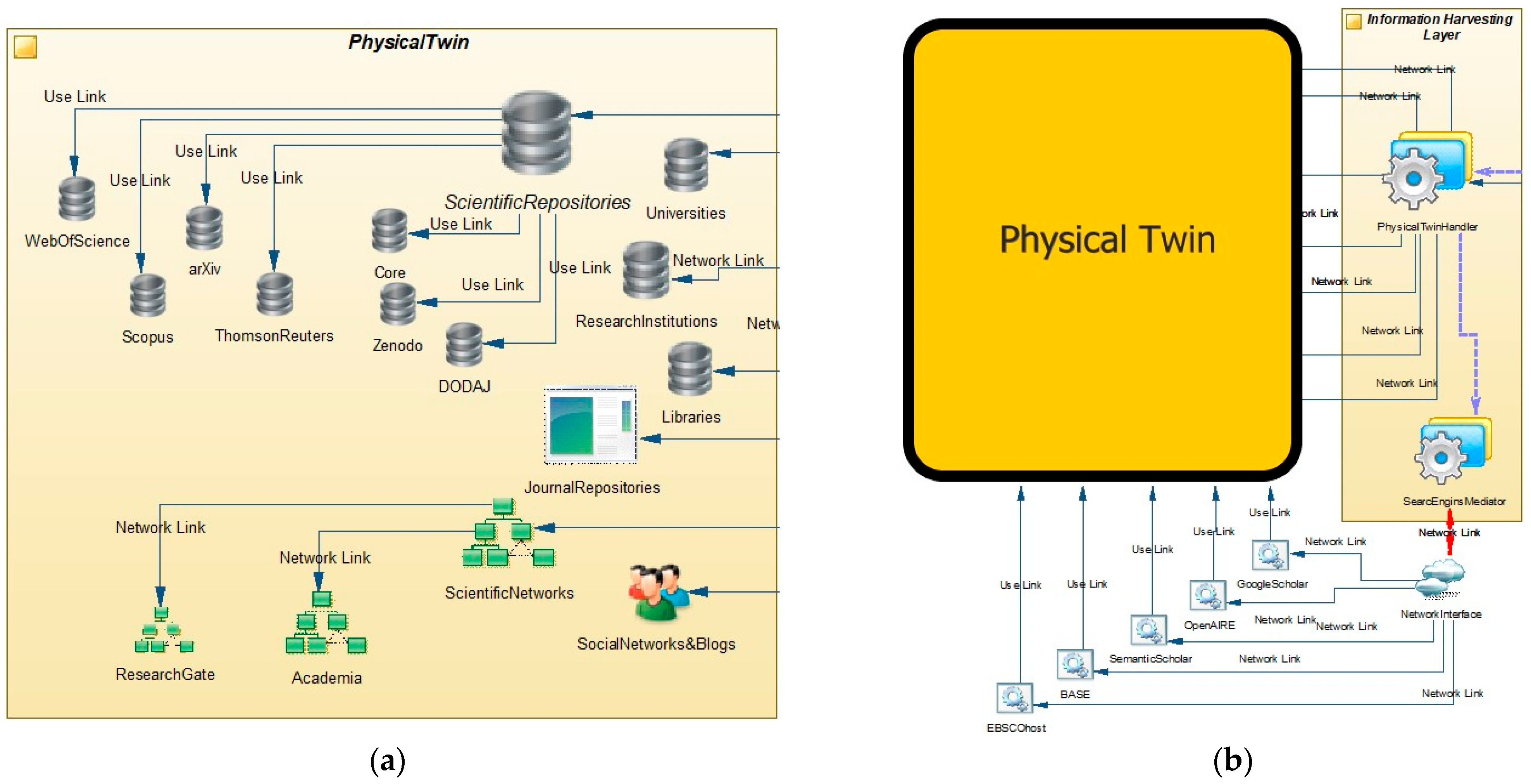
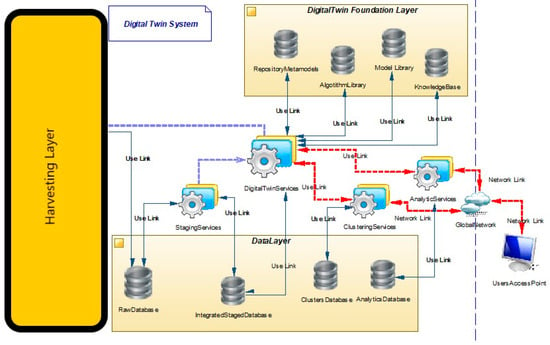
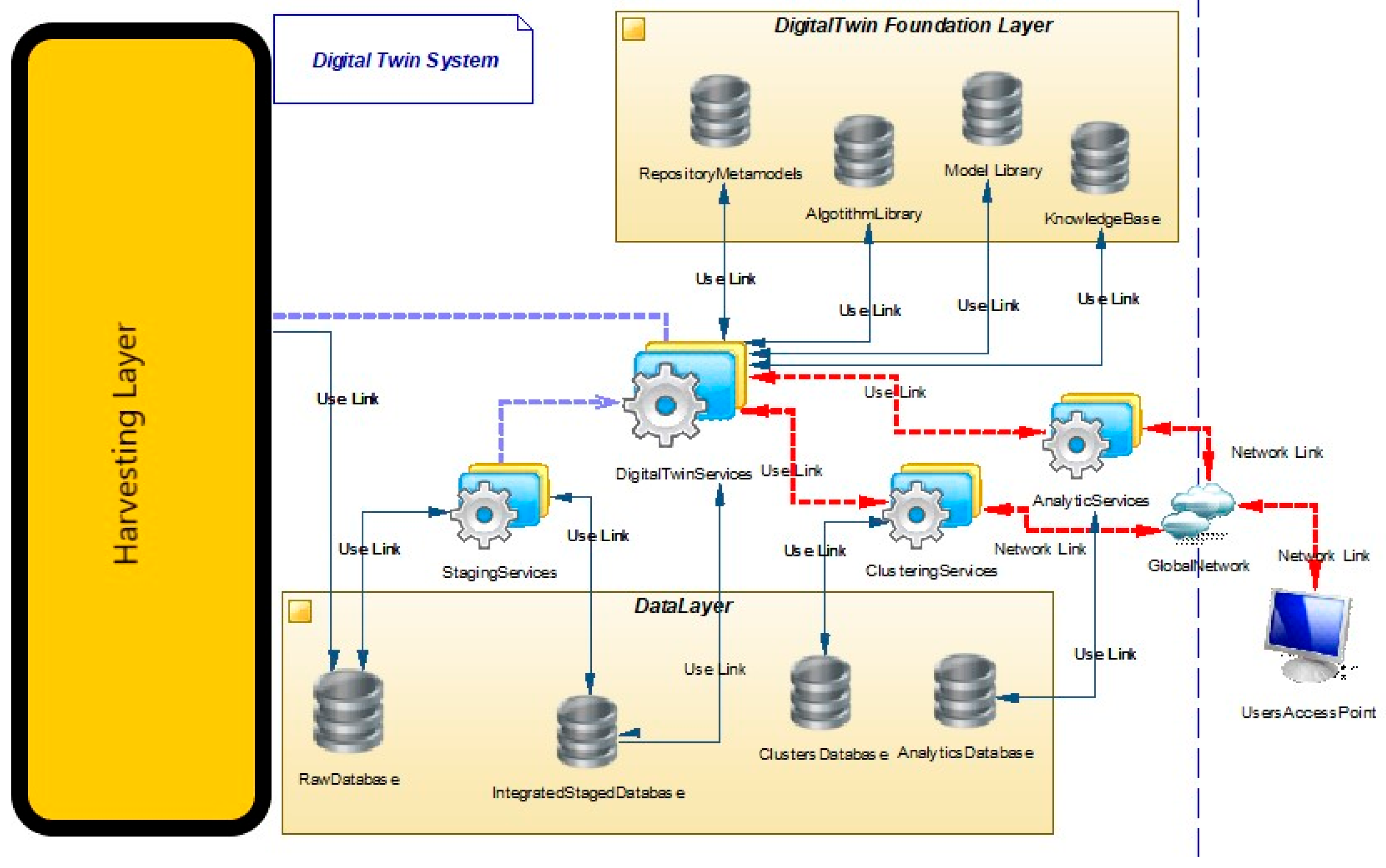

Disclaimer/Publisher’s Note: The statements, opinions and data contained in all publications are solely those of the individual author(s) and contributor(s) and not of MDPI and/or the editor(s). MDPI and/or the editor(s) disclaim responsibility for any injury to people or property resulting from any ideas, methods, instructions or products referred to in the content. |
© 2025 by the authors. Licensee MDPI, Basel, Switzerland. This article is an open access article distributed under the terms and conditions of the Creative Commons Attribution (CC BY) license.