Review

Material Characterization and Strategies for Optimization of Additively Manufactured Electric Machines—A Review

by
Shaheer Ul Hassan
1,2,*,
Mazahir Hussain Shah
2,3,
Luděk Pešek
1 and
Miroslav Chomát
1,2
1
Institute of Thermomechanics of the Czech Academy of Sciences, 182 00 Prague, Czech Republic
2
Faculty of Electrical Engineering, Czech Technical University in Prague, 166 27 Prague, Czech Republic
3
Center of Applied Research and Development for Additive Manufacturing, CARDAM s.r.o., Za Radnicí 933, 252 41 Dolní Břežany, Czech Republic
*
Author to whom correspondence should be addressed.
Electronics 2025, 14(4), 729; https://doi.org/10.3390/electronics14040729

Submission received: 14 November 2024 / Revised: 3 February 2025 / Accepted: 10 February 2025 / Published: 13 February 2025

Abstract

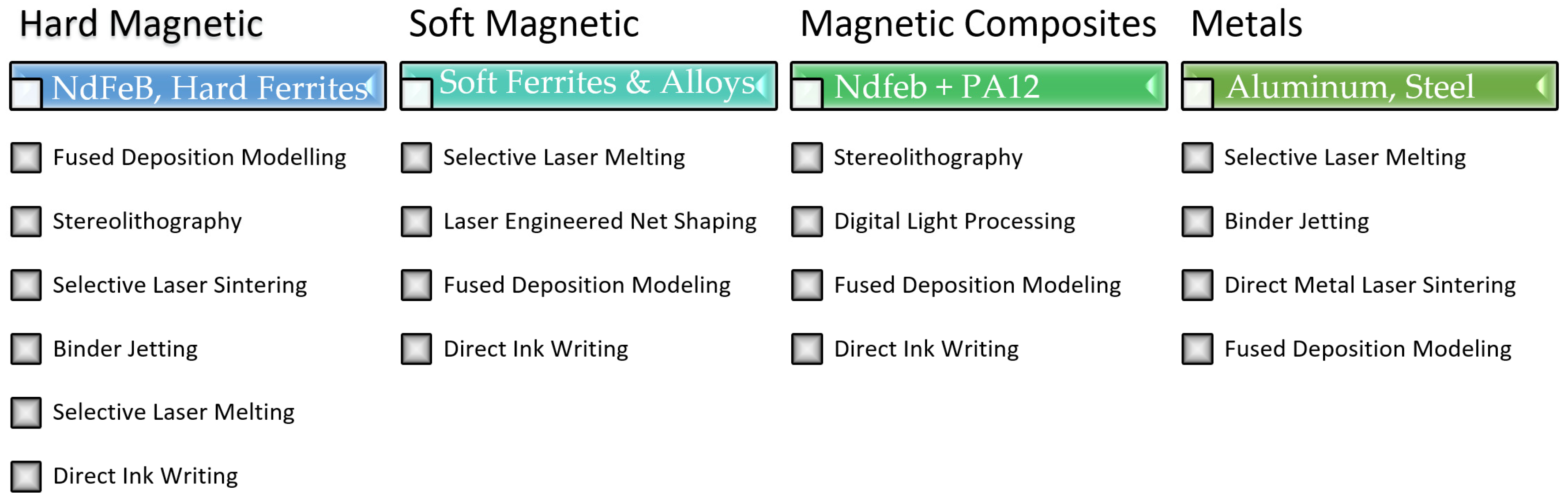
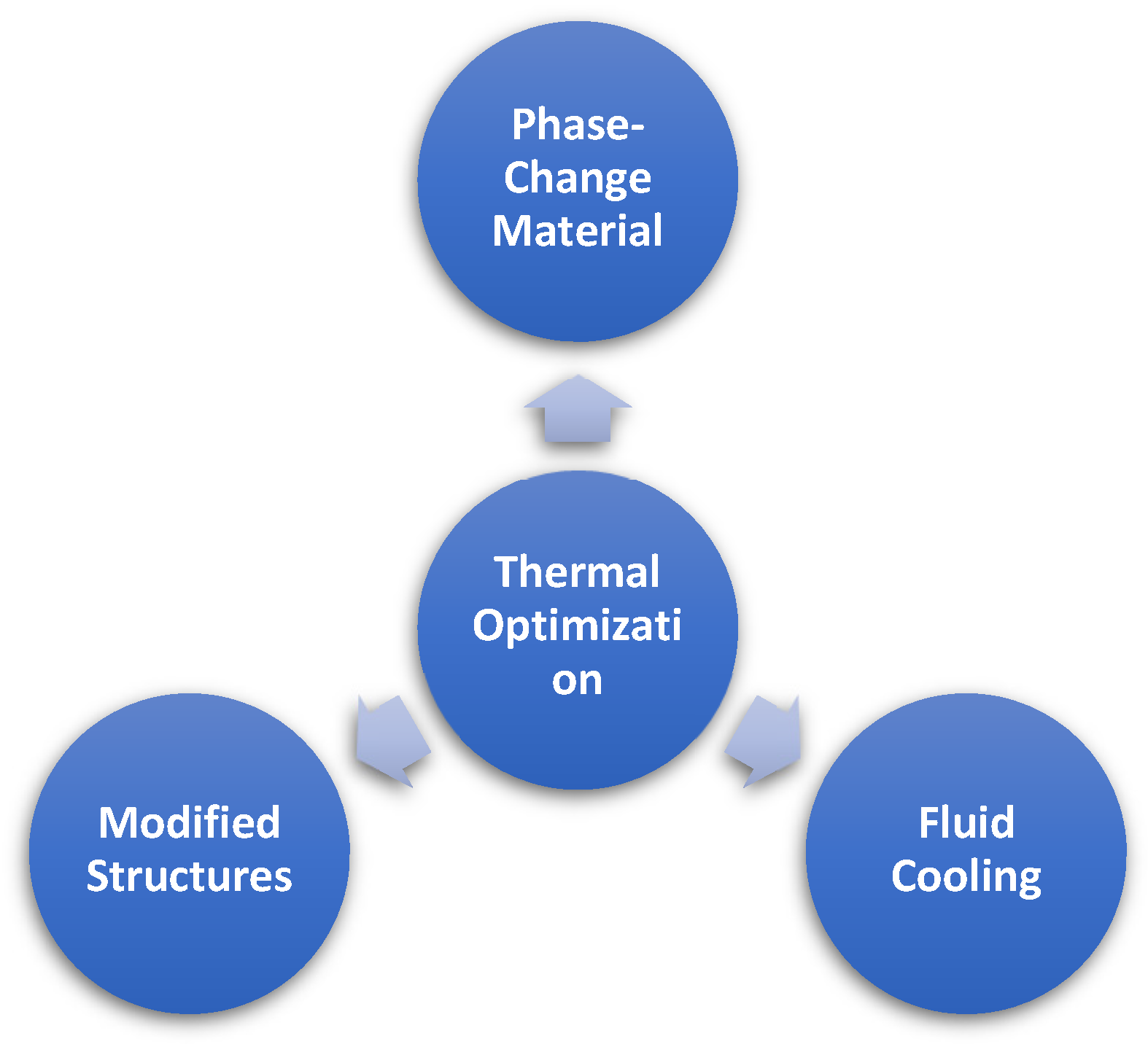
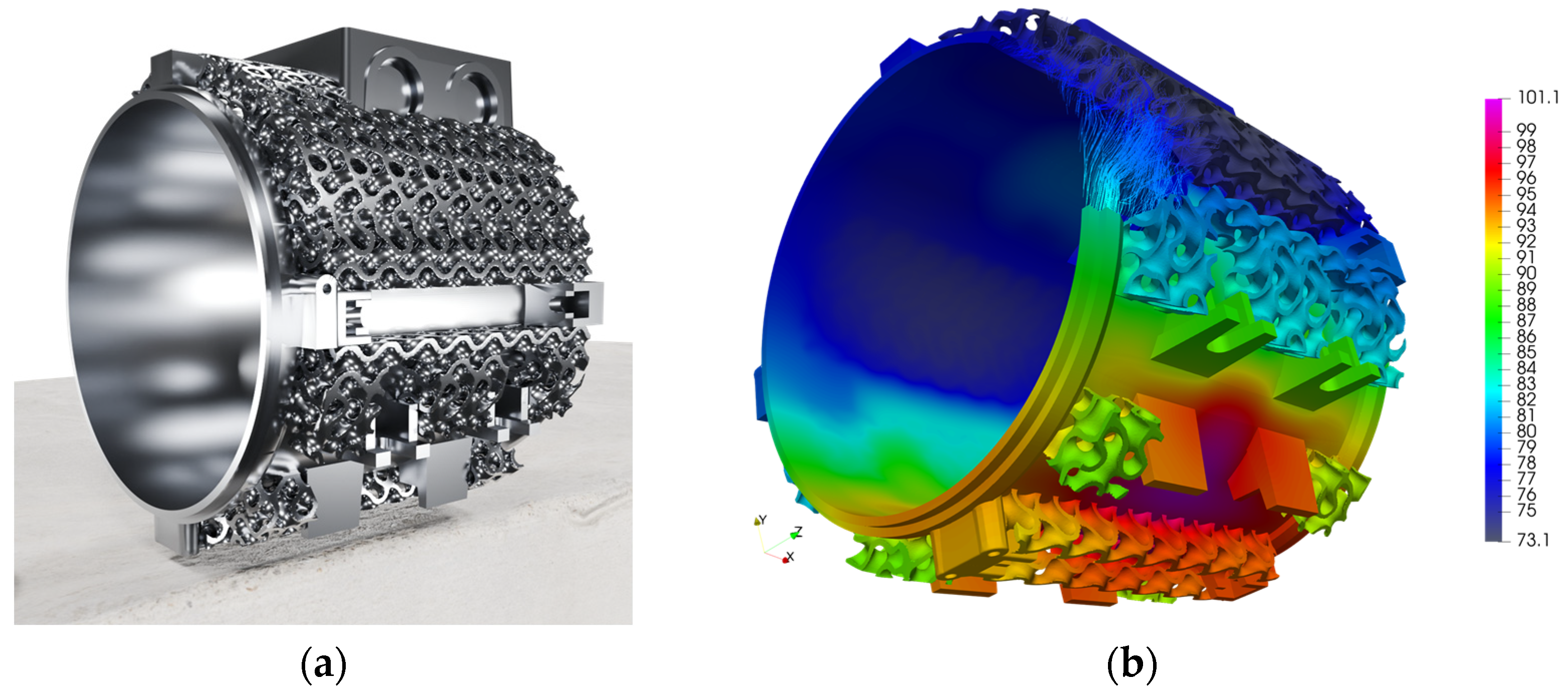
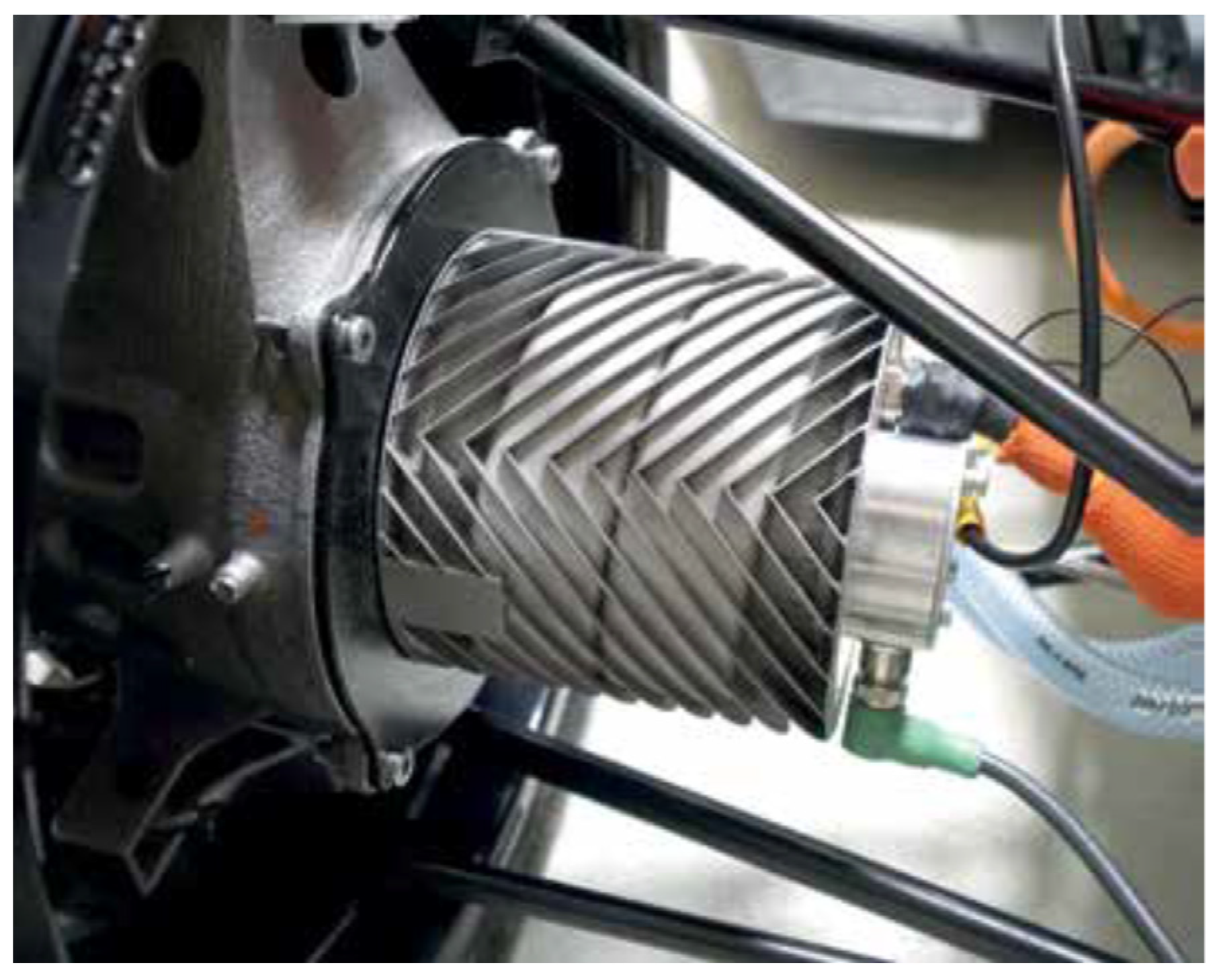
With the advent of 3D printing, advancements in optimizing structures and innovations to 3D print new materials for electric machines are being developed. Conventional structures are being replaced by lattice structures which provide better properties. From plastics to metals, recent achievements have been made in the 3D printing of soft and hard magnetic materials. Hard magnetic materials are mostly printed by mixing them with ferrites or using a binder material. This paper focuses on all the different methods and compositions to 3D print metals and soft and hard magnetic materials. Although research is still undergoing to expand the use of different magnetic materials, we still have some limitations in their use in electric machines e.g., mixing hard magnetic materials with other materials for 3D printing weakens their electromagnetic properties. Some 3D printing processes provide a comparatively low mechanical strength. With research being undertaken to overcome these challenges, recent 3D-printed magnetic materials for the use in electric machines are discussed in this paper. Apart from materials, different optimization strategies are also introduced that increase the efficiency of the 3D-printed parts e.g., process optimization, topology optimization, and thermal optimization. Process optimization includes different multi-material strategies to reduce the time taken, print multiple parts in one process, and improve the properties of the part. Topology optimization revolves around optimized designs. The properties of electric machines are enhanced by using optimized shapes of rotor, stator, and coils. During the operation of electric machines, there is always some heat generation. The efficient removal of this heat from the system can increase the efficiency of the part. Thermal optimization to efficiently dissipate the heat to the atmosphere is achieved by using phase-changing materials (PCMs), by installing cooling systems, or by introducing optimized structures with better thermal properties. All these developments are discussed in this paper.
Keywords: 3D-printed materials; electric machines; multi-material 3D printing; topology optimization; process optimization; thermal optimization 3D-printed materials; electric machines; multi-material 3D printing; topology optimization; process optimization; thermal optimization