1. Introduction
Recently, ghost imaging (GI), based on statistical correlations of light fields, has attracted widespread attention [
1,
2,
3]. In GI, a bucket detector without spatial resolution records the total intensity after interaction with the target, while a detector array in the reference path measures the corresponding illumination pattern. Meanwhile, a detector array in the reference optical path measures the corresponding illumination pattern. Correlating these two signals enables the reconstruction of the target’s spatial structure even without conventional imaging conditions.
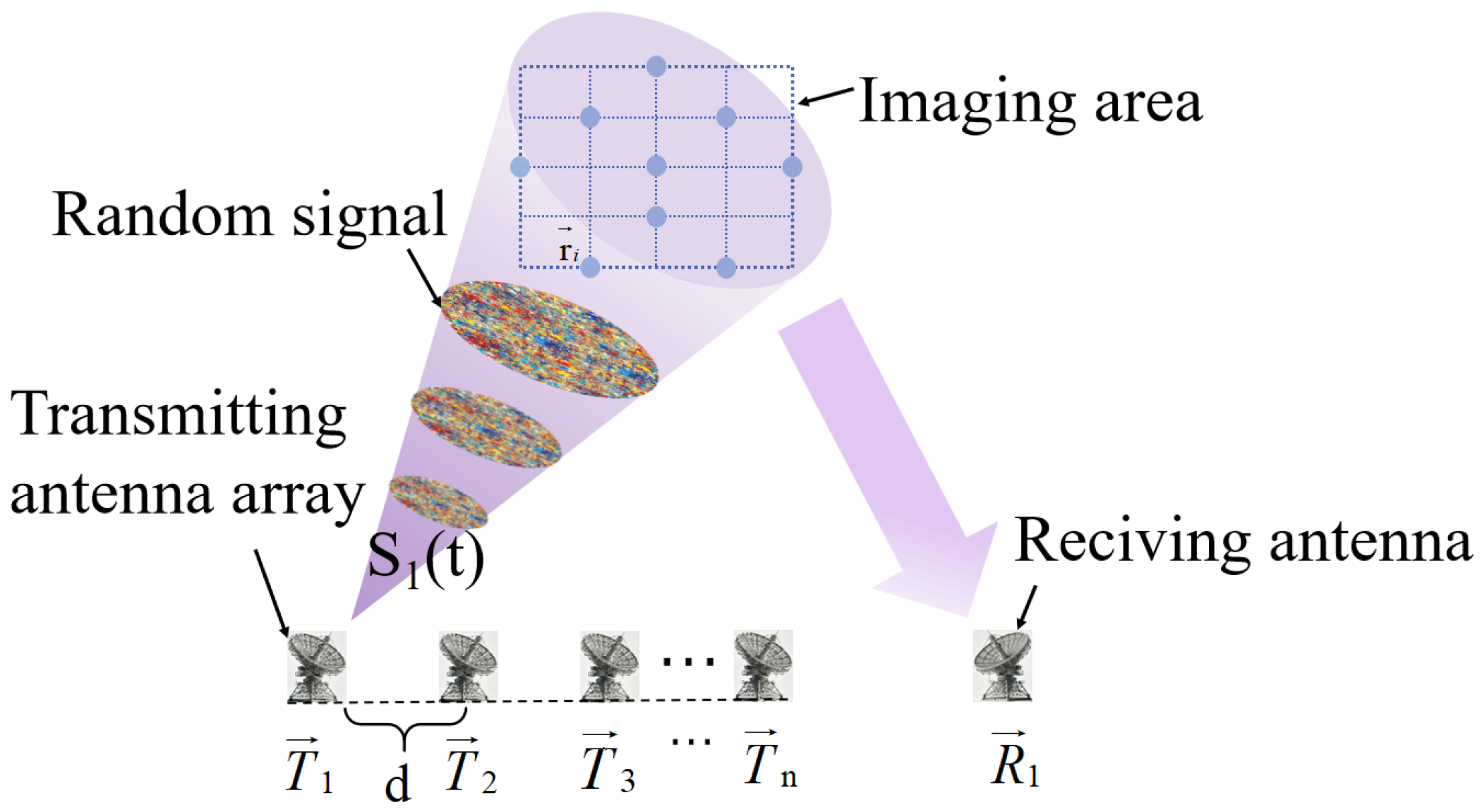
RCI is a radar imaging technique inspired by ghost imaging (GI) [
4,
5,
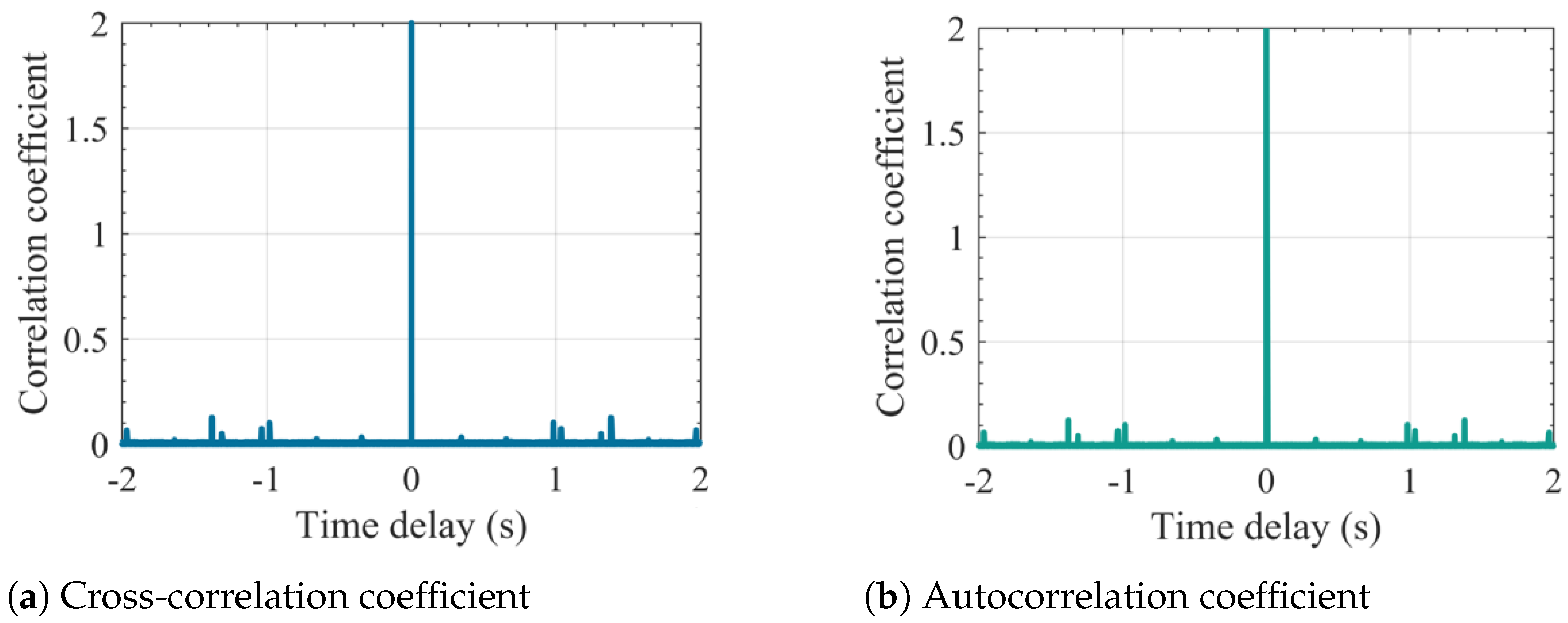
6]. It uses multiple transmit antennas emitting time–space-independent, mutually uncorrelated random waveforms so that each target scatterer is tagged with unique random information in the echoes. By correlating the transmitted and received signals, the receiver reconstructs the target scattering distribution from a single pulse. Unlike traditional synthetic aperture radar (SAR) and inverse SAR (ISAR), which require relative motion to synthesize angular resolution, RCI achieves high-resolution imaging purely from the statistical independence of its random waveforms and is thus insensitive to transmitter–receiver motion, enabling short imaging times, independence from target dynamics, and relaxed requirements on uniform angular sampling. Moreover, RCI offers high sensitivity [
7,
8], super-resolution capability [
4,
9], and strong robustness to complex scattering [
4,
10], and it has been applied to three-dimensional imaging, remote sensing, multispectral imaging, and atmospheric turbulence imaging.
In multi-channel RCI research, multiple transmitting channels are typically employed to radiate independent random illumination patterns, thereby enhancing imaging resolution. Li et al. [
9] proposed a random-excitation-array-based imaging system, which eliminates the dependence on target motion and achieves a tenfold super-resolution reconstruction purely through the statistical independence of random waveforms among antenna elements. Sun et al. [
8] demonstrated a photonics-based multiple-input multiple-output (MIMO) radar digital coincidence imaging system that attains three-dimensional super-resolution by exploiting the spatiotemporal independence and broadband fusion of multi-channel optically modulated waveforms. Shafai et al. [
4] proposed a frequency-diverse Cassegrain antenna designed to generate spatially uncorrelated radiation fields, thereby improving angular resolution through multi-channel differential reconstruction. Such multi-channel configurations expand the information dimensionality through independent channel emissions and markedly improve imaging resolution, but at the cost of larger physical apertures and increased synchronization complexity.
To mitigate aperture expansion, frequency-diverse RCI schemes transmit random radiation fields sequentially at distinct frequencies to emulate multi-channel observations. H. Saeidi-Manesh et al. [
10] proposed a method employing multi-frequency random radiation to generate independent observation matrices at different frequency bins, achieving joint range–angle super-resolution reconstruction in the frequency domain. Lin et al. [
7] proposed a phase-coded stochastic frequency radiation field, which enhances the rank of the observation matrix through frequency-domain randomness, thereby achieving high-resolution reconstruction under a single-pulse condition.
Meanwhile, several imaging schemes exploit dual-polarization information to further enhance resolution. Y. Liu et al. [
11] used polarization modulation to adapt to the target distribution and radar angular requirements, thus improving imaging resolution. He et al. [
12] used the polarization matrix to describe target echoes under different polarization states, thereby enhancing the information dimensionality through dual polarization. Liu et al. [
13] proposed a polarization–modulation spectral method that uses fully polarized signals and a polarization filter bank to separate different target information and improve spatial resolution.
These dual-polarization imaging methods require highly consistent signals, so polarization channels must be aligned, compensated, or modulated, which increases algorithmic complexity. Additionally, these polarization methods either assign different polarization directions to distinct array elements or alternate the transmission of different polarization signals over time to capture the multi-dimensional scattering information of the target, thereby improving imaging resolution and structural recognition capability. However, the former increases the spatial complexity of the array, effectively expanding the aperture, whereas the latter lengthens the observation period and inevitably complicates system implementation.
To further enhance the angular resolution and imaging quality of RCI without enlarging the physical aperture, this work proposes a DDPA and its corresponding imaging method. The dual-polarization information in this method can be directly combined and processed. First, dual LFM signals are multiplied by time-varying random amplitude vectors derived from stochastic sequences to ensure the temporal independence and randomness of the transmitted signals, thereby enriching the diversity of the observation matrix and improving imaging accuracy. Benefiting from the dual-frequency operation of the proposed antenna, different array elements operate at different frequencies, forming frequency-diverse illumination patterns in space. Each element adopts a high-isolation dual-feed structure for which its two ports realize independent phase centers with orthogonal polarization directions, enabling dual-polarization and dual-phase-center operation on a single patch and, thus, dual-frequency dual-polarization transmission without aperture expansion. The high isolation performance allows both polarizations to function concurrently within a compact structure, significantly enhancing angular and polarization resolution.
This study is organized as follows. In
Section 2, the signal model for RCI is presented, followed by the imaging method involved in the proposed structure and the corresponding resolution analysis. In
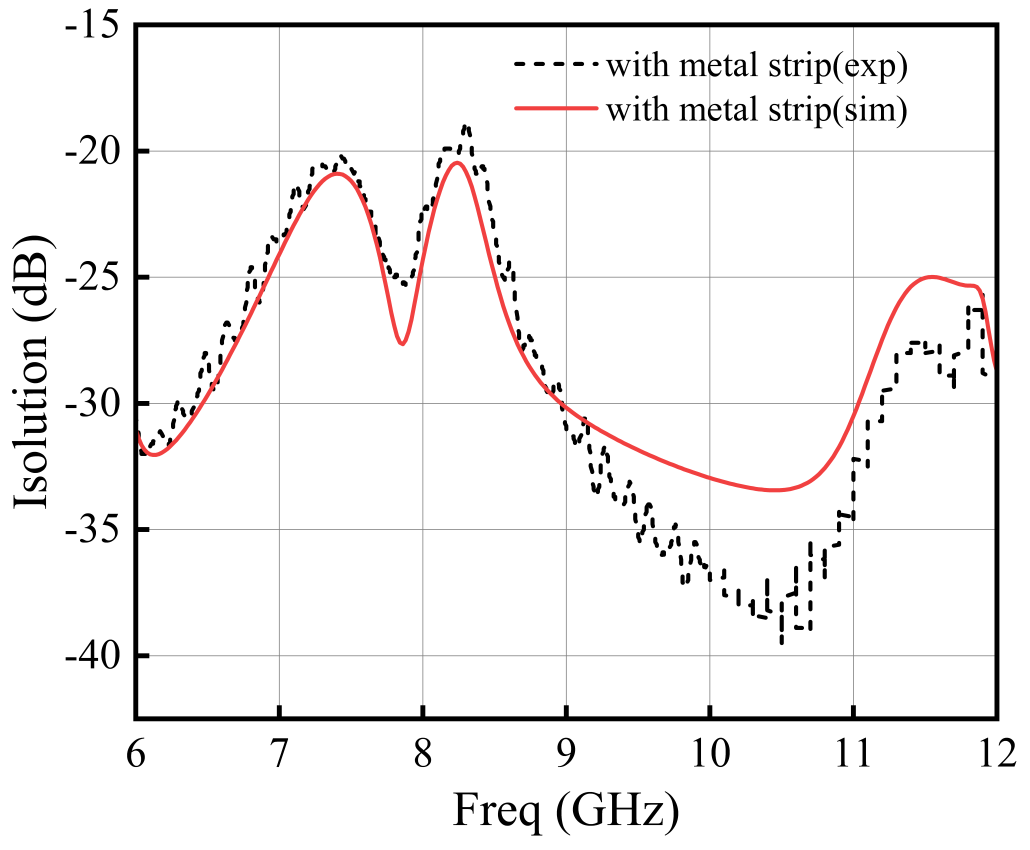
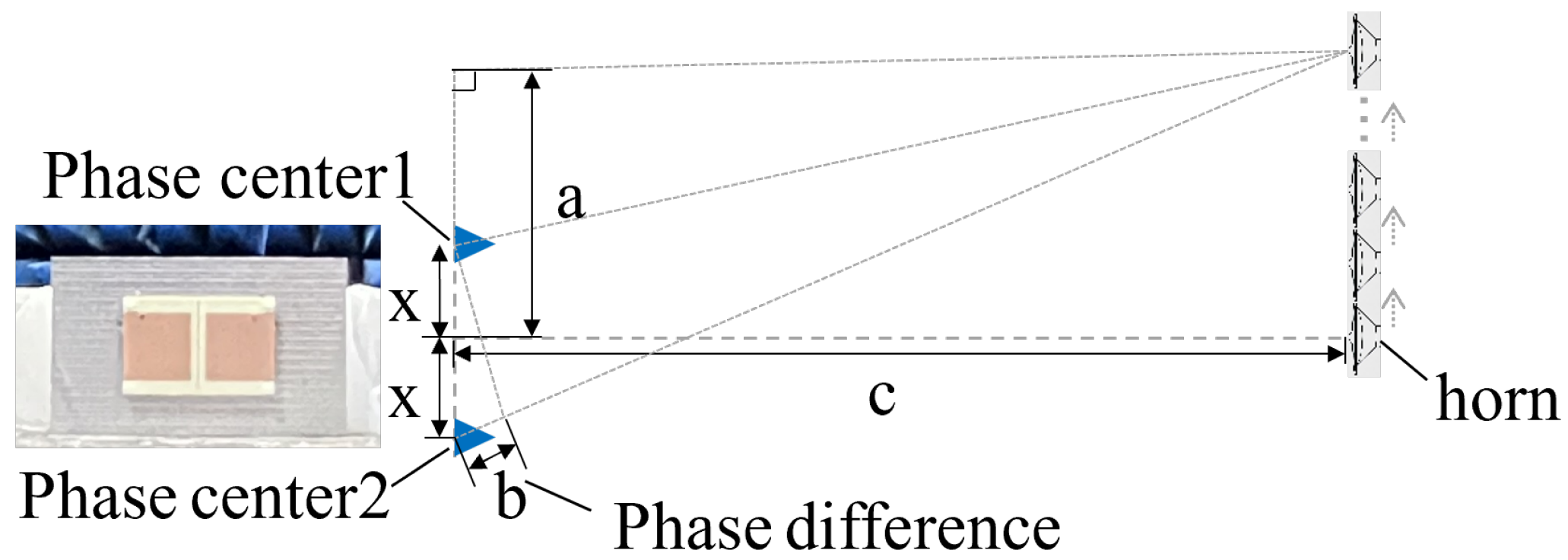
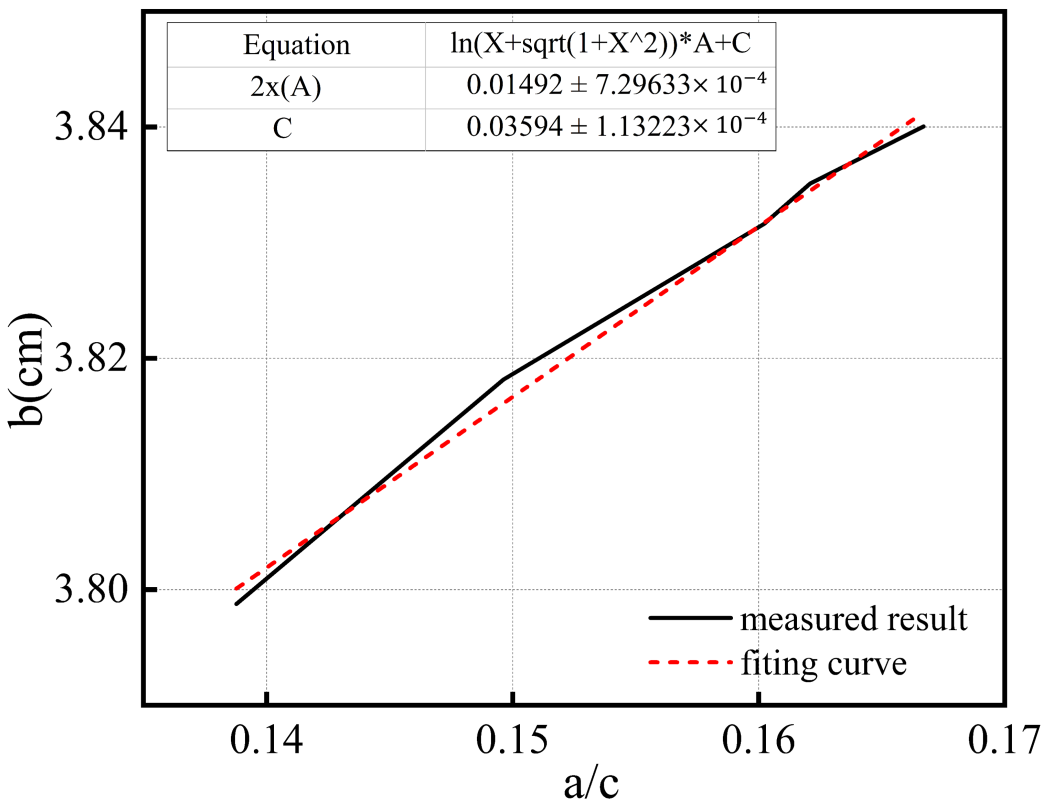
Section 3, the design principle and simulation results of the proposed antenna are described. In
Section 4, the imaging results obtained by applying the antenna design from
Section 3 to the imaging model in
Section 2, together with a comparison against conventional imaging methods, are provided. Finally, the conclusions are summarized in
Section 5.
4. Joint Simulation of Antenna and Imaging Algorithm
The analysis presented in
Section 2 is validated through an RCI simulation of a static target. The antenna designed in
Section 3 is employed in the imaging scene, and the basic simulation parameters are listed in
Table 2. The simulated imaging configuration is illustrated in
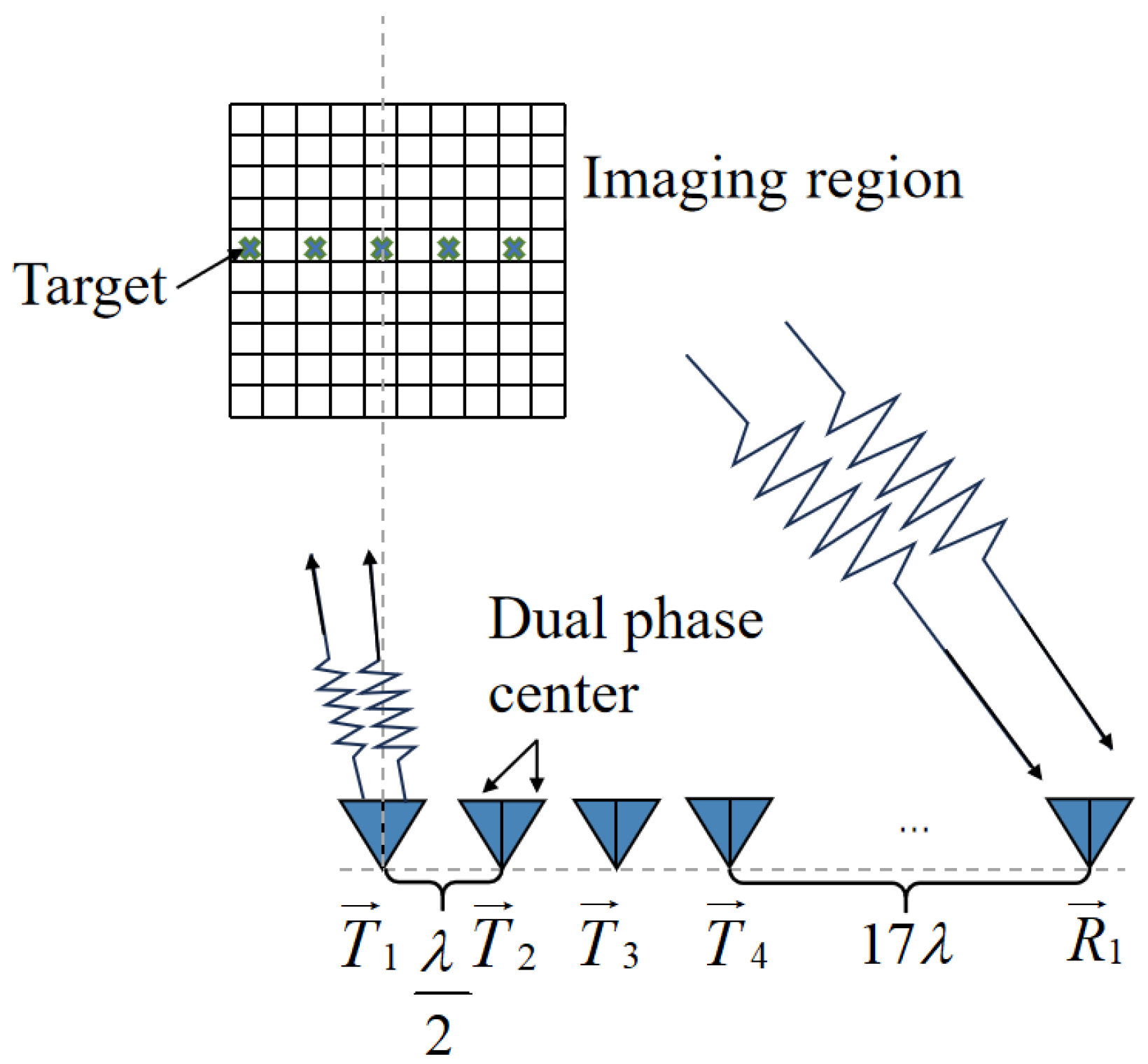
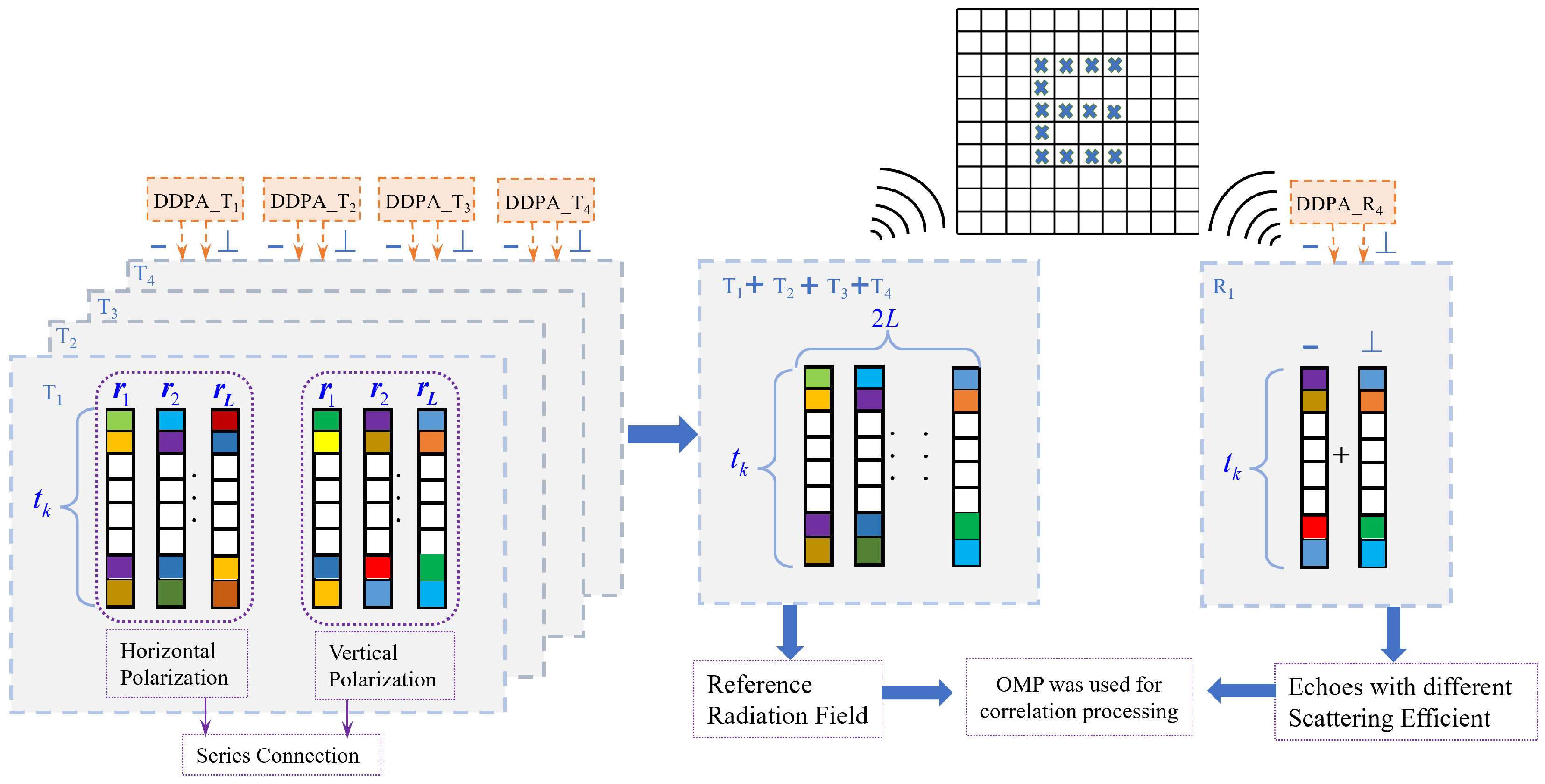
Figure 13. The simulations were carried out on a computing platform equipped with an Intel Core i7-10700 CPU and an NVIDIA RTX 3080 GPU. Under this hardware configuration, the runtime of the imaging simulation is approximately 7 s. An antenna array consisting of four DDPAs is used as the transmitting source, while a single DDPA serves as the receiver. The spacing between adjacent DDPAs in the transmitting array is half a wavelength (0.0195 m). The distance between the receiver and the transmitting array is 0.65 m, and the separation between the centers of the imaging plane and the transmitting array is 0.8 m. The imaging plane has a size of
and is divided into 144 grids (
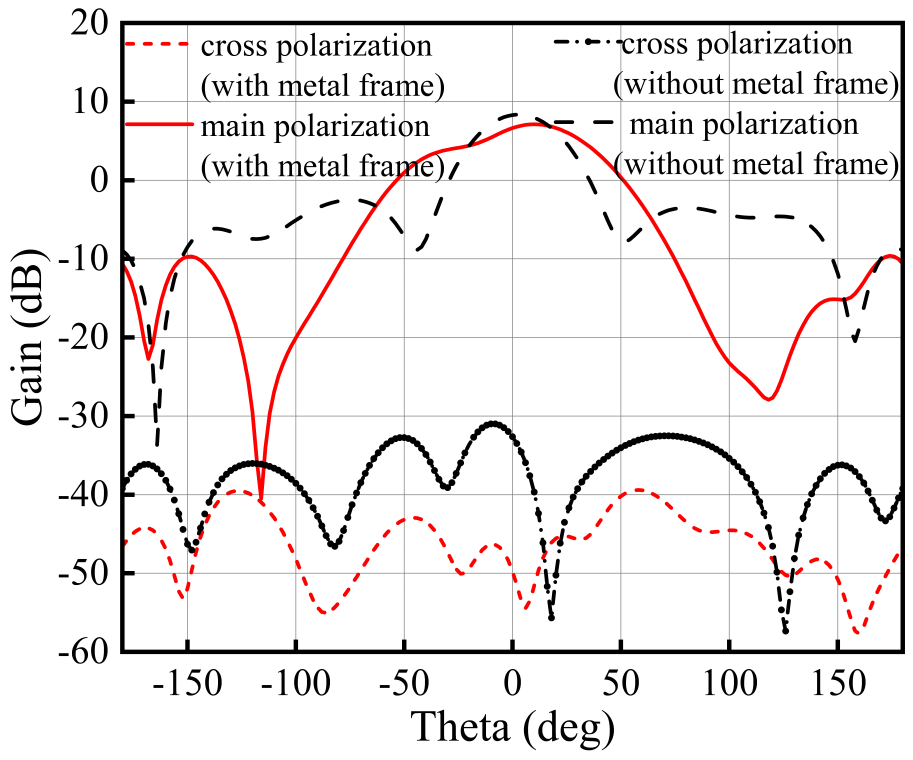
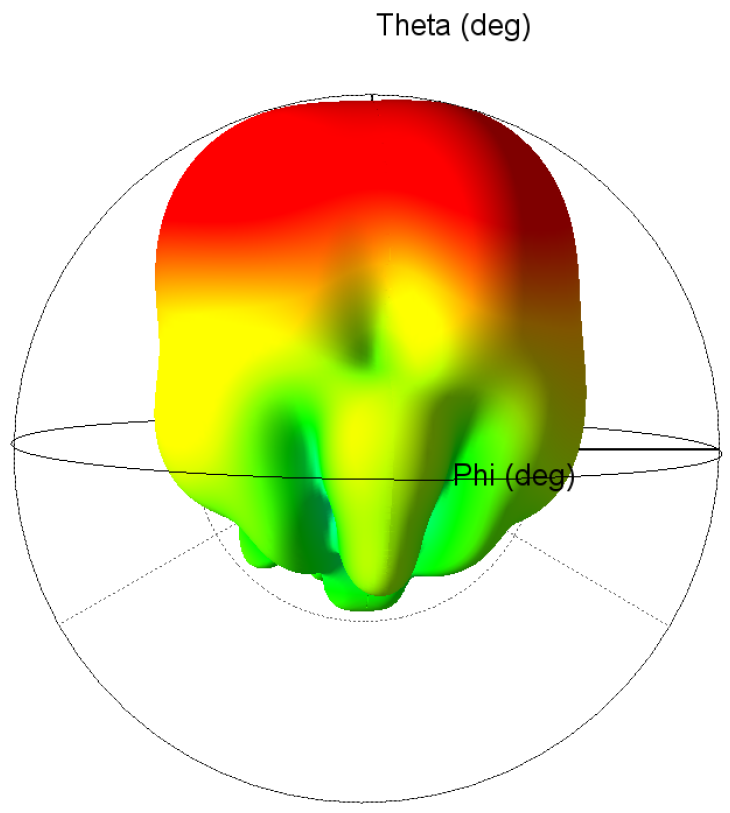
). The imaging area is fully within the main lobe width, and the gain variation is less than 2 dB. Therefore, in the imaging simulation, the antenna pattern is modeled as uniform within the main lobe, while the gain outside this region is attenuated according to the measured sidelobe level of −20 dB.
Each DDPA has two feed ports, indicated by the orange arrows in the
Figure 14, and each port corresponds to a specific polarization. The symbol “−” denotes horizontal polarization, whereas “⊥” represents vertical polarization. As illustrated in the
Figure 14, each orange arrow indicates a single-polarization random signal. The results from the four antennas correspond to the four gray boxes, which are directly superimposed in the imaging process. Each small grid in the imaging area corresponds to a scattering unit denoted as
.
Since the four DDPAs transmit four independent random signals, the signals received at each grid point are random. The resulting reference radiation field corresponds to the purple dashed boxes, each representing a single polarization mode. Owing to the relatively weak responses of the cross-polarized channels (horizontal to vertical and vertical to horizontal), only the co-polarized components ( and ) are utilized in the imaging analysis. By concatenating the horizontal and vertical polarization channels, a measurement matrix with columns and rows is constructed. DDPA_R1 acts as the receiver and combines the horizontal and vertical polarization signals to form an echo dataset with rows and one column. The echo data are then correlated with the reference matrix to produce the final reconstructed image.
At an SNR of 20 dB,
Figure 15 presents a comparative analysis of different imaging configurations. (a) shows the original image as a reference, where all details are clearly visible. (b) illustrates the imaging result obtained with the dual-frequency, dual-polarization, and dual-phase-center (DD) configuration, which delivers the highest imaging quality characterized by sharp edges, well-preserved fine structures, and substantially suppressed noise, thereby demonstrating the pronounced performance enhancement achieved by this configuration. In contrast, (c) displays the result for the dual-frequency, single-polarization, and single-phase-center (DS) configuration. Although the use of dual-frequency improves spectral diversity, the absence of multiple polarizations and phase centers leads to noticeable detail loss, particularly in low-contrast regions, where blurring and noise are evident. (d) shows the result for the single-frequency, dual-polarization, and dual-phase-center (SD) configuration. While dual polarization and dual-phase centers improve image clarity compared with DS, the single-frequency constraint limits performance, resulting in partially blurred edges and residual noise. Finally, (e) illustrates the single-frequency, single-polarization, and single-phase-center (SS) configuration, which yields the poorest image quality, characterized by severe blurring, substantial detail loss, and strong noise interference.
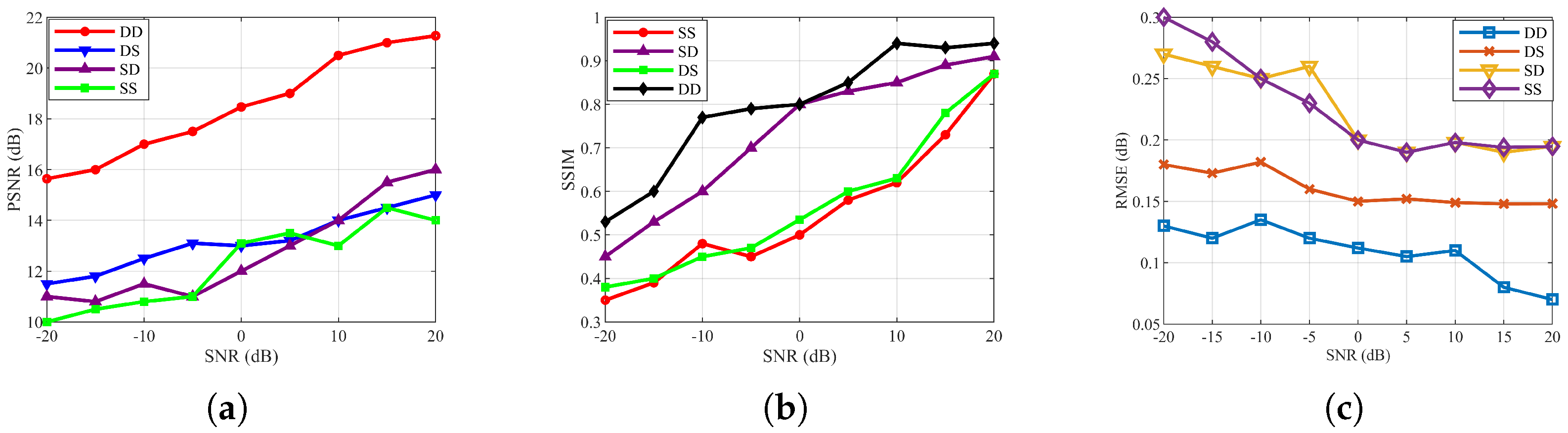
As shown in
Figure 16, the imaging performance of different antenna configurations varies distinctly across the three quantitative metrics: PSNR, SSIM, and RMSE. In general, all configurations exhibit performance improvements as the SNR increases, with the DD configuration consistently demonstrating the best overall results. Specifically, in
Figure 16a, DD achieves the highest PSNR, exceeding 20
in the high-SNR region, which indicates superior signal fidelity and strong noise suppression capability. In contrast, the SS configuration yields the lowest PSNR, reflecting its limited imaging quality. As illustrated in
Figure 16b, DD maintains the highest SSIM value, approaching 0.9, which shows improved structural preservation compared with the other configurations. The RMSE results in
Figure 16c further confirm this trend, where DD exhibits the lowest and most rapidly decreasing error, suggesting enhanced numerical stability and reconstruction accuracy. In summary, the DD configuration provides the highest imaging fidelity, stability, and robustness, whereas low-dimensional configurations such as SS perform relatively poorly under noisy conditions.
To quantify the differences in imaging performance across different antenna configurations, the scattering coefficients of all grid points within the imaging area are extracted and used to compute the RIF, as defined in (
39). Specifically,
represents the scattering coefficient of the
p-th grid point among the
P target grid points, while
denotes the scattering coefficient of the
q-th grid point among the
Q non-target grid points. The RIF is obtained by first computing, for each target point, a weighted average of its increment relative to all non-target points, and then performing a second weighted average over all target points:
where
,
. The RIF values for the imaging results shown in (b) to (e) of
Figure 15 are calculated with
. The results are presented in
Table 3. The resolution improvement factor for the dual-frequency, dual-polarization, dual-phase-center configuration is the highest, being 2.5 times that of the single-frequency, single-polarization, single-phase-center configuration.
As shown in
Figure 17 and
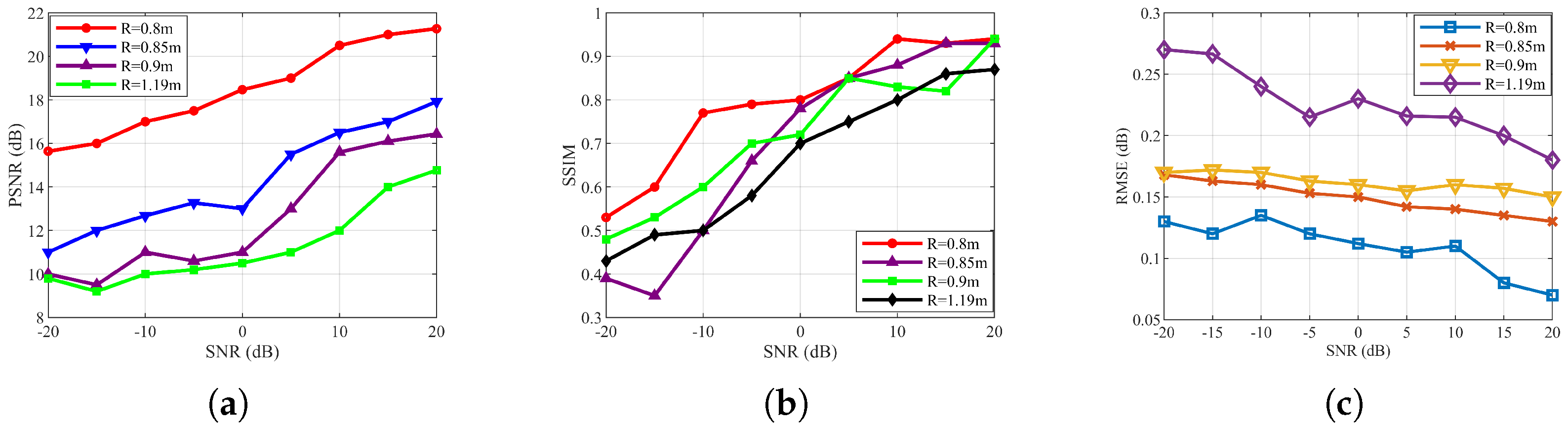
Figure 18, imaging quality depends jointly on imaging distance
R and the SNR. When
, the reconstructed letter “E” exhibits clear strokes and high contrast. As the imaging distance increases to
,
, and
, the image edges gradually become blurred, blocky artifacts appear, and fine structural details and hierarchical information are lost.
The quantitative evaluation further confirms this trend. PSNR increases monotonically with SNR and maintains a clear separation among different imaging distances. Specifically, the case of achieves the highest PSNR (exceeding 20 dB in the high-SNR region), followed by and , while yields the lowest PSNR (slightly above 10 dB in the low-SNR region). This indicates that a shorter imaging distance mitigates noise amplification and distortion accumulation.
Similarly, SSIM rises from approximately 0.3–0.5 to around 0.9 as SNR increases. Among all cases, and exhibit higher structural similarity in the high-SNR region, suggesting the better preservation of geometric structure and grayscale consistency. Conversely, RMSE exhibits the opposite trend, decreasing as SNR increases. The curve corresponding to remains the lowest, whereas shows the highest RMSE, indicating that longer imaging distances cause stronger pixel-level deviations due to noise and model mismatch.
In summary, both qualitative and quantitative assessments indicate that, for a given SNR, shorter imaging distances, especially
, yield higher imaging fidelity and greater reconstruction stability. At low SNR levels, the performance gap among different distances becomes more pronounced, whereas in the high-SNR region, the ranking remains consistent though the overall image quality improves. Simultaneously, the RIF results were calculated for scenarios at different distances. The results are shown in
Table 3. As the distance increases, the RIF value gradually decreases.
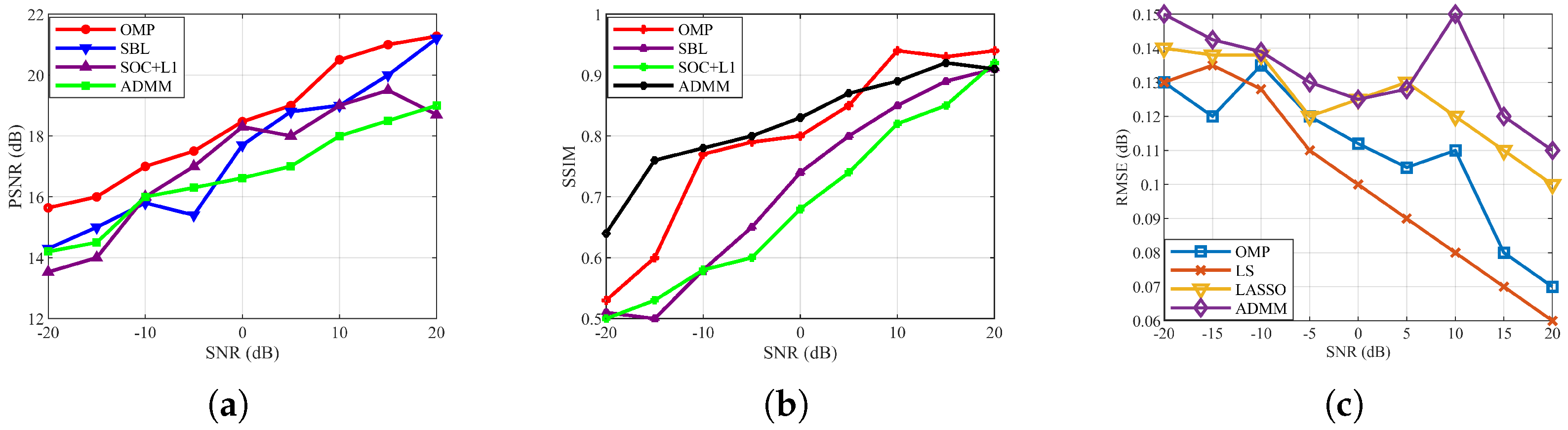
As shown in
Figure 19 and
Figure 20, different reconstruction methods exhibit consistent trends in both visual performance and quantitative metrics, though with varying degrees of improvement. Subjectively, the image reconstructed using the orthogonal matching pursuit (
) method displays the most complete and high-contrast letter “E,” characterized by sharp edges and smooth texture transitions. OMP achieves fast convergence when the sparsity and low-coherence conditions are met. The sparse Bayesian learning (
) method recovers the overall outline but produces an over-smoothed and slightly blurred image with lower contrast in fine details. The second-order correlation plus
-norm (
) method, influenced by sparse regularization, introduces blocky or stair-step artifacts and discontinuities in fine structures. The alternating direction method of multipliers (
) achieves the best noise suppression, yielding fewer speckles and better structural preservation, although slight over-smoothing remains noticeable at very low SNR levels.
The quantitative results further corroborate these observations. PSNR increases monotonically with SNR and maintains a clear separation among the methods. The and curves consistently occupy the top tier, the curve lies in the middle, and the curve performs the worst. At high SNR, and exhibit the most significant advantage, indicating stronger robustness against noise amplification and model mismatch. SSIM rises from approximately 0.3–0.5 to nearly 0.9 as SNR increases, following a similar performance hierarchy: and maintain higher structural similarity in the medium-to-high SNR range, demonstrating the superior preservation of geometric structure and grayscale consistency, while achieves moderate results and performs the weakest due to its blocky artifacts. Conversely, RMSE exhibits the opposite trend—decreasing as SNR increases. Among all methods, and achieve the lowest and fastest-converging error curves, remains intermediate, and yields the highest RMSE, indicating larger pixel-level deviations and localized distortions.
Overall, both subjective and objective evaluations indicate that and achieve the highest performance in terms of fidelity and stability. At low SNR levels, the exhibits superior robustness due to its constrained iterative optimization framework. As SNR increases, the advantage of in accurate atom selection becomes more pronounced, making its performance comparable to that of the .
The
method offers a reasonable trade-off between computational complexity and stability but struggles to preserve fine details and contrast. In contrast, the
method fails to effectively balance noise suppression and detail preservation under the given conditions, resulting in the weakest overall performance. In summary,
and
are the most suitable approaches for achieving high-fidelity and stable imaging, while
can serve as a reliable baseline. The
method, however, requires further parameter optimization or model refinement to mitigate block artifacts and detail loss. The RIF calculation results for different algorithms are shown in
Table 3. The RIF values for different algorithms are reported in
Table 3. The RIF value for
is slightly higher than that for
, whereas the values for
and
are comparable.
Table 4 summarizes a comparison between the imaging results of the proposed method and those reported for other
and conformal radar systems. For consistency, the angular separation between the two closest resolvable targets is computed for each method.
Following the small-angle approximation described in [
20], when the target range is large and the spacing between adjacent targets is small, the angular resolution can be approximated as (
40):
The conventional diffraction-limited angular resolution is also given by (
41):
As shown in
Table 4,
denotes the radar operating frequency,
B is the system bandwidth,
D is the transmitting array aperture,
represents the angular resolution achieved by each method,
is the traditional angular resolution under the same radar parameters, and
M denotes the improvement factor of angular resolution compared with the conventional system. The last two columns of
Table 4 list the reconstruction algorithm employed and its corresponding computational complexity (CC).
As shown in
Table 4,
denotes the radar operating frequency,
B denotes the system bandwidth,
D denotes the transmitting array aperture,
denotes the angular resolution achieved by each method,
denotes the traditional angular resolution under the same radar parameters, and
M denotes the improvement factor in angular resolution relative to the conventional system. The hybrid method “SOC +
” combines statistical correlation imaging with
-norm sparse optimization to further enhance resolution.
The CC expressions listed in the table are written in big- notation, where denotes the number of iterative steps, denotes the number of transmitting antennas, K denotes the number of sampling points, L denotes the number of discretized imaging grids, and denotes the number of operating modes. For instance, the ADMM algorithm exhibits a complexity of due to iterative matrix updates in each optimization step, whereas SOCM has a complexity of , dominated by second-order correlation accumulation across transmit–receive pairs. The SBL approach, owing to covariance matrix inversion at every iteration, involves a cubic term . In contrast, the proposed OMP-based dual-frequency, dual-polarization, and dual-phase-center coincidence imaging method achieves a computational complexity of .
Although the inclusion of dual frequencies, dual polarizations, and dual-phase centers introduces an approximately fourfold increase in computational load, this growth remains strictly linear with respect to the key variables () and is therefore computationally manageable. In theoretical terms, the scaling implies that the additional signal diversity contributes only a constant multiplicative factor rather than an order-of-magnitude increase (e.g., quadratic or cubic). Practically, this means that while the total computation increases moderately, the multi-frequency and multi-polarization diversity significantly enhance the rank and conditioning of the reference matrix, thereby improving imaging resolution and numerical stability. Notably, the proposed method achieves an angular resolution of without requiring ultra-wide bandwidths or large physical apertures, corresponding to a fold improvement over the conventional diffraction limit. This demonstrates that the proposed dual-frequency, dual-polarization, and dual-phase-center design delivers substantial resolution gains while maintaining near-linear computational scalability—making it both computationally efficient and physically realizable.