Article

Aging Analysis of HTV Silicone Rubber Under Coupled Corona Discharge, Humidity and Cyclic Thermal Conditions


1
State Grid Henan Electric Power Corporation Electric Power Research Institute, Zhengzhou 450052, China
2
State Key Laboratory of Electrical Insulation and Power Equipment, Xi’an Jiaotong University, Xi’an 710049, China
*
Author to whom correspondence should be addressed.
These authors contributed equally to this work.
Electronics 2025, 14(20), 4071; https://doi.org/10.3390/electronics14204071
Submission received: 2 September 2025 / Revised: 23 September 2025 / Accepted: 14 October 2025 / Published: 16 October 2025
(This article belongs to the Special Issue Polyphase Insulation and Discharge in High-Voltage Technology)

Abstract

High-temperature vulcanized silicone rubber (HTV-SR), widely used in composite insulators, experiences performance degradation when subjected to combined stresses such as corona discharge, humidity and temperature fluctuations. This degradation poses significant risks to the reliability of power grid operation. To investigate the aging behavior and mechanisms of HTV-SR under the combined influences of corona, moisture and thermal cycling, a series of multi-factor accelerated aging tests are conducted. Comprehensive characterizations of surface morphology, structural, mechanical and electrical properties are performed before and after aging. The results reveal that corona discharge induces molecular chain scission and promotes oxidative crosslinking, leading to surface degradation. Increased humidity accelerates water diffusion and hydrolysis, enhancing crosslink density but reducing material flexibility, thereby further deteriorating structural integrity and electrical performance. Compared with constant temperature aging, thermal cycling introduces repetitive thermal stress, which significantly aggravates filler migration and leads to more severe mechanical and dielectric degradation. These findings elucidate the multi-scale degradation mechanisms of HTV-SR under the coupling effects of corona discharge, humidity and temperature cycling, providing theoretical support for the design of corona- and humidity-resistant silicone rubber for composite insulator applications.

1. Introduction

High-temperature vulcanized silicone rubber (HTV-SR), valued for its high insulating performance and ability to withstand pollution-induced discharge, is extensively utilized in the sheds and sheath of composite insulators [1,2]. However, under long-term exposure to harsh environmental stressors such as surface discharges, ultraviolet radiation, ozone, temperature fluctuations and surface contamination, the mechanical and electrical properties of HTV-SR gradually degrade [3,4]. Aging-induced deterioration is a major contributor to flashover events and mechanical failures, which can trigger large-scale outages and pose a significant threat to the reliability and safety of power grid operations.
Over the past decade, increasing attention has been paid to the aging mechanisms of HTV-SR, with numerous studies focusing on single-stressor aging processes involving thermal, humid, corona and ultraviolet conditions [5,6]. Zhang et al. [7] investigated the influence of corona discharge on the trap characteristics of HTV-SR and reported that both electron and hole trap densities increased with elevated discharge voltage and extended aging time, eventually reaching a saturation level. Wu et al. [8] explored the thermo-oxidative aging behavior of HTV-SR, demonstrating that material hardness and compression set increased as aging progressed. To better replicate the periodic thermal fluctuations encountered in field conditions, several studies have introduced temperature cycling protocols to accelerate aging. For instance, Jin et al. [9] conducted cyclic thermal aging tests and found that the Si–O–Si crosslinked network in HTV-SR gradually deteriorated under alternating hot and cold environments, accompanied by the formation of highly polar groups such as –OH.
In practical service conditions, composite insulators are exposed to complex environmental stressors. These multi-factorial stresses result in aging mechanisms that differ significantly from those observed under isolated stress conditions. However, only a limited number of research groups have developed multi-factor aging platforms to systematically investigate the degradation behavior of HTV-SR. For example, Bi et al. [10] studied the corona aging characteristics of HTV-SR under varying humidity and salt fog conditions, confirming the accelerating effect of moisture. Xie et al. [11] constructed an aging platform combining electric field and hygrothermal environments and analyzed the material’s degradation based on trap theory. Deng et al. [12] employed hygrothermal aging to simulate the chalking process in silicone rubber and quantified changes in the surface morphology, hardness and polydimethylsiloxane (PDMS) content over a one-year aging period. Their results revealed a progressive whitening and hardening process accompanied by PDMS depletion. Additionally, under cyclic high-humidity conditions, water condensation becomes more likely, which further amplifies humidity-driven degradation [13]. As a result, industries such as Mitsubishi Electric recommend cyclic condensation tests to evaluate product reliability [14]. Therefore, further studies are needed to simulate field-relevant conditions. Comparative accelerated aging tests under both constant and cyclic temperature regimes are essential to better understand the actual degradation mechanisms of HTV-SR. These tests also help accurately interpret failure causes in composite insulators.
This study conducts a comparative investigation on the multi-factorial aging behavior of HTV-SR used in composite insulators under corona–humidity coupling conditions at both cyclic and constant temperatures. Aging tests are carried out under identical corona discharge and thermal conditions, while varying the relative humidity and aging duration across different test groups. The surface morphology before and after aging is characterized using scanning electron microscopy (SEM). Structural changes are analyzed through crosslink density measurements, Fourier-transform infrared spectroscopy (FTIR), X-ray diffraction (XRD) and X-ray photoelectron spectroscopy (XPS). The mechanical performance is evaluated based on the elongation at break, while surface resistivity and DC flashover voltage are used to assess electrical degradation. Based on these results, the study further explores the aging mechanisms of HTV-SR under the combined influence of corona discharge and humidity, comparing the effects of cyclic versus constant temperature environments.

2. Experiments

2.1. Sample Preparation

The HTV-SR specimens used in this study are provided by State Grid Composite Insulator Co., Ltd. (Xiangyang, China). The material formulation consists, by weight, of 100 parts methyl vinyl silicone rubber, 33 parts fumed silica (8 µm, 195 m2/g), 130 parts aluminum hydroxide (1.7 µm), 6 parts hydroxyl-terminated silicone oil and 5 parts iron oxide. These raw components are blended in a 50 Hz kneader and thermally processed at 150 °C to ensure homogeneous dispersion. The mixture is then filtered and cooled to ambient temperature. For vulcanization, about 1 part of 2,5-dimethyl-2,5-di(tert-butylperoxy)hexane is incorporated below 70 °C [15], followed by curing at 170 °C. Finally, the cured sheets are cut into square samples with dimensions of 10 cm × 10 cm × 0.2 cm.

2.2. Accelerated Aging Tests

Based on prior studies on multi-needle-to-plate configurations [10], and supported by the COMSOL Multiphysics 6.1 electric field simulations developed in this work, a multi-needle corona discharge platform is constructed. It should be noted that AC corona is employed as the main aging method to simulate the service environment of transmission lines. To achieve a uniform corona discharge region (as shown in Figure 1a,b), each stainless-steel needle is spaced 9 mm apart horizontally. The HTV-SR samples are positioned on a stainless-steel ground electrode, with a vertical gap of 7 mm maintained between the needle tips and the sample surface. Temperature and humidity are controlled via a programmable climate chamber. Due to the chamber’s use of water-based regulation, the relative humidity could be maintained between 20% and 95% within a temperature range of 15 °C to 85 °C. This constraint represents the most stringent condition achievable with the current setup. To investigate the aging characteristics and lifetime behavior of HTV-SR under combined effects of corona discharge, humidity and thermal cycling, six sets of accelerated aging conditions (ALT) are designed, as detailed in Table 1. Observing the sample surface in Figure 1c, distinct aging marks can be clearly identified, appearing as whitish, powdery circular regions.
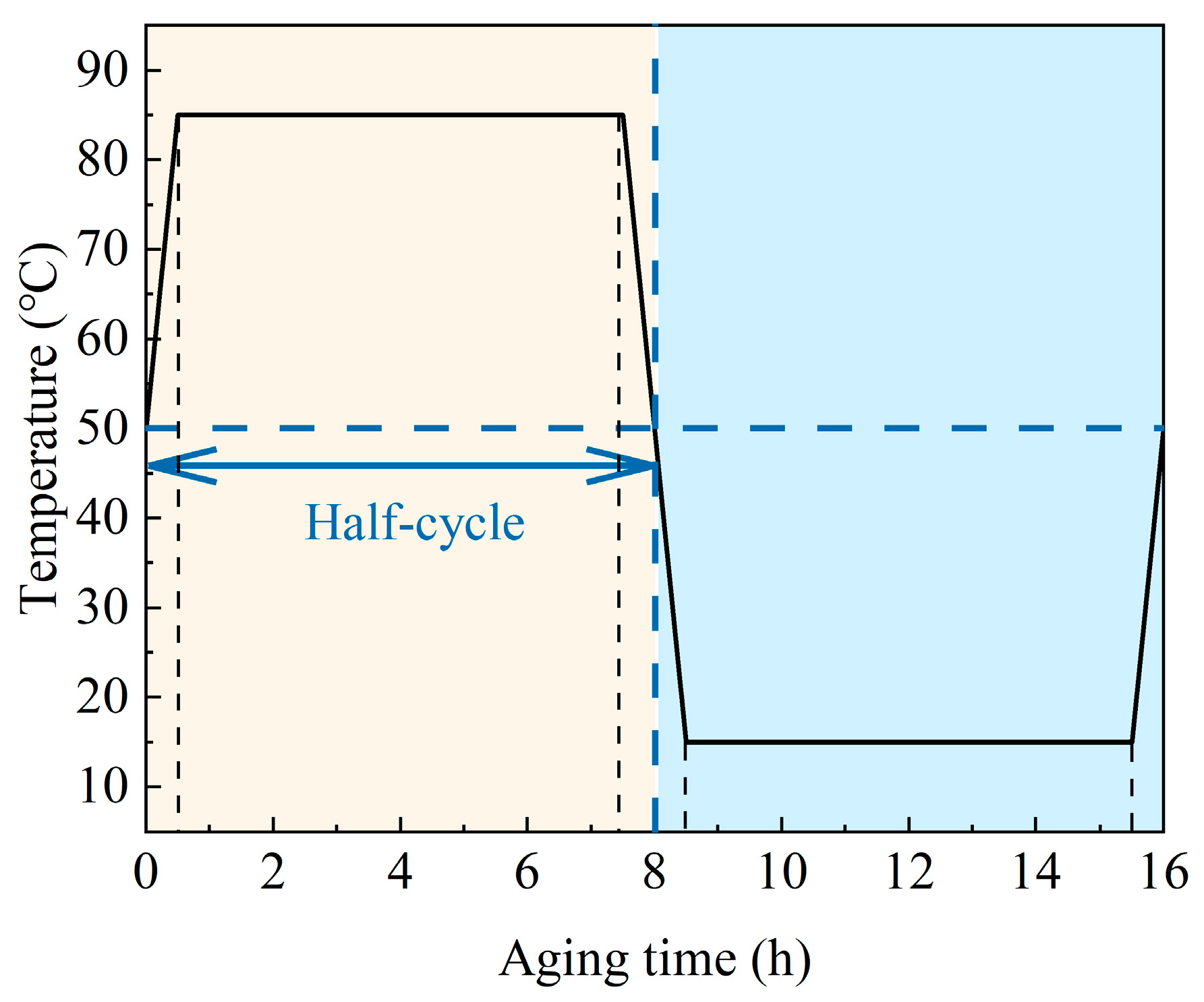
Taking the C20, C50 and C80 groups as an example, the temperature cycling aging protocol is illustrated in Figure 2. The temperature fluctuates between a maximum of 85 °C and a minimum of 15 °C, with each cycle lasting 16 h. The high- and low-temperature stages each last for 7 h, while the heating and cooling phases are set to 0.5 h, respectively, resulting in a total ramp-up and ramp-down duration of 2 h per cycle.

2.3. Characterization

2.3.1. Surface Morphology, Structural and Mechanical Properties

The surface micro-morphology is examined using a scanning electron microscope (SEM, VE-9800S, Keyence, Osaka, Japan).
The chemical bonding states are analyzed by Fourier-transform infrared spectroscopy (FTIR, Nicolet IN10 + IZ10, Thermo Fisher Scientific, Waltham, MA, USA) [16]. X-ray photoelectron spectroscopy (XPS, Thermo Scientific K-Alpha, Thermo Fisher Scientific, Waltham, MA, USA) is used for surface chemical composition, while crystalline phases are identified with X-ray diffraction (XRD, Bruker D8 Advance, Karlsruhe, Germany). Crosslink density is determined by the equilibrium swelling method [17], in which small specimens are immersed in toluene for seven days to reach equilibrium, and the results are averaged from two tests.
Mechanical properties are measured using a microcomputer-controlled universal testing machine (5 kN). Dumbbell-shaped specimens (Type IV) are prepared according to GB/T 528-2009 [18], and seven replicates are tested for each condition to obtain average values.

2.3.2. Electrical Properties

The surface resistivity is tested at room temperature with a high-resistance meter (6517B, Keithley, Cleveland, OH, USA) equipped with a three-electrode fixture (8009), and each specimen is measured eight times to obtain the average value. Surface flashover voltage is evaluated under ambient conditions using conventional round electrodes with a radius of 10 mm and a spacing of 4 mm. A DC voltage is applied at a rate of approximately 1 kV/s until flashover occurs [19]. The test is conducted at 20.5 °C and 23% relative humidity. Each sample is tested 12 times, and the average value is used for analysis.

3. Results and Discussion

3.1. Surface Morphology

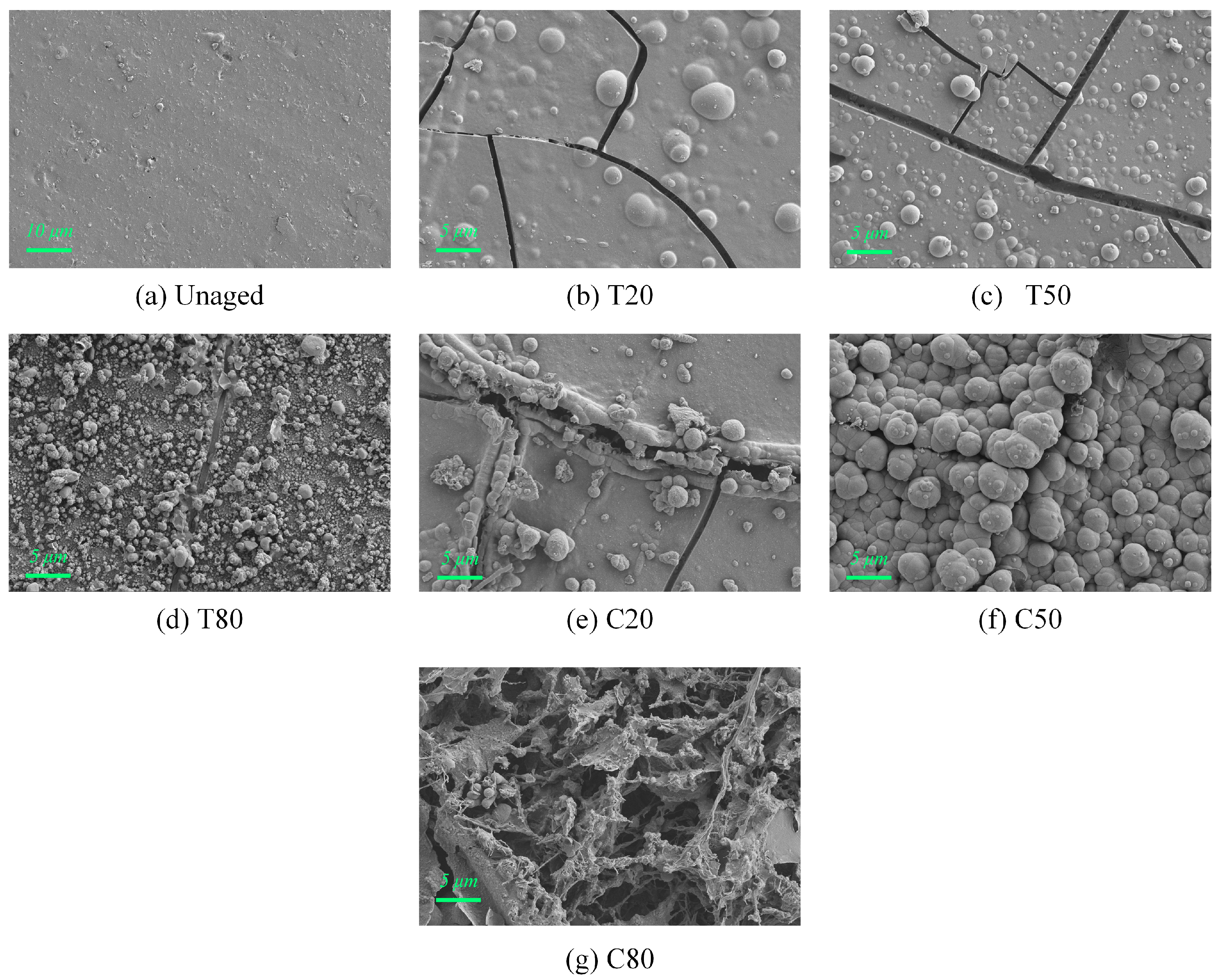
To investigate surface morphological changes before and after aging, SEM images of HTV-SR samples under different aging conditions are presented in Figure 3. Compared to the smooth and uniform surface of the unaged sample, HTV-SR samples subjected to constant temperature aging (Sample T20–T80) exhibit noticeable cracks and protruding spherical particles. As the relative humidity increases, the severity of surface cracking and particle formation intensifies. In particular, the T80 sample under high-humidity conditions shows abundant fine particulate deposition. In contrast, samples aged under temperature cycling conditions display more pronounced morphological degradation. Deeper cracks and larger spherical aggregates are evident, especially in the high-humidity C80 group, where extensive surface grooves and cavities form, indicating a further decomposition of the silicone rubber matrix.

3.2. Structural and Mechanical Properties

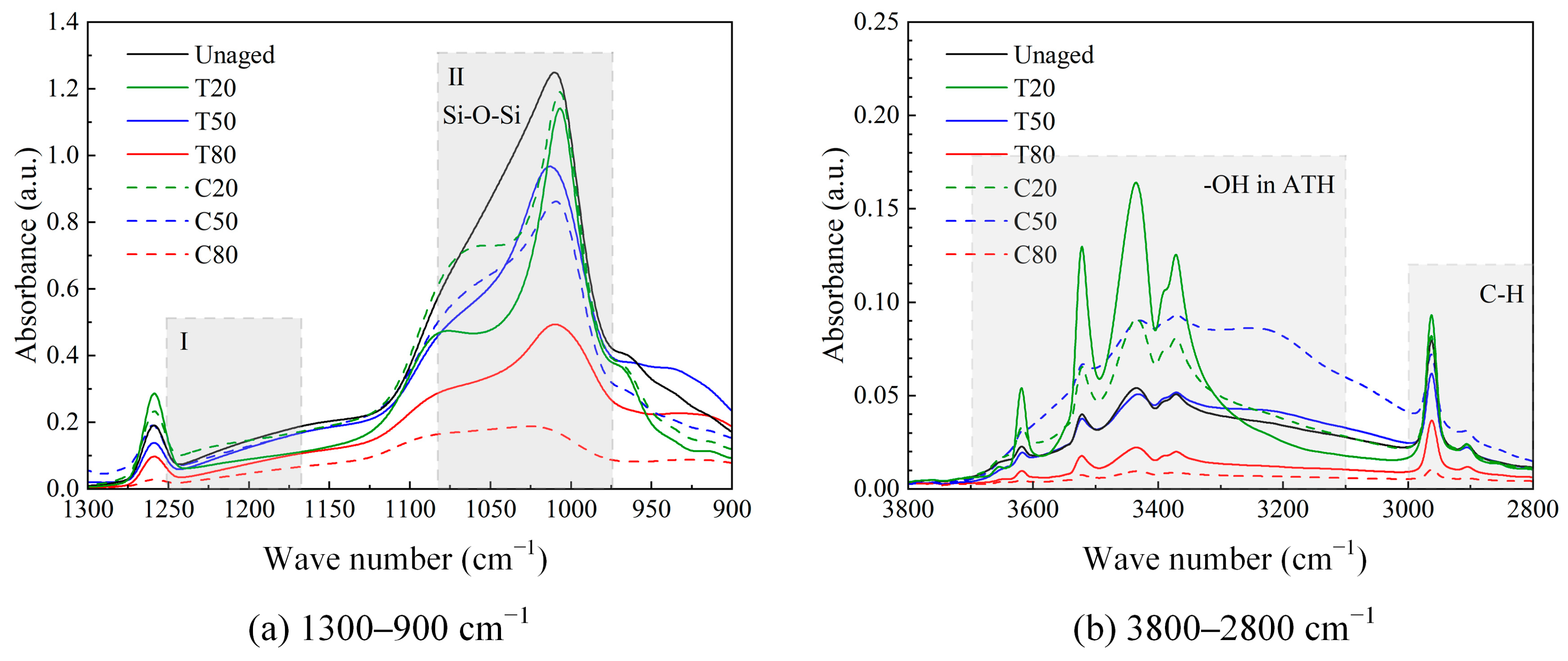
To evaluate the molecular structure evolution of HTV-SR before and after aging, FTIR spectra under various aging conditions are presented in Figure 4. Two key spectral regions can be identified within the 1300–700 cm−1 range: Region I corresponds to amorphous SiO2, typically exhibiting a broad shoulder peak near 1220 cm−1, while Region II is associated with side groups and long-chain or branched Si–O–Si networks with bond angles below 144° [20]. In Region I, the aged spectra show a significant reduction in peak intensity. This may be attributed to interfacial degradation between the filler and matrix or the agglomeration of silica particles, which reduces surface activity and thus hinders effective infrared absorption. In Region II, a consistent decline in the Si–O–Si characteristic absorption peak is observed under all aging conditions, indicating the progressive cleavage and degradation of the PDMS backbone. Notably, this attenuation becomes more pronounced with increasing humidity, suggesting that water molecules contribute to the hydrolysis and oxidation of Si–O bonds under high-humidity and high-temperature environments, further accelerating molecular chain scission and network relaxation. Comparative analysis reveals that samples subjected to temperature cycling exhibit a more substantial decrease in the Si–O–Si peak compared to those aged under constant temperature, indicating that cyclic thermal stress significantly accelerates the breakdown of the PDMS network. Overall, the systematic weakening of peaks in both regions highlights the microstructural deterioration of HTV-SR under coupled aging conditions, driven by interfacial failure and backbone degradation.
To further investigate the internal crosslinking structure of HTV-SR, the degree of crosslinking is quantitatively assessed by measuring the crosslink density [21]. The volume fraction V2 of the sample in the swollen state is first calculated using the following equation:
V 2 = m 1 b / ρ 1 m 1 b / ρ 1 + ( m 2 m 1 ) ρ s ,
where m1 and m2 are the initial and swollen masses of the sample, respectively; b is the mass fraction of siloxane in the HTV-SR compound (38.46%, provided by the manufacturer); ρ1 is the experimentally measured density of the sample; and ρs is the density of toluene (0.866 g/cm3). The crosslink density is then derived using the following equation:
D C = [ ln ( 1 v 2 ) + v 2 + α v 2 2 ] 2 ρ s V s ( v 2 1 / 3 v 2 / 2 ) .
Here, α is the polymer–solvent interaction parameter (α = 0.545 for HTV-SR and toluene) and Vs is the molar volume of methylbenzene (106.7 cm3/mol).
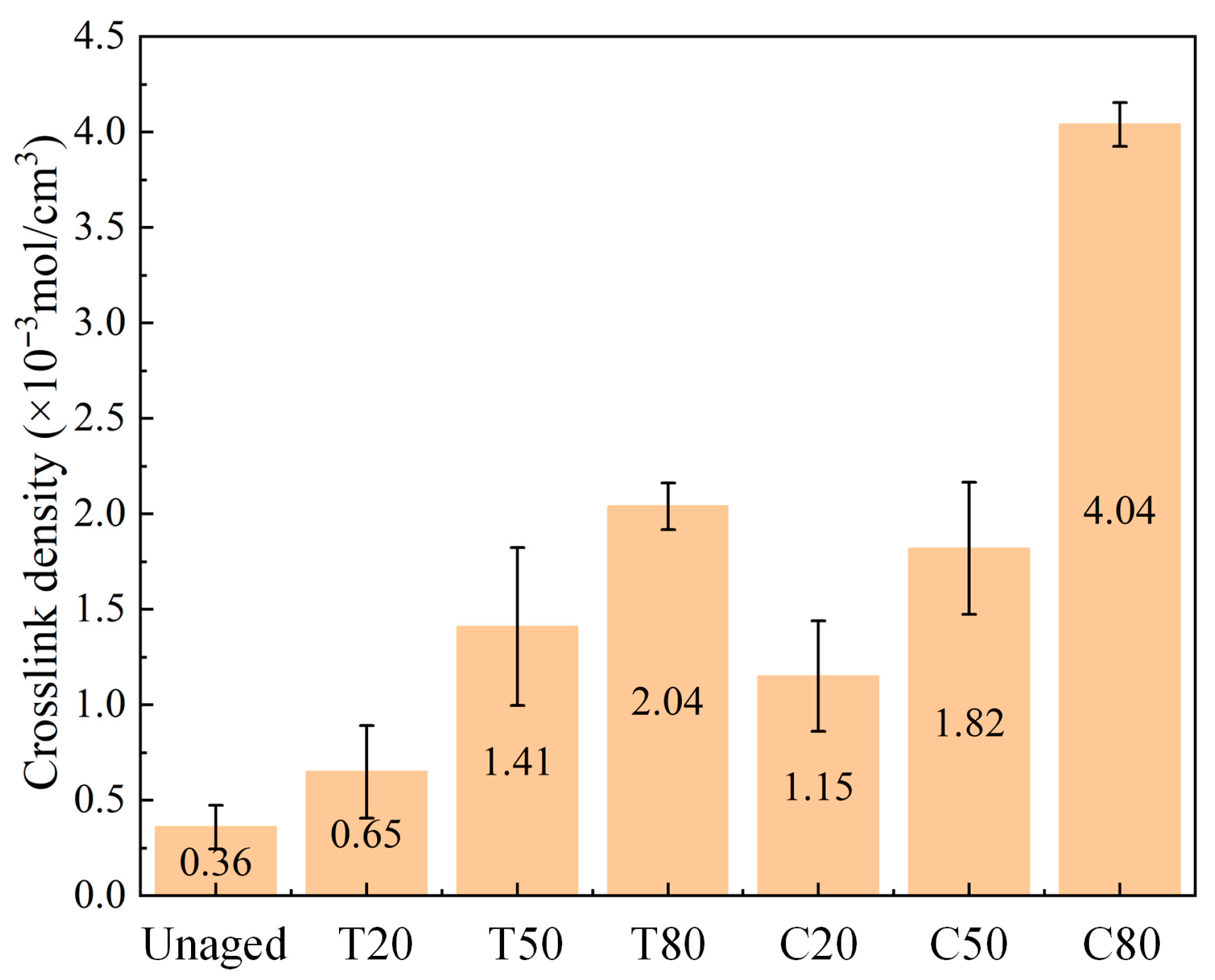
The crosslink density results of aged HTV-SR samples are presented in Figure 5. It is evident that all samples exhibit an increase in crosslink density under multi-factor aging conditions, indicating that oxidative crosslinking occurred during aging, leading to a more compact network structure. A comparative analysis between constant-temperature and cycling-temperature aging groups reveals that the crosslink density increases progressively with rising humidity levels. This trend suggests that the ingress of moisture and the formation of polar groups facilitate additional crosslinking reactions, thereby enhancing the structural compactness of the polymer network. Moreover, under identical humidity conditions, samples subjected to thermal cycling demonstrate notably higher crosslink densities than those aged at constant temperatures. This finding implies that repeated thermal expansion and contraction not only intensify oxidative crosslinking but also accelerate chain rearrangement and the generation of new crosslinking points, resulting in a significantly more crosslinked network structure.
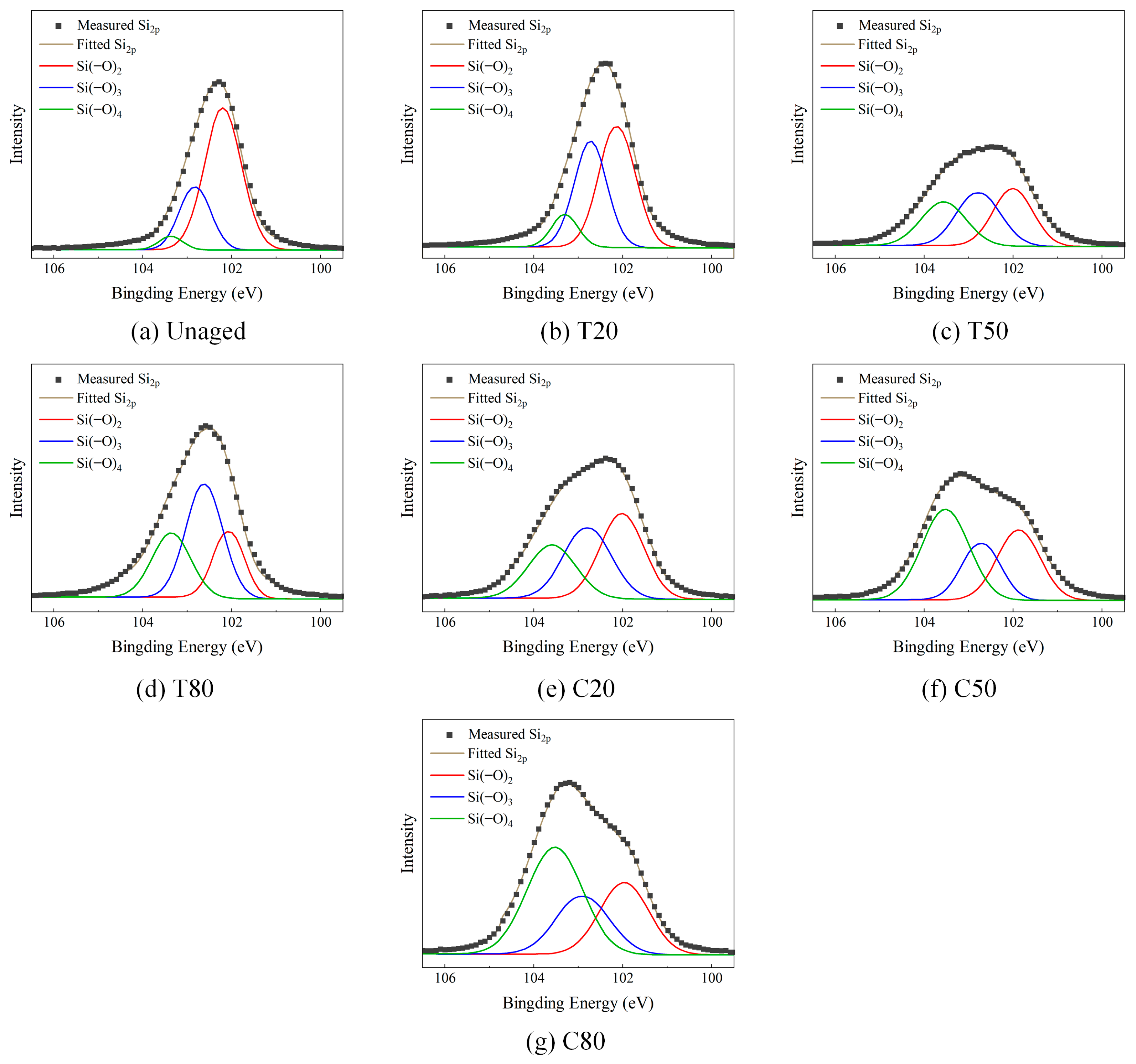
To examine the structural changes in Si–O groups, XPS is used to characterize the HTV-SR samples. Silicon in the material mainly occurs as Si(–O)2, Si(–O)3 and Si(–O)4, with binding energies of about 102.1, 102.8 and 103.4 eV, respectively [11]. The Si 2p spectra are fitted and deconvoluted to determine the relative proportions of these oxidation states. The fitted spectra and compositional results are shown in Figure 6 and Table 2.
To elucidate the structural evolution of Si-O units during aging, XPS analysis is conducted on HTV-SR samples. In unaged specimens, Si(–O)2 primarily originates from the Si–O–Si backbone of the siloxane matrix, while Si(–O)4 is initially introduced by the SiO2 filler [22]. Prior studies have demonstrated that the relative content of higher silicon oxidation states (Si(–O)3 and Si(–O)4) correlates positively with both the crosslink density and the degree of oxidative aging [23].
A marked increase in high-valence silicon species is observed in all aged samples compared to the unaged reference, which is consistent with the results of crosslink density measurements. This indicates that the aging process involves chain scission followed by oxidative crosslinking and the surface reconstruction of the filler. Notable differences are found between aging conditions. Samples subjected to constant temperature exhibited a higher proportion of Si(–O)3, suggesting the formation of partially oxidized or incompletely crosslinked intermediates. In contrast, temperature-cycled samples showed a greater proportion of Si(–O)4, implying that cyclic thermal stress facilitates either PDMS oxidation or enhanced filler activation, thereby promoting the formation of highly crosslinked and stable structures [24]. In the constant temperature group, the proportion of high-valence silicon atoms increased from 53.5% to 72.7% with rising humidity. This suggests that moisture significantly enhances the oxidation of Si–O bonds under corona exposure and promotes the surface activation of the filler, thus accelerating network formation. Similarly, in the temperature-cycled group, high-valence silicon content increased from 59.3% to 69.7% as humidity rose, indicating a synergistic effect of humidity, thermal cycling and corona discharge on promoting oxidative crosslink. Although the humidity-induced increase is slightly lower than that under constant temperature, the overall crosslinking stability is superior. Under equivalent humidity levels, temperature-cycled samples consistently exhibited higher crosslink densities than their constant-temperature counterparts. In particular, the C80 sample showed the highest Si(–O)4 content (up to 45.3%), suggesting that the combined influence of high humidity, elevated temperature and thermal cycling facilitates extensive Si–O bond oxidation and the formation of densely crosslinked domains. This indicates a transition in the surface structure from partial to deep oxidation and densification under coupled aging conditions.
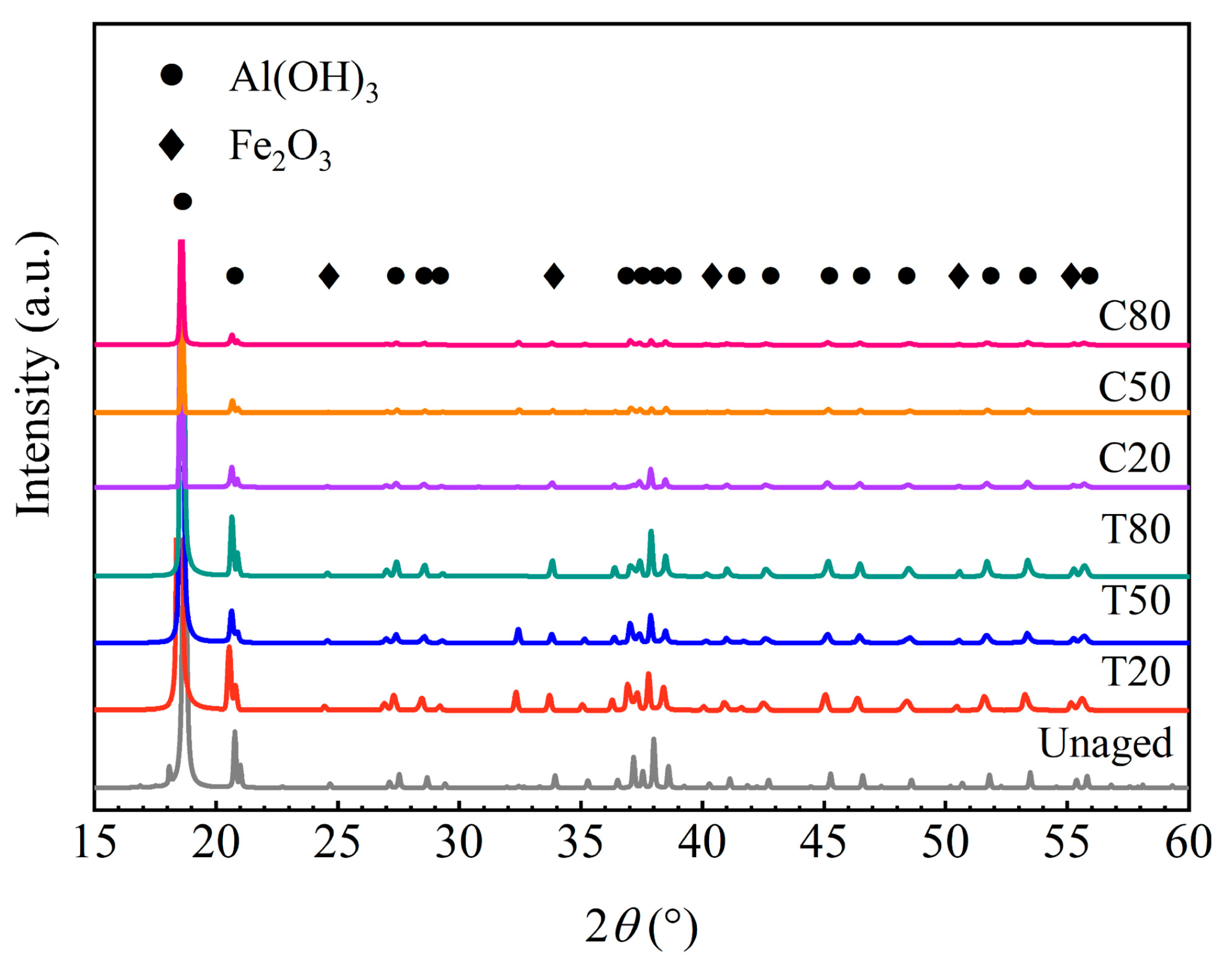
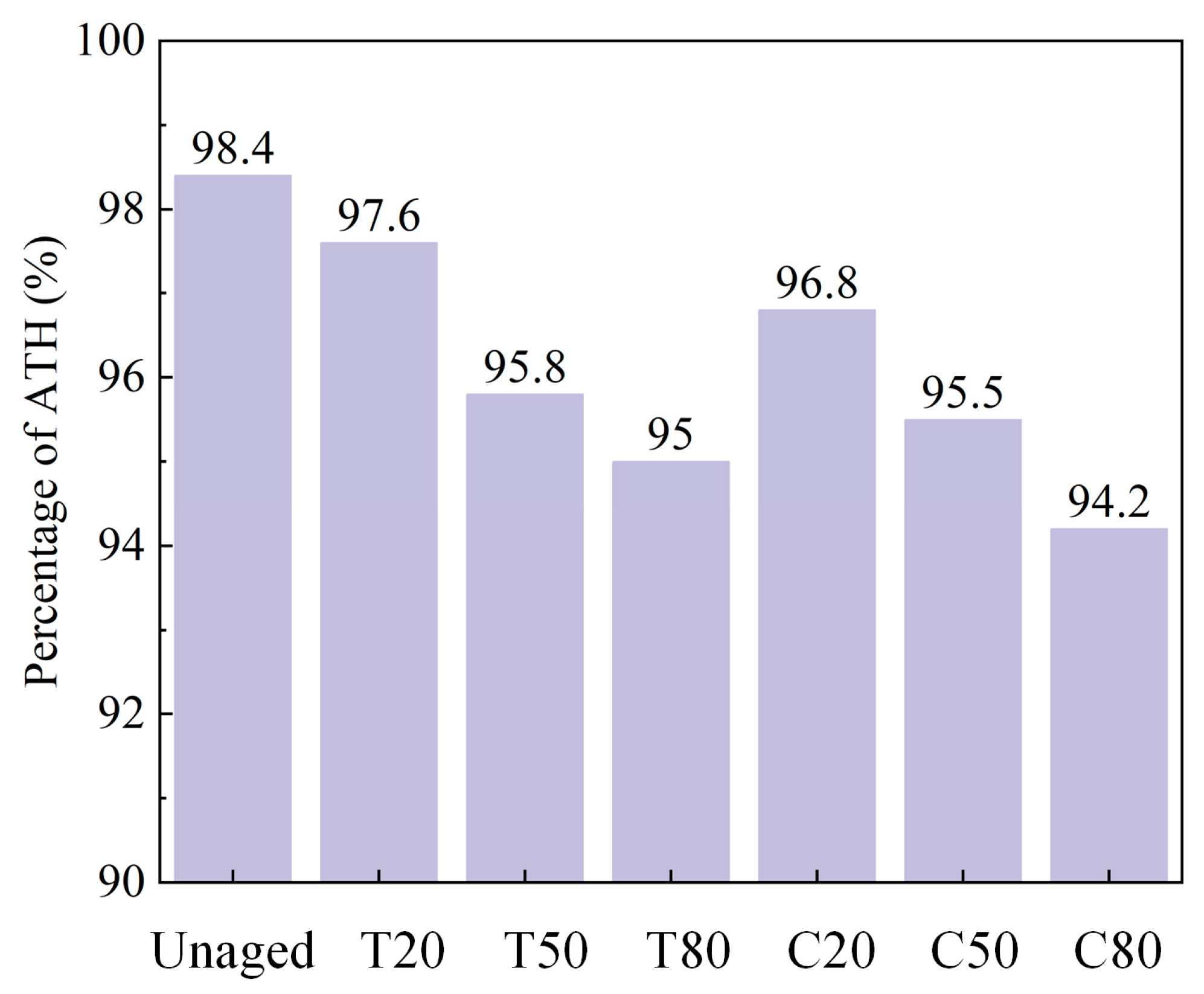
To investigate the evolution of surface fillers in HTV-SR under various aging conditions, XRD patterns of all sample groups are presented in Figure 7. Earlier research indicates that HTV-SR without ATH fillers typically presents a broad amorphous SiO2 peak around 2θ ≈ 22° [25]. With the addition of ATH at higher concentrations, its sharp crystalline diffraction peaks become predominant, masking the characteristic hump of fumed silica [26]. In this work, the aged specimens mainly exhibit distinct diffraction peaks of ATH and iron oxide, while the amorphous silica signal is scarcely detectable. To better understand filler evolution under different aging scenarios, the relative proportions of ATH and iron oxide are quantified. Figure 8 shows the percentage of ATH in HTV-SR specimens under different aging conditions. Since the ATH content of all specimens exceeds 90%, the vertical axis starts from 90% to clearly distinguish the differences among the samples. It shows that, for constant-temperature aging, the ATH content gradually decreases from 98.4% to 95.0% with increasing humidity. In the cyclic-temperature group, this decline is more pronounced, dropping to 94.2% under high humidity. This filler loss is attributed to the synergistic effects of moisture and local electric fields. High-energy electrons and reactive radicals generated by corona discharges directly bombard the sample surface, disrupting the crystalline structure of ATH. Concurrently, strong oxidizing agents such as ozone and nitrogen oxides erode the filler–matrix interface, weakening interfacial bonds and promoting the migration and surface precipitation of ATH or its decomposition byproducts. When comparing samples aged under identical humidity conditions, the C80 specimen exhibits a significantly lower ATH content than the T80 specimen. This confirms that temperature cycling, particularly under high humidity, accelerates the decomposition and outward diffusion of ATH, leading to a more substantial loss of surface fillers.
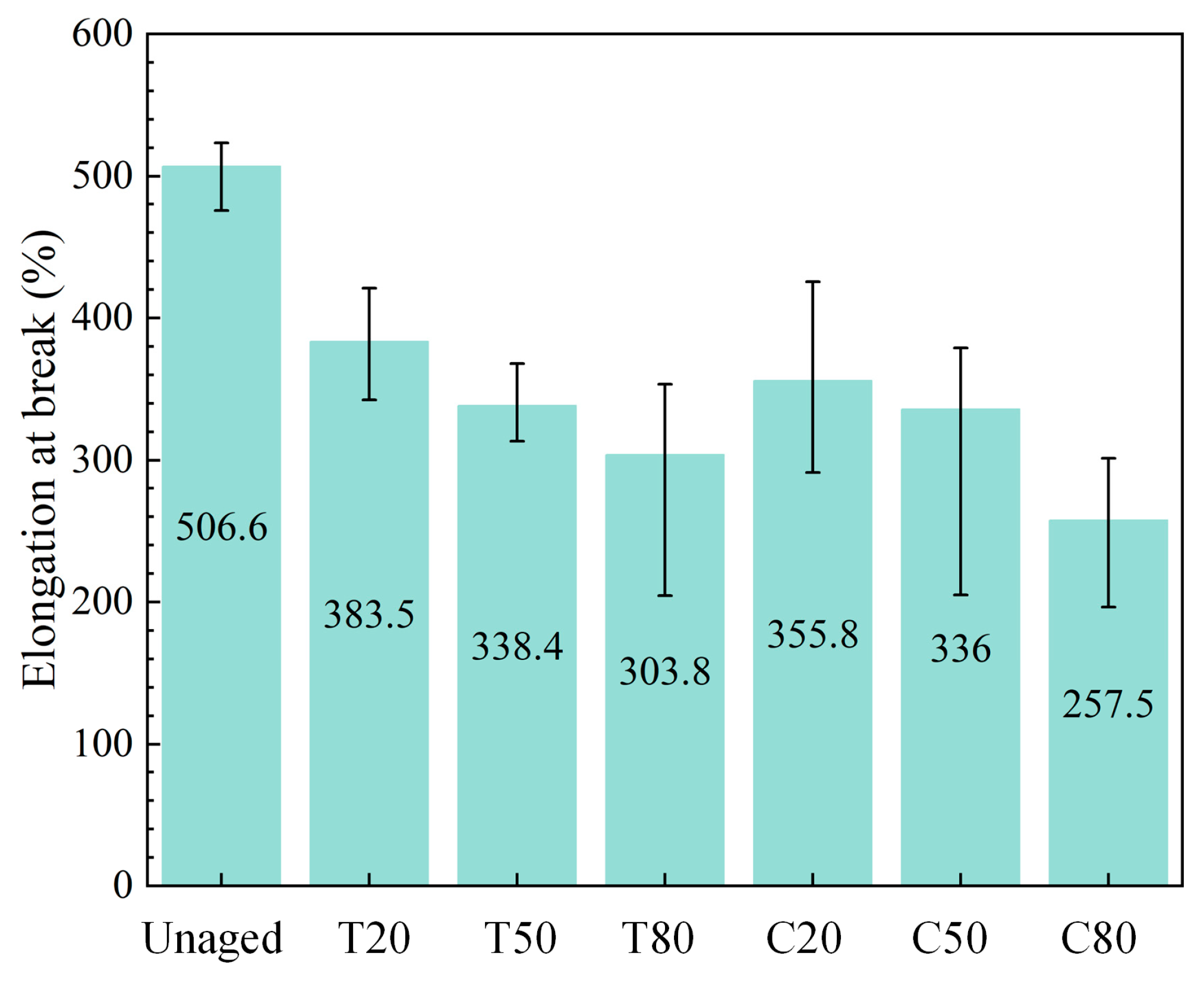
To explore the intrinsic relationship between the microscopic structural evolution and the macroscopic mechanical performance of HTV-SR, Figure 9 presents the changes in the elongation at break before and after aging. The results reveal a significant reduction in the elongation at break after multi-factorial aging, indicating that chain scission and oxidative crosslinking occur during the degradation process. These chemical transformations lead to a stiffer network structure, thereby diminishing the material’s ductility and flexibility. Further analysis shows a continuous decline in elongation with increasing humidity. This suggests that water ingress and enhanced interfacial interactions accelerate the hydrolytic cleavage of the main chains and disrupt filler–matrix bonding, ultimately weakening the material’s ability to withstand external deformation. When comparing aging modes under the same humidity conditions, the C80 sample exhibits a substantially lower elongation at break than the T80 sample. This indicates that thermal cycling, characterized by repeated expansion–contraction and interfacial stress fluctuations, intensifies molecular chain rupture and destabilizes crosslinking sites [27]. As a result, the integrity of the polymer network is more severely compromised, leading to a further loss in toughness and plastic deformation capacity.

3.3. Electrical Properties

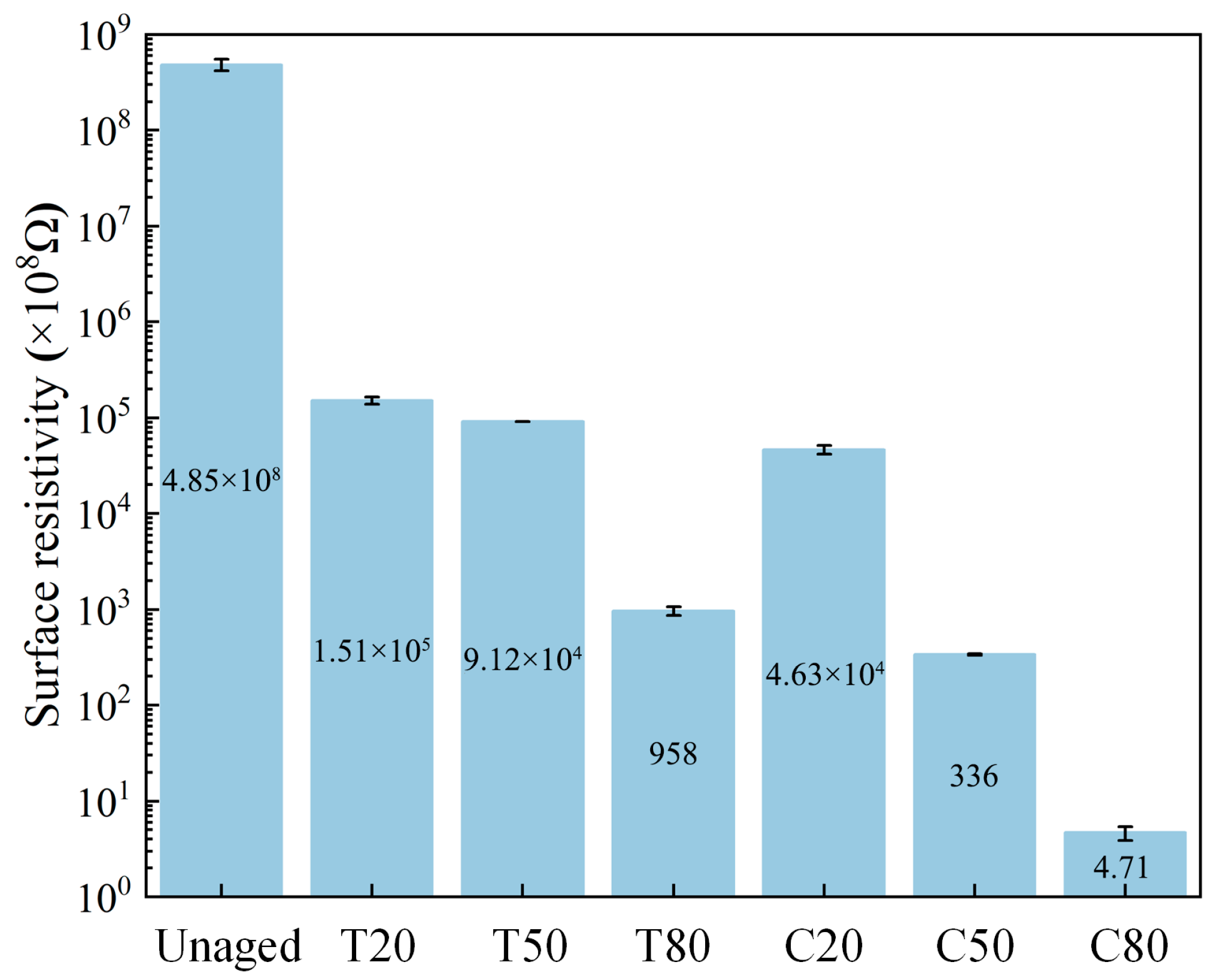
To evaluate changes in the insulation performance of the material, the surface resistivity of HTV-SR before and after aging is measured, as shown in Figure 10. Compared to the unaged sample, a significant reduction in surface resistivity is observed after multi-factorial aging. This indicates that the high-energy particles and reactive radicals generated during corona discharge disrupt molecular bonding at the surface, promoting the formation of polar groups and conductive pathways, which collectively degrade the material’s insulating capability [28]. A further comparison under varying humidity levels reveals a consistent downward trend in surface resistivity with increasing humidity. This suggests that moisture adsorption, diffusion at the surface and interfaces and potential hydrolysis reactions facilitate the formation of continuous conductive channels, thereby accelerating the loss of insulation performance. Moreover, under identical humidity conditions, the C80 sample exhibits a markedly lower surface resistivity than the T80 sample. This implies that the cyclic thermal stresses in the temperature-varying aging environment intensify surface defect development. As a result, the material becomes more vulnerable to moisture-induced degradation, leading to a more pronounced deterioration in insulation performance. In addition, the reduction in ATH during aging weakens the arc-suppression capacity and promotes interfacial defects, thereby accelerating the deterioration of insulation performance.
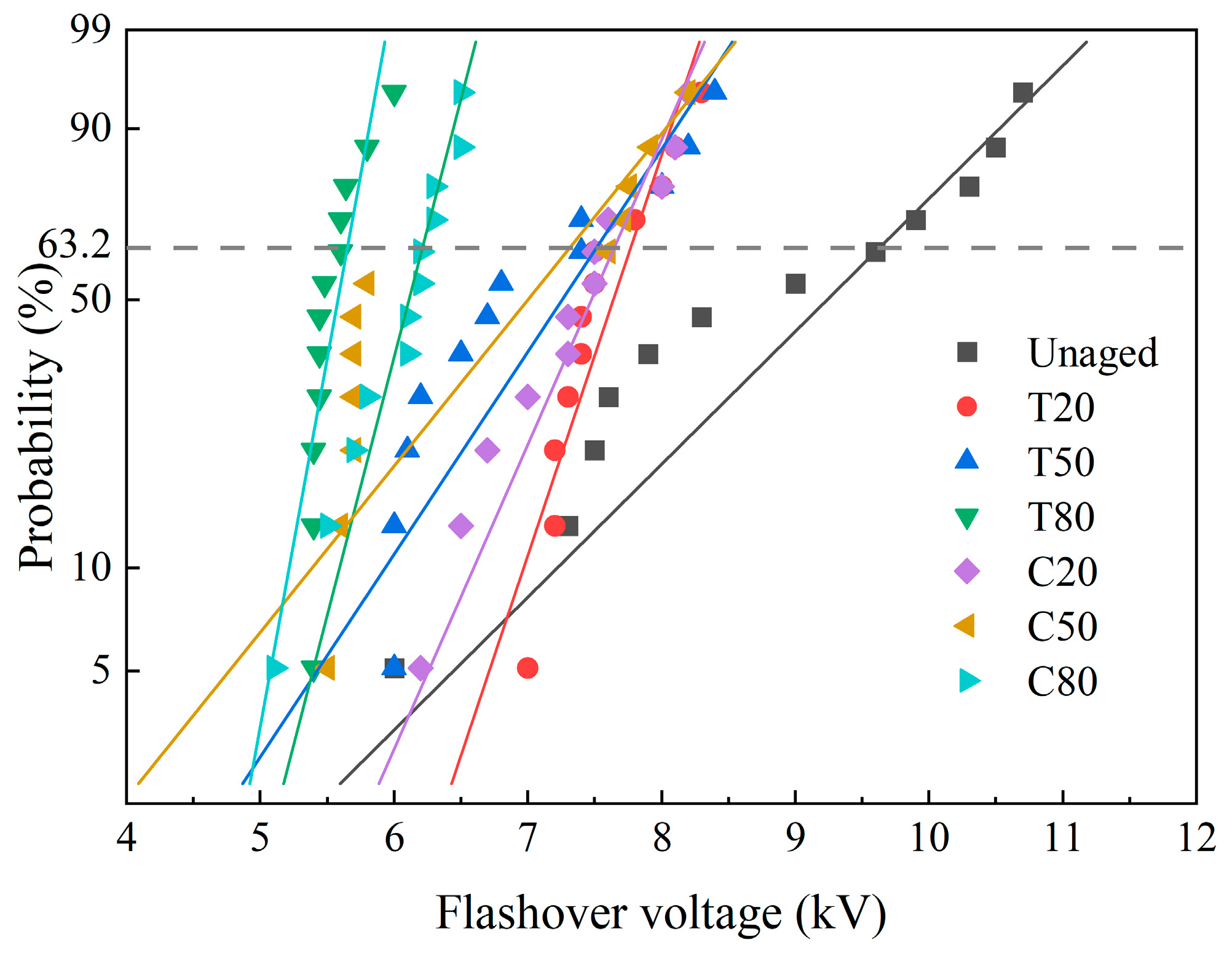
To evaluate the surface insulation characteristics of HTV-SR, the DC flashover strength tests are performed. The obtained data are analyzed using the Weibull distribution function (Equation (3)), and the fitting results are presented in Figure 11 and Table 3.
F ( V s ) = 1 exp ( ( V s α ) β ) .
where Vs denotes the flashover voltage, F(Vs) represents the cumulative probability of flashover occurrence, α is the scale parameter corresponding to a 63.2% failure probability and β is the shape parameter indicating the dispersion of the data.
The results indicate a significant reduction in the α-values of aged samples compared to the unaged ones, suggesting that prolonged exposure to corona discharge deteriorates the surface energy levels and interfacial bonding of the material. This degradation leads to the formation of numerous polar defects and conductive pathways, thereby lowering the surface flashover voltage. Moreover, a continuous decline in α-values with increasing humidity is observed, implying that moisture infiltration and adsorption accelerate the propagation of interfacial defects and the occurrence of hydrolysis reactions [29]. These processes promote the development of conductive channels on the surface, substantially weakening the material’s flashover resistance. Under identical humidity conditions, the α-value of the C80 sample is slightly lower than that of T80, indicating that repeated thermal expansion and contraction during temperature cycling intensified interfacial instability. This facilitates the formation and linkage of localized weak spots and defects, further compromising the material’s flashover performance under the coupled effects of high humidity and corona discharge.

3.4. Discussions

3.4.1. Aging Mechanism of HTV-SR Under Electrical–Thermal–Moisture Stress

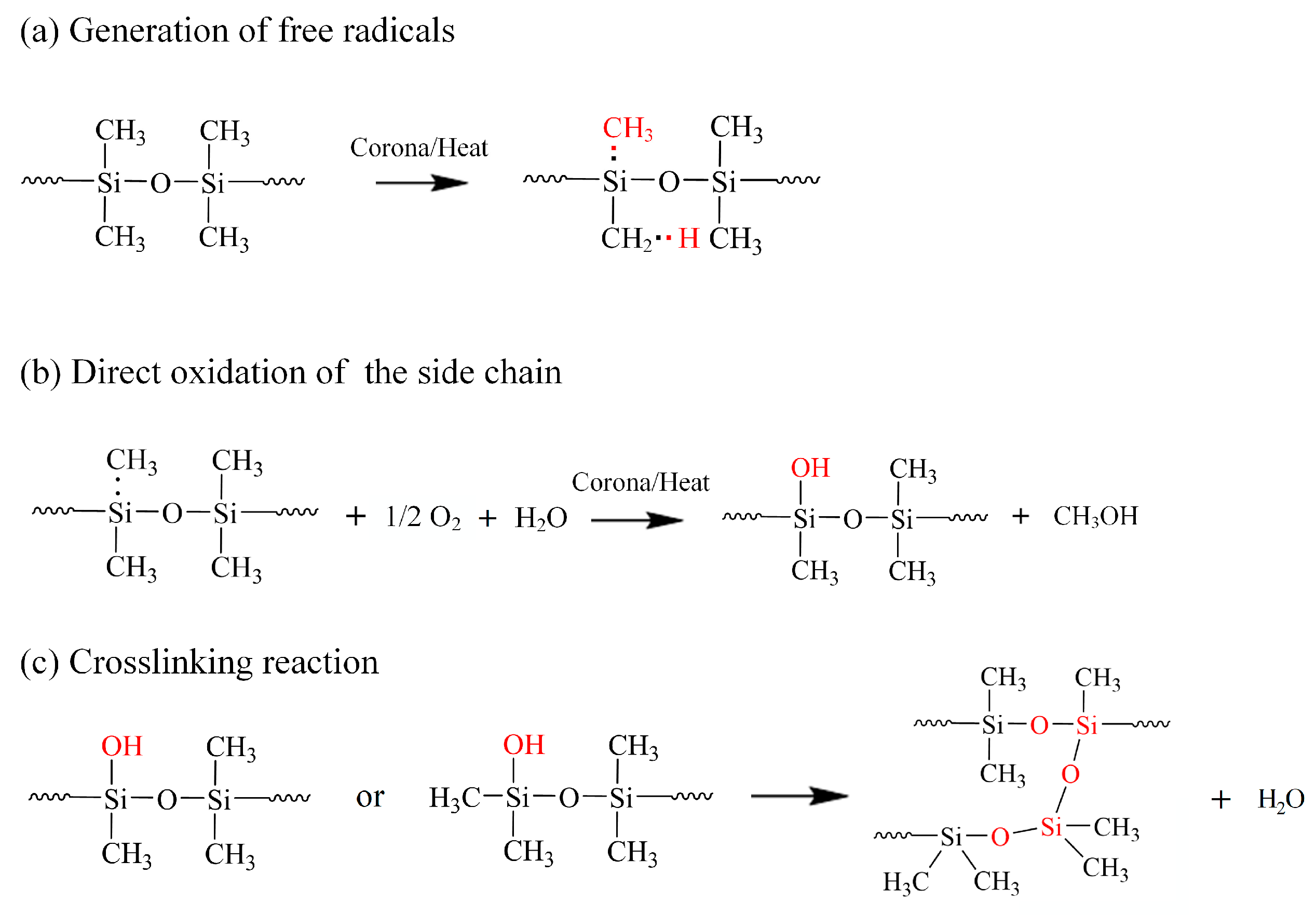
As illustrated in Figure 12, the aging process of HTV-SR involves two main reactions: crosslinking and chain scission. In addition, several secondary reactions occur, including the formation of free radicals [10] and the direct oxidation of side chains. In Figure 12a, PDMS generates free radicals when subjected to corona discharge and thermal stress. As shown in Figure 12b, under the combined effects of corona discharge, thermal and moisture conditions, the side chains of PDMS undergo redox reactions, leading to the direct formation of silanol groups. Subsequently, as depicted in Figure 12c, during the dehydration process, silanol groups at various positions undergo condensation reactions, resulting in crosslinking and the formation of silicon atoms with different oxidation states. These structural transformations are further confirmed by the XPS results presented earlier.

3.4.2. Comparative Analysis of Mechanisms Under Constant and Cyclic Temperature Conditions

Based on the material’s surface morphology, structural, mechanical and electrical performance, the multi-factor aging behaviors of HTV-SR under constant and cyclic temperature conditions are systematically compared. Under constant temperature aging, the extensive scission of PDMS chains occurs, generating silanol groups, low-molecular-weight (LMW) fragments and other small molecules. These degradation products facilitate the formation of a chalky surface layer [30]. In contrast, cyclic temperature aging leads to enhanced intermolecular interactions and the formation of a denser crosslinked network. This results in increased material stiffness but also a higher tendency to crack, as reflected by surface defects such as voids, fissures and particulate deposits. When corona discharge and high humidity are introduced simultaneously, the degradation becomes more pronounced. This can be attributed to the intensified condensation of moisture under large thermal gradients and a high absolute humidity [13], which significantly accelerates the moisture-induced aging effects. Due to the accumulation of condensed water and the development of severe surface defects, HTV-SR tends to exhibit a moisture accumulation effect. The liquid water retained on the surface facilitates the adsorption of reactive corona byproducts such as ozone and nitric acid, enabling these species to penetrate deeper into the material rather than remaining confined to the surface. Consequently, aging progresses into the bulk, further exacerbating the deterioration of HTV-SR. Additionally, the presence of pronounced surface defects significantly compromises the insulation reliability of the material, leading to a reduced surface flashover voltage and lower surface resistivity.

4. Conclusions

This study systematically investigates the aging behavior of HTV-SR under combined corona discharge, humidity and high-temperature conditions. By analyzing changes in surface morphology, structural, mechanical and electrical properties, the underlying aging mechanisms are clarified.
1.
A multi-factor aging platform coupling corona discharge, humidity and constant/cyclic temperature reveals that humidity and thermal conditions markedly influence HTV-SR degradation, with cyclic temperature causing more pronounced aging effects.
2.
Corona discharge induces both chain scission and oxidative crosslinking in HTV-SR, decreasing surface resistivity and flashover strength. Moisture accelerates hydrolysis and interface degradation, leading to increased highly oxidated Si atoms and reduced ductility and insulation stability.
3.
In a multi-factorial aging environment, HTV-SR undergoes severe surface damage, mechanical degradation and insulation failure. Constant temperature aging mainly causes chain scission and powdering, while cyclic temperature promotes crosslinking, increasing brittleness and defects. High humidity further accelerates internal degradation through water condensation and defect synergy.

Author Contributions

Conceptualization, M.L.; methodology, S.Z. and C.G.; investigation, Z.L.; data curation, Y.L. and X.Y.; writing—original draft, C.G. and S.Z.; writing—review and editing, M.L. and G.Z. All authors have read and agreed to the published version of the manuscript.

Funding

This research was funded by the Major Special Science and Technology Project of State Grid Henan Electric Power Company (Grant No. 521702240006).

Data Availability Statement

Data is contained within the article.

Acknowledgments

The authors kindly acknowledge the financial support of the Major Special Science and Technology Project of State Grid Henan Electric Power Company (Grant No. 521702240006). We also appreciate the guidance and help from Xiangyang Guowang Composite Insulators Co., Ltd., Hubei, China.

Conflicts of Interest

The authors declare that the research was conducted in the absence of any commercial or financial relationships that could be construed as potential conflicts of interest.

References

  1. Zhu, M.; Xue, J.; Wei, Y.; Li, G.; Zhang, G. Review of interface tailoring techniques and applications to improve insulation performance. High Volt. 2022, 7, 12–31. [Google Scholar] [CrossRef]
  2. Liang, X.; Gao, Y.; Wang, J.; Li, S. Rapid development of silicone rubber composite insulator in China. High Volt. Eng. 2016, 42, 2888–2896. [Google Scholar]
  3. Chen, C.; Jia, Z.; Ye, W.; Guan, Z.; Li, Y. Thermo-oxidative aging analysis of HTV silicone rubber used for outdoor insulation. IEEE Trans. Dielectr. Electr. Insul. 2017, 24, 1761–1772. [Google Scholar] [CrossRef]
  4. Zhang, G.; Zhao, L.; Zhou, R.; Shen, W.; Liang, X. Review on aging characterization and evaluation of silicon rubber composite insulator. High Volt. Appar. 2016, 52, 1–15. [Google Scholar]
  5. Liu, Y.; Wang, X. Research on property variation of silicone rubber and EPDM rubber under interfacial multi-stresses. IEEE Trans. Dielectr. Electr. Insul. 2019, 26, 2027–2035. [Google Scholar] [CrossRef]
  6. Nazir, M.; Phung, B. Accelerated ultraviolet weathering investigation on micro-/nano-SiO2 filled silicone rubber composites. High Volt. 2018, 3, 295–302. [Google Scholar] [CrossRef]
  7. Shen, W.; Song, W.; Wang, G.; Niu, Y.; Wang, J.; Zhang, L.; Zhang, G. Influence of corona discharge on aging characteristics of HTV silicone rubber material. High Volt. Eng. 2013, 49, 1–7. [Google Scholar]
  8. Wu, J.; Dong, J.; Wang, Y.; Gond, B. Thermal oxidation ageing effects on silicone rubber sealing performance. Polym. Degrad. Stabil. 2017, 135, 43–53. [Google Scholar] [CrossRef]
  9. Jin, H.; Ma, J.; Zeng, Y.; Ding, C.; Zhang, C.; Gao, N.; Zhang, J. Study on thermal-cooling aging characteristics of room temperature vulcanized silicone rubber insulation and protection materials. High Volt. Appar. 2020, 56, 159–165. [Google Scholar]
  10. Bi, M.; Deng, R.; Jiang, T.; Chen, X.; Pan, A.; Zhu, L. Study on corona aging characteristics of silicone rubber material under different environmental conditions. IEEE Trans. Dielectr. Electr. Insul. 2022, 29, 534–542. [Google Scholar] [CrossRef]
  11. Hu, H.; Xie, C.; Wang, R.; Gou, B.; Luo, S.; Zhou, J. Effects of electrical-hydrothermal aging degradation on dielectric and trap properties of high temperature vulcanized silicone rubber materials. RSC Adv. 2020, 10, 3805–3816. [Google Scholar] [CrossRef]
  12. Deng, Y.; Peng, B.; Liu, Z.; Du, Y.; Zhou, S.; Liu, J.; Xu, X.; Yu, X.; Zhou, J. Hygrothermal aging performance of high temperature vulcanized silicone rubber and its degradation mechanism. High Volt. 2023, 8, 1196–1205. [Google Scholar] [CrossRef]
  13. Niu, L.; Fang, J.; Li, Y.; Lun, Y.; Pan, S.; Zhao, Y.; Wei, C.; Fang, P. Effect of surface structure of silicone-SiO2 composite coatings on its condensation and flashover characteristics. J. Wuhan Univ. (Nat. Sci. Ed.) 2023, 69, 536–544. [Google Scholar]
  14. Nakamura, K.; Hatori, K.; Iura, S. The test method to confirm robustness against condensation. In Proceedings of the 21st European Conference on Power Electronics and Applications, Genova, Italy, 2–5 September 2019. [Google Scholar]
  15. Zeng, S.; Li, W.; Peng, Y.; Zhang, Y.; Zhang, G. Mechanism of accelerated deterioration of high-temperature vulcanized silicone rubber under multi-factor aging tests considering temperature cycling. Polymers 2023, 15, 3210. [Google Scholar] [CrossRef]
  16. Cristy, A. Chapter 3 Theory of infrared spectroscopy. In Comprehensive Analytical Chemistry; Elsevier: Amsterdam, The Netherlands, 2001; Volume 35, pp. 19–40. [Google Scholar]
  17. Gehrke, S. Synthesis, Equilibrium Swelling, Kinetics, Permeability and Applications of Environmentally Responsive Gels; Springer: New York, NY, USA, 2005; Volume 1, pp. 81–144. [Google Scholar]
  18. GB/T 528-2009; Rubber, Vulcanized or Thermoplastic-Determination of Tensile Stress-Strain Properties. Standardization Administration of China: Beijing, China, 2009.
  19. Zeng, S.; Li, W.; Zhao, X.; Peng, Y.; Liu, Y.; Yan, X.; Zhang, G. Degradation of HTV silicone rubber in composite insulators under UVB-corona coupling effect in simulated plateau environments. Polym. Degrad. Stabil. 2025, 238, 111354. [Google Scholar] [CrossRef]
  20. Jia, Z.; Xu, C.; Guan, R.; Wang, X.; Deng, Y. Simulation of the chalking of silicone rubber based on tetramethylammonium-hydroxide-catalyzed scission reaction. Polym. Degrad. Stabil. 2023, 208, 110251. [Google Scholar] [CrossRef]
  21. Chassé, W.; Lang, M.; Sommer, J.; Saalwächter, K. Crosslink density estimation of PDMS networks with precise consideration of networks defects. Macromolecules 2012, 45, 899–912. [Google Scholar] [CrossRef]
  22. Bao, W.; Liang, X.; Liu, Y.; Gao, Y.; Wang, J. Effects of AC and DC corona on the surface properties of silicone rubber: Characterization by contact angle measurements and XPS high resolution scan. IEEE Trans. Dielectr. Electr. Insul. 2017, 24, 2911–2919. [Google Scholar] [CrossRef]
  23. Xu, C.; Yan, N.P.; Yang, C.J.; Wang, X.L.; Jia, Z.D. Effects of platinum catalyst on the dielectric properties of addition cure silicone rubber/SiO2 nanocomposites. IEEE Trans. Dielectr. Electr. Insul. 2021, 28, 142–149. [Google Scholar] [CrossRef]
  24. Liang, T.; Zhang, Z.; Ma, X.; Xiang, Y.; Huang, H.; Jiang, X. Characteristics of powdered layer on silicone rubber surface. J. Mater. Res. Technol. 2021, 14, 36–46. [Google Scholar] [CrossRef]
  25. Lancastre, J.; Fernandes, N.; Margaça, F.; Salvado, I.; Ferreira, L.; Falcão, A.; Casimiro, M. Study of PDMS conformation in PDMS-based hybrid materials prepared by gamma irradiation. Radiat. Phys. Chem. 2012, 81, 1336–1340. [Google Scholar] [CrossRef]
  26. Nallathambi, T.; Ramachandran, V.; Palanivelu, R. Effect of silica nanoparticles and BTCA on physical properties of cotton fabrics. Mater. Res. 2011, 14, 552–559. [Google Scholar] [CrossRef]
  27. Kang, J.; Choi, K.; Jo, W.; Hsu, S. Structure-property relationships of polyimides: A molecular simulation approach. Polymer 1998, 39, 7079–7087. [Google Scholar] [CrossRef]
  28. Li, Z.; Sun, L.; Liu, S.; Li, J.; Ma, Z.; Cai, L.; Wang, Z.; Liu, J.; Li, S. Influence mechanisms of ultraviolet irradiation aging on DC surface discharge properties of silicone rubber in dry and humid air. Appl. Surf. Sci. 2024, 678, 161107. [Google Scholar] [CrossRef]
  29. Ning, K.; Tang, Z.; Xie, P.; Hu, J.; Fu, Z. Study on silicone rubber composite insulator modified by high-energy electron beam irradiation. IEEE Trans. Dielectr. Electr. Insul. 2023, 30, 31–40. [Google Scholar] [CrossRef]
  30. Nazir, M.; Phung, B.; Hoffman, M. Performance of silicone rubber composites with SiO2 micro/nano-filler under AC corona discharge. IEEE Trans. Dielectr. Electr. Insul. 2016, 23, 2804–2815. [Google Scholar] [CrossRef]
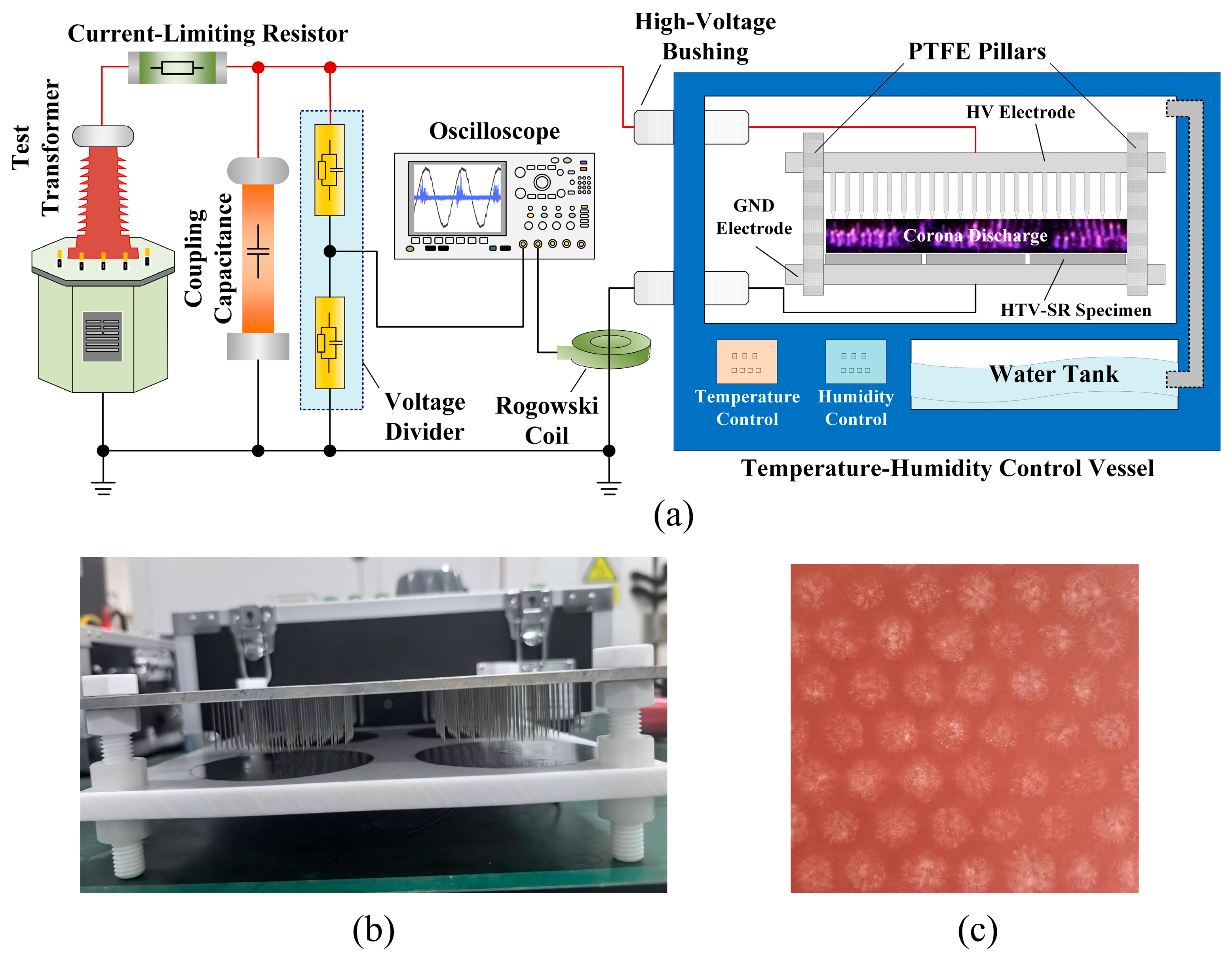
Figure 1. Multi-factor accelerated aging platform. (a) Temperature–humidity control vessel; (b) photo of multi-needle plate electrode; (c) HTV-SR sample after multi-factor aging.
Electronics 14 04071 g001
Figure 2. Temperature cycling control procedure of C20, C50 and C80.
Electronics 14 04071 g002
Figure 3. SEM photos of HTV-SR samples under different aging conditions.
Electronics 14 04071 g003
Figure 4. FTIR spectra of HTV-SR under different aging conditions.
Electronics 14 04071 g004
Figure 5. Crosslink density of HTV-SR specimens under different aging conditions.
Electronics 14 04071 g005
Figure 6. XPS results of HTV-SR specimens under different aging conditions.
Electronics 14 04071 g006
Figure 7. XRD results of HTV-SR specimens under different aging conditions.
Electronics 14 04071 g007
Figure 8. Percentage of ATH of HTV-SR specimens under different aging conditions.
Electronics 14 04071 g008
Figure 9. Elongation at break of HTV-SR specimens under different aging conditions.
Electronics 14 04071 g009
Figure 10. Surface resistivity of the HTV-SR samples under different aging conditions.
Electronics 14 04071 g010
Figure 11. DC flashover probability of HTV-SR samples under different aging conditions.
Electronics 14 04071 g011
Figure 12. Reactions of HTV-SR during multi-factor aging.
Electronics 14 04071 g012
Table 1. Setting of accelerated aging tests.
GroupTemperature/°CAverage Temperature/°CCycle Frequency f/h−1Relative Humidity/%Voltage Value of Needle Tip/kVField Strength Near the Surface/(kV·cm−1)Time/h
T205050\2011.5 r.m.s.15.0240
T5050
T8080
C2015~851/1620
C5050
C8080
Table 2. Relative compositions of Si-O structures of HTV-SR specimens under different aging conditions.
GroupSi(–O)2Si(–O)3Si(–O)4Highly Oxidated Si Atoms
Unaged64.9%28.6%6.5%35.1%
T2046.5%41.0%12.5%53.5%
T5037.3%34.3%28.4%62.7%
T8027.3%46.3%26.4%72.7%
C2040.7%33.7%25.6%59.3%
C5032.4%26.1%41.5%67.6%
C8030.3%24.4%45.3%69.7%
Table 3. Shape and scale parameters of DC flashover of HTV-SR specimens under different aging conditions.
SampleUnagedT20T50T80C20C50C80
α9.327.757.366.207.607.055.65
β7.1619.618.8320.2514.346.7126.54
Disclaimer/Publisher’s Note: The statements, opinions and data contained in all publications are solely those of the individual author(s) and contributor(s) and not of MDPI and/or the editor(s). MDPI and/or the editor(s) disclaim responsibility for any injury to people or property resulting from any ideas, methods, instructions or products referred to in the content.