Article

Traffic Fingerprints for Homogeneous IoT Traffic Based on Packet Payload Transition Patterns
1
Key Laboratory of Trustworthy Distributed Computing and Service, Ministry of Education, Beijing University of Posts and Telecommunications, Beijing 100876, China
2
School of Information and Communication Engineering, Beijing University of Posts and Telecommunications, Beijing 100876, China
*
Author to whom correspondence should be addressed.
Electronics 2024, 13(5), 930; https://doi.org/10.3390/electronics13050930

Submission received: 8 January 2024 / Revised: 24 January 2024 / Accepted: 29 January 2024 / Published: 29 February 2024
(This article belongs to the Special Issue Advances in IoT Security)

Abstract

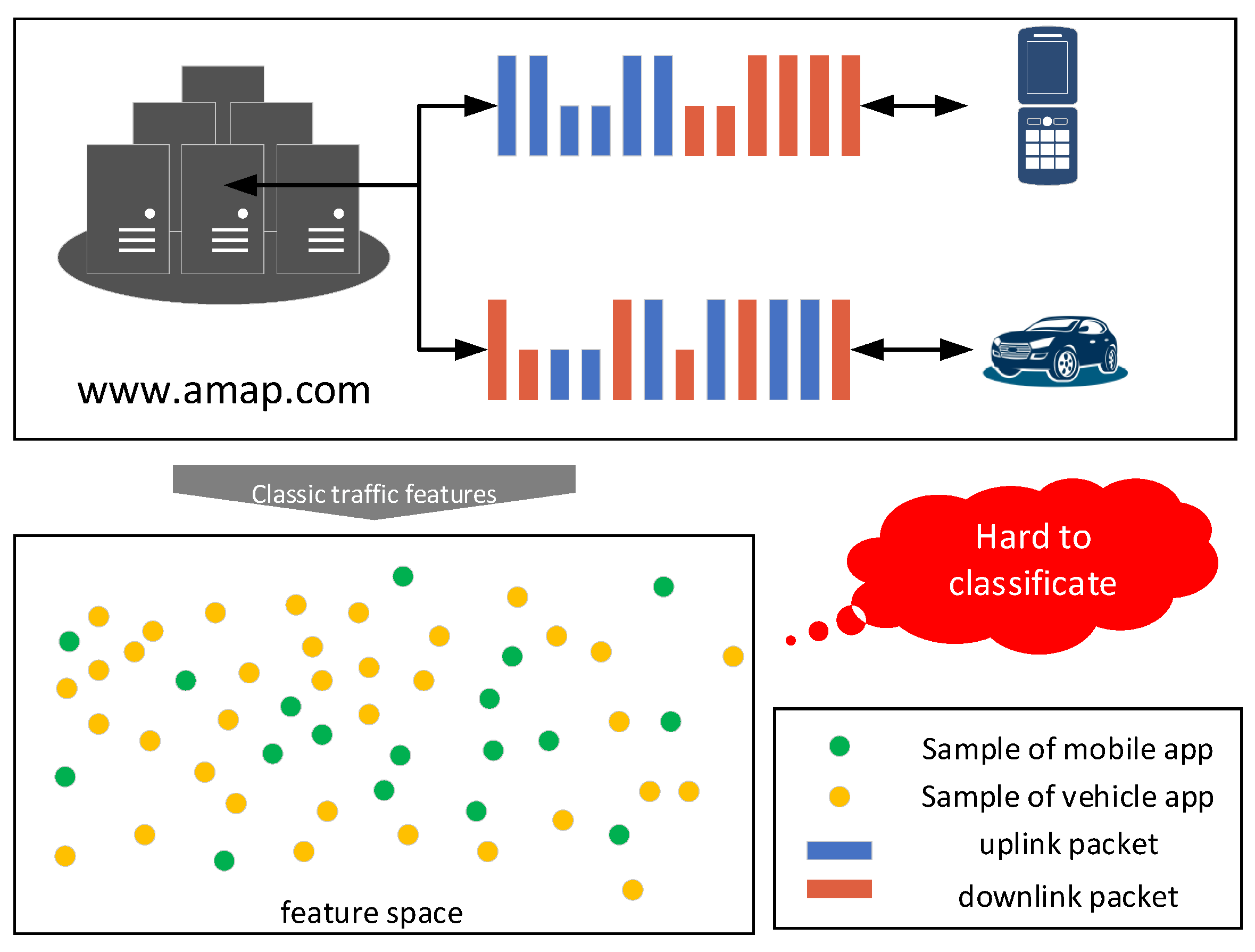
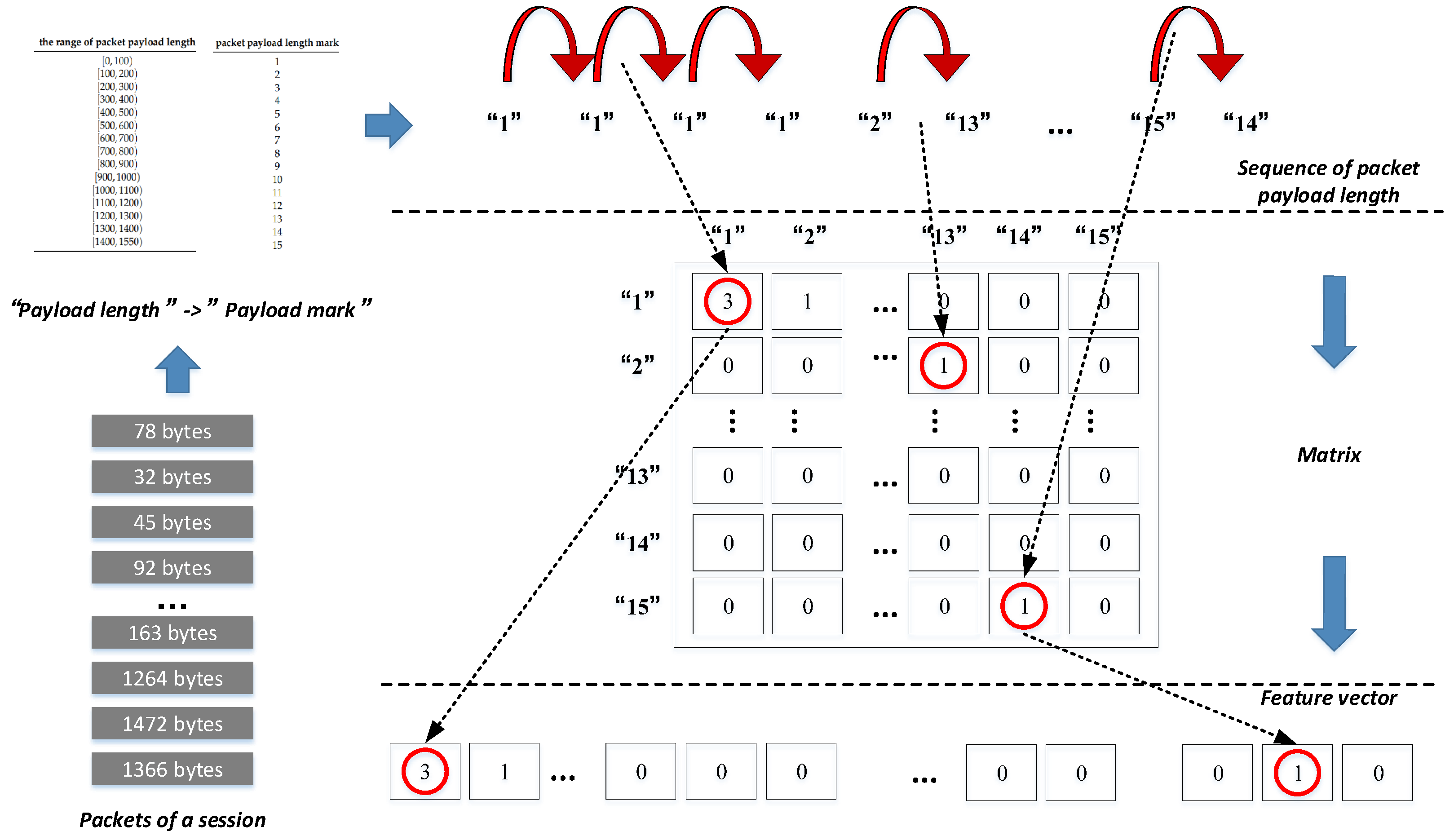
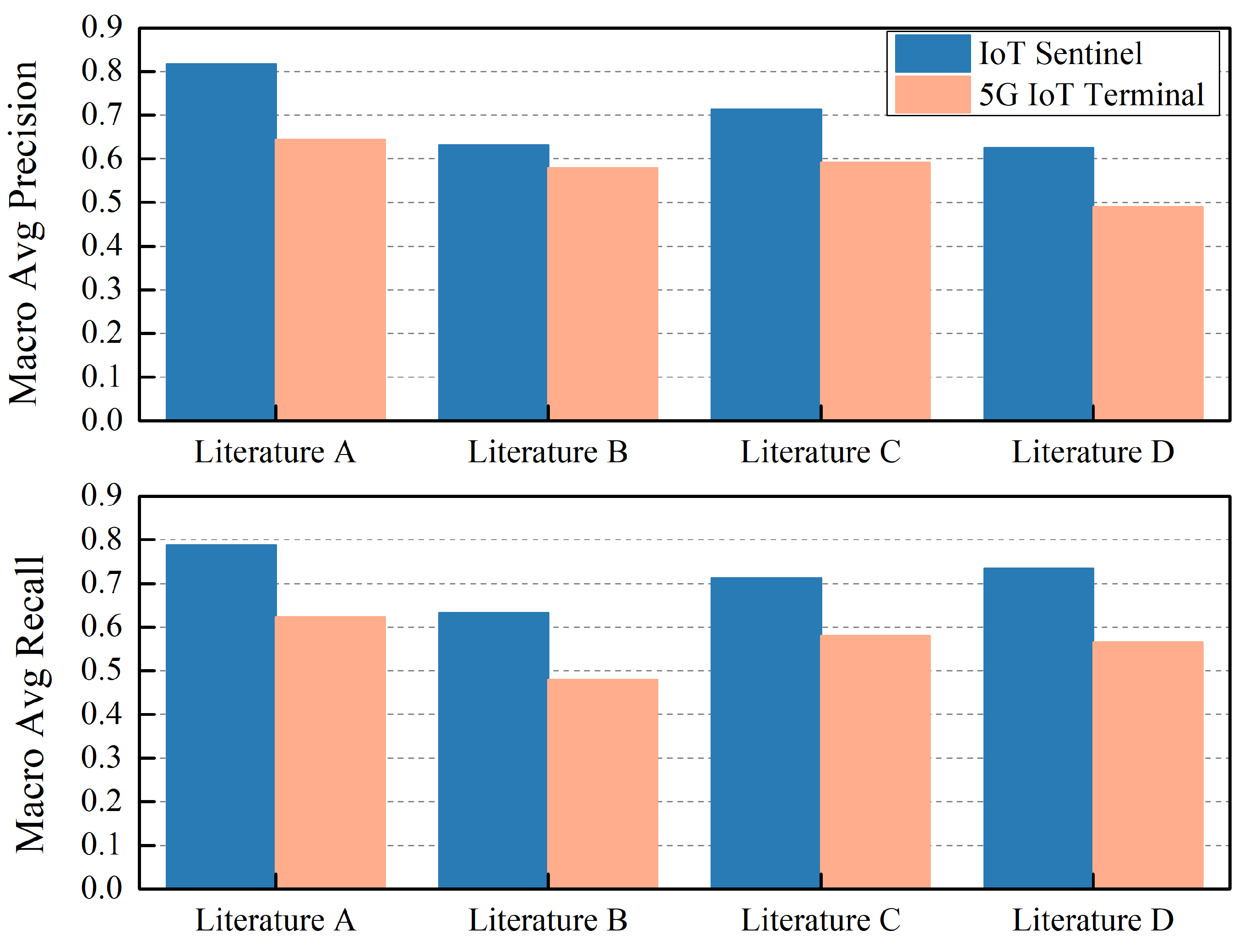
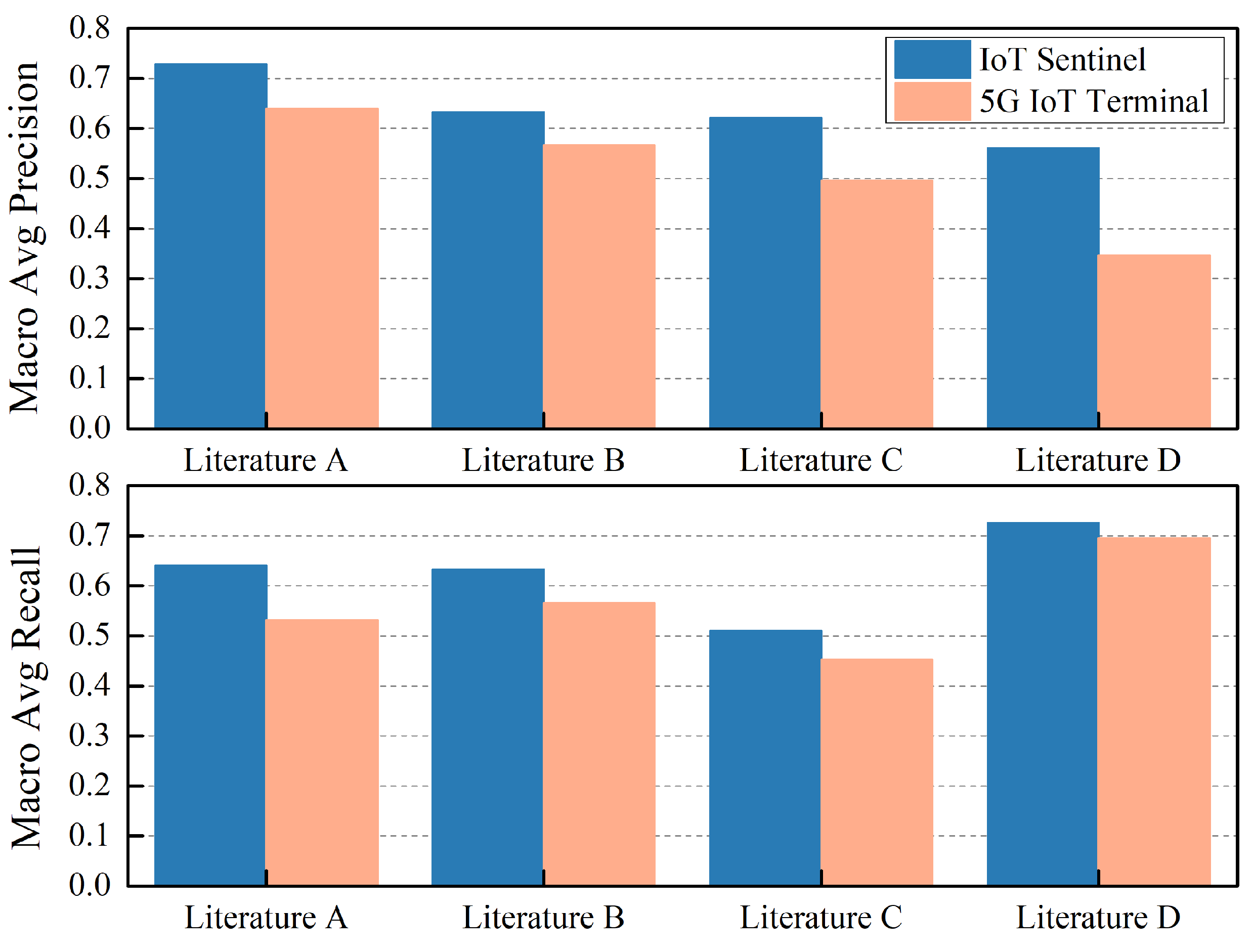
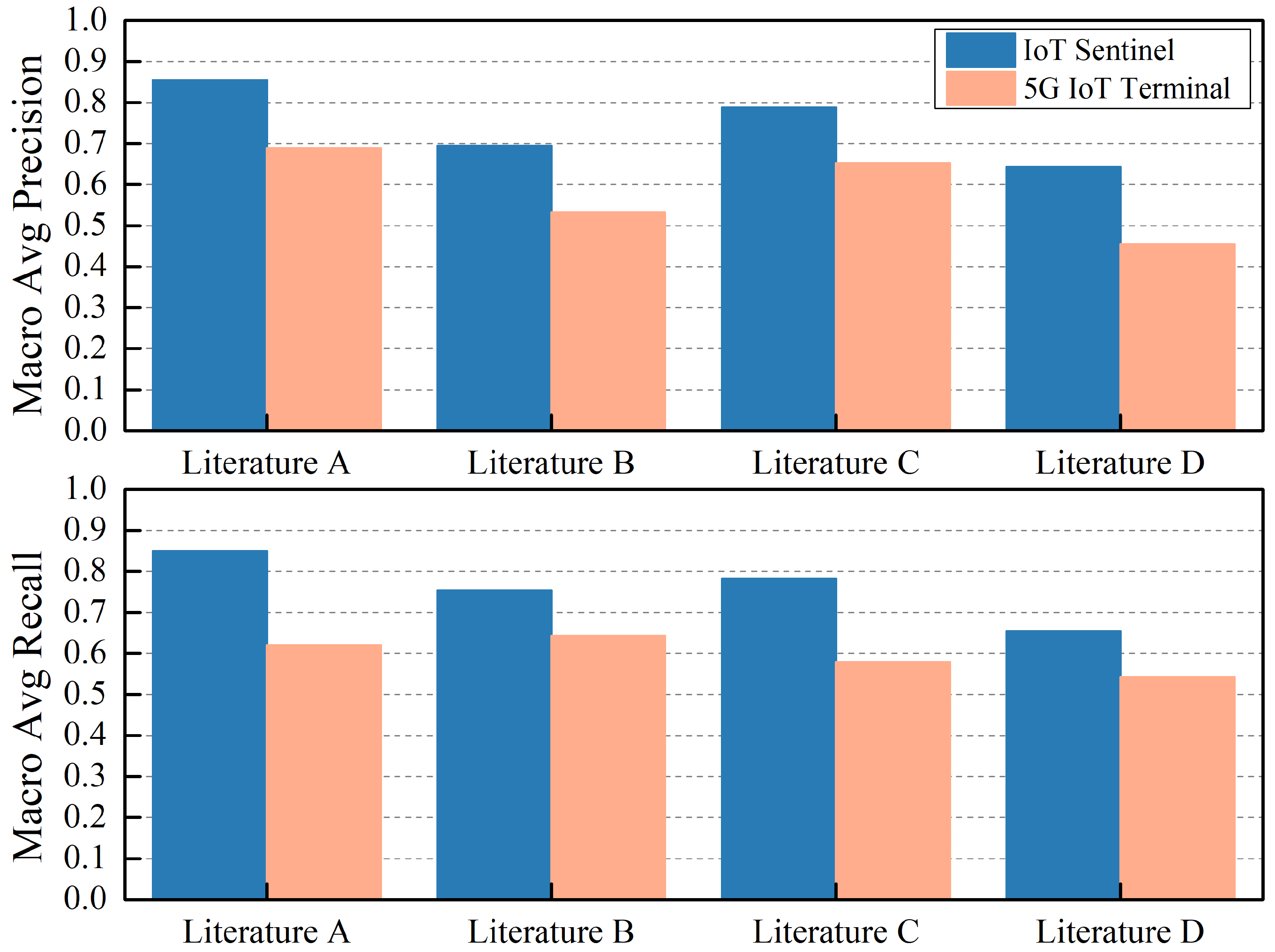
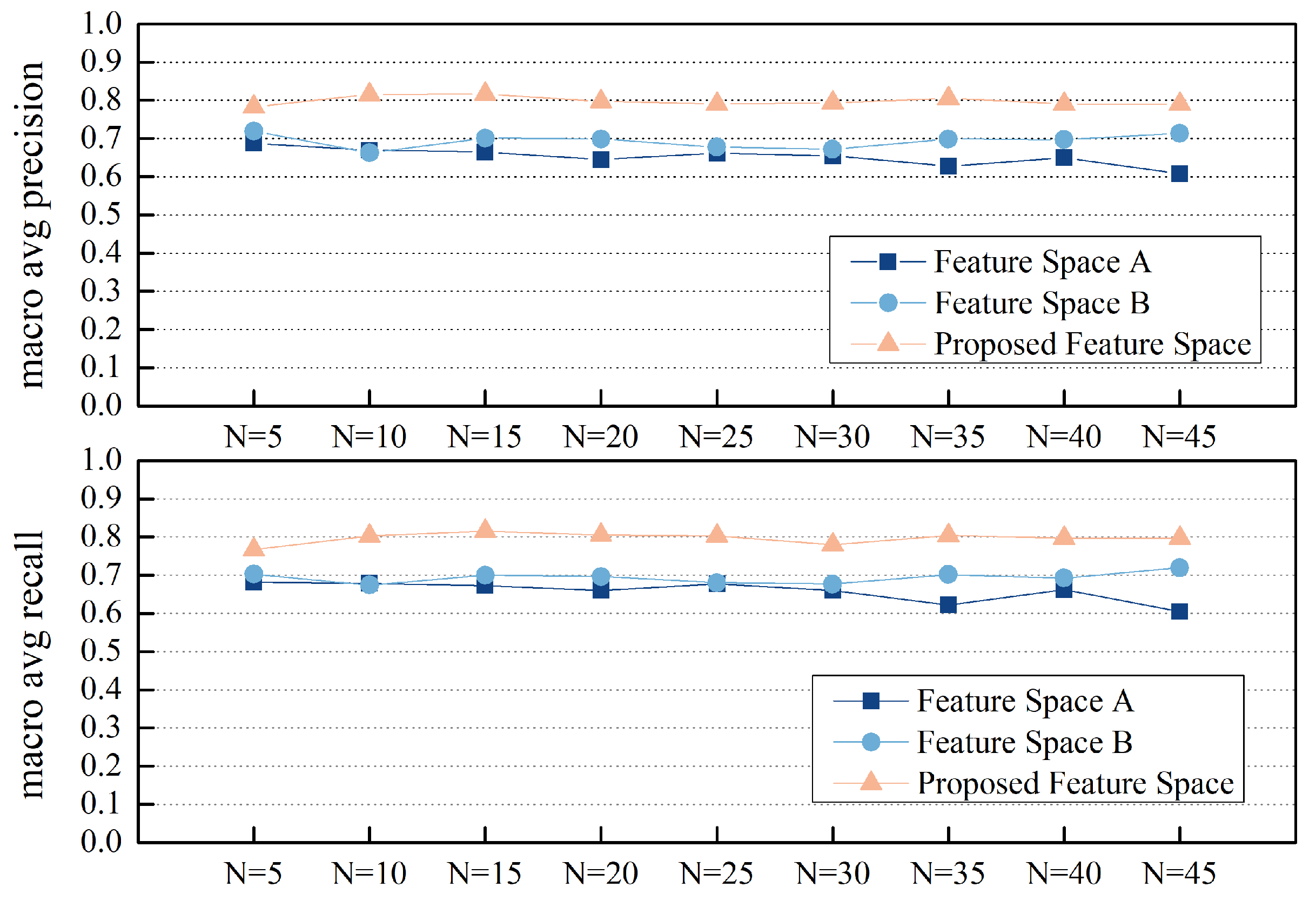
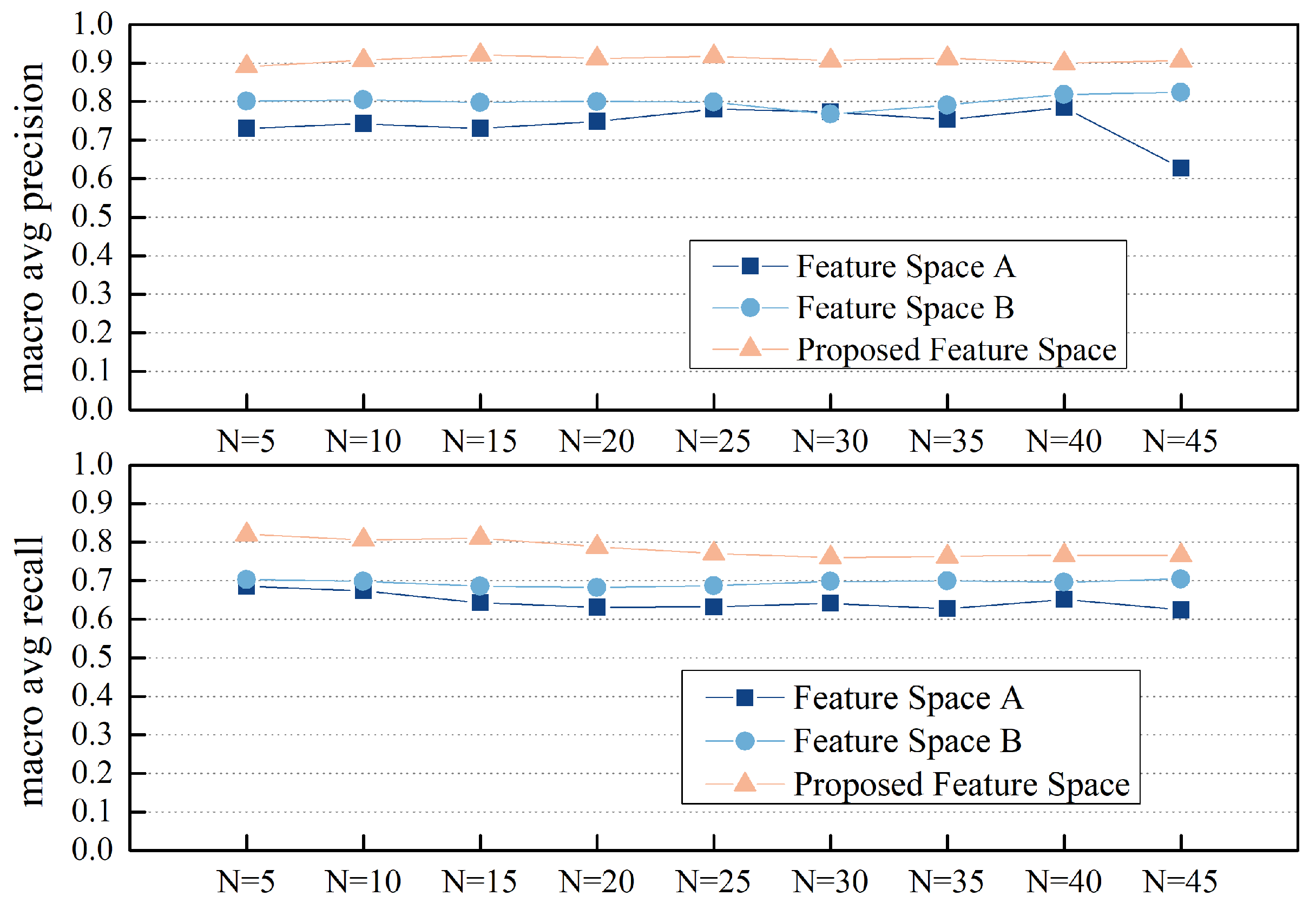
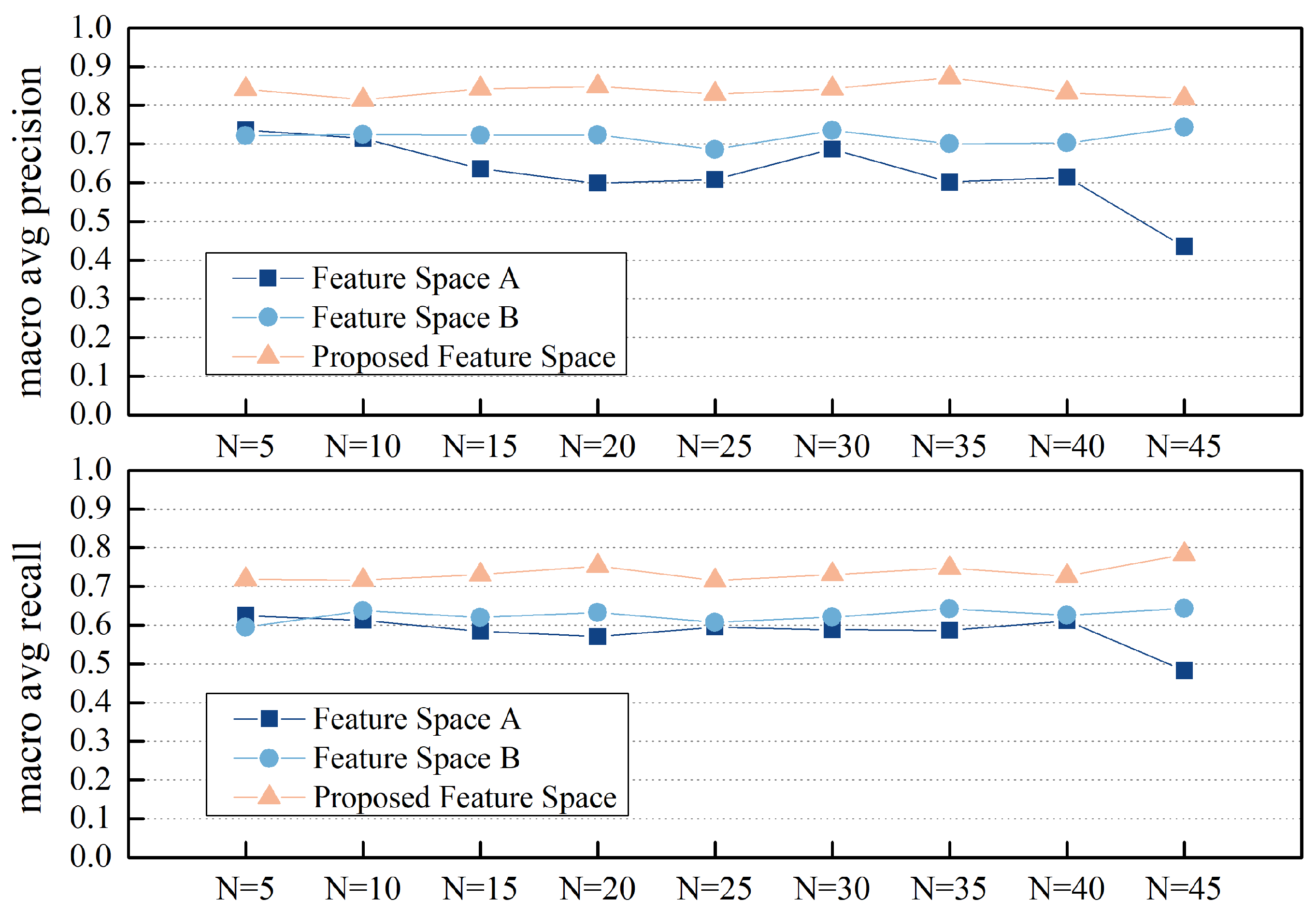
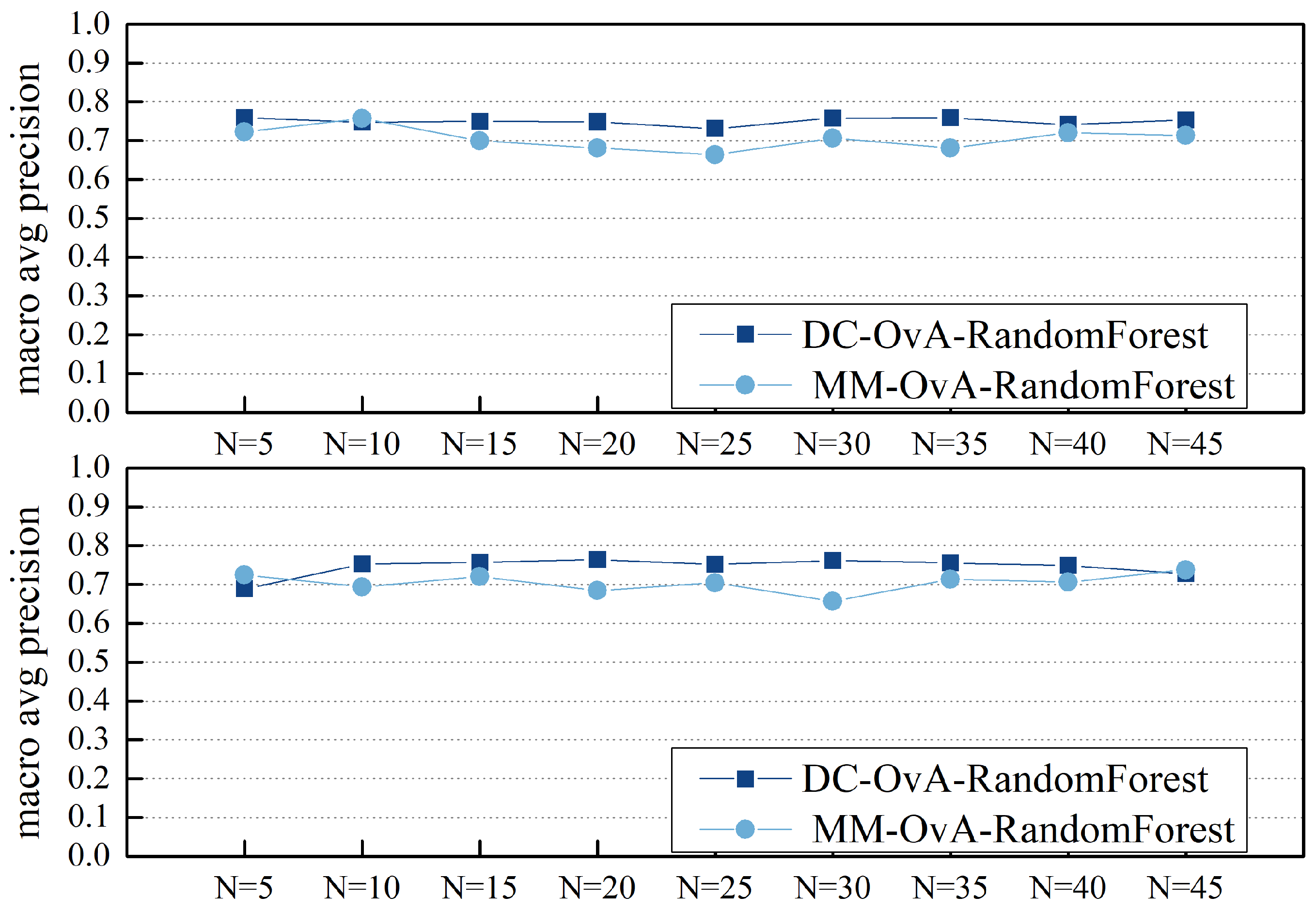
Traffic fingerprint was considered an effective security protection mechanism in IoT scenarios because it can be used to automatically identify accessed devices. However, the results of replication experiments show that the classic traffic fingerprints based on simple network traffic attribute features have a significantly lower ability to identify accessed devices in real 5G IoT scenarios compared to what was stated in traditional IoT scenarios. The growing homogenization of IoT traffic caused by the application of 5G is believed to be the reason for the poor ability of traditional traffic fingerprints to identify 5G IoT terminals. Studying an enhanced traffic fingerprint is necessary to accommodate the homogeneous Internet of Things traffic. In addition, during the reproducing experiments, we noticed that the solution of overlap is a key factor that restricts the recognition ability of one-vs-all multi-classifiers, and the efficiency of existing methods still has some room for optimization. Based on targeted improvements to these two issues, we proposed an enhanced IoT terminal traffic fingerprint based on packet payload transition patterns to improve the device recognition ability in homogeneous IoT traffic. Additionally, we designed an improved solution for overlap based on density centers to expedite decision making. According to the experimental results, when compared with the existing traffic fingerprint, the proposed traffic fingerprint in this study demonstrated a Macro-Average Precision of close to 90% for network traffic from real 5G IoT terminals. The proposed overlap solution based on the density centers reduced the decision-making time from hundreds of seconds to tens of seconds while ensuring decision-making accuracy.
Keywords: IoT; overlap solution; packet payload transition; traffic fingerprint IoT; overlap solution; packet payload transition; traffic fingerprint