Article

Assessing Urban Mobility Resilience: An Exploratory Approach Using Hazard-Based Duration Models

by
Luís A. P. Jardim Gonçalves
1,
Sara Ferreira
2 and
Paulo J. G. Ribeiro
1,*
1
CTAC—Centre for Territory Ambient and Construction, School of Engineering, University of Minho, 4800-058 Guimarães, Portugal
2
CITTA—Centre for Territory, Transports and Environment, Faculdade de Engenharia da Universidade do Porto, Rua Dr Roberto Frias s/n, 4200-465 Porto, Portugal
*
Author to whom correspondence should be addressed.
Electronics 2024, 13(21), 4220; https://doi.org/10.3390/electronics13214220

Submission received: 22 August 2024 / Revised: 16 October 2024 / Accepted: 18 October 2024 / Published: 28 October 2024
(This article belongs to the Special Issue AI in Disaster, Crisis, and Emergency Management)

Abstract

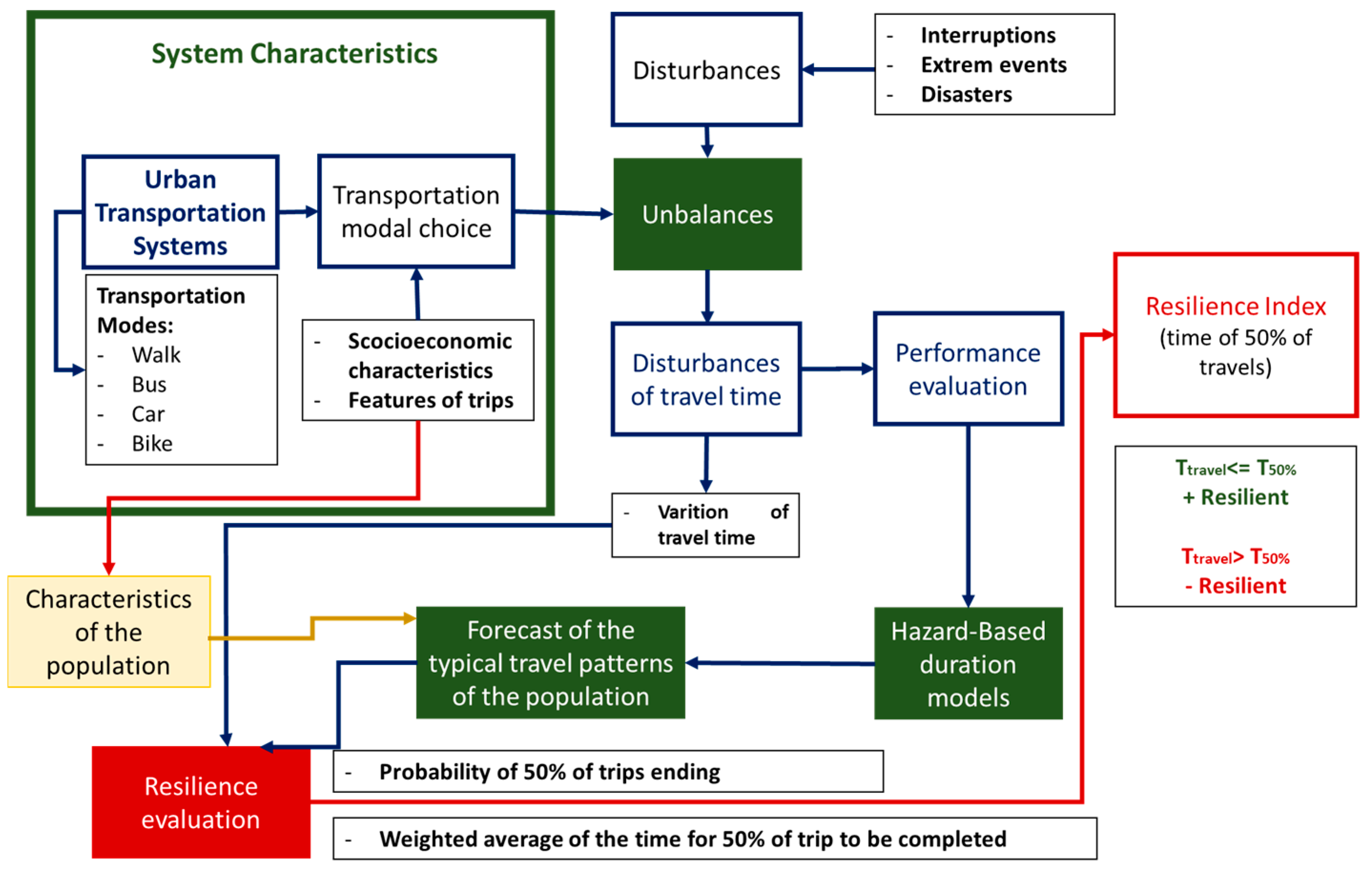
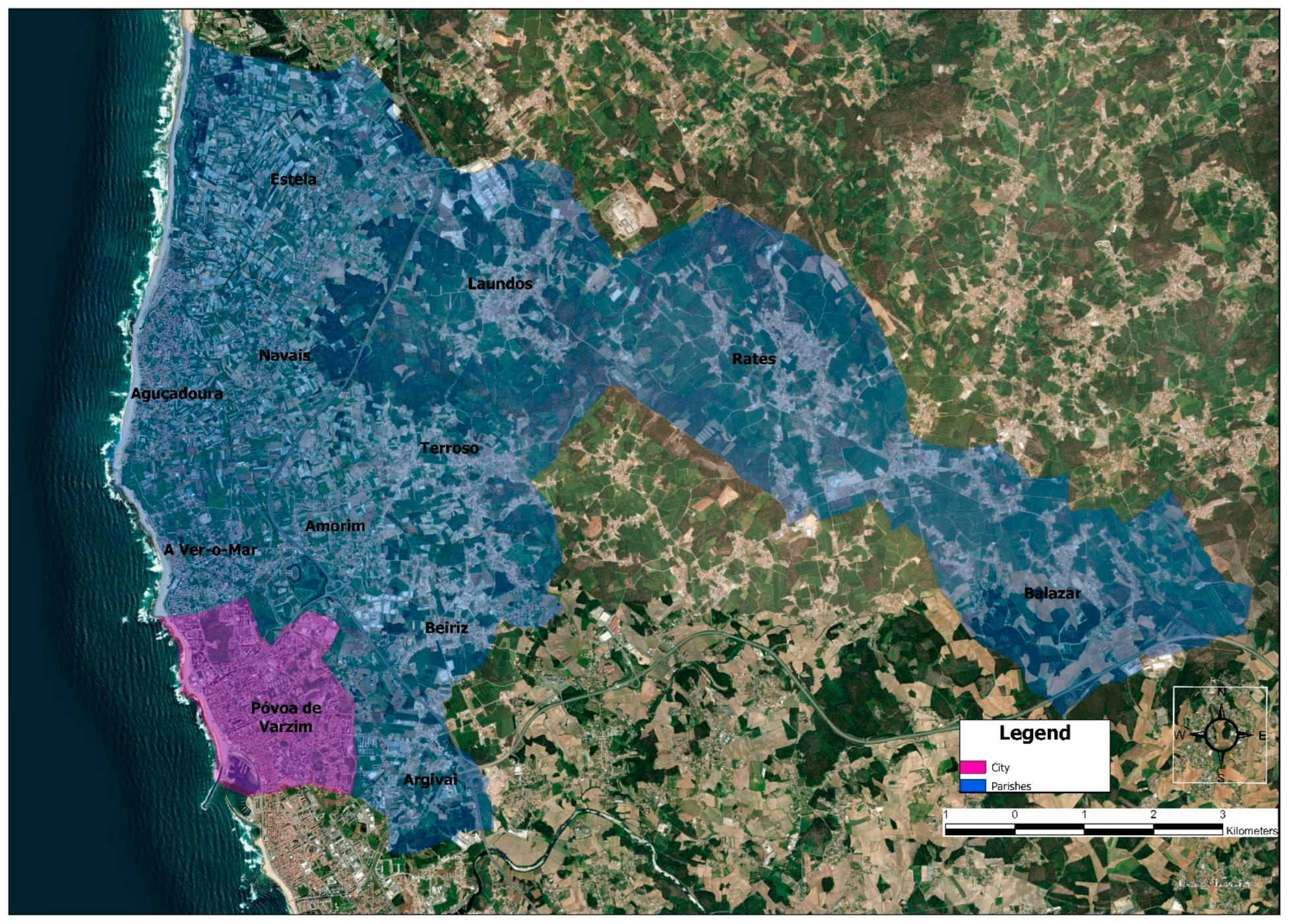
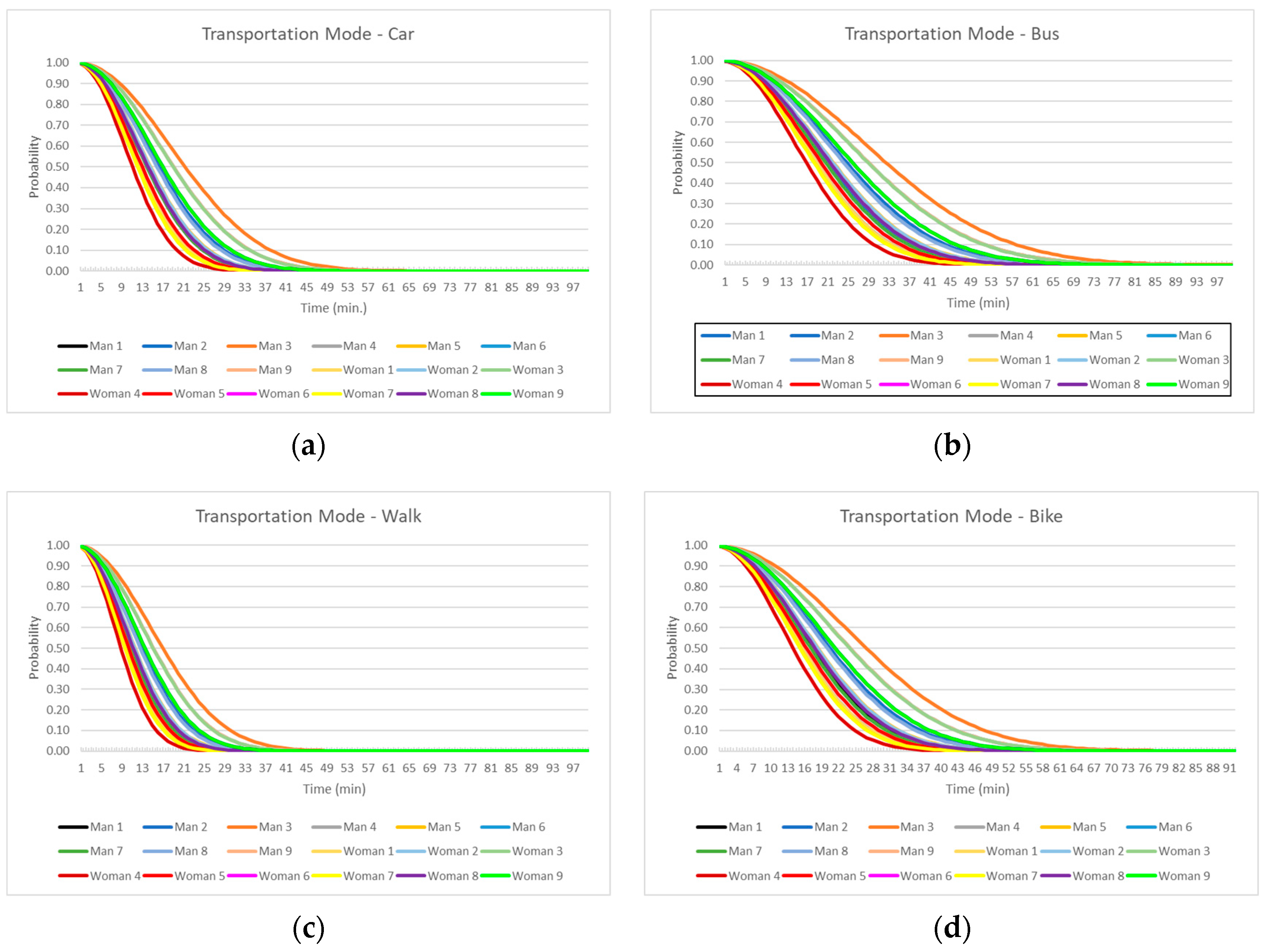
Urban systems are vulnerable to disturbances from both natural and human origins, which can disrupt their normal functioning. Evaluating the resilience of these systems, particularly the main transportation networks and their usage levels, is crucial and innovative for understanding the impacts of such disturbances. Thus, this work aims to assess resilience in urban mobility through the probability of a particular journey using a specific mode: “surviving” through critical travel time. To achieve this, a methodology was developed based on the Weibull model with gamma heterogeneity (hazard-based duration models), which was applied to a medium-sized Portuguese municipality. Eighteen groups representing active populations were set and compared. The results indicated that using the bus and cycling are the most resilient modes of transport, whereas walking is the least resilient. Additionally, a specific group was identified as having lower mobility resilience, making them more vulnerable to disruptions in the transport system. Finally, the findings of this study demonstrate the practical application of this methodology, which relies on travel time to assess resilience and, thus, guide political attention and actions to the less resilient mode. Future research should aim to develop a comprehensive framework that incorporates several variables to fully describe the complex nature of transport systems and their resilience.
Keywords: urban mobility; resilience; travel time; hazard-based duration models; Weibull model urban mobility; resilience; travel time; hazard-based duration models; Weibull model