Article

OAR-UNet: Enhancing Long-Distance Dependencies for Head and Neck OAR Segmentation

Digital Manufacturing Equipment and Technology Key National Laboratories, Huazhong University of Science and Technology, Wuhan 430074, China
*
Author to whom correspondence should be addressed.
Electronics 2024, 13(18), 3771; https://doi.org/10.3390/electronics13183771

Submission received: 29 August 2024 / Revised: 12 September 2024 / Accepted: 21 September 2024 / Published: 23 September 2024
(This article belongs to the Section Bioelectronics)

Abstract

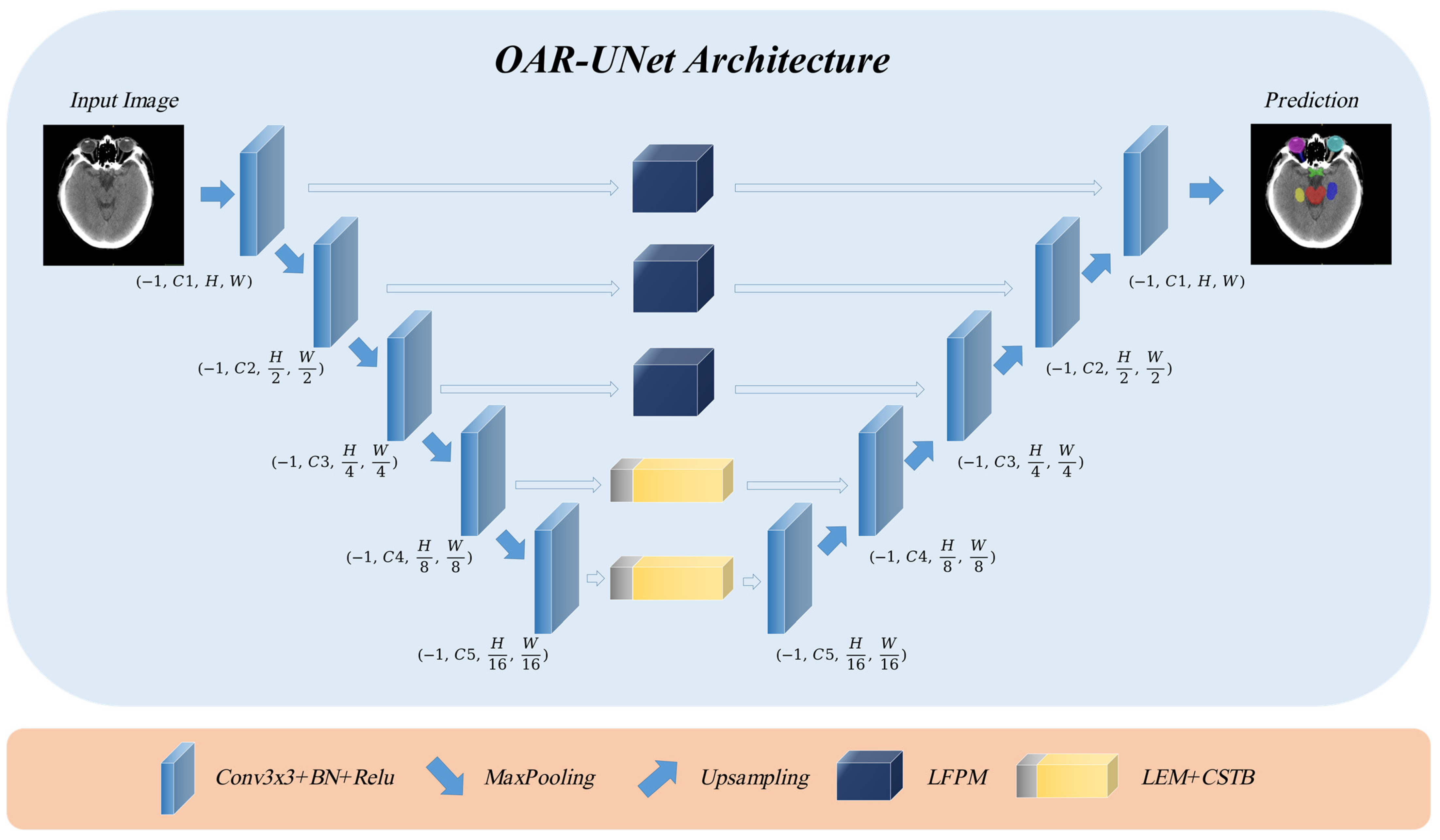
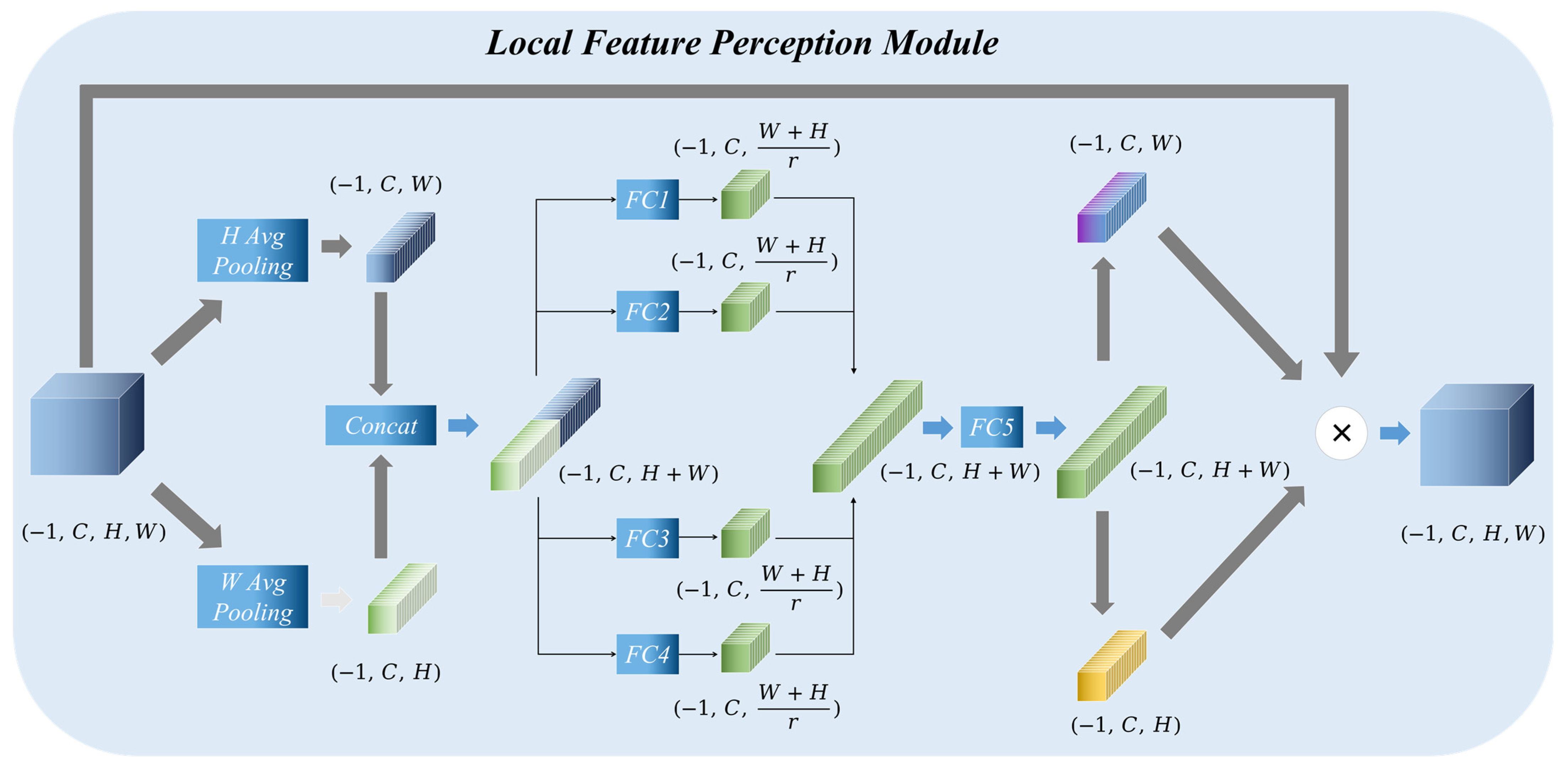
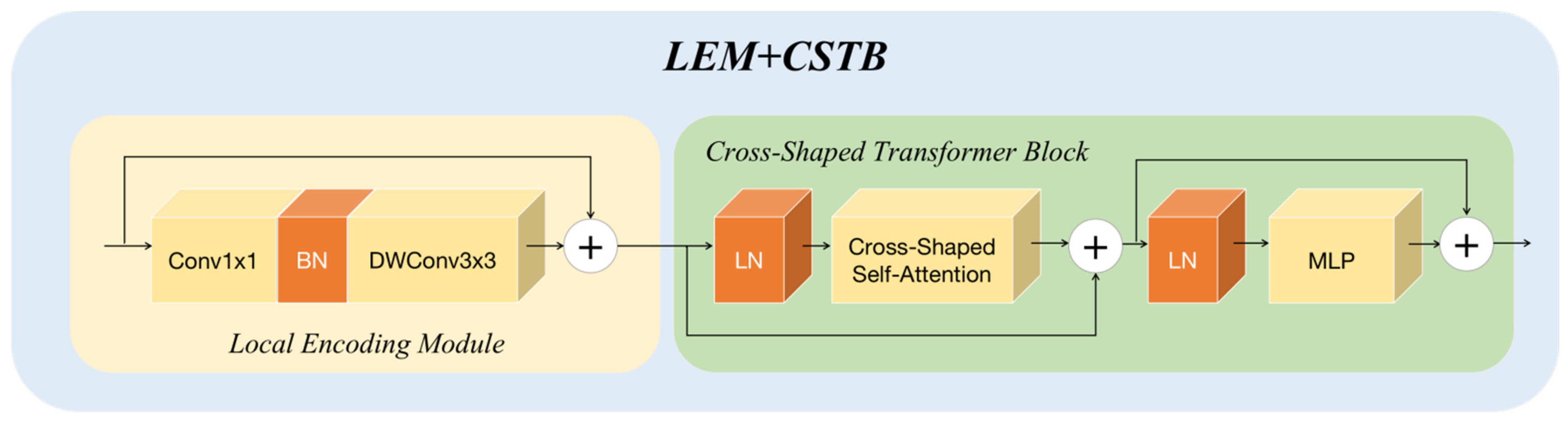
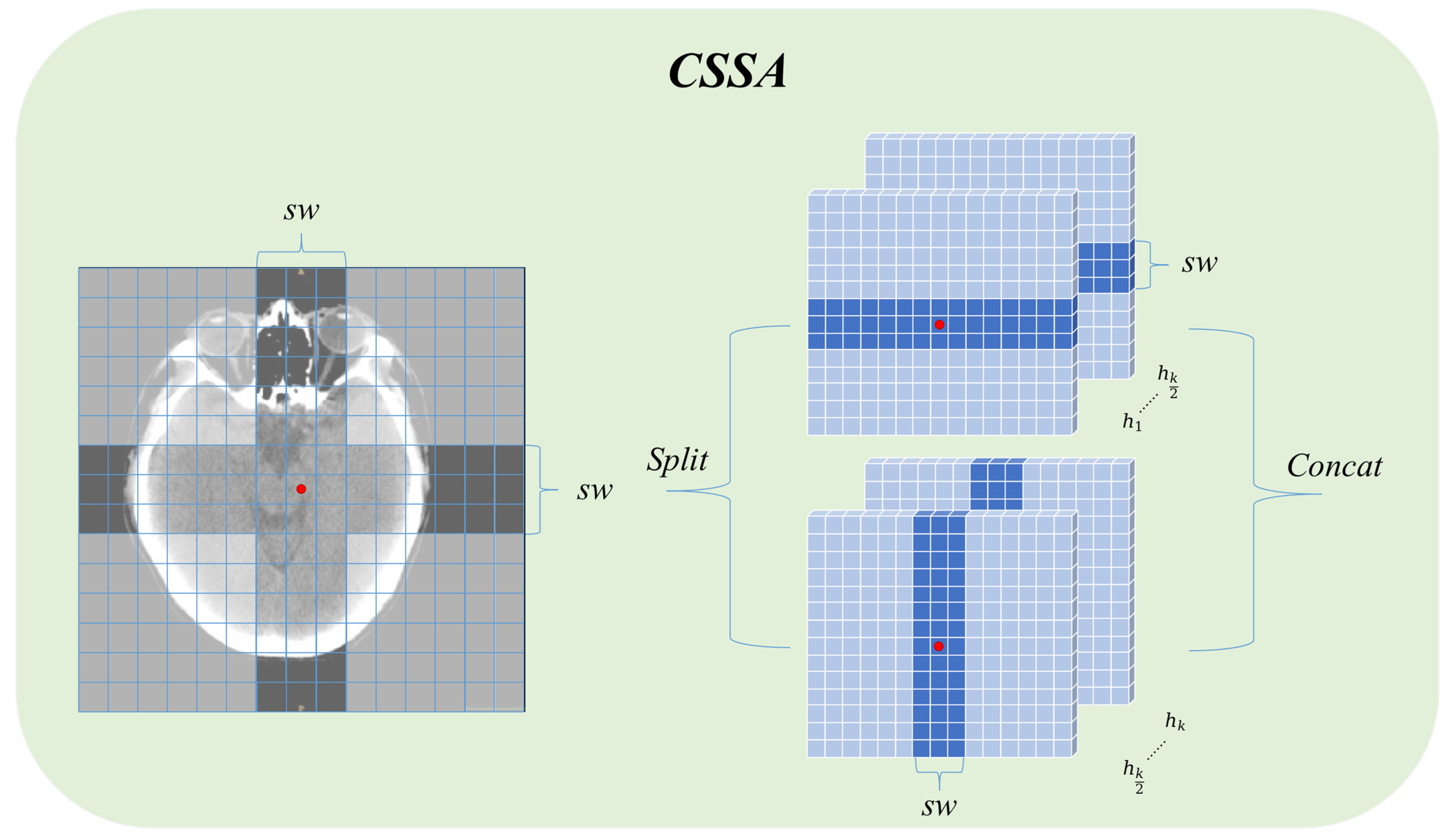
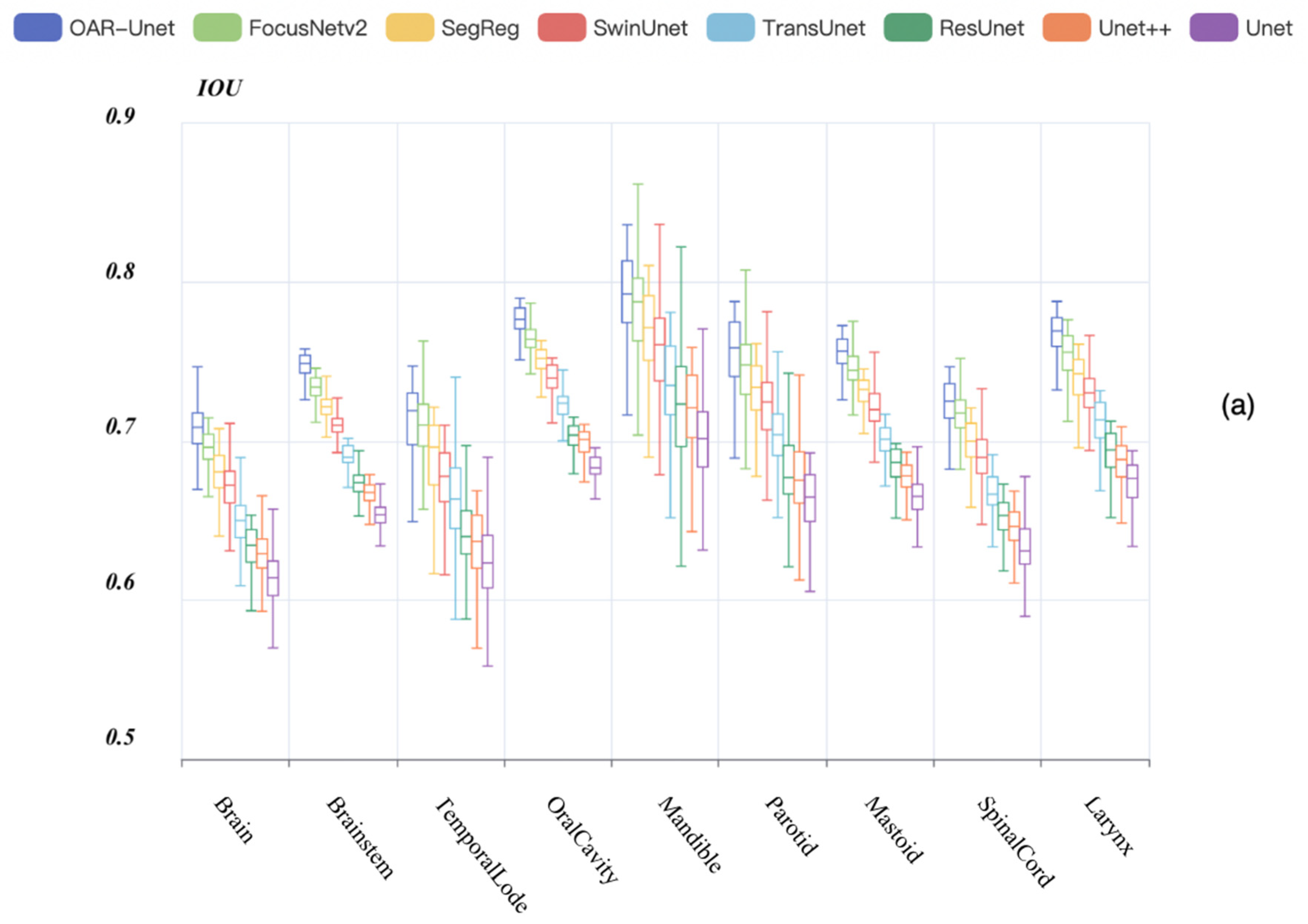
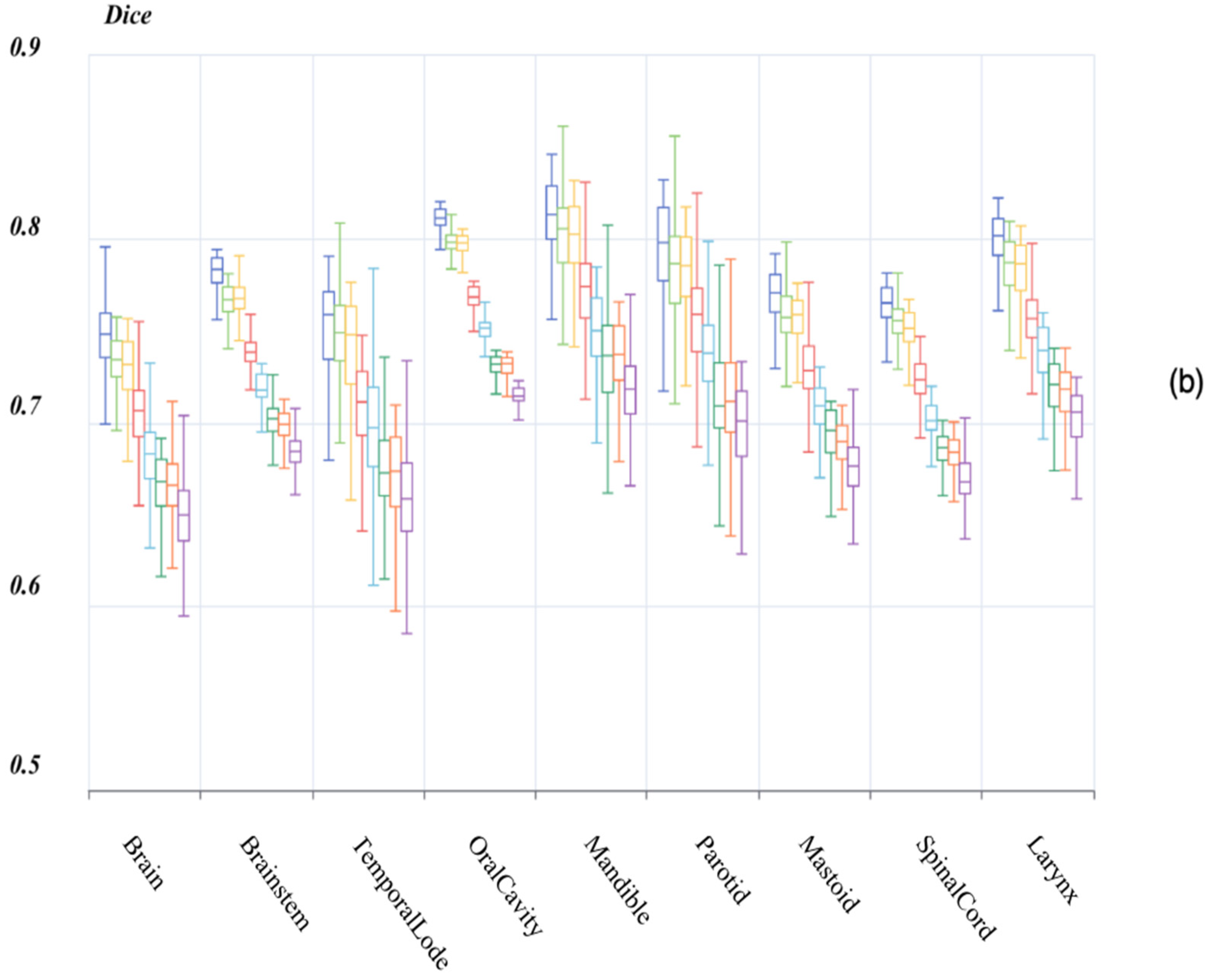
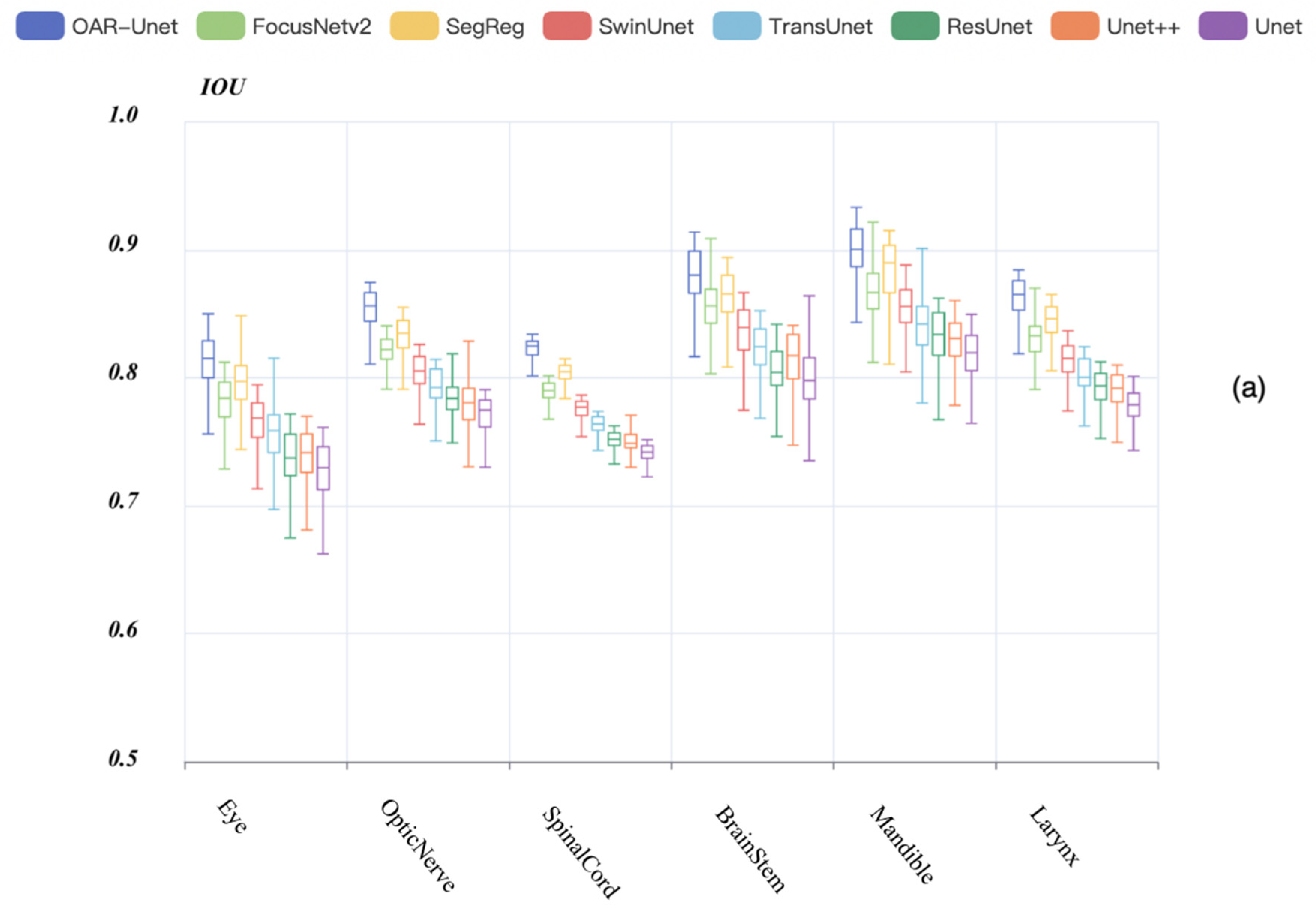
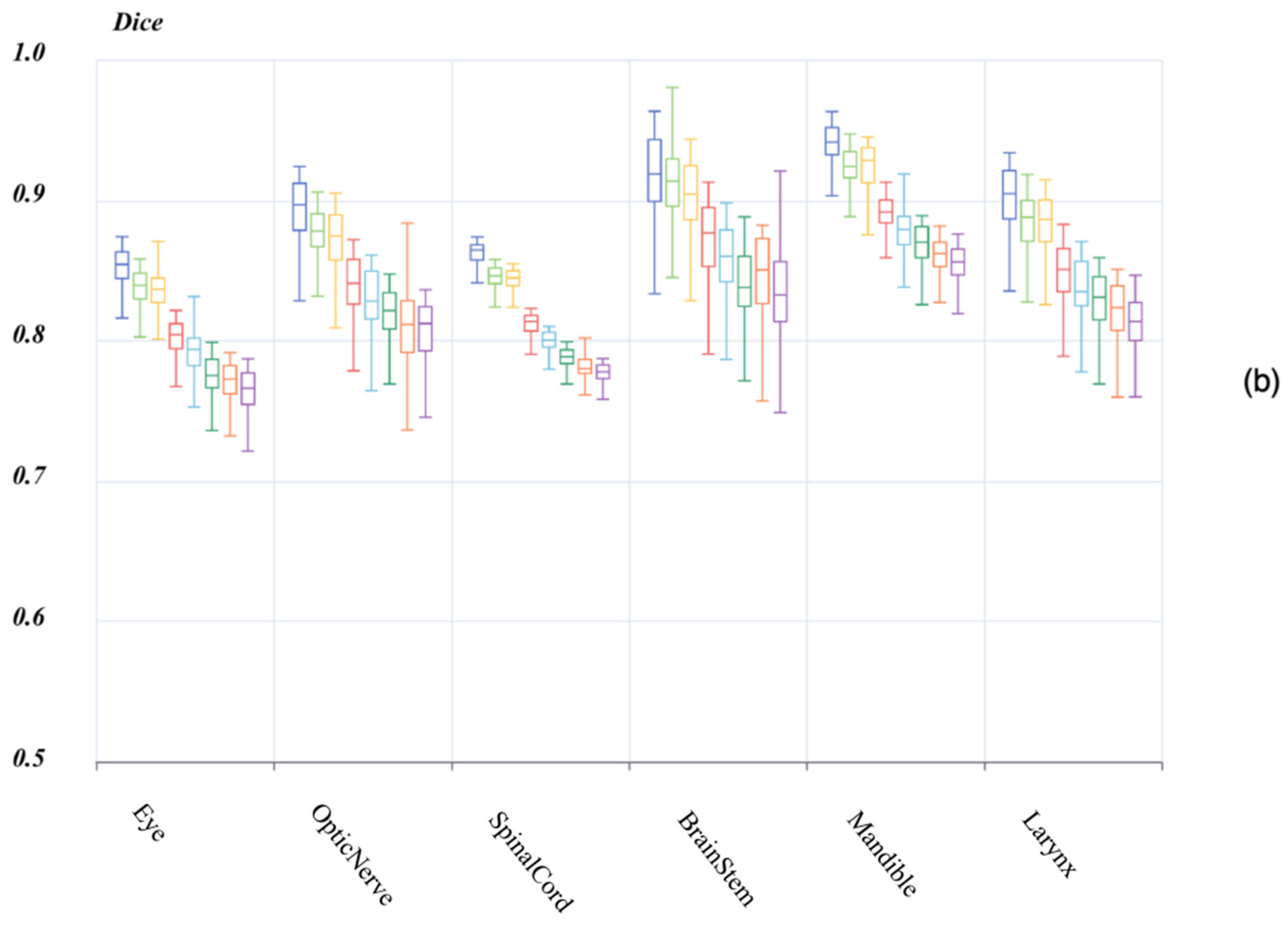
Accurate segmentation of organs at risk (OARs) is a crucial step in the precise planning of radiotherapy for head and neck tumors. However, manual segmentation methods using CT images, which are still predominantly applied in clinical settings, are inefficient and expensive. Additionally, existing segmentation methods struggle with small organs and have difficulty managing the complex interdependencies between organs. To address these issues, this study proposed an OAR-UNet segmentation method based on a U-shaped architecture with two key designs. To tackle the challenge of segmenting small organs, a Local Feature Perception Module (LFPM) is developed to enhance the sensitivity of the method to subtle structures. Furthermore, a Cross-shaped Transformer Block (CSTB) with a cross-shaped attention mechanism is introduced to improve the ability of the model to capture and process long-distance dependency information. To accelerate the convergence of the Transformer, we designed a Local Encoding Module (LEM) based on depthwise separable convolutions. In our experimental evaluation, we utilized two publicly available datasets, SegRap2023 and PDDCA, achieving Dice coefficients of 78.22% and 89.42%, respectively. These results demonstrate that our method outperforms both previous classic methods and state-of-the-art (SOTA) methods.
Keywords: cross-shaped attention mechanism; head and neck CT; Transformer; OARs segmentation cross-shaped attention mechanism; head and neck CT; Transformer; OARs segmentation