Article

Technical Study of Deep Learning in Cloud Computing for Accurate Workload Prediction

by
Zaakki Ahamed
1,*,
Maher Khemakhem
1,
Fathy Eassa
1,
Fawaz Alsolami
1 and
Abdullah S. Al-Malaise Al-Ghamdi
2
1
Department of Computer Science, Faculty of Computing and Information Technology, King Abdulaziz University (KAU), Jeddah 21589, Saudi Arabia
2
Information Systems Department, Faculty of Computing and Information Technology, King Abdulaziz University (KAU), Jeddah 21589, Saudi Arabia
*
Author to whom correspondence should be addressed.
Electronics 2023, 12(3), 650; https://doi.org/10.3390/electronics12030650

Submission received: 22 December 2022 / Revised: 18 January 2023 / Accepted: 24 January 2023 / Published: 28 January 2023
(This article belongs to the Topic Machine and Deep Learning)

Abstract

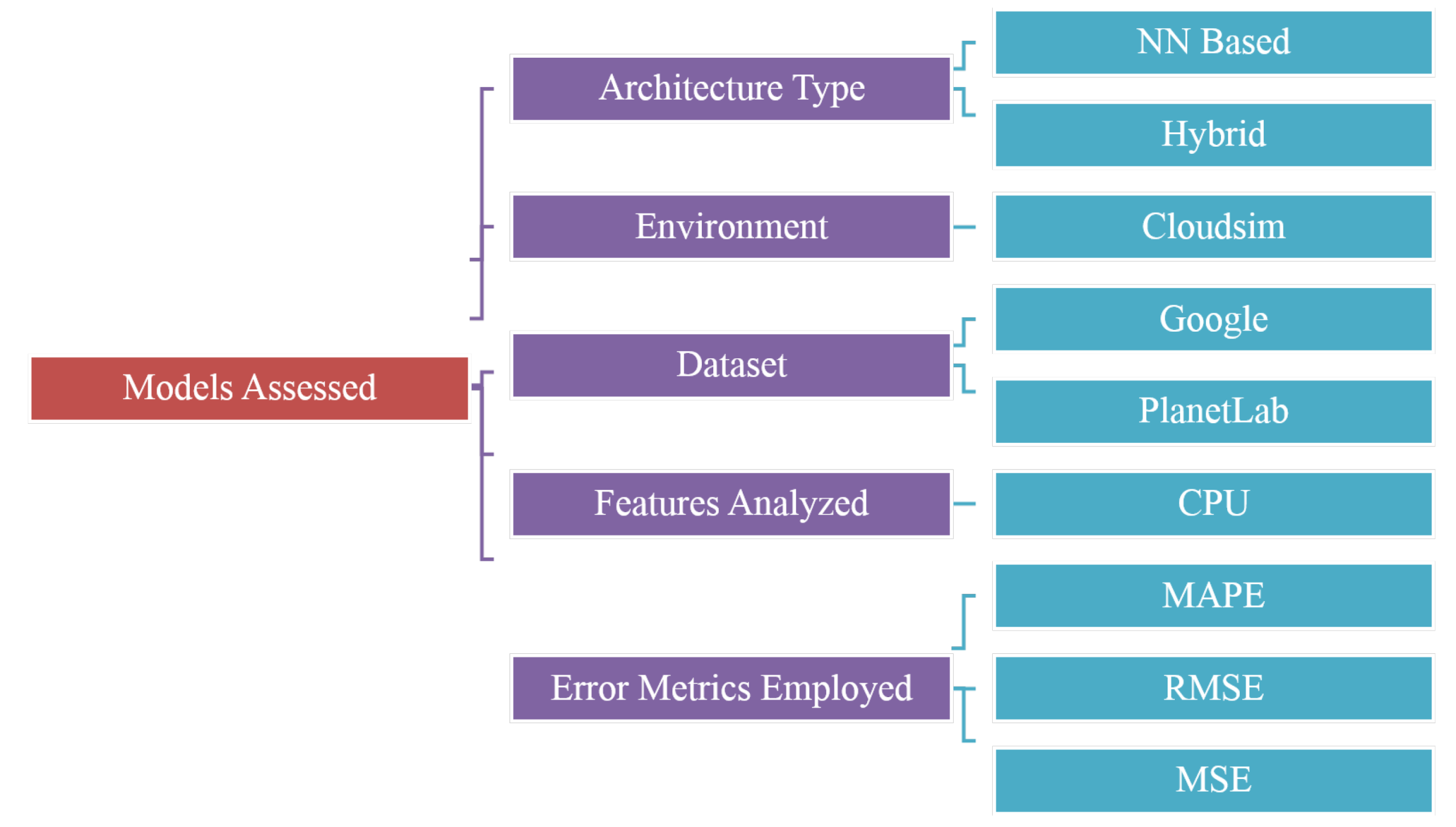
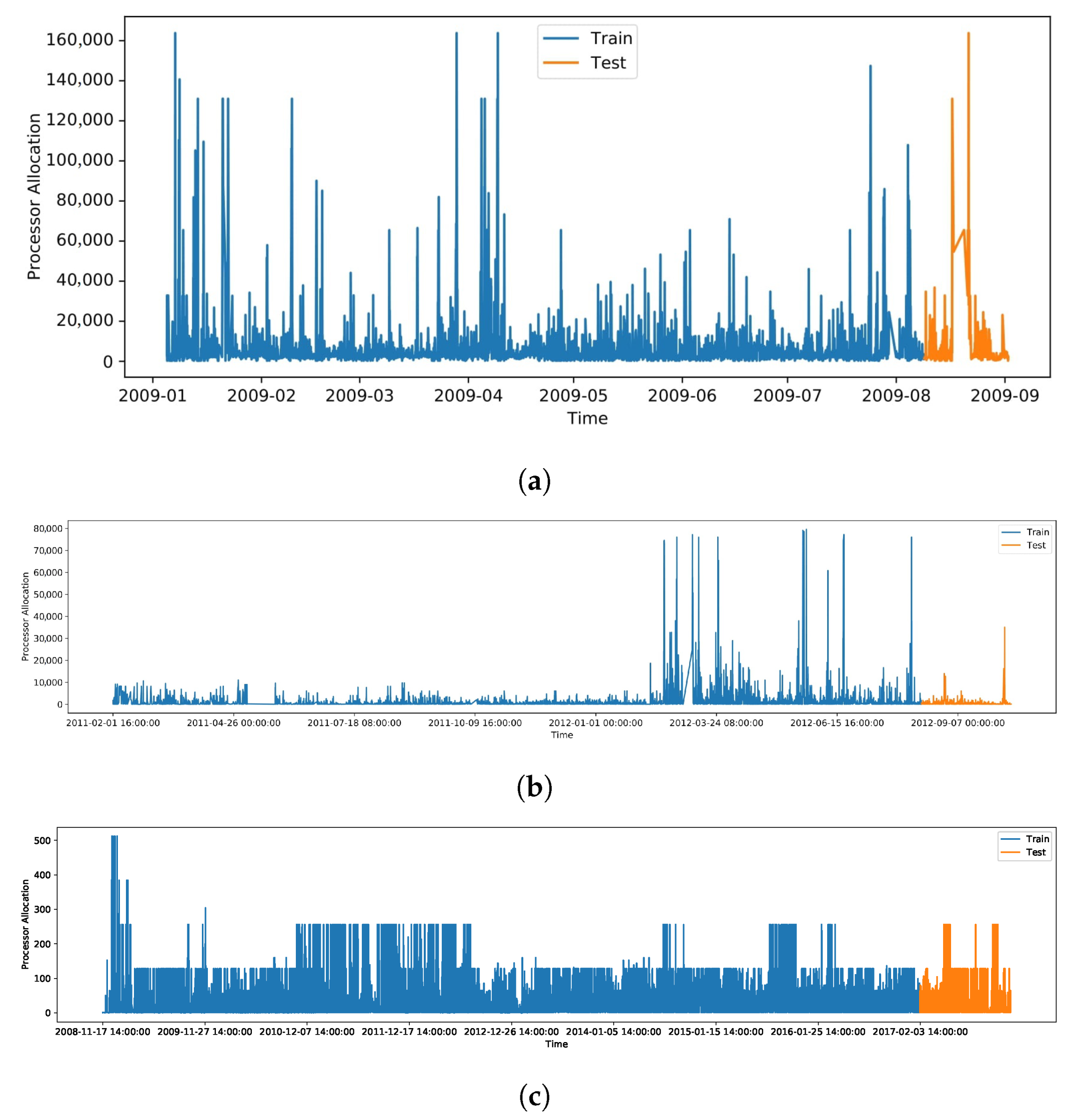
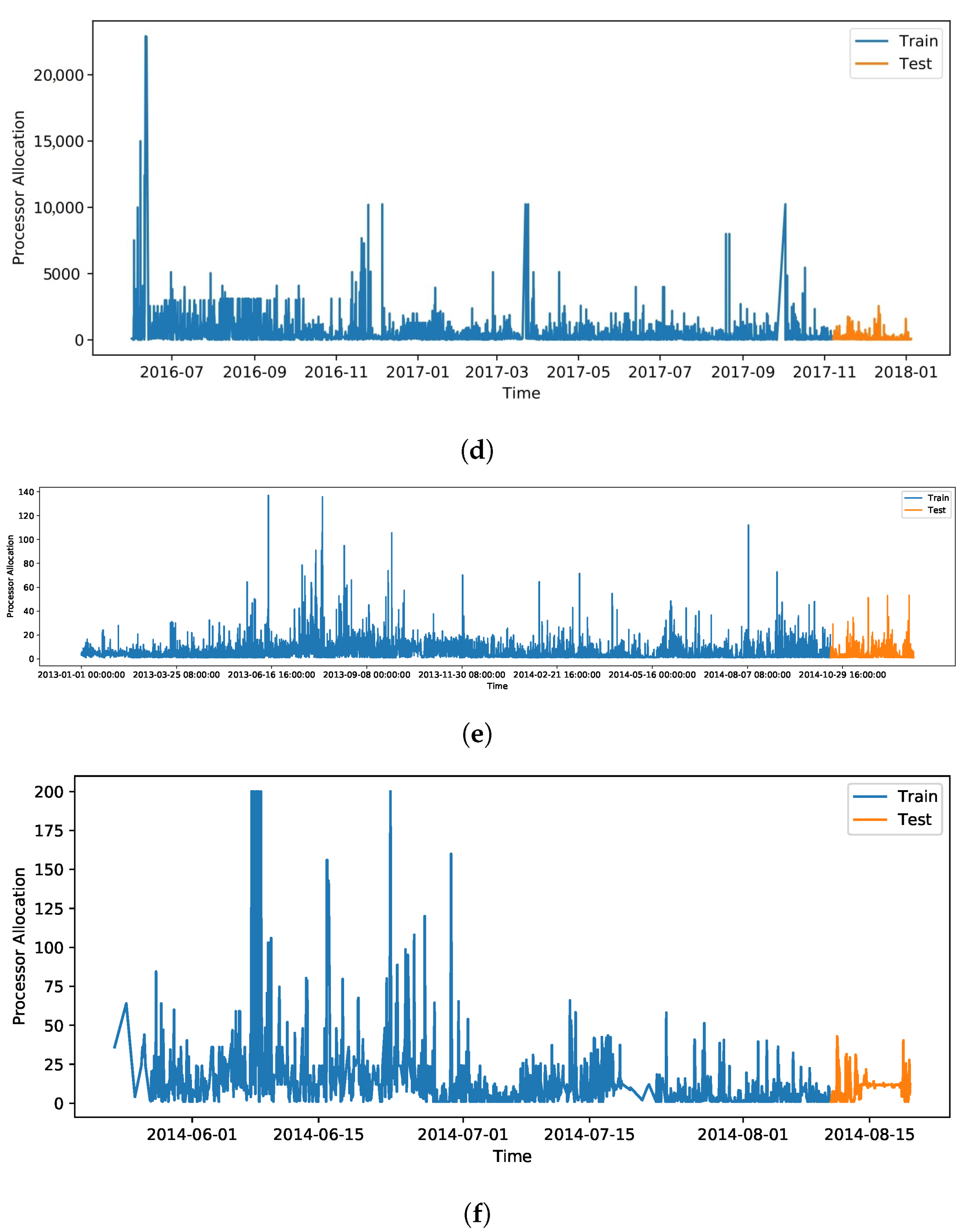
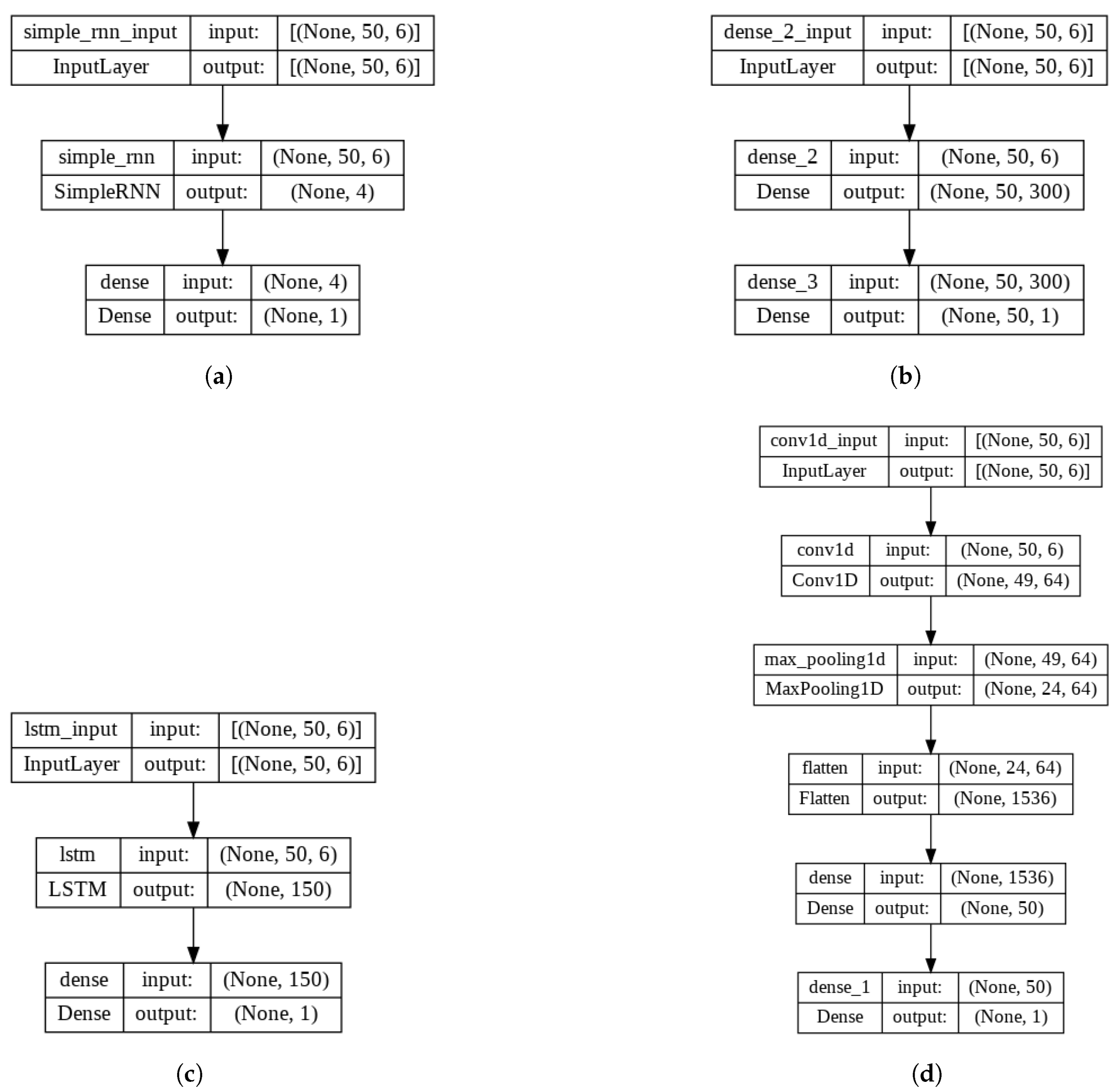
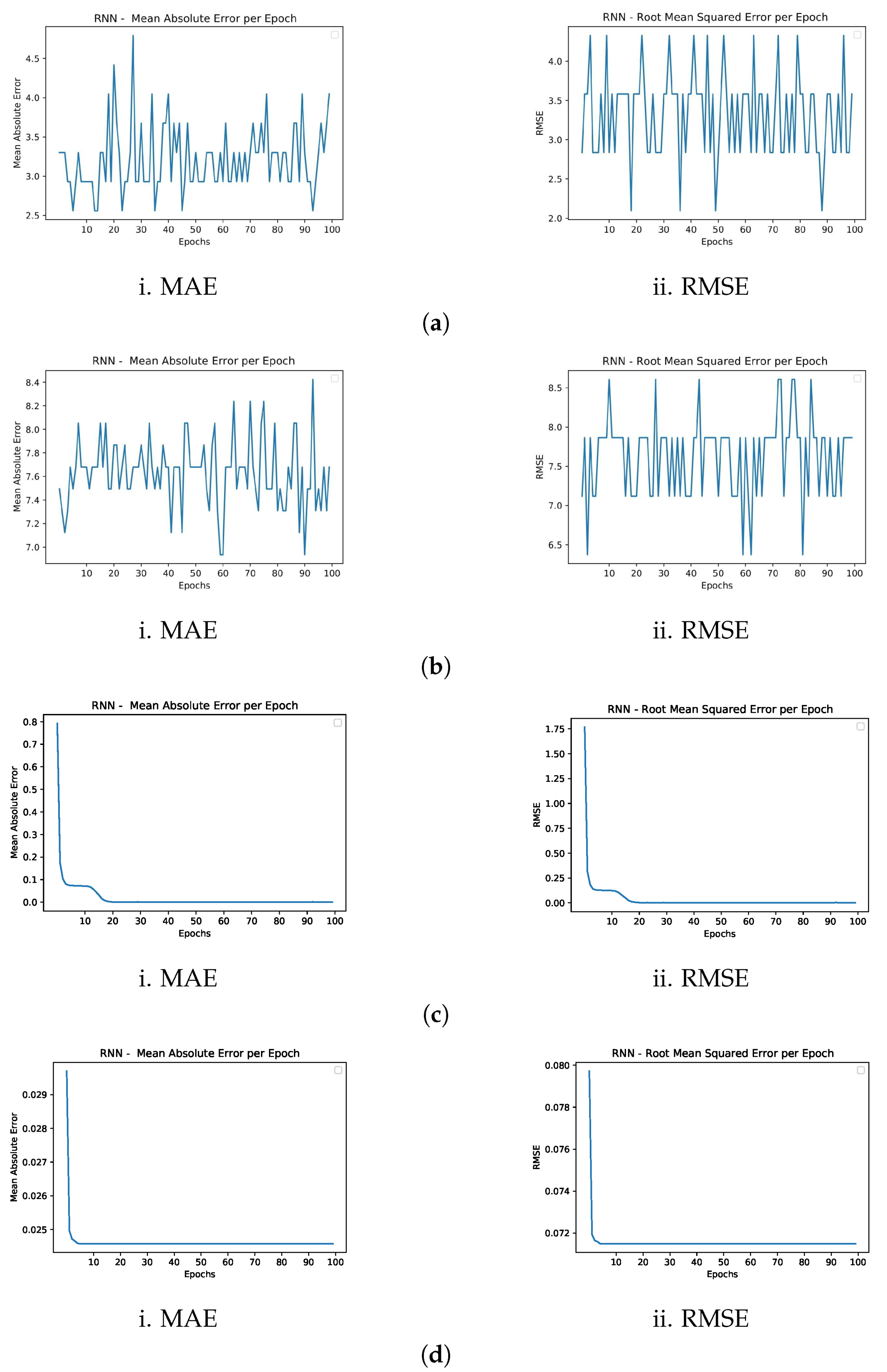
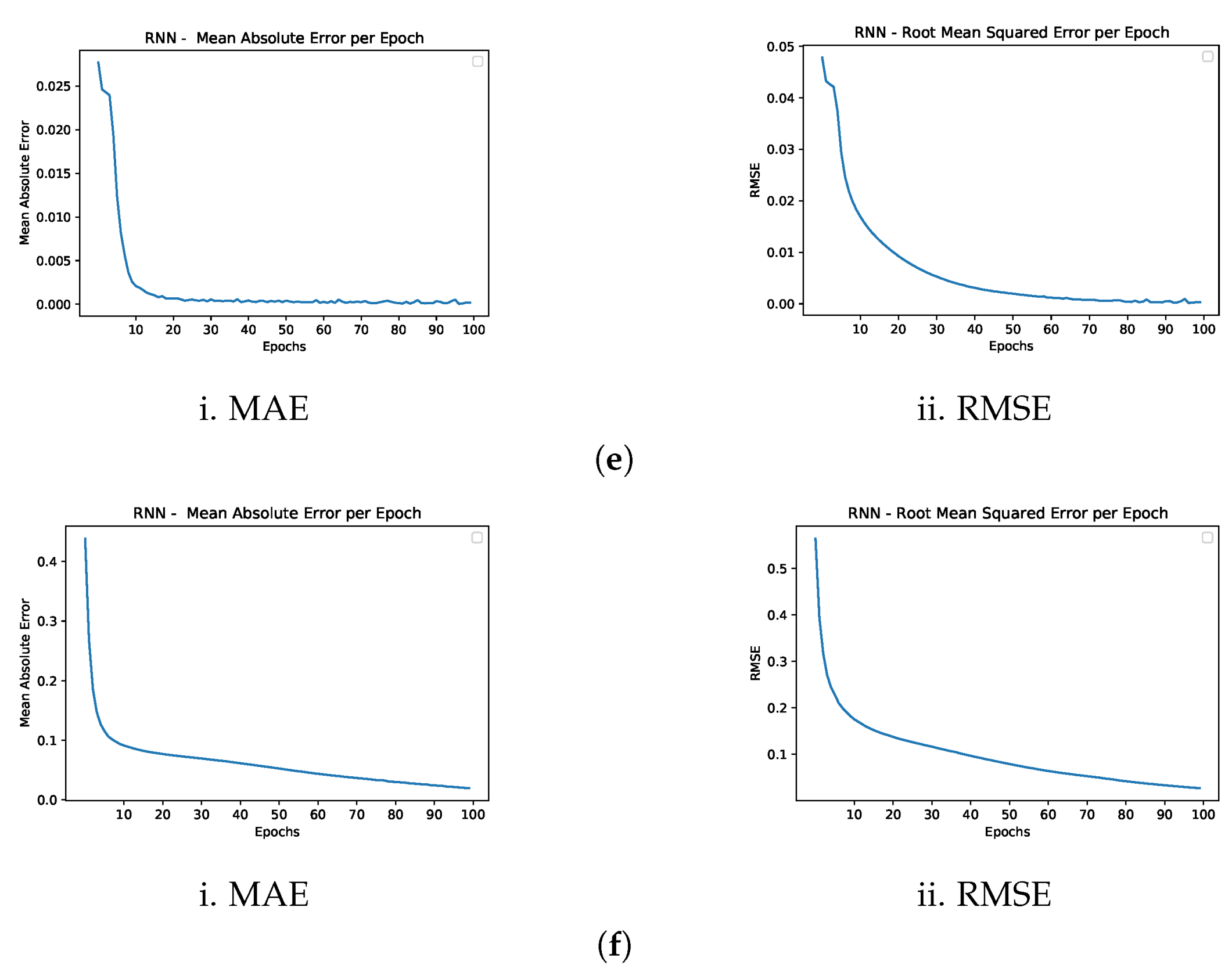
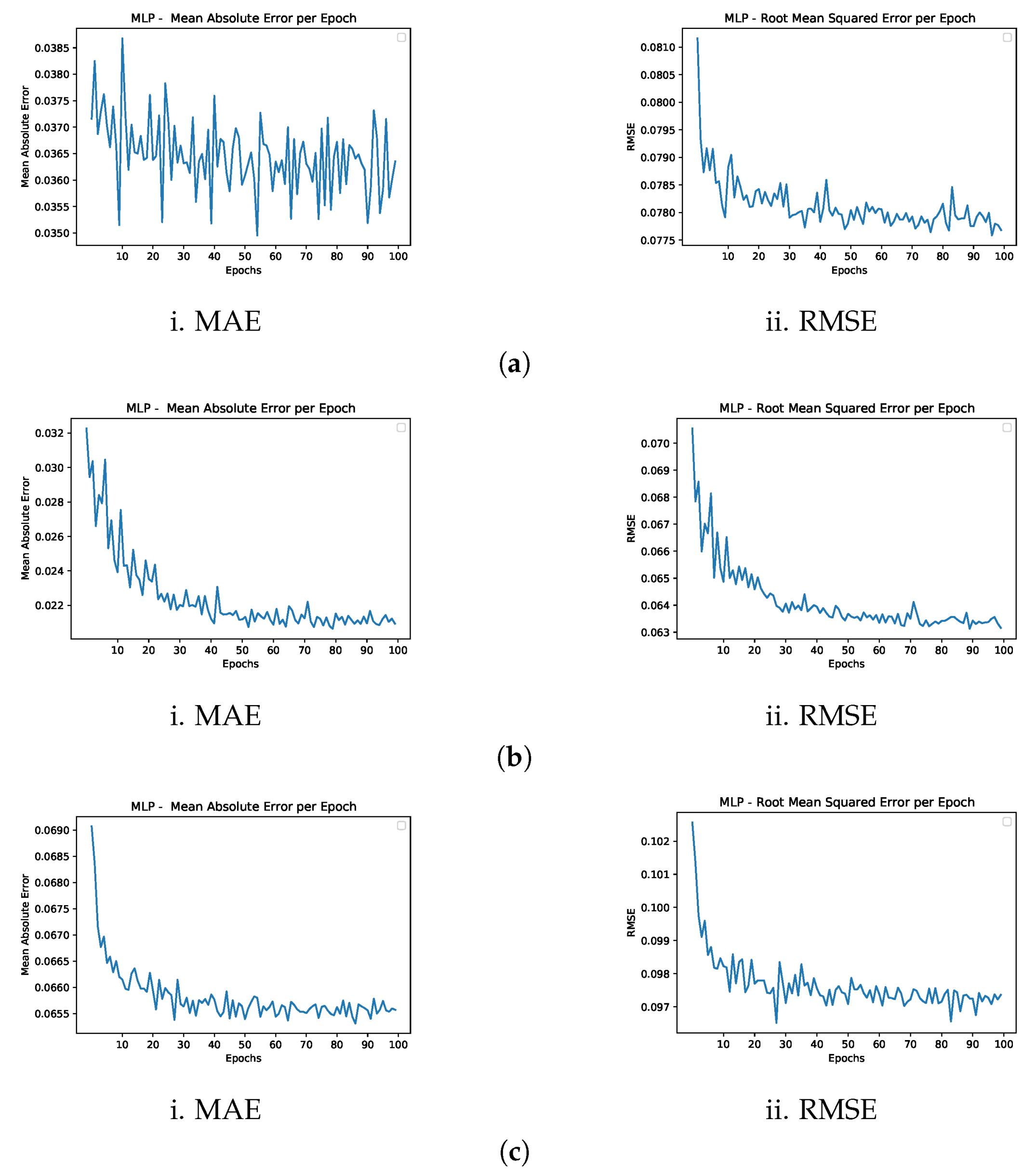
Proactive resource management in Cloud Services not only maximizes cost effectiveness but also enables issues such as Service Level Agreement (SLA) violations and the provisioning of resources to be overcome. Workload prediction using Deep Learning (DL) is a popular method of inferring complicated multidimensional data of cloud environments to meet this requirement. The overall quality of the model depends on the quality of the data as much as the architecture. Therefore, the data sourced to train the model must be of good quality. However, existing works in this domain have either used a singular data source or have not taken into account the importance of uniformity for unbiased and accurate analysis. This results in the efficacy of DL models suffering. In this paper, we provide a technical analysis of using DL models such as Recurrent Neural Networks (RNN), Multilayer Perception (MLP), Long Short-Term Memory (LSTM), and, Convolutional Neural Networks (CNN) to exploit the time series characteristics of real-world workloads from the Parallel Workloads Archive of the Standard Workload Format (SWF) with the aim of conducting an unbiased analysis. The robustness of these models is evaluated using the Mean Absolute Error (MAE) and Root Mean Squared Error (RMSE) error metrics. The findings of these highlight that the LSTM model exhibits the best performance compared to the other models. Additionally, to the best of our knowledge, insights of DL in workload prediction of cloud computing environments is insufficient in the literature. To address these challenges, we provide a comprehensive background on resource management and load prediction using DL. Then, we break down the models, error metrics, and data sources across different bodies of work.
Keywords: deep learning; workload prediction; cloud computing; machine learning deep learning; workload prediction; cloud computing; machine learning