Article

FPGA-Based BNN Architecture in Time Domain with Low Storage and Power Consumption
State Key Laboratory of High Performance Computing, College of Computer Science and Technology, National University of Defense Technology, Changsha 410073, China
*
Authors to whom correspondence should be addressed.
Electronics 2022, 11(9), 1421; https://doi.org/10.3390/electronics11091421

Submission received: 1 April 2022 / Revised: 25 April 2022 / Accepted: 27 April 2022 / Published: 28 April 2022
(This article belongs to the Section Computer Science & Engineering)

Abstract

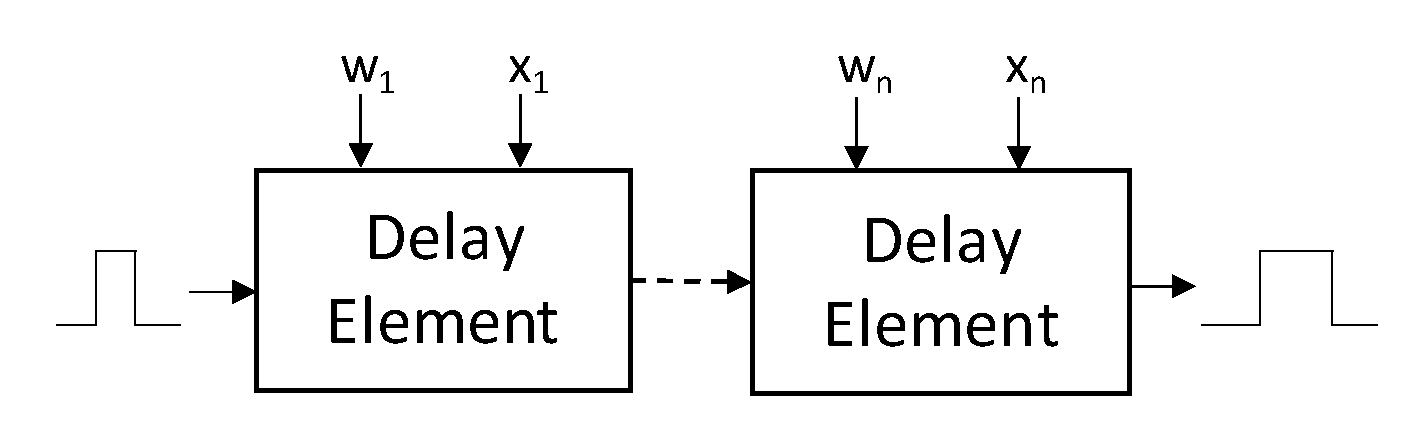
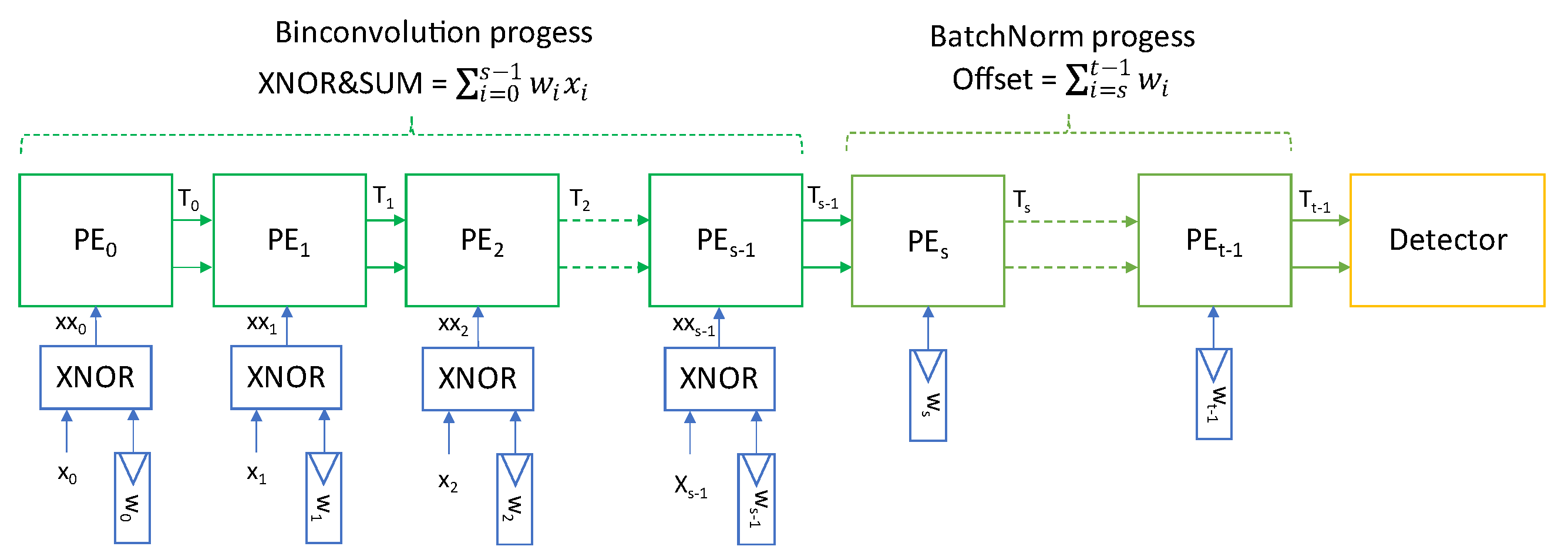
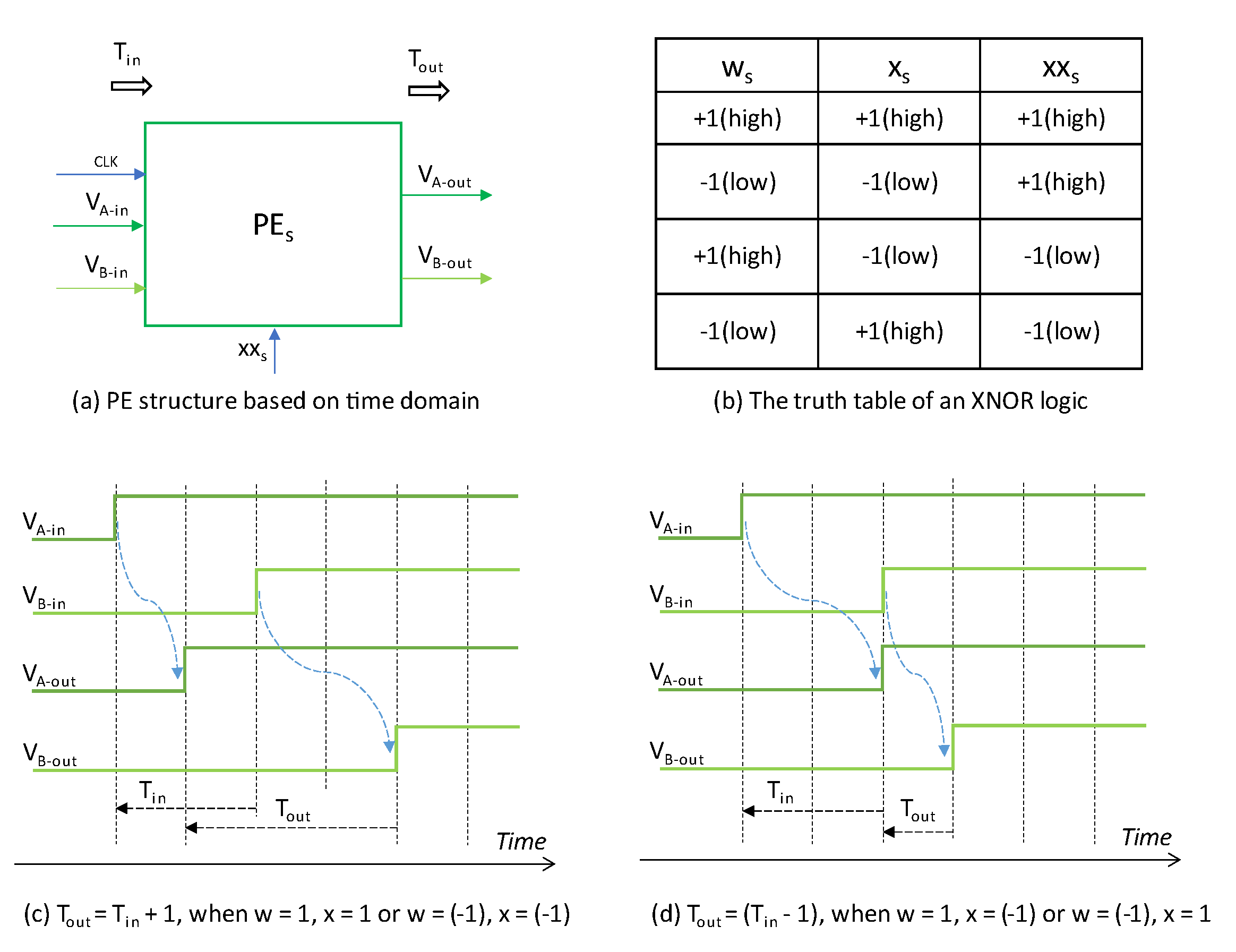
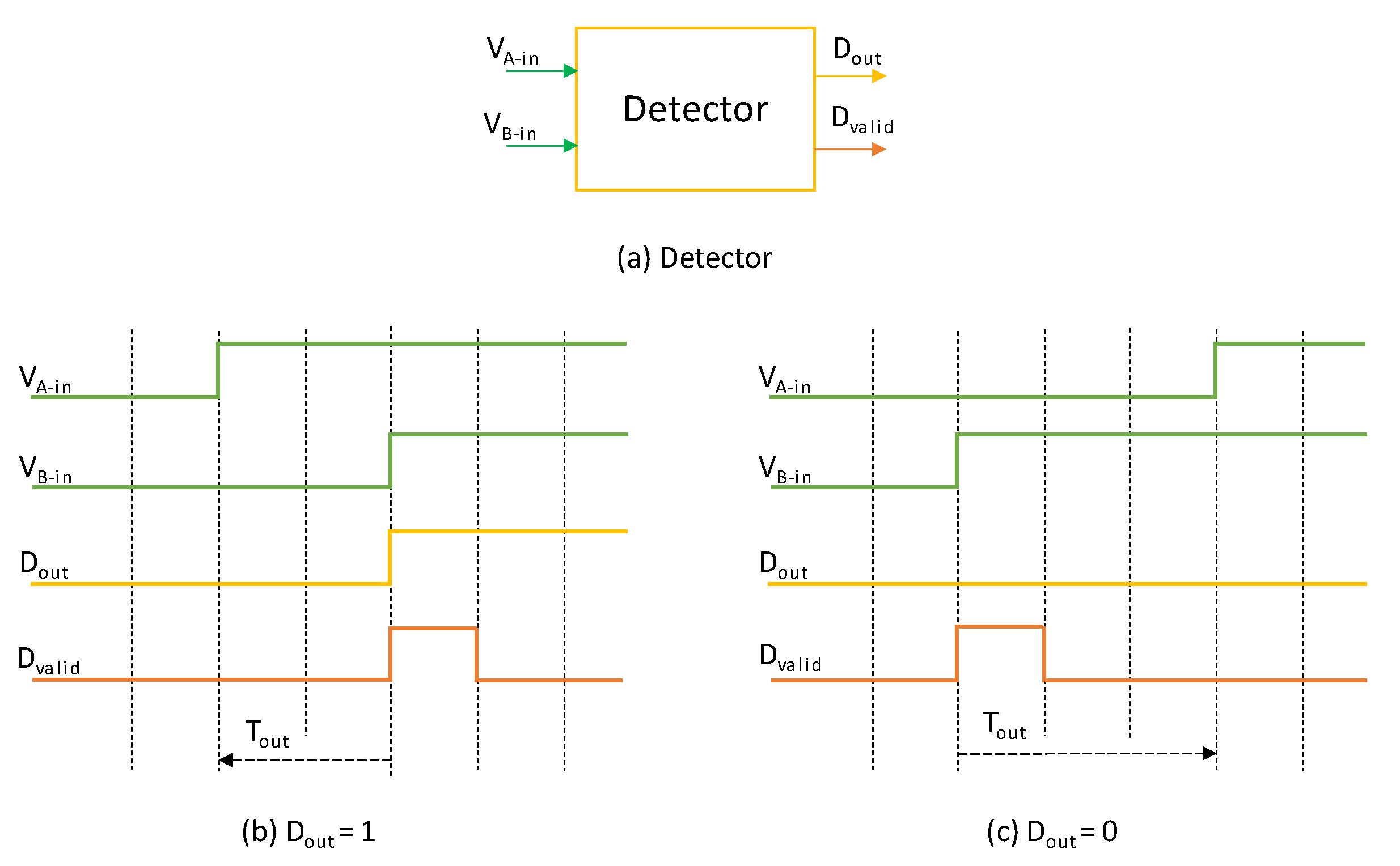
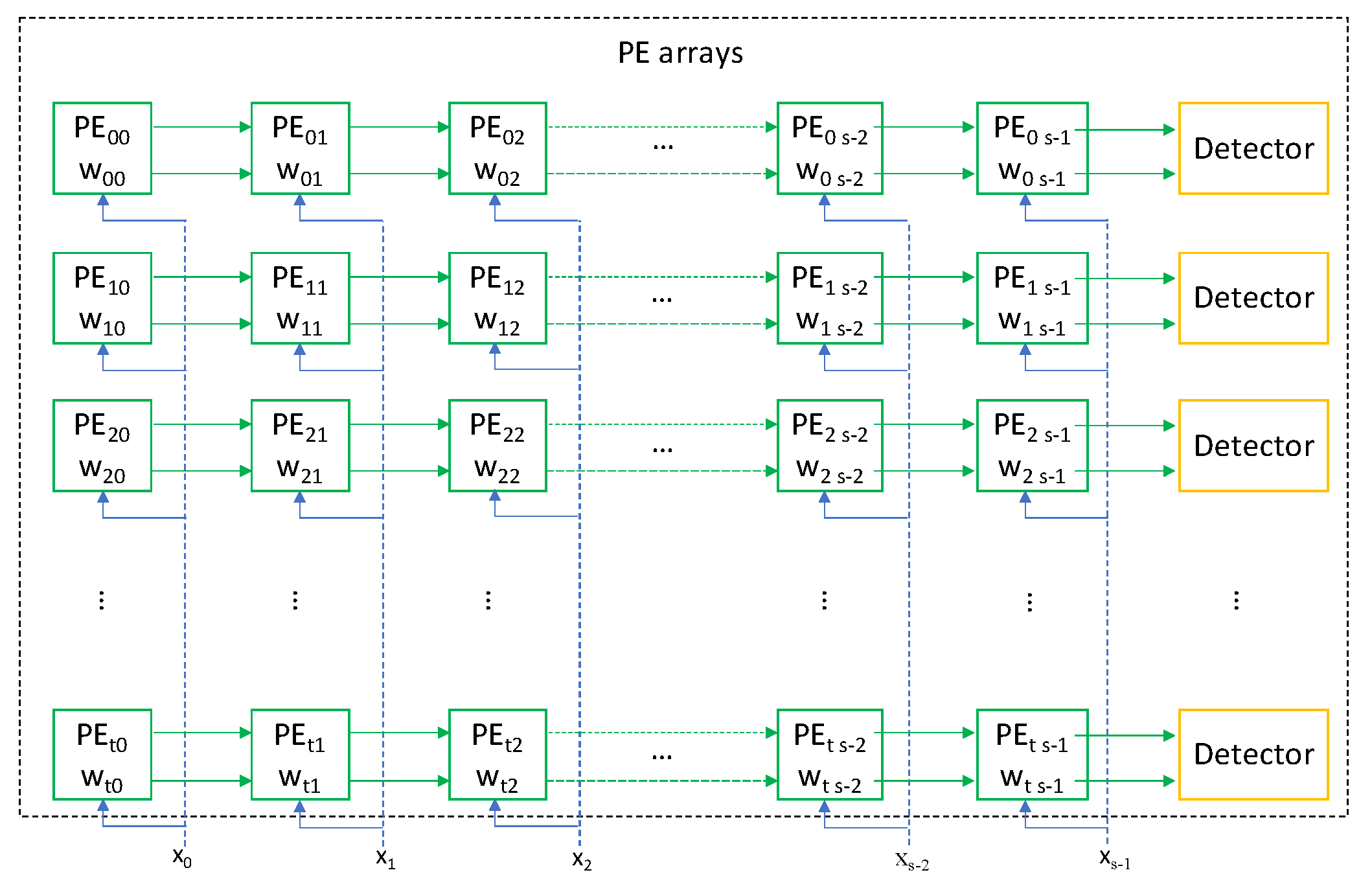
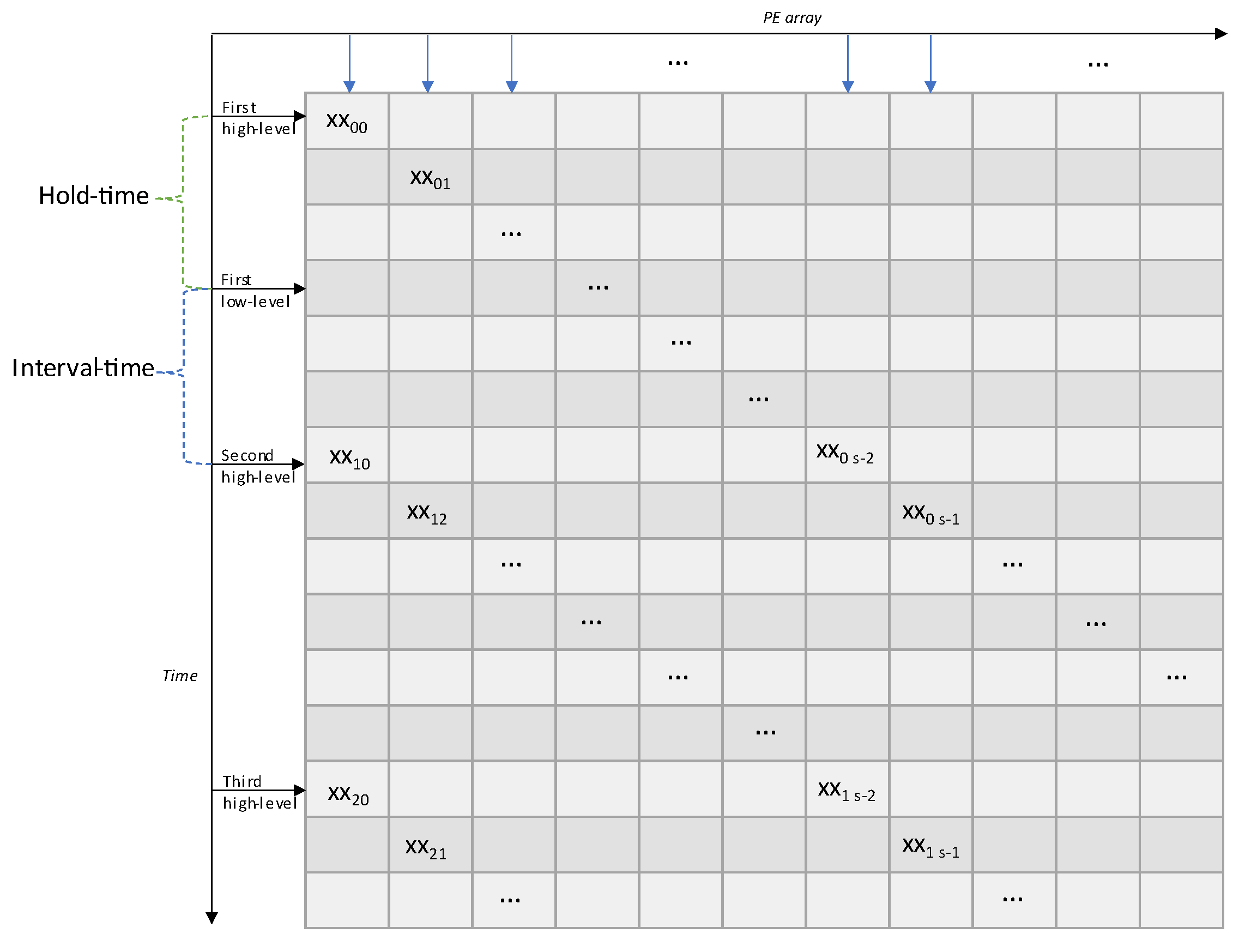
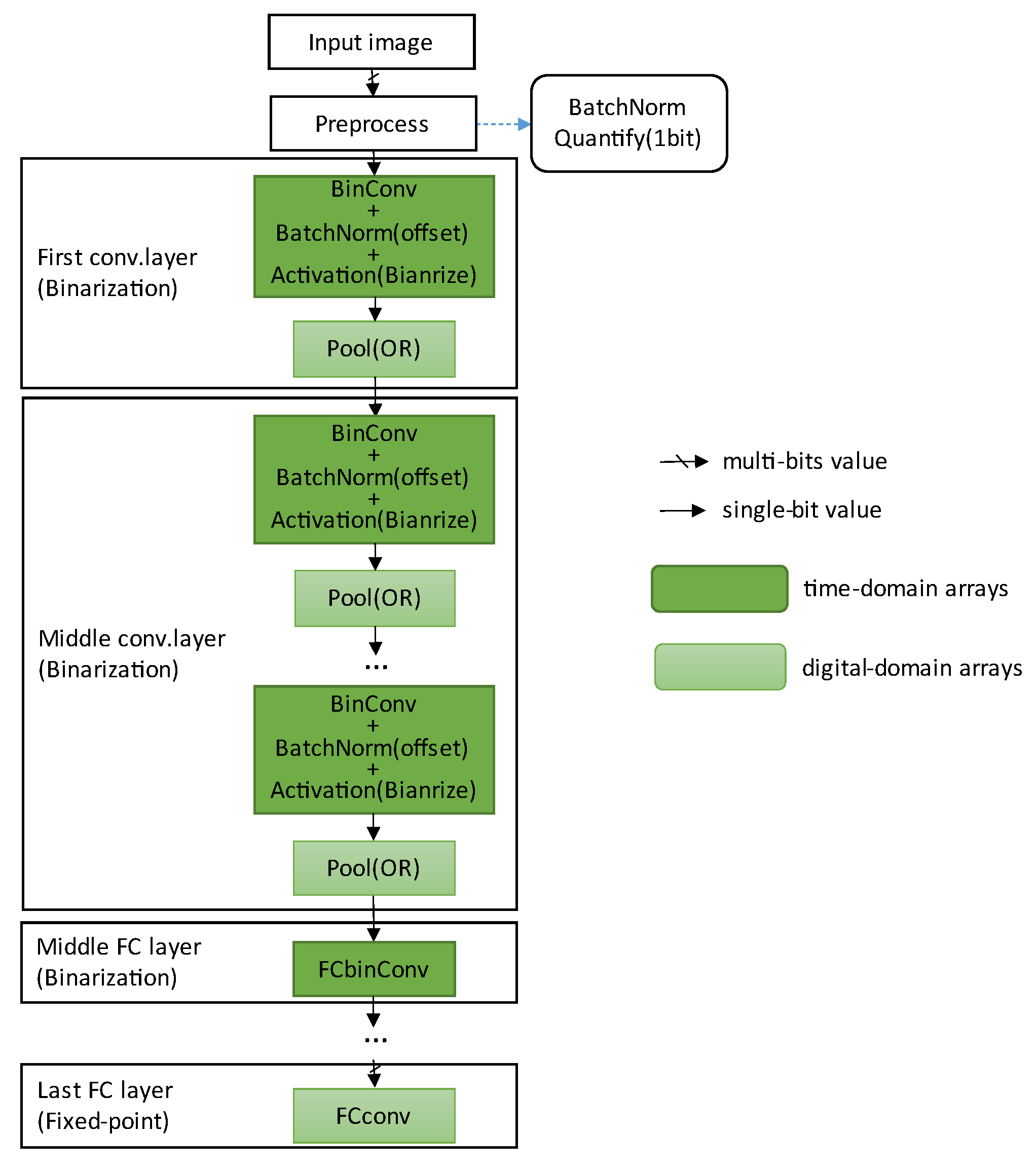
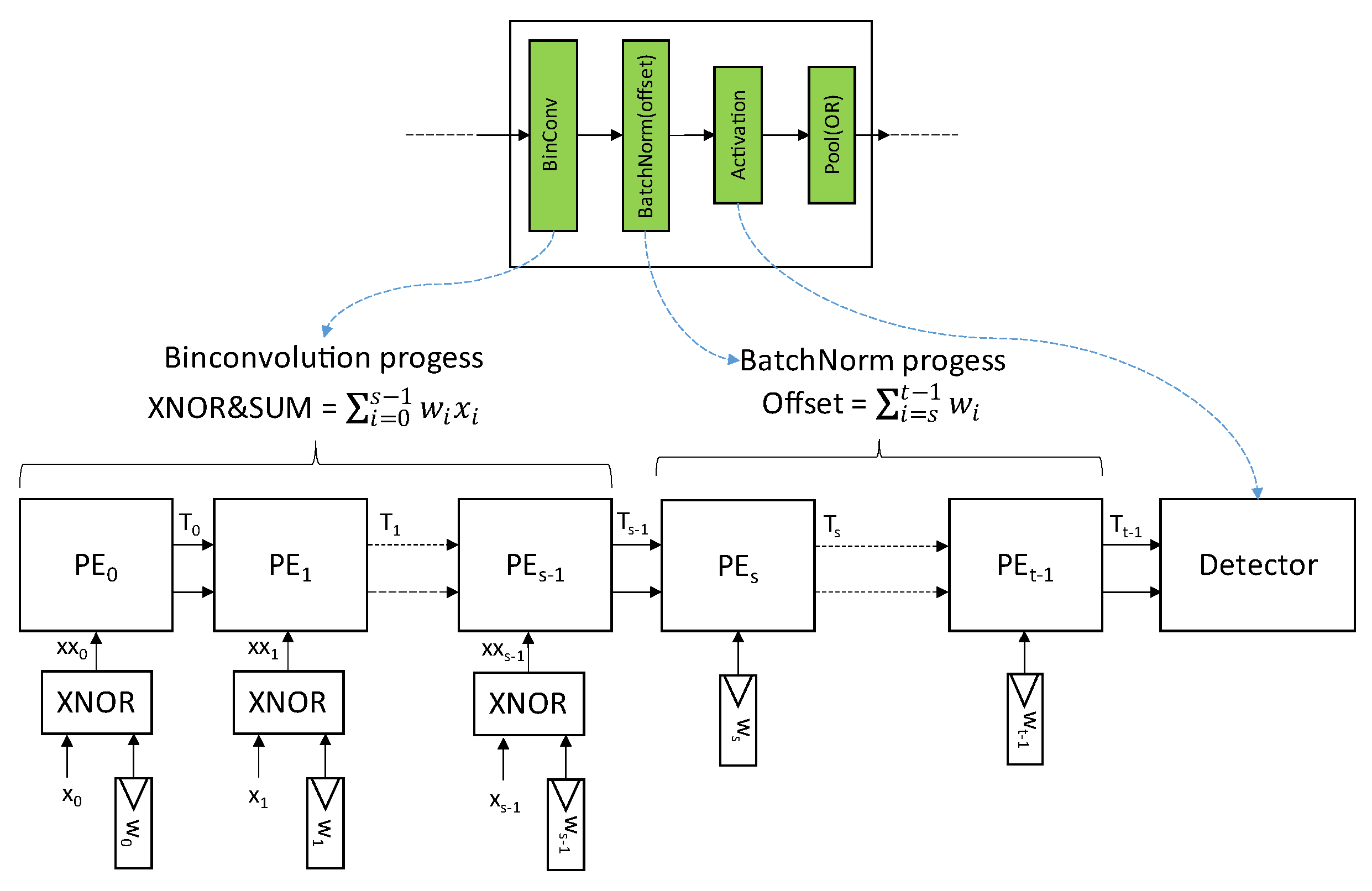
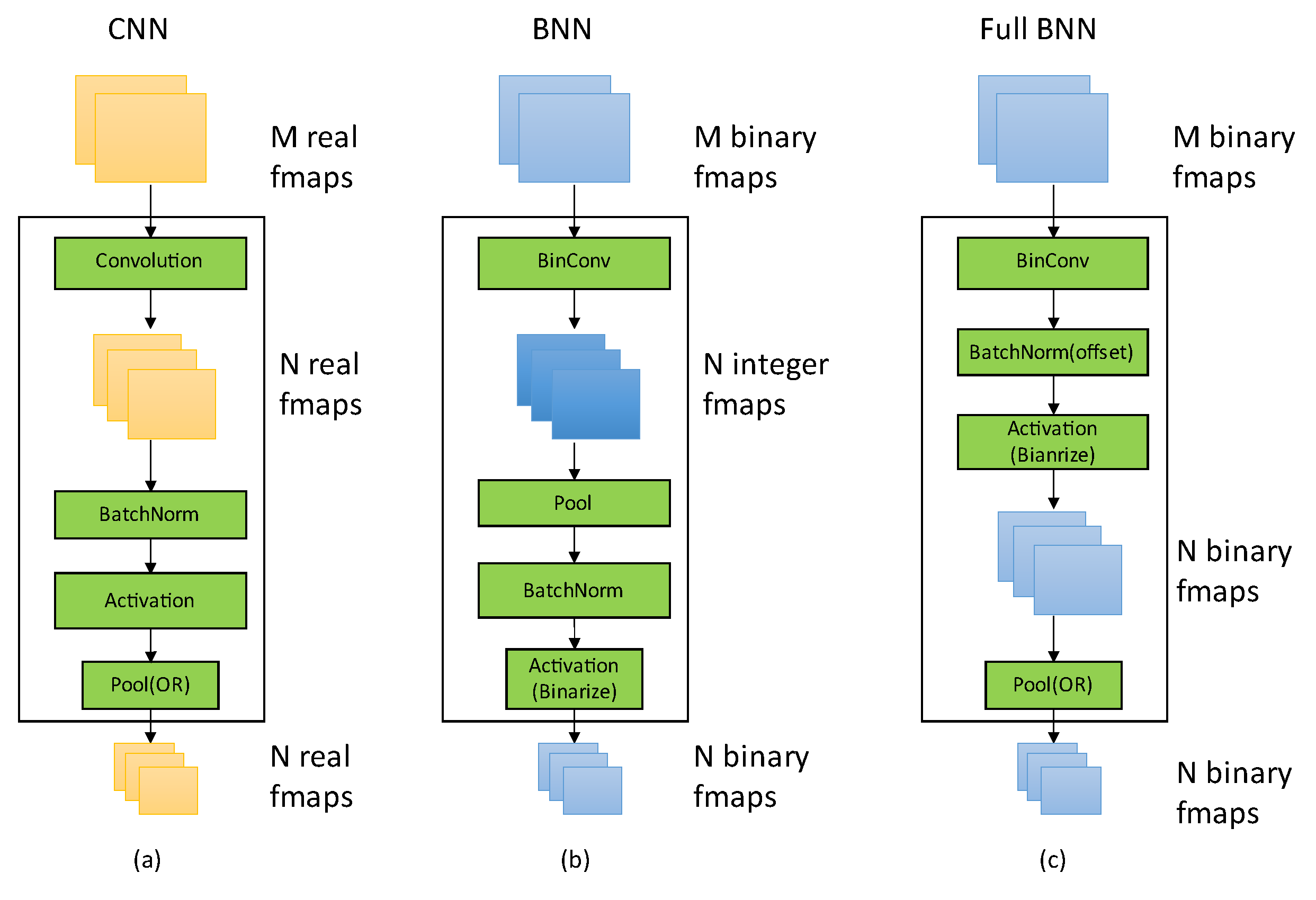
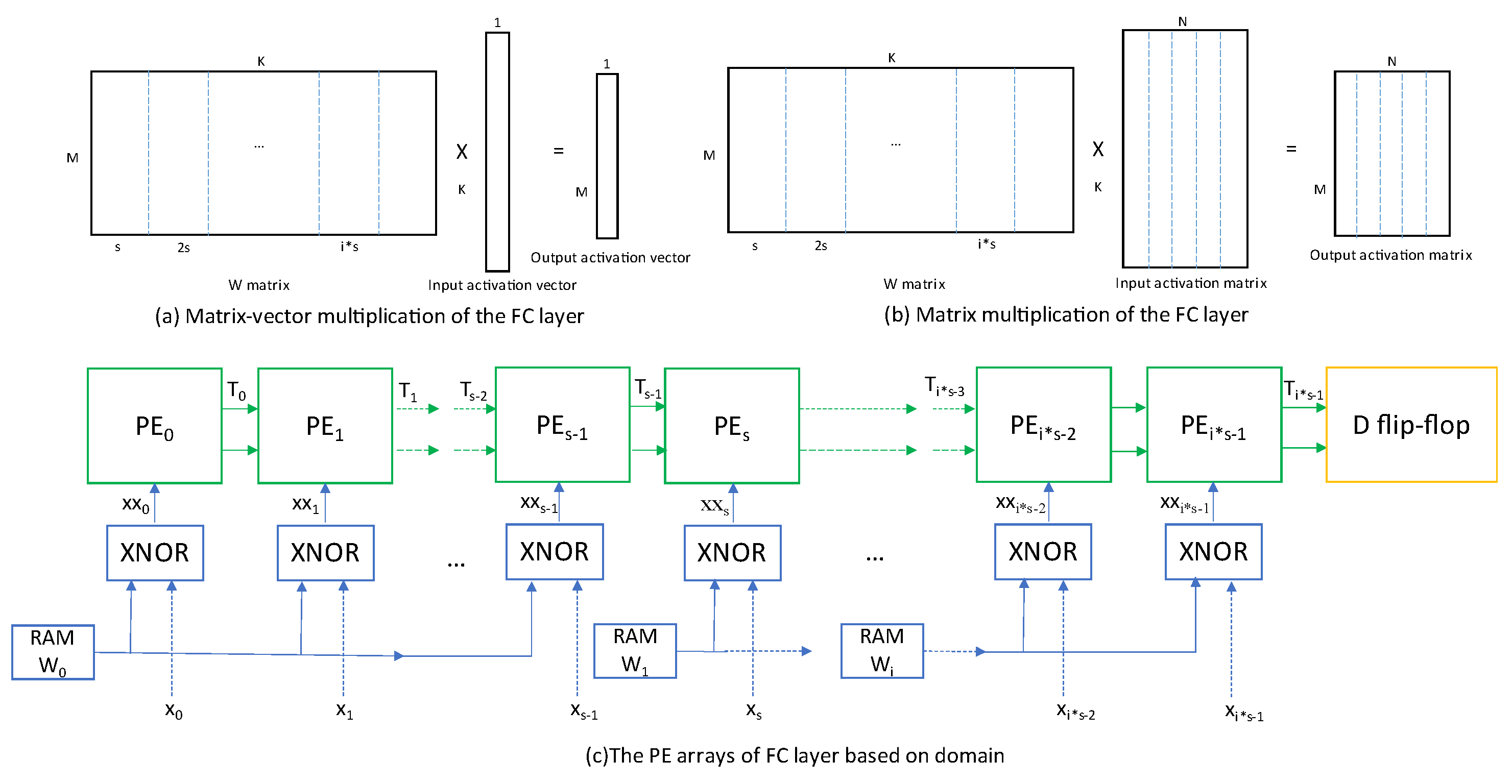
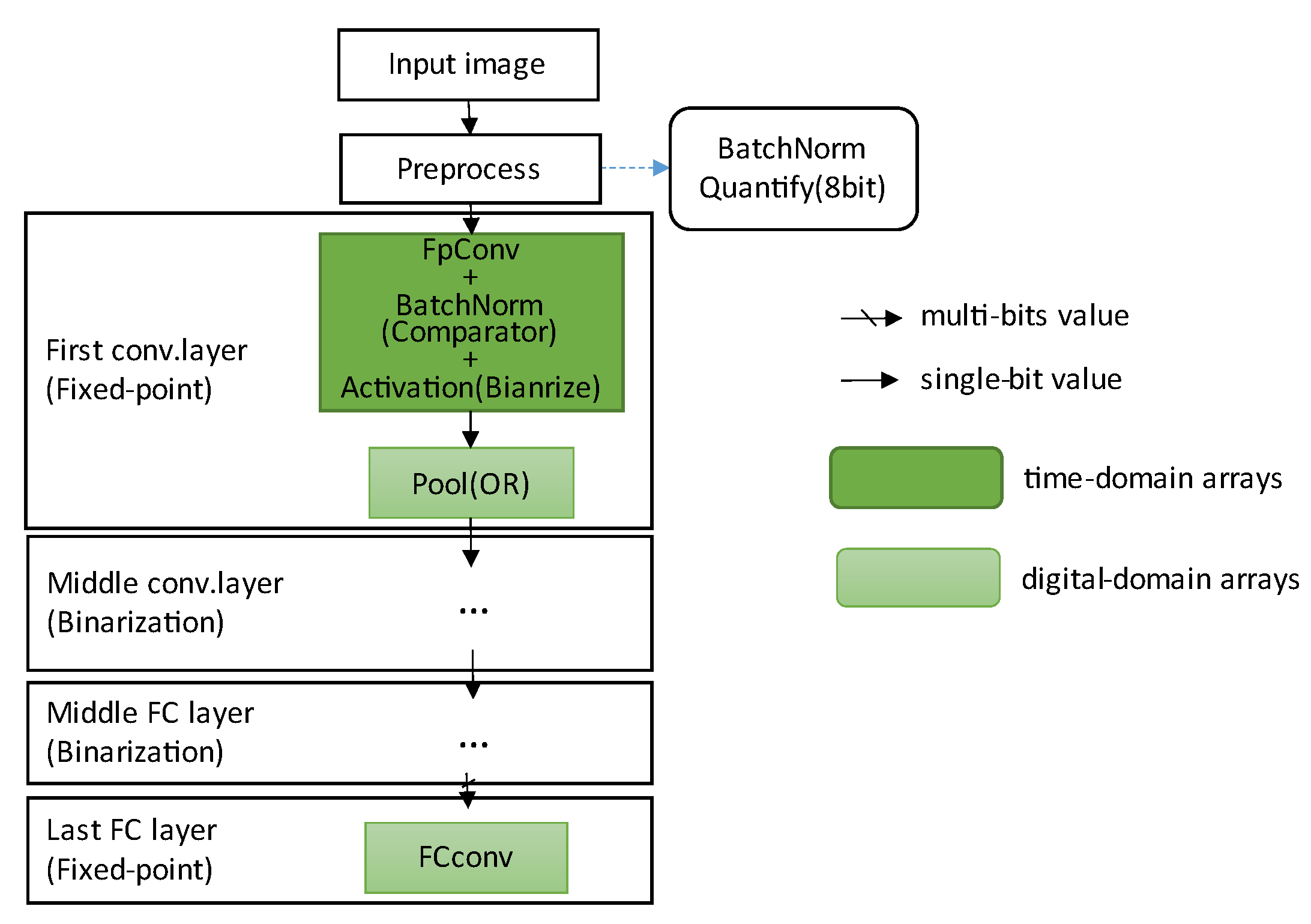
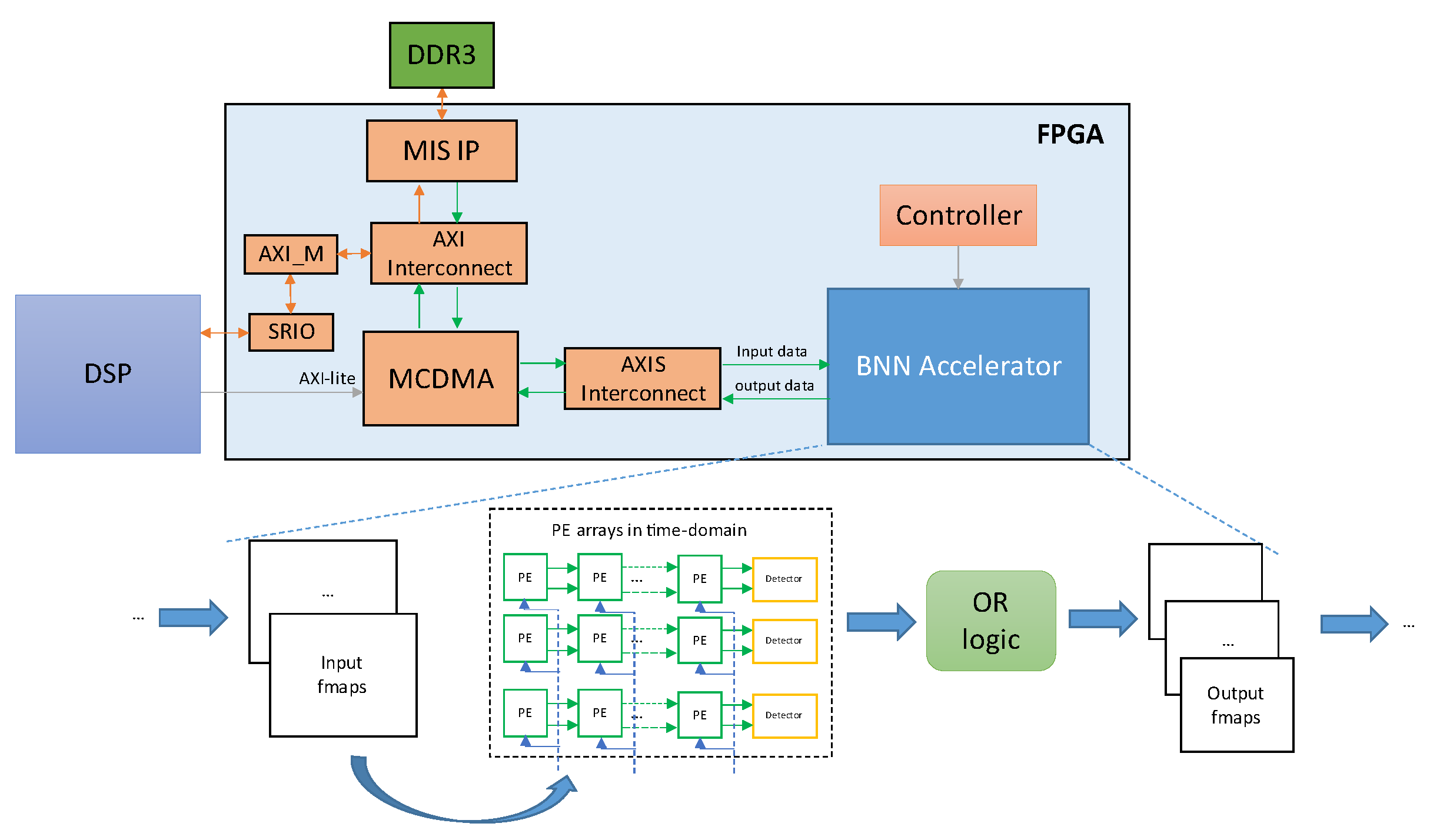
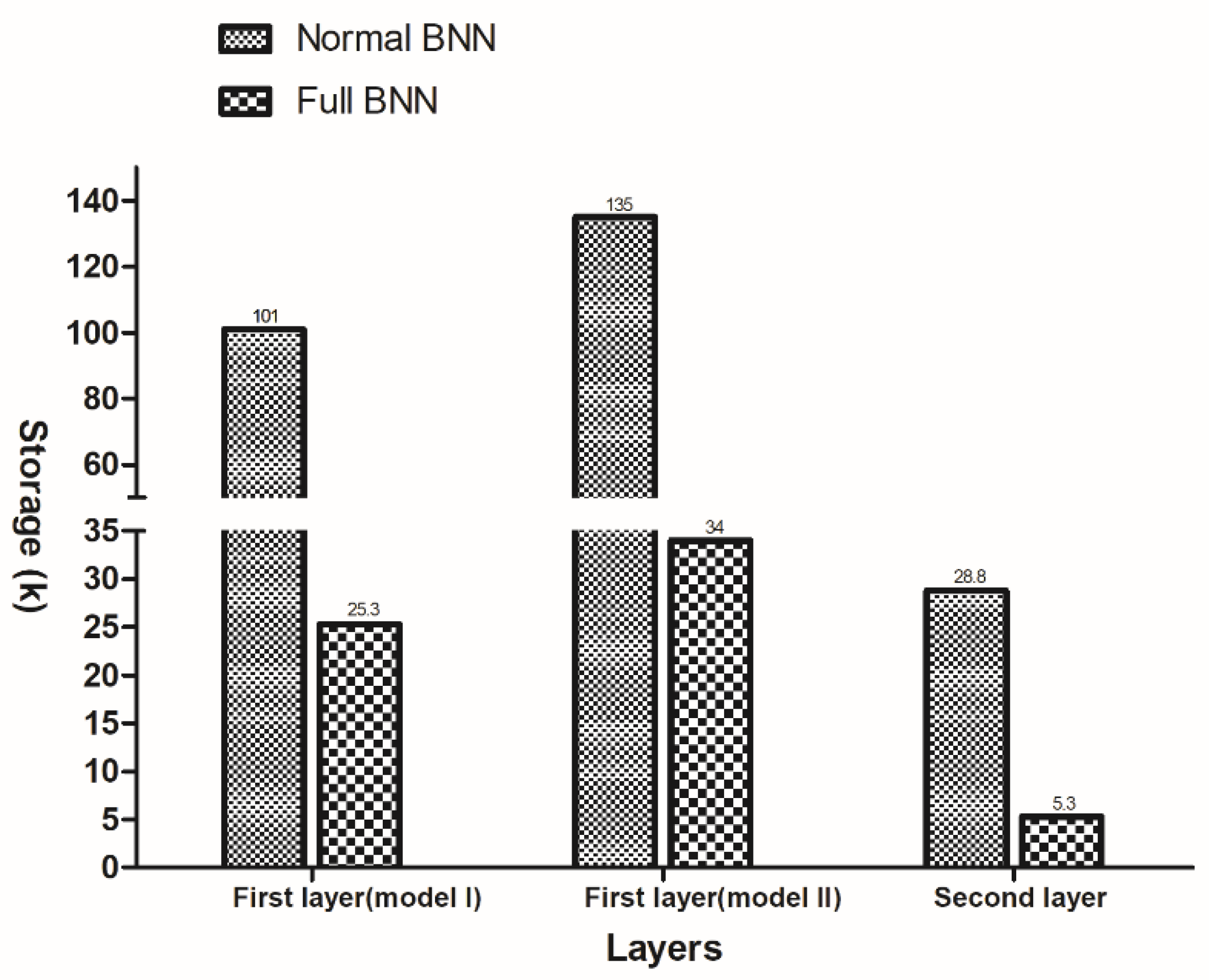
With the increasing demand for convolutional neural networks (CNNs) in many edge computing scenarios and resource-limited settings, researchers have made efforts to apply lightweight neural networks on hardware platforms. While binarized neural networks (BNNs) perform excellently in such tasks, many implementations still face challenges such as an imbalance between accuracy and computational complexity, as well as the requirement for low power and storage consumption. This paper first proposes a novel binary convolution structure based on the time domain to reduce resource and power consumption for the convolution process. Furthermore, through the joint design of binary convolution, batch normalization, and activation function in the time domain, we propose a full-BNN model and hardware architecture (Model I), which keeps the values of all intermediate results as binary (1 bit) to reduce storage requirements by 75%. At the same time, we propose a mixed-precision BNN structure (model II) based on the sensitivity of different layers of the network to the calculation accuracy; that is, the layer sensitive to the classification result uses fixed-point data, and the other layers use binary data in the time domain. This can achieve a balance between accuracy and computing resources. Lastly, we take the MNIST dataset as an example to test the above two models on the field-programmable gate array (FPGA) platform. The results show that the two models can be used as neural network acceleration units with low storage requirements and low power consumption for classification tasks under the condition that the accuracy decline is small. The joint design method in the time domain may further inspire other computing architectures. In addition, the design of Model II has certain reference significance for the design of more complex classification tasks.
Keywords: BNN; time domain; mixed-precision; low storage; low power consumption; FPGAs BNN; time domain; mixed-precision; low storage; low power consumption; FPGAs