Article

A Comparative Study of Reduction Methods Applied on a Convolutional Neural Network
by
Aurélie Cools
*,
Mohammed Amin Belarbi
and
Sidi Ahmed Mahmoudi
Faculty of Engineering, University of Mons, 7000 Mons, Belgium
*
Author to whom correspondence should be addressed.
Electronics 2022, 11(9), 1422; https://doi.org/10.3390/electronics11091422

Submission received: 13 April 2022 / Revised: 27 April 2022 / Accepted: 27 April 2022 / Published: 28 April 2022

Abstract

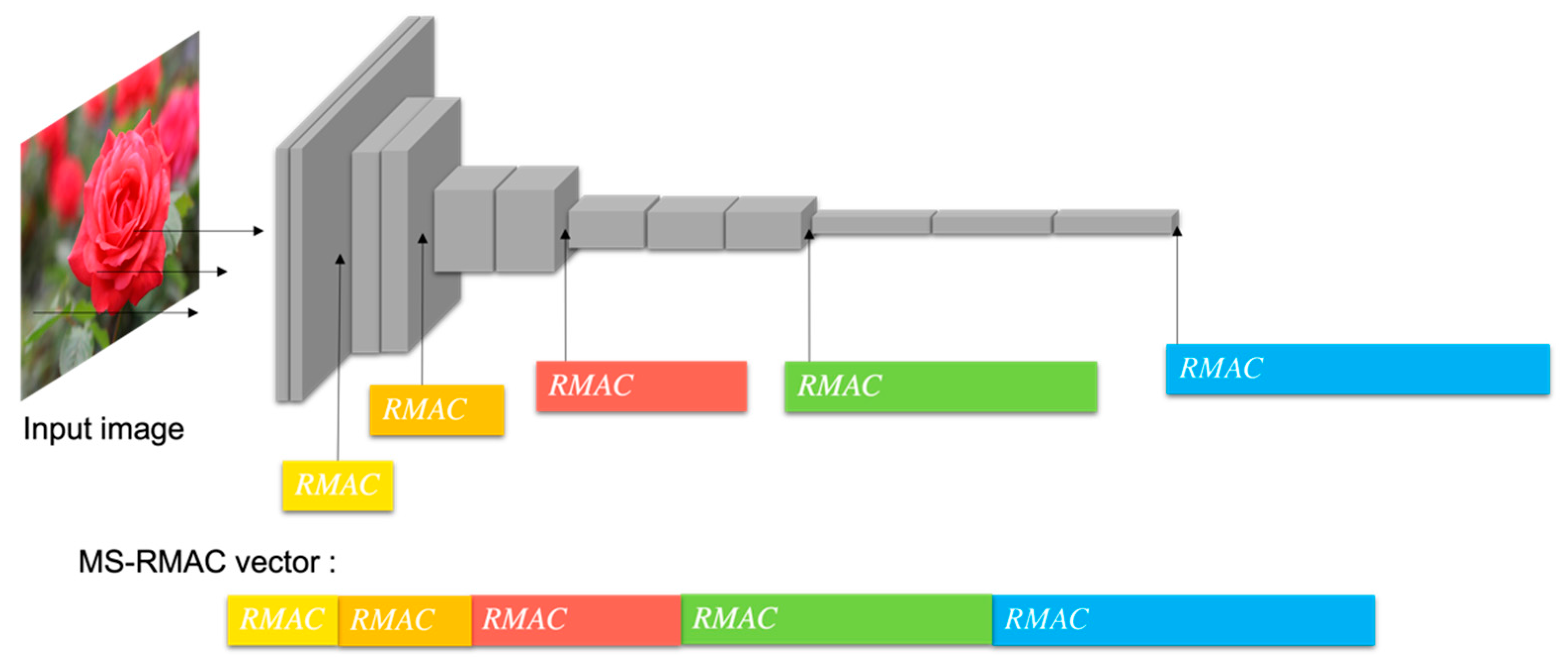
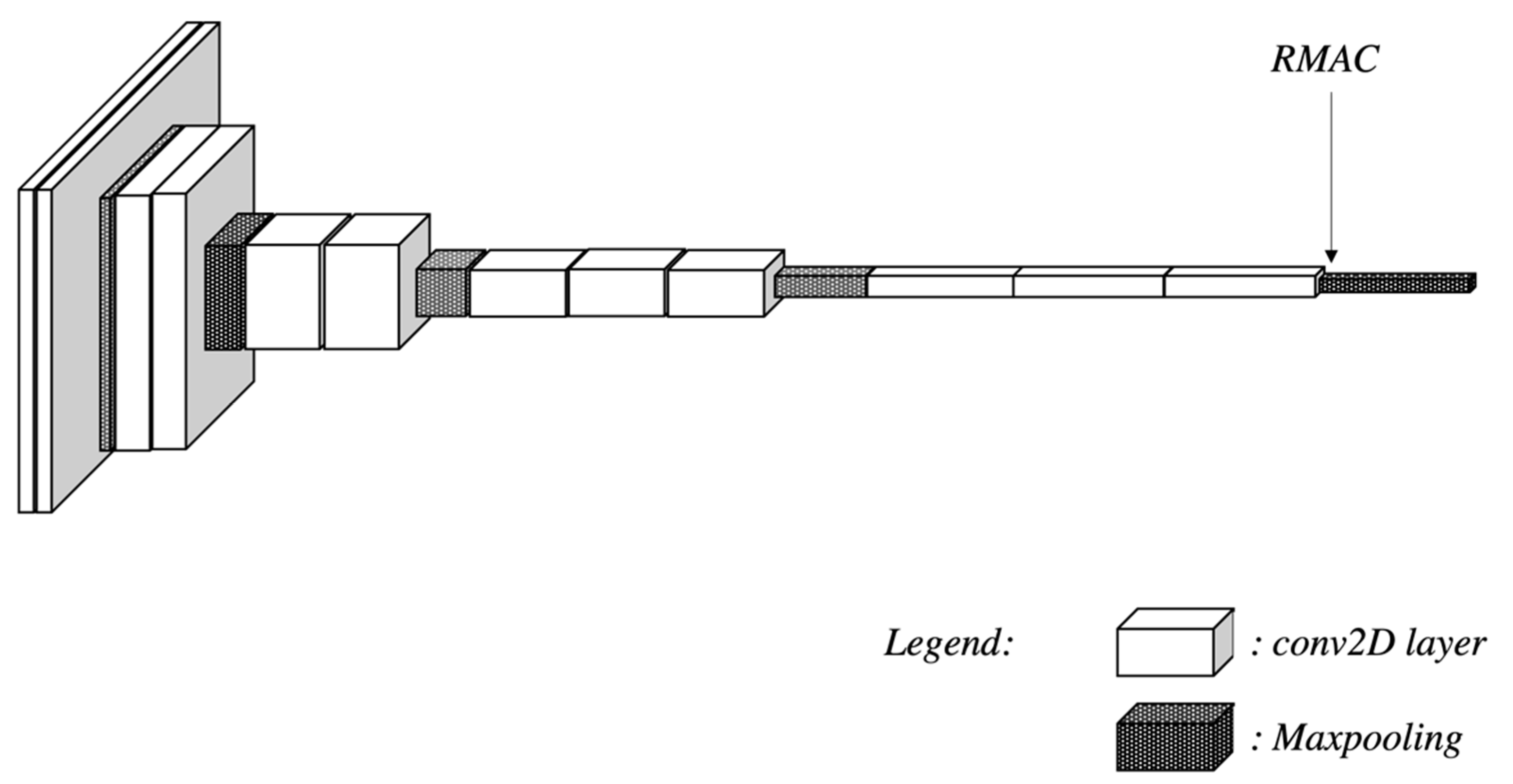
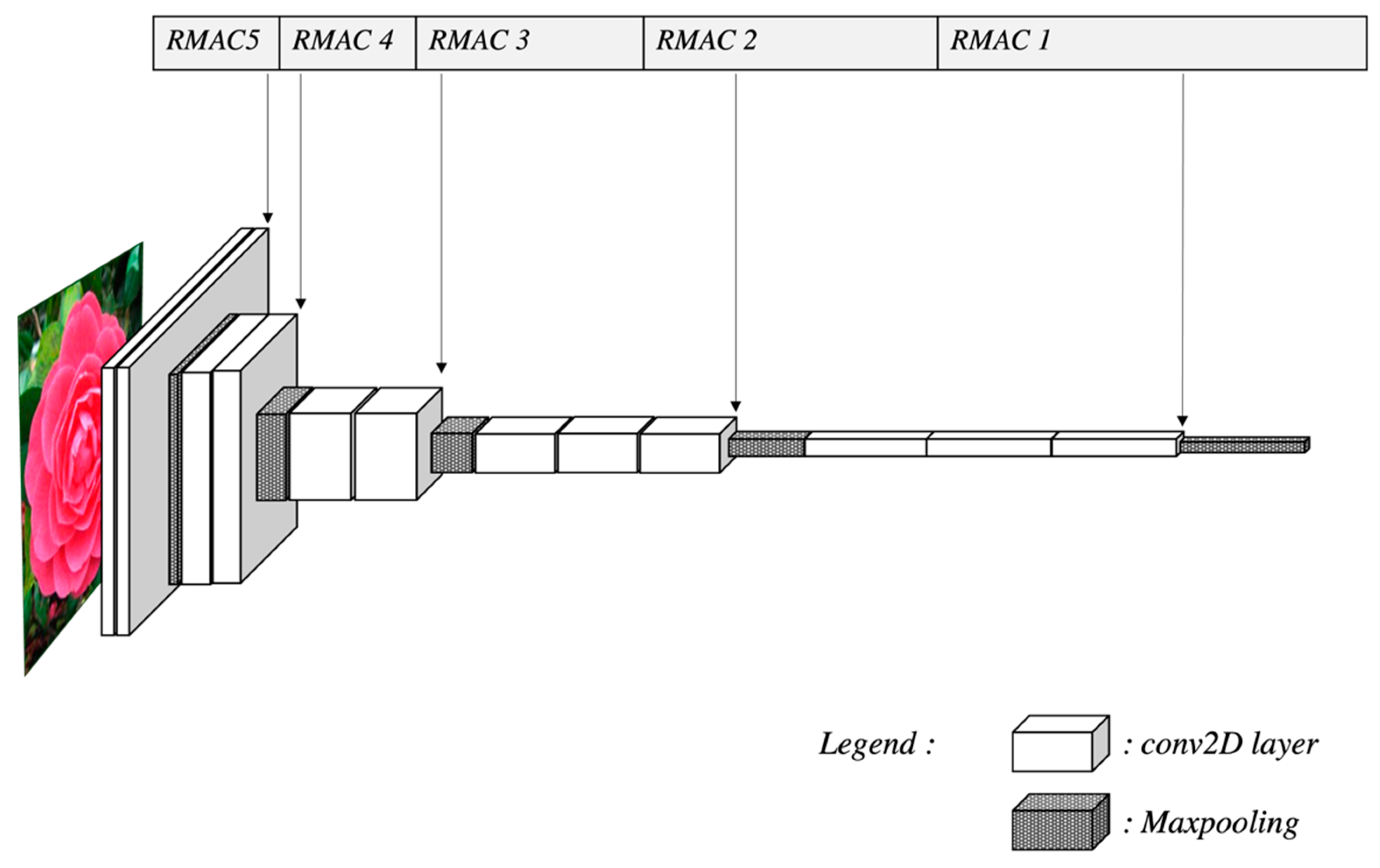
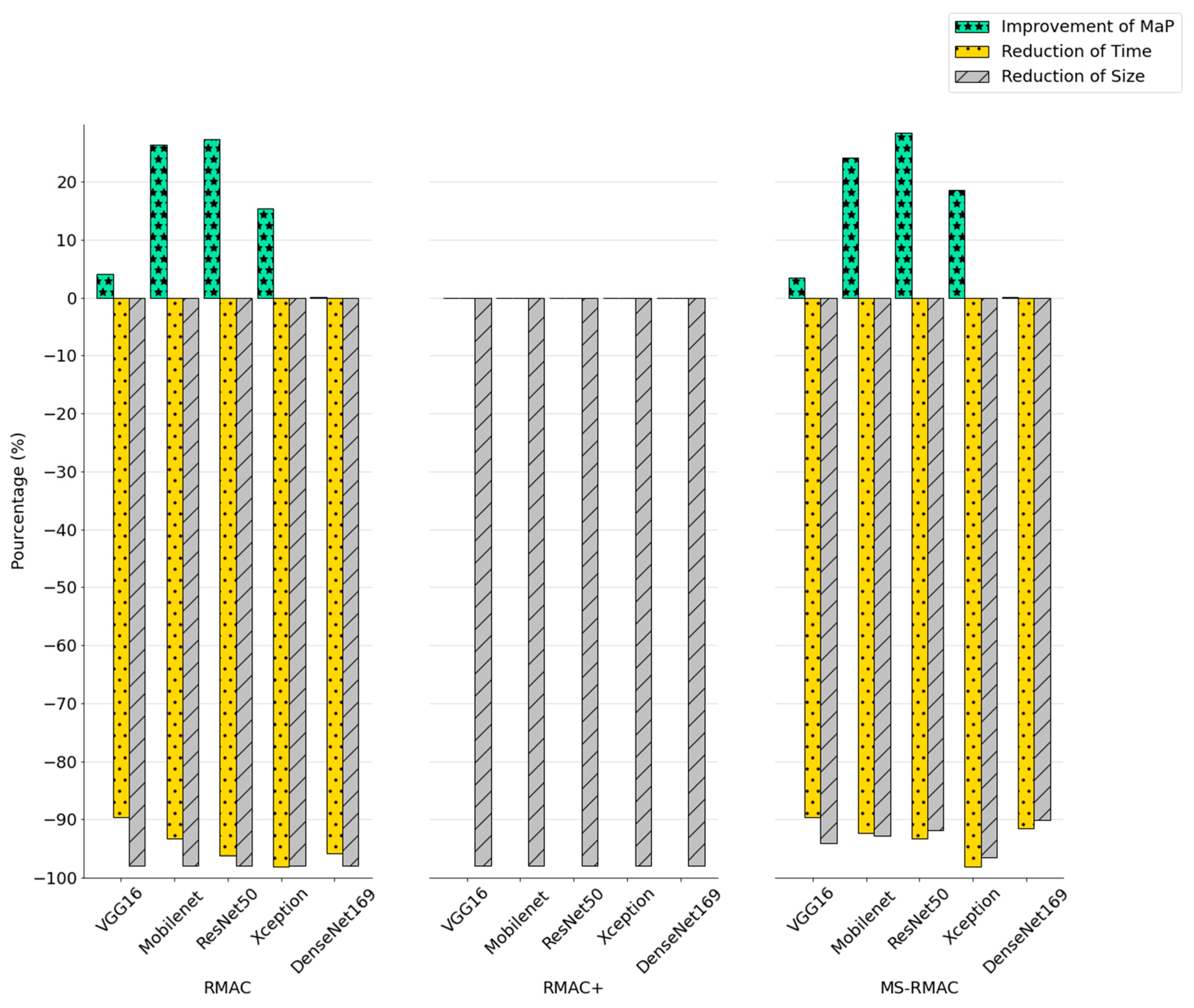
With the emergence of smartphones, video surveillance cameras, social networks, and multimedia engines, as well as the development of the internet and connected objects (the Internet of Things—IoT), the number of available images is increasing very quickly. This leads to the necessity of managing a huge amount of data using Big Data technologies. In this context, several sectors, such as security and medicine, need to extract image features (index) in order to quickly and efficiently find these data with high precision. To reach this first goal, two main approaches exist in the literature. The first one uses classical methods based on the extraction of visual features, such as color, texture, and shape for indexation. The accuracy of these methods was acceptable until the early 2010s. The second approach is based on convolutional neuronal networks (CNN), which offer better precision due to the largeness of the descriptors, but they can cause an increase in research time and storage space. To decrease the research time, one needs to reduce the size of these vectors (descriptors) by using dimensionality reduction methods. In this paper, we propose an approach that allows the problem of the “curse of dimensionality” to be solved thanks to an efficient combination of convolutional neural networks and dimensionality reduction methods. Our contribution consists of defining the best combination approach between the CNN layers and the regional maximum activation of convolutions (RMAC) method and its variants. With our combined approach, we propose providing reduced descriptors that will accelerate the research time and reduce the storage space while maintaining precision. We conclude by proposing the best position of an RMAC layer with an increase in accuracy ranging from 4.03% to 27.34%, a decrease in research time ranging from 89.66% to 98.14% in the function of CNN architecture, and a reduction in the size of the descriptor vector by 97.96% on the GHIM-10K benchmark database.
Keywords: CBIR; image indexation; features extraction; dimensionality reduction; CNN; deep learning; RMAC; RMAC+; MS-RMAC CBIR; image indexation; features extraction; dimensionality reduction; CNN; deep learning; RMAC; RMAC+; MS-RMAC