Article

LQR-Based Sparsification Algorithms of Consensus Networks
1
AI Software Engineering, Seoul Media Institute of Technology, Seoul 07590, Korea
2
Department of Electrical Engineering, Konkuk University, Seoul 05029, Korea
*
Author to whom correspondence should be addressed.
Electronics 2021, 10(9), 1082; https://doi.org/10.3390/electronics10091082

Submission received: 19 March 2021 / Revised: 28 April 2021 / Accepted: 29 April 2021 / Published: 3 May 2021
(This article belongs to the Section Networks)

Abstract

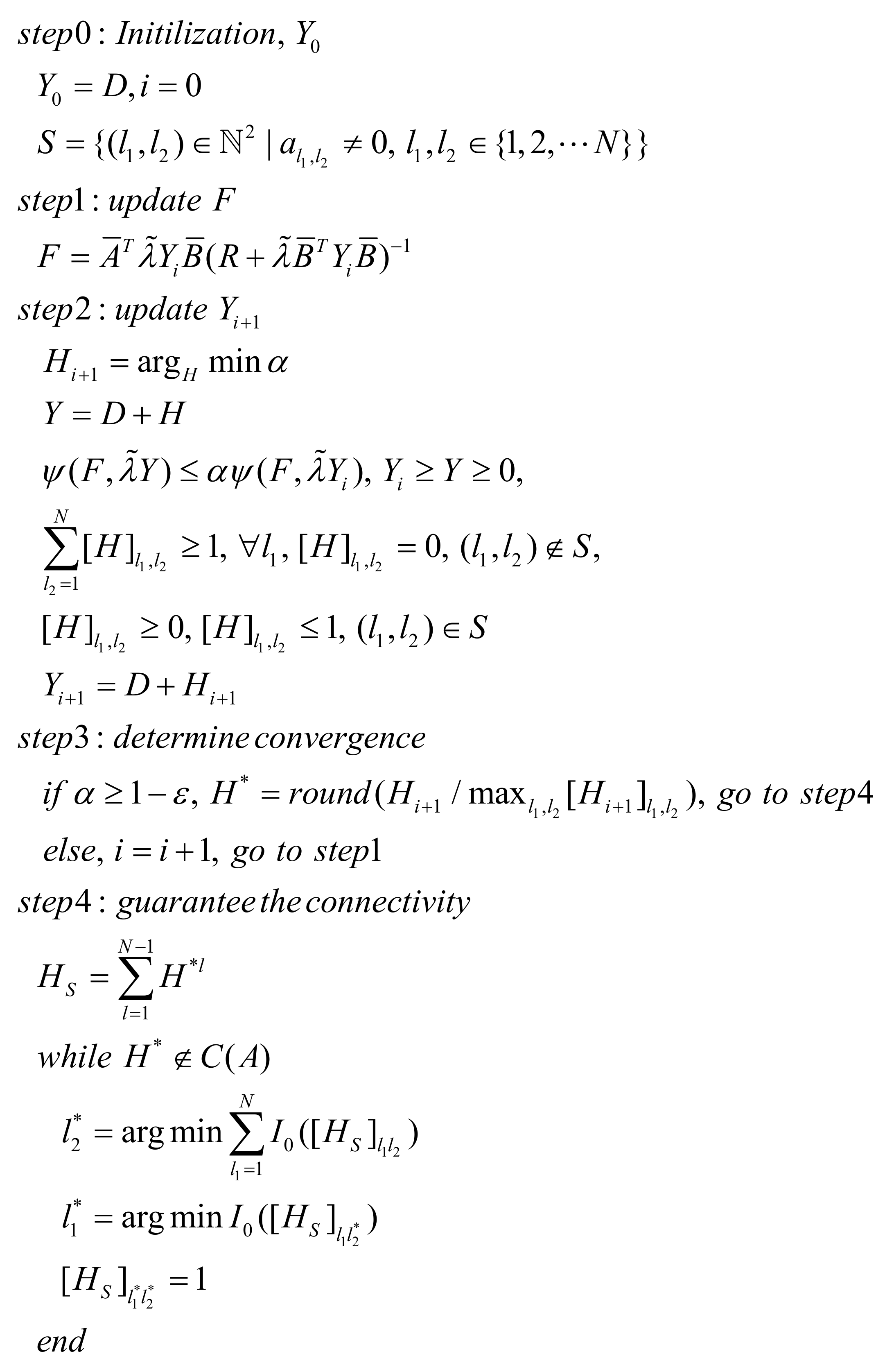
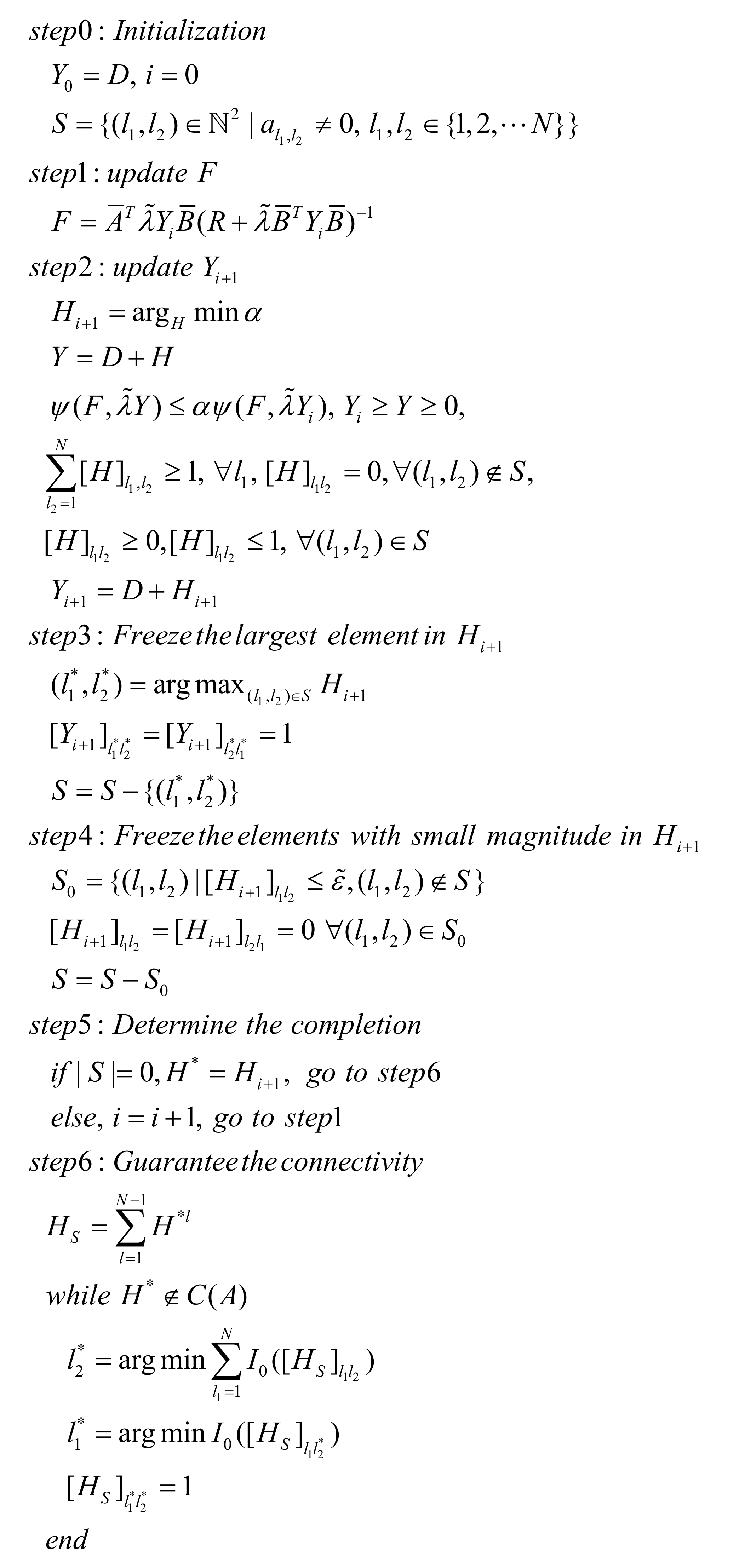
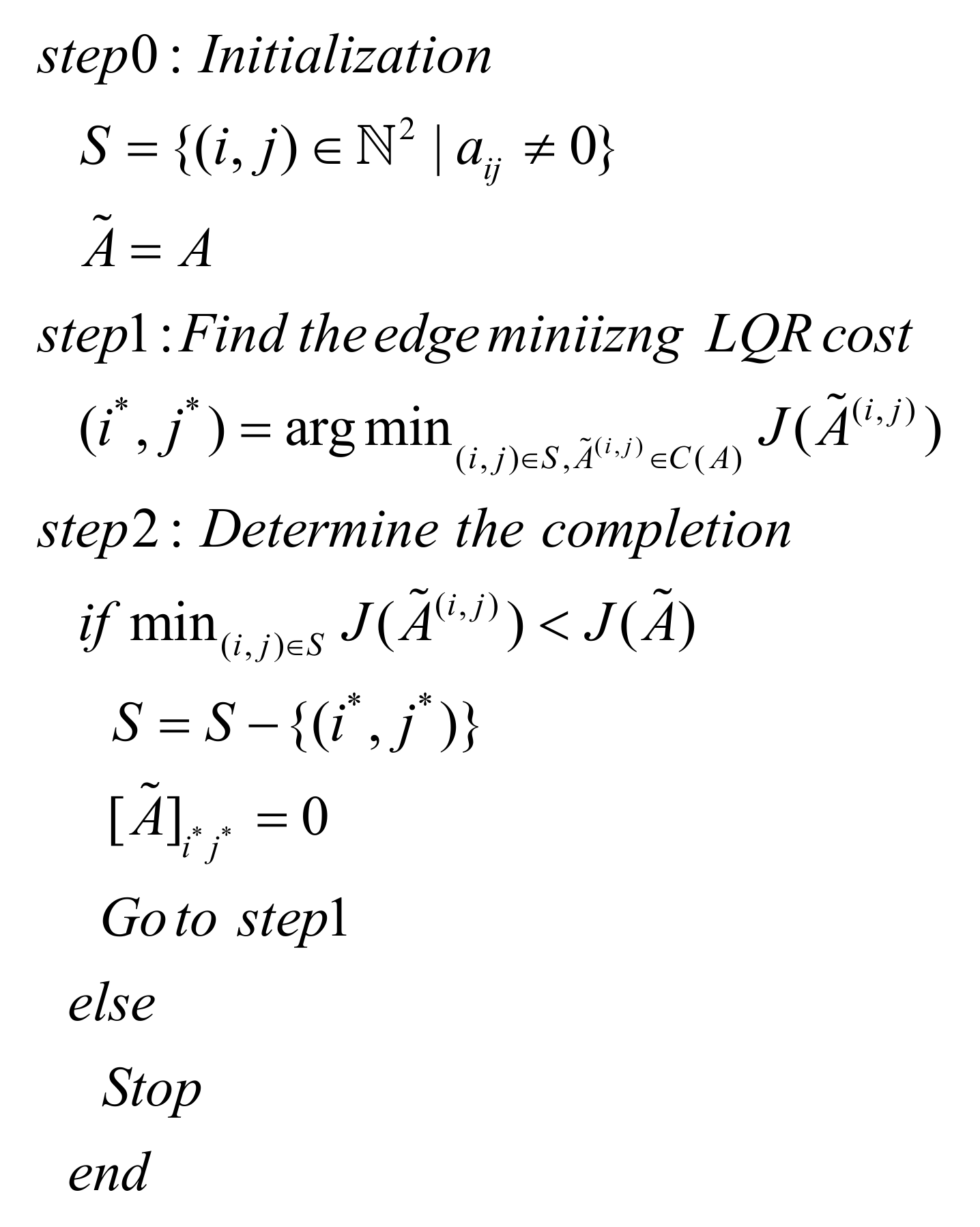
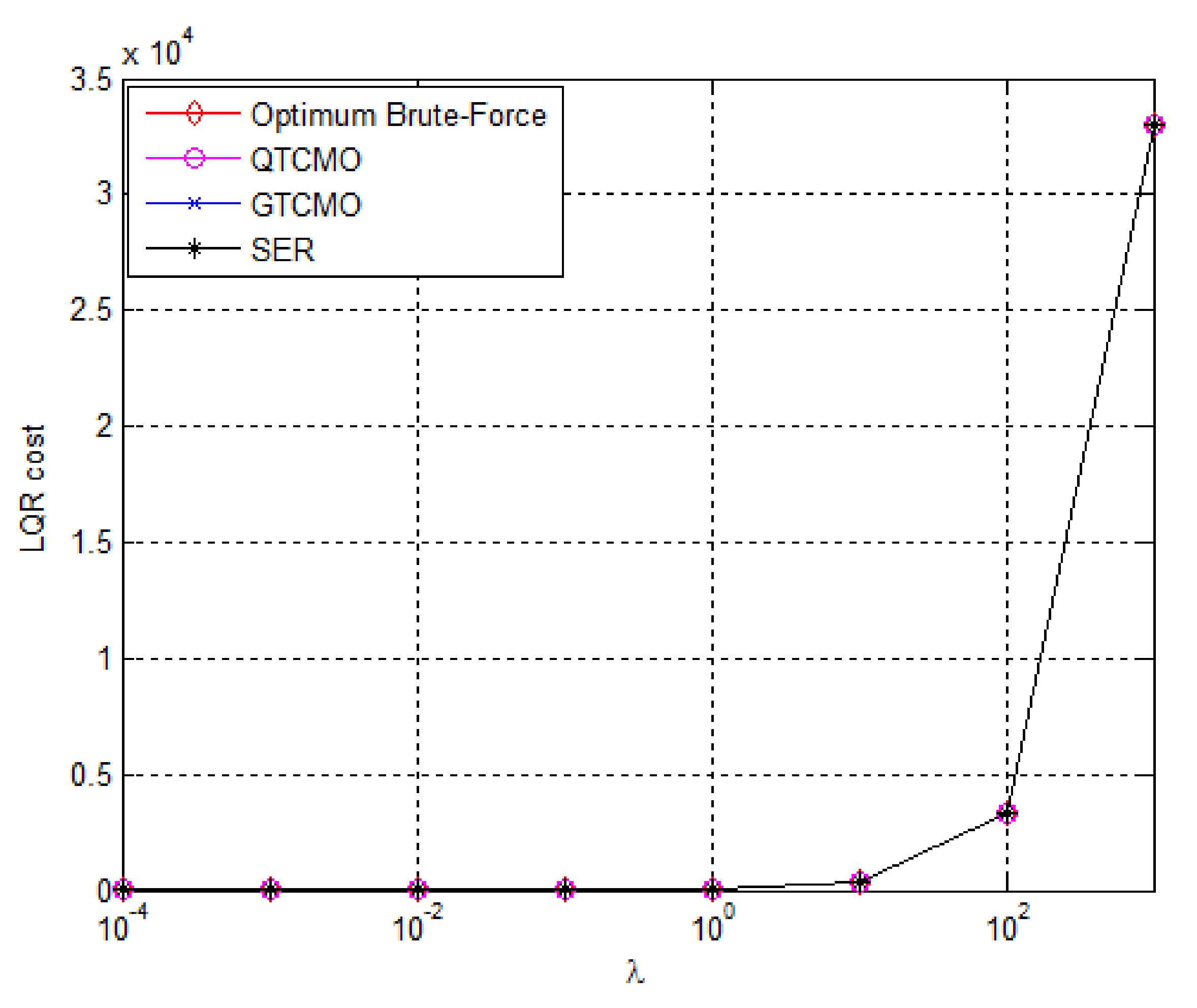
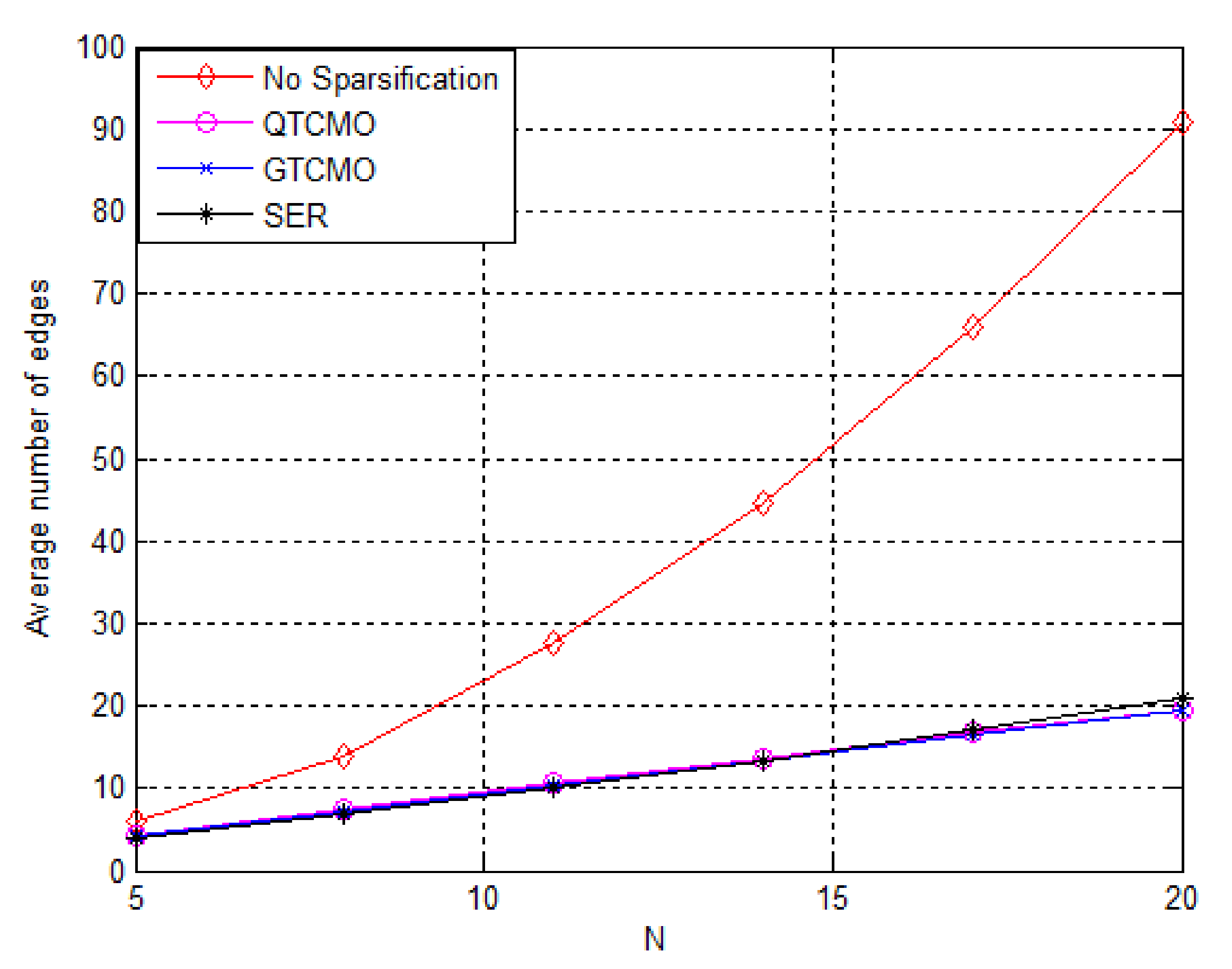
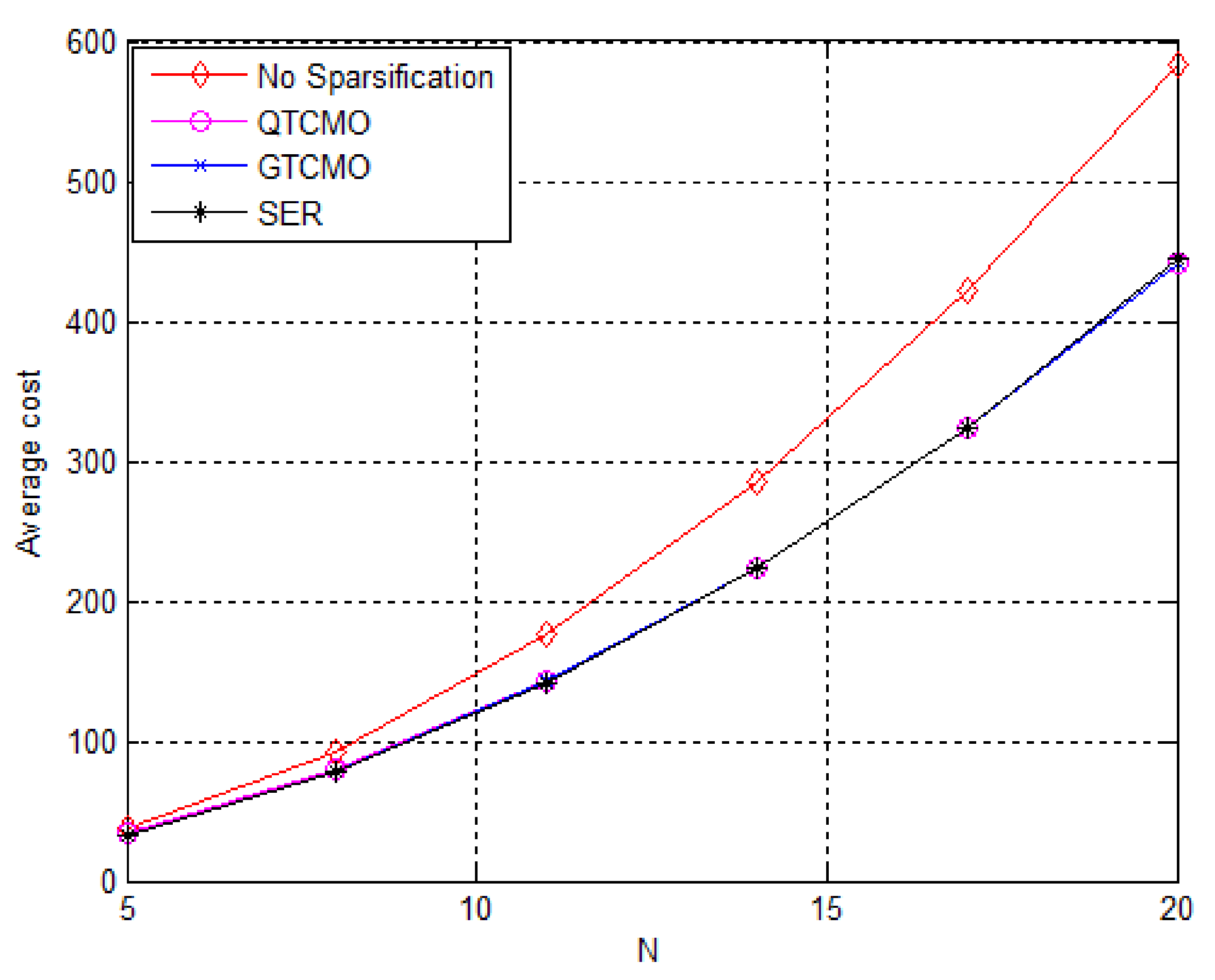
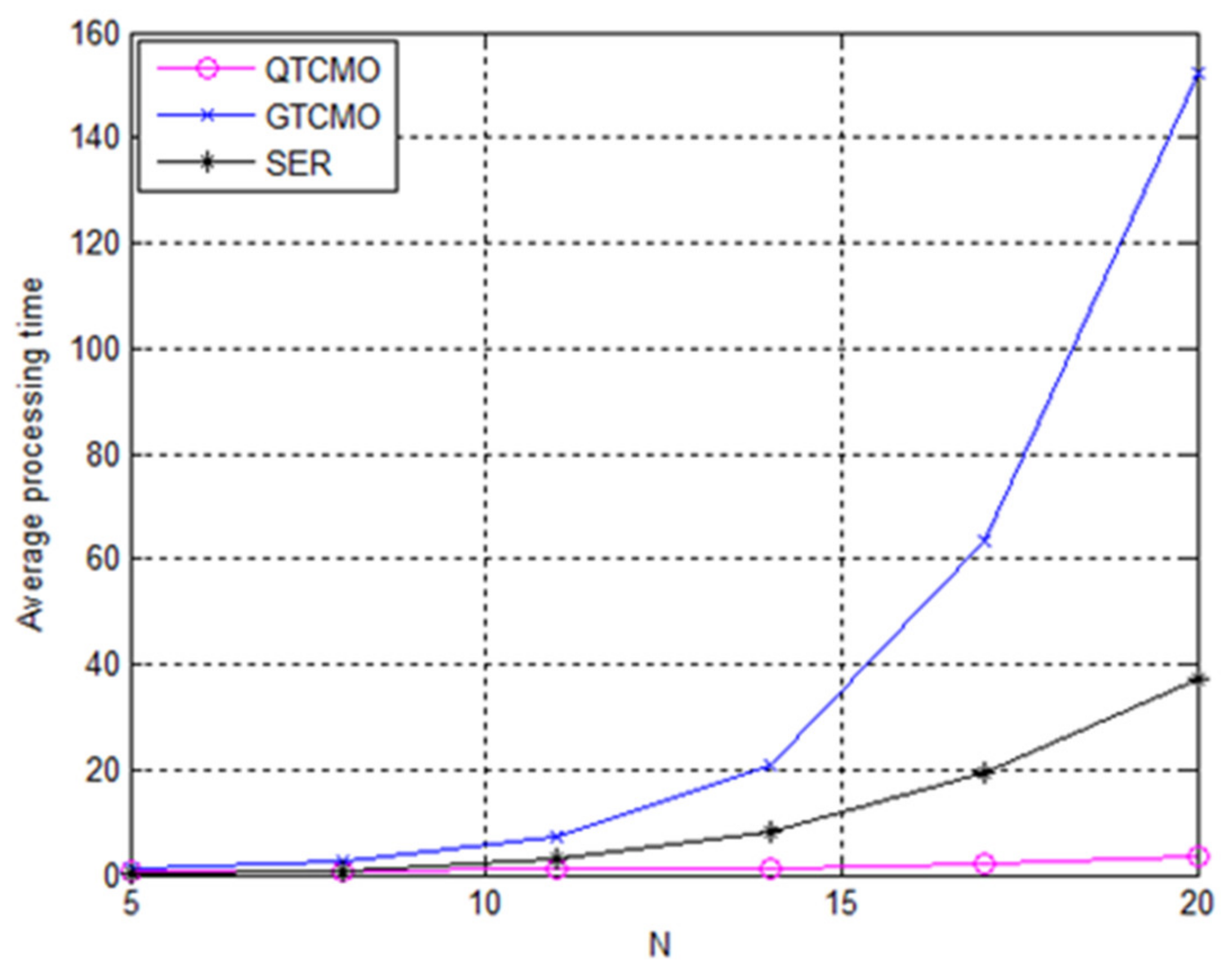
The performance of multiagent systems depends heavily on information flow. As agents are populated more densely, some information flow can be redundant. Thus, there can be a tradeoff between communication overhead and control performance. To address this issue, the optimization of the communication topology for the consensus network has been studied. In this study, three different suboptimal topology algorithms are proposed to minimize the linear quadratic regulator (LQR) cost considering the communication penalty, since the optimal solution requires a brute-force search, which has exponential complexity. The first two algorithms were designed to minimize the maximum eigenvalue of the Riccati matrix for the LQR, while the third algorithm was designed to remove edges sequentially in a greedy manner through evaluating the LQR cost directly. The first and second algorithms differ in that the active edges of a consensus network are determined at the end of the iterations in the first, while sequentially in the second. Numerical evaluations show that the proposed algorithms reduce the LQR cost significantly by optimizing communication topology, while the proposed algorithm may achieve optimal performance with a properly chosen parameterization for a small consensus network. While the three algorithms show similar performance with the increasing number of agents, the quantized terminal cost matrix optimization (QTCMO) algorithm shows significantly less complexity within the order of several tenths than those of the other two algorithms.
Keywords: LQR; consensus; topology; optimization LQR; consensus; topology; optimization