


Abstract
Skin sensitization is a critical endpoint in cosmetic safety assessment, necessitating reliable animal-free testing alternatives. Current established in chemico assays, such as the Direct Peptide Reactivity Assay and Amino acid Derivative Reactivity Assay, are limited by prolonged 24 h incubation periods and their inability to distinguish between direct electrophilic sensitizers and pro-electrophiles requiring metabolic activation or spontaneous oxidation. This study presents the design, synthesis, and validation of NNDNAC (N,N-dimethyl N-(2-(1-naphthyl)acetyl)-l-cysteine), a novel nucleophilic reactivity probe synthesized via a seven-step pathway. A modified naphthalene structure featuring N,N-dimethylamino substituent enhances nucleophilicity of the cysteine sulfur atom, enabling rapid reactivity assessment within an hour incubation using LC-DAD quantification. Comparative validation studies demonstrated that NNDNAC rapidly identified strong electrophilic sensitizers, achieving 100% and 98% depletion rates for p-benzoquinone and 2-methyl-4-isothiazolin-3-one, respectively, within 1 h. Critically, the NNDNAC assay successfully differentiated pro-electrophiles like p-phenylenediamine and 4-aminophenol, which showed negligible depletion at 1 h but significant depletion after 24 h due to auto-oxidation. Furthermore, NNDNAC classified farnesal as a weak sensitizer, aligning with established KeratinoSens™ and LLNA data. The NNDNAC probe represents a significant advancement in skin sensitization assessment, offering a time-efficient, high-throughput platform that not only accelerates screening processes but also provides crucial mechanistic insights through electrophile/pro-electrophile differentiation, significantly improving animal-free toxicological evaluations.
1. Introduction
Skin sensitization represents a critical and complex toxicological endpoint in cosmetic safety assessment, posing a significant challenge to consumer safety and public health [1,2,3]. Therefore, robust and reliable methods for identifying potential skin sensitizers are paramount for responsible product development and regulatory compliance within the cosmetics industry. Historically, skin sensitization assessment relied heavily on standardized animal testing protocols, such as the Guinea Pig Maximization Test (GPMT) and Buehler’s test (BT), subsequently, replaced by Local Lymph Node Assay (LLNA) due to its enhanced sensitivity and reduced animal usage [4,5]. However, a global shift toward ethical and animal-free testing methodologies, notably driven by progressive regulatory reforms and bans on animal testing for cosmetics (e.g., within the European Union), has necessitated the urgent development and validation of alternative approaches [6].
The trend is now to reduce animal tests or replace them, with regulations like REACH stipulating that in vivo tests are performed only when in vitro/in chemico methods are inapplicable or insufficient for classification and risk assessment [6,7]. These alternative methods are integrated within the Adverse Outcome Pathway (AOP) framework, which describes the sequence of molecular and cellular events leading to an adverse outcome [7,8]. For cutaneous sensitization, the AOP outlines four key events: Key Event 1 (KE1), the molecular initiating event (MIE), involving the covalent binding of electrophilic substances to nucleophilic centers in skin proteins; Key Event 2 (KE2), keratinocyte activation; Key Event 3 (KE3), dendritic cell activation; and Key Event 4 (KE4), T-cell proliferation [7,9]. It is currently recognized that no single alternative method can replace in vivo evaluation by addressing all key events required for a comprehensive chemical safety assessment.
This reality has led to a consensus within the research community that assessing skin sensitization potential requires multiple sources of information, integrated and weighed appropriately. This approach is essential because a single alternative method is often not accurate enough and cannot show all possible effects or modes of action [8]. To overcome these limitations, data from various sources—including in chemico, in vitro, in silico methods, read-across predictions, and existing human and animal data—are combined within Integrated Approaches to Testing and Assessment (IATA) or Defined Approaches (DAs) [7,8,9]. These strategies, such as those formalized in OECD Guideline No. 497 (e.g., 2o3 DA), leverage weighted evidence and fixed data interpretation procedures, often integrating computational methods to achieve hazard identification and potency estimation [9].
Within this framework, the internationally recognized OECD Test Guideline 442C specifically includes in chemico methods designed to probe KE1 [10]. These methods include the Direct Peptide Reactivity Assay (DPRA), the Amino acid Derivative Reactivity Assay (ADRA), and the kinetic Direct Peptide Reactivity Assay (kDPRA) [11]. The DPRA uses synthetic peptides containing lysine and cysteine, and typically requires a 24 h incubation, often facing issues with poorly soluble substances and potential co-elution in UV detection [12]. The ADRA method, utilizing more sensitive amino acid derivatives (N-(2-(1-naphthyl)acetyl)-l-cysteine (NAC) and α-N-(2-(1-naphthyl)acetyl)-l-lysine (NAL)) with both UV and fluorescence detection, offers improvements in sensitivity and applicability to hydrophobic compounds, but probes, like NAC, are susceptible to oxidation [9,13]. The kDPRA, a kinetic method, primarily discriminates subcategory 1A sensitizers but does not distinguish sensitizers from non-sensitizers [9]. Beyond these guideline methods, a variety of other in chemico approaches have emerged employing diverse nucleophiles (e.g., N-butylamine, dansyl cysteamine) and detection techniques (e.g., NMR spectroscopy, LC-MS, spectrophotometry). One such example is the Peroxidase Peptide Reactivity Assay (PPRA) [14]. While the PPRA is not yet formally included, it represents a step forward in in chemico (non-animal) testing, which is gaining increasing importance in chemical safety assessment and regulatory decision-making and incorporates horseradish peroxidase to enable the detection of chemicals requiring oxidative activation. While some offer advantages like high-throughput screening or more detailed mechanistic characterization, many still grapple with limitations such as long assay times, complex sample preparation, high equipment costs, or an inability to comprehensively assess pro-haptens that require metabolic activation [6,8]. The persistent challenges associated with these methods—including their extended incubation periods, susceptibility to interferences, and limited capacity for rapid mechanistic differentiation—highlight a critical unmet need for more efficient and insightful tools.
This work directly addresses these limitations by introducing N,N-dimethyl N-(2-(1-naphthyl)acetyl)-l-cysteine (NNDNAC), a novel nucleophilic reactivity probe specifically engineered for the rapid detection and precise mechanistic categorization of potential skin sensitizers. NNDNAC’s unique structural design, incorporating a naphthalene-based fluorophore system with a critical N,N-dimethyl substitution, significantly enhances the nucleophilicity of the cysteine sulfur atom. This strategic modification enables NNDNAC to react more rapidly and distinctly with electrophiles compared to conventional probes, thereby providing a more efficient and insightful probe of KE1. This study details the design, synthesis, comprehensive structural characterization of NNDNAC and validates its faster performance through comparative studies, demonstrating its capacity to accelerate screening processes and provide crucial mechanistic insights for animal-free toxicological evaluations in the cosmetics industry.
2. Materials and Methods
2.1. Chemicals and Reagents
Acetonitrile (ACN) was procured from Merck (Bangalore, India). Ammonium acetate, Ammonium hydroxide, dimethyl sulfoxide (DMSO), disodium hydrogen phosphate (Na2HPO4·12H2O), potassium 3-methoxy-3-oxopropanoate, 1-bromo-5-nitronaphthalene, sodium hydride (60% dispersion in mineral oil), methyl iodide, (+)-s-trityl-l-cysteine, Bis(allyl) dichloropalladium, Xantphos, HATU, triisopropylsilane, sodium dihydrogen phosphate monohydrate (NaH2PO4·H2O), trifluoroacetic acid (TFA, >99%), p-benzoquinone, 2-methyl-4-isothiazolin-3-one, farnesal, cinnamyl alcohol, lactic acid, p-phenylenediamine, and 4-aminophenol were purchased from Sigma Aldrich (Bangalore, India). Deionized water was purified using a Milli-Q system (Millipore, Merck, India). All chemicals and solvents not explicitly mentioned were of analytical grade.
2.2. Synthesis of the Probe NNDNAC
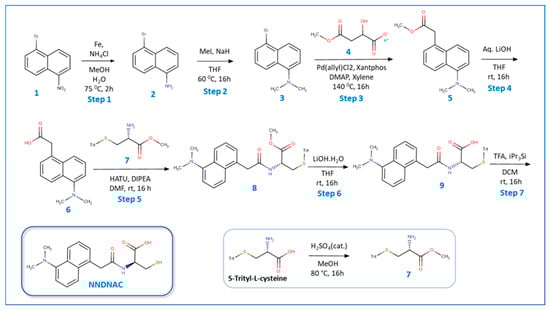
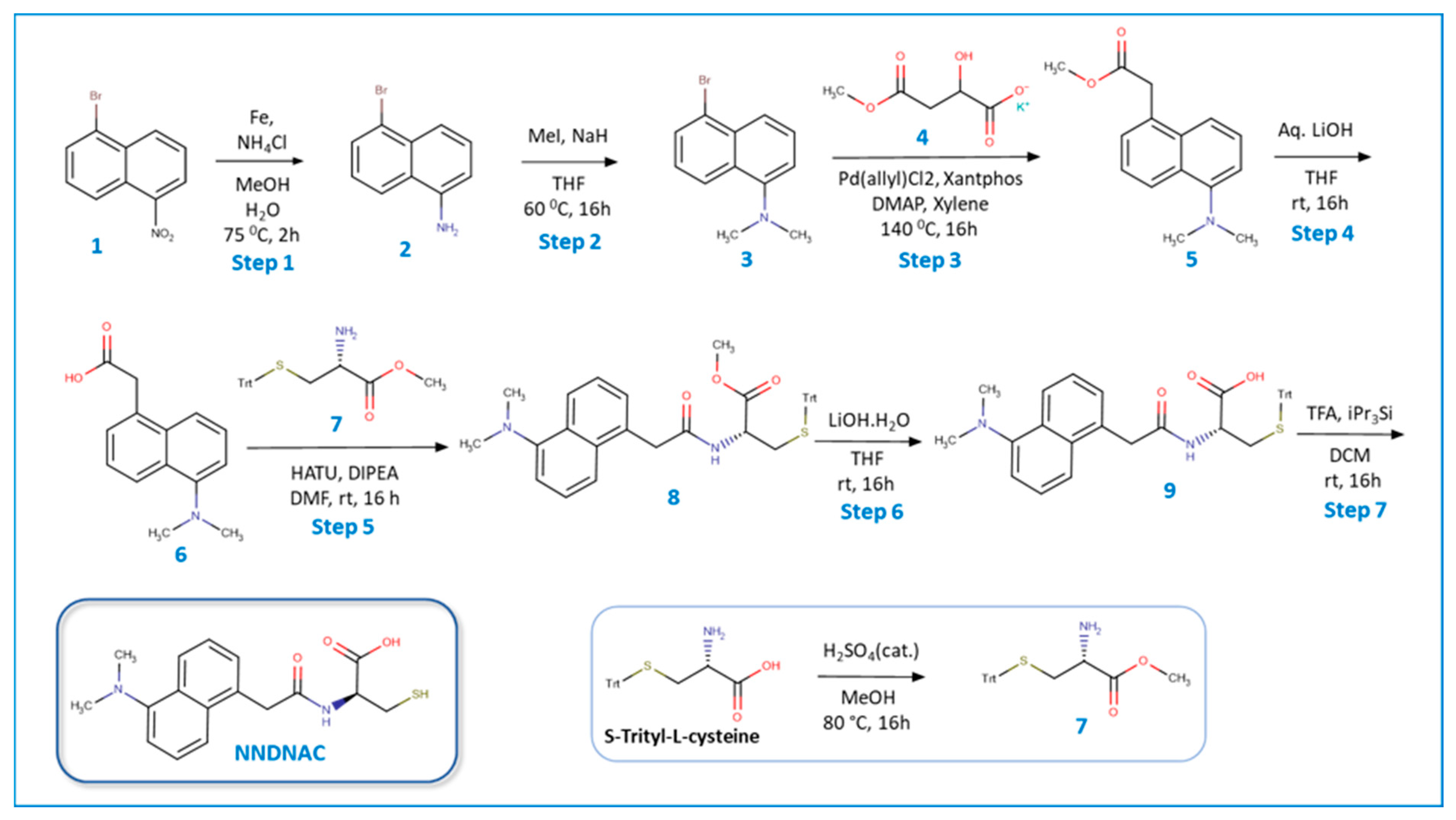
The novel reactivity probe, N,N-dimethyl N-(2-(1-naphthyl)acetyl)-l-cysteine (NNDNAC), was designed to investigate the reactivity of electrophilic sensitizers toward cysteine residues, incorporating a 1-naphthyl acetyl moiety conjugated to an l-cysteine backbone with a critical N,N-dimethyl substitution on the naphthalene ring. This unique structural element enhances the nucleophilicity of the cysteine sulfur atom through electron-donating effects of the dimethylamino group, thereby increasing its reactivity toward electrophilic sensitizers [15,16]. The extended aromatic system provides enhanced fluorescence properties for sensitive detection while the N,N-dimethyl substitution facilitates significantly reduced incubation times [17]. The synthesis of NNDNAC was achieved through a seven-step pathway, as outlined in Figure 1.
Figure 1.
Illustration of the synthetic pathway.
Step 1: Synthesis of 5-bromonaphthalen-1-amine (2): To a stirred solution of 1-bromo-5-nitronaphthalene (20.0 g) in 200 mL of aqueous methanol (MeOH:H2O used in 1:1 ratio), Fe (22.16 g) and ammonium chloride (42.44 g) were added at room temperature. The reaction mixture was stirred at 75 °C for 1 h and monitored by thin-layer chromatography (TLC). Upon completion, the mixture was cooled to room temperature, filtered through celite, and concentrated under reduced pressure. The residue was quenched with ice water (50 mL) and extracted with ethyl acetate. The organic layer was dried over sodium sulfate and concentrated under reduced pressure to yield 5-bromonaphthalen-1-amine. The reaction isolated yield was 85%.
Step 2: Synthesis of 5-bromo-N,N-dimethylnaphthalen-1-amine (3): 5-Bromo-N,N-dimethylnaphthalen-1-amine (3) was prepared by adding 8.1 g of sodium hydride to 75 mL of 5-bromonaphthalen-1-amine in dimethylformamide (concentration 0.9 M) at 0 °C. After 30 min, 12.58 mL of methyl iodide was added, and the reaction mixture was stirred at room temperature for 16 h. The reaction progress was monitored by TLC. Upon completion, the reaction was quenched with ice water (50 mL) and extracted with ethyl acetate. The organic layer was dried over sodium sulfate and concentrated under reduced pressure. The crude product was purified by Combi Flash chromatography on a 40 g column using 1.5% ethyl acetate in hexane as the eluent, affording 12.5 g (74% yield) of 5-bromo-N,N-dimethylnaphthalen-1-amine (3).
Step 3: Synthesis of Methyl 2-(5-(dimethylamino)naphthalen-1-yl)acetate (5): To a stirred solution of 5-bromo-N,N-dimethylnaphthalen-1-amine (12.0 g) in 100 mL xylene, 11.23 g of potassium 3-methoxy-3-oxopropanoate and 0.585 g of 4-dimethylaminopyridine were added. The solution was degassed with nitrogen for 10 min before and after the addition of 0.35 g of allylpalladium (II) chloride dimer and 4,5-bis(diphenylphosphino)-9,9-dimethylxanthene (1.66 g). The reaction mixture was then stirred at 140 °C for 16 h and monitored by TLC. Upon completion, the mixture was filtered through a celite bed, and the filtrate was diluted with ethyl acetate and washed with water. The organic layer was subsequently washed with saturated sodium bicarbonate solution and brine, dried over sodium sulfate, and concentrated under reduced pressure. Purification of the crude product by Combi Flash chromatography using 20% ethyl acetate in hexane as the eluent yielded 6.5 g (55%) of methyl 2-(5-(dimethylamino)naphthalen-1-yl)acetate (5).
Step 4: Synthesis of 2-(5-(dimethylamino)naphthalen-1-yl)acetic acid. Lithium salt (6): To 6 g of methyl 2-(5-(dimethylamino)naphthalen-1-yl)acetate, 5.18 g of lithium hydroxide monohydrate was added in a 3:1:1 (50 mL) mixture of tetrahydrofuran, methanol, and water. The reaction mixture was stirred at room temperature for 16 h and monitored by TLC. Upon completion, the reaction mixture was concentrated under reduced pressure. The residue was diluted with water and washed with ethyl acetate. The aqueous layer was neutralized to pH 8 with 1 N hydrochloric acid and then extracted with ethyl acetate. The organic layer was washed with brine, dried over sodium sulfate, and concentrated under reduced pressure to yield 6.3 g of lithium 2-(5-(dimethylamino)naphthalen-1-yl)acetate.
Step 5: Synthesis of Methyl N-(2-(5-(dimethylamino)naphthalen-1-yl)acetyl)-s-trityl-l-cysteinate (8): To a stirred solution of lithium 2-(5-(dimethylamino)naphthalen-1-yl)acetate (2.50 g) in dimethylformamide (20.0 mL), HATU (6.23 g) was added. After stirring for 10 min at room temperature, methyl s-trityl-L-cysteinate (7) (3.96 g) and N,N-diisopropylethylamine (5.71 mL) were added, and the reaction mixture was stirred at room temperature for 16 h. The reaction progress was monitored by TLC. Upon completion, the reaction mixture was concentrated under reduced pressure, washed with n-pentane, and concentrated again. Purification of the crude product by CombiFlash chromatography using 30–35% ethyl acetate in hexane as the eluent afforded methyl N-(2-(5-(dimethylamino)naphthalen-1-yl)acetyl)-S-trityl-l-cysteinate. The yield percentage was 80%.
Step 6: Synthesis of N-(2-(5-(dimethylamino)naphthalen-1-yl)acetyl)-S-trityl-l-cysteine (9): Lithium hydroxide monohydrate (0.21 g) was added to a stirred solution of methyl N-(2-(5-(dimethylamino)naphthalen-1-yl)acetyl)-S-trityl-l-cysteinate (1.0 g) in a 3:1:1 mixture of tetrahydrofuran, methanol, and water (30.0 mL). The reaction mixture was stirred at room temperature for 3 h and monitored by TLC. Upon completion, the reaction mixture was concentrated under reduced pressure. The residue was diluted with water and washed with ethyl acetate. The aqueous layer was neutralized to pH 8 with 1 N hydrochloric acid and extracted with ethyl acetate. The organic layer was washed with brine, dried over sodium sulfate, filtered, and concentrated under reduced pressure. Purification of the crude product by CombiFlash chromatography using 45–50% ethyl acetate in hexane as the eluent yielded 700 mg (72%) of N-(2-(5-(dimethylamino)naphthalen-1-yl)acetyl)-s-trityl-l-cysteine (9).
Step 7: Synthesis of (2-(5-(dimethylamino)naphthalen-1-yl)acetyl)-l-cysteine (Dimethylamino NaPhAc): A solution of 1.0 g of N-(2-(5-(dimethylamino)naphthalen-1-yl)acetyl)-s-trityl-l-cysteine in 15 mL of dichloromethane was cooled to 0 °C. Triisopropylsilane (1.79 mL) and trifluoroacetic acid (5.32 mL) were sequentially added, and the resulting mixture was allowed to warm to room temperature with stirring for 30 min. The reaction progress was monitored via TLC. Upon completion, the reaction mixture was concentrated in vacuo, the residue washed with n-pentane and concentrated in vacuo again. The crude material underwent purification through trituration using ethyl acetate and diethyl ether, yielding 0.44 g (76%) of (2-(5-(dimethylamino)naphthalen-1-yl)acetyl)-l-cysteine (NNDNAC) as a white solid.
2.3. Structural Confirmation of NNDNAC
The structural integrity of the synthesized NNDNAC (white solid) was confirmed by NMR and mass spectrometry. Purity of the molecule was checked using a Shimadzu 2020 LC/MS system equipped with a Kinetex Evo C18, 4.6 mm × 150 mm, 5µm particle size column. The mobile phase consisted of A (0.1% formic acid in water) and B (ACN). A gradient method was employed: T/%B- 0/5, 0.5/95, 2.4/95, 2.5/5, 3.5/5. The flow rate was maintained at 1.2 mL/min, and the column temperature was 37 °C [1].
2.4. Reactivity Assay for Skin Sensitization Using NNDNAC
2.4.1. Preparation of the NNDNAC Stock Solution and Standard Curve
NNDNAC stock solution was prepared at a concentration of 6 µM in 100 mM of pH 8.0 phosphate buffer. The standard calibration curve was generated from this stock solution using 20% acetonitrile in pH 8.0 phosphate buffer as the dilution medium. Eight calibration concentrations ranging from a minimum µM to 6 µM were prepared in serial dilutions. A dilution buffer blank was included in the calibration series.
2.4.2. Preparation of Test Chemical Solution
The test material was pre-weighed into a clean amber glass vial and dissolved, just before use, to obtain a 100 mM solution. Visual inspection of the clear solution being formed was considered sufficient to ascertain that the test material was dissolved.
2.4.3. Preparation of Reaction Mixture
The detection method involved mixing NNDNAC with each test compound. The test compounds evaluated were p-benzoquinone, 2-methyl-4-isothiazolin-3-one, farnesal, cinnamyl alcohol, lactic acid, p-phenylenediamine, and 4-aminophenol. The test chemical and NNDNAC solution was mixed in the concentration ratio 1:200 by mixing, and this mixture was incubated for 1 h. The incubated solution was then subjected to spectral analysis via liquid chromatographic analysis, followed by diode array detection (LC-DAD) to quantify the depletion of NNDNAC. The intensity of the NNDNAC peak was correlated to its percentage depletion. For comparative purposes with the conventional ADRA protocol, the same reaction mixtures were also incubated for 24 h.
2.4.4. LC Method Optimization for Quantification of NNDNAC
The quantitative analysis of NNDNAC was performed using Shimadzu Nexera Ultra-High Performance Liquid Chromatography (UHPLC) equipped with a photodiode array detector (PDA). Chromatographic separation was achieved using an Agilent Eclipse XDB-C18 2.1 mm × 100 mm × 3.5 micron or any other equivalent C18 column maintained at 30 °C throughout the analysis. The injection volume was set at 5 µL with a flow rate of 0.5 mL/min over a total run time of 20 min. The mobile phase system consisted of two components: mobile phase A containing 0.1% orthophosphoric acid in water, and mobile phase B containing 0.1% orthophosphoric acid in acetonitrile. A gradient elution program was employed, beginning with 10% mobile phase B from 0 to 2 min, followed by a linear increase to 90% B over 9 min (2–11 min), maintained at 90% B for 5 min (11–16 min), then rapidly decreased to 10% B at 17 min and held until 20 min for column equilibration. Detection was performed using a PDA detector with a scanning range of 190–800 nm, while quantitative measurements were made at a specific detection wavelength of 281 nm [1,7].
2.5. Comparative Skin Sensitization Assay
Test compounds were evaluated with NNDNAC against established in chemico assays to benchmark the performance of the NNDNAC probe. These included:
- Direct Peptide Reactivity Assay (DPRA) with cysteine (Cys-DPRA);
- Amino Acid Derivative Reactivity Assay (ADRA) with N-acetylcysteine (NAC-ADRA).
Both these tests were conducted according to OECD guideline 442C [9]. In both tests, the model synthetic amino acid derivatives were incubated with test chemicals for 24 h at 25 °C. The percentage depletion of the respective probe compounds (cysteine peptide with DPRA and N-acetylcysteine with ADRA) was measured in these assays. Additionally, the results were compared with historical data from KeratinoSens™ and the Local Lymph Node Assay (LLNA) [1,8,9].
3. Results
3.1. Synthesis and Structural Characterization of NNDNAC
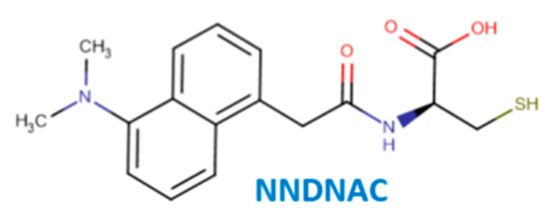
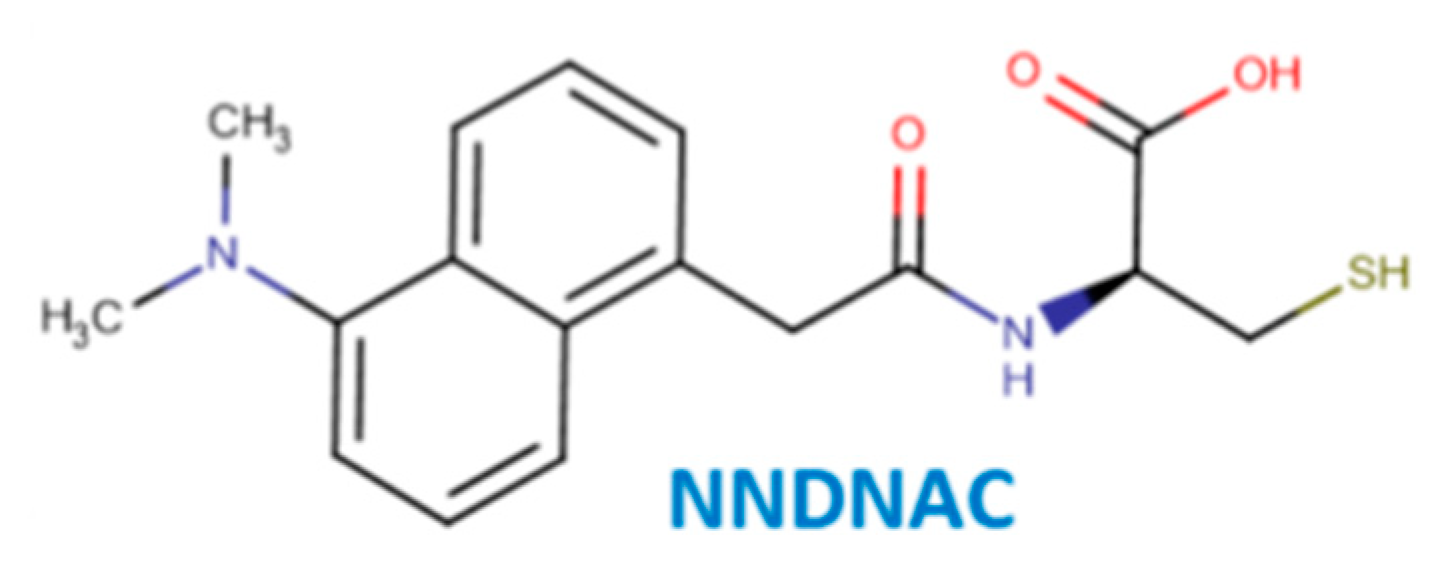
The synthesis of NNDNAC was successfully accomplished using 1-bromo-5-nitronaphthalene as the starting material, achieving an 82% yield of the target reactivity probe. The chemical structure of NNDNAC is presented in Figure 2.
Figure 2.
The chemical structure of NNDNAC.
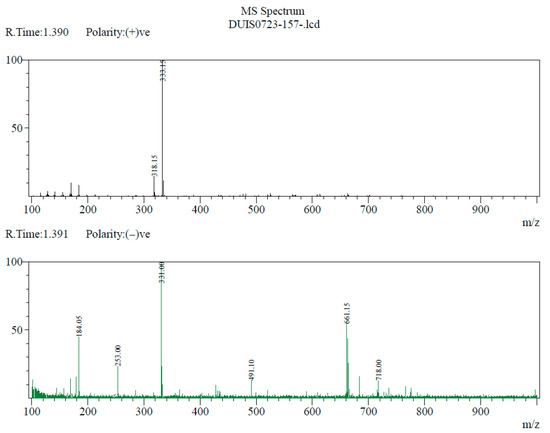
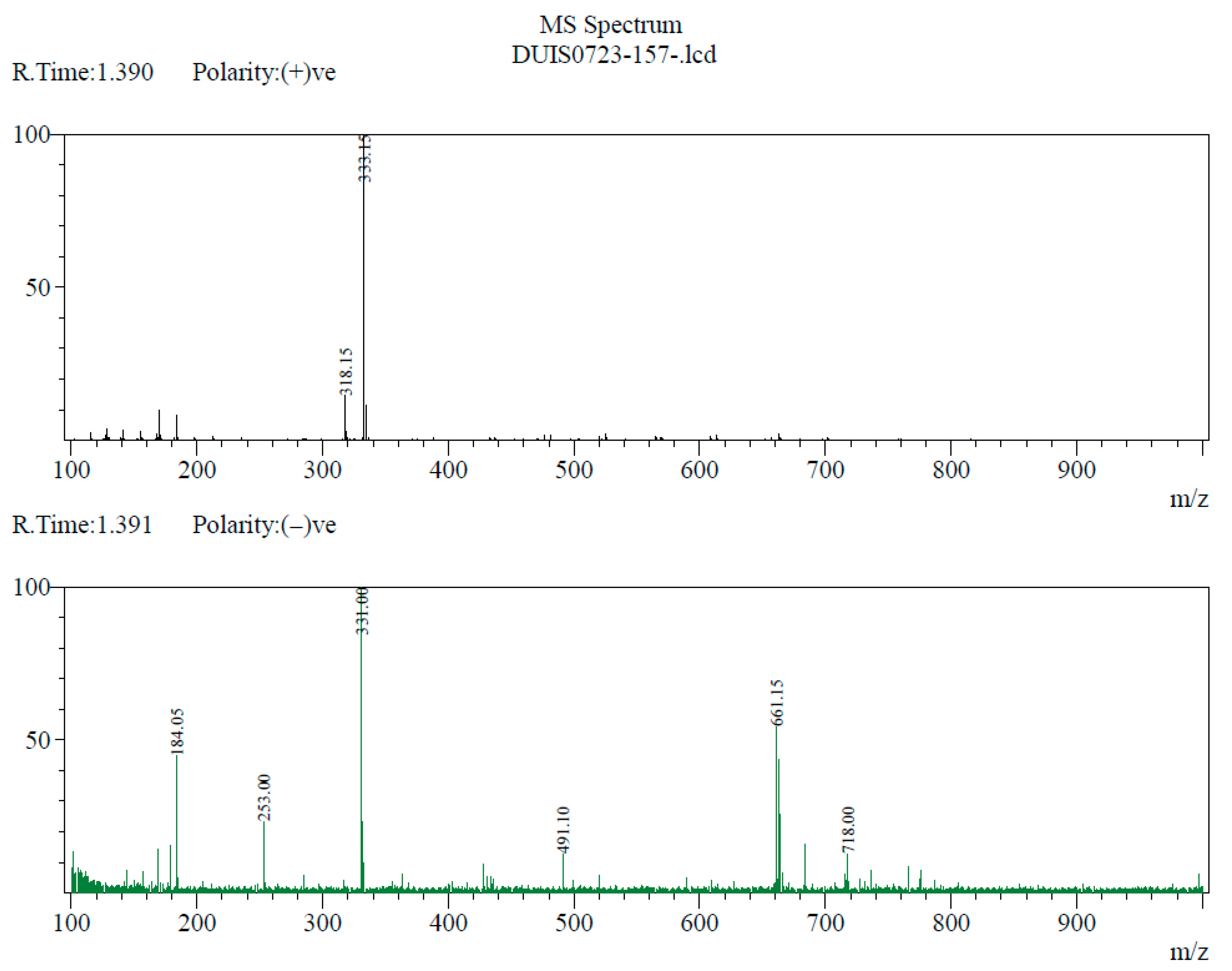
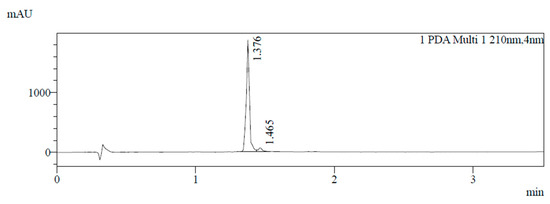
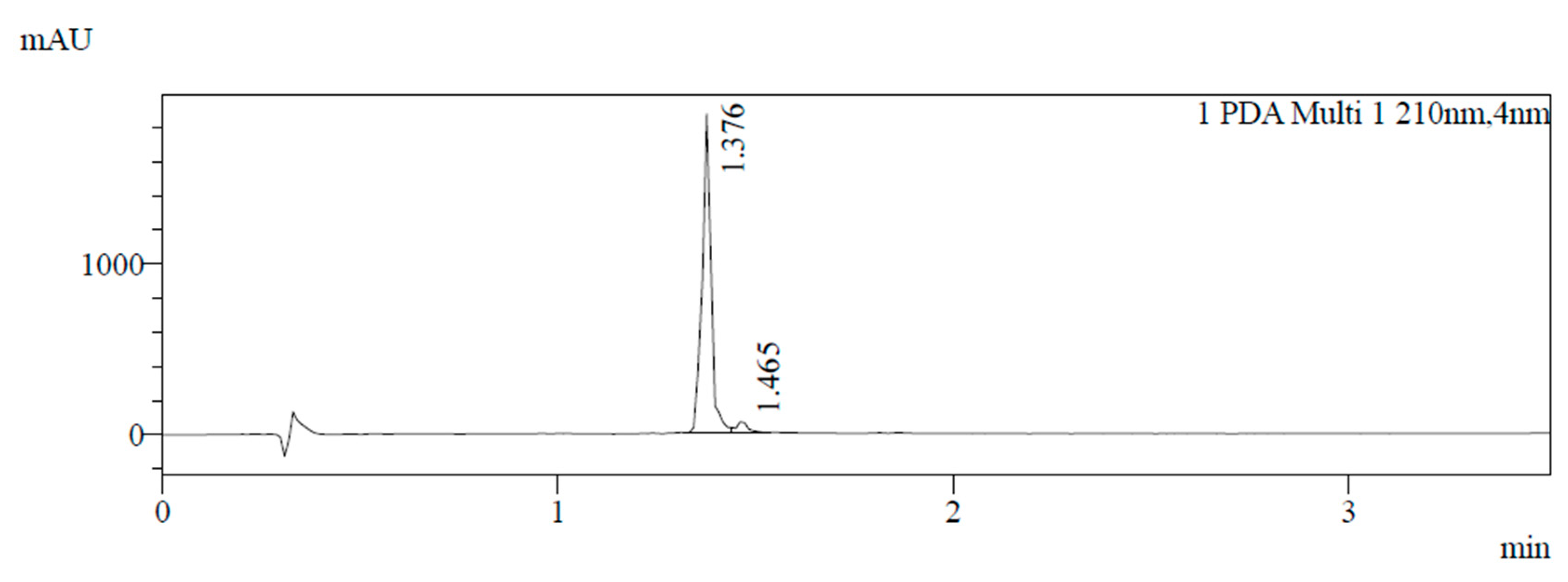
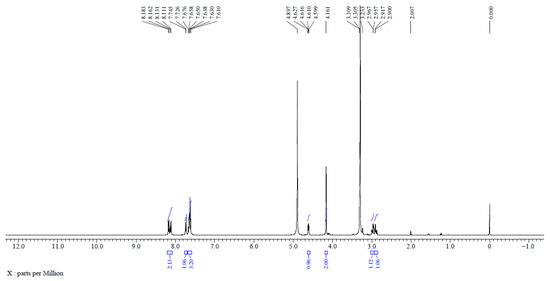
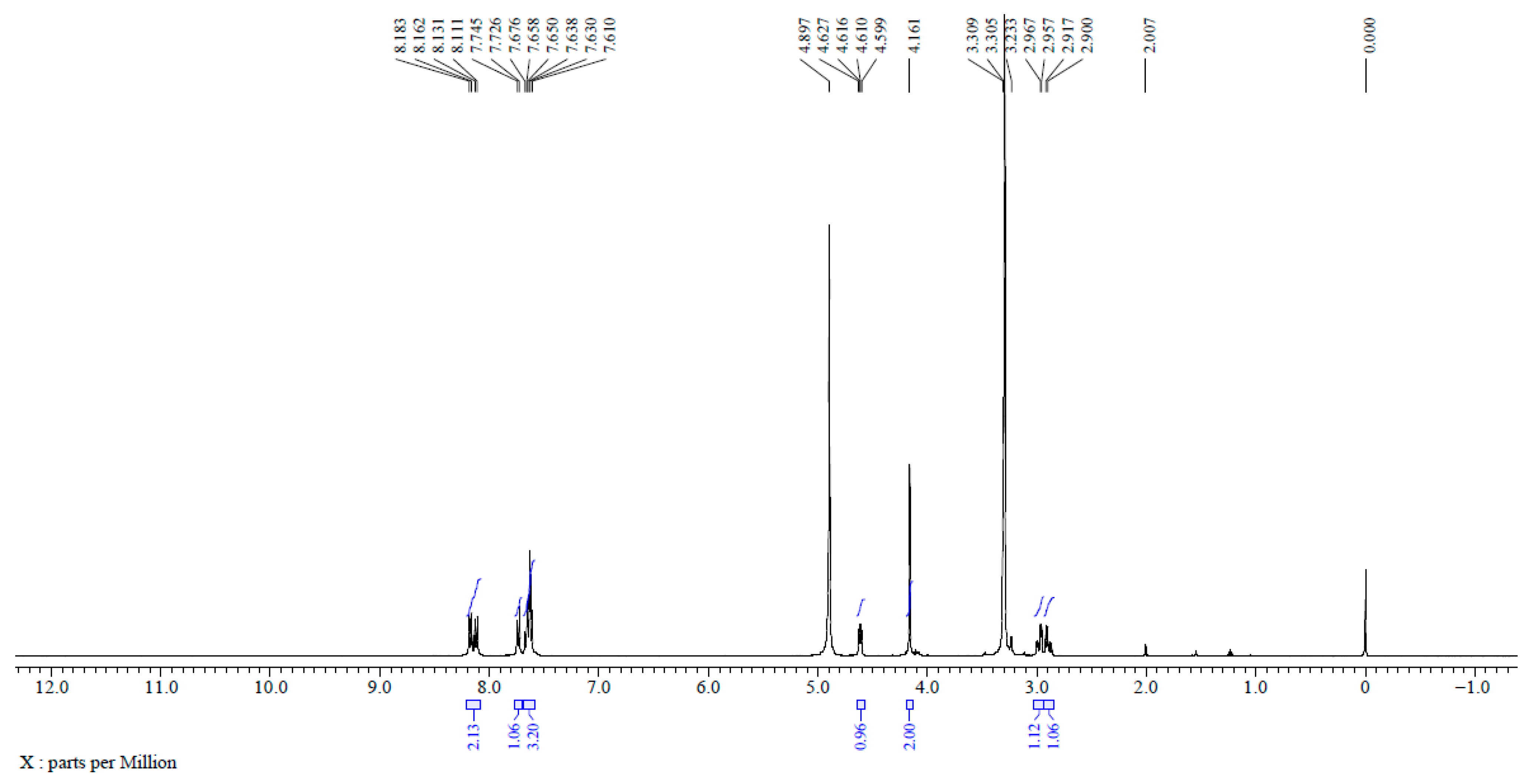
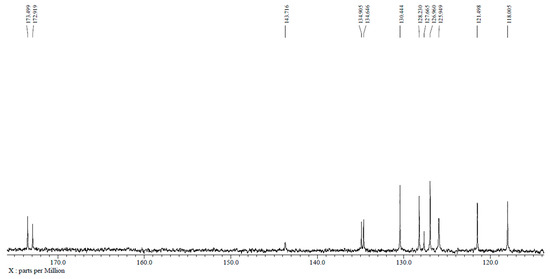
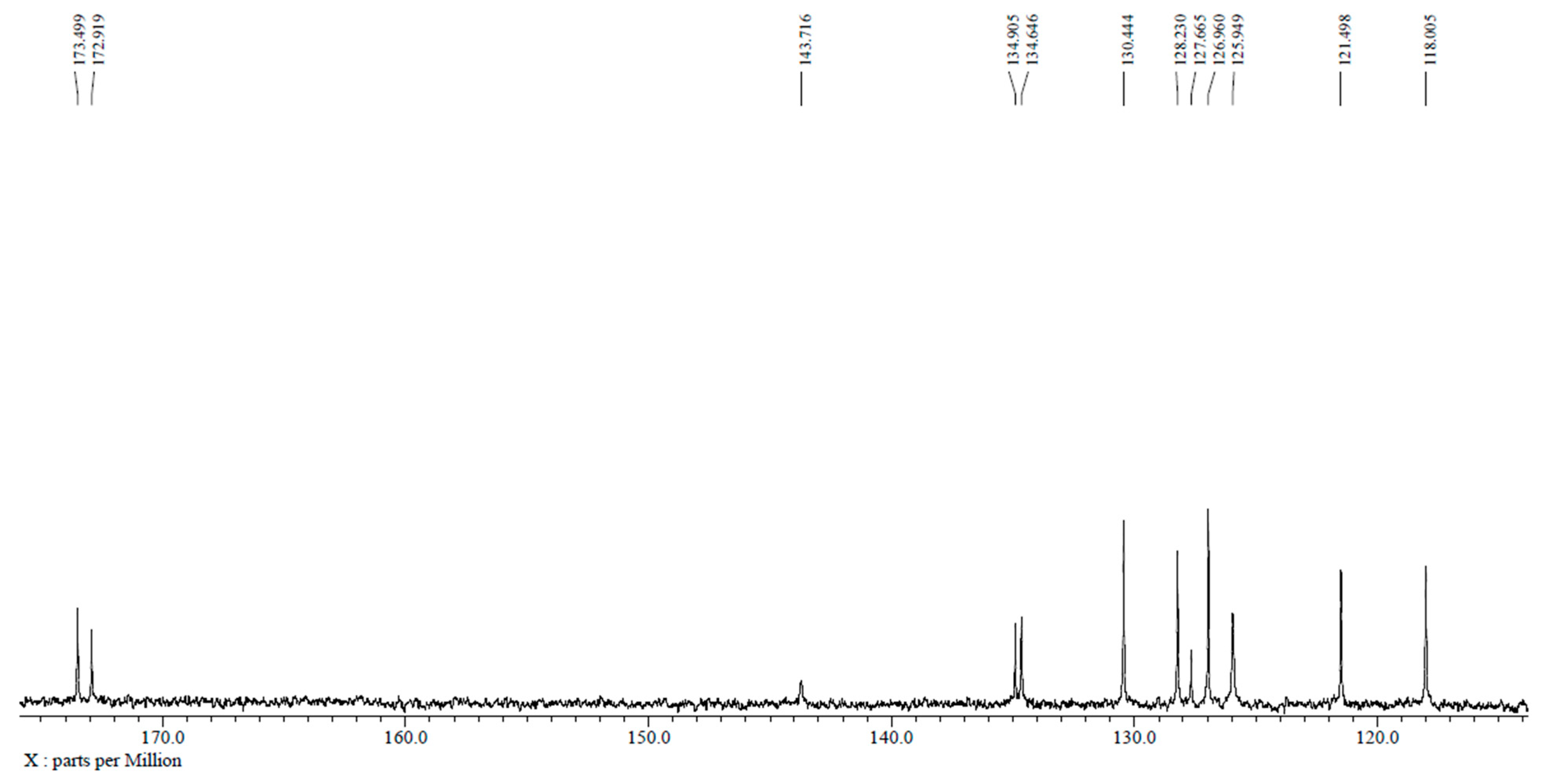
The chemical structure of the synthesized NNDNAC was confirmed through comprehensive spectroscopic analysis. The structure was confirmed as NNDNAC with m/z 332. In positive ion mode, signal was observed at m/z 333 (M + 1), and in negative ion mode, a deprotonated ion (M-H)− was detected at m/z 331 (Figure 3). The purity was established at 96.25% using liquid chromatography with UV detection (Figure 4). 1H NMR (400 MHz, methanol-d4) δ 8.18 (d, j = 8, 1H), 8.03 (d, j = 8 Hz, 1H), 7.60 to 7.76 (m, 4H), 4.61 (dd, J = 4.4 Hz, 6.8 Hz, 1H), 4.17 (s, 2H), 3.30 (s, 6H), 2.93 (ddd, 4.4 Hz, 17.2 Hz, 34 Hz, 2H). 13C NMR (100 MHz, methanol-d4) δ 173.0, 172.4, 143.2, 134.4, 134.1, 129.9, 127.7, 127.1, 126.5, 125.4, 121.0, 117.1, 55.5, 46.5, 40.7, 26.2. The 1H NMR and 13C NMR spectra are shown in Figure 5 and Figure 6, respectively.
Figure 3.
Mass spectra of NNDNAC in +ve and −ve mode.
Figure 4.
LC Chromatogram indicating the purity of NNDNAC.
Figure 5.
1H NMR of NNDNAC in methanol-d4.
Figure 6.
13C NMR of NNDNAC in methanol-d4.
3.2. NNDNAC Reactivity and Comparative Skin Sensitization Assessment
Table 1 summarizes the reactivity of NNDNAC, measured as percentage depletion, alongside comparative data from established in chemico assays (Cys-DPRA and NAC-ADRA) and in vitro (KeratinoSens™) and in vivo (Local Lymph Node Assay, LLNA) skin sensitization assays for a panel of test compounds.
Table 1.
NNDNAC Reactivity and Comparative Skin Sensitization Data for Test Compounds.
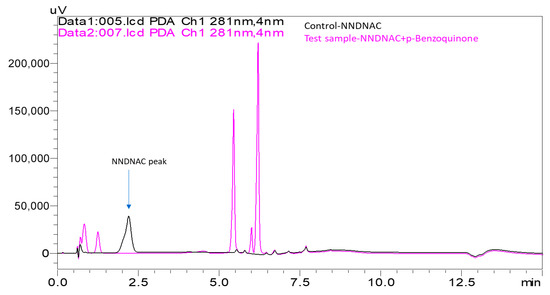
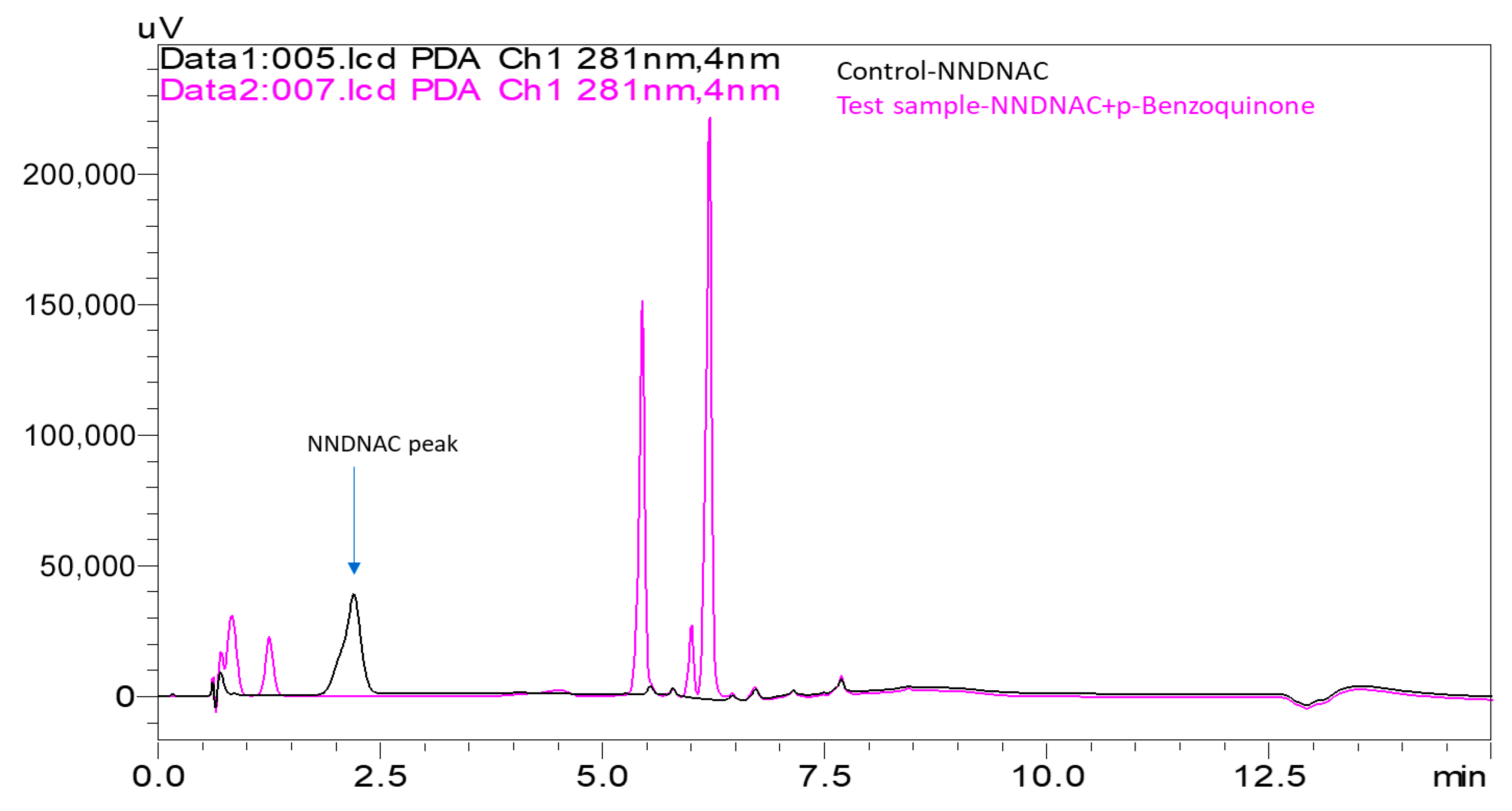
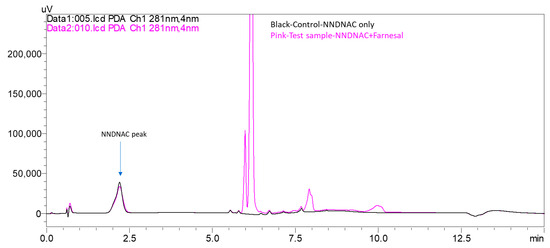
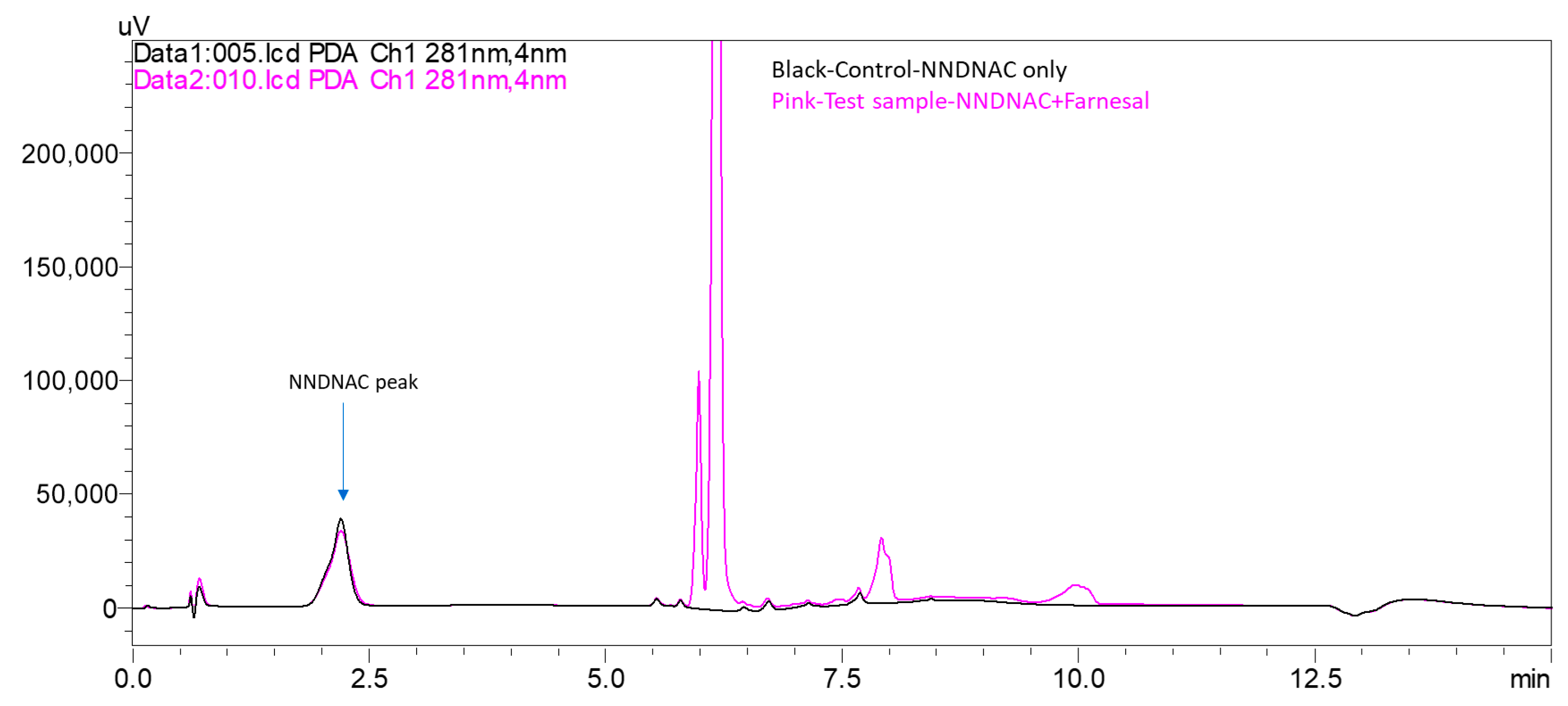
The greater the depletion of the probe molecule peak, the greater the reactivity. Figure 7 and Figure 8 present chromatograms of the incubated solutions containing p-benzoquinone and farnesal, demonstrating 100% and 3% depletion of NNDNAC, respectively.
Figure 7.
Chromatogram showing the NNDNAC peak when incubated with p-benzoquinone indicating reactivity with NNDNAC.
Figure 8.
Chromatogram showing the NNDNAC peak when incubated with farnesal indicating no reactivity with NNDNAC.
This comparative analysis highlights NNDNAC’s performance in identifying and categorizing potential skin sensitizers.
3.2.1. Reactivity of NNDNAC with Test Compounds
The NNDNAC assay demonstrated distinct reactivity profiles for the tested compounds:
- Strong Electrophilic Sensitizers: Both p-benzoquinone and 2-methyl-4-isothiazolin-3-one showed very high depletion rates with NNDNAC at 100% and 98%, respectively. These compounds were consistently classified as strong sensitizers across all assays, with KeratinoSens™ EC3 values of 32.77 mM and 29.56 mM, and LLNA EC3 values of 0.01% and 1.9%, respectively.
- Pro-electrophiles: For p-phenylenediamine and 4-aminophenol, NNDNAC showed 0% depletion. This indicates that these compounds do not directly react with NNDNAC under the assay condition (1 h incubation). Both are known sensitizers, with p-phenylenediamine having an LLNA EC3 of 0.16%.
- Weak/Non-sensitizers: Farnesal exhibited a low NNDNAC depletion of 3%. This aligns well with its classification as a weak sensitizer based on KeratinoSens™ (EC3 > 2000 mM) and LLNA (EC3 12%). Similarly, cinnamyl alcohol and lactic acid showed minimal or no depletion with NNDNAC (1% and 0%, respectively), which is consistent with their non-sensitizing or very weak sensitizing classification across the other assays (KeratinoSens™ EC3 > 2000 mM, LLNA EC3 21% for cinnamyl alcohol, and ND for lactic acid).
3.2.2. Comparison with Cys-DPRA and NAC-ADRA
The conventional in chemico assays, Cys-DPRA and NAC-ADRA, generally showed high depletion for most sensitizers, including those classified as strong electrophiles and pro-electrophiles by other methods:
- p-Benzoquinone and 2-methyl-4-isothiazolin-3-one resulted in 100% depletion in both Cys-DPRA and NAC-ADRA, consistent with their strong sensitizing potential.
- p-Phenylenediamine and 4-aminophenol, identified as pro-electrophiles, also showed 98.6% and 100% depletion in Cys-DPRA and 100% in NAC-ADRA, respectively. The high depletion rates in Cys-DPRA and NAC-ADRA for these pro-electrophiles (in contrast to NNDNAC’s 0% depletion under short incubation) highlight a key differentiation capability of the NNDNAC assay, which can distinguish direct electrophiles from pro-electrophiles based on incubation time.
- Farnesal showed moderate depletion (15–55% in Cys-DPRA and 20–40% in NAC-ADRA), which is a broader range compared to NNDNAC’s tighter 3% depletion, and less aligned with KeratinoSens™ and LLNA data.
- Cinnamyl alcohol and lactic acid showed 0% depletion in both Cys-DPRA and NAC-ADRA, consistent with NNDNAC’s results and their non-sensitizing nature.
The NNDNAC assay’s classification of sensitizers generally correlated well with the KeratinoSens™ and LLNA data. For instance, strong sensitizers like p-benzoquinone and 2-methyl-4-isothiazolin-3-one were effectively identified by NNDNAC, as were non-sensitizers like cinnamyl alcohol and lactic acid. The differentiation of farnesal as a weak sensitizer by NNDNAC also aligns with its classification by KeratinoSens™ and LLNA. The unique non-reactivity of pro-electrophiles (p-phenylenediamine, 4-aminophenol) with NNDNAC at 1 h provides valuable mechanistic insight, complementing the broader reactivity observed in Cys-DPRA and NAC-ADRA for these compounds.
3.3. Comparative Analysis of NNDNAC and NAC-ADRA Assay Performance
Table 2 presents a direct comparison of the NNDNAC assay with the conventional N-acetylcysteine (NAC)-ADRA assay, evaluating their respective probe depletion percentages for a panel of test compounds after 1 h and 24 h incubation periods.
Table 2.
The test results of NNDNAC vs. NAC-ADRA assay at different incubation time periods of 1 h and 24 h.
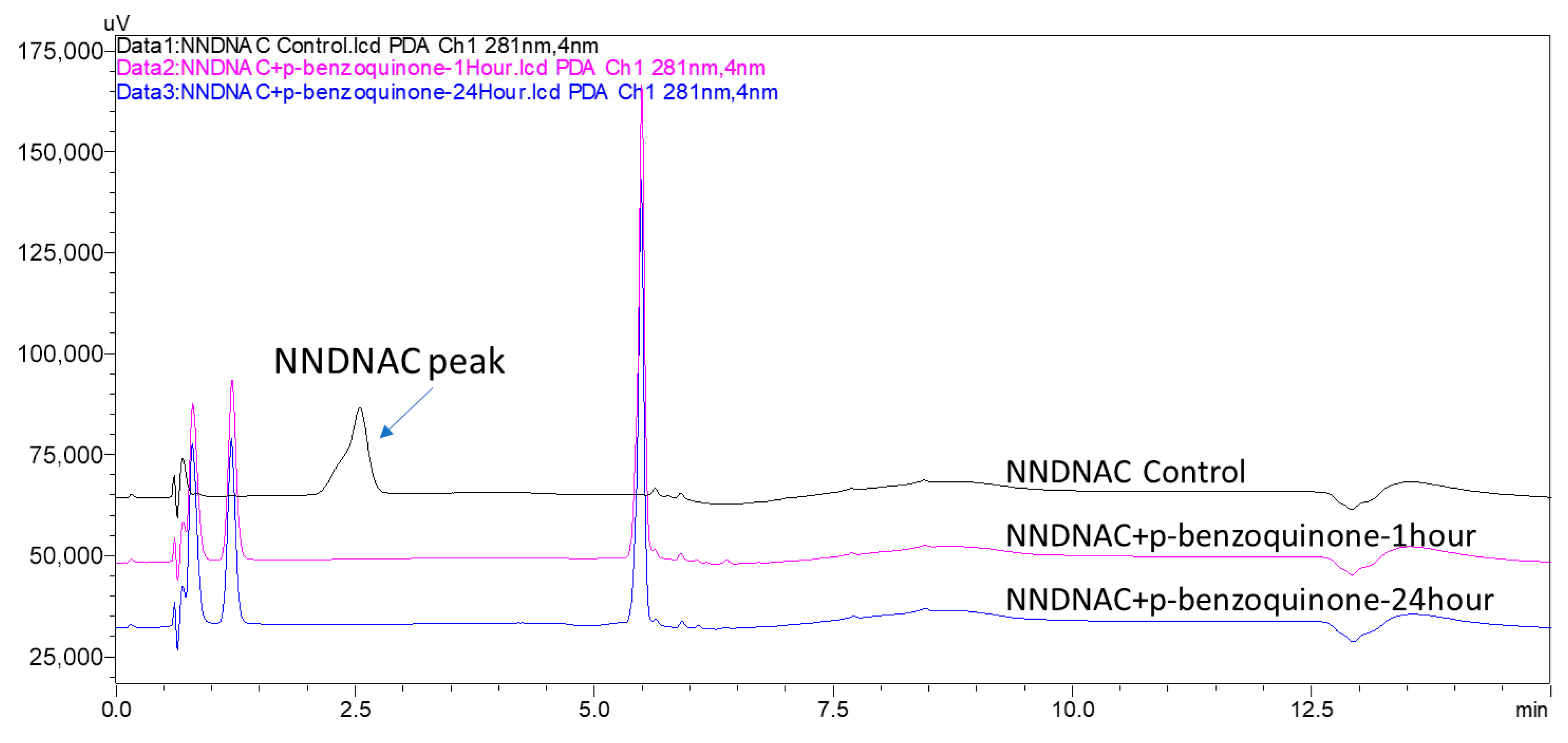
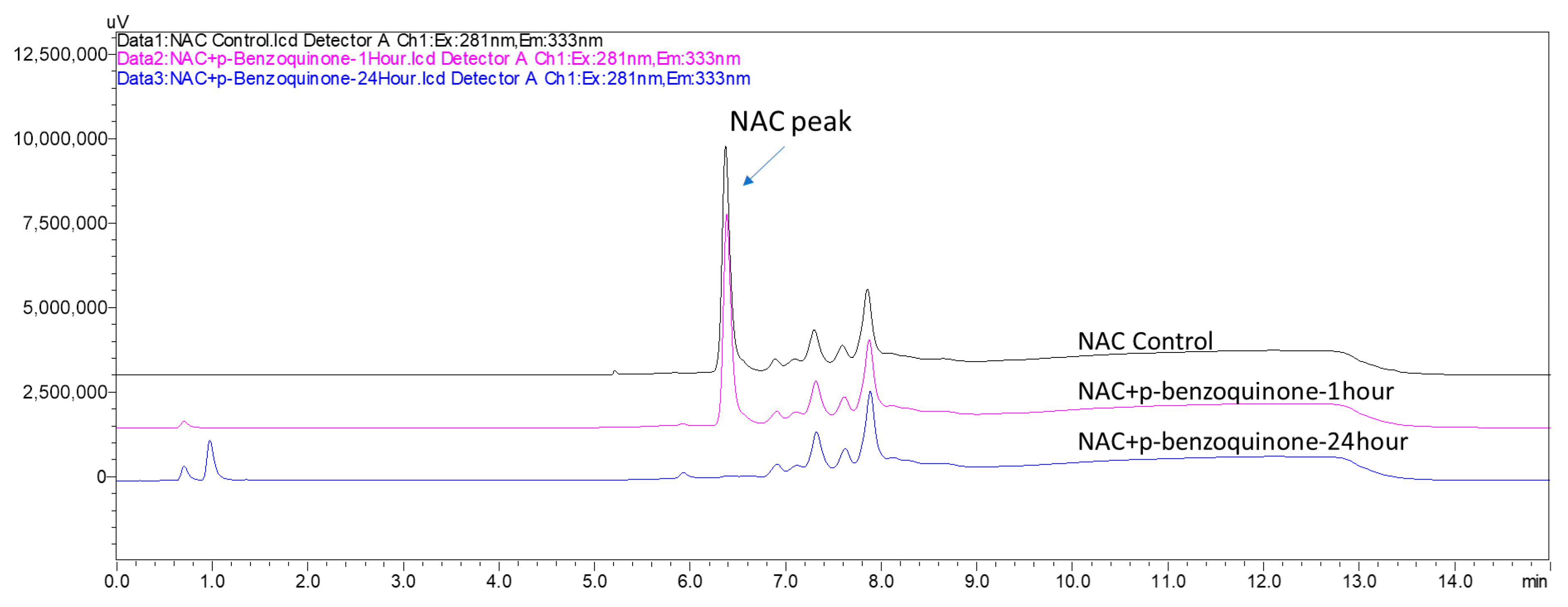
This comparison highlights the distinct advantages and performance characteristics of the NNDNAC probe in assessing skin sensitization potential. Figure 9 and Figure 10 depict chromatograms of incubated solutions of p-benzoquinone under varying incubation times using the method of the present invention and NAC-ADRA, respectively.
Figure 9.
Chromatogram of p-benzoquinone with NNDNAC—1 h vs. 24 h.
Figure 10.
Chromatogram of p-benzoquinone with NAC—1 h vs. 24 h.
3.3.1. Performance with Direct Electrophilic Sensitizers
For strong direct electrophiles such as p-benzoquinone and 2-methyl-4-isothiazolin-3-one, the NNDNAC assay demonstrated exceptionally rapid and high depletion rates. NNDNAC achieved 100% depletion for p-benzoquinone and 98% depletion for 2-methyl-4-isothiazolin-3-one within just 1 h of incubation. These high depletion rates were maintained at 24 h (100% for both). In contrast, the NAC-ADRA assay showed significantly lower depletion rates at the 1 h time point for these strong electrophiles, with only 4% for p-benzoquinone and 4.8% for 2-methyl-4-isothiazolin-3-one. The NAC-ADRA assay required the full 24 h incubation period to achieve comparably high depletion rates (100% for both compounds). This stark difference underscores the superior time-efficiency of the NNDNAC assay in detecting direct electrophilic sensitizers.
3.3.2. Performance with Pro-Electrophilic Sensitizers
The assay distinguished between direct electrophiles and pro-electrophiles, which require metabolic activation or auto-oxidation to become reactive. For p-phenylenediamine and 4-aminophenol, which are known pro-electrophiles, the NNDNAC assay showed 0% depletion after 1 h of incubation. This indicates that NNDNAC does not react with these compounds in their unactivated state. However, after 24 h of incubation, NNDNAC demonstrated 100% depletion for both p-phenylenediamine and 4-aminophenol. This delayed reactivity is consistent with the compounds undergoing auto-oxidation over the longer incubation period, allowing them to react with the NNDNAC probe.
The NAC-ADRA assay exhibited a similar pattern for these pro-electrophiles, showing 0% depletion at 1 h and 100% depletion at 24 h. While both assays ultimately classified these as reactive, the NNDNAC assay’s distinct 1 h non-reactivity provides valuable insight into the underlying mechanism, suggesting that these compounds are indeed pro-electrophiles.
3.3.3. Performance with Non-Reactive Compounds
For compounds considered non-reactive or very weak sensitizers, such as cinnamyl alcohol and lactic acid, both assays showed consistently low or no depletion. Cinnamyl alcohol showed 1% depletion at 1 h and 2% at 24 h with NNDNAC, and 0% depletion at both time points with NAC-ADRA. Lactic acid showed 0% depletion with both NNDNAC and NAC-ADRA at both 1 h and 24 h incubation periods. These results confirm the ability of the NNDNAC assay, similar to NAC-ADRA, to accurately identify non-sensitizing substances.
In summary, the comparative analysis from Table 2 clearly demonstrates that the NNDNAC assay offers a significant advancement in skin sensitization assessment due to its enhanced time-efficiency. It enables the rapid detection of direct electrophiles within 1 h, a substantial improvement over the 24 h incubation time typically required by the NAC-ADRA assay for the same compounds. Furthermore, NNDNAC’s 0% depletion at 1 h for pro-electrophiles, followed by full depletion at 24 h, provides a valuable mechanistic differentiation that can distinguish between direct electrophiles and compounds requiring activation, contributing to more precise sensitization characterization.
4. Discussion
The development of the novel reactivity probe, N,N-dimethyl N-(2-(1-naphthyl)acetyl)-l-cysteine (NNDNAC), represents a significant advancement in the field of in chemico skin sensitization assessment. Driven by the need for more efficient and mechanistically insightful animal-free testing alternatives, this study successfully designed, synthesized, and validated NNDNAC, demonstrating its unique capabilities in rapidly detecting and categorizing potential skin sensitizers. A cornerstone of NNDNAC’s efficacy lies in its meticulously designed structure. The incorporation of a naphthalene fluorophore, coupled with a N,N-dimethylamino substituent on the naphthalene ring, plays a pivotal role. As detailed in the synthesis and characterization, this dimethylamino group acts as a powerful electron-donating substituent. This electronic activation significantly enhances the inherent nucleophilicity of the cysteine sulfur atom within the NNDNAC molecule. This increased nucleophilicity is directly responsible for the probe’s accelerated reactivity toward electrophilic sensitizers [18,19]. Furthermore, the extended aromatic system of the naphthalene contributes to enhanced fluorescence properties, critical for sensitive detection using LC-FLD quantification if needed. This strategic design ensures a highly reactive nucleophilic center that is more accessible compared to conventional probes, facilitating rapid interaction with target electrophiles. The experimental results powerfully illustrate NNDNAC’s advantages, particularly regarding reaction speed and mechanistic differentiation. For strong direct electrophiles such as p-benzoquinone and 2-methyl-4-isothiazolin-3-one, NNDNAC achieved near-complete depletion within a remarkably short 1 h incubation period. This contrasts sharply with conventional methods like NAC-ADRA, which typically require a 24 h incubation to achieve comparable levels of depletion for these same compounds [20]. This drastic reduction in assay time significantly improves throughput, making NNDNAC an invaluable tool for rapid screening in cosmetic safety assessment and other chemical industries.
Moreover, NNDNAC offers critical mechanistic insights by effectively differentiating between direct electrophiles and pro-electrophiles. Classical assays that require 24 h activation almost always classify pro-electrophiles as a sensitizer because these molecules are not assessed in their original state but rather their oxidized form. Our findings show that NNDNAC requiring 1 h activation exhibited no depletion for p-phenylenediamine and 4-aminophenol, accurately categorizing them as pro-electrophiles that necessitate activation (e.g., auto-oxidation) before they can react. This ability to distinguish between direct and pro-electrophiles within an abbreviated timeframe addresses a significant limitation of existing in chemico assays that often misclassify pro-electrophiles due to their self-oxidation during prolonged incubation. This refined categorization contributes to a more accurate and nuanced understanding of a chemical’s sensitizing potential.
The performance of NNDNAC also aligns well with established in vitro and in vivo data. Compounds confirmed as strong sensitizers by KeratinoSens™ and LLNA [21] were efficiently identified by NNDNAC. Notably, NNDNAC’s classification of farnesal as a weak sensitizer, showing minimal depletion at 1 h, resonated with KeratinoSens™ and LLNA data, providing a more consistent assessment compared to the broader depletion ranges observed in Cys-DPRA and NAC-ADRA. For non-reactive compounds like cinnamyl alcohol and lactic acid, NNDNAC consistently showed negligible depletion, further supporting its capability in correctly identifying non-sensitizers.
The development of NNDNAC represents a significant step forward in the broader context of replacing animal testing with scientifically sound and ethical alternatives. By offering a time-efficient, high-throughput platform that provides mechanistic insights, NNDNAC directly supports the principles of the adverse outcome pathway (AOP) framework for skin sensitization [22]. It enhances the precision of toxicological evaluations and facilitates more informed risk management decisions in the cosmetics industry.
While this study thoroughly demonstrates NNDNAC’s advantages, future investigations could further explore its applicability across a wider chemical space, including compounds with diverse chemical structures and reactivity mechanisms, to fully delineate its scope and limitations as part of an integrated testing strategy [23]. Continued validation and integration into regulatory frameworks will solidify NNDNAC’s position as a powerful tool in modern skin sensitization assessment.
5. Conclusions
This study successfully introduced and validated N,N-dimethyl N-(2-(1-naphthyl)acetyl)-l-cysteine (NNDNAC), a novel reactivity probe for skin sensitization assessment. The strategic structural design of NNDNAC significantly enhances the nucleophilicity of its reactive center, leading to a notably accelerated reaction time. Our findings demonstrate NNDNAC’s capacity to rapidly identify direct electrophilic sensitizers within a 1 h incubation period, representing a considerable timesaving over existing methods. Furthermore, NNDNAC uniquely facilitates the mechanistic differentiation between direct electrophiles and pro-electrophiles, offering a more refined understanding of a chemical’s sensitizing properties. In essence, NNDNAC provides a time-efficient, high-throughput, and mechanistically insightful tool for the categorization of potential skin sensitizers. This innovation is a valuable contribution to the ongoing development of robust animal-free testing strategies, enhancing the precision and efficiency of chemical safety evaluations.
6. Patents
| Patent Title | Official Filing Number | Filing Date |
| A COMPOUND, A PROBE, AND METHODS THEREOF | 202341086958 | 19 December 2023 |
Author Contributions
A.S.: Methodology, formal analysis, investigation, data curation, original draft preparation. D.G.S.S.: Formal analysis R.P.C.: Supervision, writing—Review and editing. All authors have read and agreed to the published version of the manuscript.
Funding
This research received no external funding.
Institutional Review Board Statement
Not applicable.
Informed Consent Statement
Not applicable.
Data Availability Statement
All data produced during this research work has been incorporated as figure, are in the tables or given in Section 2.
Acknowledgments
This research was funded by L’Oréal R&I. The author team thanks Vishal Sharma, Sherluck John, Natalie Alepee, and Remi Lemaire for their support and comments.
Conflicts of Interest
This is an internal research work done within L’Oreal R&I and was funded by L’Oréal R&I. We do not have any other conflict of interest to declare.
References
- Choudhury, R.P.; Singh, A.; Mathai, E.; Sudhakar, D.; Tourneix, F.; Alépée, N.; Gautier, F. The dimer effect: A refinement approach towards skin sensitization assessment in-chemico using Amino acid Derivative Reactivity Assay. J. Appl. Toxicol. 2024, 44, 1804–1815. [Google Scholar] [CrossRef] [Scilit] [PubMed]
- Bialas, I.; Zelent-Kraciuk, S.; Jurowski, K. The skin sensitisation of cosmetic ingredients: Review of actual regulatory status. Toxics 2023, 11, 392. [Google Scholar] [CrossRef] [Scilit] [PubMed]
- OECD. The Adverse Outcome Pathway for Skin Sensitisation Initiated by Covalent Binding to Proteins; OECD Series on Testing and Assessment; OECD Publishing: Paris, France, 2014; No. 168. [Google Scholar]
- Hardonnière, K.; Szely, N.; El Ali, Z.; Pallardy, M.; Kerdine-Römer, S. Models of dendritic cells to assess skin sensitization. Front. Toxicol. 2022, 4, 851017. [Google Scholar] [CrossRef] [Scilit] [PubMed]
- Sharma, N.S.; Jindal, R.; Mitra, B.; Lee, S.; Li, L.; Maguire, T.J.; Schloss, R.; Yarmush, M.L. Perspectives on non-animal alternatives for assessing sensitization potential in allergic contact dermatitis. Cell. Mol. Bioeng. 2012, 5, 52–72. [Google Scholar] [CrossRef] [Scilit] [PubMed]
- Gądarowska, D.; Kalka, J.; Daniel-Wójcik, A.; Mrzyk, I. Alternative methods for skin-sensitization assessment. Toxics 2022, 10, 740. [Google Scholar] [CrossRef] [Scilit] [PubMed]
- Avonto, C.; Chittiboyina, A.G.; Rua, D.; Khan, I.A. A fluorescence high throughput screening method for the detection of reactive electrophiles as potential skin sensitizers. Toxicol. Appl. Pharmacol. 2015, 289, 177–184. [Google Scholar] [CrossRef] [Scilit] [PubMed]
- Alépée, N.; Tourneix, F.; Singh, A.; Ade, N.; Grégoire, S. Off to a good start? Review of the predictivity of reactivity methods modelling the molecular initiating event of skin sensitization. ALTEX 2023, 40, 606–618. [Google Scholar] [CrossRef] [Scilit] [PubMed]
- OECD. Test No. 442C: In Chemico Skin Sensitisation: Assays Addressing the Adverse Outcome Pathway Key Event on Covalent Binding to Proteins; OECD Guidelines for the Testing of Chemicals, Section 4; OECD Publishing: Paris, France, 2025. [Google Scholar]
- Fujita, M.; Yamamoto, Y.; Wanibuchi, S.; Katsuoka, Y.; Kasahara, T. A newly developed means of HPLC-fluorescence analysis for predicting the skin sensitization potential of multi-constituent substances using ADRA. Toxicol. Vitr. 2019, 59, 161–178. [Google Scholar] [CrossRef] [Scilit] [PubMed]
- Fujita, M.; Yamamoto, Y.; Watanabe, S.; Sugawara, T.; Wakabayashi, K.; Tahara, Y.; Horie, N.; Fujimoto, K.; Takeuchi, K.; Kamiya, K.; et al. The within- and between-laboratory reproducibility and predictive capacity of the in-chemico amino acid derivative reactivity assay: Results of validation study implemented in four participating laboratories. J. Appl. Toxicol. 2019, 39, 1492–1505. [Google Scholar] [CrossRef] [Scilit] [PubMed]
- Fujita, M.; Yamamoto, Y.; Watanabe, S.; Sugawara, T.; Wakabayashi, K.; Tahara, Y.; Horie, N.; Fujimoto, K.; Kusakari, K.; Kurokawa, Y.; et al. Cause of and countermeasures for oxidation of the cysteine-derived reagent used in the amino acid derivative reactivity assay. J. Appl. Toxicol. 2019, 39, 191–208. [Google Scholar] [CrossRef] [Scilit] [PubMed]
- OECD. Test No. 442D: In Vitro Skin Sensitisation: ARE-Nrf2 Luciferase Test Method; OECD Guidelines for the Testing of Chemicals, Section 4; OECD Publishing: Paris, France, 2022. [Google Scholar]
- OECD. Test No. 442E: In Vitro Skin Sensitisation: In Vitro Skin Sensitisation Assays Addressing the Key Event on Activation of Dendritic Cells on the Adverse Outcome Pathway for Skin Sensitisation; OECD Guidelines for the Testing of Chemicals, Section 4; OECD Publishing: Paris, France, 2023. [Google Scholar]
- Grabowski, Z.R.; Rotkiewicz, K.; Rettig, W. Structural changes accompanying intramolecular electron transfer: Focus on twisted intramolecular charge-transfer states and structures. Chem. Rev. 2003, 103, 3899–4032. [Google Scholar] [CrossRef] [Scilit] [PubMed]
- Klymchenko, A.S. Solvatochromic and fluorogenic dyes as environment-sensitive probes: Design and biological applications. Acc. Chem. Res. 2017, 50, 366–375. [Google Scholar] [CrossRef] [Scilit] [PubMed]
- Mayr, H.; Kempf, B.; Ofial, A.R. π-Nucleophilicity in carbon-carbon bond-forming reactions. Acc. Chem. Res. 2003, 36, 66–77. [Google Scholar] [CrossRef] [Scilit] [PubMed]
- De Angelis, I.; Balasubramanian, C.; Chernyshev, V.; Vitali, M. Role of polycyclic aromatic hydrocarbons and their metabolites in inducing developmental toxicity and cancer. Environ. Sci. Pollut. Res. 2017, 24, 8121–8132. [Google Scholar]
- Loving, G.S.; Sainlos, M.; Imperiali, B. Monitoring protein interactions and dynamics with solvatochromic fluorophores. Trends Biotechnol. 2010, 28, 73–83. [Google Scholar] [CrossRef] [Scilit] [PubMed]
- De Ávila, R.I.; Lindstedt, M.; Valadares, M.C. The 21st century movement within the area of skin sensitization assessment: From the animal context towards current human-relevant in vitro solutions. Regul. Toxicol. Pharmacol. 2019, 108, 104445. [Google Scholar] [CrossRef] [Scilit] [PubMed]
- Clouet, E.; Kerdine-Römer, S.; Ferret, P.-J. Comparison and validation of an in vitro skin sensitization strategy using a data set of 33 chemical references. Toxicol. Vitr. 2017, 45, 374–385. [Google Scholar] [CrossRef] [Scilit] [PubMed]
- Caloni, F.; De Angelis, I.; Hartung, T. Replacement of animal testing by integrated approaches to testing and assessment (IATA): A call for in vivitrosi. Arch. Toxicol. 2022, 96, 1935–1950. [Google Scholar] [CrossRef] [Scilit] [PubMed]
- Maertens, A.; Golden, E.; Luechtefeld, T.H.; Hoffmann, S.; Tsaioun, K.; Hartung, T. Probabilistic risk assessment—The keystone for the future of toxicology. ALTEX 2022, 39, 3–29. [Google Scholar] [CrossRef] [Scilit] [PubMed]

Disclaimer/Publisher’s Note: The statements, opinions and data contained in all publications are solely those of the individual author(s) and contributor(s) and not of MDPI and/or the editor(s). MDPI and/or the editor(s) disclaim responsibility for any injury to people or property resulting from any ideas, methods, instructions or products referred to in the content. |
© 2025 by the authors. Licensee MDPI, Basel, Switzerland. This article is an open access article distributed under the terms and conditions of the Creative Commons Attribution (CC BY) license (https://creativecommons.org/licenses/by/4.0/).