Article

The Method of Studying Cosmetic Creams Based on the Principles of Systems Theory and Mathematical Modeling Techniques


Faculty of Industrial Chemistry and Environmental Engineering, Politehnica University Timișoara, 6 Vasile Pârvan Bd., 300223 Timișoara, Romania
*
Author to whom correspondence should be addressed.
Cosmetics 2023, 10(5), 118; https://doi.org/10.3390/cosmetics10050118

Submission received: 14 July 2023 / Revised: 8 August 2023 / Accepted: 10 August 2023 / Published: 23 August 2023
(This article belongs to the Special Issue Analytical Methods for Quality Control in Cosmetics)

Abstract

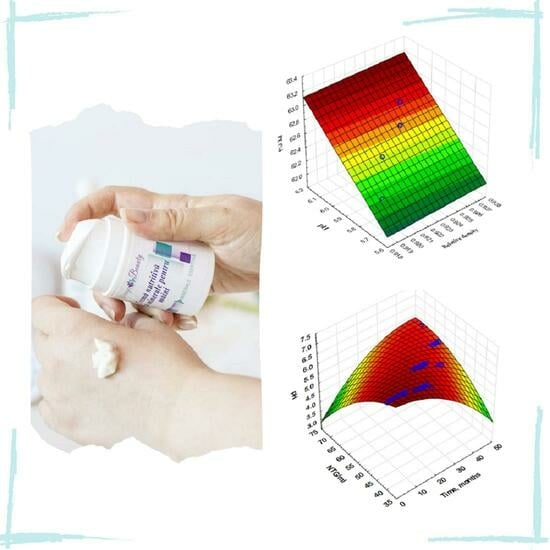
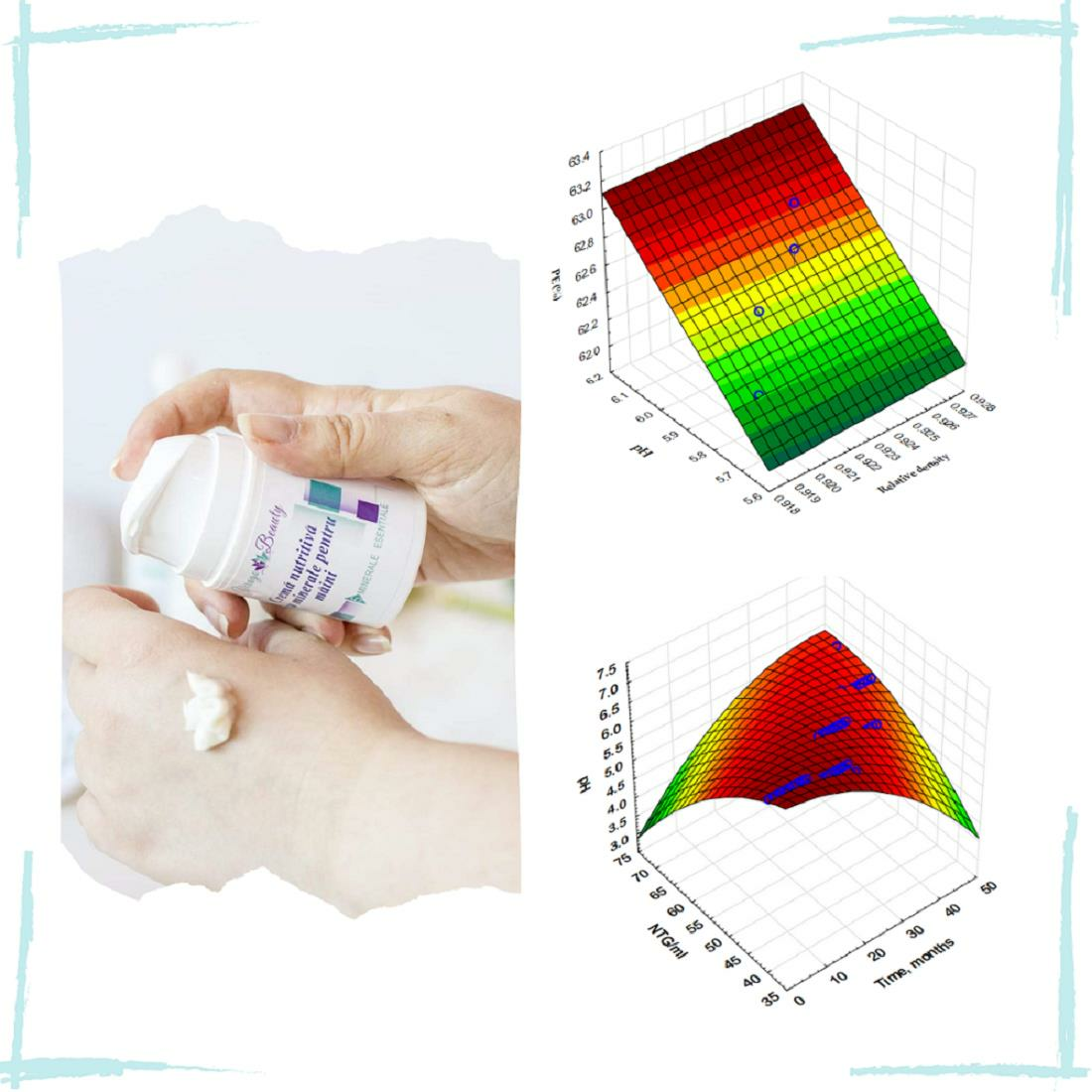
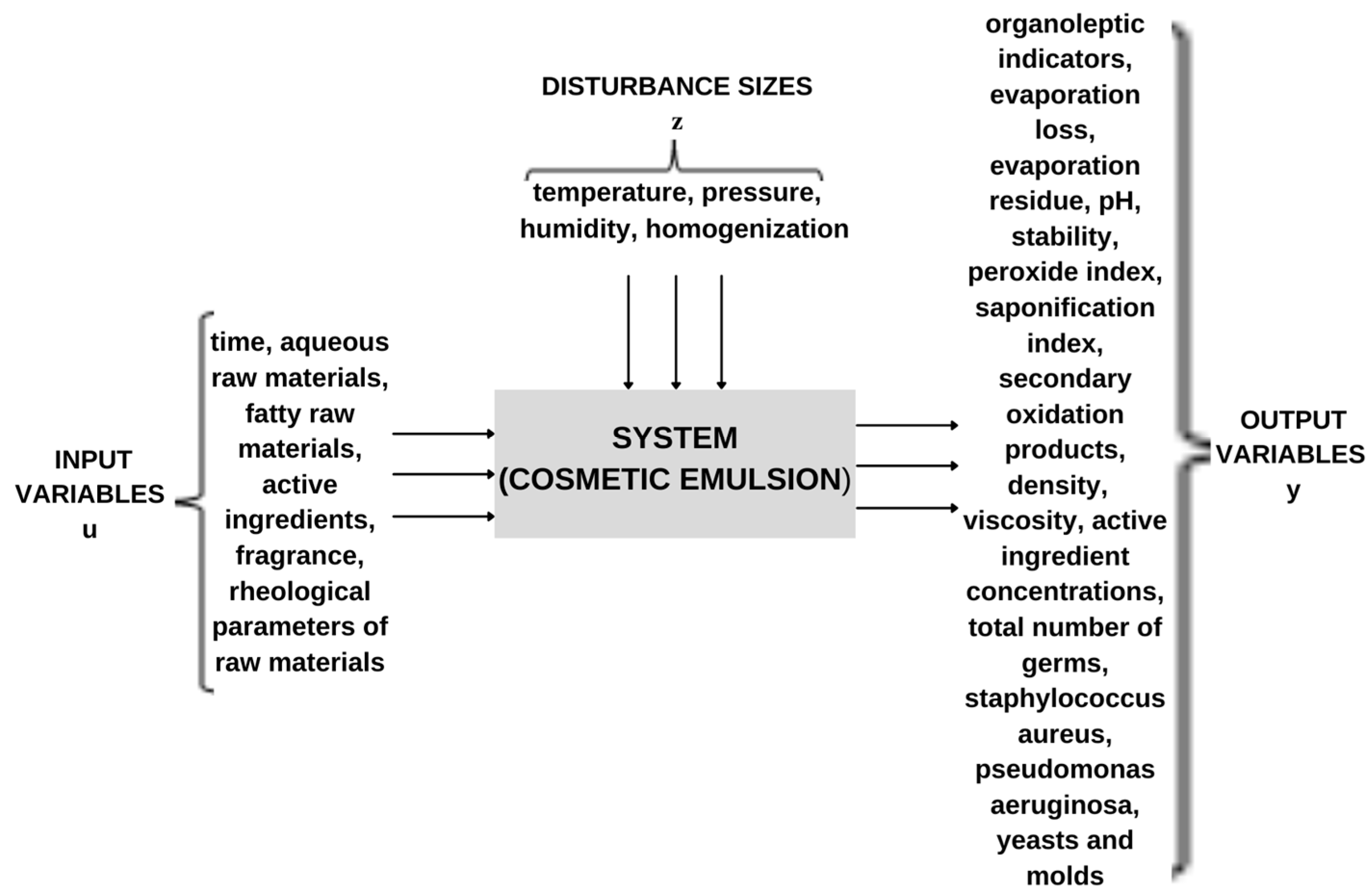
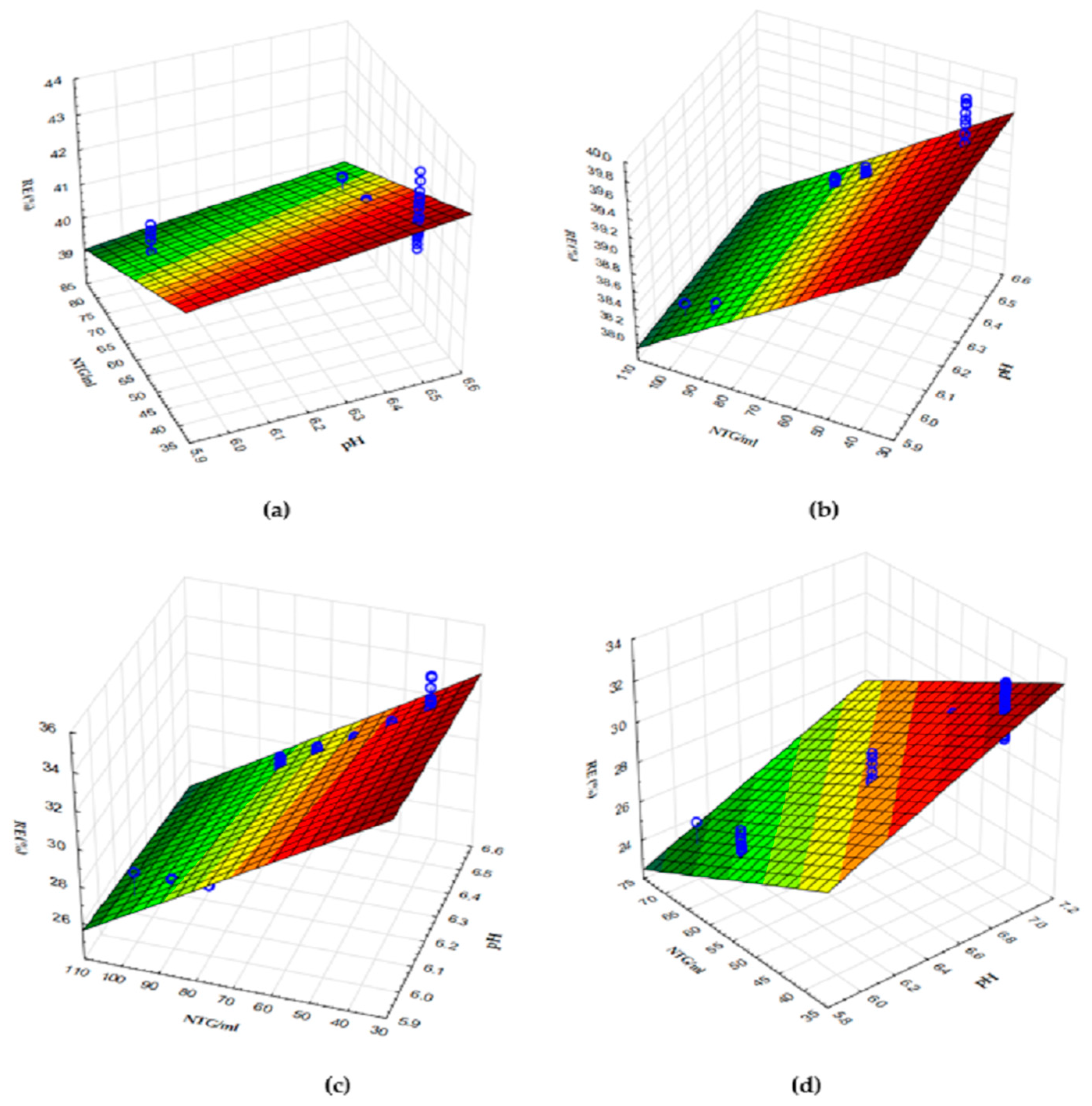
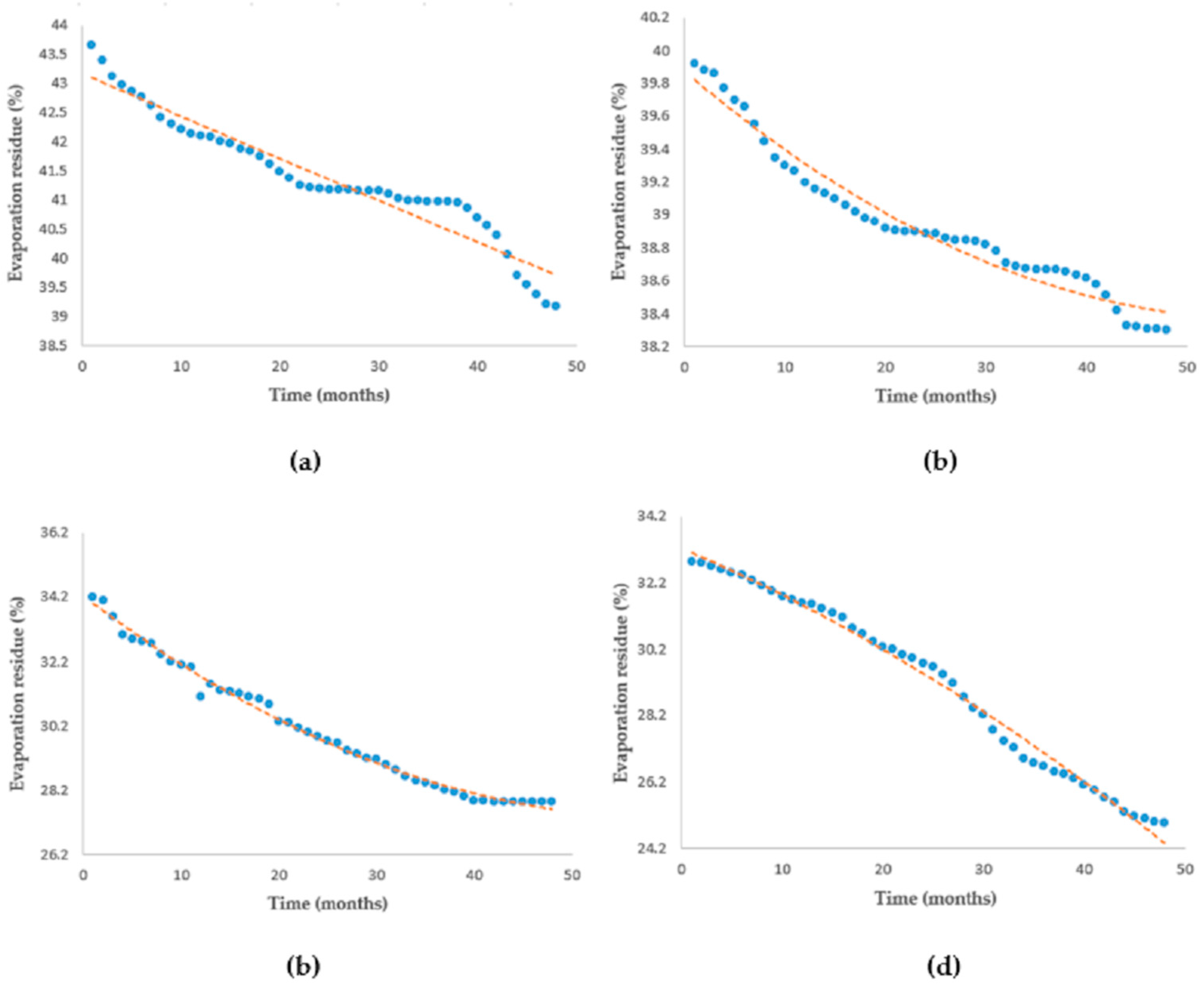
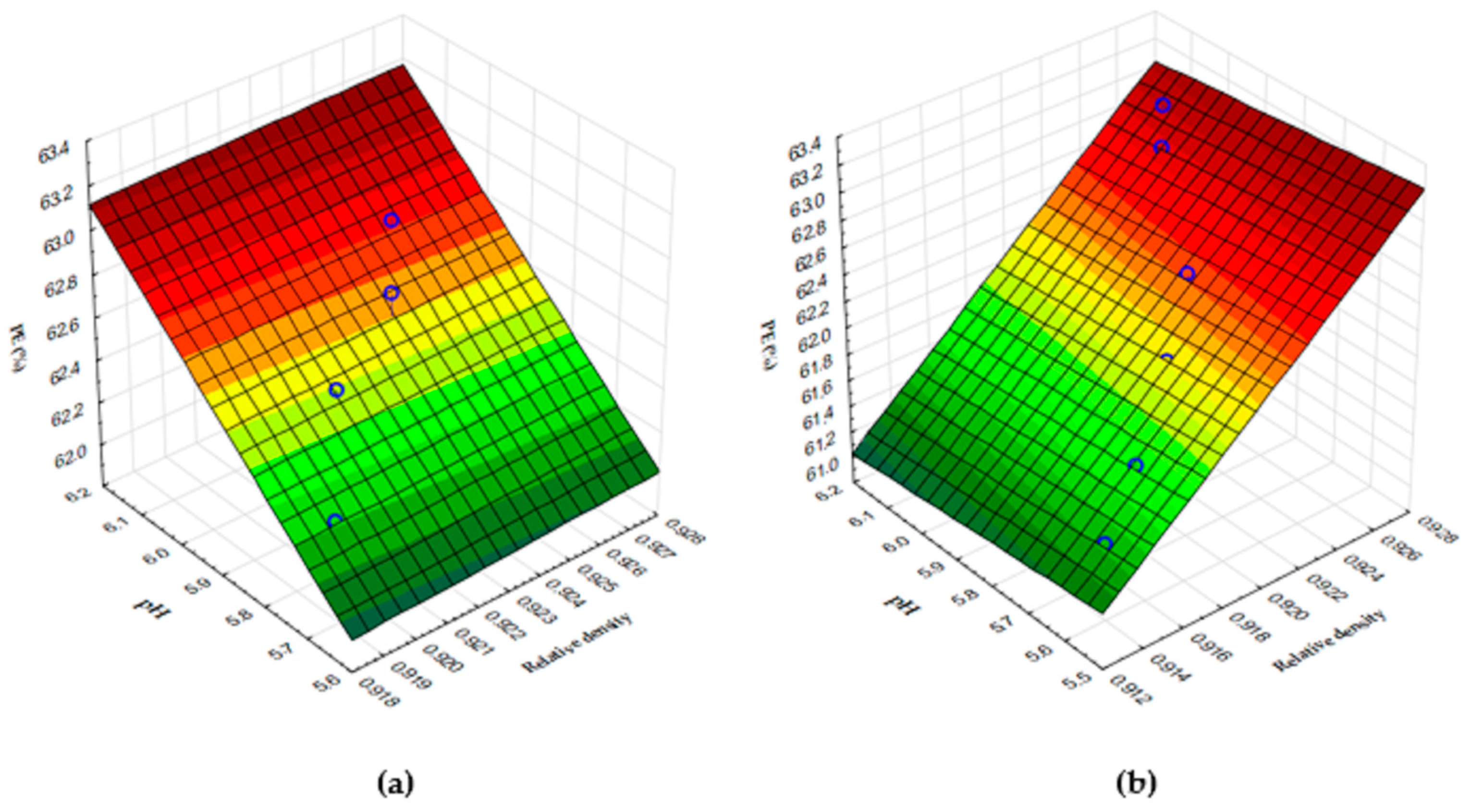
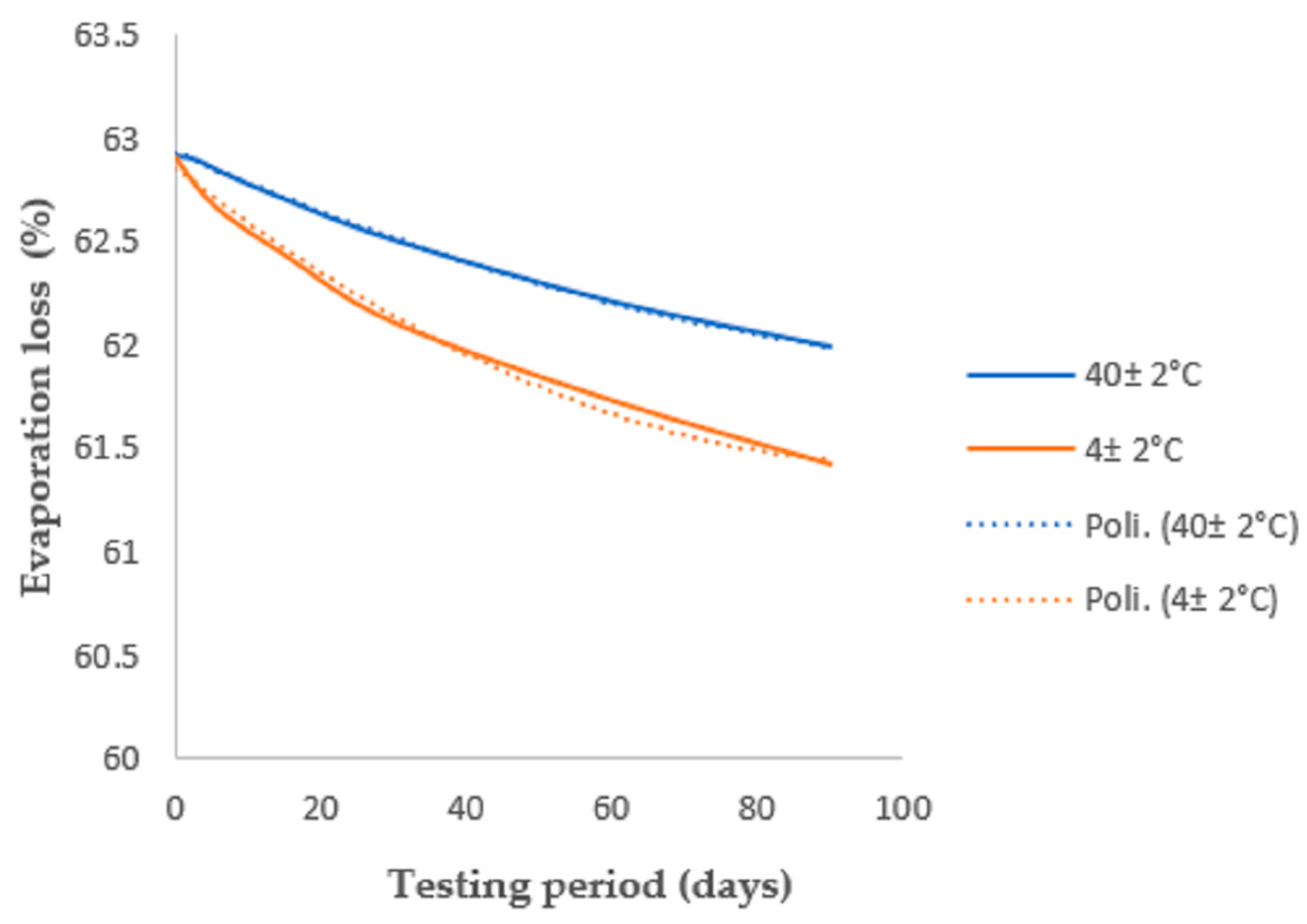
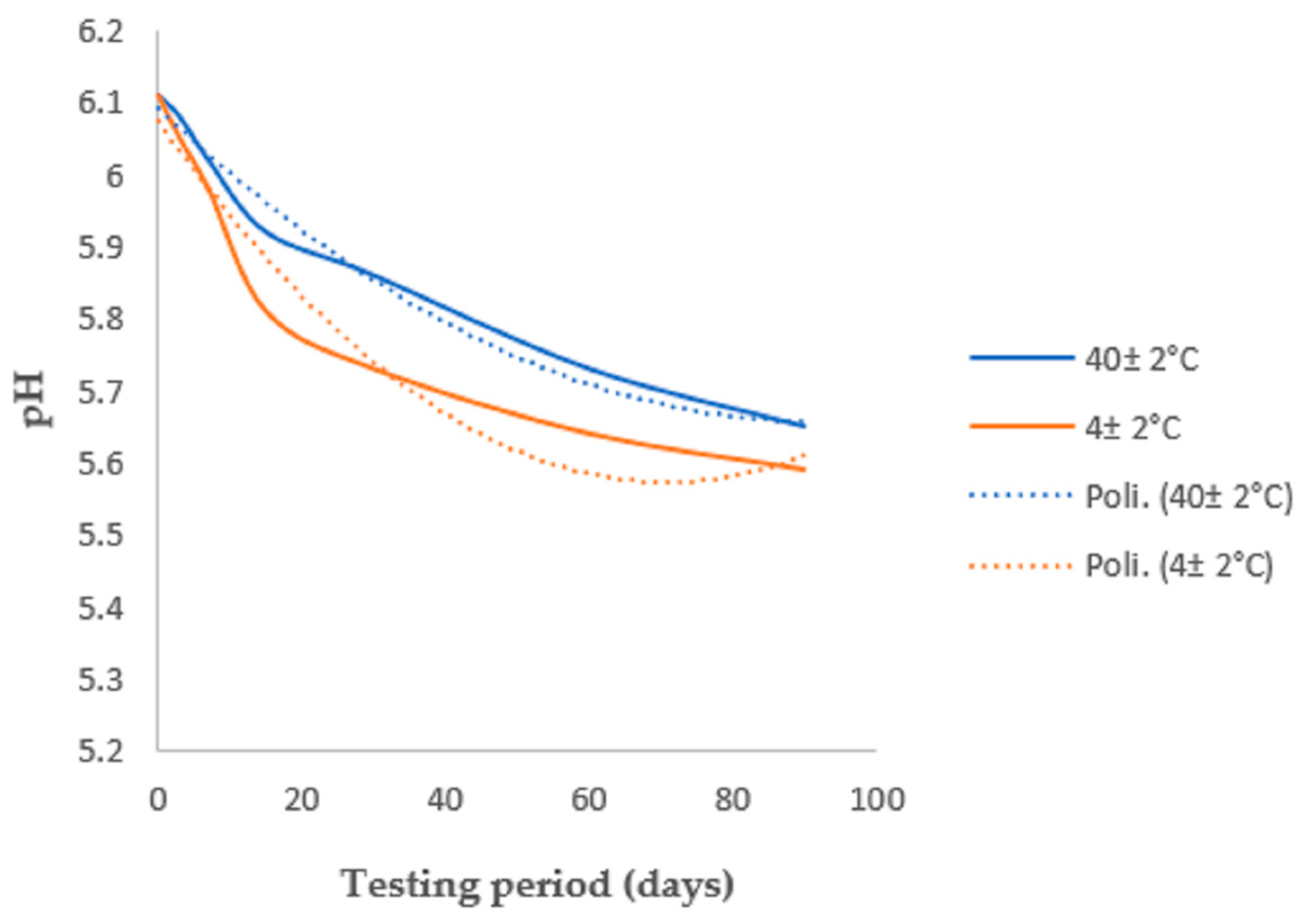
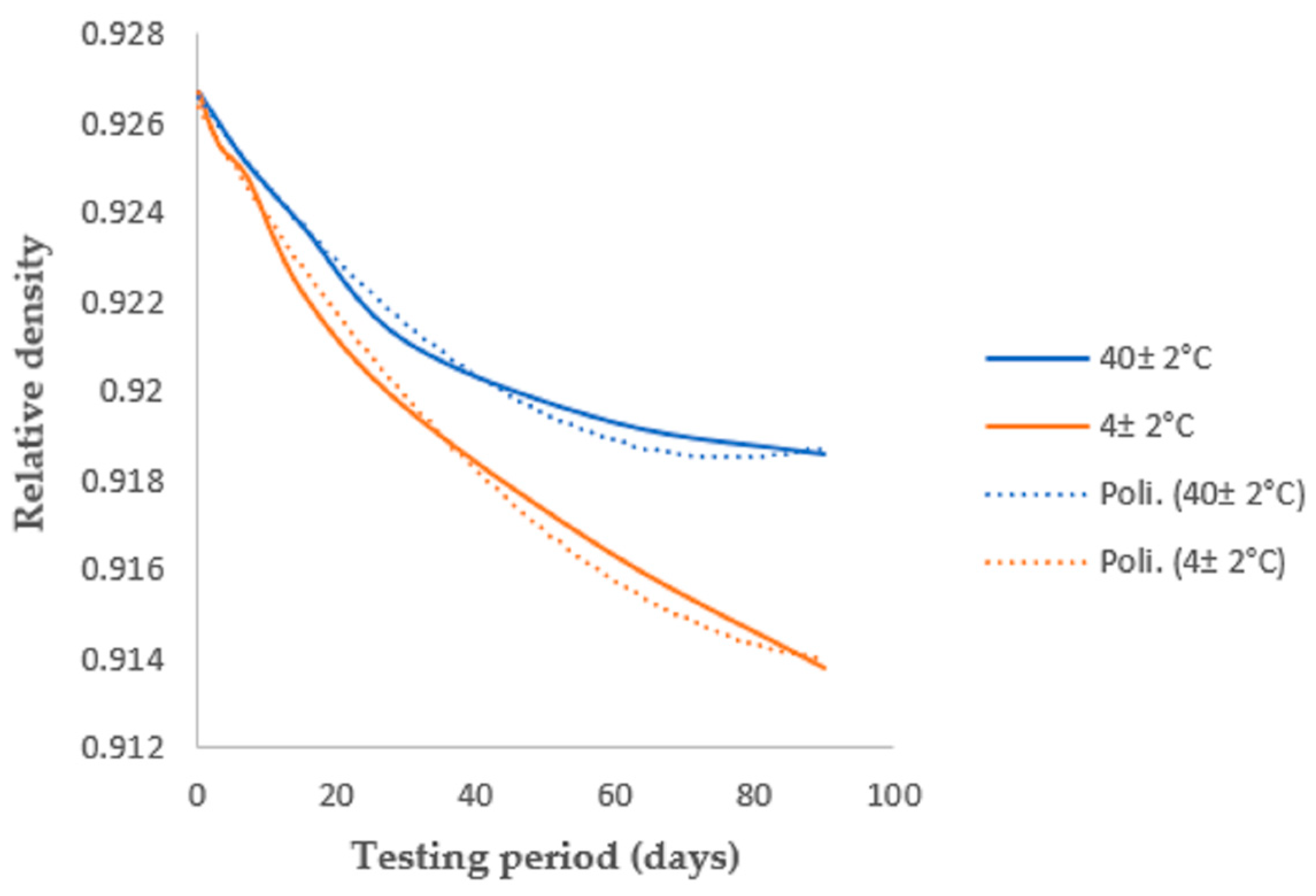
This paper reviews research on some cosmetic creams considered “distributed parameters systems” and on the experimental-computational mathematical models that have been determined for them. The determined models characterize the cosmetic creams in all stages of the manufacturing process, starting with the development of recipes, the description of raw materials, manufacturing technologies, and the determination of the physico-chemical and microbiological indicators that most strongly influence their quality. This approach suggests the possibility of performing optimization operations, specifically sensitivity analyses, which may lead to the identification of best quality indicators and to the amelioration of negative effects related to disturbance sizes (temperature, pressure, humidity etc.). Five emulsions with different compositions, prepared in vitro according to our own recipes, using raw materials and preparation methods approved for cosmetic products, were studied. Through specific physico-chemical and microbiological analyses, we obtained databases that were processed computationally. The resulting mathematical models, in the form of both graphs and equations, led to important conclusions regarding obtaining high quality in the studied creams and to the confirmation of the usefulness of applying the principles of Systems Theory to the study of cosmetic products.
Keywords: cosmetic cream; distributed parameters systems; mathematical model; quality indicators cosmetic cream; distributed parameters systems; mathematical model; quality indicators
Graphical Abstract