Article

An Analysis of Waste Heat Recovery from Wastewater on Livestock and Agriculture Farms


Department of Infrastructure and Water Management, Rzeszow University of Technology, al. Powstańców Warszawy 6, 35-959 Rzeszów, Poland
*
Author to whom correspondence should be addressed.
Resources 2020, 9(1), 3; https://doi.org/10.3390/resources9010003

Submission received: 24 November 2019 / Revised: 19 December 2019 / Accepted: 25 December 2019 / Published: 1 January 2020

Abstract

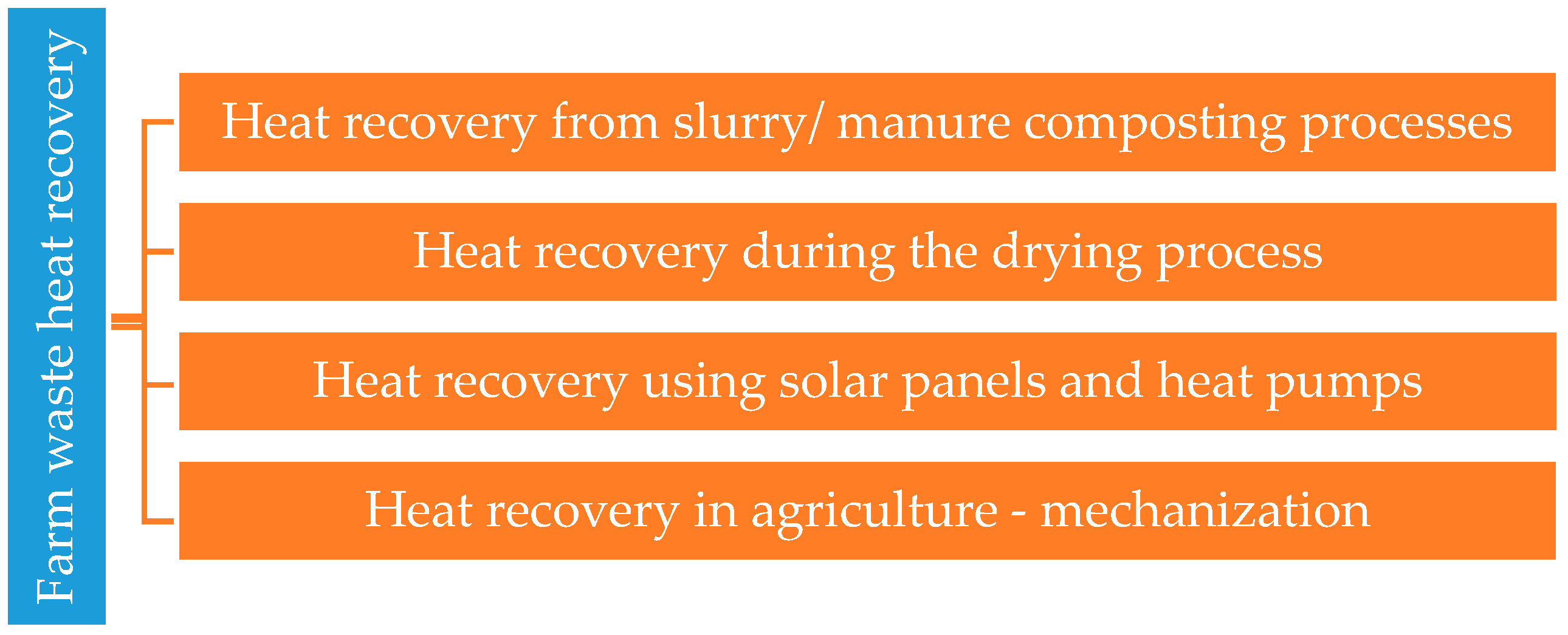
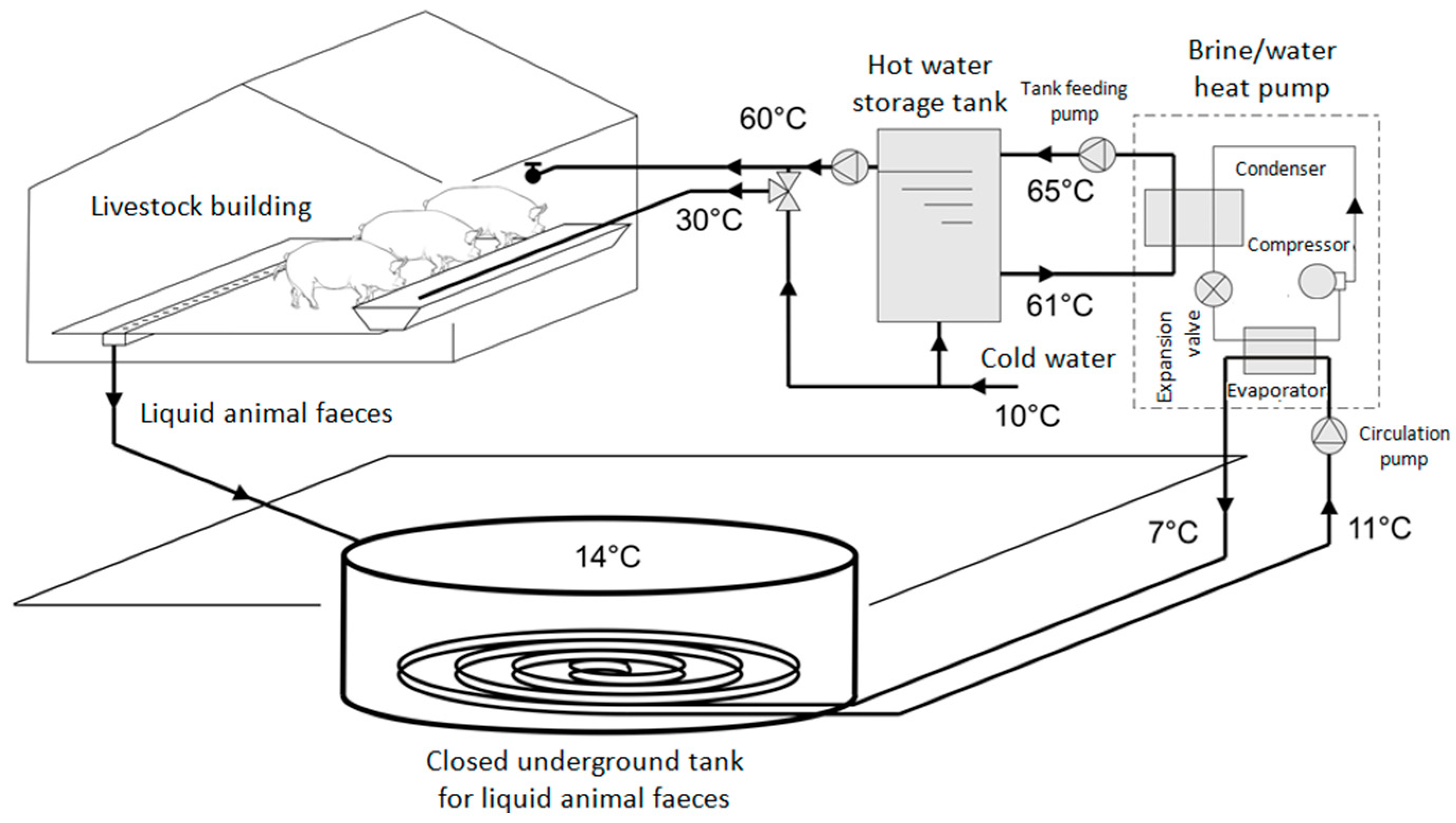
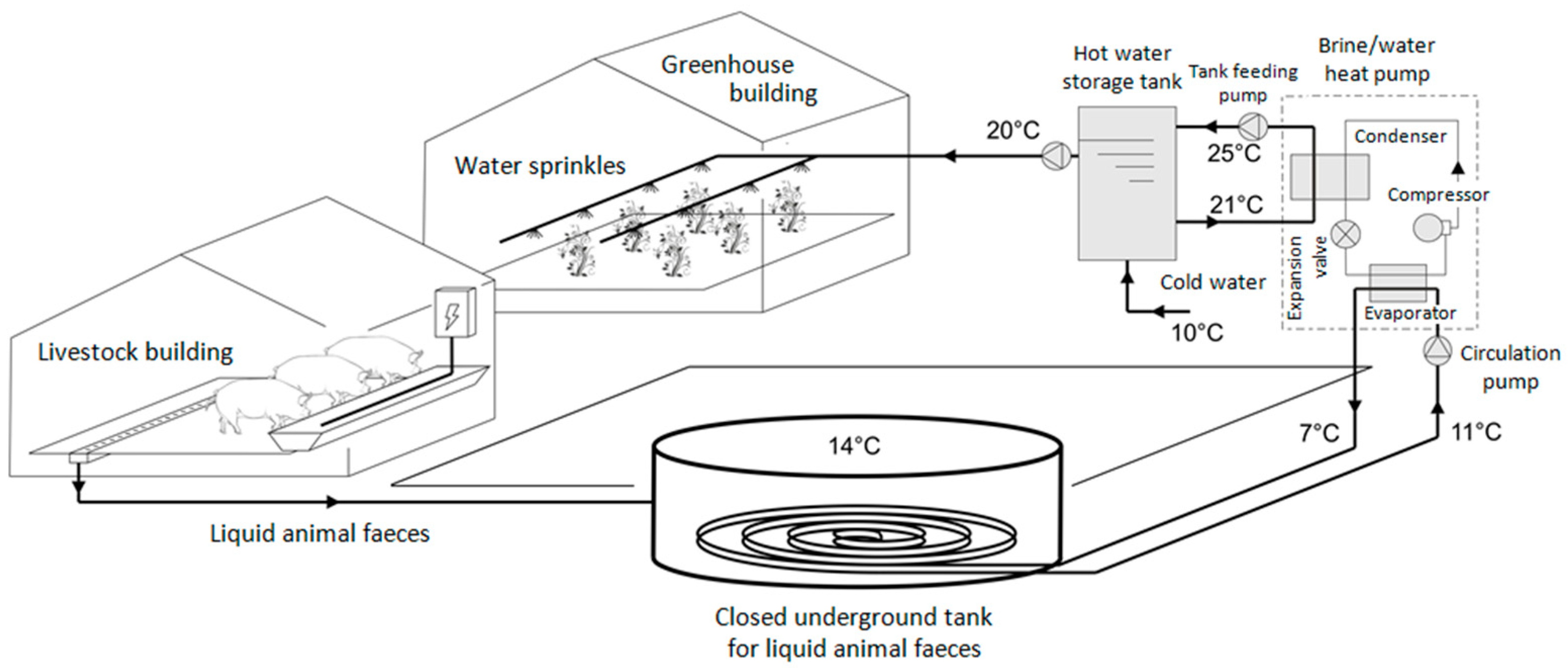
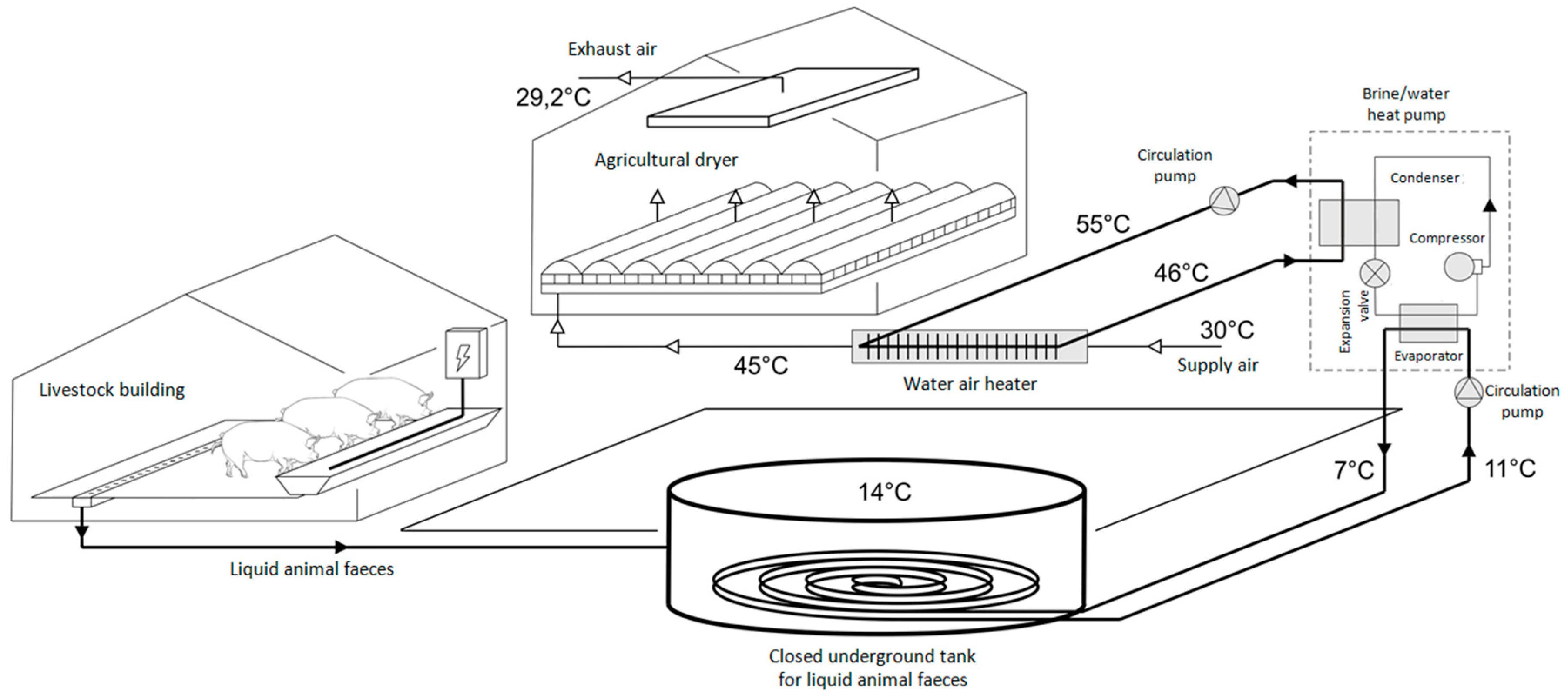
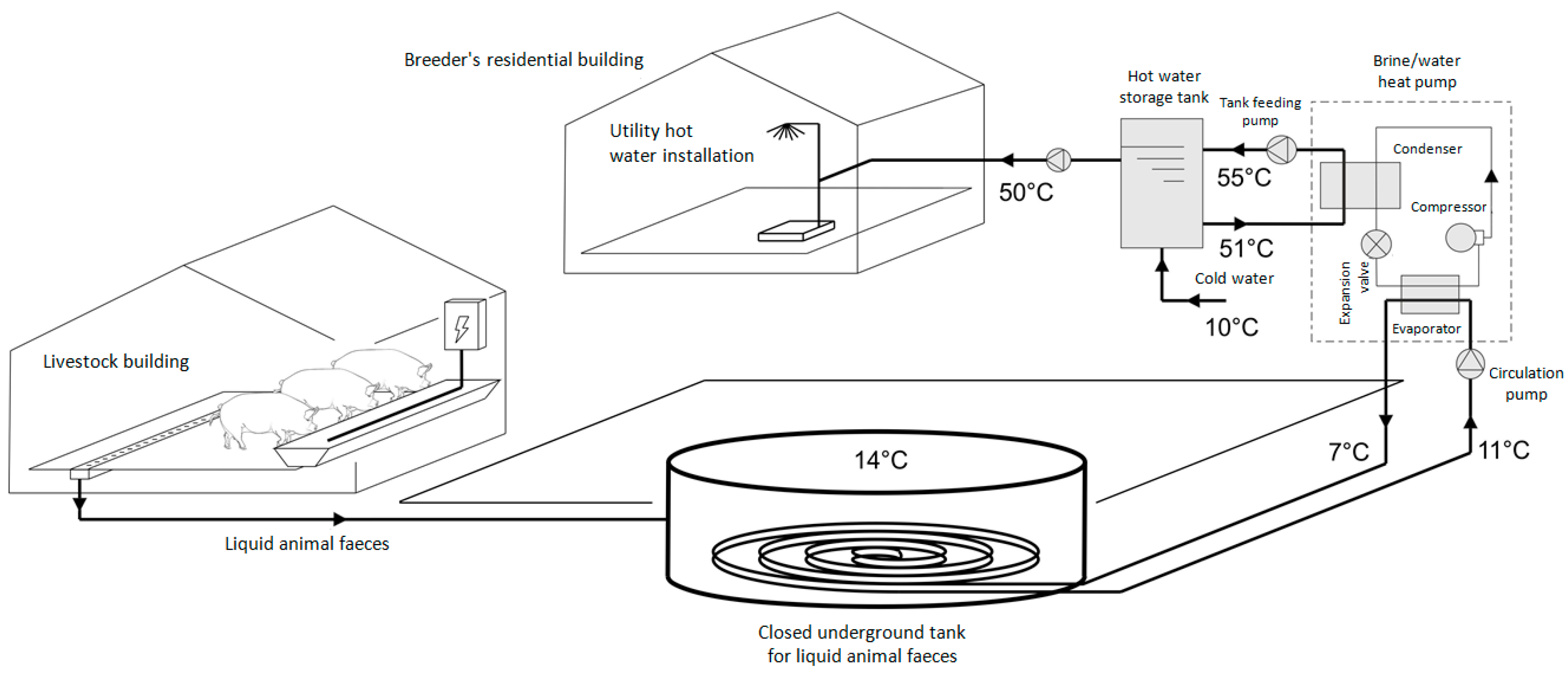
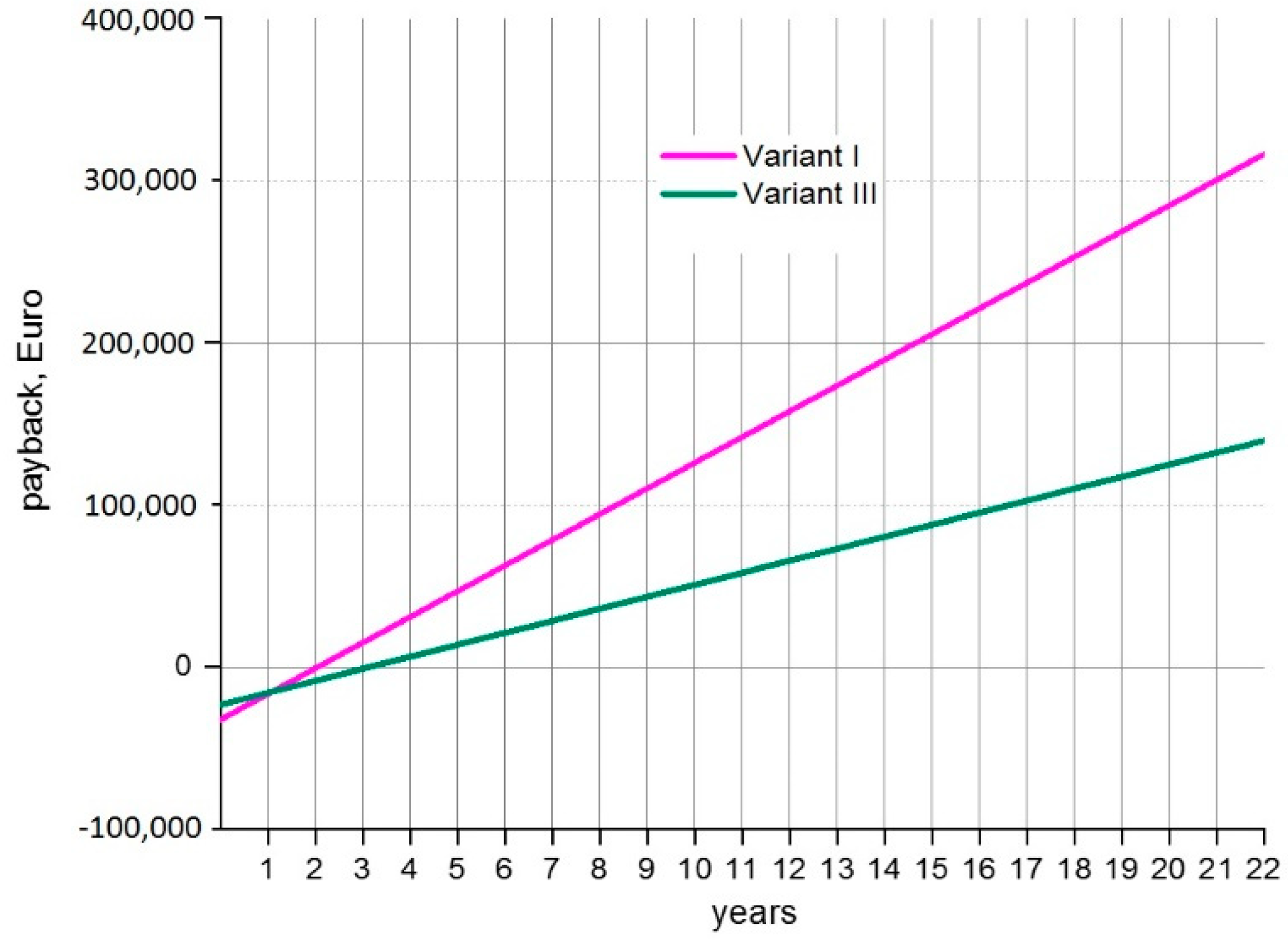
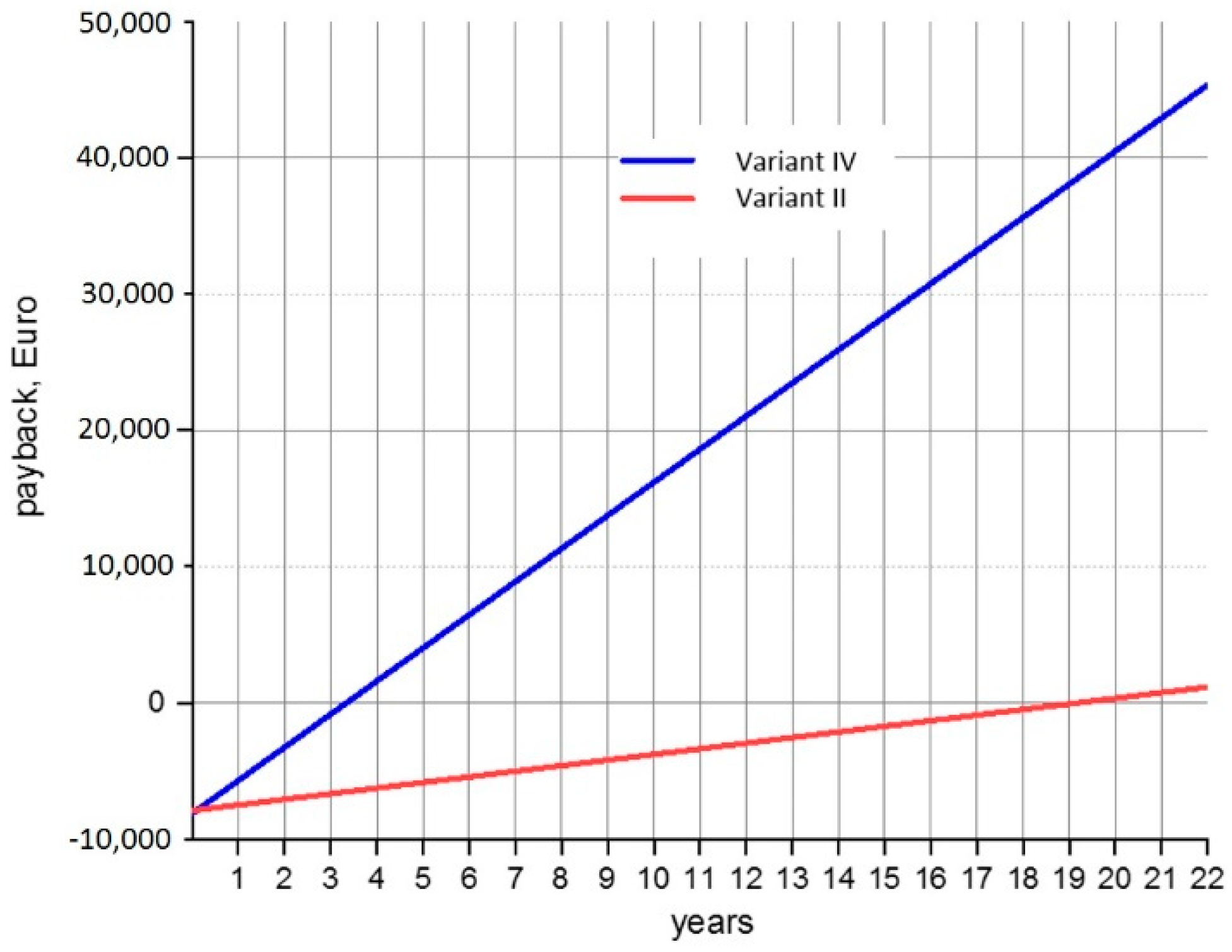
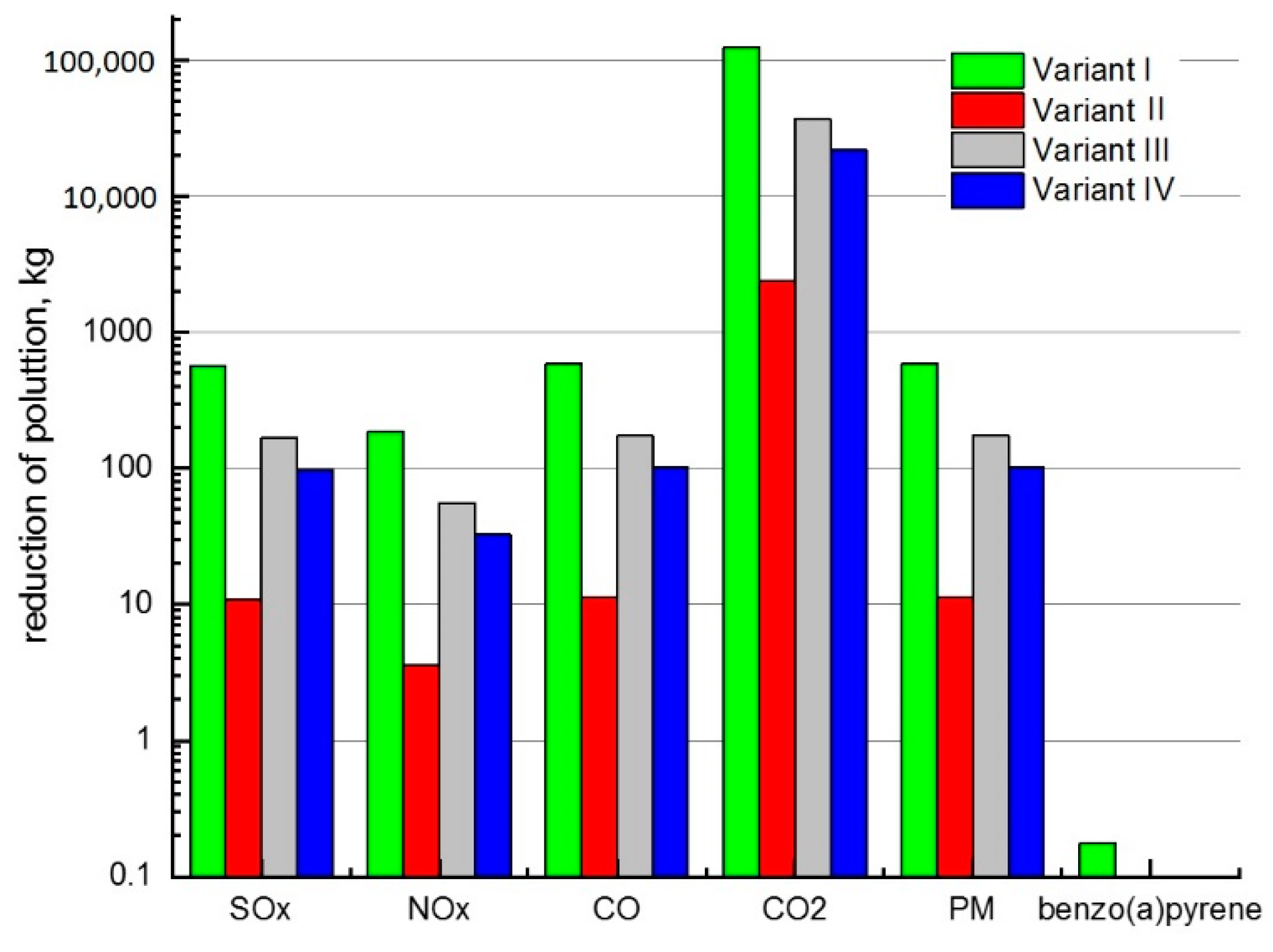
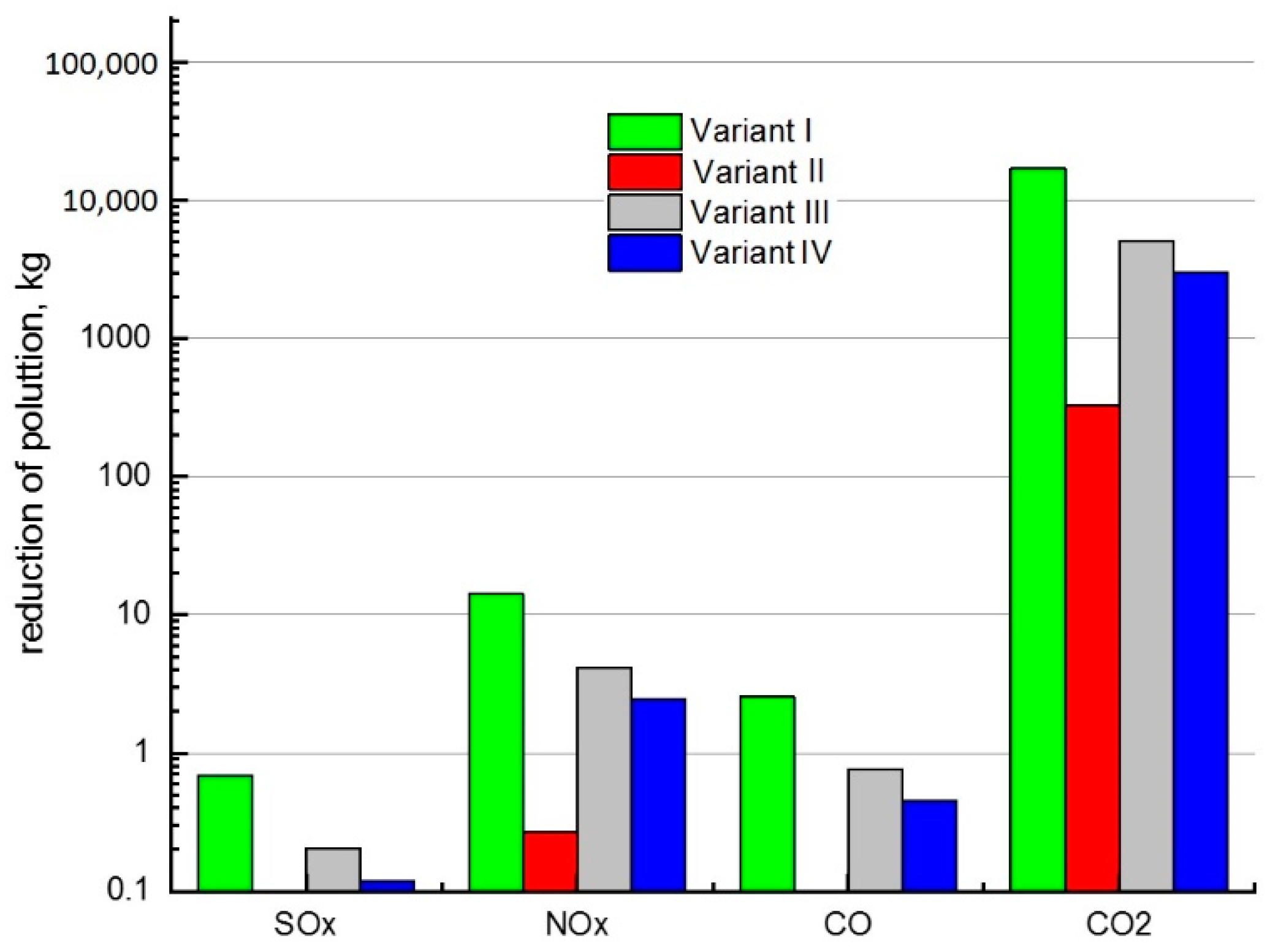
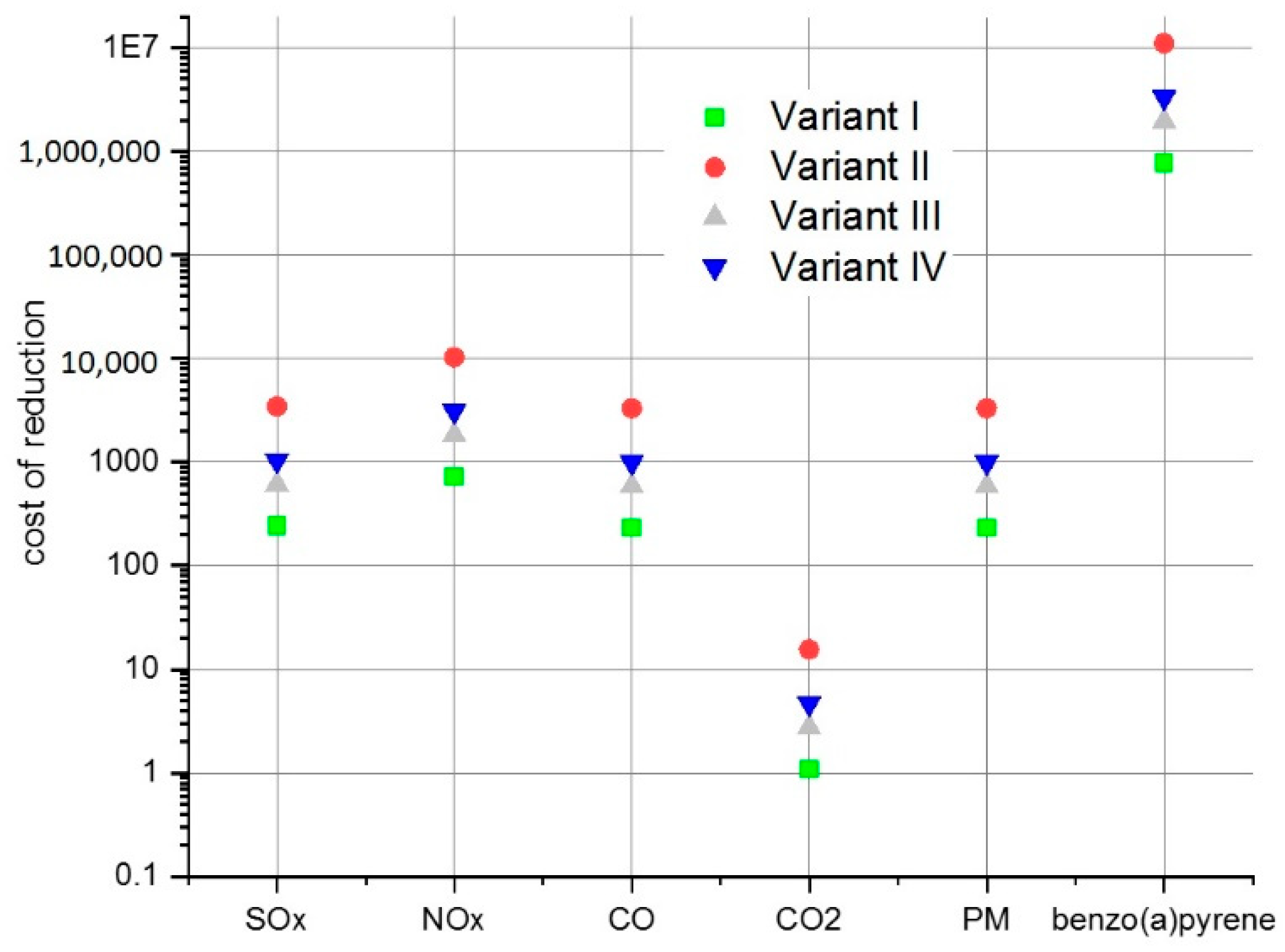
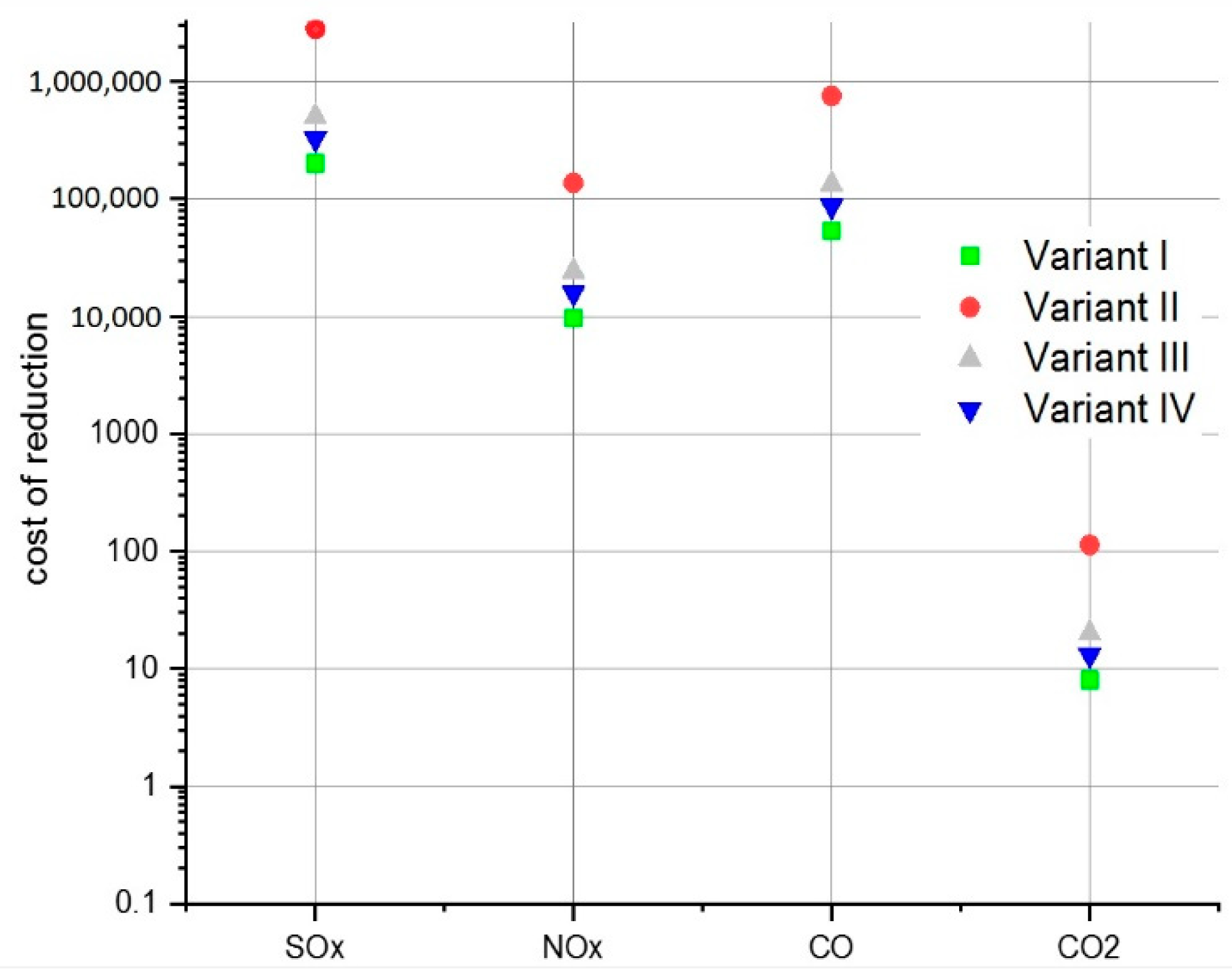
Agriculture is one of the sectors of the economy in which it is possible to conduct much more rational energy economy. The easiest way to achieve financial savings as well as reduce air pollution is to use waste heat sources. Heat pumps are perfect for this. Particularly favorable is the case when the device can operate in an alternative system and serve both heating and cooling purposes. The purpose of this article was to present possible solutions for installations enabling heat recovery from wastewater to supply agri-breeding farms with hot utility and technological water, a financial analysis of their application, and an assessment of the impact of these solutions on possible reduction of pollutant emissions. The tests were carried out for four variants of cooperation between a heat pump and an exchanger. In the first variant, waste heat was used in the process of heating water used to clean stands and prepare feed. In the second variant, waste heat took part in heating the water used for watering plants. In the third variant, waste heat was used in the process of drying cereals. In turn, in the last variant, waste heat supported the preparation of utility hot water for the breeder’s residential building. The study showed the legitimacy of using thermal energy from liquid manure as a waste heat source on farms and farming. This is mainly due to the short payback period, which can be within 2–4 years. In turn, the analysis of pollution reduction associated with the recovery of waste energy showed that the use of heat pumps allowed a significant reduction in the emission of harmful compounds to the atmosphere, in particular carbon dioxide. It is worth noting that livestock breeding is one of the most important branches of agricultural production not only in Poland but also throughout Europe, Asia and South and North America. For this reason, the use of waste heat-recovery systems enables real savings in the purchase of energy and reduction of pollutant emissions arising during traditional production processes.
Keywords: waste heat recovery; heat pump; agriculture; financial analysis; air pollution waste heat recovery; heat pump; agriculture; financial analysis; air pollution