


Abstract
Timely assessment of macroeconomic conditions is essential because official gross domestic product (GDP) statistics are released with substantial delays and are often revised. This study examines whether high-frequency highway traffic volumes, disaggregated by vehicle type, improve short-term GDP nowcasting in the Republic of Korea. Using nationwide expressway traffic data from 328 toll plazas over the period from September 2008 to September 2025, we integrate traffic series with conventional macroeconomic indicators into a mixed-frequency dynamic factor model and evaluate pseudo-real-time nowcasting performance against official quarterly GDP releases. Time-series diagnostics indicate that traffic volumes contain short-horizon predictive information for GDP and satisfy stationarity requirements after appropriate transformation. In the full evaluation sample, the macro-only benchmark records an RMSE of 1.0258 and an MAE of 0.8716. Adding aggregated traffic changes these metrics only marginally (RMSE = 1.0269, MAE = 0.8696), whereas the model augmented with the heaviest freight class (Vehicle Type 6) performs best, lowering RMSE to 1.0179 and MAE to 0.8652. During the COVID-19 period, forecast accuracy deteriorates across specifications: aggregated traffic increases RMSE and MAE to 1.3456 and 1.2096 relative to the macro-only benchmark (RMSE = 1.3082, MAE = 1.2020), while Vehicle Type 6 lowers MAE to 1.1683 but still records a higher RMSE of 1.3198. These findings show that aggregate mobility measures add limited value, whereas freight-oriented vehicle-type disaggregation provides the most informative highway traffic signal for real-time GDP nowcasting.
1. Introduction
Gross domestic product (GDP) remains the most widely adopted summary measure of aggregate economic performance [1]. Because GDP aggregates production and expenditure across diverse sectors and agents, its short-run movements reflect the interaction of structural and cyclical forces, including sectoral performance, investment and infrastructure development, and labor productivity [2]. In developing and emerging economies, additional drivers such as government expenditure, trade balances, foreign direct investment, and institutional conditions may play prominent roles in shaping growth dynamics [3,4,5]. Expectations about future GDP growth are also important for financial markets, affecting risk premia and asset valuation through growth-related news [6].
Despite its central role, official GDP statistics are released with non-trivial publication delays and are often revised, which complicates real-time assessment of current economic conditions. These limitations motivate GDP nowcasting, which aims to infer current-quarter GDP using timely indicators that arrive within the quarter [7,8]. Operational nowcasting must accommodate mixed frequencies, asynchronous release schedules, and ragged-edge missingness in a coherent way [9]. Mixed-frequency dynamic factor models (DFMs) have become a workhorse framework in applied macroeconomic monitoring because they summarize information from a large indicator panel through a small number of latent factors while supporting sequential updating via Kalman filtering in a state-space representation [10,11]. Moreover, maximum-likelihood estimation using the EM algorithm provides a practical approach for DFM estimation under arbitrary missing-data patterns [12].
To reduce the within-quarter information gap created by publication delays and revisions, nowcasting systems benefit from high-frequency indicators observed with minimal latency. From an economic perspective, highway traffic is informative because it is a derived-demand variable generated by production, distribution, commuting, and household consumption [13,14]. Freight traffic rises when firms expand output, replenish inventories, fulfill export orders, or reorganize supply chains, whereas passenger traffic reflects commuting and service-sector mobility but is also influenced by leisure travel, holidays, weather, and other factors only loosely tied to current output [15,16]. Because these adjustments occur before quarterly national accounts are released, highway traffic can reveal within-quarter shifts in real activity earlier than conventional macroeconomic indicators [14,17].
Highway traffic is available with minimal delay, it can provide a timely signal of within-quarter economic activity before official national accounts are released. This study therefore examines whether vehicle-type disaggregation provides more informative real-time signals for GDP nowcasting than an aggregate traffic measure [13,14,15,16].
Compared with many alternative high-frequency data sources, nationwide highway traffic data offer several practical advantages for short-term GDP nowcasting. They are recorded continuously, become available with minimal delay, provide broad national coverage, and are reported using a stable vehicle-type classification that makes it possible to distinguish freight-related traffic from broader passenger mobility. These features make highway traffic particularly suitable for mixed-frequency nowcasting because the data are both timely and economically interpretable.
This logic also implies that the informational value of traffic data depends on vehicle composition. Freight-oriented vehicle classes should be more tightly linked to contemporaneous production and goods circulation, while passenger-oriented classes may provide broader but noisier signals of labor-market and household-side conditions [13,16]. Vehicle-type disaggregation is therefore not simply a data-processing choice; it is an economically motivated strategy for isolating the component of transportation activity most closely connected to short-run output dynamics.
Against this broader nowcasting background, the present study evaluates whether highway traffic can function as an economically interpretable high-frequency indicator within a mixed-frequency forecasting framework, rather than as an isolated transportation variable. In this sense, the paper is positioned not outside the mainstream short-term GDP forecasting literature, but within its ongoing effort to expand the information set used for real-time macroeconomic monitoring [8,16,17,18].
Although recent nowcasting research has increasingly incorporated alternative high-frequency indicators, relatively limited attention has been paid to whether nationwide highway traffic volumes provide incremental information for GDP nowcasting beyond a standard macroeconomic indicator panel, and even less attention has been given to vehicle-type heterogeneity within a unified mixed-frequency framework [16,17,18]. Existing studies typically examine transportation or mobility indicators in aggregate, leaving it unclear whether vehicle-type disaggregation improves real-time inference by separating freight-related signals from passenger-oriented mobility. Against this background, the present study addresses three questions. First, do highway traffic volumes contain incremental information about current-quarter GDP beyond a standard macroeconomic indicator panel? Second, is that information stronger for freight-related vehicle types than for passenger-oriented traffic? Third, does vehicle-type disaggregation improve real-time nowcasting performance relative to an aggregate traffic measure? By answering these questions within a mixed-frequency dynamic factor model for Korea, the study contributes to the literature on alternative high-frequency indicators and clarifies when transportation big data can improve real-time macroeconomic monitoring [16,17].
This study makes three contributions to the GDP nowcasting literature. First, it introduces nationwide highway traffic volumes as an economically interpretable high-frequency indicator within a mixed-frequency dynamic factor model, rather than treating mobility data as a purely mechanical proxy. Second, it shows that the informational value of traffic data is heterogeneous across vehicle classes and that freight-oriented traffic contains more relevant signal for short-run output tracking than passenger-oriented mobility. Third, it demonstrates, in a recursive pseudo-real-time setting for Korea, that vehicle-type disaggregation yields more informative nowcasts than an aggregate traffic measure, particularly when the objective is to monitor within-quarter changes in production, logistics, and distribution conditions [16,17,19].
The remainder of the paper is organized as follows. Section 2 reviews the relevant literature, clarifies the research gap, and develops the study’s testable hypotheses within the existing discussion of related work. Section 3 describes the datasets, transformations, and the mixed-frequency DFM specification. Section 4 presents recursive nowcasting results and a dedicated analysis of model behavior during the COVID-19 disruption, which serves as a stress test of the framework under abrupt regime change [20,21]. Section 5 discusses implications, limitations, and directions for future research. Section 6 concludes.
2. Literature Review
2.1. GDP Nowcasting and Dynamic Factor Models
GDP nowcasting has developed in response to the substantial publication delays and revisions associated with official national accounts. A central objective of this literature is to infer the current state of economic activity by combining indicators that arrive at different frequencies and with different release lags. Among the mainstream approaches used in short-term GDP forecasting, mixed-frequency dynamic factor models have become one of the most widely used frameworks because they summarize information from a large indicator panel through a small number of latent common factors while naturally handling ragged-edge missingness and asynchronous data releases [7,8,10,12]. In practical applications, DFMs are valued not only for forecasting performance but also for their interpretability and their suitability for real-time updating in state-space form.
Recent studies have extended this literature toward machine-learning algorithms, pooled factor-model frameworks, and practitioner-oriented real-time nowcasting toolkits, thereby broadening both the methodological scope and the operational relevance of nowcasting practice [19,22,23]. A recent systematic review likewise shows that the field is increasingly oriented toward richer real-time data environments and alternative indicators as a means of improving within-period economic assessment [17].
In the present study, this conventional macro-only mixed-frequency DFM serves as the primary benchmark forecasting approach. The contribution of the proposed method is therefore evaluated by whether traffic-augmented specifications improve upon a standard nowcasting framework based solely on conventional macroeconomic indicators. Framing the comparison in this way allows the empirical analysis to isolate the incremental value of highway traffic data, rather than conflating data effects with differences that would arise from switching across unrelated model classes.
The nowcasting literature has also emphasized that forecast quality depends critically on the timeliness, coverage, and informational complementarity of the indicator set. Traditional nowcasting systems rely on production, price, labor-market, trade, and survey variables, but these indicators remain subject to publication lags and may only partially reflect rapid within-quarter changes in economic conditions. This limitation has motivated continuing efforts to enrich nowcasting models with alternative high-frequency data sources that can capture changes in real activity more quickly than standard macroeconomic releases.
2.2. Alternative High-Frequency Indicators for Real-Time Economic Monitoring
A growing body of research has examined whether nontraditional high-frequency indicators can improve real-time macroeconomic monitoring. These studies consider a wide range of signals, including mobility measures, electricity consumption, financial transactions, online search activity, text-based indicators, and other digital traces of economic behavior. The common premise is that such indicators may respond more quickly to changes in production, spending, logistics, and mobility patterns than conventional macroeconomic statistics, especially during periods of abrupt disruption [17,18,21].
Recent evidence illustrates this development more concretely. Newspaper-based sentiment measures have been shown to contain timely information that can materially improve nowcasts of euro area GDP growth [18]. Big-data nowcasting research during the COVID-19 crisis has also emphasized the need for richer datasets and explicit crisis-period adjustments when standard forecasting relationships deteriorate [21]. In parallel, mobility-based indicators have been found useful for nowcasting service-sector sales and, in some settings, labor-intensive production activity [16]. Electronic payments data have also been used as timely proxies for household and business spending in GDP nowcasting exercises [24]. Electricity market data have been studied as high-frequency signals of real economic activity because electricity consumption, production, and prices respond rapidly to changes in output and demand [25]. More recently, remote-sensing and satellite-derived indicators have also been explored as alternative real-time signals of economic activity, particularly in settings where conventional data are delayed or incomplete [26]. These developments confirm that contemporary nowcasting research increasingly values alternative indicators not merely for timeliness, but for their ability to reveal specific segments of economic activity in real-time [17].
At the same time, the usefulness of alternative indicators depends on how closely their underlying economic content aligns with aggregate output dynamics. Some indicators are timely but only indirectly connected to GDP, whereas others are more tightly linked to production, inventory adjustment, distribution, or labor-market conditions. For this reason, recent work increasingly emphasizes the need to distinguish between indicators that are merely available in real-time and those that are also economically informative.
2.3. Transportation Activity, Mobility Data, and Related Literature
Transportation activity is a particularly relevant candidate for GDP nowcasting because it arises as a derived-demand outcome of production, goods movement, commuting, and service-sector interaction [13,14]. Prior work has shown that transportation conditions and highway systems are closely connected to broader economic performance [27,28,29,30]. Other studies have shown that truck mileage and toll-based traffic measures can serve as timely indicators of business-cycle conditions and real economic activity [14,15]. More recently, mobility-based indicators have also been examined as real-time signals of economic activity, particularly when conventional statistics are released too slowly to capture abrupt changes [16].
Within this evolving literature, transportation-based nowcasting remains less developed than text-based or broader alternative-data approaches, despite its clear operational relevance for real-time monitoring. This makes the present study contemporary not only because it uses transportation big data, but because it evaluates whether a vehicle-type-disaggregated traffic measure can complement the recent wave of alternative-indicator nowcasting research [16,17,18,19].
Recent transportation research also highlights the continued importance of data-driven analysis for understanding intercity travel behavior, transportation structure, and policy-oriented system optimization. For example, Cheng et al. (2025) examine the factors shaping intercity travel mode choice in urban agglomerations, while Shi et al. (2025) analyze the coordinated optimization of transportation structure, energy conservation, and emission reduction under a low-carbon framework [31,32]. Although these studies do not focus on GDP nowcasting, they reinforce the broader contemporary relevance of transportation-system data for understanding mobility patterns and supporting policy-oriented analysis.
Seen in this broader context, traffic-based indicators should be understood as one specific class within the expanding alternative-indicator nowcasting literature, alongside mobility, payments, electricity, and satellite-based measures. Their distinctive value in the present study lies in the combination of timeliness, nationwide coverage, and stable vehicle-type classification, which allows the analysis to distinguish freight-related movements from broader passenger mobility within a common mixed-frequency framework [16,24,25,26].
However, much of the transportation-related literature focuses on infrastructure, congestion, productivity, or broad mobility conditions rather than on the use of real-time highway traffic flows as inputs for mixed-frequency GDP nowcasting models. In addition, relatively limited attention has been paid to whether the informational content of traffic data differs systematically across vehicle functions. Aggregate traffic volumes combine passenger and freight movements, even though these components are likely to have different relationships with current output. Against this background, the present study contributes by evaluating whether nationwide highway traffic volumes—especially vehicle-type-specific traffic series—provide incremental information for GDP nowcasting beyond a standard macroeconomic panel within a recursive pseudo-real-time framework.
More specifically, the existing literature leaves three closely related issues insufficiently resolved. First, transportation-based indicators have received less attention than other alternative data sources in mixed-frequency nowcasting frameworks [17,18,21]. Second, existing studies rarely distinguish passenger mobility from freight-oriented traffic within a common nowcasting framework, even though these components are likely to differ substantially in their economic linkage to current output [13,16]. Third, there is limited evidence on whether vehicle-type disaggregation improves pseudo-real-time nowcasting performance relative to an aggregate traffic specification within a unified macroeconomic information set.
Based on this gap, the present study develops three testable hypotheses within the existing literature-based framing. These are predictive hypotheses about incremental information content rather than structural causal claims about the effect of traffic on GDP.
Hypothesis 1 (H1):
highway traffic volumes contain incremental information for current-quarter GDP nowcasting beyond a conventional macroeconomic indicator panel.
Hypothesis 2 (H2):
vehicle-type disaggregation improves GDP nowcasting accuracy relative to an aggregate traffic specification.
Hypothesis 3 (H3):
freight-oriented traffic series provide larger improvements in GDP nowcasting accuracy than passenger-oriented traffic series because they are more directly linked to production, inventory adjustment, and logistics activity.
3. Materials and Methods
3.1. Highway Traffic Dataset
The highway traffic dataset employed in this study was obtained from the Korea Expressway Corporation and spans the period from September 2008 to September 2025. The dataset offers nationwide coverage, high-frequency traffic counts, and detailed vehicle type classifications. Traffic observations are collected and aggregated at three-hour intervals through the Highway Public Data Portal, yielding a continuous time series that captures real-time transportation activity across the national expressway network. Traffic volumes are reported separately by vehicle type, allowing a clear distinction between personal mobility behavior and commercial freight movement. Although highway infrastructure and congestion may have broader long-run effects on productivity and welfare, the purpose of this study is not to estimate those structural effects. Rather, we treat realized highway traffic volumes as derived-demand indicators that reflect contemporaneous movements in freight distribution, commuting, and broader mobility, and we evaluate whether they add incremental information for current-quarter GDP nowcasts [13,14,16].
The dataset is constructed from traffic counts recorded at 311 toll plazas operated by the Korea Expressway Corporation, supplemented by 17 toll plazas located on privately managed connecting sections, for a total of 328 toll plazas nationwide. Vehicle volumes are measured at toll-plaza exits, ensuring that each completed expressway trip is captured. When a vehicle traverses multiple expressway segments, each segment is recorded independently. Route-level and section-level statistics are generated under the assumption that vehicles travel along the shortest path between origins and destinations, thereby maintaining consistency and comparability of traffic volume measurements across the network (Korea Expressway Corporation, https://www.ex.co.kr/eng/) (accessed on 4 February 2026).
These characteristics provide an important practical reason for using highway traffic data in the present study. Relative to many other alternative indicators, highway traffic data are directly observed rather than indirectly inferred, are available at high frequency with minimal publication delay, and provide a consistent nationwide measure of both freight distribution and passenger mobility. This combination of timeliness, coverage, and functional disaggregation makes them especially suitable for evaluating whether transportation activity contains incremental information for current-quarter GDP nowcasting.
Because the forecasting model uses monthly nationwide traffic series rather than each station-by-interval record as a separate observation, the effective sample size is determined by the harmonized monthly panel rather than by the raw number of toll-plaza records. The analysis sample spans September 2008 to September 2025, yielding 205 monthly observations, which correspond to 69 quarterly GDP observations in the mixed-frequency setting. We use this full span because it is the longest period for which nationwide highway traffic counts with a consistent vehicle-type classification can be aligned with the macroeconomic indicator panel used in the DFM. In factor-based nowcasting, there is no universal minimum sample length that mechanically guarantees high-quality forecasts; adequacy depends on the joint size of the time dimension and the cross-sectional dimension, the strength of the common factors, and the parsimony of the model specification [12,33,34]. The present design therefore combines the longest harmonized sample available with a deliberately parsimonious block-factor structure.
Vehicles are classified into six categories based on axle configuration, gross vehicle weight, and seating capacity, as summarized in Table 1. This classification framework enables a targeted analysis of the economic implications of heterogeneous traffic segments by clearly distinguishing passenger transportation from freight-related movement.
Table 1.
Vehicle type classification used in the Korea Expressway Corporation traffic dataset, categorized by vehicle type, description, and axle/weight specifications.
Table 1 summarizes the vehicle type classification used in the Korea Expressway Corporation traffic dataset. Vehicles are divided into six categories according to their functional role, seating capacity, axle configuration, and gross vehicle weight. Vehicle Type 1 includes passenger cars, light vans with fewer than 16 seats, and mini trucks with a payload of approximately 1 ton, capturing small-scale personal and light commercial transport. Vehicle Type 2 consists of large buses with 16 or more seats, representing mass passenger transportation. Vehicle Types 3 and 4 correspond to small freight vehicles with two axles, differentiated by weight class, where Type 3 includes vehicles below 2.5 ton and Type 4 covers those between 2.5 and 8.5 ton. Vehicle Types 5 and 6 represent larger freight vehicles, with Type 5 comprising three-axle medium freight trucks and Type 6 consisting of four-axle medium-to-heavy freight trucks. This classification framework allows a clear separation between passenger and freight traffic as well as a finer distinction across freight intensity, facilitating targeted analysis of how heterogeneous traffic segments relate to aggregate economic activity.
3.2. Macroeconomic Indicators
In addition to highway traffic volume data, this study incorporates a broad set of macroeconomic indicators designed to capture multiple dimensions of economic activity relevant to fluctuations in gross domestic product. The dataset is organized into four thematic blocks, Global, Real, Soft, and Labor, and includes both quarterly and monthly variables spanning the period from September 2008 to September 2025. This block-based organization follows established practice in the nowcasting literature, where indicators are grouped to represent distinct facets of the economic system [8,10]. This four-block configuration also follows the logic used in Bank of Korea research on GDP nowcasting, where macroeconomic indicators are grouped by economic function and one common factor is extracted from each block in order to summarize the dominant common movement within conceptually related variables [35]. The indicator set and block structure were not chosen ad hoc. Rather, the present study follows the broad variable-selection logic used in Bank of Korea research on GDP nowcasting, in which macroeconomic variables were selected by considering prior domestic and international studies together with the structural characteristics of the Korean economy, and were then grouped into four thematic blocks—Global, Real, Soft, and Labor. We adopt the same broad block structure because it provides an interpretable and empirically grounded way to organize the macroeconomic information set within a mixed-frequency DFM framework [35]. All series are preprocessed for use within a mixed-frequency nowcasting framework, allowing the integration of variables with heterogeneous observation frequencies and release schedules. A complete list of macroeconomic indicators, together with their frequencies and transformations, is provided in Appendix A. This standardized data structure facilitates the coherent integration of diverse information sources within the nowcasting model, thereby enhancing both the timeliness and accuracy of short-term GDP forecasts.
The Global and Real blocks consist of core variables derived from national accounts and production statistics that characterize aggregate economic activity. These include quarterly measures such as gross domestic product, private consumption, construction investment, facility investment, and exports, as well as monthly indicators capturing retail activity, external trade, price dynamics, and industrial performance. Specifically, the monthly series encompass retail sales, export and import values, consumer, producer, and trade price indices, service production, manufacturing shipments and inventories, and industrial production. Collectively, these variables provide a comprehensive representation of the production and expenditure components of gross domestic product, capturing both domestic demand conditions and external economic influences. Following the same selection logic, variables related to manufacturing production, shipments, exports, imports, and trade prices were included because manufacturing and external trade account for a substantial share of Korean economic activity. In addition, survey- and sentiment-based indicators were retained because the importance of soft data has been emphasized in the GDP nowcasting literature, particularly for capturing turning points and near-term changes in business conditions [7,8,35].
The Soft block comprises sentiment-based and survey-derived indicators that reflect expectations and perceptions of economic agents. This block includes multiple components of the Business Survey Index, such as industry sales, overall business conditions, manufacturing exports, capacity utilization, new orders, domestic sales, and manufacturing business sentiment. In addition, composite indicators including the economic sentiment index, the current economic assessment consumer sentiment index, and the consumer sentiment index are incorporated. As forward-looking measures, these variables tend to respond rapidly to changes in economic conditions and are therefore particularly informative for identifying turning points in the business-cycle. These forward-looking measures were included because survey and sentiment indicators are widely recognized in the nowcasting literature as useful complements to hard indicators, particularly for identifying turning points and shifts in near-term business conditions before they appear in official output data [8,9].
The Labor block includes key labor market indicators that capture employment conditions and labor supply dynamics, including the unemployment rate, employment rate, job-seeking rate, and total number of employed persons. These indicators provide insight into labor market tightness and workforce utilization, which directly affect household income, consumption behavior, production capacity, and overall macroeconomic stability. Labor-market indicators were retained because employment conditions are an important channel through which current economic activity affects income, consumption, and production, and they are therefore commonly incorporated into short-term GDP nowcasting models alongside real and survey-based indicators [7,8,11].
For integration into the nowcasting framework, all variables were preprocessed according to their statistical characteristics. While some series were retained in levels, others were transformed using logarithmic or first differencing to ensure stationarity and comparability across variables. These transformations allow short-term economic fluctuations to be analyzed without contamination from long-run trends or seasonal patterns. A complete description of all variables, including their frequencies and transformation methods, is provided in Appendix A.
3.3. Economic Rationale for Highway Traffic in GDP Nowcasting
The use of highway traffic data in this study is grounded in the economics of derived transport demand. Transport activity is not produced for its own sake; it arises because firms need to move intermediate inputs and final goods, and households need to commute and access services [13]. Short-run variation in freight traffic therefore tends to reflect fluctuations in manufacturing output, wholesale and retail distribution, inventory adjustment, and trade-related logistics [14,15]. Passenger traffic may also contain information about economic conditions, but its link to GDP is less direct because it is more sensitive to discretionary travel, holidays, weather, and policy-induced changes in mobility [16].
These considerations are especially relevant for nowcasting. Official GDP and many conventional macroeconomic indicators are released with lags, whereas highway traffic is recorded continuously and becomes available with minimal delay. Traffic volumes can therefore provide an earlier reading of within-quarter changes in economic activity than standard releases [7,8,17]. In addition, the combination of nationwide coverage and stable vehicle-type classification gives highway traffic a practical advantage over many alternative high-frequency indicators, because it allows the analysis to separate freight-side production and logistics conditions from broader passenger-side mobility conditions within a unified real-time framework [16,17]. This role should be strongest when the data are organized by economically meaningful vehicle classes rather than collapsed into a single aggregate series [14,15].
More systematically, highway traffic is linked to short-run GDP dynamics through three related channels. First, freight-related traffic reflects production-side adjustment, including the movement of intermediate inputs and final goods, inventory replenishment, wholesale distribution, and export-related logistics [14,15]. Second, passenger vehicle traffic reflects labor-market participation, commuting intensity, access to services, and broader household-side mobility, although it is also more exposed to discretionary travel and non-economic disturbances [16]. Third, because these adjustments occur within the quarter and before official national accounts are released, traffic volumes provide a timely measurement layer for economic activity that is only observed with delay in conventional GDP statistics [7,8,17]. This framework helps explain why traffic data may improve nowcasting performance and why the predictive content of the data differs systematically across vehicle classes [13,14,16].
Viewed through this lens, highway traffic captures not a generic mobility condition but the operational state of the goods-moving and commuting sides of the economy. The contribution of traffic data in this study is therefore interpretive as well as predictive: the model is designed not only to improve nowcasting accuracy, but also to distinguish between freight-side production and logistics conditions and passenger-side mobility conditions within the quarter.
Accordingly, this study does not interpret highway traffic as a structural cause of GDP growth. Instead, it treats traffic volumes as timely indicators of current economic conditions. The empirical design therefore tests whether highway traffic contributes incremental predictive content beyond standard macroeconomic indicators and whether vehicle-type disaggregation strengthens that contribution by separating freight-related movements from more behaviorally driven passenger mobility.
Consistent with this framework, we expect highway traffic to add incremental information for GDP nowcasting, freight-related series to outperform passenger-oriented series, and vehicle-type disaggregation to outperform aggregate traffic measures.
3.4. GDP Nowcasting
Nowcasting refers to the estimation of the current or very near-term state of an economic variable, such as gross domestic product, by exploiting timely information embedded in a broad set of high-frequency indicators [7]. This approach is designed to mitigate the inherent delays associated with the publication of official economic statistics by integrating data series characterized by heterogeneous release schedules and observation frequencies. By leveraging large volumes of high-frequency and often heterogeneous information, nowcasting provides a real-time assessment of macroeconomic conditions well in advance of conventional statistical releases [8]. The methodology synthesizes signals from diverse sources, including production, trade, and sentiment indicators, within a unified analytical framework, thereby complementing and, in some cases, improving upon traditional forecast approaches used by professional economists [9]. Its increasing relevance in empirical macroeconomics reflects its capacity to support timely policy decision making, enhance market participants’ situational awareness, and detect abrupt changes in economic conditions that may not be captured by standard forecasting models.
Despite its advantages, nowcasting is subject to several methodological challenges that can affect estimation accuracy and reliability. Structural changes in the economy may alter the relationships between explanatory variables and gross domestic product, reducing the predictive performance of models calibrated on historical data [7]. In addition, the historical availability of some high-frequency indicators can constrain the usable estimation sample. However, in factor-based nowcasting, sample adequacy is not determined by a single universal minimum number of observations; rather, it depends on the joint size of the time dimension and the cross-sectional dimension, the strength of the common factors, and the parsimony of the model structure [12,33,34]. For this reason, the present study combines the longest harmonized sample available with a deliberately restricted block-factor design in order to preserve parameter stability while retaining informational richness. High degrees of correlation among macroeconomic variables can further introduce redundancy and instability in parameter estimation, complicating the identification of distinct information content across indicators [9]. The performance of nowcasting models is also sensitive to extreme or unanticipated events, such as financial crises or pandemics, which disrupt established economic dynamics and increase forecast uncertainty [20,21]. Finally, real-time data are often subject to systematic revisions, implying that both predictor variables and official output measures may change after initial release, thereby complicating real-time evaluation and model validation [7]. Addressing these challenges requires careful indicator selection, robust model specification, and adaptive modeling strategies capable of accommodating evolving economic conditions.
3.5. Dynamic Factor Model (DFM) Specification
To integrate a high-dimensional set of monthly macroeconomic indicators, highway traffic measures (aggregated and transformed to monthly frequency), and quarterly GDP within a unified framework, we employ a state-space Dynamic Factor Model (DFM). The DFM is well suited for nowcasting because it compresses the comovement of many series into a small number of latent common factors while providing a coherent treatment of ragged-edge missingness induced by mixed frequencies and asynchronous data releases. In a mixed-frequency environment, quarterly GDP is observed only in quarter-end months, and within-quarter months are missing by construction; the state-space DFM accommodates this structure directly and updates the latent economic state as new monthly information becomes available. This modeling strategy follows the standard DFM framework summarized by [10] and applied in mixed-frequency GDP nowcasting studies such as [7,11,12].
Equation (1) is the standard measurement equation of the linear Gaussian state-space representation used in dynamic factor models [10,11]. In Equation (1), is the N-dimensional observation vector at month t, collecting the macroeconomic and traffic indicators (allowing for missing entries). is the latent state vector, stacking common factors and their lags, idiosyncratic components, and auxiliary states for mixed-frequency mapping. is the loading matrix, is the measurement error, and is the measurement-error covariance. For numerical stability and identification, we restrict R to be diagonal and bound its diagonal elements away from zero to prevent degeneracy.
Equation (2) is the corresponding state-transition equation of the DFM and follows the same state-space formulation used in the nowcasting literature [10,11,12]. In Equation (2), is the transition matrix governing state dynamics, is the state innovation, and is the innovation covariance. We impose a block-loading structure by grouping indicators into pre-specified economic blocks (e.g., Global, Real, Soft, Labor, and, when included, a Traffic component) and restricting each series to load only on the factor(s) of its assigned block. This structure improves interpretability and stabilizes estimation in large panels by limiting excessive parameter flexibility. In the baseline implementation, we use one common factor per block and specify AR(1) dynamics for block factors, while allowing low-order autoregressive dynamics for idiosyncratic components to capture residual persistence.
The choice of one factor per block is intentionally parsimonious. Each block is designed to represent a broad and conceptually coherent dimension of the economy—such as real activity, sentiment, labor-market conditions, or traffic-related movements—so the baseline specification aims to capture the dominant common variation within each block without introducing unnecessary latent-factor complexity. This restriction improves interpretability, facilitates comparability across model specifications, and reduces the risk of over-parameterization in finite samples. In this sense, the setting should not be viewed as a universal optimum, but as a scientifically motivated baseline that balances information richness against parameter stability, which is a standard concern in factor-based nowcasting environments [10,33,34].
In the present application, this choice is especially appropriate because the empirical goal is to quantify the incremental value of traffic information under a common and controlled nowcasting framework. Since each traffic-augmented model adds only one traffic series at a time, allowing a substantially richer latent structure at the block level would make it harder to attribute differences in performance to the information content of the traffic data themselves. The one-factor-per-block design therefore supports both methodological transparency and empirical comparability [10,33,34].
Mixed-frequency integration requires a coherent mapping between monthly latent dynamics and quarterly measurements. We align quarterly series to the monthly timeline by placing observations in quarter-end months (March, June, September, and December) and treating the remaining months as missing. To improve identification and preserve consistency between quarterly observations and monthly latent states, we adopt a tent-shaped aggregation structure for quarterly series.
Equation (3) follows the mixed-frequency aggregation logic commonly used to map monthly latent dynamics into quarterly observations in nowcasting models [12,36]. In Equation (3), denotes a quarterly observation placed at the quarter-end month , is the relevant monthly common factor (or representative factor linked to quarterly series), w is the triangular tent weight vector, is a scale coefficient, and is the quarterly measurement error. During estimation, quarterly-related loadings are updated in a way that preserves the tent-shaped structure to prevent arbitrary distortions of the quarterly-to-monthly mapping.
Because the latent states are unobserved and the panel exhibits time-varying missingness, direct maximization of the observed-data likelihood is non-trivial. We therefore estimate parameters by maximum likelihood using the Expectation–Maximization (EM) algorithm, following the approach developed for DFM with arbitrary patterns of missing data by [12]. In the E-step, conditional moments of the latent states are computed given current parameters and the observed data. In the DFM, this is implemented via the Kalman filter and a fixed-interval smoother: the Kalman filter performs sequential state prediction and updating using only the observed components available at each month, thereby providing a principled treatment of ragged-edge missingness and respecting the real-time information set; the fixed-interval smoother refines state estimates using all information within the estimation window and delivers the conditional first and second moments required as sufficient statistics for EM updates.
In the M-step, the loading matrix C is updated to reflect how observables respond to the latent states, using only available observations under missingness. The transition parameters are updated to match the temporal dependence and innovation variance of the latent states, and the measurement-error covariance R is updated from residual moments while maintaining the diagonal and positivity constraints for stability. For quarterly variables, parameter updates are carried out subject to the tent-shaped aggregation structure in Equation (3) to preserve mixed-frequency coherence. EM iterations proceed until convergence of the log-likelihood under a predefined tolerance. The final parameter estimates are used to obtain latent-factor estimates and model-consistent conditional expectations for missing observations. In real-time nowcasting applications, contemporaneous nowcasts rely on filtered states (reflecting information available up to month t), whereas smoothed states are used within the EM procedure to improve parameter learning efficiency.
Beyond academic applications, DFM-based nowcasting has become a workhorse approach in policy institutions, including central banks, because it can accommodate large indicator sets while handling publication lags and missing-data (ragged-edge) patterns in a transparent state-space system with real-time Kalman updates [11]. This practical advantage has been highlighted in applied nowcasting studies that use principal-component-based factors and Kalman filtering to produce real-time GDP estimates, and that emphasize the relative ease with which DFMs treat high-dimensional lag structures and missingness in operational settings. Compared with single-equation bridge regressions or purely data-driven machine-learning pipelines, the DFM provides a coherent mixed-frequency integration layer and retains interpretability through block-level factors, which is particularly useful when the goal is to quantify the incremental value of specific information sets (e.g., aggregate versus vehicle Type-specific traffic signals) in a controlled nowcasting design.
3.6. GDP Nowcasting Framework
Figure 1 provides an end-to-end view of the nowcasting pipeline used in this study. Highway traffic volumes (Information set A) and macroeconomic indicators (Information set B), together with quarterly GDP (Information set C), are first ingested and cleaned, after which macro series are transformed and standardized while traffic series are aggregated to monthly frequency and log-differenced. Diagnostic checks (ADF unit-root tests and Granger causality tests) are then conducted to validate time-series suitability before merging all sources into a mixed-frequency panel using tent interpolation and a ragged-edge structure. The DFM is estimated in state-space form and updated within each quarter using Kalman filtering as new monthly information arrives, and performance is evaluated at official GDP release months using RMSE/MAE with an additional COVID-19 subsample assessment.
Figure 1.
Overall workflow of the proposed GDP nowcasting system integrating vehicle-type highway traffic volumes with macroeconomic indicators.
Importantly, the workflow emphasizes that improvements in nowcasting accuracy are driven not only by adding high-frequency traffic data, but by systematic integration—frequency alignment, stationarity-preserving transformations, and sequential Kalman updates that exploit the information flow within a quarter. The model-configuration block in the workflow also clarifies how the empirical comparisons (macro-only vs. macro plus traffic, including vehicle Type-specific specifications) are designed to isolate the incremental contribution of functional disaggregation in traffic signals.
To improve transparency and reproducibility of the operational nowcasting pipeline, the empirical implementation fixes several key modeling and tuning choices in the DFM estimation described in Section 3.5. First, the number of common factors is set to one per pre-specified block, i.e., for each block b, so that the total number of latent factors equals the number of included blocks (Global/Real, Soft, Labor, and, when included, Traffic). This restriction is adopted to preserve a low-dimensional and interpretable latent structure. Because the predefined blocks are already economically aggregated at a broad thematic level, one factor per block is sufficient for the baseline specification to summarize the dominant common movement within each block while avoiding unnecessary parameter proliferation. This is particularly important in the present study, where the empirical comparison is designed to isolate the incremental contribution of traffic information rather than to explore alternative latent-factor dimensionalities across specifications. Block-level factors follow AR(1) dynamics with a common lag order . Quarterly variables are mapped to the monthly timeline using the five-month tent-shaped aggregation weights ; accordingly, the state vector stacks each block factor together with its lags up to four months (e.g., ) to maintain internal consistency between quarterly measurements and monthly latent dynamics.
All observable series are transformed as described in Section 3.2 and standardized prior to estimation. For each series i, the sample mean and standard deviation are computed using available observations (ignoring missing values), and the standardized series is constructed as
Equation (4) is the standard z-score transformation used to place heterogeneous indicators on a comparable scale before multivariate estimation [37]. These moments are retained to recover smoothed estimates in original units when required.
Idiosyncratic components are modeled as series-specific AR(1) processes and are assumed mutually uncorrelated across observables. For numerical stability and identification, the observation-error covariance matrix R is constrained to be diagonal, and a small positive lower bound ( in the implementation) is imposed on the diagonal elements to prevent degeneracy in maximum-likelihood estimation.
Model parameters are estimated by maximum likelihood using the EM algorithm combined with Kalman filtering and fixed-interval smoothing. Estimation is run for at most 5000 EM iterations and terminated when the relative change in the log-likelihood falls below . Ragged-edge missing observations are handled within the Kalman filter by conditioning on the subset of series available at each month, ensuring that inference and nowcasts are based only on the information available at that time.
4. Results
4.1. Time-Series Properties of Highway Traffic Volumes
Prior to conducting the GDP nowcasting analysis using highway traffic data, the time series properties of the dataset were examined through Granger causality tests and Augmented Dickey Fuller (ADF) unit root tests. Granger causality analysis assesses whether historical values of one time series contain incremental predictive information for another, thereby providing evidence of directional dependence between variables [38]. In practice, this relationship is evaluated by testing whether the inclusion of lagged values of an explanatory series significantly improves forecast performance relative to a benchmark model based solely on the target variable’s own past values, enabling the identification of lead-lag dynamics [39].
The ADF test is employed to assess the stationarity of each time series by testing for the presence of a unit root, which indicates non-stationarity, against the alternative of stationarity [37]. To enhance the robustness of unit root testing, ref. [40] proposes a pretest and data driven model selection procedure that improves the reliability and efficiency of the ADF test in applied time series analysis. Together, these diagnostic tests ensure the suitability of highway traffic variables for inclusion in the subsequent time series and nowcasting framework.
Figure 2 illustrates the p values from Granger causality tests assessing whether aggregated highway traffic volumes provide predictive information for gross domestic product at different quarterly lag lengths. The dashed horizontal line indicates the conventional five percent significance threshold. At a lag of one quarter, the p value falls well below this threshold, indicating a statistically significant predictive relationship and suggesting that changes in highway traffic volumes precede movements in gross domestic product by approximately one quarter. At a lag of two quarters, the p value lies just above the significance threshold, indicating marginal evidence of predictive power. For longer lags of three to five quarters, the p values increase substantially and exceed conventional significance levels, implying no statistically meaningful predictive relationship at longer horizons.
Figure 2.
Granger causality test results between aggregated highway traffic volume and gross domestic product across quarterly lags.
Table 2 presents the results of the Granger causality tests assessing whether aggregated highway traffic volumes across Vehicle Types 1 through 6 contain predictive information for gross domestic product when monthly traffic observations are converted into a quarterly frequency. The findings indicate a statistically significant lead-lag relationship at a one-quarter horizon, with a p-value of 0.0062, suggesting that variations in highway traffic activity systematically precede changes in aggregate economic output. This result implies that traffic volumes embed forward-looking information about production and demand conditions before such changes are reflected in officially reported GDP figures.
Table 2.
Results of Granger causality tests between aggregated highway traffic volume (Types 1–6) and GDP (traffic data aggregated quarterly).
At a lag length of two quarters, the relationship remains marginally significant, whereas no statistically meaningful predictive power is observed at longer horizons. This temporal pattern indicates that the informational content of aggregated traffic volumes is primarily concentrated in the short term, reinforcing their relevance as a near-real-time indicator rather than a long-range predictor of economic activity. From a systems perspective, the results suggest that transportation activity responds rapidly to shifts in economic conditions, capturing early adjustments in goods movement and mobility that materialize in GDP outcomes within one to two quarters [13,14,15].
The short-horizon nature of this result is economically meaningful. A one-quarter lead is consistent with the timing of shipment scheduling, inventory replenishment, distribution adjustments, and commuting responses to changing demand conditions [13,14,15,16]. Conversely, the absence of strong predictive power at longer horizons suggests that highway traffic should be interpreted as a near-term operational signal of ongoing economic processes rather than as a long-run structural determinant of GDP growth.
Overall, these findings provide empirical support for the use of highway traffic data as a leading indicator in short-term GDP nowcasting frameworks [14,15]. They also motivate the integration of high-frequency transportation data into real-time economic monitoring systems, particularly for applications that require timely detection of changes in economic momentum rather than long-horizon forecasting.
Table 3 reports the results of the Augmented Dickey-Fuller (ADF) tests conducted to assess the stationarity properties of the highway traffic volume series prior to their inclusion in the nowcasting framework. The aggregated traffic volume series encompassing Vehicle Types 1 through 6 exhibits clear non-stationarity in levels, with a p-value of 0.8615, but becomes stationary after logarithmic first differencing, as indicated by a p-value of 0.0467. This result suggests that aggregate traffic volumes are dominated by persistent trends that must be removed to isolate economically meaningful short-term fluctuations.
Table 3.
Augmented Dickey-Fuller (ADF) test results for aggregated highway traffic volume (Types 1–6) before and after log first differencing.
At the disaggregated level, only Vehicle Type 2 displays stationarity in its original form, implying relatively stable dynamics in large bus traffic volumes over time. In contrast, traffic series corresponding to Vehicle Types 1, 3, 4, 5, and 6 are non-stationary at levels, reflecting strong growth trends and structural changes in passenger and freight mobility. After applying logarithmic first differencing, all disaggregated traffic series achieve stationarity with high statistical significance, confirming that their short-term variations are suitable for time-series modeling.
These findings have important implications for the construction of the nowcasting system. They indicate that, with the exception of large bus traffic, highway traffic volumes primarily convey information through their short-run changes rather than their long-run levels. Applying appropriate transformations therefore ensures compliance with the stationarity assumptions underlying the DFM and enables the extraction of high-frequency economic signals embedded in traffic dynamics. This preprocessing step is essential for preventing spurious relationships and for improving the reliability and interpretability of the subsequent GDP nowcasting results.
4.2. Effects of Vehicle Type-Specific Highway Traffic Data on GDP Nowcasting Accuracy
To quantify the incremental information content of highway traffic volumes for GDP nowcasting, we compare a baseline DFM built on conventional macroeconomic indicators with augmented specifications that additionally incorporate highway traffic measures. The harmonized monthly dataset spans September 2008 to September 2025, corresponding to 205 monthly observations and 69 quarterly GDP observations in the mixed-frequency panel. Quarterly GDP is embedded in the monthly information set as a mixed-frequency series observed only in quarter-end months, yielding a structured ragged-edge missing-data pattern. Model estimation follows the DFM-EM-Kalman procedure described in Section 3.5.
We conduct a pseudo-real-time evaluation using a recursive expanding-window design. The initial estimation window ends in January 2020, providing 137 monthly observations and 46 quarterly GDP observations through 2019 Q4 for model training before out-of-sample evaluation begins. This relatively long pre-evaluation window was chosen to estimate factor loadings and mixed-frequency dynamics on a sufficiently rich historical sample, while preserving a distinct evaluation period that includes both normal conditions and the COVID-19 shock. For each subsequent month t, we re-estimate the model using all data available up to t and produce a GDP nowcast or short-horizon forecast consistent with the information set at that time. Forecast accuracy is subsequently assessed over quarter-end observations from 2020Q1 to 2025Q3 by comparing predictions with realized GDP and summarizing errors using RMSE and MAE. This recursive design explicitly reflects ragged-edge availability and is therefore more appropriate for nowcasting assessment than ex-post in-sample fit.
The empirical comparison is intentionally organized as a comparison with the macro-only model. The macro-only DFM serves as the conventional GDP nowcasting approach, and the proposed traffic-augmented specifications are assessed by whether they improve upon that benchmark under an otherwise identical model structure. This strategy makes it possible to evaluate the added value of traffic data under a controlled common model structure [7,8,10,12].
The empirical comparisons are designed to evaluate H1–H3 directly. H1 is assessed by comparing the macro-only benchmark with models that additionally incorporate highway traffic information. H2 is assessed by comparing the aggregate-traffic specification with vehicle-type-specific specifications. H3 is assessed by comparing passenger-oriented traffic series (Types 1–2) with freight-oriented traffic series (Types 3–6). The COVID-19 subsample is treated as a stress-period robustness check rather than as a separate ex ante hypothesis, because the pandemic represents an exceptional regime shift [20,21].
We consider two main model classes: (i) a macro-only benchmark and (ii) augmented models that add highway traffic volumes, either as an aggregate measure (without Vehicle Type disaggregation) or as vehicle-type-specific series (Types 1–6). The results indicate substantial heterogeneity across traffic measures. Over the full evaluation sample, freight-related traffic, especially Type 6, delivers the largest gains in both RMSE and MAE. The COVID-19 subsample, however, is interpreted more cautiously. Rather than establishing uniform forecast gains under shock conditions, it is used to examine whether disaggregated traffic signals deteriorate less severely than aggregate mobility measures and whether they preserve useful information in a robust-loss sense during an unprecedented disruption.
This modeling framework extracts a limited number of latent common factors that summarize the co-movements among high-frequency transportation series and broader macroeconomic variables, thereby supporting real-time GDP nowcasting. By jointly incorporating traffic information with traditional macroeconomic indicators, the model exploits the complementary strengths of both data sources, namely the timeliness of traffic-based signals and the structural information embedded in macroeconomic series, resulting in more accurate and timely short-term assessments of economic activity.
From Figure 3, Panel A compares observed quarterly GDP growth with nowcasts from alternative DFM specifications. All models broadly reproduce the timing and direction of GDP movements over the sample, but differences become more visible around the COVID-19 shock. In particular, specifications that incorporate freight-oriented traffic information—most notably Vehicle Type 6—tend to track the depth of the contraction and the subsequent rebound more closely than the macro-only benchmark or the model using aggregated traffic. This pattern suggests that heavy-freight traffic captures short-run fluctuations tied to production and logistics activity that are not fully reflected in conventional indicators.
Figure 3.
Comparison of observed and nowcast estimates and forecast accuracy across model specifications. (A) Quarterly observed GDP and nowcast estimates trajectories under alternative Dynamic Factor Model (DFM) configurations. (B) Quarterly observed GDP and nowcast estimate trajectories for the macro-only benchmark and traffic-augmented specifications using aggregated highway traffic and Vehicle Type 6 traffic. (C) Forecast accuracy measured by RMSE and MAE for models incorporating different highway traffic indicators.
Panel C reports forecast accuracy using RMSE and MAE across model configurations. The results show clear heterogeneity in the informational value of traffic series: the DFM augmented with Vehicle Type 6 achieves the lowest errors, indicating the strongest nowcasting performance among the alternatives. Models based on aggregated traffic (Types 1–6) or passenger-oriented series (e.g., Types 1–2) provide comparatively smaller improvements (or remain close to the macro-only benchmark), while other single-type specifications perform less favorably. Overall, the figure supports the conclusion that functional disaggregation—especially isolating freight-related traffic—yields more informative high-frequency signals for GDP nowcasting than using aggregate mobility measures.
Figure 4 illustrates the divergence between observed GDP growth and nowcast estimates during the COVID-19 period, highlighting the magnitude and temporal structure of nowcasting errors under extreme economic disruption. The sharp contraction in mid-2020, particularly in the second and third quarters, represents an unprecedented shock to economic activity. While the DFM captures the overall directional movement of GDP, substantial discrepancies emerge during periods of abrupt decline and rapid rebound. The largest deviations occur around the collapse and reopening phases, which is consistent with an exceptional regime shift lying outside the historical experience on which the linear DFM is estimated [20,21]. In such an environment, two difficulties arise simultaneously: conventional macroeconomic indicators enter the nowcast with reporting lags and are themselves unusually unstable, while broad traffic volumes become distorted by policy restrictions and behavioral responses that are not proportional to contemporaneous output. For these reasons, forecast accuracy deteriorates during the pandemic even when timely traffic information is incorporated.
Figure 4.
Comparison of observed and nowcast estimates growth during the COVID-19 period (2020 to 2021).
Table 4 summarizes the forecast performance of the DFM under alternative data configurations using the root mean squared error (RMSE) and mean absolute error (MAE) as evaluation metrics. The benchmark specification relying solely on conventional macroeconomic indicators yields an RMSE of 1.0258 and an MAE of 0.8716. Augmenting this baseline model with aggregated highway traffic volumes across all vehicle types leads to only a marginal reduction in the MAE and does not improve the RMSE, suggesting that aggregation dilutes the economically relevant information embedded in heterogeneous traffic flows.
Table 4.
Forecast accuracy of the DFM under different data configurations.
In contrast, introducing vehicle-type-specific traffic series reveals substantial heterogeneity in their contributions to nowcasting accuracy. Models incorporating freight-related traffic volumes consistently outperform those based on aggregated or passenger-oriented traffic measures. In particular, the inclusion of Vehicle Type 6 traffic volumes yields the largest improvement in forecast performance, reducing the RMSE and MAE to 1.0179 and 0.8652, respectively. Moderate gains are also observed for Vehicle Types 3 and 4, whereas passenger vehicle categories (Vehicle Types 1 and 2) deliver comparatively limited improvements.
The magnitude of these gains is modest but systematic. Relative to the macro-only benchmark, adding aggregated traffic changes RMSE by only about +0.11% and reduces MAE by about 0.23%, whereas the Type 6 specification lowers RMSE and MAE by approximately 0.77% and 0.73%, respectively. This comparison makes clear that the superiority of the proposed method does not lie in the mere use of traffic data, but in incorporating freight-oriented traffic information within a standard nowcasting framework.
The ranking across vehicle classes is not merely statistical but economically interpretable. Vehicle Types 5 and 6 are more likely to capture interregional freight flows associated with manufacturing shipments, export logistics, and inventory reallocation, which helps explain why they provide the strongest gains in nowcasting accuracy [14,15]. Vehicle Types 3 and 4 are more likely to reflect lighter commercial distribution linked to wholesale and retail turnover. By contrast, Vehicle Types 1 and 2 combine commuting and discretionary passenger travel with non-economic influences such as holidays, weather, and policy restrictions, which weakens their relationship with contemporaneous output [16]. The superior performance of freight-oriented traffic therefore suggests that the informational value of highway data comes primarily from the goods-moving component of the transportation system rather than from aggregate mobility per se.
These empirical patterns are economically meaningful in several respects. The stronger performance of freight-oriented traffic indicates that the most informative part of highway traffic data is the component directly linked to goods production, inventory adjustment, and logistics activity. In other words, the predictive value of traffic data is concentrated in the part of the transportation system most closely tied to the movement of goods rather than to broad mobility alone. This helps explain why aggregate traffic performs only weakly: aggregate counts mix freight flows that are tightly related to output dynamics with passenger flows that are influenced by a wider set of behavioral and institutional factors. From a macroeconomic perspective, the results therefore suggest that disaggregated freight traffic can serve as a particularly useful real-time signal of short-run changes in production and distribution conditions within the quarter.
These results highlight the importance of functional disaggregation in transportation data when constructing real-time macroeconomic monitoring systems. Freight traffic volumes, which are more directly tied to production, inventory management, and supply chain activity, appear to capture short-term economic fluctuations more effectively than broader mobility indicators. Consequently, disaggregated freight traffic data provide a more informative and structurally meaningful signal for short-term GDP nowcasting within a DFM framework.
Table 5 reports forecast errors during the COVID-19 period (January 2020–December 2021), a phase characterized by exceptional volatility and abrupt regime shifts. The COVID-19 evidence should therefore be interpreted as partial resilience rather than outright superiority under shock conditions. Relative to the macro-only benchmark (RMSE = 1.3082; MAE = 1.2020), the model augmented with aggregated highway traffic volumes performs worse on both metrics, recording an RMSE of 1.3456 and an MAE of 1.2096. Even the best disaggregated specification, based on Vehicle Type 6, records a slightly higher RMSE (1.3198) but a meaningfully lower MAE (1.1683). Thus, vehicle-type disaggregation improves the typical absolute error during the pandemic, but it does not eliminate the large misses associated with the collapse and rebound phases.
Table 5.
Forecast errors of the DFM during the COVID-19 period (January 2020–December 2021).
This asymmetry is economically interpretable. Passenger mobility collapsed because of containment measures and voluntary travel avoidance, weakening its historical relationship with GDP, whereas freight traffic remained more closely linked to production, inventory adjustment, and distribution activity [41,42]. As a result, aggregate traffic became less informative, while freight-oriented series preserved a more stable signal in typical months of the crisis. The divergence between RMSE and MAE is also informative. RMSE squares forecast errors and therefore places disproportionate weight on a small number of extreme misses around sharp contractions and rapid rebounds, whereas MAE summarizes the typical absolute deviation and is more robust to outliers. The lower MAE for freight-related traffic during COVID-19 therefore indicates better typical month-to-month performance, even though turning-point errors remain too large to produce an RMSE improvement [43,44].
5. Discussion
This study provides empirical evidence that high-frequency highway traffic volume data, particularly when disaggregated by vehicle type, contain valuable information for real-time monitoring and nowcasting of aggregate economic activity. By integrating nationwide expressway traffic volumes with a comprehensive set of macroeconomic indicators within a DFM framework, the analysis demonstrates that transportation big data can meaningfully complement conventional economic statistics in assessing short-term fluctuations in gross domestic product.
A central finding of the study is that aggregated highway traffic volumes Granger-cause GDP at short horizons, with statistically significant predictive power concentrated primarily within one quarter. This result is consistent with the notion that transportation activity responds rapidly to changes in production, distribution, and consumption decisions, thereby acting as an early signal of shifts in economic momentum. From a systems perspective, highway traffic represents an observable manifestation of underlying economic processes that unfold across interconnected supply chains, labor markets, and consumer networks. As such, traffic flows capture real-time adjustments in economic behavior that may not yet be reflected in traditional macroeconomic indicators subject to publication lags and revisions.
The stationarity analysis further underscores the suitability of traffic volume series for time-series modeling once appropriate transformations are applied. With the exception of large bus traffic, all vehicle-specific traffic series achieve stationarity after logarithmic first differencing, indicating that short-term fluctuations rather than long-run trends drive their relationship with GDP. This property is particularly advantageous for nowcasting applications, which seek to extract timely cyclical information while avoiding contamination from structural growth components. The results suggest that traffic data, when properly preprocessed, satisfy the statistical requirements for integration into state-space and factor-based systems commonly used in real-time macroeconomic analysis.
The DFM results highlight the importance of disaggregation in transportation data. While the inclusion of aggregated traffic volumes yields only marginal improvements in forecast accuracy relative to a macro-only benchmark, vehicle-type-specific traffic series—especially freight-oriented categories—produce more pronounced gains. Heavy and medium freight traffic consistently outperform passenger vehicle categories in reducing forecast errors over the full sample. This finding aligns with economic intuition: freight traffic is more directly linked to goods production, inventory adjustment, and logistics activity, which are core components of real output. Passenger traffic, by contrast, reflects a broader mix of commuting, leisure, and discretionary mobility that may be influenced by behavioral, institutional, or policy factors not directly tied to contemporaneous production.
Taken together, the full-sample evidence provides qualified support for H1 and clear support for H2 and H3. Highway traffic contains incremental information beyond the macro-only benchmark, but the gains are concentrated in freight-oriented rather than aggregate traffic series. Vehicle-type disaggregation improves performance relative to the aggregate traffic specification, and freight-oriented traffic consistently outperforms passenger-oriented traffic. These findings indicate that the main empirical contribution of the study lies not simply in adding another high-frequency variable to a nowcasting model, but in showing that the economic content of transportation data depends critically on functional composition.
More specifically, the contribution of highway traffic data in this study lies in their ability to reveal within-quarter adjustments in freight movement and passenger mobility. Freight traffic reflects how quickly firms are shipping intermediate inputs and final goods, reallocating inventories, and sustaining logistics networks across regions. Passenger traffic reflects labor-market participation and access to services, but it also absorbs behavioral shocks that are only loosely related to measured output.
This distinction helps provide a more systematic conceptual interpretation of the nowcasting results. The paper does not argue that traffic data are informative simply because they are available at high frequency. Rather, the argument is that traffic patterns matter because they encode different economic processes—production, logistics, commuting, and service access—and that these processes are connected to GDP through distinct channels. The empirical advantage of freight-related traffic therefore supports the view that the predictive value of transportation data is rooted in their economic content, not merely in their timeliness [13,14,16].
This distinction is also important for interpreting the findings in policy terms. Freight-specific traffic indicators can provide policymakers and analysts with timely information on the continuity of supply chains, the pace of goods circulation, and the short-run strength of the production side of the economy before official macroeconomic statistics are released. In this sense, the contribution of freight-oriented traffic is not limited to a modest numerical improvement in forecast accuracy. Rather, these indicators provide a more interpretable real-time signal of current economic conditions, especially when the practical goal is to monitor within-quarter changes in output, logistics, and inventory conditions. Passenger-oriented traffic may still be useful, but mainly as a complementary indicator of labor-market participation, service-sector normalization, and mobility-related behavioral change.
The crisis-period evidence, however, should be interpreted more cautiously. The results do not imply that traffic-augmented DFMs uniformly outperform a macro-only benchmark during unprecedented shocks. Rather, they show that freight-oriented traffic is more resilient than aggregate or passenger-oriented traffic when historical relationships are disrupted. During COVID-19, passenger mobility was heavily influenced by containment policies and behavioral responses, whereas freight transportation remained more closely tied to production, inventory adjustment, and distribution fundamentals [41,42]. As a result, disaggregated freight traffic helps stabilize typical forecast errors, but a linear DFM with fixed parameters remains vulnerable to extreme turning points, which explains why RMSE does not improve even when MAE declines.
From a policy and real-time monitoring perspective, traffic should not be interpreted as causing GDP. Rather, it functions as a timely measurement layer for latent activity that is otherwise observed only with delay. Monitoring freight-oriented traffic can help policymakers and analysts assess supply-chain continuity, inventory pressure, and goods-sector momentum within the quarter, whereas passenger-oriented traffic can provide complementary information on service-sector normalization, commuting intensity, and policy-induced mobility distortion. This broader interpretive role helps connect the nowcasting exercise to concrete economic processes rather than treating it as a purely mechanical forecasting comparison.
More broadly, recent transportation studies also show that transportation data remain highly relevant for contemporary policy analysis beyond forecasting alone. Recent work on intercity travel mode choice and on transportation-structure optimization under low-carbon constraints illustrates how transportation data can support system-level interpretation, planning, and policy evaluation [31,32]. This broader context further supports the relevance of using highway traffic data not only as a forecasting input, but also as an interpretable signal of underlying economic and transportation-system conditions.
The heterogeneous behavior of passenger and freight traffic during COVID-19 therefore suggests that disaggregated mobility data can still play a useful interpretive role in real-time monitoring, but that role is more limited than simple crisis-period superiority would imply. Passenger-oriented series are more likely to reflect containment policies and behavioral responses, whereas freight-oriented series more closely track production and distribution fundamentals. Monitoring these components jointly can help disentangle mobility suppression from the continuity of logistics, improving the interpretation of real-time signals when standard macro indicators are delayed or revised. In this sense, vehicle-type disaggregation is best viewed as a tool for partial robustness and richer interpretation during crisis periods, rather than as a guarantee of uniformly improved nowcasting performance.
From the perspective of real-time economic tracking, this result is still informative. Even when overall forecast accuracy deteriorates during an exceptional disruption, freight-specific traffic retains greater interpretability as an indicator of ongoing production and logistics conditions than broad mobility aggregates. This feature is especially relevant for policy analysis in real time, because it helps distinguish temporary mobility suppression from more fundamental disruptions to the goods-producing side of the economy. The practical implication is that freight-oriented traffic indicators may be particularly useful when policymakers need to monitor short-run changes in economic activity under delayed or noisy official data releases.
Despite these contributions, several limitations warrant consideration. First, the analysis is limited to highway traffic volumes and therefore does not incorporate potentially informative signals from other transportation modes such as rail, port throughput, or air cargo, each of which may capture complementary dimensions of current economic activity. Second, while the DFM effectively summarizes common movements across indicators, the present implementation remains linear and time-invariant. These assumptions may be restrictive when factor loadings evolve over time or when the economy is subject to abrupt structural change, as illustrated by the COVID-19 period [20,21]. Third, because the empirical analysis is based on Korean highway and macroeconomic data, the generalizability of the findings to other national settings should be assessed with caution.
Future research could therefore proceed in three directions. One natural extension would be to construct a multimodal transportation nowcasting system that combines highway, rail, port, and air-cargo information. A second direction would be to explore nonlinear, regime-switching, or time-varying factor-model frameworks that are better suited to changing economic relationships and crisis-period instability. A third direction would be to extend the analysis to cross-country comparisons in order to assess whether the informational value of freight-oriented traffic indicators is specific to the Korean case or more broadly generalizable across economies with different transportation and industrial structures. It would also be useful to examine alternative factor dimensionalities or modified block structures as a robustness extension, especially in settings where the objective is to compare richer latent representations against the parsimonious specification adopted in the present study [33,34].
6. Conclusions
This study examined whether nationwide highway traffic volumes, disaggregated by vehicle type, could improve GDP nowcasting in Korea within a mixed-frequency dynamic factor model. The empirical results show that traffic data contain useful short-horizon information and that freight-oriented traffic performs better than aggregate or passenger-oriented measures. The findings also indicate that traffic-based signals remain informative during crisis periods, although their performance deteriorates under extreme disruption.
More importantly, the contribution of the study is not merely to document that highway traffic data can be incorporated into a nowcasting model. Rather, the results show that the usefulness of transportation data depends on how closely the structure of the data aligns with the economic processes underlying aggregate output. Freight-oriented traffic provides a more informative signal of short-run output dynamics than aggregate mobility measures, indicating that functional disaggregation is central to the economic interpretation of transportation big data. The paper therefore contributes to the nowcasting literature by showing how vehicle-type-specific traffic data can be embedded in an interpretable mixed-frequency framework for real-time macroeconomic monitoring.
Author Contributions
Conceptualization, S.J.K., S.H. and Y.C.; methodology, S.J.K. and K.K.; software, S.J.K.; validation, S.J.K., S.H. and Y.C.; formal analysis, S.J.K. and K.K.; investigation, S.J.K. and K.K.; resources, S.J.K.; data curation, K.K.; writing—original draft preparation, S.J.K.; writing—review and editing, S.H. and Y.C.; visualization, K.K.; supervision, Y.C.; project administration, Y.C. All authors have read and agreed to the published version of the manuscript.
Funding
This research received no external funding.
Institutional Review Board Statement
Not applicable.
Informed Consent Statement
Not applicable.
Data Availability Statement
The highway traffic data used in this study are publicly available from the Highway Public Data Portal operated by the Korea Expressway Corporation (https://data.ex.co.kr) (accessed on 4 February 2026). The macroeconomic data employed in the analysis are publicly available from Statistics Korea (KOSTAT) and the Bank of Korea (BOK) through their respective official statistical databases.
Conflicts of Interest
The authors declare no conflicts of interest.
Appendix A
Appendix A presents the full list of macroeconomic variables used in the nowcasting analysis, organized into four thematic blocks: Global, Real, Soft, and Labor. For each variable, the appendix reports the observation frequency and the transformation applied prior to model estimation. The dataset includes both quarterly and monthly series to support the mixed-frequency structure of the DFM. The variables reported in Appendix A were selected according to the criteria discussed in the main text: conceptual relevance to the production and expenditure components of GDP, established use in the nowcasting literature, and consistency with the Korea-specific block structure adopted in Bank of Korea research on GDP nowcasting [7,8,35].
All variables were preprocessed according to their statistical properties. Series were retained in levels or transformed using logarithmic or first differencing to ensure stationarity and comparability across indicators. This standardized preprocessing facilitates consistent integration of heterogeneous data sources within the nowcasting framework.
Table A1.
Composition of Macroeconomic Indicators Used in the Study.
References
- Callen, T. Gross Domestic Product: An Economy’s All; International Monetary Fund: Washington, DC, USA, 2012. [Google Scholar]
- Jain, D.; Nair, K.; Jain, V. Factors affecting GDP (manufacturing, services, industry): An Indian perspective. Annu. Res. J. SCMS Pune 2015, 3, 38–56. [Google Scholar]
- Kira, A.R. The factors affecting Gross Domestic Product (GDP) in developing countries: The case of Tanzania. Eur. J. Bus. Manag. 2013, 5, 148–158. [Google Scholar]
- Mohammad, H.; Mohammadi, M.; Tirgari-Seraji, M. Investigating factors affecting on per capita gdp growth in different groups of countries with emphasis on governance indicators. J. Econ. Model. Res. 2018, 8, 109–145. [Google Scholar] [CrossRef] [Scilit]
- Ilter, C. What Economic and Social Factors Affect GDP per Capita? A Study on 40 Countries; SSRN: Rochester, NY, USA, 2017. [Google Scholar] [CrossRef] [Scilit]
- Vassalou, M. News related to future GDP growth as a risk factor in equity returns. J. Financ. Econ. 2003, 68, 47–73. [Google Scholar] [CrossRef] [Scilit]
- Giannone, D.; Reichlin, L.; Small, D. Nowcasting: The real-time informational content of macroeconomic data. J. Monet. Econ. 2008, 55, 665–676. [Google Scholar] [CrossRef] [Scilit]
- Bok, B.; Caratelli, D.; Giannone, D.; Sbordone, A.M.; Tambalotti, A. Macroeconomic nowcasting and forecasting with big data. Annu. Rev. Econ. 2018, 10, 615–643. [Google Scholar] [CrossRef] [Scilit]
- Liebermann, J. Real-time nowcasting of GDP: A factor model vs. professional forecasters. Oxf. Bull. Econ. Stat. 2014, 76, 783–811. [Google Scholar] [CrossRef] [Scilit]
- Stock, J.H.; Watson, M.W. Dynamic Factor Models. In Oxford Handbook of Economic Forecasting; Oxford University Press: Oxford, UK, 2010. [Google Scholar] [CrossRef] [Scilit]
- Chernis, T.; Sekkel, R. A dynamic factor model for nowcasting Canadian GDP growth. Empir. Econ. 2017, 53, 217–234. [Google Scholar] [CrossRef] [Scilit]
- Bańbura, M.; Modugno, M. Maximum likelihood estimation of factor models on datasets with arbitrary pattern of missing data. J. Appl. Econom. 2014, 29, 133–160. [Google Scholar] [CrossRef] [Scilit]
- Lahiri, K.; Yao, V.W. Economic indicators for the US transportation sector. Transp. Res. Part A Policy Pract. 2006, 40, 872–887. [Google Scholar] [CrossRef] [Scilit]
- Fenz, G.; Schneider, M. A Leading Indicator of Austrian Exports Based on Truck Mileage. Monet. Policy Econ. 2009, Q1/09, 44–52. [Google Scholar]
- Askitas, N.; Zimmermann, K.F. Nowcasting business cycles using toll data. J. Forecast. 2013, 32, 299–306. [Google Scholar] [CrossRef] [Scilit]
- Matsumura, K.; Oh, Y.; Sugo, T.; Takahashi, K. Nowcasting economic activity with mobility data. J. Jpn. Int. Econ. 2024, 73, 101327. [Google Scholar] [CrossRef] [Scilit]
- Stundziene, A.; Pilinkiene, V.; Bruneckiene, J.; Grybauskas, A.; Lukauskas, M.; Pekarskiene, I. Future directions in nowcasting economic activity: A systematic literature review. J. Econ. Surv. 2024, 38, 1199–1233. [Google Scholar] [CrossRef] [Scilit]
- Ashwin, J.; Kalamara, E.; Saiz, L. Nowcasting Euro Area GDP with News Sentiment: A Tale of Two Crises; Technical Report 2616; European Central Bank: Frankfurt am Main, Germany, 2021. [Google Scholar] [CrossRef]
- Linzenich, J.; Meunier, B. Nowcasting Made Easier: A Toolbox for Economists; Technical Report 3004; European Central Bank: Frankfurt am Main, Germany, 2024. [Google Scholar] [CrossRef]
- Huber, F.; Koop, G.; Onorante, L.; Pfarrhofer, M.; Schreiner, J. Nowcasting in a Pandemic Using Non-Parametric Mixed Frequency VARs; Technical Report 2510; European Central Bank: Frankfurt am Main, Germany, 2021. [Google Scholar] [CrossRef]
- Barbaglia, L.; Frattarolo, L.; Onorante, L.; Pericoli, F.M.; Ratto, M.; Tiozzo Pezzoli, L. Testing big data in a big crisis: Nowcasting under COVID-19. Int. J. Forecast. 2023, 39, 1548–1563. [Google Scholar] [CrossRef] [Scilit] [PubMed]
- Richardson, A.; van Florenstein Mulder, T.; Vehbi, T. Nowcasting GDP using machine-learning algorithms: A real-time assessment. Int. J. Forecast. 2021, 37, 941–948. [Google Scholar] [CrossRef] [Scilit]
- Eraslan, S.; Schröder, M. Nowcasting GDP with a pool of factor models and a fast estimation algorithm. Int. J. Forecast. 2023, 39, 1460–1476. [Google Scholar] [CrossRef] [Scilit]
- Galbraith, J.W.; Tkacz, G. Nowcasting GDP with Electronic Payments Data; Technical Report 10; European Central Bank: Frankfurt am Main, Germany, 2015. [Google Scholar] [CrossRef]
- Stundziene, A.; Pilinkiene, V.; Bruneckiene, J.; Grybauskas, A.; Lukauskas, M. Nowcasting Economic Activity Using Electricity Market Data: The Case of Lithuania. Economies 2023, 11, 134. [Google Scholar] [CrossRef] [Scilit]
- Bolivar, O. GDP nowcasting: A machine learning and remote sensing data-based approach for Bolivia. Lat. Am. J. Cent. Bank. 2024, 5, 100126. [Google Scholar] [CrossRef] [Scilit]
- Aschauer, D.A. Highway capacity and economic growth. Econ. Perspect. 1990, 14, 4–24. [Google Scholar]
- Boarnet, M.G. Highways and economic productivity: Interpreting recent evidence. J. Plan. Lit. 1997, 11, 476–486. [Google Scholar] [CrossRef] [Scilit]
- Marshall, W.E.; Dumbaugh, E. Revisiting the relationship between traffic congestion and the economy: A longitudinal examination of US metropolitan areas. Transportation 2020, 47, 275–314. [Google Scholar] [CrossRef] [Scilit]
- Sweet, M. Traffic congestion’s economic impacts: Evidence from US metropolitan regions. Urban Stud. 2014, 51, 2088–2110. [Google Scholar] [CrossRef] [Scilit]
- Cheng, Z.; Sun, D.; Zhao, Y.; Peng, H. Investigating the factors influencing intercity travel mode choice in urban agglomerations: Insights from a three-phase framework. Transp. Res. Part A Policy Pract. 2025, 199, 104577. [Google Scholar] [CrossRef] [Scilit]
- Shi, Z.; Qian, Y.; Zeng, J.; Wei, X.; Yang, M. Coordinated Development of Urban Transportation Structure Optimization and Energy Conservation, and Emission Reduction Under the Low-Carbon Background in Lanzhou, China. Systems 2025, 13, 34. [Google Scholar] [CrossRef] [Scilit]
- Bai, J.; Ng, S. Determining the number of factors in approximate factor models. Econometrica 2002, 70, 191–221. [Google Scholar] [CrossRef] [Scilit]
- Doz, C.; Giannone, D.; Reichlin, L. A quasi-maximum likelihood approach for large, approximate dynamic factor models. Rev. Econ. Stat. 2012, 94, 1014–1024. [Google Scholar] [CrossRef] [Scilit]
- Yi, H.C.; Choi, D.; Kim, Y. Dynamic Factor Model and Deep Learning Algorithm for GDP Nowcasting. Econ. Anal. 2022, 28, 1–37. [Google Scholar]
- Mariano, R.S.; Murasawa, Y. A new coincident index of business cycles based on monthly and quarterly series. J. Appl. Econom. 2003, 18, 427–443. [Google Scholar] [CrossRef] [Scilit]
- Singh, V.P.; Singh, R.; Paul, P.K.; Bisht, D.S.; Gaur, S. Time series analysis. In Hydrological Processes Modelling and Data Analysis: A Primer; Springer: Berlin/Heidelberg, Germany, 2024; pp. 35–71. [Google Scholar] [CrossRef] [Scilit]
- Guo, S.; Ladroue, C.; Feng, J. Granger causality: Theory and applications. In Frontiers in Computational and Systems Biology; Springer: Berlin/Heidelberg, Germany, 2010; pp. 83–111. [Google Scholar] [CrossRef] [Scilit]
- Chopra, R.; Murthy, C.R.; Rangarajan, G. Statistical tests for detecting granger causality. IEEE Trans. Signal Process. 2018, 66, 5803–5816. [Google Scholar] [CrossRef] [Scilit]
- Hall, A. Testing for a unit root in time series with pretest data-based model selection. J. Bus. Econ. Stat. 1994, 12, 461–470. [Google Scholar] [CrossRef] [Scilit]
- Hunter, R.F.; Akaraci, S.; Wang, R.; Reis, R.; Hallal, P.C.; Pentland, S.; Millett, C.; Garcia, L.; Thompson, J.; Nice, K.; et al. City mobility patterns during the COVID-19 pandemic: Analysis of a global natural experiment. Lancet Public Health 2024, 9, e896–e906. [Google Scholar] [CrossRef] [Scilit] [PubMed]
- Spelta, A.; Pagnottoni, P. Mobility-based real-time economic monitoring amid the COVID-19 pandemic. Sci. Rep. 2021, 11, 13069. [Google Scholar] [CrossRef] [Scilit] [PubMed]
- Willmott, C.J.; Matsuura, K. Advantages of the mean absolute error (MAE) over the root mean square error (RMSE) in assessing average model performance. Clim. Res. 2005, 30, 79–82. [Google Scholar] [CrossRef] [Scilit]
- Hodson, T.O. Root mean square error (RMSE) or mean absolute error (MAE): When to use them or not. Geosci. Model Dev. 2022, 15, 5481–5496. [Google Scholar] [CrossRef] [Scilit]
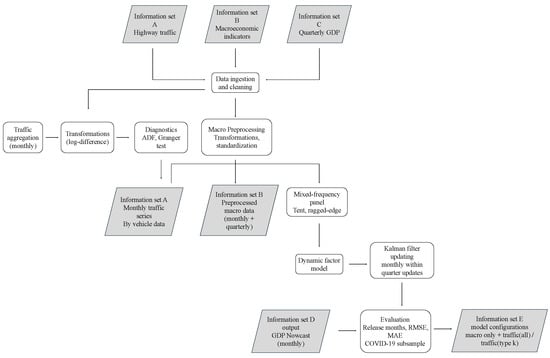
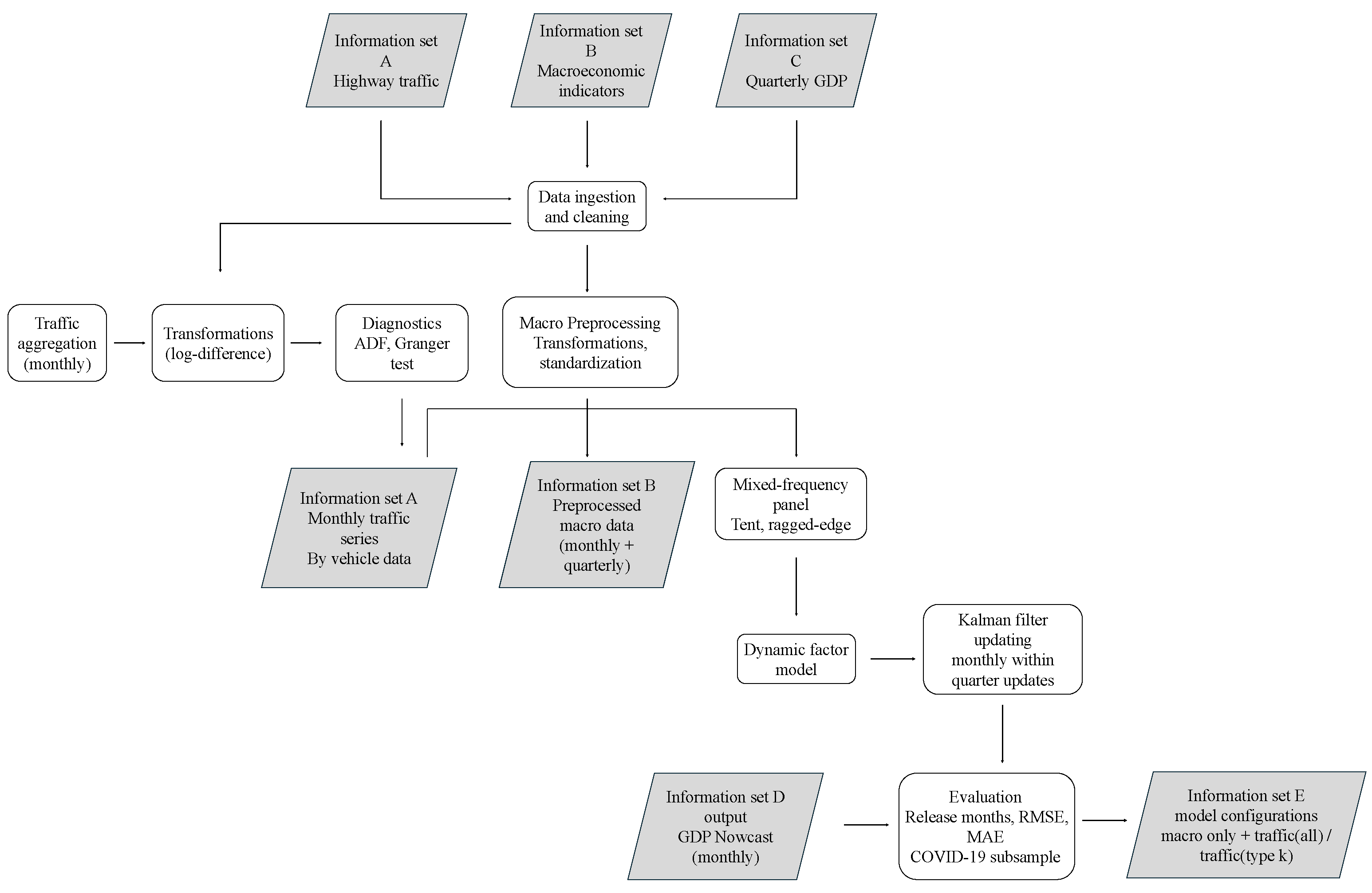
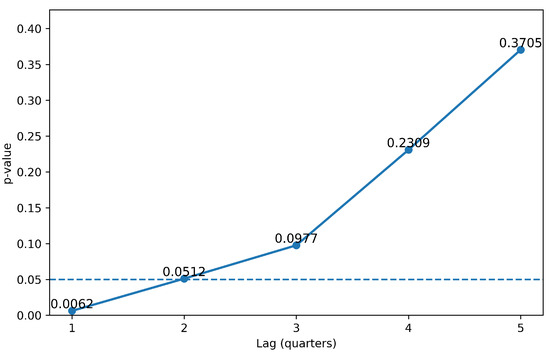
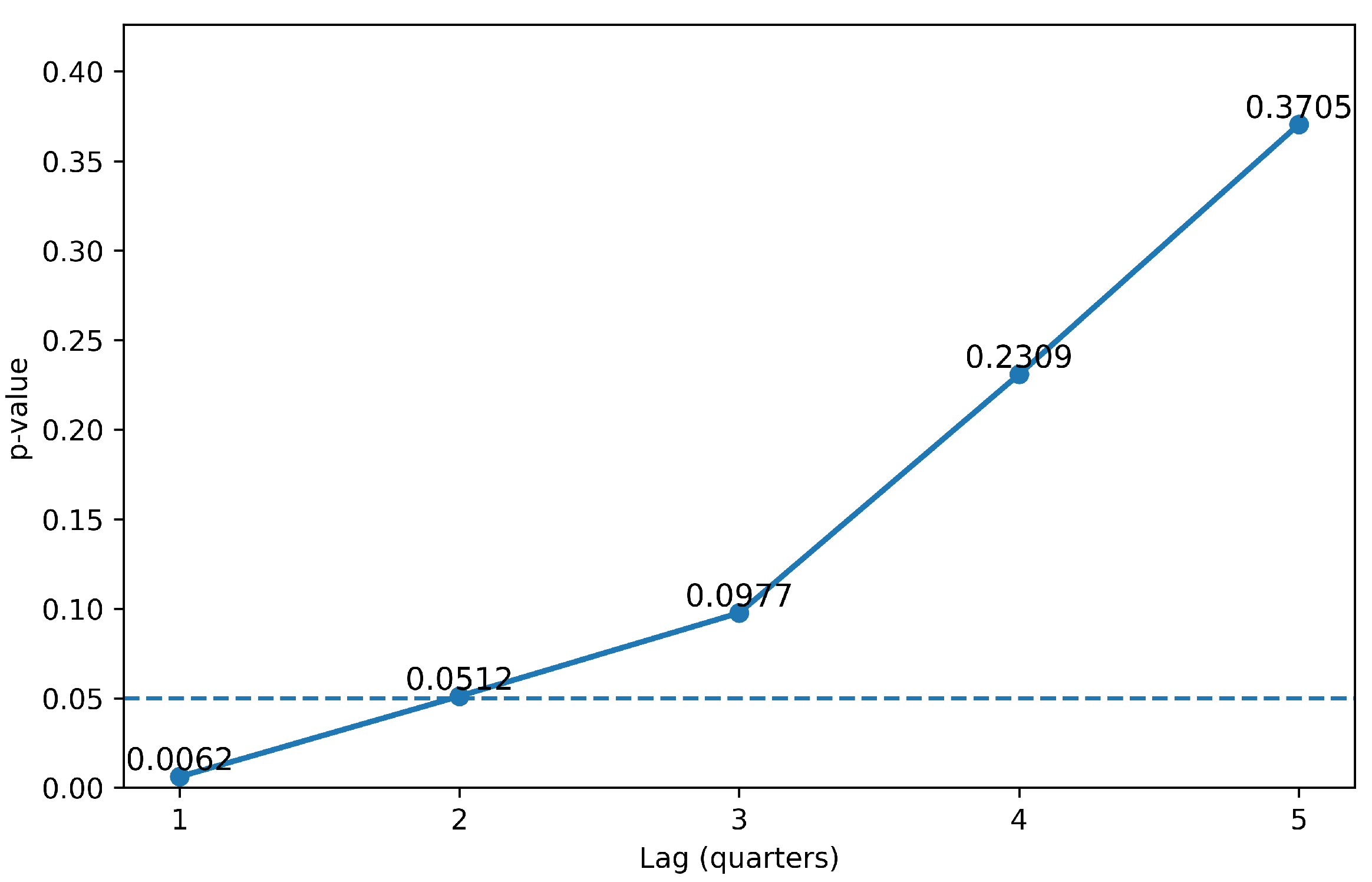
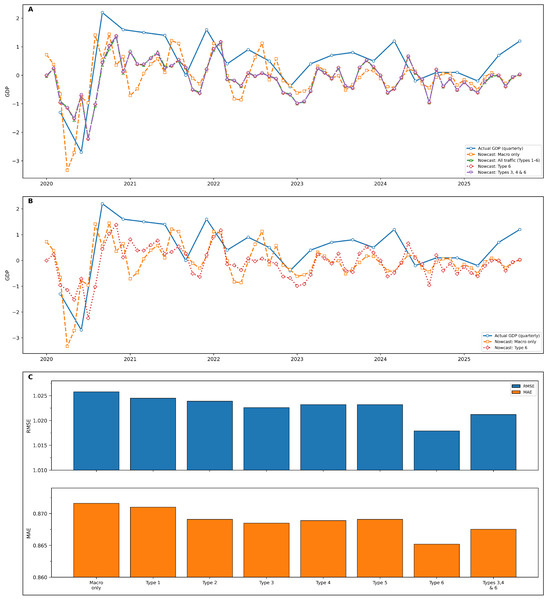
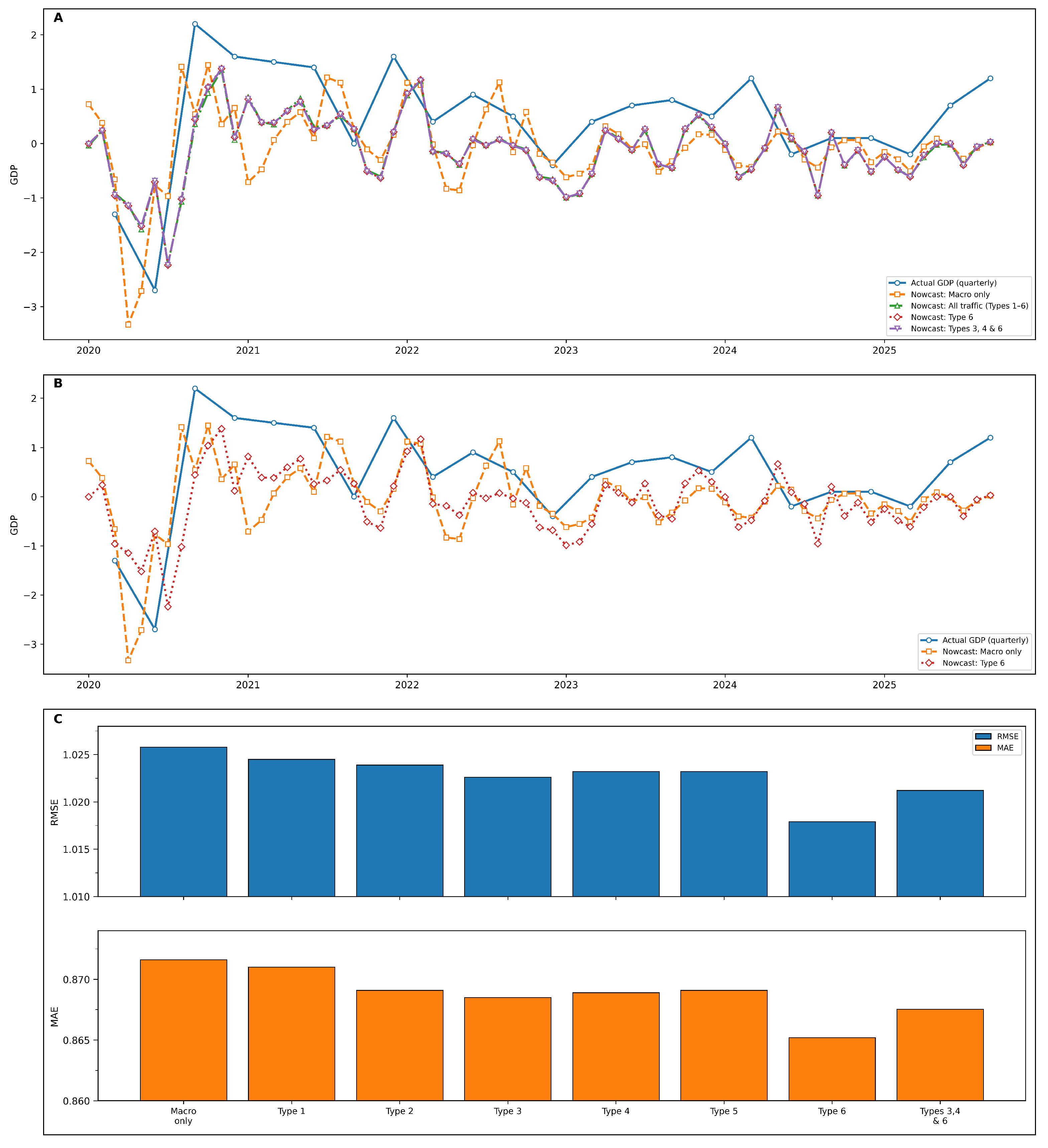
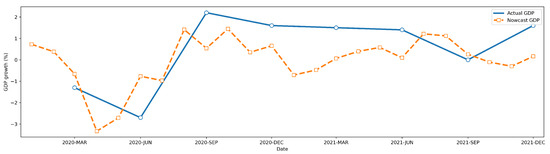
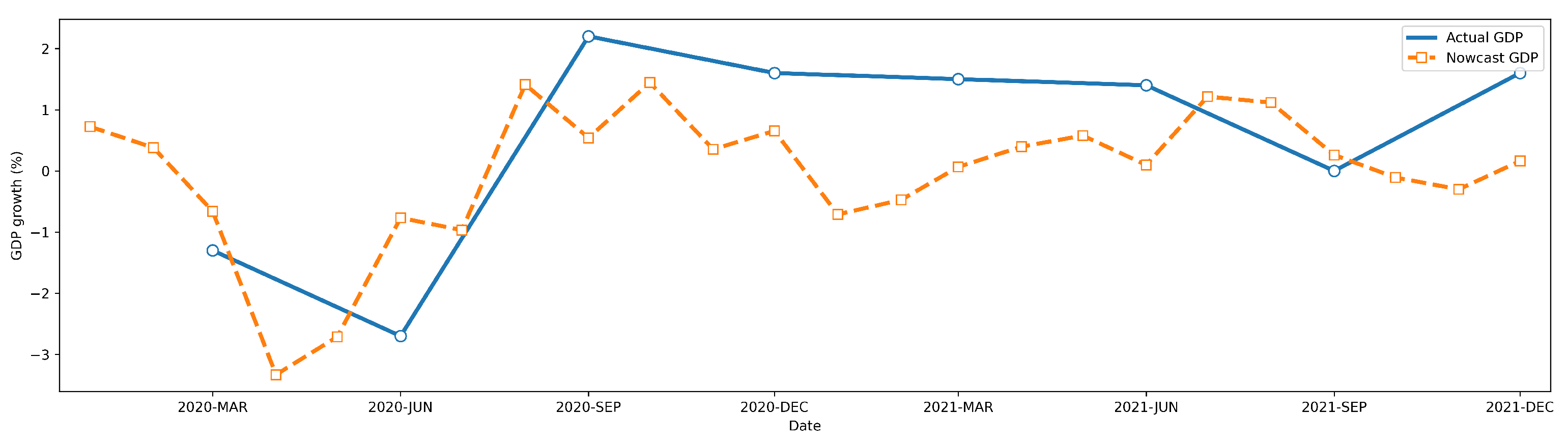

Disclaimer/Publisher’s Note: The statements, opinions and data contained in all publications are solely those of the individual author(s) and contributor(s) and not of MDPI and/or the editor(s). MDPI and/or the editor(s) disclaim responsibility for any injury to people or property resulting from any ideas, methods, instructions or products referred to in the content. |
© 2026 by the authors. Licensee MDPI, Basel, Switzerland. This article is an open access article distributed under the terms and conditions of the Creative Commons Attribution (CC BY) license.