Article

Resource Endowments, Value Cognition, and Strategic Risk-Taking: Explaining Carbon-Reduction Investments in Port Enterprises


1
Department of Economics and Management, Hebei University of Environmental Engineering, Qinhuangdao 066102, China
2
Department of Global Convergence, Kangwon National University, Chuncheon 24341, Republic of Korea
*
Author to whom correspondence should be addressed.
These authors contributed equally to this work.
Systems 2026, 14(2), 203; https://doi.org/10.3390/systems14020203

Submission received: 13 January 2026 / Revised: 6 February 2026 / Accepted: 13 February 2026 / Published: 14 February 2026

Abstract

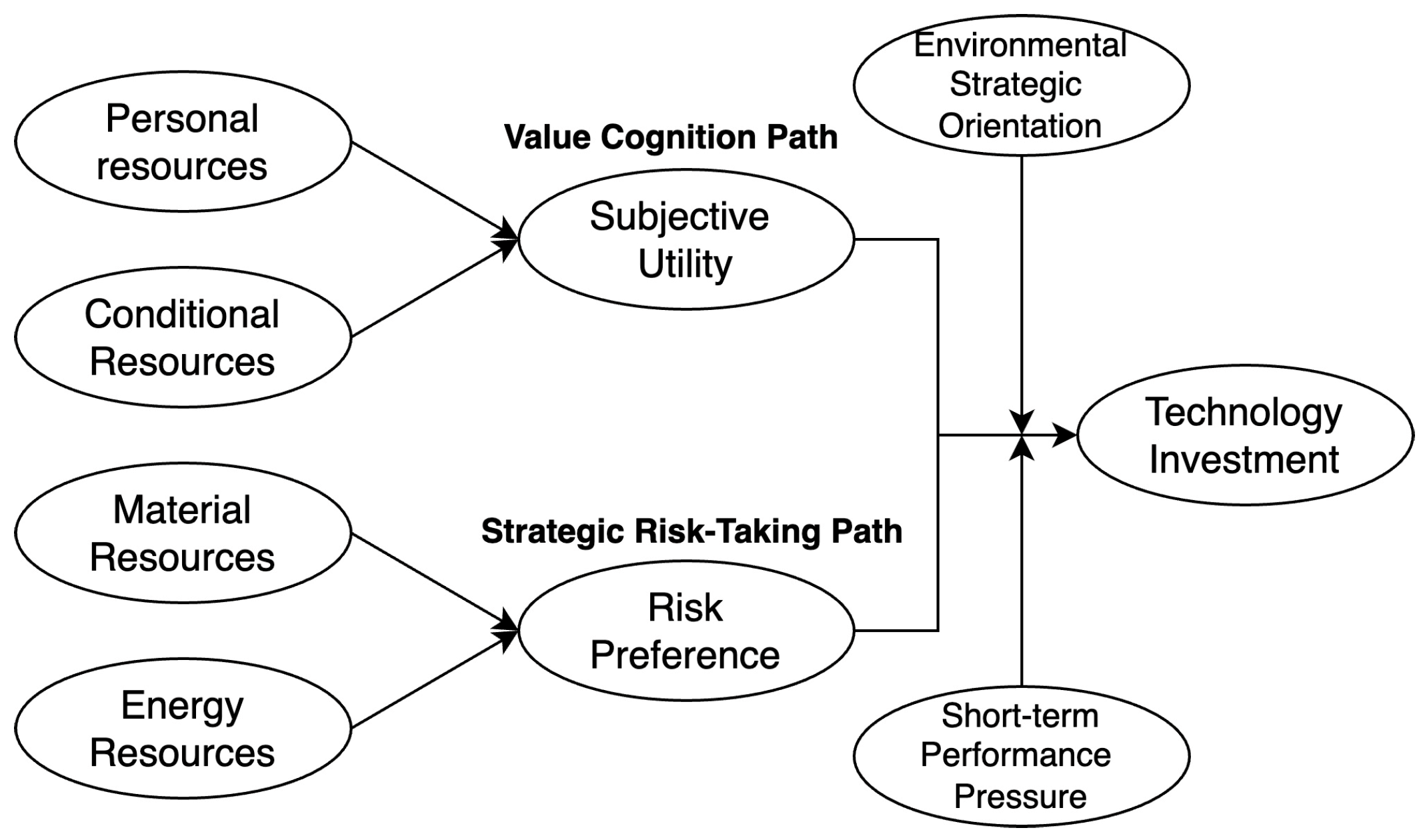
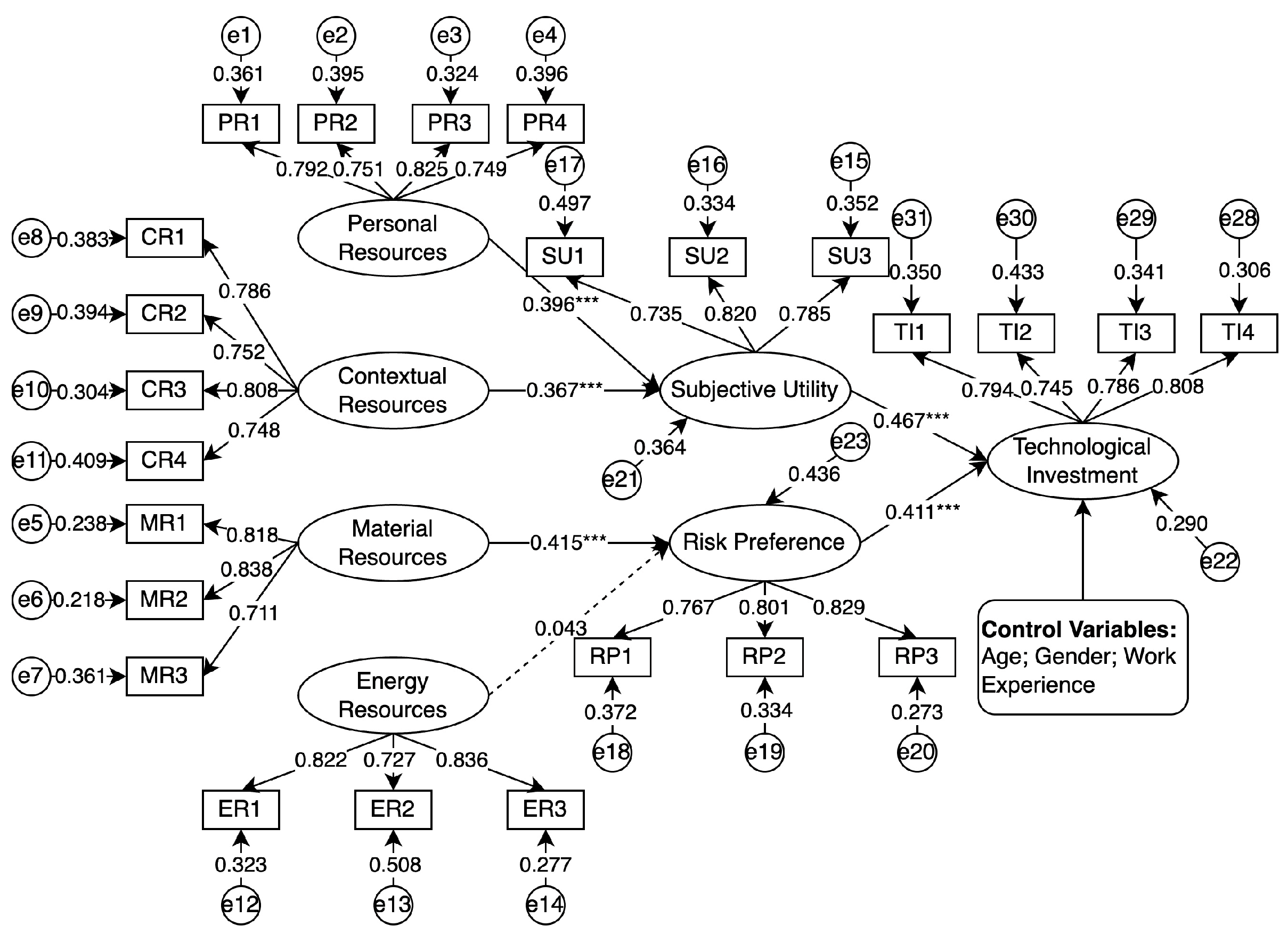
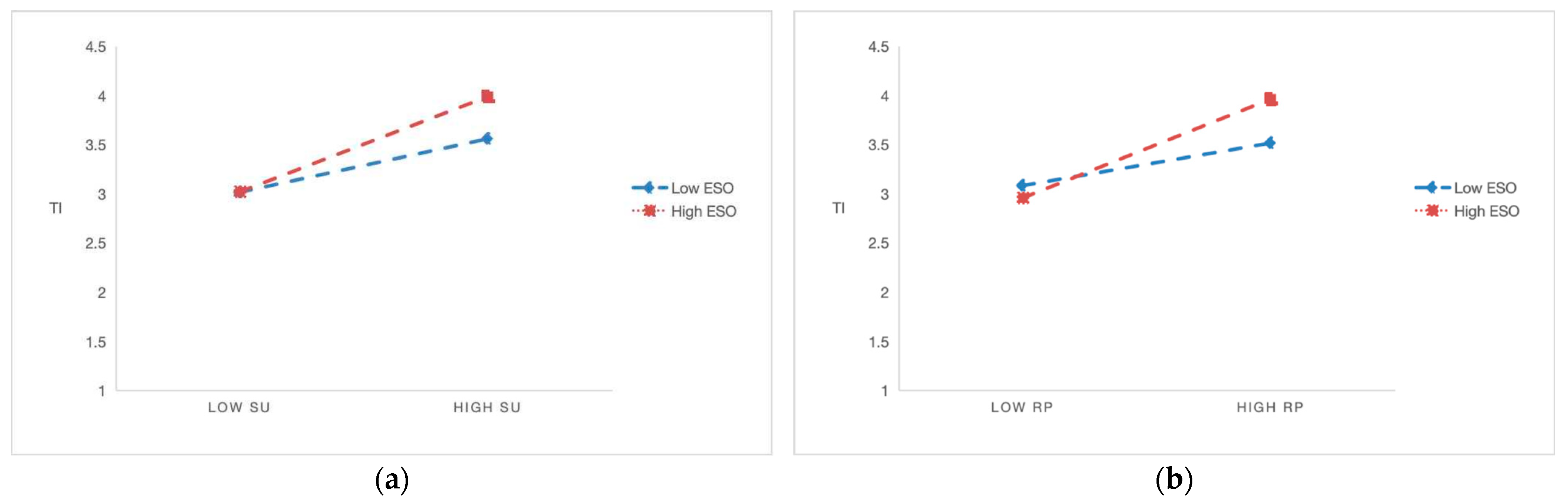
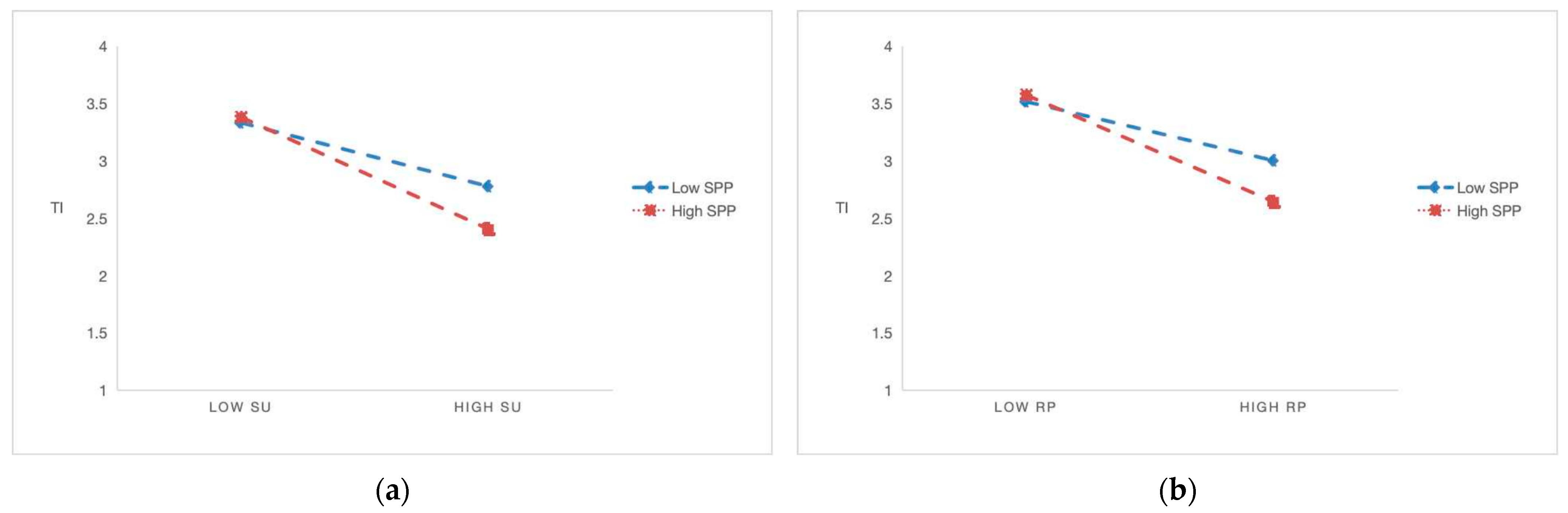
Against the backdrop of decarbonization in global maritime transport and logistics systems, port enterprises play a role in enhancing sustainable transport efficiency and system optimization through investments in carbon-reduction technologies. Situated within the institutional context of China’s “Dual-Carbon” targets, this study integrates Conservation of Resources theory and Behavioral Decision Theory to develop a dual-path analytical framework explaining carbon-reduction technology investment in port enterprises. A three-stage mixed-methods design is employed. First, grounded theory identifies four key resource categories: individual, conditional, material, and energy resources. Second, based on structural equation modeling and conditional process analysis of survey data from 372 port enterprise managers, the results show that individual and conditional resources significantly promote technology investment by enhancing perceived utility, while material resources exert a positive effect by increasing risk preference; the effect of energy resources is not significant. Environmental strategic orientation strengthens these relationships, whereas short-term performance pressure weakens them. Third, fuzzy-set qualitative comparative analysis reveals that multiple resource configurations can equivalently drive high levels of technology investment. Overall, this study uncovers the resource foundations and psychological mechanisms underlying carbon-reduction technology investment in port enterprises, offering empirical evidence for green technology investment in sustainable maritime transport and logistics.
Keywords: port enterprises; carbon emission reduction; technology investment; conservation of resources theory; behavioral decision theory; mixed method port enterprises; carbon emission reduction; technology investment; conservation of resources theory; behavioral decision theory; mixed method