Response of a Chloroidium saccharophilum Strain to Extreme Conditions of the Atacama Desert


Simple Summary
Abstract
1. Introduction
2. Materials and Methods
2.1. Sample Collection and Strain Isolation
2.2. Morphological and Phylogenetic Characterization and ITS2 Secondary Structure Analysis
2.3. Culture Conditions
2.3.1. Performance Under Laboratory Conditions
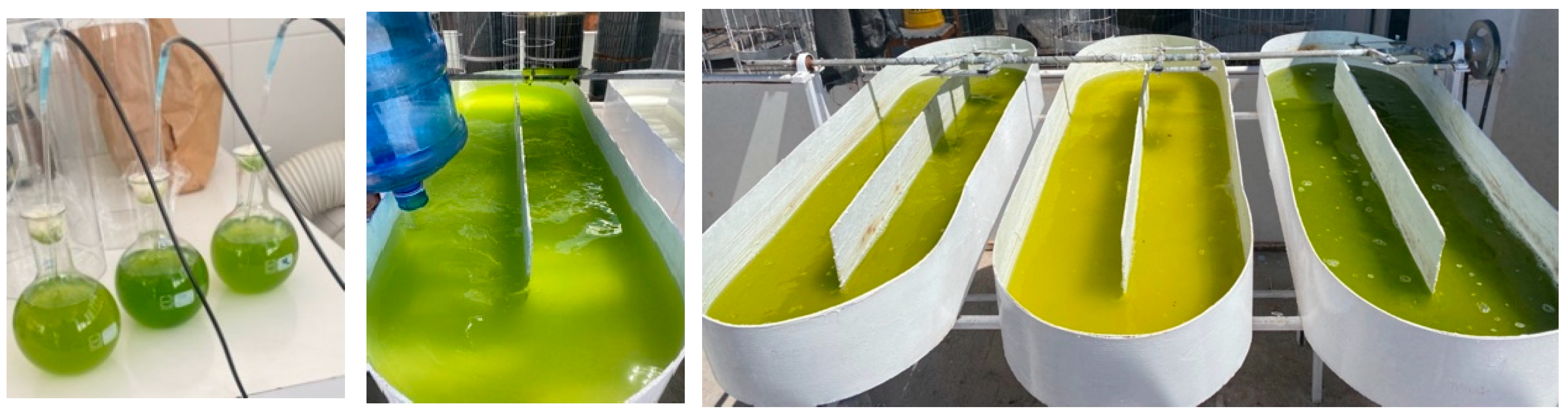
2.3.2. Performance Under Outdoor Conditions
2.4. Cell Growth and Biomass Determination
- PB = biomass productivity (g L−1 day−1).
- µ = specific growth rate (day−1).
- CBf = final biomass concentration (g L−1).
- CB0 = initial biomass concentration (g L−1).
- tf = final time (days).
- t0 = initial time (days).
2.5. Nitrate and Phosphate Consumption and Oxygen Production
2.6. Pigment Determination
2.7. Software and Statistical Analysis
3. Results and Discussion
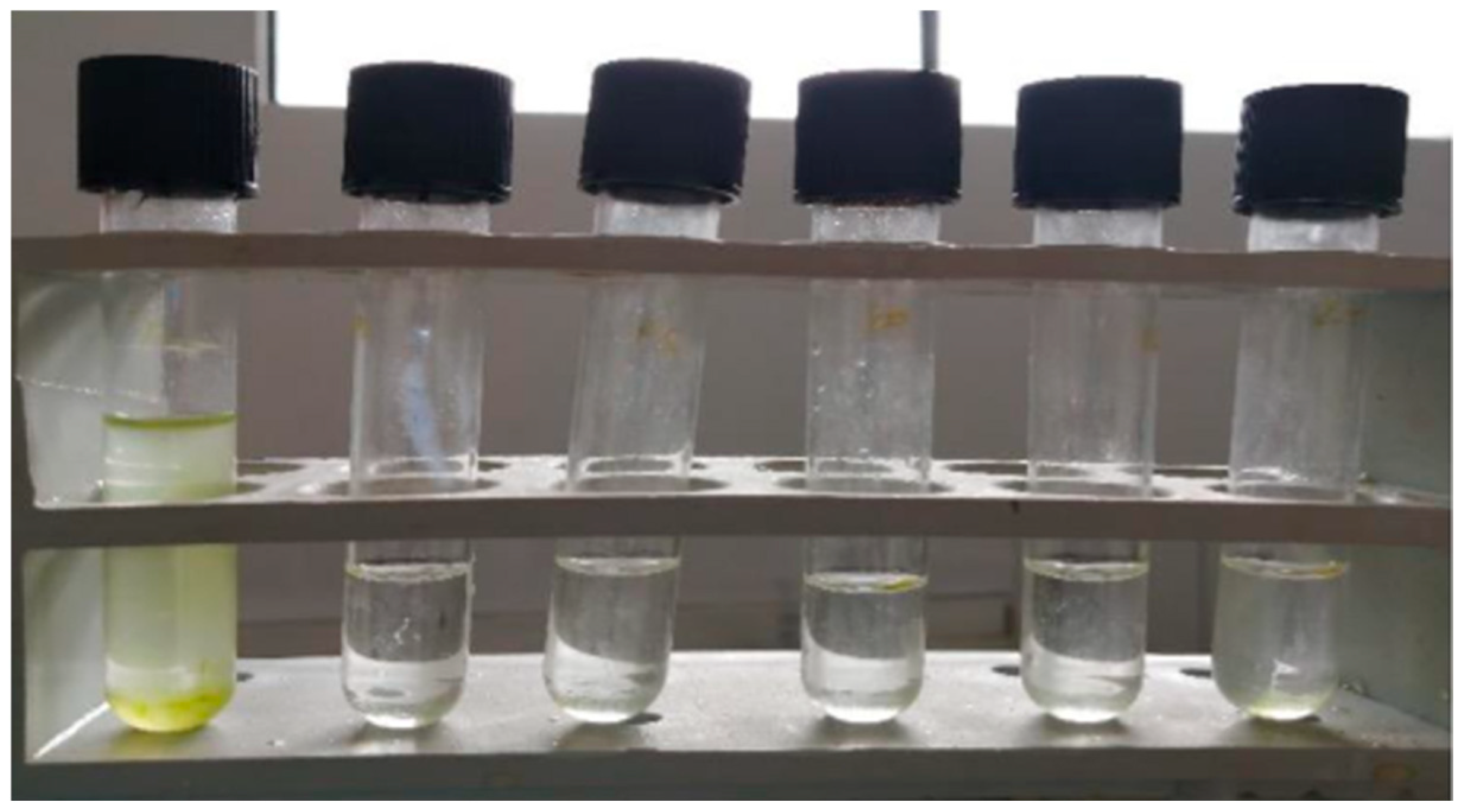
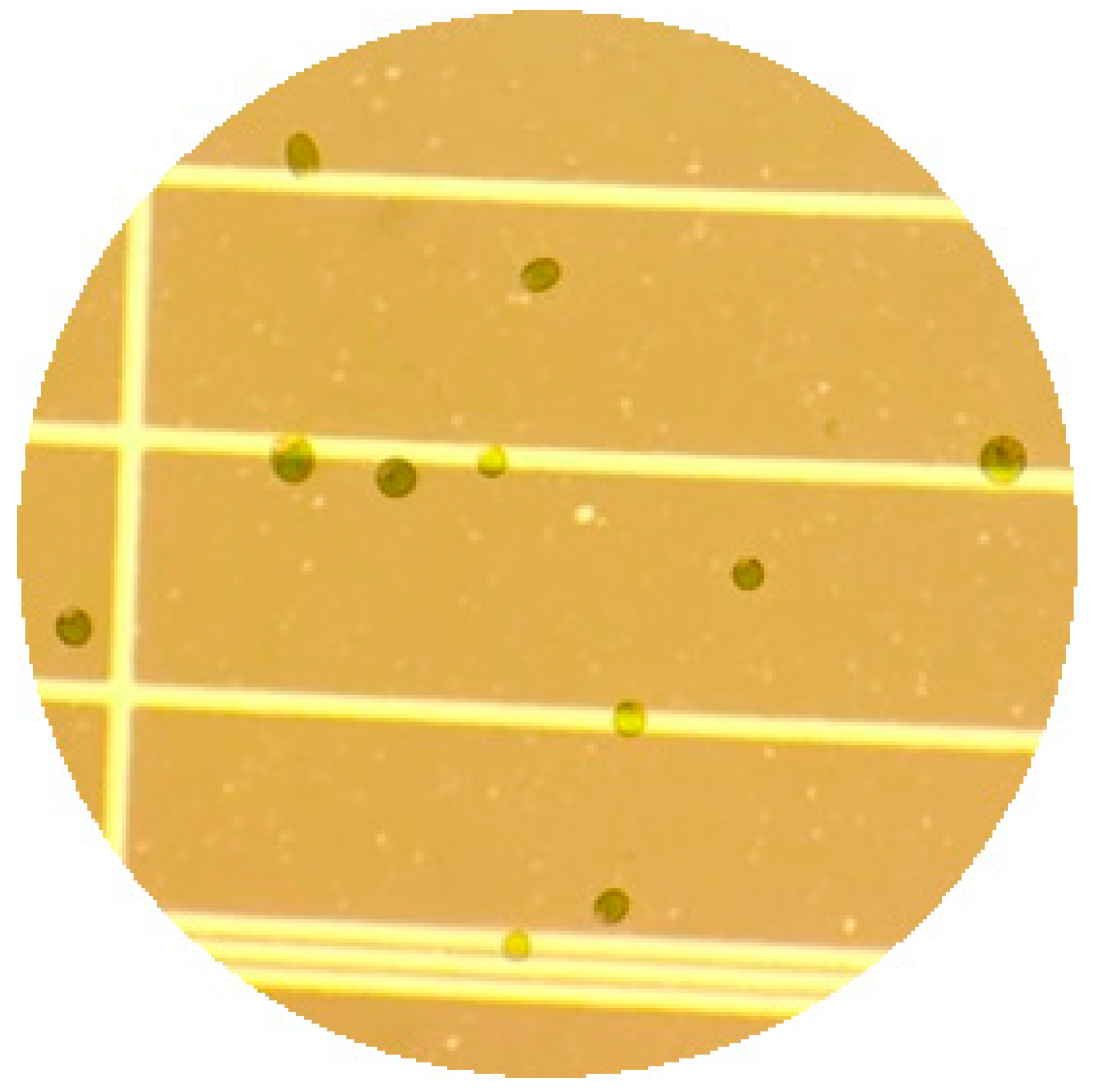
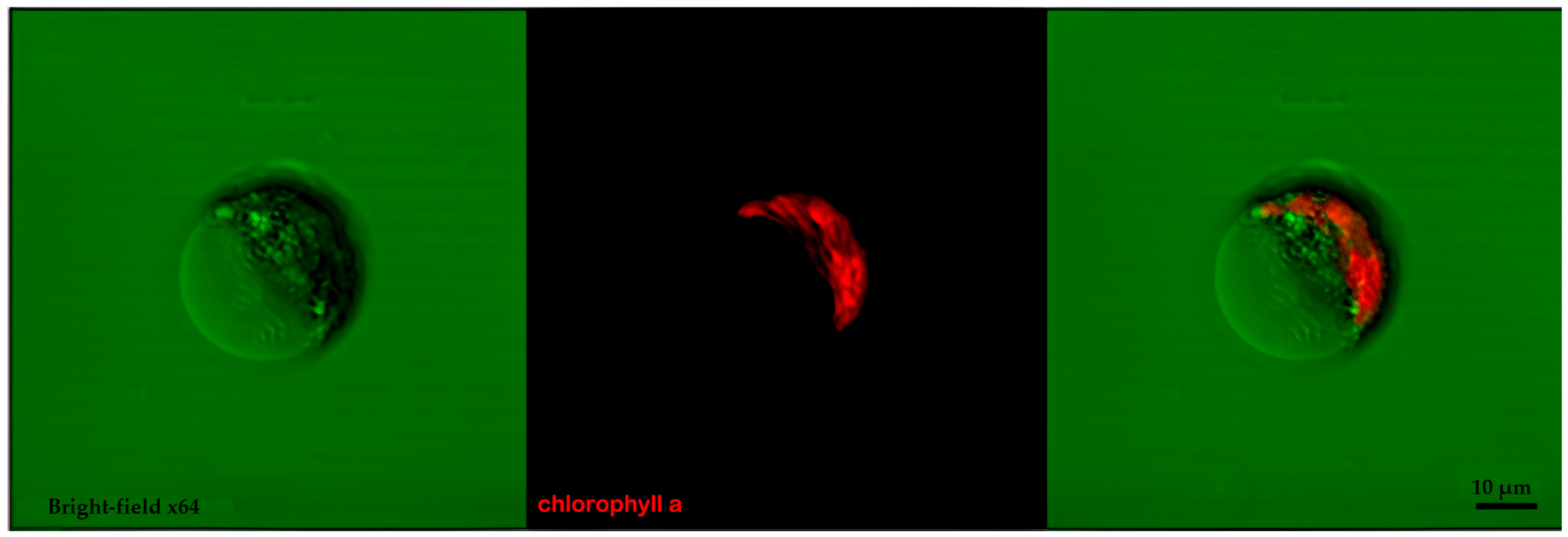
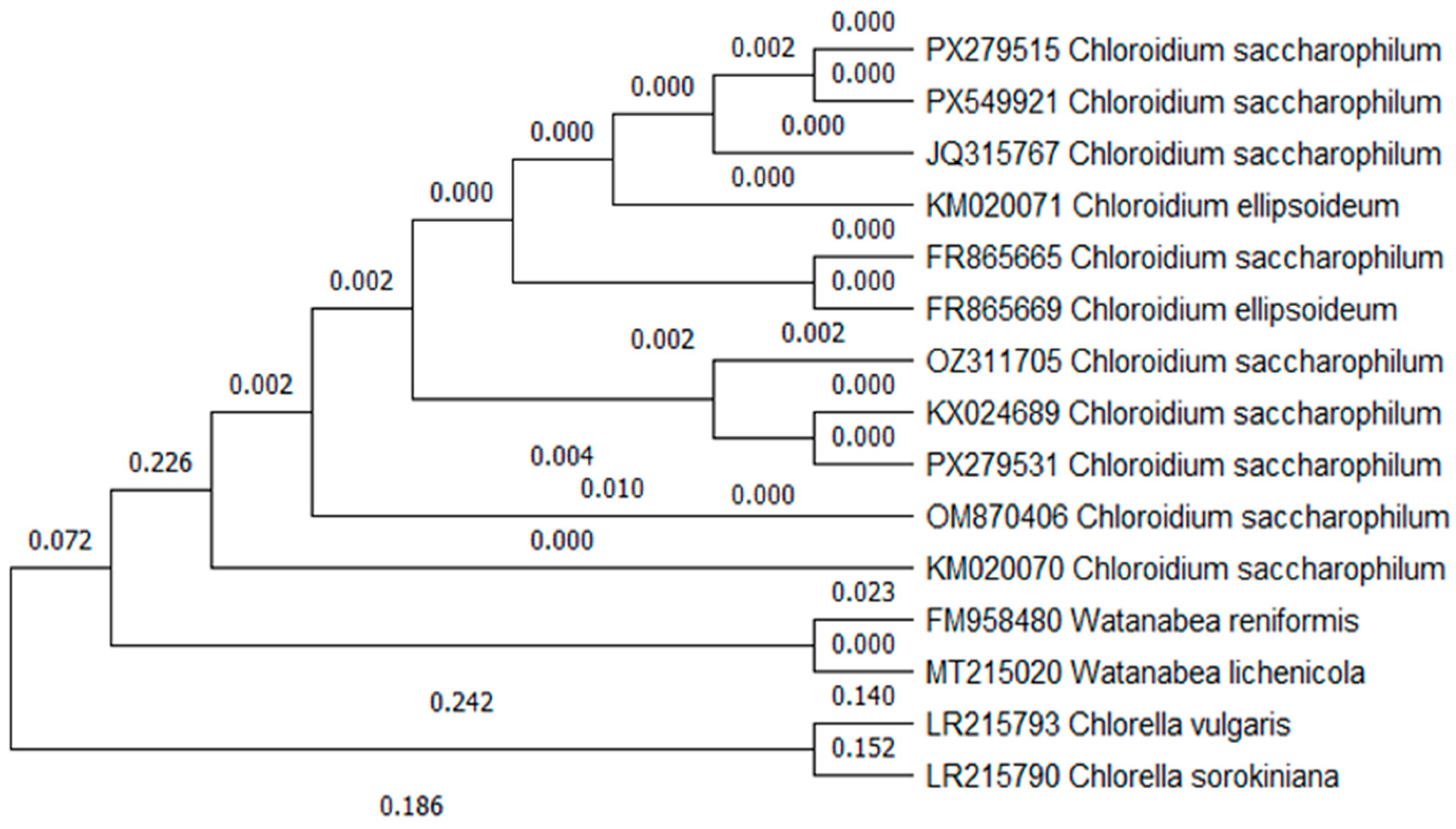
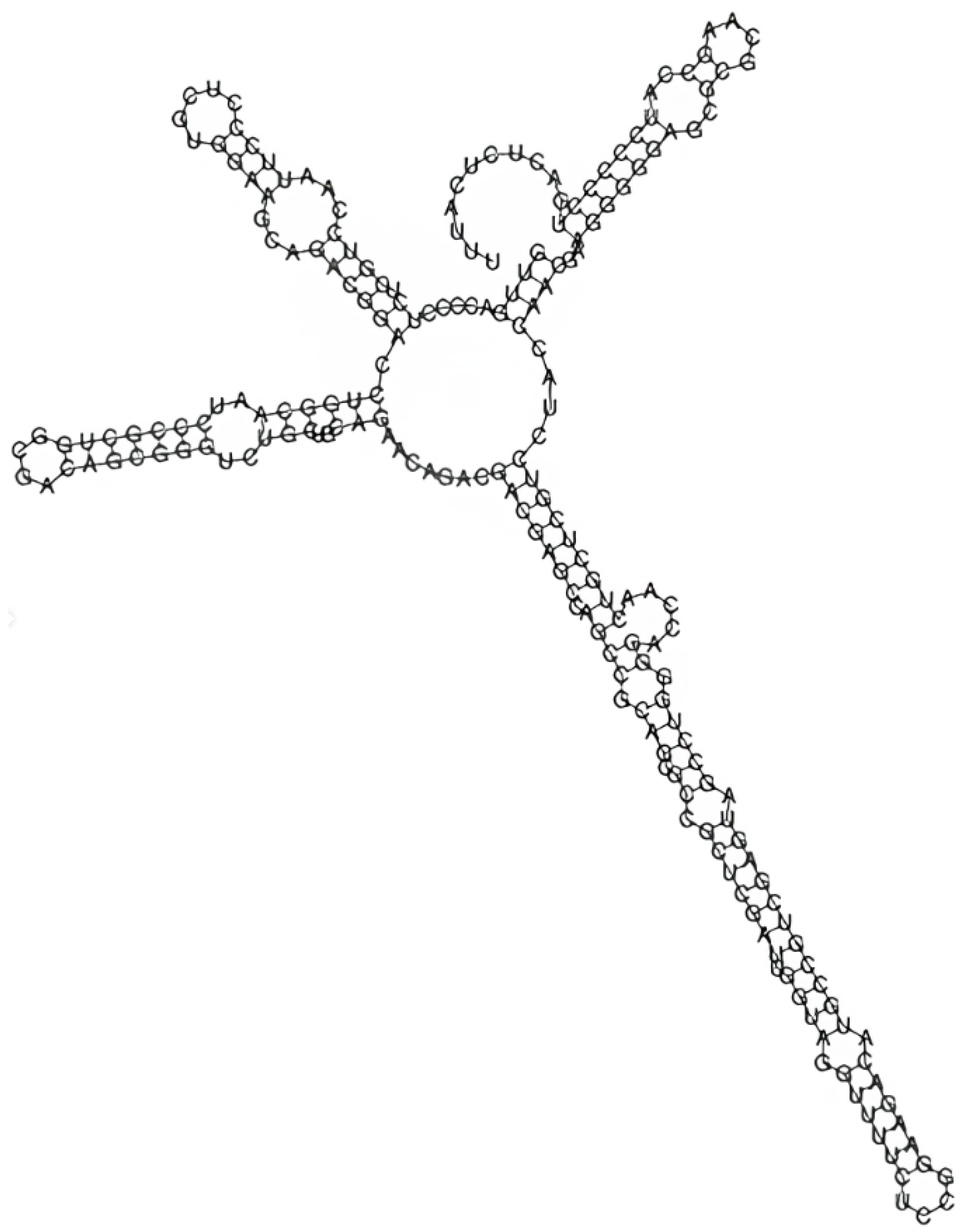
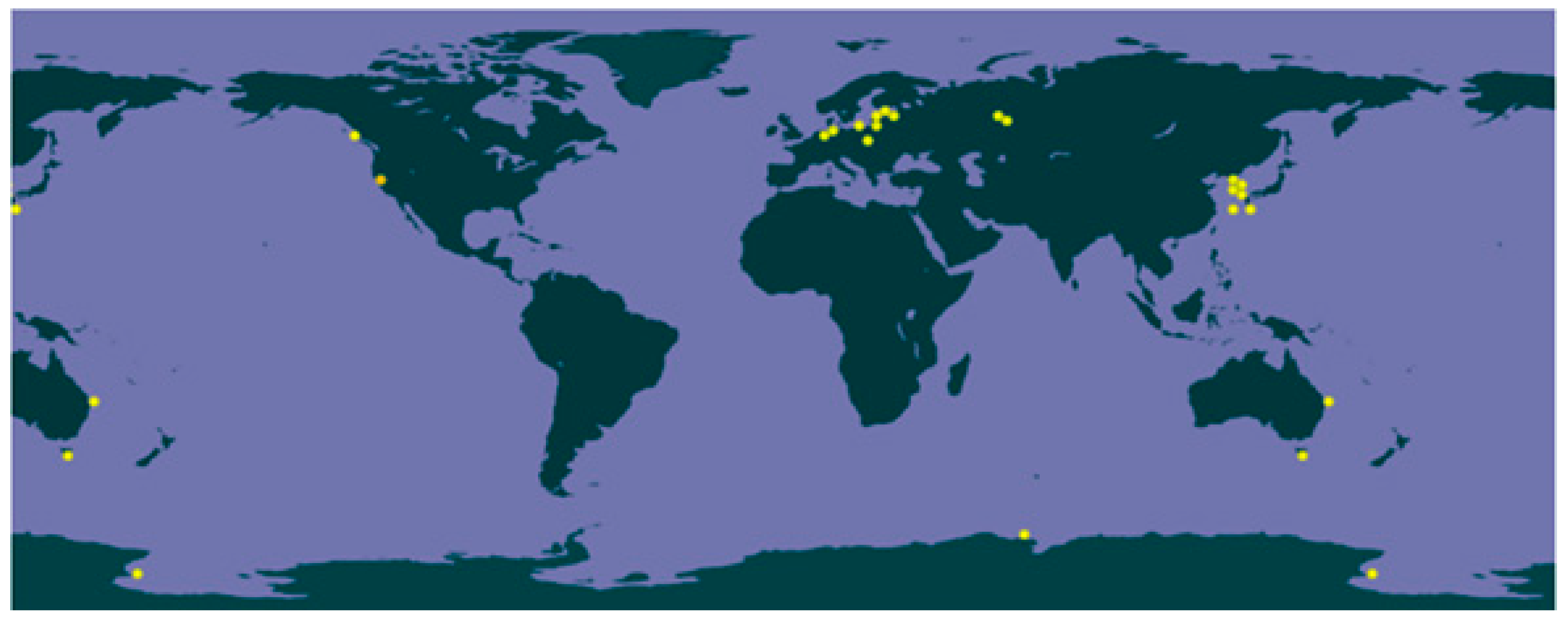
3.1. Morphological, Phylogenetic, and ITS2 Secondary Structure Analyses of C. saccharophilum
3.2. Comparative Environmental Conditions Between Mars and the Hyper-Arid Atacama Desert
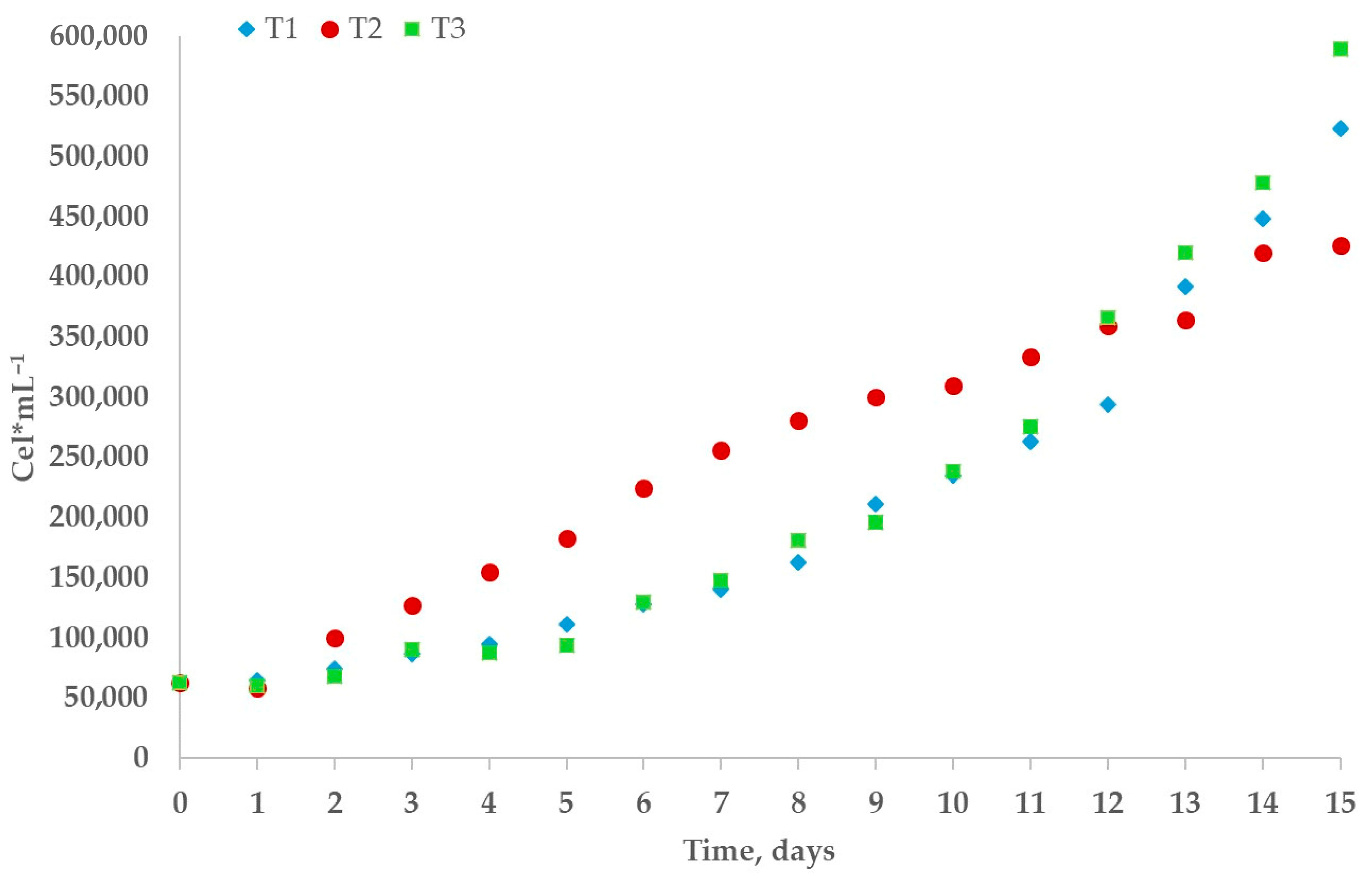
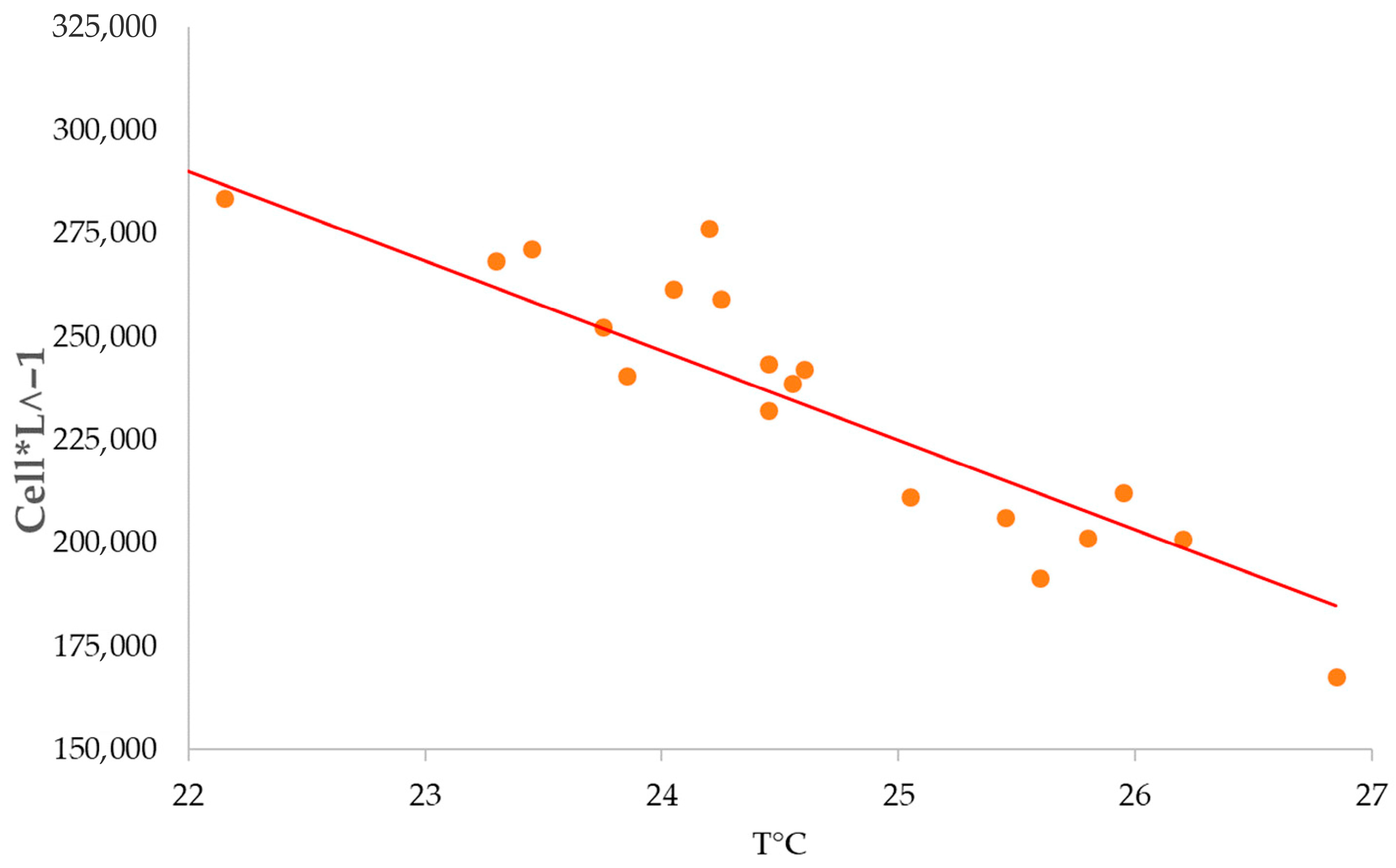
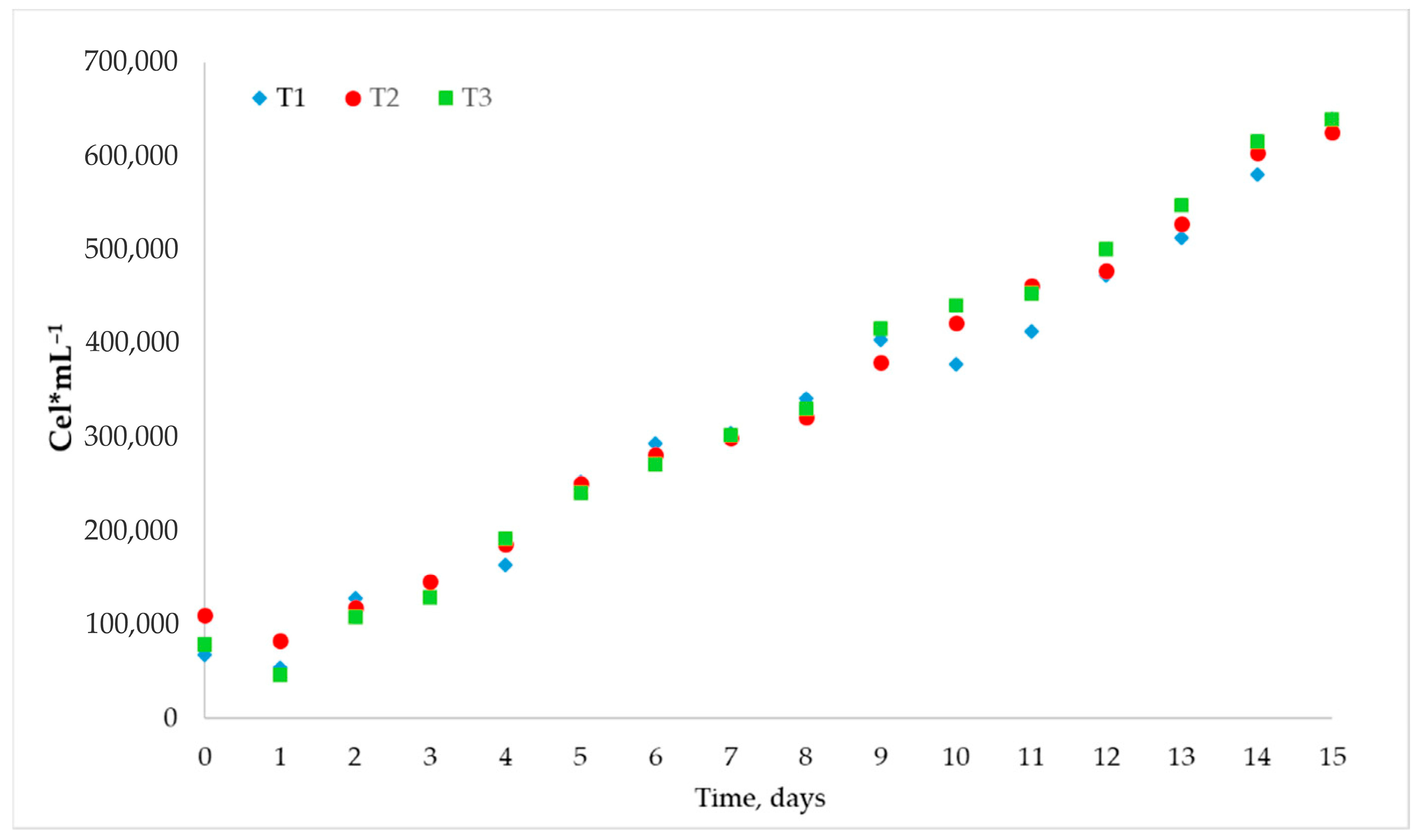
3.3. Performance of C. saccharophilum Under Laboratory Conditions
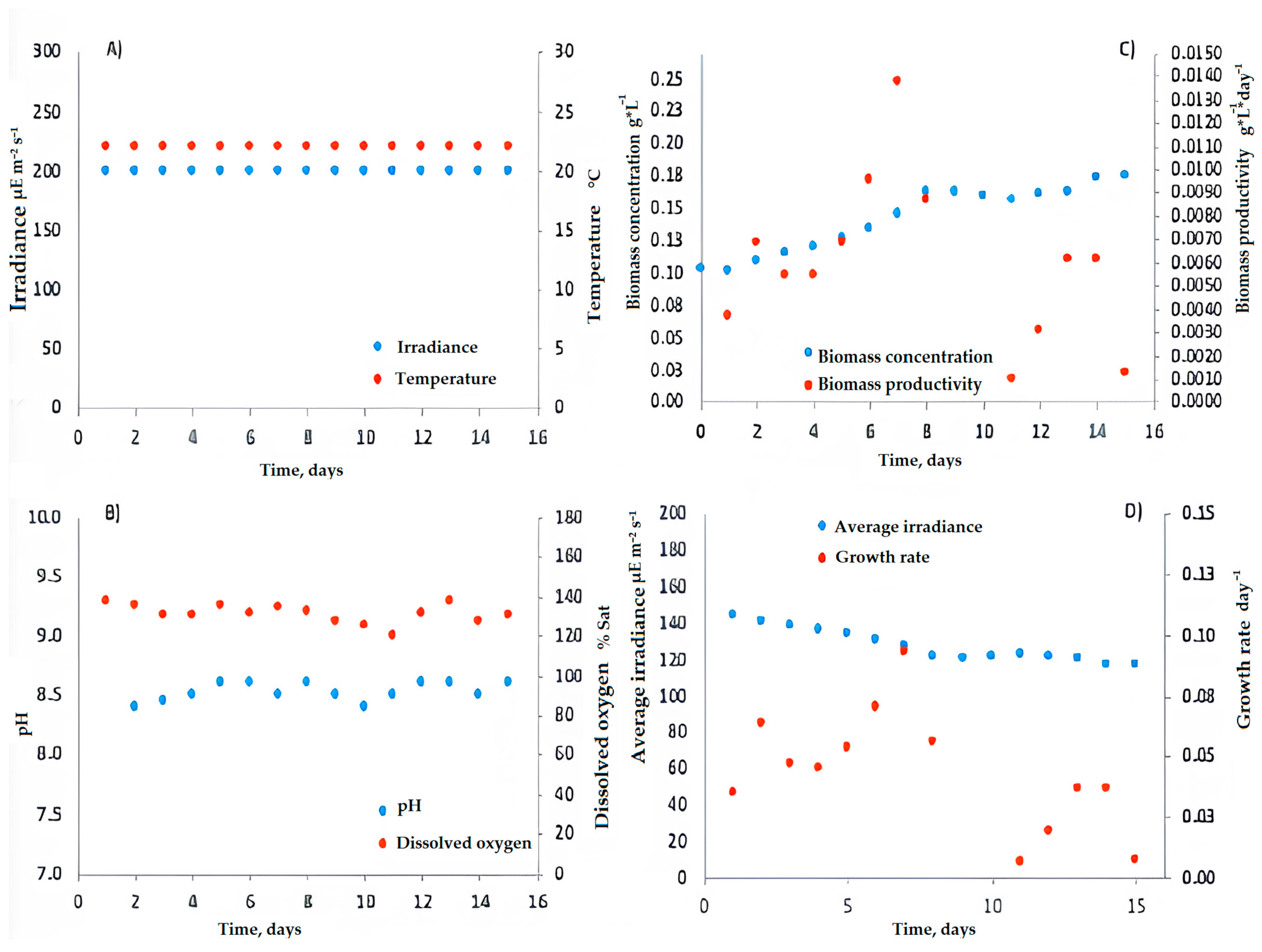
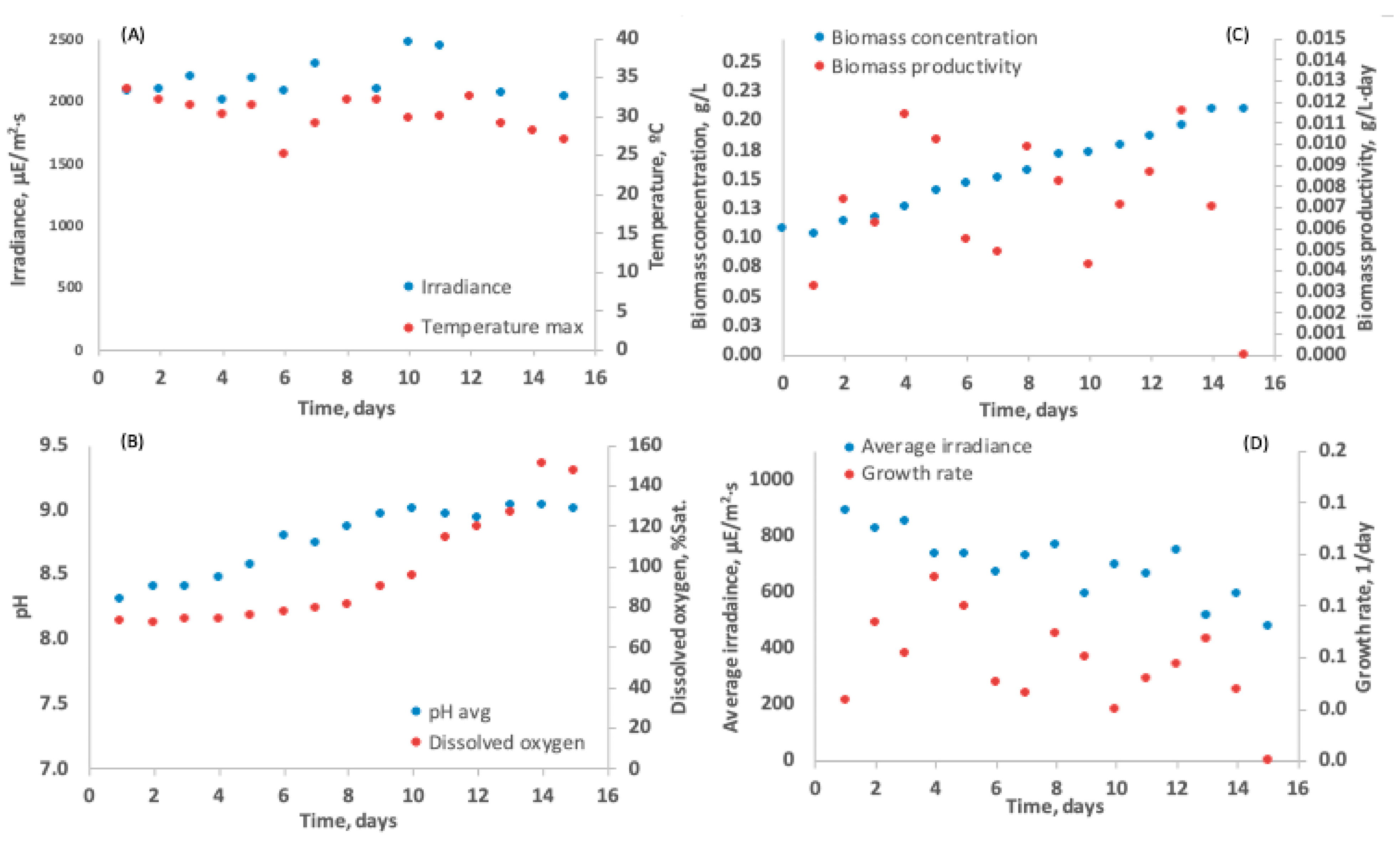
3.4. Performance of C. saccharophilum Under Outdoor Conditions
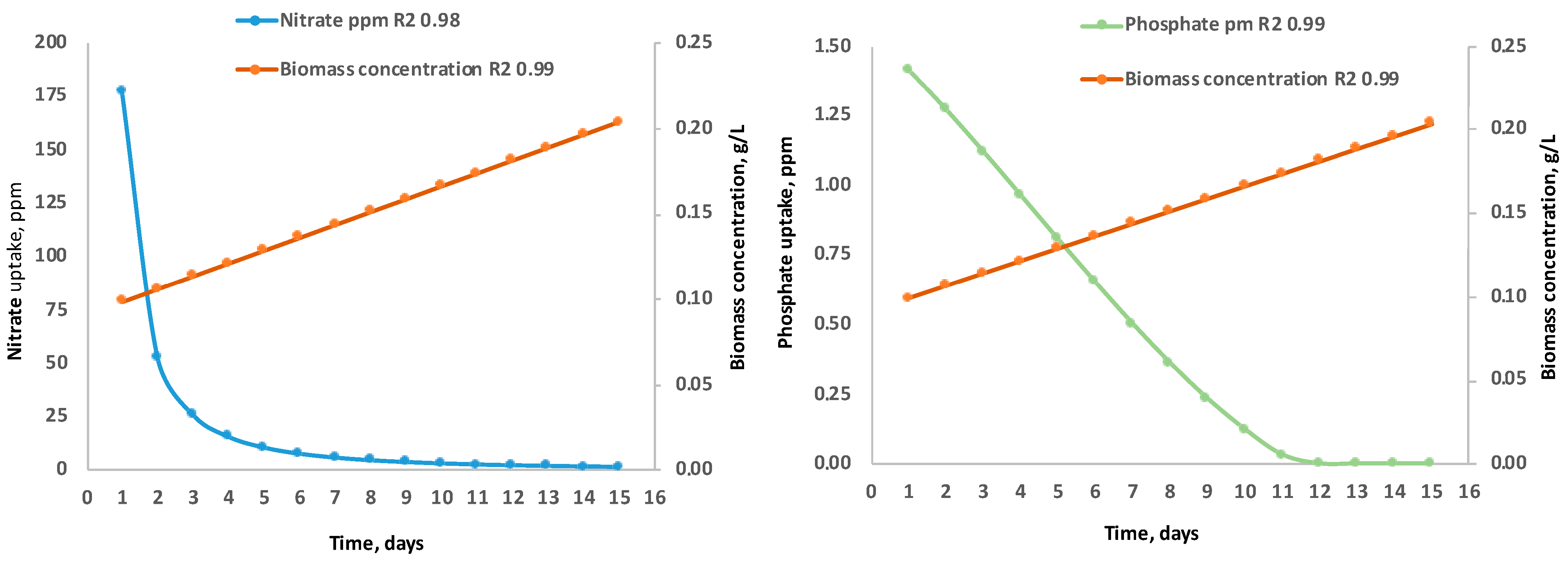
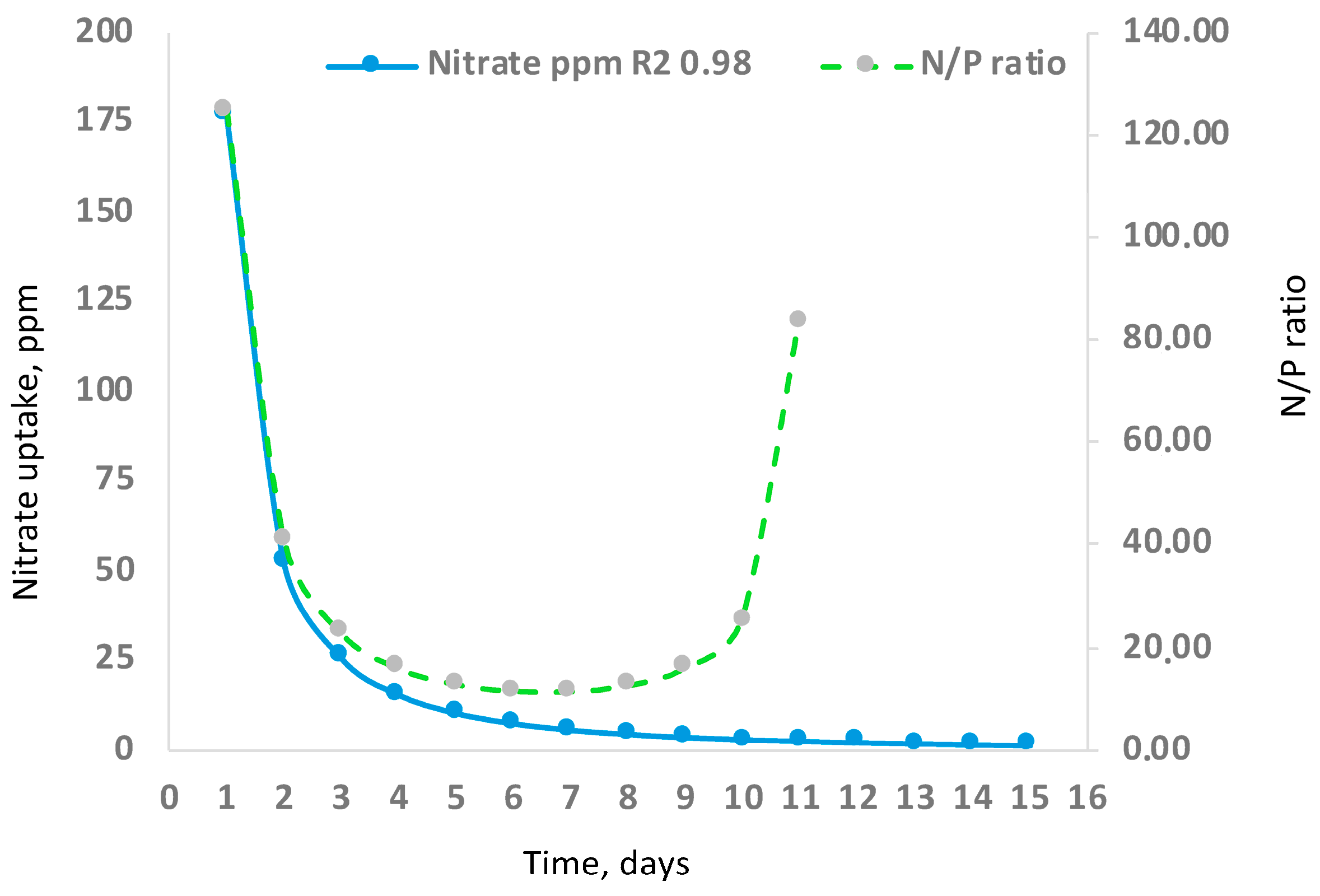
3.5. Nitrate and Phosphate Uptake and Oxygen Production
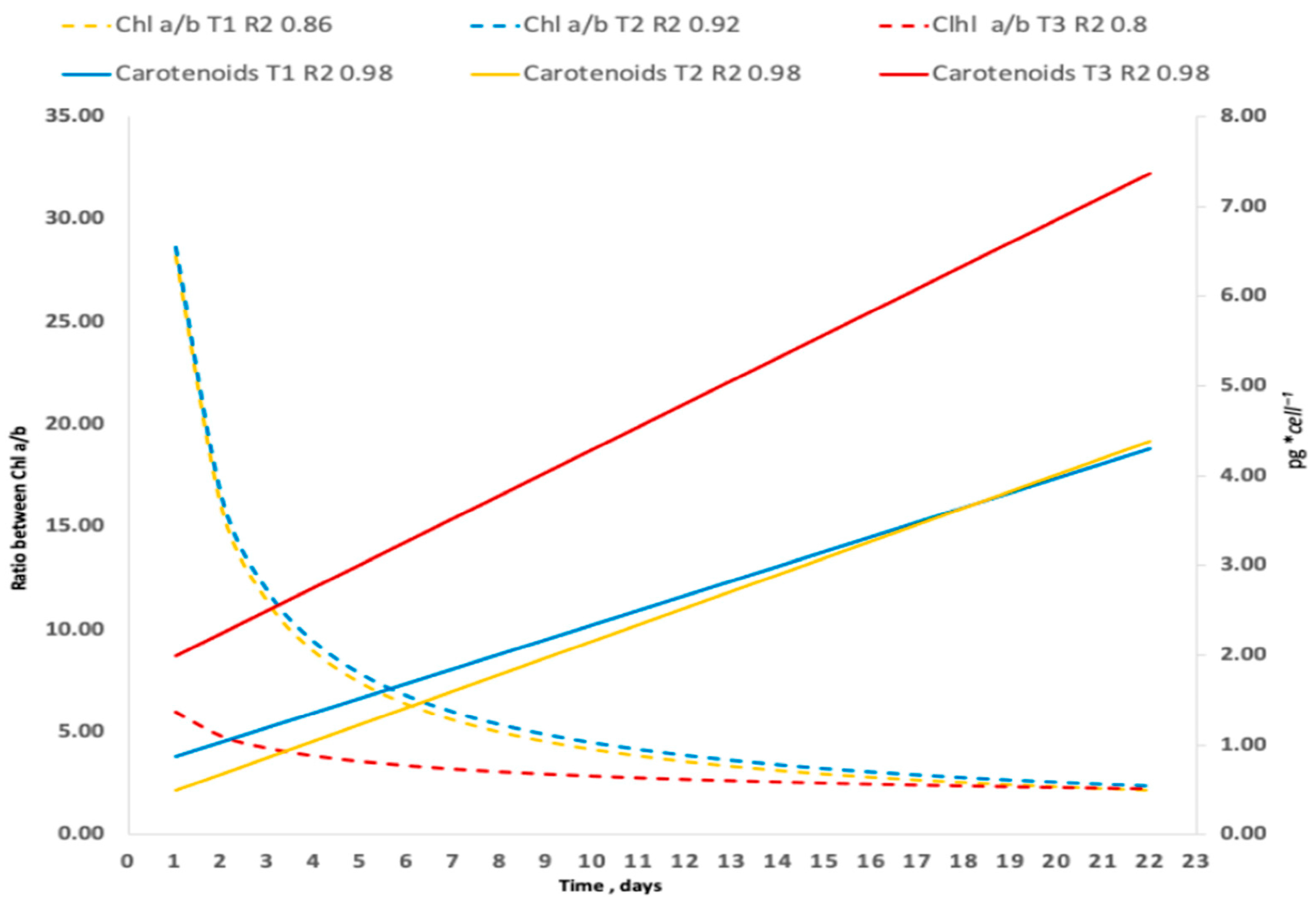
3.6. Effects of Salinity on Carotenoid Content and Chlorophyll a/b Ratio
3.7. Microalgae and Cyanobacteria Under Simulated Martian Conditions
3.8. Implications for C. saccharophilum
4. Conclusions
Author Contributions
Funding
Institutional Review Board Statement
Data Availability Statement
Acknowledgments
Conflicts of Interest
Abbreviations
| PB | Biomass productivity in g*L−1*day−1 |
| CBf | Final biomass concentration in g*L−1 |
| CB0 | Initial biomass concentration in g*L−1 |
| tf: | Final time in days |
| t0 | Initial time in days |
| μ | Growth rate in day−1 |
| CC | Cell concentration in Cel*mL−1 |
| CBn | Biomass concentration on a specific day in g*L−1 |
| Chl | Chlorophyll |
| Ax | Absorbance at a specific wavelength, with x representing the wavelength. |
References
- Thoré, E.S.J.; Muylaert, K.; Bertram, M.G.; Brodin, T. Microalgae. Curr. Biol. 2023, 33, R91–R95. [Google Scholar] [CrossRef]
- Hernández-Pérez, A.; Labbé, J.I. Microalgas, cultivo y beneficios. Rev. Biol. Mar. Oceanogr. 2014, 49, 157–173. [Google Scholar] [CrossRef]
- Azua-Bustos, A.; Urrejola, C.; Vicuña, R. Life at the dry edge: Microorganisms of the Atacama Desert. FEBS Lett. 2012, 586, 2939–2945. [Google Scholar] [CrossRef] [PubMed]
- González, M.A.; Pröschold, T.; Palacios, Y.; Aguayo, P.; Inostroza, I.; Gómez, P.I. Taxonomic identification and lipid production of two Chilean Chlorella-like strains isolated from a marine and an estuarine coastal environment. AoB PLANTS 2013, 5, plt020. [Google Scholar] [CrossRef]
- Darienko, T.; Gustavs, L.; Mudimu, O.; Menendez, C.R.; Schumann, R.; Karsten, U.; Friedl, T.; Pröschold, T. Chloroidium, a common terrestrial coccoid green alga previously assigned to Chlorella (Trebouxiophyceae, Chlorophyta). Eur. J. Phycol. 2010, 45, 79–95. [Google Scholar] [CrossRef]
- Gim, G.H.; Ryu, J.; Kim, M.J.; Kim, P.I.; Kim, S.W. Effects of carbon source and light intensity on the growth and total lipid production of three microalgae under different culture conditions. J. Ind. Microbiol. Biotechnol. 2016, 43, 605–616. [Google Scholar] [CrossRef]
- Qiu, R.; Gao, S.; Lopez, P.A.; Ogden, K.L. Effects of pH on cell growth, lipid production and CO2 addition of microalgae Chlorella sorokiniana. Algal Res. 2017, 28, 192–199. [Google Scholar] [CrossRef]
- Assunção, M.F.G.; Amaral, R.; Martins, C.B.; Ferreira, J.D.; Ressurreição, S.; Santos, S.D.; Varejão, J.M.T.B.; Santos, L.M.A. Screening microalgae as potential sources of antioxidants. J. Appl. Phycol. 2017, 29, 865–877. [Google Scholar] [CrossRef]
- Maroubo, L.A.; Andrade, D.S.; Caviglione, J.H.; Lovato, G.M.; Nagashima, G.T. Potential outdoor cultivation of green microalgae based on response to changing temperatures and by combining with air temperature occurrence. Bioenergy Res. 2018, 11, 748–762. [Google Scholar] [CrossRef]
- Jia, T.; Ito, H.; Hu, X.; Tanaka, A. Accumulation of the NON-YELLOW COLORING 1 protein of the chlorophyll cycle requires chlorophyll b in Arabidopsis thaliana. Plant J. 2015, 81, 586–596. [Google Scholar] [CrossRef]
- Egorova, I.N.; Kulakova, N.V.; Bedoshvili, Y.D. Chloroidium saccharophilum (Chlorophyta) from the Lake Baikal shore (Republic of Buryatia, Russia). Nov. Sist. Nizsh. Rast. 2022, 56, 255–272. [Google Scholar] [CrossRef]
- Khairunnisa, K.; Hartati, R.; Widowati, I. Chlorophyll Content of Chlorella vulgaris (Beijerinck, 1890) on Different Light Intensity. Bul. Oseanogr. Mar. 2024, 13, 107–112. [Google Scholar] [CrossRef]
- Ligia, A.C.C.; Karen, Y.F.K.; Susan, G.K. Microbial production of carotenoids: A review. Afr. J. Biotechnol. 2017, 16, 139–146. [Google Scholar] [CrossRef]
- Mahtab, K. Evaluation of fatty acid profiles of Chlorella Vulgaris microalgae grown in dairy wastewater for producing biofuel. J. Environ. Health Sci. Eng. 2022, 20, 691–697. [Google Scholar] [CrossRef]
- Moreno, T.; Gibbons, W. (Eds.) The Geology of Chile; Geological Society of London: London, UK, 2007. [Google Scholar] [CrossRef]
- Díaz, J.P.; Inostroza, C.; Acién, F.G. Scale-up of a Fibonacci-Type Photobioreactor for the Production of Dunaliella salina. Appl. Biochem. Biotechnol. 2021, 193, 188–204. [Google Scholar] [CrossRef]
- Schneider, C.A.; Rasband, W.S.; Eliceiri, K.W. NIH Image to ImageJ: 25 years of image analysis. Nat. Methods 2012, 9, 671–675. [Google Scholar] [CrossRef]
- Hall, T.; Biosciences, I.; Carlsbad, C. BioEdit: An important software for molecular biology. GERF Bull. Biosci. 2011, 2, 60–61. [Google Scholar]
- Altschul, S.F.; Gish, W.; Miller, W.; Myers, E.W.; Lipman, D.J. Basic local alignment search tool. J. Mol. Biol. 1990, 215, 403–410. [Google Scholar] [CrossRef]
- Edgar, R.C. MUSCLE: Multiple sequence alignment with high accuracy and high throughput. Nucleic Acids Res. 2004, 32, 1792–1797. [Google Scholar] [CrossRef]
- Kumar, S.; Stecher, G.; Suleski, M.; Sanderford, M.; Sharma, S.; Tamura, K. MEGA12: Molecular Evolutionary Genetic Analysis version 12 for adaptive and green computing. Mol. Biol. Evol. 2024, 41, msae263. [Google Scholar] [CrossRef]
- Keller, A.; Schleicher, T.; Schultz, J.; Müller, T.; Dandekar, T.; Wolf, M. 5.8S-28S rRNA interaction and HMM-based ITS2 annotation. Gene 2009, 430, 50–57. [Google Scholar] [CrossRef]
- Schultz, J.; Maisel, S.; Gerlach, D.; Müller, T.; Wolf, M. A common core of secondary structure of the internal transcribed spacer 2 (ITS2) throughout the Eukaryota. RNA 2005, 11, 361–364. [Google Scholar] [CrossRef] [PubMed]
- Lorenz, R.; Bernhart, S.H.; Honer Zu Siederdissen, C.; Tafer, H.; Flamm, C.; Stadler, P.F.; Hofacker, I.L. ViennaRNA Package 2.0. Algorithms Mol. Biol. 2011, 6, 26. [Google Scholar] [CrossRef]
- Wu, Z.; Duangmanee, P.; Zhao, P.; Juntawong, N.; Ma, C. The effects of light, temperature, and nutrition on growth and pigment accumulation of three dunaliella salina strains isolated from saline soil. Jundishapur J. Microbiol. 2016, 9, e26732. [Google Scholar] [CrossRef] [PubMed]
- Zhang, Y.; Sun, D.; Chen, G.; Guan, W.; Li, X. Enhancement of lipid production in Chlorella vulgaris under nitrogen limitation and high light. Bioresour. Technol. 2017, 245, 844–850. [Google Scholar] [CrossRef]
- Ali, H.E.A.; El-Fayoumy, E.A.; Rasmy, W.E.; Soliman, R.M.; Abdullah, M.A. Two-stage cultivation of Chlorella vulgaris using light and salt stress conditions for simultaneous production of lipid, carotenoids, and antioxidants. J. Appl. Phycol. 2021, 33, 227–239. [Google Scholar] [CrossRef]
- Jabri, H.A.; Taleb, A.; Touchard, R.; Saadaoui, I.; Goetz, V.; Pruvost, J. Cultivating microalgae in desert conditions: Evaluation of the effect of light-temperature summer conditions on the growth and metabolism of Nannochloropsis qu130. Appl. Sci. 2021, 11, 3799. [Google Scholar] [CrossRef]
- Kazeem, A.A.; Salihu, A.; Alam, M.; Alam, M.Z. Microalgae growth prediction model for optimized biomass production. Renew. Energy 2018, 123, 724–732. [Google Scholar] [CrossRef]
- Tavakoli, S.; Hong, H.; Wang, K.; Yang, Q.; Gahruie, H.H.; Zhuang, S.; Li, Y.; Liang, Y.; Tan, Y.; Luo, Y. Ultrasonic-assisted food-grade solvent extraction of high-value added compounds from microalgae Spirulina platensis and evaluation of their antioxidant and antibacterial properties. Algal Res. 2021, 60, 102493. [Google Scholar] [CrossRef]
- Arredondo, B.; Voltolina, D.; Zenteno, T.; Arce, M.; Gómez, G. Métodos y Herramientas Analíticas en la Evaluación de la Biomasa Microalgal; CONACYT: Zapopan, Mexico, 2007; pp. 1–143.
- Broady, P. Catálogo de las algas de agua dulce de la República Argentina. Phycologia 1986, 25, 129–130. [Google Scholar] [CrossRef]
- Martínez, G.M.; Newman, C.N.; De Vicente-Retortillo, A.; Fischer, E.; Renno, N.O.; Richardson, M.I.; Fairén, A.G.; Genzer, M.; Guzewich, S.D.; Haberle, R.M.; et al. The modern near-surface Martian climate: A review of in situ meteorological data from Viking to Curiosity. Space Sci. Rev. 2017, 212, 295–338. [Google Scholar] [CrossRef]
- Ritter, B.; Wennrich, V.; Medialdea, A.; Brill, D.; King, G.; Schneiderwind, S.; Niemann, K.; Fernández-Galego, E.; Diederich, J.; Rolf, C.; et al. Climatic fluctuations in the hyperarid core of the Atacama Desert during the past 215 ka. Sci. Rep. 2019, 9, 41743. [Google Scholar] [CrossRef]
- Arens, F.L.; Feige, J.; Airo, A.; Sager, C.; Hecht, L.; Horstmann, L.; Kaufmann, F.E.; Lachner, J.; Neumann, T.; Nowaczyk, N.; et al. Climate variability in a 3.8 Ma old sedimentary record from the hyperarid Atacama Desert. Glob. Planet. Change 2024, 242, 104576. [Google Scholar] [CrossRef]
- McKay, C.P.; Friedmann, E.I.; Gómez-Silva, B.; Cáceres-Villanueva, L.; Andersen, D.T.; Landheim, R. Temperature and moisture conditions for life in the extreme arid region of the Atacama Desert. Astrobiology 2003, 3, 393–406. [Google Scholar] [CrossRef] [PubMed]
- Azua-Bustos, A.; Caro-Lara, L.; Vicuña, R. Discovery and microbial content of the driest site of the hyperarid Atacama Desert, Chile. Environ. Microbiol. Rep. 2015, 7, 388–394. [Google Scholar] [CrossRef] [PubMed]
- Shen, J.; Wyness, A.J.; Claire, M.W.; Zerkle, A.L. Spatial variability of microbial communities and salt distributions across a latitudinal aridity gradient in the Atacama Desert. Microb. Ecol. 2021, 82, 442–458. [Google Scholar] [CrossRef] [PubMed]
- Azua-Bustos, A.; González-Silva, C.; Fairén, A.G. The Atacama Desert in northern Chile as an analog model of Mars. Front. Astron. Space Sci. 2022, 8, 810426. [Google Scholar] [CrossRef]
- Piasecka, A.; Baier, A. Metabolic and proteomic analysis of Chlorella sorokiniana, Chloroidium saccharophilum, and Chlorella vulgaris cells cultured in autotrophic, photoheterotrophic, and mixotrophic cultivation modes. Molecules 2022, 27, 4817. [Google Scholar] [CrossRef]
- Fal, S.; Aasfar, A.; Rabie, R.; Smouni, A.; El Arroussi, H. Salt-induced oxidative stress alters physiological, biochemical and metabolomic responses of Chlamydomonas reinhardtii. Heliyon 2022, 8, e08811. [Google Scholar] [CrossRef]
- Ji, X.; Cheng, J.; Gong, D.; Zhao, X.; Qi, Y.; Su, Y.; Ma, W. The effect of NaCl stress on photosynthetic efficiency and lipid production in freshwater microalga Scenedesmus obliquus XJ002. Sci. Total Environ. 2018, 633, 593–599. [Google Scholar] [CrossRef]
- Kholssi, R.; Lougraimzi, H.; Moreno-Garrido, I. Effects of global environmental change on microalgal photosynthesis, growth and distribution. Mar. Environ. Res. 2023, 184, 105877. [Google Scholar] [CrossRef]
- Azhar, A.A.-S.; Ghalib, A.A.-K.; Ihsan, H.A.-T.; Sarah, S.J.; Hasanean, A.M. Effect of different levels of salinity on growth and lipid content in freshwater microalgae. Arch. Case Rep. 2025, 9, 204–212. [Google Scholar] [CrossRef]
- Cañavate, J.-P.; Fernández-Díaz, C. An appraisal of the variable response of microalgal lipids to culture salinity. Rev. Aquac. 2022, 14, 192–212. [Google Scholar] [CrossRef]
- Dahlin, L.R.; Gerritsen, A.T.; Henard, C.A.; Van Wychen, S.; Linger, J.G.; Kunde, Y.; Hovde, B.T.; Starkenburg, S.R.; Posewitz, M.C.; Guarnieri, M.T. Development of a high-productivity, halophilic, thermotolerant microalga Picochlorum renovo. Commun. Biol. 2019, 2, 388. [Google Scholar] [CrossRef] [PubMed]
- Gunde-Cimerman, N.; Plemenitaš, A.; Oren, A. Strategies of adaptation of microorganisms to high salt concentrations. FEMS Microbiol. Rev. 2018, 42, 353–375. [Google Scholar] [CrossRef]
- Nelson, D.R.; Chaiboonchoe, A.; Fu, W.; Hazzouri, K.M.; Huang, Z.; Jaiswal, A.; Daakour, S.; Mystikou, A.; Arnoux, M.; Sultana, M.; et al. Potential for heightened sulfur-metabolic capacity in coastal subtropical microalgae. iScience 2019, 11, 450–465. [Google Scholar] [CrossRef]
- Ras, M.; Steyer, J.P.; Bernard, O. Temperature effect on microalgae: A crucial factor for outdoor production. Rev. Environ. Sci. Biotechnol. 2013, 12, 153–164. [Google Scholar] [CrossRef]
- Barten, R.; Djohan, Y.; Evers, W.; Wijffels, R.; Barbosa, M. Towards industrial production of microalgae without temperature control: The effect of diel temperature fluctuations on microalgal physiology. J. Biotechnol. 2021, 336, 56–63. [Google Scholar] [CrossRef]
- Béchet, Q.; Laviale, M.; Arsapin, N.; Bonnefond, H.; Bernard, O. Modeling the impact of high temperatures on microalgal viability and photosynthetic activity. Biotechnol. Biofuels 2017, 10, 136. [Google Scholar] [CrossRef]
- Masojídek, J.; Ranglová, K.; Lakatos, G.E.; Benavides, A.M.S.; Torzillo, G. Variables governing photosynthesis and growth in microalgae mass cultures. Processes 2021, 9, 820. [Google Scholar] [CrossRef]
- Sánchez Zurano, A.; Gómez Serrano, C.; Acién-Fernández, F.G.; Fernández-Sevilla, J.M.; Molina-Grima, E. Modeling of photosynthesis and respiration rate for microalgae–bacteria consortia. Biotechnol. Bioeng. 2021, 118, 952–962. [Google Scholar] [CrossRef]
- Singh, R.P.; Yadav, P.; Sharma, H.; Kumar, A.; Hashem, A.; Abd_Allah, E.F.; Gupta, R.K. Unlocking adaptation mechanisms of the oleaginous microalga Scenedesmus sp. under elevated salt stress. Front. Microbiol. 2024, 15, 1475410. [Google Scholar] [CrossRef]
- Senge, M.; Senger, H. Response of the photosynthetic apparatus during adaptation of Chlorella and Ankistrodesmus to irradiance changes. J. Plant Physiol. 1990, 136, 675–679. [Google Scholar] [CrossRef]
- Lima, S.; Cosenza, A.; Caputo, G.; Grisafi, F.; Scargiali, F. Utilization of a native Chlorella strain in a laboratory-scale raceway reactor for synthetic wastewater treatment. J. Water Process Eng. 2024, 60, 105145. [Google Scholar] [CrossRef]
- Mantovani, M.; Marazzi, F.; Fornaroli, R.; Bellucci, M.; Ficara, E.; Mezzanotte, V. Outdoor pilot-scale raceway as a microalgae–bacteria sidestream treatment in a WWTP. Sci. Total Environ. 2020, 710, 135583. [Google Scholar] [CrossRef] [PubMed]
- Liu, J.; Li, Z.; Guo, J.; Xiao, Y.; Fang, F.; Qin, R.; Zhang, L. The effect of light on the cellular stoichiometry of Chlorella sp. in different growth phases. J. Appl. Phycol. 2017, 29, 123–131. [Google Scholar] [CrossRef]
- Bergmann, P.; Trösch, W. Repeated fed-batch cultivation of Thermosynechococcus elongatus BP-1 in flat-panel airlift photobioreactors. Algal Res. 2016, 17, 79–86. [Google Scholar] [CrossRef]
- Laws, E.A.; Pei, S.; Bienfang, P.; Grant, S. Phosphate-limited growth and uptake kinetics of the marine prasinophyte Tetraselmis suecica. Aquaculture 2011, 322–323, 117–121. [Google Scholar] [CrossRef]
- Markou, G.; Vandamme, D.; Muylaert, K. Microalgal and cyanobacterial cultivation: The supply of nutrients. Water Res. 2014, 65, 186–202. [Google Scholar] [CrossRef]
- Guzmán, J.L.; Acién, F.G.; Berenguel, M. Modelado y control de la producción de microalgas en fotobiorreactores industriales. Rev. Iberoam. Autom. Inform. Ind. 2021, 18, 1–18. [Google Scholar] [CrossRef]
- Lee, J. Development of a model to determine mass transfer coefficient and oxygen solubility in bioreactors. Heliyon 2017, 3, e00248. [Google Scholar] [CrossRef] [PubMed]
- Paliwal, C.; Mitra, M.; Bhayani, K.; Bharadwaj, S.V.V.; Ghosh, T.; Dubey, S.; Mishra, S. Abiotic stresses as tools for metabolites in microalgae. Bioresour. Technol. 2017, 244, 1216–1226. [Google Scholar] [CrossRef] [PubMed]
- Gauthier, M.R.; Senhorinho, G.N.A.; Scott, J.A. Microalgae under environmental stress as a source of antioxidants. Algal Res. 2020, 52, 102104. [Google Scholar] [CrossRef]
- Ghanem, A.E.M.F.M.; Mohamed, E.; Kasem, A.M.M.A.; El-Ghamery, A.A. Differential salt tolerance strategies in three halophytes from the same ecological habitat: Augmentation of antioxidant enzymes and compounds. Plants 2021, 10, 1100. [Google Scholar] [CrossRef]
- Guidi, L.; Lo Piccolo, E.; Landi, M. Chlorophyll fluorescence, photoinhibition and abiotic stress: Does it make any difference being a C3 or C4 species? Front. Plant Sci. 2019, 10, 174. [Google Scholar] [CrossRef]
- Maina, J.N.; Wang, Q. Seasonal response of chlorophyll a/b ratio to stress in a typical desert species: Haloxylon ammodendron. Arid Land Res. Manag. 2015, 29, 321–334. [Google Scholar] [CrossRef]
- Likai, A.; Papazi, A.; Kotzabasis, K. Resilience of Chlorella vulgaris to simulated atmospheric gas compositions of Mars, Jupiter, and Titan. Life 2025, 15, 117. [Google Scholar] [CrossRef]
- Cycil, L.M.; Hausrath, E.M.; Ming, D.W.; Adcock, C.T.; Raymond, J.; Remias, D.; Ruemmele, W.P. Investigating the growth of algae under low atmospheric pressures for potential food and oxygen production on Mars. Front. Microbiol. 2021, 12, 733244. [Google Scholar] [CrossRef]
- Mapstone, L.J.; Leite, M.N.; Purton, S.; Crawford, I.A.; Dartnell, L. Cyanobacteria and microalgae in supporting human habitation on Mars. Biotechnol. Adv. 2022, 59, 107946. [Google Scholar] [CrossRef]
- Macário, I.P.E.; Veloso, T.; Frankenbach, S.; Serôdio, J.; Passos, H.; Sousa, C.; Gonçalves, F.J.M.; Ventura, S.P.M.; Pereira, J.L. Cyanobacteria as candidates to support Mars colonization. Front. Microbiol. 2022, 13, 840098. [Google Scholar] [CrossRef]
- Fais, G.; Manca, A.; Concas, A.; Pantaleo, A.; Cao, G. A novel process to grow edible microalgae on Mars exploiting in situ available resources. Acta Astronaut. 2022, 201, 454–463. [Google Scholar] [CrossRef]
- Amador-Luna, V.M.; Herrero, M.; Mendoza-Orbaneja, P.; Ibáñez, E.; Montero, L. Improving the long-term stability of carotenoids from Dunaliella salina supercritical fluid extracts with a new liposomal encapsulation based on cryogenic and stirring processes. Food Bioprocess Technol. 2025, 18, 6520–6536. [Google Scholar] [CrossRef]
- Wei, Z.; Zhu, M.; Li, S.; An, J.; Liu, Y.; Feng, S.; Yang, T.; Gao, S.; Liang, G. Exosome-like nanovesicles from Dunaliella salina for enhanced gene/immune therapy. Non-Coding RNA Res. 2025, 14, 191–203. [Google Scholar] [CrossRef] [PubMed]
- Segovia, C.F.M. Genetic Engineering of Microalgae for Enhanced Lipid Production. Ph.D. Thesis, Wageningen University and Research, Wageningen, The Netherlands, 2021. [Google Scholar]
- Arora, N.; Yen, H.; Philippidis, G.P. Harnessing the Power of Mutagenesis and Adaptive Laboratory Evolution for High Lipid Production by Oleaginous Microalgae and Yeasts. Sustainability 2020, 12, 5125. [Google Scholar] [CrossRef]
- Trovão, M.; Schüler, L.M.; Machado, A.; Bombo, G.; Navalho, S.; Barros, A.; Pereira, H.; Silva, J.; Freitas, F.; Varela, J. Random Mutagenesis as a Promising Tool for Microalgal Strain Improvement towards Industrial Production. Mar. Drugs 2022, 20, 440. [Google Scholar] [CrossRef]
- Sun, X.M.; Ren, L.J.; Zhao, Q.Y.; Ji, X.J.; Huang, H. Biotechnology for Biofuels Microalgae for the production of lipid and carotenoids: A review with focus on stress regulation and adaptation. Biotechnol. Biofuels 2018, 11, 272. [Google Scholar] [CrossRef]
- Zhang, B.; Wu, J.; Meng, F. Adaptive Laboratory Evolution of Microalgae: A Review of the Regulation of Growth, Stress Resistance, Metabolic Processes, and Biodegradation of Pollutants. Front. Microbiol. 2021, 12, 737248. [Google Scholar] [CrossRef]
- Barten, R.; Workum, D.J.M.; Van Bakker, E.; De Risse, J.; Kleisman, M.; Navalho, S.; Smit, S.; Wijffels, R.H.; Nijveen, H.; Barbosa, M.J. Genetic mechanisms underlying increased microalgal thermotolerance, maximal growth rate, and yield on light following adaptive laboratory evolution. BMC Biol. 2022, 20, 242. [Google Scholar] [CrossRef]
- Gupta, A.; Kang, K.; Pathania, R.; Saxton, L.; Saucedo, B.; Malik, A.; Torres-tiji, Y.; Diaz, C.J.; Vitor, J.; Molino, D.; et al. Harnessing genetic engineering to drive economic bioproduct production in algae. Front. Bioeng. Biotechnol. 2024, 12, 1350722. [Google Scholar] [CrossRef]
- Wang, J.; Wang, Y.; Wu, Y.; Fan, Y.; Zhu, C.; Fu, X.; Chu, Y.; Chen, F.; Sun, H.; Mou, H. Application of Microalgal Stress Responses in Industrial Microalgal Production Systems. Mar. Drugs 2021, 20, 30. [Google Scholar] [CrossRef]



| KSP Medium/Composition | g L−1 | Source |
|---|---|---|
| KNO3 agricultural origin | 0.5 | Chemical and Mining Society of Chile (SQM), Santiago, Chile |
| Sea salt | 150 | Mohican-Sodimac, Santiago, Chile |
| Triple superphosphate | 0.05 | Fertilizin Best Garden, Santiago, Chile |
| Sol. EDTA-Fe (mL L−1) | 0.1 | Oregon CHEM GROUP, Santiago, Chile |
| REP | T1 | T2 | T3 |
|---|---|---|---|
| 1 | 16 °C 1 | 19 °C 1 | 22 °C 1 |
| 2 | 16 °C 2 | 19 °C 2 | 22 °C 2 |
| 3 | 16 °C 3 | 19 °C 3 | 22 °C 3 |
| Aspect | Mars (Today) | Hyper-Arid Atacama | Citations |
|---|---|---|---|
| Atmospheric pressure | ~6–8 mbar | ~1013 mbar (terrestrial) | (Martínez et al., 2017) [33]; (Ritter et al., 2019) [34] |
| Liquid precipitation | None | <2 mm year−1, episodic | (Ritter et al., 2019) [34]; (Arens et al., 2024) [35] |
| Typical temperature range | ~–125 to ~20 °C | ~–6 to ~38 °C | (Martínez et al., 2017) [33]; (Mckay et al., 2003) [36] |
| Water availability | Ice/frost; possible transient brines | Extremely scarce rainfall, fog, localized subsurface moisture | (Mckay et al., 2003) [36]; (Azua-Bustos et al., 2015) [37]; (Ritter et al., 2019) [34]; (Shen et al., 2021) [38] |
| UV radiation | Very high (thin atmosphere) | Very high (clear sky, altitude, ozone depletion) | (Shen et al., 2021) [38] (Azua-Bustos et al., 2022) [39]; |
| Microalgae/ Cyanobacterium | Key Trait Relevant to Mars | Evidence Under Mars-like Conditions | Citations |
|---|---|---|---|
| Chlorella vulgaris | High tolerance to elevated CO2 and low pressure; efficient photosynthesis | Grows and produces O2 under simulated Martian atmospheres; shows higher performance than under terrestrial air | Likai et al., 2025 [69]; Cycil et al., 2021 [70]; Mapstone et al., 2022 [71]; Macário et al., 2022 [72] |
| Dunaliella salina | Halophilic; tolerant to high salinity and osmotic stress | Sustains biomass production at 160 ± 20 mbar (low-pressure conditions) | Cycil et al., 2021 [70]; |
| Chloromonas brevispina | Adapted to cold environments, high radiation, and naturally low pressure | Exhibits robust growth at pressures ranging from 330 to 80 mbar | Cycil et al., 2021 [70]; |
| Spirulina/Arthrospira platensis | Edible cyanobacterium with high protein content | Grows using a mixture of Martian regolith simulant and human urine under Mars-like atmospheric conditions | Cycil et al., 2021 [70]; Macário et al., 2022 [72]; Fais et al., 2022 [73] |
| Synechococcus nidulans | Extremophilic, potentially edible cyanobacterium | Capable of growth in media supplied with Martian CO2 and simulated regolith | Cycil et al., 2021 [70] |
| Nostoc muscorum | Potentially edible cyanobacterium | Grows using only water and MGS-1 regolith simulant under terrestrial atmospheric conditions | Cycil et al., 2021 [70] |
Disclaimer/Publisher’s Note: The statements, opinions and data contained in all publications are solely those of the individual author(s) and contributor(s) and not of MDPI and/or the editor(s). MDPI and/or the editor(s) disclaim responsibility for any injury to people or property resulting from any ideas, methods, instructions or products referred to in the content. |
© 2026 by the authors. Licensee MDPI, Basel, Switzerland. This article is an open access article distributed under the terms and conditions of the Creative Commons Attribution (CC BY) license.
Share and Cite
Lobos, N.; Igor, D.; Cepeda, N.; Ramirez, L.; Díaz, J.P. Response of a Chloroidium saccharophilum Strain to Extreme Conditions of the Atacama Desert. Biology 2026, 15, 698. https://doi.org/10.3390/biology15090698
Lobos N, Igor D, Cepeda N, Ramirez L, Díaz JP. Response of a Chloroidium saccharophilum Strain to Extreme Conditions of the Atacama Desert. Biology. 2026; 15(9):698. https://doi.org/10.3390/biology15090698
Chicago/Turabian StyleLobos, Nicolás, Diego Igor, Nelson Cepeda, Lía Ramirez, and Juan Pablo Díaz. 2026. "Response of a Chloroidium saccharophilum Strain to Extreme Conditions of the Atacama Desert" Biology 15, no. 9: 698. https://doi.org/10.3390/biology15090698
APA StyleLobos, N., Igor, D., Cepeda, N., Ramirez, L., & Díaz, J. P. (2026). Response of a Chloroidium saccharophilum Strain to Extreme Conditions of the Atacama Desert. Biology, 15(9), 698. https://doi.org/10.3390/biology15090698