Hepatic Transcriptome Variations Among Different Evolutionary Lineages of Rhinolophus ferrumequinum During Hibernation


Simple Summary
Abstract
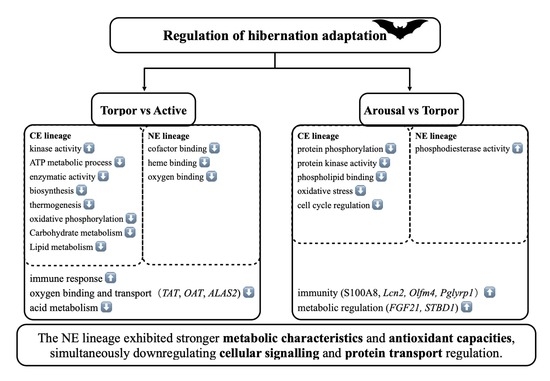
1. Introduction
2. Materials and Methods
2.1. Sample Collection
2.2. Total RNA Extraction and High-Throughput Sequencing Library Construction
2.3. Statistical Analyses
3. Results
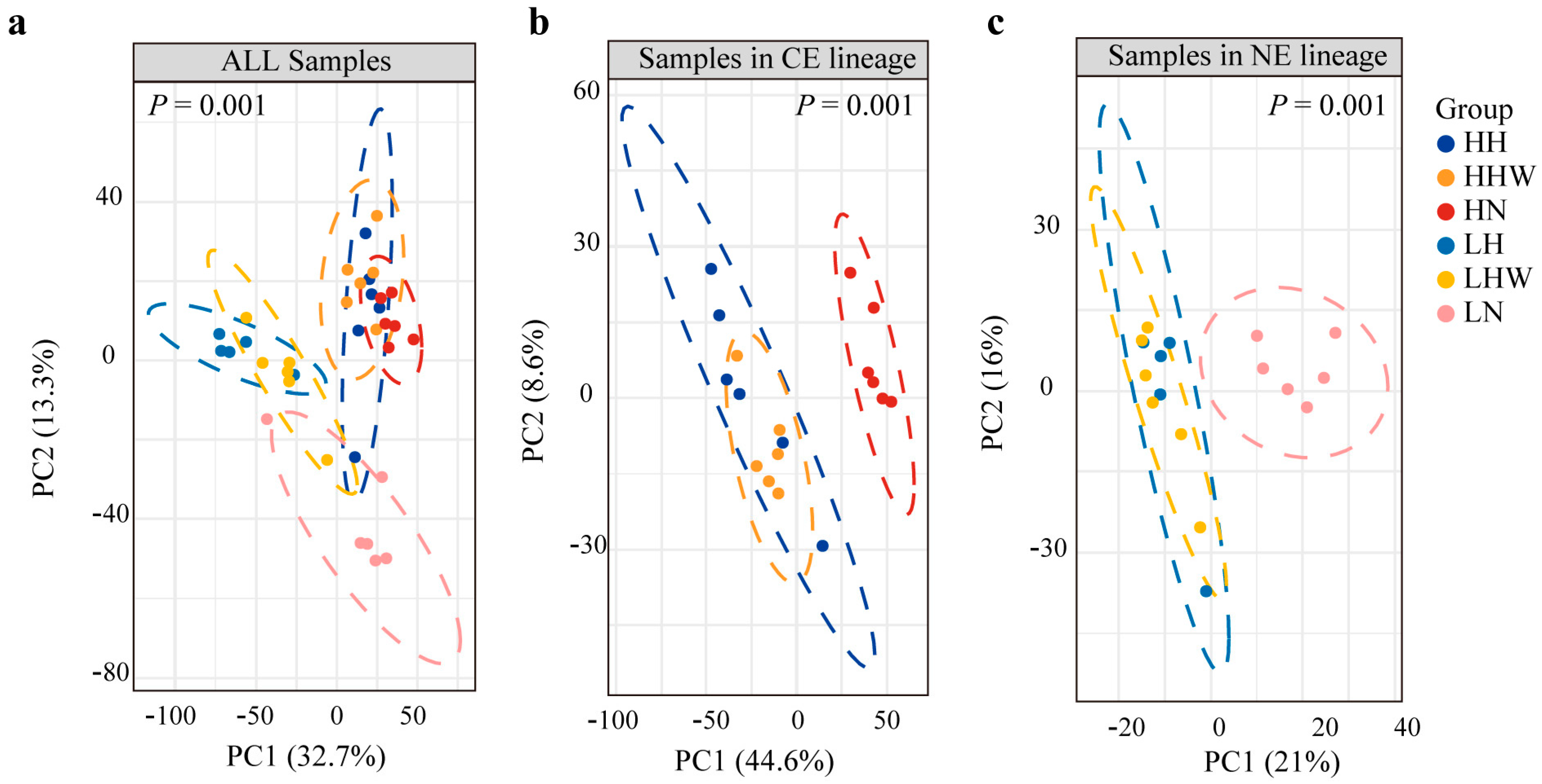
3.1. Principal Component Analysis
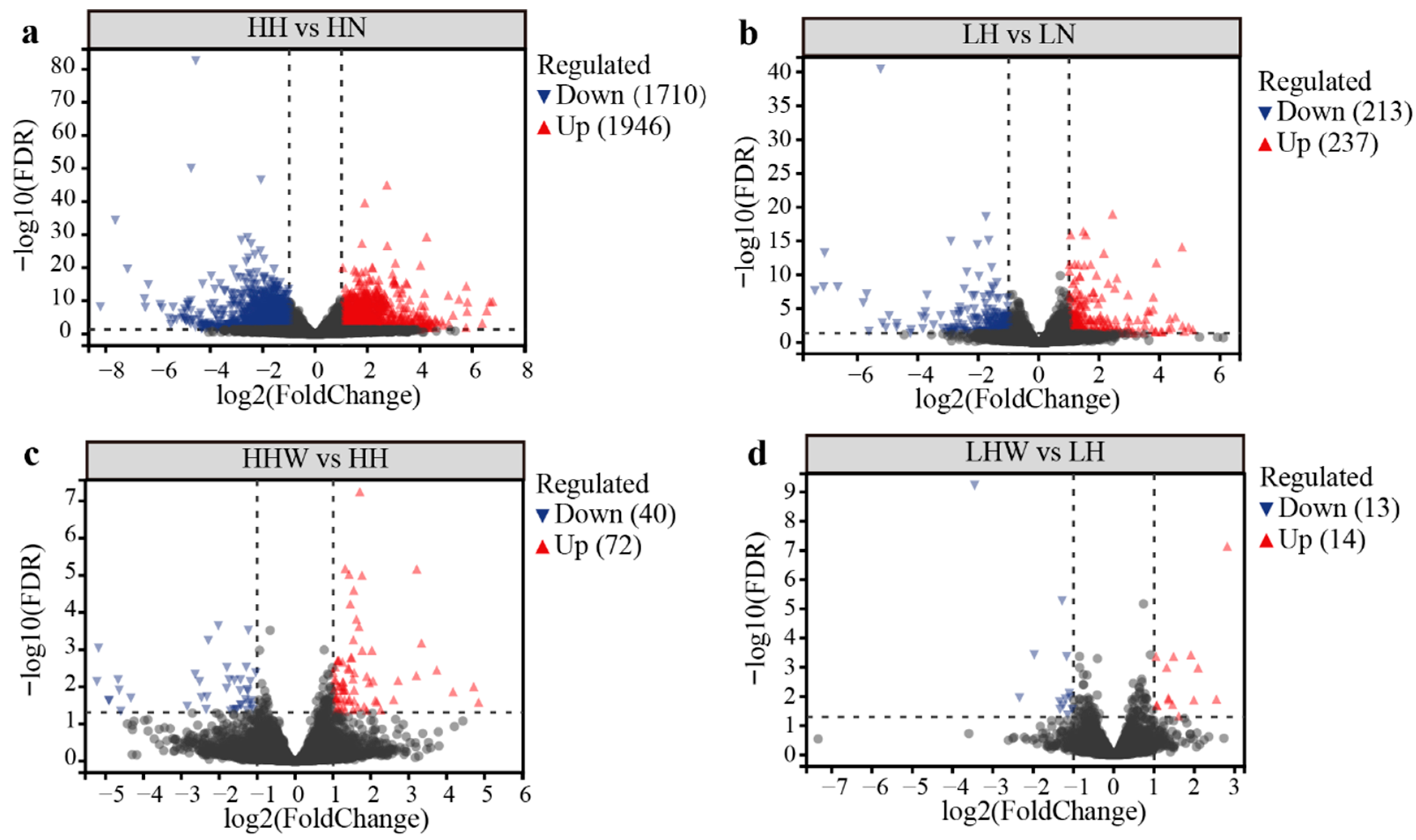
3.2. Differentially Expressed Genes
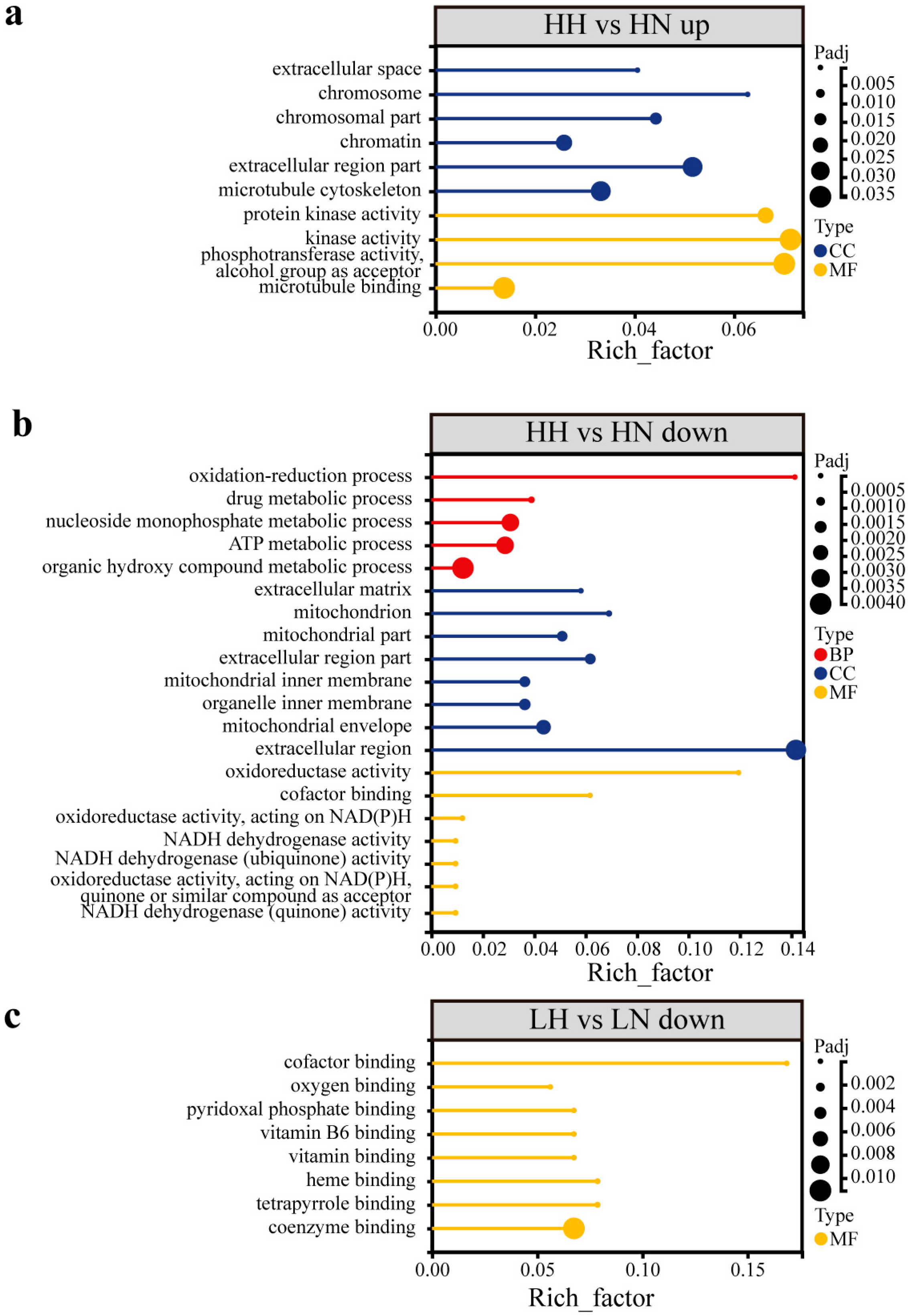
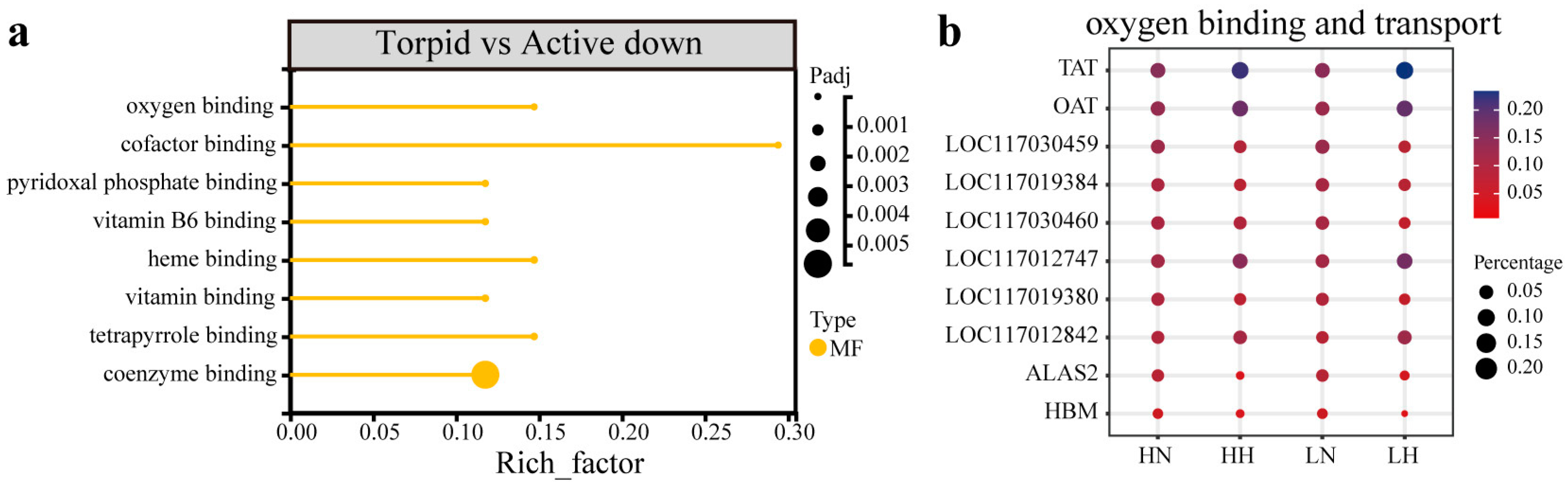
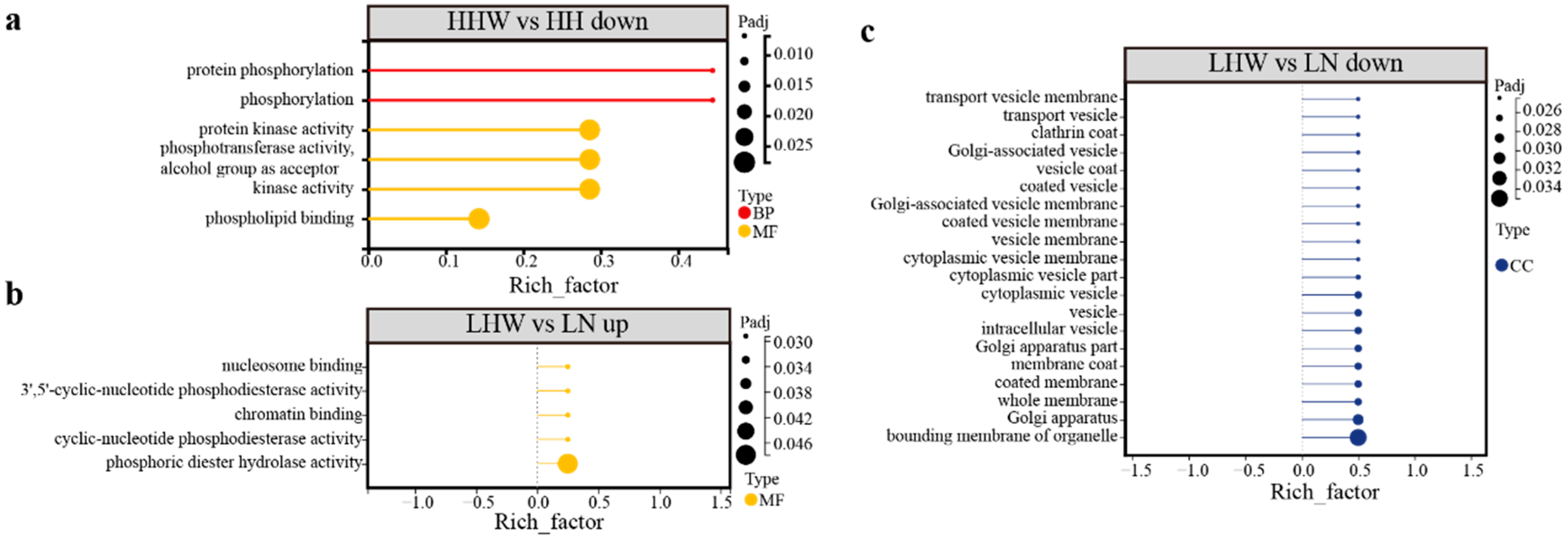
3.3. GO Enriched Terms
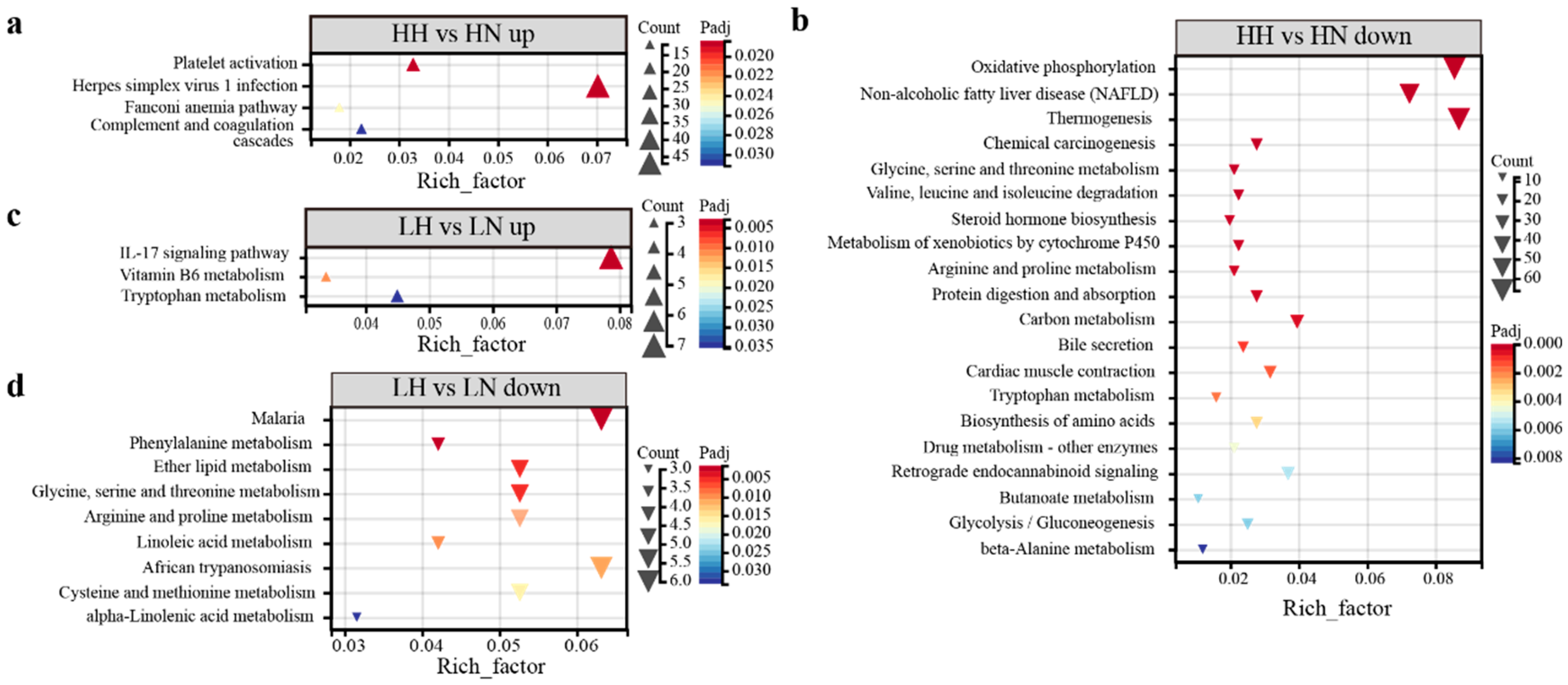
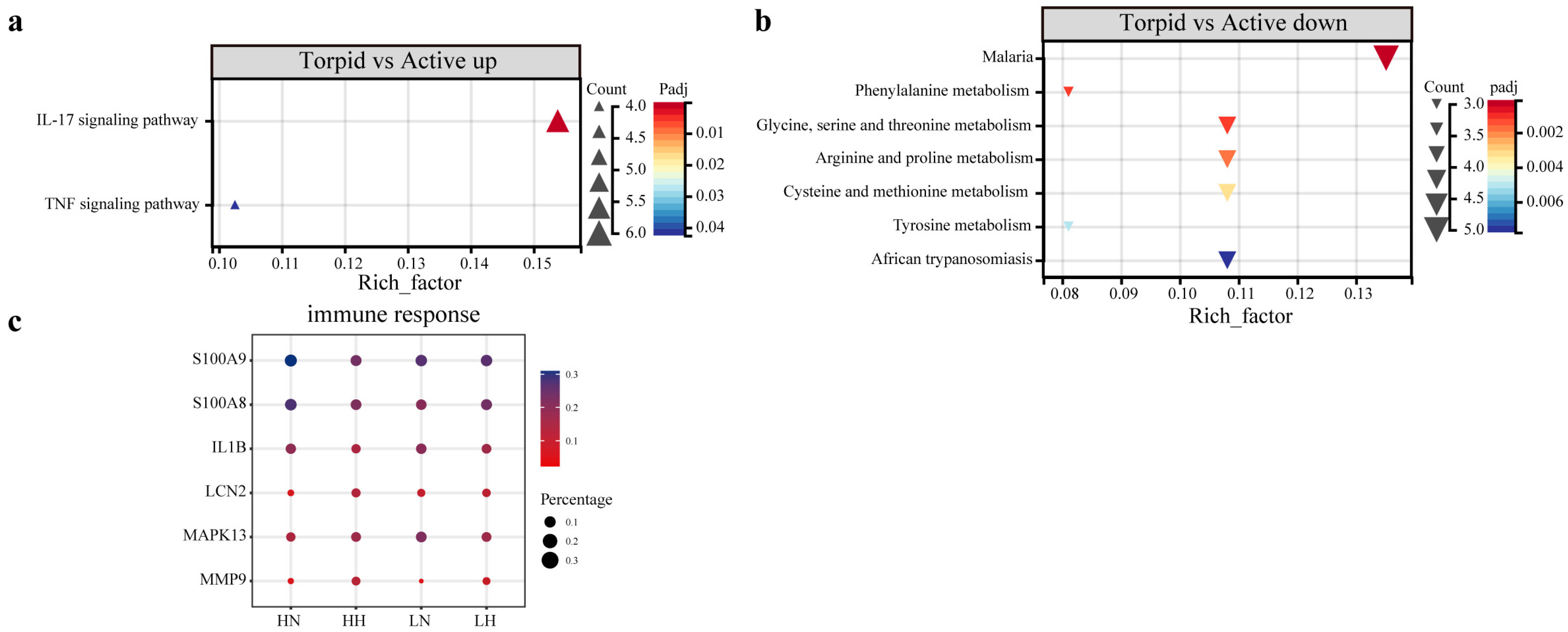
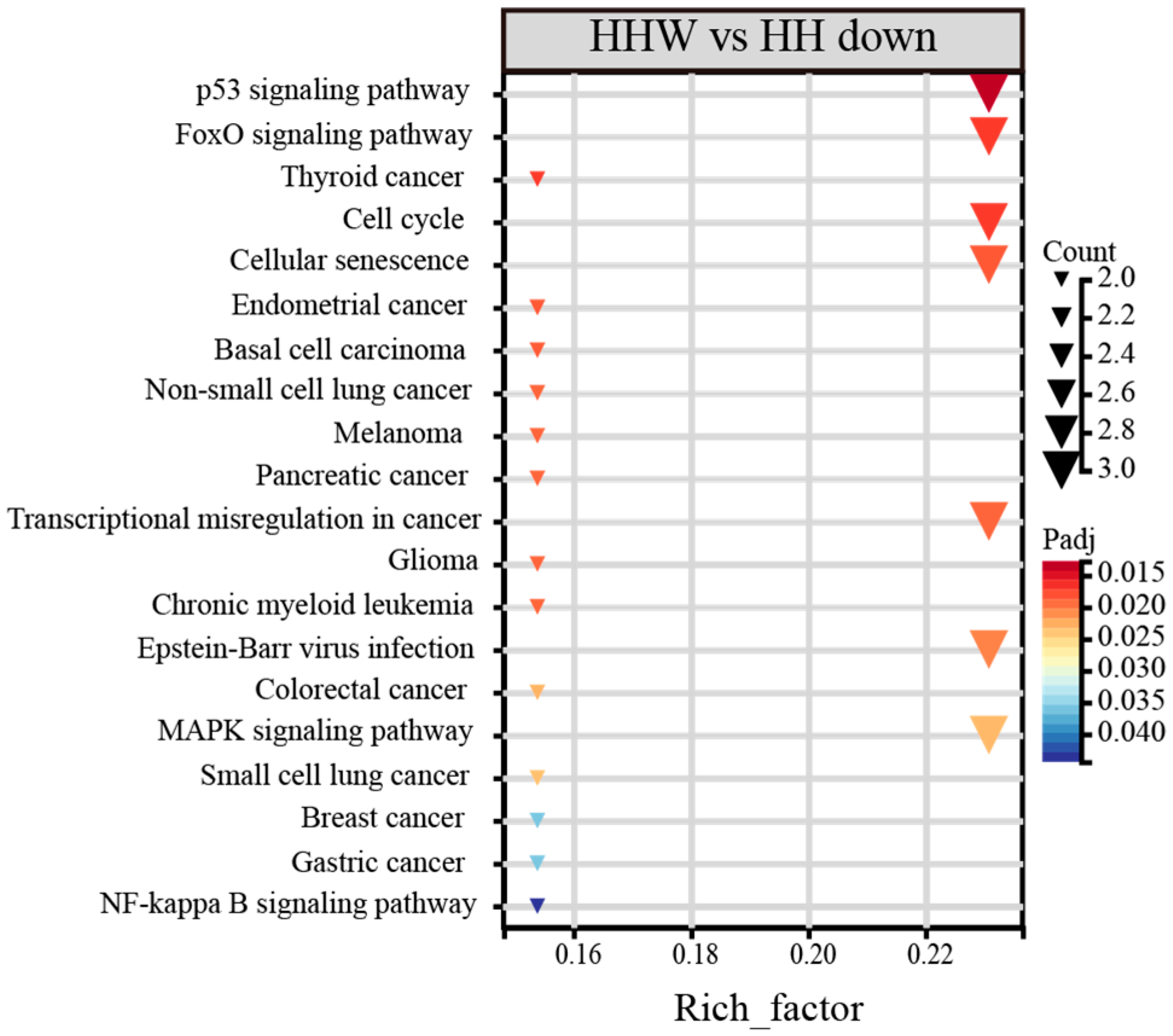
3.4. KEGG Enriched Pathways
4. Discussion
4.1. Transcriptome Changes Induced by Hibernation Torpor
4.2. The Impact of Arousal on the Transcriptome of R. ferrumequinum
4.3. Lineage-Specific Regulation of R. ferrumequinum
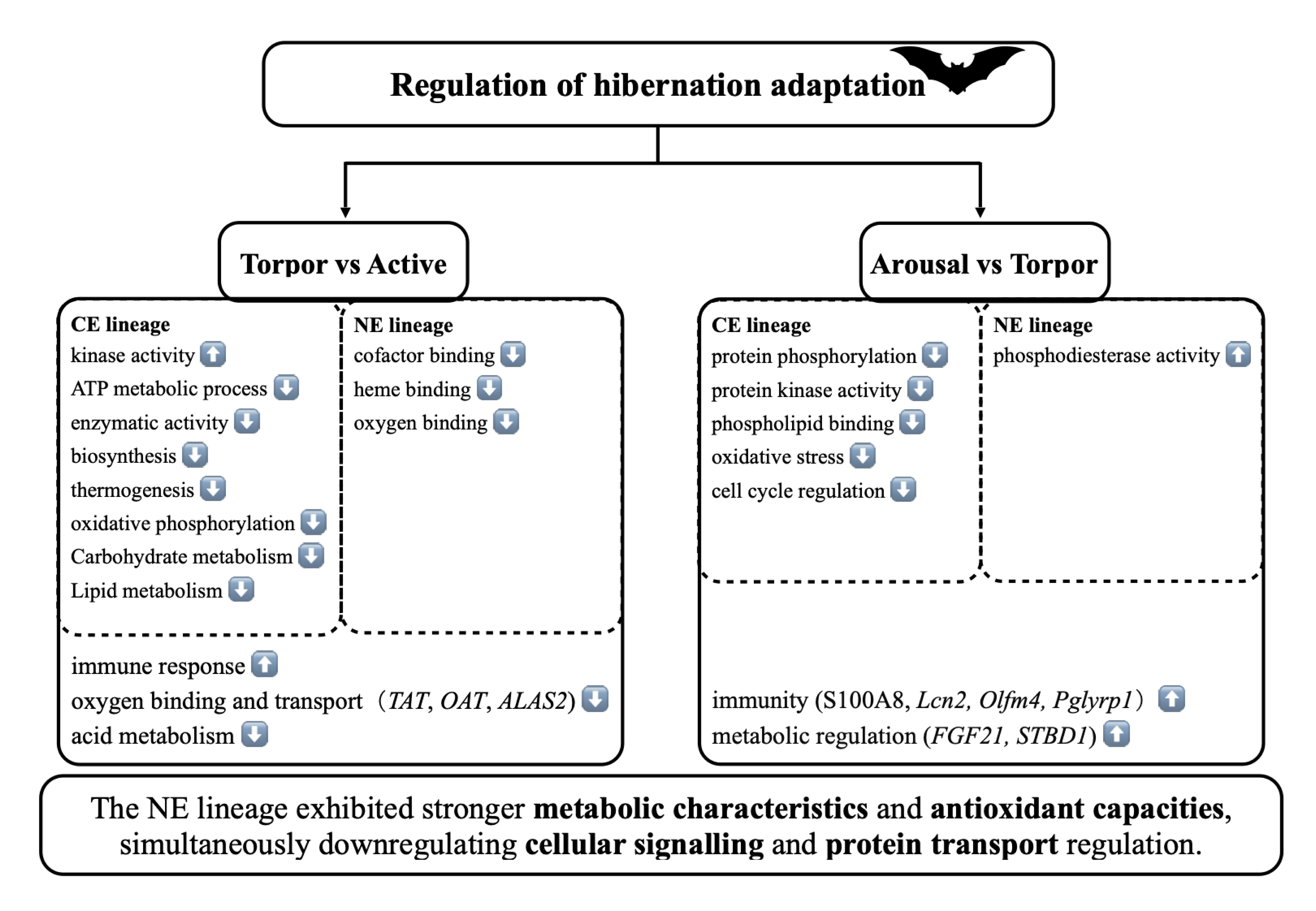
5. Conclusions
Supplementary Materials
Author Contributions
Funding
Institutional Review Board Statement
Informed Consent Statement
Data Availability Statement
Conflicts of Interest
References
- Flanders, J.; Jones, G.; Benda, P.; Dietz, C.; Zhang, S.Y.; Li, G.; Sharifi, M.; Rossiter, S.J. Phylogeography of the greater horseshoe bat, Rhinolophus ferrumequinum: Contrasting results from mitochondrial and microsatellite data. Mol. Ecol. 2009, 18, 306–318. [Google Scholar] [CrossRef]
- Sun, K.P.; Luo, L.; Kimball, R.T.; Wei, X.W.; Jin, L.R.; Jiang, T.L.; Li, G.H.; Feng, J. Geographic variation in the acoustic traits of greater horseshoe bats: Testing the importance of drift and ecological selection in evolutionary processes. PLoS ONE 2013, 8, e70368. [Google Scholar] [CrossRef] [PubMed]
- Flanders, J.; Wei, L.; Rossiter, S.J.; Zhang, S.Y. Identifying the effects of the Pleistocene on the greater horseshoe bat, Rhinolophus ferrumequinum, in East Asia using ecological niche modelling and phylogenetic analyses. J. Biogeogr. 2011, 38, 439–452. [Google Scholar] [CrossRef]
- Lei, M.; Dong, D.; Mu, S.; Pan, Y.H.; Zhang, S. Comparison of brain transcriptome of the greater horseshoe bats (Rhinolophus ferrumequinum) in active and torpid episodes. PLoS ONE 2014, 9, e107746. [Google Scholar] [CrossRef]
- Xiao, Y.H.; Wu, Y.H.; Sun, K.P.; Wang, H.; Zhang, B.; Song, S.H.; Du, Z.L.; Jiang, T.L.; Shi, L.M.; Wang, L.; et al. Differential expression of hepatic genes of the greater horseshoe bat (Rhinolophus ferrumequinum) between the summer active and winter torpid states. PLoS ONE 2015, 10, e0145702. [Google Scholar] [CrossRef]
- Sun, H.; Wang, J.; Xing, Y.; Pan, Y.H.; Mao, X. Gut transcriptomic changes during hibernation in the greater horseshoe bat (Rhinolophus ferrumequinum). Front. Zool. 2020, 17, 21. [Google Scholar] [CrossRef] [PubMed]
- Zhao, Y.H.; Wang, L.; Liu, S.; Pu, Y.T.; Sun, K.P.; Xiao, Y.H.; Feng, J. Adaptive evolution of the greater horseshoe bat AANAT: Insights into the link between and hibernation rhythms. Animals 2024, 14, 1426. [Google Scholar] [CrossRef]
- Zhao, Y.D.; Li, M.C.; Konaté, M.M.; Chen, L.; Das, B.; Karlovich, C.; Williams, P.M.; Evrard, Y.A.; Doroshow, J.H.; McShane, L.M. TPM, FPKM, or normalized counts? A comparative study of quantification measures for the analysis of RNA-seq Data from the NCI Patient-Derived Models Repository. J. Transl. Med. 2021, 19, 269. [Google Scholar] [CrossRef] [PubMed]
- Ruf, T.; Geiser, F. Daily torpor and hibernation in birds and mammals. Biol. Rev. 2015, 90, 891–926. [Google Scholar] [CrossRef]
- Wang, L.C.H.; Lee, T.F. Torpor and hibernation in mammals: Metabolic, physiological, and biochemical adaptations. Compr. Physiol. 1994, 11S14, 507–532. [Google Scholar] [CrossRef]
- Yan, J.; Barnes, B.M.; Kohl, F.; Marr, T.G. Modulation of gene expression in hibernating arctic ground squirrels. Physiol. Genom. 2008, 32, 170–181. [Google Scholar] [CrossRef] [PubMed]
- Sun, S.; Iwata, T. Role of AOX1 on RXR signaling regulates osteoblastogenesis in hPDLMSCs. Sci. Rep. 2024, 14, 16767. [Google Scholar] [CrossRef]
- Vantaku, V.; Putluri, V.; Bader, D.A.; Maity, S.; Ma, J.; Arnold, J.M.; Rajapakshe, K.; Donepudi, S.R.; von Rundstedt, F.C.; Devarakonda, V.; et al. Epigenetic loss of AOX1 expression via EZH2 leads to metabolic deregulations and promotes bladder cancer progression. Oncogene 2020, 39, 6265–6285. [Google Scholar] [CrossRef]
- Anaya, J.M.; Bollag, W.B.; Hamrick, M.W.; Isales, C.M. The role of tryptophan metabolites in musculoskeletal stem cell aging. Int. J. Mol. Sci. 2020, 21, 6670. [Google Scholar] [CrossRef]
- Chen, Y.; Ouyang, Y.; Li, Z.; Wang, X.; Ma, J. S100A8 and S100A9 in Cancer. Biochim. Biophys. Acta Rev. Cancer 2023, 1878, 188891. [Google Scholar] [CrossRef]
- Wu, Q.; Berglund, A.E.; MacAulay, R.J.; Etame, A.B. A novel role of BIRC3 in stemness reprogramming of glioblastoma. Int. J. Mol. Sci. 2021, 23, 297. [Google Scholar] [CrossRef] [PubMed]
- Wan, B.N.; Zhou, S.G.; Wang, M.; Zhang, X.; Ji, G. Progress on haptoglobin and metabolic diseases. World J. Diabetes 2021, 12, 206–214. [Google Scholar] [CrossRef]
- Napolioni, V.; Giannì, P.; Carpi, F.M.; Concetti, F.; Lucarini, N. Haptoglobin (HP) polymorphisms and human longevity: A cross-sectional association study in a Central Italy population. Clin. Chim. Acta 2011, 412, 574–577. [Google Scholar] [CrossRef]
- Lashin, H.M.S.; Nadkarni, S.; Oggero, S.; Jones, H.R.; Knight, J.C.; Hinds, C.J.; Perretti, M. Microvesicle subsets in sepsis due to community acquired pneumonia compared to faecal peritonitis. Shock 2018, 49, 393–401. [Google Scholar] [CrossRef] [PubMed]
- Arimura, Y.; Funabiki, H. Structural mechanics of the Alpha-2-Macroglobulin transformation. J. Mol. Biol. 2022, 434, 167413. [Google Scholar] [CrossRef]
- Caixeta, D.C.; Pennisi, P.R.C.; Moura, D.V.; Nunes, M.A.C.; Espindola, F.S.; Blumenberg, C.; Paranhos, L.R.; Sabino-Silva, R. Association of salivary alpha-2-macroglobulin with glycemia and glycated hemoglobin in type 2 diabetes mellitus: A systematic review and meta-analysis study. Sao Paulo Med. J. 2022, 140, 818–828. [Google Scholar] [CrossRef] [PubMed]
- Yao, S.; Xu, J.; Zhao, K.; Song, P.; Yan, Q.; Fan, W.; Li, W.; Lu, C. Down-regulation of HPGD by miR-146b-3p promotes cervical cancer cell proliferation, migration and anchorage-independent growth through activation of STAT3 and AKT pathways. Cell Death Dis. 2018, 9, 1055. [Google Scholar] [CrossRef]
- Fang, Z.; Zhu, Z.; Zhang, H.; Peng, Y.; Liu, J.; Lu, H.; Li, J.; Liang, L.; Xia, S.; Wang, Q.; et al. GDF11 contributes to hepatic hepcidin (HAMP) inhibition through SMURF1-mediated BMP-SMAD signalling suppression. Br. J. Haematol. 2020, 188, 321–331. [Google Scholar] [CrossRef]
- Sosinski, O.; Pruszynska-Oszmalek, E.; Leciejewska, N.; Sassek, M.; Kolodziejski, P.A. LEAP2 in physiology-a narrative review. Int. J. Mol. Sci. 2025, 26, 377. [Google Scholar] [CrossRef]
- Inaba, K.; Ishimori, K.; Imai, K.; Morishima, I. Substitution of the heme binding module in Hemoglobin α- and β-subunits. J. Biol. Chem. 2000, 275, 12438–12445. [Google Scholar] [CrossRef]
- Fang, Y.; Chen, X.; Tan, Q.; Zhou, H.; Xu, J.; Gu, Q. Inhibiting ferroptosis through disrupting the NCOA4-FTH1 interaction: A new mechanism of action. ACS Cent. Sci. 2021, 7, 980–989. [Google Scholar] [CrossRef] [PubMed]
- Lucas, D.; Munoz, C.; O’Boyle, Q.; Pires, I.S.; Palmer, A.F.; Cabrales, P. Mitigating hemoglobin-induced nephropathy: ApoHb-hp protection of podocytes. Physiol. Rep. 2024, 12, e70132. [Google Scholar] [CrossRef]
- Aschemeyer, S.; Qiao, B.; Stefanova, D.; Valore, E.V.; Sek, A.C.; Ruwe, T.A.; Vieth, K.R.; Jung, G.; Casu, C.; Rivella, S.; et al. Structure-function analysis of ferroportin defines the binding site and an alternative mechanism of action of hepcidin. Blood 2018, 131, 899–910. [Google Scholar] [CrossRef] [PubMed]
- Qiao, B.; Sugianto, P.; Fung, E.; Del-Castillo-Rueda, A.; Moran-Jimenez, M.J.; Ganz, T.; Nemeth, E. Hepcidin-induced endocytosis of ferroportin is dependent on ferroportin ubiquitination. Cell Metab. 2012, 15, 918–924. [Google Scholar] [CrossRef]
- Shimozuru, M.; Kamine, A.; Tsubota, T. Changes in expression of hepatic genes involved in energy metabolism during hibernation in captive, adult, female Japanese black bears (Ursus thibetanus japonicus). Comp. Biocgenustrt Physiol. B-Biochem. Mol. Biol. 2012, 163, 254–261. [Google Scholar] [CrossRef]
- Williams, D.R.; Epperson, L.E.; Li, W.Z.; Hughes, M.A.; Taylor, R.; Rogers, J.; Martin, S.L.; Cossins, A.R.; Gracey, A.Y. Seasonally hibernating phenotype assessed through transcript screening. Physiol. Genom. 2005, 24, 13–22. [Google Scholar] [CrossRef]
- Fedorov, V.B.; Goropashnaya, A.V.; Toien, O.; Stewart, N.C.; Chang, C.; Wang, H.F.; Yan, J.; Showe, L.C.; Showe, M.K.; Barnes, B.M. Modulation of gene expression in heart and liver of hibernating black bears (Ursus americanus). BMC Genom. 2011, 12, 171. [Google Scholar] [CrossRef] [PubMed]
- Ni, B.; Farrar, J.S.; Vaitkus, J.A.; Celi, F.S. Metabolic effects of FGF-21: Thermoregulation and beyond. Front. Endocrinol. 2015, 6, 148. [Google Scholar] [CrossRef] [PubMed]
- Ruprecht, J.J.; Kunji, E.R.S. The SLC25 mitochondrial carrier family: Structure and mechanism. Trends Biochem. Sci. 2020, 45, 244–258. [Google Scholar] [CrossRef] [PubMed]
- Xu, D.Q.; Matsumoto, M.L.; McKenzie, B.S.; Zarrin, A.A. TPL2 kinase action and control of inflammation. Pharmacol. Res. 2018, 129, 188–193. [Google Scholar] [CrossRef]
- Salvador, J.M.; Brown-Clay, J.D.; Fornace, A.J. Gadd45 in stress signaling, cell cycle control, and apoptosis. Adv. Exp. Med. Biol. 2013, 793, 1–19. [Google Scholar] [CrossRef]
- Wu, X.; Zhu, Y.; Hu, C.; Du, X.; Xue, W.; Chen, Y.; Dong, L.; Pan, J. Extracellular vesicles related gene HSPH1 exerts anti-tumor effects in prostate cancer via promoting the stress response of CD8 + T cells. Cell. Oncol. 2024, 47, 1059–1064. [Google Scholar] [CrossRef]
- Ghosh, M.; Garcia-Castillo, D.; Aguirre, V.; Golshani, R.; Atkins, C.M.; Bramlett, H.M.; Dietrich, W.D.; Pearse, D.D. Proinflammatory cytokine regulation of cyclic AMP-phosphodiesterase 4 signaling in microglia in vitro and following CNS injury. Glia 2012, 60, 1839–1859. [Google Scholar] [CrossRef]
- Cook, D.W. Nuclear Factor [Erythroid-derived 2]-like 2’s (NFE2L2) Gene Expression in Feed Efficiency and Oxidative Stress in Avian Muscle; University of Arkansas: Fayetteville, AR, USA, 2016. [Google Scholar]
- Mao, Z.; Gao, M.; Zhao, X.; Li, L.; Peng, J. Neuroprotective effect of dioscin against parkinson’s disease via adjusting dual-specificity phosphatase 6 (DUSP6)-mediated oxidative stress. Molecules 2022, 27, 3151. [Google Scholar] [CrossRef]
- Rossiter, S.J.; Benda, P.; Dietz, C.; Zhang, S.; Jones, G. Rangewide phylogeography in the greater horseshoe bat inferred from microsatellites: Implications for population history, taxonomy and conservation. Molocular Ecol. 2007, 16, 4699–4714. [Google Scholar] [CrossRef]
- Sevinsky, C.J.; Khan, F.; Kokabee, L.; Darehshouri, A.; Maddipati, K.R.; Conklin, D.S. NDRG1 regulates neutral lipid metabolism in breast cancer cells. Breast Cancer Res. 2018, 20, 55. [Google Scholar] [CrossRef]
- Morin, P.J.; Storey, K.B. Antioxidant defense in hibernation: Cloning and expression of peroxiredoxins from hibernating ground squirrels, Spermophilus tridecemlineatus. Arch. Biochem. Biophys. 2007, 461, 59–65. [Google Scholar] [CrossRef]
- Rouble, A.N.; Tessier, S.N.; Storey, K.B. Characterization of adipocyte stress response pathways during hibernation in thirteen-lined ground squirrels. Mol. Cell. Biochem. 2014, 393, 271–282. [Google Scholar] [CrossRef]
- Yin, Q.Y.; Ge, H.X.; Liao, C.C.; Liu, D.; Zhang, S.; Pan, Y.H. Antioxidant defenses in the brains of bats during hibernation. PLoS ONE 2016, 11, e0152135. [Google Scholar] [CrossRef] [PubMed]
- Wei, Y.H.; Zhang, J.; Xu, S.H.; Peng, X.; Yan, X.; Li, X.Y.; Wang, H.P.; Chang, H.; Gao, Y.F. Controllable oxidative stress and tissue specificity in major tissues during the torpor-arousal cycle in hibernating Daurian ground squirrels. Open Biol. 2018, 8, 180068. [Google Scholar] [CrossRef]
- Owen, O.E.; Kalhan, S.C.; Hanson, R.W. The key role of anaplerosis and cataplerosis for citric acid cycle function. J. Biol. Chem. 2002, 277, 30409–30412. [Google Scholar] [CrossRef] [PubMed]
- Verissimo, T.; Dalga, D.; Arnoux, G.; Sakhi, I.; Faivre, A.; Auwerx, H.; Bourgeois, S.; Paolucci, D.; Gex, Q.; Rutkowski, J.M.; et al. PCK1 is a key regulator of metabolic and mitochondrial functions in renal tubular cells. Am. J. Physiol.-Ren. Physiol. 2023, 324, F532–F543. [Google Scholar] [CrossRef] [PubMed]


Disclaimer/Publisher’s Note: The statements, opinions and data contained in all publications are solely those of the individual author(s) and contributor(s) and not of MDPI and/or the editor(s). MDPI and/or the editor(s) disclaim responsibility for any injury to people or property resulting from any ideas, methods, instructions or products referred to in the content. |
© 2026 by the authors. Licensee MDPI, Basel, Switzerland. This article is an open access article distributed under the terms and conditions of the Creative Commons Attribution (CC BY) license.
Share and Cite
Zhu, Y.; Liu, S.; Du, J.; Xiao, Y.; Sun, K. Hepatic Transcriptome Variations Among Different Evolutionary Lineages of Rhinolophus ferrumequinum During Hibernation. Biology 2026, 15, 425. https://doi.org/10.3390/biology15050425
Zhu Y, Liu S, Du J, Xiao Y, Sun K. Hepatic Transcriptome Variations Among Different Evolutionary Lineages of Rhinolophus ferrumequinum During Hibernation. Biology. 2026; 15(5):425. https://doi.org/10.3390/biology15050425
Chicago/Turabian StyleZhu, Yue, Sen Liu, Jianying Du, Yanhong Xiao, and Keping Sun. 2026. "Hepatic Transcriptome Variations Among Different Evolutionary Lineages of Rhinolophus ferrumequinum During Hibernation" Biology 15, no. 5: 425. https://doi.org/10.3390/biology15050425
APA StyleZhu, Y., Liu, S., Du, J., Xiao, Y., & Sun, K. (2026). Hepatic Transcriptome Variations Among Different Evolutionary Lineages of Rhinolophus ferrumequinum During Hibernation. Biology, 15(5), 425. https://doi.org/10.3390/biology15050425