Transcriptomic Insights into Endophytic Fungus-Mediated Enhancement of Root Growth and Stress Resistance in Phoebe bournei
by
 , , , , , , , , , , and
Zecheng Chen
1,2,
Yuanyang Bi
2,
Yuewang Niu
2,
Jiating Chen
3,
Cheyuan Wang
2,
Limei You
2,
Houhua Fu
2,
Zongwei Zhu
2,
Wenjun Lin
2,
Shipin Chen
2,
Bao Liu
2 and
Shijiang Cao
2,*
1
Fujian Chuanzheng Communications College, Fuzhou 350007, China
2
College of Forestry, Fujian Agriculture and Forestry University, Fuzhou 350002, China
3
College of Art, Design and Media, Guangzhou Xinhua University, Guangzhou 510860, China
*
Author to whom correspondence should be addressed.
Biology 2026, 15(3), 229; https://doi.org/10.3390/biology15030229
Submission received: 1 January 2026
/
Revised: 19 January 2026
/
Accepted: 22 January 2026
/
Published: 26 January 2026
(This article belongs to the Special Issue Molecular Mechanisms of Plant Stress Adaptation)
Simple Summary
Beneficial root endophytic fungi enhance growth and stress resilience in the threatened tree species Phoebe bournei, though their molecular mechanisms remain poorly understood. A comparison of root transcriptomes was conducted between wild trees that naturally host these fungi and seedlings cultivated under sterile conditions. Analysis of unmapped transcriptome reads identified Rhizophagus irregularis as the predominant symbiotic fungus. Thousands of genes exhibited altered expression, particularly in pathways related to stress defense, hormone signaling, and cellular protection. Key genes linked to root development and stress resistance, including those that regulate reactive oxygen species and calcium signaling, were validated. These findings demonstrate that beneficial fungi coordinate immune readiness, hormone balance, and cellular protection to strengthen the tree’s environmental resilience. This study establishes a foundation for the molecular breeding of this threatened species.
Abstract
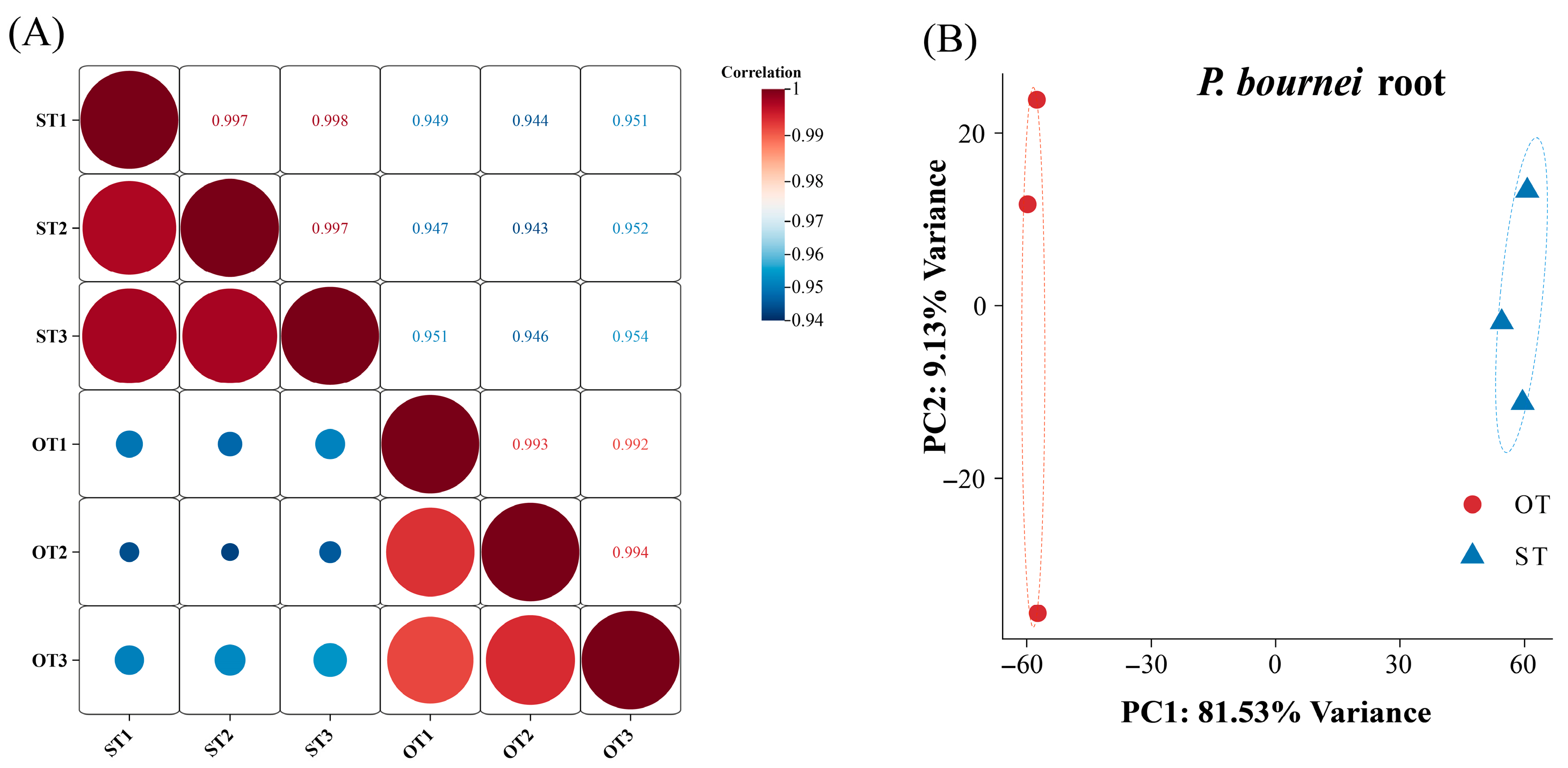
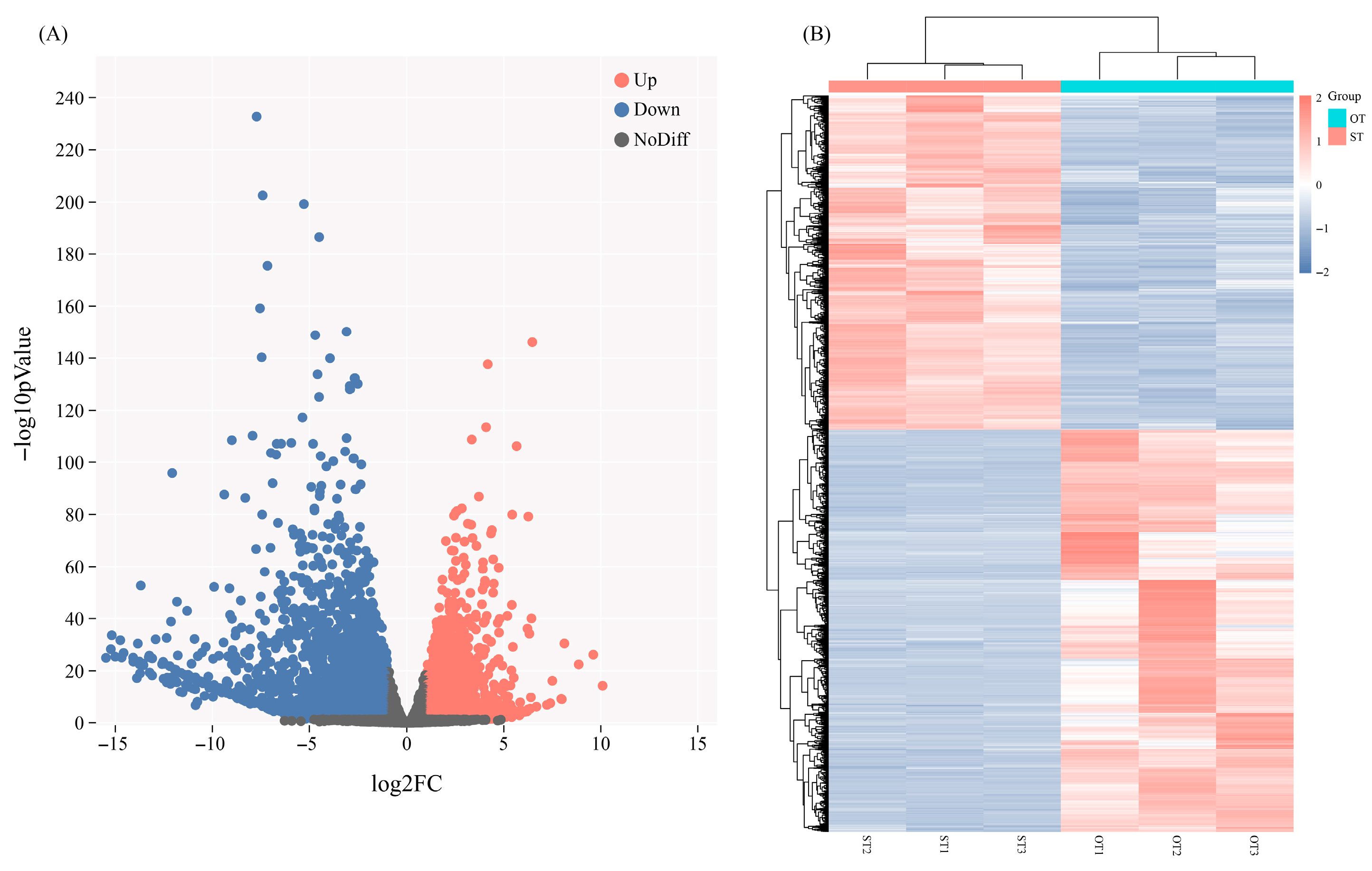
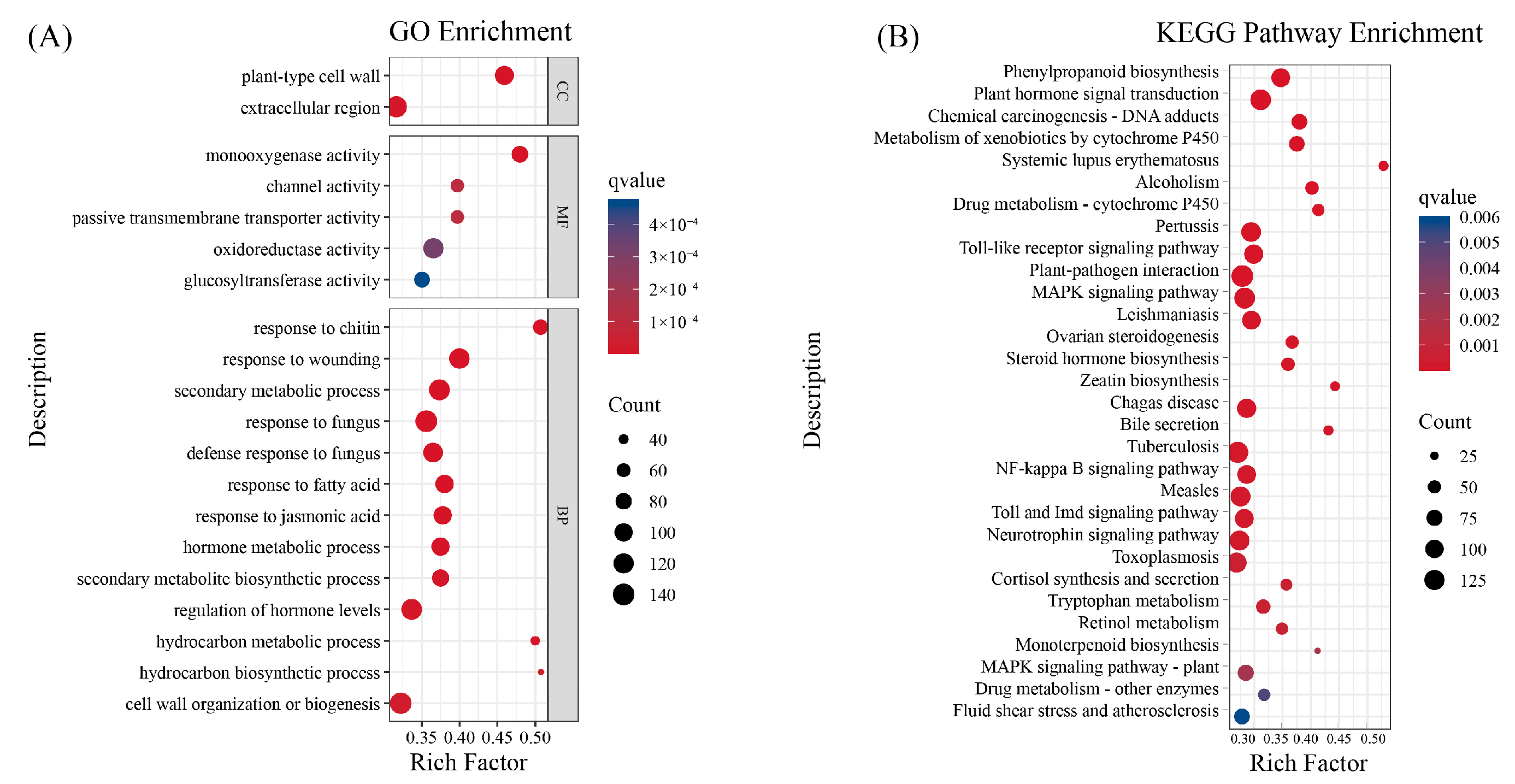
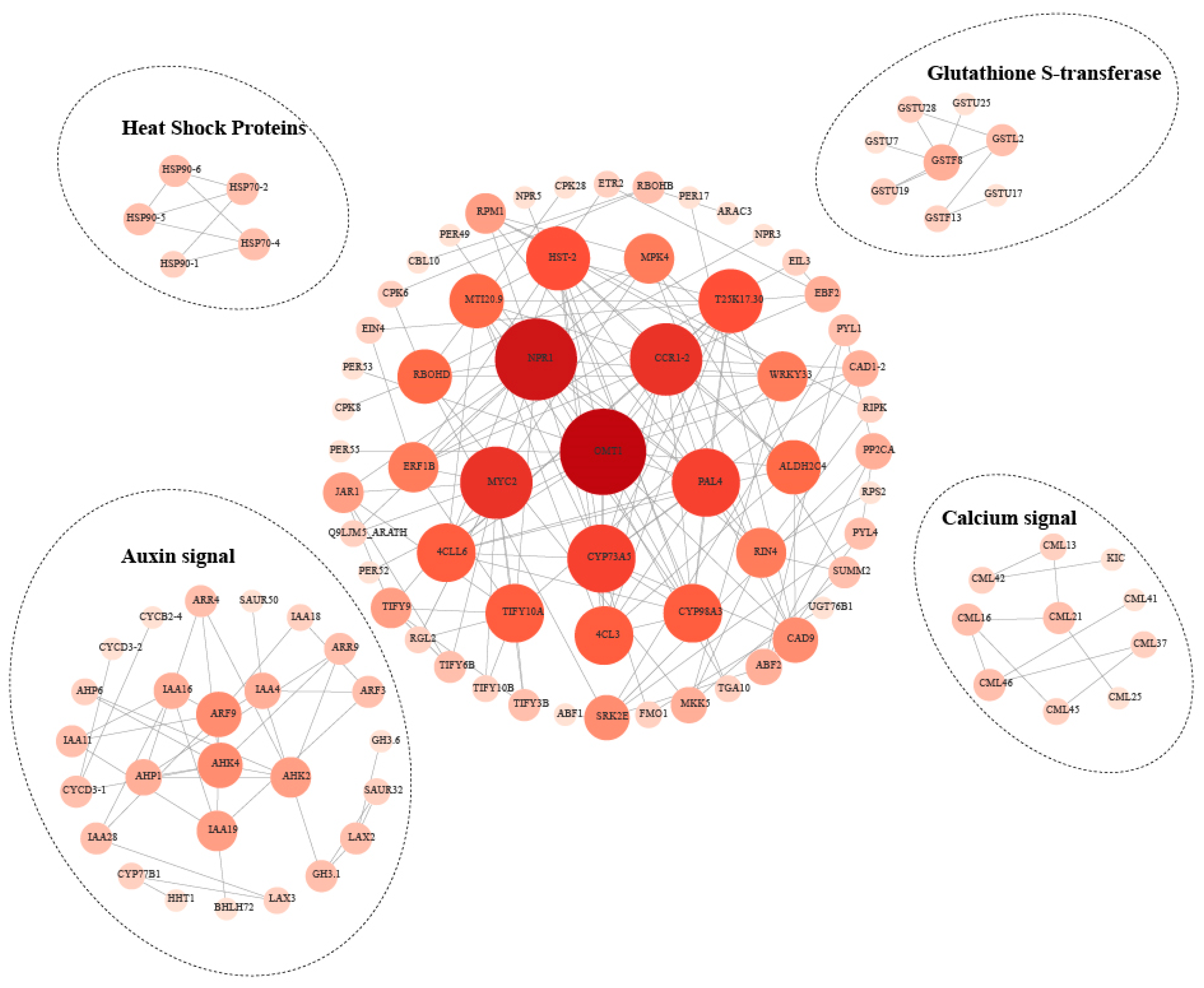
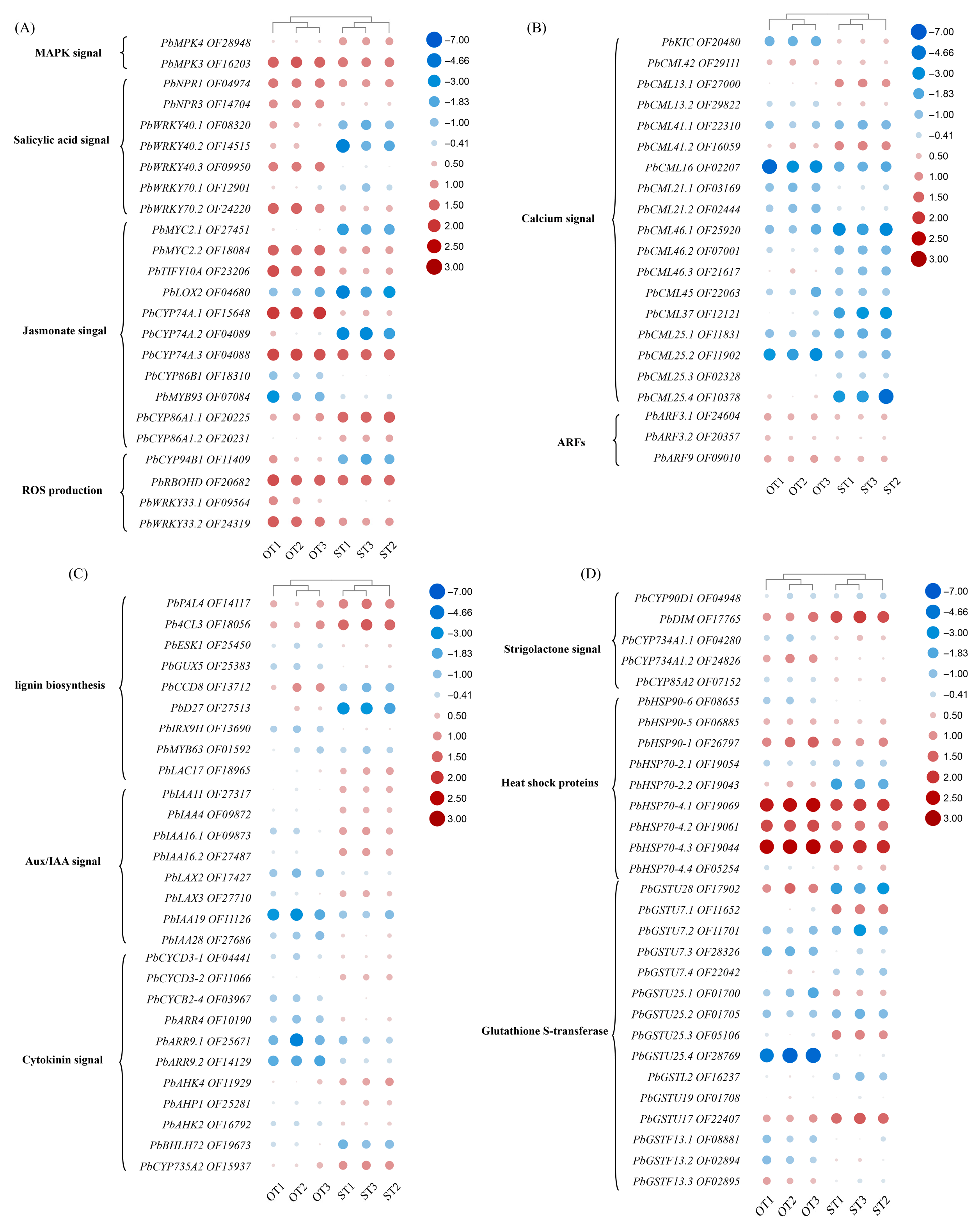
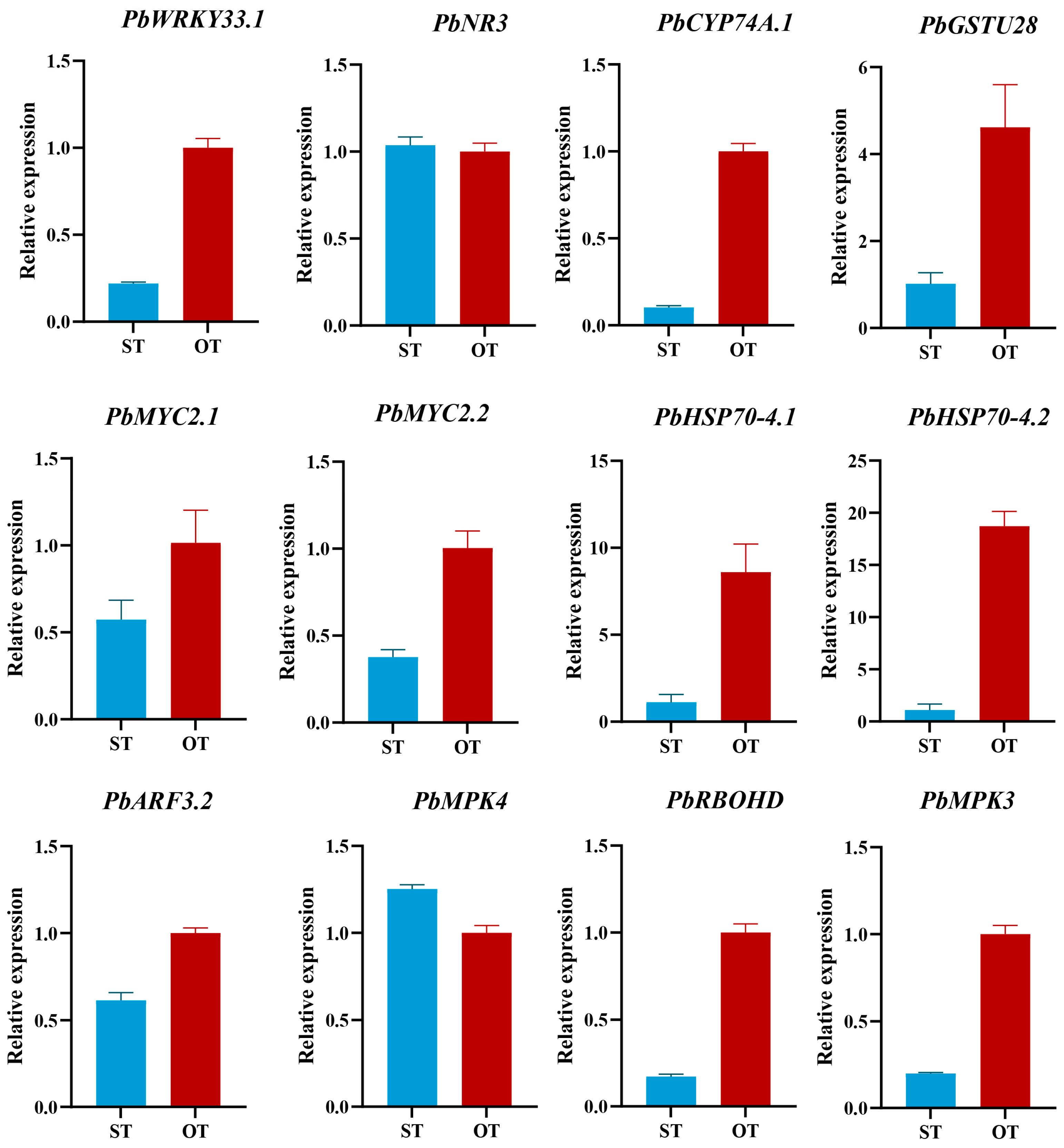
Endophytic fungi enhance plant growth and stress resilience, yet their molecular roles in the roots of the endangered tree Phoebe bournei remain unclear. A comparative RNA-seq analysis was performed on root transcriptomes from wild, endophyte-colonized adult trees (OT) and axenically grown seedlings (ST). Unmapped reads were analyzed against the NCBI nucleotide (NT) database using BLASTN (v2.17.0), revealing Rhizophagus irregularis as the predominant endophytic fungus. Differential expression analysis identified 5891 DEGs, which were significantly enriched in pathways related to plant–pathogen interactions, phenylpropanoid biosynthesis, plant hormone signal transduction, and MAPK signaling. Key upregulated genes included PbMPK3, PbCML42, PbCML41.2, and PbGSTU28, suggesting enhanced ROS scavenging, calcium signaling, and defense activation. RT-qPCR validation confirmed the transcriptomic trends for selected genes. Our findings reveal that root endophytic fungi modulate a coordinated network involving immune priming, phytohormone regulation, and redox homeostasis, thereby supporting root development and enhancing resistance to biotic and abiotic stresses in P. bournei. This study provides foundational molecular insights into beneficial plant–endophyte interactions and identifies candidate genes that are valuable for the conservation and breeding of this threatened species.