Multiscale Feature Enhancement and Bidirectional Temporal Dependency Networks for Arrhythmia Classification
by
 , , and
Liuwang Yang
1 ,
,
Chen Wang
1,
Wenjing Chu
1,
Hongliang Chen
1,
Chuquan Wu
2,
Yunfan Chen
1 and
Xiangkui Wan
1,* 1
Hubei Key Laboratory for High-Efficiency Utilization of Solar Energy and Operation Control of Energy Storage System, Hubei University of Technology, Wuhan 430068, China
2
Puleap (Wuhan) Medical Technology Co., Ltd., Wuhan 430000, China
*
Author to whom correspondence should be addressed.
Biology 2026, 15(2), 149; https://doi.org/10.3390/biology15020149
Submission received: 15 December 2025
/
Revised: 6 January 2026
/
Accepted: 13 January 2026
/
Published: 14 January 2026
Simple Summary
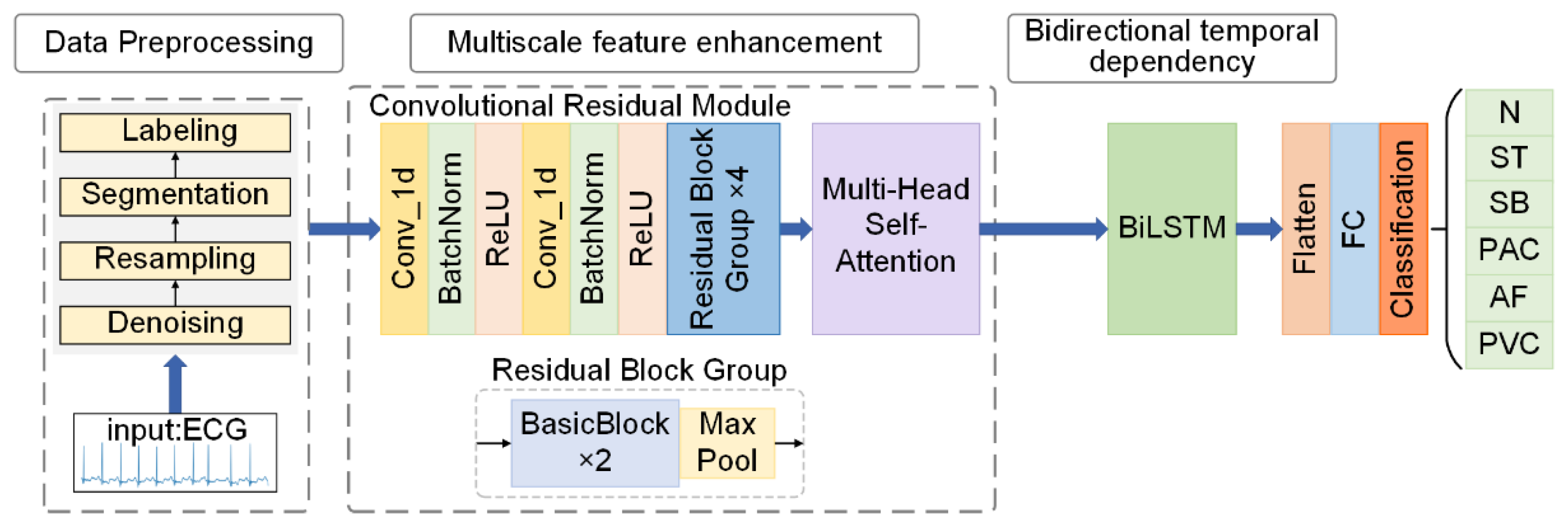
Heart rhythm disorders like premature heartbeats and atrial fibrillation pose serious health risks, yet accurate detection remains a key medical challenge. While deep learning tools show promise for automated diagnosis, single computing models often struggle to reliably distinguish these two conditions. This research aimed to address these model weaknesses and boost detection accuracy for the two disorders. We built a combined computing model that captures different levels of heart signal details and tracks rhythm patterns over time: it first extracts fine-grained data from heart monitoring signals via a hierarchical feature extraction structure, highlights key signal connections, and tracks rhythm trends forward and backward in time before sorting rhythms into six categories with error reduction. Tested on three major heart data sets, the model achieved 98.55% overall accuracy, with better performance in identifying premature beats and atrial fibrillation than recent research. It can help doctors diagnose rhythm disorders more reliably, improving care for at-risk patients and advancing public heart health.
Abstract
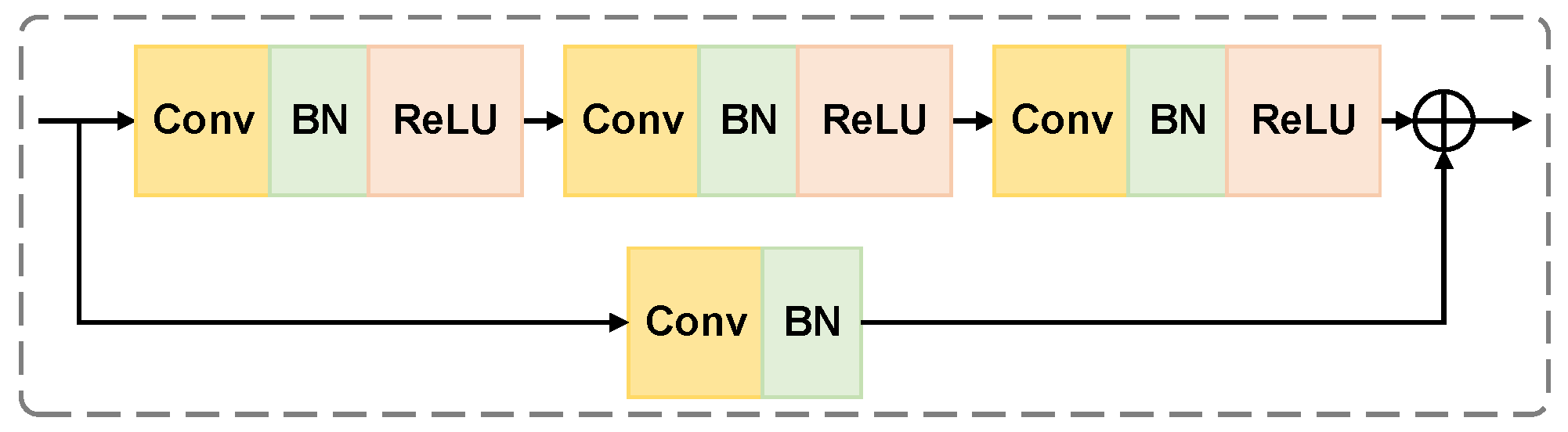
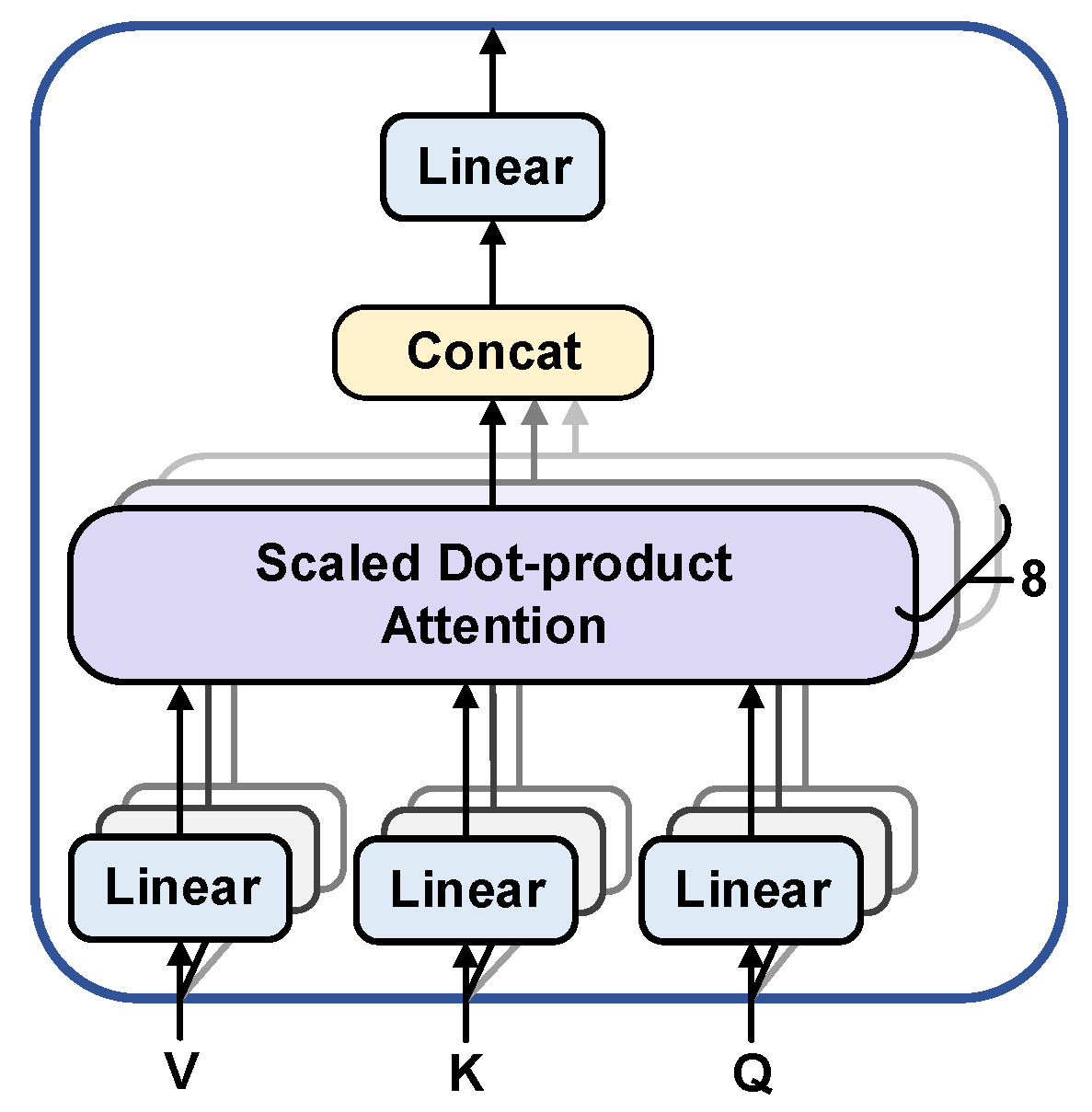
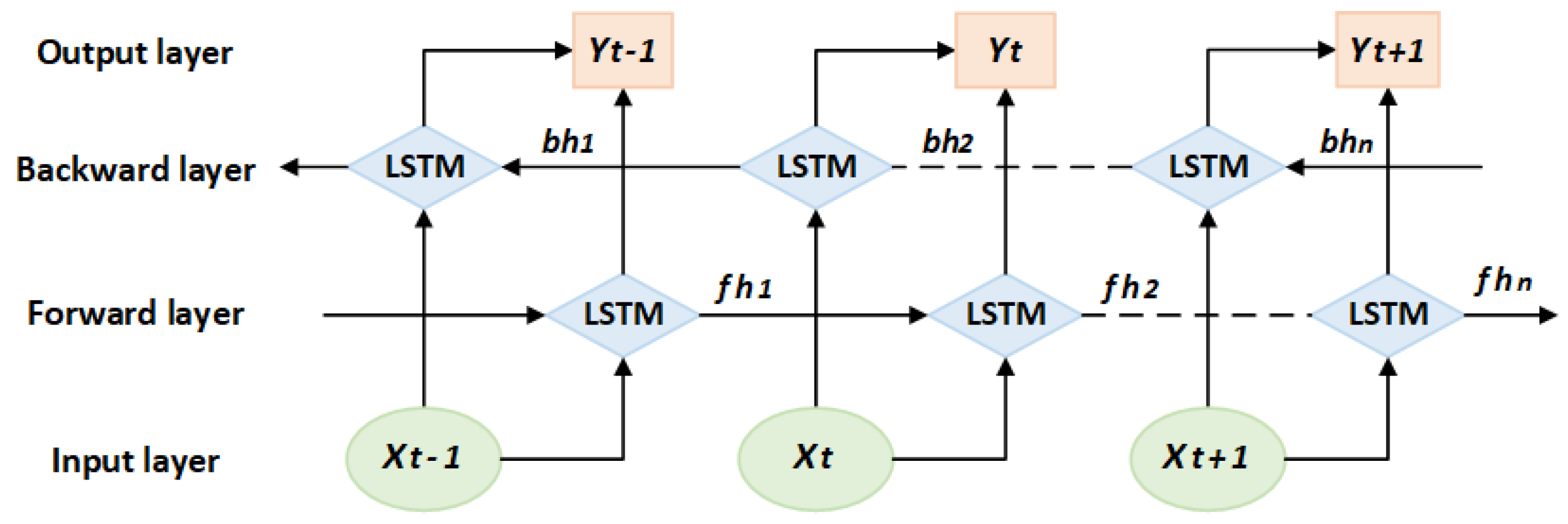
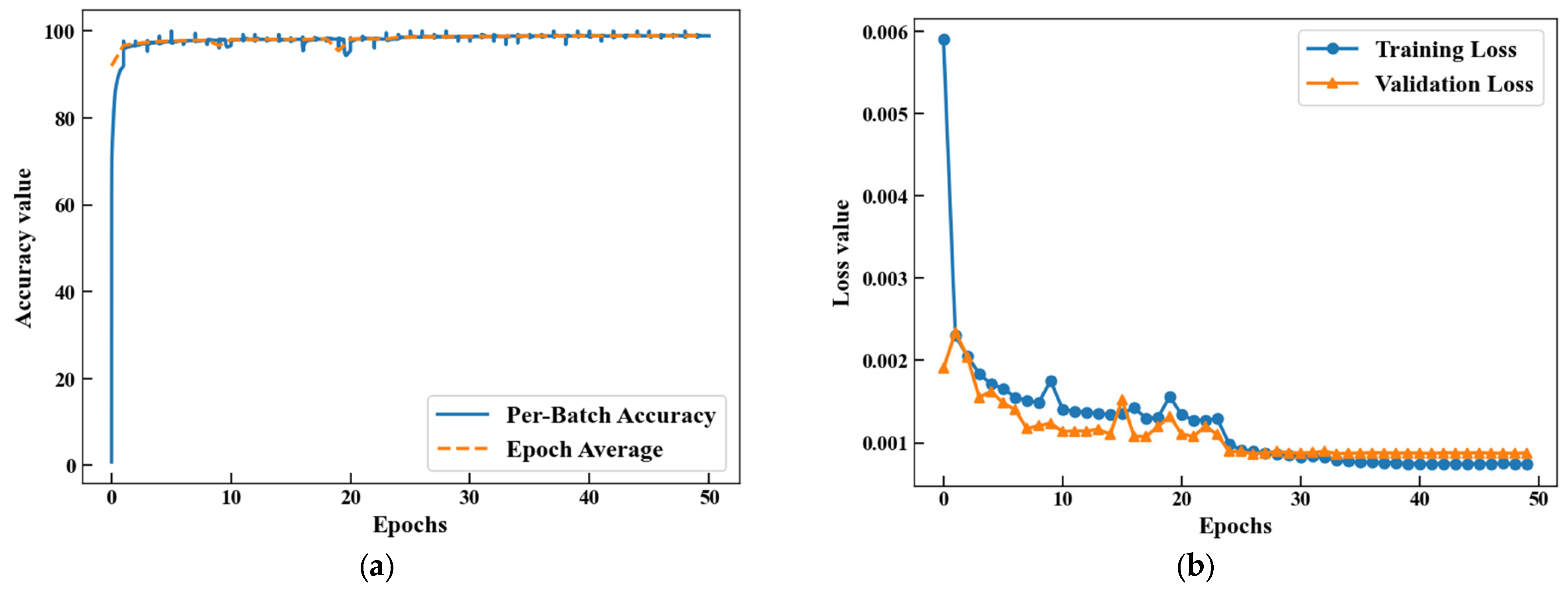
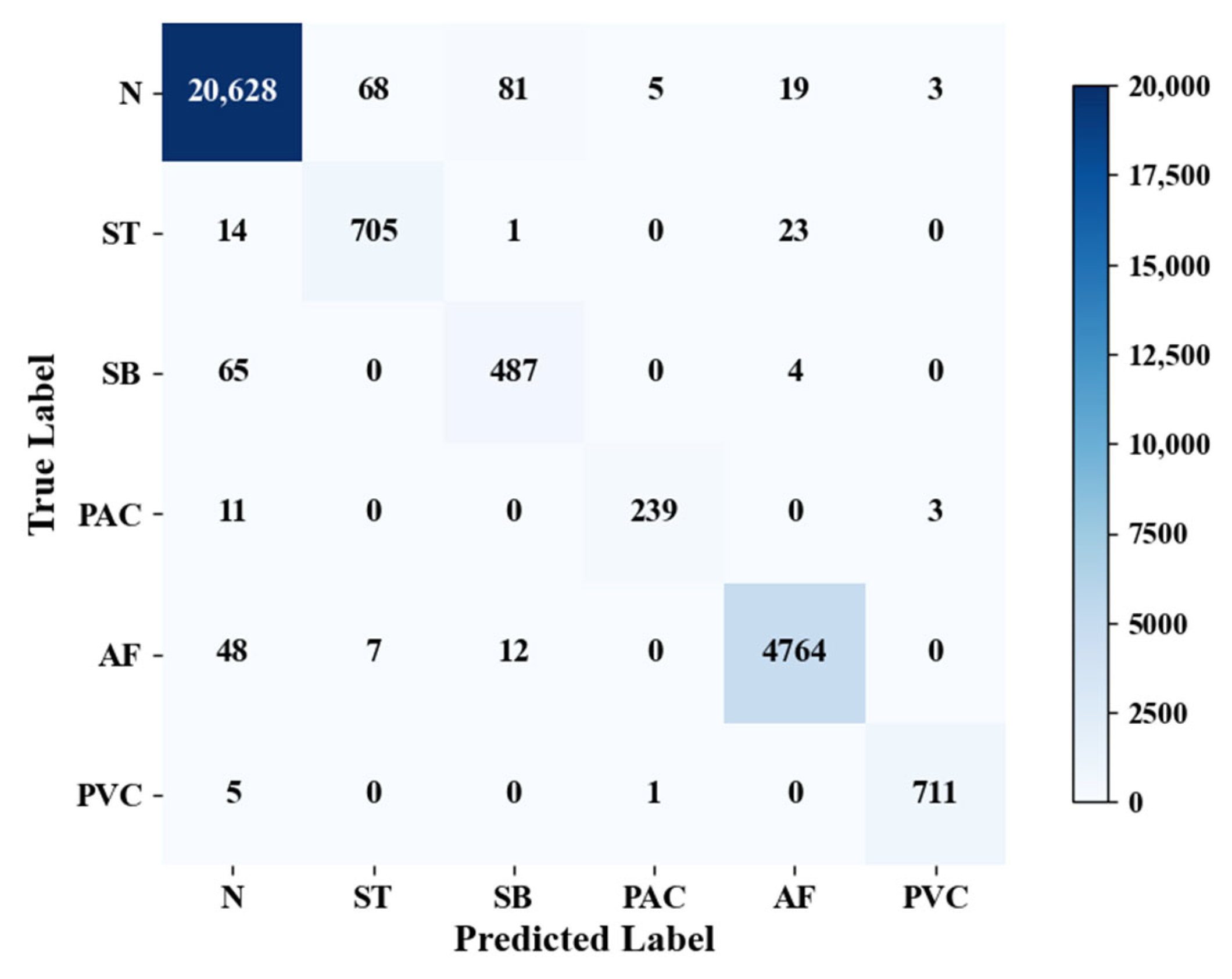
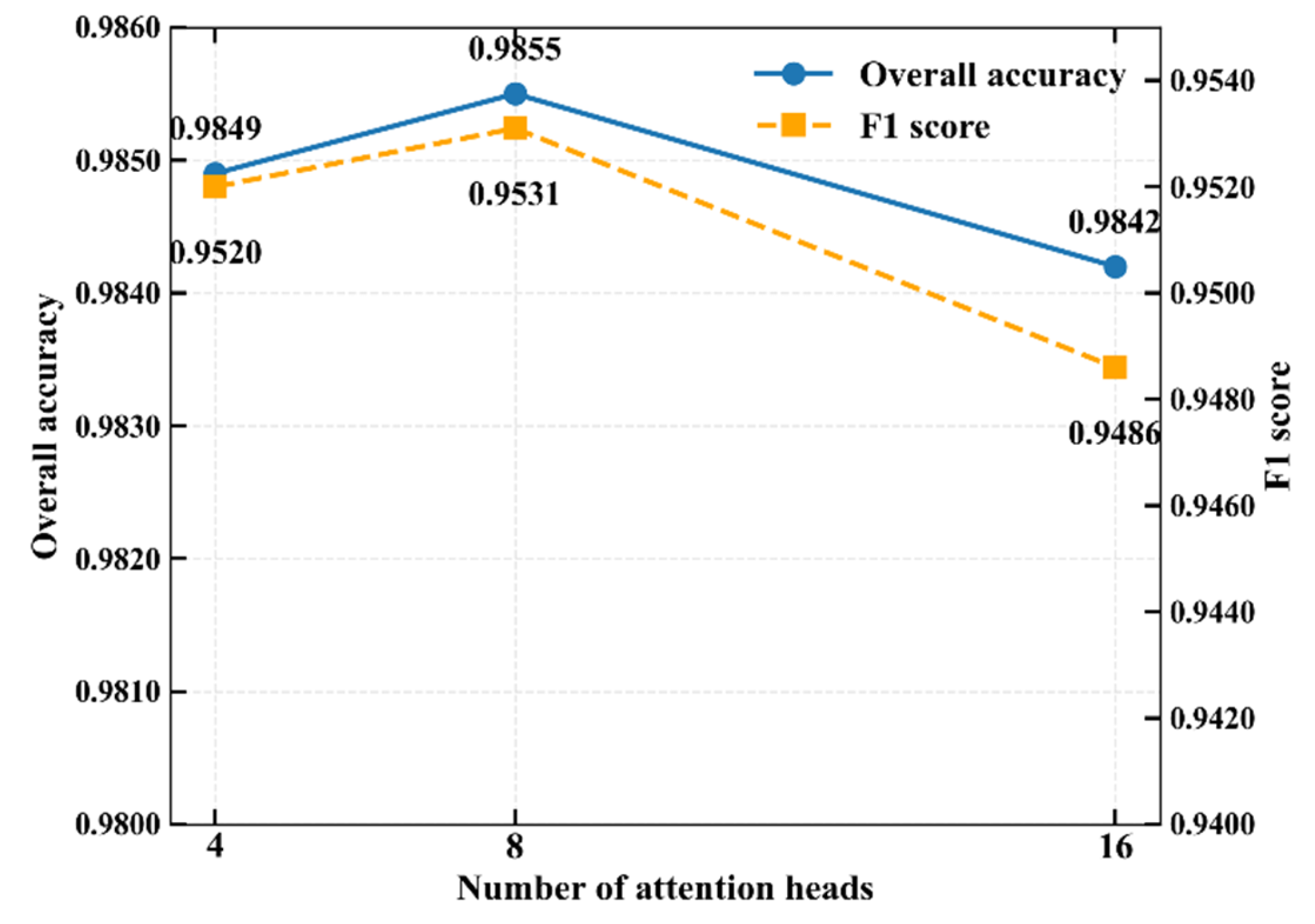
Cardiac arrhythmias, especially premature beats and atrial fibrillation, pose substantial clinical risks and detection hurdles. While deep learning has shown promise for automated arrhythmia diagnosis, single-model architectures often lack sufficient performance in distinguishing these two arrhythmia types. This study seeks to address the limitations of individual deep learning models and boost classification accuracy for premature beats and atrial fibrillation. It proposes an arrhythmia classification model integrating multiscale feature enhancement and bidirectional temporal dependency. First, a four-layer convolutional residual module with skip connections extracts multiscale local electrocardiogram (ECG) features. Then, multi-head self-attention strengthens critical feature global correlations. Next, a bidirectional long-term temporal de-pendency network captures sequence contextual dependencies. Finally, a Dropout-regularized fully connected layer enables six-type arrhythmia classification. Experiments on a fused dataset (MIT-BIH arrhythmia, MIT-BIH atrial fibrillation, and CODE datasets) yield an overall accuracy of 98.55% and F1-score of 0.9531. Notably, the F1-scores for premature beats (0.9916) and atrial fibrillation (0.9888) outperform recent literature by 2.16% and 4.39%, respectively. The model demonstrates robust classification performance with effective identification of the target arrhythmias, highlighting its potential as a supportive tool for automated ECG diagnosis.