


Simple Summary
The biological clock helps coordinate many functions in the human body, including reproduction. Melatonin, a hormone produced mainly at night, is best known for regulating sleep and daily biological rhythms. However, growing evidence suggests that melatonin also helps protect cells from oxidative damage and supports the function of mitochondria, the structures responsible for cellular energy production. These processes are particularly important in reproductive cells such as sperm, oocytes, and early embryos, which require high levels of energy and are vulnerable to oxidative stress. This review summarizes current evidence regarding the effects of melatonin on mitochondrial function, cellular redox balance, and reproductive health. Evidence from laboratory experiments, animal studies, and clinical research is discussed to highlight both the potential benefits and the current limitations of melatonin use in reproductive medicine. Although melatonin has shown promising effects, evidence regarding major clinical outcomes remains limited. A more complete comprehension of the connection between circadian rhythm biology and mitochondrial biology can provide new insights for future investigation.
Abstract
The pineal gland regulates circadian physiology through the periodic production of melatonin (MLT). In addition to its established role as a chronobiotic agent, MLT regulates redox homeostasis and mitochondrial physiology. Mitochondria and redox-active molecules, particularly reactive oxygen species (ROS), play essential roles in reproduction, including gamete physiology, fertilization, and early embryonic development. Although excessive oxidative stress (OS) impairs fertility, controlled ROS signaling is necessary for normal reproductive function. This comprehensive review synthesizes current evidence regarding MLT as a key intermediary linking circadian signaling with mitochondrial physiology and redox homeostasis. We discuss molecular pathways through which MLT regulates mitochondrial function, including activation of the Nrf2 signaling pathway, modulation of mitochondrial permeability transition, regulation of electron transport chain (ETC) efficiency, and apoptotic signaling. Furthermore, this study investigates MLT’s ability to scavenge free radicals and activate antioxidant defense mechanisms. Moreover, we review novel findings regarding the effects of MLT in experimental animals and humans, assisted reproductive technologies (ART) such as in vitro fertilization (IVF), and consider the translational significance of the hormone as an enhancer of fertility. We also highlight gaps in the literature, including methodological inconsistencies, supraphysiologic doses, and insufficient data from large human cohorts. Lastly, we discuss an integrative model whereby MLT may function as an important regulator of mitochondrial redox balance, with potential implications for reproductive physiology and reproductive outcomes, and propose new avenues for investigation.
1. Introduction
The temporal organization of biological systems is vital, where circadian rhythms coordinate biological processes with respect to predictable light–dark environmental conditions [1,2]. Maintaining homeostasis is particularly important for individuals with highly regulated energy metabolism [3]. Melatonin (MLT) is a hormone that mediates circadian signaling through rhythmic synthesis in the pineal gland, primarily at night. MLT is a well-established regulator of the sleep–wake cycle and is now recognized as a pleiotropic regulator of metabolism and mitochondrial bioenergetics [4,5].
Reproductive physiology is an area where circadian biology and bioenergetics interact in a particularly delicate way. Coordination of energy generation, redox signaling, and apoptosis control is essential for gametogenesis, fertilization, and early embryogenesis [6,7]. Alterations in circadian rhythms, which can be caused by environmental, behavioral, and pathological influences, have been shown to contribute to reproductive dysfunction. In this context, MLT is no longer considered only a hormone secreted by the circadian system but also a molecule that interprets time signals into cellular action within the reproductive system [8,9,10].
The mitochondria play a pivotal role in the process. Not only do the mitochondria act as ATP generators, but they also regulate apoptosis signaling pathways, calcium homeostasis, and reactive oxygen species (ROS) generation. The efficacy of the mitochondria is essential in germ cells since the germ cells need a considerable amount of energy and are prone to oxidative stress (OS) [11,12,13]. It has been determined that ROS exerts dual effects in reproductive physiology, where excessive ROS levels contribute to oxidative damage and infertility, whereas moderate ROS levels are essential for physiological processes such as sperm capacitation and oocyte maturation [14].
Recent research has indicated that MLT has a major influence on this mechanism. Apart from its direct antioxidant action against free radicals, MLT is involved in the regulation of mitochondrial energy metabolism, enhances electron transport efficiency, and influences permeability transition and apoptotic pathways [15]. Crucially, MLT is able to induce activation of the endogenous antioxidant defense system, such as by means of the Nrf2 pathway. Hence, MLT is not merely an antioxidant but also a chronobiologically controlled regulator of mitochondrial activity and oxidative-reductive balance [5,16].
Although substantial progress has been made, mechanistic coherence between circadian signaling, mitochondrial function, and reproductive success remains limited. This limitation arises from research that often examines these factors independently, resulting in an incomplete understanding of how temporal information is integrated within mitochondria and may influence reproductive processes [17,18,19]. In addition, translational evidence is inconsistent due to variations in methodology and different parameters evaluated in both human and assisted reproductive studies [17].
Previous reviews have discussed melatonin as an antioxidant or as a regulator of reproductive physiology; however, these topics are frequently examined separately. The novelty of the present review lies in the integration of circadian signaling, mitochondrial regulation, redox homeostasis, and reproductive outcomes into a unified conceptual framework. By focusing on melatonin as a mechanistic bridge between temporal biological signaling and mitochondrial function, this review provides a broader perspective on the role of melatonin in reproductive health. Within the scope of this review, we hypothesize that MLT plays a role as an integrator that links circadian biology with mitochondrial redox regulation within reproductive systems. This study aims to integrate current knowledge of the molecular pathways through which MLT modulates mitochondrial energy metabolism, oxidative status, and apoptosis, thereby influencing gamete quality and embryo survival. By integrating data from cell culture experiments, animal models, and clinical observations, this study defines a conceptual model of MLT as a time-dependent regulator of reproductive function and identifies key areas for future research. The integrative relationship between circadian signaling, MLT, mitochondrial regulation, and reproductive outcomes is summarized in Figure 1.
Figure 1.
Integrative role of melatonin in reproduction. Circadian rhythms regulate melatonin secretion by the pineal gland, linking environmental light–dark cycles with mitochondrial homeostasis. Through its effects on bioenergetics, redox balance, and cellular survival, melatonin supports gamete quality, embryo development, and reproductive success, whereas circadian disruption may contribute to mitochondrial dysfunction and impaired fertility.
2. Search Strategy and Evidence Selection
This review was conducted as a narrative review of the literature examining the role of melatonin in reproductive biology, with particular emphasis on circadian regulation, mitochondrial function, redox homeostasis, and assisted reproductive technologies (ART). Literature searches were performed in PubMed, Scopus, and Google Scholar using combinations of the following keywords: “melatonin”, “circadian rhythm”, “pineal gland”, “mitochondria”, “oxidative stress”, “redox homeostasis”, “Nrf2”, “SIRT3”, “reproduction”, “fertility”, “gametes”, “oocyte”, “sperm”, “embryo development”, and “assisted reproductive technology”.
Priority was given to peer-reviewed articles published in English, including original research studies, clinical investigations, and relevant review articles. Both experimental and human studies were considered to provide a comprehensive overview of current knowledge. Seminal publications were included where necessary to provide historical context, while recent studies were preferentially selected to reflect current advances in the field. Articles not directly related to reproductive biology, melatonin signaling, mitochondrial regulation, or OS were excluded from detailed discussion.
The final selection of studies was based on their relevance to the objectives of the review and their contribution to understanding the relationship between melatonin, circadian biology, mitochondrial function, redox regulation, and reproductive outcomes.
3. Mitochondrial Function and Redox Homeostasis in Reproductive Biology
3.1. Mitochondrial Function in Gametes and Early Embryos
Mitochondria play a crucial regulatory role in cell biology, extending beyond ATP synthesis to regulate apoptosis, calcium balance, and metabolism. In reproductive biology, mitochondrial efficiency is a major determinant of normal gamete development [20]. It should be noted that the oocyte contains a great number of mitochondria that provide the necessary energy for the maturation process, fertilization, and early stages of embryo development [21,22].
Mitochondria in spermatozoa are highly specialized structures located in the midpiece region, where they synthesize ATP to power sperm motility and fertilization competence [23,24]. Mitochondrial impairment in spermatocytes leads to poor motility, defective capacitation, and DNA damage [25]. In early embryos, mitochondrial energy metabolism is highly regulated because both excessive and insufficient energy production may interfere with development. It is imperative to note that mitochondrial DNA and efficient oxidative phosphorylation play crucial roles in normal embryonic development [26,27,28].
Overall, these findings illustrate the importance of mitochondria’s role as not just being supportive but also instructional to the process of reproduction, influencing cellular decision-making from gametogenesis to early embryogenesis.
3.2. ROS and Redox Signaling in Reproduction
A characteristic of mitochondrial function is the synthesis of ROS. The latter are typically known to be harmful compounds produced during metabolism as by-products of electron transport chains (ETCs) [29,30]. However, recent research suggests that ROS play an important role in regulating numerous physiological processes. In reproductive processes, ROS are essential for cellular function and regulate sperm capacitation, the acrosome reaction, and oocyte maturation [31,32,33].
Nevertheless, the favorable impact of ROS is very concentration-specific. Whenever ROS concentrations surpass the cell’s ability to neutralize them, OS ensues, resulting in lipoperoxidation, proteolysis, and even DNA damage. Germ cells are prone to OS due to increased metabolism, the absence of antioxidants at certain stages, and, in spermatozoa, the lack of cytoplasmic repair enzymes [34,35].
Consequently, successful reproduction requires redox homeostasis, which is described as the equilibrium between the synthesis of ROS and the cell’s defense against them. In this way, the functions of ROS will be achieved without damaging the cell itself.
3.3. OS and Reproductive Dysfunction
Redox imbalance plays an important role in the development of reproductive disorders [36,37]. For instance, OS in oocytes is known to interfere with mitochondrial location, alter meiotic spindle shape, and reduce the likelihood of embryo formation. In spermatozoa, OS presents as increased DNA fragmentation, decreased motility, and damage to the plasma membrane [38,39].
OS can inhibit cell division and induce changes in the pattern of gene expression in developing embryonic cells. Additionally, mitochondrial failure and OS are related [40,41]. Consequently, a self-amplification loop is formed, in which mitochondrial dysfunction leads to the excessive production of ROS, thereby damaging the cells.
There have been instances where OS has been linked to numerous medical conditions, such as infertility, poor function of ART, and aging-induced reproductive dysfunction. These findings underscore the need for efficient regulation of mitochondrial activity and redox homeostasis within the reproductive organs [38,42].
Due to the impact of mitochondrial activity and redox homeostasis on reproduction, much interest has been generated in studying natural agents capable of controlling these two parameters. The natural compound of choice in such studies is MLT, due to its ability to integrate circadian rhythms with mitochondrial activity and redox homeostasis [43,44]. The importance of mitochondrial activity and redox homeostasis in reproduction is outlined in Table 1 below.
Table 1.
Roles of mitochondrial function and redox signaling in reproductive cells and early embryonic development.
4. MLT as a Regulator of Mitochondrial Function
4.1. MLT and Mitochondrial Bioenergetics
In addition to its role as a circadian hormone, MLT has emerged as an important regulator of mitochondrial bioenergetics [15,45]. The primary source of ATP is mitochondria through oxidative phosphorylation, which depends on the ETC operating properly. Disruption of ETC function may lead to electron leakage, reduced ATP production, and excessive generation of ROS [29,46,47].
MLT can enhance the efficiency of mitochondria through the stabilization of ETC functioning and decreasing electron leakage. According to experimental research, MLT increases the activity of mitochondrial respiratory chains, which increases ATP generation and minimizes oxidative products [48,49,50]. Regulation of the activity of mitochondria by means of MLT can play a special role in reproduction cells, where the functional activity is closely connected with energy [51]. Moreover, MLT has an impact on the state of mitochondrial membrane potential, which is one of the key factors of proper mitochondrion functioning [5,45].
4.2. Regulation of Mitochondrial Dynamics and Apoptosis
The regulation of mitochondrial structure, distribution, and function relies on mitochondrial dynamics, which include processes such as mitochondrial fusion and fission. These processes are fundamental for the degradation of dysfunctional mitochondria and for adjusting their activity to metabolic conditions [52,53]. Mitochondrial dysfunction has been linked to reduced oocyte quality and impaired embryo development. The dynamics of the mitochondria can be controlled through the regulation of specific protein activities related to fusion and fission processes [54,55]. By regulating the fusion–fission processes, MLT could possibly aid in maintaining the structural integrity of the mitochondria while efficiently distributing energy among them [5,43].
Additionally, mitochondria also have an important role in intrinsic apoptosis. This is because this process is highly associated with the maintenance of mitochondrial membrane integrity and the balance between pro- and anti-apoptotic proteins, such as Bcl-2 family members [56,57,58]. MLT prevents cytochrome c release, increases mitochondrial membrane integrity, and regulates apoptotic protein expression, resulting in its anti-apoptotic actions. Moreover, research has shown that MLT might even participate in mitochondrial quality control processes, such as mitophagy, although the exact pathway is not yet fully known [5,59].
4.3. MLT and Mitochondrial Redox Regulation
A distinctive feature of MLT is its ability to regulate mitochondrial redox balance through multiple complementary mechanisms. ROS are generated as by-products of mitochondrial respiration and require tight regulation to prevent cellular injury. MLT acts as both a direct and indirect regulator of ROS homeostasis [15,43,49].
MLT acts directly by scavenging various forms of radicals, such as hydroxyl radicals, superoxide anions, and peroxynitrite [60,61]. Unlike many conventional antioxidants, MLT and its metabolites may participate in sequential radical-scavenging reactions that further enhance antioxidant capacity [62,63].
MLT indirectly enhances endogenous antioxidant defenses through activation of redox-sensitive signaling pathways. Among these, the Nrf2 pathway represents one of the most extensively studied mechanisms and is discussed in greater detail in Section 5.2. Through activation of antioxidant defense systems, MLT contributes to the maintenance of mitochondrial redox homeostasis and cellular protection against oxidative stress [64,65,66].
Furthermore, MLT contributes to the regulation of redox signaling in addition to protecting against OS. Maintenance of ROS within physiological ranges allows redox-sensitive signaling pathways required for normal reproductive function to occur without triggering excessive cellular stress responses [44,67].
4.4. Integration of Circadian Signaling with Mitochondrial Function
One of the most distinctive properties of MLT is its role in linking circadian timekeeping with mitochondrial function. As a hormone with secretion regulated by the light–dark rhythm, MLT transfers temporal information into the reproductive tissues and other peripheral target cells. Temporal signaling is increasingly recognized as an important regulator of mitochondrial metabolism and cellular homeostasis [5,68].
Mitochondrial activity exhibits circadian oscillations associated with energy metabolism, oxidative phosphorylation, and ROS generation. Synchronization of mitochondrial activity with circadian rhythms may help maintain energy balance and redox homeostasis in accordance with physiological demands [69,70]. Since many reproductive processes, including ovulation and fertilization, are regulated by circadian rhythms, temporal synchronization may be particularly important for reproductive function [6,71].
Circadian disruption may contribute to mitochondrial dysfunction, OS, and impaired reproductive performance. Here, MLT may play a protective role, providing proper temporal regulation [9,72,73].
Collectively, these pathways integrate bioenergetic, redox, and circadian signals, positioning MLT as a central regulator of mitochondrial function. In reproductive systems, where mitochondrial activity directly influences gametogenesis and embryogenesis, this coordinated regulation may be particularly important for maintaining reproductive competence [5]. The physiological impacts of MLT on the mitochondrial pathway are shown in Table 2.
Table 2.
Physiological effects of melatonin on mitochondrial function and redox homeostasis.
5. Molecular Mechanisms Underlying MLT-Mediated Mitochondrial Regulation
5.1. Receptor-Dependent and Receptor-Independent Actions
The action of MLT on living cells is brought about by means of receptor-mediated and non-receptor-mediated mechanisms. MLT acts on G-protein coupled receptors such as MT1 and MT2, which are found in reproductive organs like the testes and ovaries [74,75,76]. Activation of the MT1 and MT2 receptors results in the modulation of signaling processes, which include cyclic AMP production, phosphorylation of proteins, and gene transcription. There is some research indicating that MLT receptors might play roles in mitochondrial signaling processes, though more information is needed in this regard [77,78].
However, MLT possesses receptor-independent effects as a result of its amphiphilic nature, enabling its penetration through biological membranes into mitochondria [5,79]. In addition, mitochondria have been proposed as a site of melatonin synthesis, suggesting a direct role of this indoleamine in the regulation of mitochondrial physiology and signaling [80]. In reproductive tissues, mitochondrial melatonin may originate from both circulating pineal-derived melatonin and local extra-pineal synthesis, although the relative contribution of each source during gametogenesis remains incompletely understood. This enables MLT to interact with mitochondrial membranes and components of the ETC, thereby influencing mitochondrial function independently of receptor activation [81].
5.2. Regulation of Antioxidant Pathways
MLT regulates cellular antioxidant defenses through activation of several redox-sensitive signaling pathways and through its well-established antioxidant properties, among which the Nrf2 pathway is one of the most extensively studied mechanisms [16,64,82,83].
Experimental studies have demonstrated that MLT enhances Nrf2 activation, resulting in increased expression of antioxidant enzymes including catalase, glutathione peroxidase, and superoxide dismutase [15,84,85,86]. Through this mechanism, MLT strengthens endogenous antioxidant capacity and supports mitochondrial homeostasis. In addition to melatonin itself, its metabolites AFMK (N1-acetyl-N2-formyl-5-methoxykynuramine) and AMK (N1-acetyl-5-methoxykynuramine) contribute to the antioxidant cascade of melatonin. These metabolites retain antioxidant and anti-inflammatory properties and participate in the scavenging of reactive oxygen and nitrogen species [87,88]. However, their specific roles in reproductive physiology and mitochondrial regulation remain incompletely understood and require further investigation.
Beyond Nrf2 signaling, MLT may also influence pathways involved in inflammation, cellular adaptation to stress, and mitochondrial resilience, further contributing to the regulation of redox-sensitive cellular responses [89,90].
5.3. Modulation of Mitochondrial Bioenergetic Enzymes
MLT regulates mitochondria enzymes participating in cellular metabolism as well. According to experimental studies, MLT increases the efficiency of ETC complexes I and IV, which positively influences oxidative phosphorylation and prevents electrons from leaking [15,48,49,50,91].
Another target for MLT is the deacetylase in the mitochondria called SIRT3, whose main role includes regulating mitochondrial protein functions and metabolic processes such as oxidation. Activation of SIRT3 leads to mitochondrial deacetylation, especially of those proteins that have a part to play in the antioxidant mechanism and energy metabolism. Studies have shown that there is an increase in SIRT3 activity by the action of MLT, which ultimately leads to decreased levels of OS [92,93,94].
5.4. Regulation of Apoptotic Signaling Pathways
The function of MLT is also critical for regulating mitochondria-mediated apoptotic signaling. Apoptotic signaling is regulated by the interaction of pro-apoptotic and anti-apoptotic proteins of the Bcl-2 family, regulating mitochondrial permeability and cytochrome c release [59,95].
MLT modulates apoptotic signaling by suppressing pro-apoptotic factors such as Bax while enhancing expression of anti-apoptotic proteins including Bcl-2. Through regulation of the Bax/Bcl-2 balance, MLT helps preserve mitochondrial membrane integrity and limit cytochrome c release [15,96,97,98].
Additionally, MLT could help to maintain the integrity of mitochondrial membranes and prevent apoptosis by inhibiting the opening of mitochondrial pores. This action would be especially critical in reproductive cells since apoptosis may affect their viability [99].
5.5. Integration of Molecular Mechanisms
Importantly, these molecular mechanisms operate as an interconnected regulatory network rather than as isolated pathways. Receptor-mediated signaling, antioxidant responses, bioenergetic regulation, and apoptosis control collectively contribute to the maintenance of mitochondrial homeostasis and cellular adaptation to physiological stress [100,101,102].
Through coordinated regulation of these processes, MLT integrates metabolic, redox, and survival signaling pathways that are essential for reproductive cell function. In reproductive systems, where mitochondrial activity is tightly linked to gamete competence and early embryonic development, this coordinated regulation may be particularly important [5,103]. Molecular mechanisms underlying MLT-mediated regulation of mitochondrial function and redox balance are summarized in Table 3.
Table 3.
Molecular pathways underlying melatonin-mediated mitochondrial regulation.
6. Functional Implications in Reproductive Systems
6.1. Oocyte Quality and Maturation
Oocyte quality is a key factor involved in female fertility and embryo development. Maturation of the oocyte involves an energy-demanding process that requires proper functioning and interaction of mitochondria, redox status, and the cytoskeleton [104]. Mitochondria in the oocytes provide ATP for the proper organization of the meiotic spindle apparatus, separation of chromosomes, and cytoplasmic maturation. Thus, low oocyte competence and developmental ability are associated with impaired mitochondrial activity [105].
Recently, there was evidence that MLT has protective functions in terms of maintaining oocyte quality by keeping mitochondrial functionality and preventing OS. Melatonin has been shown in studies to improve mitochondrial localization, increase mitochondrial membrane potential, and promote ATP generation in oocytes. Thus, MLT has been shown to support meiotic progression and reduce spindle abnormalities in experimental models [106,107,108,109,110].
Moreover, MLT reduces OS by preventing the excess generation of ROS and improving the antioxidant defense system. These characteristics are especially crucial when discussing aged oocytes, since these cells exhibit increased oxidative processes that reduce female fertility [111,112]. Consistent with these observations, experimental evidence has shown that melatonin may delay postovulatory oocyte aging and extend the window for successful fertilization, thereby preserving oocyte developmental competence [113].
6.2. Sperm Function and Male Fertility
The functionality of sperm depends heavily on mitochondrial metabolism, particularly ATP production, which drives sperm motility and fertilizing capacity. Mitochondria are localized in the sperm midpiece, where they generate the energy required for flagellar movement. Therefore, impairment of mitochondrial function may lead to reduced sperm motility and compromised male fertility [24,25,114].
MLT is known to have a beneficial effect on sperm cells by reducing OS and boosting mitochondrial metabolism. The excessive amount of reactive oxygen species in the sperm cells results in lipid peroxidation, DNA fragmentation, and poor motility. Sperm cells are particularly vulnerable to OS due to their tiny cytoplasmic volume and limited antioxidative activity [44,115].
Through its antioxidant effects and regulation of mitochondrial activity, MLT helps preserve the integrity of sperm membranes, mitochondria, and DNA. It is also thought to be involved in the regulation of essential processes such as sperm capacitation and the acrosome response [25,44,114].
6.3. Early Embryo Development and Viability
The embryonic phase becomes essential in terms of proper regulation of mitochondria and their activity. Immediately after an embryo is formed, the latter starts using the mitochondria provided by the mother for metabolic and dividing purposes [28,116,117].
Mitochondrial dysfunction during this time results in aberrant cell division, programmed cell death, and embryonic arrest. MLT can enhance the quality and survival of the embryo by preventing mitochondrial damage due to OS. It has been shown in studies both in vivo and in vitro that improved mitochondrial function and redox balance correlate with blastulation, more cells, and less apoptosis [118,119,120].
Moreover, MLT plays an important role in embryogenesis through the regulation of redox-sensitive signaling pathways [121].
6.4. Implications for ART
The impact of OS in constraining the effectiveness of ART, including IVF, has long been acknowledged. The culture medium, oxygen level, and laboratory manipulation may all lead to ROS generation, thereby influencing sperm or oocyte quality as well as embryo formation [122].
There is great potential in using MLT as an additive in the ART process because it has been shown that it can increase mitochondrial functionality while preventing OS. Both systemic MLT administration and supplementation of culture media with MLT have been associated with improvements in oocyte quality, embryonic development, and embryo survival rates [106,110,112]. Nevertheless, the existing literature on this subject is rather limited due to the inconsistent results and wide variation in experimental parameters.
However, its application could be beneficial in enhancing the outcomes of fertility treatment using ART techniques. A critical future task is the determination of the appropriate dose and time of administering MLT for achieving positive outcomes [123,124,125].
In general, the experimental findings suggest that the physiological function of MLT is characterized by numerous roles in the reproductive system. MLT’s biological activity is linked to mitochondrial activity and cell metabolism [126,127,128]. The effects of MLT on mitochondrial function and redox homeostasis in reproductive cells and early embryos are summarized in Figure 2.
Figure 2.
Effects of MLT on mitochondrial function and reproductive competence. (A) In oocytes, MLT enhances mitochondrial function, stabilizes mitochondrial membrane potential, reduces ROS levels, and supports chromosome alignment and oocyte maturation. (B) In sperm cells, MLT has been associated with improved mitochondrial function and motility, as well as reduced OS, DNA fragmentation, and lipid peroxidation, potentially contributing to enhanced fertilization capacity. (C) During embryonic development, MLT supports mitochondrial metabolism, ATP production, redox homeostasis, and reduced apoptosis, contributing to improved developmental competence and embryo viability.
7. Clinical and Translational Evidence
7.1. Evidence from Human Studies
However, there is considerable interest in the potential role of MLT in reproductive medicine, particularly among infertile patients and individuals undergoing ART. Several clinical studies suggest that MLT supplementation may improve oocyte quality, fertilization rates, and embryo development, although evidence regarding major clinical outcomes, including live birth, remains limited and heterogeneous [112,123,124].
MLT has been shown to improve oocyte quality, fertilization rates, and embryo development in patients receiving IVF treatment [123,128]. These findings are supported by earlier experimental evidence demonstrating improved fertilization and embryo development following melatonin supplementation in mouse IVF models [129]. The mechanism behind this could be linked to decreased OS within the follicle, which is marked by reduced amounts of ROS and an increase in antioxidant levels in the follicular fluid [130]. Moreover, MLT treatment has also been reported to result in pregnancy success in certain studies. Nonetheless, it must be noted that most studies conducted are on a relatively small sample size and use diverse methodologies and reproductive outcomes [122,131,132].
MLT’s role in treating male infertility has been assessed according to its ability to positively affect sperm characteristics like sperm motility, concentration, and sperm DNA integrity [44,133]. According to some research, MLT can be beneficial to sperm characteristics, especially in high levels of OS. Nevertheless, evidence on this issue is still sparse and contradictory [115,134]. On the contrary, the therapeutic potential of MLT has been investigated extensively in women with reproductive disorders, particularly those undergoing ART and those with poor oocyte quality [135,136,137,138].
Several studies have shown encouraging results, but currently, there is not enough evidence for formulating treatment guidelines because of small sample size and different methodologies used. A comparative overview of representative clinical studies investigating melatonin supplementation in reproductive medicine, including study design, treatment protocols, major findings, and limitations, is presented in Table 4.
Table 4.
Summary of clinical studies evaluating melatonin supplementation in reproductive medicine.
7.2. Evidence from Animal Models and Experimental Systems
Several animal studies along with in vitro experiments have offered experimental data proving the importance of MLT for the reproductive process. Most of the available evidence originates from mammalian models, particularly rodents, although other vertebrate species have also been investigated. The positive effects on oocyte maturation and embryogenesis along with protection from OS-associated damages have been observed in numerous animal species. It has been revealed that enhanced antioxidant properties and decreased levels of ROS can contribute to such beneficial outcomes [106,108,110,111,119,139].
Further evidence regarding the mechanisms involved in MLT-mediated reproductive protection includes the facilitation of antioxidant activities, maintenance of mitochondrial functioning, and control of apoptosis [15,45,94]. Further mechanisms that have been suggested based on experimental findings include changes in mitochondrial membrane potential, increased efficacy of the ETC, and stimulation of antioxidant defenses in the body [50,91,106]. Increased cell tolerance to OS, for instance, can be attributed to the stimulation of the Nrf2 pathway [64,66,84]. In addition to mammalian models, lower vertebrates such as fish have emerged as useful systems for studying melatonin biology. Recent evidence suggests that both melatonin and its metabolite AFMK contribute to antioxidant protection in rainbow trout eggs and ovarian fluid, supporting their role in redox homeostasis during reproduction and early developmental stages [139]. The applicability of experimental findings to human reproductive physiology is hampered by variations in reproductive functions across species and by laboratory restrictions [112,122,123].
7.3. Dosing, Timing, and Pharmacological Considerations
The most pressing challenge to the clinical application of MLT studies has been the inconsistent dosing and administration protocols used. Studies conducted on animals have involved highly variable doses, many above physiological limits, leaving one to question both the safety and effectiveness of MLT therapy [112,122,123,132].
MLT exhibits complex pharmacokinetic properties, including variable oral bioavailability and a relatively short half-life [4,74,77]. Therefore, timing may play a critical role in achieving a specific physiological effect of the hormone. Given that MLT functions as a circadian regulator, its administration should ideally mimic the body’s natural circadian pattern. Nevertheless, relatively few studies have systematically investigated the importance of administration timing in relation to the circadian phase [1,19,69,70].
Physiological nocturnal plasma melatonin concentrations generally occur in the picomolar-to-low nanomolar range. In contrast, many experimental and clinical studies employ pharmacological doses that produce circulating concentrations substantially exceeding endogenous levels. While physiological concentrations primarily support circadian synchronization and basal redox regulation, supraphysiological doses may exert additional receptor-independent antioxidant and mitochondrial effects [4,15,43,51]. Consequently, extrapolation of findings from high-dose experimental studies to physiological reproductive regulation should be undertaken cautiously.
In addition, pharmacological effects that differ from the physiological action of endogenous MLT may result from administration at doses higher than normal [62,67,81].
These limitations complicate comparisons between studies and may partly explain the inconsistencies observed between experimental and clinical findings [122,123,132].
7.4. Limitations and Current Gaps in the Literature
Although increasing attention has been paid to the therapeutic potential of MLT in reproductive medicine, several significant limitations remain. First, there is significant heterogeneity among studies regarding patient selection criteria, treatment regimens, and evaluation endpoints. As a result, direct comparison between studies and interpretation of the collective findings remain difficult [122,123,132].
Furthermore, randomized clinical trials in this field remain limited. A majority of these studies are conducted on a relatively smaller scale and not randomized as well, and the sample size of patients involved is not large enough [122,123,139]. Additionally, further research is also required to find out how different individual characteristics affect the treatment responses of MLT. Such characteristics include individual age, circadian rhythm, cause of infertility, and metabolism [19,69,112,126]. Another consideration that needs to be taken into account includes publication bias.
7.5. Translational Perspective and Therapeutic Potential
All things considered, it is evident that the obtained information provides substantial evidence about the possible involvement of MLT in regulation of reproductive physiology through its influence on mitochondrial metabolism and redox balance [15,23,43,127].
In this respect, special attention needs to be paid to elaborating recommendations for standardizing MLT therapy in terms of dosing and timing, and patient selection, in whom it will be effective. The approach based on taking into account the laws of the circadian rhythm might prove to be beneficial in this case [112,122,123,132].
Nonetheless, further mechanistic research on a larger scale is required to conclusively incorporate MLT into the scope of evidence-based reproductive medicine [69,70].
Overall, the combination of circadian rhythm, mitochondrial biology, and redox homeostasis offers an exciting prospect regarding the complex role of MLT in reproduction [23,69].
8. Conceptual Integration and Future Perspectives
8.1. Integrative Model Linking Circadian Signaling, Mitochondrial Function, and Reproduction
In light of the above-presented data, the classical assumption that MLT serves only as an antioxidant and a circadian signaling molecule is not enough to provide a full description of its physiological roles [9,140]. In this regard, it may be regarded as a signal mediator connecting the circadian system with mitochondria in reproductive cells [126].
Within this framework, circadian rhythms regulate MLT secretion, while MLT modulates mitochondrial activity and redox homeostasis through interconnected processes including oxidative phosphorylation, ROS regulation, and apoptosis [141]. Consequently, mitochondria emerge as central integrators of circadian and reproductive signaling. Emerging evidence also suggests interactions between MLT signaling and key components of the circadian clock, including the CLOCK, BMAL1, PER, and CRY pathways, which may further influence mitochondrial metabolism and reproductive physiology [69,142,143].
Therefore, MLT exerts multiple biological effects, including enhancing mitochondrial efficiency, stabilizing mitochondrial membrane potential, regulating mitochondrial dynamics, and maintaining redox homeostasis through ROS scavenging and the activation of endogenous antioxidant systems [5].
Additionally, this theory emphasizes the importance of timing. An alteration in the circadian rhythm may interfere with the synchronization between the MLT signaling pathway and mitochondrial function, leading to poor energy metabolism, increased generation of ROS, and poor reproductive success. In this sense, MLT can be considered a protective mediator that helps preserve mitochondrial balance amid altered circadian rhythms [125,140].
8.2. Implications for Reproductive Medicine and Chronobiology
The use of circadian biology in reproductive medicine is a relatively new area with great therapeutic promise. In this context, proper regulation of MLT pathways can benefit reproductive health, especially in cases involving oxidative damage and mitochondrial impairment [7,15,71].
In clinical practice, aligning ART procedures with circadian rhythms, including the timing of oocyte retrieval, hormone administration, and embryo culture conditions, can improve reproductive outcomes. Furthermore, MLT administration may help improve mitochondrial function and reduce OS within the reproductive microenvironment. These observations support the emerging concept of chronobiologically guided reproductive medicine, in which temporal synchronization may represent an additional therapeutic dimension in fertility treatment [10,15,122].
In general, reproduction is dependent on the healthy functioning of the circadian rhythm. Disturbance of the circadian rhythm due to shift work, lack of sleep, and too much artificial light may have an adverse impact on reproductive physiology via modifications in MLT levels, mitochondrial activity, and redox state [7,69,140].
8.3. Future Research Directions
Despite much achieved in terms of understanding the biological activity of MTL, there are still many aspects of its action that require further investigation. It is necessary to gain insight into the mechanisms of MLT-induced mitochondria function regulation in various reproductive cells. A special focus needs to be made on the role of signaling cascades in mitochondrial adaptation and redox regulation, particularly on Nrf2-dependent regulation mechanisms [15,16,84].
Importantly, the strength of evidence supporting the proposed mechanisms is not uniform. While some effects of MLT on reproductive outcomes have been evaluated in human and ART studies, many mechanistic pathways, including Nrf2 signaling, SIRT3 regulation, mitochondrial bioenergetics, and receptor-independent actions, have been investigated predominantly in animal models and in vitro systems. Therefore, further translational studies are needed to validate these mechanisms in human reproductive tissues and clinical settings [71,122,132].
Another area of interest is connected with establishing standard approaches to MLT delivery. The optimal dosing regime is crucial to achieve positive outcomes, and thus, should be defined accurately. Individual peculiarities associated with the circadian phenotype and reproductive conditions have to be considered when developing the appropriate protocol [71,122,132].
Lastly, proper randomized controlled trials should be conducted to establish the effectiveness and safety of MLT-based therapy in reproductive medicine [119,120,126].
In conclusion, integrated models involving the circadian system, mitochondrial biology, and reproductive function may offer insights into the mechanisms behind reproductive function and help develop therapies for disorders in reproductive function [18,69,135].
9. Conclusions
MLT has traditionally been regarded as a circadian hormone and antioxidant. However, accumulating evidence suggests that it also participates in the regulation of mitochondria homeostasis and reproductive biology. Experimental and clinical studies indicate that MLT may modulate mitochondrial metabolism, OS, and antioxidant signaling pathways, including Nrf2-mediated mechanisms, potentially contributing to improved gamete quality, fertilization, and embryo development.
Importantly, MLT may serve as a biological link between circadian signaling and mitochondrial regulation, enabling the integration of environmental timing cues with reproductive physiology. While encouraging findings have been reported in experimental models and clinical studies, the strength of evidence varies across outcomes. Beneficial effects on OS regulation, mitochondrial function, and laboratory ART outcomes appear relatively consistent, whereas evidence regarding major clinical endpoints, particularly live birth rates, remains limited and heterogeneous. Furthermore, variability in study design, patient populations, dosing regimens, and treatment timing continues to hinder clinical translation.
In summary, MLT represents a promising circadian-driven mediator of mitochondrial biology and redox homeostasis, with potential relevance to reproductive medicine. Nevertheless, further well-designed mechanistic studies and adequately powered clinical trials are required to clarify its therapeutic role and establish evidence-based recommendations for clinical practice.
Author Contributions
Conceptualization, S.S.; validation, P.C., S.D. and C.C.; investigation, E.M., A.P., M.T. and A.Z.; writing—original draft preparation, S.S.; writing—review and editing, P.C., S.D., C.C., E.M., A.P., M.T., A.Z., K.D. and P.D.; visualization, E.M.; supervision, P.D.; project administration, P.D. All authors have read and agreed to the published version of the manuscript.
Funding
This research received no external funding.
Institutional Review Board Statement
Not applicable.
Informed Consent Statement
Not applicable.
Data Availability Statement
No new data were created or analyzed in this study.
Acknowledgments
Figures included in this manuscript were created with the assistance of Canva (https://www.canva.com/, accessed on 1 April 2026) and AI-assisted visualization tools and were subsequently modified and validated by the authors.
Conflicts of Interest
The authors declare no conflicts of interest.
Abbreviations
The following abbreviations are used in this manuscript:
| MLT | Melatonin |
| ROS | Reactive oxygen species |
| OS | Oxidative stress |
| IVF | In vitro fertilization |
| ART | Assisted reproductive technologies |
| ETC | Electron transport chain |
References
- Vitaterna, M.H.; Takahashi, J.S.; Turek, F.W. Overview of Circadian Rhythms. Alcohol Res. Health 2001, 25, 85–93. [Google Scholar] [PubMed]
- Coskun, A.; Zarepour, A.; Zarrabi, A. Physiological Rhythms and Biological Variation of Biomolecules: The Road to Personalized Laboratory Medicine. Int. J. Mol. Sci. 2023, 24, 6275. [Google Scholar] [CrossRef] [Scilit] [PubMed]
- Woods, S.C.; Ramsay, D.S. Food Intake, Metabolism and Homeostasis. Physiol. Behav. 2011, 104, 4–7. [Google Scholar] [CrossRef] [Scilit] [PubMed]
- Savage, R.A.; Zafar, N.; Yohannan, S.; Miller, J.-M.M. Melatonin. In StatPearls; StatPearls Publishing: Treasure Island, FL, USA, 2026. [Google Scholar]
- Bao, Y.; Miao, G.; He, N.; Bao, X.; Shi, Z.; Hu, C.; Liu, X.; Wang, B.; Sun, C. Melatonin as a Guardian of Mitochondria: Mechanisms and Therapeutic Potential in Neurodegenerative Diseases. Biology 2026, 15, 189. [Google Scholar] [CrossRef] [Scilit] [PubMed]
- Zhou, Y.; He, X.; Chen, Z.; Gou, Y.; Zhou, K.; Huang, J.; Chen, M.; Hong, J.; Gao, L. Role of Circadian Clock in Female Embryo Implantation. Front. Cell Dev. Biol. 2025, 13, 1607491. [Google Scholar] [CrossRef] [Scilit] [PubMed]
- Karabulut, S.; Oria, L. The Effects of Circadian Rhythm on Reproductive Functions. Zygote 2025, 33, 203–209. [Google Scholar] [CrossRef] [Scilit] [PubMed]
- Li, Y.; Pei, T.; Zhu, H.; Wang, R.; Wu, L.; Huang, X.; Li, F.; Qiao, X.; Zhong, Y.; Huang, W. Melatonin Alleviates Circadian Rhythm Disruption-Induced Enhanced Luteinizing Hormone Pulse Frequency and Ovarian Dysfunction. J. Pineal Res. 2025, 77, e70026. [Google Scholar] [CrossRef] [Scilit] [PubMed]
- Drăgoi, C.M.; Dumitrescu, I.-B.; Nicolae, A.C. Rhythms of Life: Melatonin, Nutrition, Sleep, and Antioxidant Strategies for Healthy Aging. Front. Neurosci. 2026, 20, 1736978. [Google Scholar] [CrossRef] [Scilit] [PubMed]
- Ono, M.; Dai, Y.; Fujiwara, T.; Fujiwara, H.; Daikoku, T.; Ando, H.; Kuji, N.; Nishi, H. Influence of Lifestyle and the Circadian Clock on Reproduction. Reprod. Med. Biol. 2025, 24, e12641. [Google Scholar] [CrossRef] [Scilit] [PubMed]
- Awad, A.M.A.M.; Abdul Karim, N. Dysregulation of Mitochondrial Function in Cancer Cells. Int. J. Mol. Sci. 2025, 26, 6750. [Google Scholar] [CrossRef] [Scilit] [PubMed]
- Casanova, A.; Wevers, A.; Navarro-Ledesma, S.; Pruimboom, L. Mitochondria: It Is All about Energy. Front. Physiol. 2023, 14, 1114231. [Google Scholar] [CrossRef] [Scilit] [PubMed]
- Costa, J.; Braga, P.C.; Rebelo, I.; Oliveira, P.F.; Alves, M.G. Mitochondria Quality Control and Male Fertility. Biology 2023, 12, 827. [Google Scholar] [CrossRef] [Scilit] [PubMed]
- Sengupta, P.; Pinggera, G.-M.; Calogero, A.E.; Agarwal, A. Oxidative Stress Affects Sperm Health and Fertility-Time to Apply Facts Learned at the Bench to Help the Patient: Lessons for Busy Clinicians. Reprod. Med. Biol. 2024, 23, e12598. [Google Scholar] [CrossRef] [Scilit] [PubMed]
- Reiter, R.J.; Rosales-Corral, S.; Tan, D.X.; Jou, M.J.; Galano, A.; Xu, B. Melatonin as a Mitochondria-Targeted Antioxidant: One of Evolution’s Best Ideas. Cell. Mol. Life Sci. 2017, 74, 3863–3881. [Google Scholar] [CrossRef] [Scilit] [PubMed]
- Íñigo-Catalina, L.; Ortiz-Cabello, M.; Navarro, E.; Esteras, N.; Rancan, L.; Paredes, S.D. Melatonin-Mediated Nrf2 Activation as a Potential Therapeutic Strategy in Mutation-Driven Neurodegenerative Diseases. Antioxidants 2025, 14, 1190. [Google Scholar] [CrossRef] [Scilit] [PubMed]
- Verbal, F.; Rubilar, N.; Marileo, A.M.; Fierro, H.; Ramirez-Molina, O.G.; Pinto-Leon, A.; Yevénes, G.E.; Fuentealba, J.; Panes-Fernández, J. Current Perspectives on Circadian Regulation of Mitochondrial Dynamics in Mood Disorders and Perioperative Stress. Front. Pharmacol. 2026, 17, 1723748. [Google Scholar] [CrossRef] [Scilit] [PubMed]
- Aguilar-López, B.A.; Moreno-Altamirano, M.M.B.; Dockrell, H.M.; Duchen, M.R.; Sánchez-García, F.J. Mitochondria: An Integrative Hub Coordinating Circadian Rhythms, Metabolism, the Microbiome, and Immunity. Front. Cell Dev. Biol. 2020, 8, 51. [Google Scholar] [CrossRef] [Scilit] [PubMed]
- Zha, K.; Mi, B.; Xiong, Y.; Wu, S.; Lu, L.; Zhang, S.; Lu, X.; Mak, H.C.; Huang, J.; Panayi, A.C.; et al. Circadian Rhythm: Biological Functions, Diseases, and Therapeutic Targets. MedComm 2025, 6, e70435. [Google Scholar] [CrossRef] [Scilit] [PubMed]
- Van Der Reest, J.; Nardini Cecchino, G.; Haigis, M.C.; Kordowitzki, P. Mitochondria: Their Relevance during Oocyte Ageing. Ageing Res. Rev. 2021, 70, 101378. [Google Scholar] [CrossRef] [Scilit] [PubMed]
- Zhang, D.; Keilty, D.; Zhang, Z.F.; Chian, R.C. Mitochondria in Oocyte Aging: Current Understanding. Facts Views Vis. Obgyn 2017, 9, 29–38. [Google Scholar] [CrossRef] [Scilit] [PubMed]
- Gałęska, E.; Kowalczyk, A.; Wrzecińska, M.; García, M.C.; Czerniawska-Piątkowska, E.; Gwoździewicz, S.; Witkiewicz, W.; Dobrzański, Z. The Importance of Mitochondrial Processes in the Maturation and Acquisition of Competences of Oocytes and Embryo Culture. Int. J. Mol. Sci. 2025, 26, 4098. [Google Scholar] [CrossRef] [Scilit] [PubMed]
- Stavros, S.; Thomakos, N.; Moustakli, E.; Daponte, N.; Sioutis, D.; Kathopoulis, N.; Zikopoulos, A.; Anagnostaki, I.; Christodoulaki, C.; Grigoriadis, T.; et al. Mitochondrial Metabolic Checkpoints in Human Fertility: Reactive Oxygen Species as Gatekeepers of Gamete Competence. Cells 2026, 15, 149. [Google Scholar] [CrossRef] [Scilit] [PubMed]
- Park, Y.-J.; Pang, M.-G. Mitochondrial Functionality in Male Fertility: From Spermatogenesis to Fertilization. Antioxidants 2021, 10, 98. [Google Scholar] [CrossRef] [Scilit] [PubMed]
- Vahedi Raad, M.; Firouzabadi, A.M.; Tofighi Niaki, M.; Henkel, R.; Fesahat, F. The Impact of Mitochondrial Impairments on Sperm Function and Male Fertility: A Systematic Review. Reprod. Biol. Endocrinol. 2024, 22, 83. [Google Scholar] [CrossRef] [Scilit] [PubMed]
- Bentov, Y.; Yavorska, T.; Esfandiari, N.; Jurisicova, A.; Casper, R.F. The Contribution of Mitochondrial Function to Reproductive Aging. J. Assist. Reprod. Genet. 2011, 28, 773–783. [Google Scholar] [CrossRef] [Scilit] [PubMed]
- Almansa-Ordonez, A.; Bellido, R.; Vassena, R.; Barragan, M.; Zambelli, F. Oxidative Stress in Reproduction: A Mitochondrial Perspective. Biology 2020, 9, 269. [Google Scholar] [CrossRef] [Scilit] [PubMed]
- May-Panloup, P.; Boguenet, M.; Hachem, H.E.; Bouet, P.-E.; Reynier, P. Embryo and Its Mitochondria. Antioxidants 2021, 10, 139. [Google Scholar] [CrossRef] [Scilit] [PubMed]
- Zhao, R.-Z.; Jiang, S.; Zhang, L.; Yu, Z.-B. Mitochondrial Electron Transport Chain, ROS Generation and Uncoupling (Review). Int. J. Mol. Med. 2019, 44, 3–15. [Google Scholar] [CrossRef] [Scilit] [PubMed]
- Scialò, F.; Fernández-Ayala, D.J.; Sanz, A. Role of Mitochondrial Reverse Electron Transport in ROS Signaling: Potential Roles in Health and Disease. Front. Physiol. 2017, 8, 428. [Google Scholar] [CrossRef] [Scilit] [PubMed]
- Agarwal, A.; Saleh, R.A.; Bedaiwy, M.A. Role of Reactive Oxygen Species in the Pathophysiology of Human Reproduction. Fertil. Steril. 2003, 79, 829–843. [Google Scholar] [CrossRef] [Scilit] [PubMed]
- Du Plessis, S.S.; Agarwal, A.; Halabi, J.; Tvrda, E. Contemporary Evidence on the Physiological Role of Reactive Oxygen Species in Human Sperm Function. J. Assist. Reprod. Genet. 2015, 32, 509–520. [Google Scholar] [CrossRef] [Scilit] [PubMed]
- Wang, Y.; Fu, X.; Li, H. Mechanisms of Oxidative Stress-Induced Sperm Dysfunction. Front. Endocrinol. 2025, 16, 1520835. [Google Scholar] [CrossRef] [Scilit] [PubMed]
- Shields, H.J.; Traa, A.; Van Raamsdonk, J.M. Beneficial and Detrimental Effects of Reactive Oxygen Species on Lifespan: A Comprehensive Review of Comparative and Experimental Studies. Front. Cell Dev. Biol. 2021, 9, 628157. [Google Scholar] [CrossRef] [Scilit] [PubMed]
- Aitken, R.J. Impact of Oxidative Stress on Male and Female Germ Cells: Implications for Fertility. Reproduction 2020, 159, R189–R201. [Google Scholar] [CrossRef] [Scilit] [PubMed]
- Timóteo-Ferreira, F.; Abreu, D.; Mendes, S.; Matos, L.; Rodrigues, A.R.; Almeida, H.; Silva, E. Redox Imbalance in Age-Related Ovarian Dysfunction and Perspectives for Its Prevention. Ageing Res. Rev. 2021, 68, 101345. [Google Scholar] [CrossRef] [Scilit] [PubMed]
- Divvela, S.S.K.; Gallorini, M.; Gellisch, M.; Patel, G.D.; Saso, L.; Brand-Saberi, B. Navigating Redox Imbalance: The Role of Oxidative Stress in Embryonic Development and Long-Term Health Outcomes. Front. Cell Dev. Biol. 2025, 13, 1521336. [Google Scholar] [CrossRef] [Scilit] [PubMed]
- Kankanam Gamage, S.U.; Morimoto, Y. Significance of Mitochondrial Dynamics in Reproductive Physiology: Current and Emerging Horizons in Mitochondrial Therapy for Assisted Reproductive Technologies. Reprod. Med. Biol. 2025, 24, e12672. [Google Scholar] [CrossRef] [Scilit] [PubMed]
- Moustakli, E.; Grigoriadis, T.; Stavros, S.; Potiris, A.; Zikopoulos, A.; Gerede, A.; Tsimpoukis, I.; Papageorgiou, C.; Louis, K.; Domali, E. Artificial Intelligence in Assessing Reproductive Aging: Role of Mitochondria, Oxidative Stress, and Telomere Biology. Diagnostics 2025, 15, 2075. [Google Scholar] [CrossRef] [Scilit] [PubMed]
- Wang, T.; Xu, P.; Yuan, J.; Chen, H.; Guo, X.; Gao, J.; Wang, Y.; Yao, D.; Li, X.; Liu, B.; et al. Mitochondrial Dysfunction in Oocytes: Implications for Fertility and Ageing. J. Ovarian Res. 2025, 18, 186. [Google Scholar] [CrossRef] [Scilit] [PubMed]
- Song, J.; Xiao, L.; Zhang, Z.; Wang, Y.; Kouis, P.; Rasmussen, L.J.; Dai, F. Effects of Reactive Oxygen Species and Mitochondrial Dysfunction on Reproductive Aging. Front. Cell Dev. Biol. 2024, 12, 1347286. [Google Scholar] [CrossRef] [Scilit] [PubMed]
- Ratajewska, K.; Kordowitzki, P. Oocyte Aging in Focus: Environmental and Endogenous Stressors Driving Reproductive Potential Decline. GeroScience 2026. [Google Scholar] [CrossRef] [Scilit] [PubMed]
- Tan, D.-X.; Manchester, L.C.; Qin, L.; Reiter, R.J. Melatonin: A Mitochondrial Targeting Molecule Involving Mitochondrial Protection and Dynamics. Int. J. Mol. Sci. 2016, 17, 2124. [Google Scholar] [CrossRef] [Scilit] [PubMed]
- Makris, A.; Alevra, A.I.; Exadactylos, A.; Papadopoulos, S. The Role of Melatonin to Ameliorate Oxidative Stress in Sperm Cells. Int. J. Mol. Sci. 2023, 24, 15056. [Google Scholar] [CrossRef] [Scilit] [PubMed]
- Carloni, S.; Nasoni, M.G.; Perrone, S.; Bargagni, E.; Gentile, C.; Manucha, W.; Reiter, R.J.; Luchetti, F.; Balduini, W. Melatonin and Mitochondrial Function: Insights into Bioenergetics, Dynamics, and Gene Regulation. Biocell 2026, 50, 1–22. [Google Scholar] [CrossRef] [Scilit]
- Bao, Y.; Hu, C.; Wang, B.; Liu, X.; Wu, Q.; Xu, D.; Shi, Z.; Sun, C. Mitochondrial Reverse Electron Transport: Mechanisms, Pathophysiological Roles, and Therapeutic Potential. Biology 2025, 14, 1140. [Google Scholar] [CrossRef] [Scilit] [PubMed]
- Okoye, C.N.; Koren, S.A.; Wojtovich, A.P. Mitochondrial Complex I ROS Production and Redox Signaling in Hypoxia. Redox Biol. 2023, 67, 102926. [Google Scholar] [CrossRef] [Scilit] [PubMed]
- Leon, J.; Acuña-Castroviejo, D.; Sainz, R.M.; Mayo, J.C.; Tan, D.-X.; Reiter, R.J. Melatonin and Mitochondrial Function. Life Sci. 2004, 75, 765–790. [Google Scholar] [CrossRef] [Scilit] [PubMed]
- Acuña-Castroviejo, D.; Escames, G.; León, J.; Carazo, A.; Khaldy, H. Mitochondrial Regulation by Melatonin and Its Metabolites. Adv. Exp. Med. Biol. 2003, 527, 549–557. [Google Scholar] [CrossRef] [Scilit] [PubMed]
- Hardeland, R. Melatonin and the Electron Transport Chain. Cell. Mol. Life Sci. 2017, 74, 3883–3896. [Google Scholar] [CrossRef] [Scilit] [PubMed]
- Mayo, J.C.; Sainz, R.M.; González-Menéndez, P.; Hevia, D.; Cernuda-Cernuda, R. Melatonin Transport into Mitochondria. Cell. Mol. Life Sci. 2017, 74, 3927–3940. [Google Scholar] [CrossRef] [Scilit] [PubMed]
- Adebayo, M.; Singh, S.; Singh, A.P.; Dasgupta, S. Mitochondrial Fusion and Fission: The Fine-Tune Balance for Cellular Homeostasis. FASEB J. 2021, 35, e21620. [Google Scholar] [CrossRef] [Scilit] [PubMed]
- Chen, W.; Zhao, H.; Li, Y. Mitochondrial Dynamics in Health and Disease: Mechanisms and Potential Targets. Signal Transduct. Target. Ther. 2023, 8, 333. [Google Scholar] [CrossRef] [Scilit] [PubMed]
- Sun, X.; Li, Q.; Chen, B. Role of Mitochondrial Dynamics in Mouse Preimplantation Embryonic Development and Its Molecular Mechanisms. Sci. Rep. 2025, 15, 21751. [Google Scholar] [CrossRef] [Scilit] [PubMed]
- Yildirim, R.M.; Seli, E. The Role of Mitochondrial Dynamics in Oocyte and Early Embryo Development. Semin. Cell Dev. Biol. 2024, 159–160, 52–61. [Google Scholar] [CrossRef] [Scilit] [PubMed]
- Vogler, M.; Braun, Y.; Smith, V.M.; Westhoff, M.-A.; Pereira, R.S.; Pieper, N.M.; Anders, M.; Callens, M.; Vervliet, T.; Abbas, M.; et al. The BCL2 Family: From Apoptosis Mechanisms to New Advances in Targeted Therapy. Signal Transduct. Target. Ther. 2025, 10, 91. [Google Scholar] [CrossRef] [Scilit] [PubMed]
- Martinou, J.-C.; Youle, R.J. Mitochondria in Apoptosis: Bcl-2 Family Members and Mitochondrial Dynamics. Dev. Cell 2011, 21, 92–101. [Google Scholar] [CrossRef] [Scilit] [PubMed]
- Singh, R.; Letai, A.; Sarosiek, K. Regulation of Apoptosis in Health and Disease: The Balancing Act of BCL-2 Family Proteins. Nat. Rev. Mol. Cell Biol. 2019, 20, 175–193. [Google Scholar] [CrossRef] [Scilit] [PubMed]
- Tiong, Y.L.; Ng, K.Y.; Koh, R.Y.; Ponnudurai, G.; Chye, S.M. Melatonin Prevents Oxidative Stress-Induced Mitochondrial Dysfunction and Apoptosis in High Glucose-Treated Schwann Cells via Upregulation of Bcl2, NF-κB, mTOR, Wnt Signalling Pathways. Antioxidants 2019, 8, 198. [Google Scholar] [CrossRef] [Scilit] [PubMed]
- Blanco, S.; Muñoz-Gallardo, M.D.M.; Hernández, R.; Peinado, M.Á. The Interplay Between Melatonin and Nitric Oxide: Mechanisms and Implications in Stroke Pathophysiology. Antioxidants 2025, 14, 724. [Google Scholar] [CrossRef] [Scilit] [PubMed]
- Reiter, R.J. Melatonin: Lowering the High Price of Free Radicals. Physiology 2000, 15, 246–250. [Google Scholar] [CrossRef] [Scilit] [PubMed]
- Reiter, R.J.; Mayo, J.C.; Tan, D.; Sainz, R.M.; Alatorre-Jimenez, M.; Qin, L. Melatonin as an Antioxidant: Under Promises but over Delivers. J. Pineal Res. 2016, 61, 253–278. [Google Scholar] [CrossRef] [Scilit] [PubMed]
- Tan, D.-X.; Manchester, L.C.; Esteban-Zubero, E.; Zhou, Z.; Reiter, R.J. Melatonin as a Potent and Inducible Endogenous Antioxidant: Synthesis and Metabolism. Molecules 2015, 20, 18886–18906. [Google Scholar] [CrossRef] [Scilit] [PubMed]
- Jing, H.; Sun, X.; Li, M.; Peng, J.; Gu, X.; Xiong, J. Exogenous Melatonin Activating Nuclear Factor E2-Related Factor 2 (Nrf2) Pathway via Melatonin Receptor to Reduce Oxidative Stress and Apoptosis in Antler Mesenchymal Stem Cells. Molecules 2022, 27, 2515. [Google Scholar] [CrossRef] [Scilit] [PubMed]
- Santofimia-Castaño, P.; Clea Ruy, D.; Garcia-Sanchez, L.; Jimenez-Blasco, D.; Fernandez-Bermejo, M.; Bolaños, J.P.; Salido, G.M.; Gonzalez, A. Melatonin Induces the Expression of Nrf2-Regulated Antioxidant Enzymes via PKC and Ca2+ Influx Activation in Mouse Pancreatic Acinar Cells. Free Radic. Biol. Med. 2015, 87, 226–236. [Google Scholar] [CrossRef] [Scilit] [PubMed]
- Ding, K.; Wang, H.; Xu, J.; Li, T.; Zhang, L.; Ding, Y.; Zhu, L.; He, J.; Zhou, M. Melatonin Stimulates Antioxidant Enzymes and Reduces Oxidative Stress in Experimental Traumatic Brain Injury: The Nrf2-ARE Signaling Pathway as a Potential Mechanism. Free Radic. Biol. Med. 2014, 73, 1–11. [Google Scholar] [CrossRef] [Scilit] [PubMed]
- Kopustinskiene, D.M.; Bernatoniene, J. Molecular Mechanisms of Melatonin-Mediated Cell Protection and Signaling in Health and Disease. Pharmaceutics 2021, 13, 129. [Google Scholar] [CrossRef] [Scilit] [PubMed]
- Baser, K.H.C.; Haskologlu, I.C.; Erdag, E. Molecular Links Between Circadian Rhythm Disruption, Melatonin, and Neurodegenerative Diseases: An Updated Review. Molecules 2025, 30, 1888. [Google Scholar] [CrossRef] [Scilit] [PubMed]
- Mezhnina, V.; Ebeigbe, O.P.; Poe, A.; Kondratov, R.V. Circadian Control of Mitochondria in Reactive Oxygen Species Homeostasis. Antioxid. Redox Signal. 2022, 37, 647–663. [Google Scholar] [CrossRef] [Scilit] [PubMed]
- de Goede, P.; Wefers, J.; Brombacher, E.C.; Schrauwen, P.; Kalsbeek, A. Circadian Rhythms in Mitochondrial Respiration. J. Mol. Endocrinol. 2018, 60, R115–R130. [Google Scholar] [CrossRef] [Scilit] [PubMed]
- Pan, X.; Taylor, M.J.; Cohen, E.; Hanna, N.; Mota, S. Circadian Clock, Time-Restricted Feeding and Reproduction. Int. J. Mol. Sci. 2020, 21, 831. [Google Scholar] [CrossRef] [Scilit] [PubMed]
- Szataniak, I.; Packi, K. Melatonin as the Missing Link Between Sleep Deprivation and Immune Dysregulation: A Narrative Review. Int. J. Mol. Sci. 2025, 26, 6731. [Google Scholar] [CrossRef] [Scilit] [PubMed]
- Davinelli, S.; Medoro, A.; Savino, R.; Scapagnini, G. Sleep and Oxidative Stress: Current Perspectives on the Role of NRF2. Cell. Mol. Neurobiol. 2024, 44, 52. [Google Scholar] [CrossRef] [Scilit] [PubMed]
- Ekmekcioglu, C. Melatonin Receptors in Humans: Biological Role and Clinical Relevance. Biomed. Pharmacother. 2006, 60, 97–108. [Google Scholar] [CrossRef] [Scilit] [PubMed]
- Niles, L.P.; Wang, J.; Shen, L.; Lobb, D.K.; Younglai, E.V. Melatonin Receptor mRNA Expression in Human Granulosa Cells. Mol. Cell. Endocrinol. 1999, 156, 107–110. [Google Scholar] [CrossRef] [Scilit] [PubMed]
- Wang, S.J.; Liu, W.J.; Wu, C.J.; Ma, F.H.; Ahmad, S.; Liu, B.R.; Han, L.; Jiang, X.P.; Zhang, S.J.; Yang, L.G. Melatonin Suppresses Apoptosis and Stimulates Progesterone Production by Bovine Granulosa Cells via Its Receptors (MT1 and MT2). Theriogenology 2012, 78, 1517–1526. [Google Scholar] [CrossRef] [Scilit] [PubMed]
- Liu, J.; Clough, S.J.; Hutchinson, A.J.; Adamah-Biassi, E.B.; Popovska-Gorevski, M.; Dubocovich, M.L. MT1 and MT2 Melatonin Receptors: A Therapeutic Perspective. Annu. Rev. Pharmacol. Toxicol. 2016, 56, 361–383. [Google Scholar] [CrossRef] [Scilit] [PubMed]
- Nikolaev, G.; Robeva, R.; Konakchieva, R. Membrane Melatonin Receptors Activated Cell Signaling in Physiology and Disease. Int. J. Mol. Sci. 2021, 23, 471. [Google Scholar] [CrossRef] [Scilit] [PubMed]
- Tarocco, A.; Caroccia, N.; Morciano, G.; Wieckowski, M.R.; Ancora, G.; Garani, G.; Pinton, P. Melatonin as a Master Regulator of Cell Death and Inflammation: Molecular Mechanisms and Clinical Implications for Newborn Care. Cell Death Dis. 2019, 10, 317. [Google Scholar] [CrossRef] [Scilit] [PubMed]
- Suofu, Y.; Li, W.; Jean-Alphonse, F.G.; Jia, J.; Khattar, N.K.; Li, J.; Baranov, S.V.; Leronni, D.; Mihalik, A.C.; He, Y.; et al. Dual Role of Mitochondria in Producing Melatonin and Driving GPCR Signaling to Block Cytochrome c Release. Proc. Natl. Acad. Sci. USA 2017, 114, E7997–E8006. [Google Scholar] [CrossRef] [Scilit] [PubMed]
- Zhang, H.; Zhang, Y. Melatonin: A Well-documented Antioxidant with Conditional Pro-oxidant Actions. J. Pineal Res. 2014, 57, 131–146. [Google Scholar] [CrossRef] [Scilit] [PubMed]
- Brazão, V.; Colato, R.P.; Santello, F.H.; Duarte, A.; Goulart, A.; Sampaio, P.A.; Pacheco Silva, C.B.; Tirapelli, C.R.; Costa, R.M.; Tostes, R.C.; et al. Melatonin Regulates Antioxidant Defense and Inflammatory Response by Activating Nrf2–Dependent Mechanisms and Inhibiting NFkappaB Expression in Middle-Aged, T. Cruzi Infected Rats. Exp. Gerontol. 2022, 167, 111895. [Google Scholar] [CrossRef] [Scilit] [PubMed]
- Reiter, R.J.; Tan, D.; Osuna, C.; Gitto, E. Actions of Melatonin in the Reduction of Oxidative Stress: A Review. J. Biomed. Sci. 2000, 7, 444–458. [Google Scholar] [CrossRef] [PubMed]
- Ahmadi, Z.; Ashrafizadeh, M. Melatonin as a Potential Modulator of Nrf2. Fundam. Clin. Pharmacol. 2020, 34, 11–19. [Google Scholar] [CrossRef] [Scilit] [PubMed]
- Galano, A.; Tan, D.X.; Reiter, R.J. Melatonin as a Natural Ally against Oxidative Stress: A Physicochemical Examination. J. Pineal Res. 2011, 51, 1–16. [Google Scholar] [CrossRef] [Scilit] [PubMed]
- Ma, Q. Role of Nrf2 in Oxidative Stress and Toxicity. Annu. Rev. Pharmacol. Toxicol. 2013, 53, 401–426. [Google Scholar] [CrossRef] [Scilit] [PubMed]
- Niu, S.; Li, F.; Tan, D.-X.; Zhang, L.; Idle, J.R.; Gonzalez, F.J.; Ma, X. Analysis of N1-Acetyl-N2-Formyl-5-Methoxykynuramine/N1-Acetyl-5-Methoxy-Kynuramine Formation from Melatonin in Mice. J. Pineal Res. 2010, 49, 106–114. [Google Scholar] [CrossRef] [Scilit] [PubMed]
- Hardeland, R. Melatonin, Its Metabolites and Their Interference with Reactive Nitrogen Compounds. Molecules 2021, 26, 4105. [Google Scholar] [CrossRef] [Scilit] [PubMed]
- Ortiz-Placín, C.; Salido, G.M.; González, A. Melatonin Interplay in Physiology and Disease-The Fountain of Eternal Youth Revisited. Biomolecules 2025, 15, 682. [Google Scholar] [CrossRef] [Scilit] [PubMed]
- Chitimus, D.M.; Popescu, M.R.; Voiculescu, S.E.; Panaitescu, A.M.; Pavel, B.; Zagrean, L.; Zagrean, A.-M. Melatonin’s Impact on Antioxidative and Anti-Inflammatory Reprogramming in Homeostasis and Disease. Biomolecules 2020, 10, 1211. [Google Scholar] [CrossRef] [Scilit] [PubMed]
- Martín, M.; Macías, M.; León, J.; Escames, G.; Khaldy, H.; Acuña-Castroviejo, D. Melatonin Increases the Activity of the Oxidative Phosphorylation Enzymes and the Production of ATP in Rat Brain and Liver Mitochondria. Int. J. Biochem. Cell Biol. 2002, 34, 348–357. [Google Scholar] [CrossRef] [Scilit] [PubMed]
- Šešelja, K.; Šimunić, E.; Sobočanec, S.; Podgorski, I.I.; Pinterić, M.; Hadžija, M.P.; Balog, T.; Belužić, R. SIRT3-Mediated Mitochondrial Regulation and Driver Tissues in Systemic Aging. Genes 2025, 16, 1497. [Google Scholar] [CrossRef] [Scilit] [PubMed]
- Zhang, J.; Xiang, H.; Liu, J.; Chen, Y.; He, R.-R.; Liu, B. Mitochondrial Sirtuin 3: New Emerging Biological Function and Therapeutic Target. Theranostics 2020, 10, 8315–8342. [Google Scholar] [CrossRef] [Scilit] [PubMed]
- Reiter, R.J.; Tan, D.X.; Rosales-Corral, S.; Galano, A.; Jou, M.-J.; Acuna-Castroviejo, D. Melatonin Mitigates Mitochondrial Meltdown: Interactions with SIRT3. Int. J. Mol. Sci. 2018, 19, 2439. [Google Scholar] [CrossRef] [Scilit] [PubMed]
- Baburina, Y.; Lomovsky, A.; Krestinina, O. Melatonin as a Potential Multitherapeutic Agent. J. Pers. Med. 2021, 11, 274. [Google Scholar] [CrossRef] [Scilit] [PubMed]
- Sainz, R.M.; Mayo, J.C.; Rodriguez, C.; Tan, D.X.; Lopez-Burillo, S.; Reiter, R.J. Melatonin and Cell Death: Differential Actions on Apoptosis in Normal and Cancer Cells. Cell. Mol. Life Sci. 2003, 60, 1407–1426. [Google Scholar] [CrossRef] [Scilit] [PubMed]
- Jou, M.-J.; Peng, T.-I.; Yu, P.-Z.; Jou, S.-B.; Reiter, R.J.; Chen, J.-Y.; Wu, H.-Y.; Chen, C.-C.; Hsu, L.-F. Melatonin Protects against Common Deletion of Mitochondrial DNA-Augmented Mitochondrial Oxidative Stress and Apoptosis. J. Pineal Res. 2007, 43, 389–403. [Google Scholar] [CrossRef] [Scilit] [PubMed]
- Andrabi, S.A.; Sayeed, I.; Siemen, D.; Wolf, G.; Horn, T.F.W. Direct Inhibition of the Mitochondrial Permeability Transition Pore: A Possible Mechanism Responsible for Anti-Apoptotic Effects of Melatonin. FASEB J. 2004, 18, 869–871. [Google Scholar] [CrossRef] [Scilit] [PubMed]
- Srinivasan, V.; Spence, D.W.; Pandi-Perumal, S.R.; Brown, G.M.; Cardinali, D.P. Melatonin in Mitochondrial Dysfunction and Related Disorders. Int. J. Alzheimers Dis. 2011, 2011, 326320. [Google Scholar] [CrossRef] [Scilit] [PubMed]
- Zong, Y.; Li, H.; Liao, P.; Chen, L.; Pan, Y.; Zheng, Y.; Zhang, C.; Liu, D.; Zheng, M.; Gao, J. Mitochondrial Dysfunction: Mechanisms and Advances in Therapy. Signal Transduct. Target. Ther. 2024, 9, 124. [Google Scholar] [CrossRef] [Scilit] [PubMed]
- Sun, Y.; Han, J.-C.; Tran, K.; Pham, T.; Zhou, Q.; Lu, J. An Integrated Anti-Aging Framework Targeting NAD+ Homeostasis, Mitochondrial Quality Control, and Redox Stability: Roles of NMN/NR, PQQ, and EGT. Redox Biol. 2026, 93, 104191. [Google Scholar] [CrossRef] [Scilit] [PubMed]
- Ju, W.; Zhao, S.; Li, D.; Zhang, J.; Xiang, S.; Lian, F. Targeting Programmed Cell Death with Natural Products: A Potential Therapeutic Strategy for Diminished Ovarian Reserve and Fertility Preservation. Front. Pharmacol. 2025, 16, 1546041. [Google Scholar] [CrossRef] [Scilit] [PubMed]
- Gao, Y.; Zhao, S.; Zhang, Y.; Zhang, Q. Melatonin Receptors: A Key Mediator in Animal Reproduction. Vet. Sci. 2022, 9, 309. [Google Scholar] [CrossRef] [Scilit] [PubMed]
- Qi, L.; Chen, X.; Wang, J.; Lv, B.; Zhang, J.; Ni, B.; Xue, Z. Mitochondria: The Panacea to Improve Oocyte Quality? Ann. Transl. Med. 2019, 7, 789. [Google Scholar] [CrossRef] [Scilit] [PubMed]
- Kirillova, A.; Smitz, J.E.J.; Sukhikh, G.T.; Mazunin, I. The Role of Mitochondria in Oocyte Maturation. Cells 2021, 10, 2484. [Google Scholar] [CrossRef] [Scilit] [PubMed]
- He, C.; Wang, J.; Zhang, Z.; Yang, M.; Li, Y.; Tian, X.; Ma, T.; Tao, J.; Zhu, K.; Song, Y.; et al. Mitochondria Synthesize Melatonin to Ameliorate Its Function and Improve Mice Oocyte’s Quality under in Vitro Conditions. Int. J. Mol. Sci. 2016, 17, 939. [Google Scholar] [CrossRef] [Scilit] [PubMed]
- Zhang, Z.; Tang, S.; Jiang, Y.; Long, F.; He, F.; Liu, J.; Gu, S.; Lu, Y.; Yin, Z. Oxidative Stress Induces Meiotic Defects of Oocytes in a Mouse Psoriasis Model. Cell Death Dis. 2022, 13, 474. [Google Scholar] [CrossRef] [Scilit] [PubMed]
- Guo, Y.; Sun, J.; Bu, S.; Li, B.; Zhang, Q.; Wang, Q.; Lai, D. Melatonin Protects against Chronic Stress-Induced Oxidative Meiotic Defects in Mice MII Oocytes by Regulating SIRT1. Cell Cycle 2020, 19, 1677–1695. [Google Scholar] [CrossRef] [Scilit] [PubMed]
- Zhang, H.; Li, C.; Wen, D.; Li, R.; Lu, S.; Xu, R.; Tang, Y.; Sun, Y.; Zhao, X.; Pan, M.; et al. Melatonin Improves the Quality of Maternally Aged Oocytes by Maintaining Intercellular Communication and Antioxidant Metabolite Supply. Redox Biol. 2022, 49, 102215. [Google Scholar] [CrossRef] [Scilit] [PubMed]
- Liang, S.; Guo, J.; Choi, J.-W.; Kim, N.-H.; Cui, X.-S. Effect and Possible Mechanisms of Melatonin Treatment on the Quality and Developmental Potential of Aged Bovine Oocytes. Reprod. Fertil. Dev. 2017, 29, 1821–1831. [Google Scholar] [CrossRef] [Scilit] [PubMed]
- Song, C.; Peng, W.; Yin, S.; Zhao, J.; Fu, B.; Zhang, J.; Mao, T.; Wu, H.; Zhang, Y. Melatonin Improves Age-Induced Fertility Decline and Attenuates Ovarian Mitochondrial Oxidative Stress in Mice. Sci. Rep. 2016, 6, 35165. [Google Scholar] [CrossRef] [Scilit] [PubMed]
- Tamura, H.; Jozaki, M.; Tanabe, M.; Shirafuta, Y.; Mihara, Y.; Shinagawa, M.; Tamura, I.; Maekawa, R.; Sato, S.; Taketani, T.; et al. Importance of Melatonin in Assisted Reproductive Technology and Ovarian Aging. Int. J. Mol. Sci. 2020, 21, 1135. [Google Scholar] [CrossRef] [Scilit] [PubMed]
- Lord, T.; Nixon, B.; Jones, K.T.; Aitken, R.J. Melatonin Prevents Postovulatory Oocyte Aging in the Mouse and Extends the Window for Optimal Fertilization In Vitro1. Biol. Reprod. 2013, 88, 67. [Google Scholar] [CrossRef] [Scilit] [PubMed]
- Xu, Z.; Yan, Q.; Zhang, K.; Lei, Y.; Zhou, C.; Ren, T.; Gao, N.; Wen, F.; Li, X. Mitochondrial Regulation of Spermatozoa Function: Metabolism, Oxidative Stress and Therapeutic Insights. Animals 2025, 15, 2246. [Google Scholar] [CrossRef] [Scilit] [PubMed]
- Dehdari Ebrahimi, N.; Sadeghi, A.; Ala, M.; Ebrahimi, F.; Pakbaz, S.; Azarpira, N. Protective Effects of Melatonin against Oxidative Stress Induced by Metabolic Disorders in the Male Reproductive System: A Systematic Review and Meta-Analysis of Rodent Models. Front. Endocrinol. 2023, 14, 1202560. [Google Scholar] [CrossRef] [Scilit] [PubMed]
- Podolak, A.; Woclawek-Potocka, I.; Lukaszuk, K. The Role of Mitochondria in Human Fertility and Early Embryo Development: What Can We Learn for Clinical Application of Assessing and Improving Mitochondrial DNA? Cells 2022, 11, 797. [Google Scholar] [CrossRef] [Scilit] [PubMed]
- Jeong, P.-S.; Jeon, S.-B.; Kang, H.-G.; Yun, J.H.; Choi, E.Y.; Kim, S.-U.; Sim, B.-W. Melatonin Safeguards against Butylparaben-Induced Oxidative Stress, DNA Damage, Microtubule Instability, and Organelle Dysfunction during Porcine Oocyte Maturation. J. Hazard. Mater. 2026, 506, 141621. [Google Scholar] [CrossRef] [Scilit] [PubMed]
- Niu, Y.; Zhou, W.; Nie, Z.; Shin, K.; Cui, X. Melatonin Enhances Mitochondrial Biogenesis and Protects against Rotenone-induced Mitochondrial Deficiency in Early Porcine Embryos. J. Pineal Res. 2020, 68, e12627. [Google Scholar] [CrossRef] [Scilit] [PubMed]
- Xu, X.; Pang, Y.; Fan, X. Mitochondria in Oxidative Stress, Inflammation and Aging: From Mechanisms to Therapeutic Advances. Signal Transduct. Target. Ther. 2025, 10, 190. [Google Scholar] [CrossRef] [Scilit] [PubMed]
- Ivanov, D.; Mazzoccoli, G.; Anderson, G.; Linkova, N.; Dyatlova, A.; Mironova, E.; Polyakova, V.; Kvetnoy, I.; Evsyukova, I.; Carbone, A.; et al. Melatonin, Its Beneficial Effects on Embryogenesis from Mitigating Oxidative Stress to Regulating Gene Expression. Int. J. Mol. Sci. 2021, 22, 5885. [Google Scholar] [CrossRef] [Scilit] [PubMed]
- Agarwal, A.; Maldonado Rosas, I.; Anagnostopoulou, C.; Cannarella, R.; Boitrelle, F.; Munoz, L.V.; Finelli, R.; Durairajanayagam, D.; Henkel, R.; Saleh, R. Oxidative Stress and Assisted Reproduction: A Comprehensive Review of Its Pathophysiological Role and Strategies for Optimizing Embryo Culture Environment. Antioxidants 2022, 11, 477. [Google Scholar] [CrossRef] [Scilit] [PubMed]
- Hu, K.-L.; Ye, X.; Wang, S.; Zhang, D. Melatonin Application in Assisted Reproductive Technology: A Systematic Review and Meta-Analysis of Randomized Trials. Front. Endocrinol. 2020, 11, 160. [Google Scholar] [CrossRef] [Scilit] [PubMed]
- Wu, Y.; Huang, W.; Tang, L.; Feng, Y.; Chen, H.; Pan, M.; Peng, J.; Li, C.; Wang, H. Melatonin Improved the Outcomes of Women with ART: A Systematic Review and Meta-Analysis of Randomized Trials. Front. Reprod. Health 2025, 7, 1680984. [Google Scholar] [CrossRef] [Scilit] [PubMed]
- Sadeghpour, S.; Ghasemnejad-Berenji, M.; Maleki, F.; Behroozi-Lak, T.; Bahadori, R.; Ghasemnejad-Berenji, H. The Effects of Melatonin on Follicular Oxidative Stress and Art Outcomes in Women with Diminished Ovarian Reserve: A Randomized Controlled Trial. J. Ovarian Res. 2025, 18, 5. [Google Scholar] [CrossRef] [Scilit] [PubMed]
- Zhong, J.; Lu, Z.; Zhou, Z.; Ma, N.; Li, Y.; Hu, J.; Wan, B.; Lu, W. Melatonin Biosynthesis and Regulation in Reproduction. Front. Endocrinol. 2025, 16, 1630164. [Google Scholar] [CrossRef] [Scilit] [PubMed]
- Olcese, J.M. Melatonin and Female Reproduction: An Expanding Universe. Front. Endocrinol. 2020, 11, 85. [Google Scholar] [CrossRef] [Scilit] [PubMed]
- Li, Q.; Zheng, T.; Chen, J.; Li, B.; Zhang, Q.; Yang, S.; Shao, J.; Guan, W.; Zhang, S. Exploring Melatonin’s Multifaceted Role in Female Reproductive Health: From Follicular Development to Lactation and Its Therapeutic Potential in Obstetric Syndromes. J. Adv. Res. 2025, 70, 223–242. [Google Scholar] [CrossRef] [Scilit] [PubMed]
- Veiga, E.C.D.A.; Samama, M.; Ikeda, F.; Cavalcanti, G.S.; Sartor, A.; Parames, S.F.; Baracat, E.C.; Ueno, J.; Junior, J.M.S. Melatonin Improves Fertilization Rate in Assisted Reproduction: Systematic Review and Meta-Analysis. Clinics 2024, 79, 100397. [Google Scholar] [CrossRef] [Scilit] [PubMed]
- Ishizuka, B.; Kuribayashi, Y.; Murai, K.; Amemiya, A.; Itoh, M.T. The Effect of Melatonin on in Vitro Fertilization and Embryo Development in Mice. J. Pineal Res. 2000, 28, 48–51. [Google Scholar] [CrossRef] [Scilit] [PubMed]
- Chen, Y.; Yang, J.; Zhang, L. The Impact of Follicular Fluid Oxidative Stress Levels on the Outcomes of Assisted Reproductive Therapy. Antioxidants 2023, 12, 2117. [Google Scholar] [CrossRef] [Scilit] [PubMed]
- Bao, Z.; Li, G.; Wang, R.; Xue, S.; Zeng, Y.; Deng, S. Melatonin Improves Quality of Repeated-Poor and Frozen-Thawed Embryos in Human, a Prospective Clinical Trial. Front. Endocrinol. 2022, 13, 853999. [Google Scholar] [CrossRef] [Scilit] [PubMed]
- Tang, H.; Hao, J.; Xu, B.; Wang, Y.; Li, Y.; Zhao, J. Melatonin Supplementation and Outcomes of Assisted Reproductive Technology: A Systematic Review and Meta-Analysis. BMC Pregnancy Childbirth 2025, 26, 9. [Google Scholar] [CrossRef] [Scilit] [PubMed]
- Sharbatoghli, M.; Rezazadeh Valojerdi, M.; Bahadori, M.H.; Salman Yazdi, R.; Ghaleno, L.R. The Relationship between Seminal Melatonin with Sperm Parameters, DNA Fragmentation and Nuclear Maturity in Intra-Cytoplasmic Sperm Injection Candidates. Cell J. 2015, 17, 547–553. [Google Scholar] [CrossRef] [Scilit] [PubMed]
- Liu, Q.-Q.; Li, X.; Li, J.-H.; Zhou, Y.; Lei, M.-K.; Yin, W.-Q.; Ren, Y.-S.; Yang, C.-H.; Zhang, C.-X. Melatonin Improves Semen Quality by Modulating Oxidative Stress, Endocrine Hormones, and Tryptophan Metabolism of Hu Rams Under Summer Heat Stress and the Non-Reproductive Season. Antioxidants 2025, 14, 630. [Google Scholar] [CrossRef] [Scilit] [PubMed]
- Takasaki, A.; Nakamura, Y.; Tamura, H.; Shimamura, K.; Morioka, H. Melatonin as a New Drug for Improving Oocyte Quality. Reprod. Med. Biol. 2003, 2, 139–144. [Google Scholar] [CrossRef] [Scilit] [PubMed]
- Russo, M.; Forte, G.; Montanino Oliva, M.; Laganà, A.S.; Unfer, V. Melatonin and Myo-Inositol: Supporting Reproduction from the Oocyte to Birth. Int. J. Mol. Sci. 2021, 22, 8433. [Google Scholar] [CrossRef] [Scilit] [PubMed]
- Jiang, Y.; Shi, H.; Liu, Y.; Zhao, S.; Zhao, H. Applications of Melatonin in Female Reproduction in the Context of Oxidative Stress. Oxid. Med. Cell. Longev. 2021, 2021, 6668365. [Google Scholar] [CrossRef] [Scilit] [PubMed]
- Espino, J.; Macedo, M.; Lozano, G.; Ortiz, Á.; Rodríguez, C.; Rodríguez, A.B.; Bejarano, I. Impact of Melatonin Supplementation in Women with Unexplained Infertility Undergoing Fertility Treatment. Antioxidants 2019, 8, 338. [Google Scholar] [CrossRef] [Scilit] [PubMed]
- Pomianowski, K.; Gozdowska, M.; Dobosz, S.; Różyński, R.; Kulczykowska, E. A Potential Antioxidant Role for Melatonin and AFMK in Plasma, Ovarian Fluid, and Eggs during Reproduction in Rainbow Trout. Comp. Biochem. Physiol. Part A Mol. Integr. Physiol. 2026, 313, 111976. [Google Scholar] [CrossRef] [Scilit] [PubMed]
- Bonmati-Carrion, M.; Arguelles-Prieto, R.; Martinez-Madrid, M.; Reiter, R.; Hardeland, R.; Rol, M.; Madrid, J. Protecting the Melatonin Rhythm through Circadian Healthy Light Exposure. Int. J. Mol. Sci. 2014, 15, 23448–23500. [Google Scholar] [CrossRef] [Scilit] [PubMed]
- Konakchieva, R.; Mladenov, M.; Konaktchieva, M.; Sazdova, I.; Gagov, H.; Nikolaev, G. Circadian Clock Deregulation and Metabolic Reprogramming: A System Biology Approach to Tissue-Specific Redox Signaling and Disease Development. Int. J. Mol. Sci. 2025, 26, 6267. [Google Scholar] [CrossRef] [Scilit] [PubMed]
- Sardon Puig, L.; Valera-Alberni, M.; Cantó, C.; Pillon, N.J. Circadian Rhythms and Mitochondria: Connecting the Dots. Front. Genet. 2018, 9, 452. [Google Scholar] [CrossRef] [Scilit] [PubMed]
- Rodríguez-Santana, C.; López-Rodríguez, A.; Martinez-Ruiz, L.; Florido, J.; Cela, O.; Capitanio, N.; Ramírez-Casas, Y.; Acuña-Castroviejo, D.; Escames, G. The Relationship between Clock Genes, Sirtuin 1, and Mitochondrial Activity in Head and Neck Squamous Cell Cancer: Effects of Melatonin Treatment. Int. J. Mol. Sci. 2023, 24, 15030. [Google Scholar] [CrossRef] [Scilit] [PubMed]
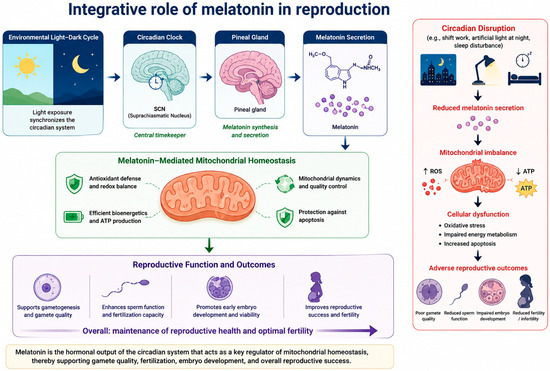
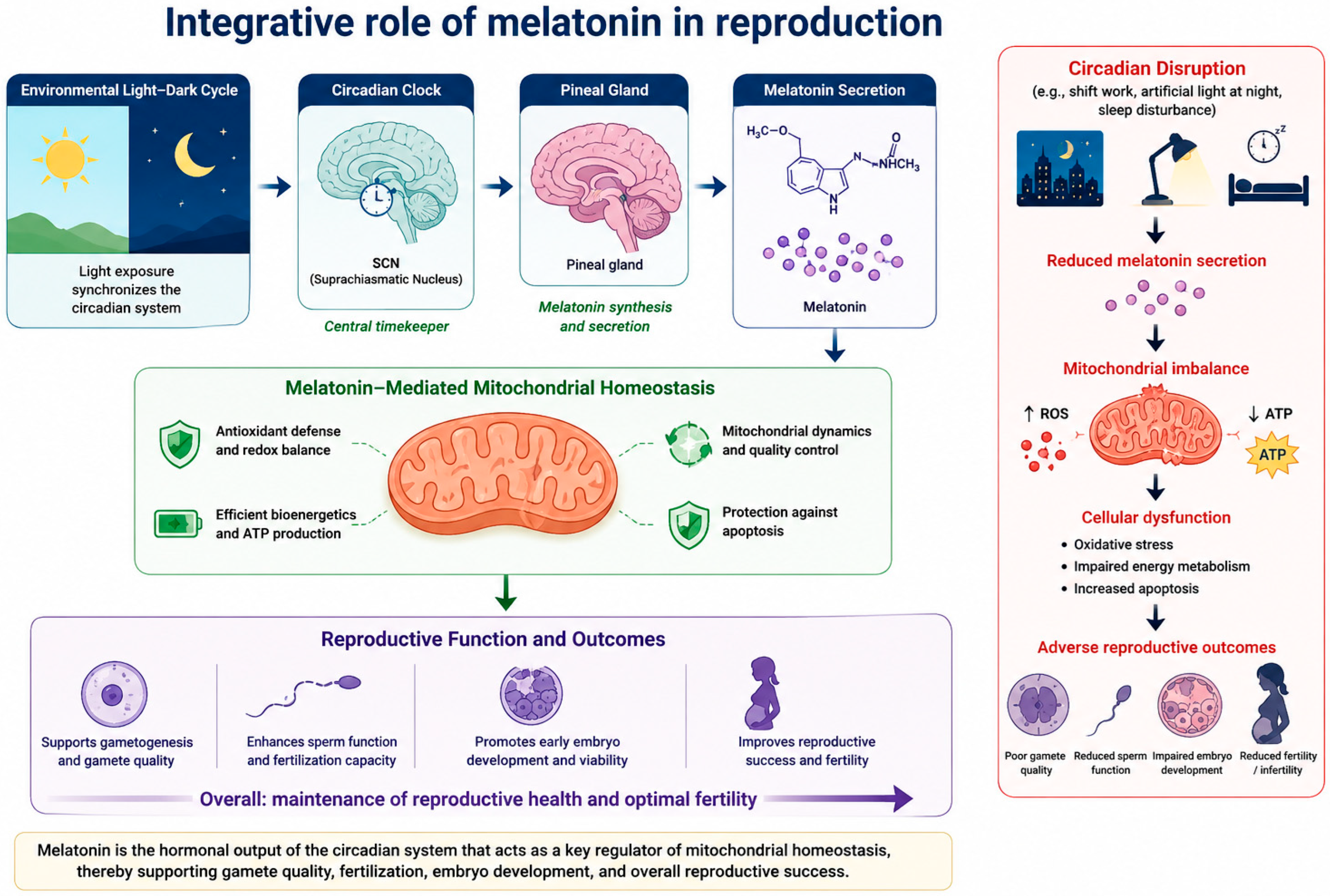
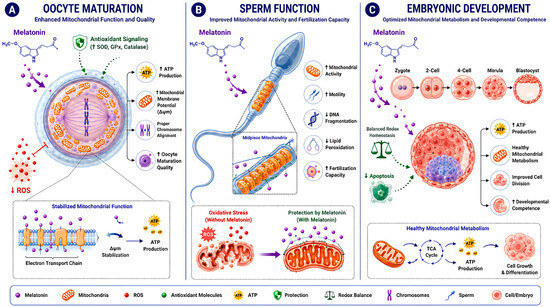
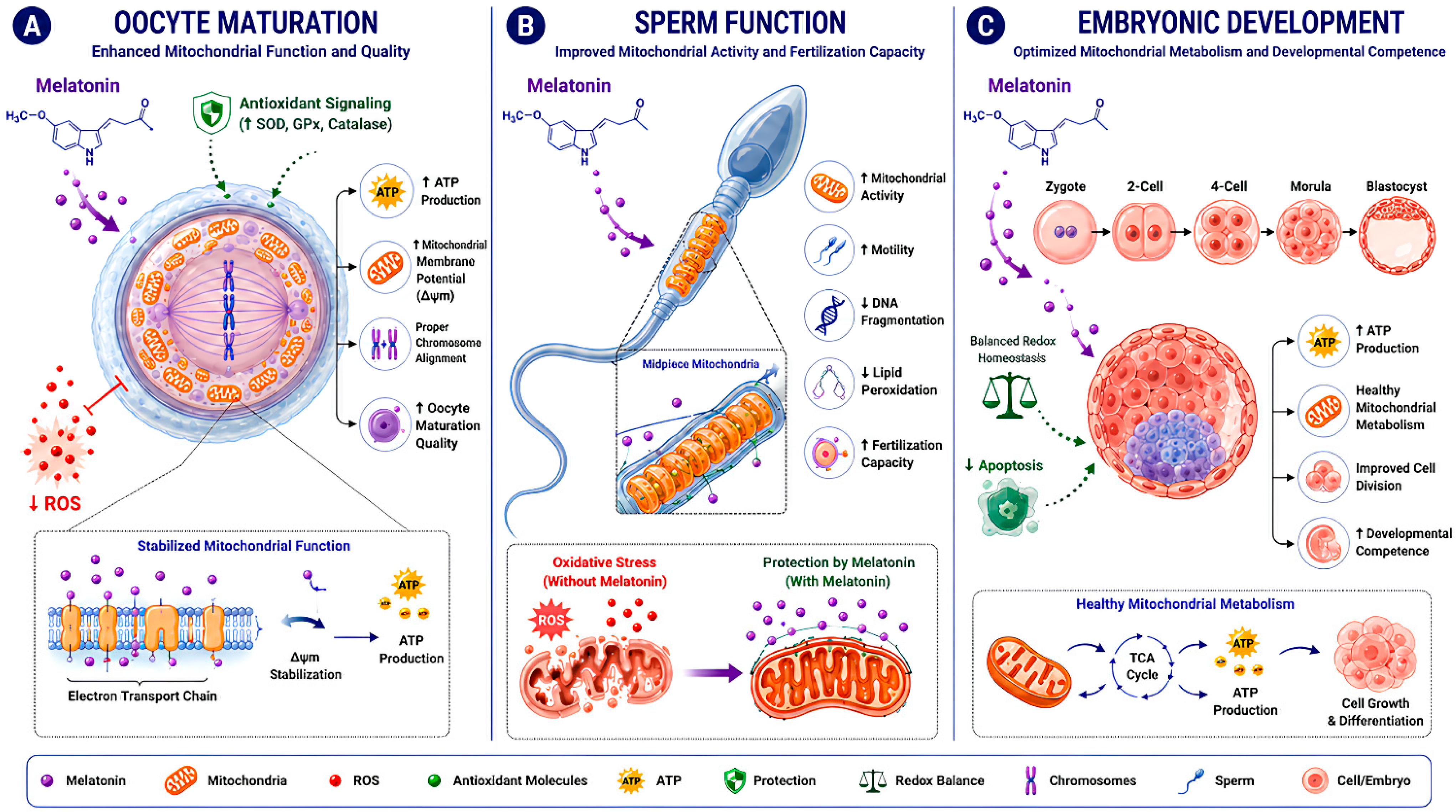

Disclaimer/Publisher’s Note: The statements, opinions and data contained in all publications are solely those of the individual author(s) and contributor(s) and not of MDPI and/or the editor(s). MDPI and/or the editor(s) disclaim responsibility for any injury to people or property resulting from any ideas, methods, instructions or products referred to in the content. |
© 2026 by the authors. Licensee MDPI, Basel, Switzerland. This article is an open access article distributed under the terms and conditions of the Creative Commons Attribution (CC BY) license.