Malaria Parasite Cell Classification Using Transfer Learning with State-of-the-Art CNN Architectures
by
 , ,
, ,
Azhar Ali Laghari
1, 
Wazir Muhammad
2,* ,
,
Mudasar Latif Memon
3,* ,
,
Ayaz Hussain
2 and
Akash Kumar
4
1
College of Resources and Environment, Shanxi Agricultural University, Taigu 030801, China
2
Department of Electrical Engineering, Balochistan University of Engineering and Technology, Khuzdar 89100, Pakistan
3
Department of Information Technology, University of Modern Sciences, Tando Muhammad Khan 70220, Pakistan
4
School of Civil Engineering, Guangzhou University, Guangzhou 510006, China
*
Authors to whom correspondence should be addressed.
Biology 2025, 14(12), 1792; https://doi.org/10.3390/biology14121792
Submission received: 11 November 2025
/
Revised: 5 December 2025
/
Accepted: 10 December 2025
/
Published: 16 December 2025
(This article belongs to the Special Issue Hope for the Forgotten: Tackling Endemic Parasitic Diseases with New Tools and Ideas)
Simple Summary
Malaria is a fatal disease caused by parasites transmitted via mosquito bites, and precise diagnosis is essential for efficient treatment. However, conventional diagnostic techniques, such as microscopy, are labor-intensive and require skilled staff, usually resulting in treatment delays. This article presents a technique utilizing deep learning, specifically transfer learning with cutting-edge convolutional neural networks (CNNs), to automate the detection of malaria parasites in blood smear images. The study examined eight pretrained CNN models, such as ResNet-50, ResNet-101, and Xception, attaining a maximum accuracy of 89%. The research revealed that these models, when optimized with malaria data, provide more accurate and faster diagnoses than conventional methods, rendering them particularly advantageous in resource-limited environments. The findings underscore that transfer learning can markedly decrease training duration while enhancing accuracy, presenting a valuable resource for malaria diagnosis in healthcare facilities. This automated method could significantly influence public health by improving early detection and treatment, hence aiding in the prevention of malaria transmission.
Abstract
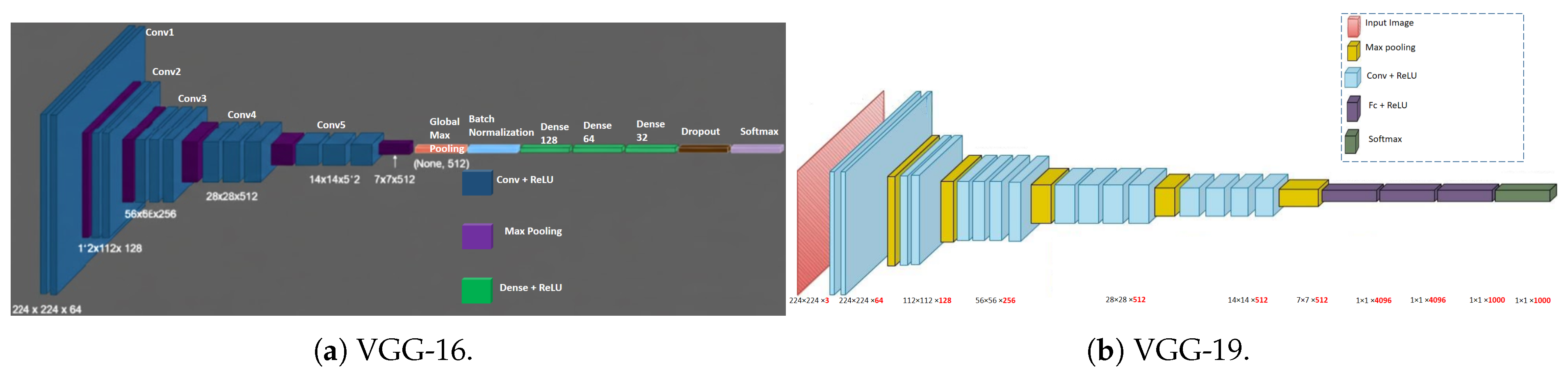
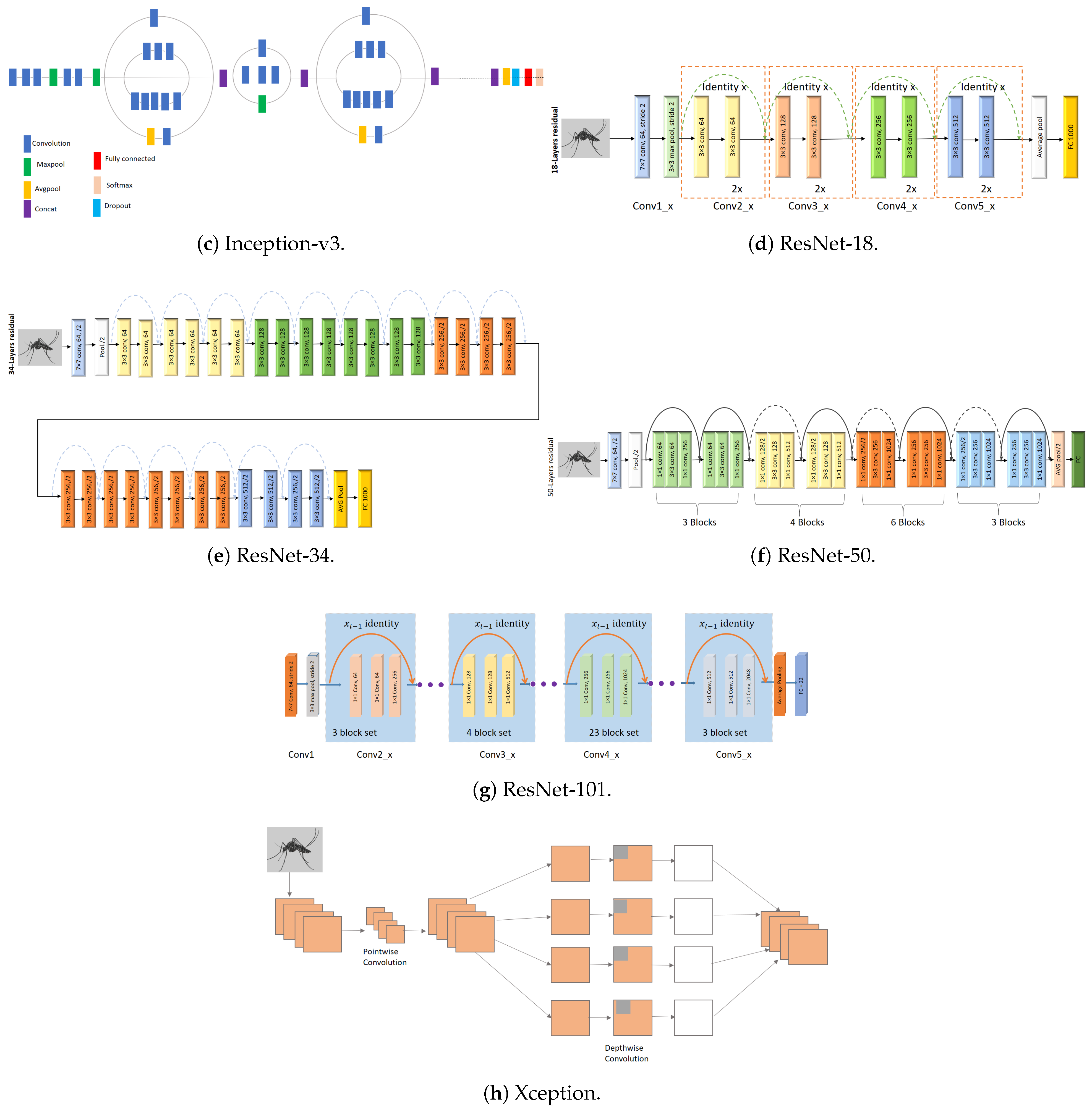
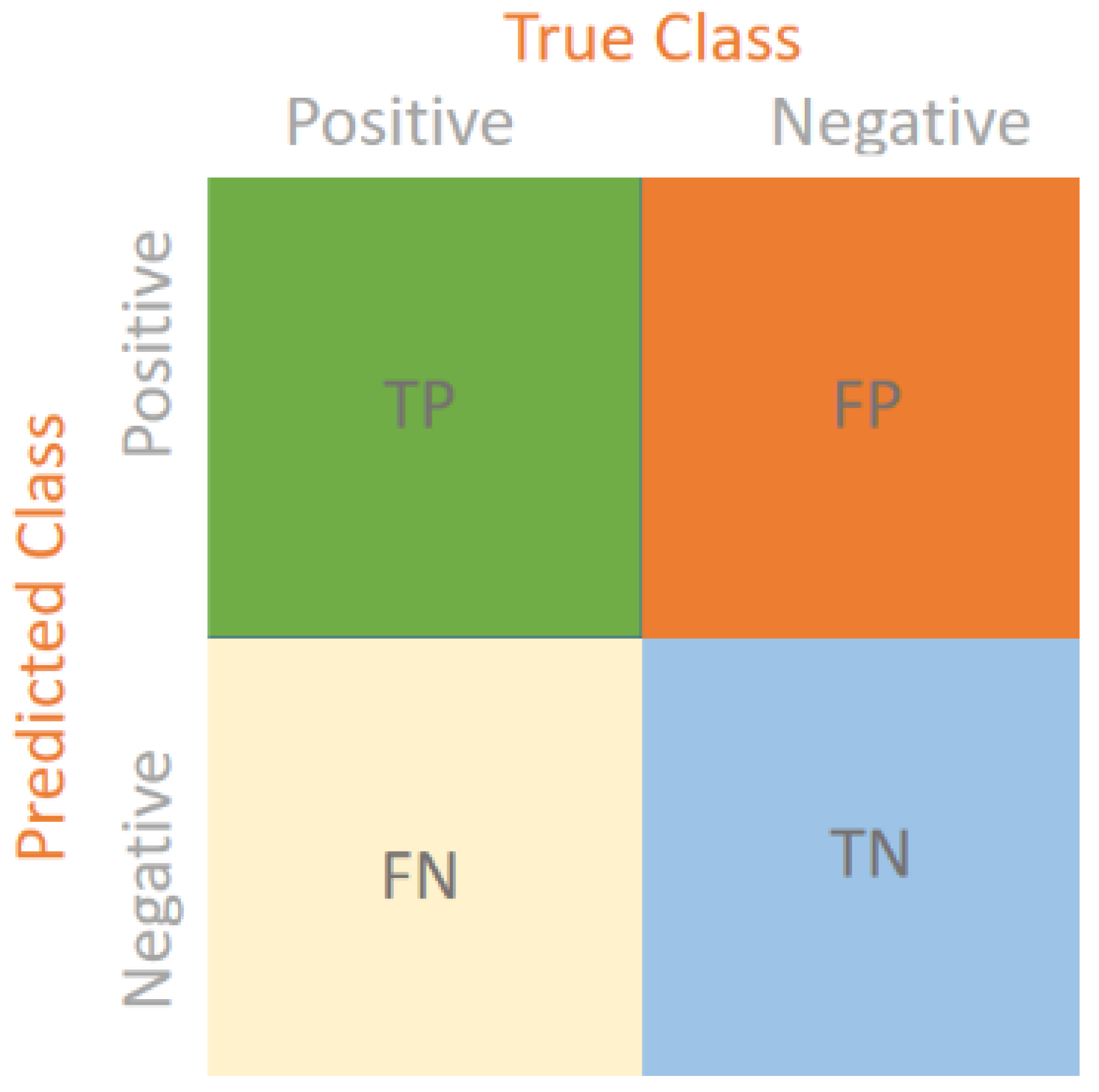
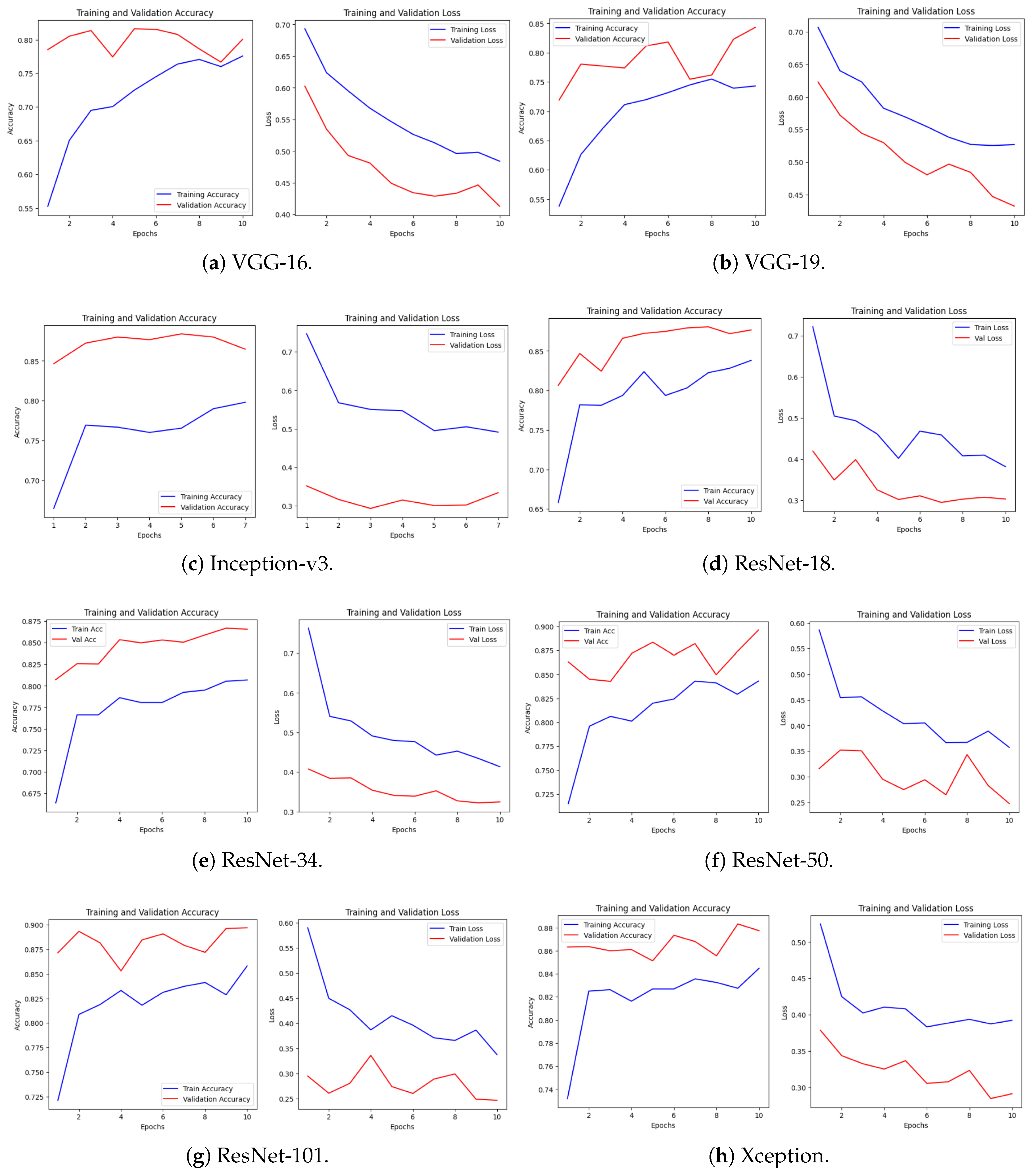
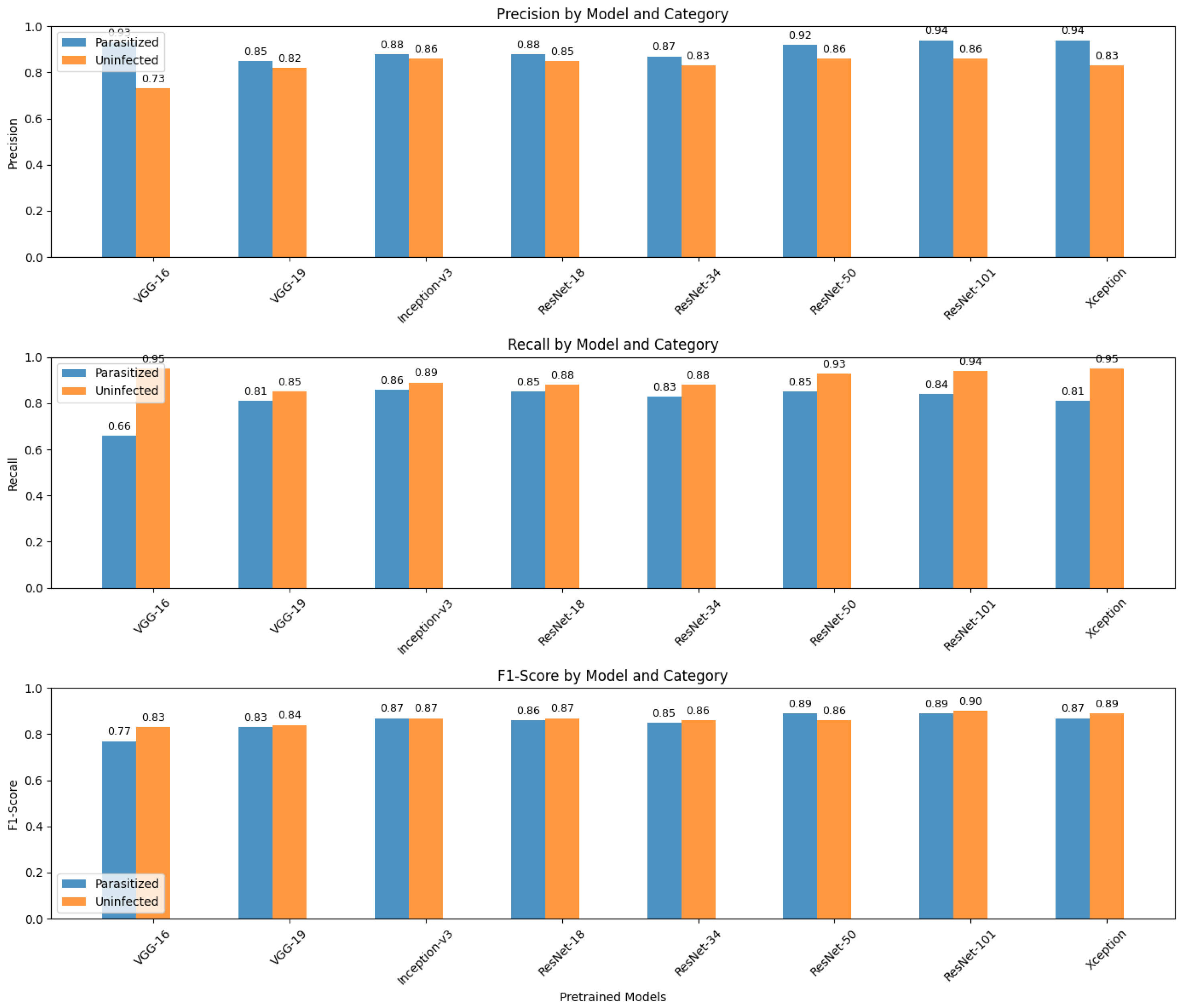
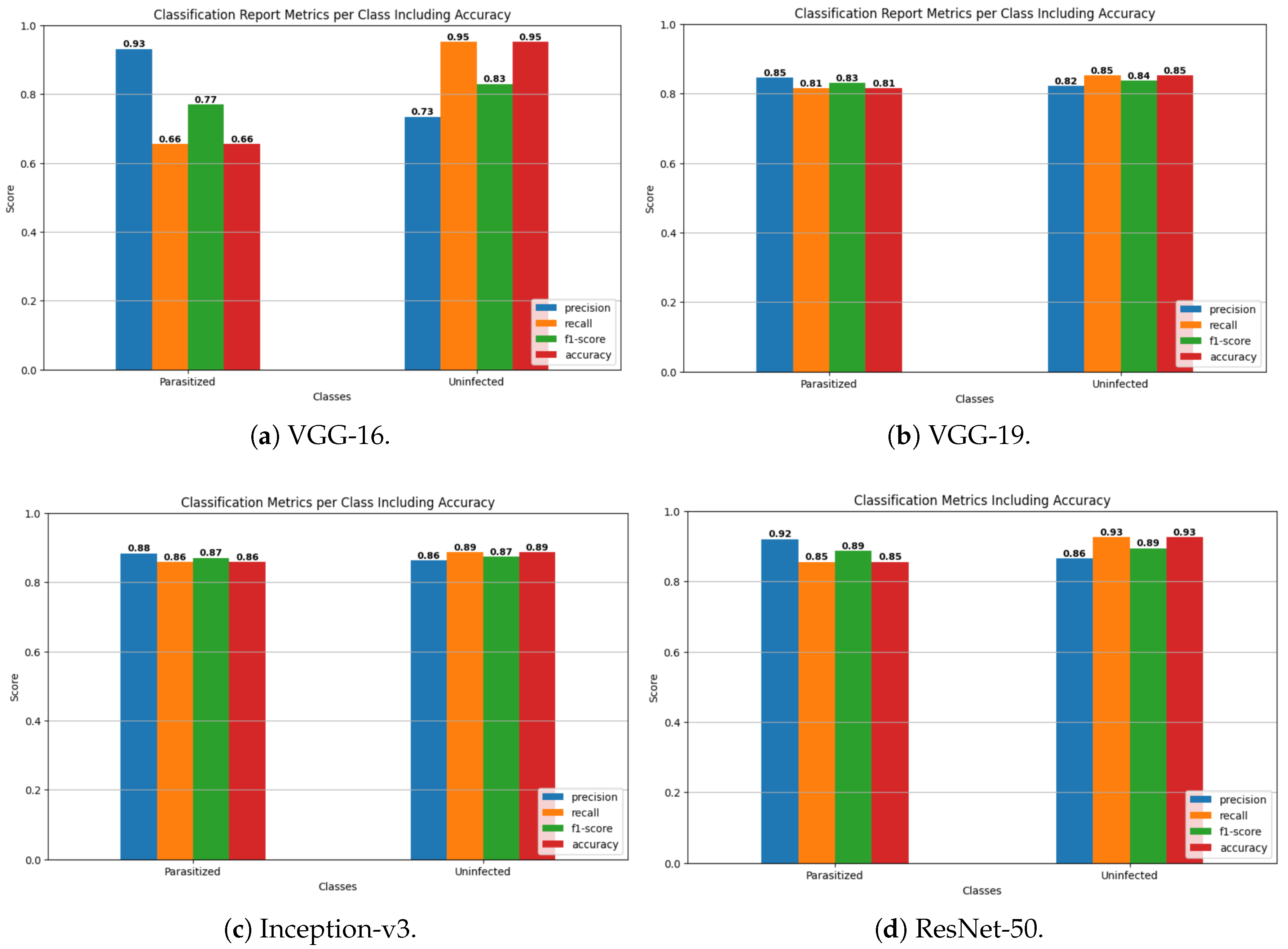
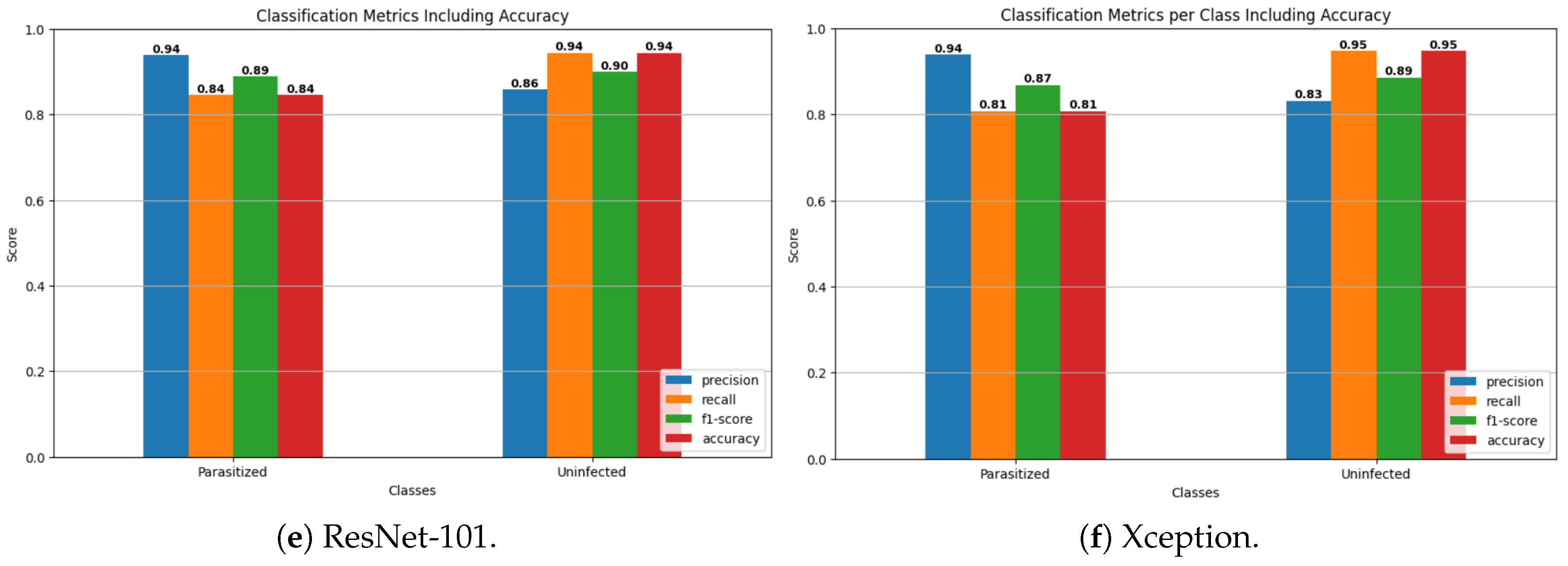
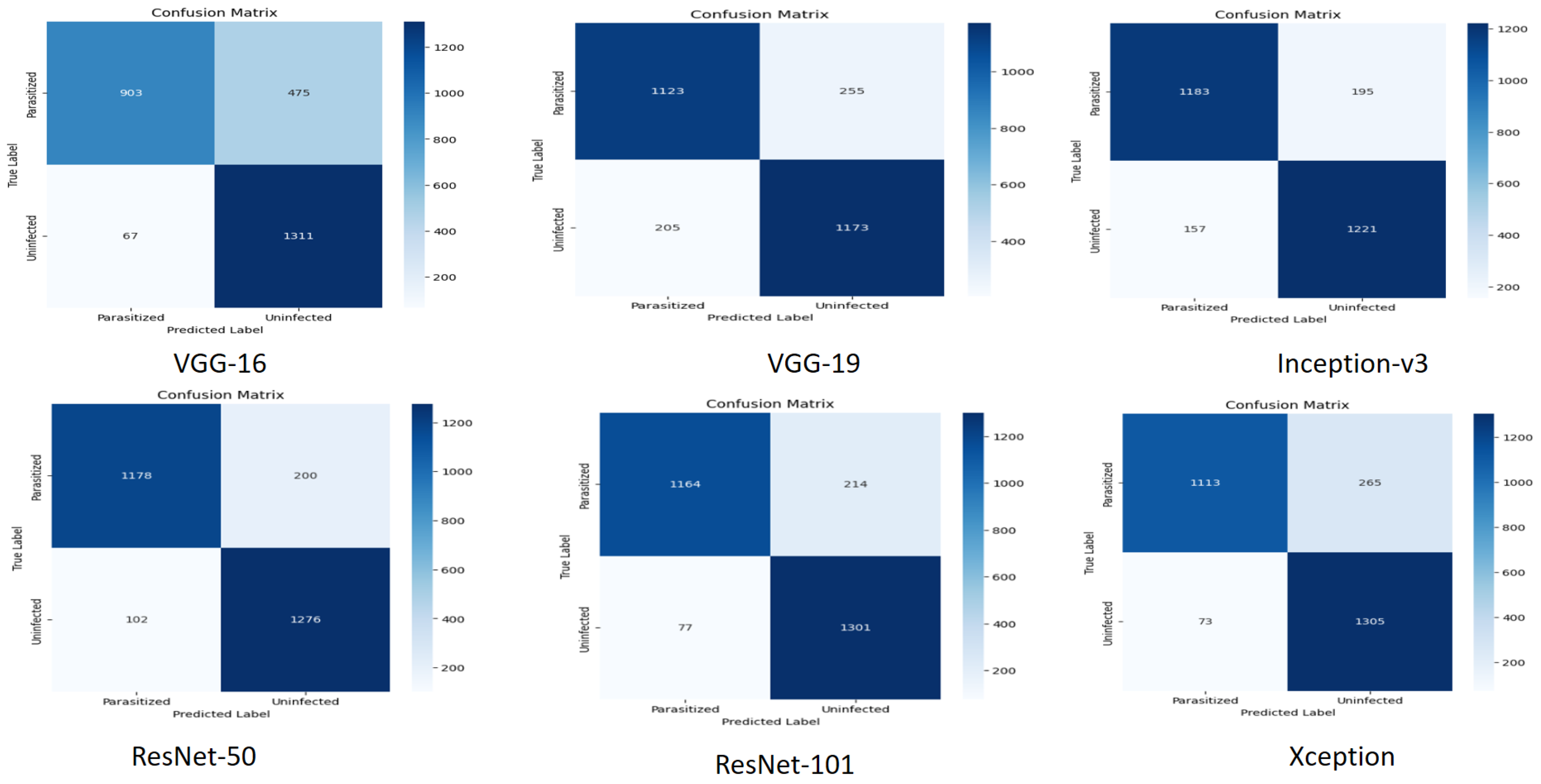
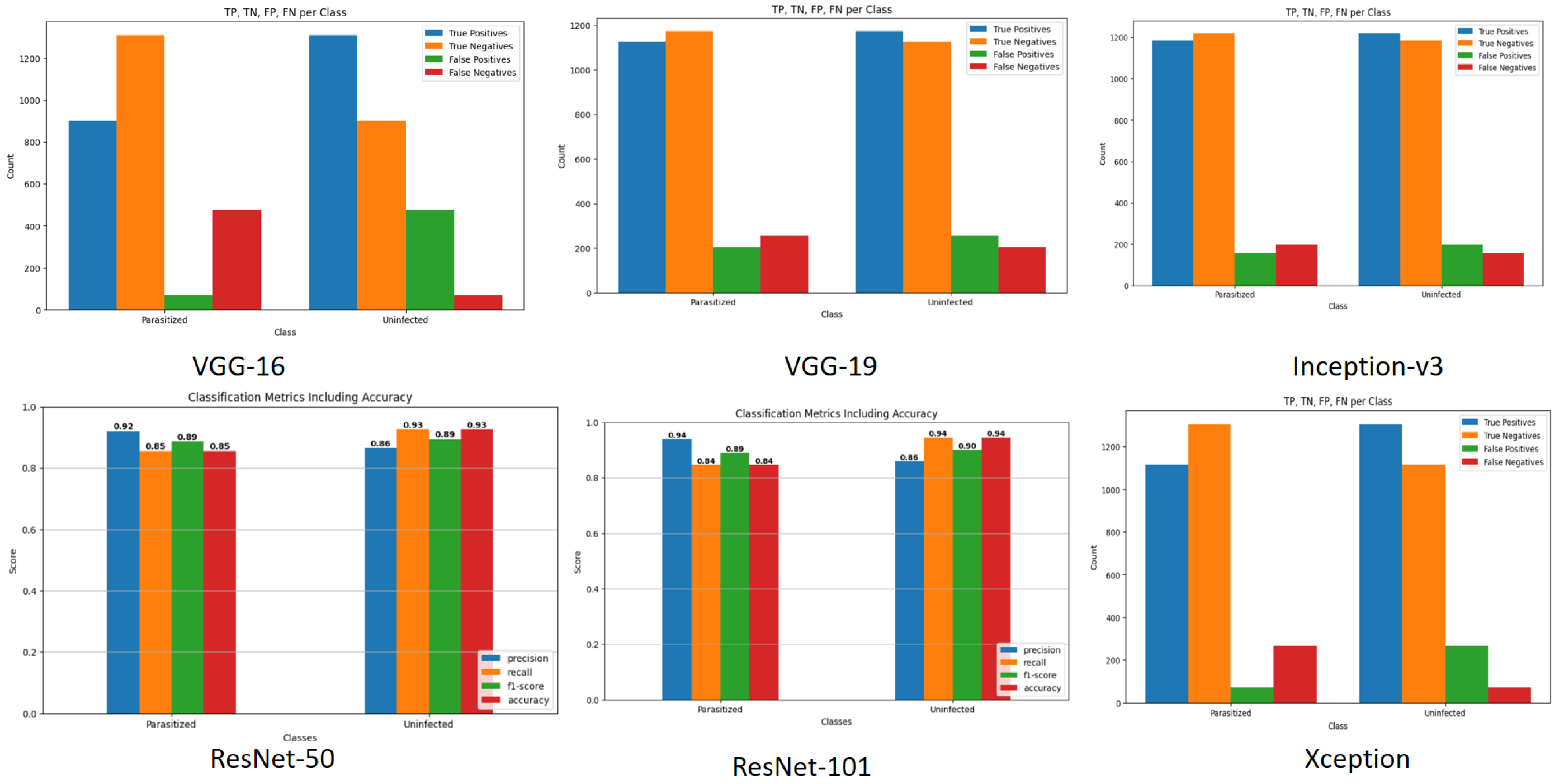
Malaria remains a critical global health challenge for doctors and healthcare practitioners, particularly clinicians involved in initial treatment. Inaccurate diagnosis of malaria-infected cells often leads to delayed or inappropriate treatment, increasing the risk of severe complications or death. Traditional microscopic diagnosis is time-consuming and requires expert skills, resulting in variability and inconsistency in results. These challenges are further complicated by the complexity of malaria symptoms, which overlap with other febrile illnesses, making clinical diagnosis unreliable without laboratory confirmation. To address these challenges, this study explores deep-learning-based approaches, particularly leveraging state-of-the-art pretrained convolutional neural network (CNN) models, for automated malaria parasite detection and classification from microscopic blood smear images. Transfer learning is an effective approach to handling issues such as limited labeled data, time-consuming training, and domain-specific variations in medical image classification. By leveraging pretrained models trained on large-scale datasets like ImageNet, transfer learning enables the reuse of learned features, significantly accelerating the adaptation process for malaria detection and other medical imaging tasks. We used eight pretrained models for malaria parasite classification such as VGG16, VGG19, Inception-v3, ResNet-18, ResNet-34, ResNet-50, ResNet-101, and Xception. In particular, ResNet-50 and ResNet-101 achieved accuracies of approximately 89%, respectively, while Xception reached around 88% accuracy. In comparison, VGG-16 achieved a lower overall accuracy of about 80% due to a recall trade-off despite high precision. These metrics highlight meaningful improvements over simpler architectures and validate the efficacy of our transfer learning approach for automated malaria detection. The proposed models were fine-tuned on extensive labeled datasets comprising parasitized and uninfected cells. Quantitative and qualitative evaluations were conducted using metrics such as precision, recall, F1-score, and support. Our experimental results demonstrate that ResNet-50, ResNet-101, and Xception exhibit strong balanced performance with higher accuracy, while VGG-16 shows a trade-off of high precision but lower recall for parasitized cells.