Combination Ensemble and Explainable Deep Learning Framework for High-Accuracy Classification of Wild Edible Macrofungi
by
 , , , , and
Aras Fahrettin Korkmaz
1 ,
,
Fatih Ekinci
2 ,
,
Eda Kumru
3,
Şehmus Altaş
4,
Seyit Kaan Güneş
5,
Ahmet Tunahan Yalçın
5,
Mehmet Serdar Güzel
4 and
Ilgaz Akata
6,* 1
Faculty of Health Sciences Nutrition, Dietetics Department, Şirinevler Campus, İstanbul Kültür University, 34191 Istanbul, Türkiye
2
Institute of Artificial Intelligence, Ankara University, 06100 Ankara, Türkiye
3
Graduate School of Natural and Applied Sciences, Ankara University, 06830 Ankara, Türkiye
4
Department of Computer Engineering, Faculty of Engineering, Ankara University, 06830 Ankara, Türkiye
5
Artificial Intelligence and Data Engineering, Faculty of Engineering, Ankara University, 06830 Ankara, Türkiye
6
Department of Biology, Faculty of Science, Ankara University, 06100 Ankara, Türkiye
*
Author to whom correspondence should be addressed.
Biology 2025, 14(12), 1644; https://doi.org/10.3390/biology14121644
Submission received: 24 September 2025
/
Revised: 4 November 2025
/
Accepted: 19 November 2025
/
Published: 22 November 2025
(This article belongs to the Special Issue AI Deep Learning Approach to Study Biological Questions (2nd Edition))
Simple Summary
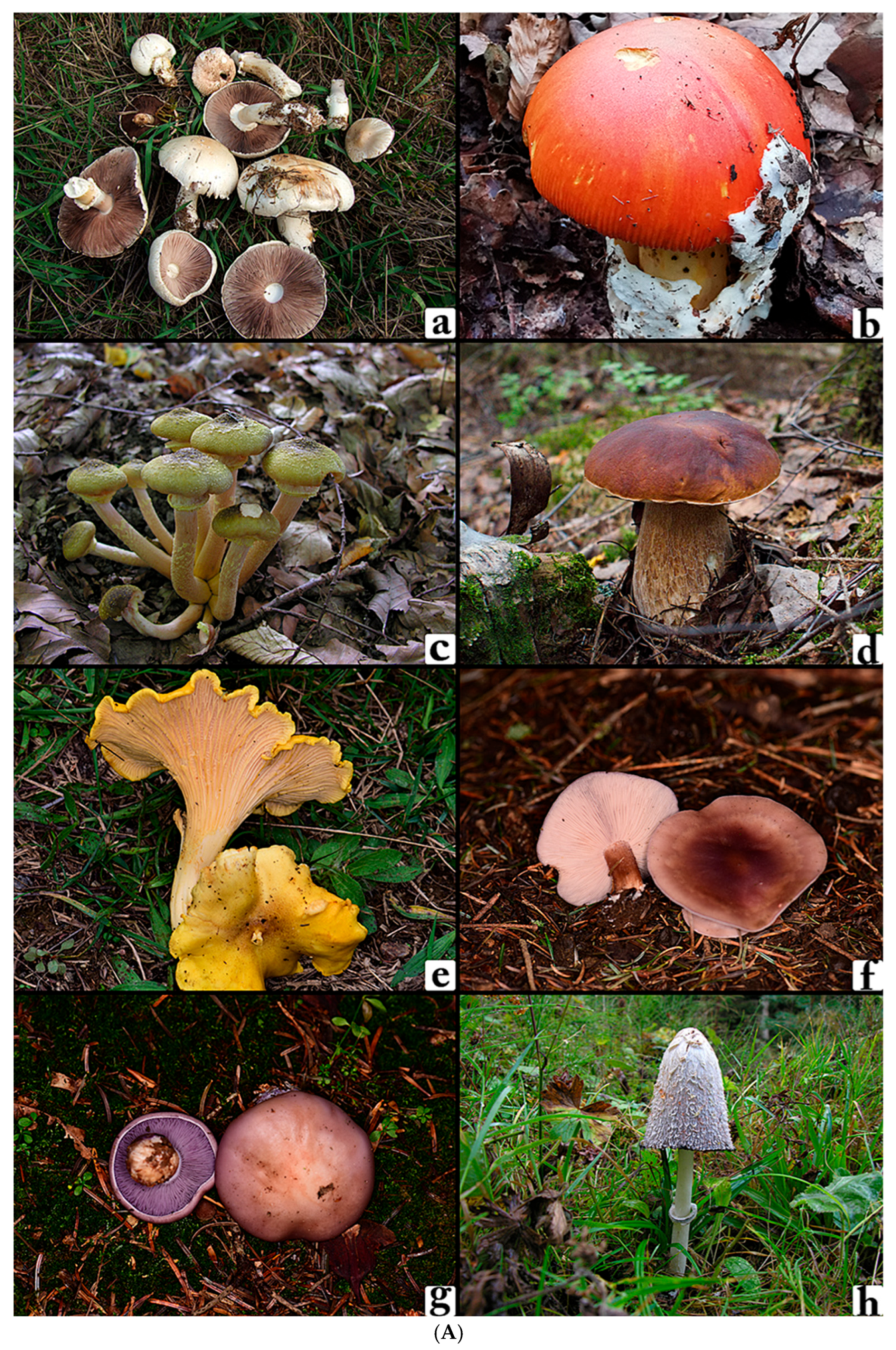
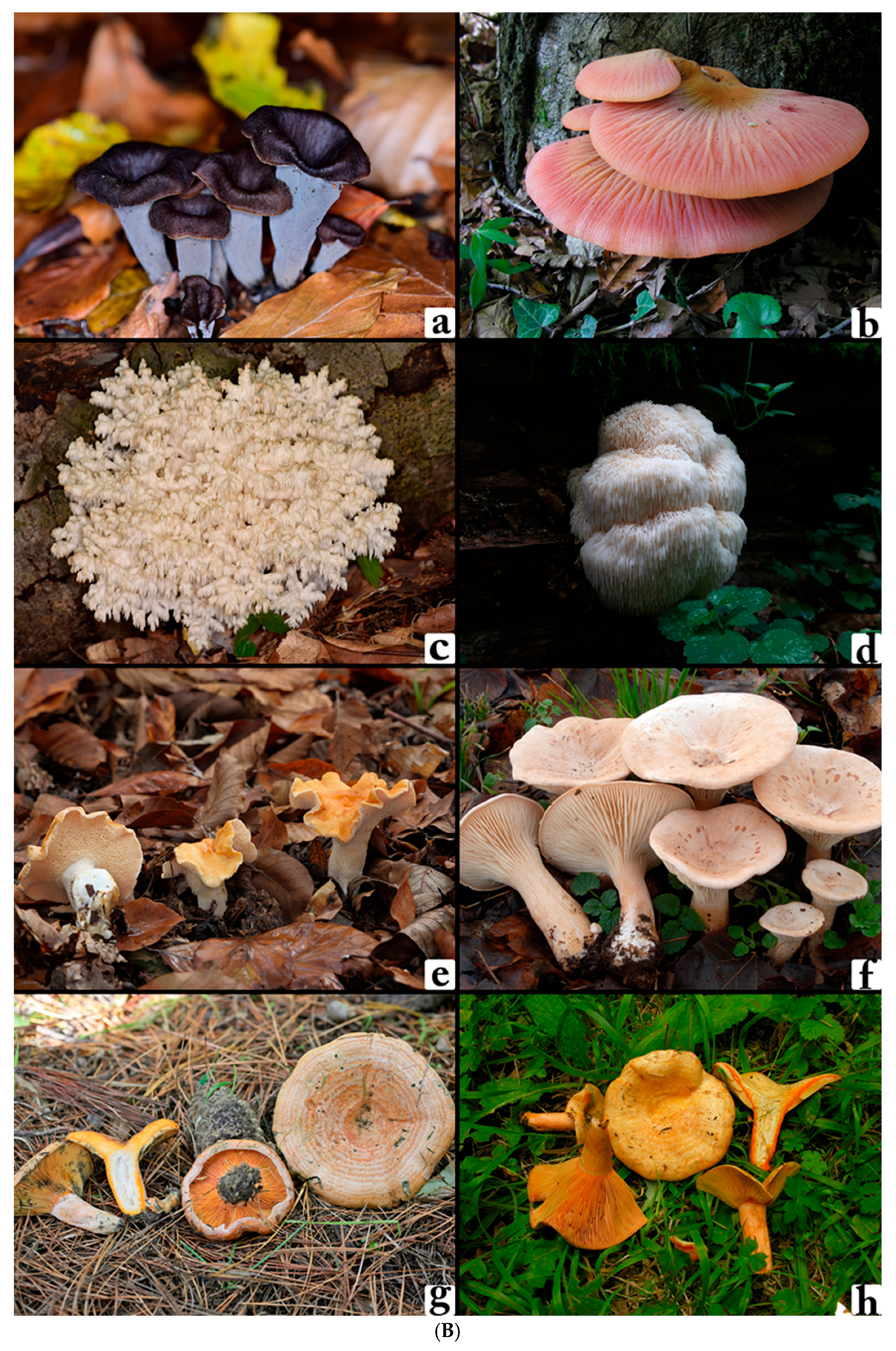
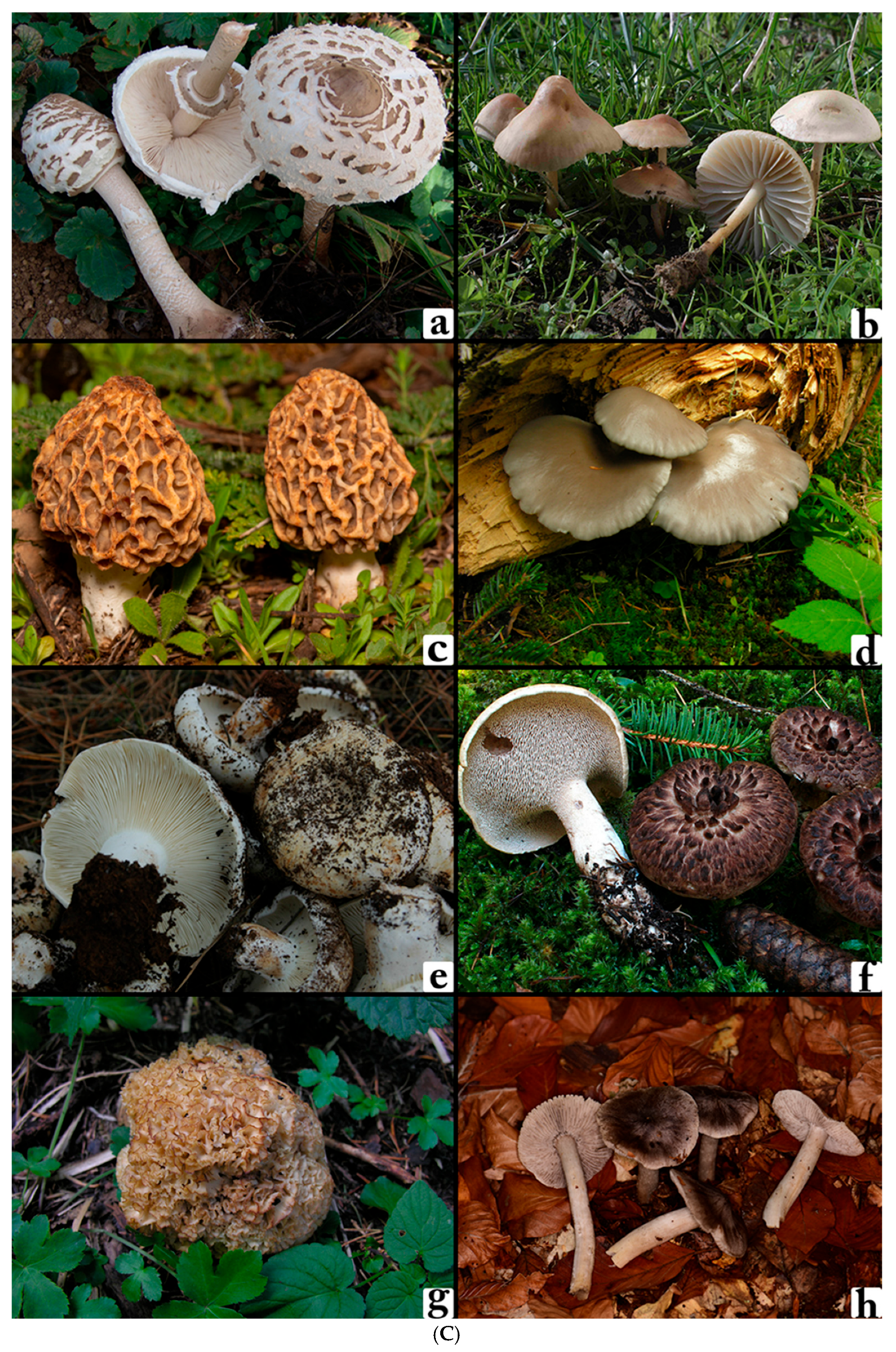
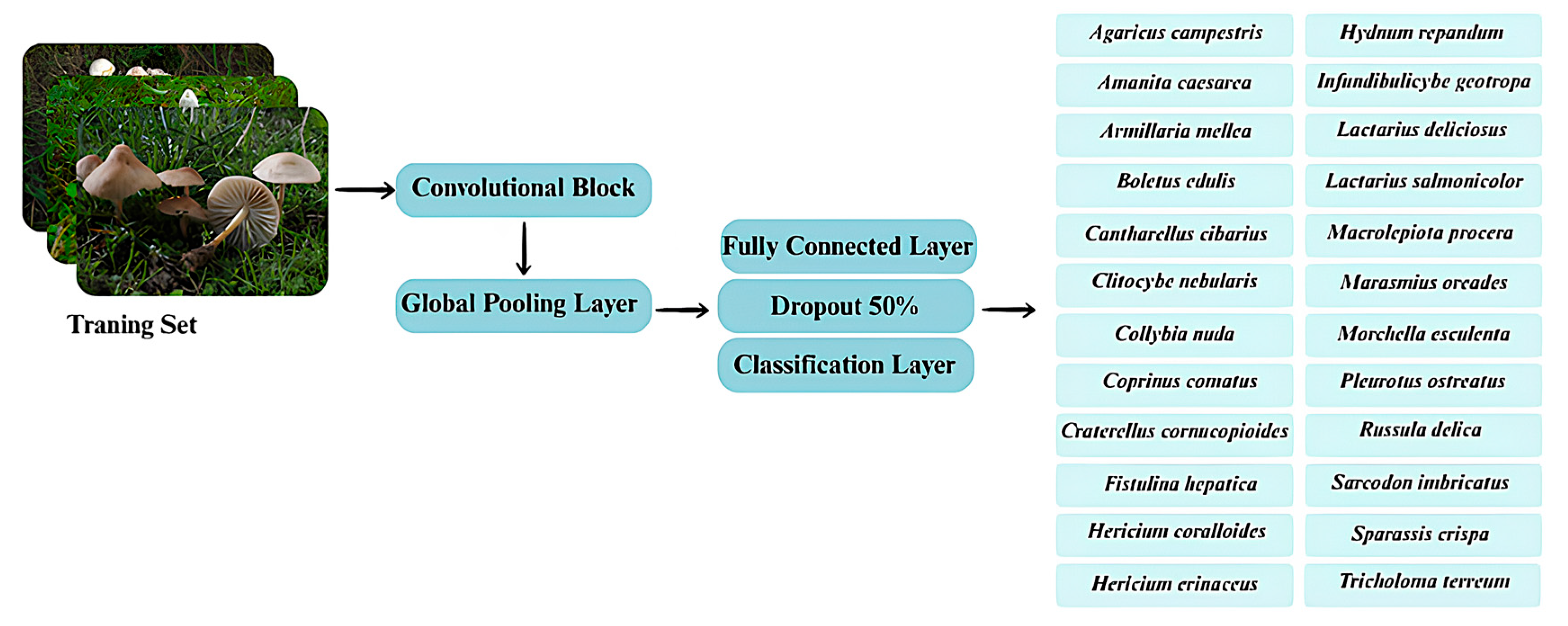
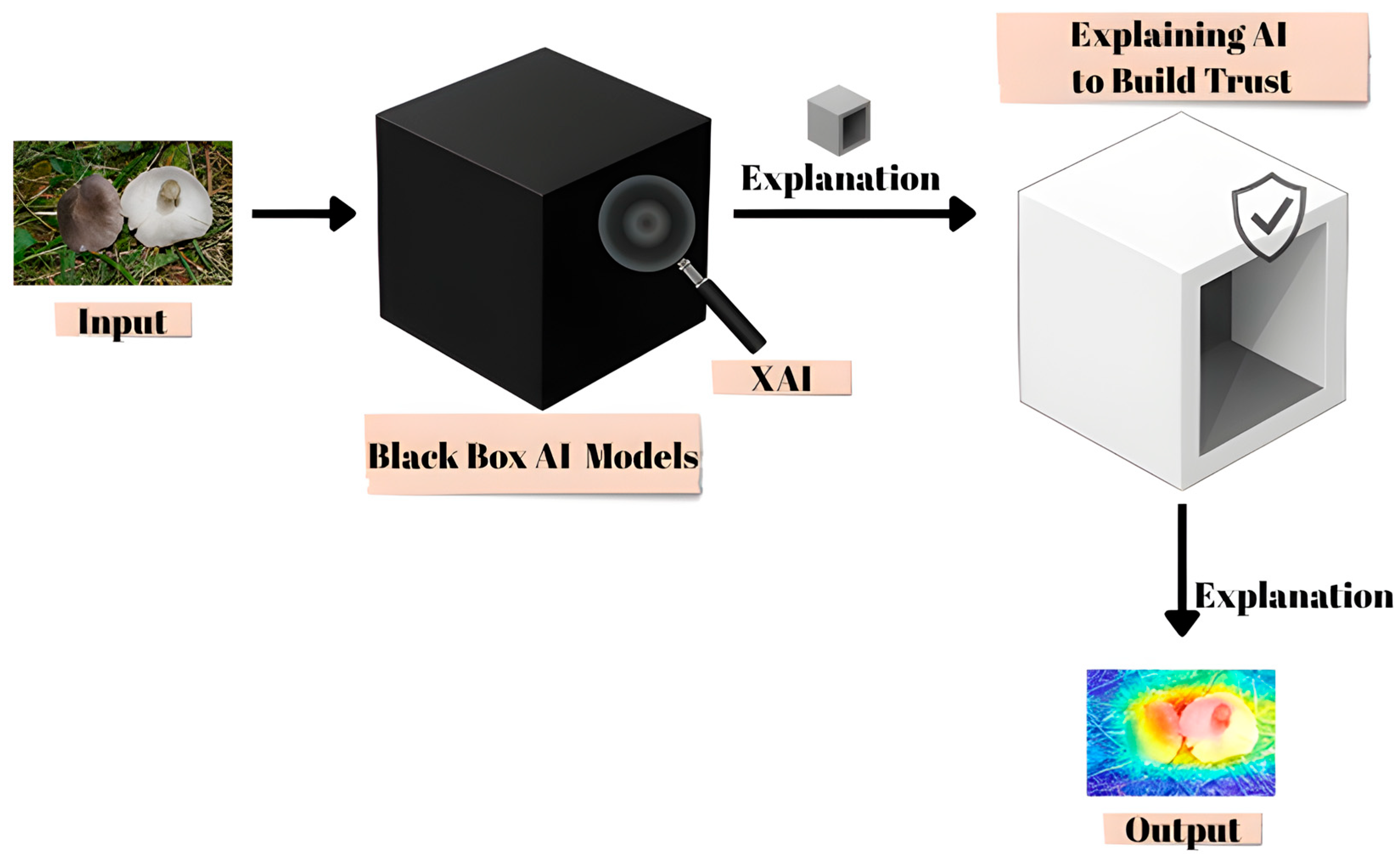
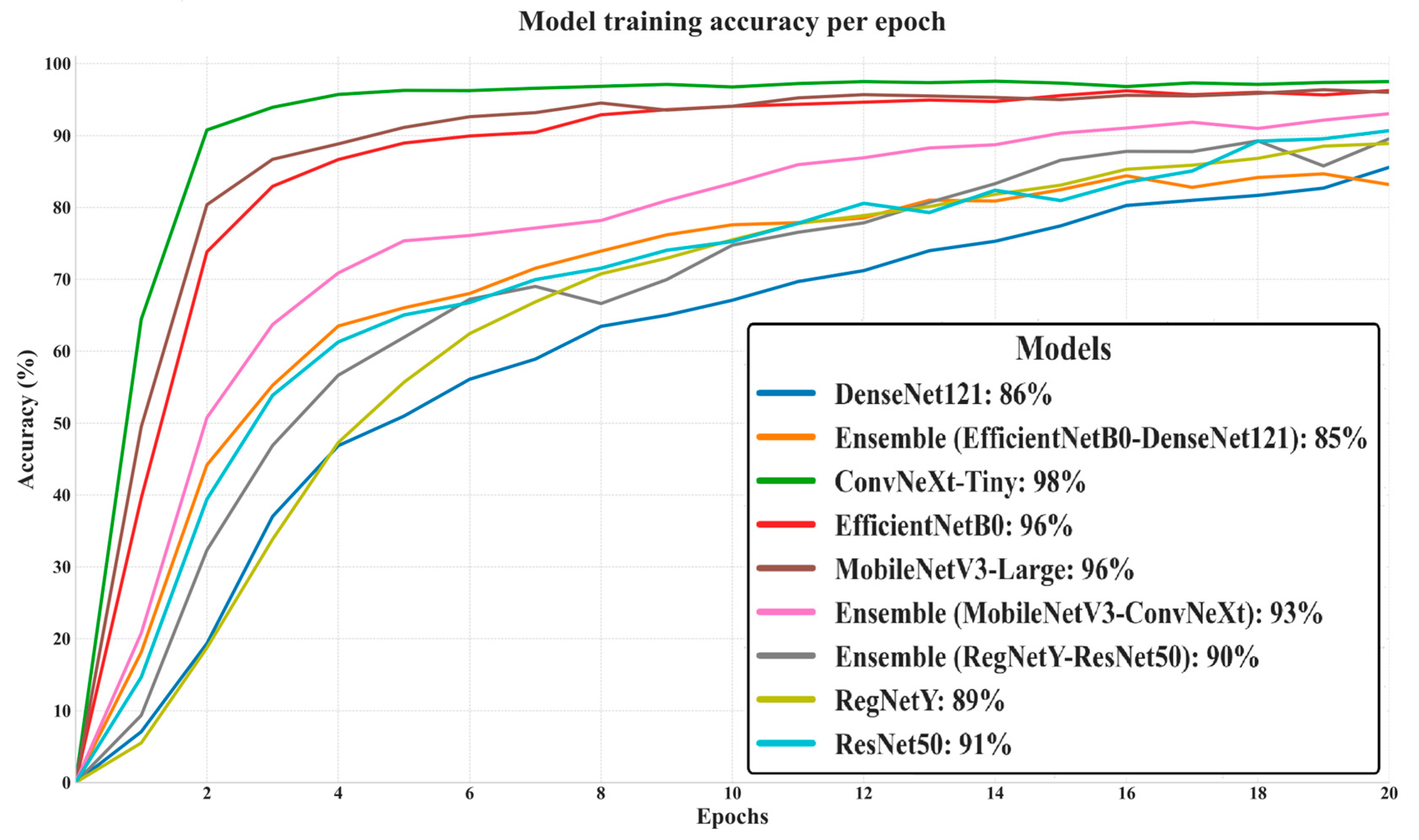
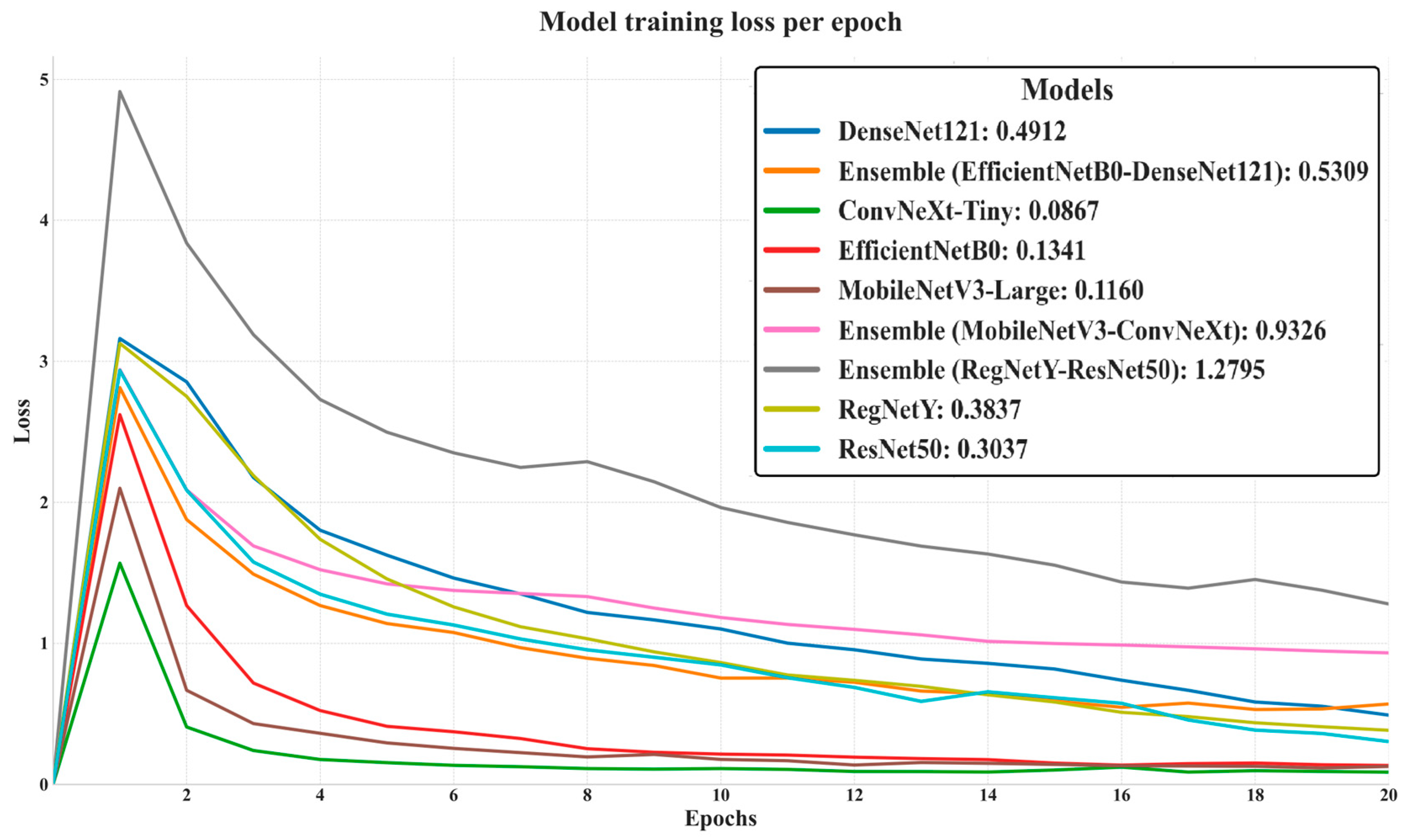
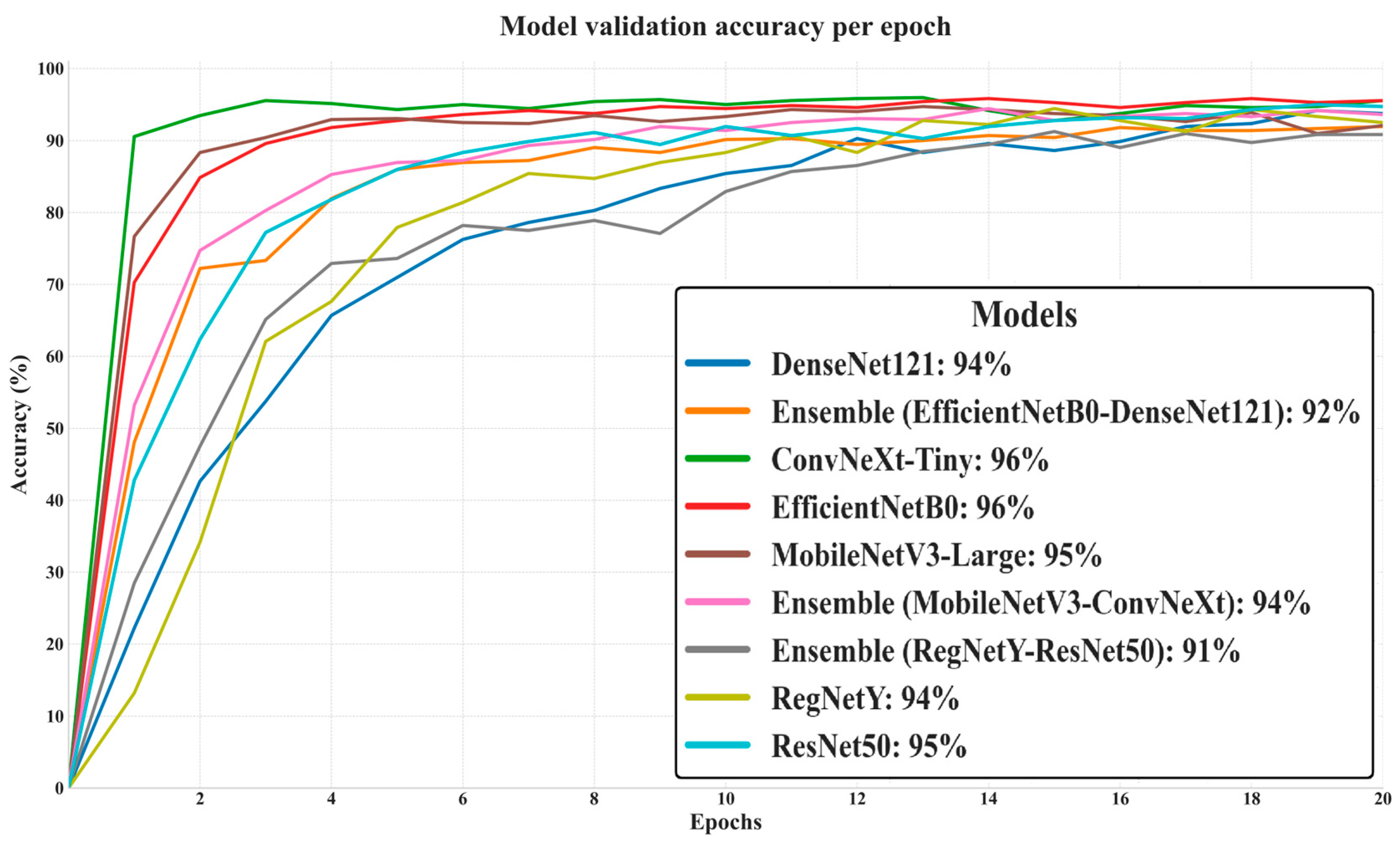
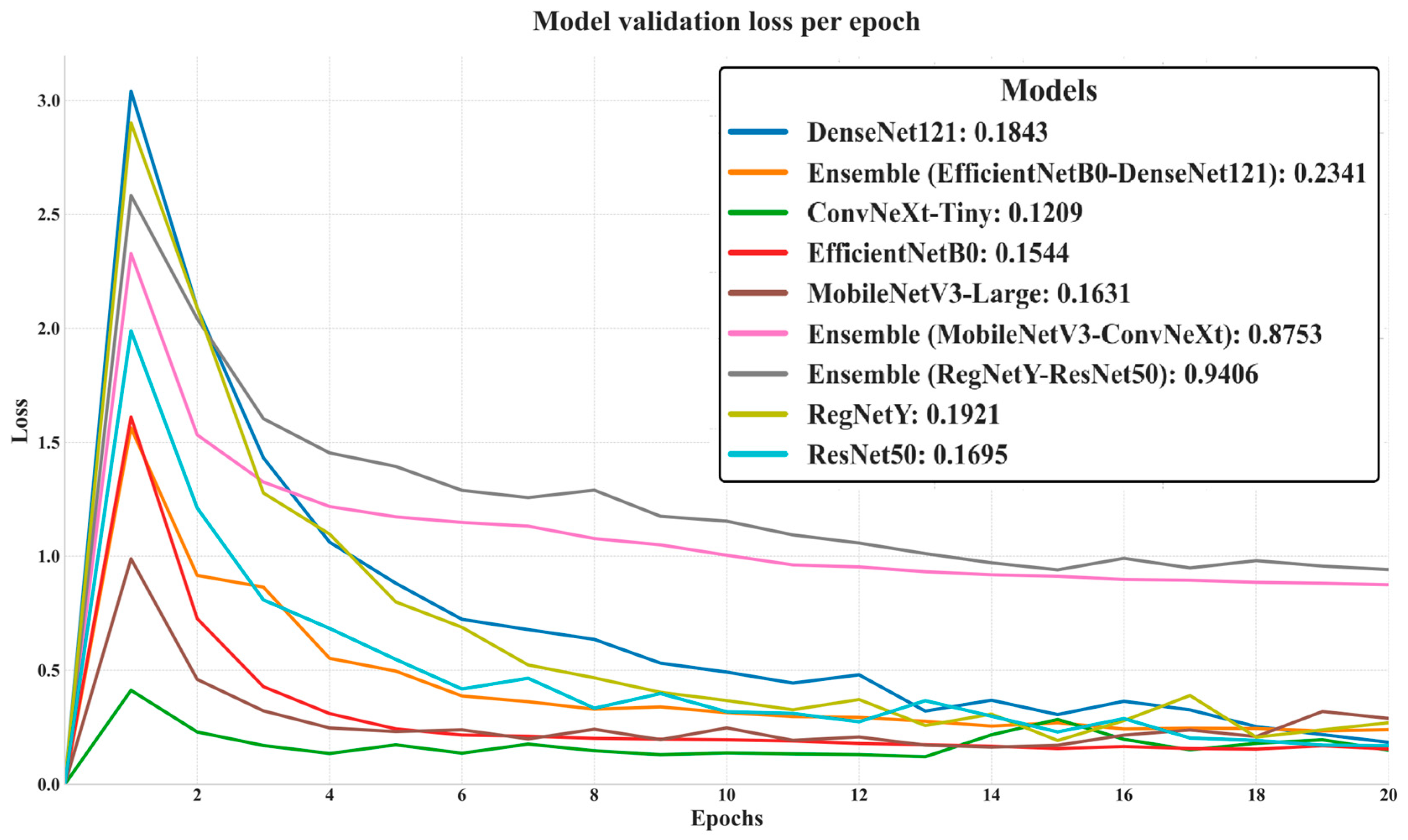
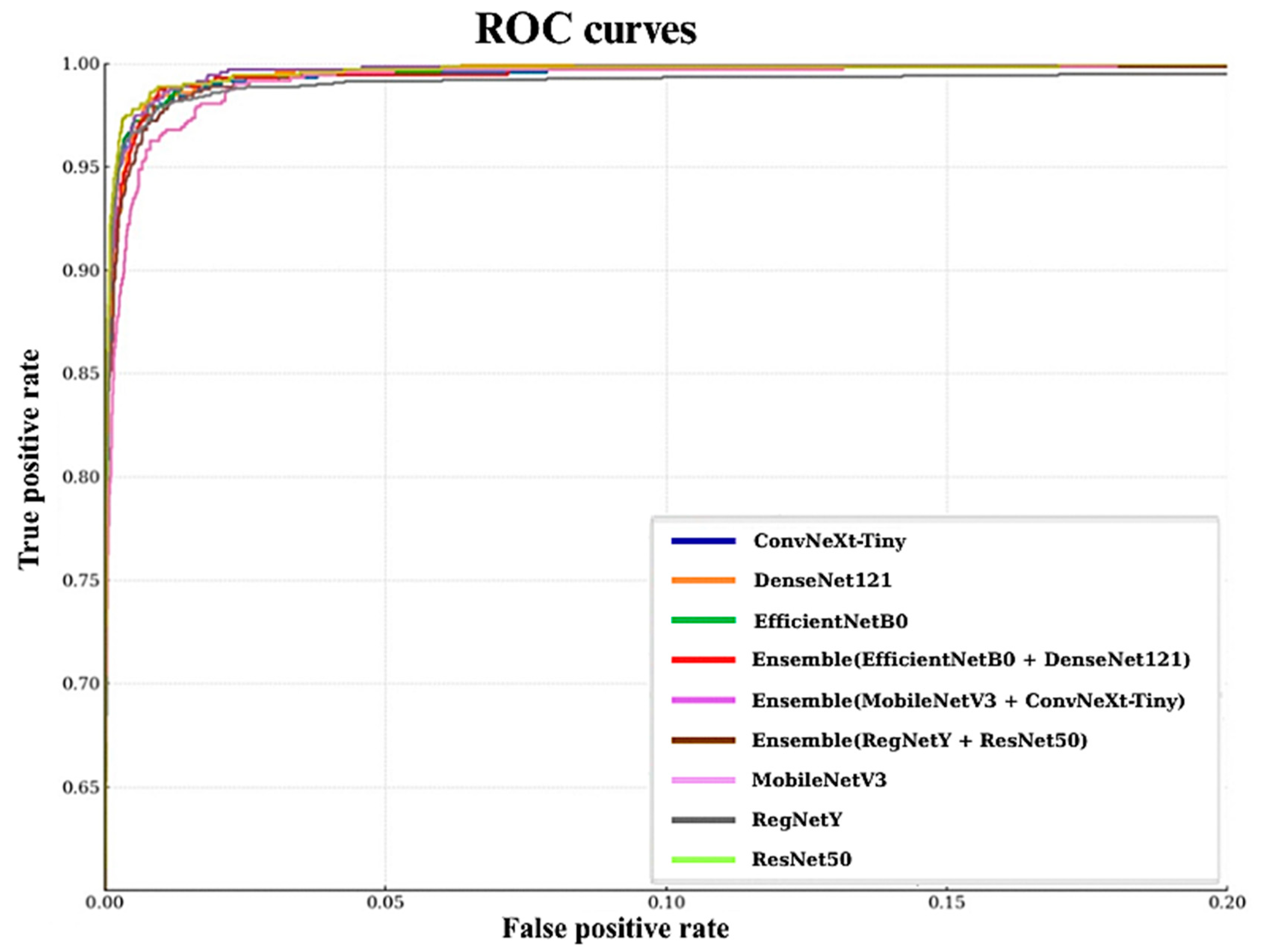
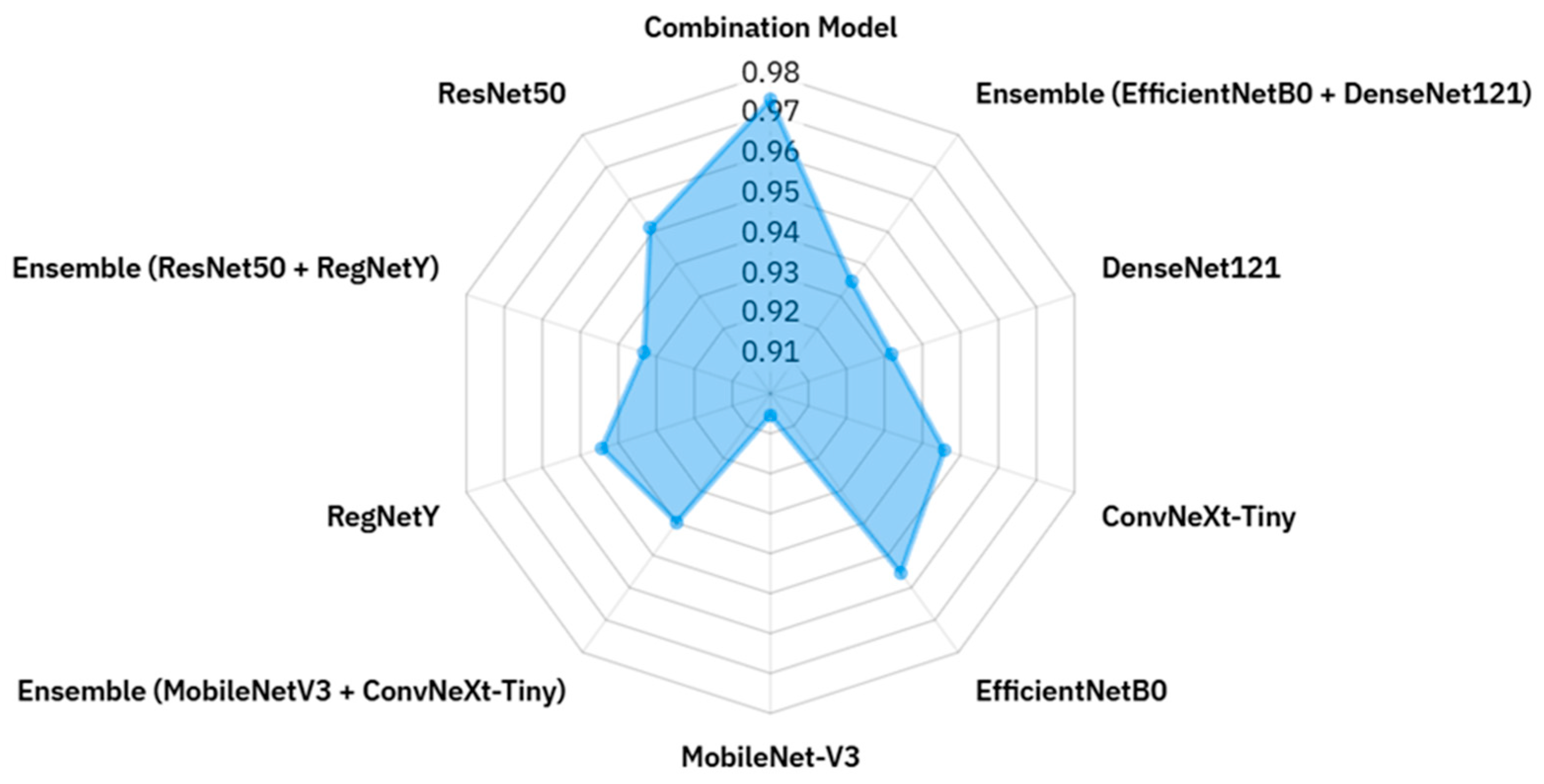
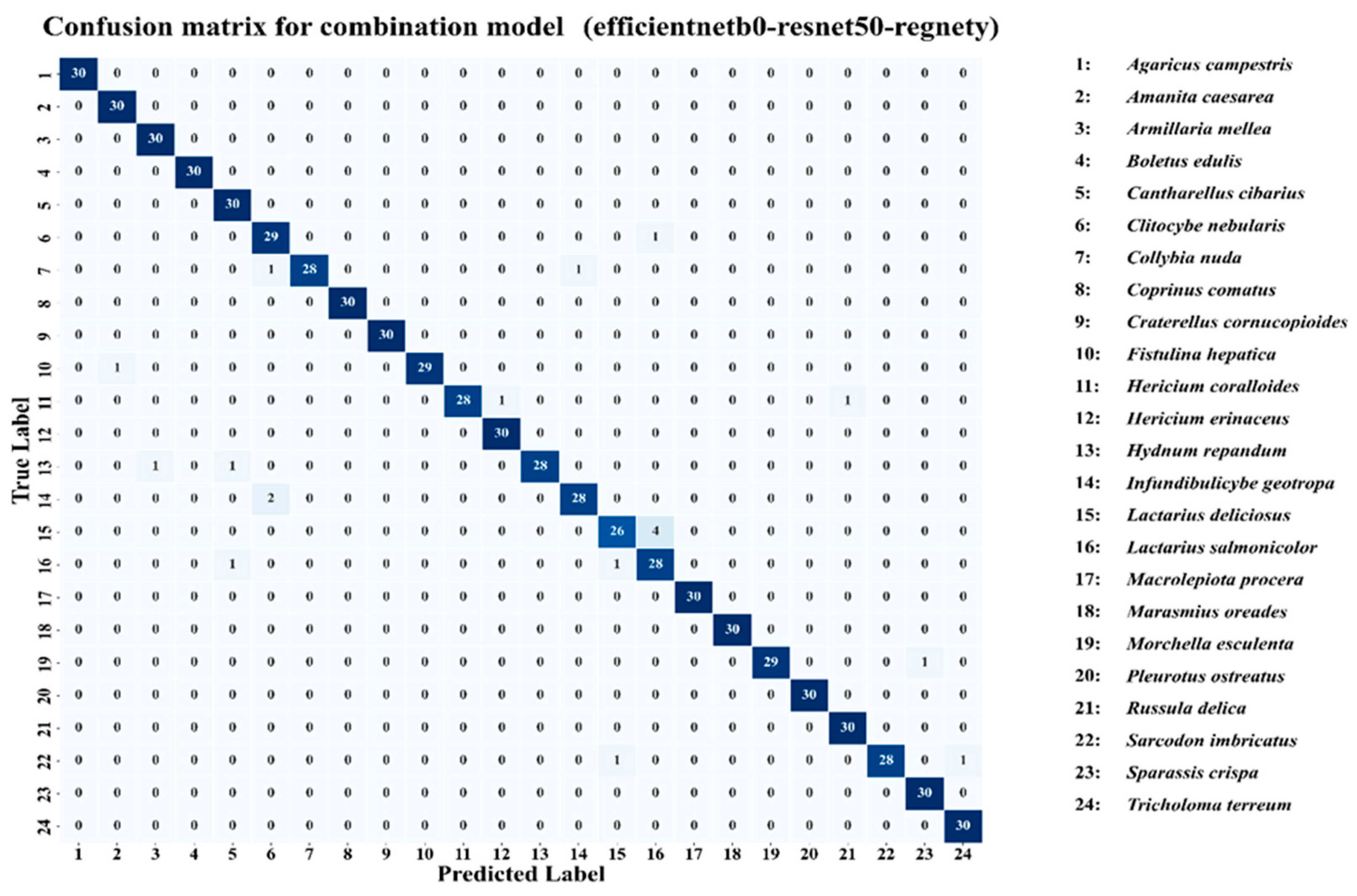
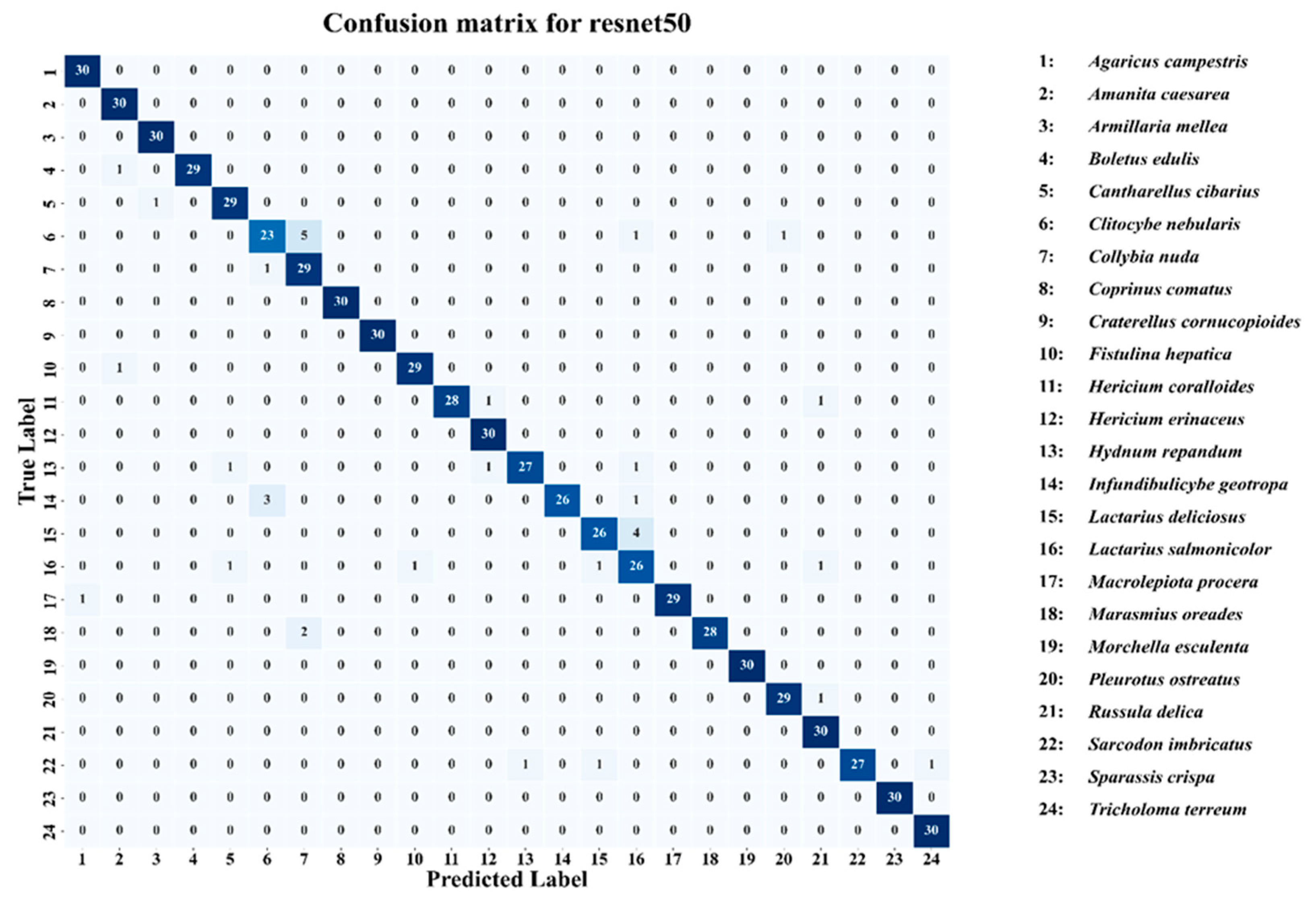
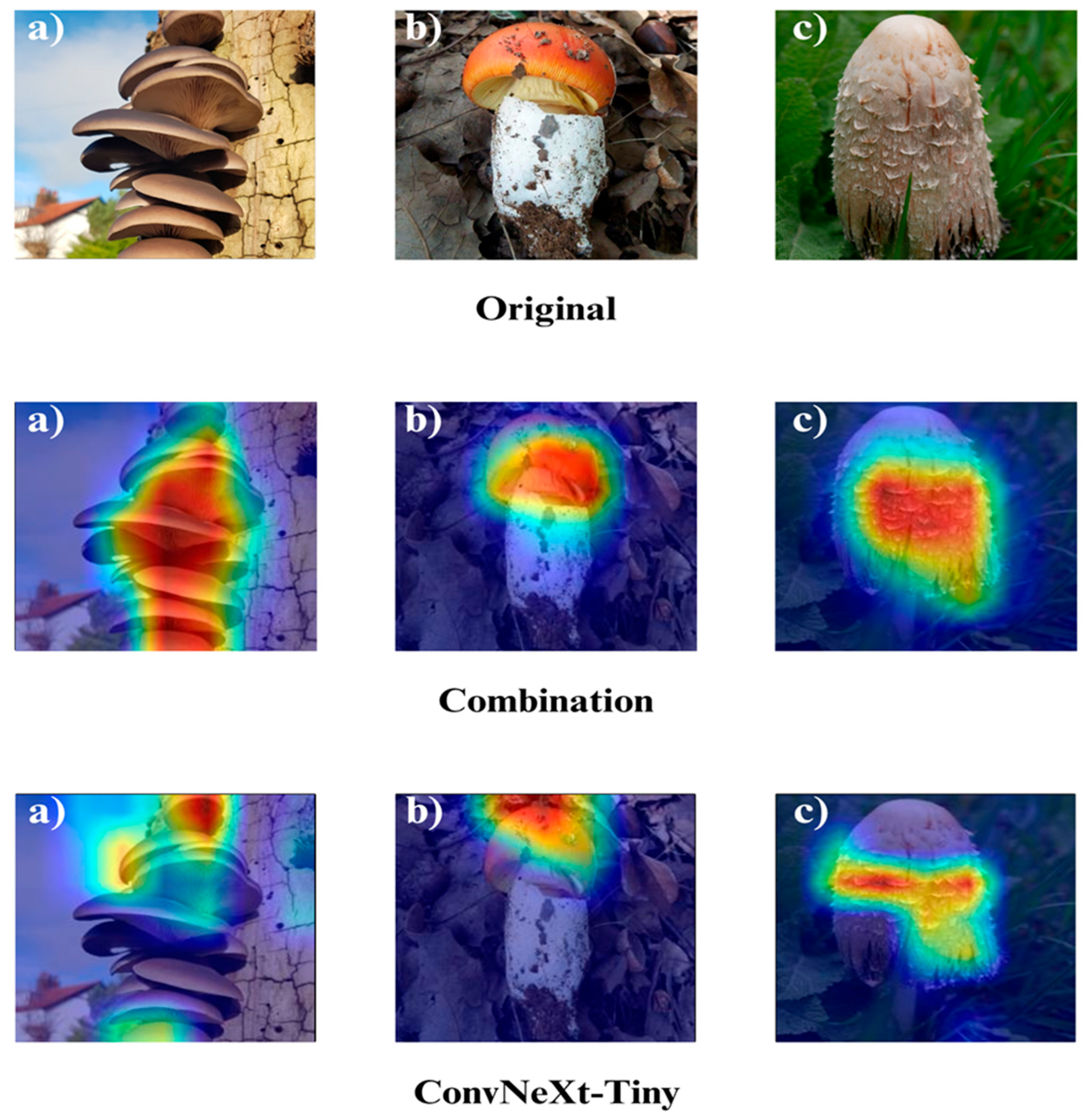
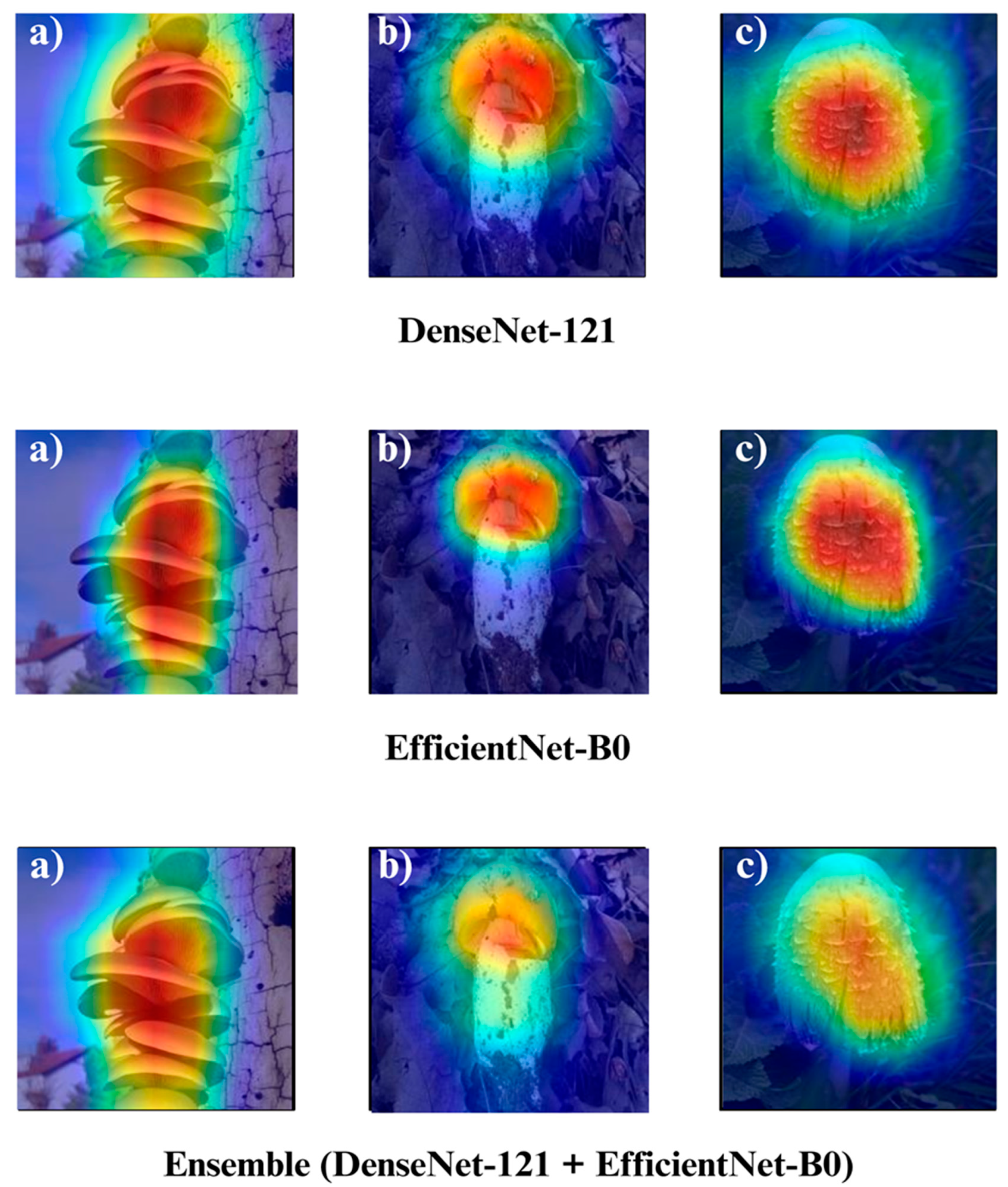
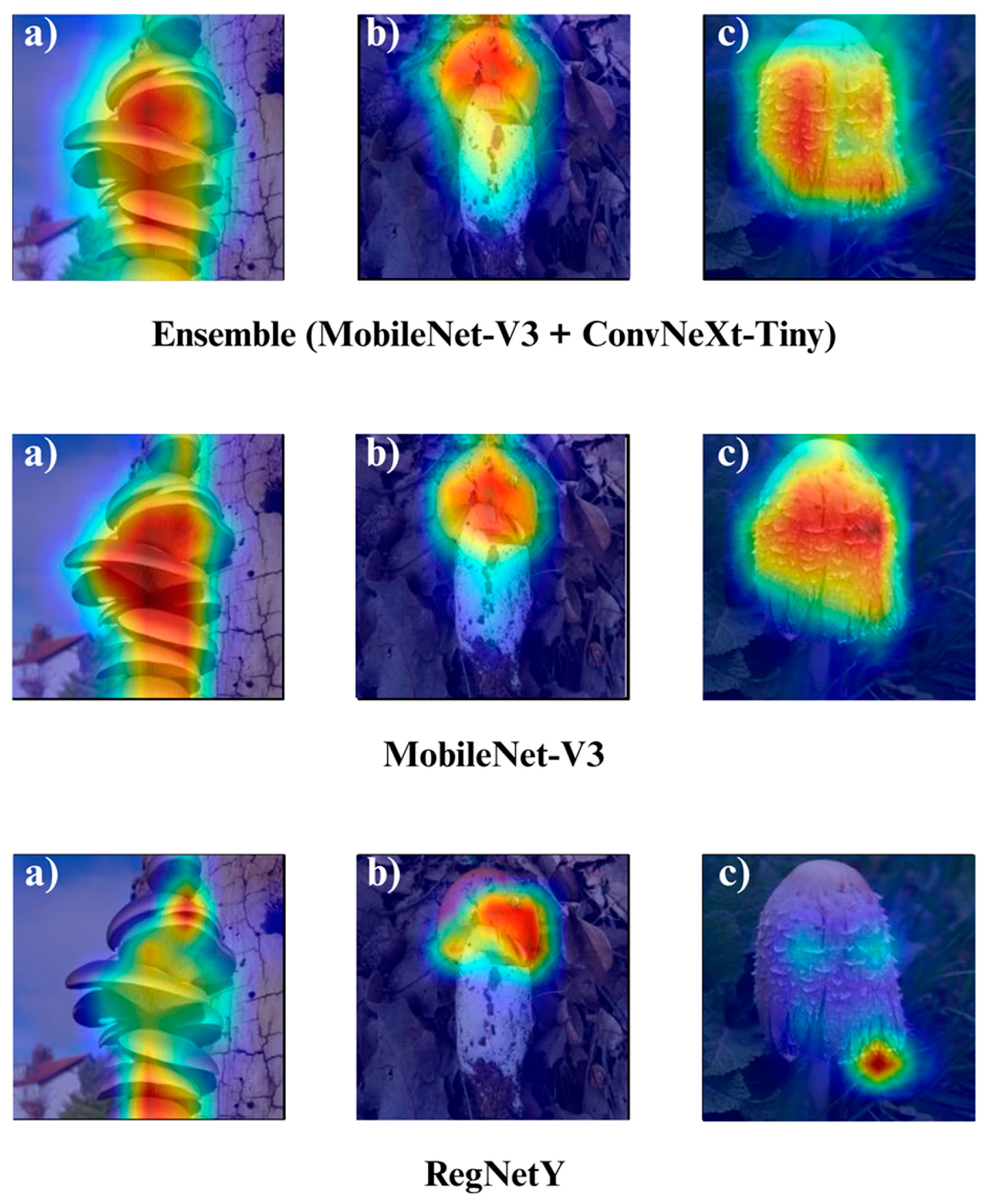
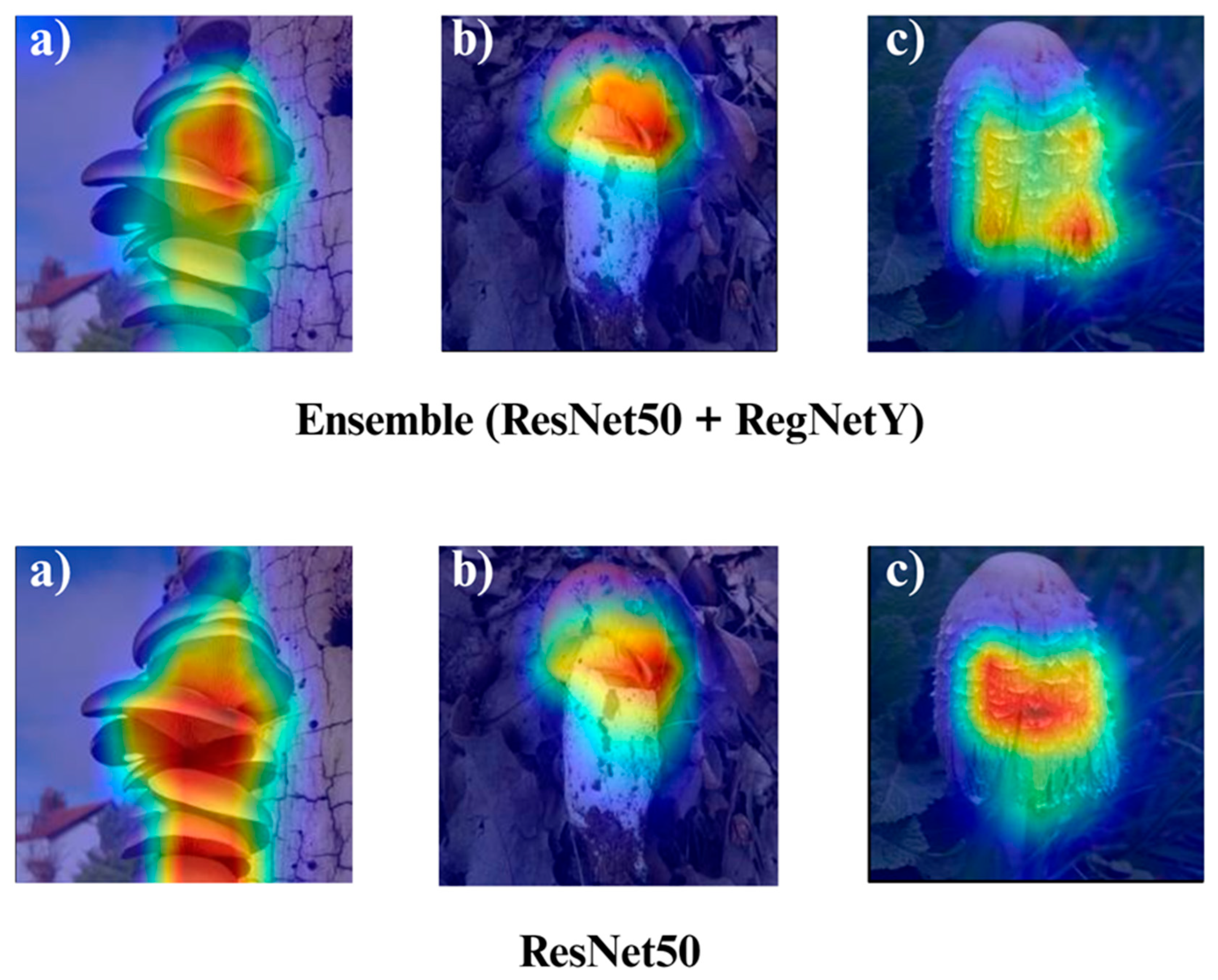
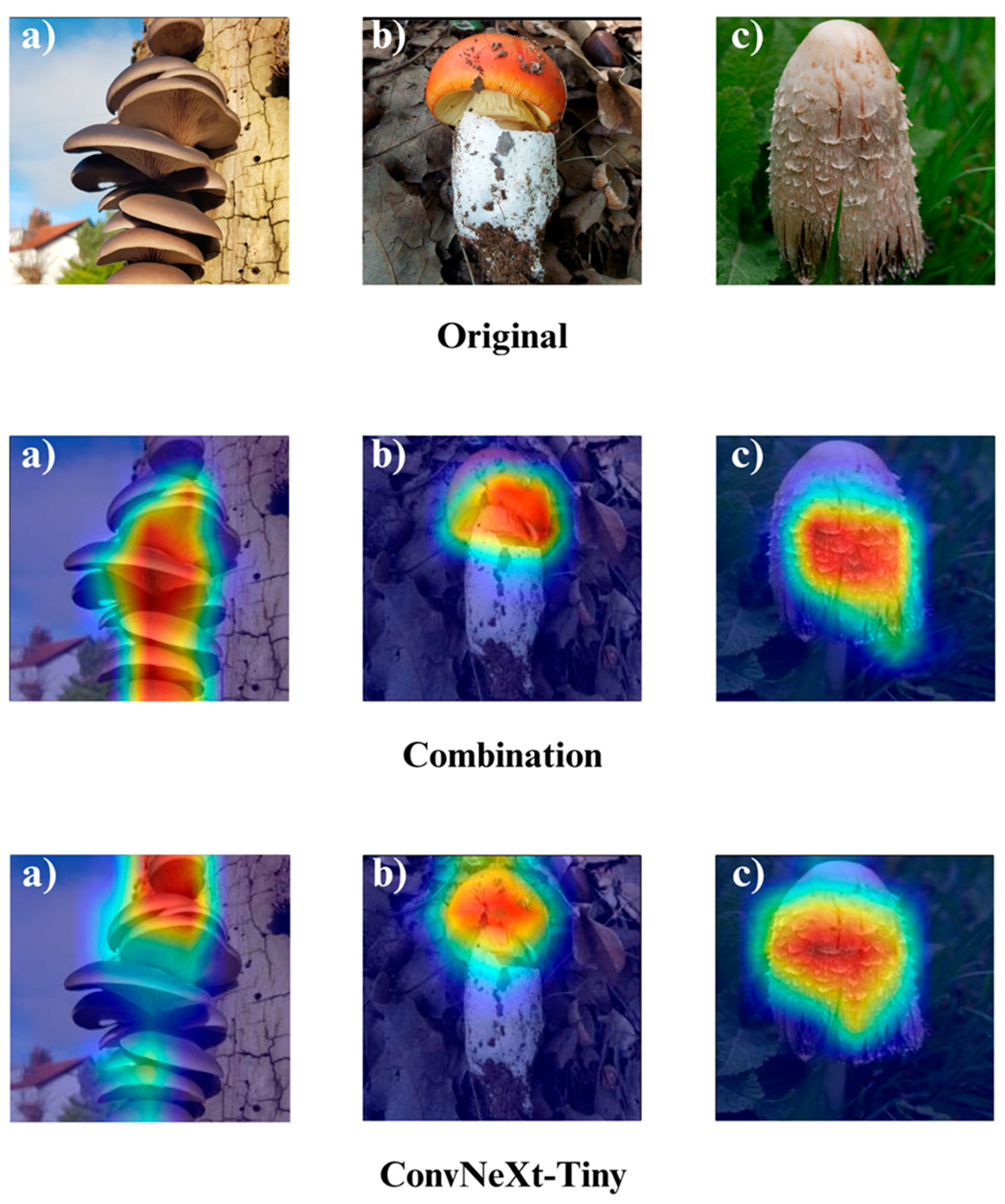
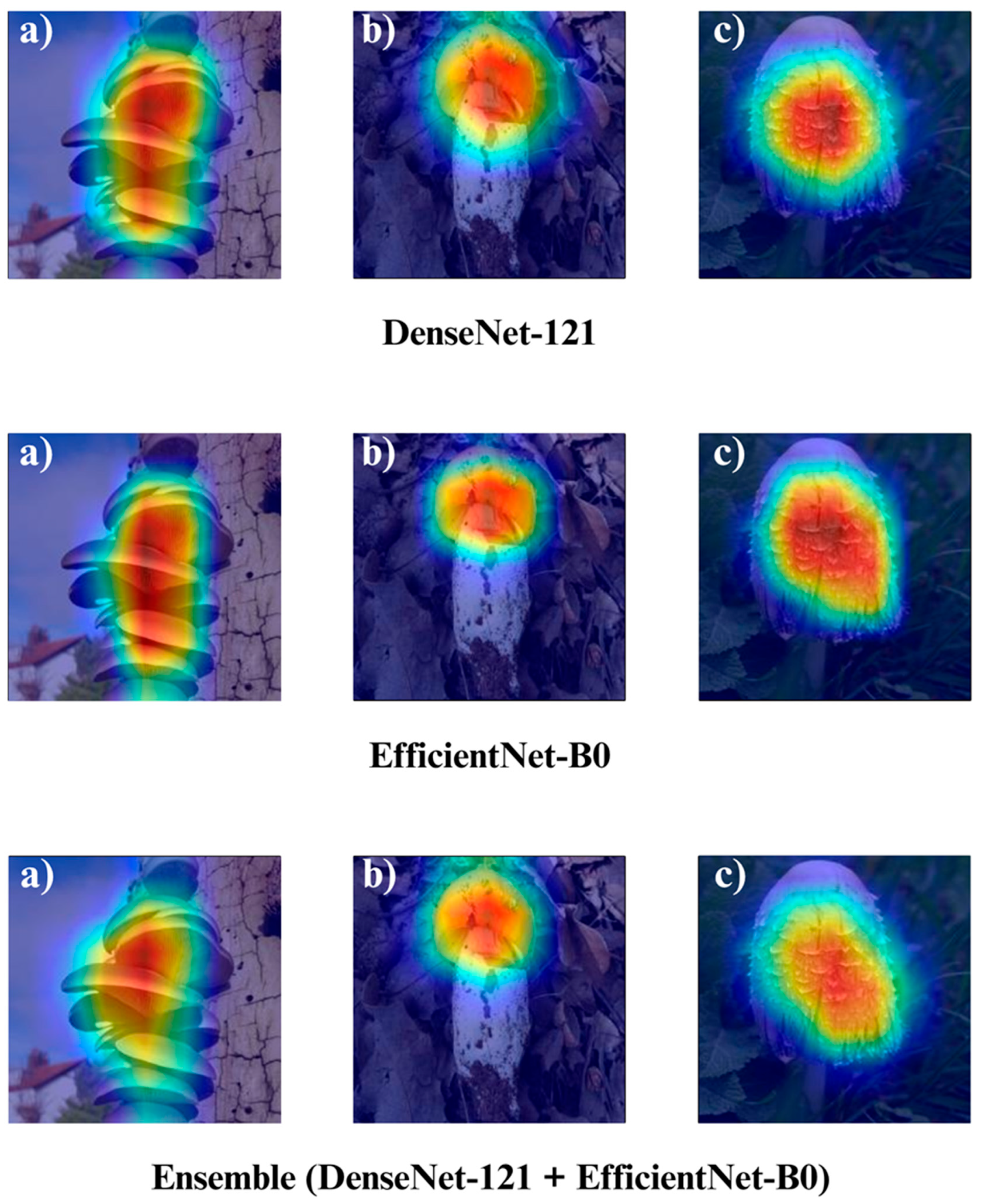
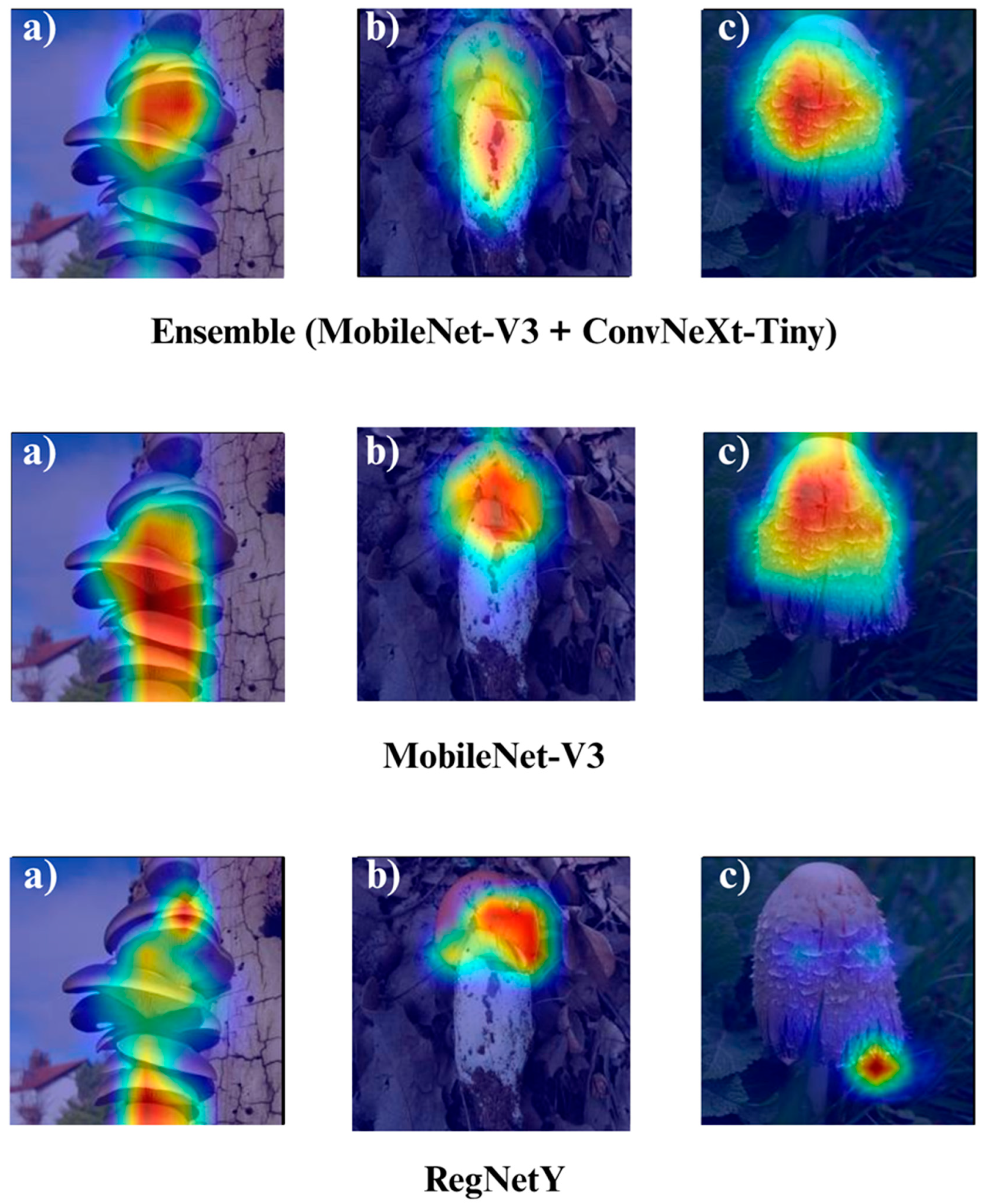
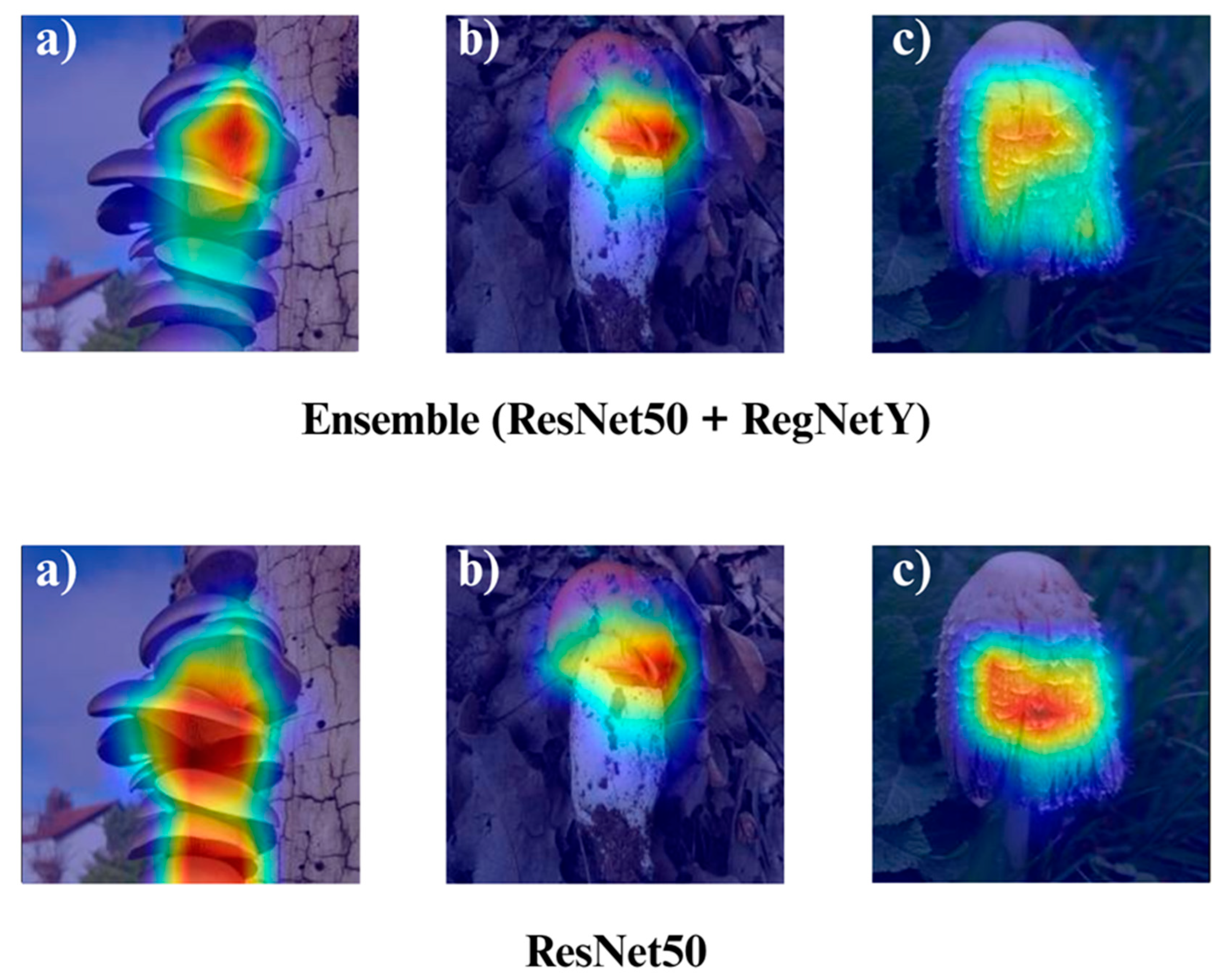
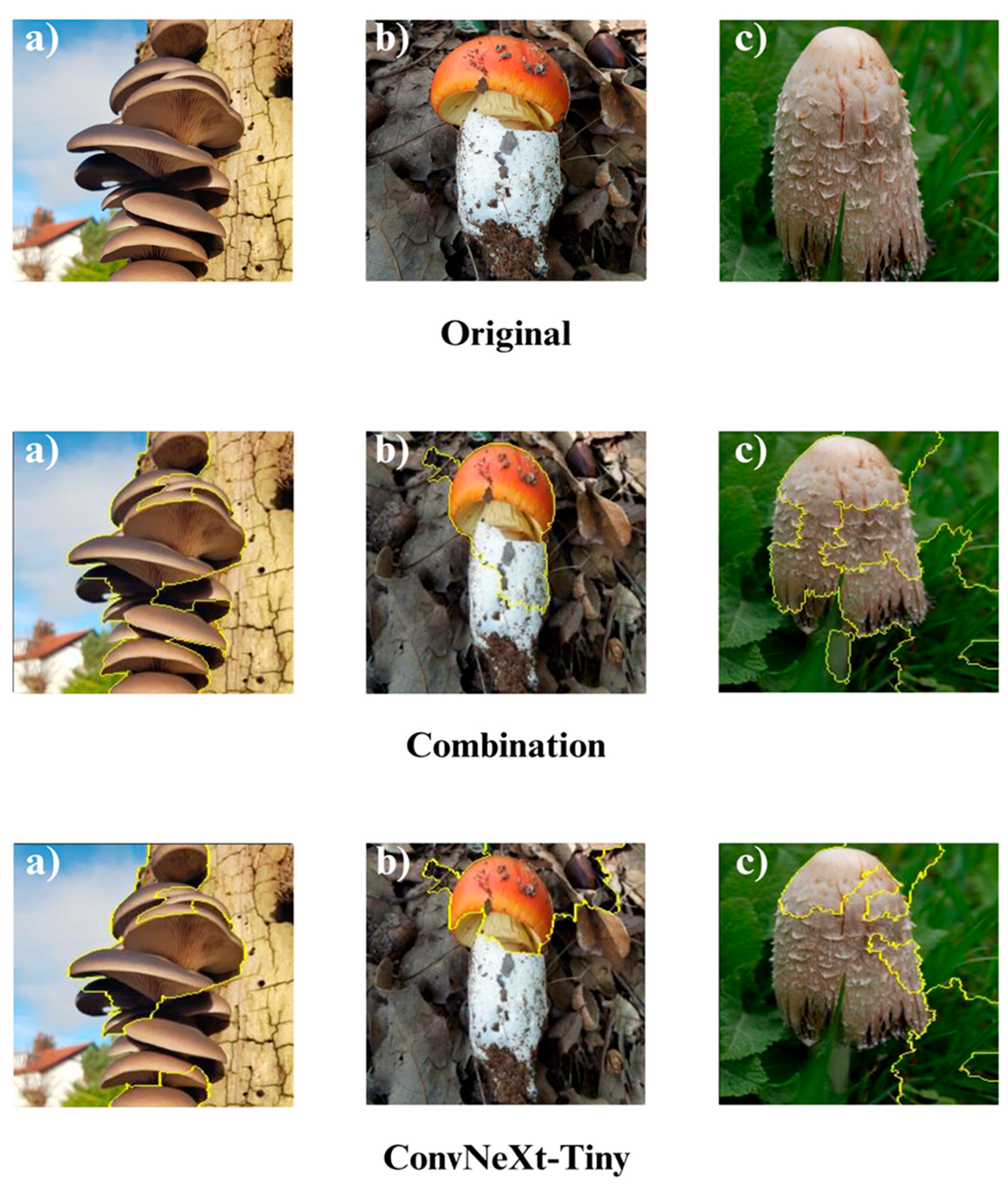
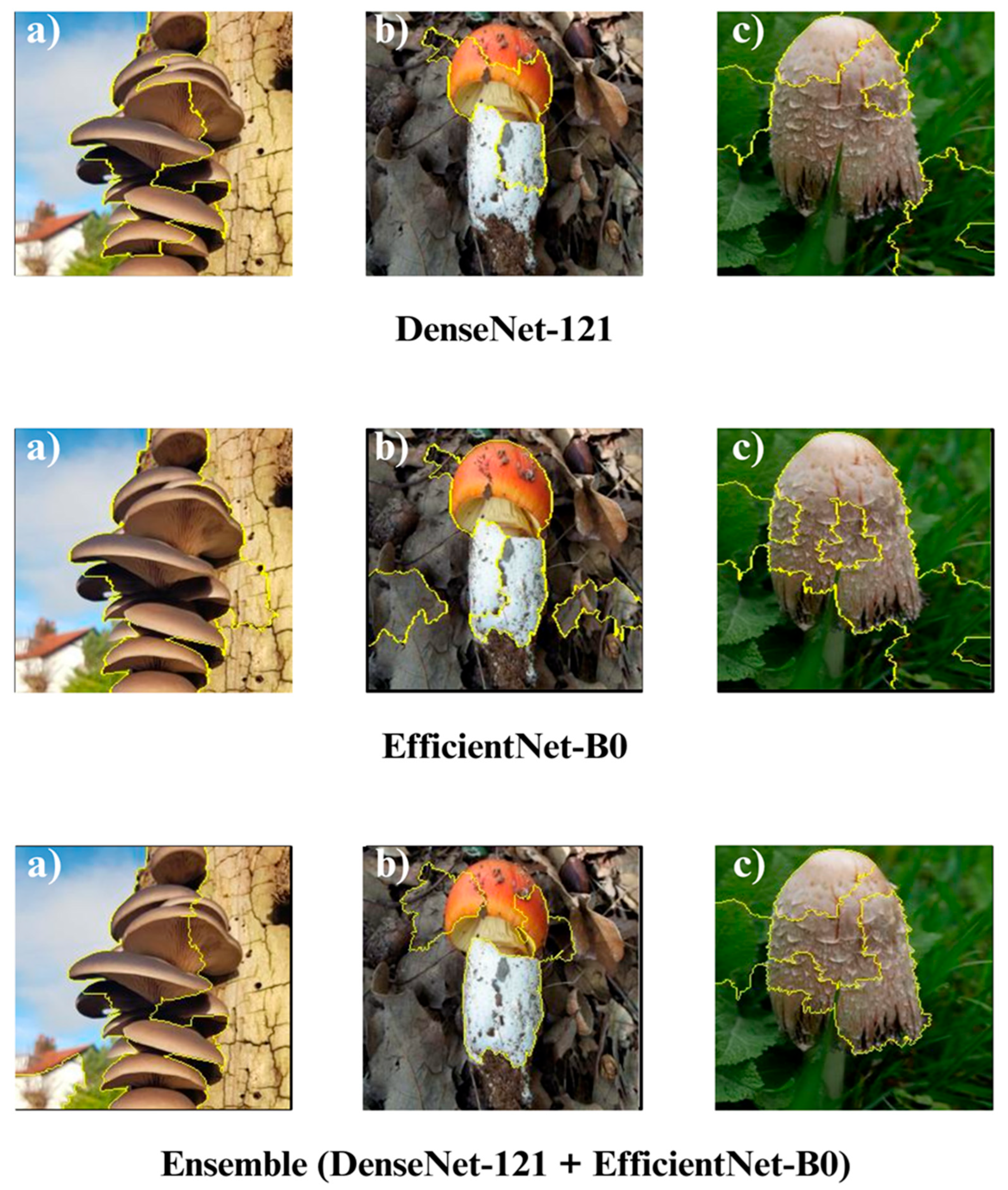
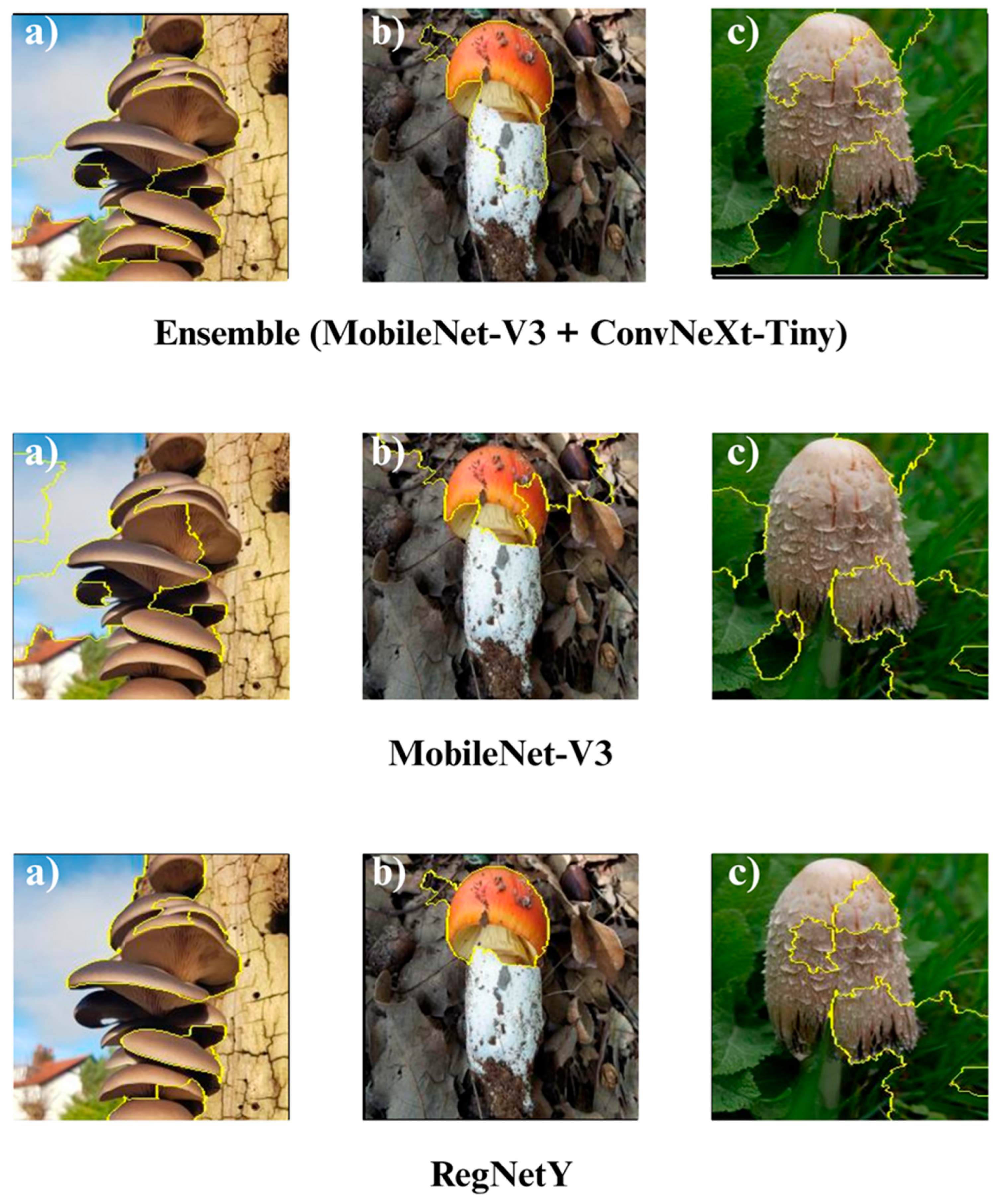
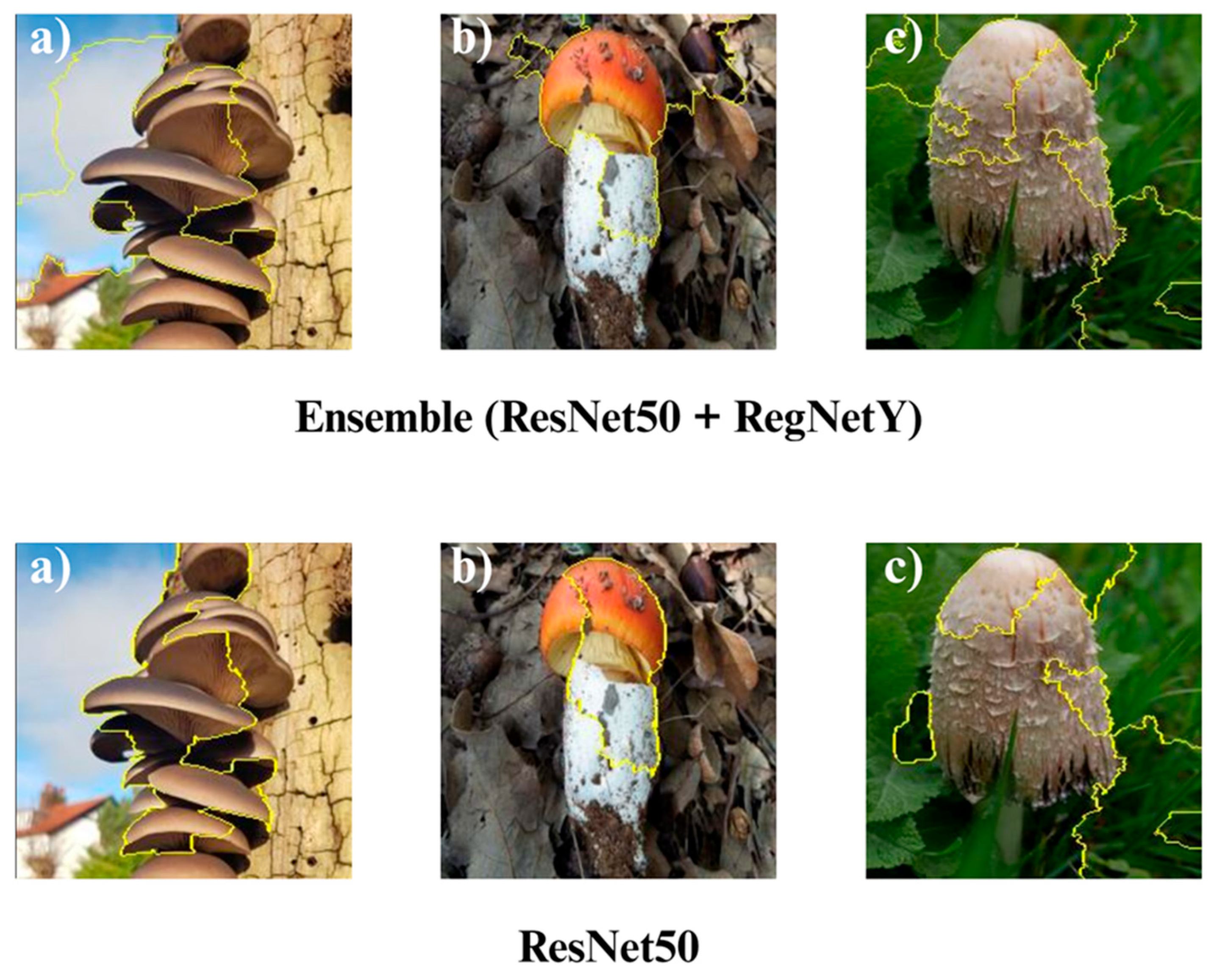
This study evaluated 10 deep learning models on a dataset of 24 wild edible macrofungi species. Among single models, EfficientNetB0 reached 95.55% accuracy, while MobileNetV3-L performed lowest (90.55%). Pairwise ensembles showed limited gains, but the proposed Combination Model (EfficientNetB0 + ResNet50 + RegNetY) achieved the best results with 97.36% accuracy, 0.9996 AUC, and 0.9725 MCC. Explainable AI methods (Grad-CAM, Eigen-CAM, LIME) confirmed biologically meaningful focus regions, enhancing transparency. These findings provide a high-precision, interpretable framework for fungal classification with strong potential for extension to plants, spores, and large-scale vegetation monitoring.
Abstract
Accurate identification of wild edible macrofungi is essential for biodiversity conservation, food safety, and ecological sustainability, yet remains challenging due to the morphological similarity between edible and toxic species. In this study, a curated dataset of 24 wild edible macrofungi species was analyzed using six state-of-the-art convolutional neural networks (CNNs) and four ensemble configurations, benchmarked across eight evaluation metrics. Among individual models, EfficientNetB0 achieved the highest performance (95.55% accuracy), whereas MobileNetV3-L underperformed (90.55%). Pairwise ensembles yielded inconsistent improvements, highlighting the importance of architectural complementarity. Notably, the proposed Combination Model, integrating EfficientNetB0, ResNet50, and RegNetY through a hierarchical voting strategy, achieved the best results with 97.36% accuracy, 0.9996 AUC, and 0.9725 MCC, surpassing all other models. To enhance interpretability, explainable AI (XAI) methods Grad-CAM, Eigen-CAM, and LIME were employed, consistently revealing biologically meaningful regions and transforming the framework into a transparent decision-support tool. These findings establish a robust and scalable paradigm for fine-grained fungal classification, demonstrating that carefully engineered ensemble learning combined with XAI not only advances mycological research but also paves the way for broader applications in plant recognition, spore analysis, and large-scale vegetation monitoring from satellite imagery.