Secretome Screening of BRAFV600E-Mutated Colon Cancer Cells Resistant to Vemurafenib
by
 and
and
Iris Car
1, 
Antje Dittmann
2,
Marko Klobučar
1,†,
Petra Grbčić
3,†,
Sandra Kraljević Pavelić
4,* and
and
Mirela Sedić
1,* 1
Centre for Applied Bioanthropology, Institute for Anthropological Research, Ljudevita Gaja 32, 10000 Zagreb, Croatia
2
Functional Genomics Center Zurich, ETH Zurich, Winterthurerstr. 190, Y59 H38, 8057 Zurich, Switzerland
3
Faculty of Medicine, Juraj Dobrila University of Pula, Zagrebačka ul. 30, 52100 Pula, Croatia
4
Faculty of Health Studies, University of Rijeka, Viktora Cara Emina 5, 51000 Rijeka, Croatia
*
Authors to whom correspondence should be addressed.
†
These authors contributed equally to this work.
Biology 2023, 12(4), 608; https://doi.org/10.3390/biology12040608
Submission received: 3 February 2023
/
Revised: 11 April 2023
/
Accepted: 14 April 2023
/
Published: 17 April 2023
(This article belongs to the Section Cancer Biology)
Simple Summary
Colorectal cancer is the third most common cancer type worldwide. Despite the advancements in pharmacological and surgical treatment approaches, the management of metastatic colon cancer patients carrying BRAFV600E mutation remains challenging due to poor efficacy of chemotherapy drugs. Importantly, targeted therapies were found to induce a complex secretome that stimulates tumor progression and drug resistance. We have accordingly developed an in vitro model of colon cancer cells with BRAFV600E mutation irresponsive to the BRAFV600E inhibitor vemurafenib and analyzed their secretome using two complementary state-of-the-art proteomics technologies. We characterized the cells’ secretome and found proteins implicated in the DNA replication and the endoplasmic reticulum stress to be linked with the development of resistance to vemurafenib. Potential secretome targets for further studies and validation in therapeutic applications include accordingly replication protein A1 and heat shock protein family A member 5.
Abstract
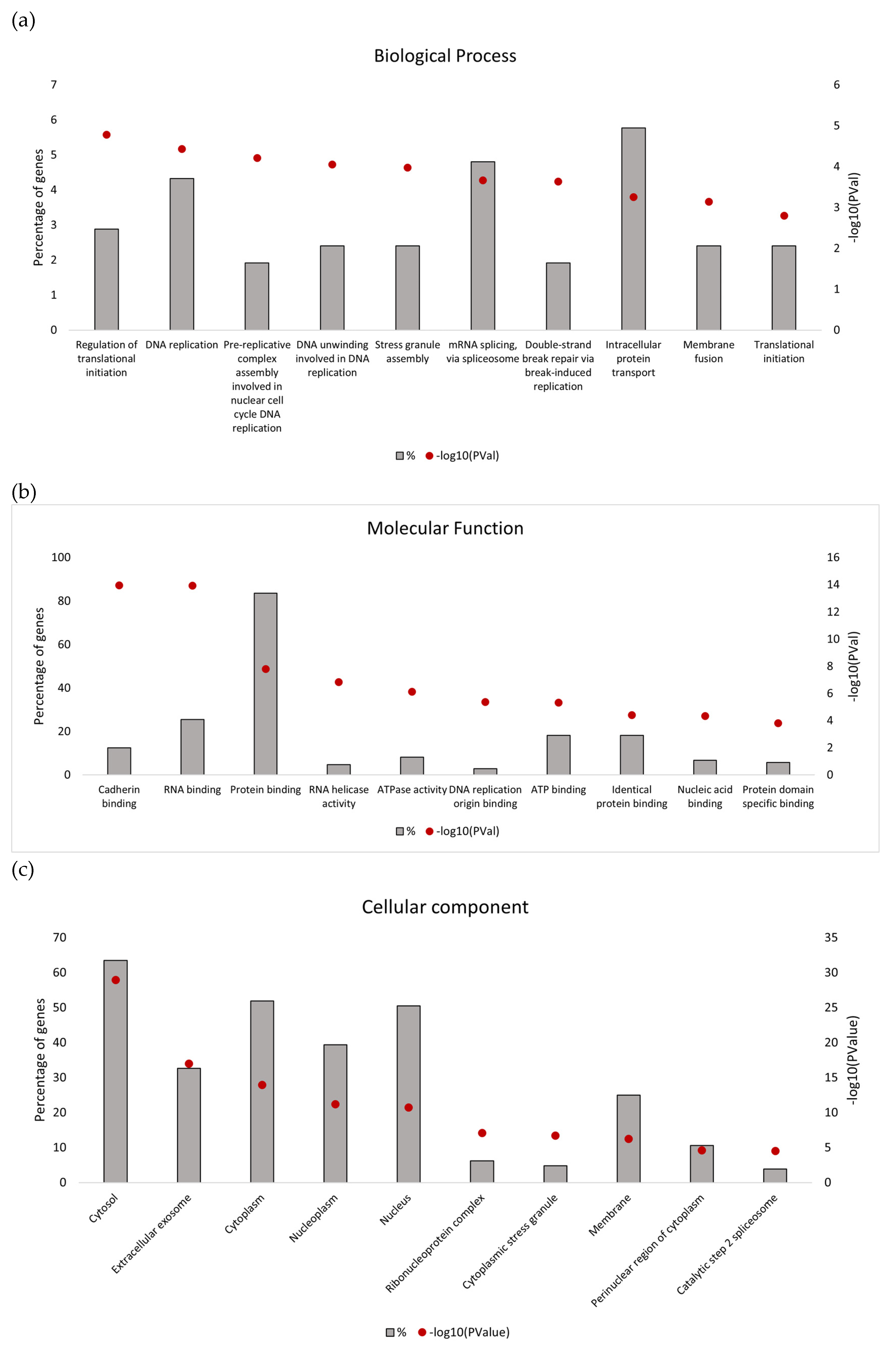
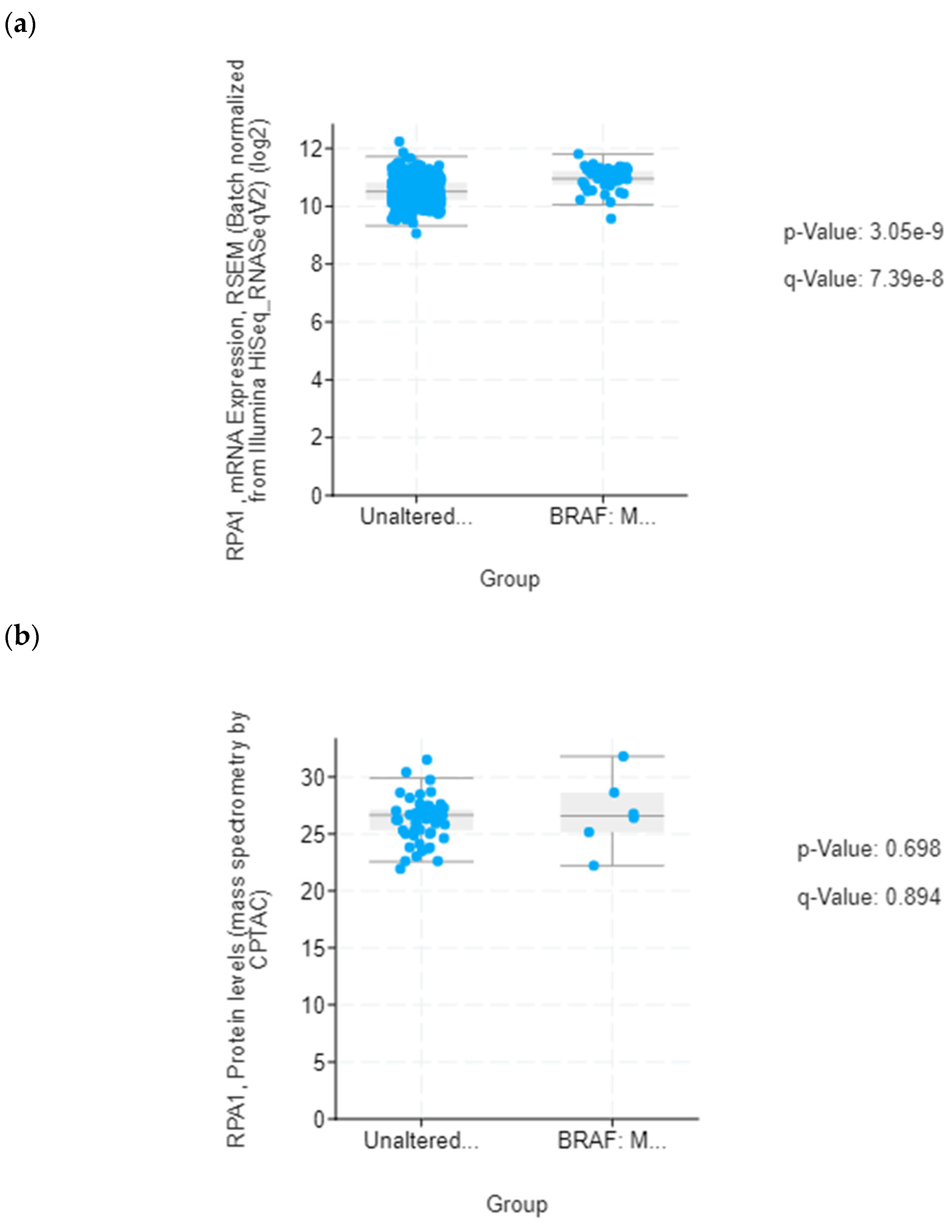
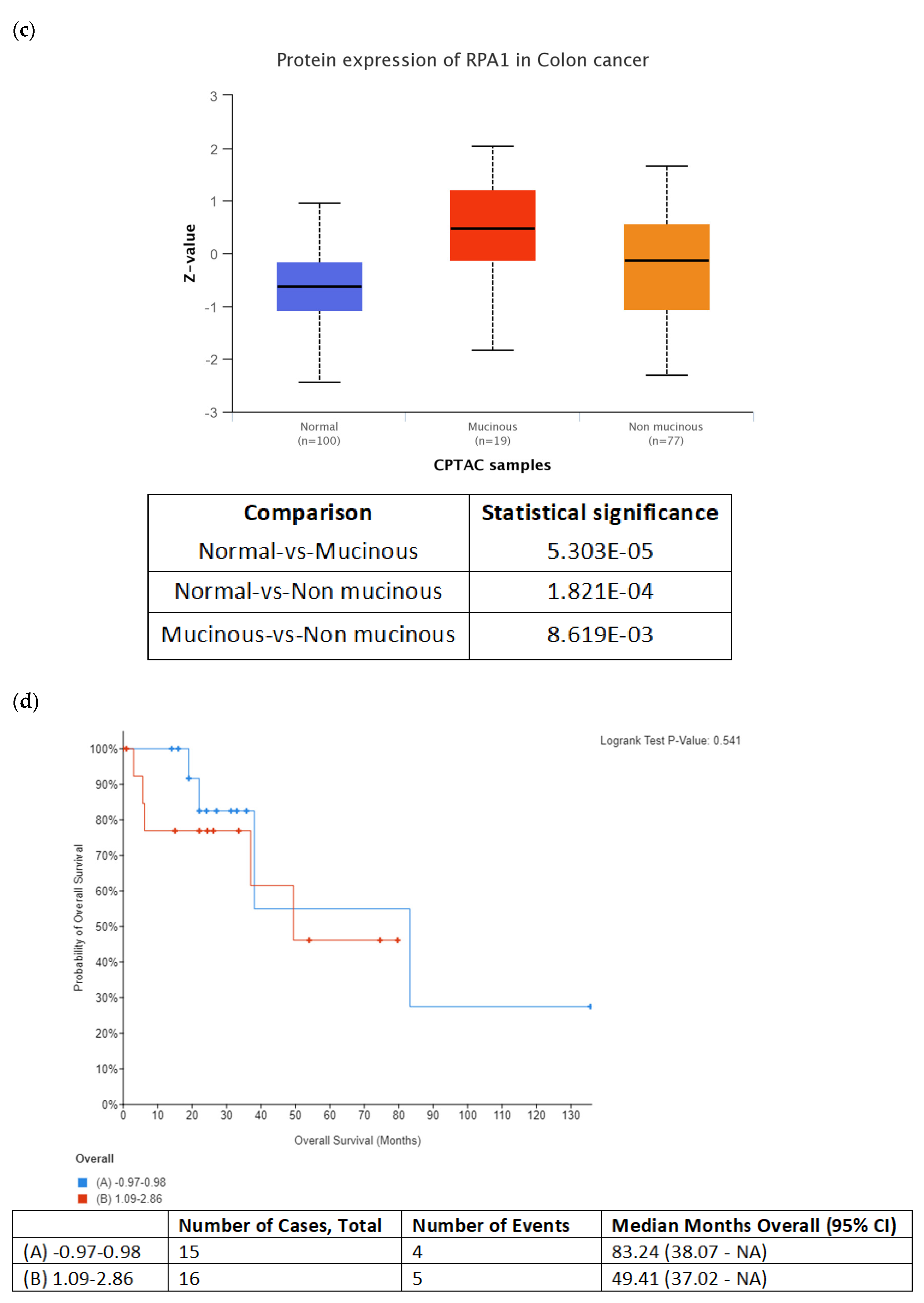
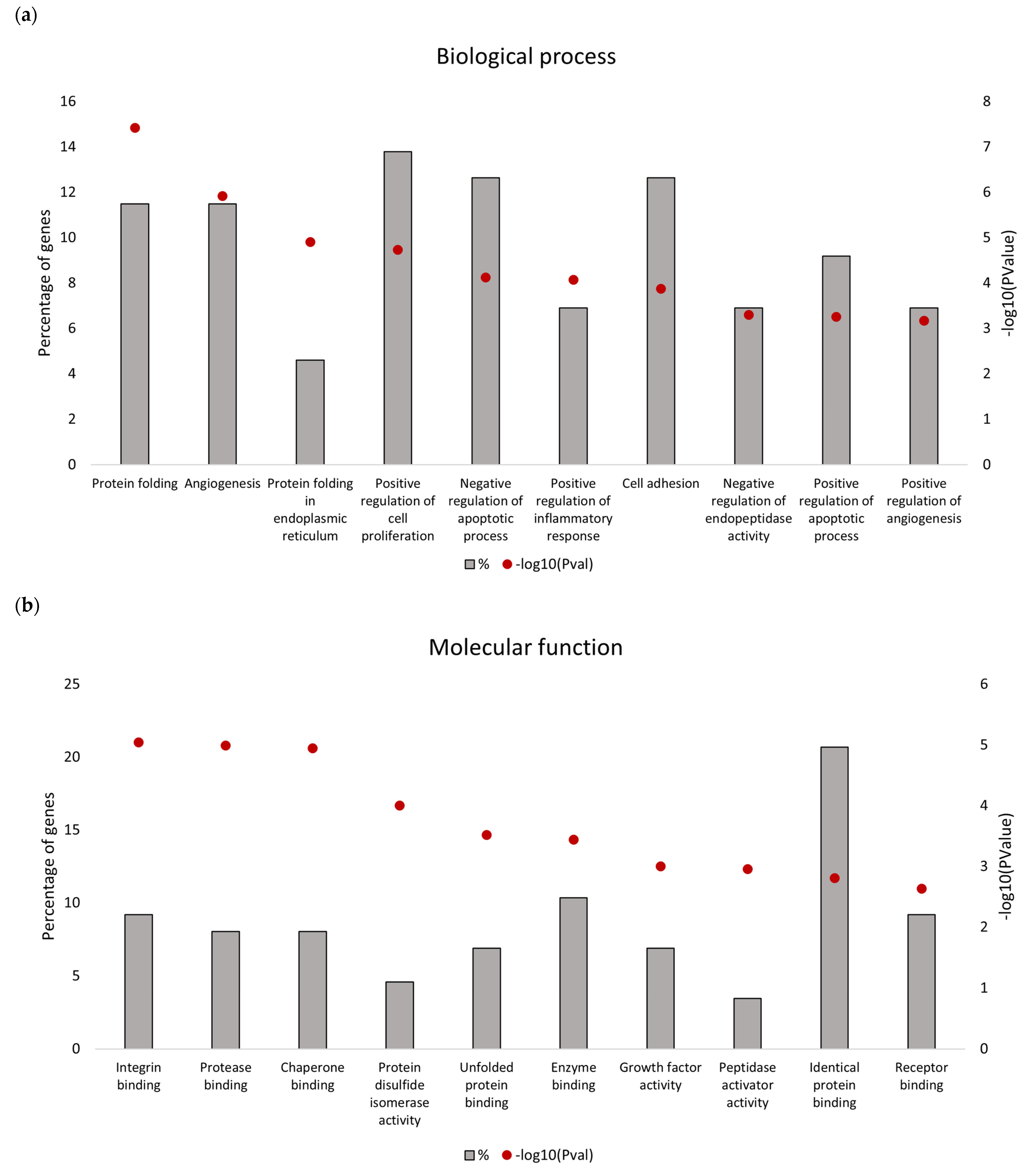
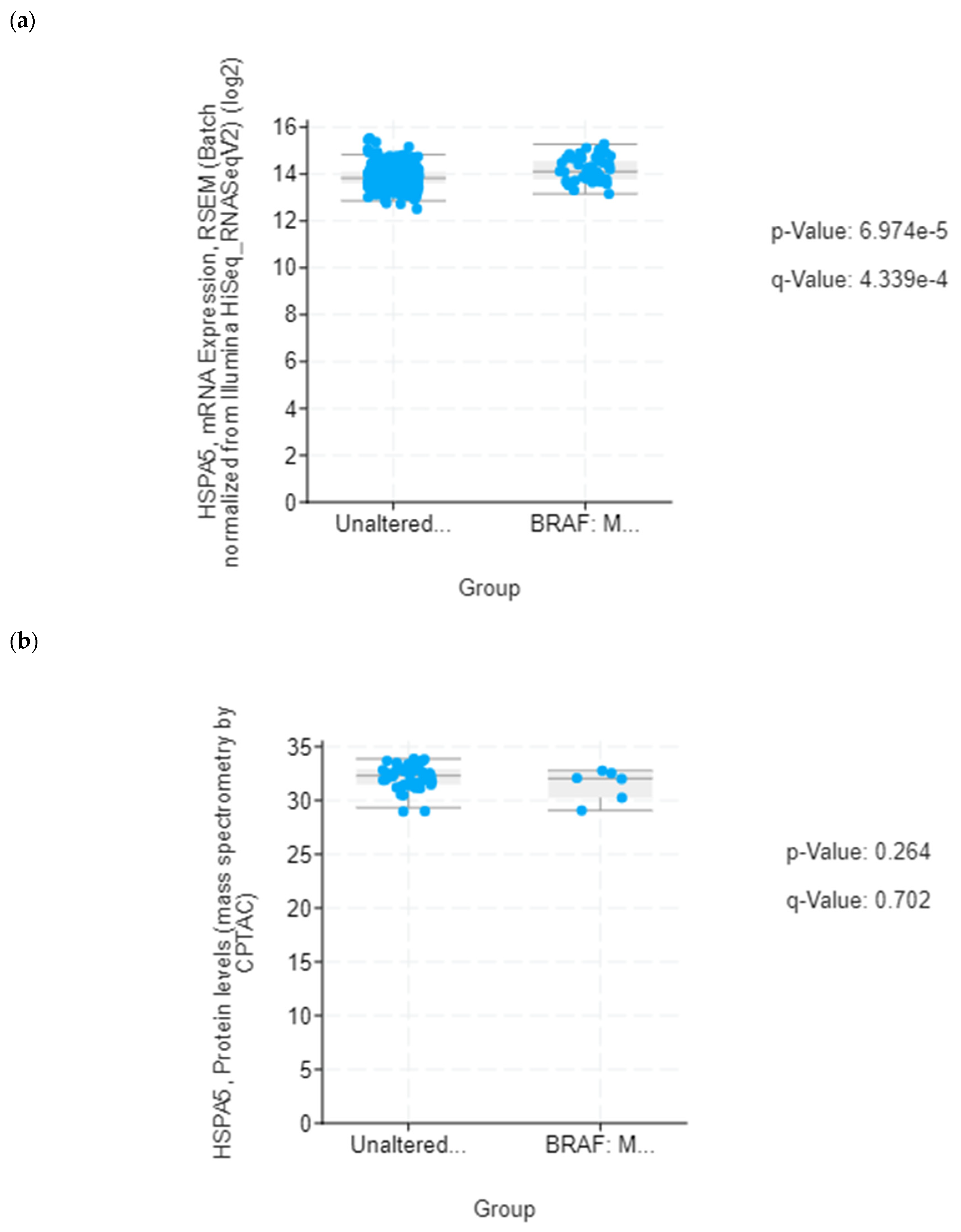
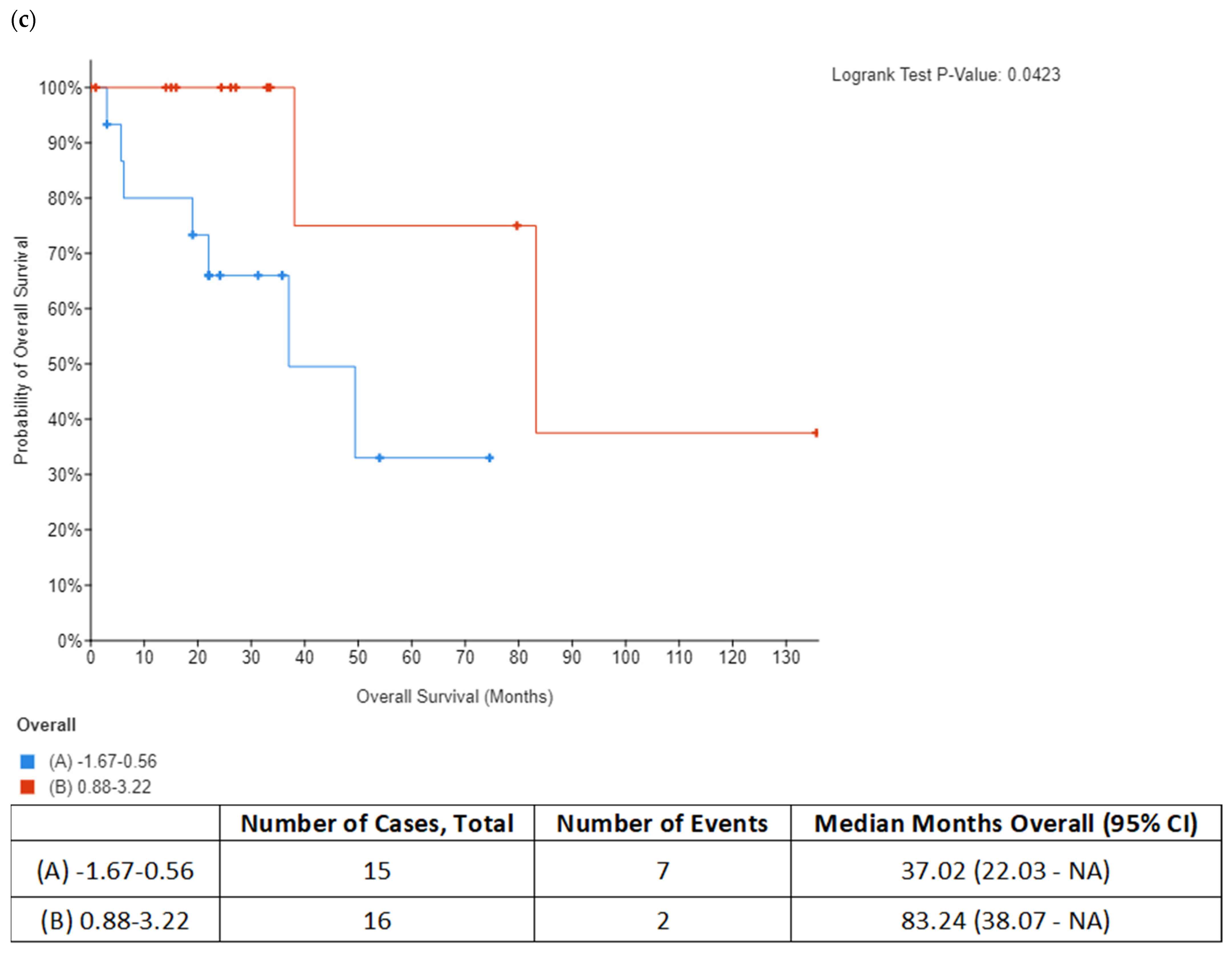
Patients with metastatic colorectal cancer (mCRC) carrying BRAFV600E mutation have worse response to chemotherapy and poor prognosis. The BRAFV600E inhibitor vemurafenib has shown modest efficacy as monotherapy in BRAF-mutated mCRC due to the development of resistance. The aim of this study was to conduct a comparative proteomics profiling of the secretome from vemurafenib-sensitive vs. -resistant colon cancer cells harboring BRAFV600E mutation in order to identify specific secretory features potentially associated with changes in the resistant cells’ phenotype. Towards this aim, we employed two complementary proteomics approaches including two-dimensional gel electrophoresis coupled with MALDI-TOF/TOF mass spectrometry and label-free quantitative LC-MS/MS analysis. Obtained results pointed to aberrant regulation of DNA replication and endoplasmic reticulum stress as the major secretome features associated with chemoresistant phenotype. Accordingly, two proteins implicated in these processes including RPA1 and HSPA5/GRP78 were discussed in more details in the context of biological networks and their importance as potential secretome targets for further functional and clinical evaluation. Expression patterns of RPA1 and HSPA5/GRP78 in tumor tissues from colon cancer patients were also found in additional in silico analyses to be associated with BRAFV600E mutation status, which opens the possibility to extrapolate our findings and their clinical implication to other solid tumors harboring BRAFV600E mutation, such as melanoma.
Keywords:
BRAFV600E; colon cancer; secretome; BRAF inhibition; vemurafenib; DNA replication; ER stress; RPA1; HSPA5/GRP78; chemoresistance