Hemp Protein Hydrolysates Modulate Inflammasome-Related Genes in Microglial Cells
by
 , , and
Sergio Montserrat-de la Paz
1,* ,
,
Gabriela Carrillo-Berdasco
2,
Fernando Rivero-Pino
1 ,
,
Alvaro Villanueva-Lazo
2 and
Maria C. Millan-Linares
1 1
Department of Medical Biochemistry, Molecular Biology, and Immunology, School of Medicine, University of Seville, 41009 Seville, Spain
2
Department of Food & Health, Instituto de la Grasa, CSIC, 41013 Seville, Spain
*
Author to whom correspondence should be addressed.
Biology 2023, 12(1), 49; https://doi.org/10.3390/biology12010049
Submission received: 7 November 2022
/
Revised: 21 December 2022
/
Accepted: 24 December 2022
/
Published: 27 December 2022
(This article belongs to the Special Issue Bioactive Peptides in Health and Disease)
Simple Summary
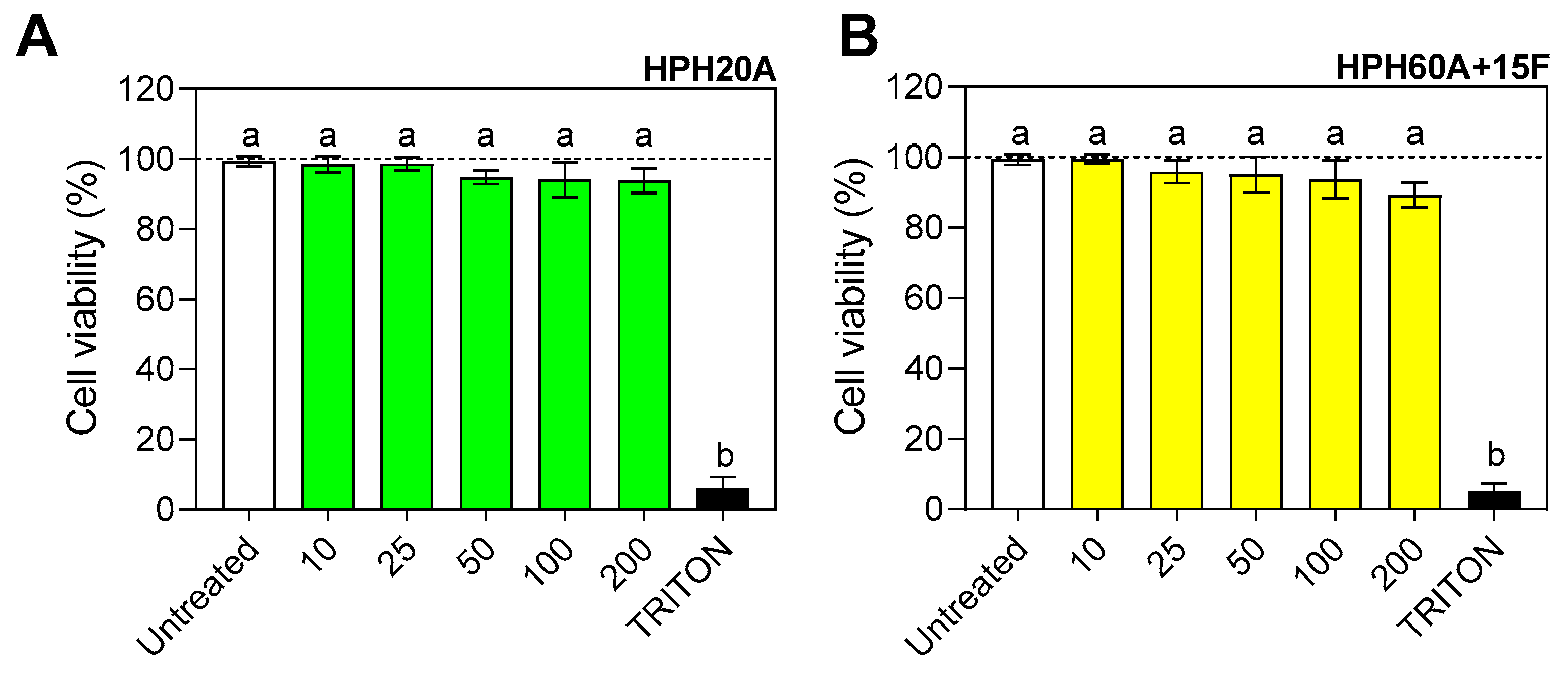
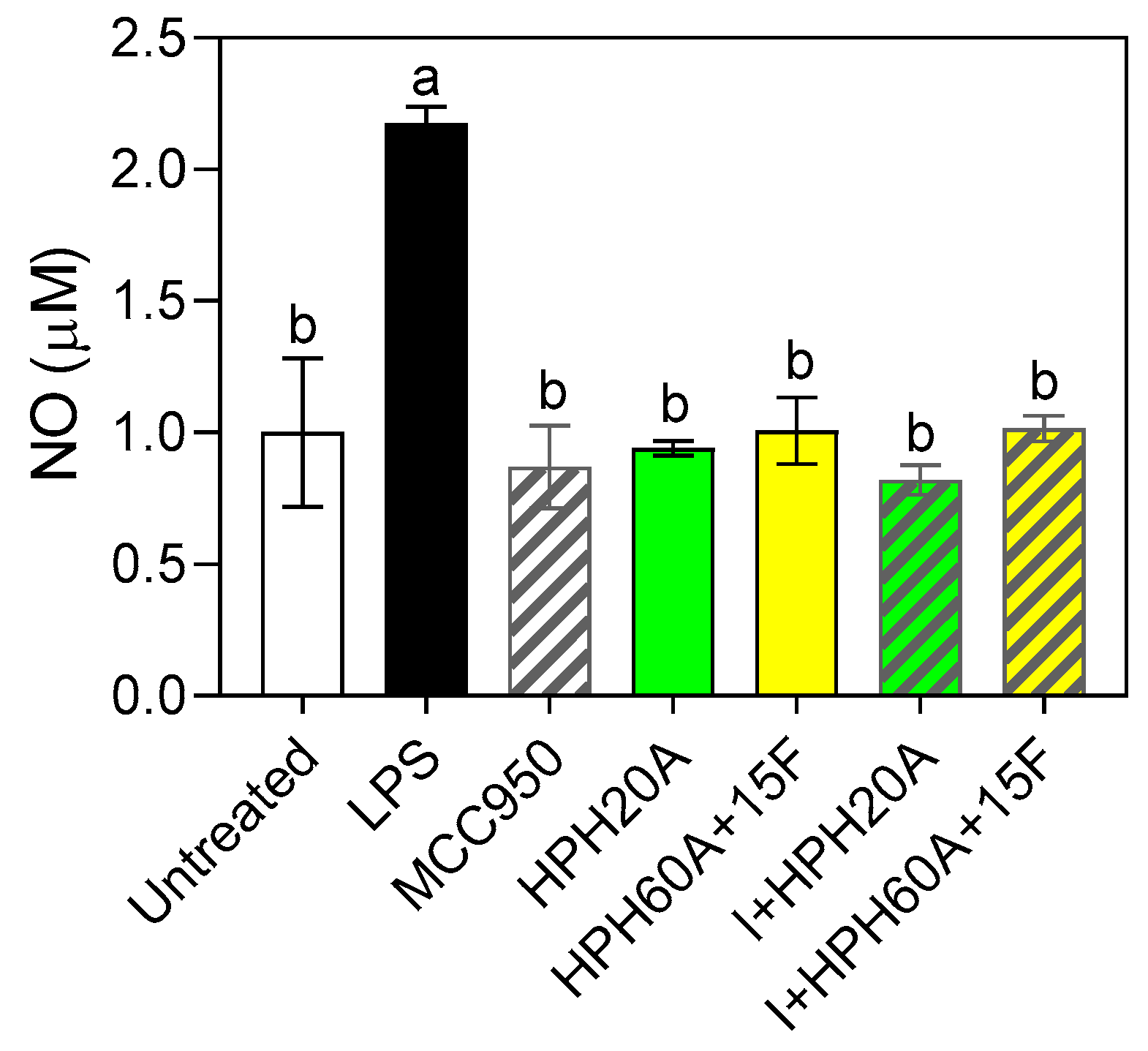
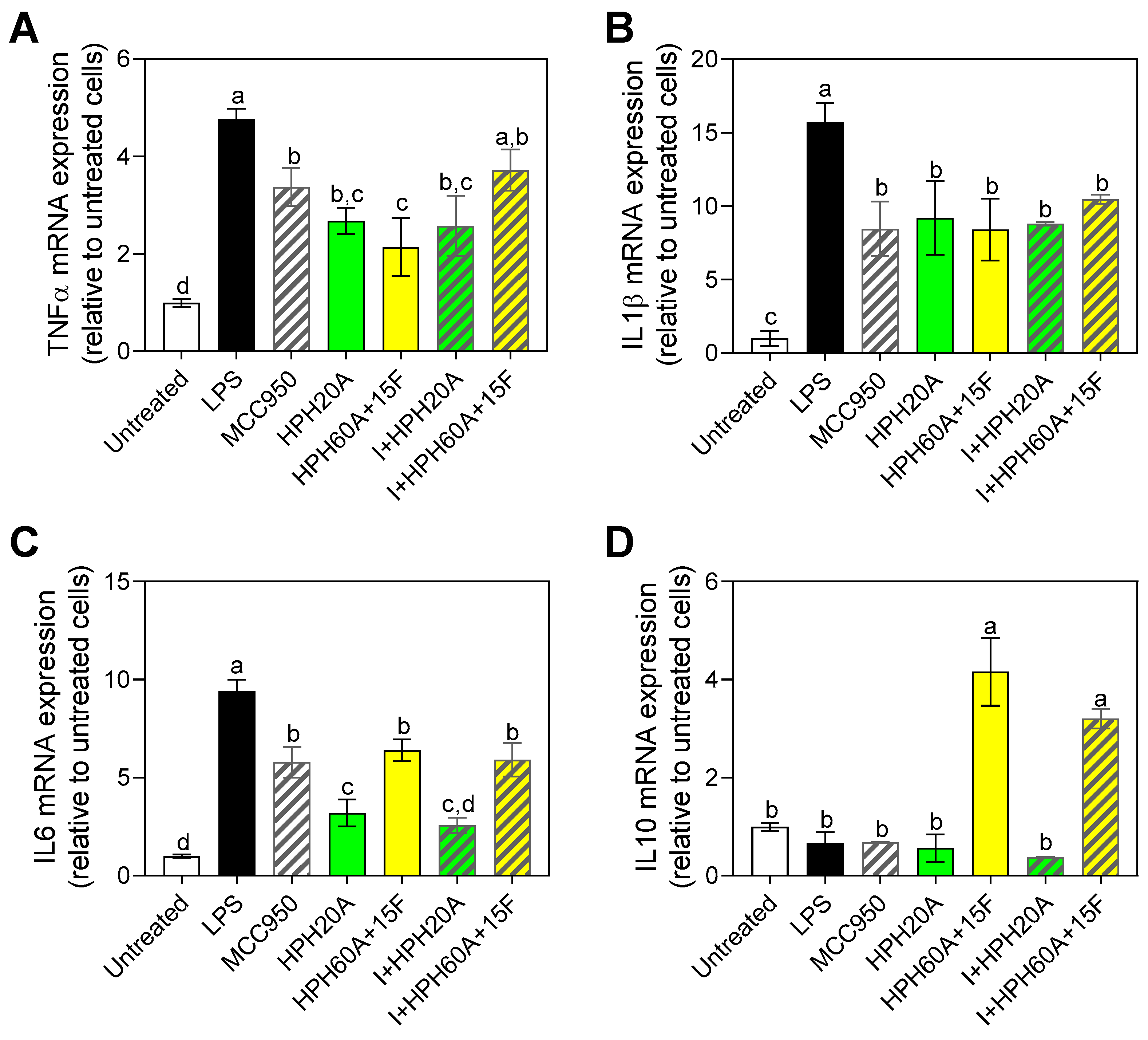
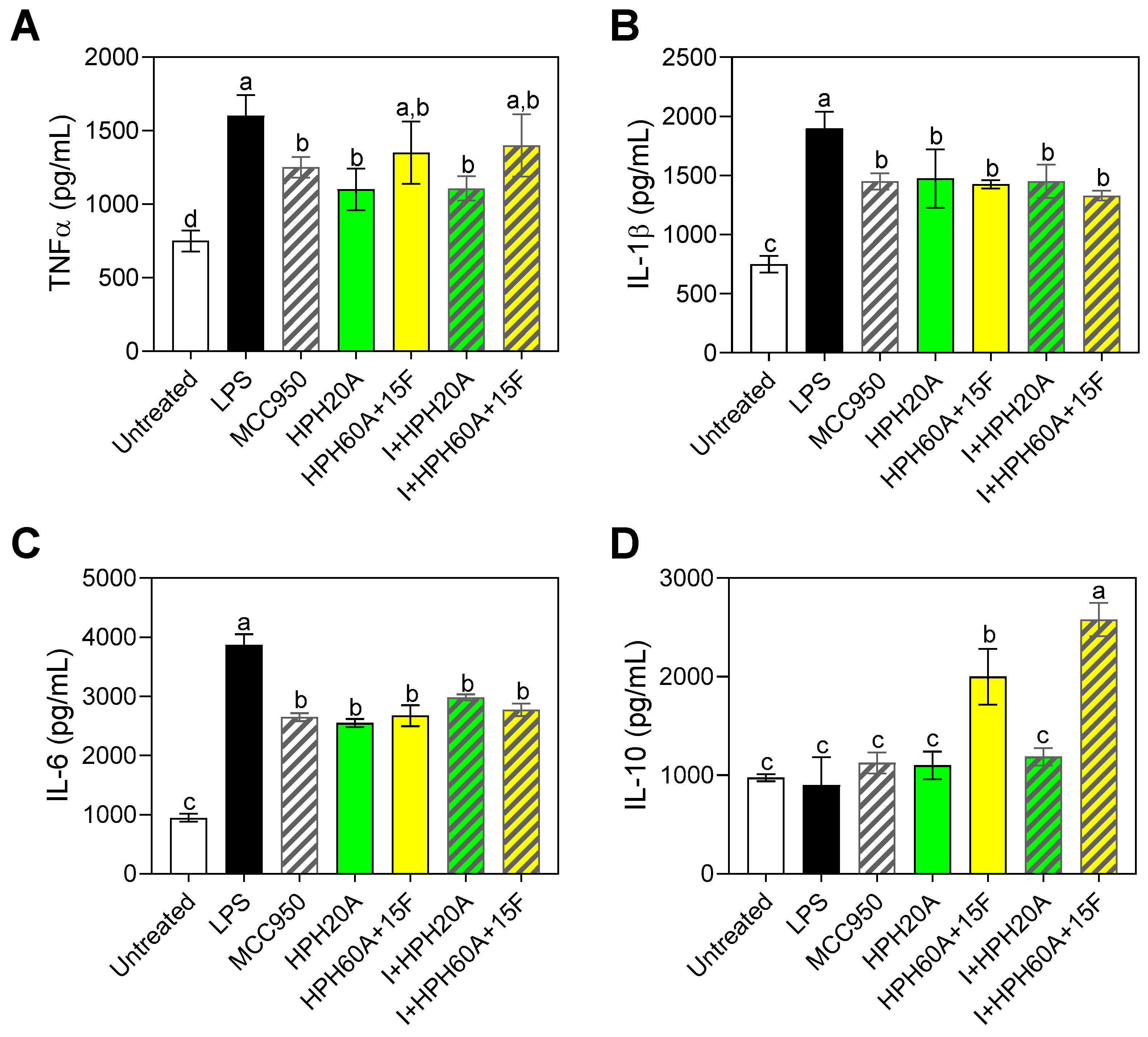
Neuroinflammation can lead to the development of neurodegenerative diseases. Food-derived peptides released by the action of enzymes have been proven to modulate several physiological processes. In this study, peptides obtained from hemp protein were evaluated as anti-inflammatory agents employing a cell model, measuring the responses of inflammatory mediators, microglial polarization markers, and genes related to inflammasome activation, as markers of inflammation and the potential counteraction exerted by the peptides, related to neurodegenerative processes. Results showed a neuroprotective effect based on anti-inflammatory activity of the peptides, via the inflammasome. The use of these peptides in the diet could help to prevent inflammation and promote a healthy aging of humans.
Abstract
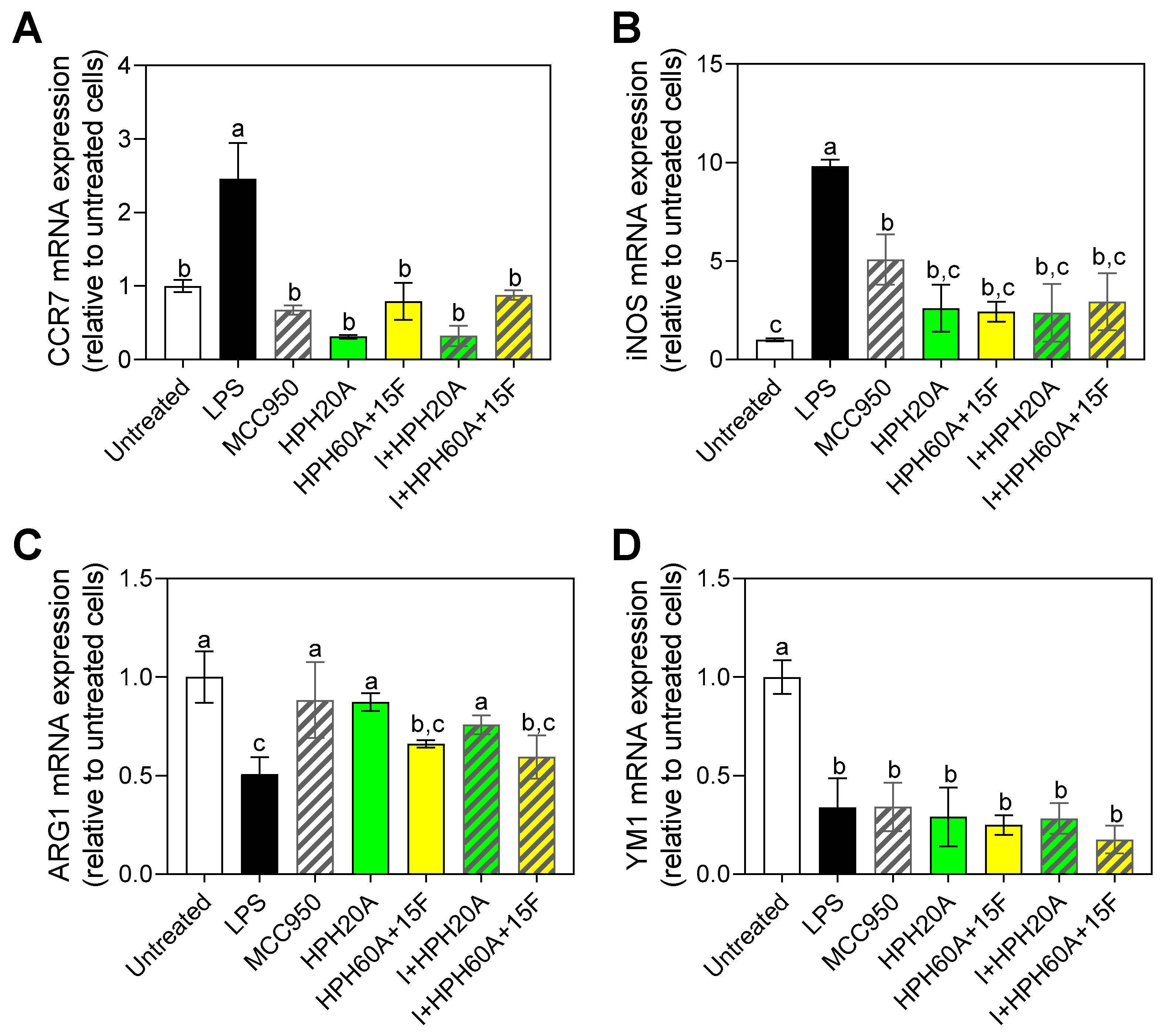
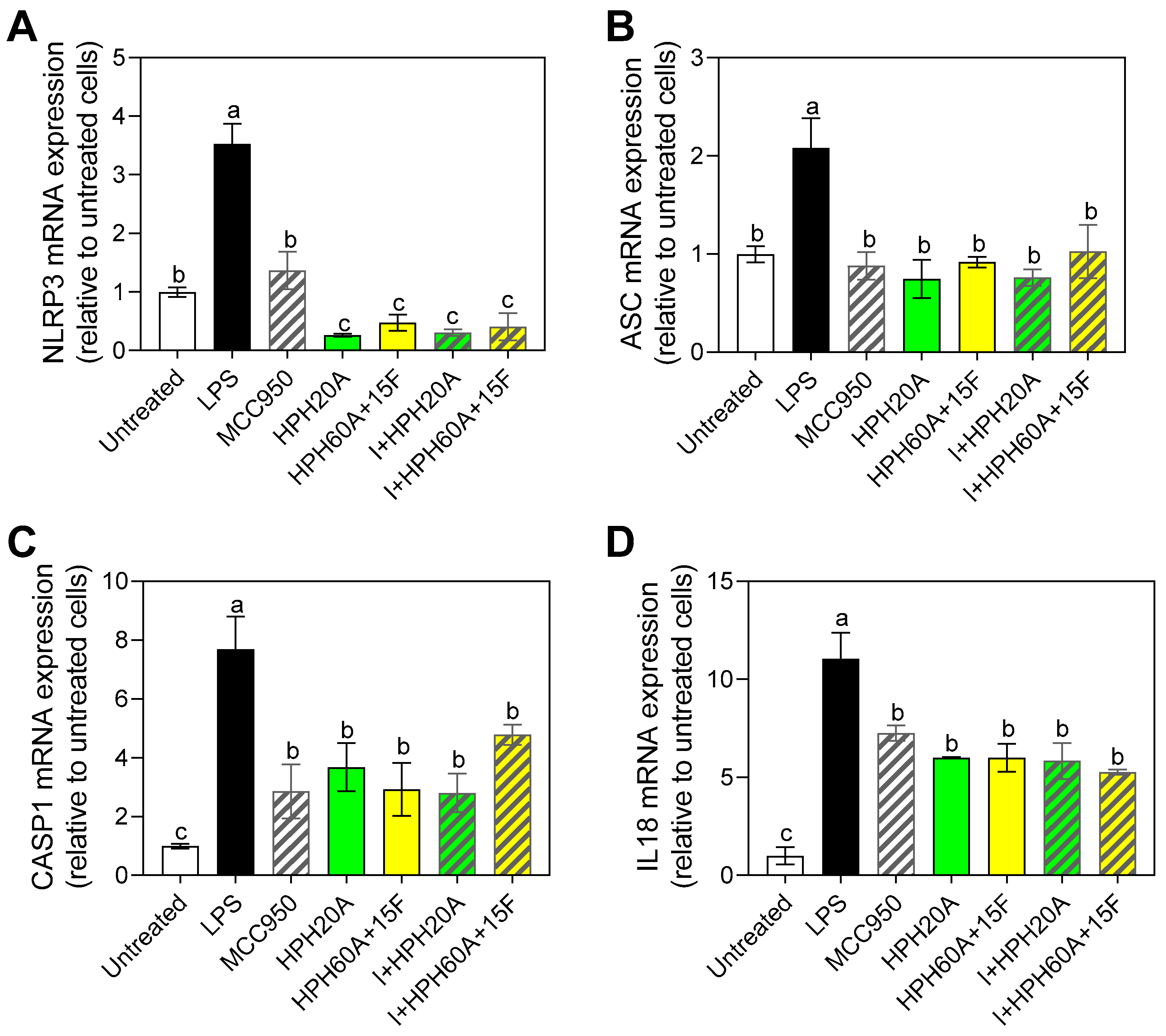
A prolonged inflammatory response can lead to the development of neurodegenerative diseases such as Alzheimer’s disease. Enzymatic hydrolysis is a sustainable way to increase the value of protein sources by obtaining peptides that can exert bioactivity. Hemp (Cannabis sativa L.) protein hydrolysates have been proven to exert anti-inflammatory activity. In this study, two hemp protein hydrolysate (HPHs), obtained with Alcalase as sole catalyst, or with Alcalase followed by Flavourzyme, were evaluated as inflammatory mediators (TNFα, IL-1β, IL-6, and IL-10), microglial polarization markers (Ccr7, iNos, Arg1, and Ym1), and genes related to inflammasome activation (Nlrp3, Asc, Casp1, and Il18), employing the lipopolysaccharide (LPS)-induced neuroinflammation model in murine BV-2 microglial cells. A significant decrease of the expression of proinflammatory genes (e.g., Tnfα, Ccr7, inos, and Nlrp3, among others) and increase of the expression anti-inflammatory cytokines in microglial cells was observed after treatment with the test HPHs. This result in the cell model suggests a polarization toward an anti-inflammatory M2 phenotype. Our results show that the evaluated HPHs show potential neuroprotective activity in microglial cells via the inflammasome.
Keywords:
neuroinflammation; microglia; inflammasome; hemp peptides; immunonutrition