Soluble Flt-1 in AMI Patients Serum Inhibits Angiogenesis of Endothelial Progenitor Cells by Suppressing Akt and Erk’s Activity
by
 , , and
Lijie Zhang
1,† ,
,
Xingkun Zhang
2,3,†,
Xiaoming Zhong
4,†,
Mengya Fan
1,
Guoliang Wang
5,
Wei Shi
1,
Ran Xie
1,
Yinxiang Wei
1,
Hailong Zhang
1,
Xiangxu Meng
5,
Yaohui Wang
1,* and
Yuanfang Ma
1,* 1
Joint National Laboratory for Antibody Drug Engineering, The First Affiliated Hospital of Henan University, Henan University, Kaifeng 475004, China
2
Henan Key Laboratory of Coronary Heart Disease Control & Prevention, Department of Cardiology, Central China Fuwai Hospital, Zhengzhou 450003, China
3
Department of Cardiology, Henan Provincial People’s Hospital, Zhengzhou 451450, China
4
Department of Cardiology, Huaihe Hospital of Henan University, Kaifeng 475000, China
5
Department of Cardiovascular, the First Affiliated Hospital of Henan University, Kaifeng 475004, China
*
Authors to whom correspondence should be addressed.
†
These authors contributed equally to this work.
Biology 2022, 11(8), 1194; https://doi.org/10.3390/biology11081194
Submission received: 14 June 2022
/
Revised: 27 July 2022
/
Accepted: 6 August 2022
/
Published: 9 August 2022
(This article belongs to the Special Issue Immunology and Immunotherapy in Cardiovascular Disease)
Simple Summary
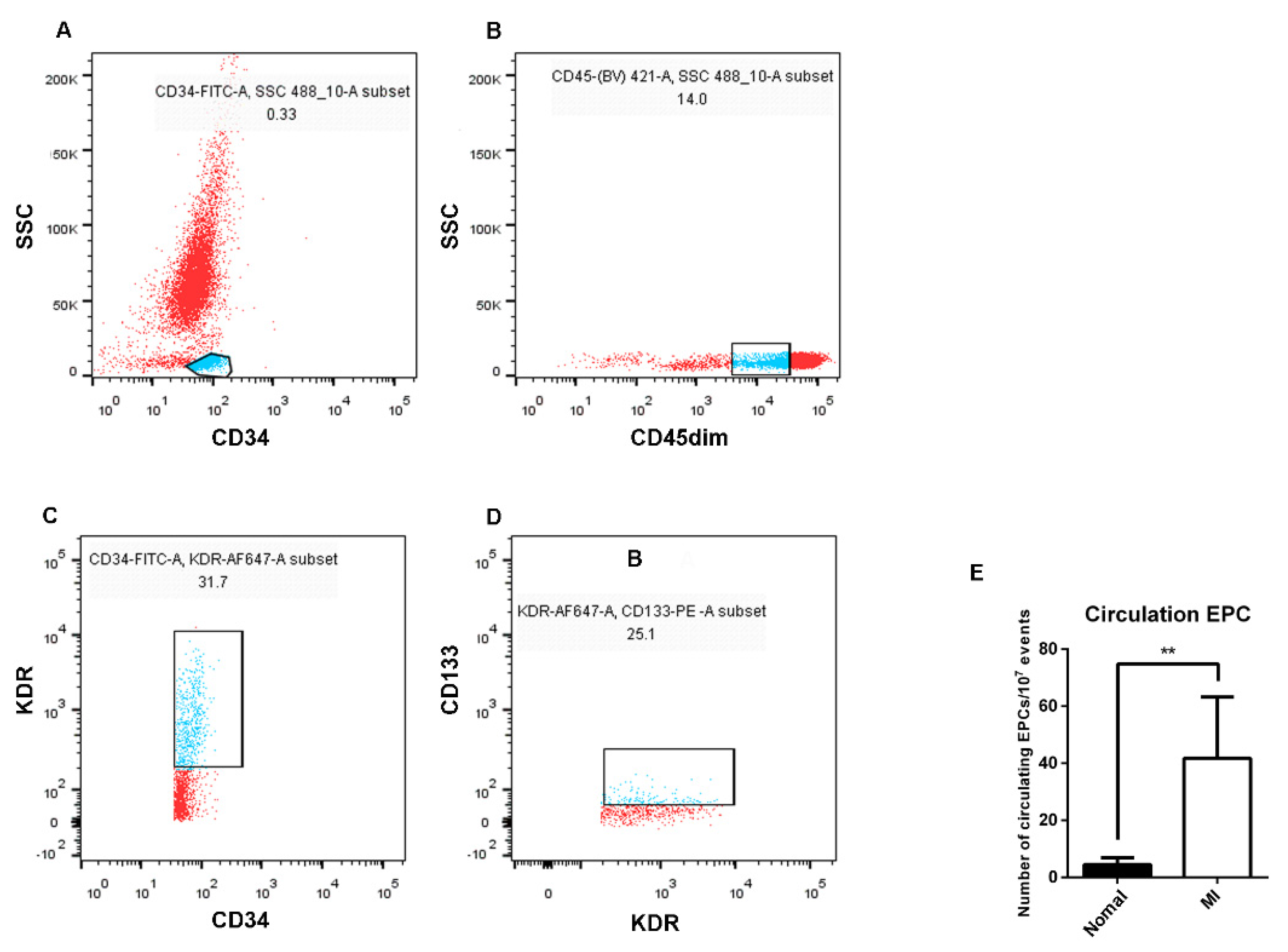
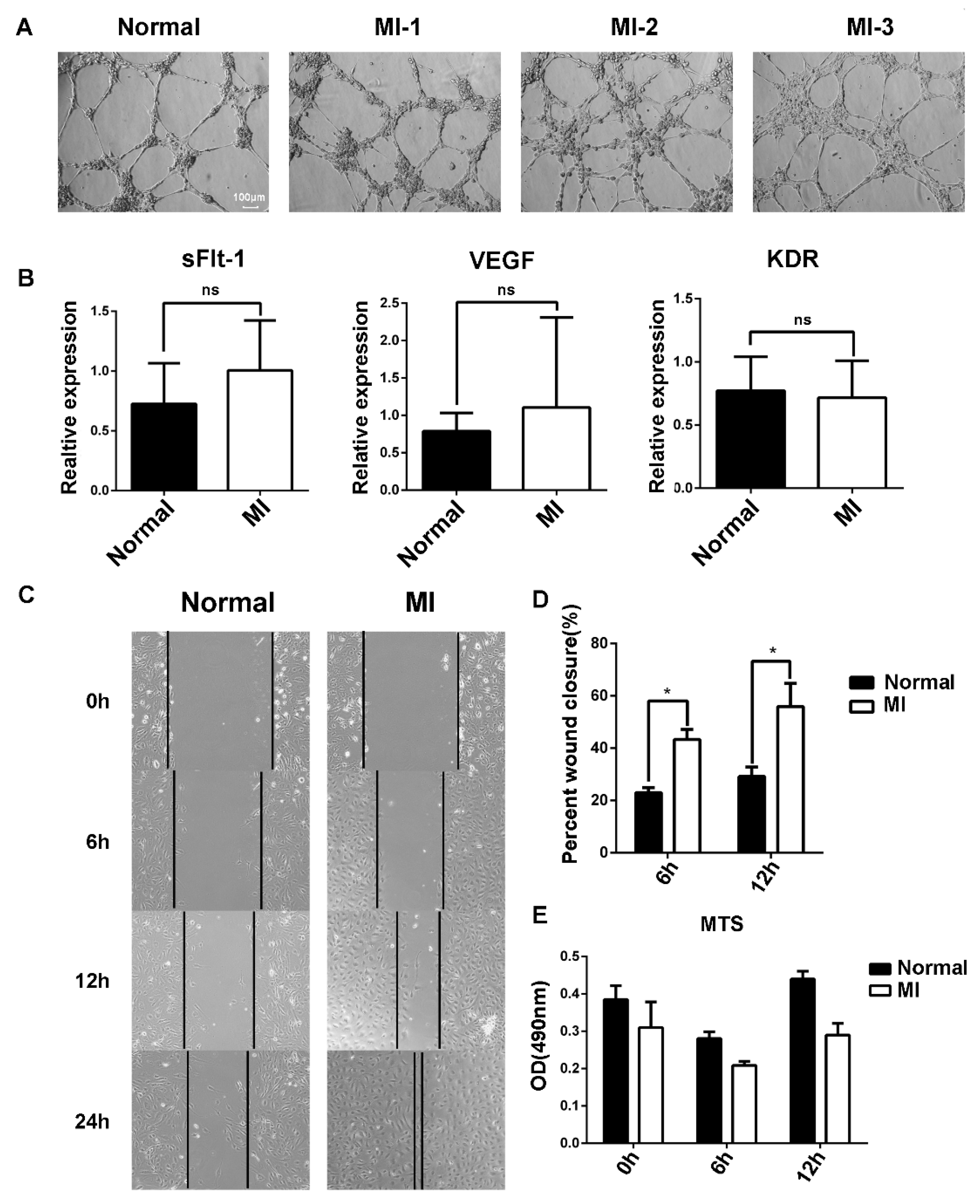
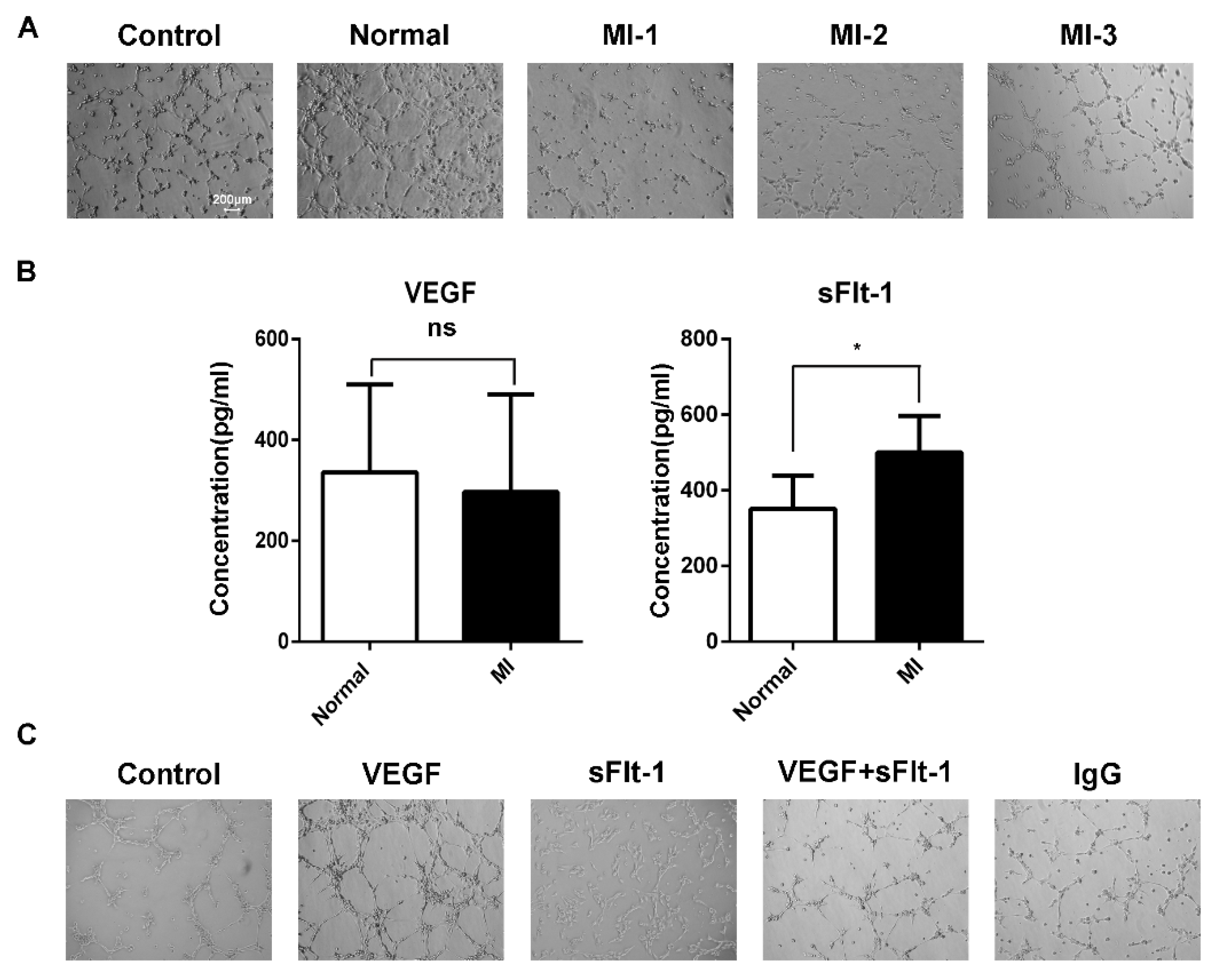
Acute myocardial infarction (AMI) is the leading cause of mortality in the world. Endothelial progenitor cells (EPCs) exert important roles in the recovery of collateral circulation via angiogenesis. In this study, we studied the characteristics of EPCs isolated from the peripheral blood of AMI patients and healthy subjects. We found that the number of EPCs increased in AMI patients and exhibited faster migration compared to healthy subjects. However, no difference in angiogenic activity was observed in EPCs between AMI patients and healthy subjects. Interestingly, the serum level of sFlt-1 was elevated in AMI patients. Further analysis demonstrated that sFlt-1 inhibited EPCs angiogenesis in vitro by inhibiting the Akt and Erk signaling pathways. In conclusion, our study uncovered that EPCs increased in quantity, but their angiogenesis activity was inhibited by serum sFlt-1 in AMI patients.
Abstract
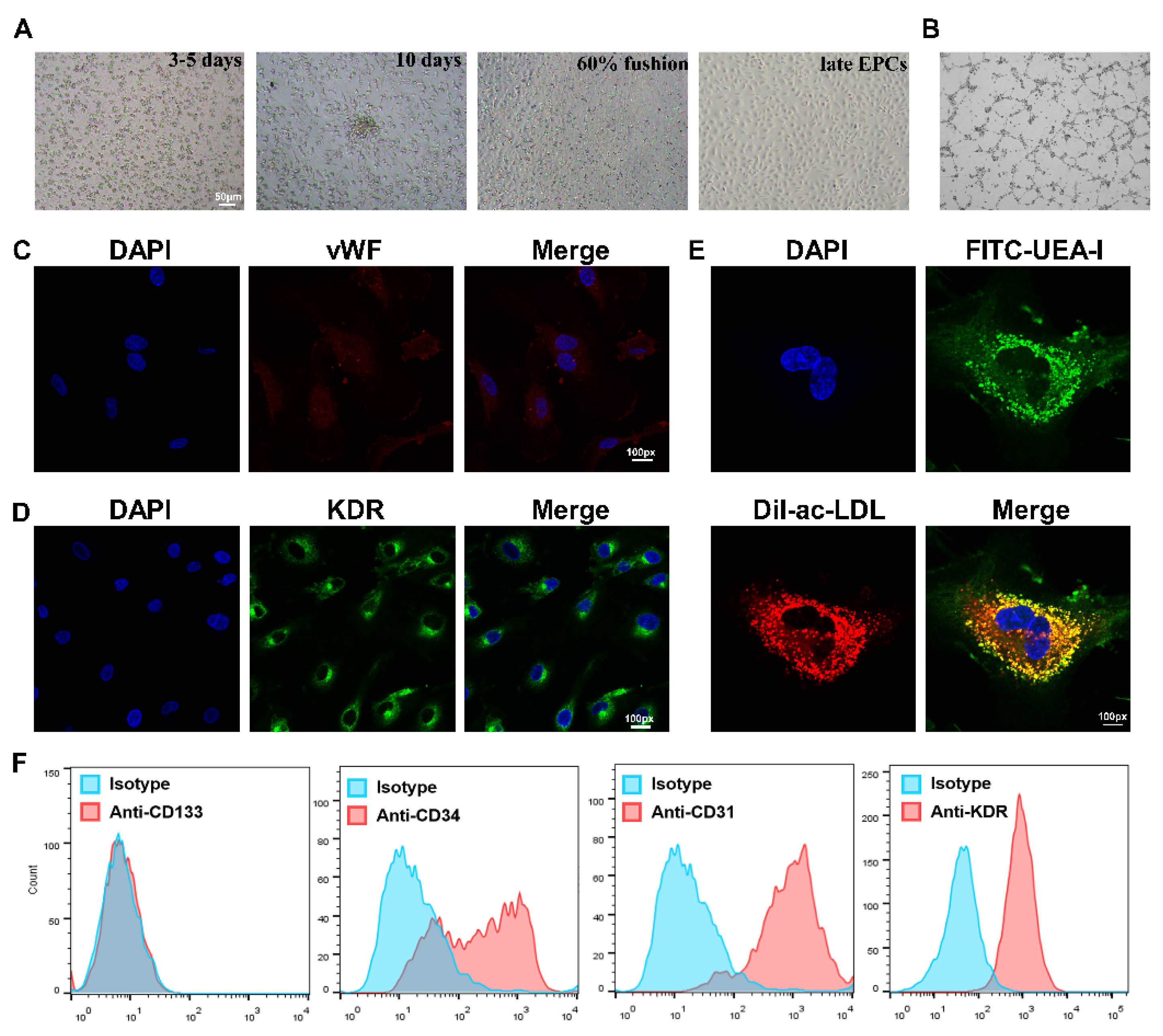
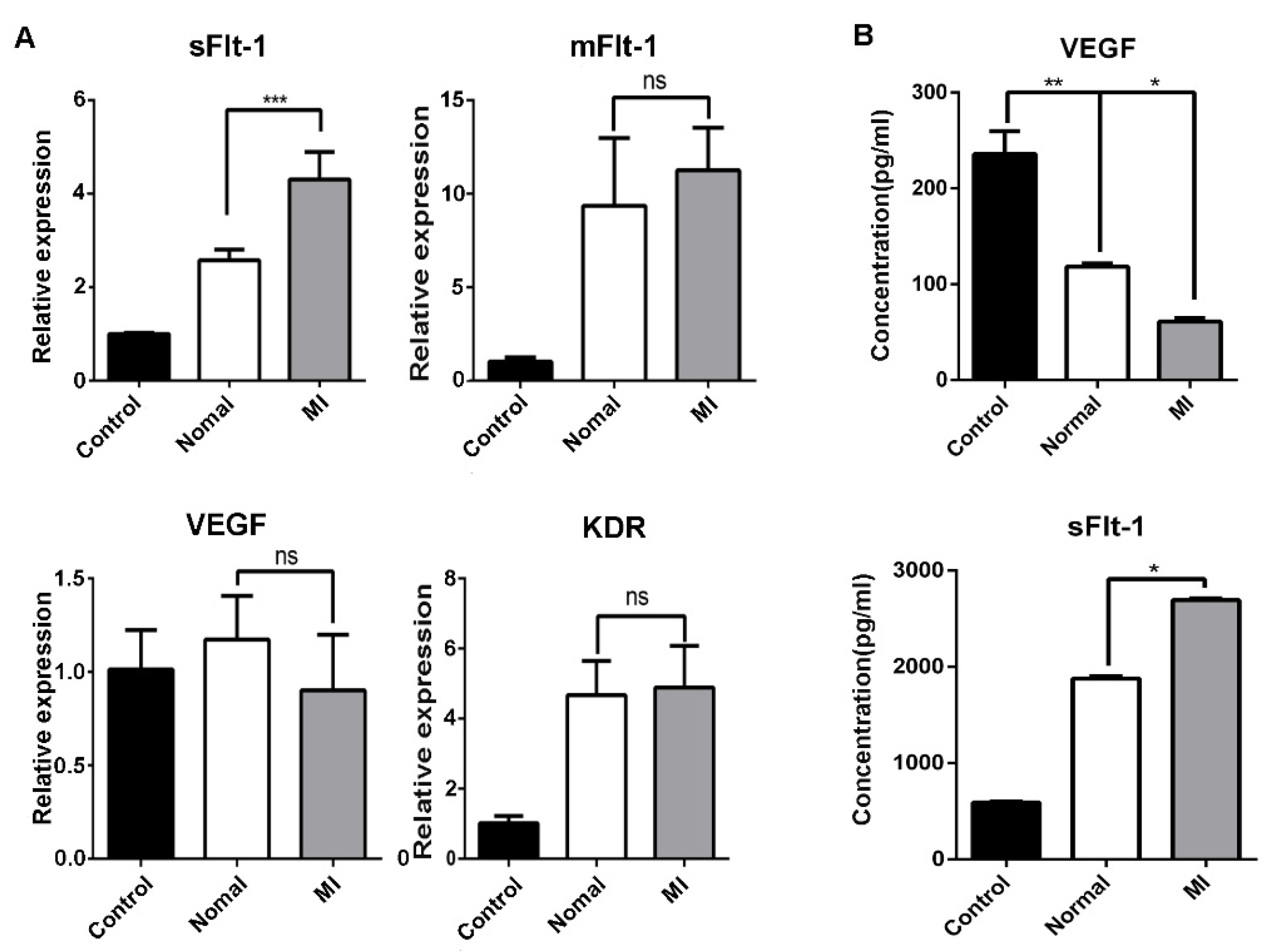
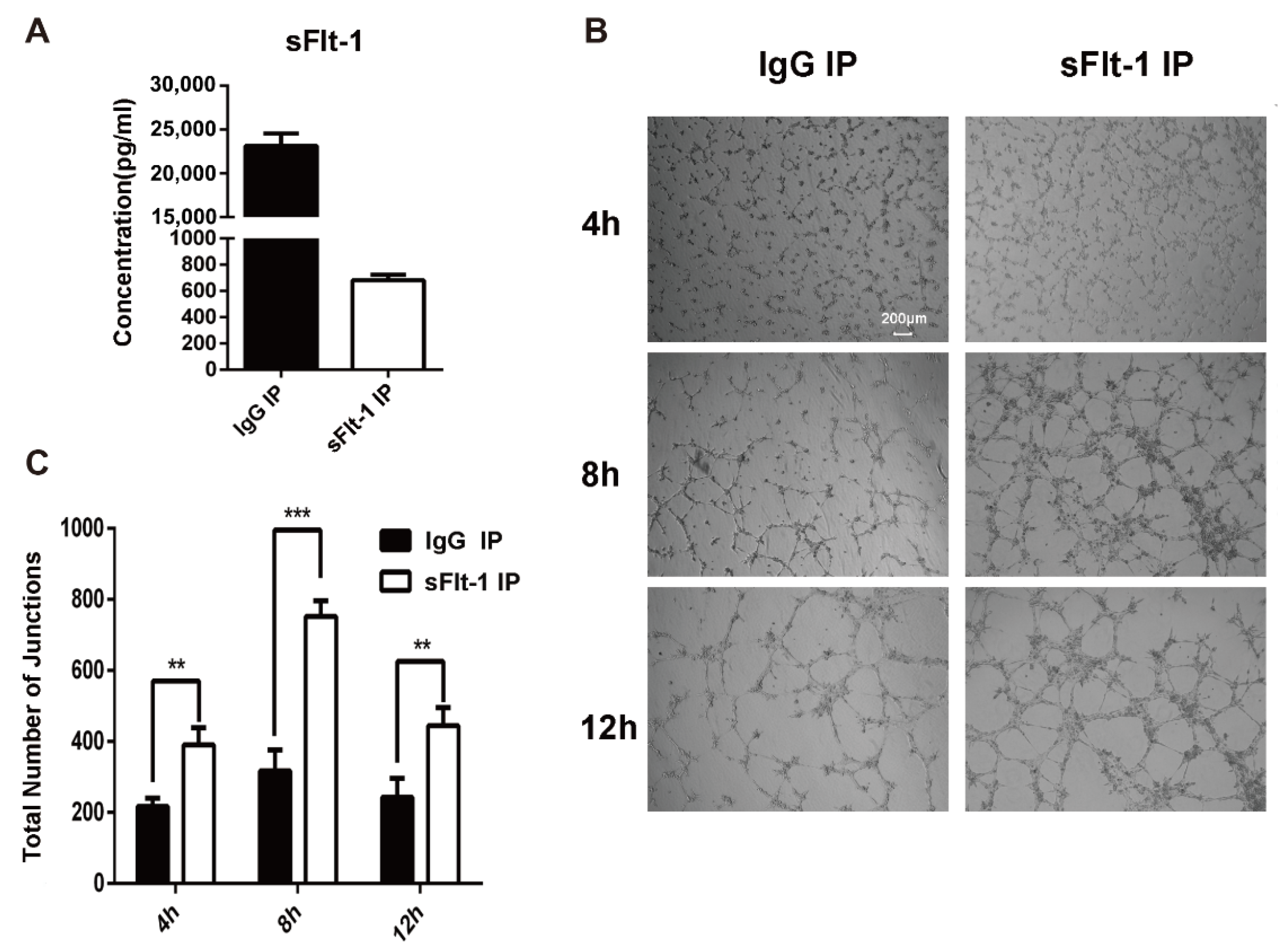
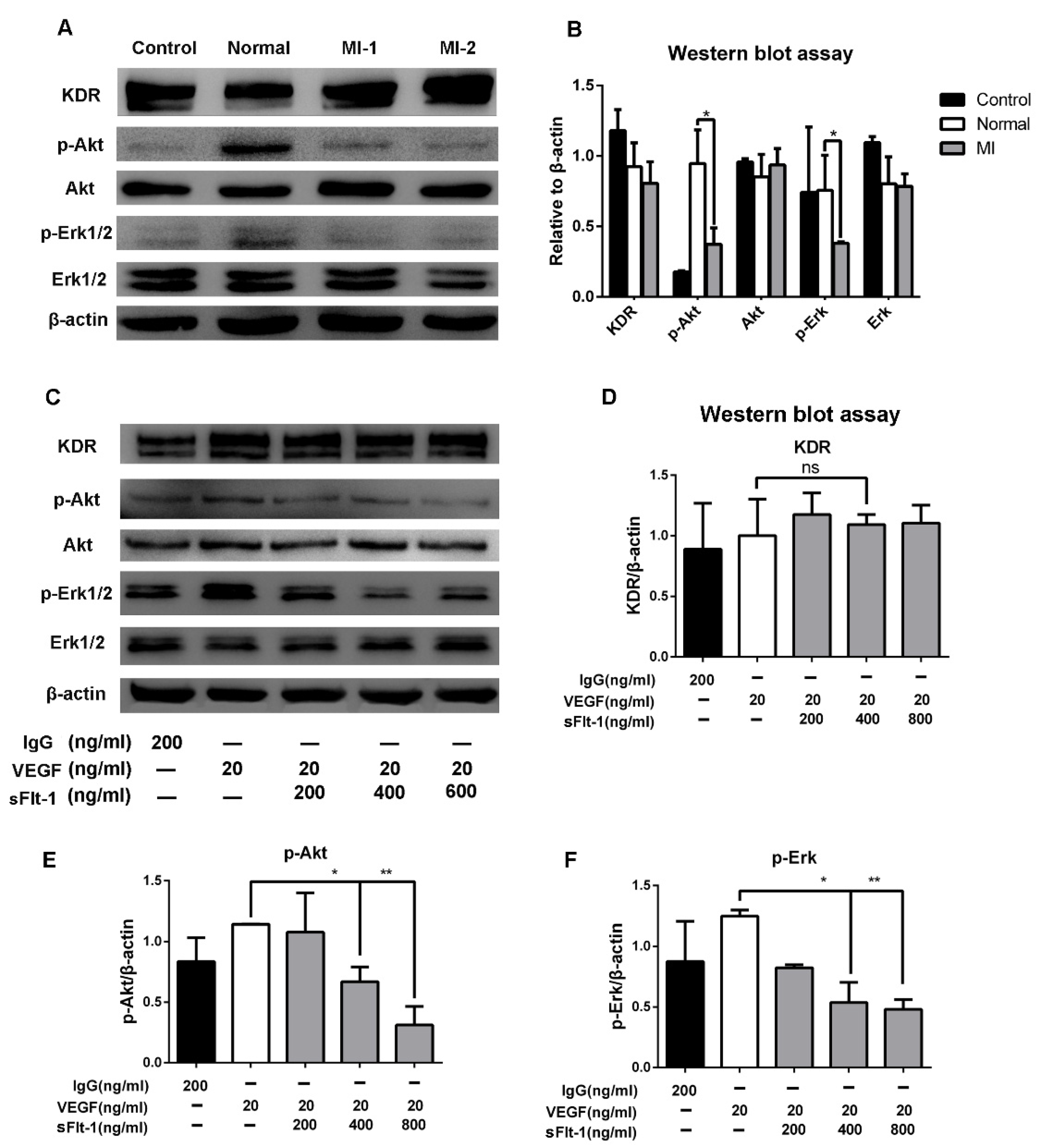
In acute myocardial infarction (AMI), endothelial progenitor cells (EPCs) are essential for the recovery of collateral circulation via angiogenesis. Clinical research has shown that the poor prognosis of the patients with AMI is closely associated with the cell quantity and function of EPCs. Whether there are differences in the biological features of EPCs from AMI patients and healthy subjects is worth exploring. In this study, EPCs were isolated from human peripheral blood and identified as late-stage EPCs by flow cytometry, immunofluorescence, and blood vessel formation assay. Compared to healthy subjects, AMI patients had more EPCs in the peripheral blood compared to healthy subjects. In addition, EPCs from AMI patients exhibited higher migration ability in the transwell assay compared to EPCs from healthy subjects. However, no difference in the angiogenesis of EPCs was observed between AMI patients and healthy subjects. Further studies revealed that soluble vascular endothelial growth factor receptor 1 (sFlt-1) in the serum of AMI patients was involved in the inhibition of EPCs angiogenesis by suppressing the Akt and Erk pathways. In conclusion, this study demonstrated that elevated serum sFlt-1 inhibits angiogenesis of EPC in AMI patients. Our findings uncover a pathogenic role of sFlt-1 in AMI.