Blockade of Cellular Energy Metabolism through 6-Aminonicotinamide Reduces Proliferation of Non-Small Lung Cancer Cells by Inducing Endoplasmic Reticulum Stress



1
Department of Biotechnology, College of Engineering, University of Suwon, Hwaseong 18323, Korea
2
Department of Electrical and Biological Physics, Plasma Bioscience Research Center & Applied Plasma Medicine Center, Kwangwoon University, Seoul 01897, Korea
*
Author to whom correspondence should be addressed.
†
These authors equally contributed in this work.
Biology 2021, 10(11), 1088; https://doi.org/10.3390/biology10111088
Submission received: 26 September 2021
/
Revised: 19 October 2021
/
Accepted: 19 October 2021
/
Published: 22 October 2021
Simple Summary
Metabolism targeting for cancer treatment is currently under research in an effort to classify molecules that may block major metabolic steps accompanying cancer development and malignant growth. The approach is to compromise or entirely inhibit the increased metabolic pathways in cancer cells by suppressing the enzymatic activity of the involved proteins. Targeting cancer metabolism unlocks the prospect of improving broadly appropriate drugs that can treat various cancer cell types and may facilitate an innovative class of anticancer molecules. Several analogs of metabolites are currently being tested as possible drug candidates for cancer metabolism. Determining the effect of these metabolites on lung cancer offers the potential for a new class of therapeutic agents for cancer treatment. Thus, the efficient use of metabolic inhibitors could be a clinically promising therapeutic scheme.
Abstract
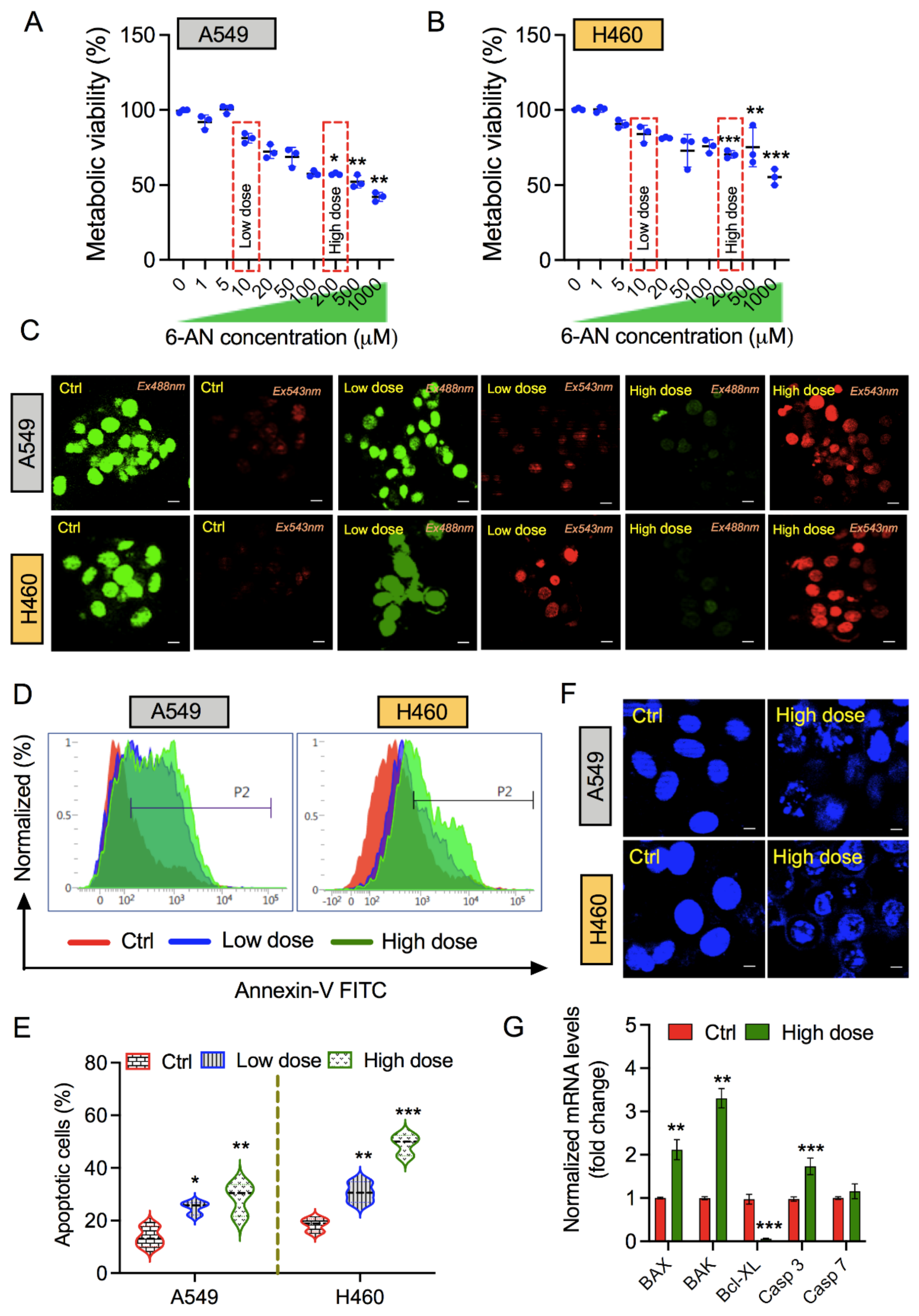
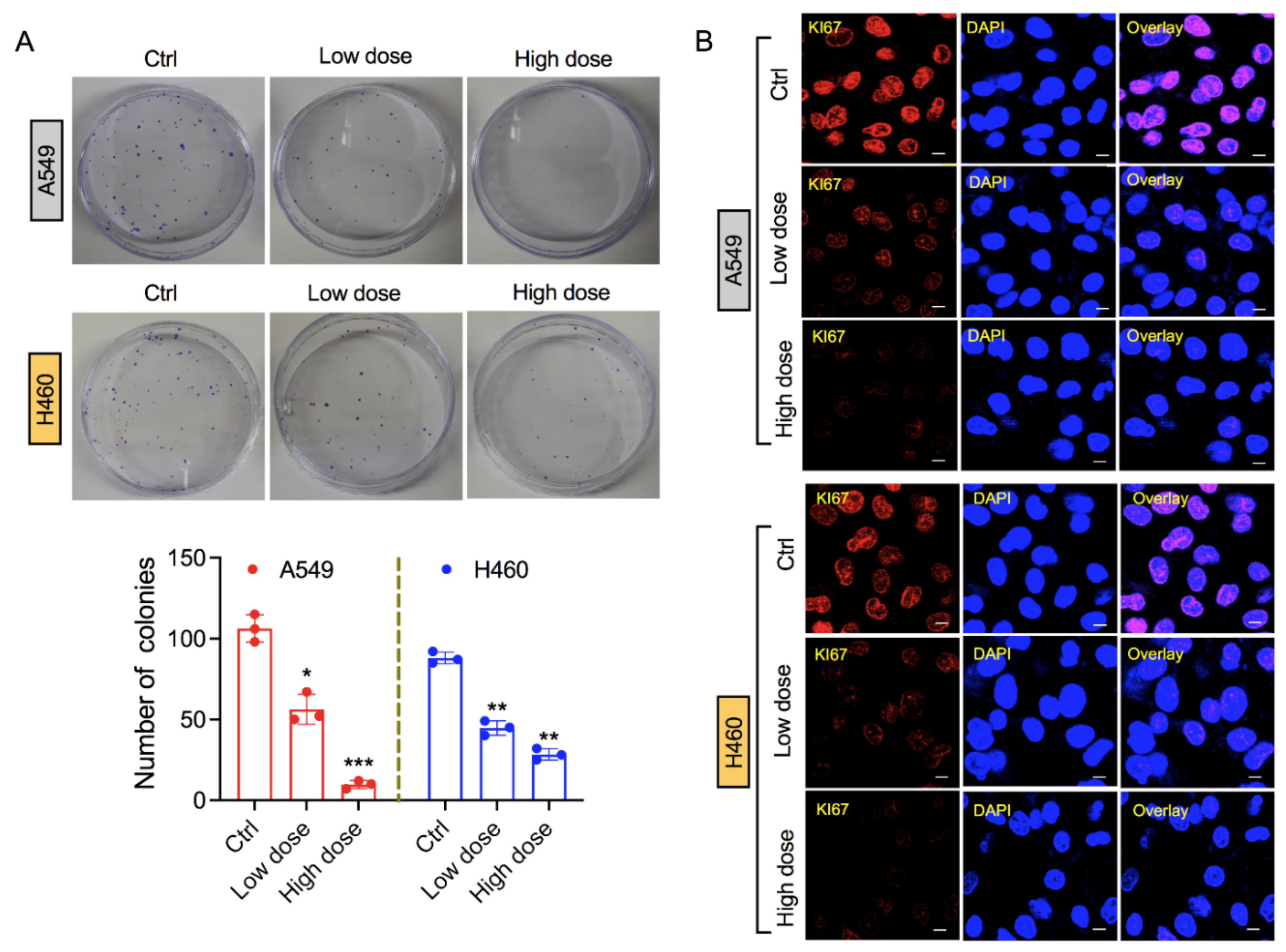
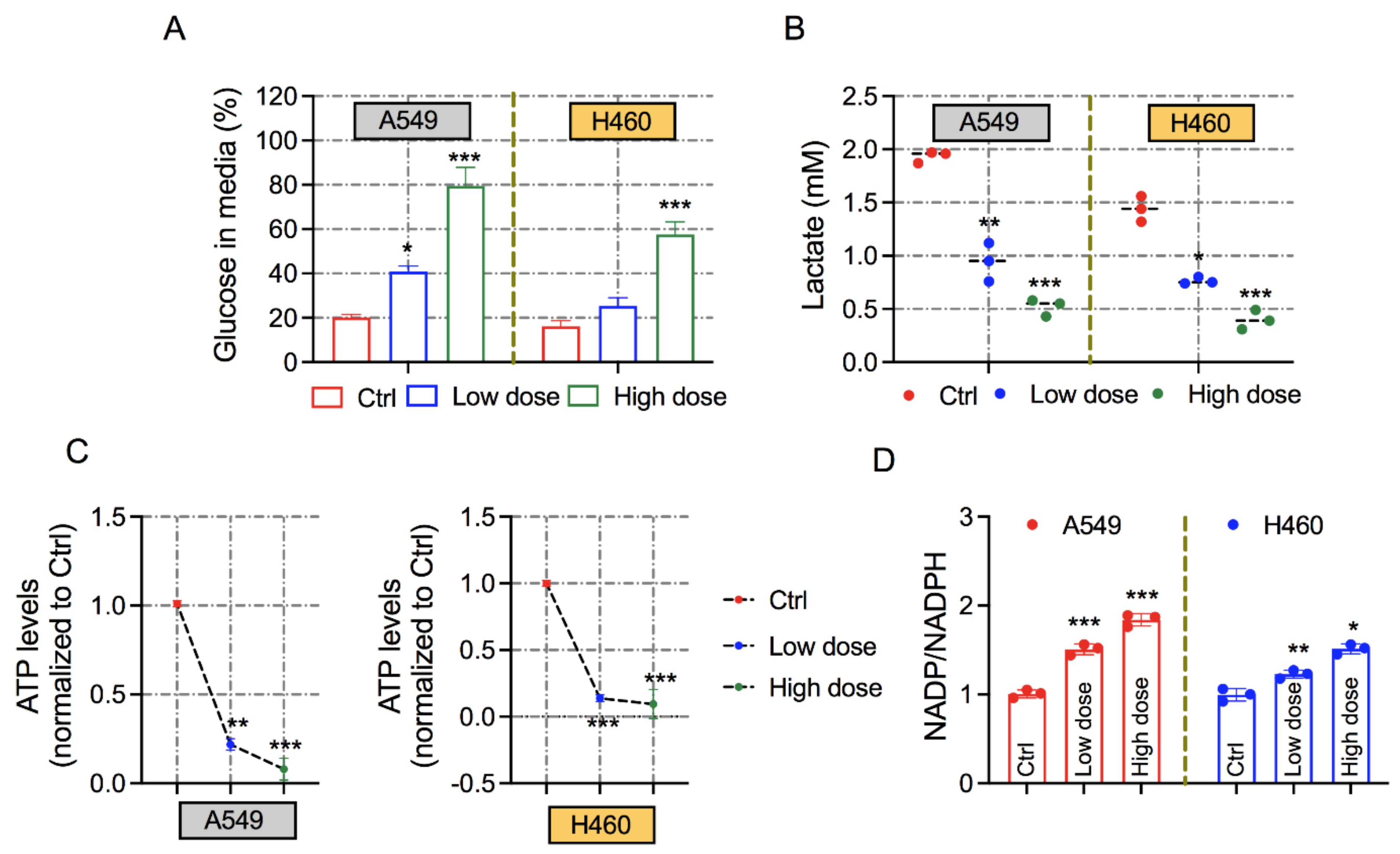
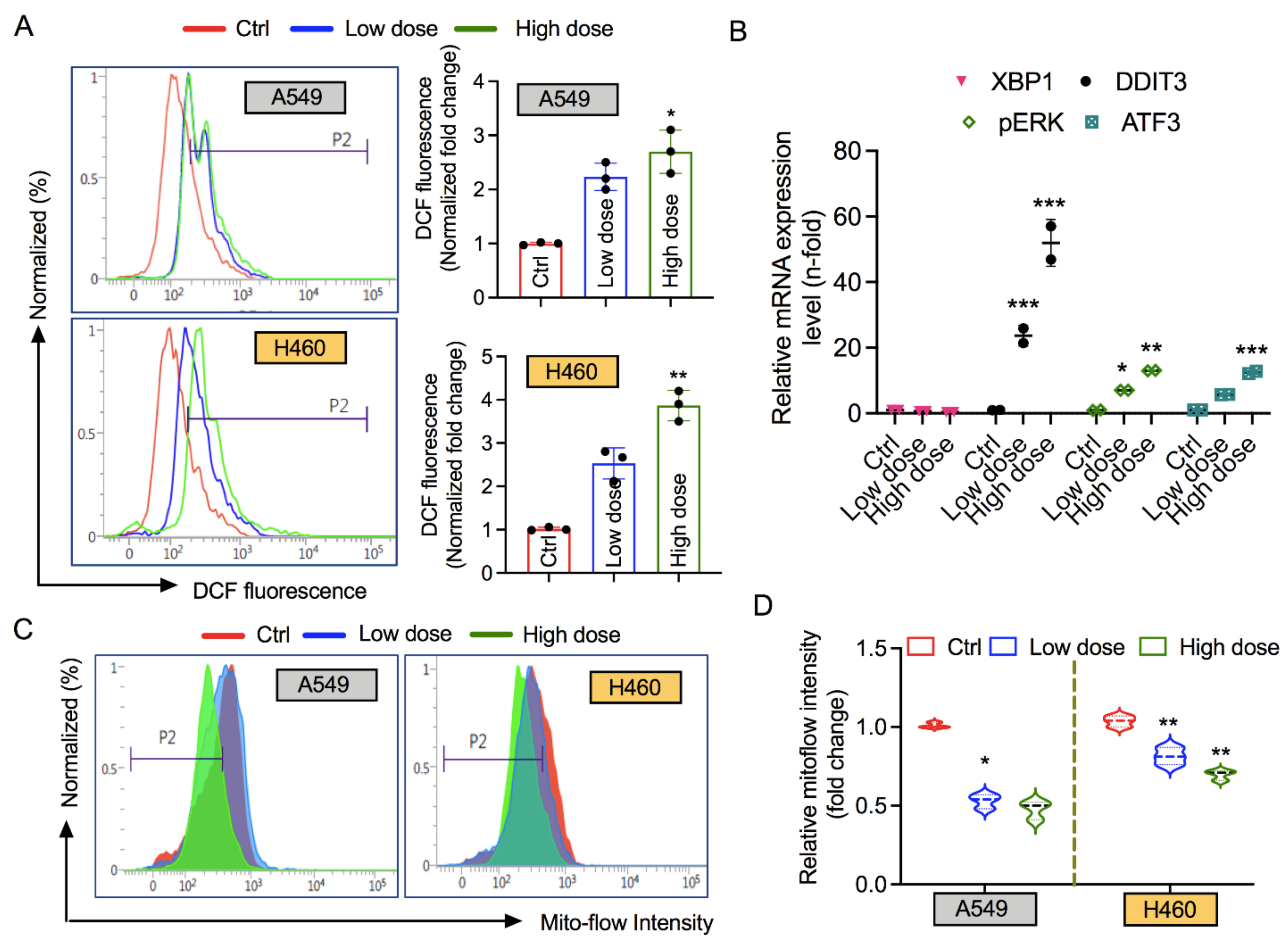
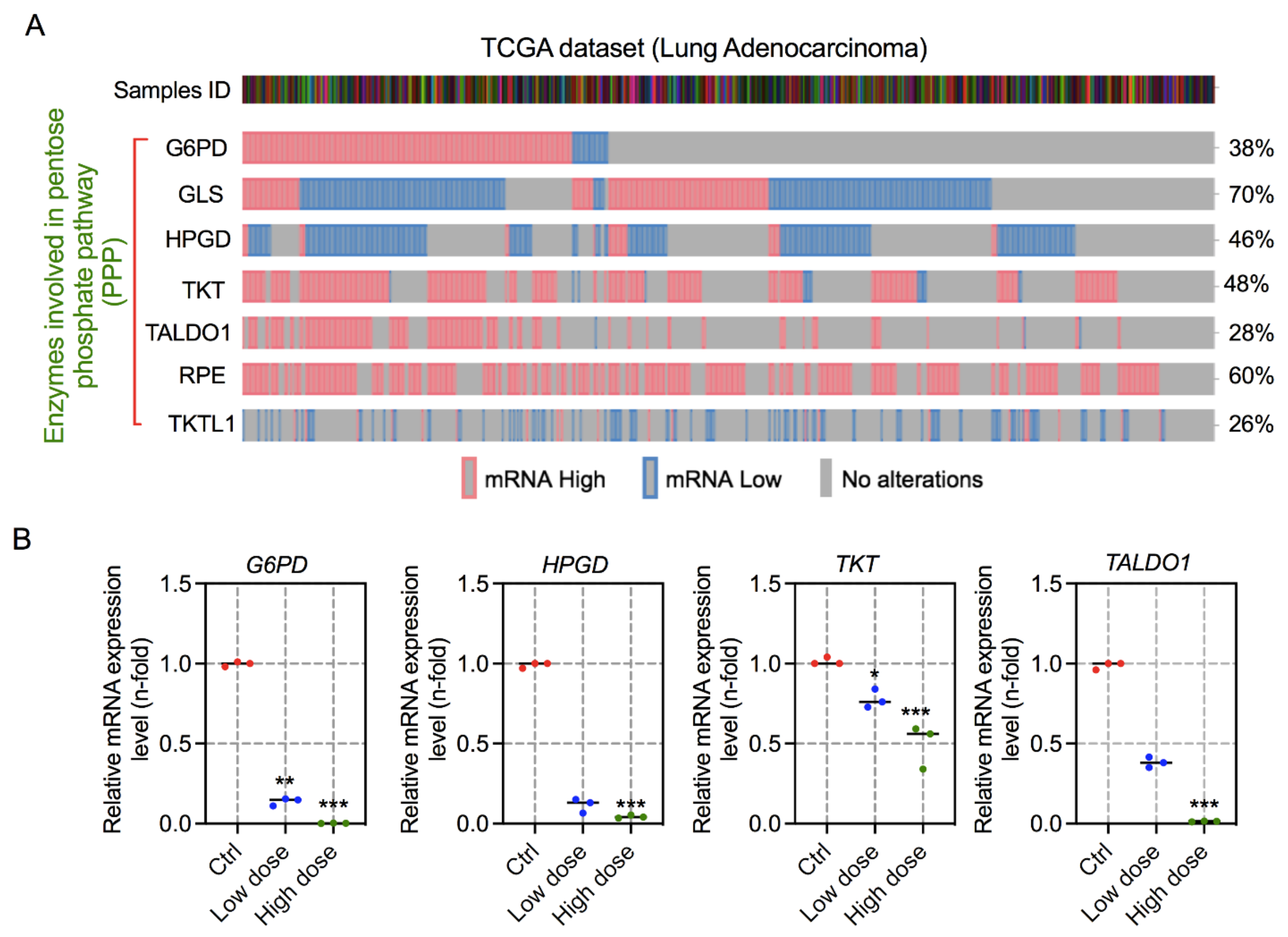
The pentose phosphate pathway (PPP) is the most common pathway in most cancer cells and stimulates antioxidant defense mechanisms and synthesis of biomolecule precursors. It is believed that cancer cells persistently ameliorate glucose flux into the PPP to maintain their anabolic requirements and adjust oxidative stress. TCGA analyses have indicated the upregulation of enzymes involved in PPP in lung cancer. Hence, the present study aimed to determine whether the pharmacological blockade of glucose 6-phosphate dehydrogenase (G6PD), the primary and rate-limiting enzyme involved in PPP, using 6-aminonicotinamide (6-AN), could induce antiproliferative activity in two lung cancer cell lines. Exposure to 6-AN suppressed lactate production and glucose consumption, modified the mitochondrial potential and redox balance, and thereby induced the endoplasmic reticulum (ER) stress to reduce lung cancer cell proliferation and govern cellular apoptosis. Collectively, this is the first study in which PPP blockade by 6-AN causes reactive oxygen species (ROS)-mediated apoptosis by ER stress in lung cancer cells. Further preclinical studies will be conducted to validate the biological applicability of these findings.