Article

Repairing of One-Way Solid Slab Exposed to Thermal Shock Using CFRP: Experimental and Analytical Study


by
Mousa Shhabat
1,
Ahmed Ashteyat
2 and
Mu’tasim Abdel-Jaber
1,*
1
Faculty of Engineering, Department of Civil Engineering, The University of Jordan, Amman 11942, Jordan
2
Faculty of Engineering, Department of Civil Engineering, Prince Sattam Bin Abdulaziz University, Al-Kharj 11942, Saudi Arabia
*
Author to whom correspondence should be addressed.
Fibers 2024, 12(2), 18; https://doi.org/10.3390/fib12020018
Submission received: 29 October 2023 / Revised: 31 January 2024 / Accepted: 17 February 2024 / Published: 19 February 2024

Abstract

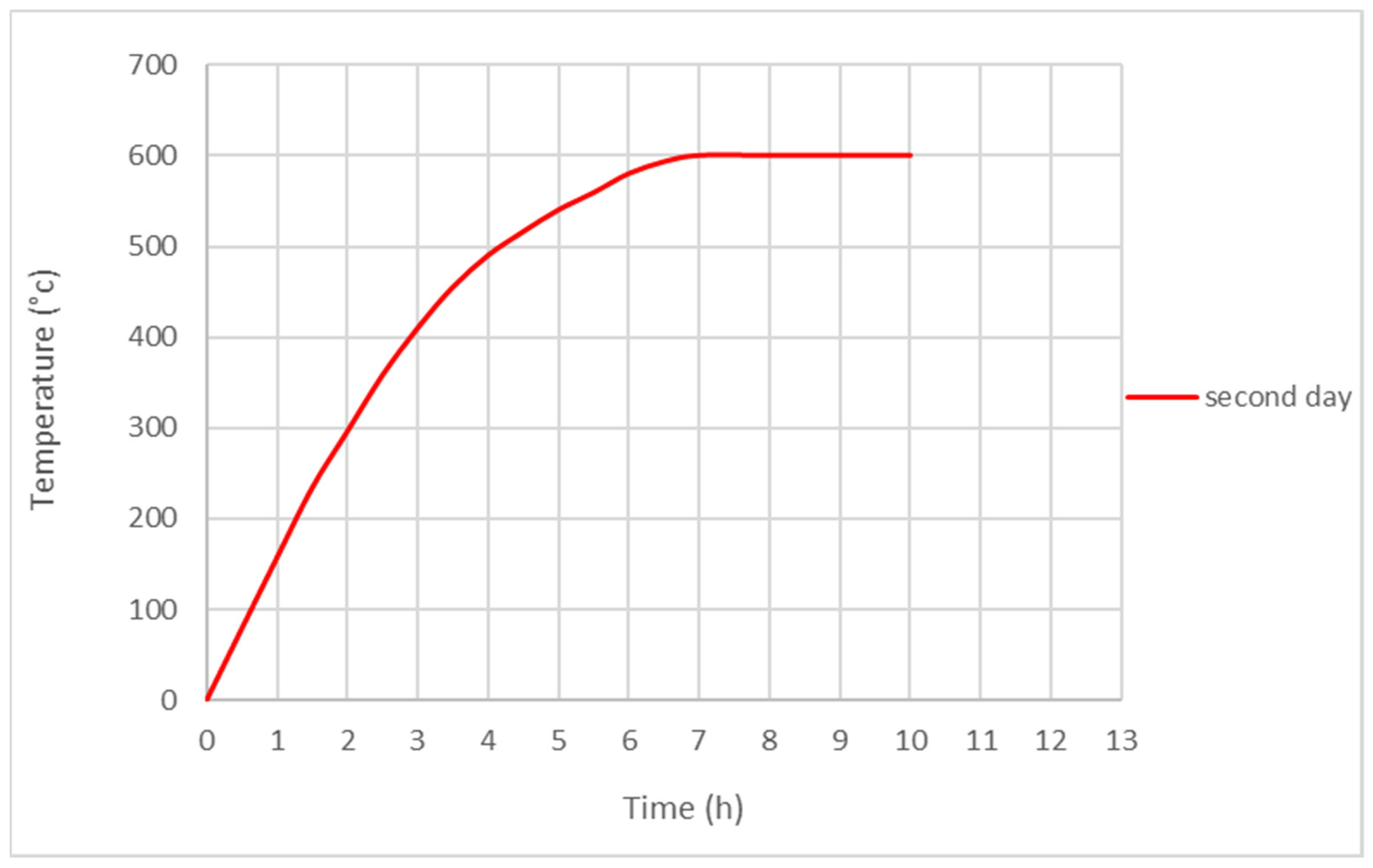
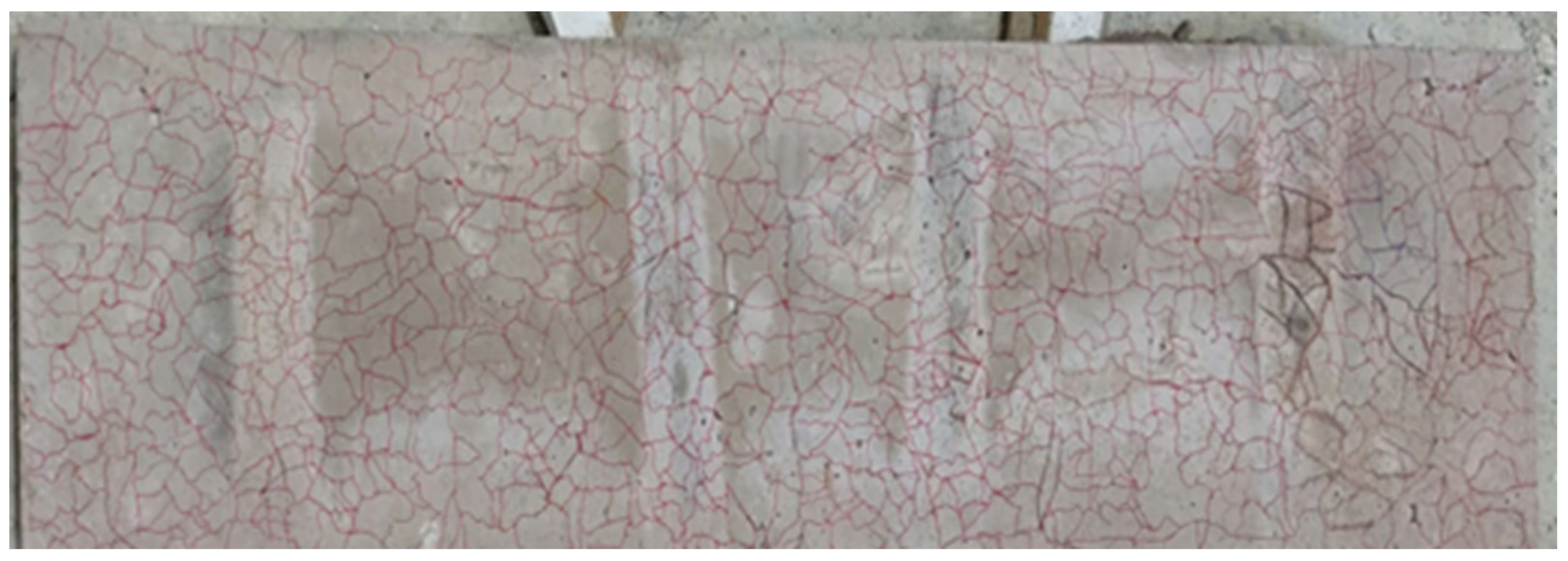
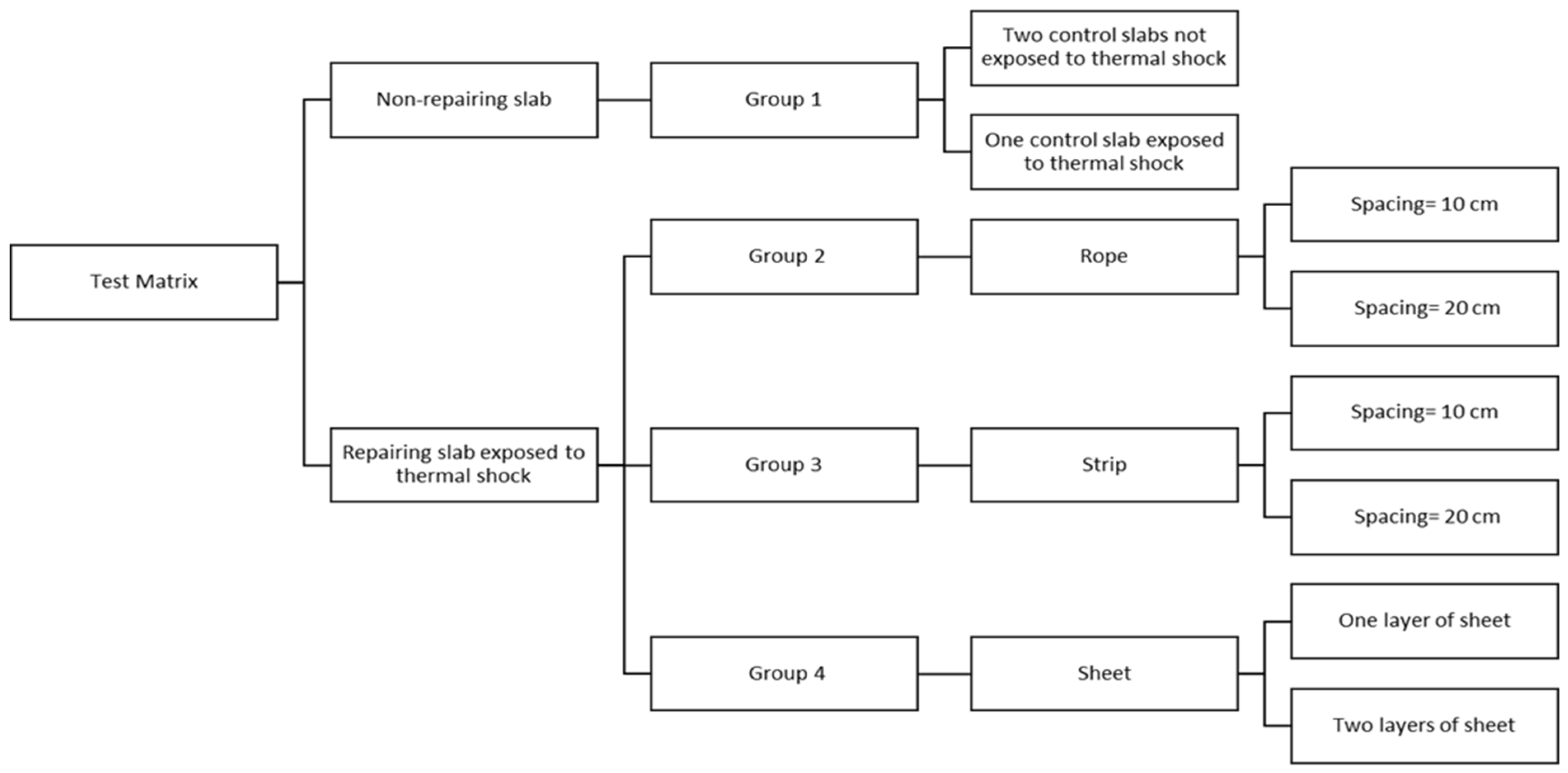
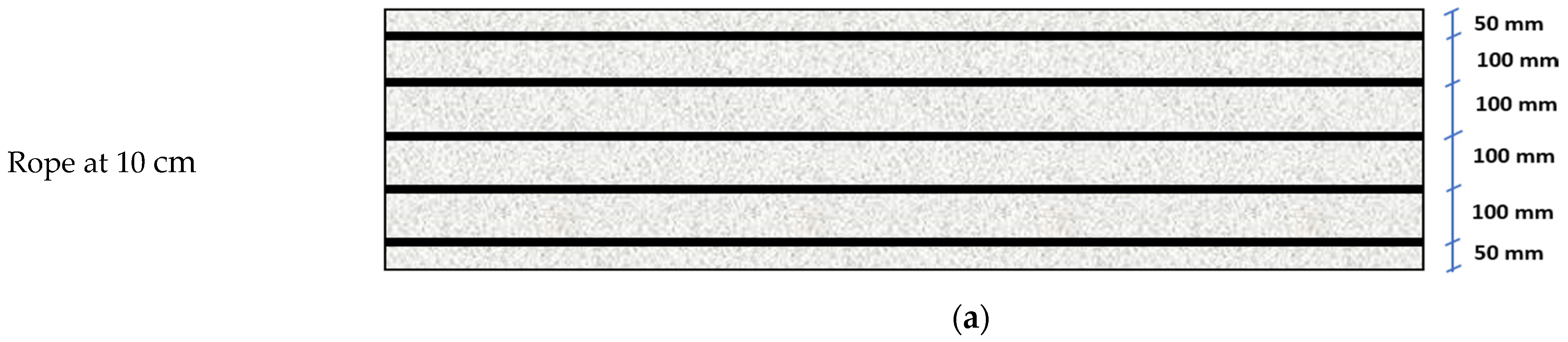
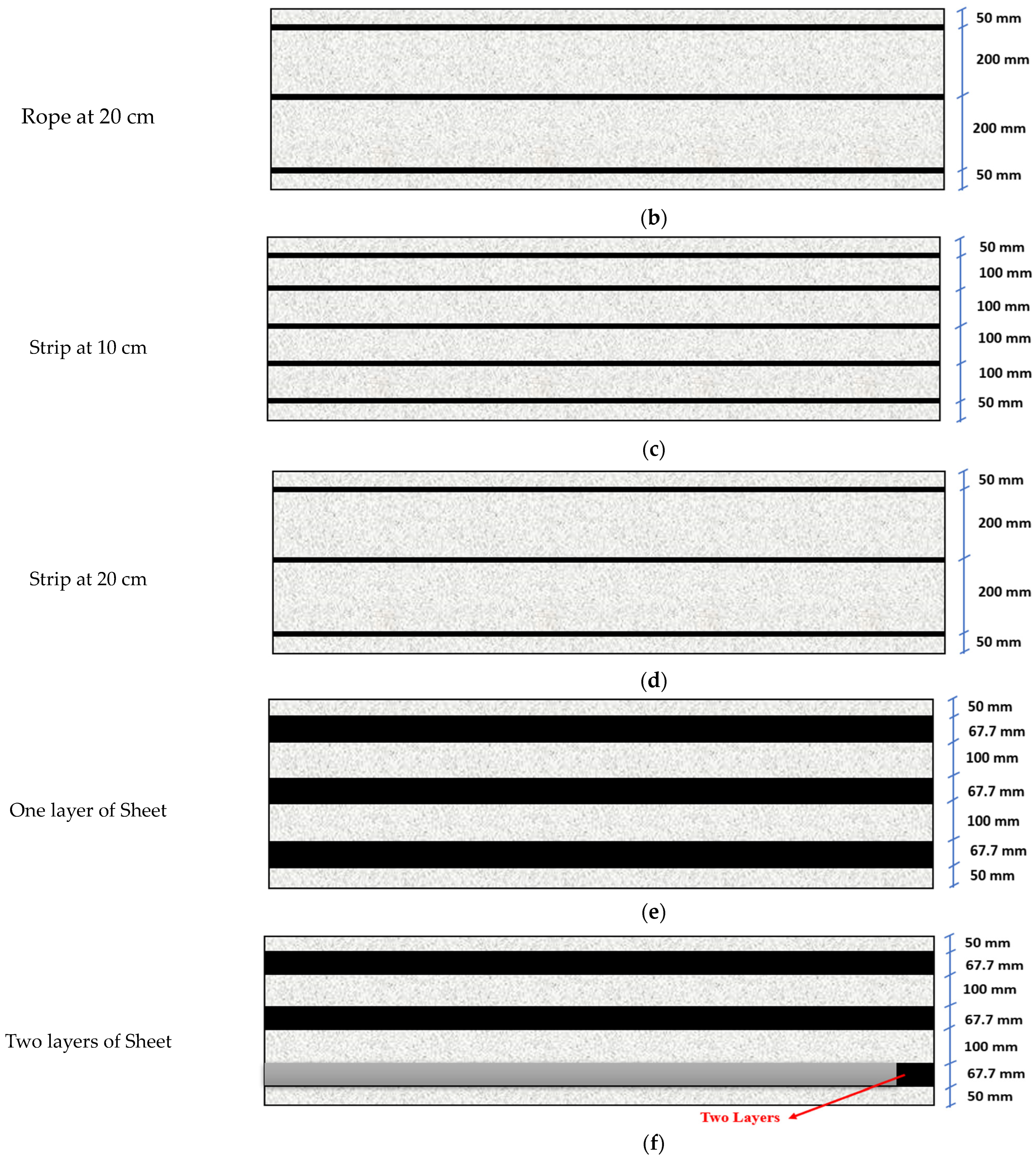
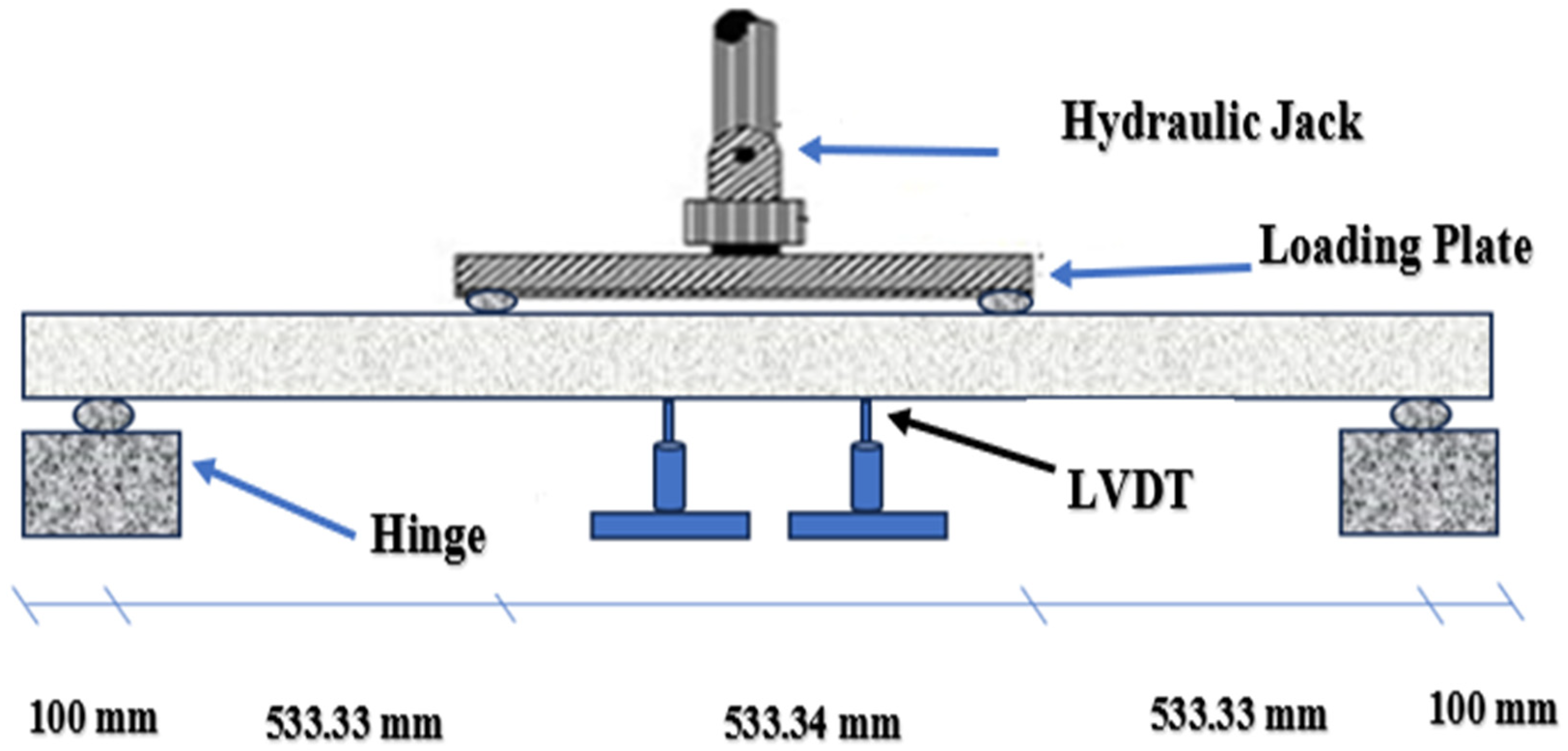
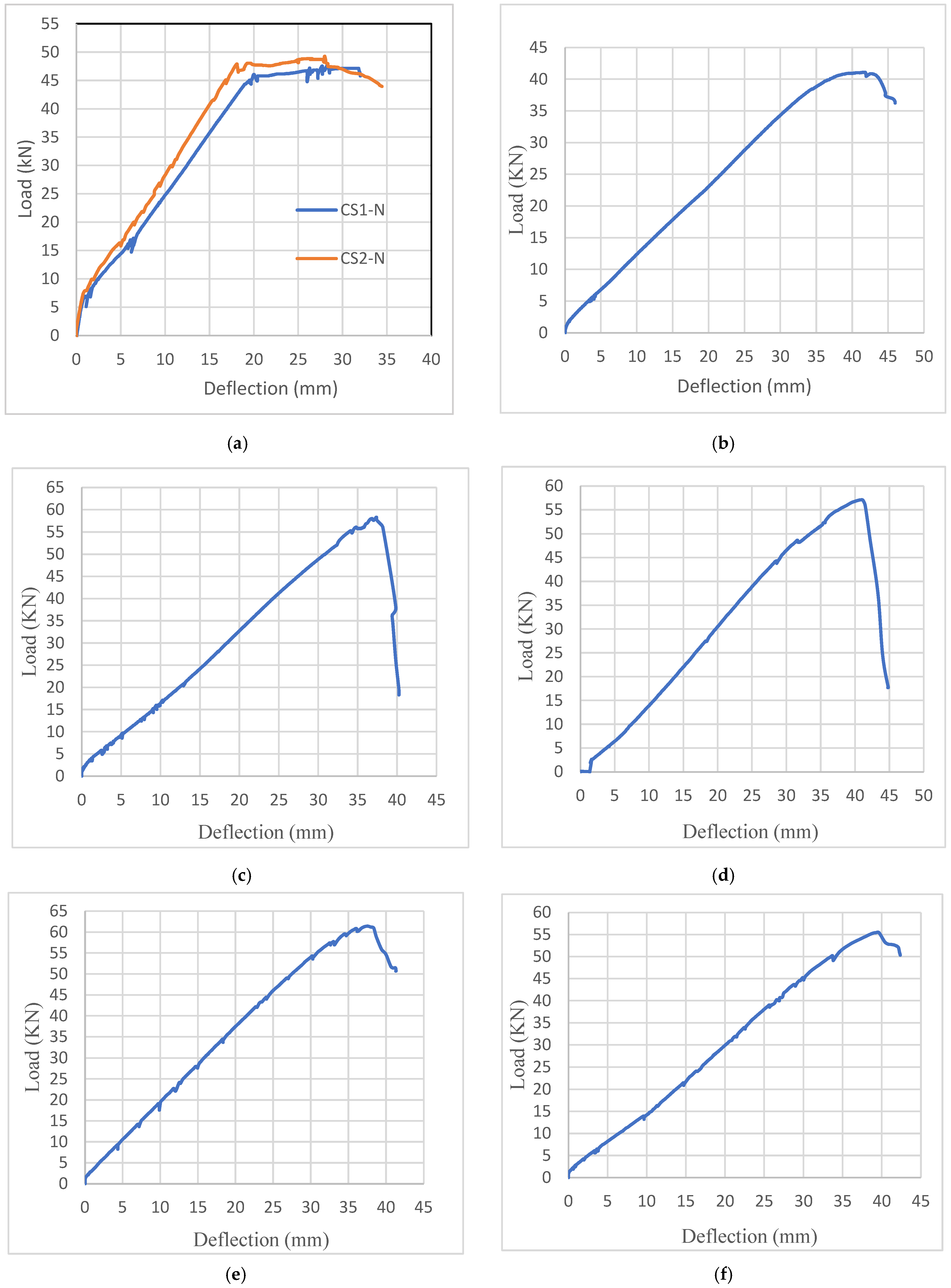
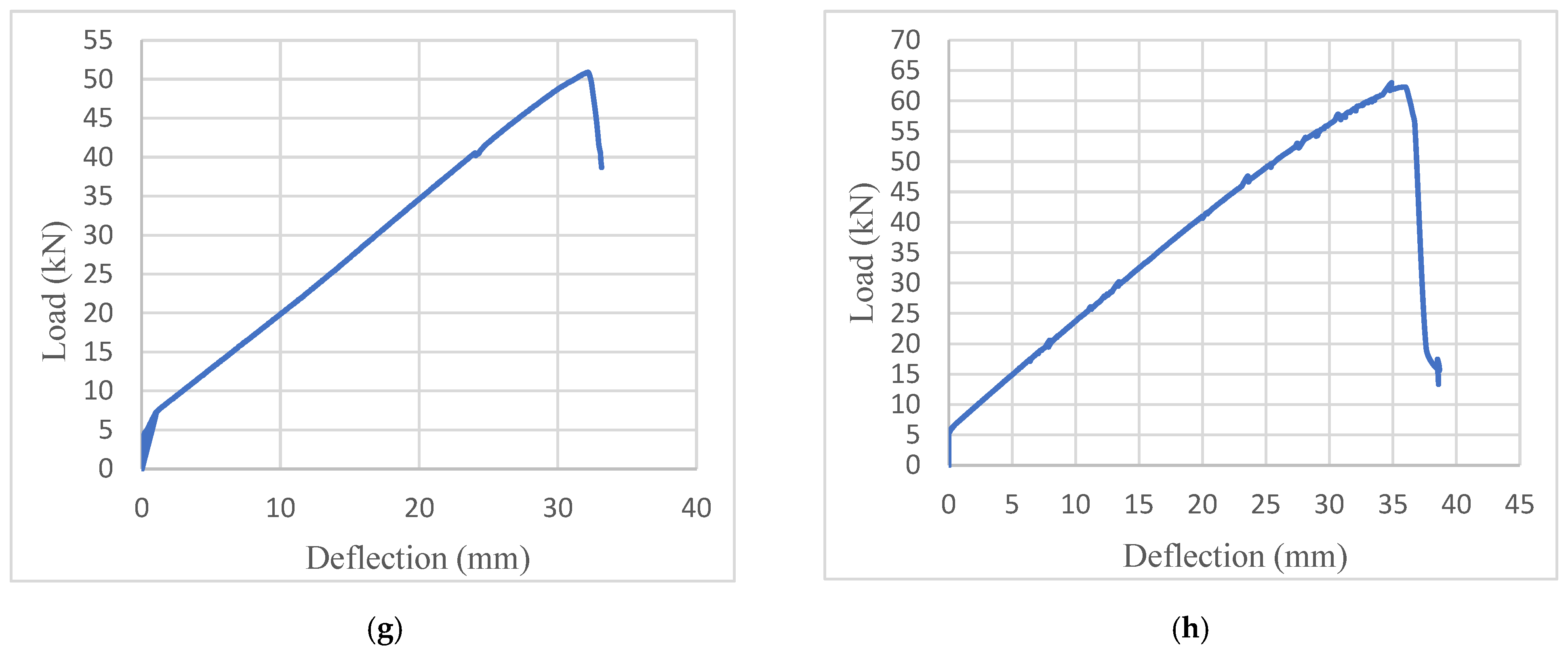
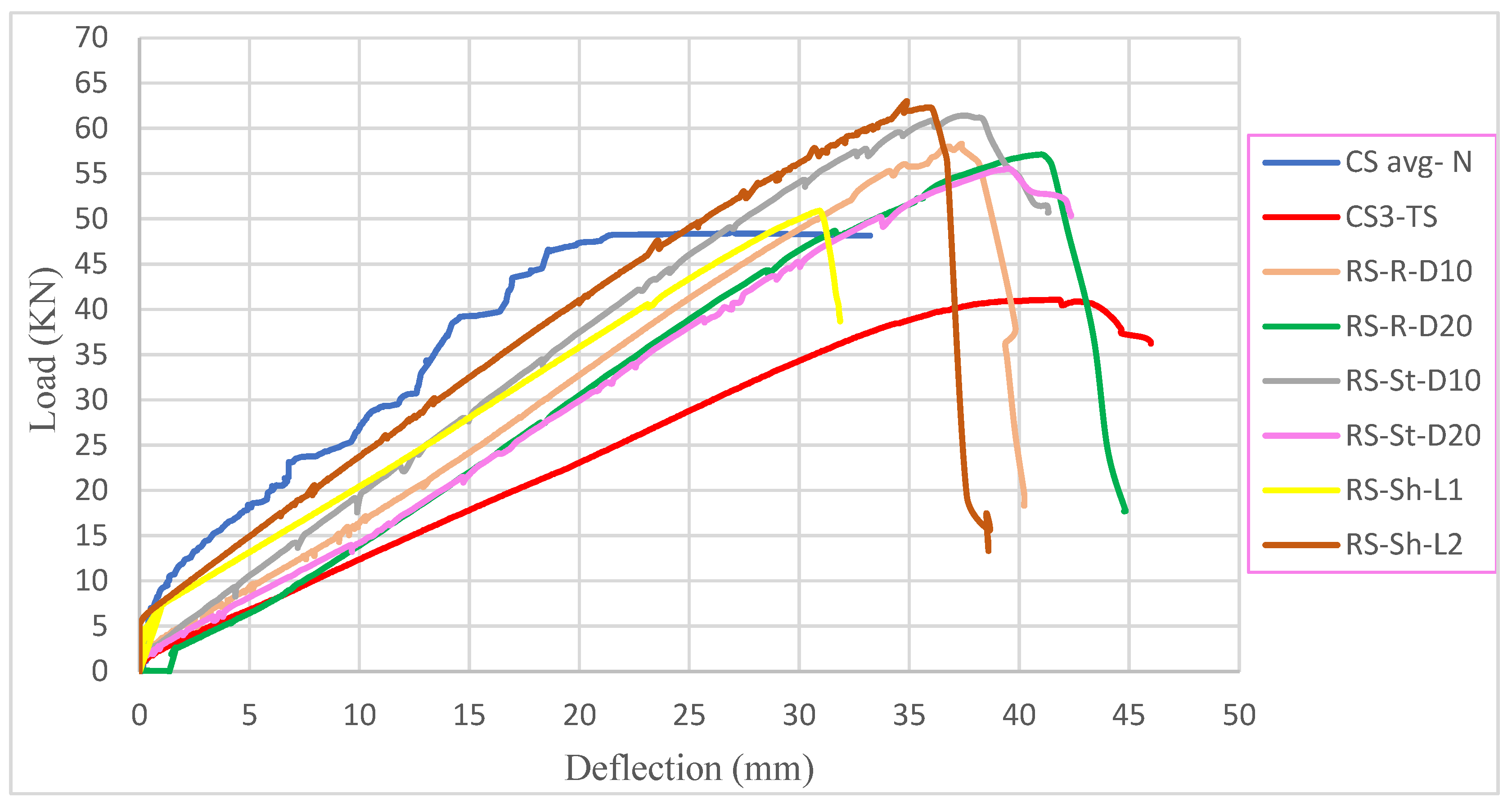
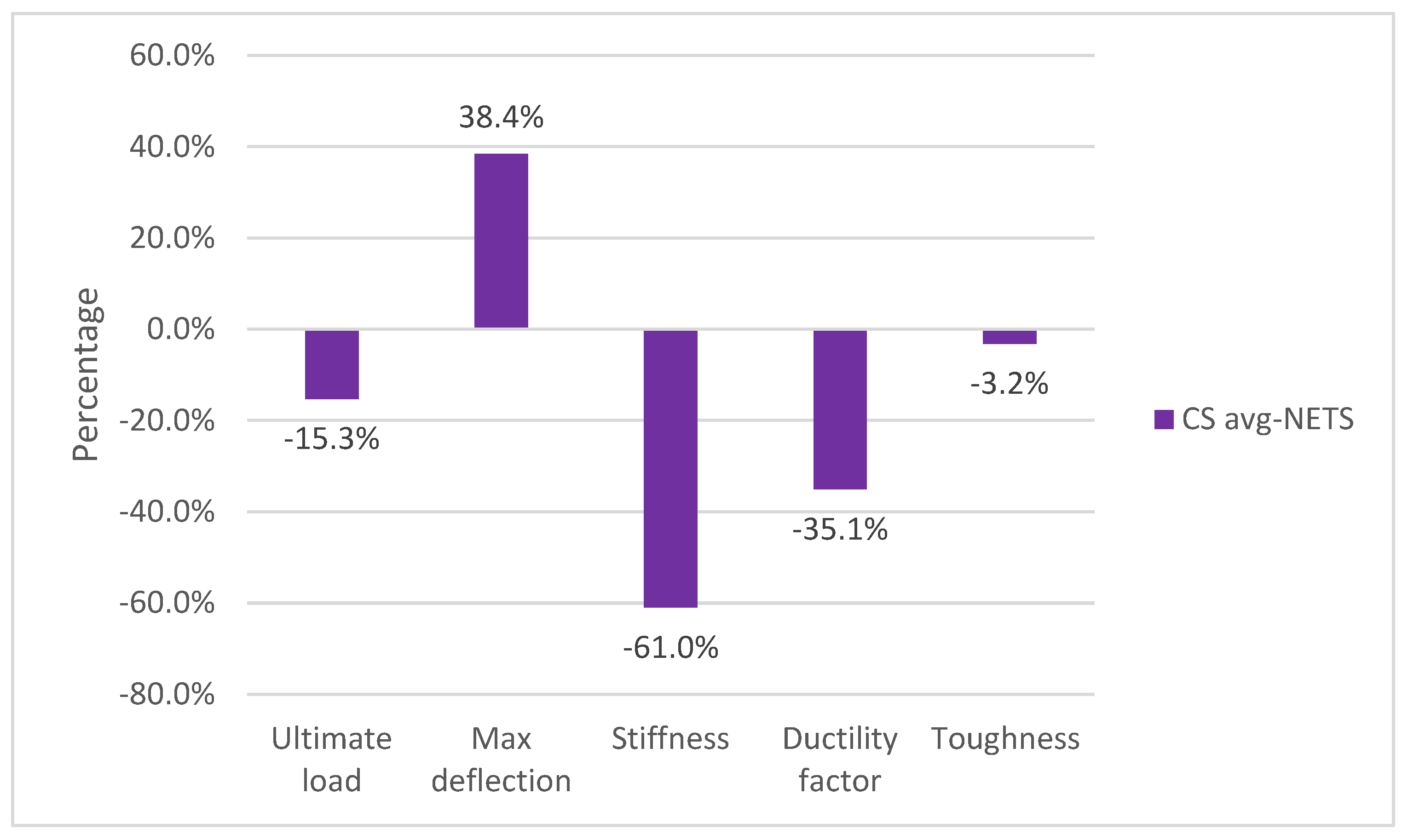
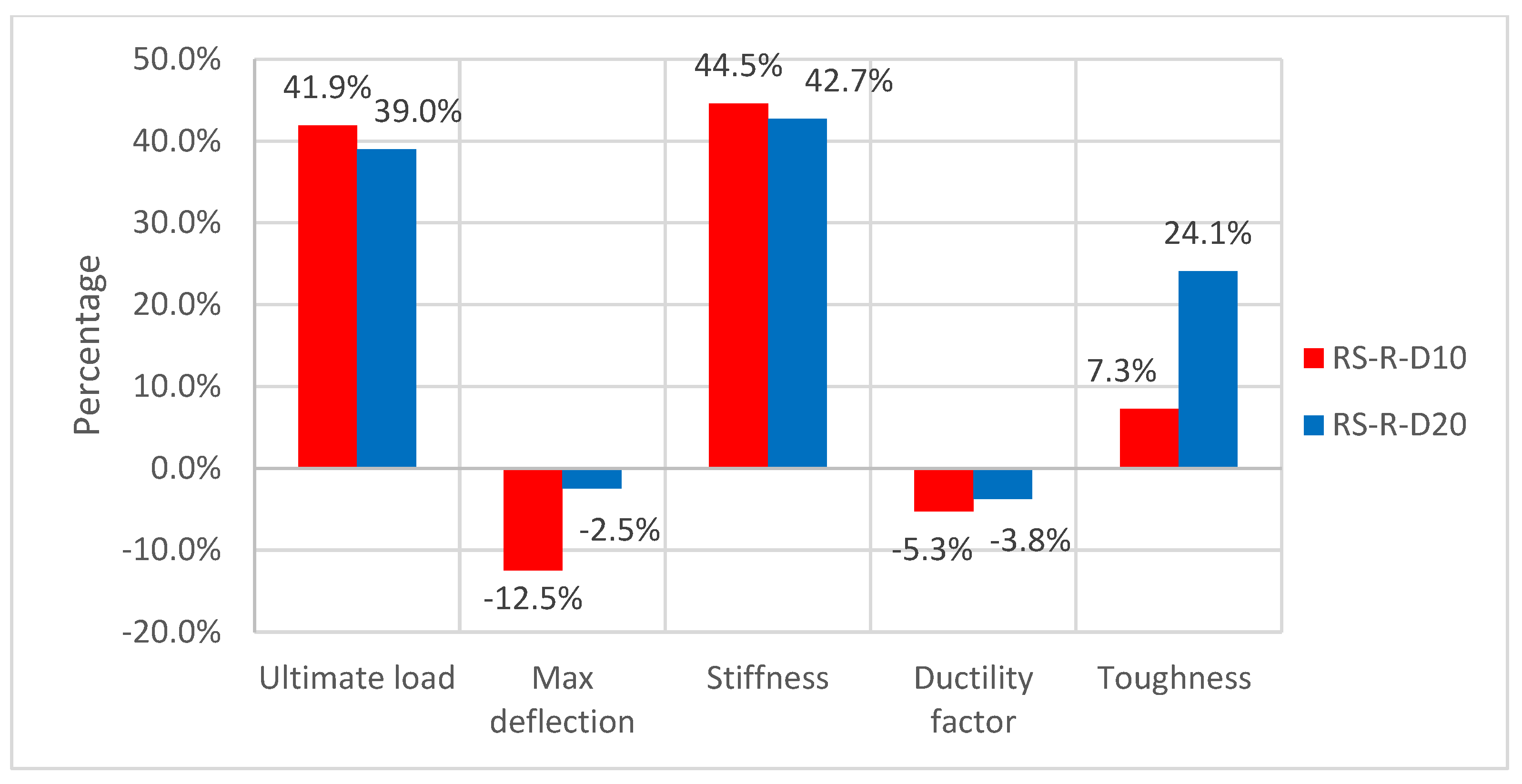
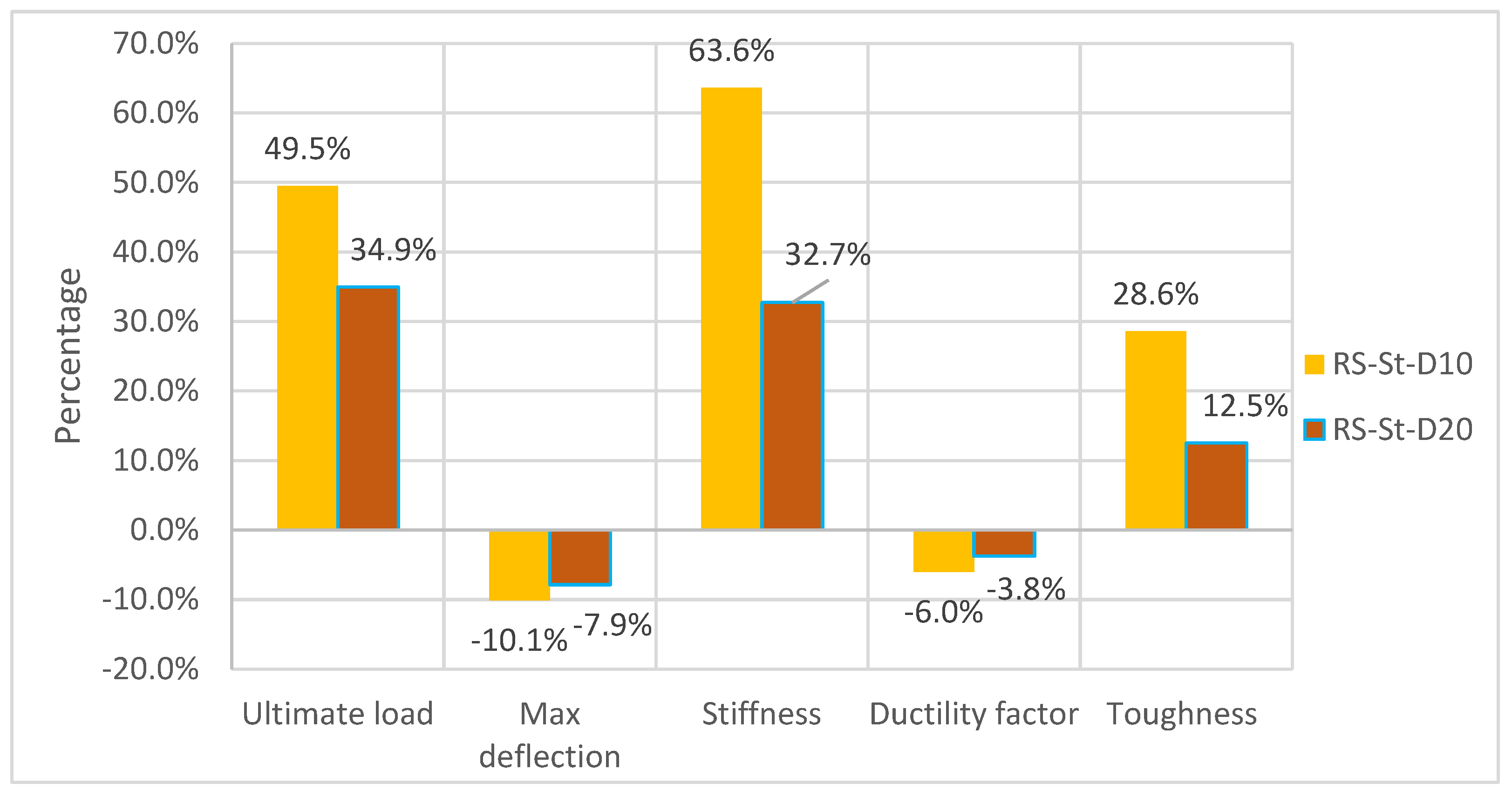
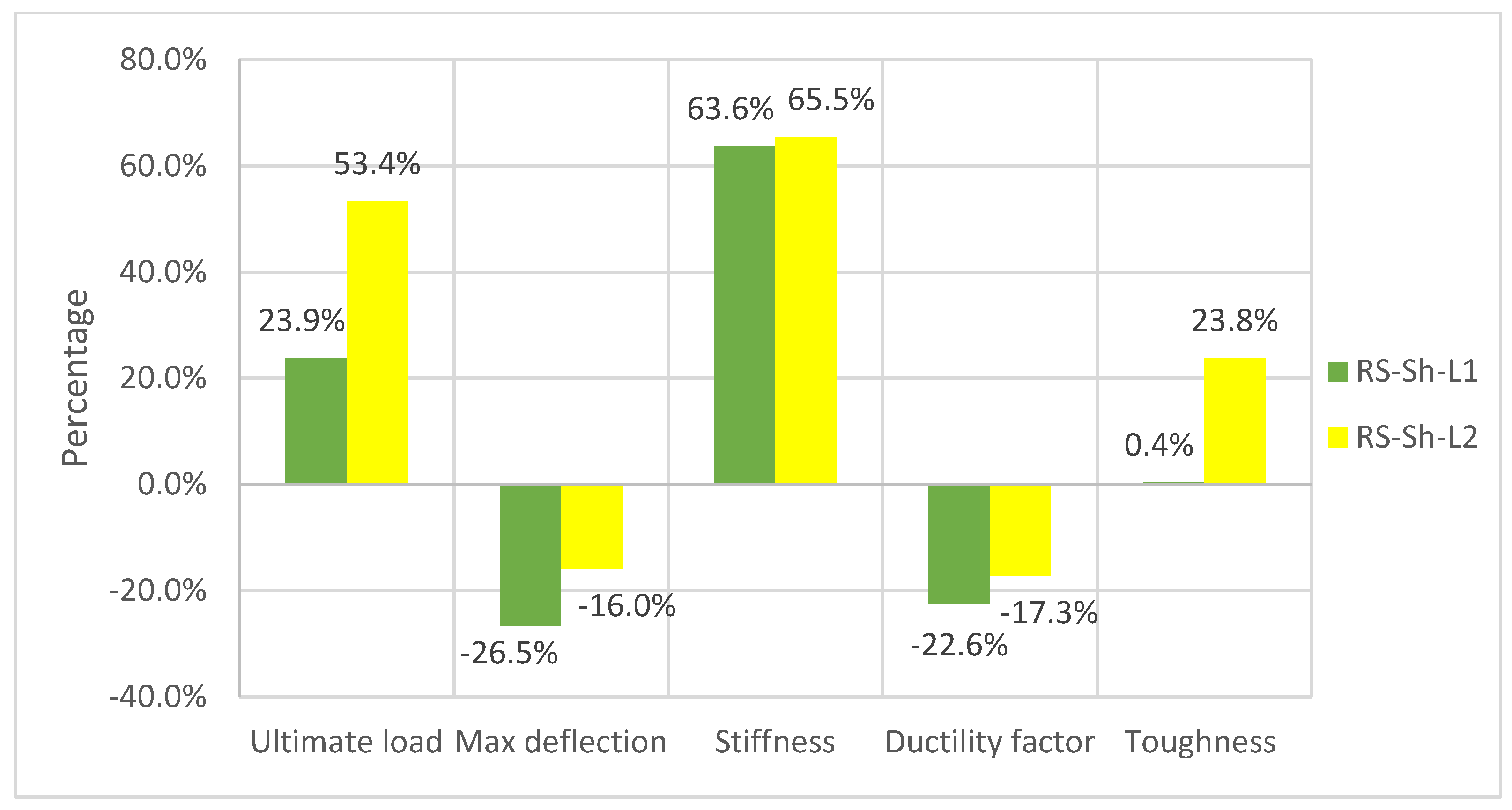
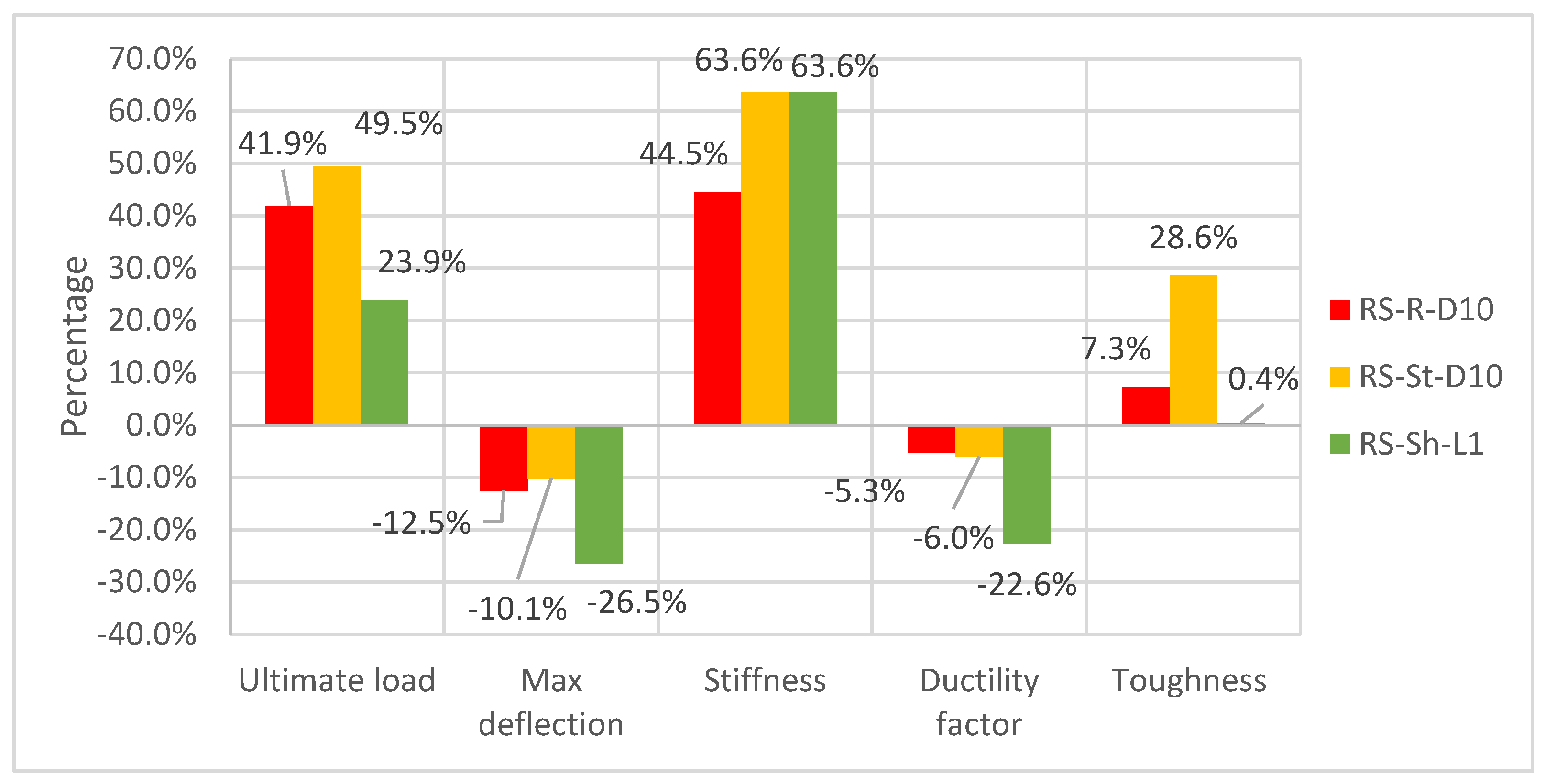
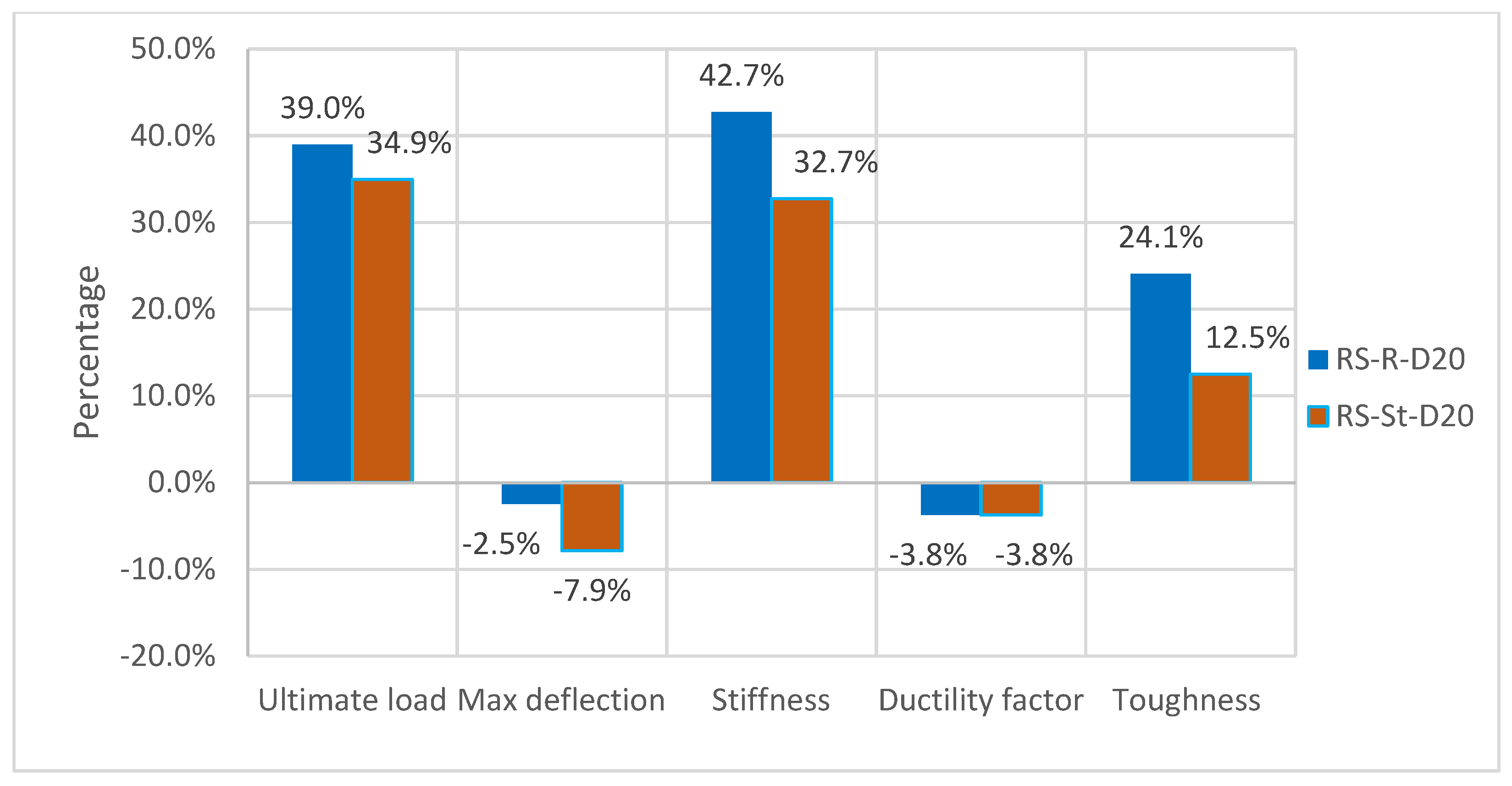
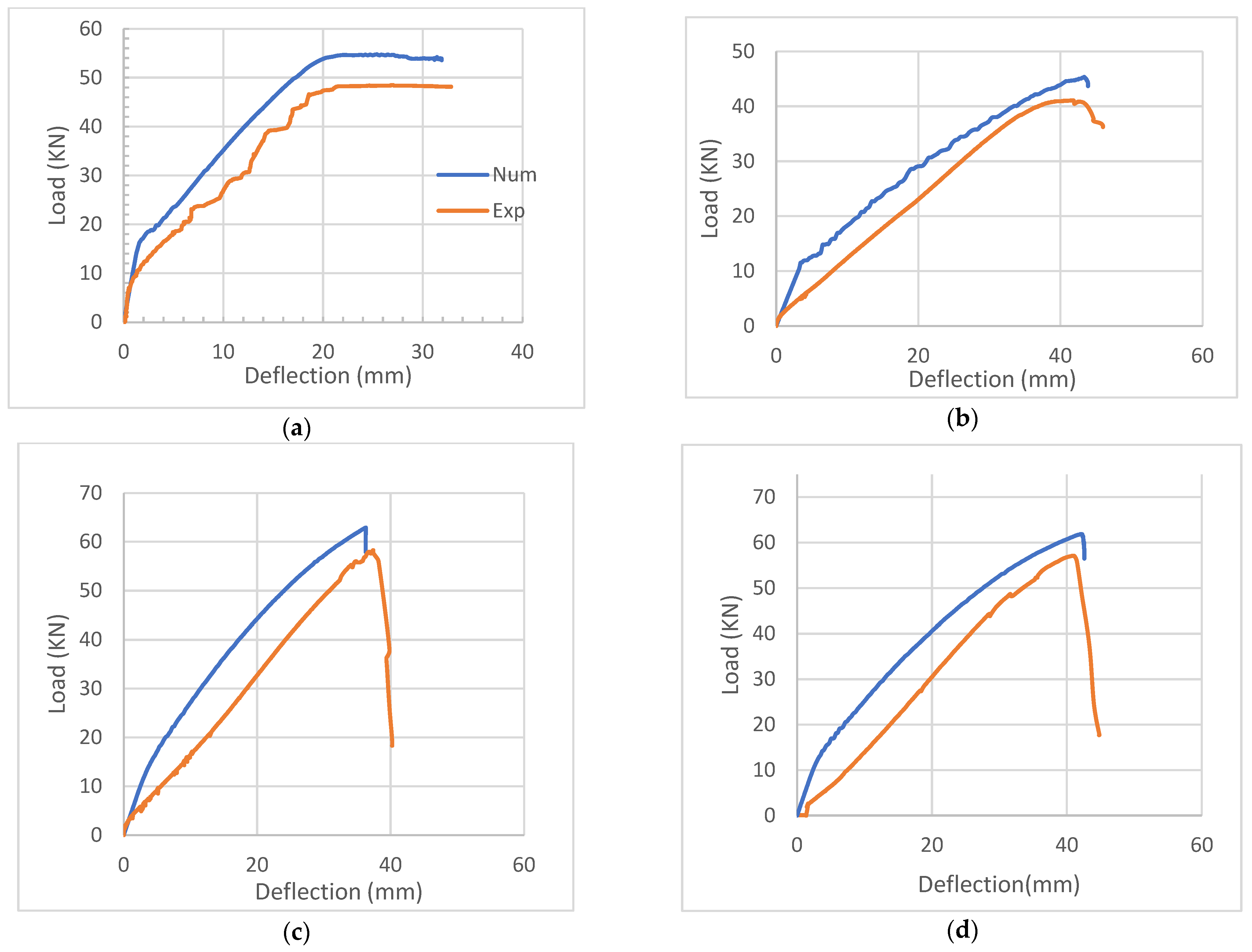
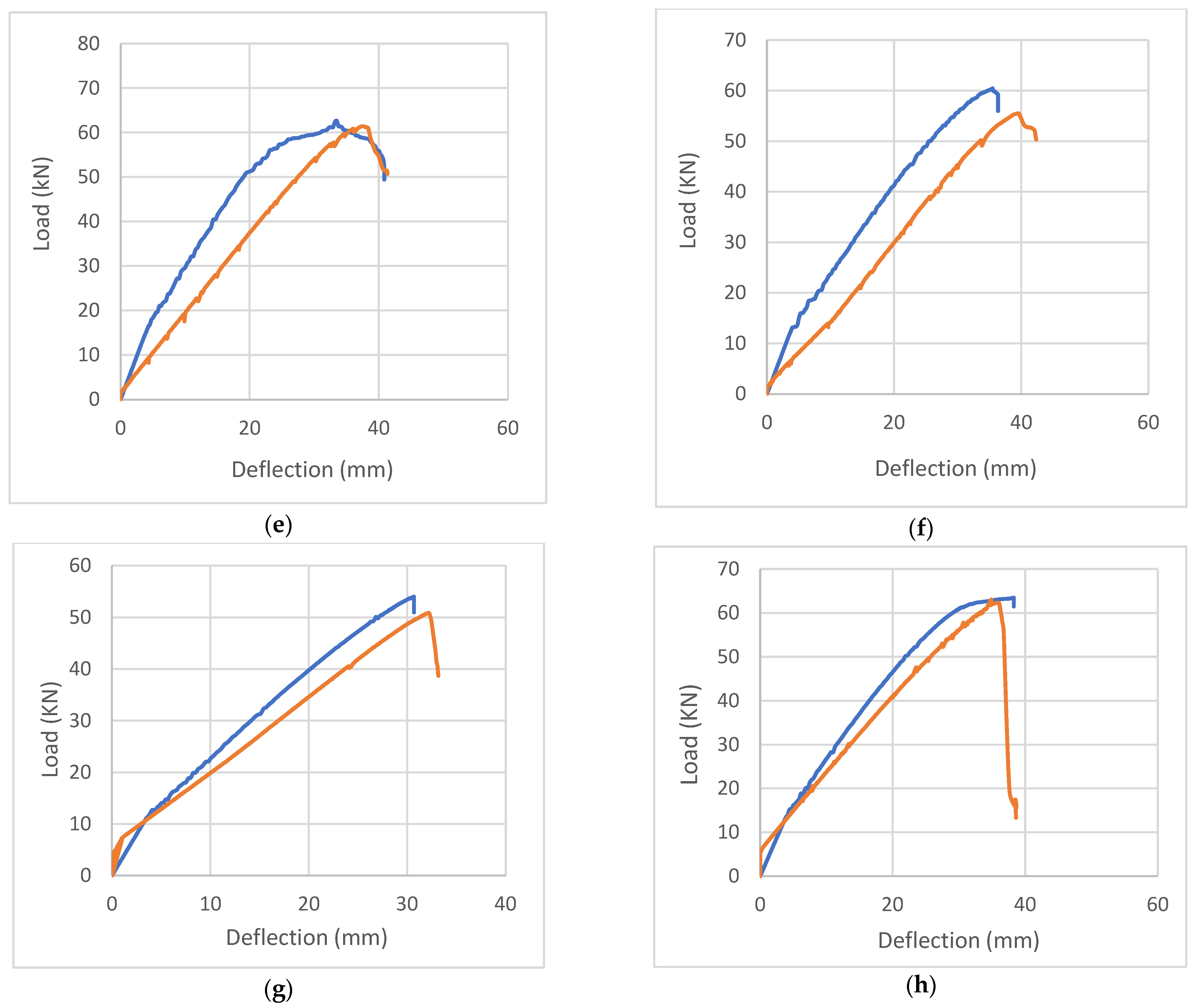
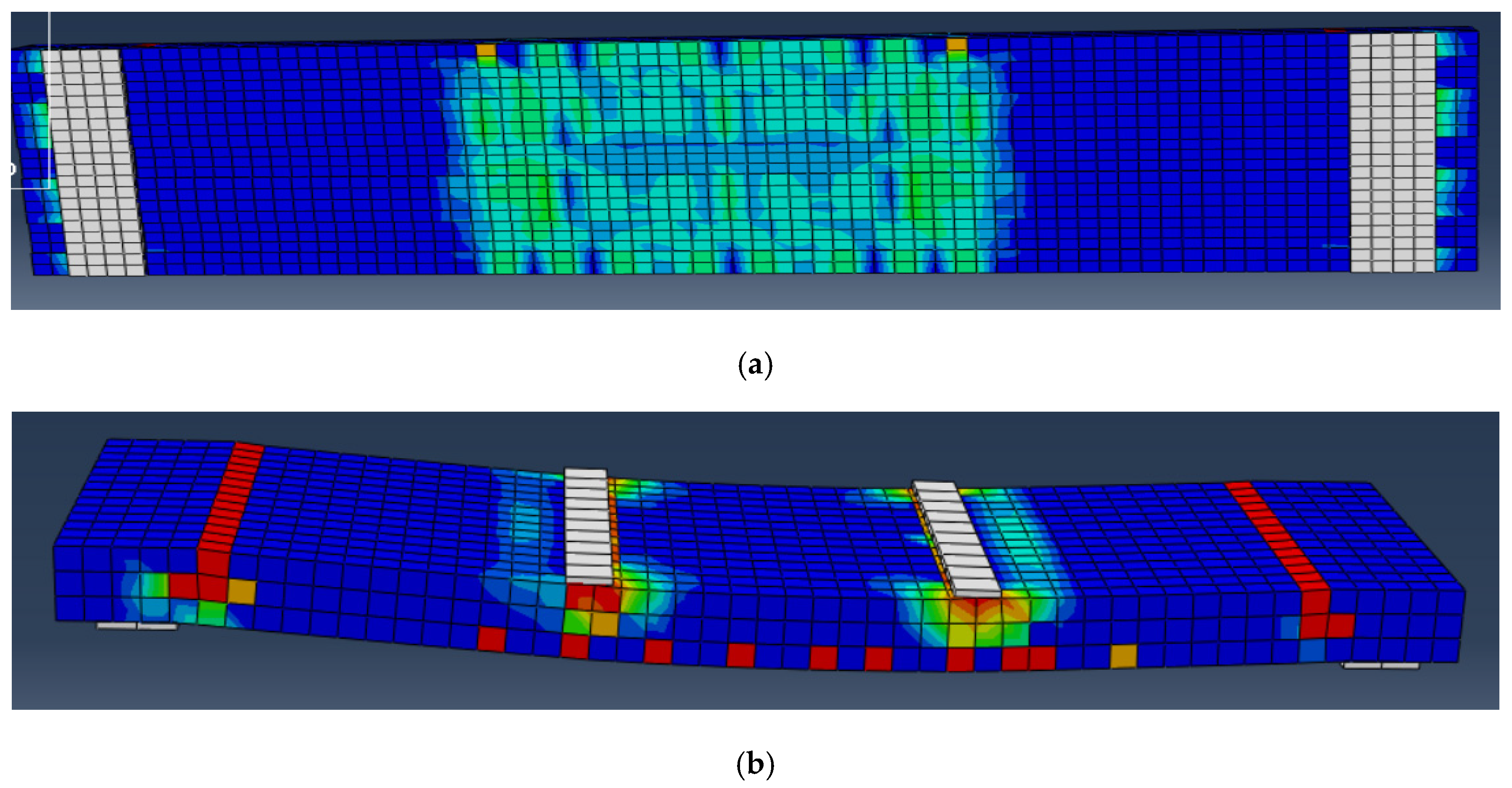
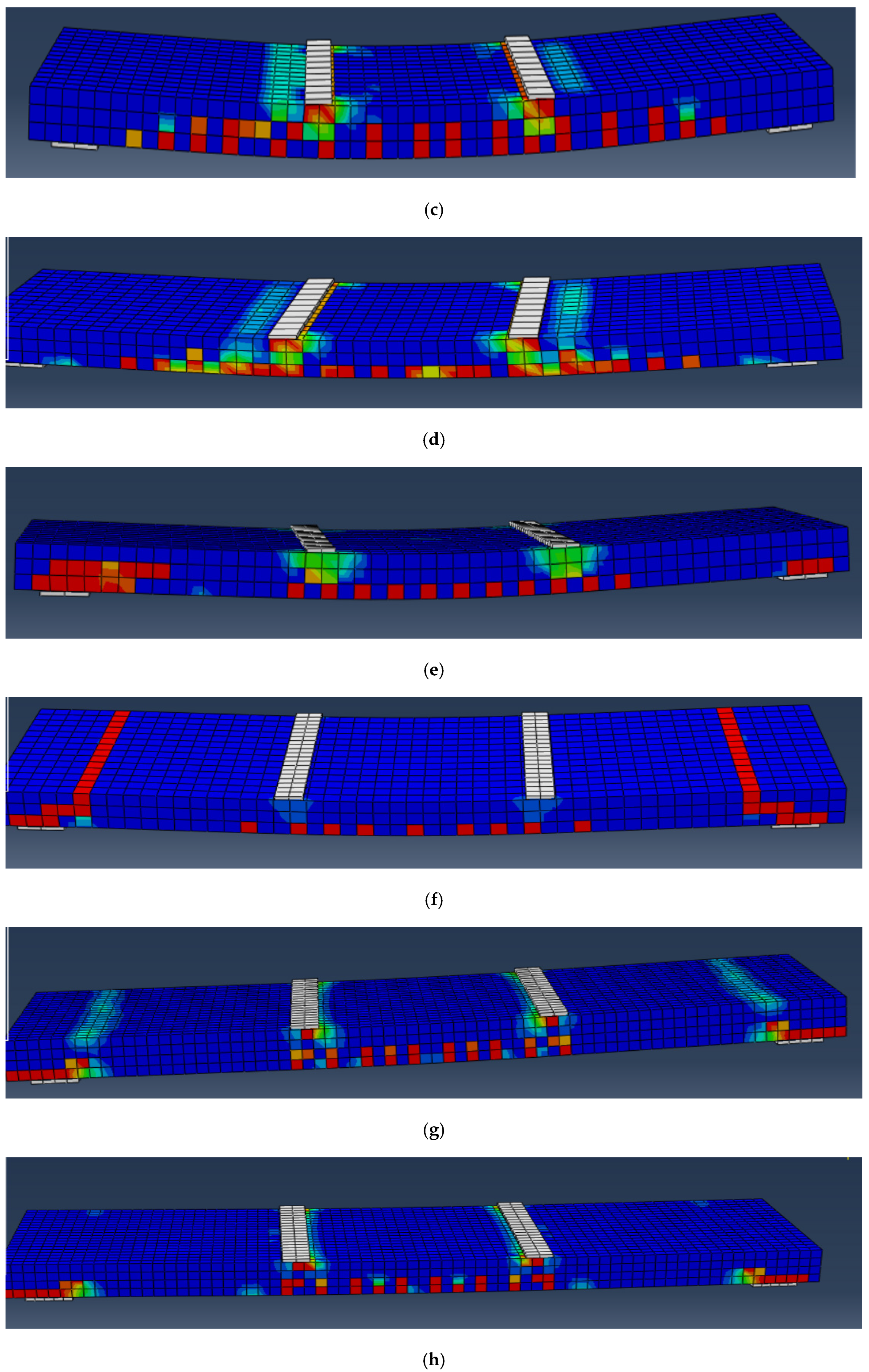
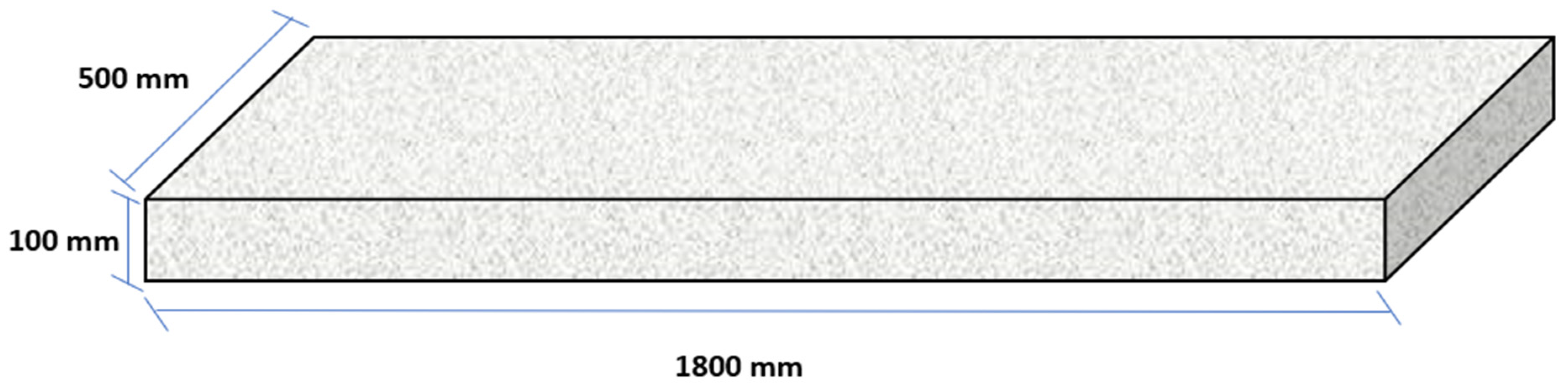
This research was conducted to investigate, experimentally, theoretically, and numerically, the use of CFRP materials for repairing a reinforced concrete one-way solid slab exposed to thermal shock. Nine slabs, measuring 1800 mm in length, 500 mm in width, and 100 mm in depth, were cast. Seven of these slabs underwent thermal shock at a temperature of 600 °C, rapidly cooled by immersion in water for 15 min. Three primary parameters were examined: the type of CFRP (rope, strip, and sheet), spacing (100 and 200 mm), and the number of sheet layers (one and two). The experimental results revealed a significant decrease of approximately 45.4% in the compressive strength of the concrete after exposure to thermal shock. The thermally shocked RC slab showed a reduction in ultimate capacity by 15.4% and 38.5% in stiffness compared to the control slab. The results underscored the efficacy of CFRP materials, with all repair configurations exhibiting a substantial increase in maximum load capacity and stiffness. Capacity enhancement ranged from 23.7% to 53.4%, while stiffness improvement ranged from 27.6% to 57.1%. Notably, all repair configurations effectively minimized the maximum deflection. This reduction in deflection ranged from 5.2% to 26% compared to the control slab. Numerical results demonstrated strong concurrence with experimental results for both capacity and deflection. The enhancement in capacity ranged from 0.7% to 10.4%, while deflection decreased within a range from 0.95% to 14.16% compared to experimental results.
Keywords: fire; thermal shock; one-way slab; CFRP; rope; strip; sheet; externally bonded; near-surface-mounted; finite element method fire; thermal shock; one-way slab; CFRP; rope; strip; sheet; externally bonded; near-surface-mounted; finite element method