1. Introduction
Boron carbide (B
4C) is an important structural engineering material. It possesses excellent properties such as low density, high hardness, and high elastic modulus, as well as high chemical stability, a neutron absorption cross-section and thermoelectric properties, which have been widely used in the field of protective armor, aerospace, the nuclear industry, functional ceramics, thermoelectric components, etc. However, the wider application of B
4C ceramic is severely restricted by its low fracture toughness (only 2.2 MPa·m
1/2), poor sinterability and difficult machinability [
1,
2].
Since graphene was first discovered by Geim and Novoselov [
3,
4] through mechanical exfoliation of highly oriented pyrolytic graphite in 2004, it has attracted widespread attention in the field of graphene-based composites [
5]. Graphene is a new carbon material with a two-dimensional network structure formed by
sp2 hybridization of carbon atoms. It has an extremely high Young’s modulus of 1.0 TPa [
6] and high tensile strength of 130 GPa [
7], and is considered to be a wonderful reinforcing phase candidate for ceramics. In addition, graphene also has good thermal conductivity. Defect-free single-layer graphene has a thermal conductivity of up to 5300 W·m
−1·K
−1, and could be used as an excellent material for thermal management [
8].
Based on these excellent properties, the application of graphene-reinforced ceramics has received extensive attention [
9,
10,
11,
12]. Up to now, most of the reported work has focused on the application of graphene content and its derivates to B
4C ceramics to improve their mechanical properties, electrical properties, tribological properties and thermal conductivity [
13,
14,
15,
16,
17,
18], ignoring the dimensional compatibility between B
4C particles and graphene sheets. This dimensional compatibility determines the coating effect of graphene and the construction of a grain boundary network, and then affects the pinning and toughening behavior of the grain boundary. Serious size mismatch will lead to agglomeration and micro defects. In a previous study, graphene oxide/boron carbide (rGO/B
4C) composites were fabricated by self-assembly polymerization and spark plasma sintering at 1800 °C under 30 MPa with a soaking time of 5 min, and the effects of rGO content on mechanical properties of the composites were studied [
16]. We obtained the highest flexural strength and fracture toughness of the rGO−B
4C composites when the rGO content was 1 wt.% and 2.5 wt.%, respectively. Wang et al. [
17] prepared graphene nanoplatelet (GNP)-reinforced B
4C composites with 0–10 wt.% GNP addition using high-speed planetary ball milling and hot-pressing at 1950 °C under 30 MPa with a soaking time of 60 min, and evaluated the electrical discharge machining (EDM) characteristics of the B
4C–GNP composites. When the GNP content was 10 wt.%, the B
4C–GNP composites exhibited the highest electrical conductivity of 4997 S·m
−1. Rutkowski et al. [
18] prepared dense boron carbide–graphene composites using high-energy rotary–vibratory milling and hot-pressing at 2100 °C under 25 MPa with a soaking time of 1 h, and investigated the thermal properties of the composites. They found that graphene could increase both the thermal diffusivity and thermal conductivity in a direction perpendicular to the pressure axis.
The higher efficiency of graphene in improving these properties for ceramics mainly depends on the following three key factors: (1) the quality of the graphene, including the sheet diameter size and the thickness of the graphene; (2) the dispersion effect of graphene in ceramics; (3) the structure integrity of graphene after high-temperature and high-pressure processing [
19]. Some researchers have studied the effect of graphene sheet diameter or thickness on the comprehensive properties of different types of ceramic substrates. Porwal et al. [
19] studied the effect of the lateral size of graphene nano-sheets (GNSs) on the mechanical properties and machinability of Al
2O
3 composites by ball milling and spark plasma sintering. They found that the fracture toughness, hardness and elastic modulus of the composite decreased with increasing GNS size. Tapasztó [
20] investigated the effect of graphene nanoplatelet thickness on the fracture toughness of Si
3N
4 composites by spark plasma sintering. They found that thinner few-layer graphene nanoplatelet-reinforced Si
3N
4 ceramic exhibited outstanding toughening efficiency due to the more homogeneous dispersion in the matrix and large lateral size. The above studies suggested that thinner few-layer graphene with a small size was ideal reinforcement for fabricating graphene-reinforced Al
2O
3 and Si
3N
4 composites with improved fracture toughness. However, there are relatively few reports about the dimensional compatibility dependence on the mechanical properties of rGO–B
4C composites [
21,
22,
23,
24].
In this study, 5 wt.% GO-reinforced B
4C composites with different B
4C grain sizes were fabricated by self-assembly polymerization and spark plasma sintering, based on our previous research, with high fracture toughness and graphene retention [
16]. The effects of B
4C grain size on the microstructure and mechanical properties of rGO–B
4C composites was studied. The matching performance between B
4C grain size and the diameter of the GO was discussed. The microstructure, mechanical properties, and toughening mechanisms of the rGO–B
4C composites were further verified.
3. Results and Discussion
Characterization of the Raw Materials
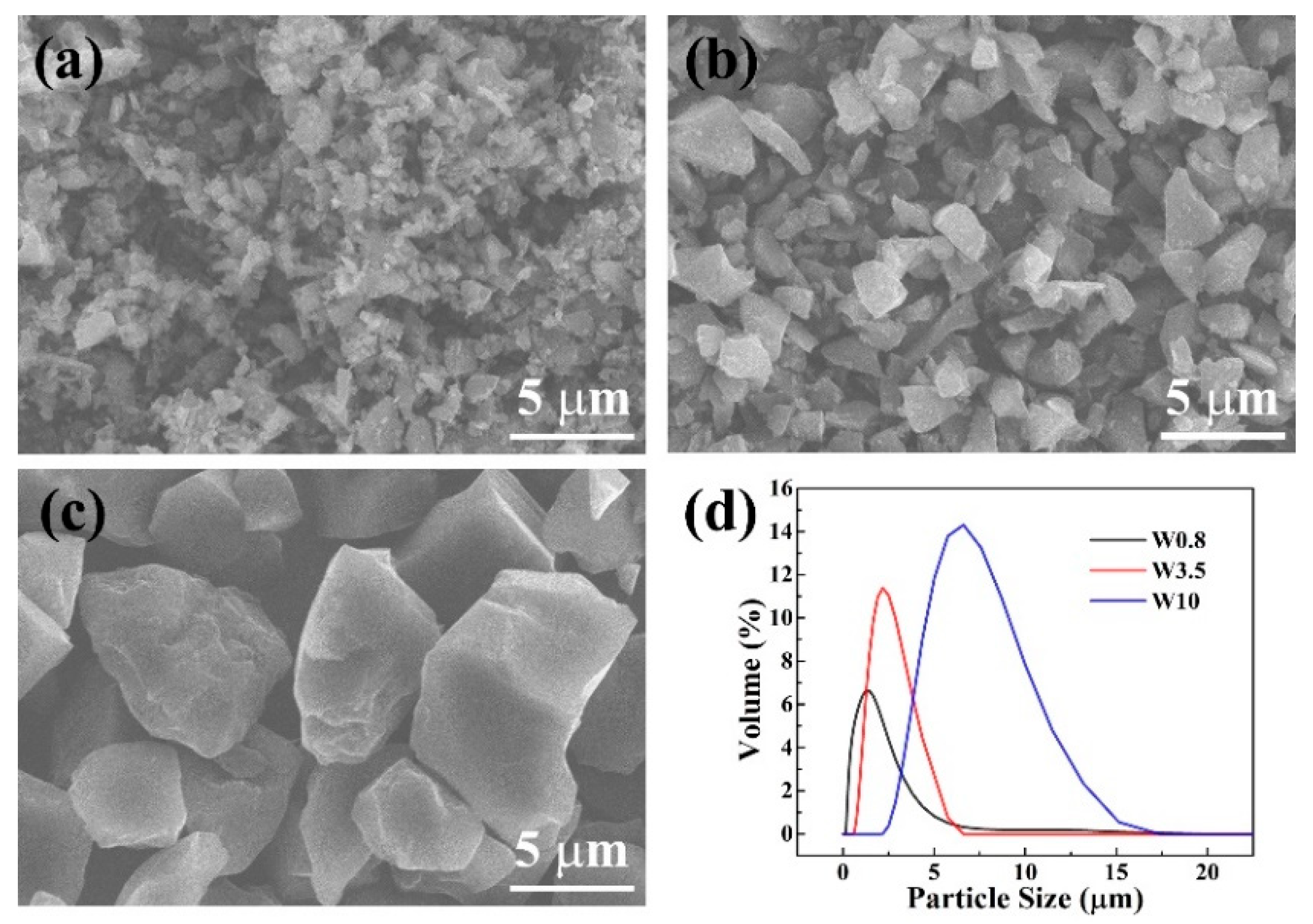
Table 1 shows the characteristics of the three kinds of raw B
4C powders, including the average grain size, oxygen content, and metal impurities. The morphologies of these three kinds of B
4C powders are presented in
Figure 1. Nano-sized B
4C powders are difficult to obtain, and they are expensive and have high oxygen content [
26]. In our study, W0.8 B
4C powders had an average grain size of 0.92 μm, whereas their oxygen content was as high as 2.43 wt.%. Some coarser particles were approximately 4 μm and small agglomerates of the grains can be observed in
Figure 1a. W3.5 B
4C powders presented a rhombohedral structure with sharp edges and corners, and no obvious agglomerates could be found, indicating that W3.5 B
4C powders had good dispersion. The average grain size of W3.5 B
4C powders was 2.01 μm, and their oxygen content was only 0.61 wt.%. W10 B
4C powders had an average grain size of 7.02 μm, but the particle size distribution was extremely wide, and the larger particles reached closed to 15 μm.
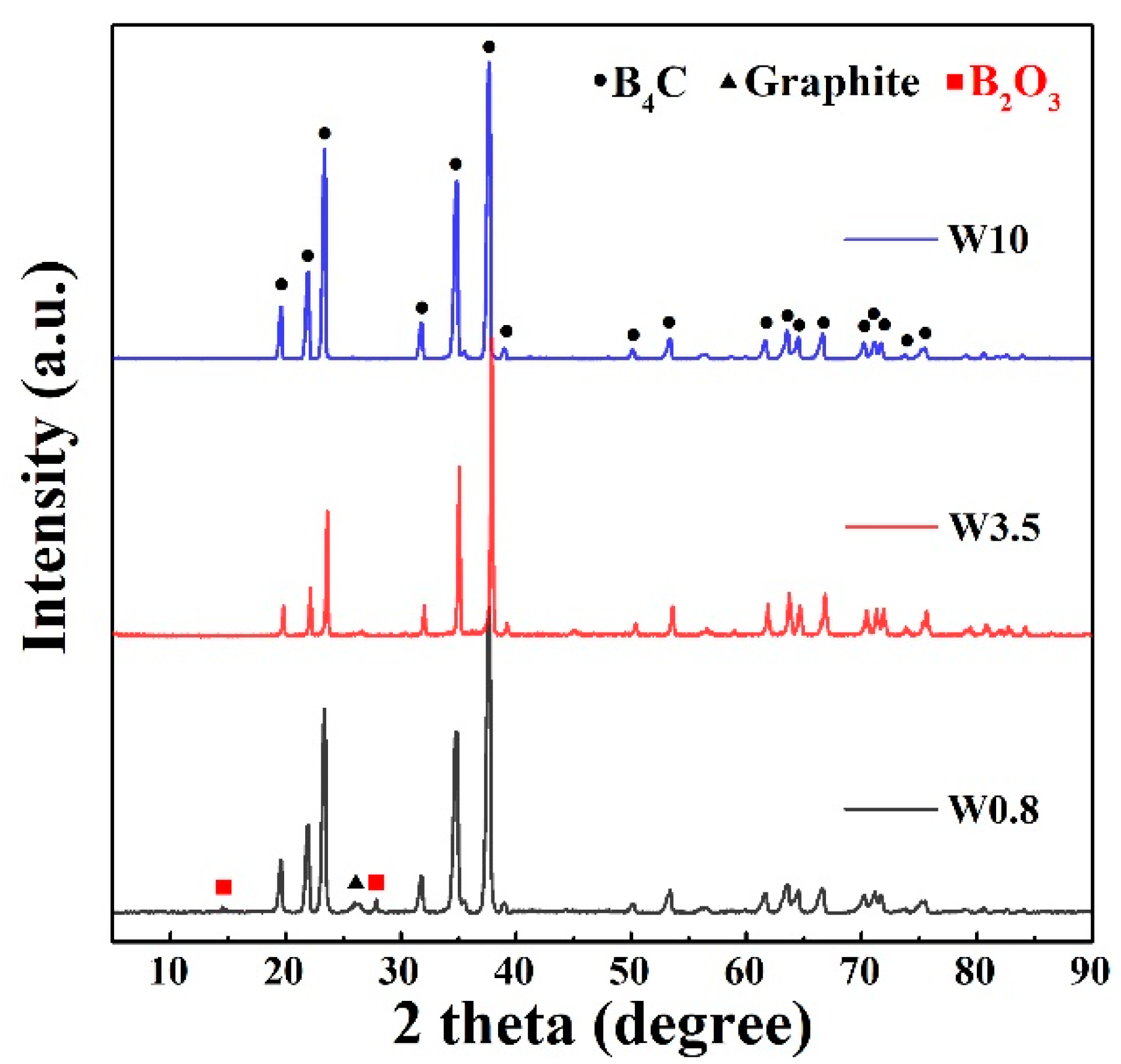
Figure 2 illustrates the XRD patterns of the three kinds of raw B
4C powders. The main peaks of the three raw B
4C powders can be all indexed to rhombohedral boron carbide (B
4C, PDF#35-0798), which possesses a rhombohedral crystal system with the R3m space group. In W0.8 B
4C powders, except the main peaks of B
4C, the characteristic peaks of B
2O
3 were observed at 14.6° and 27.8°, which corresponded to the higher oxygen content of 2.43 wt.%. B
2O
3 tended to exist on the surface of W0.8 B
4C powders as an impurity. Due to the low mass fraction of metal impurities in all B
4C powders, no corresponding characteristic peaks were detected in the XRD pattern.
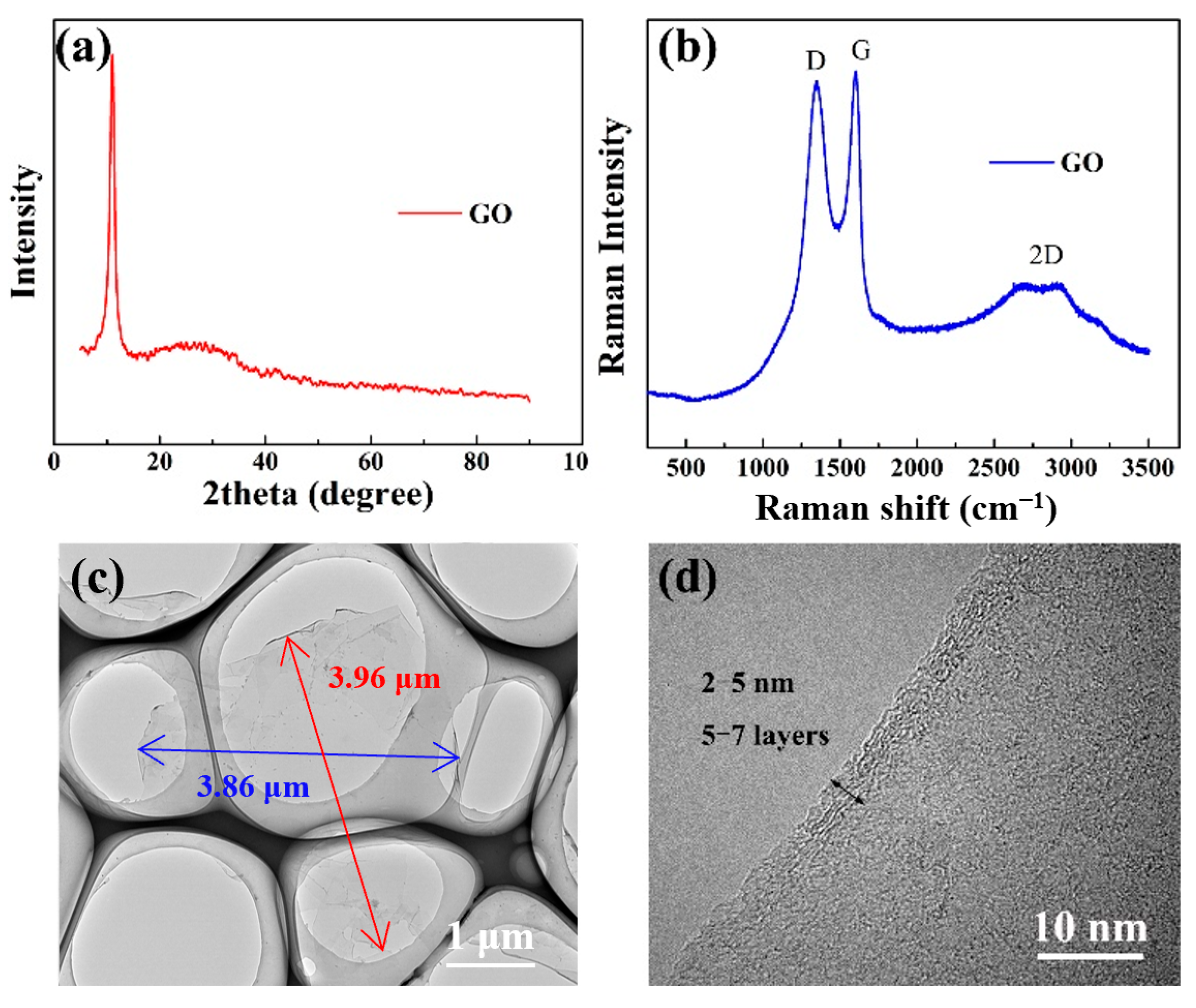
The XRD phase analysis of as-prepared GO is shown in
Figure 3a. The diffraction peak of GO at about 10° corresponds to the characteristic peak of graphene oxide on the (001) crystal plane, and no other impurity peaks were detected [
27].
Figure 3b shows the Raman spectrum of GO. At 1335 cm
−1 and 1595 cm
−1, the D peak and G peak were detected, which represented the defects and
sp2 carbon plane of graphene oxide, respectively [
28]. In addition, since the 2D band is very sensitive to the stacking order of graphite along the c-axis, the 2D peak is usually used to evaluate the thickness of graphene [
29]. The 2D peak of GO was observed at 2700 cm
−1, which represented the oxidation of graphene oxide.
Figure 3c and d illustrate the morphology and thickness of the GO, respectively. The as-prepared GO has a transparent sheet with a diameter of 3–5 μm, as shown by the arrow in
Figure 3c. The thickness of single-layer GO is approximately 0.345 nm. The edge HRTEM image of the as-prepared GO shows that the thickness is approximately 2–5 nm, about 5–7 layers. These results indicate that the as-prepared GO has an excellent quality and is suitable for the further study on enhancing the mechanical properties of B
4C ceramic.
A self-assembly polymerization method was used to prepare GO–B
4C composite powders with GO uniformly dispersed. Three kinds of B
4C powders with different grain sizes were used to prepare GO–B
4C composite powders. Then, the GO–B
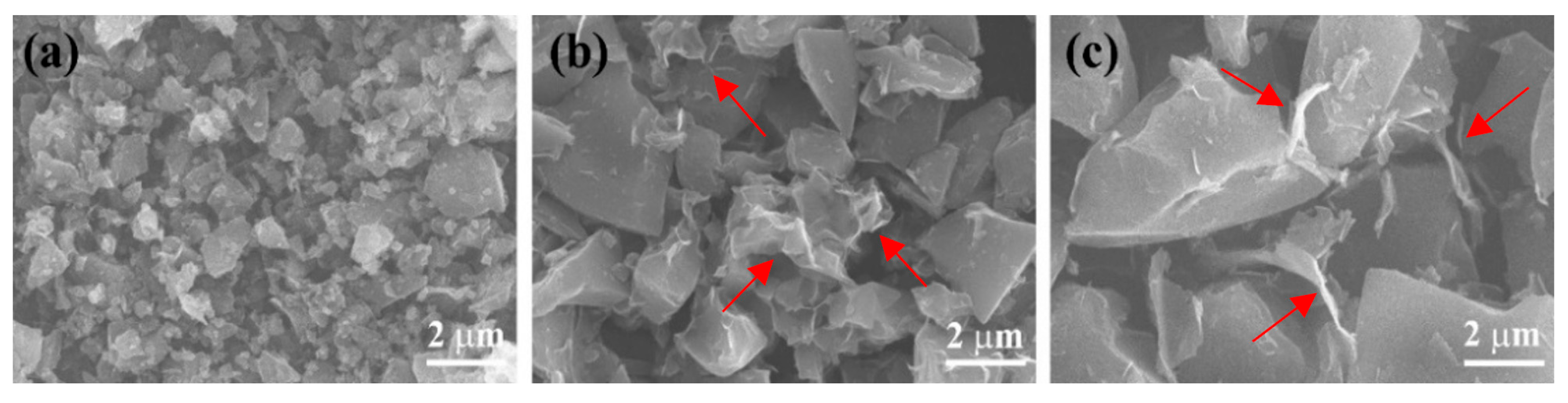
4C composite powders were pyrolyzed at 800 °C for 2h in a tube furnace to obtain rGO–B
4C composite powders, as shown in
Figure 4. It can be observed from the SEM image that GO was evenly dispersed in these three rGO–B
4C composite powders. In the W3.5 rGO–B
4C composite powders, since the diameter of GO was slightly larger than that of the B
4C particles, the particle size matching between these two components was better. It can be seen that the rGO wraps the B
4C particles, thus forming a 3D network structure. As for the W10 rGO–B
4C composite powders, due to the grain size of B
4C being larger than the flake diameter of rGO, rGO can be observed only between the B
4C grains and cannot completely wrap the B
4C particles. Therefore, a 3D network structure connected by rGO cannot be formed. In W0.8 rGO–B
4C composite powders, the flake diameter of rGO was much larger than the grain size of B
4C, the 3D network structure of rGO wrapped B
4C, and even less rGO could be observed in the rGO–B
4C composite powders.
The rGO–B
4C composites were fabricated by spark plasma sintering at 1800 °C.
Table 2 shows the densities and relative densities of rGO–B
4C composites with different B
4C grain sizes. The densities of the rGO–B
4C composites were measured by the Archimedes method using deionized water as the immersion liquid. The theoretical densities were calculated according to the rule of mixtures, using 2.52 g/cm
3 and 2.2 g/cm
3 for B
4C and rGO, respectively. B
4C has a strong covalent bond and it is difficult to obtain dense B
4C ceramic. The sintering temperature of B
4C for pressureless or hot-pressing must be approximately 2000 °C to obtain fully dense B
4C ceramics [
30,
31,
32]. With the addition of 5 wt.% GO, the relative densities of these three kinds of rGO–B
4C composites reached more than 98%. The W3.5 rGO–B
4C composite was almost completely dense and had the highest relative density of 99.67%. The W0.8 rGO–B
4C composite had the lowest relative density of 98.18%. This result is inconsistent with the research that powders with smaller particle size have higher chemical activity and sintering ability [
33]. This phenomenon may be due to the higher oxygen content of 2.43 wt.%. The presence of B
2O
3 impurities affects the pore structure during the sintering process, which reduces the density of the W0.8 rGO–B
4C composite. The density of the W10 rGO–B
4C composite was 98.26%, which may be due to the larger average grain size for B
4C of 7.02 μm and its wider grain size distribution, resulting in poor sintering ability.
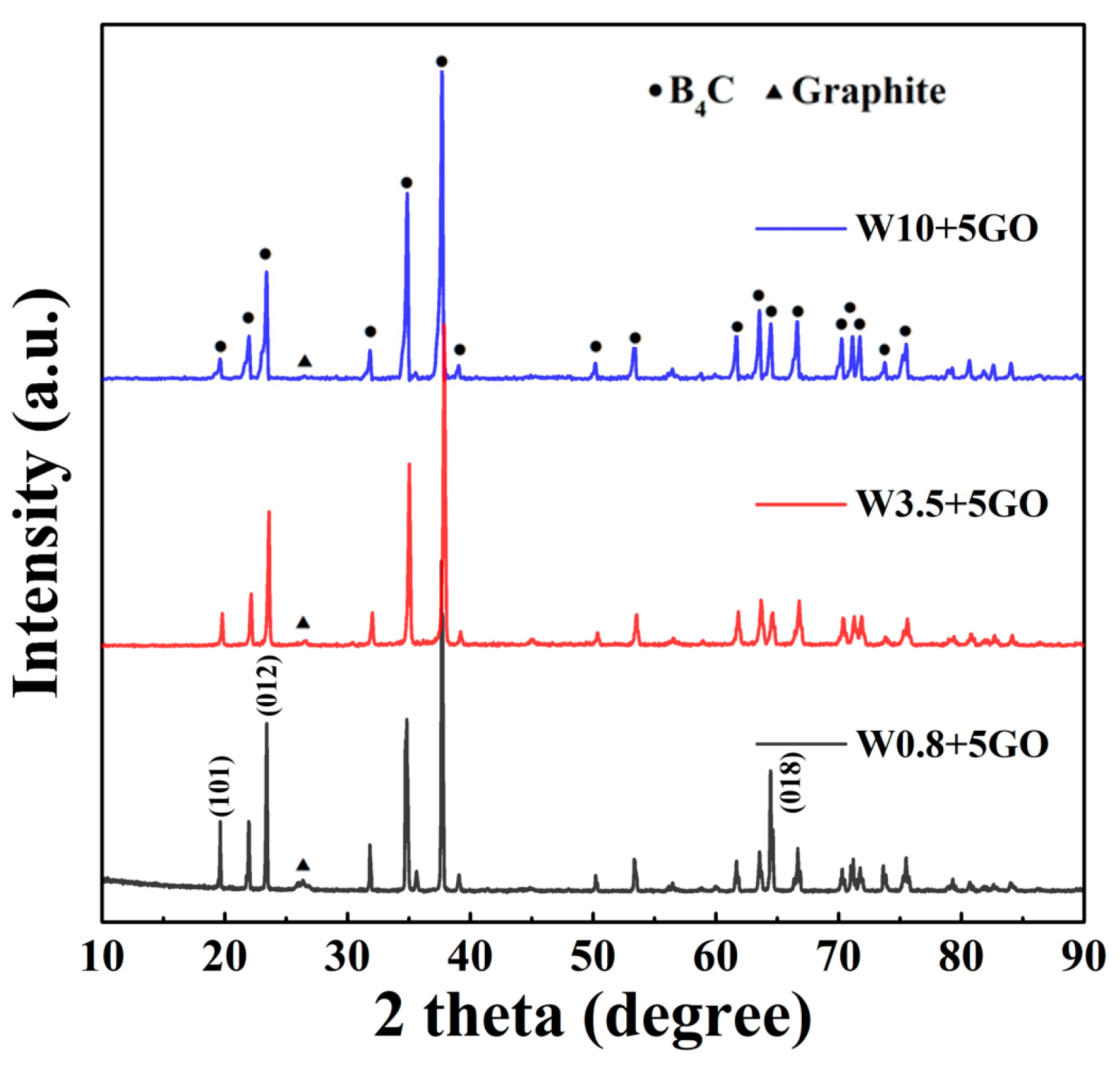
Figure 5 shows the XRD patterns of the rGO–B
4C composites with different B
4C grain sizes. The XRD patterns showed that the main phase of these three composites was B
4C (PDF#35-0798). The identified B
4C phase belongs to the rhombohedral crystal system with the R3m space group. In the sintered W3.5 and W10 rGO–B
4C composites, the broad graphite-related signal near 25–26° 2θ in the composites could originate from raw powder impurities and sintering-induced graphitization. As for the W0.8 rGO–B
4C composites, in spite of the main phase still belonging to the characteristic peak of B
4C, their peak intensity ratio changed significantly in the (101) and (018) crystal planes. In addition, the peak of B
2O
3 that originally existed in the raw W0.8 B
4C powders disappeared in the sintered composite. This may be ascribed to the introduction of rGO, which could reduce the oxide layer (B
2O
3) on the surface of B
4C powders, consistent with the morphology of the W0.8 rGO–B
4C composite powders in
Figure 4a, in which only a small amount of rGO could be observed. The following reaction (2) may occur with the increase in the temperature [
2]:
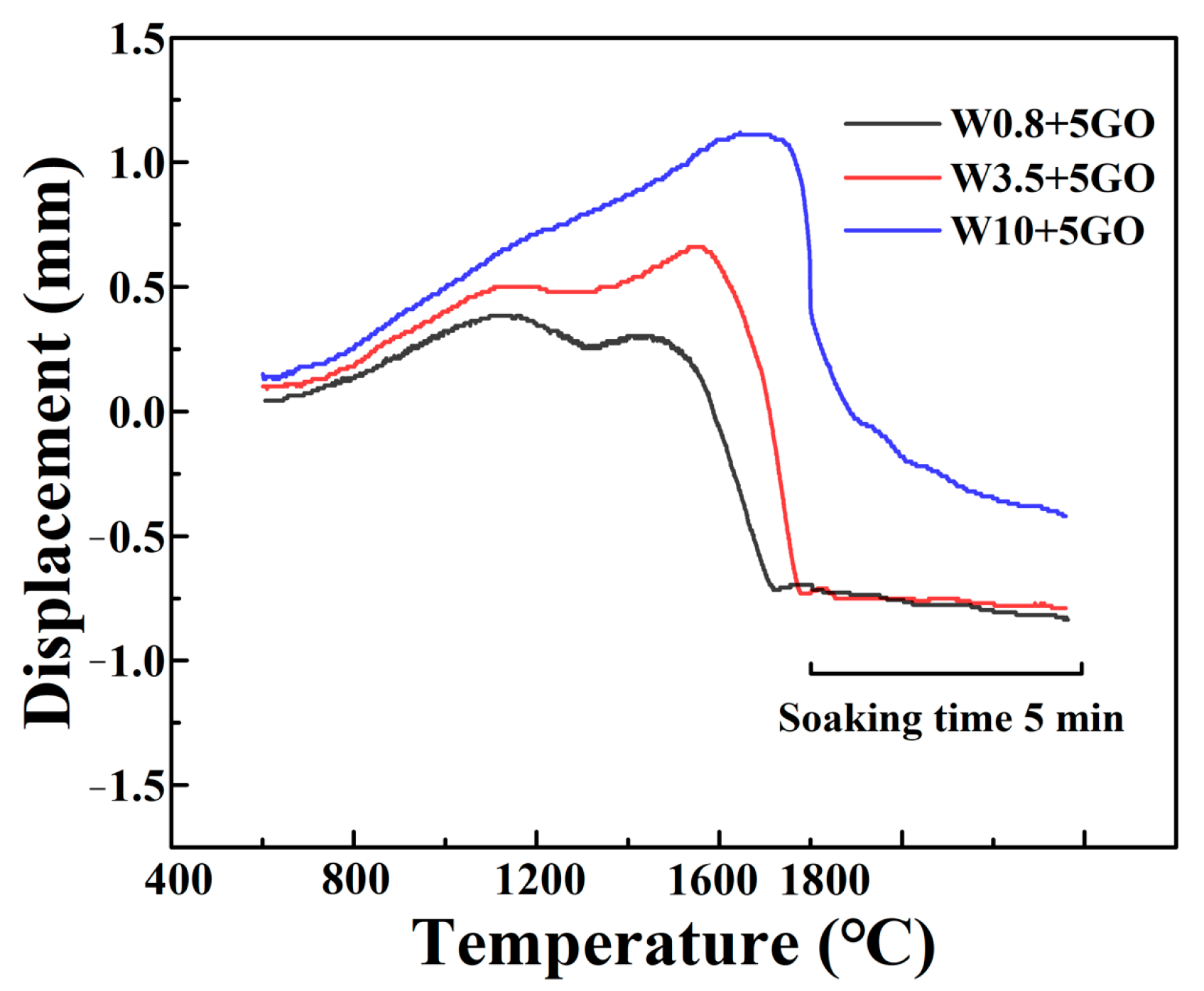
Figure 6 depicts the displacement–temperature curves corresponding to the sintering process of rGO-B
4C composites prepared by different particle sizes of B
4C. These curves reflect the thermal expansion and densification behavior of the samples during the heating stage. The overall evolution patterns of the three curves are similar. Before heating up to the densification initiation temperature, the continuous increase in sample displacement is primarily driven by the thermal expansion of both the B
4C lattice and rGO flakes. The intrinsic thermal expansion characteristics of B
4C do not change with particle size. Once the temperature reaches the critical sintering temperature, the system relies on solid-phase diffusion mass transfer to achieve grain neck growth and pore elimination, leading to significant shrinkage of the sample. The displacement peaks and then rapidly decreases. After holding at 1800 °C for 5 min, the sintering driving force gradually diminishes, the shrinkage rate slows down, the displacement changes become gradual, and the densification process stabilizes. Despite the similar overall evolution patterns of the three samples, the particle size of B
4C alters the specific surface area and particle packing structure, resulting in significant differences in the maximum expansion displacement, densification initiation temperature, and characteristic temperature corresponding to the maximum densification rate among the three curves. It can be observed that the W10 + 5GO composite prepared from larger-particle-size B
4C exhibits the largest expansion displacement, followed by the W3.5 + 5GO composite, while the fine-particle-size W0.8 + 5GO composite shows the smallest peak expansion displacement. This phenomenon can be attributed to the fact that fine-particle-size W0.8 B
4C has a higher specific surface area and smaller powder packing gaps, limiting the thermal expansion space available during the initial heating stage. Conversely, the coarse-particle size system has larger internal pore scales, allowing the lattice to fully expand thermally, manifesting as a larger positive displacement macroscopically. Meanwhile, although the fine-particle-size B
4C in the W0.8 + 5GO composite has high surface energy, the particles are prone to agglomeration, forming closed pores that hinder continuous atomic diffusion mass transfer, thereby limiting the densification rate. In the W10 + 5GO composite, the coarse-particle-size B
4C has a longer atomic diffusion path and insufficient particle contact sites, delaying the densification process. In the W3.5 + 5GO composite, the medium-particle-size B
4C balances sufficient specific surface area and good particle dispersion, balancing the sintering driving force and atomic diffusion efficiency to achieve optimal densification kinetics.
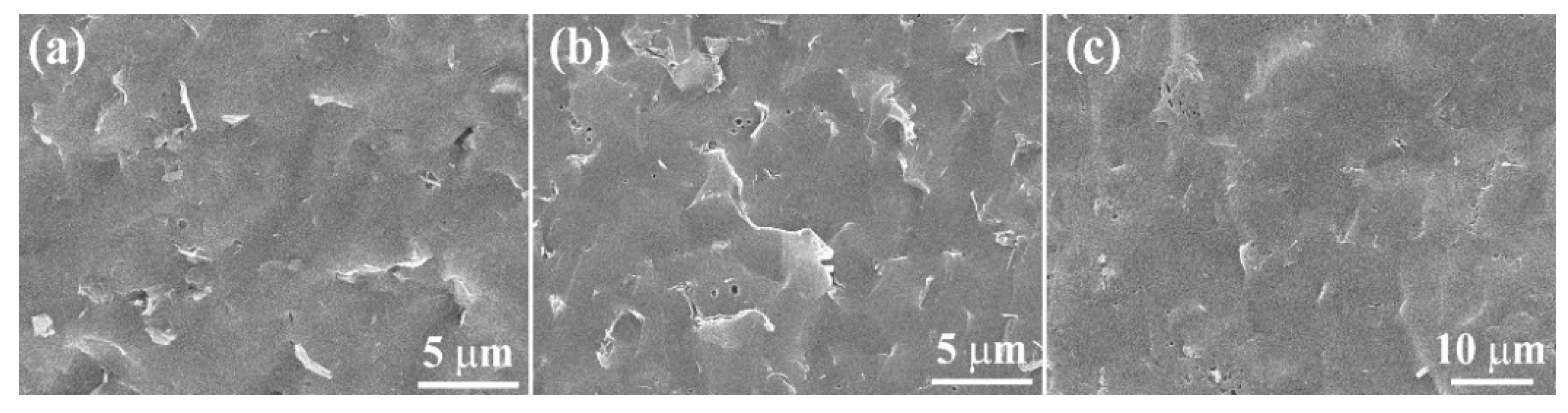
The SEM images of the fracture surfaces of the rGO–B
4C composites with different B
4C grain sizes are shown in
Figure 7. The microstructure of these composites corresponds to their densities (all > 98%), and there were only a few isolated pores in the microstructures. The content of GO was fixed at 5 wt.% during the preparation of the rGO–B
4C composites. On the fracture surface of the W3.5 rGO–B
4C composite, it can be clearly observed that the flake-shaped rGO was evenly distributed between the B
4C grains and formed a network structure. The result proved that the uniformly dispersed microstructure of rGO in B
4C composites could be achieved by self-assembly polymerization and SPS. This structure could contribute to improving the flexural strength and fracture toughness of the rGO–B
4C composites by preventing crack propagation at the grain boundaries [
16]. Although only a small amount of rGO could be observed in the microstructure of W0.8 rGO–B
4C composite powders, an rGO network structure which was interspersed between the B
4C grains could be found in the fracture surface of the sintered composites. This can be attributed to the smaller grain size of the raw W0.8 B
4C powders, as more B
4C grain boundaries can be observed under the same magnification. On the fracture surface of W10 rGO–B
4C composites, less flake-shaped rGO could be observed. This may be due to the fact that the grain size of the raw W10 B
4C was larger than that of rGO, which spatially hindered the formation of the rGO network, therefore weakening its ability to enhance the mechanical properties of rGO–B
4C composites.
Combining high-temperature sintering displacement curves and SEM morphologies of etched sintered surfaces, the regulation effect of initial B
4C particle size on densification behavior and microstructure evolution of rGO–B
4C composites was systematically investigated.
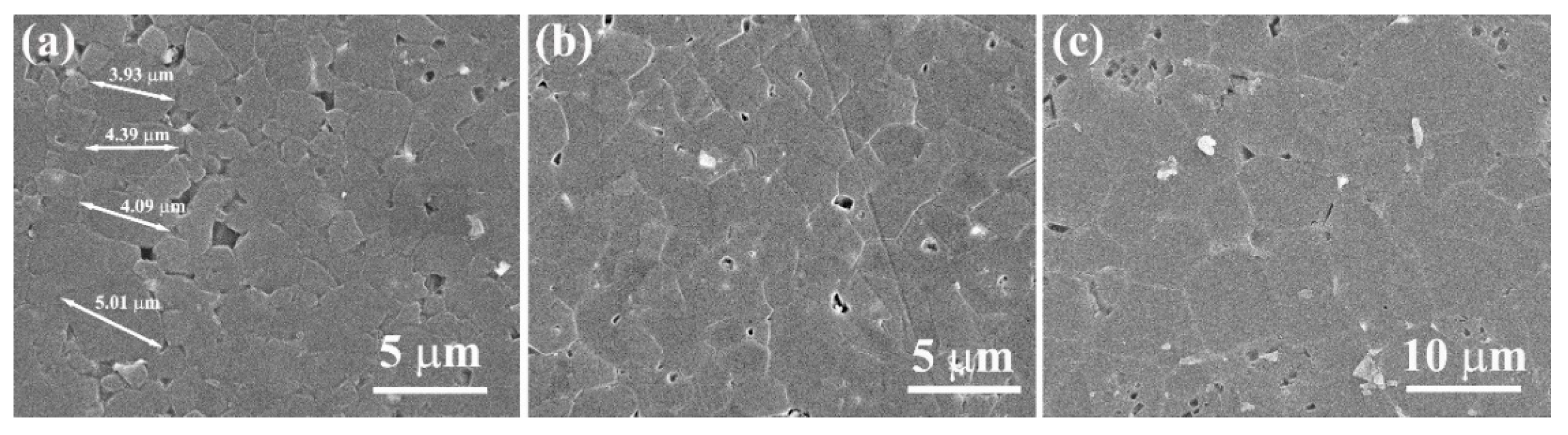
Figure 8 shows the SEM images of the etched surface of rGO–B
4C composites with different B
4C grain sizes. The average grain size of B
4C in the sintered rGO–B
4C composites was determined by the linear intercept method. The W3.5 rGO–B
4C composite exhibited 2.23 μm for the average grain size of B
4C. Compared with the raw W3.5 B
4C powders with 2.004 μm, there was no obvious grain growth. This result indicated that the presence of flake-shaped rGO located at the grain boundaries could effectively prevent the growth of B
4C grains. In contrast, the average grain size of B
4C in the W0.8 rGO–B
4C composite was 1.69 μm, which had increased significantly compared with that of the raw W0.8 B
4C powders. Some of the B
4C grains even reached approximately 5 μm, which may be due to the wider grain size distribution and higher oxygen content in the raw W0.8 B
4C powders. Moreover, impurity elements originating from the raw powder tend to segregate at grain boundaries during high-temperature sintering, altering local interfacial energy and accelerating atomic rearrangement and grain coalescence. In addition, typical intragranular pores are detected inside B
4C grains, which are formed by the encapsulation of inherent voids during grain growth. As for the W10 rGO–B
4C composites, the average grain size of B
4C was 7.36 μm, and abundant intracrystalline pores could be found inside the etched grains. The possible reasons for the formation of this intracrystalline hole are as follows: On the one hand, as-received coarse B
4C particles contain intrinsic closed pores and crystal defects; mass transport mainly occurs on grain surfaces during sintering, so internal pores are trapped inside grains and cannot escape along grain boundaries. On the other hand, green bodies composed of coarse particles possess large initial voids. Densification is dominated by grain boundary diffusion while volume diffusion proceeds slowly, making it difficult for pores to migrate to grain boundaries and be eliminated. Moreover, the uniformity of rGO distribution declines in coarse-particle systems, weakening the grain boundary pinning effect. Continuous grain growth encapsulates tiny pores into grain interiors, eventually forming intragranular pore defects. The existence of intragranular pores also explains why W10 + 5GO maintains sustained shrinkage potential in the later sintering stage yet fails to achieve high density in
Figure 6.
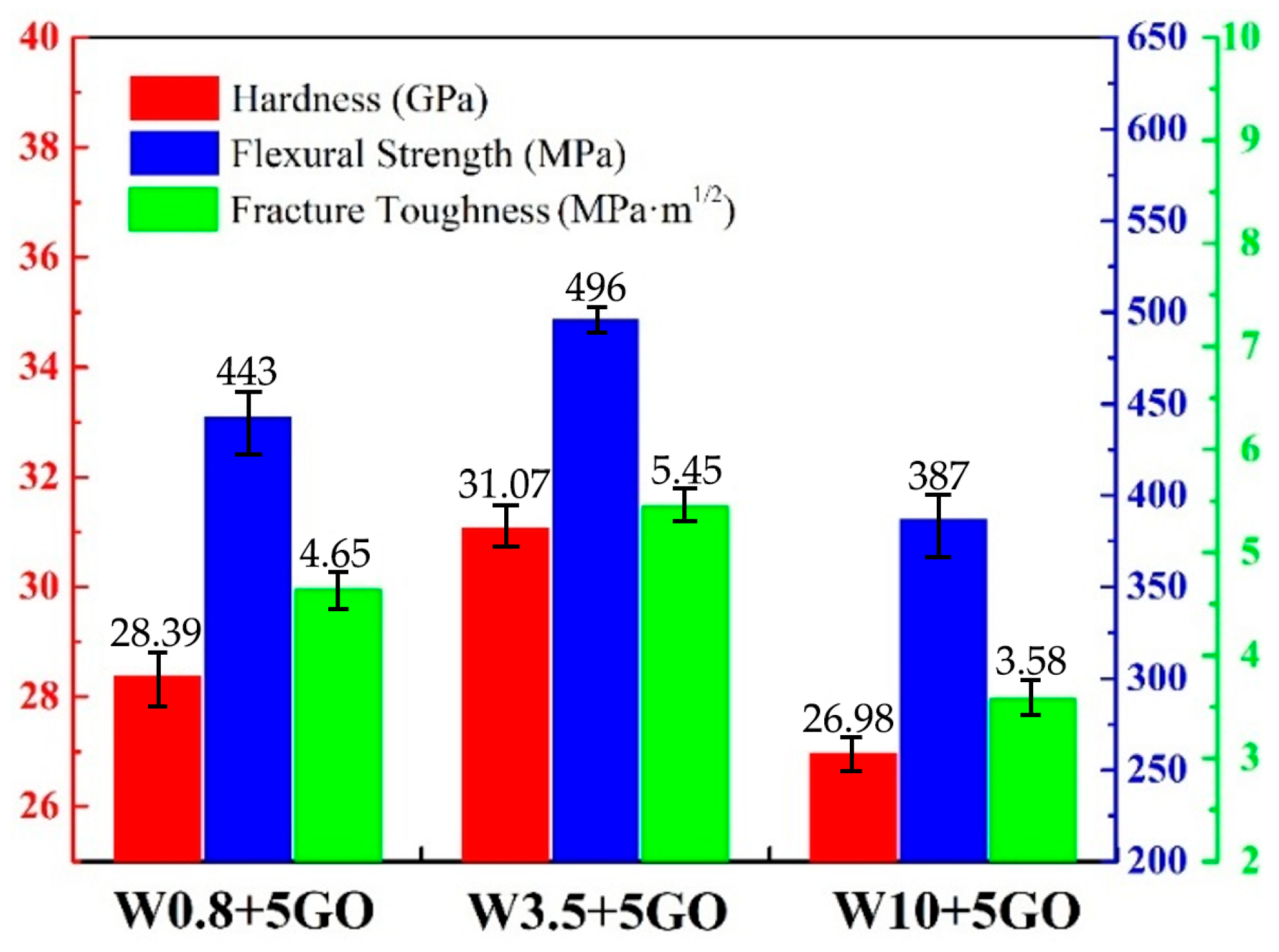
The Vickers hardness, flexural strength and fracture toughness of these three rGO–B
4C composites are summarized in
Figure 9. The Vickers hardness is closely related to the relative density, grain size and internal defects of the composites. The W3.5 rGO–B
4C composite exhibited the highest hardness of 31.07 GPa, which originates from its optimal densification and low defect concentration. In contrast, the hardness of the W0.8 + 5GO and W10 + 5GO composites clearly decreases to 28.39 GPa and 26.98 GPa, respectively. For the W0.8 + 5GO composite, the high surface oxygen content of ultrafine powder facilitates pore formation during sintering. Meanwhile, abundant intragranular pores inside the W10 + 5GO composite severely degrade its hardness performance.
The flexural strength depends on the relative density, grain size and interfacial microcracks of the rGO–B
4C composites [
34]. The addition of rGO could improve the sinterability of B
4C ceramics, thereby improving the relative densities of the rGO–B
4C composites; however, due to the inconsistent thermal expansion coefficients of rGO and B
4C, some microcracks will be generated, which will damage the flexural strength. Consistent with the variation trend of hardness, the W3.5 rGO–B
4C composite showed the highest flexural strength of 496 MPa. However, oxygen-content and impurity differences among starting powders also contribute to final mechanical performance, and dimensional compatibility is one major influencing factor rather than the only factor.
The fracture toughness is usually used to characterize the ability of preventing crack propagation for composites. In the rGO–B
4C composites, rGO sheets tended to distribute along grain boundaries and hinder crack growth via crack deflection and rGO pull-out [
16]. The W3.5 rGO–B
4C composite had the highest fracture toughness of 5.45 MPa·m
1/2. Medium-sized B
4C particles exhibit favorable dimensional matching with rGO, enabling uniform distribution of rGO along grain boundaries to form continuous network structures, which prevented crack propagation and thus improved the fracture toughness of the composites. By contrast, the lower fracture toughness of the W10 rGO–B
4C composite may be due to the fact that the average grain size of raw W10 B
4C powders was larger than that of rGO, which blocked the formation of rGO networks and weakened their ability to improve the fracture toughness of the composites. Overall, the W3.5 + 5GO rGO-B
4C composite exhibits the best comprehensive mechanical performance.
To further evaluate the overall performance of the as-prepared composites, the mechanical properties of the optimal W3.5 rGO-B
4C sample are compared with recently reported B
4C-rGO/graphene composites [
12,
24,
35]. Most near-full-density B
4C-rGO composites fabricated by SPS or hot-pressing exhibit a Vickers hardness of 26–33 GPa, flexural strength of 350–530 MPa, and indentation fracture toughness of 4.0–5.5 MPa·m
1/2. The W3.5 composites in this work deliver a Vickers hardness of 33.07 GPa, flexural strength of 486 MPa and fracture toughness of 5.45 MPa·m
1/2, showing competitive balanced mechanical performance. This work demonstrates that tuning dimensional compatibility between rGO sheets and B
4C particles is another valid route to obtain high-performance B
4C-matrix composites without sintering additives.
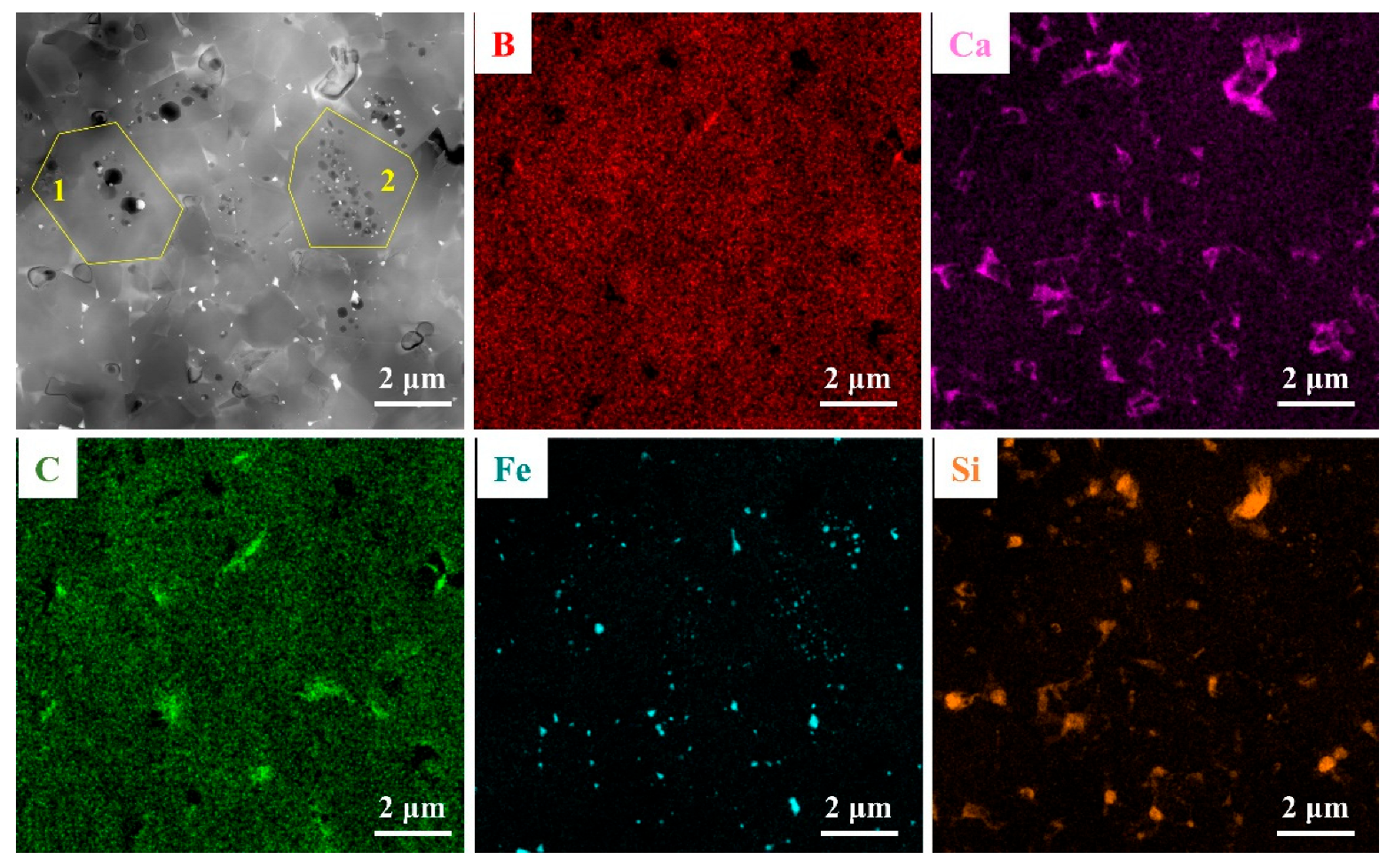
Figure 10 presents the TEM morphology of the W0.8 rGO–B
4C composite and the corresponding EDS mapping images of the B, C, Ca, Fe, and Si elements. The uniform distribution of B element represents continuous B
4C grains, and the C element signal is enriched along the grain boundaries, corresponding to the rGO layers distributed at the grain boundaries, confirming that rGO is successfully placed at the B
4C grain boundaries. It is worth noting that the Ca and Si element signals highly overlap at the grain boundaries, while the Fe element is distributed in the form of discrete point-like particles. These impurity elements originate from W0.8 B
4C raw material powder and tend to segregate towards the grain boundaries during high-temperature sintering. Meanwhile, regions 1 and 2 in the TEM image clearly show the presence of small pores inside the B
4C grains. Region 1 contains large isolated circular pores, while region 2 contains a distribution of a large number of dense fine micropores. Both types of pores are completely enclosed within the grains and belong to typical intragranular pores. Combined with the EDS mapping results, it can be inferred that Ca and Si impurity elements are enriched at the grain boundaries, while no significant impurity aggregation is observed in the intragranular pore regions. These primary pores are enclosed and sealed by the grain growth process, making it difficult for them to reach and migrate along the grain boundaries for elimination via atomic diffusion, ultimately remaining within the grains. This microscopic evidence directly corroborates the results of
Figure 8 mentioned earlier, elucidating the formation mechanism of intragranular defects in the W0.8 rGO–B
4C composite system, which is also an important reason for the lower hardness and densification levels of this sample compared to the W3.5 rGO–B
4C composite.
The crack propagation behavior on the polished surface of W3.5 rGO–B
4C composite ceramics was characterized using field emission scanning electron microscopy combined with energy-dispersive spectroscopy, visually revealing the toughening mechanism of rGO. As shown in
Figure 11, the polished surface of W3.5 rGO–B
4C composite ceramics exhibits scarce porosity defects, which is consistent with the optimal density and bending strength test results of this sample.
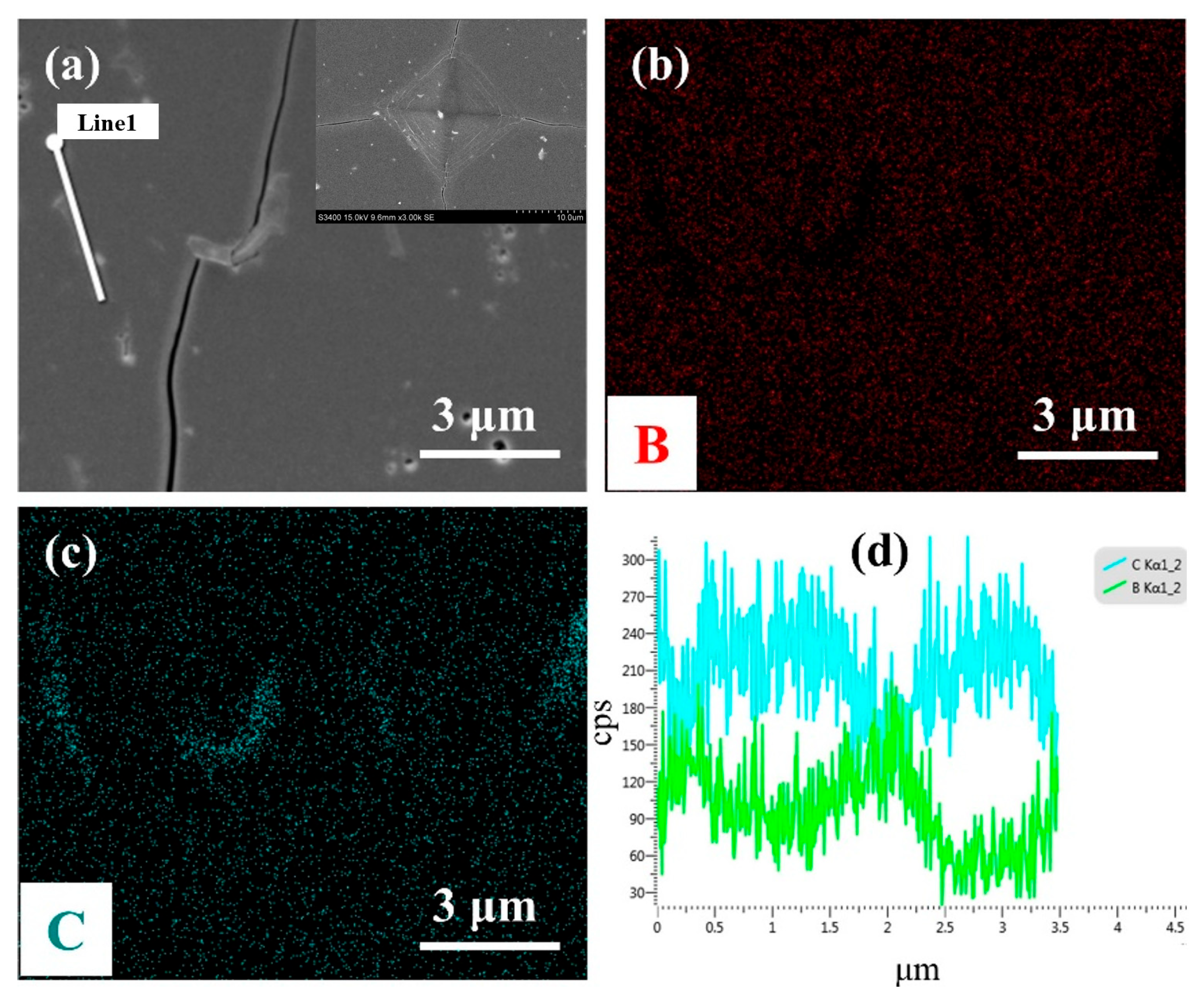
Figure 11a clearly shows the presence of a gray layered structure along the crack propagation path, and the indentation image is in the upper right corner. When the crack reaches this layered position, it undergoes a significant deflection and no longer extends along the original direction.
Figure 11b,c correspond to the surface distribution results of the B and C elements, respectively. The results indicate that B elements are uniformly distributed within the composite ceramics, while C elements are significantly enriched in the layered region. Combined with the previous microstructural analysis, it can be concluded that this layered region is rGO. The line scan curves of the B and C elements in
Figure 11d further verify this conclusion: when the scanning trajectory passes through the layered region, the signal intensity of C elements significantly increases, while the signal intensity of B elements simultaneously decreases, proving that the enriched carbon source is rGO, rather than the B
4C matrix.
The results indicate that the rGO flakes uniformly distributed at the B4C grain boundaries can effectively alter the direction of crack propagation, inducing a crack deflection effect, increasing the driving force required for crack propagation, and continuously dissipating fracture energy. Simultaneously, the uniformly dispersed rGO within the composite ceramic forms a three-dimensional network structure, which not only pinches the grain boundaries to inhibit grain coarsening but also exerts multiple toughening effects during crack propagation, including crack deflection and rGO pull-out. This is also the key microscopic mechanism behind the superior fracture toughness achieved by the W3.5 + 5GO composite ceramic compared to the W0.8 + 5GO and W10 + 5GO samples.
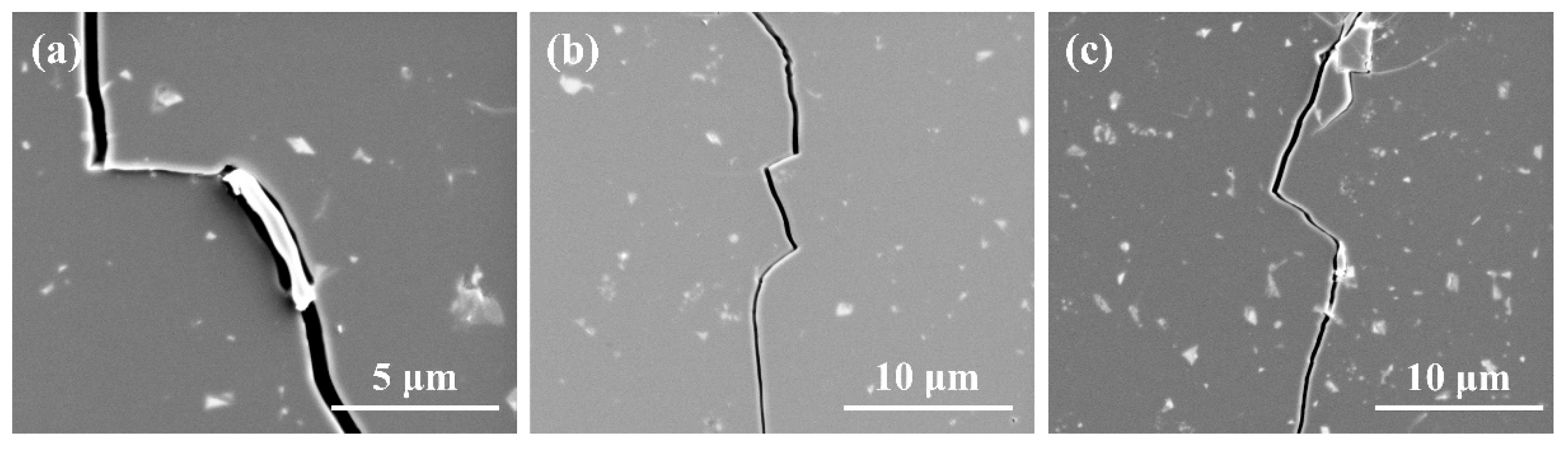
Figure 12 illustrates typical crack propagation features of the W3.5 rGO–B
4C composite and reveals multiple toughening mechanisms induced by rGO. The incorporation of rGO remarkably transforms the toughening modes of B
4C-based composite ceramics. Crack deflection, crack bridging and rGO sheet bridging can be simultaneously observed along the crack path during fracture. Such a prominent toughening effect benefits from favorable dimensional matching between the lateral size of rGO sheets and the particle size of raw W3.5 B
4C powder. Via self-assembly polymerization followed by tube furnace pyrolysis, composite powders with B
4C particles uniformly wrapped by rGO are synthesized. After spark plasma sintering, rGO sheets are homogeneously dispersed and preferentially located at B
4C grain boundaries. When propagating cracks encounter rGO sheets at grain boundaries, the crack growth direction is altered, generating tortuous crack paths. Meanwhile, rGO sheets bridge the separated crack surfaces, bear a partial external load and effectively absorb fracture energy to suppress unstable crack extension. The synergistic effect of multiple toughening mechanisms endows the W3.5 rGO–B
4C composite with the highest fracture toughness among all samples. In comparison, severe agglomeration occurs for ultrafine W0.8 B
4C powder and disrupts uniform rGO dispersion. Meanwhile, the particle size of coarse W10 B
4C greatly exceeds the lateral dimension of rGO sheets, hindering the construction of continuous rGO networks along grain boundaries. Neither of these two systems can fully activate multiple toughening mechanisms, leading to inferior fracture toughness compared with the W3.5 rGO–B
4C composite.