Article

Interfacial Effects and Wetting–Drying Cycle Damage Inhibition of Coastal Saline Soil Modified by Xanthan Gum Biopolymer Coating

1
School of Intelligent Construction, Fuzhou University of International Studies and Trade, Fuzhou 350202, China
2
College of Metropolitan Transportation, Beijing University of Technology, Beijing 100124, China
3
Hongyuan Waterproof Technology Group Co., Ltd., Weifang 261000, China
*
Author to whom correspondence should be addressed.
Coatings 2026, 16(9), 1107; https://doi.org/10.3390/coatings16091107

Submission received: 23 July 2026 / Revised: 10 September 2026 / Accepted: 11 September 2026 / Published: 17 September 2026

Abstract

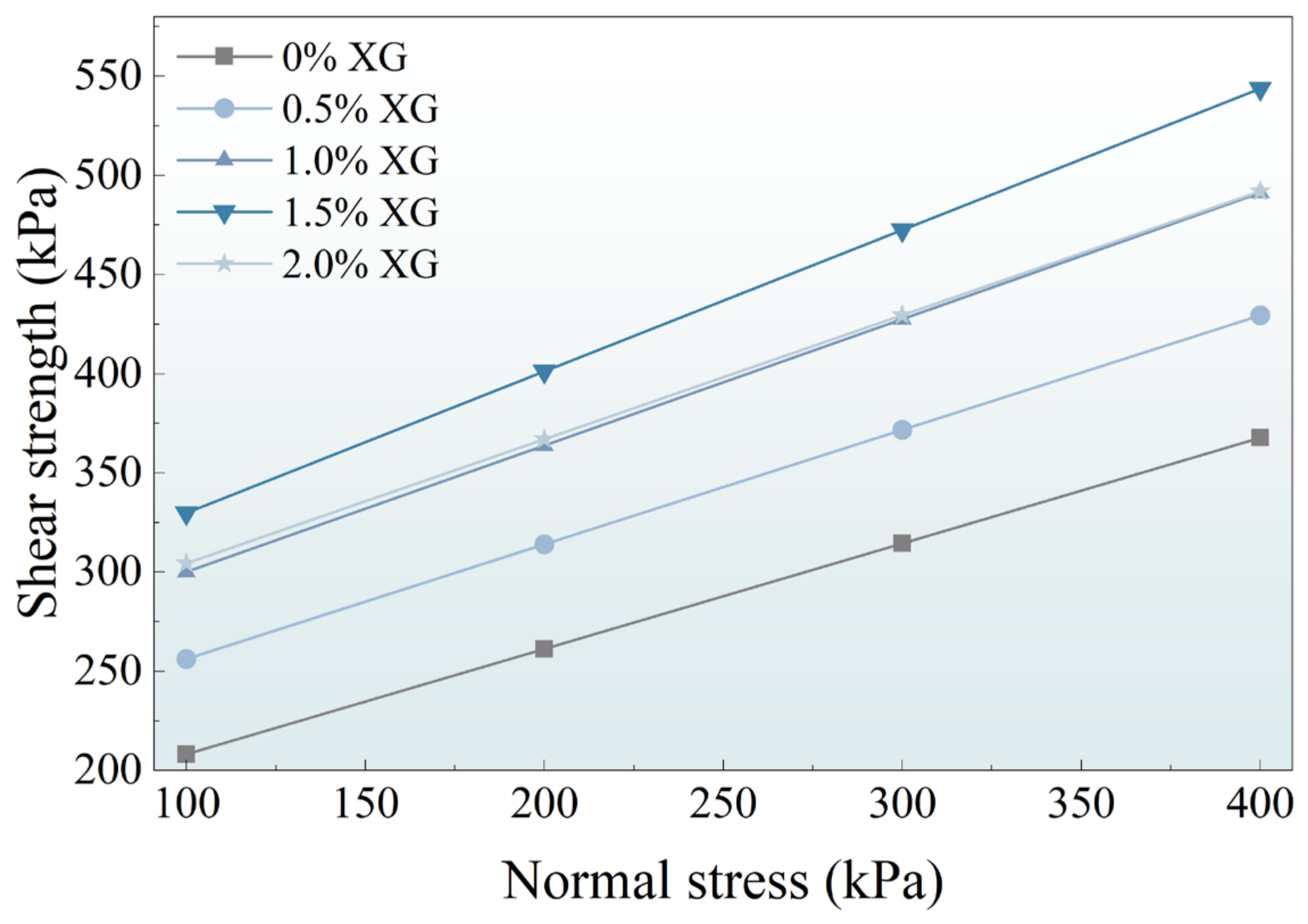
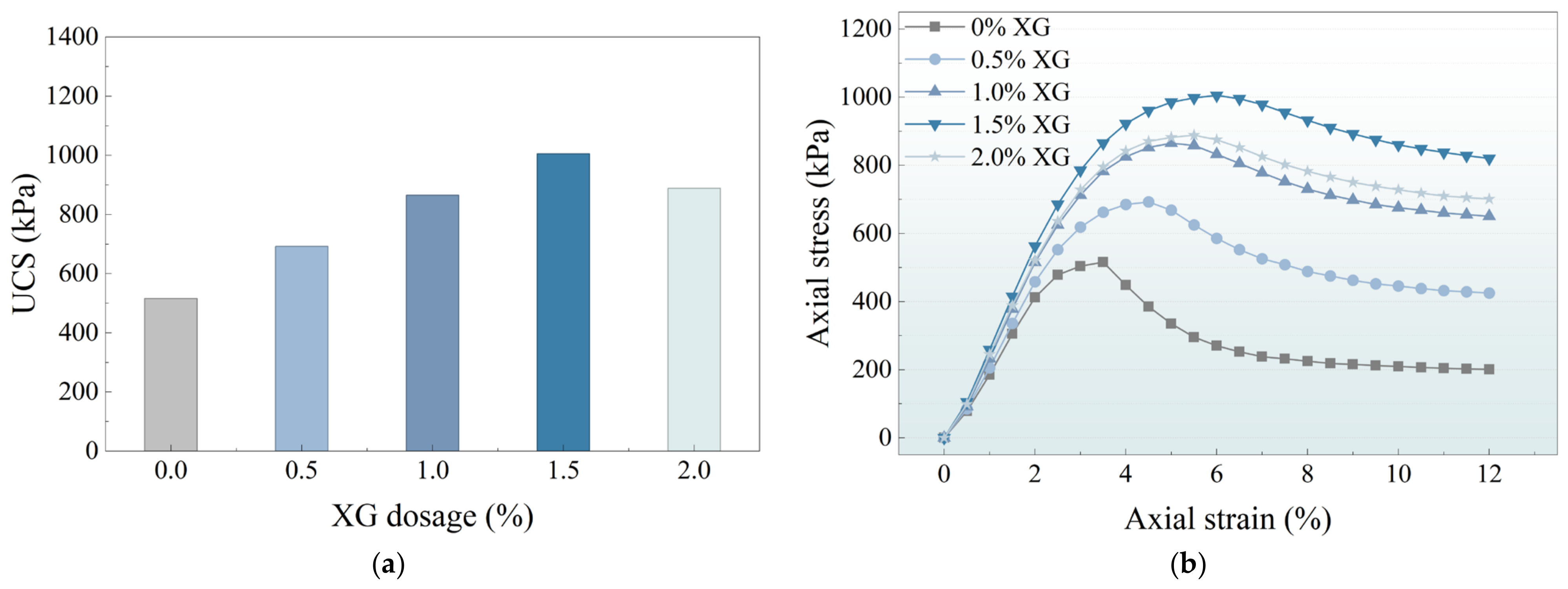
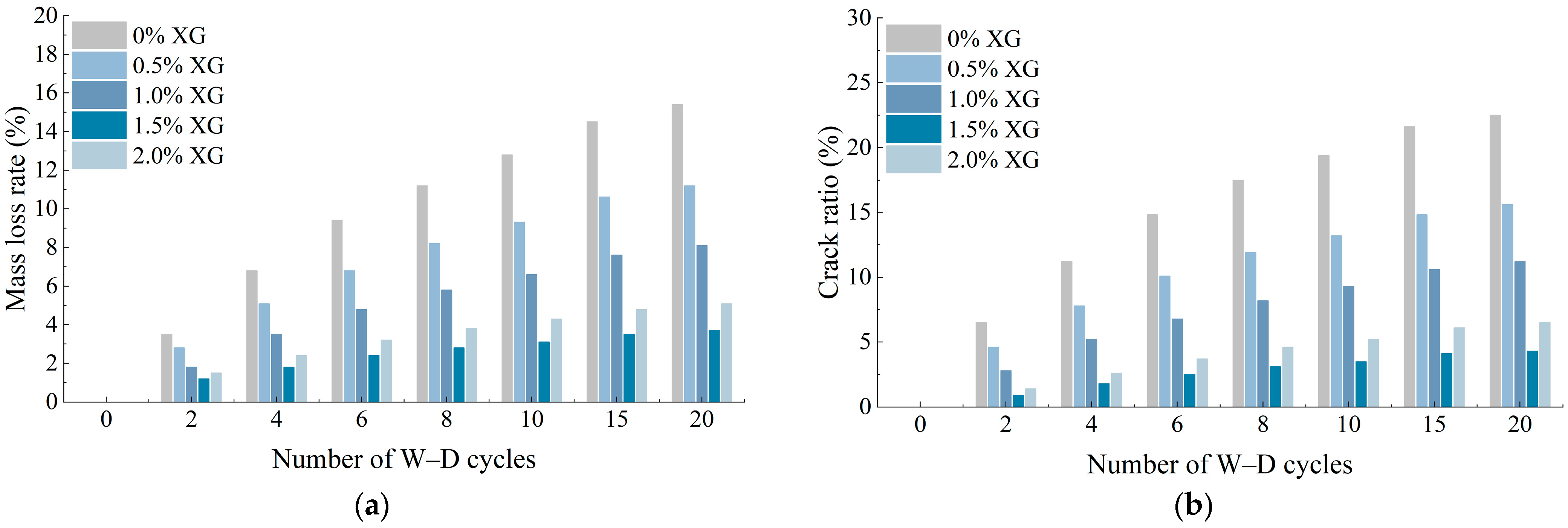
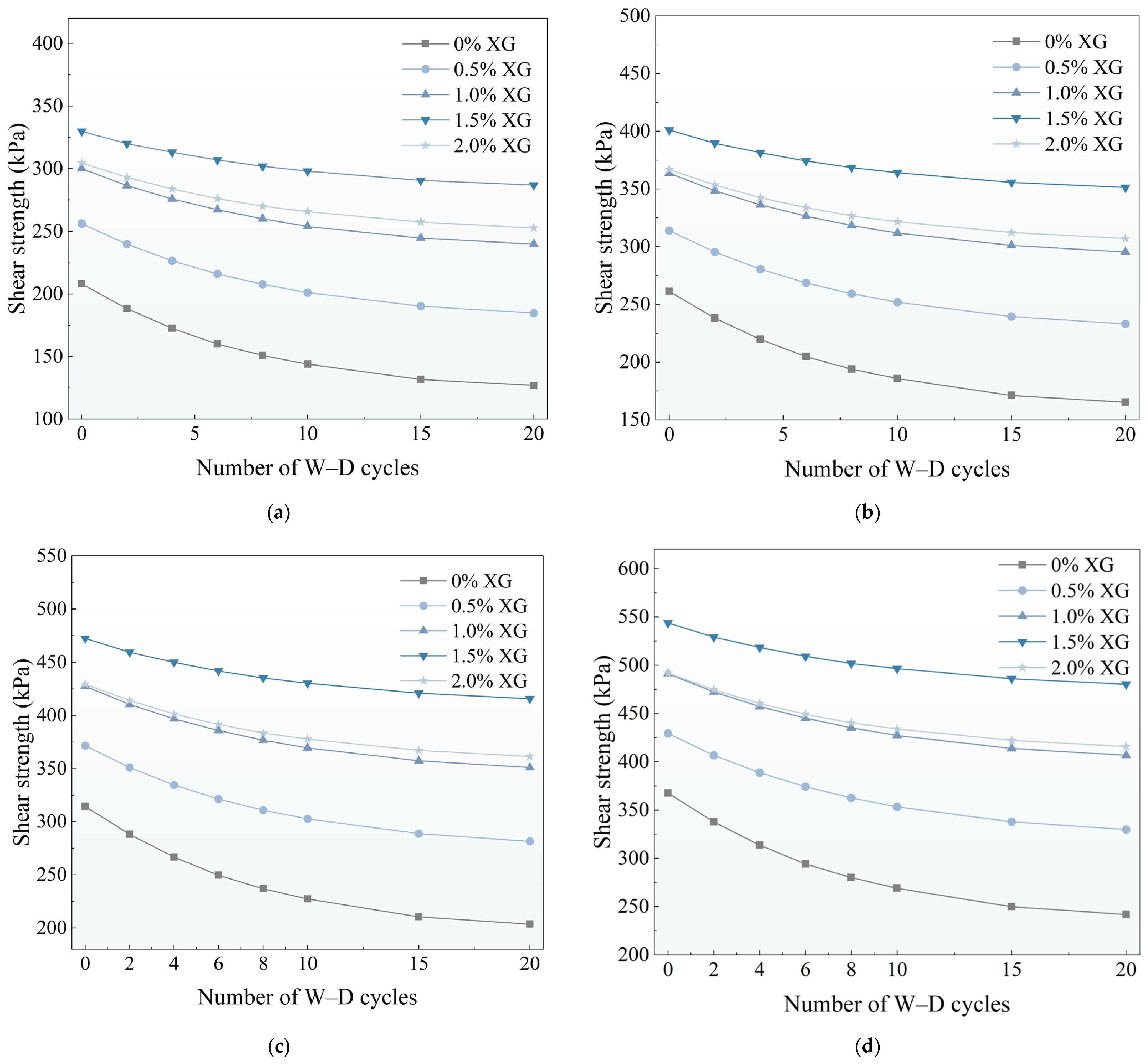
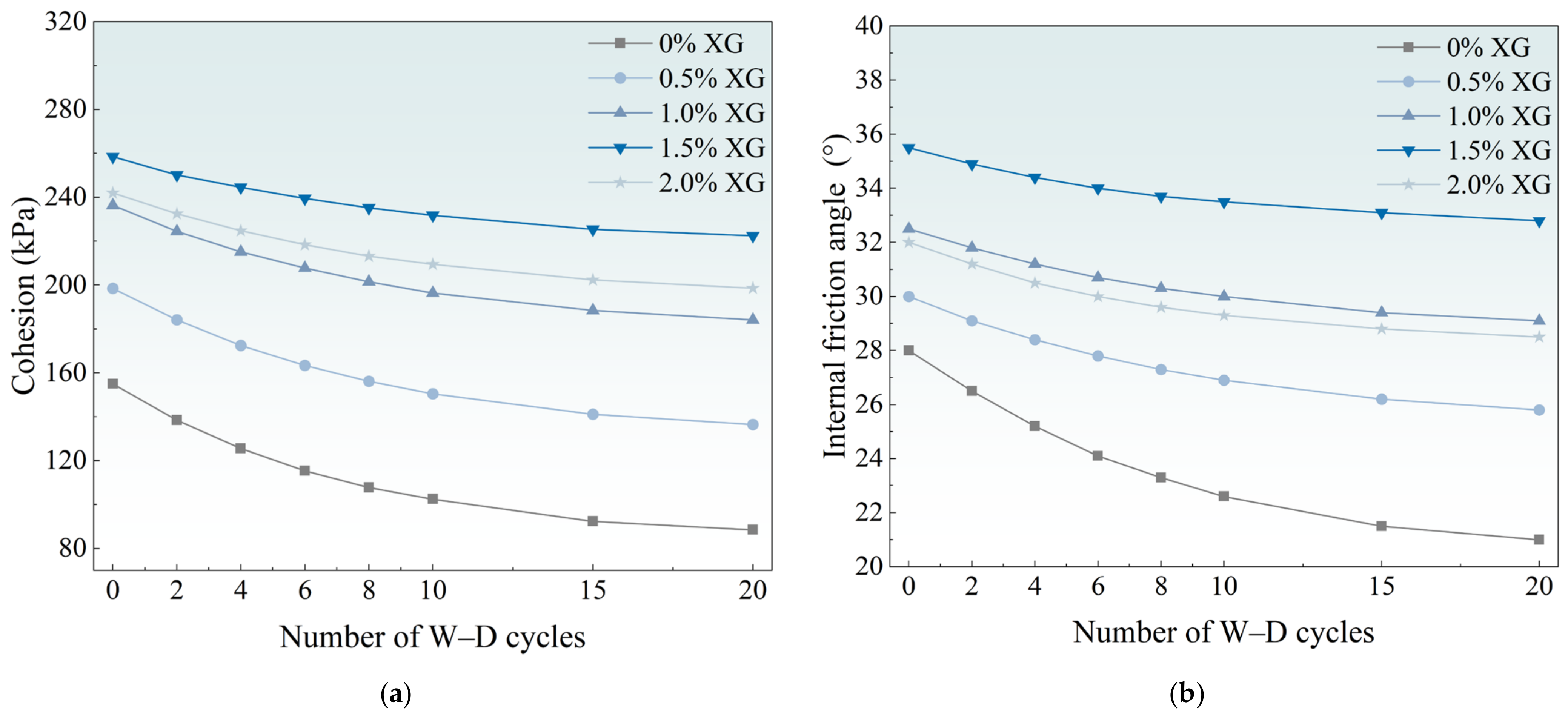
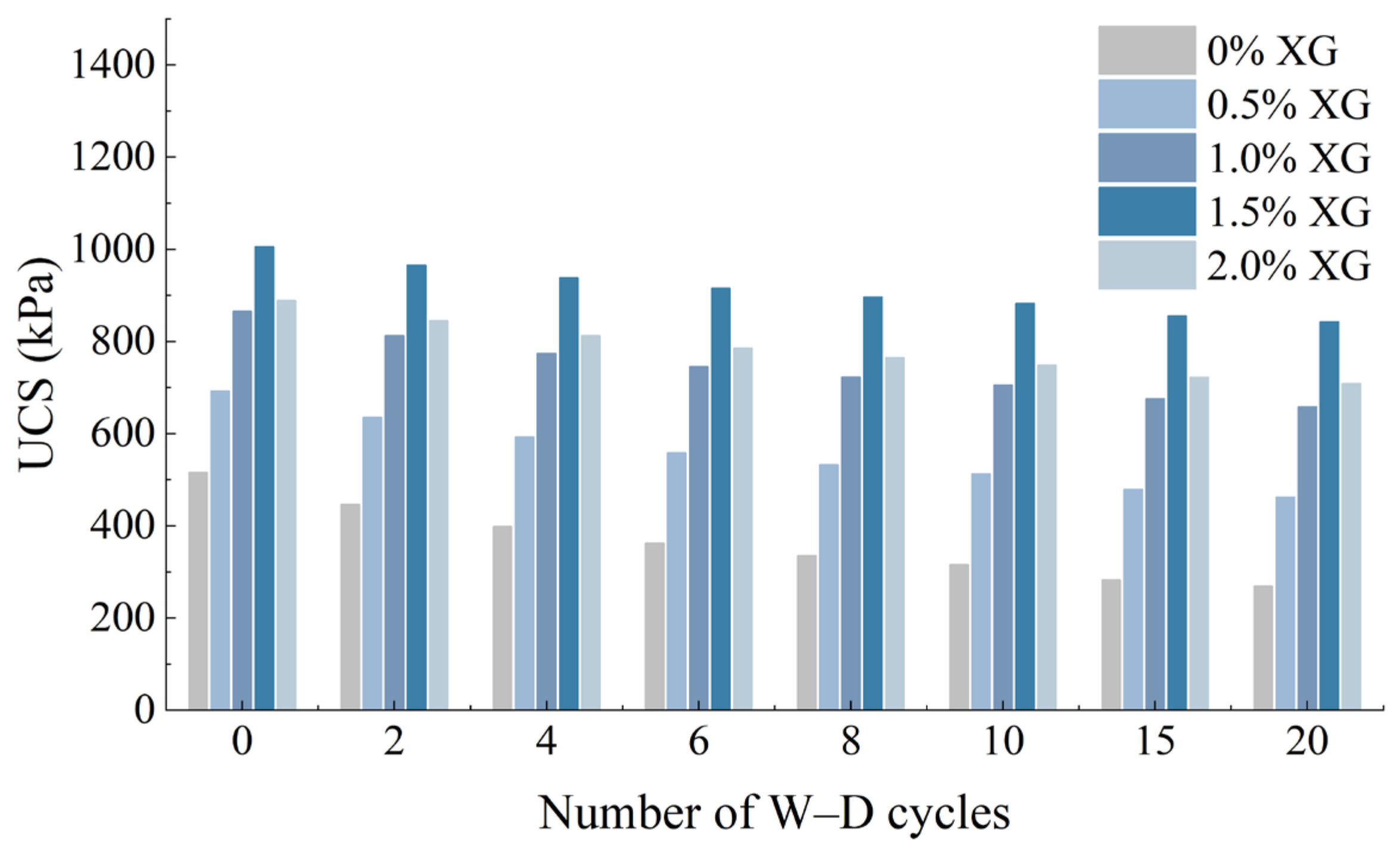
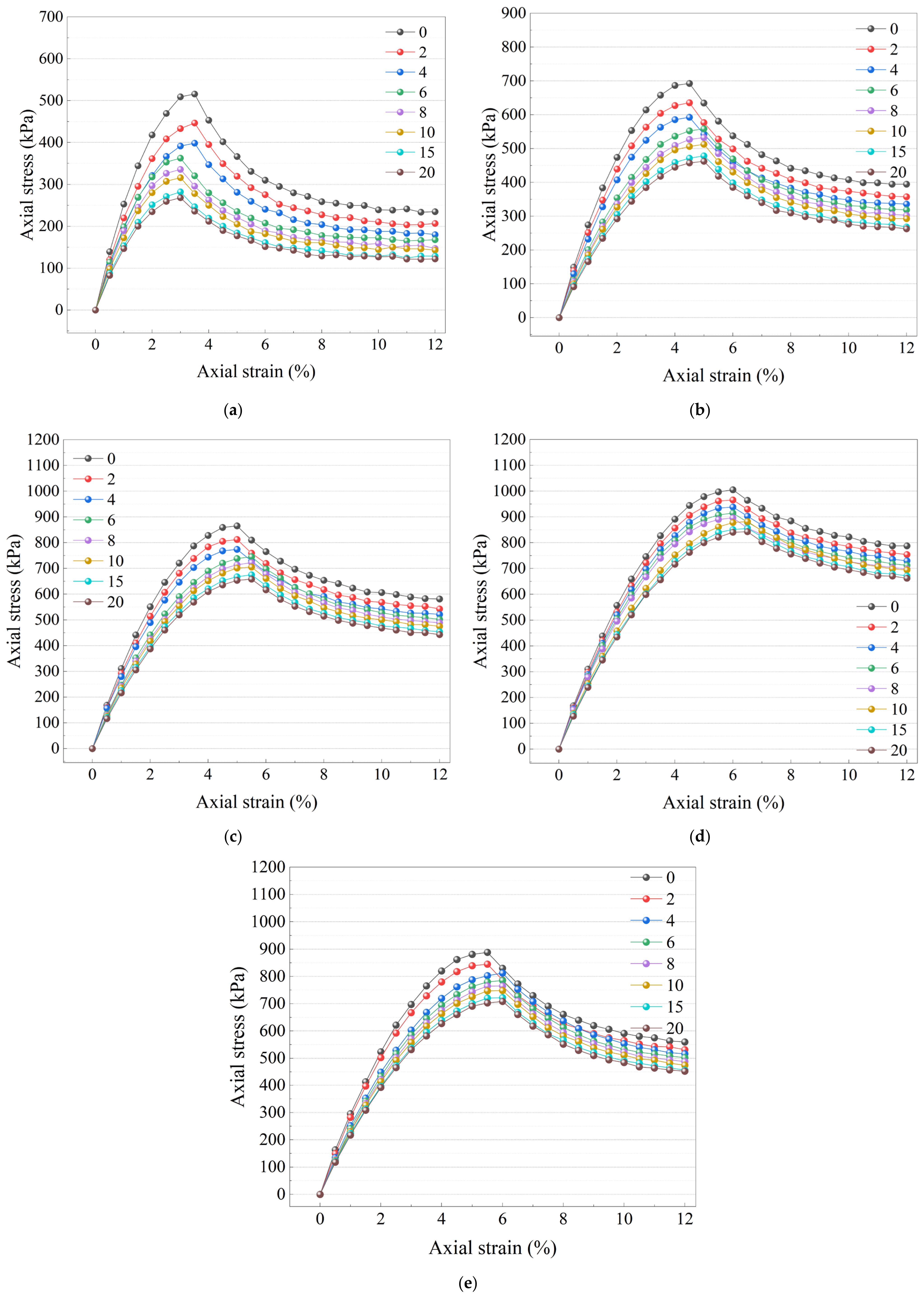
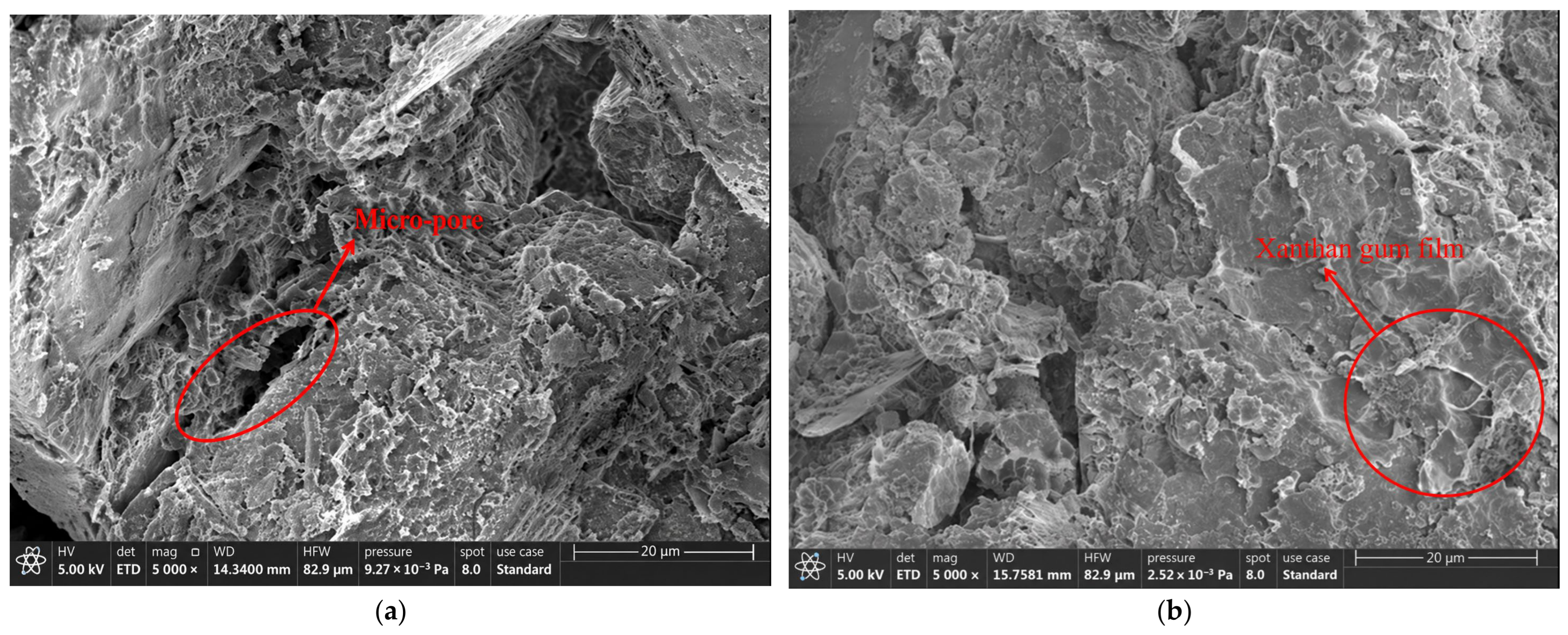
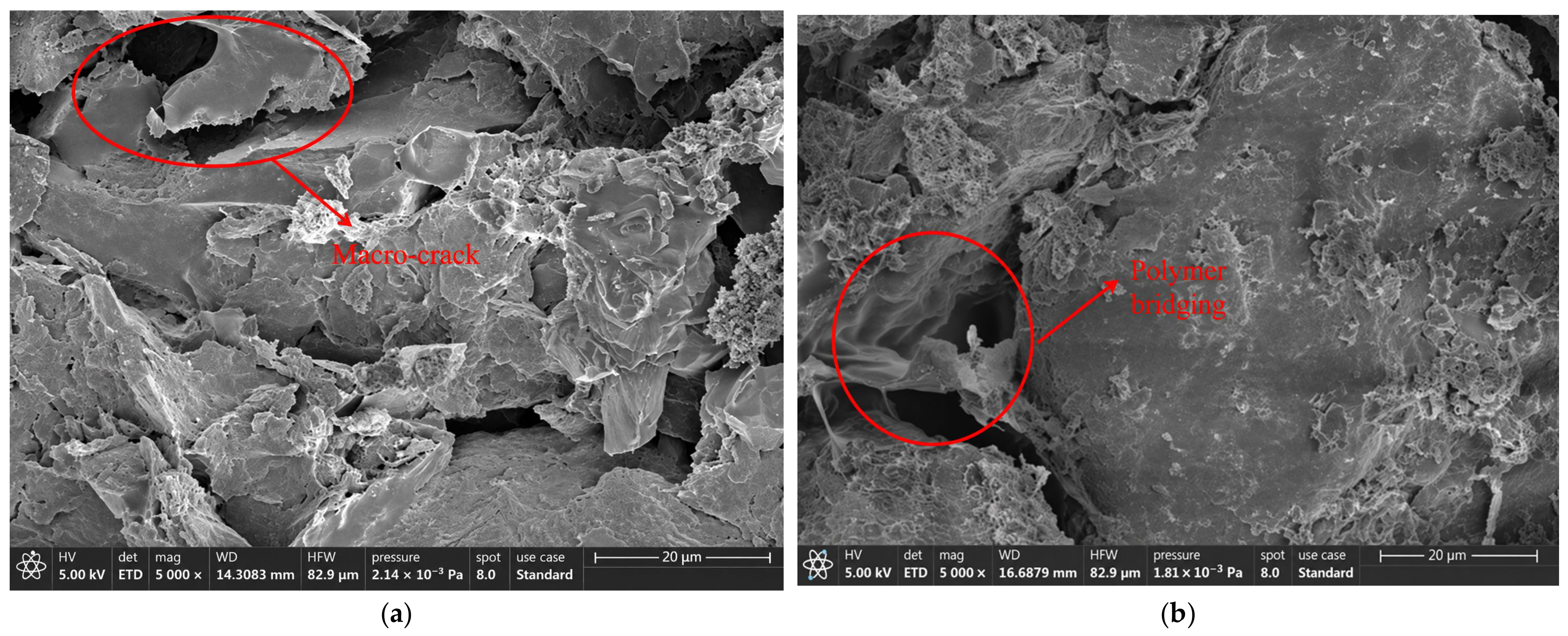
Coastal saline soils are vulnerable to degradation under repeated wetting–drying (W–D) exposure, while conventional inorganic stabilizers are associated with high energy consumption and environmental burdens. To address this issue, an environmentally friendly ternary stabilization system consisting of local sandy silt, low-dose cement, and xanthan gum (XG) at different dosages was developed, with emphasis on the particle-scale coating effect of hydrated XG. Accelerated laboratory W–D cycling (0–20 cycles), direct shear tests, unconfined compressive strength (UCS) tests, binary-image crack analysis, and field-emission scanning electron microscopy (FE-SEM) were used to evaluate the effects of W–D cycling and XG dosage (0%–2.0%) on mechanical properties, interfacial bonding, surface deterioration, and microstructural evolution. An optimum XG dosage of 1.5% was identified. Before W–D cycling, the UCS of the 1.5% XG group reached 1005.4 kPa, 94.9% higher than that of the 0% XG control. After 20 W–D cycles, the 1.5% XG group exhibited a mass loss rate of 3.7%, a crack ratio below 4.3%, and a compressive strength retention of 83.8%, whereas the 0% XG control showed more pronounced mass loss and strength degradation. The XG coating limited water and salt migration and provided flexible interparticle bridging that mitigated shrinkage-induced stress concentration. FE-SEM observations further indicated that XG and cement hydration products formed a relatively continuous organic–inorganic interfacial network, which helped preserve particle contacts and restrain microcrack propagation during cyclic exposure. These results demonstrate the potential of particle-scale XG coating for improving the W–D durability of modified saline soil.
Keywords: coastal saline soil; XG biopolymer coating; wetting–drying cycles; interfacial effects; durability; micro-mechanism coastal saline soil; XG biopolymer coating; wetting–drying cycles; interfacial effects; durability; micro-mechanism